The Olympic program has never been as permanent as it looks. Over the years, organizers have dropped sports because they attracted too few countries, required unusual venues, overlapped with another event, or simply stopped fitting the direction of the Games. In several early Olympics, no detailed official explanation was recorded at all. Looking back, some of the discarded competitions seem impractical, while others feel surprisingly ready for a comeback.
1. Tug of War
TODAYILEARNED / VIA REDDIT
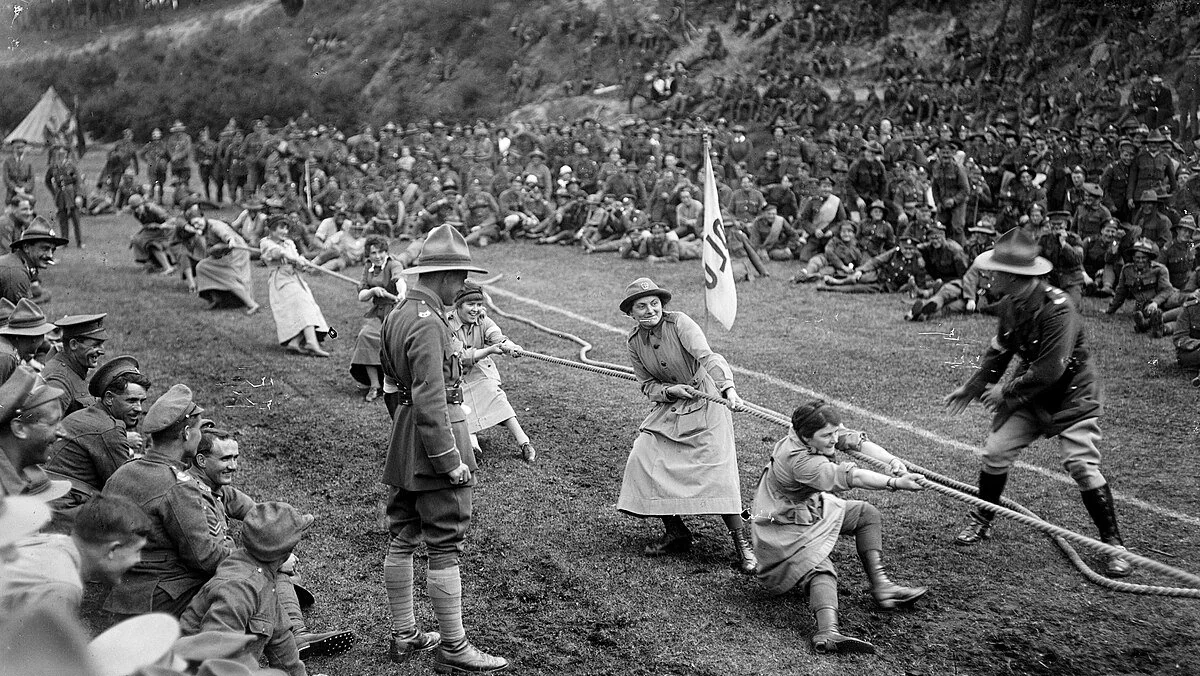
Tug of war appeared at five Olympic Games between 1900 and 1920, with teams attempting to pull their opponents across a marked line. It was treated as an athletics event rather than a playground diversion, and competitors often came from police clubs or athletic associations. The sport disappeared as the Olympic program became more standardized, although no single dramatic reason explains its removal. Considering how easy it is to understand and how little equipment it requires, its absence now feels stranger than its original inclusion.
2. Croquet
WIKIMEDIA COMMONS
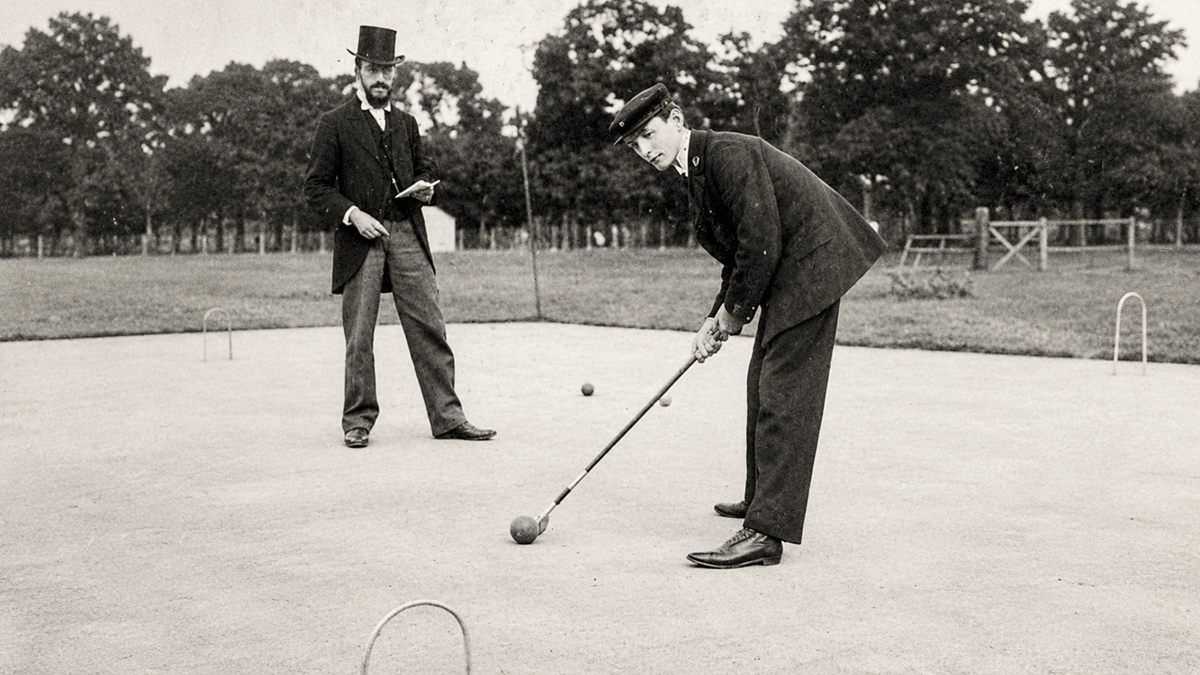
Croquet received its only Olympic appearance in Paris in 1900, where several events were held as part of a sprawling program connected to the world’s fair. Participation was extremely limited, media coverage was scarce, and nearly every competitor represented France. Those weaknesses made croquet an easy event to leave behind, but the sport itself was hardly more unusual than golf or curling. The competition was also notable for including women at a time when female Olympic participation was still extremely rare.
3. Roque
WIKIMEDIA COMMONS
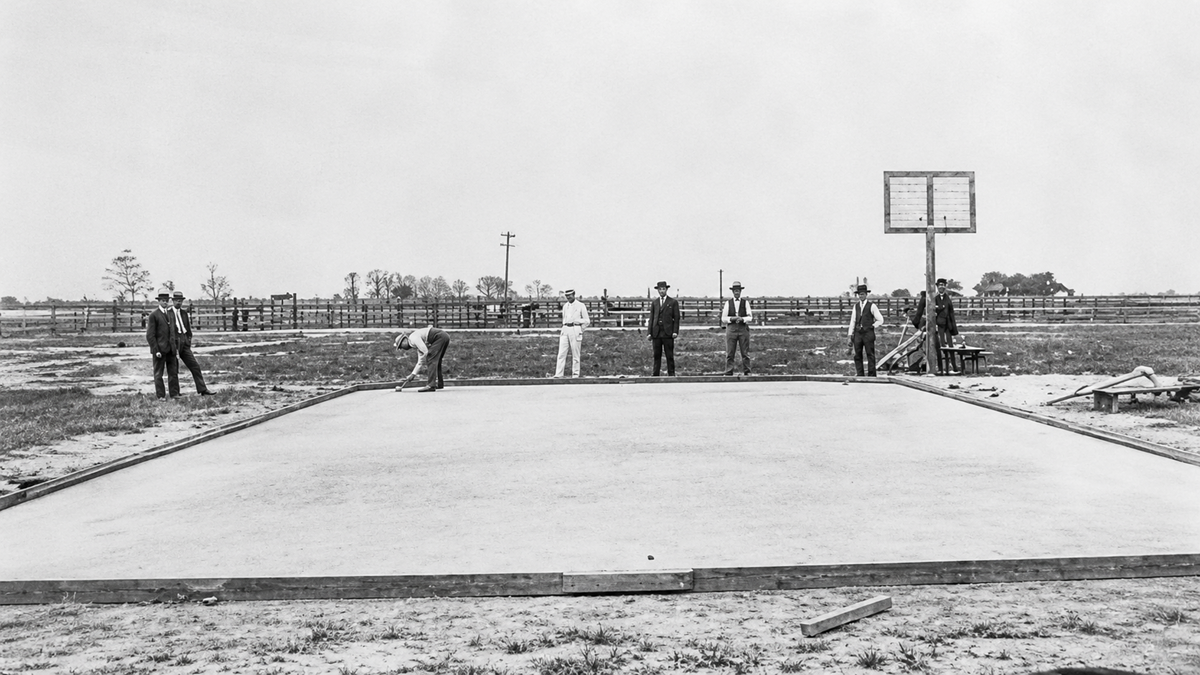
When the Olympics reached St. Louis in 1904, organizers replaced croquet with roque, an American version played on a hard court with raised borders. Only four American athletes participated. Unsurprisingly, a competition with no international field did not return, yet the event’s disappearance had more to do with its narrow geographic reach than anything inherently unsuitable about the game.
4. Jeu de Paume
WIKIMEDIA COMMONS
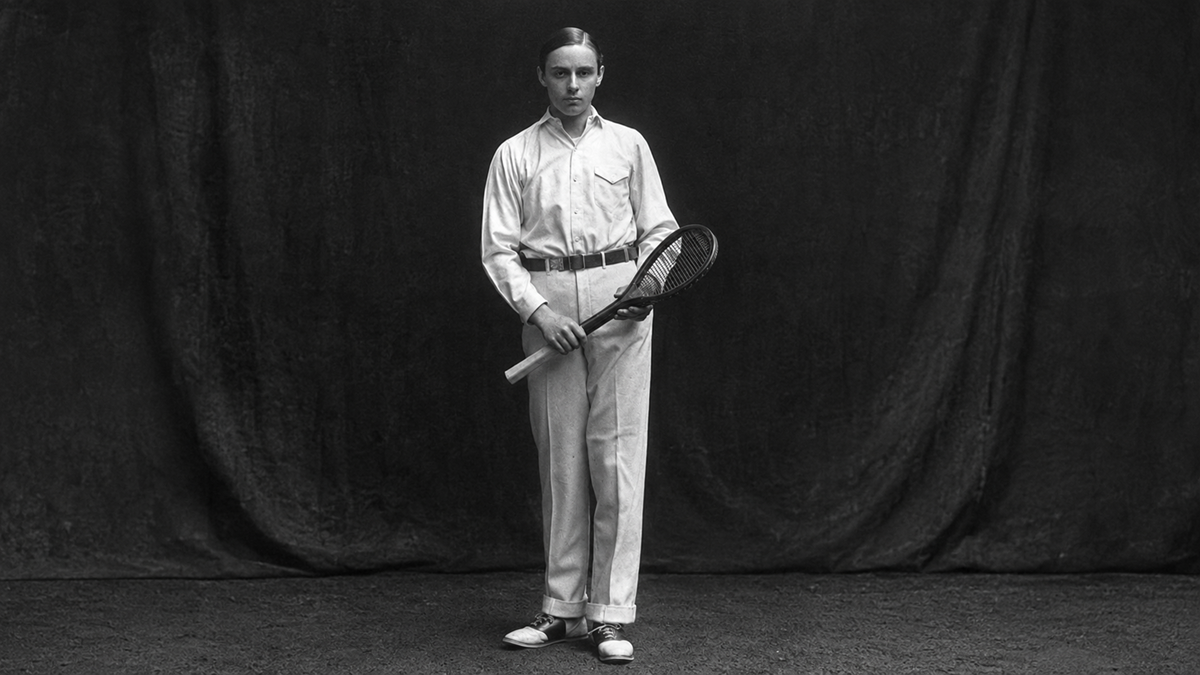
Jeu de paume, also known as real tennis or court tennis, was contested once at the 1908 London Games. The indoor sport is an ancestor of modern tennis, played on an enclosed court with walls, sloping roofs, and a scoring system that can be difficult for newcomers to follow. Only 11 men from the United States and Great Britain entered the Olympic tournament. Its small competitive base worked against it, even though its more familiar descendant became one of the world’s biggest sports.
5. Polo
OLYMPICS.COM
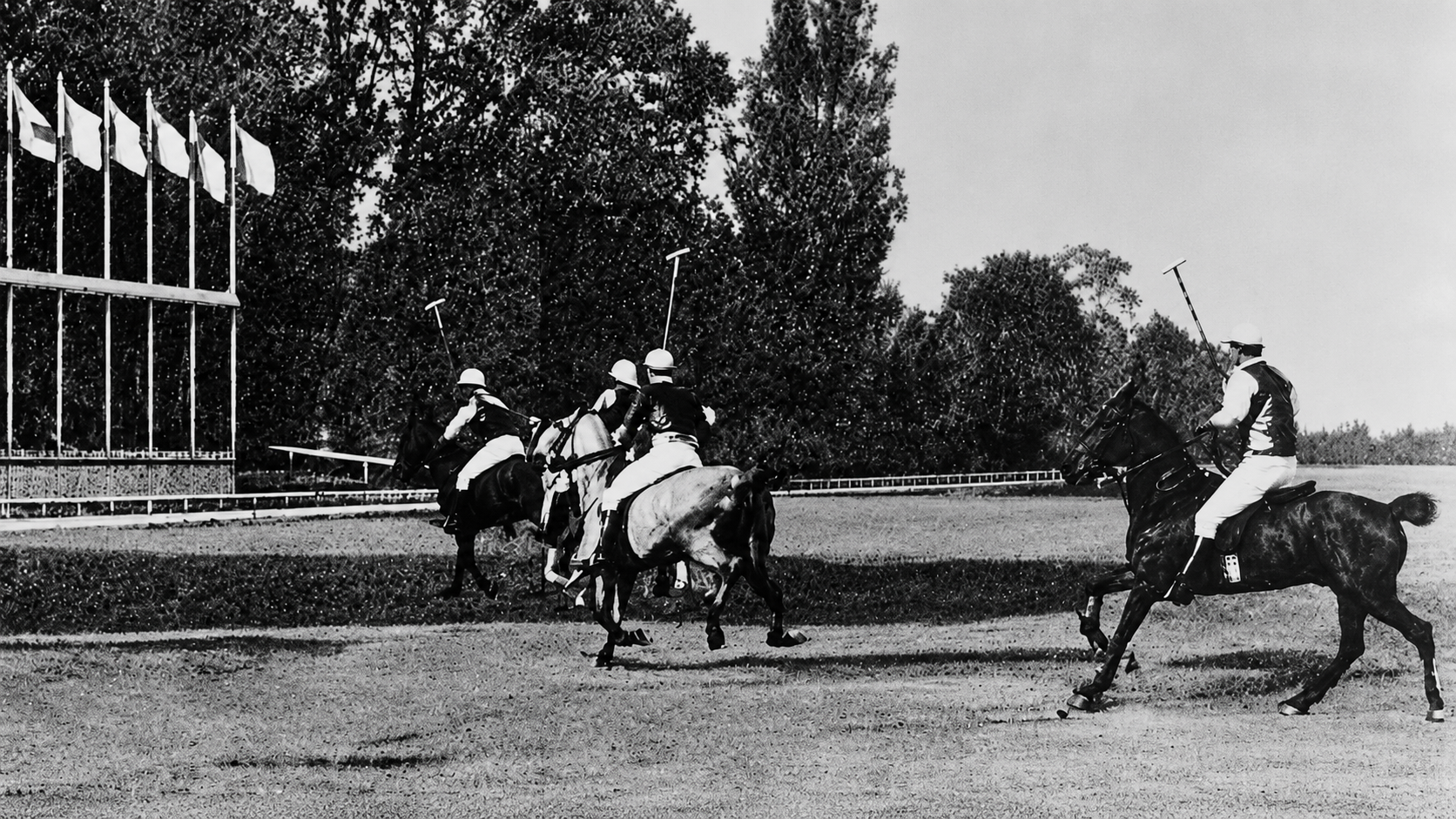
Polo appeared intermittently at the Olympics in 1900, 1908, 1920, 1924, and 1936. The matches offered speed, contact, strategy, and international rivalries, but transporting horses and maintaining suitable grounds made the event expensive and complicated. Polo also remained concentrated in a relatively small number of countries. Those are understandable logistical concerns, although equestrian sport never disappeared from the Games, making polo’s exclusion feel somewhat inconsistent.
Trending on The Scroller

6. Cricket
CRANTAF / VIA YOUTUBE
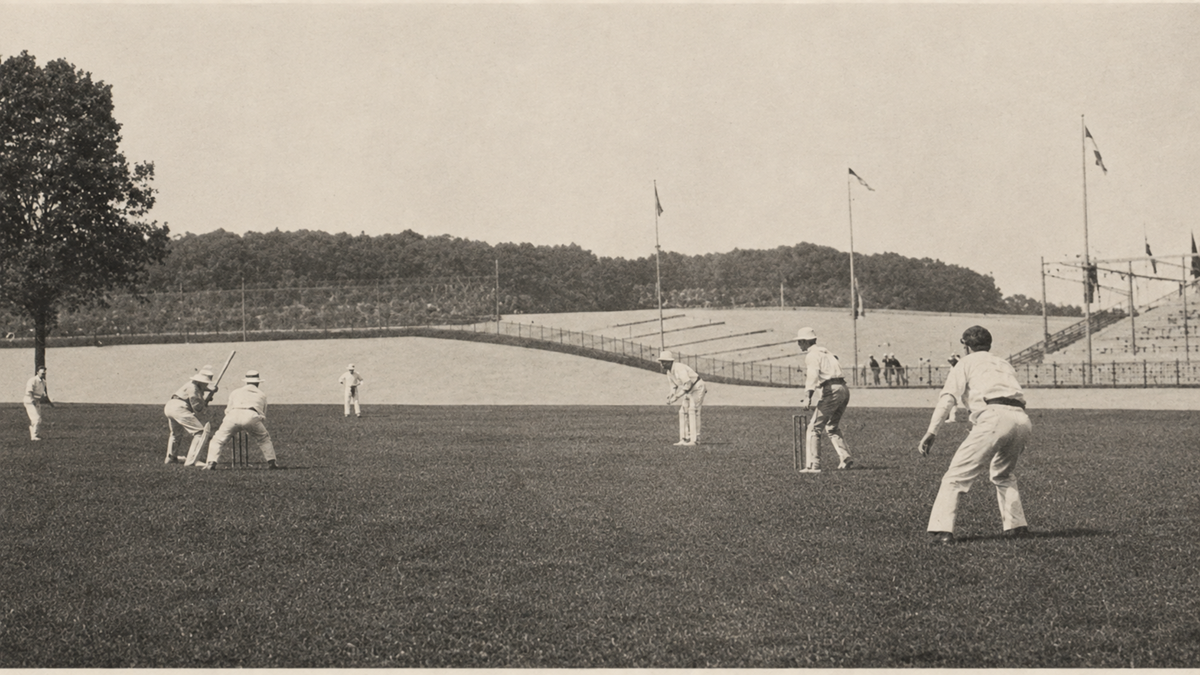
Olympic cricket in 1900 consisted of a single match between teams representing Great Britain and France, although the French side was largely made up of British expatriates. Several expected teams withdrew, leaving organizers with a two-team tournament that barely looked international. Cricket did not return for more than a century, partly because its traditional matches were too long for the Olympic schedule. Shorter formats eventually solved much of that problem, and cricket is now scheduled to return at Los Angeles 2028.
7. Lacrosse
WIKIMEDIA COMMONS
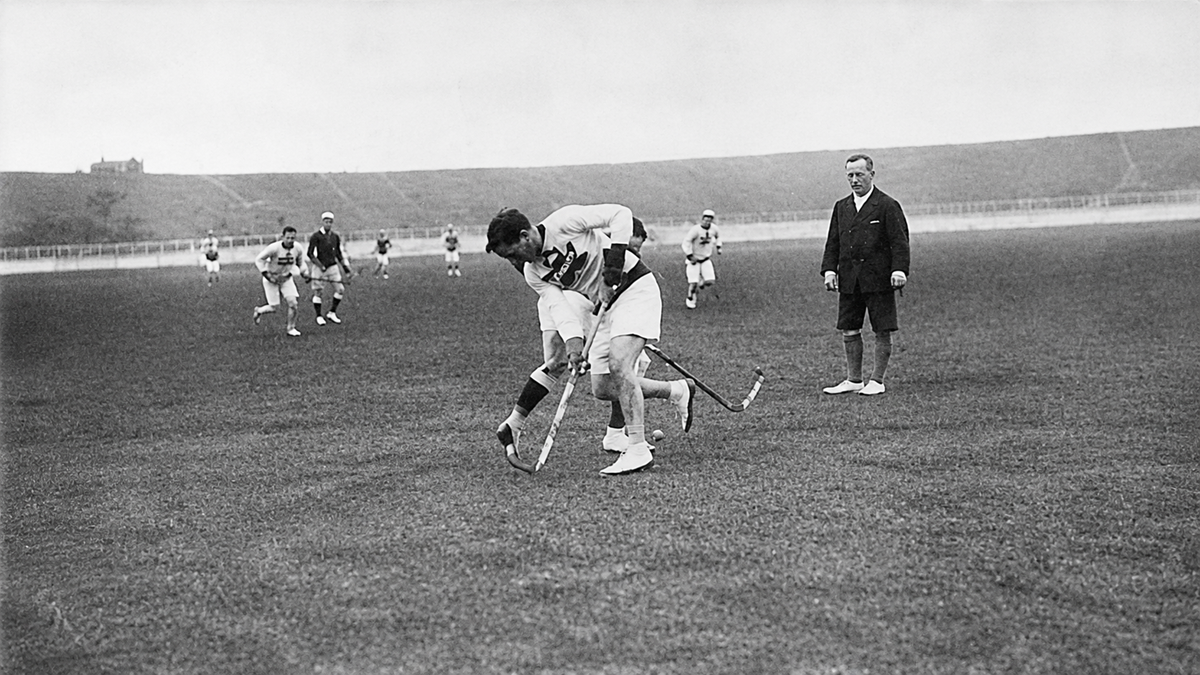
Lacrosse was a medal sport in 1904 and 1908 before later appearing as a demonstration event. Early Olympic participation was small, and the sport lacked the broad international structure needed to secure a regular place on the program. For decades, that left one of North America’s oldest organized sports outside the Games. The decision has finally been reconsidered, with the six-player lacrosse format approved for Los Angeles 2028.
8. Motor Boating
WIKIMEDIA COMMONS
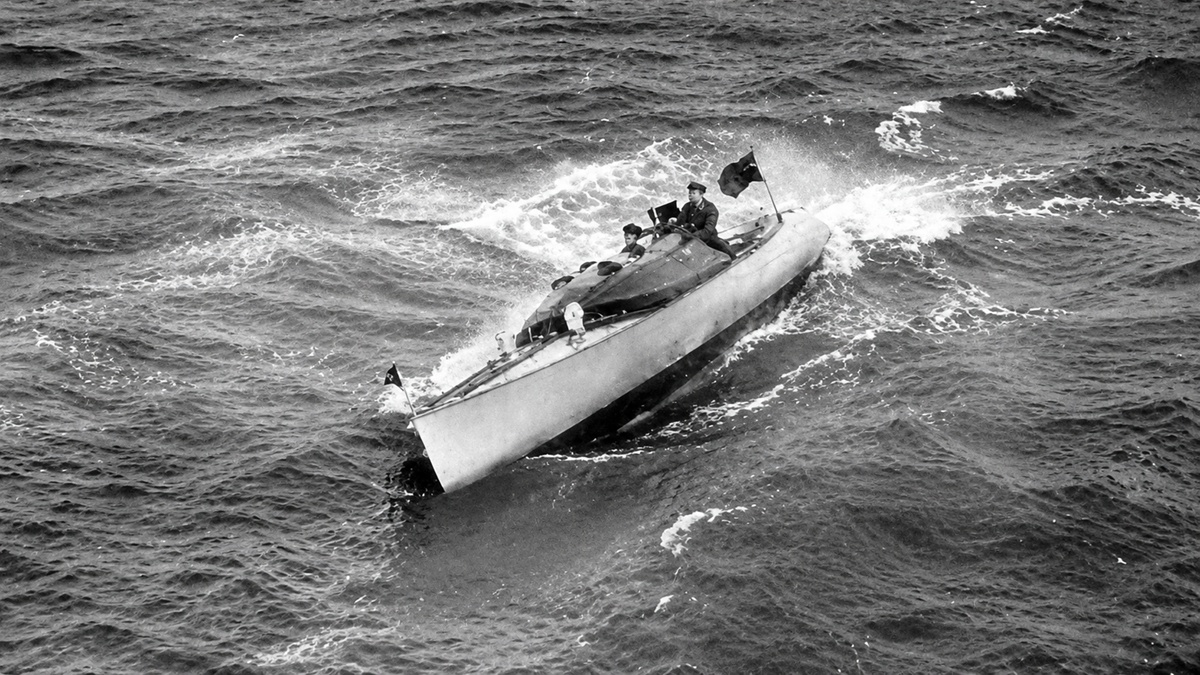
Three motor boating races were held at the 1908 London Olympics, making it the only motorized sport to award Olympic medals. Bad weather caused chaos, and most of the boats failed to finish. Only one boat completed each event, removing much of the suspense organizers presumably expected. The sport never returned, but an Olympic competition built around engineering, navigation, and speed would not seem especially out of place in a modern sporting landscape filled with advanced technology.
Sign up for our newsletter
9. Standing Jumps
WIKIMEDIA COMMONS
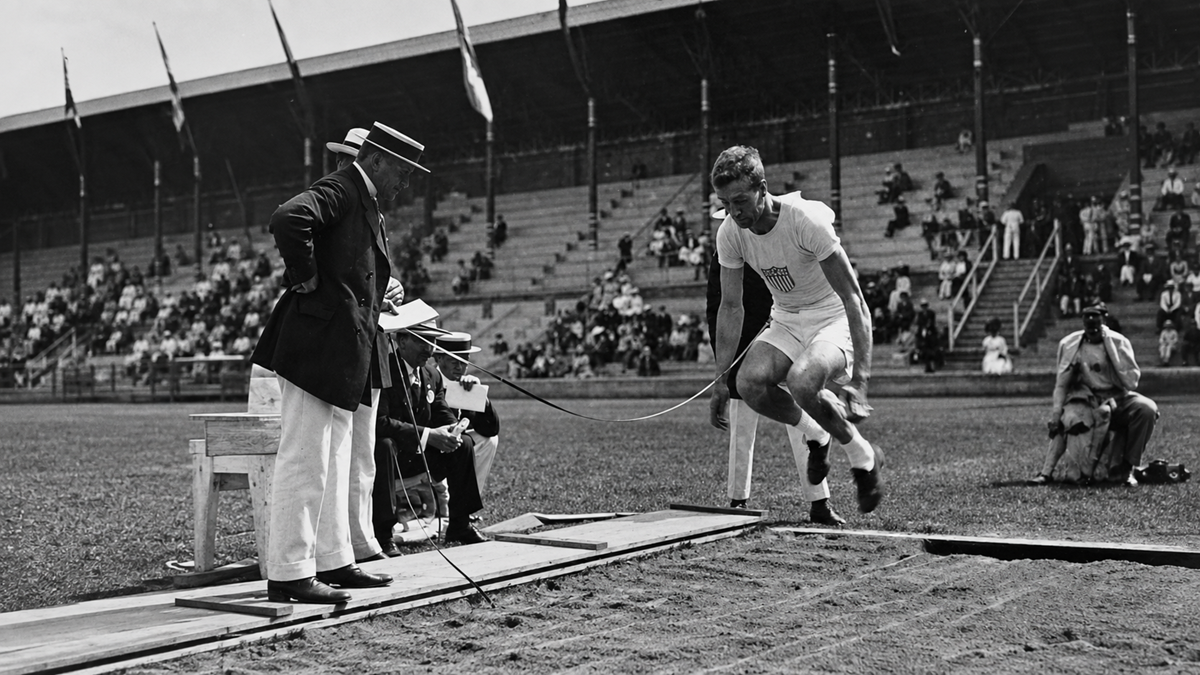
Early Olympic athletics included standing versions of the high jump, long jump, and triple jump. Competitors had to leap without taking a run-up, turning each event into a direct test of explosive power. The standing jumps were removed after the 1912 Games as athletics narrowed its program and favored the running versions. They may have been repetitive, but the modern Olympics still regularly offers closely related events that test slightly different abilities.
10. Rope Climbing
WIKIMEDIA COMMONS
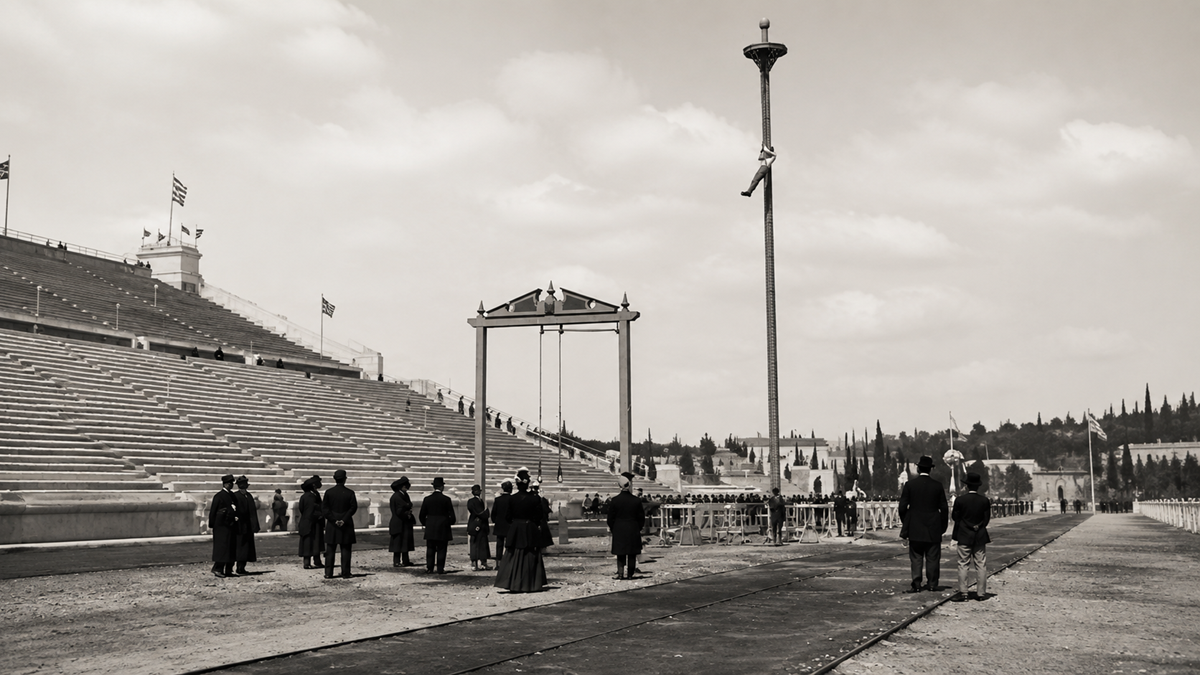
Rope climbing was part of the Olympic gymnastics program at several early Games, although the format changed from one edition to another. Athletes were sometimes judged by speed and sometimes by both speed and style. It vanished after 1932 as gymnastics moved toward a more consistent apparatus program. The event would look unusual beside the balance beam and pommel horse, but climbing a rope quickly is at least as clear and measurable as many judged competitions.
11. Plunge for Distance
TODAYILEARNED / VIA REDDIT
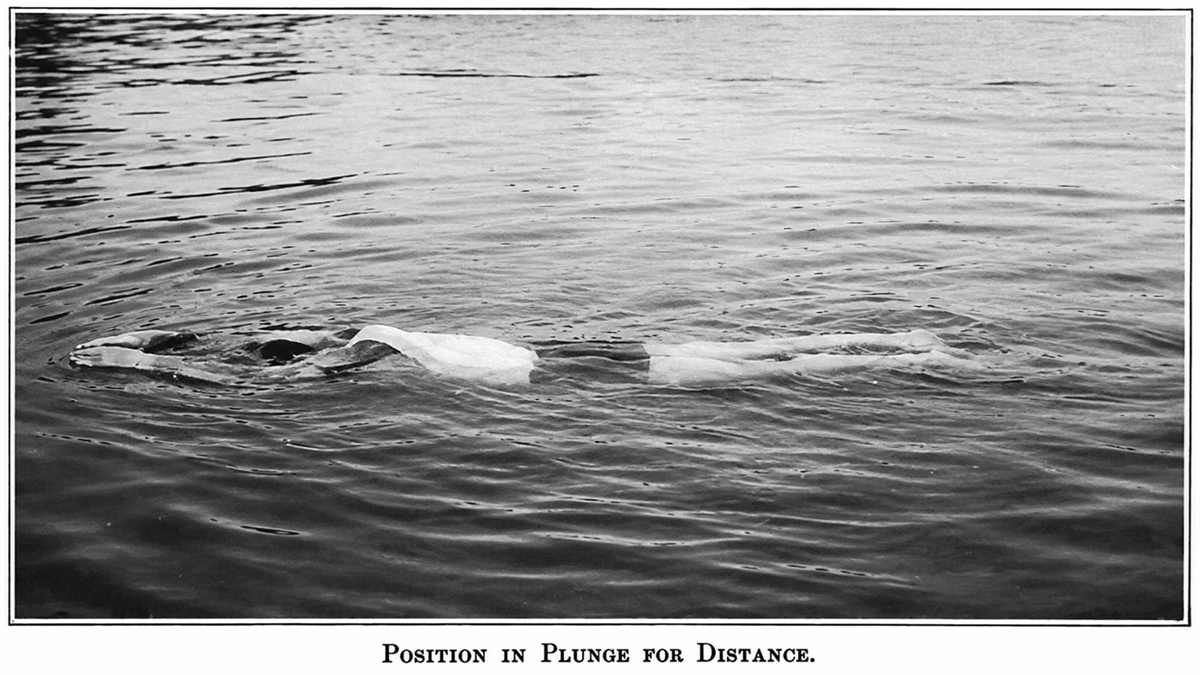
The 1904 Olympics included a swimming event in which competitors dived into the water and coasted forward without moving their arms or legs. Distance was measured after 60 seconds or when the swimmer’s head broke the surface. Critics considered it less athletic than racing, and it never received another Olympic appearance. Still, an event built around technique, body position, and underwater efficiency does not sound entirely absurd next to modern gliding and sliding sports.
12. Underwater Swimming
OLYMPICS / VIA REDDIT
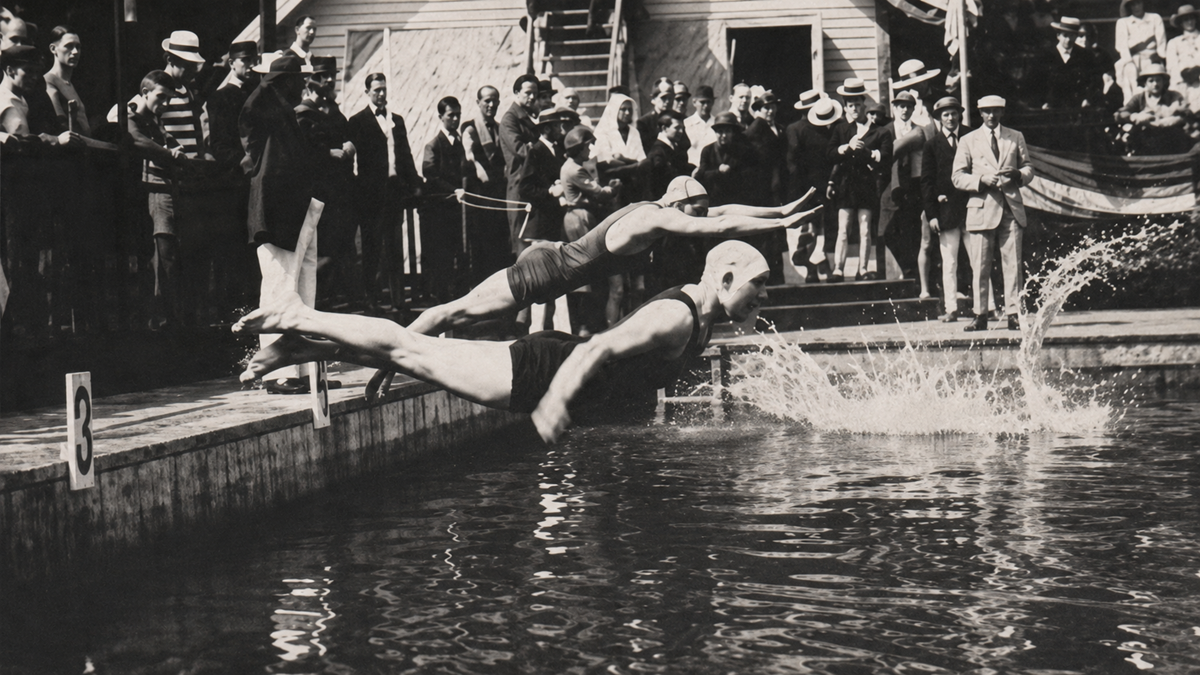
At the 1900 Paris Games, swimmers earned points for the distance they covered and the amount of time they remained underwater. The audience could not easily follow the action, which was a serious problem for a spectator event. It was dropped after its only appearance. That explanation makes sense, although underwater cameras and electronic tracking would make the competition far easier to present today.
13. The Swimming Obstacle Race
SWIMMING / VIA REDDIT
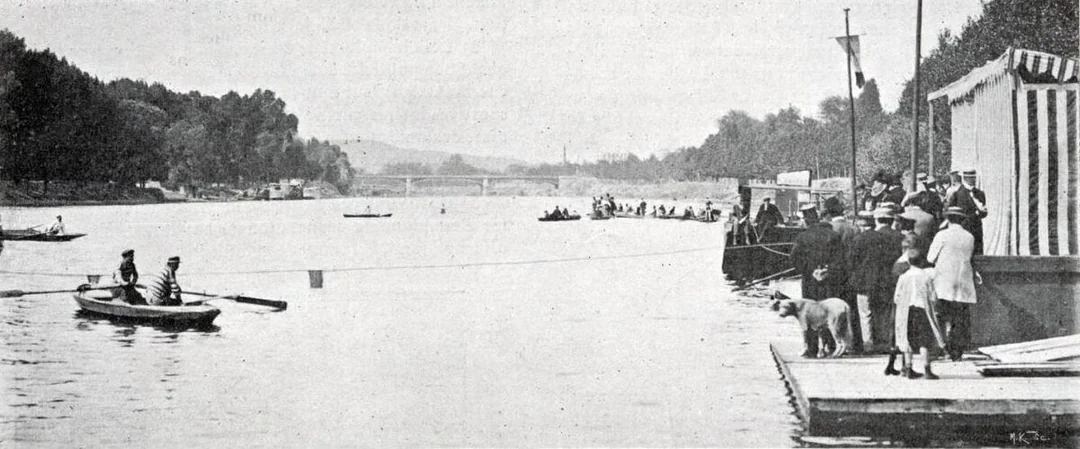
The 200-meter obstacle race at Paris 1900 required swimmers to climb over a pole, scramble across a row of boats, and pass underneath another row before reaching the finish. Britain’s Frederick Lane won the event, which was held in the River Seine. It never appeared again, likely because standardized pool racing became the preferred direction for Olympic swimming. With obstacle-course competitions now popular around the world, this discarded race suddenly sounds less ridiculous than it once did.
14. Solo Synchronized Swimming
OLYMPICS / VIA REDDIT
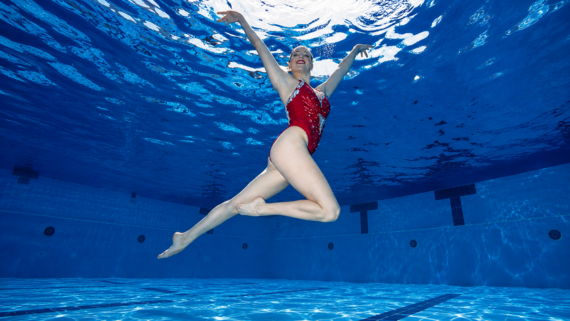
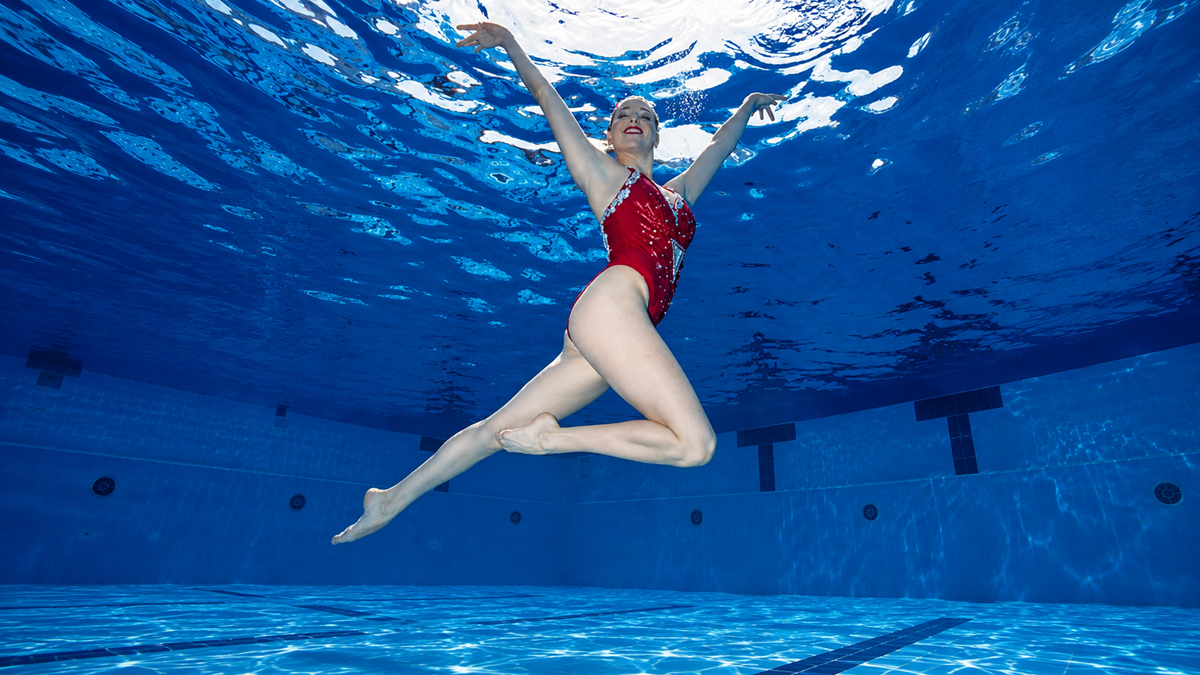
Solo synchronized swimming was held at the Olympics in 1984, 1988, and 1992. The name confused many viewers because synchronization normally suggests coordination between multiple people, but the swimmer was actually performing in time with the music. The solo event was eventually removed as the Olympic program shifted toward duet and team competitions. It was a branding problem as much as a sporting one, since individual artistic routines remain perfectly normal in gymnastics and figure skating.
15. Ski Ballet
OLYMPICS / VIA REDDIT
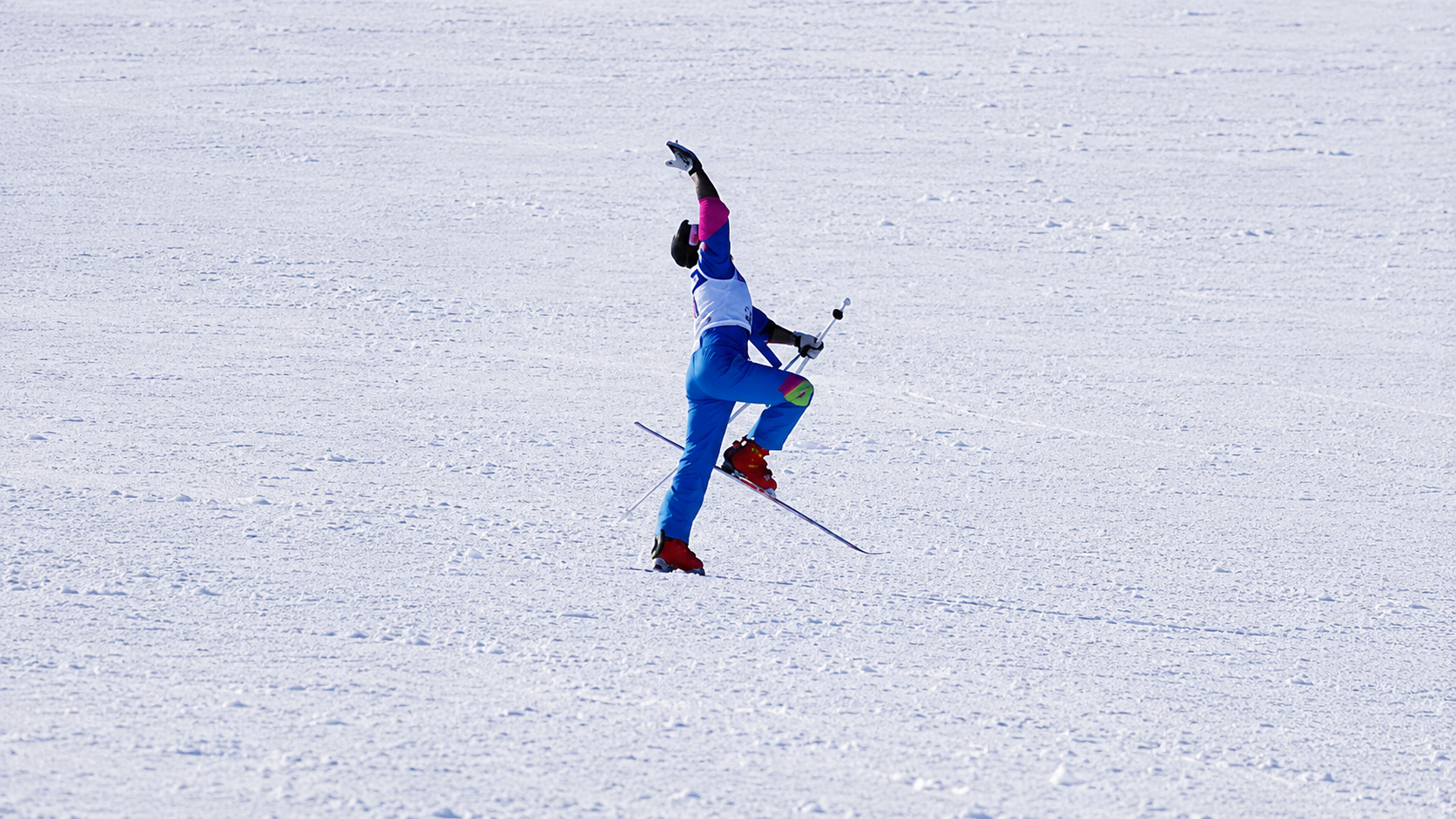
Ski ballet appeared as a demonstration event at the 1988 and 1992 Winter Olympics. Competitors performed choreographed routines involving spins, jumps, steps, and acrobatic movements while descending a gentle slope to music. The discipline struggled to build a large international following and faded as freestyle skiing concentrated on events that were easier to race or score. With slopestyle, halfpipe, and big air now established Olympic attractions, ski ballet’s theatrical style no longer seems especially difficult to imagine on the program.
In the mood for more?
Check out 20 Olympic Events That No Longer Exist, or take a look at 15 Colorized Photos From The Olympics (1900s-1970s). If you want to see more strange Olympic history, you can check out 14 Olympic Scandals That Became Bigger Than the Games.