Popular dance styles have always had a way of bringing people together, whether it was a crowded ballroom in the 1930s, a glittering disco in the 1970s, or a wedding reception where everyone somehow knew the same moves. Every generation had its favorite steps, and for a while, certain dances seemed absolutely impossible to escape.
Long before viral dance challenges and online tutorials, a hit song, a television appearance, or one unforgettable night out could spark a nationwide craze. From swinging partners to synchronized party crowds, these 16 dances take us back to the days when the dance floor was the place to be.
1. The Charleston: The Roaring Twenties in Motion
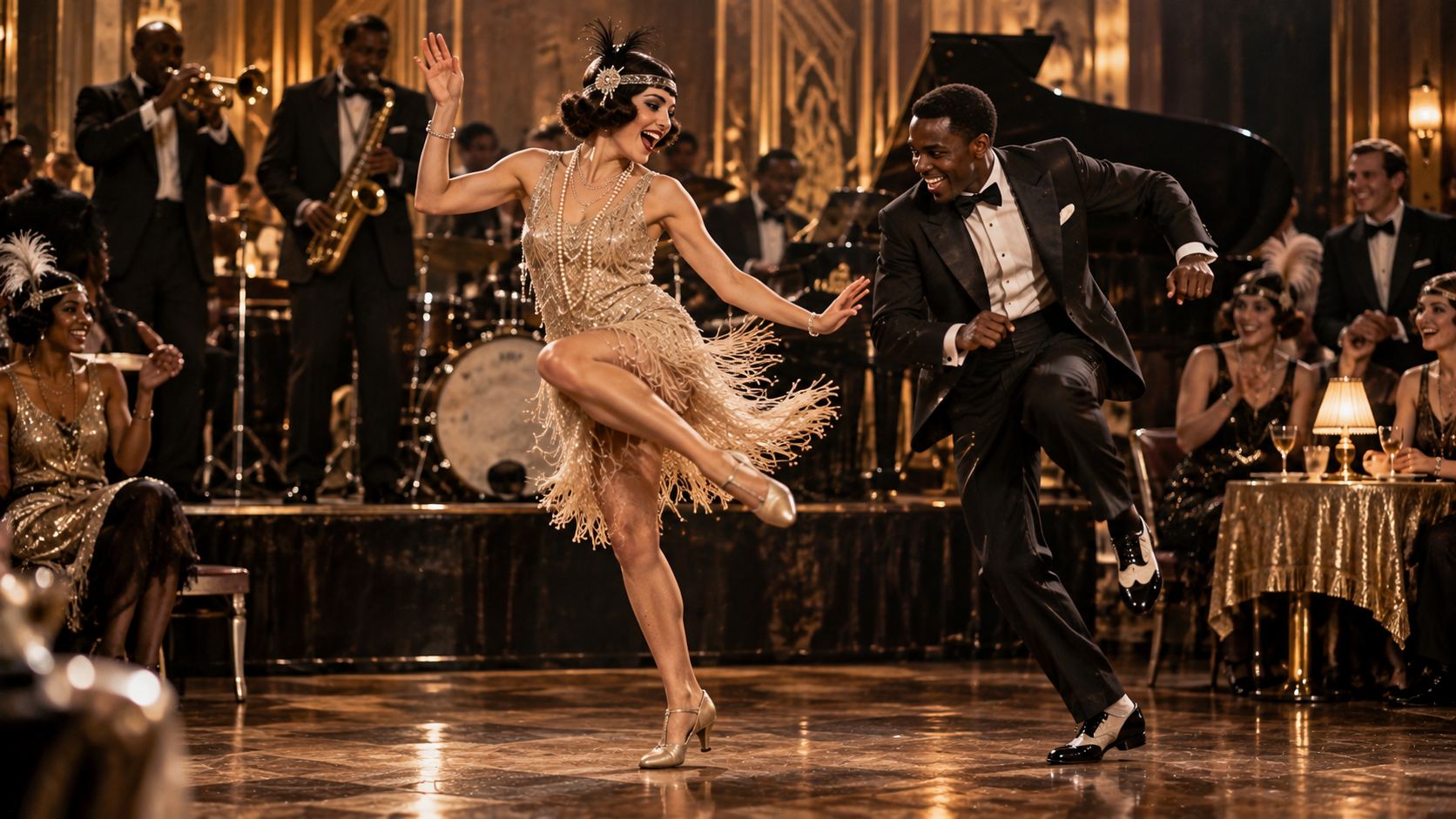
Few dances captured the spirit of the 1920s quite like the Charleston. Rooted in African American dance traditions, it burst into mainstream popularity during the Jazz Age, bringing swinging arms, twisting knees, and energetic kicks to crowded dance floors. Flappers embraced its playful freedom, and suddenly everyone wanted to move to the rhythm of jazz. Looking at those old photographs, it’s almost impossible not to imagine the music playing.
2. Lindy Hop: When Swing Took Flight

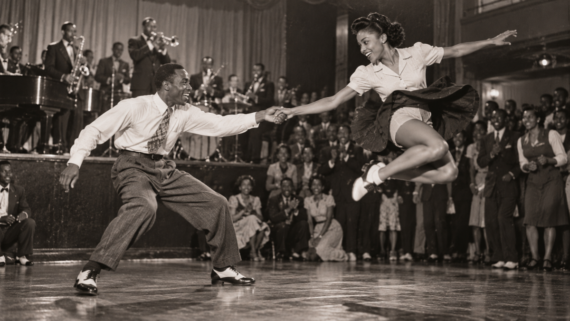
Harlem’s legendary Savoy Ballroom was the perfect home for Lindy Hop, a dance that turned swing music into something spectacular. During the 1930s, couples spun, separated, reunited, and sometimes sent each other flying through the air with breathtaking aerial moves. Developed within Black social-dance culture, Lindy Hop became one of the most exciting expressions of the big-band era. Those crowded ballrooms must have been something to see.
3. The Conga: Everybody Get in Line
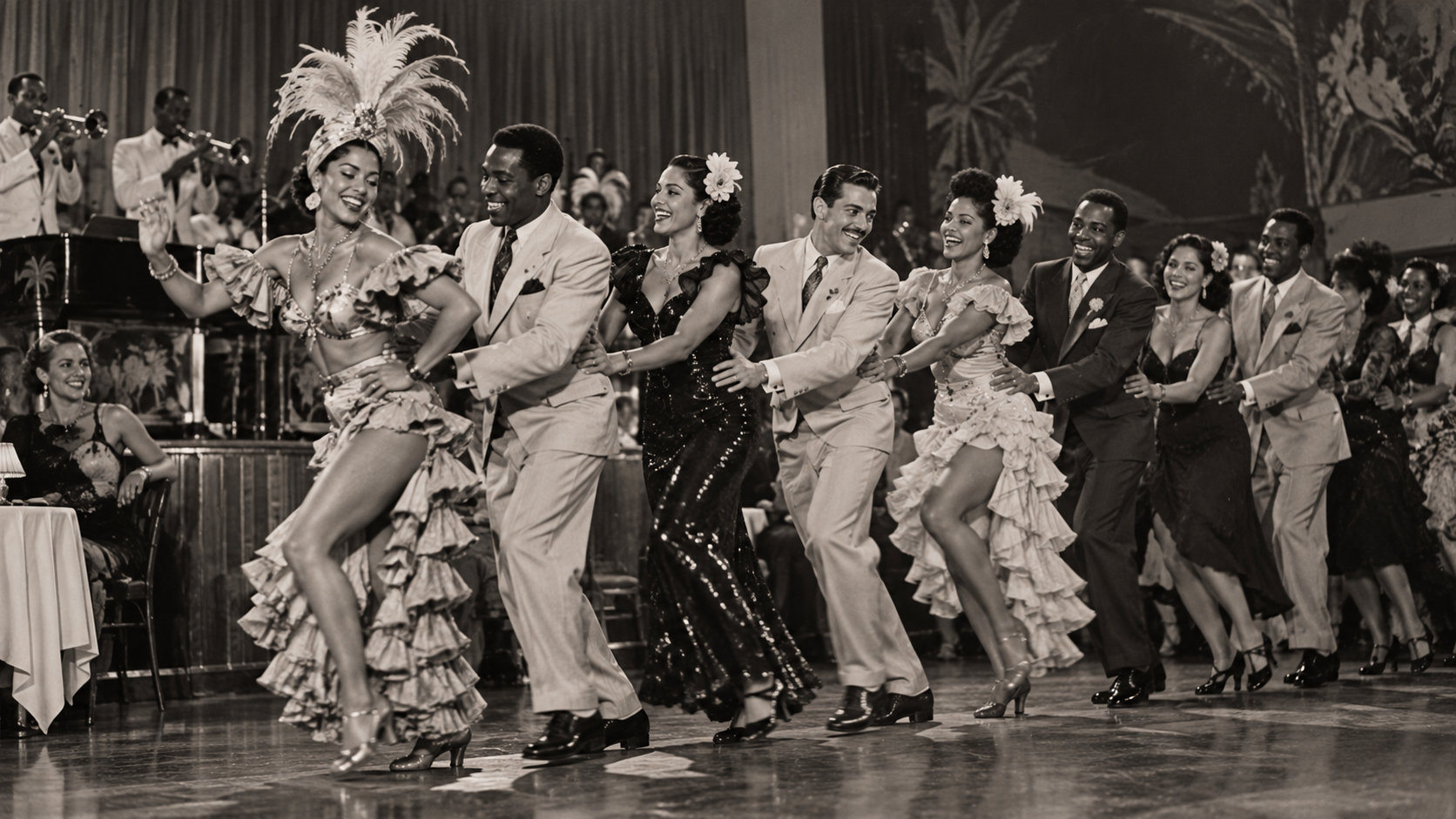
All you needed for a Conga line was a good rhythm and someone willing to lead. Emerging from Afro-Cuban traditions, the dance became a nightclub favorite during the late 1930s and 1940s, turning groups of strangers into one long, moving celebration. With hands resting on the shoulders or waists of the person ahead, dancers wound their way through parties and clubs. Some dance crazes required lessons. This one just required joining the line.
4. Jitterbug: Swinging Through the Forties
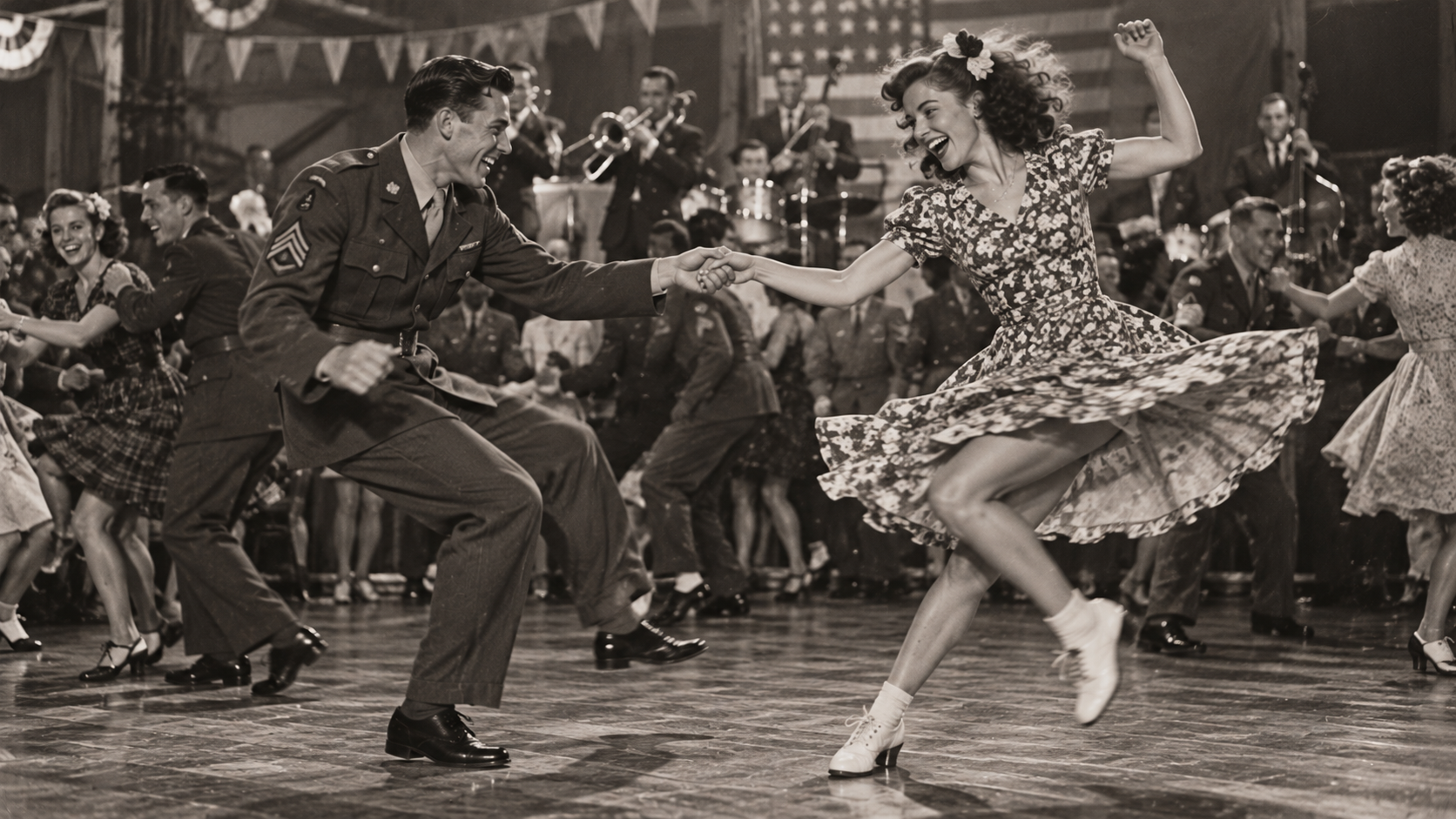
During the 1940s, dance halls filled with couples who seemed determined to make every second of swing music count. The Jitterbug brought fast footwork, energetic turns, and plenty of personality to the floor, becoming especially popular during World War II. American servicemen also helped carry swing dancing overseas. Can you picture a packed wartime dance hall, a big band playing, and couples squeezing in one last song before the night ended?
5. Mambo: The Rhythm That Took Over New York

By the 1950s, the mambo was giving nightclub crowds a whole new reason to dress up and go dancing. Growing from Afro-Cuban musical traditions, it found a celebrated home at New York’s Palladium Ballroom, where Latin rhythms and lively partner dancing drew enthusiastic crowds. The music was irresistible, the atmosphere glamorous, and the footwork demanded attention. For anyone who remembers the golden age of Latin dance halls, that unmistakable rhythm still feels timeless.
Trending on The Scroller

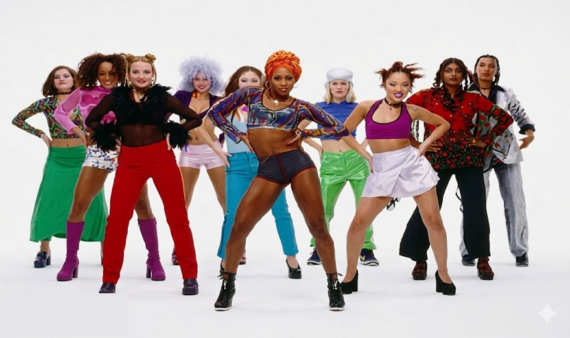
6. The Stroll: A Dance Floor Made for Teenagers
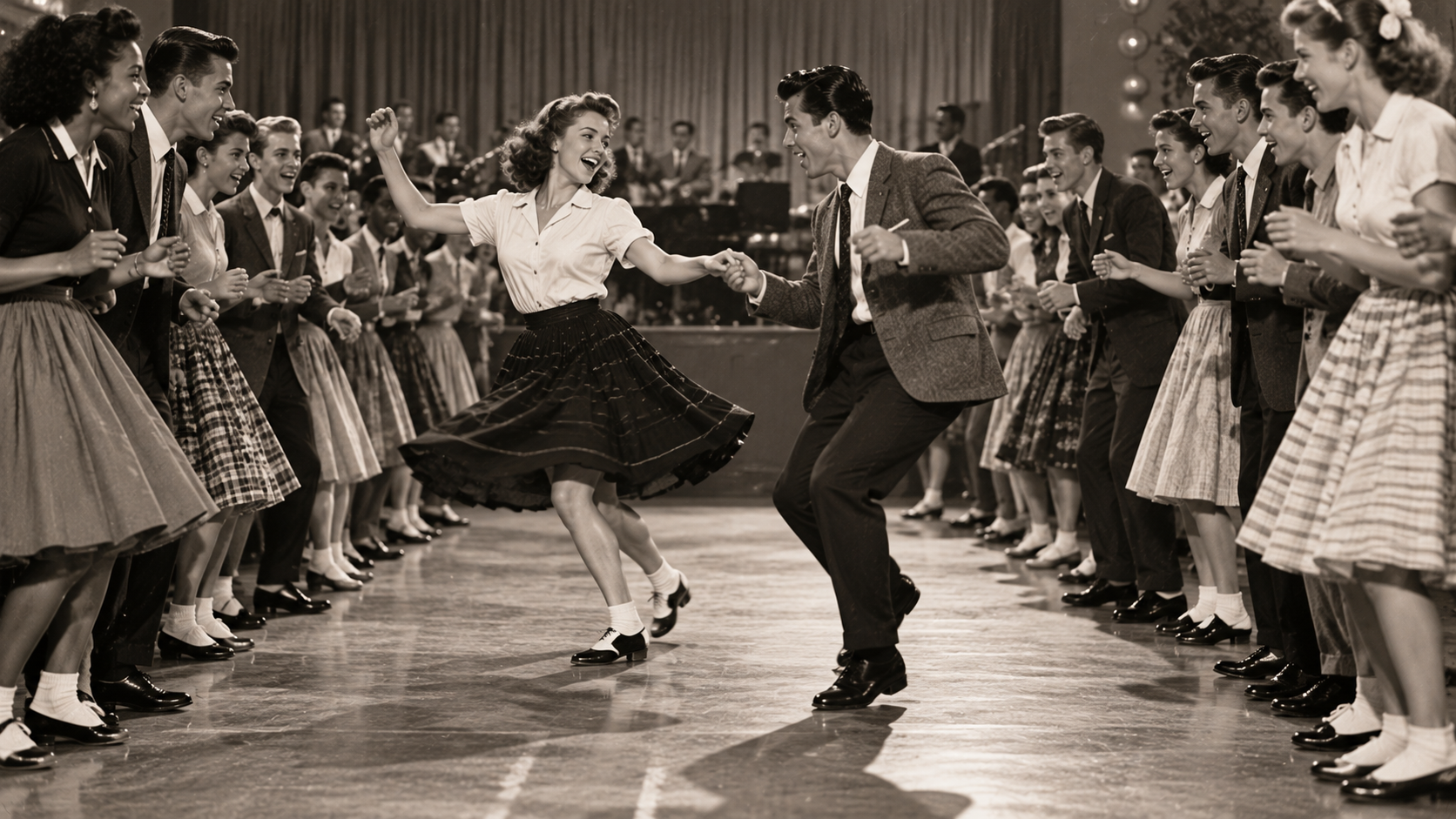
Imagine two lines of teenagers facing each other, leaving an open pathway right down the middle. That was the Stroll, a late-1950s favorite that gave couples their own moment in the spotlight as they danced between the rows. Television appearances on American Bandstand helped spread the craze, making it a familiar sight at sock hops and school dances. It was part dance, part social event, and probably the closest thing a high school gym had to a fashion runway.
7. The Twist: No Partner Required
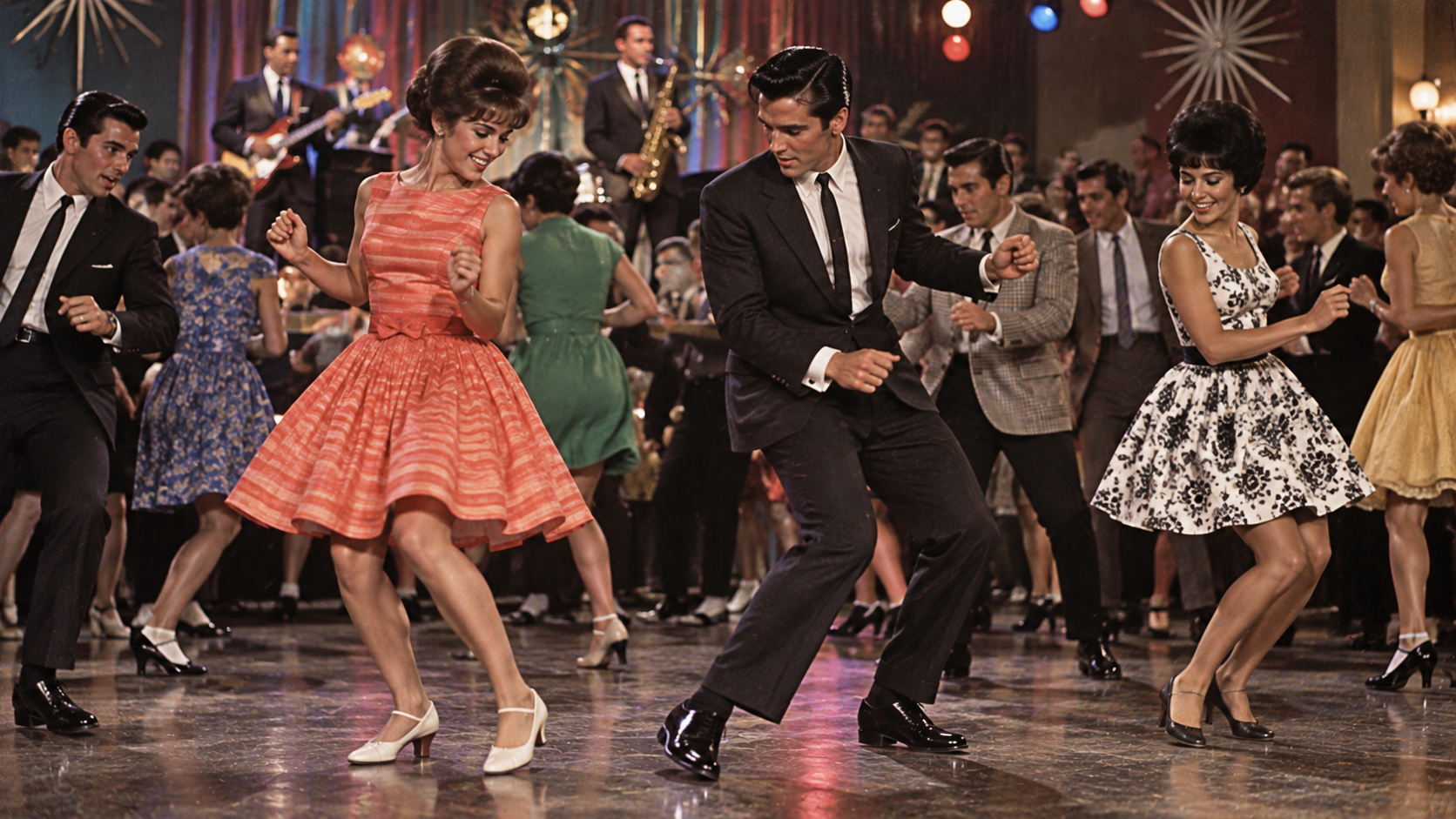
The early 1960s brought a dance that changed the rules almost overnight. With the Twist, there was no need to hold hands, memorize complicated patterns, or even touch your partner. Just plant your feet, twist your hips, and let the music do the rest. Popularized by Chubby Checker, it became a sensation among teenagers and adults alike. Suddenly, everyone could join in, regardless of their dancing experience.
8. The Mashed Potato: Small Steps, Big Craze
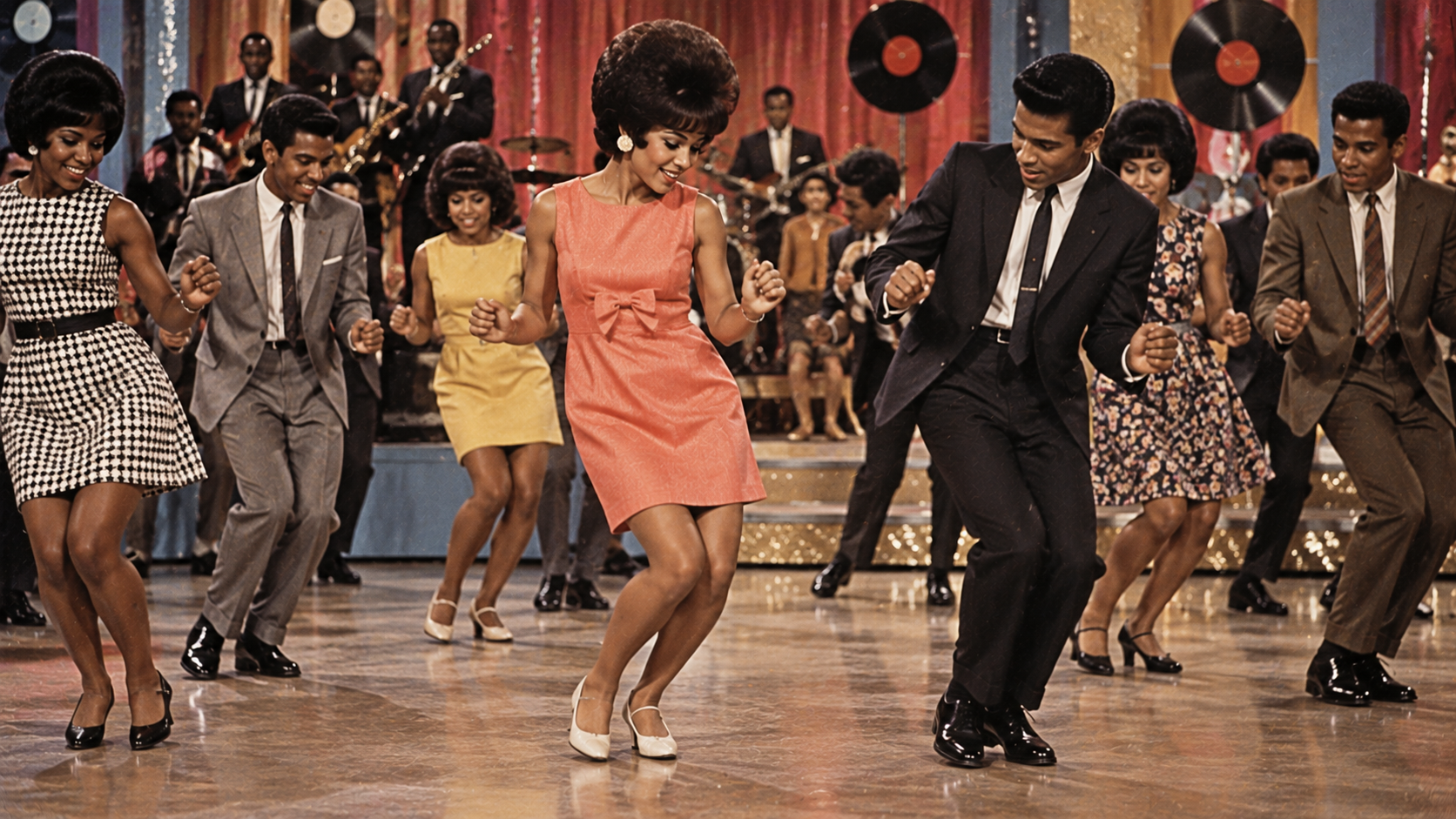
Somehow, twisting your heels back and forth became one of the coolest things a teenager could do in the early 1960s. The Mashed Potato kept the feet close together while the heels shifted in opposite directions, creating a distinctive little shuffle. Dee Dee Sharp’s Mashed Potato Time helped fuel the craze, proving just how closely pop music and dance trends had become connected. The name was unusual, but the dance floor didn’t seem to mind.
Sign up for our newsletter
9. The Watusi: Another Sixties Dance Floor Favorite
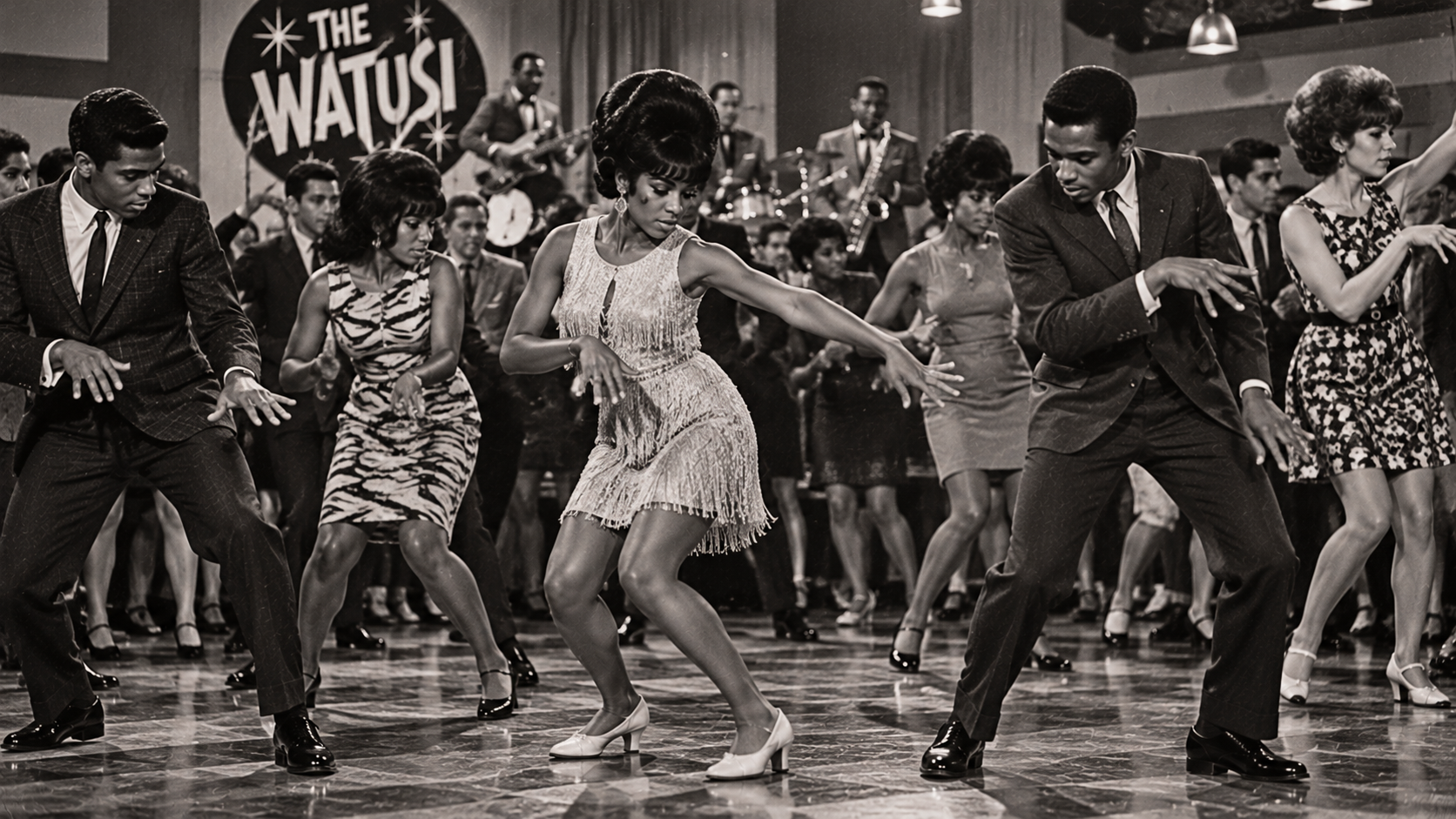
The early ’60s were practically overflowing with new dance crazes, and the Watusi was right in the middle of it all. Featuring rhythmic arm movements and shifting body motions, it joined the growing collection of dances people could perform without a traditional partner hold. Songs such as the Orlons’ The Wah-Watusi helped bring it into the spotlight. Remember when every new record seemed to arrive with a new dance everyone was expected to learn?
10. The Hustle: Disco’s Favorite Partner Dance
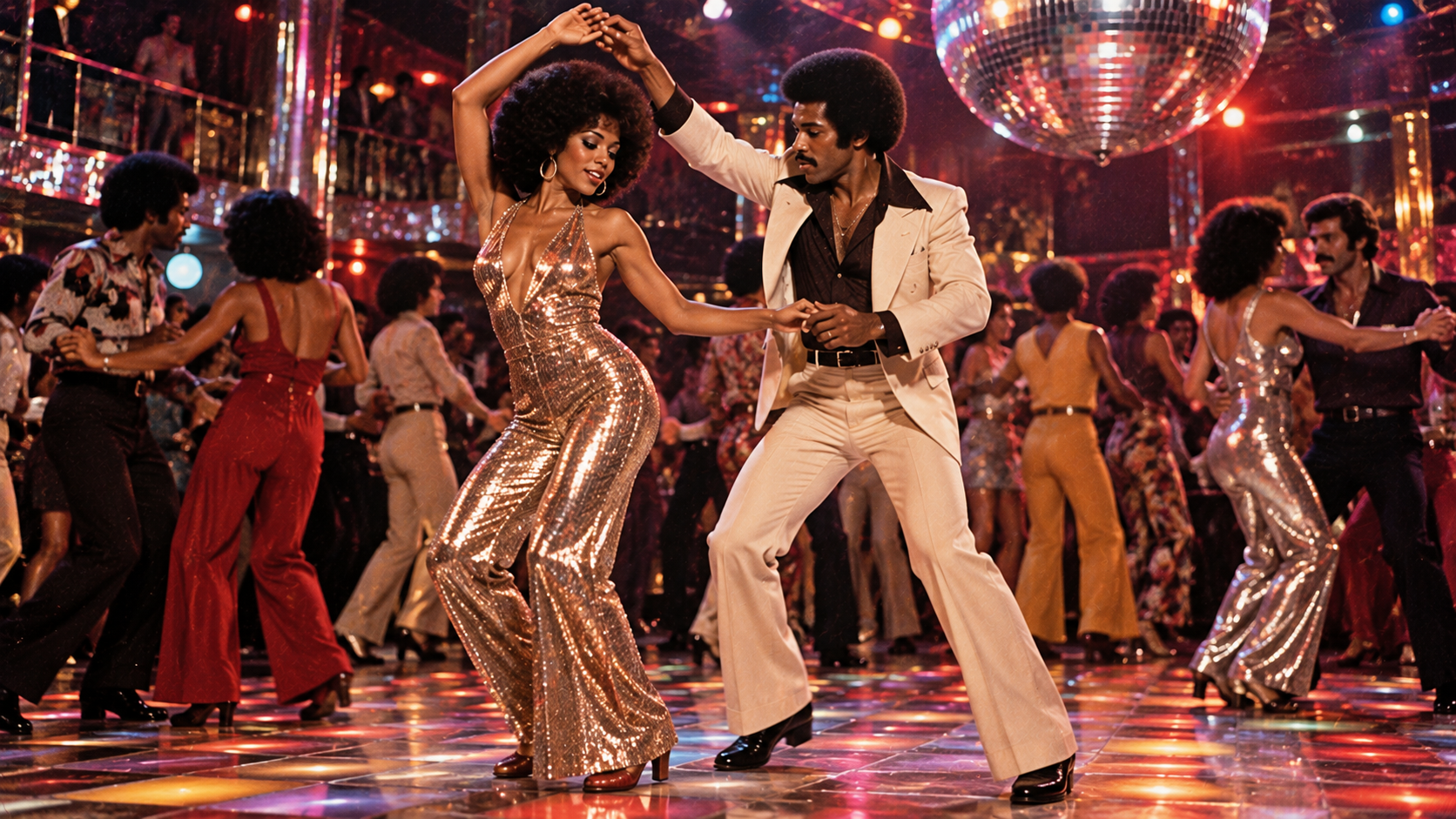
Popular dance styles reached a particularly glamorous moment in the mid-1970s with the Hustle. Born from nightclub culture and developed in several variations, this disco favorite brought coordinated turns, smooth partner movements, and undeniable style to the dance floor. Under spinning mirror balls and flashing lights, couples moved with a confidence that made every nightclub feel like a performance. The Hustle wasn´t just about keeping time with no music. It was about looking fabulous while doing it.
11. The Bump: Two Hips, One Dance Craze

Not every disco dance required impressive footwork. The Bump, which became popular during the mid-1970s, was built around one gloriously simple idea: bumping hips with another dancer to the beat. That was pretty much the entire concept, and people loved it. Compared with the polished turns of the Hustle, the Bump was wonderfully uncomplicated. Sometimes the best party dances were the ones nobody needed to practice.
12. The Electric Slide: Everyone Knew the Steps

There’s something wonderfully nostalgic about watching an entire dance floor suddenly move in the same direction. The Electric Slide became a party favorite during the 1980s, with rows of dancers stepping, turning, and repeating the same sequence to Electric Boogie. By the end of the decade, enormous groups were performing it together. Whether at a nightclub or a celebration, the real fun came from watching everyone fall into rhythm, including the occasional person going the wrong way.
13. Lambada: The Dance That Turned Up the Heat
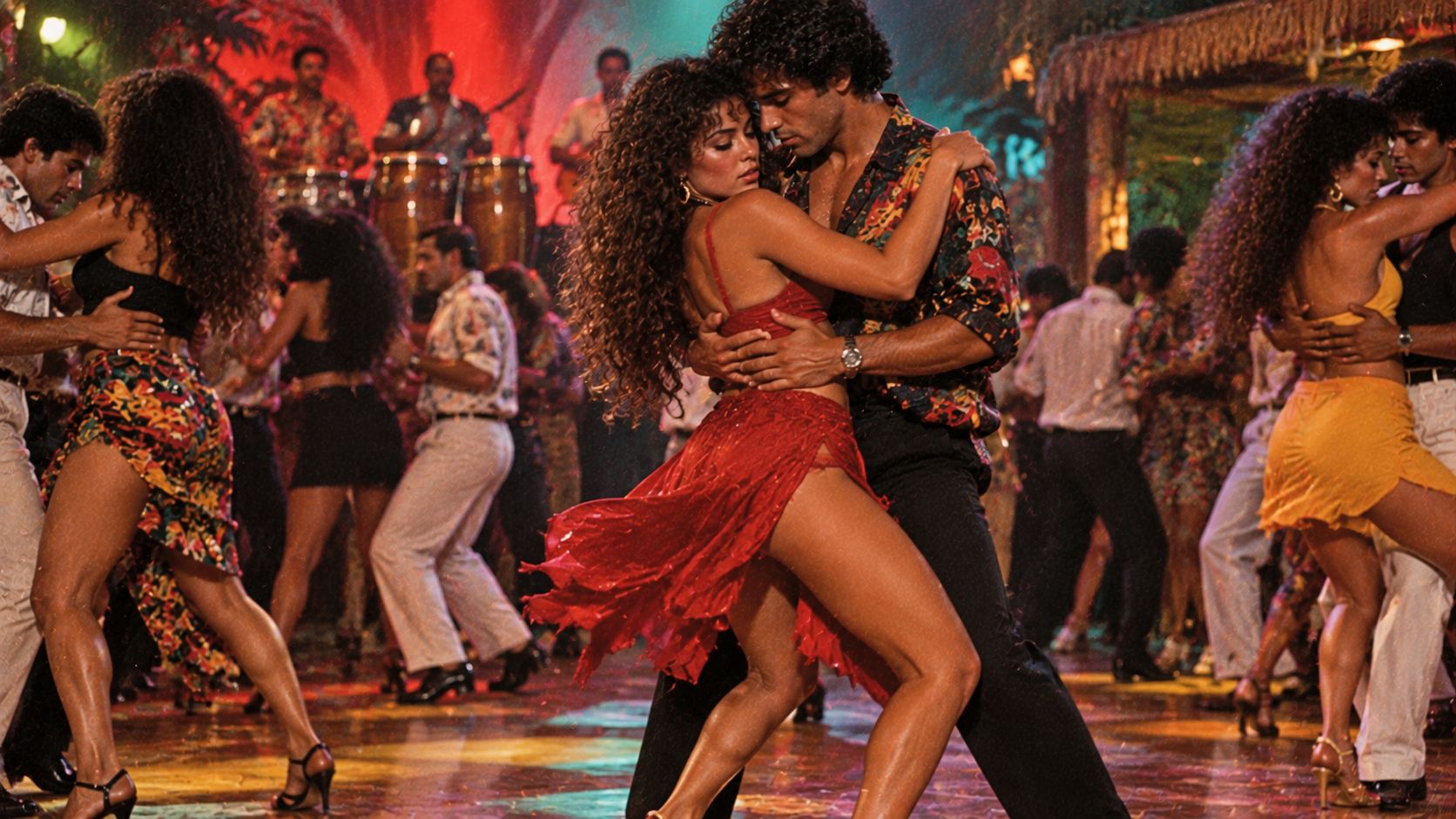
In 1989, the Lambada swept across international dance floors with its close partner hold, flowing hip movements, and tropical energy. The Brazilian dance became a worldwide sensation alongside Kaoma’s hit song, earning the dramatic nickname ‘the forbidden dance.’ Its romantic, provocative reputation only added to the excitement. Suddenly, dance floors were filled with couples attempting those fluid movements, and the music seemed to follow them everywhere.
14. Voguing: When the Dance Floor Became a Runway
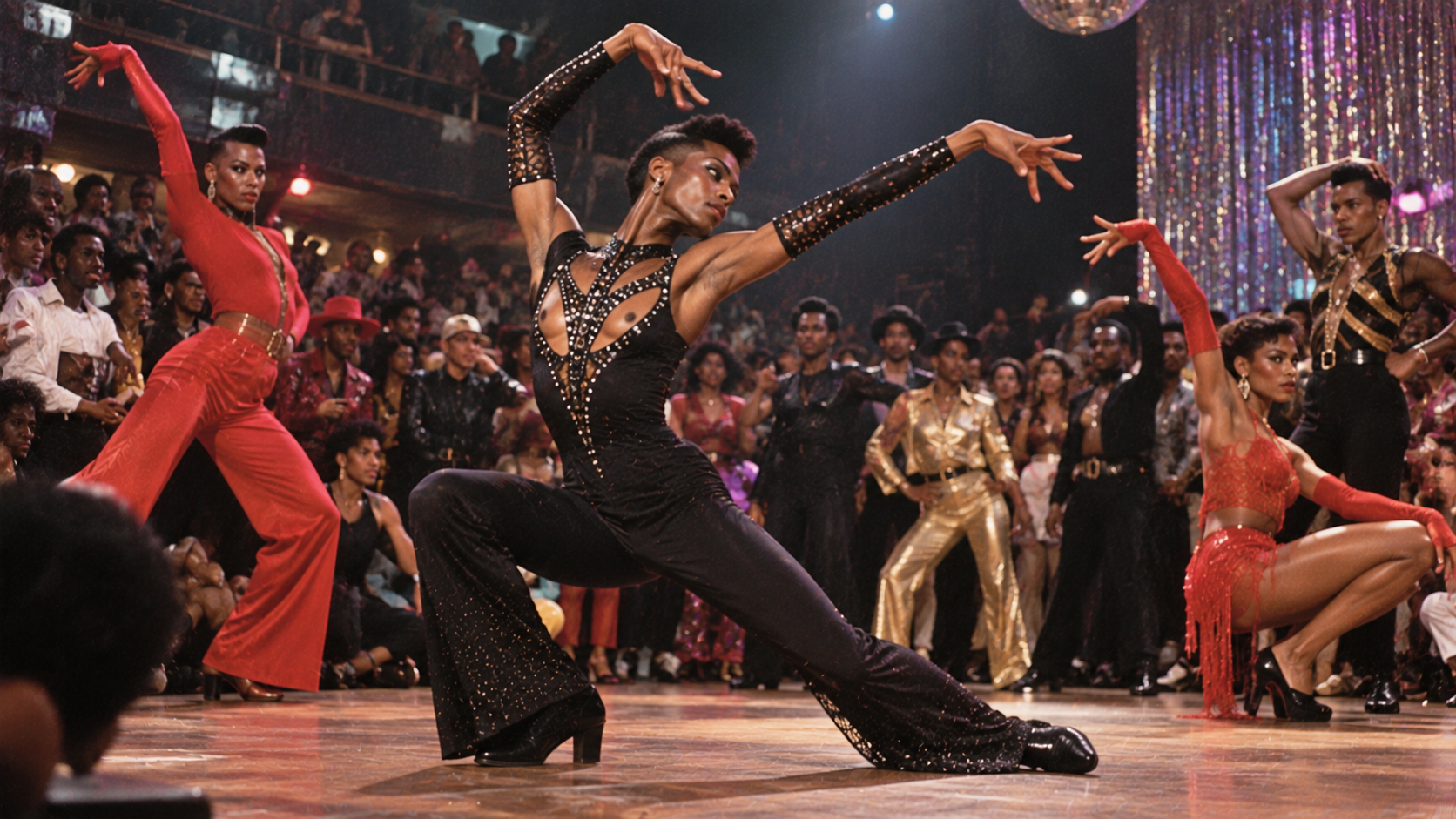
Before voguing entered mainstream pop culture around 1990, it had already flourished within Black and Latino LGBTQ ballroom communities in Harlem. Inspired by fashion photography and runway poses, dancers created striking angular movements, dramatic gestures, and fiercely expressive performances. Ballroom competitions gave participants a place to showcase creativity, identity, and skill. When the style reached wider audiences, its unforgettable poses introduced a new generation to a dance culture with a much deeper history.
15. Country Line Dancing: Boots Across the Floor
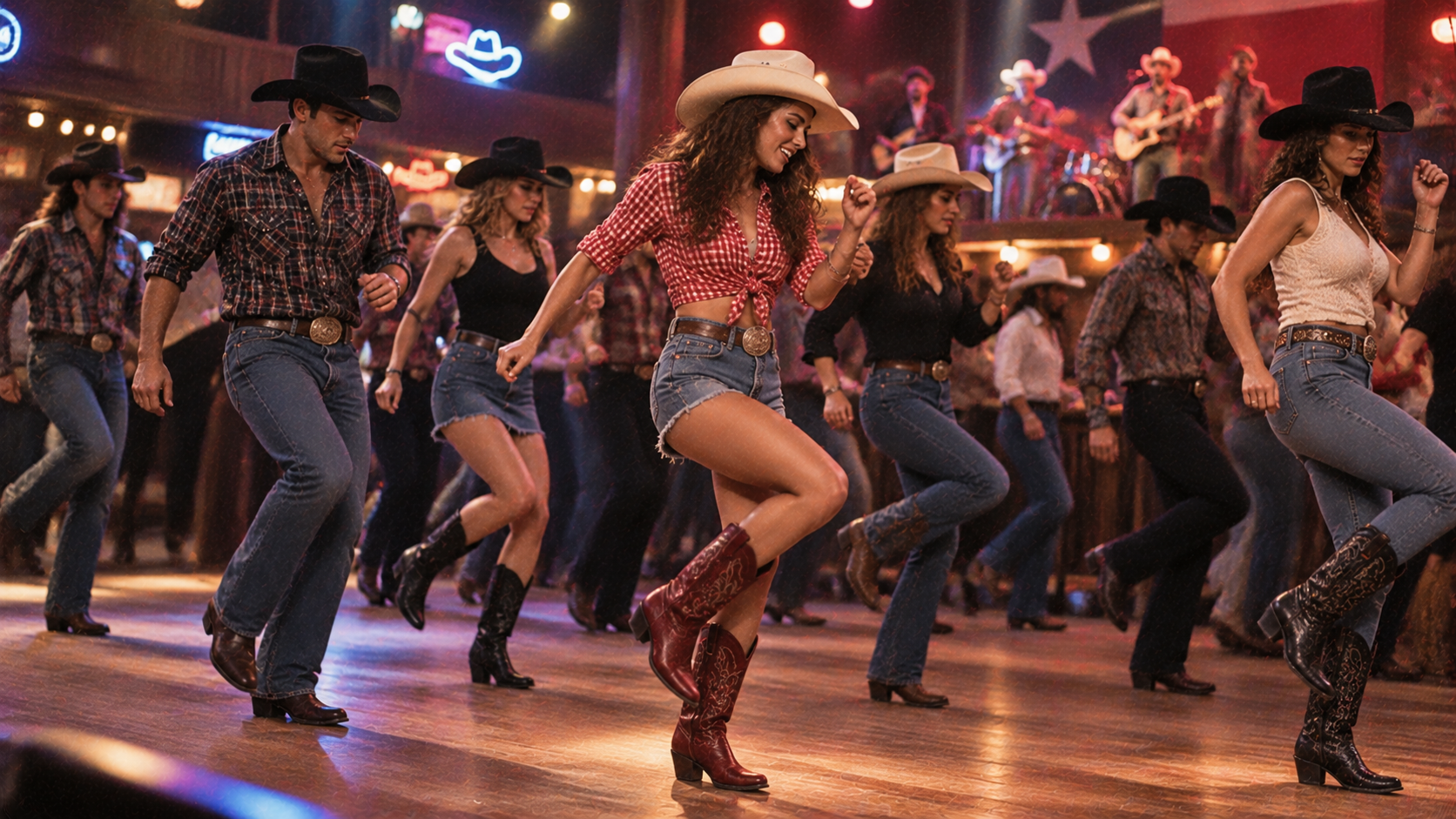
The early 1990s brought cowboy boots and synchronized steps into the mainstream spotlight. Country line dancing filled honky-tonks and country bars with rows of people moving together, often to songs that seemed made for the occasion. The popularity of Achy Breaky Heart helped bring the craze to an even wider audience. Who remembers a dance floor packed with boots, denim, and people trying to remember whether the next step went left or right?
16. The Macarena: The Dance Nobody Could Escape
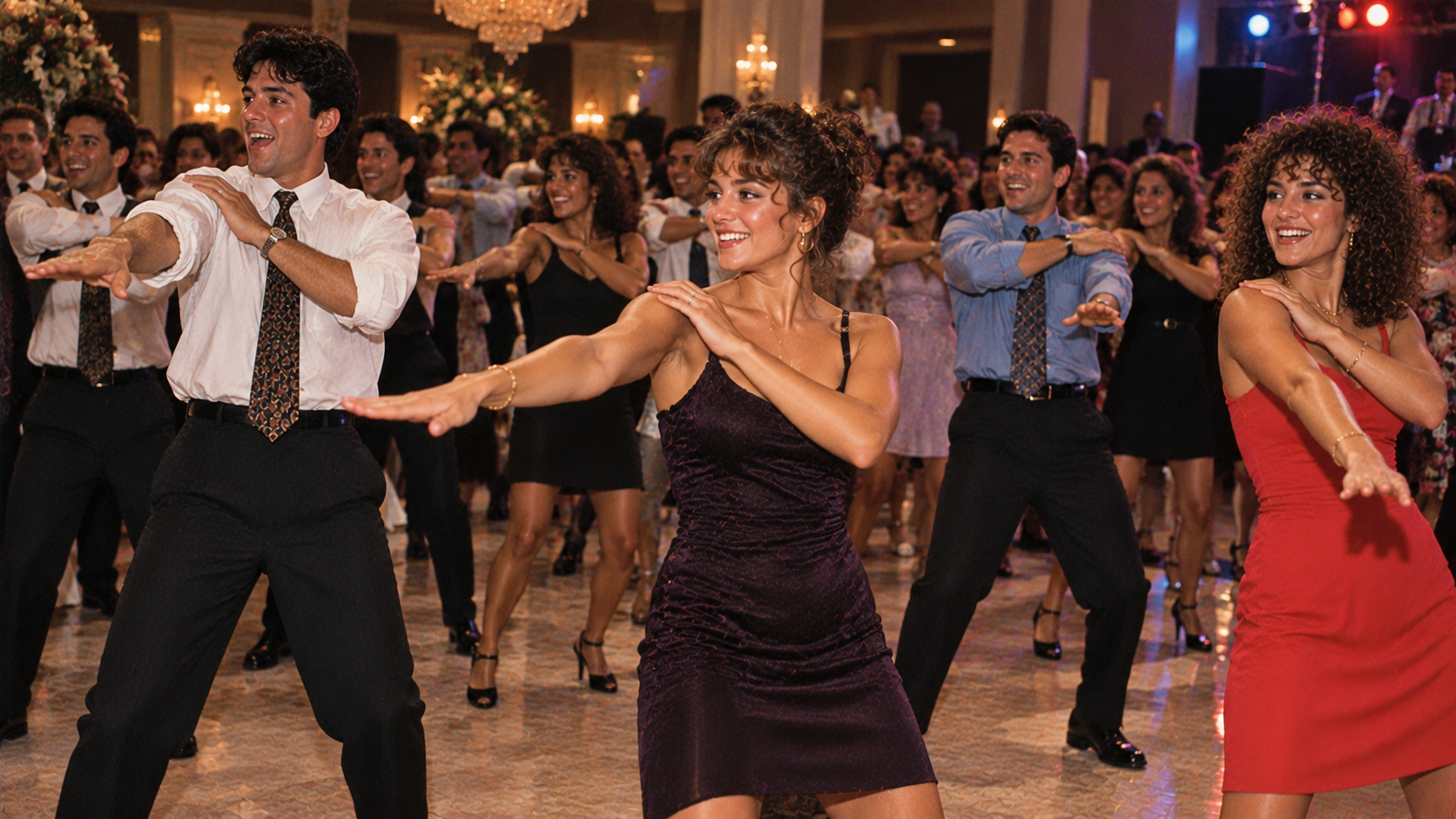
By 1996, it seemed like the entire world had learned the Macarena. The Bayside Boys remix of Los del Río’s hit climbed to No. 1 in the United States, while its memorable sequence of arm movements and hip turns took over weddings, parties, clubs, and sporting events. You didn’t need to be a great dancer to participate, which was exactly the point. One familiar beat was enough to get an entire crowd moving together, and for a moment, everyone knew precisely what came next.
From the Charleston’s carefree kicks to the Macarena’s unforgettable arm movements, these dances tell a story about more than changing musical tastes. They bring back the excitement of getting dressed for a night out, hearing a favorite song, and joining a crowded floor without worrying about anything else. The steps may have changed with each decade, but the joy of dancing together never really went away.
Keep Exploring The Scroller
Still hearing those old dance tunes in your head? The nostalgia doesn’t have to end when the music stops. Keep exploring The Scroller for more unforgettable trends, vintage moments, and cultural crazes that made past decades so much fun to remember:
19 Photos of Disco Era Nightclub Style in the 1970s
20 Ways People Met Before Dating Apps (Before Swiping Took Over)