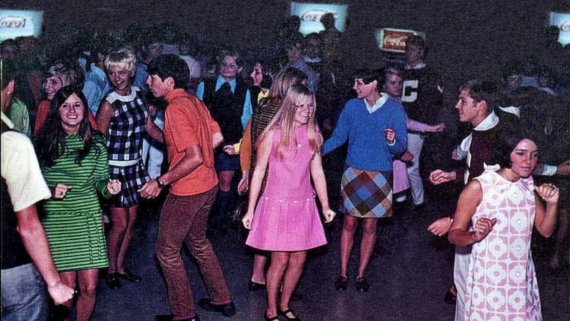
Imagine developing a crush on someone… and having absolutely no way to look them up online. No Instagram. No dating profile. No mutual friends list. No scrolling through old photos to decide whether they seemed interesting. Instead, how people met before dating apps depended on something algorithms can’t recreate very well: everyday life. Schools, workplaces, neighborhoods, parties, and complete chance kept bringing the same people together until someone finally made the first move.
Looking back, it’s amazing how ordinary routines quietly became the world’s biggest matchmaking service.
1. Friends Played Matchmaker
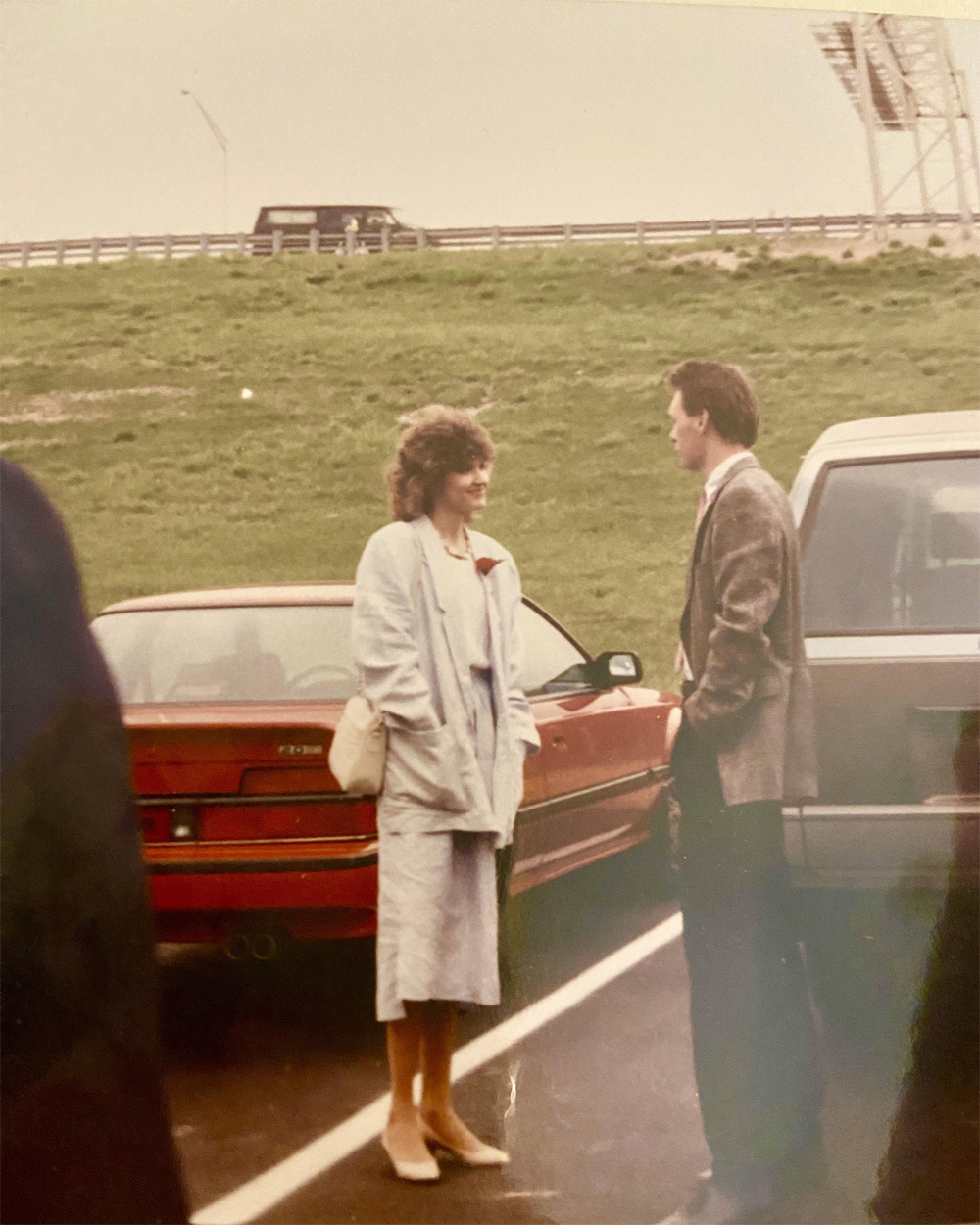
Your best friend wasn’t just your best friend. They were basically a human dating app. If they knew two single people with similar personalities, they’d casually invite both to the same party, arrange a double date, or “accidentally” seat them next to each other at dinner. There were no compatibility scores or swiping involved, just someone confidently declaring, “Trust me, you two would get along.” Funny enough, some of the happiest couples probably owe their relationship to one friend who simply refused to mind their own business. Honestly… we all know someone who’s still trying to play Cupid.
2. They Fell for Someone at Work
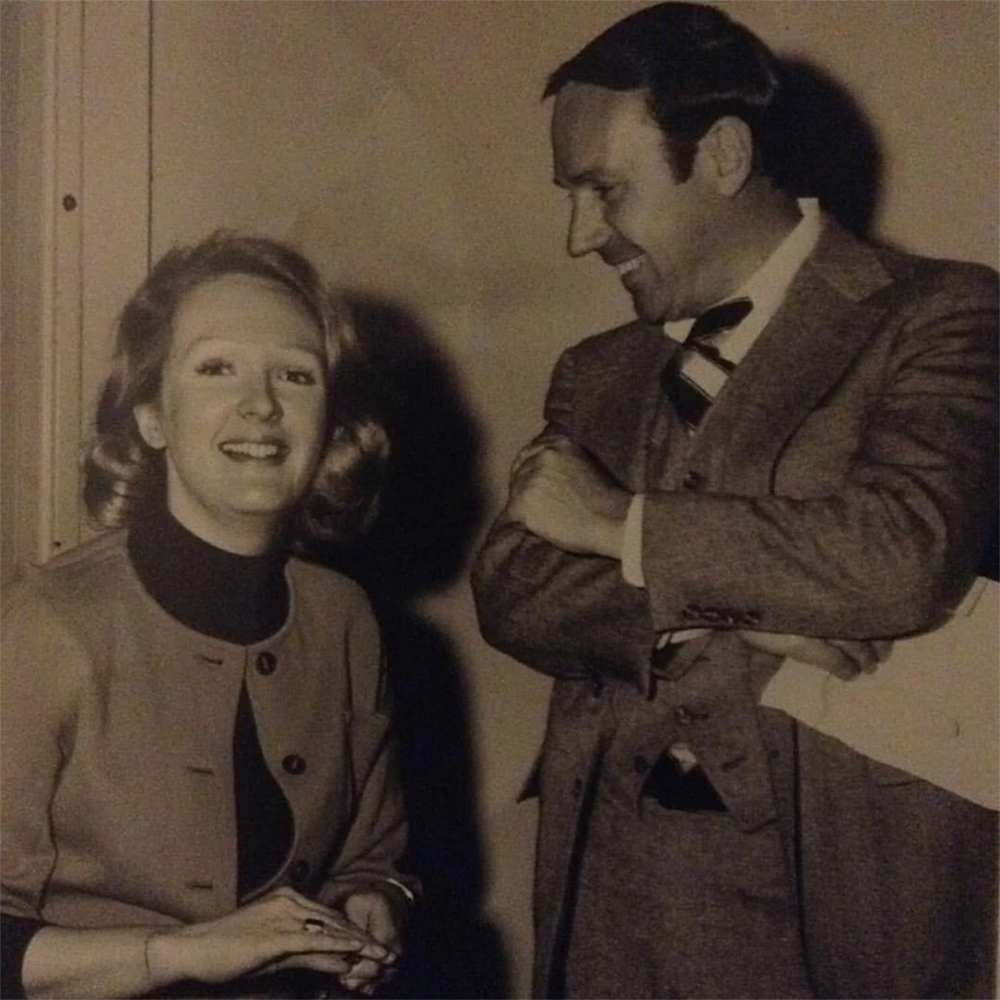
It turns out seeing the same person every weekday was a surprisingly effective dating strategy. Long before online dating became common, workplaces naturally created opportunities for relationships because people shared projects, coffee breaks, stressful deadlines, and daily routines. Attraction had time to grow instead of beginning with a profile picture and a two-line bio. Many examples of how people met before dating apps weren’t dramatic at all. Sometimes it started with borrowing a stapler… and somehow ended with a wedding invitation.
3. High School Sweethearts Were Everywhere
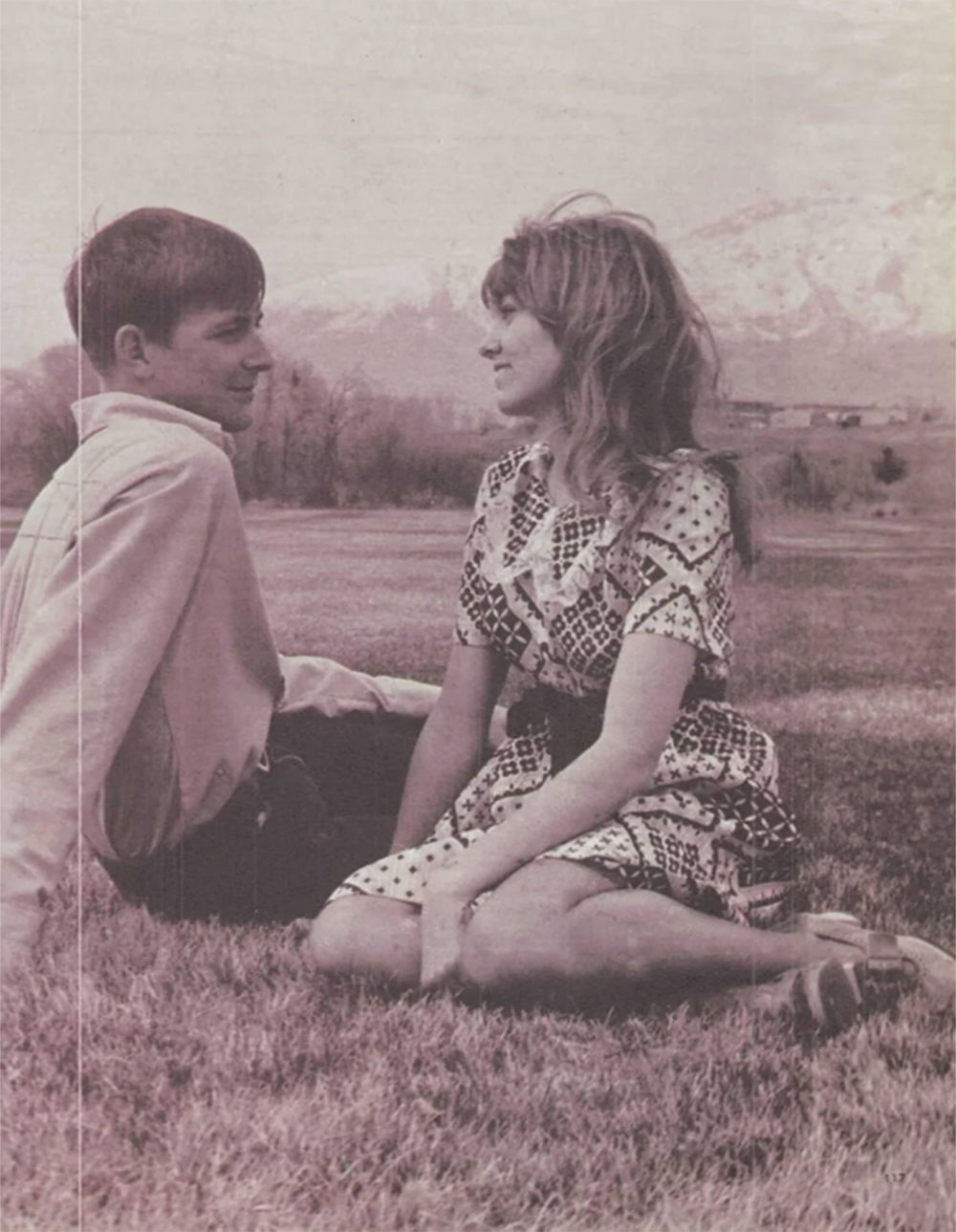
For a lot of people, their future spouse was sitting just a few desks away… probably asking to borrow a pencil. Classes, football games, school dances, and after-school activities meant teenagers spent years getting to know the same group of people. Crushes developed naturally because familiarity grew over time instead of through carefully curated profiles. Isn’t it funny that one awkward chemistry class eventually became part of so many family origin stories? Turns out chemistry wasn’t always the subject being tested.
4. College Was One Giant Social Network… Without Wi-Fi
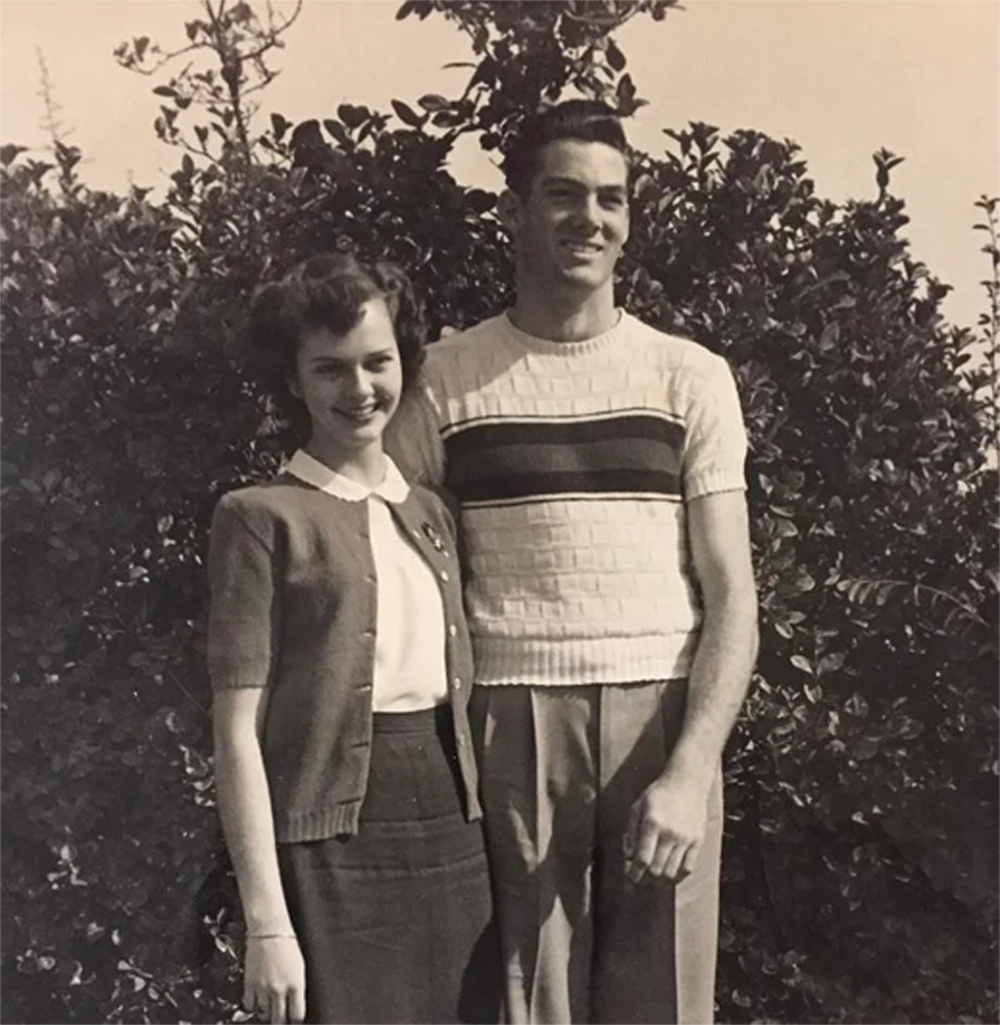
Before social media connected campuses, campuses connected people. Dorms, cafeterias, clubs, study groups, parties, and roommates constantly introduced students to new faces. Even if you didn’t meet someone in class, chances were you’d eventually cross paths somewhere else. Looking back, college worked a lot like a dating app, except the algorithm was simply running into the same interesting person three times in one week. Coincidence… or the world’s oldest recommendation system?
5. Someone Had the Courage to Ask for Your Number at a Bar
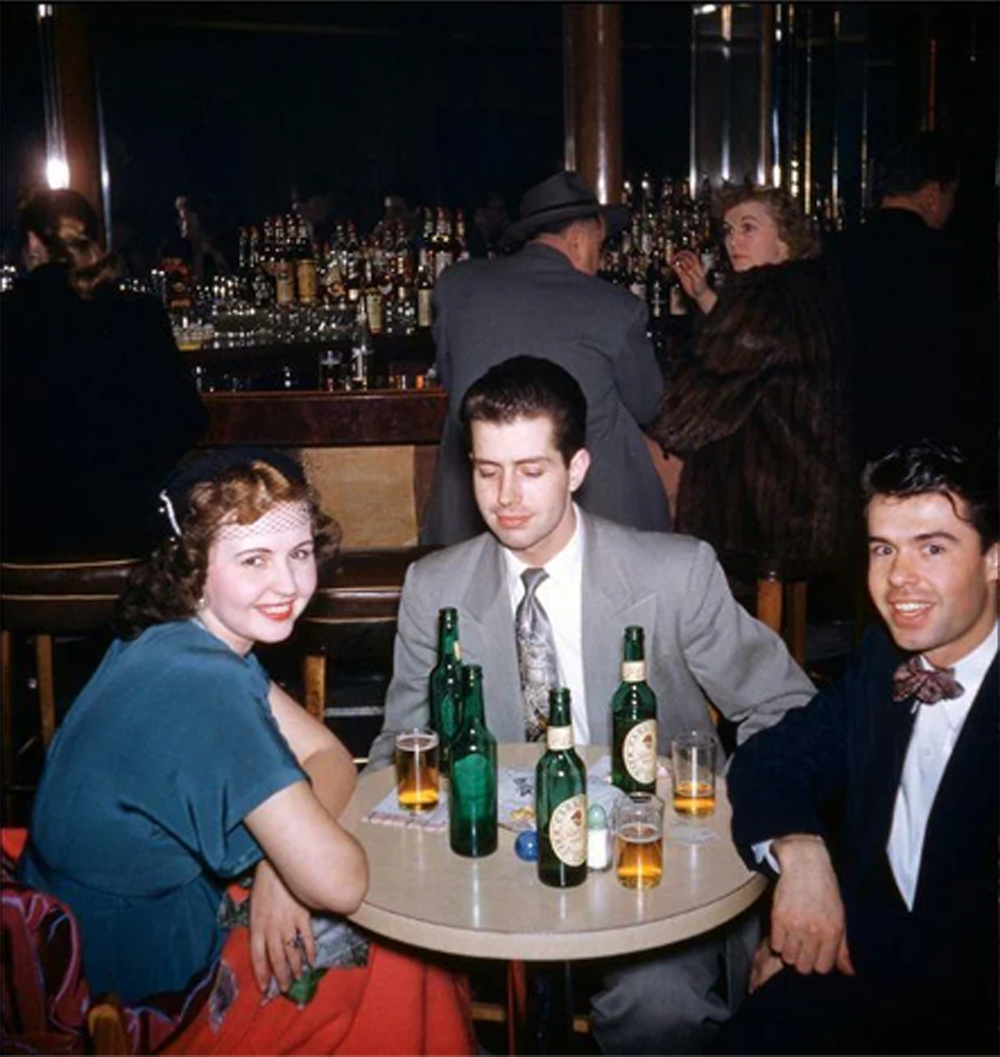
No QR code. No Instagram handle. Just one terrifying question. Meeting someone at a bar meant actually walking over, starting a conversation, and eventually asking for their phone number face to face. If they said yes, you wrote it down and hoped you could still read your own handwriting the next morning. If they said no… well, at least there wasn’t an awkward screenshot floating around the internet forever. Rejection disappeared with the night, which honestly sounds a little healthier.
Trending on The Scroller


6. House Parties Did Half the Work
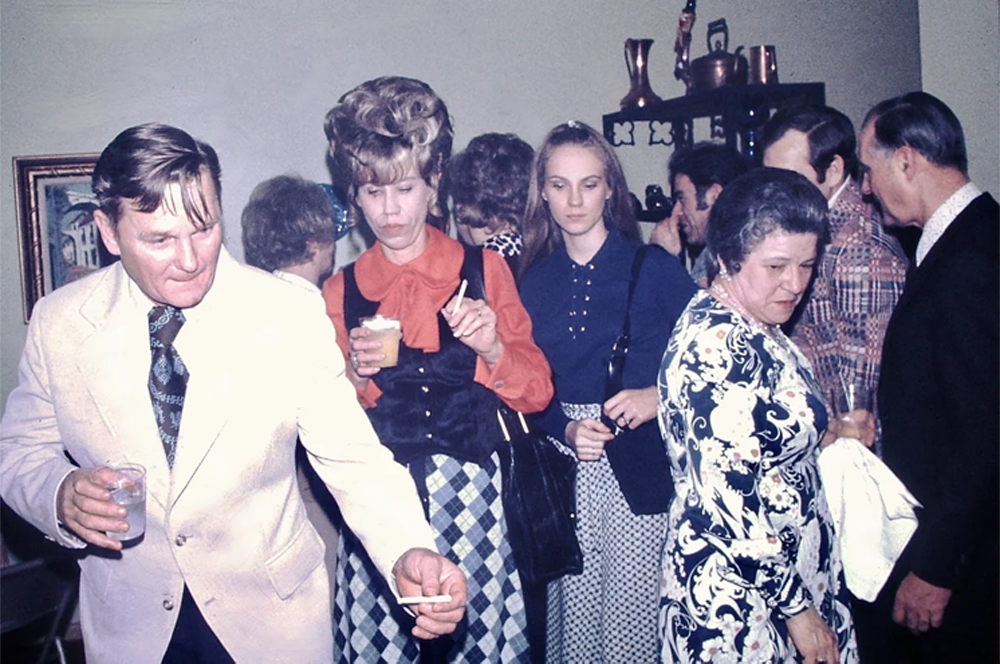
Think about it. Every great house party came with a guest list that had already been lightly vetted by someone you trusted. Friends invited roommates, cousins brought coworkers, neighbors showed up with classmates, and suddenly dozens of people who would’ve never met otherwise were sharing the same living room. The host unintentionally became the algorithm, introducing social circles that overlapped just enough to spark new connections. Honestly, some parties probably created more couples than they did clean-up the next morning.
7. Blind Dates Were a Perfectly Normal Gamble
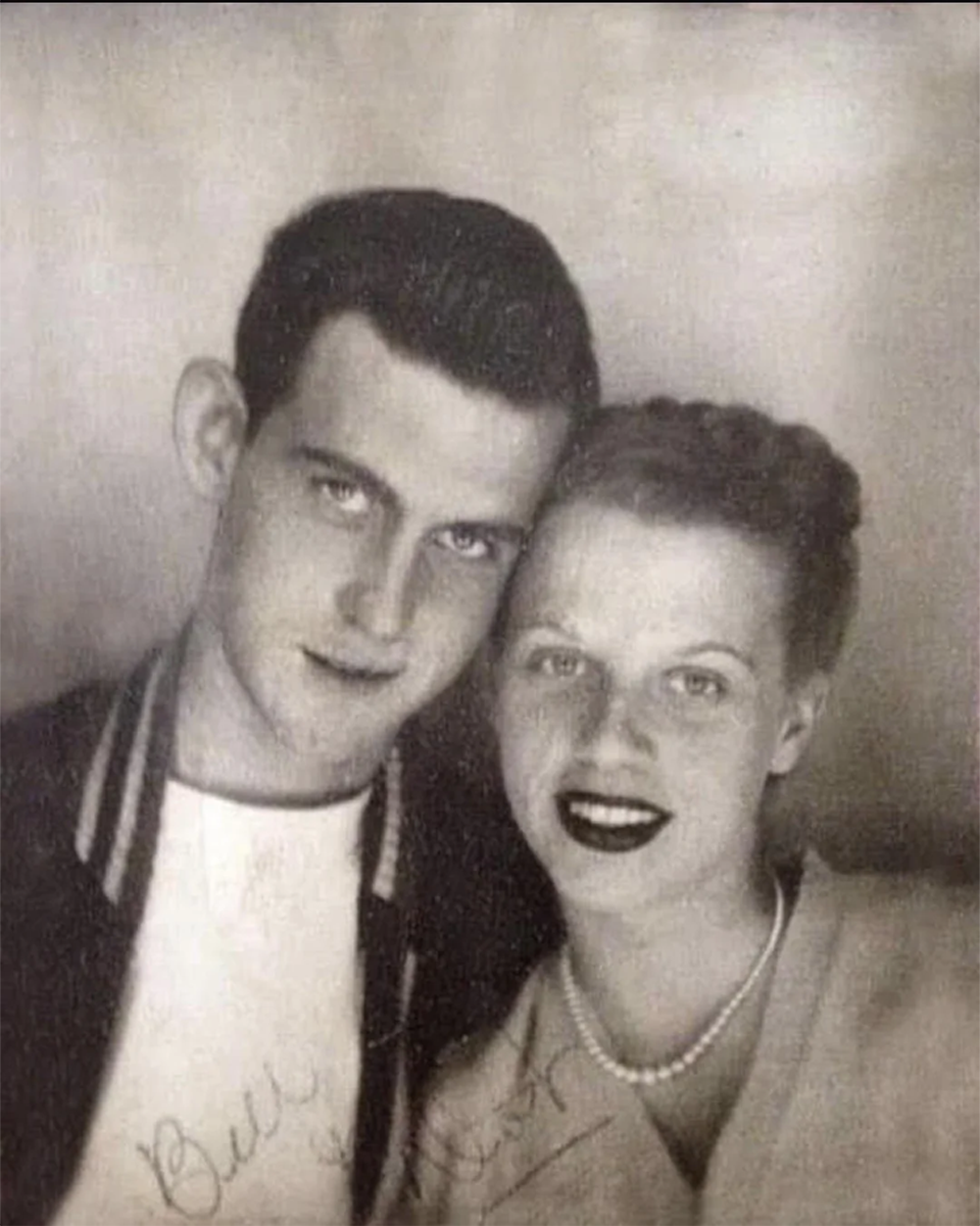
Would you agree to have dinner with someone you’d never seen before, based entirely on your friend’s opinion? Years ago, plenty of people did exactly that. Blind dates relied almost completely on trust because all you usually knew was a first name and a sentence like, “I think you’ll really like them.” There were no photos, no profile to analyze, and definitely no scrolling through vacation pictures beforehand. It sounds terrifying now… but somehow it worked often enough that people kept saying yes.
8. People Actually Read Newspaper Personal Ads
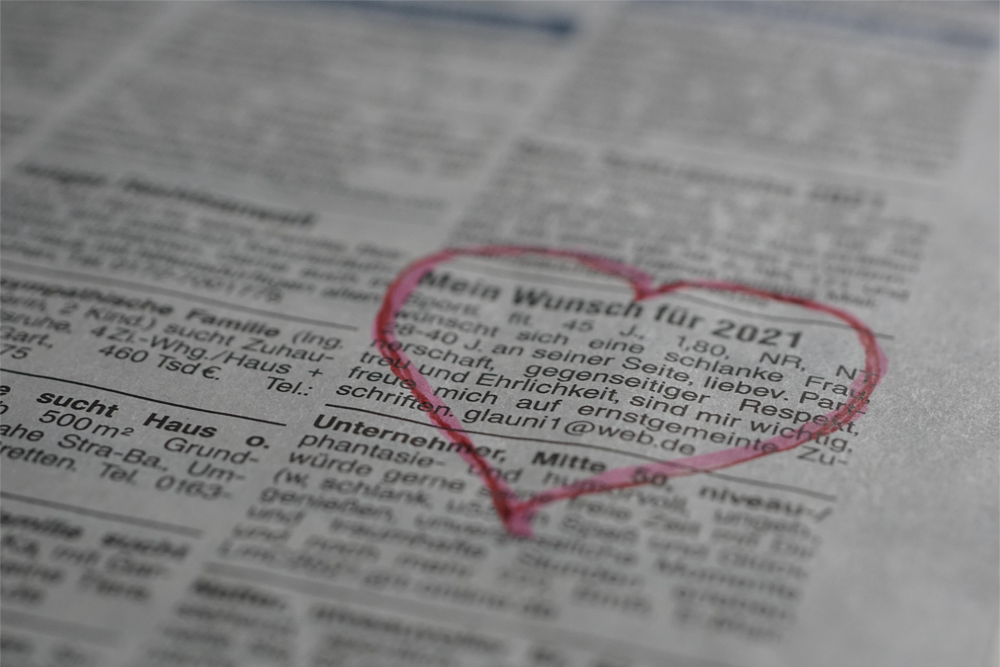
Believe it or not, dating profiles existed long before smartphones. Instead of uploading selfies, people described themselves in a few carefully chosen sentences inside the newspaper, hoping the right stranger would read them. Personality mattered because there wasn’t much else to go on, and responding meant writing a letter or following the contact instructions in the ad. Strangely, it was dating with fewer photos… and probably a lot more imagination.
Sign up for our newsletter
9. Singles Bars Were Basically Tinder… With Actual Eye Contact
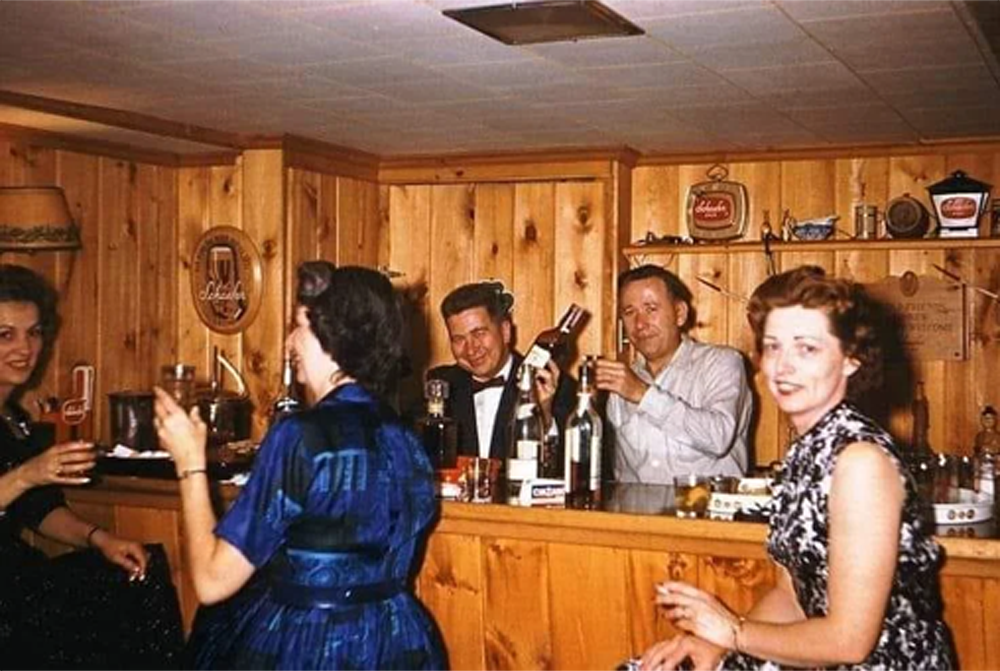
Some places existed for one very specific reason: meeting someone who was also hoping to meet someone. Singles bars became popular because they gathered people who were openly interested in dating, making introductions feel much less awkward than walking up to a random stranger elsewhere. Instead of swiping left or right, you simply looked around the room, started a conversation, and hoped the chemistry lasted longer than your drink. Funny how the biggest upgrade modern dating added wasn’t finding singles… it was letting you stay on the couch.
10. Churches Introduced More Couples Than You Might Think
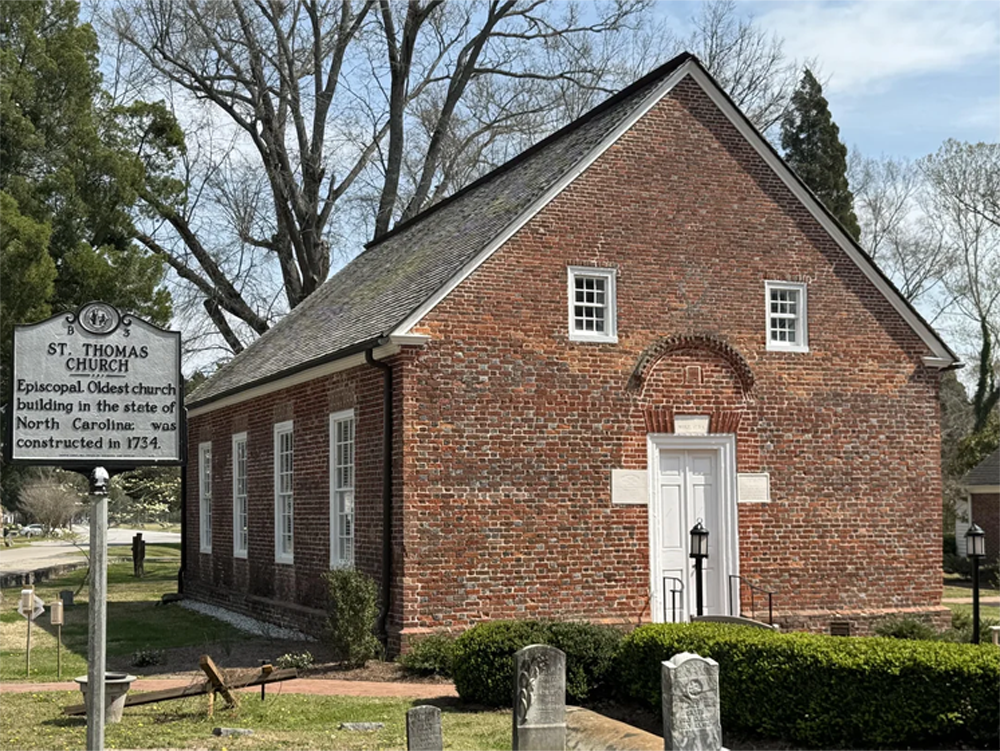
For many communities, Sunday wasn’t just about attending a service. It was also one of the week’s biggest social events. Churches regularly brought together families through youth groups, volunteer activities, dances, holiday celebrations, and community gatherings. People naturally crossed paths again and again, giving friendships and relationships time to develop without anyone forcing the process. Looking back, it wasn’t an app recommending compatible matches. It was simply seeing the same familiar smile every week until someone finally said hello.
11. Neighborhoods Were Their Own Dating Networks
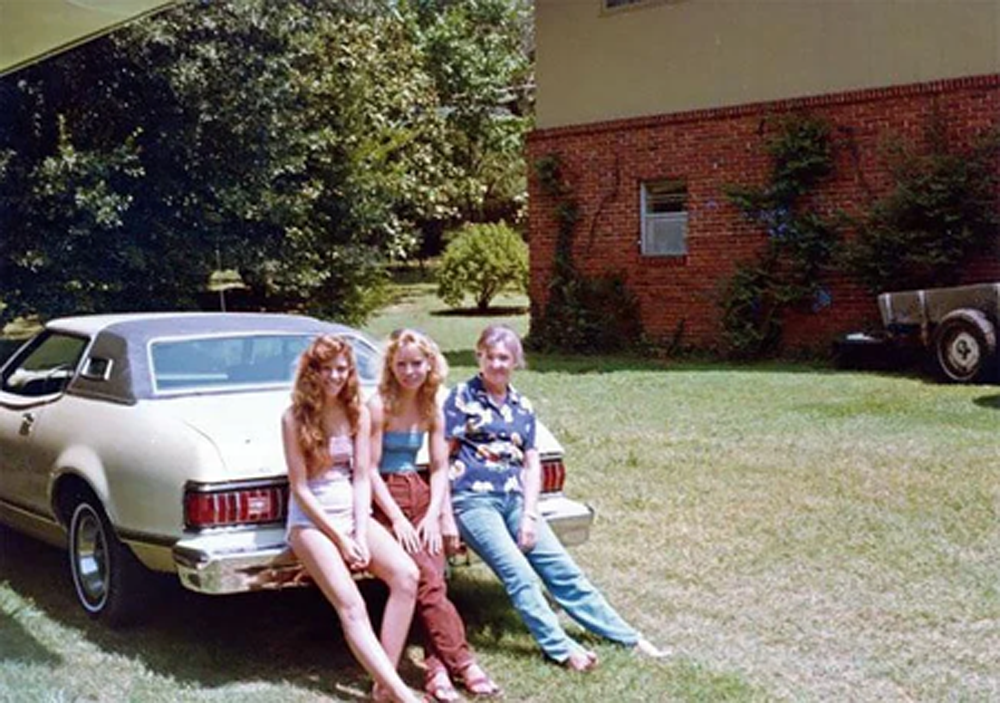
Long before social media suggested people you might know, your neighborhood already had. Living on the same street often meant attending the same schools, shopping at the same stores, knowing the same families, and running into each other almost daily. Familiar faces slowly became familiar conversations, and those conversations sometimes became relationships. Isn’t it funny how simply living a few houses apart once did the job of an entire recommendation algorithm?
12. You Could Literally Meet Someone on the Street
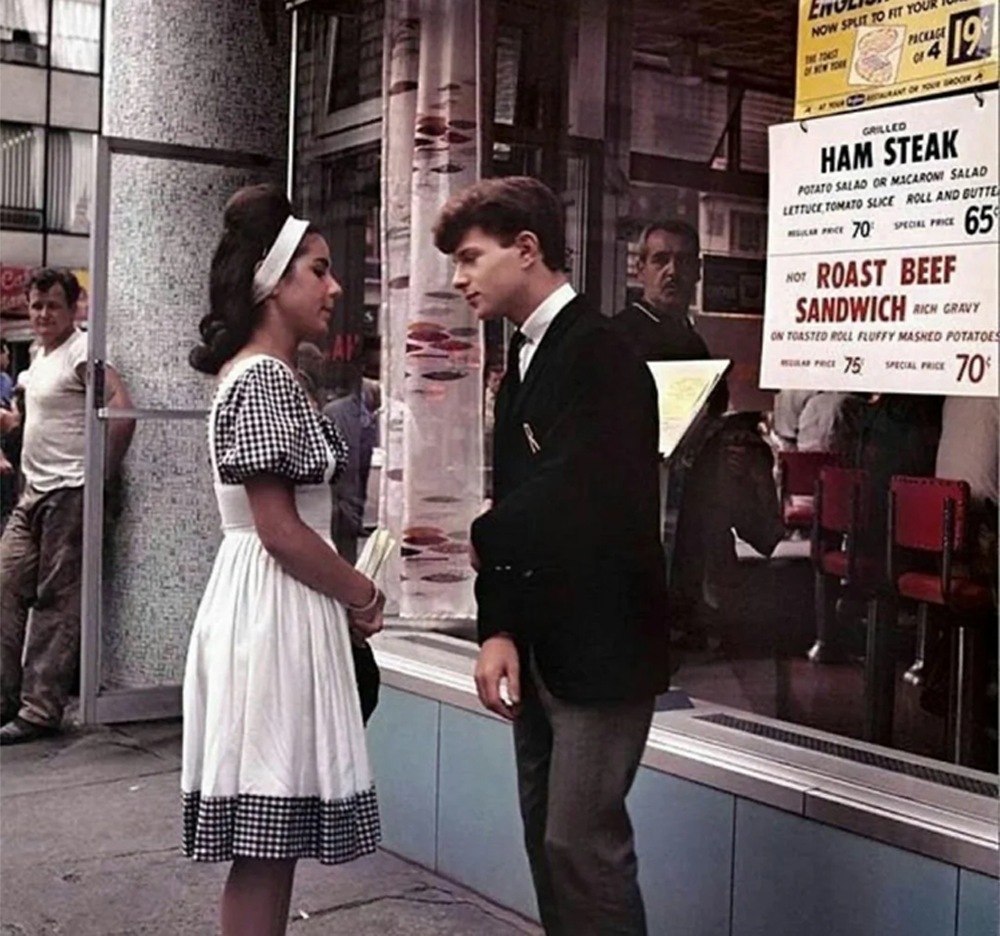
Imagine striking up a conversation with a stranger… without first checking their profile. Chance encounters happened everywhere, from sidewalks and bookstores to coffee shops and city parks. If someone caught your eye, the only way to find out whether there was a connection was to actually walk over and say hello. Risky? Maybe. Memorable? Definitely. Some of the best stories about how people met before dating apps began with nothing more than two people happening to be in the same place at the same time.
13. Dance Halls Did What Dating Apps Do Today
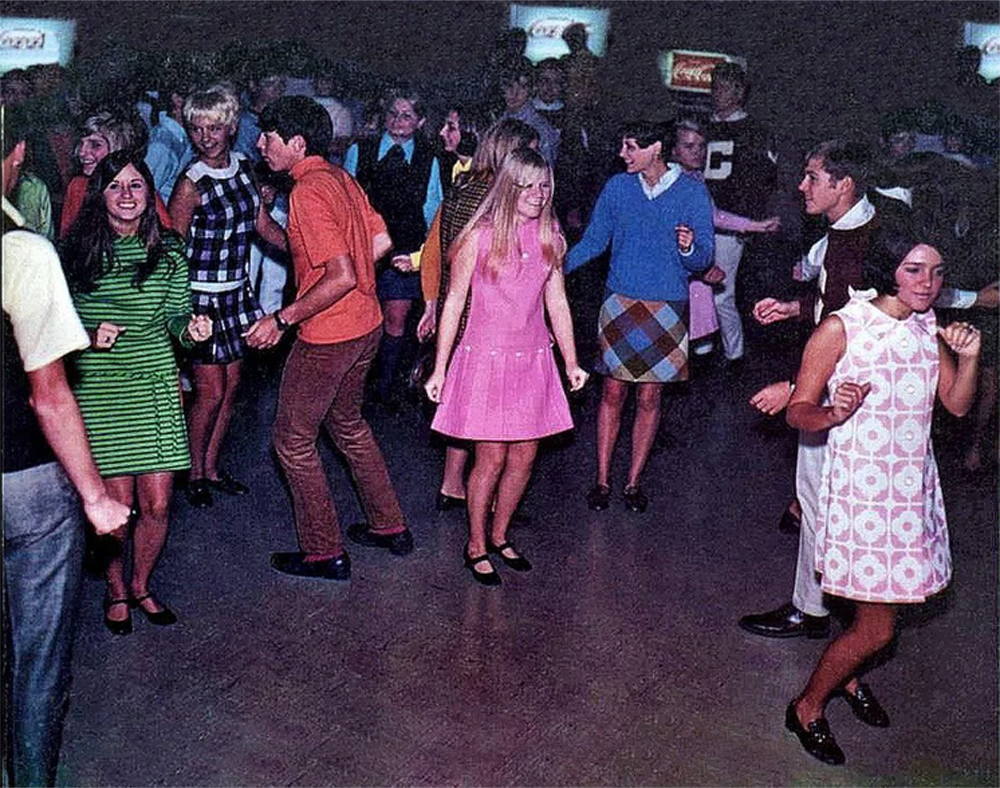
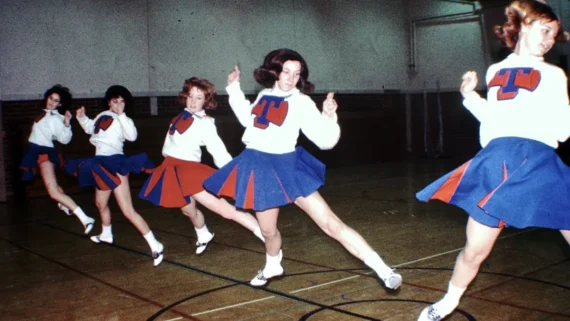
Before people matched through an app, they matched through music. Dance halls, discos, sock hops, and community dances were designed to get strangers moving, talking, and spending time together. You didn’t need the perfect opening line because asking someone to dance usually did the hard part for you. Looking back, dancing might have been history’s most successful icebreaker. After all, it’s difficult to overthink your first impression when you’re both trying not to step on each other’s feet.
14. Hobby Clubs Introduced People Naturally
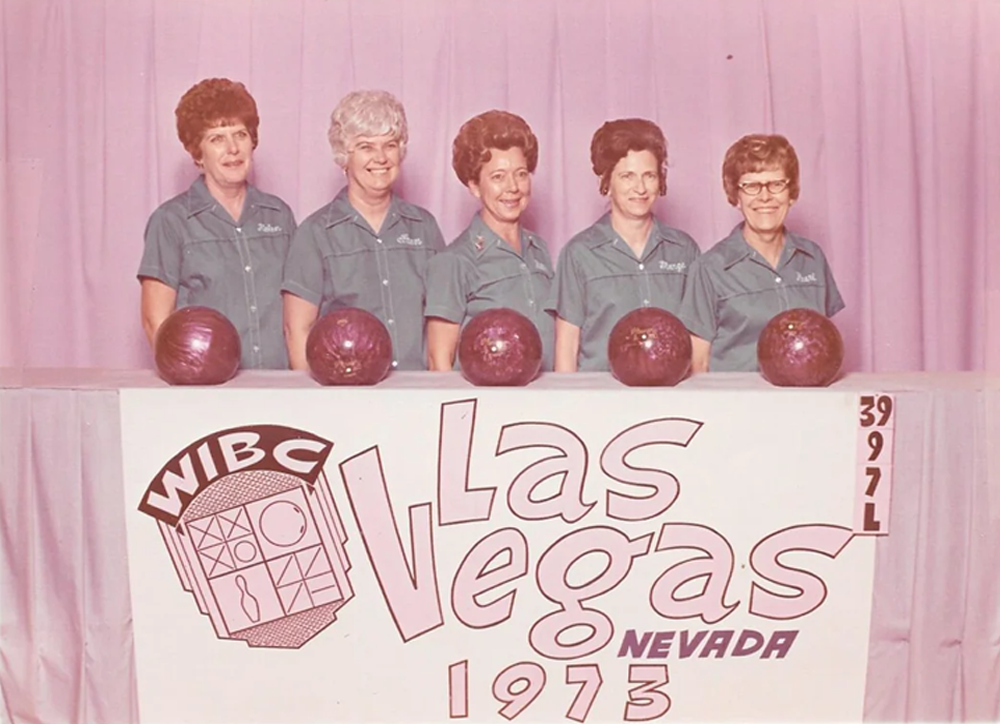
The best part was that romance wasn’t even the reason anyone showed up. Bowling leagues, photography clubs, hiking groups, book clubs, and recreational sports kept bringing the same people together week after week. Shared interests made conversations feel effortless because everyone already had something to talk about. Funny enough, some people went looking for a new hobby and accidentally came home with a future spouse instead.
15. The Gym Worked Before Dating Profiles Existed
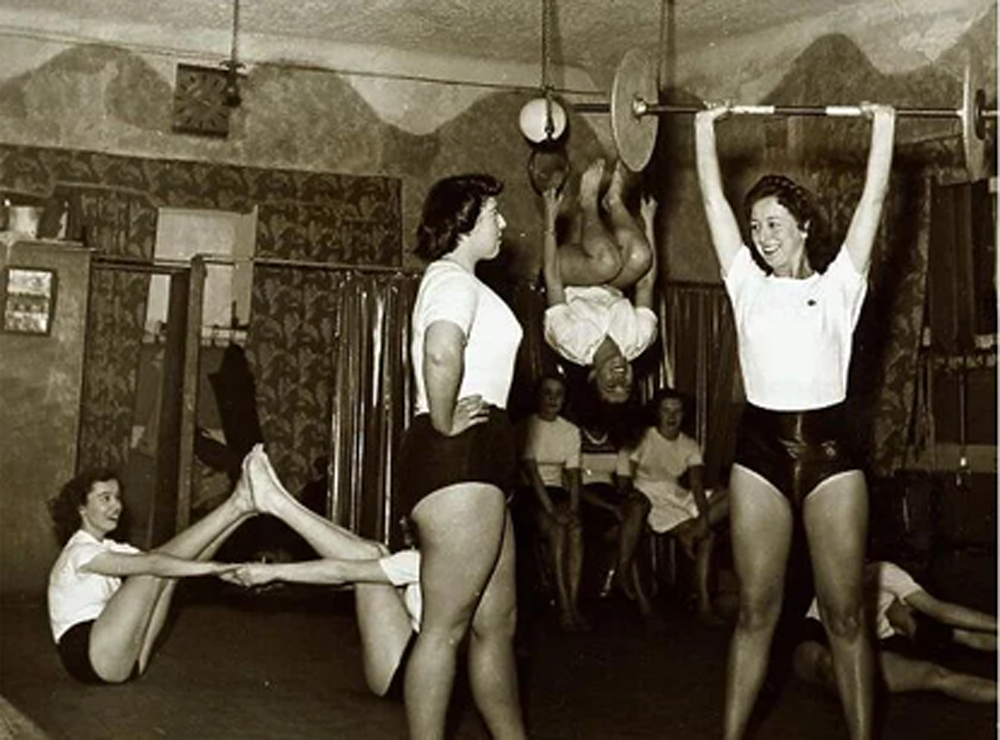
Believe it or not, people were meeting at the gym long before anyone started filming workouts for social media. Regular visits meant seeing the same faces over and over again, making small conversations feel natural instead of forced. Familiarity slowly replaced awkwardness until saying hello became part of the routine. The workout may have been the reason people showed up… but every now and then, it wasn’t the only thing that kept them coming back.
16. Family Members Played Matchmaker Too
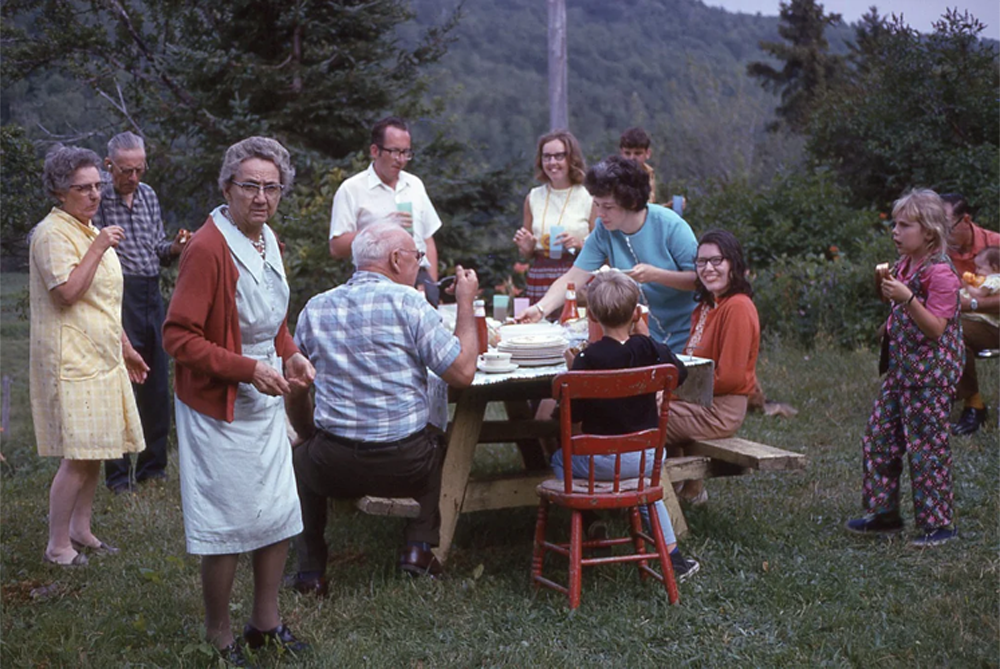
Your relatives weren’t exactly subtle when they thought they knew “the perfect person” for you. Parents, siblings, cousins, and even grandparents often kept track of who was single and happily arranged introductions whenever the opportunity appeared. Sometimes it worked beautifully. Sometimes it led to one of the most awkward dinners imaginable. Either way, families acted like their own little dating network long before technology ever entered the picture. You might not have asked for the setup… but that didn’t necessarily stop them.
17. Community Events Created Unexpected Meet-Cutes
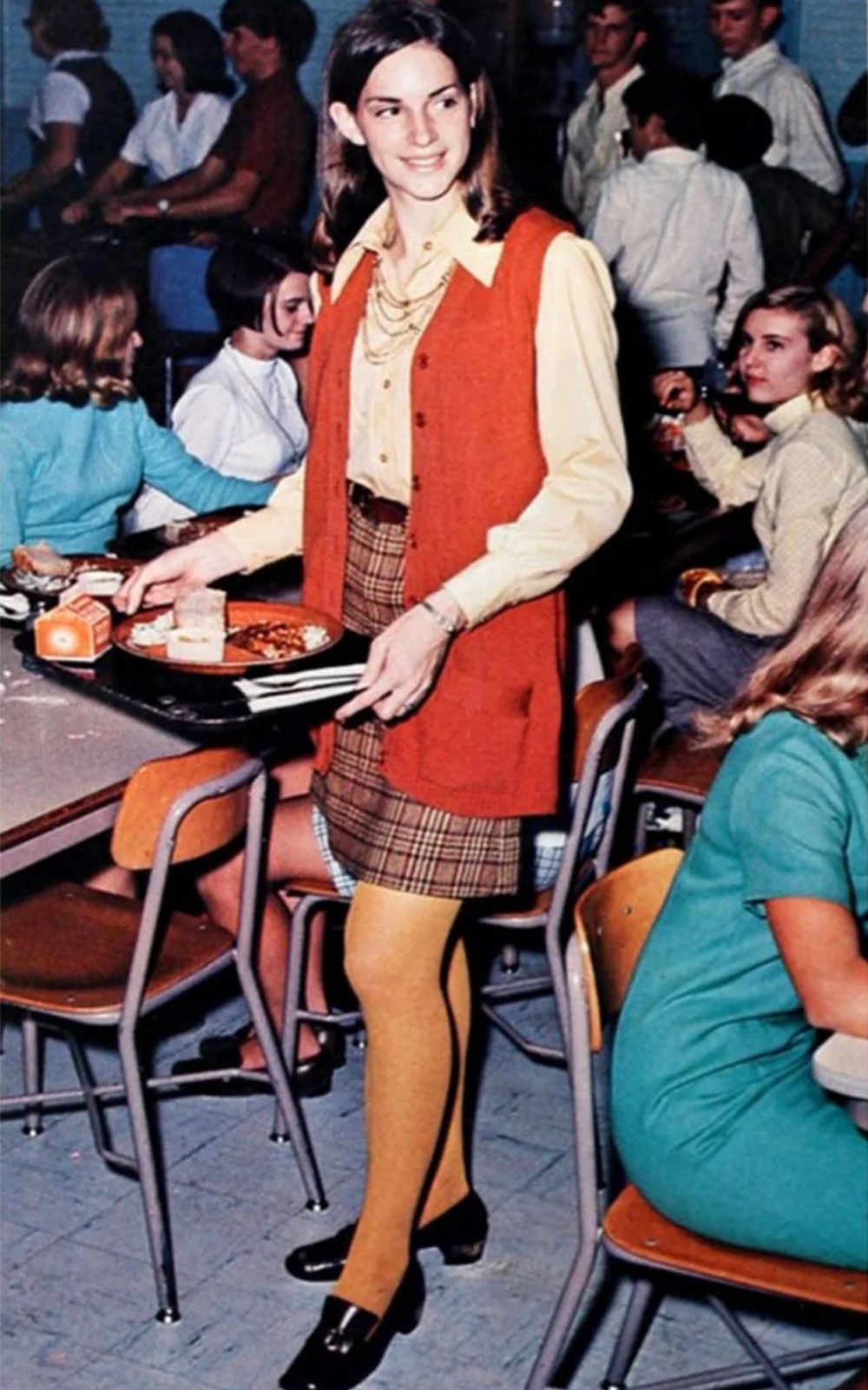
Funny how buying lemonade at a town festival could accidentally change your entire life. County fairs, neighborhood picnics, charity fundraisers, holiday celebrations, and local festivals regularly brought together people who probably would’ve never met otherwise. Unlike today’s carefully planned dating experiences, nobody showed up specifically looking for romance. They came for the event… and sometimes left with someone’s phone number. Maybe Hallmark movies weren’t exaggerating quite as much as we thought.
18. People Fell in Love While Waiting Around
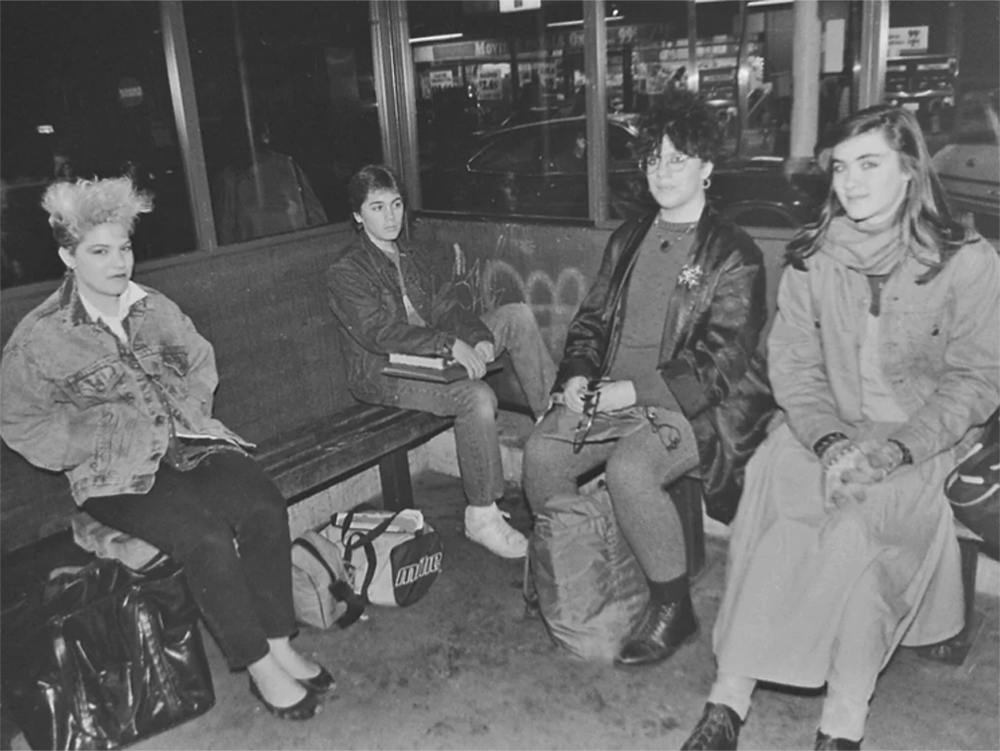
Waiting used to be boring. Occasionally, it was surprisingly romantic. Bus stops, train stations, laundromats, airport gates, coffee shops, and checkout lines created countless opportunities for casual conversations because nobody was staring at a phone screen. A simple comment about the weather or a delayed train could naturally turn into a twenty-minute conversation. Strange to think that today we spend those same moments scrolling through strangers instead of talking to the one standing beside us.
19. Speed Dating Was the Original Human Algorithm
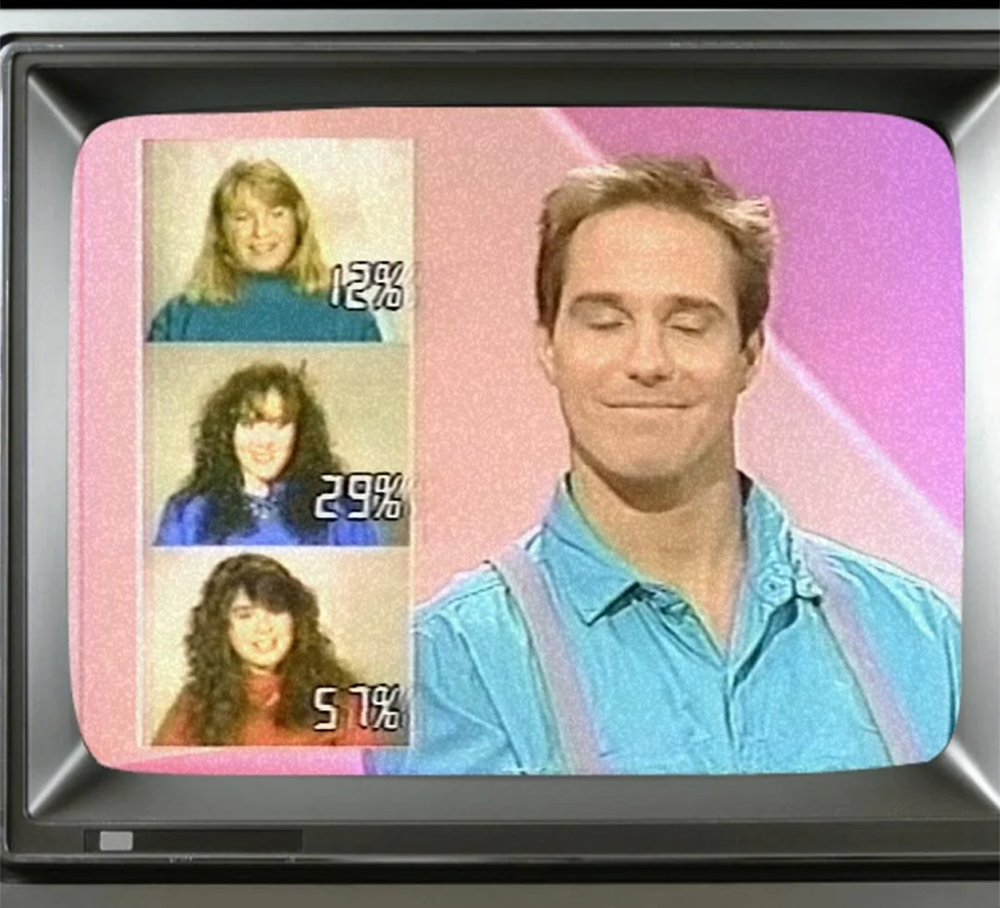
Believe it or not, people were trying to make dating more efficient long before smartphones existed. Speed dating gathered dozens of singles in one room and gave them just a few minutes to talk before rotating to the next person. The goal wasn’t very different from modern dating apps: meet lots of people in a short amount of time and see who sparked a connection. The biggest difference? You couldn’t hide behind carefully edited photos or spend three days thinking of the perfect reply.
20. Sometimes They Just Kept Running Into Each Other
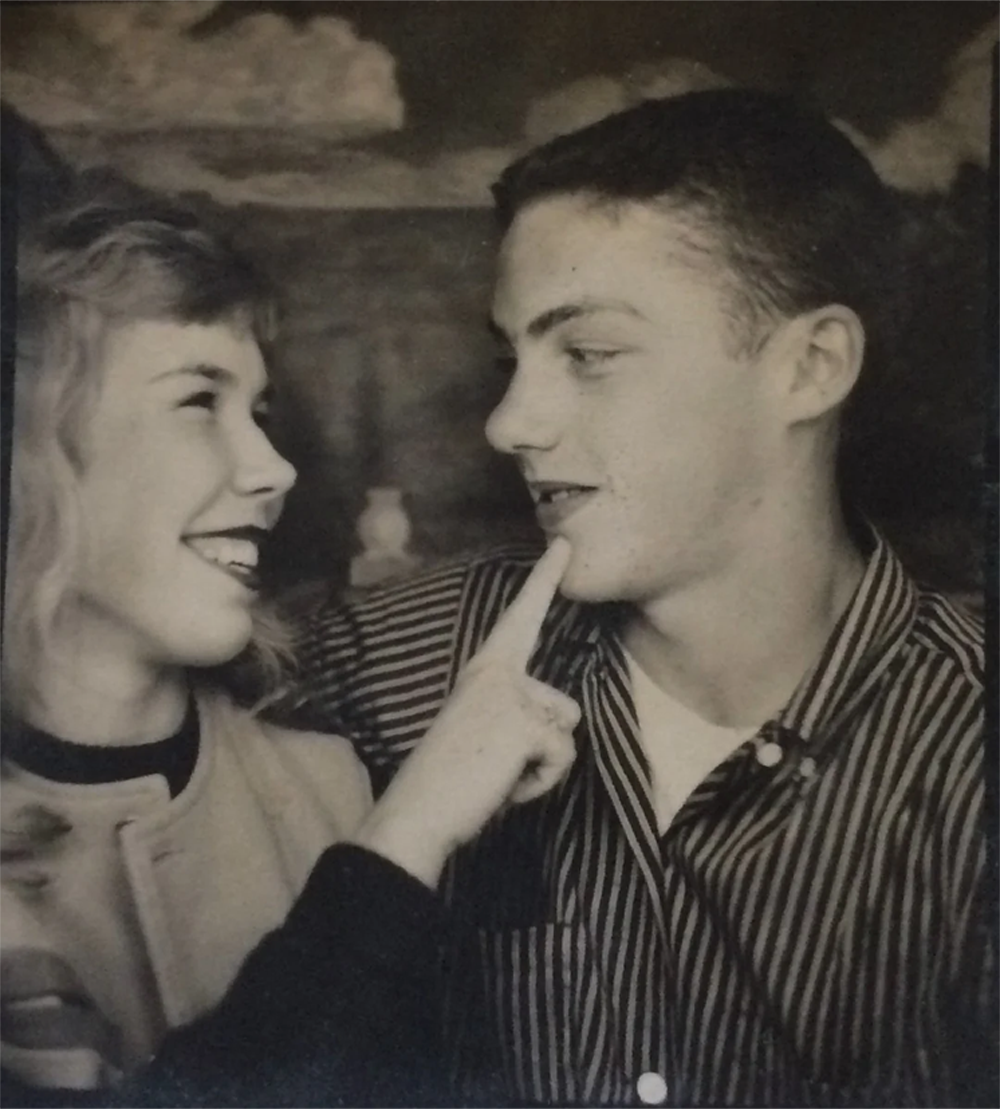
Not every love story began with a grand gesture. Some started with pure coincidence… over and over again. The same coffee shop. The same train. The same bookstore. The same hallway at work. Seeing the same person repeatedly created familiarity, and familiarity often made saying hello feel a little less intimidating each time. Looking back, maybe fate didn’t need an algorithm after all. Sometimes all it needed was terrible timing that somehow became perfect timing.
The biggest difference wasn’t that people were better at dating. It was that everyday life naturally brought people together. Whether it happened through friends, school, work, parties, churches, or complete coincidence, how people met before dating apps depended on repeated real-world encounters instead of endless scrolling. Relationships had more opportunities to grow simply because people kept crossing paths.
Technology made meeting someone faster, but it also replaced many of the ordinary moments that once did the matching for us. Maybe that’s why these old stories still feel so charming. They remind us that before algorithms started introducing people, life itself was doing a pretty good job.
Keep Exploring The Scroller
Love looking back at how everyday life used to work? Keep exploring The Scroller for more nostalgic stories, forgotten routines, pop culture throwbacks, and the little moments from the past that quietly disappeared as technology changed the way we live:
12 Dating Trends Psychologists Actually Think Are Healthy
15 Ways Social Media Quietly Changed What People Expect From Romantic Partners