Social media did not invent unrealistic expectations in relationships, but it gave them better lighting, background music, and an endless audience. Couples now see thousands of carefully selected romantic moments that can make ordinary love seem strangely uneventful. At the same time, apps have changed how people define attention, loyalty, attraction, and even privacy. Many of these shifts happened gradually, until they started feeling like normal parts of dating.
1. Love Is Expected to Look Good Online

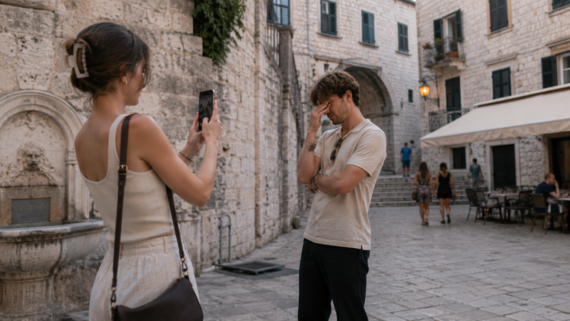
A relationship can be supportive, affectionate, and genuinely happy without producing a single photogenic moment. Social media has made that harder to remember. Romantic dinners, surprise trips, anniversary gifts, and matching outfits are often judged partly by how well they can be shared, turning private experiences into potential content. Some people now feel disappointed when a loving gesture is meaningful but not especially impressive on camera. The partner may have done something thoughtful, yet the moment can still seem underwhelming beside a perfectly framed proposal or vacation video.
2. Public Posts Have Become Proof of Commitment
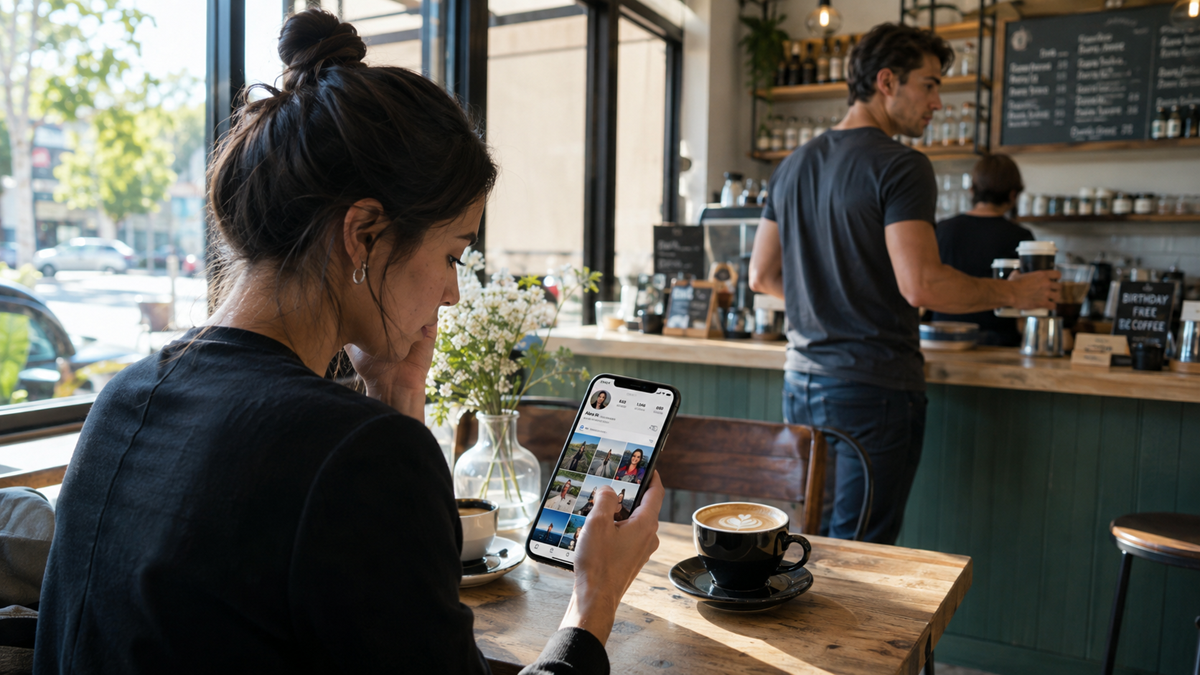
For some couples, being included on a partner’s profile feels almost like an official relationship milestone. A photo together, a birthday tribute, or a relationship status can signal that the romance is serious and acknowledged. When those posts never appear, people may begin wondering what is being hidden, even when their partner is simply private or rarely uses social media. The absence of a public declaration can start to feel more suspicious than it once did.
3. Replies Are Supposed to Come Quickly
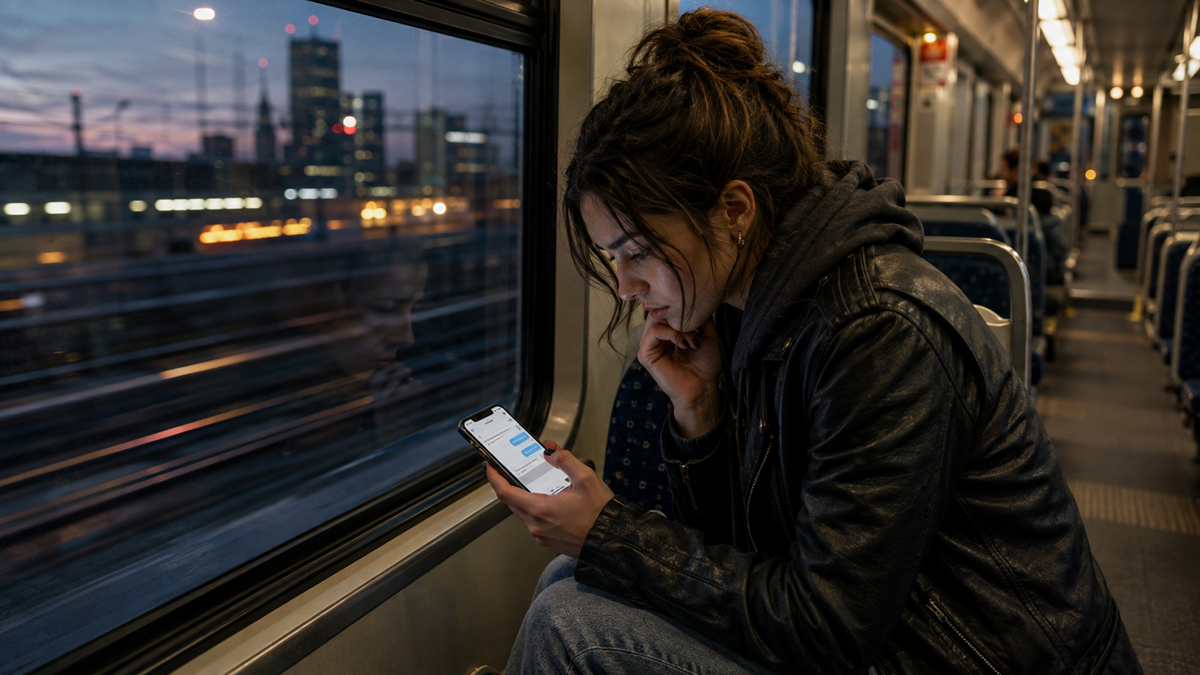
Messaging apps show when someone is online, when a message was delivered, and sometimes when it was read. That information can turn a routine delay into a small emotional mystery. A partner who takes three hours to respond may be working, driving, resting, or simply away from the phone, but the visible activity creates room for other interpretations. Fast communication has gradually shifted from a convenience into an expectation, making ordinary gaps in contact feel unusually noticeable.
4. Partners Are Expected to Be Available All Day
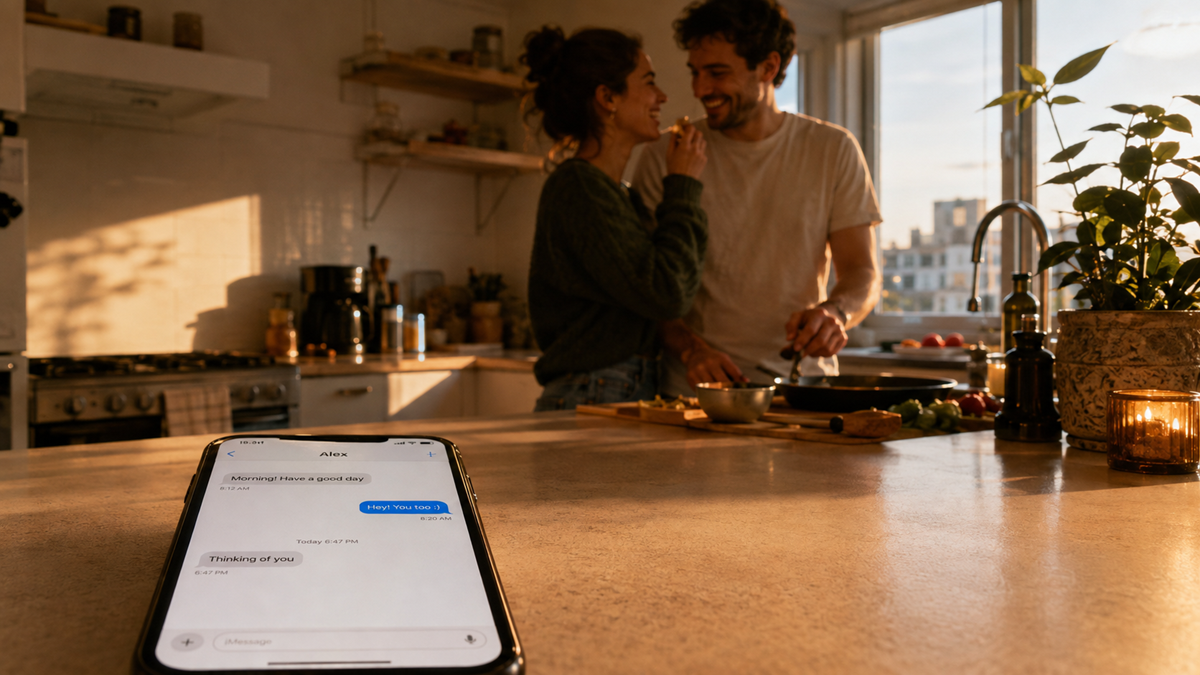
Couples once spent long stretches apart without exchanging constant updates. Now it is possible to send photos, voice notes, memes, links, reactions, and location details from morning until night. This can create a lovely sense of closeness, but it can also make quiet time seem like emotional distance. A partner who does not check in throughout the day may be seen as less interested, even if they are attentive and present when the couple is actually together.
5. Romantic Gestures Keep Getting Bigger
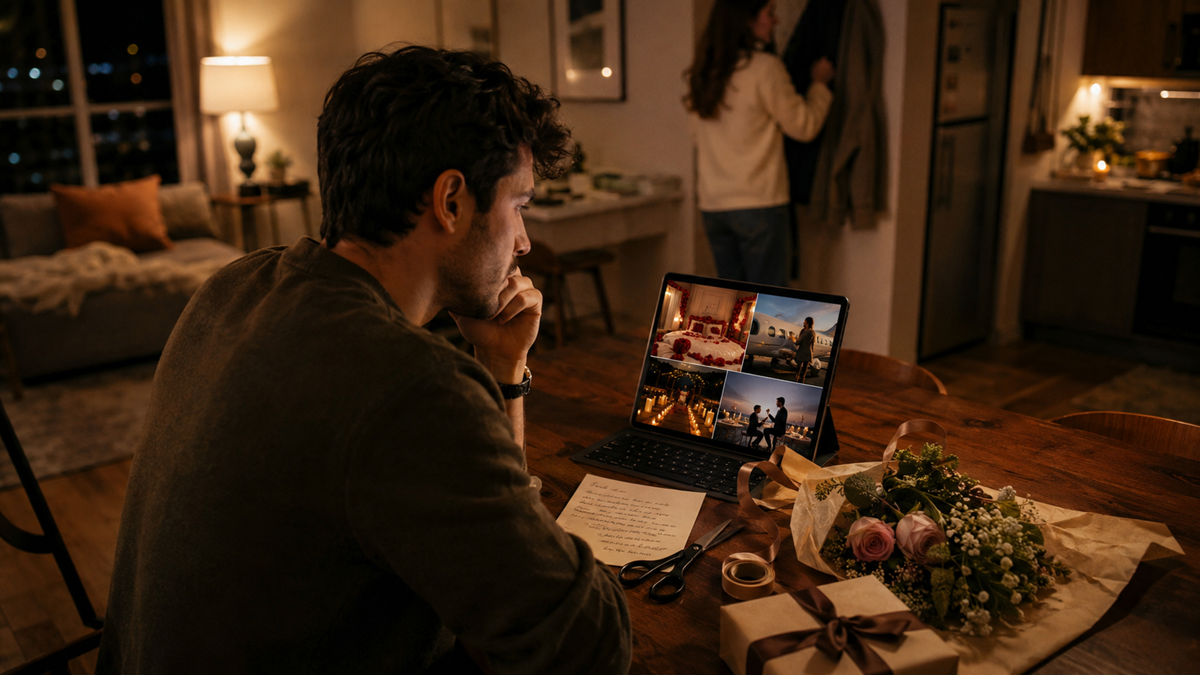
A bouquet or handwritten note may still be appreciated, but social feeds are filled with hotel rooms covered in roses, elaborate scavenger hunts, surprise international trips, and proposals staged like film productions. These moments are memorable precisely because they are unusual, yet repeated exposure can make them seem standard. People may begin expecting their partners to produce increasingly elaborate displays, especially on birthdays, anniversaries, and Valentine’s Day. The pressure is not only to be romantic, but to be creatively romantic in a way nobody has posted before.
Trending on The Scroller

6. Every Relationship Needs a Constant Stream of Excitement

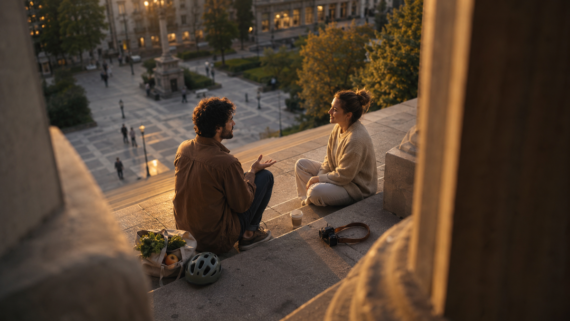
Online couples are usually shown traveling, laughing, trying restaurants, attending concerts, or announcing major life changes. The quieter parts rarely make the feed. As a result, normal routines can feel like evidence that a relationship has become stale, even though shared errands, familiar dinners, and uneventful weekends are part of most long-term partnerships.
7. A Partner’s Online Behavior Is Treated as Relationship Behavior
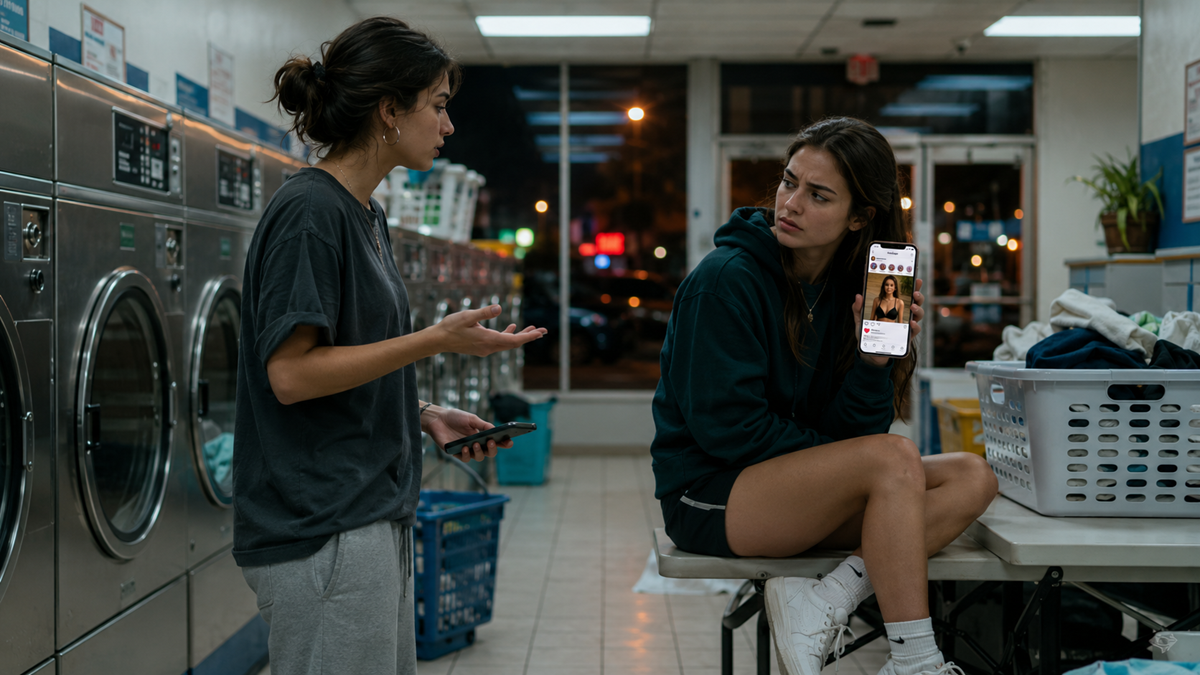
Following an ex, liking an attractive stranger’s photo, watching certain stories, or leaving a comment can now create arguments that would not have existed before social platforms. These actions may be casual, automatic, flirtatious, or completely meaningless, but couples still have to decide what they represent. Digital boundaries vary widely, and many people enter relationships assuming their own rules are obvious. Trouble starts when one person sees a harmless click, and the other sees a public sign of disrespect.
8. Couples Are Expected to Share the Same Digital World
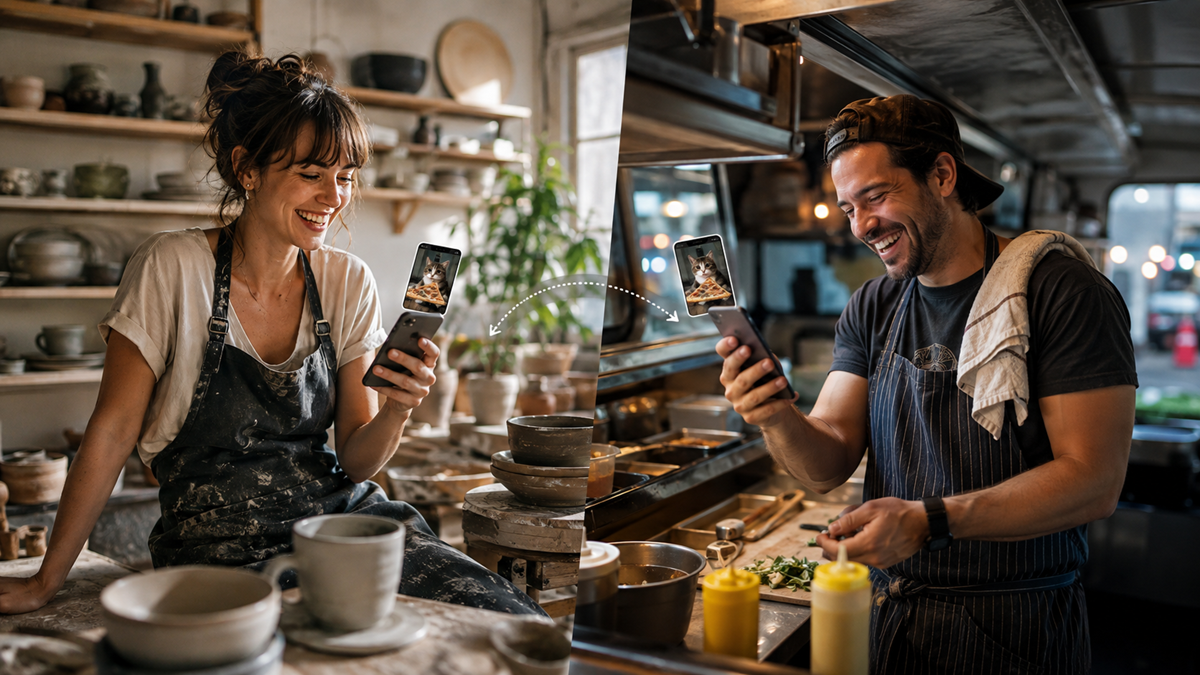
Sending posts back and forth has become a small form of intimacy. Partners trade jokes, videos, news stories, recipes, and relationship memes as a way of staying connected. When one person does not participate, the other may feel that an entire layer of the relationship is missing. Compatibility now sometimes includes having similar humor online, understanding the same references, and knowing which posts will make the other person immediately reach for the reply button.
Sign up for our newsletter
9. Privacy Can Look Like Secrecy

Wanting some space online once seemed ordinary. Today, refusing to share passwords, location data, follower lists, or private messages may be interpreted as suspicious. Some couples see complete digital access as a sign of trust, while others consider it an unhealthy loss of independence. Social media has blurred the line between transparency and surveillance, leaving partners to negotiate boundaries that previous generations never had to discuss.
10. Attractive Alternatives Always Seem Nearby
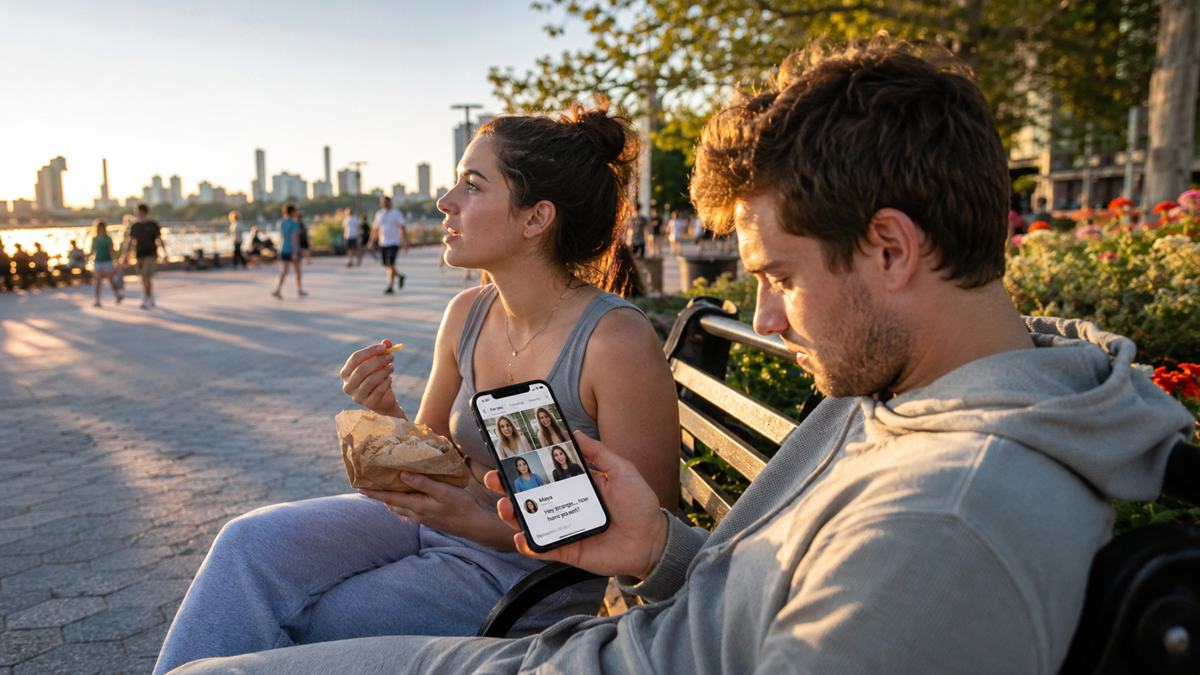
Social platforms place a nearly endless stream of interesting, attractive, and apparently available people within reach. Even in a committed relationship, users can reconnect with former partners, receive messages from strangers, or quietly follow someone they find appealing. This visibility can make romantic options seem more abundant than they really are. It may also encourage people to compare a real partner, with habits and flaws, to profiles built from someone else’s best photographs and most charming moments.
11. Partners Are Expected to Notice Every Online Detail
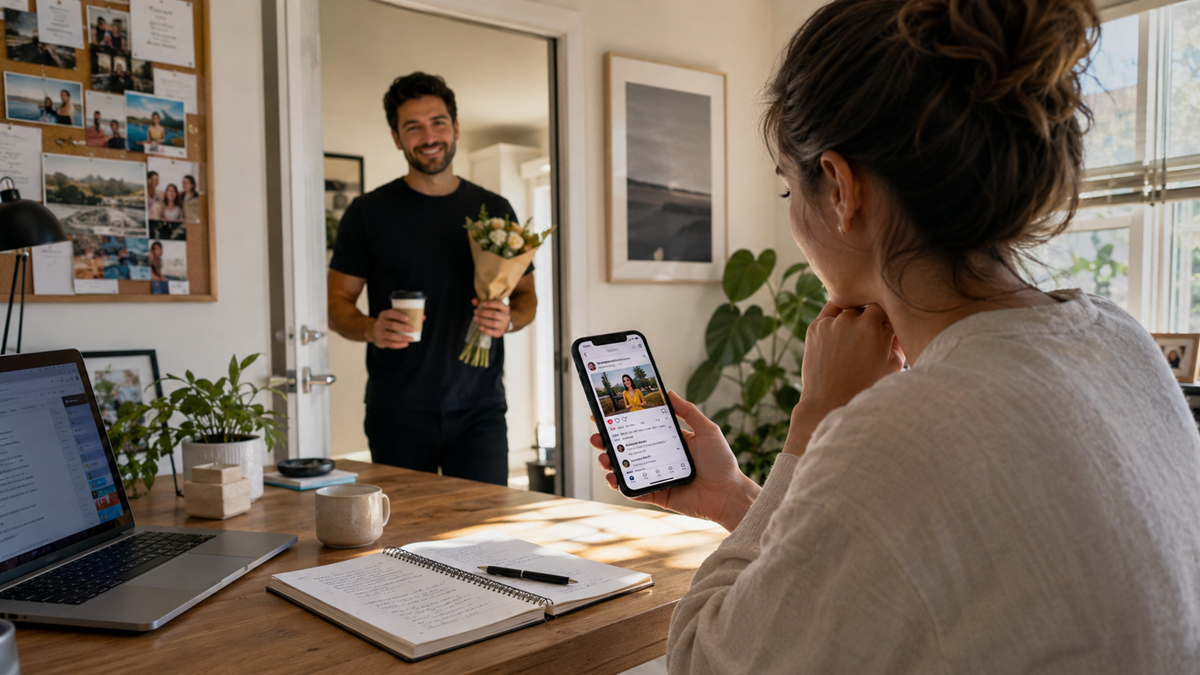
Missing a story, forgetting to like a post, or failing to comment on an important announcement can be taken personally. These actions are tiny, but their visibility gives them unusual weight. A partner may have expressed support privately and still face questions about why that support was not shown publicly.
12. Relationship Advice Arrives From Thousands of Strangers

A disagreement that once might have been discussed with a close friend can now be filtered through videos, comment sections, podcasts, and viral lists of supposed warning signs. Some of this advice helps people recognize manipulation or unhealthy patterns. Other posts reduce complicated situations to catchy rules, encouraging viewers to label ordinary mistakes as proof of incompatibility. Partners are increasingly expected to meet standards assembled from countless online experts, many of whom know nothing about the actual relationship.
13. Emotional Intelligence Has Become More Visible
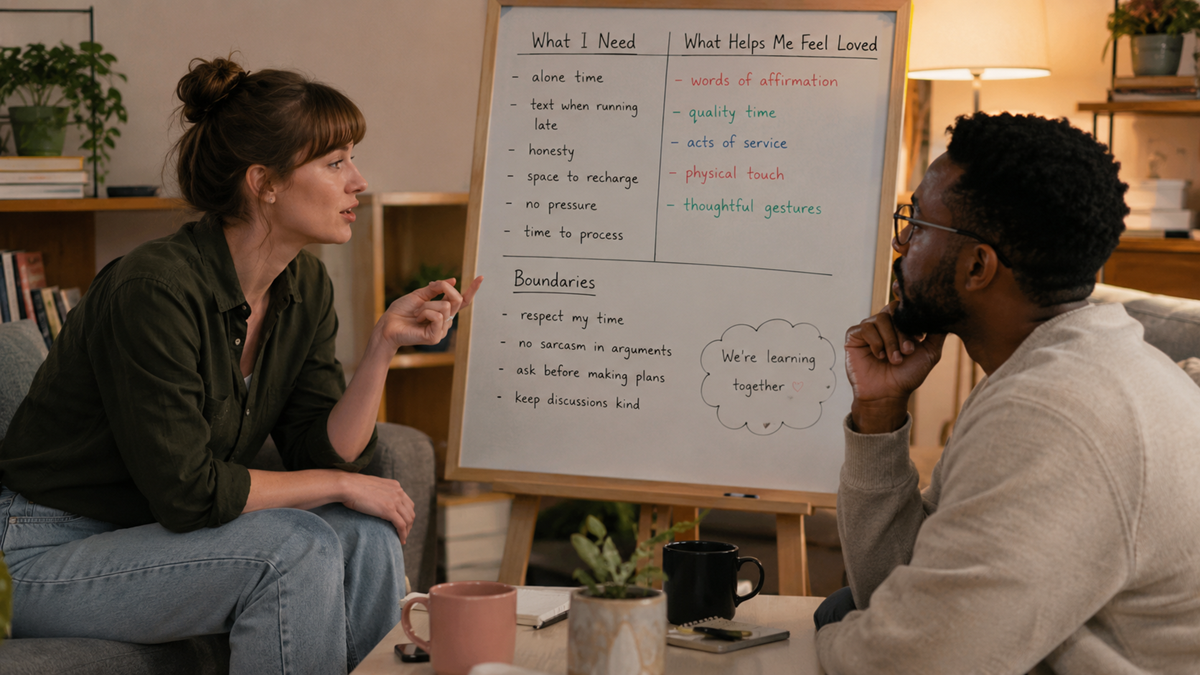
Social media has popularized language around boundaries, attachment styles, communication patterns, emotional labor, and love languages. That vocabulary can help people describe needs they previously struggled to explain. It has also raised expectations that partners should be unusually skilled at identifying emotions and responding to them correctly. Someone may now be expected not only to listen, but to understand the psychological framework behind the conversation and avoid every phrase the internet has labeled invalidating.
14. Comparison Continues After the Relationship Begins
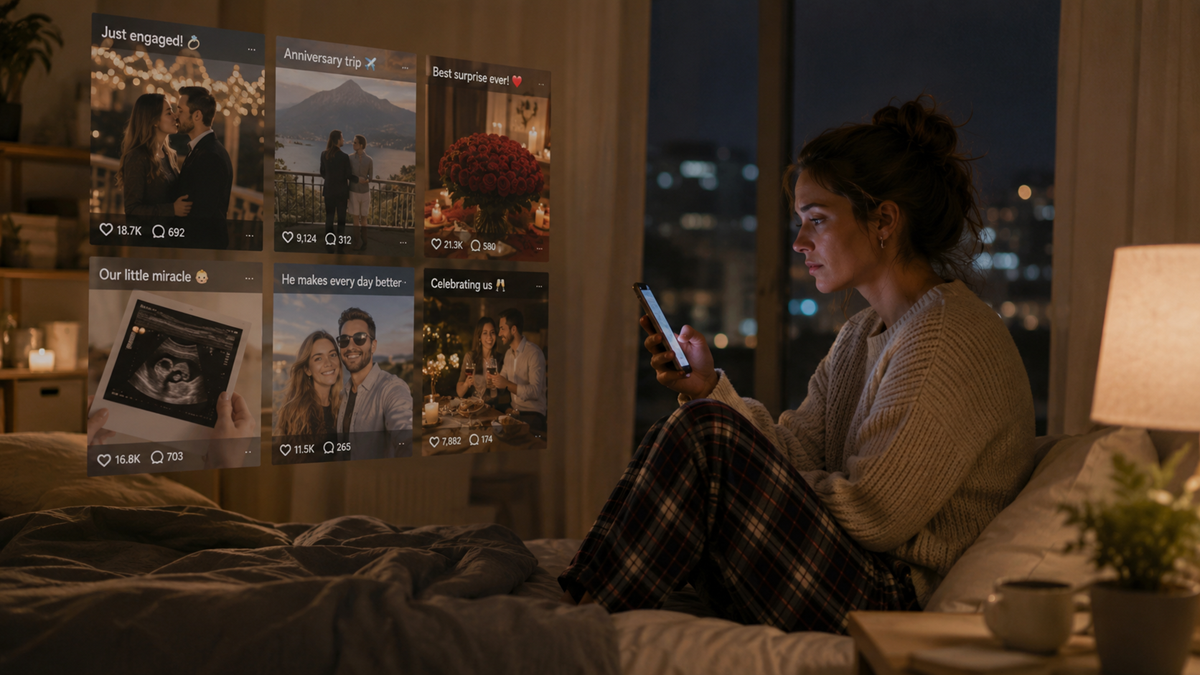
Finding a partner no longer ends the cycle of browsing and comparison. People continue seeing engagement announcements, anniversary tributes, expensive gifts, pregnancy reveals, and affectionate couple videos every day. A perfectly healthy relationship can suddenly appear lacking because another couple seems to travel more, communicate better, or celebrate each milestone with greater enthusiasm. The comparison is especially unfair because one relationship is being lived in full while the other is being viewed through selected clips.
15. Being a Good Partner Now Includes Being a Good Content Collaborator
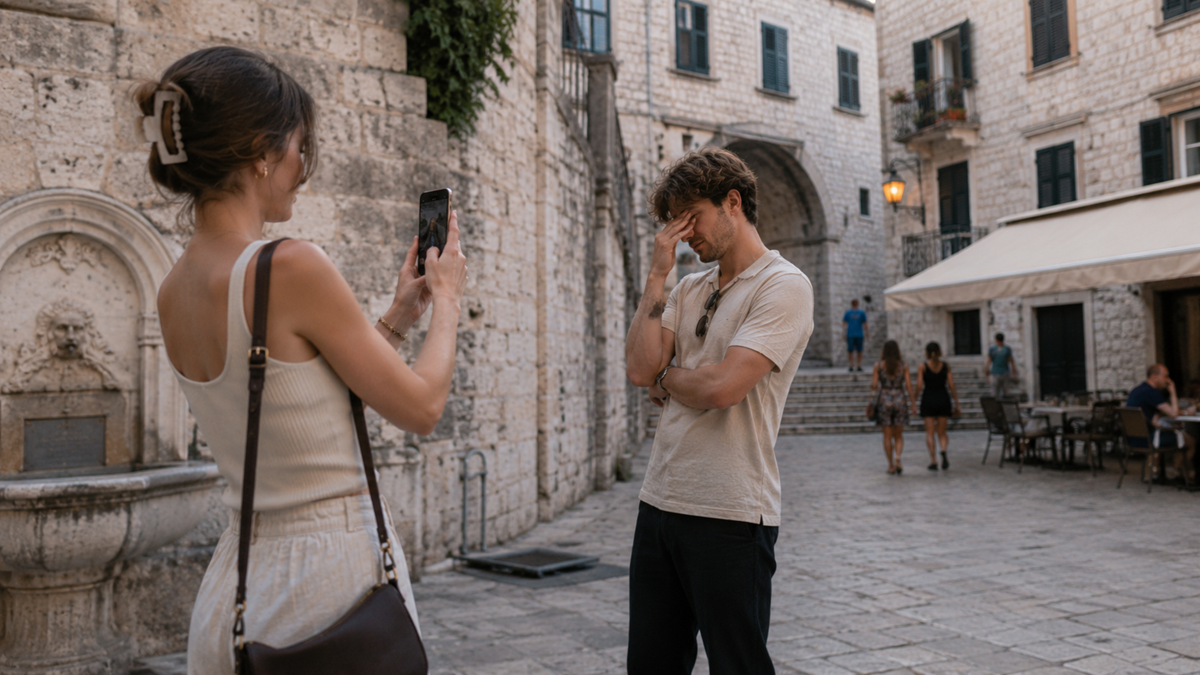
Not everyone enjoys taking twenty versions of the same photo, appearing in videos, or repeating a spontaneous moment because the camera was not ready. Still, partners are often expected to help create posts, remember flattering angles, participate in trends, and tolerate parts of the relationship becoming public entertainment. For couples who both enjoy it, this can be playful and creative. For others, it introduces a quiet tension between living the moment and documenting it well enough to share.
In the mood for more?
Check out 15 Weird Couple Habits That Can Signal a Deep Emotional Connection, or take a look at 15 Social Media Behaviors That Sound Normal Online but Are Completely Wild in Real Life. If you want to see more stories about modern romance, you can check out Common Reasons Men Get Dumped In Relationships.
Images generated by AI