

Social media has created its own set of habits that barely register as strange while we are scrolling. People announce personal milestones to hundreds of acquaintances, quietly monitor strangers, and react to major life events with tiny cartoon faces. Online, all of this feels ordinary because everyone else is doing it too. Move the same behavior into a living room, office, or crowded restaurant, though, and it starts to look deeply unusual.
1. Following Someone Without Ever Speaking to Them
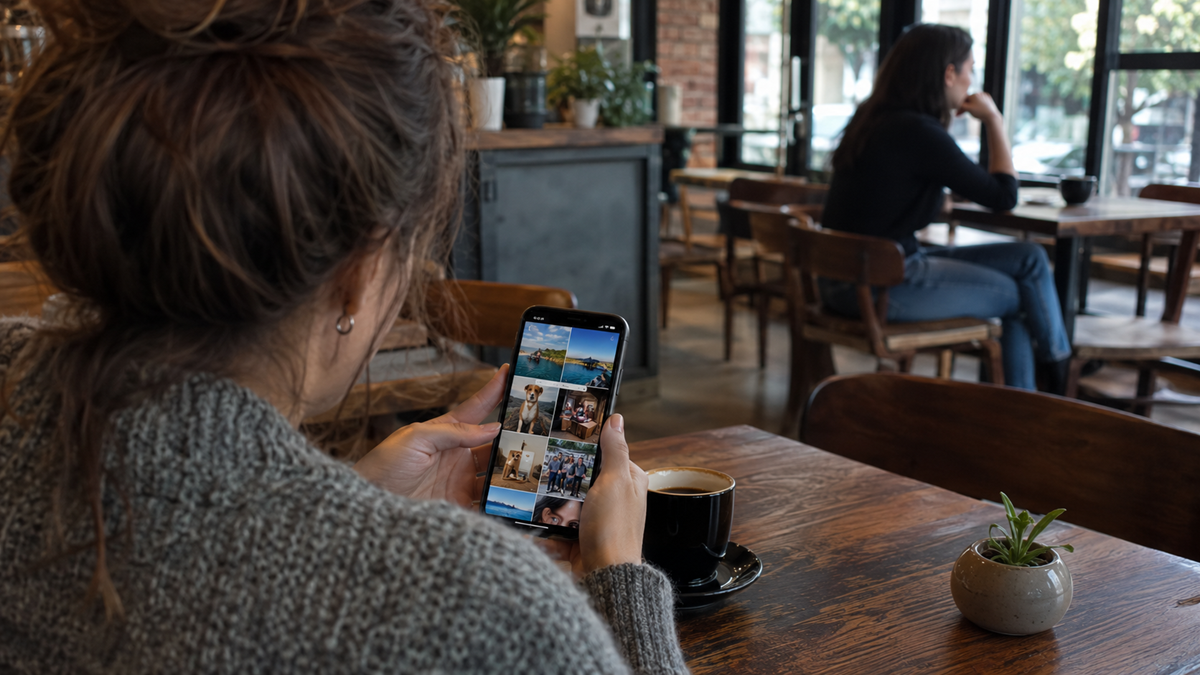
Online, following a person you have never met is one of the most basic actions possible. You might watch their vacations, learn the names of their pets, notice when they move apartments, and recognize their friends, all without exchanging a single message. In real life, regularly observing a stranger’s daily activities from a distance would be far harder to explain.
2. Announcing Your Birthday to Everyone You Know

Imagine entering a room filled with former coworkers, distant cousins, old classmates, and people you met once at a party, then loudly announcing that today is your birthday. That is essentially what happens every year on social media. The platform even reminds everyone else to congratulate you, removing any need for them to actually remember.
3. Photographing Your Meal Before Anyone Can Eat

A beautifully arranged meal arrives, but nobody is allowed to touch it yet. One person stands up, adjusts the plates, searches for better lighting, and takes several photos while the food gets colder. In a restaurant, this has become so familiar that people barely react, even though the ritual would have seemed incredibly theatrical before smartphones.
4. Publicly Displaying How Many People Like You

Follower and like counts turn social approval into a visible score. In real life, it would be similar to wearing a sign that showed exactly how many people had laughed at your jokes, complimented your clothes, or agreed with your opinions that week. Worse, everyone else would carry the same sign, making constant comparison almost impossible to avoid.
5. Posting a Cryptic Message and Refusing to Explain It

“Some people really show their true colors” is the online equivalent of walking into a crowded room, making a dramatic accusation, and then refusing to name the person involved. Anyone who asks what happened may receive a vague reply like “I don’t want to talk about it.” The mystery is often the entire point.
Trending on The Scroller


6. Watching Someone’s Vacation in Real Time
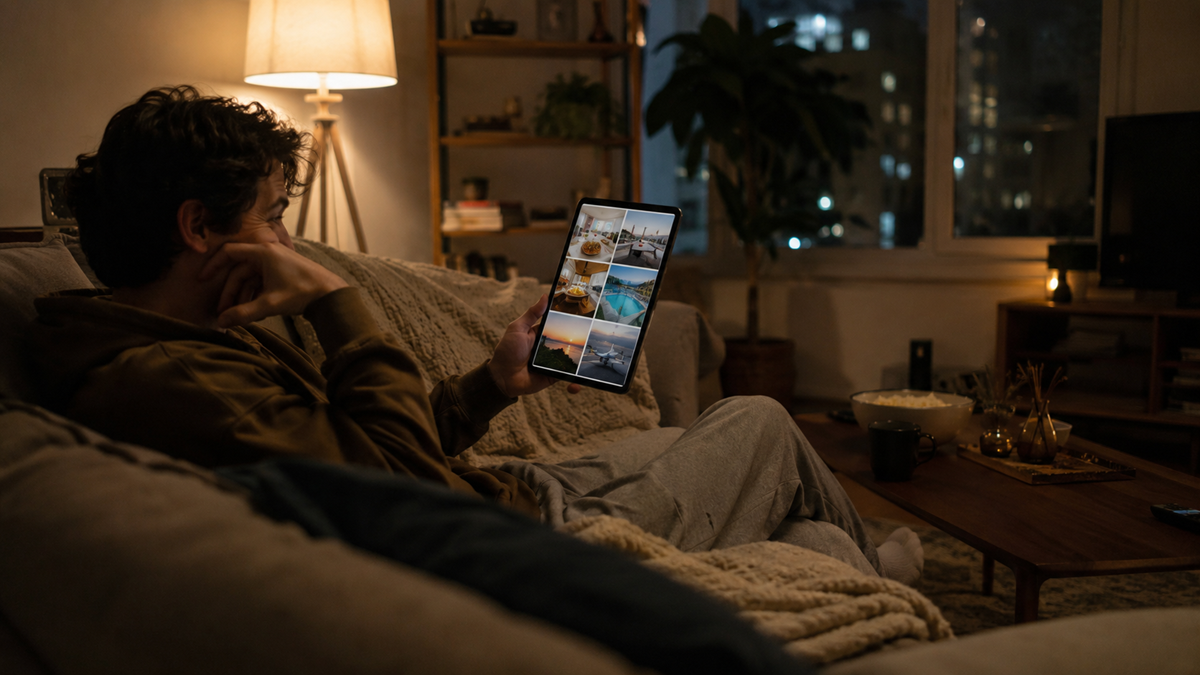
A friend goes away for a week, and you follow nearly every stage of the trip from your couch. You see the airport breakfast, hotel room, pool, dinner, sunset, and delayed flight home. It is almost like receiving a continuous travel slideshow that nobody formally agreed to attend.
7. Sharing a Private Conversation With Thousands of People

Screenshots have made private messages surprisingly portable. A conversation between two people can suddenly be reposted, analyzed, mocked, or praised by an audience that was never meant to see it. Doing the same thing offline would require printing copies of a personal exchange and handing them around at a party.
8. Quietly Researching Someone Before Meeting Them

Before a date, interview, or casual introduction, many people search the other person’s name and review years of public information. They may already know where that person studied, what music they like, where they traveled last summer, and what their old partner looked like. Then everyone meets and politely pretends to be discovering these details for the first time.
Sign up for our newsletter
9. Congratulating Someone With a Single Tiny Symbol

A friend gets married, buys a home, graduates, or announces a pregnancy. Instead of calling, writing a message, or even using a full sentence, people often respond with a heart, flame, or clapping-hands emoji. The reaction may be sincere, but reduced to real-life behavior, it would resemble silently holding up a small picture and walking away.
10. Reposting Someone Else’s Opinion as Your Own Statement
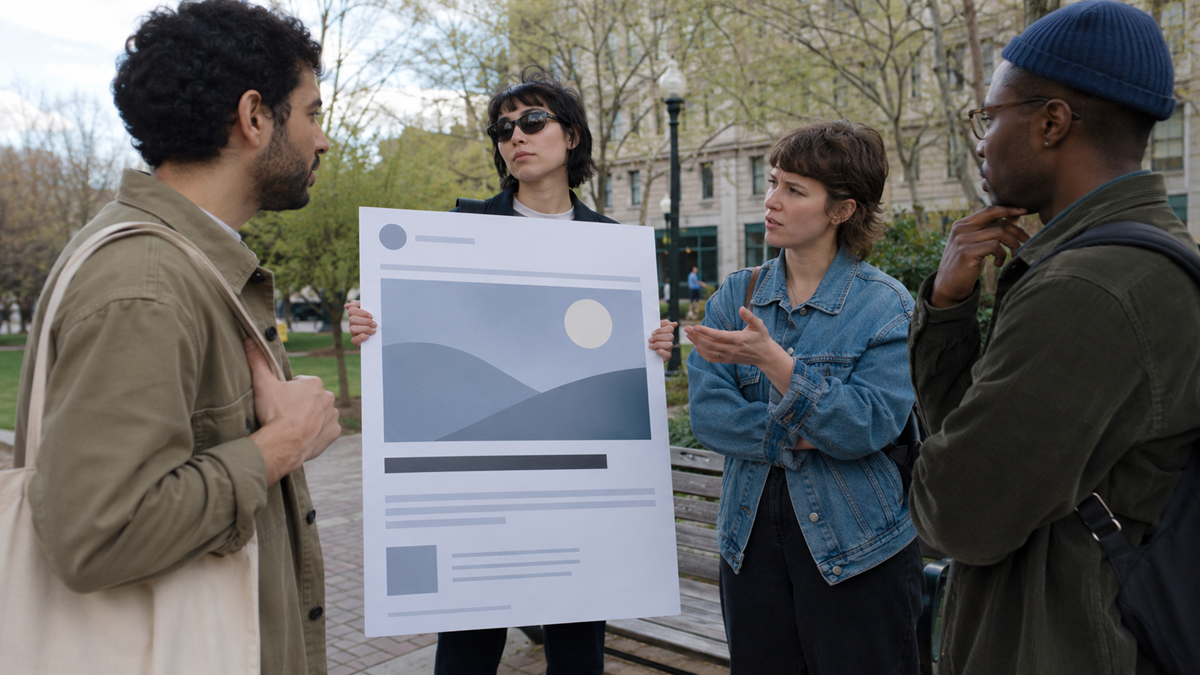
Sharing a post allows people to make a public statement without writing anything themselves. In person, it would be like carrying around someone else’s speech on a large card and holding it up whenever the topic came up. Sometimes the repost perfectly reflects the person’s view. Other times, they may not have read beyond the headline.
11. Turning Exercise Into a Public Performance Report

A morning run is no longer just a morning run. It can become a map, distance, pace, calorie estimate, playlist, photograph, and caption delivered to everyone before breakfast. Picture finishing a jog, entering the office, and immediately distributing a printed report of your route to your colleagues.
12. Keeping Up With People You Have Not Spoken to in Years

Social media allows relationships to continue in a strangely passive form. You may know that an old classmate changed jobs, had two children, adopted a dog, and moved to another country, despite not speaking to them since 2014. It creates familiarity without contact, which can make distant people feel both close and completely unknown.
13. Editing Your Face Before Showing It to Anyone
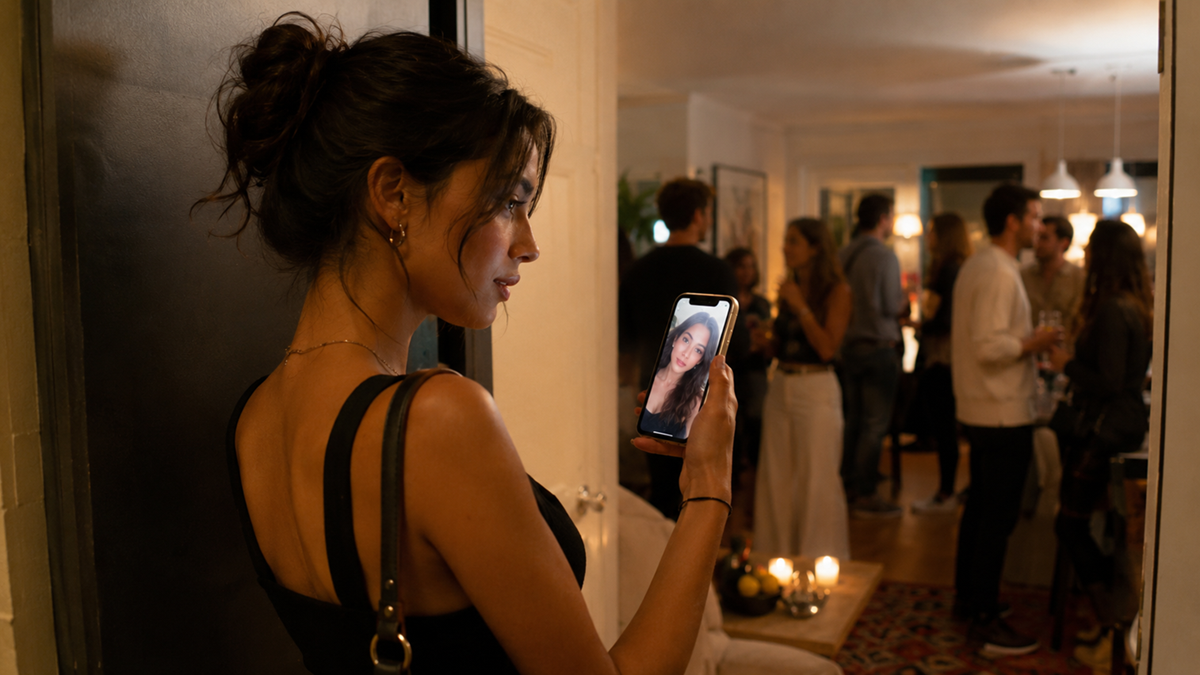
Filters can smooth skin, reshape features, enlarge eyes, alter lighting, and change the proportions of a face in seconds. Online, the edited version may become the one people see most often. In real life, it would be like putting on a slightly different mask before entering every social setting, then behaving as though nothing had changed.
14. Publicly Marking the End of a Relationship
A breakup once became public through conversations, rumors, or the gradual disappearance of a couple from social events. Now it can be revealed by a changed relationship status, deleted photos, unfollowing, or a suddenly vague quote about personal growth. Friends may notice the digital evidence before either person has explained what happened.
15. Recording an Emotional Moment Instead of Experiencing It

Proposals, reunions, surprises, arguments, and even acts of kindness are increasingly filmed from the beginning, sometimes with multiple camera angles. The person recording must remain aware of framing, timing, and whether the moment is visually clear. It raises an awkward question: if a deeply emotional event happens and nobody uploads it, did it receive its full social value?
In the mood for more?
Check out 14 Ways the Internet Changed the Workplace Over the Decades, or take a look at 14 Jobs That Did Not Exist Before the Internet. If you want to see more stories about social media history, you can check out 14 Early Social Media Platforms That Have Mostly Disappeared.
Images generated by AI