Cinematic history is filled with brilliant performances and stunning visual effects, but sometimes a completely ordinary prop manages to steal the spotlight entirely. It only takes a few seconds of screen time for a simple everyday object to become absolutely iconic in the eyes of devoted movie fans. Suddenly, a basic piece of office equipment or a forgotten candy brand is elevated into a massive cultural phenomenon.
Prop masters and set decorators spend countless hours selecting the perfect visual elements to ground a fictional narrative in reality. Occasionally, their subtle creative choices resonate so deeply with audiences that the physical objects take on a permanent life outside the theater. From glowing briefcases that sparked decades of fan theories to custom electronic gadgets that forced toy companies into emergency production, these items left a massive mark on pop culture. Here are twelve legendary objects that achieved permanent fame after appearing in a single film.
1. The red Swingline stapler
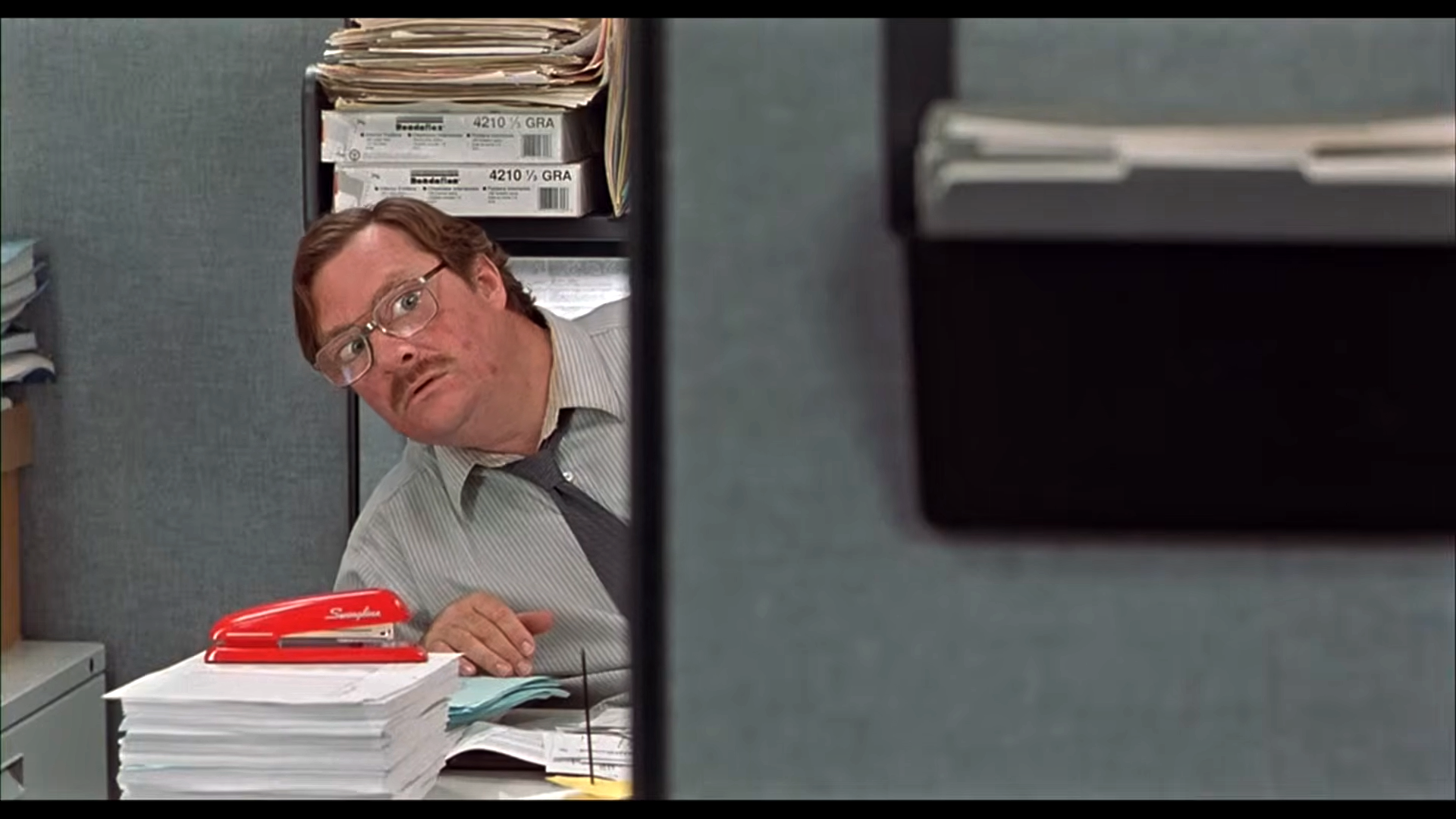
When Mike Judge directed Office Space in 1999, he specifically requested a bright red stapler for character Milton Waddams to make it visually pop on screen. Because the Swingline company did not actually manufacture red models at the time, the prop department had to custom paint a standard black one using auto body spray. The film generated such intense fan demand that Swingline was forced to officially release a commercial red version three years later.
2. The Talkboy cassette recorder
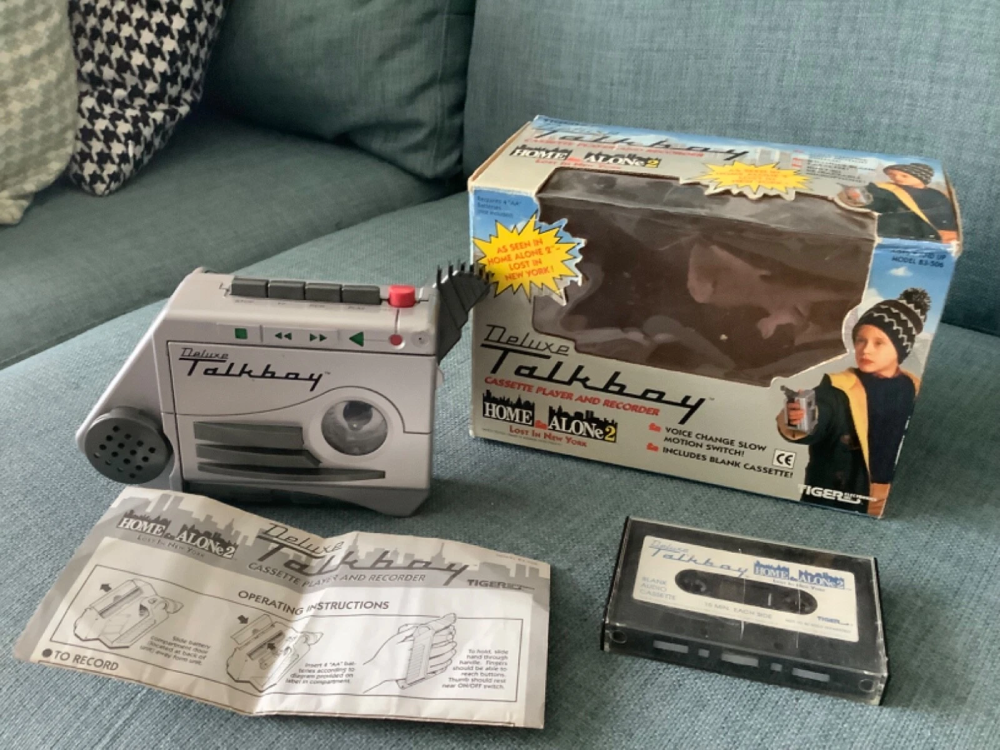
The sleek silver recording device utilized by Kevin McCallister in Home Alone 2: Lost in New York was entirely fake, designed specifically for the 1992 movie by Tiger Electronics. Director John Hughes demanded a prop that would realistically fit inside a child’s pocket while appearing incredibly sophisticated. Following a massive letter-writing campaign from desperate young fans, Tiger rushed a fully functional retail version into commercial production the following Christmas season.
3. The Ruby Slippers
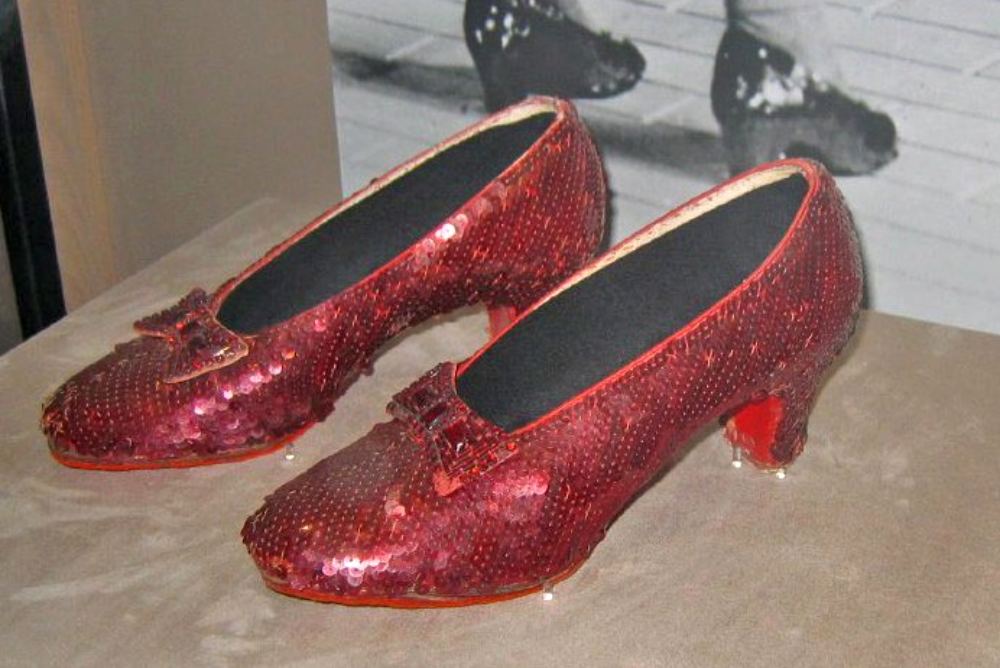
In L. Frank Baum’s original fantasy novel, Dorothy Gale famously traversed the yellow brick road wearing a pair of magical silver shoes. Metro-Goldwyn-Mayer purposefully changed the footwear to a vibrant, shimmering red in 1939 solely to take full advantage of their brand-new, highly expensive Technicolor film process. This brilliant aesthetic pivot successfully created the most famous and highly insured costume pieces in Hollywood history.
4. Reese’s Pieces candy
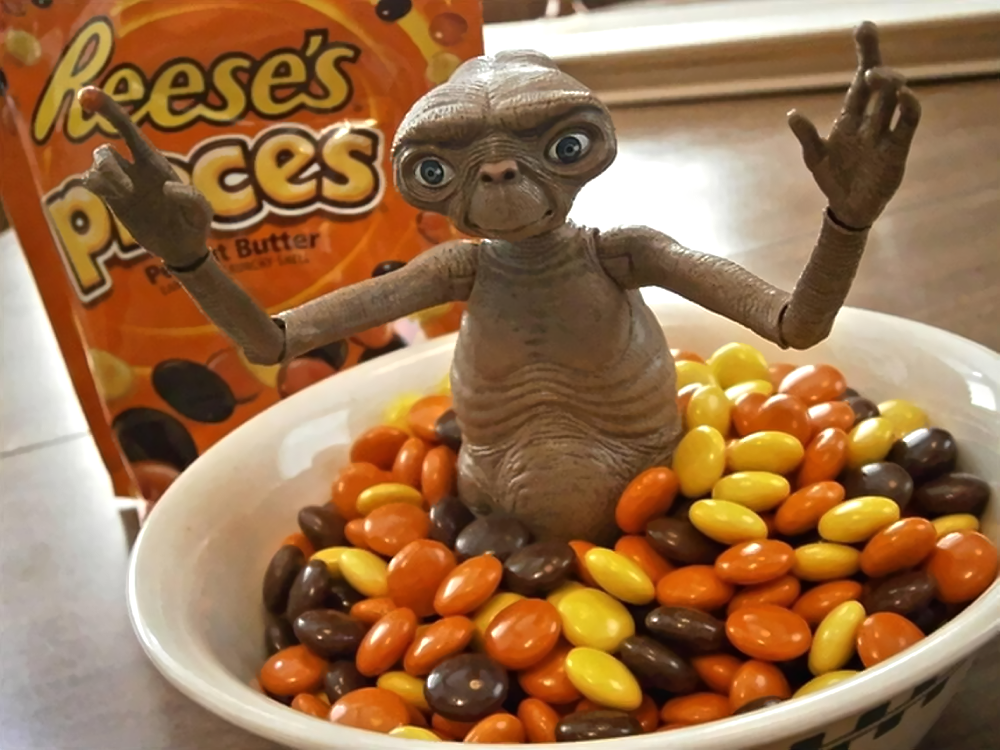
Steven Spielberg originally approached Mars Incorporated to use M&Ms in a crucial 1982 scene where a young boy lures an alien out of the bushes in E.T. the Extra-Terrestrial. When the chocolate company declined the offer, Hershey happily stepped in to feature their relatively new peanut butter candy instead. The massive blockbuster immediately triggered a staggering three hundred percent sales spike for the bright orange bags, completely revolutionizing modern cinematic product placement.
5. The Mattel hoverboard
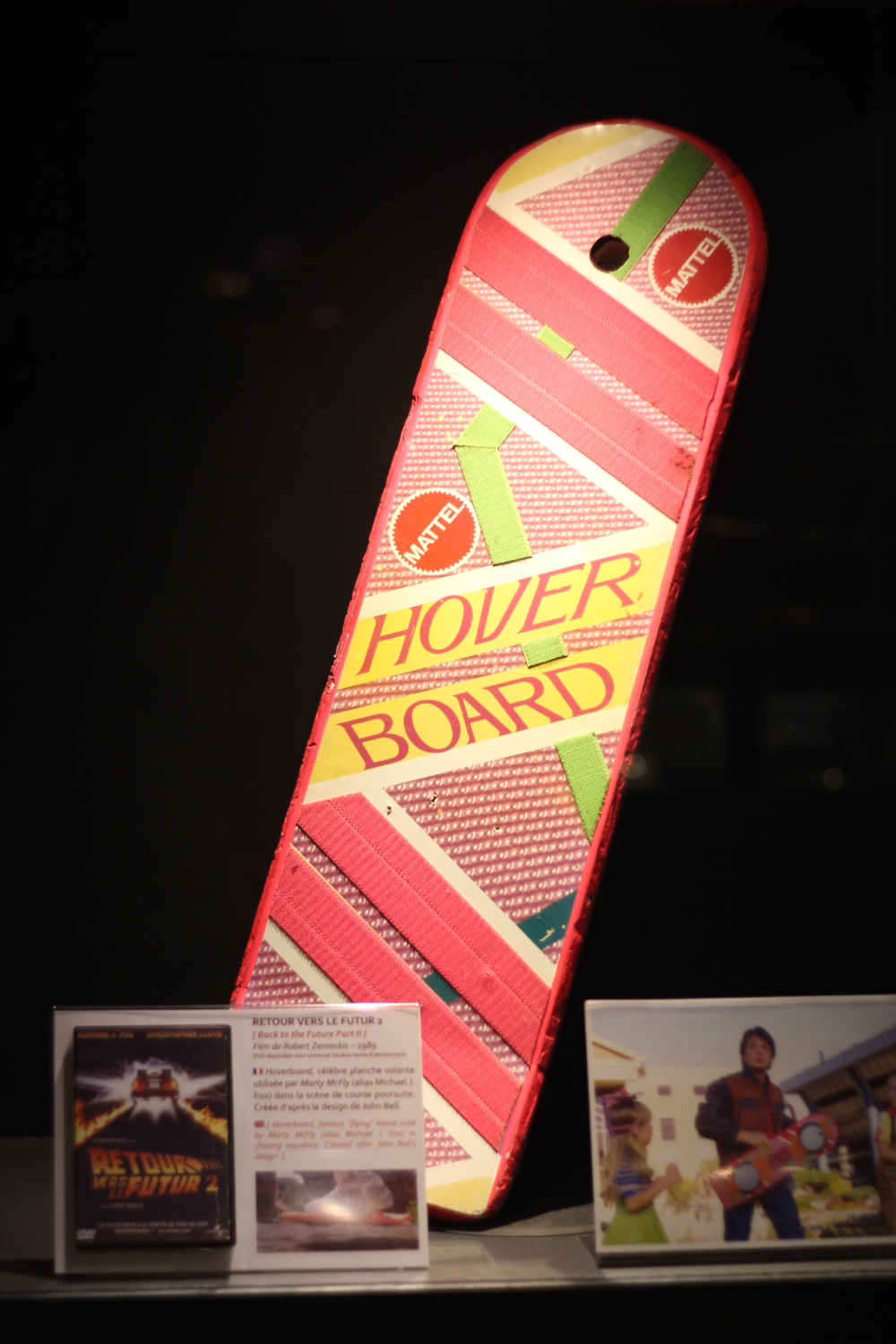
During promotional interviews for Back to the Future Part II in 1989, director Robert Zemeckis sarcastically claimed that hovering skateboards were completely real but kept off the market by angry parent groups. This deadpan joke caused an absolute meltdown among young viewers, resulting in thousands of furious phone calls to the Mattel toy company demanding the release of the fictional board. The actual movie prop was simply a standard wooden skateboard deck covered in bright pink Velcro and optical reflectors.
Trending on The Scroller

6. The Toshiba boombox
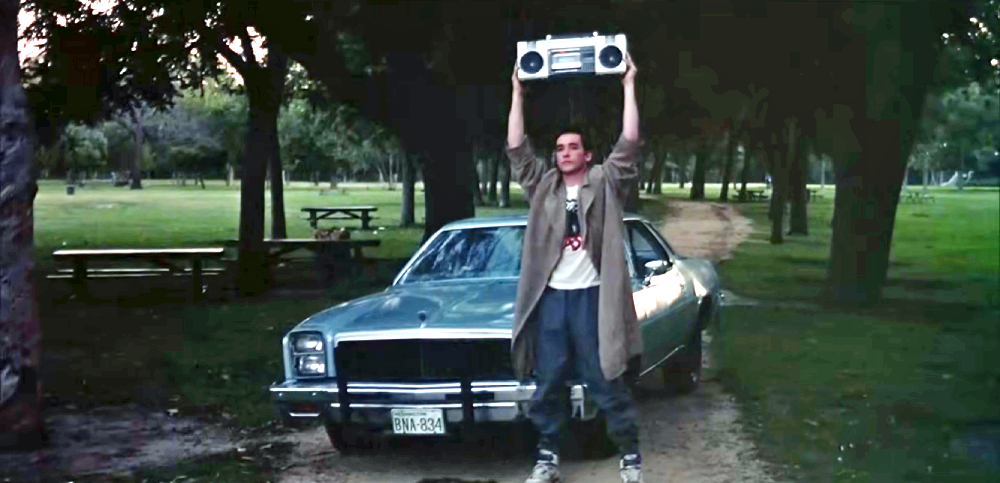
Actor John Cusack initially hated the idea of holding a massive Toshiba RT-8003S radio above his head in Say Anything, fearing the romantic gesture would make his 1989 character look incredibly weak. He reluctantly filmed the famous boombox scene on the final day of production while actively attempting to project anger instead of heartbreak. That single defiant shot ultimately cemented the heavy portable stereo as the ultimate cultural symbol of teenage devotion.
7. The clay pottery wheel
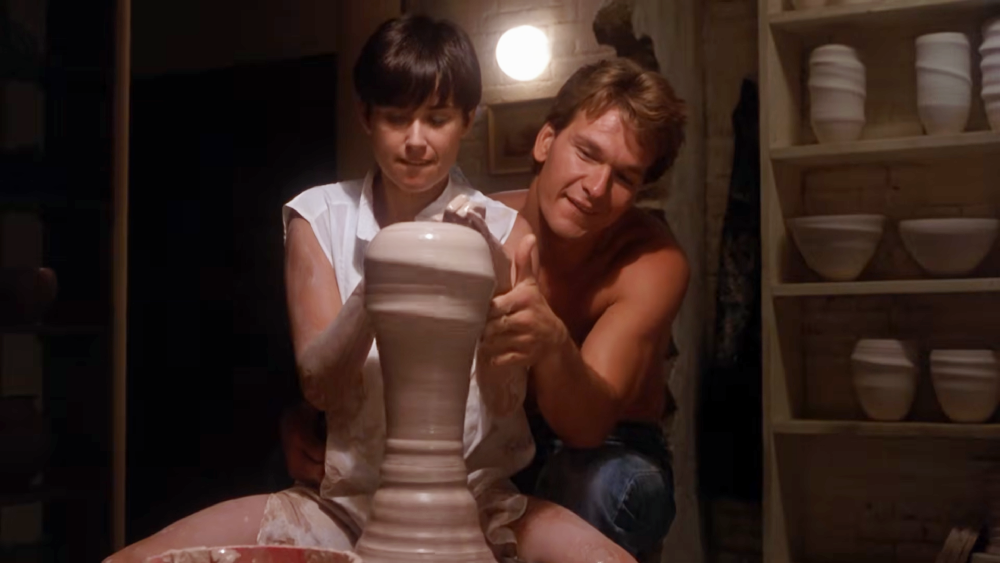
The sensual midnight sculpting scene in the 1990 romantic thriller Ghost drove such intense interest in ceramics that local pottery classes across the United States reported massive waitlists for years. The actual spinning wet clay used on set collapsed constantly during filming, totally ruining the aesthetic flow. To save the scene, Patrick Swayze and Demi Moore had to expertly improvise their passionate hand movements over a hidden, rigid sponge.
8. The yellow motorcycle tracksuit
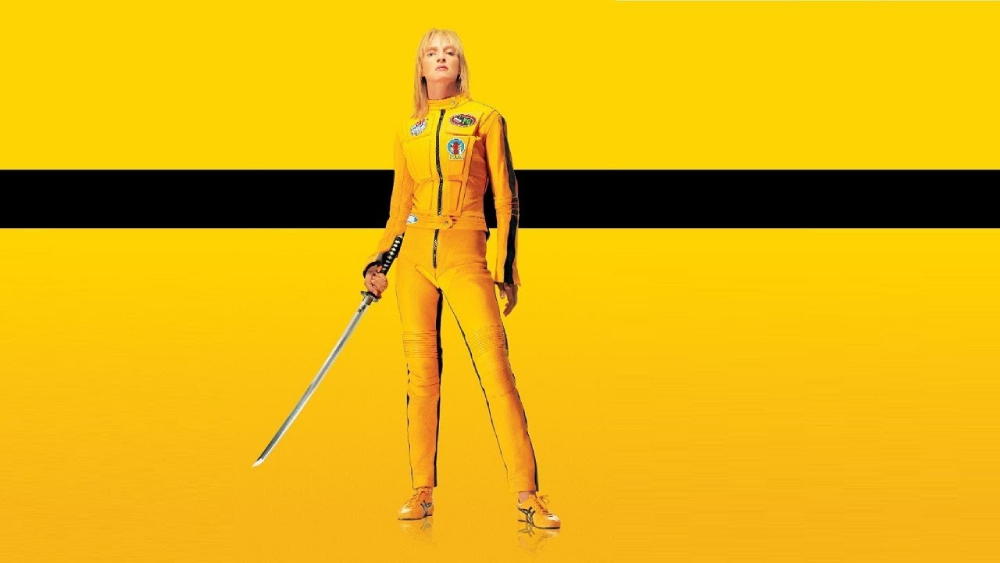
Quentin Tarantino explicitly designed the bright yellow and black fighting outfit worn by Uma Thurman in Kill Bill: Volume 1 to honor martial arts legend Bruce Lee. The striking costume was an exact replica of the track gear Lee wore in his final unfinished 1978 movie Game of Death. Tarantino even insisted that the custom Asics sneakers feature a hidden vulgar message printed directly on the soles just for a single low-angle camera shot.
Sign up for our newsletter
9. The spinning metal top
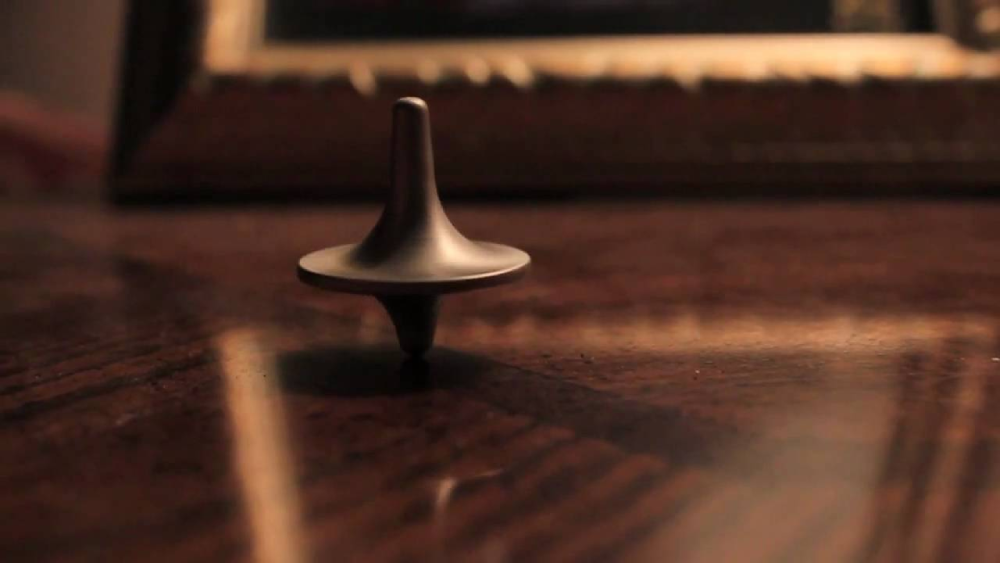
The elegant totem used by Leonardo DiCaprio’s character in the 2010 sci-fi heist film Inception was precision-machined from non-magnetic metals to ensure it spun flawlessly on camera. Director Christopher Nolan purposefully cut the final scene just before the top could fall, launching endless internet debates about the true nature of the cinematic reality. The prop builders actually created multiple distinct versions of the top, including one heavily unbalanced model designed specifically to topple over dramatically.
10. The box of chocolates
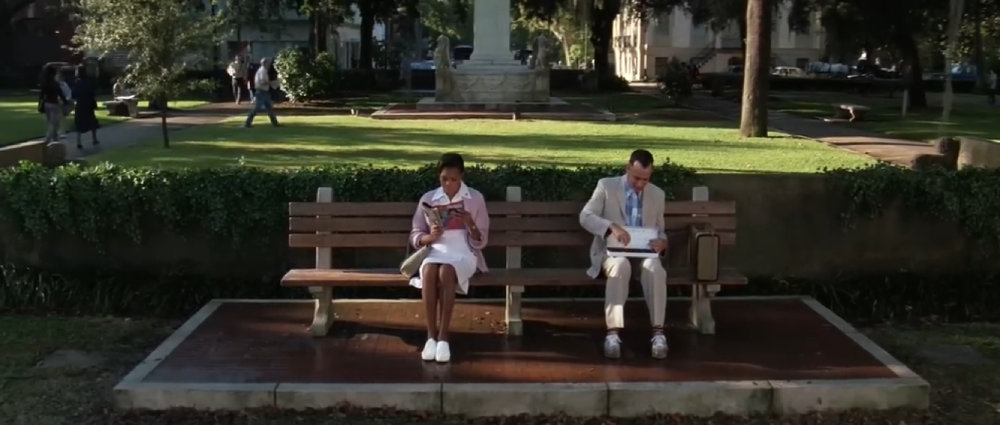
During the famous park bench scene in the 1994 drama Forrest Gump, the beautifully wrapped box sitting on Tom Hanks’ lap actually contained zero real chocolates. The intense studio lighting would have instantly melted any actual candy, so the actor was simply picking up empty paper wrappers while delivering his legendary philosophical dialogue. The movie caused such a massive surge in romantic confectionery sales that the Whitman’s chocolate company later released an exact commercial replica of the cinematic box.
11. The glowing briefcase
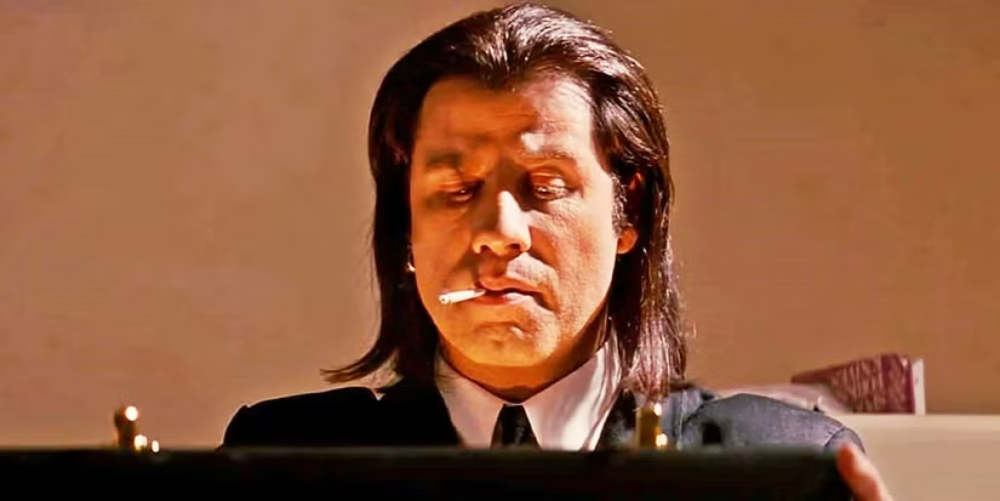
Quentin Tarantino purposefully never revealed what was actually locked inside the mysterious black briefcase that drives the entire plot of his 1994 classic Pulp Fiction. The mesmerizing golden glow reflecting on the actors’ faces was achieved practically by wiring a small orange lightbulb and a hidden battery pack directly into the leather lining. By leaving the contents completely ambiguous, the director allowed every single audience member to project their own ultimate treasure into the prop.
12. The leg lamp
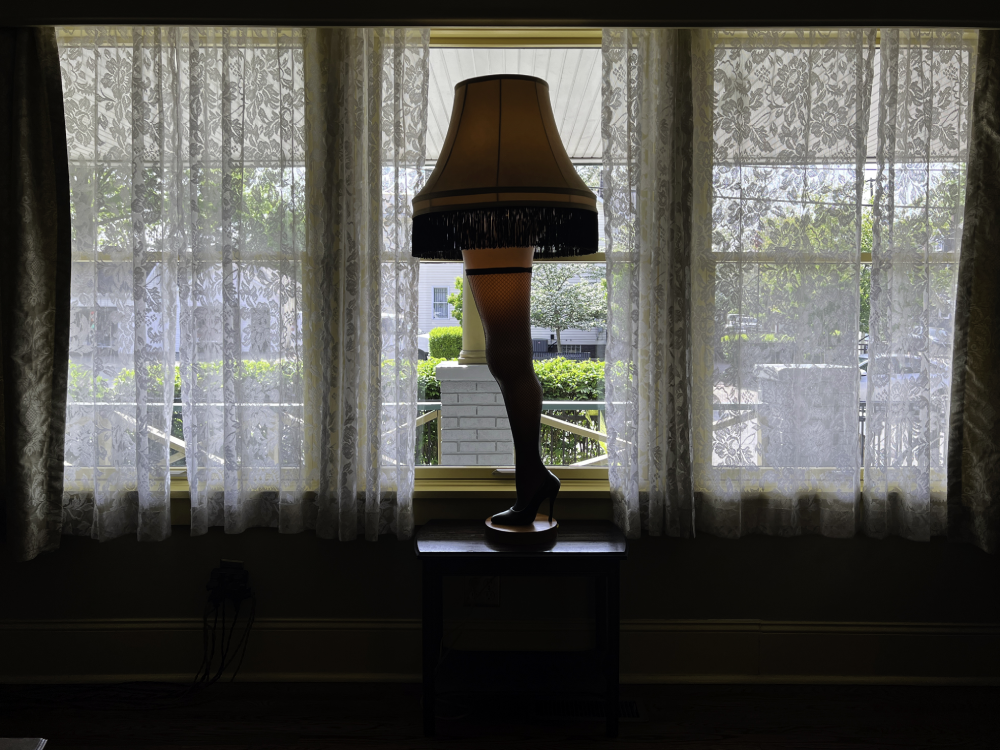
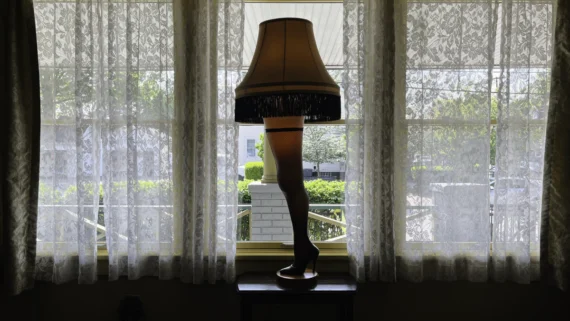
The bizarre, fishnet-clad illuminating award from A Christmas Story was not a pre-existing novelty item, but a custom creation designed specifically for the 1983 holiday film. Production designer Reuben Freed built three separate fiberglass prototypes based solely on a brief, vague description in author Jean Shepherd’s original short story. All three original movie props were completely destroyed during the filming process, meaning every single commercial replica sold today is based purely on visual screenshots from the movie.
Explore more fascinating movie stories:
It is truly amazing how a simple prop master’s decision can accidentally forge an eternal piece of cinematic history. The next time you watch a classic movie, pay close attention to the background items, because you never know which random gadget might become the next massive cultural obsession. If you love diving into fascinating pop culture secrets, forgotten historical facts, and curious vintage trends, make sure to check out these 15 Times Hollywood Whiffed on Historical Accuracy or these 17 Hidden Details in Famous Movies. You can also explore these 16 Iconic Movie Posters Fans Still Recognize.