We go to the cinema to be entertained, swept away by epic battles, grand romances, and larger-than-life figures who shaped our world. When a blockbuster is based on a true story, directors often ask the audience for a bit of creative license to keep the pacing brisk and the narrative emotionally satisfying. However, there is a very fine line between streamlining a complex timeline and completely fabricating history for a cheap theatrical thrill. Every so often, a studio releases a historical epic that is so utterly riddled with errors, anachronisms, and myths that experts are left pulling their hair out in frustration.
From medieval warriors wearing clothes from the wrong century to ancient battles fought with completely fictional tactics, these films often prioritize modern aesthetics over facts. While these creative decisions might help a movie crush the summer box office, they also end up spreading massive misinformation to millions of unsuspecting viewers who take the silver screen as absolute truth. For academic scholars, watching these cinematic masterpieces can feel like a personal insult to their years of careful research. Let’s take a look at fifteen times Hollywood decided that real history simply wasn’t interesting enough and decided to make up their own version instead.
1. Braveheart – 1995
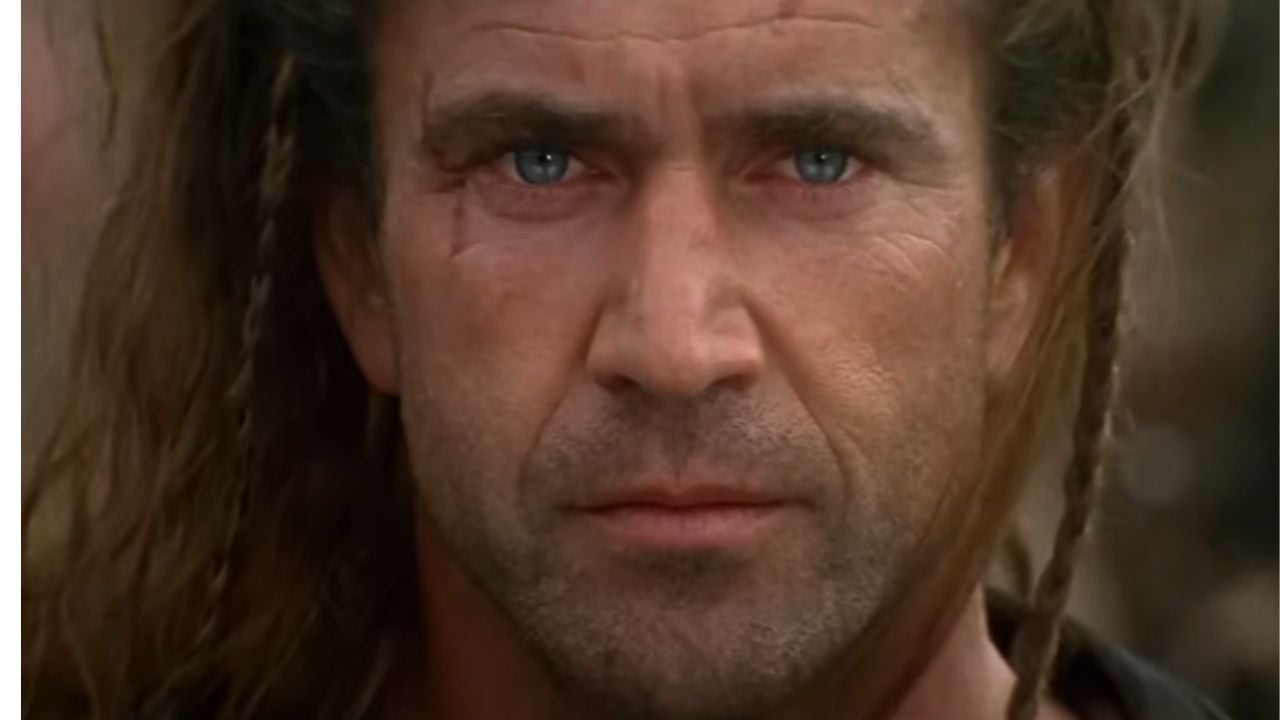
Mel Gibson’s epic about William Wallace is legendary among historians for being one of the most inaccurate movies ever filmed. The film prominently features Scottish warriors wearing tartan kilts, a style of clothing that was not actually adopted in the region until roughly three hundred years later. Furthermore, Wallace’s romantic involvement with Princess Isabella of France is a mathematical impossibility, as she was roughly three years old and living in France during the events of the movie. Even the title itself is a blunder, as Braveheart was historically the nickname of Robert the Bruce, not William Wallace.
2. Gladiator – 2000
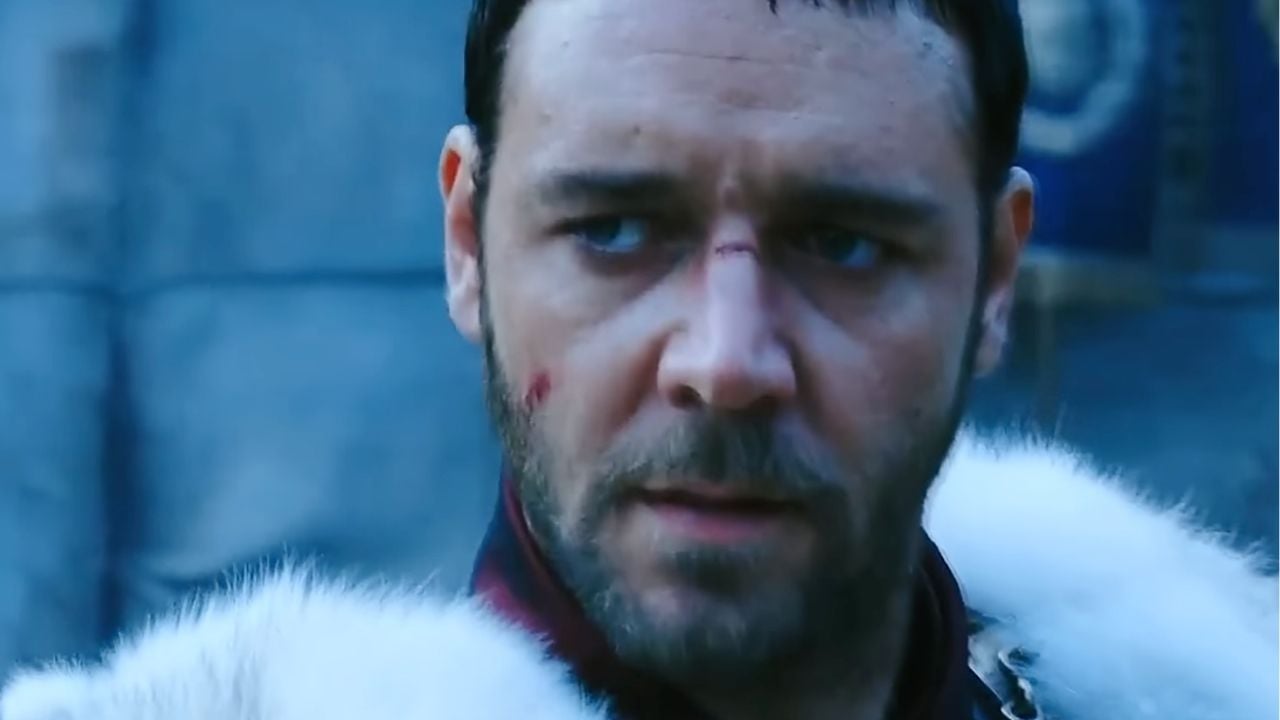
While Ridley Scott’s masterpiece won Best Picture, it took massive liberties with the political realities of the Roman Empire. The film depicts Emperor Commodus as a sniveling, friendless tyrant who rules for only a brief period before being dramatically killed by a gladiator in the Colosseum. In reality, Commodus ruled quite successfully for over twelve years and was actually a highly athletic man who took immense pride in his physical prowess. He was not killed in front of a cheering crowd, but was rather quietly strangled in his bathtub by his wrestling partner, Narcissus, as part of a palace conspiracy.
3. Pocahontas – 1995

Disney transformed this delicate historical encounter into a soaring, mature romance between a native princess and the English explorer John Smith. Real records indicate that Pocahontas was roughly ten or eleven years old when the settlers arrived in Jamestown, making any romantic relationship deeply inappropriate and completely fictional. Smith himself was a notoriously boastful writer whose accounts of his rescue by the young girl are heavily doubted by modern tribal historians. The real story ended much more tragically, with Pocahontas being captured by the English, renamed Rebecca, and dying in England at a very young age.
4. Apocalypto – 2006
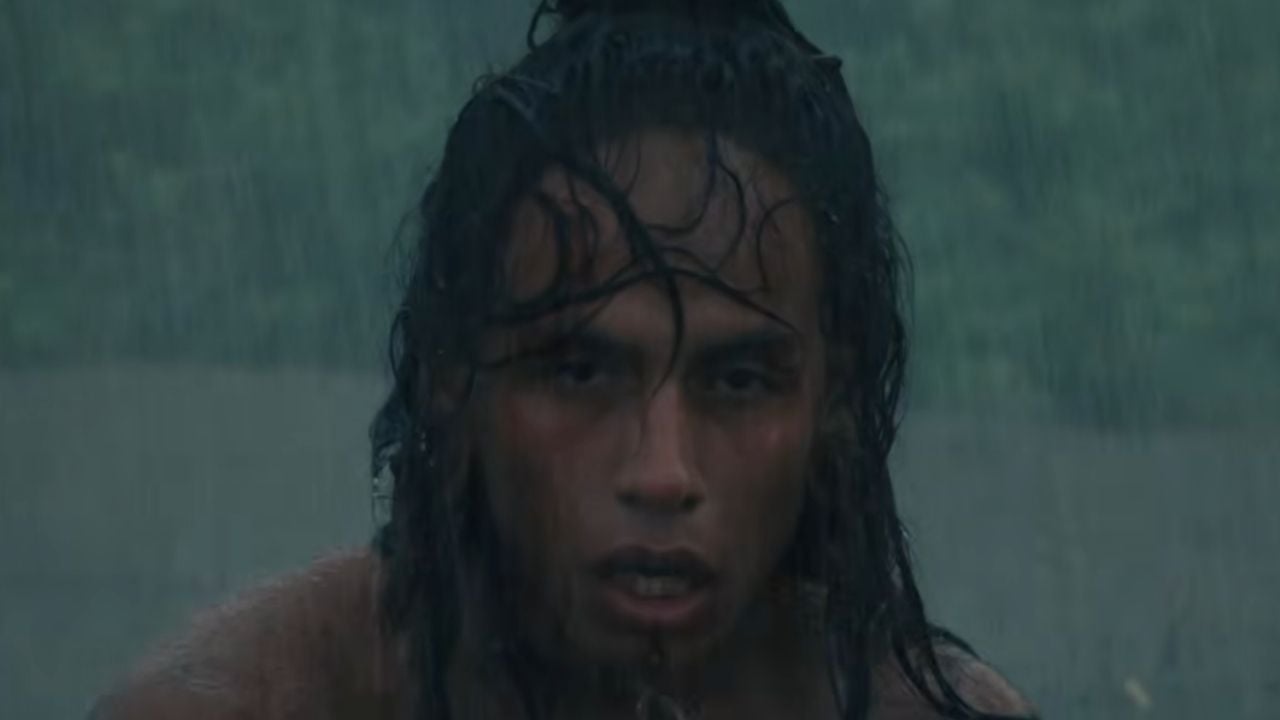
This high-octane thriller received intense criticism from Mesoamerican scholars for its highly inaccurate and sensationalized depiction of the Maya civilization. The movie shows the Maya launching brutal slave raids into remote jungles and conducting mass human sacrifices on a daily, conveyor-belt scale right up until the Spanish arrive. Historians pointed out that this extreme level of ritual violence was much more characteristic of the Aztec Empire, whereas the Maya were renowned for their complex mathematics, astronomy, and urban planning. The film essentially blended distinct cultures to create a more terrifying, cinematic antagonist.
5. Pearl Harbor – 2001
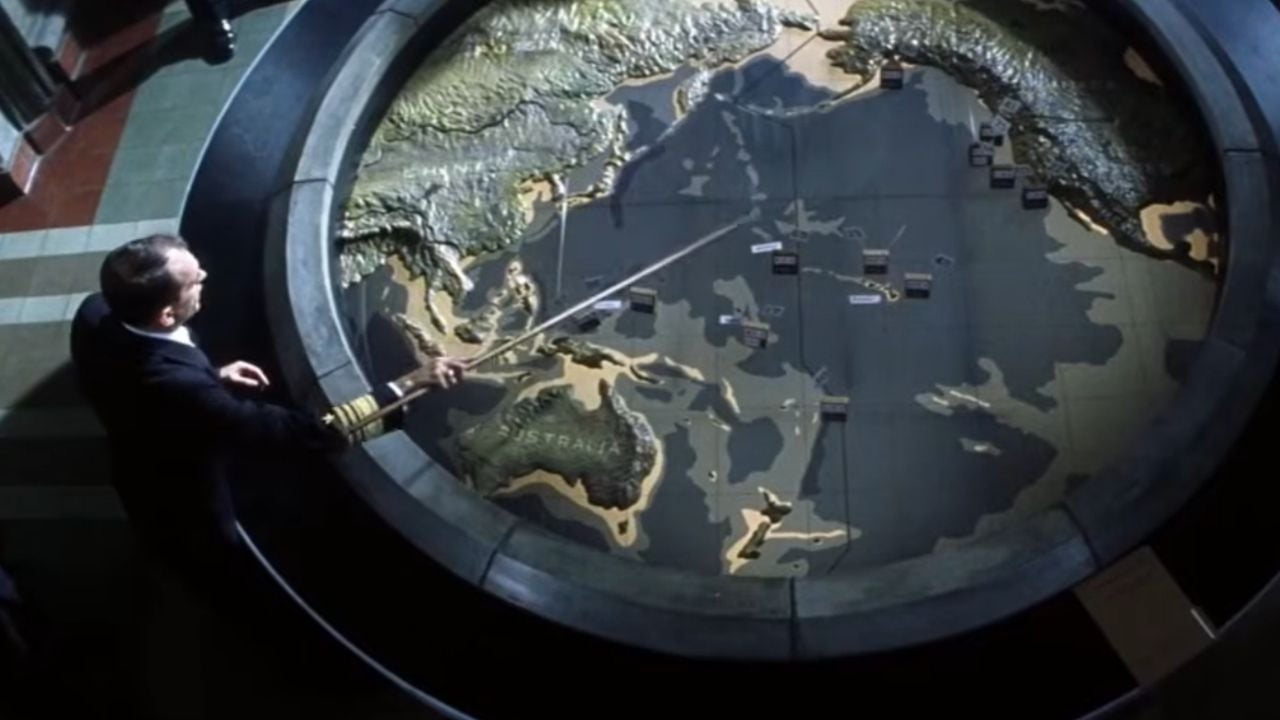
Michael Bay’s romantic war drama features a glaring technological blunder that immediately breaks the immersion for military historians. During the emotional airfield scenes, the American pilots are shown wearing modern nylon flight suits and using advanced communications gear that didn’t exist in 1941. The movie also depicts Japanese aircraft intentionally targeting civilian hospitals during the raid, an accusation that real military logs completely contradict. The Japanese pilots had strict, specific orders to hit high-value military assets like battleships and fuel depots to cripple the Pacific Fleet.
Trending on The Scroller


6. The Patriot – 2000
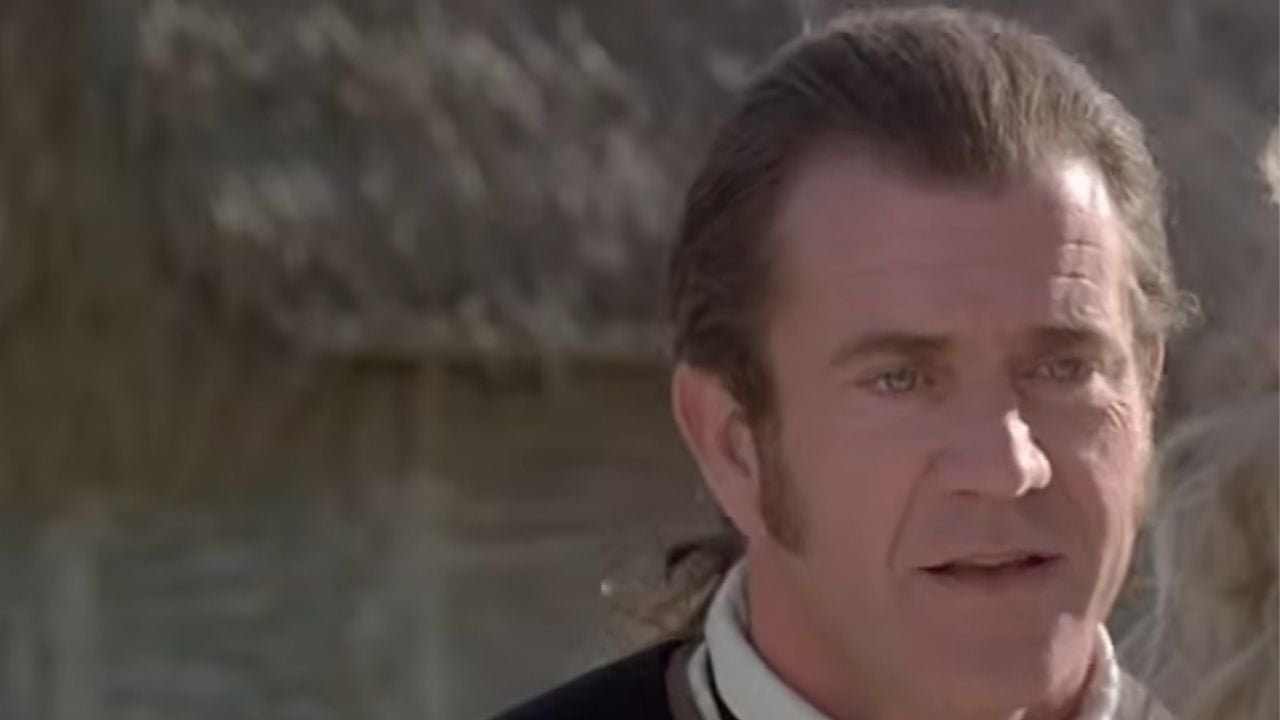
This Revolutionary War epic turned British Colonel Banastre Tarleton into a cartoonish villain named William Tavington, who commits atrocious war crimes on screen. The most infamous scene features Tavington locking an entire town of innocent civilians inside a church and setting it on fire. Historians were quick to point out that no such event ever occurred during the American Revolution, as both sides generally adhered to contemporary rules of engagement. While Tarleton was certainly a ruthless commander on the battlefield, the movie’s depiction of him was so extreme that it caused a minor diplomatic outcry in the British press.
7. Argo – 2012
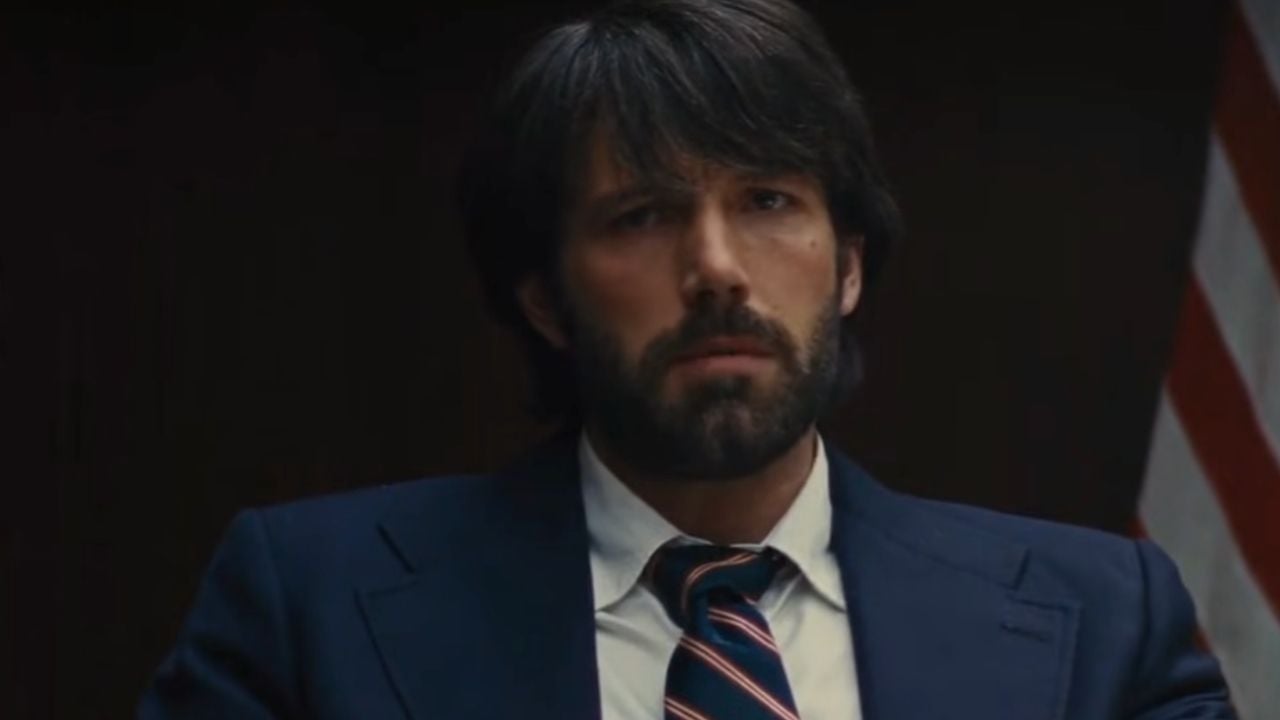
Ben Affleck’s Oscar-winning thriller tells the story of the daring rescue of American diplomats from Iran, but it downplays the immense role played by America’s closest allies. The movie frames the operation as a purely CIA-driven success, showing the British and New Zealand embassies turning the fleeing Americans away in their hour of need. In truth, the British embassy hid the diplomats for days before safely escorting them to the Canadian compound, where the ambassador risked his life to harbor them. Former President Jimmy Carter even stepped forward after the movie’s release to clarify that Canada deserved ninety percent of the credit for the operation.
8. 300 – 2006
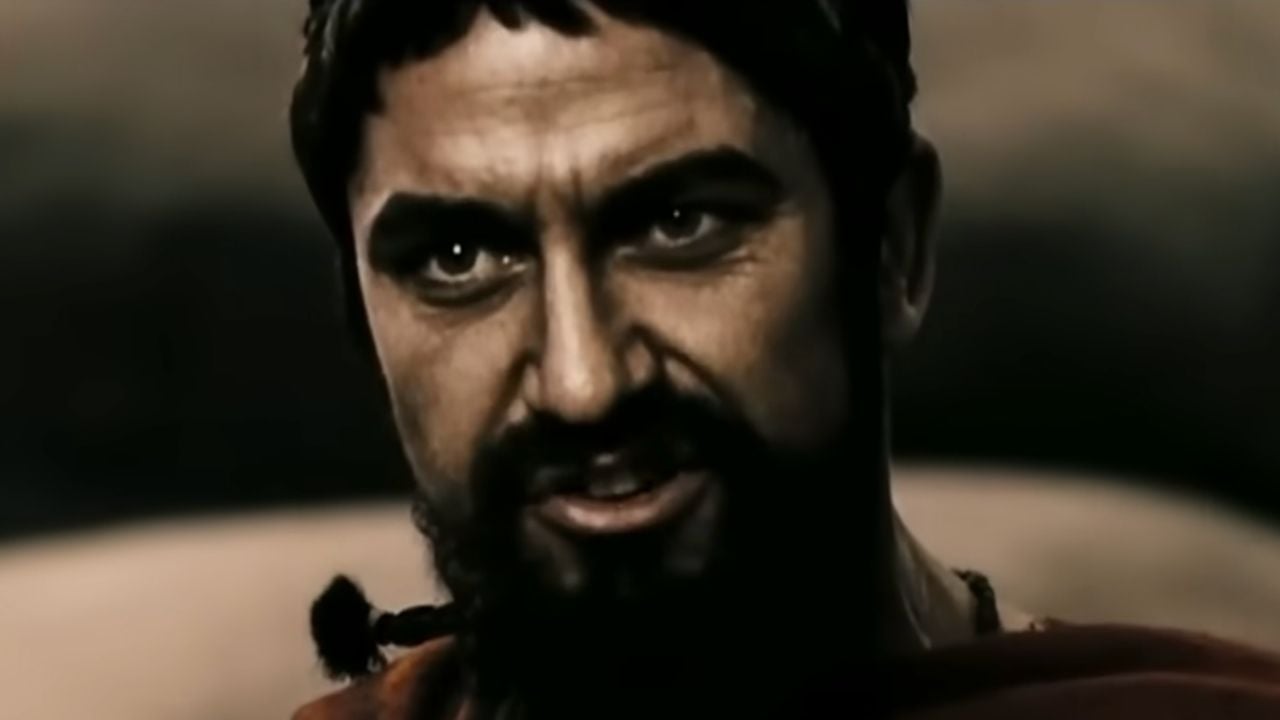
While based on a stylized graphic novel, this film created a massive public misconception about the composition of the Greek army at the Battle of Thermopylae. The movie focuses almost exclusively on King Leonidas and his three hundred elite Spartan warriors standing completely alone against the Persian empire. In reality, the Spartans were fighting alongside an allied Greek force of at least seven thousand other soldiers from various city-states who held the line for days. The film also depicts King Xerxes as a bizarre, eight-foot-tall bald giant covered in piercings, whereas historical records describe him as a fairly conventional, bearded Persian king.
Sign up for our newsletter
9. The Last Samurai – 2003
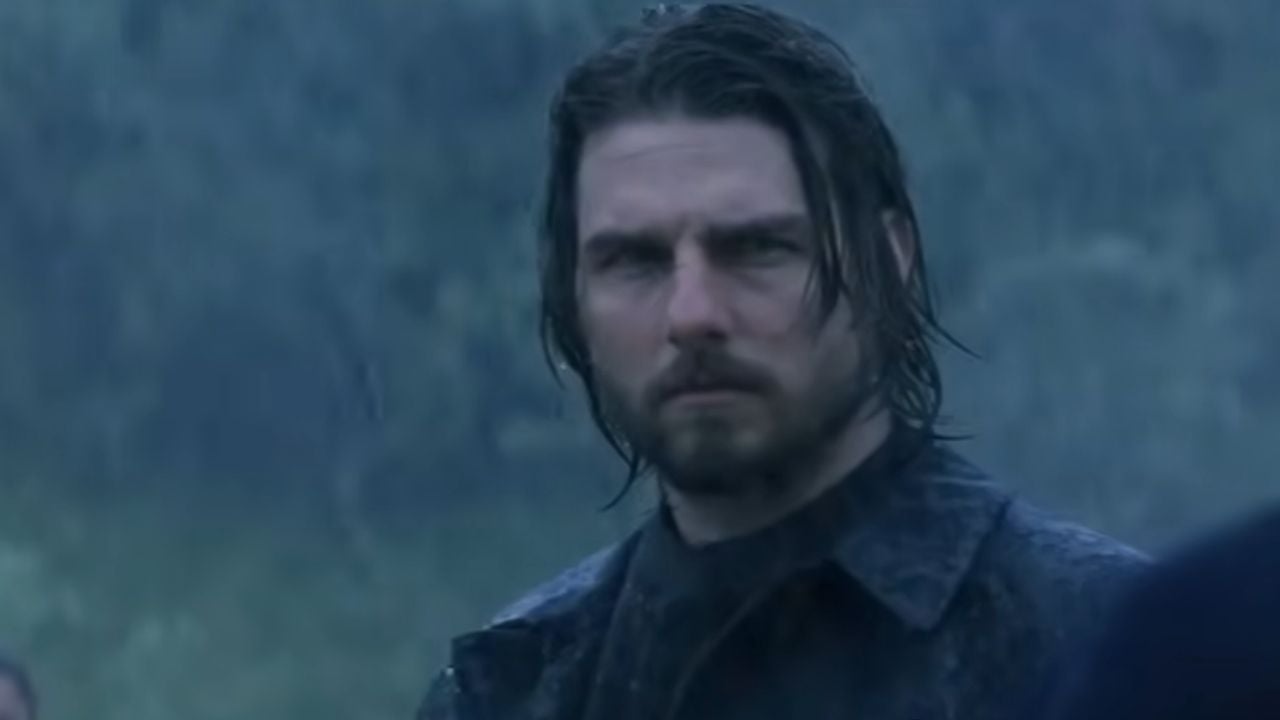
This historical drama suggests that the modernization of the Japanese military was largely handled by a traumatized American Civil War veteran played by Tom Cruise. In actual history, the Meiji government looked almost exclusively to European powers, specifically hiring Prussian military officers to train their new conscript army based on their legendary discipline. The film also romanticizes the Samurai rebellion as a noble crusade fought entirely with traditional swords and bows against modern guns. The real-world Samurai rebels were highly pragmatic warriors who actively utilized modern rifles, artillery, and Western military tactics until they ran out of ammunition.
10. U-571 – 2000
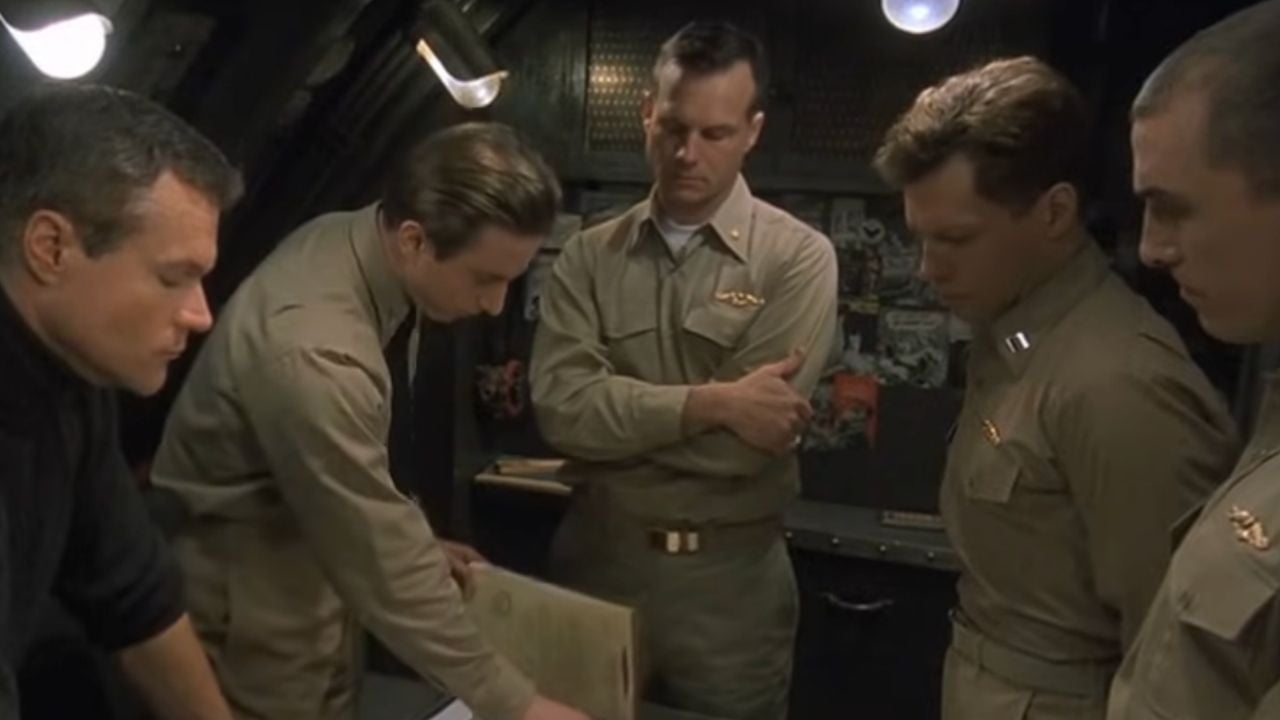
This submarine action film centers on a crew of brave American sailors who successfully board a disabled German submarine to steal the top-secret Enigma code machine. This creative choice deeply angered British historians and politicians, as the real event occurred months before the United States had even entered World War II. It was actually the crew of the British Royal Navy destroyer HMS Bulldog that captured the first Enigma machine from the German submarine U-110 in May of 1941. The British Prime Minister at the time publicly condemned the movie for rewriting the wartime sacrifices of British sailors to appeal to American theater audiences.
11. National Treasure – 2004
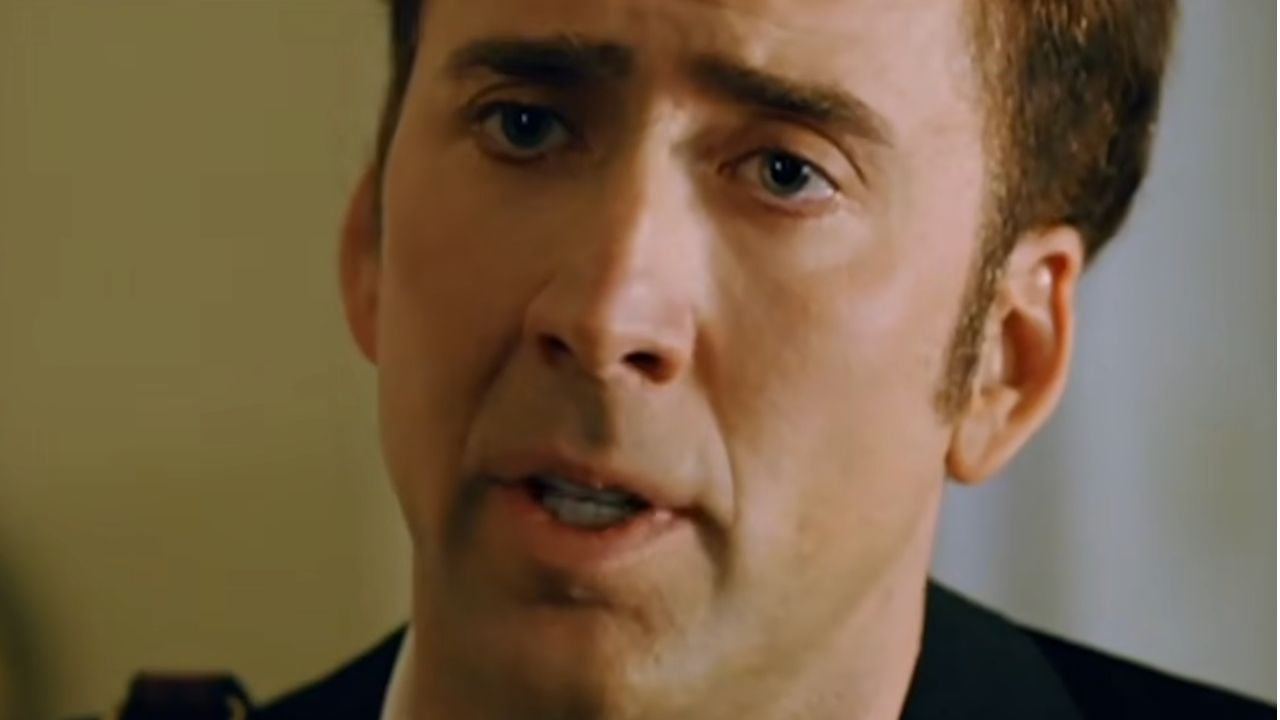
Nicolas Cage’s fun adventure movie popularized a brilliant myth about the Declaration of Independence that archivists have been debunking ever since. The film claims there is a secret, invisible-ink map drawn by the Founding Fathers on the back of the historic document. In reality, the back of the parchment is completely blank except for a small, upside-down notation that reads “Original Declaration of Independence, dated 4th July 1776.” This text was likely added as a simple file label during the Revolutionary War, so handlers knew what the rolled-up scroll was without opening it.
12. Shakespeare in Love – 1998
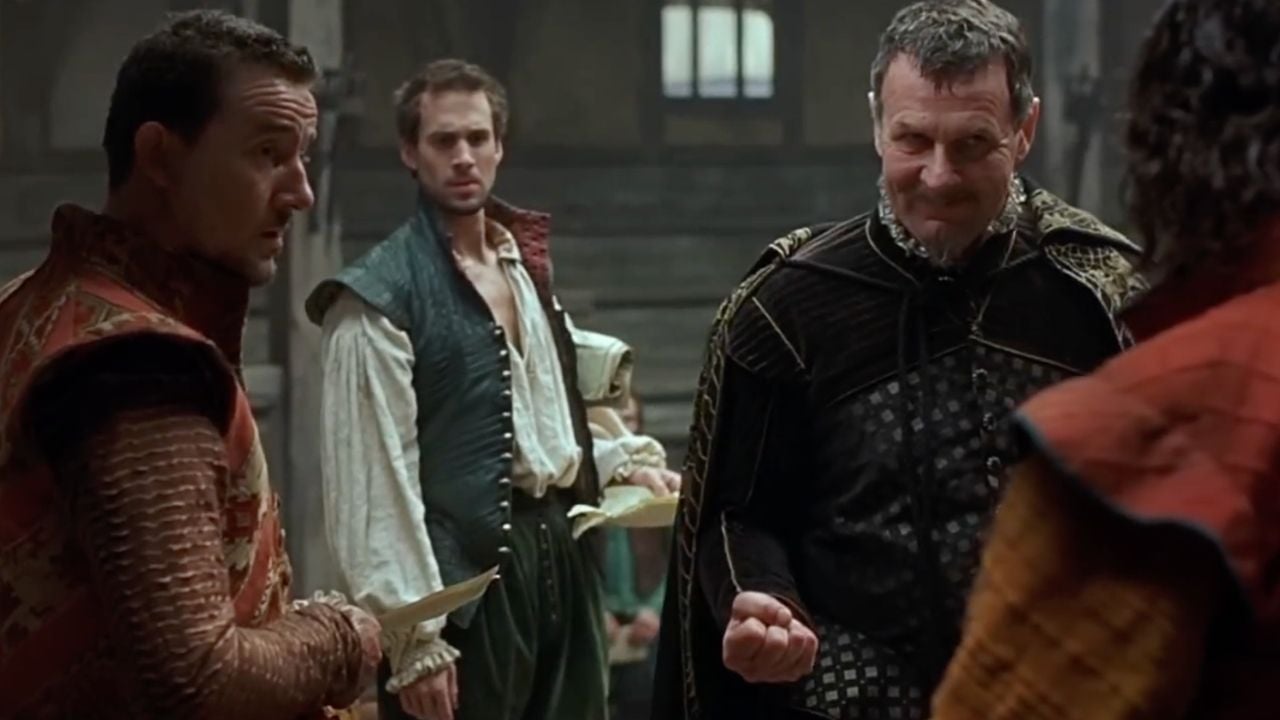
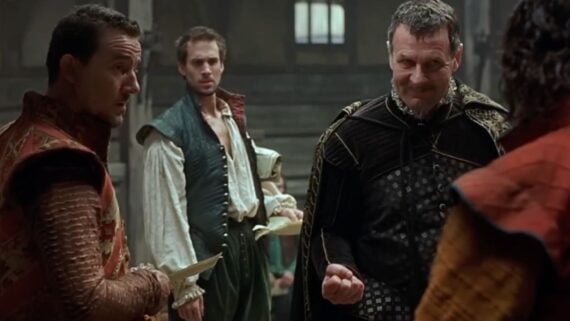
This romantic comedy completely reimagines the Elizabethan theater scene, specifically regarding how audiences experienced a play in the late 16th century. The film shows crowds sitting in quiet, respectful reverence inside a clean, beautifully lit theater space. The reality of the Globe Theater was much more chaotic, as the working-class audience stood in an open-air courtyard, frequently drinking beer, eating food, and yelling directly at the actors on stage if a scene was boring. The movie also implies that William Shakespeare was a struggling artist lacking inspiration, whereas he was already a highly successful, wealthy shareholder in his theater company.
13. King Arthur – 2004
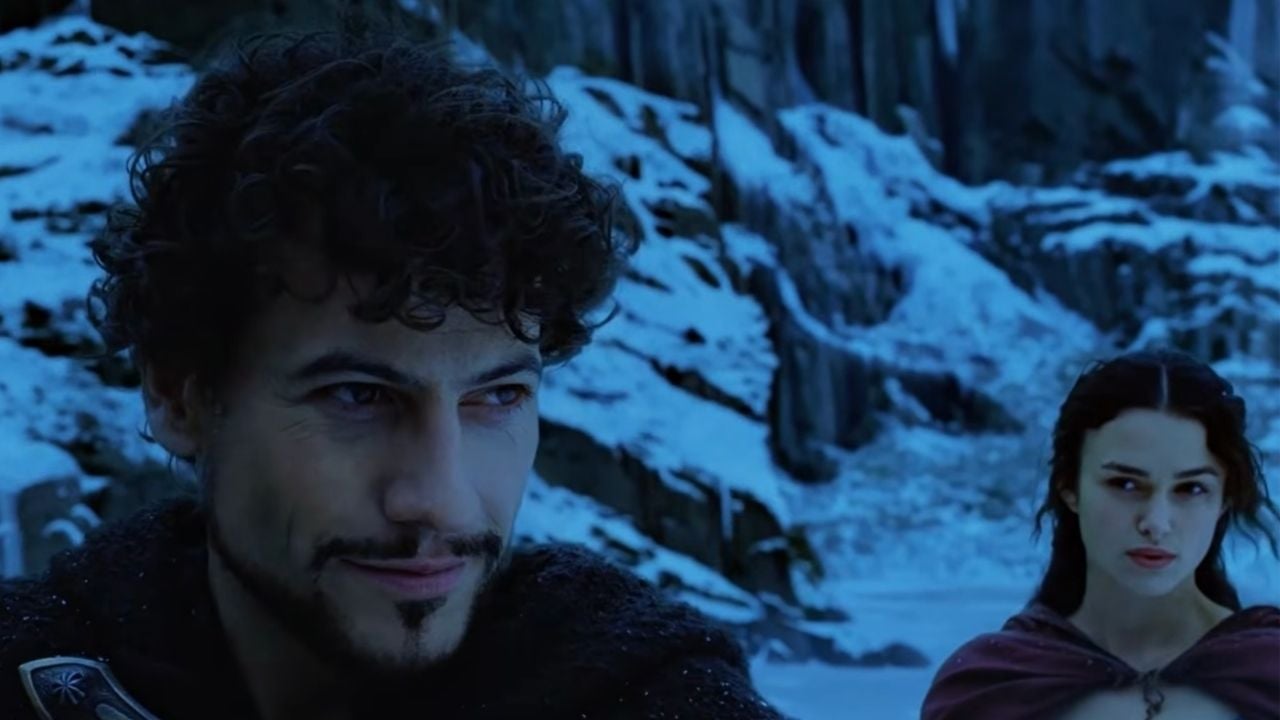
The marketing for this action film proudly claimed it was the first movie to uncover the true story of King Arthur based on real archaeological evidence. It placed Arthur as a Roman commander defending Hadrian’s Wall against invading blue-painted Saxon warriors. However, scholars have spent centuries looking for proof of Arthur’s existence and universally agree that he is a mythological figure cobbled together from various folklore tales. The film’s attempt to ground a magical myth in a gritty, realistic Roman setting was widely mocked by experts for being pure historical fan-fiction masquerading as a documentary.
14. Amadeus – 1984
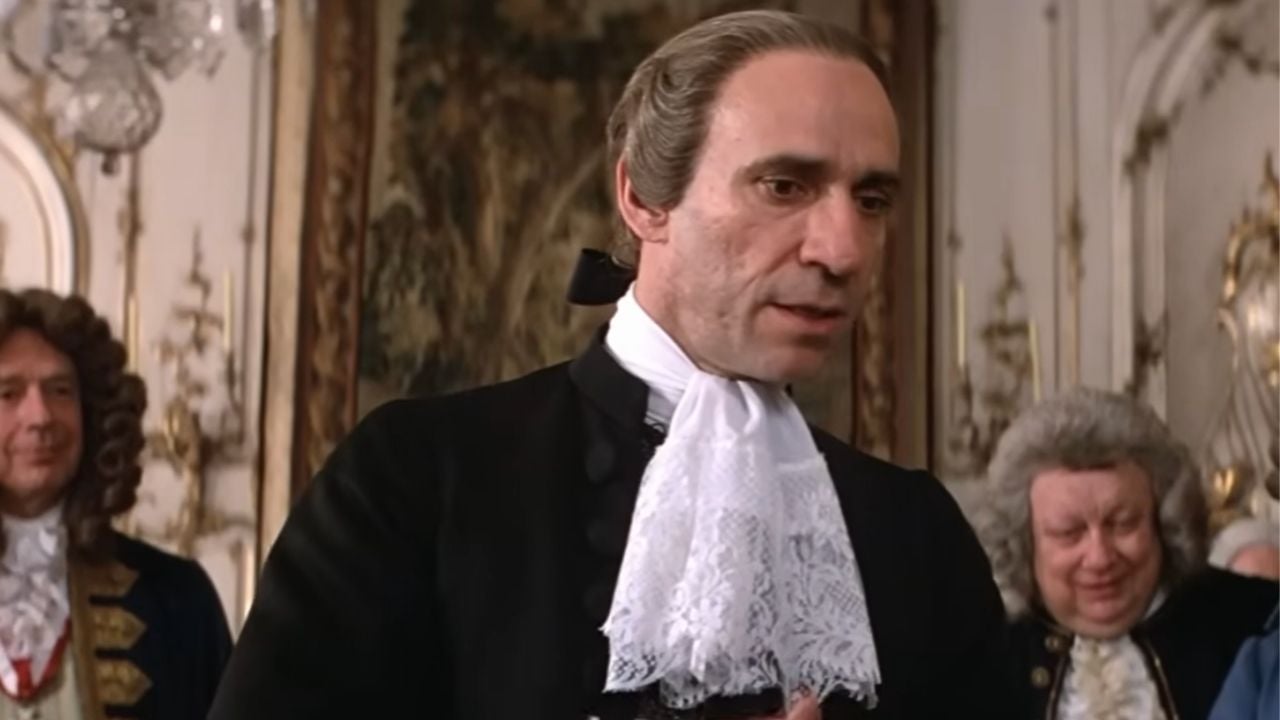
This cinematic masterpiece popularized the tragic idea that Antonio Salieri was a mediocre, bitter composer whose intense jealousy led him to drive Wolfgang Amadeus Mozart into an early grave. While the film makes for incredible psychological drama, the real Salieri was a highly respected, immensely successful court composer who was actually on very good terms with Mozart. They frequently attended each other’s opera premieres and even co-composed a short cantata for voice and piano together. The myth of their deadly rivalry was originally born from a fictional play written by Alexander Pushkin decades after both men had passed away.
15. Elizabeth: The Golden Age – 2007
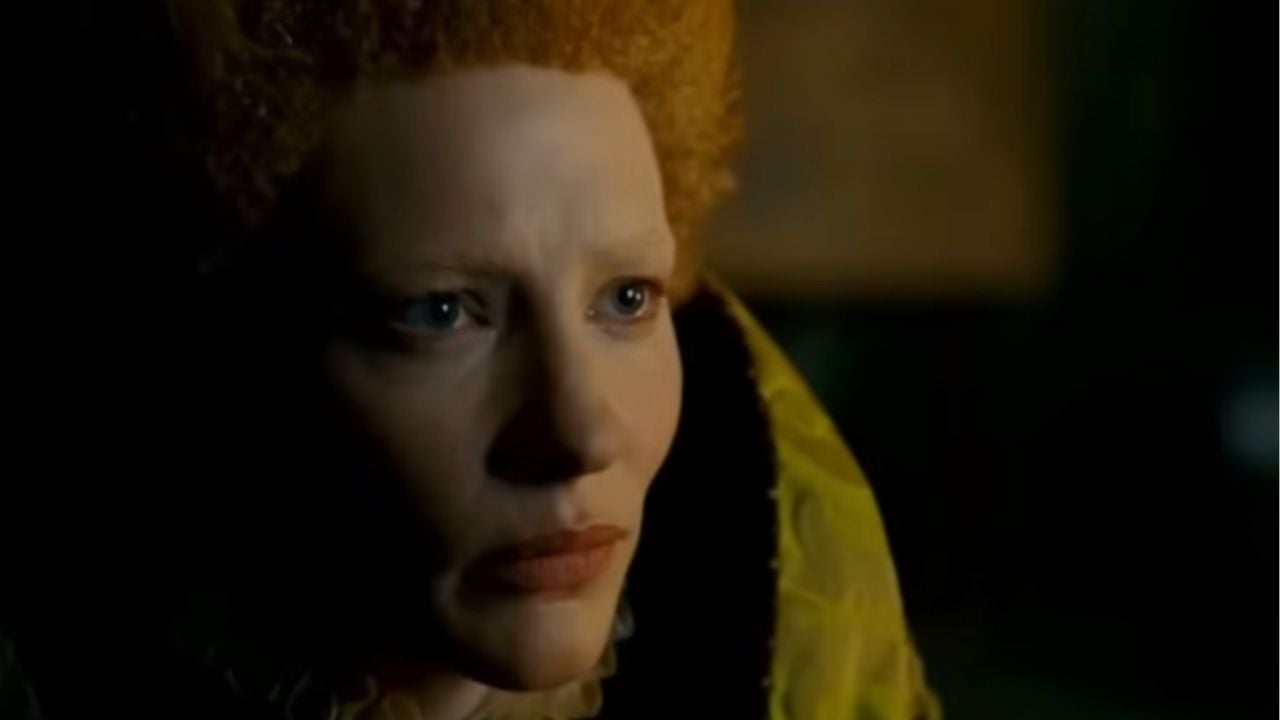
Cate Blanchett’s portrayal of the Virgin Queen features a highly dramatic climax where she dons full armor and rides a white horse to deliver an inspiring speech to her troops as the Spanish Armada approaches. While Elizabeth did deliver a famous speech at Tilbury, she did so while the naval battle was already happening miles away at sea, making her battlefield presence entirely symbolic. She also wore a traditional velvet gown rather than a gleaming suit of armor, and she was surrounded by heavy security due to constant assassination plots. The film essentially turned a highly calculated political address into a modern Hollywood action sequence.
In the mood for more Hollywood curiosities:
While these historical blockbusters may have delivered incredible entertainment value and won numerous awards, they serve as a fascinating reminder that Hollywood is a business built on drama rather than accuracy. It is always worth doing a little bit of post-movie research to discover how the real historical figures managed to survive without the help of a Hollywood scriptwriter. If you enjoyed this journey through the errors of the silver screen, be sure to explore Beyond the Screen: 15 Dark Secrets from Classic TV Shows, or 15 Costly Movie Scenes That Nearly Broke Their Studios. You can also check out these 15 Times a TV Show Foresaw Real News Events.