The creation of legendary movie moments often requires a level of financial risk that would make most Wall Street investors sweat. In the pursuit of cinematic perfection, directors sometimes push their budgets to the breaking point, insisting on practical effects, massive sets, or grueling location shoots that weren’t in the original plan. While we see a masterpiece on the silver screen, behind the scenes, there is often a studio executive watching the bank account drain to zero. These gambles are what define the industry, proving that sometimes you have to risk everything to create something that lasts forever.
It is staggering to realize how many of our favorite movie moments were nearly the “final act” for the companies that produced them. Whether it was a sinking ship that took too long to film or a futuristic war that cost millions per minute, these productions became notorious for their spiraling costs. When a film goes wildly over budget, it doesn’t just threaten the director’s career; it puts the jobs of thousands of employees at stake. We’ve rounded up fifteen instances where a single vision almost brought a Hollywood empire to its knees, turning the magic of the movies into a terrifying financial tightrope walk.
1. The sinking of the RMS Titanic – Titanic
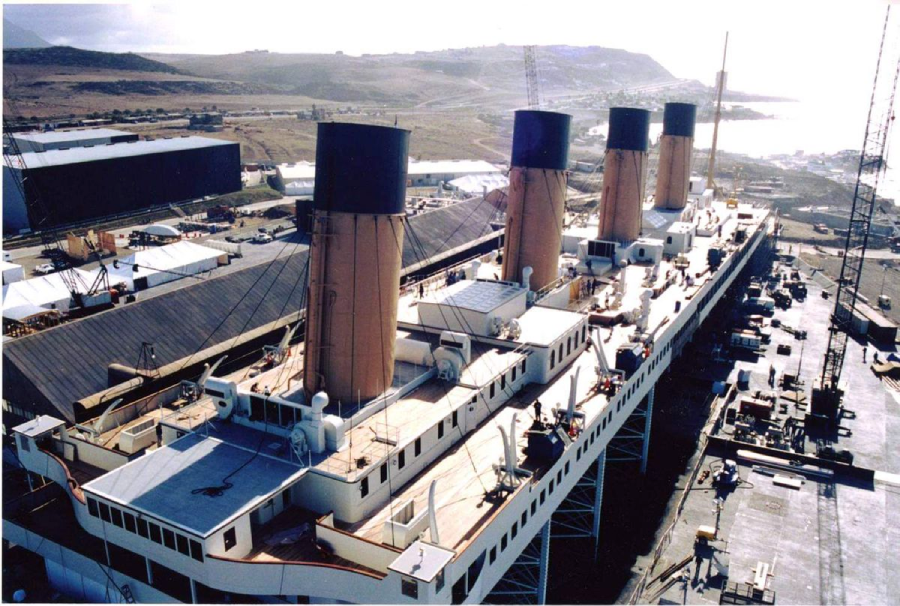
James Cameron is famous for his “all or nothing” approach, but the sinking sequence in Titanic pushed 20th Century Fox and Paramount to the edge of a nervous breakdown. The production involved building a nearly full-scale replica of the ship in a 17-million-gallon water tank, a feat of engineering that saw costs soar to $200 million. At the time, it was the most expensive movie ever made, and the industry was convinced it would be the biggest flop in history. Cameron even offered to give up his own salary just to keep the cameras rolling during the grueling night shoots.
2. The chariot race – Ben-Hur
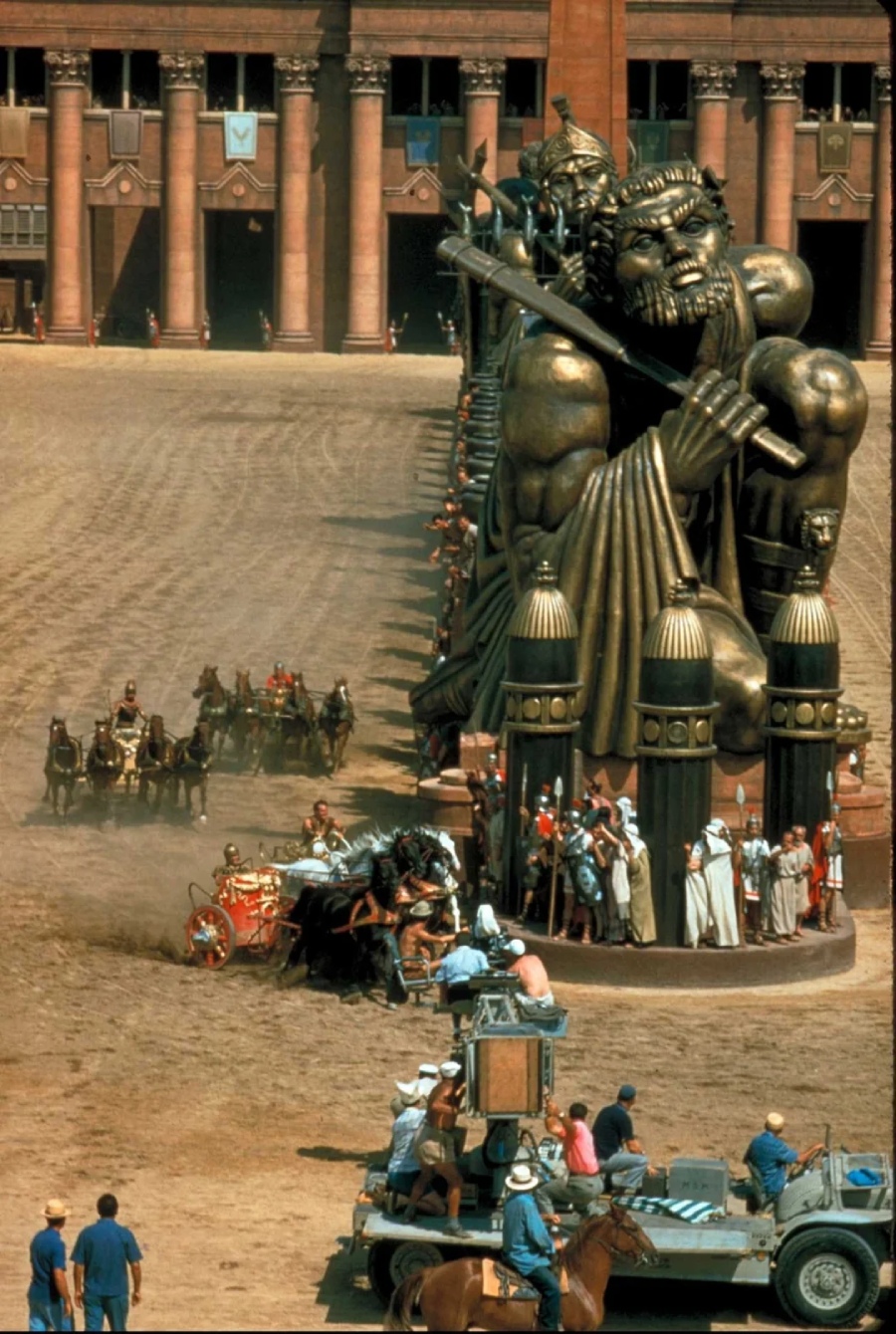
Long before CGI, the 1959 chariot race in Ben-Hur was a practical undertaking that nearly crushed MGM under the weight of its own ambition. The studio spent $4 million on this single sequence alone, which involved carving an 18-acre arena out of an Italian rock quarry and training 78 horses for months. MGM was already struggling financially, and they essentially bet the entire future of the company on this one film. Had the movie failed to find an audience, the studio likely would have closed its doors shortly after the premiere.
3. The “burly brawl” – The Matrix Reloaded
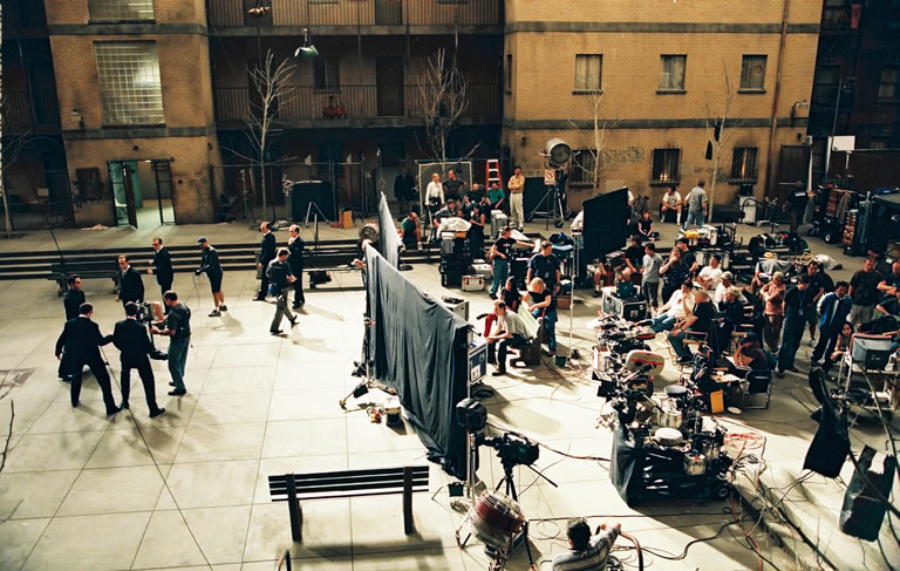
The scene where Neo fights hundreds of Agent Smiths was a technological nightmare that ate up a massive chunk of the sequel’s budget. It required years of research and development to create the universal capture technology needed for the digital clones to look realistic. Warner Bros. was hesitant to fund the spiraling costs, especially as the special effects team kept asking for more time and resources. It remains one of the most expensive individual movie moments in sci-fi history, pushing the limits of what 2003 technology could handle.
4. The Waterworld atoll battle – Waterworld
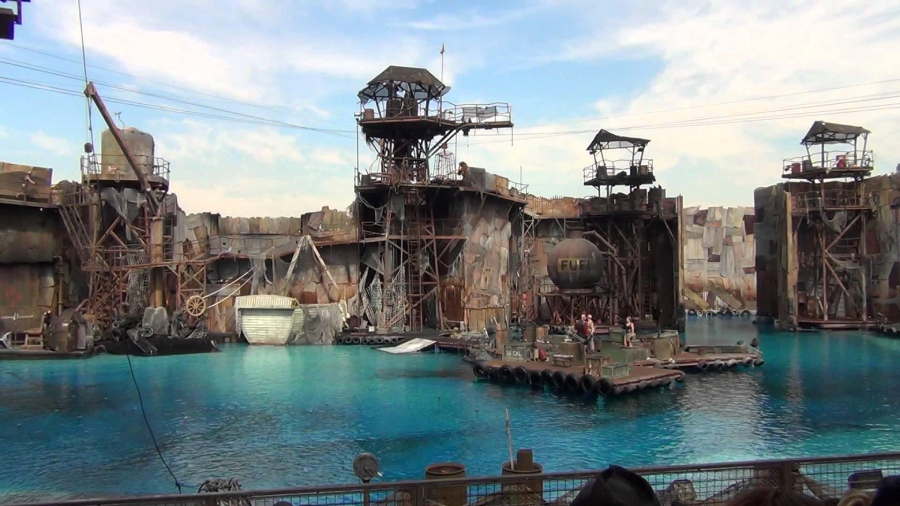
Universal Pictures watched in horror as the production of Waterworld turned into a literal money pit when their massive floating set sank during a storm. The Atoll set cost $5 million to build, and having to reconstruct it while paying a massive crew for downtime sent the budget toward $175 million. The logistics of filming on the open ocean were so unpredictable that the movie was dubbed “Fishtar” by mocking critics. It took years for the film to actually break even, nearly drowning the studio in debt along the way.
5. Cleopatra’s entry into Rome – Cleopatra
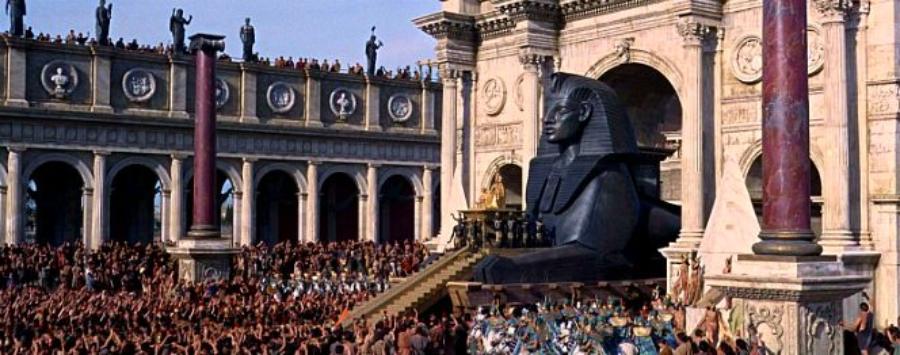
Elizabeth Taylor’s Cleopatra is the textbook example of a production that got out of hand, nearly bankrupting 20th Century Fox in the 1960s. For her grand entrance into Rome, thousands of extras were hired, and a massive Sphinx was constructed that required dozens of slaves to pull. The budget ballooned from $2 million to an astronomical $44 million, forcing the studio to sell off massive tracts of its backlot just to stay afloat. Even though it was a hit at the box office, it took years of land sales to recover from the Cleopatra debt.
Trending on The Scroller

6. The helicopter attack – Apocalypse Now
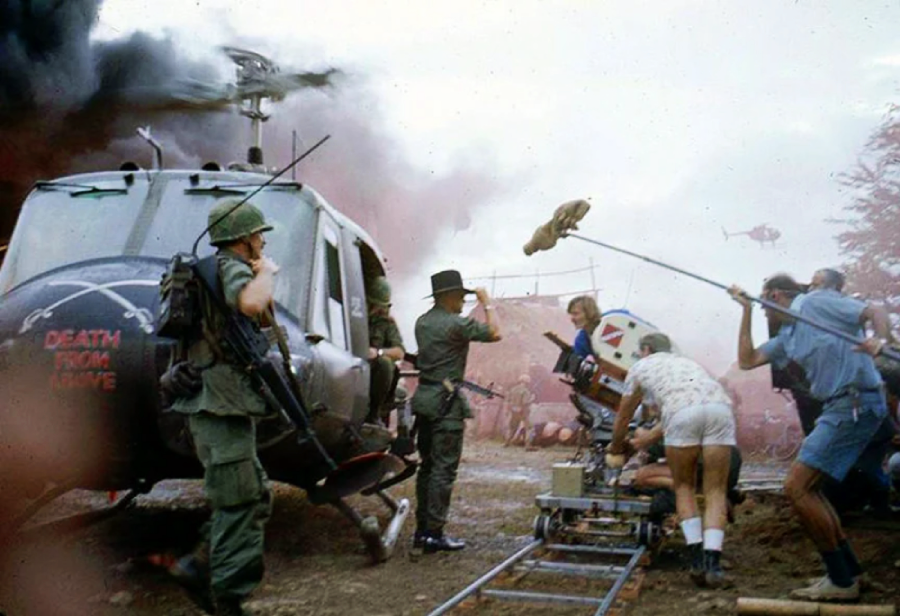
The “Ride of the Valkyries” sequence is one of the most famous movie moments in history, but it nearly destroyed Francis Ford Coppola’s sanity and his personal fortune. To film the scene, Coppola had to rent a fleet of helicopters from the Philippine military, which would frequently leave the set mid-shoot to fight actual rebels nearby. A massive typhoon eventually wiped out the expensive sets, forcing the director to pour millions of his own money into the production to keep it from collapsing. The film went so far over budget and schedule that it became a cautionary tale of Hollywood obsession for decades.
7. The opening shot – Gravity
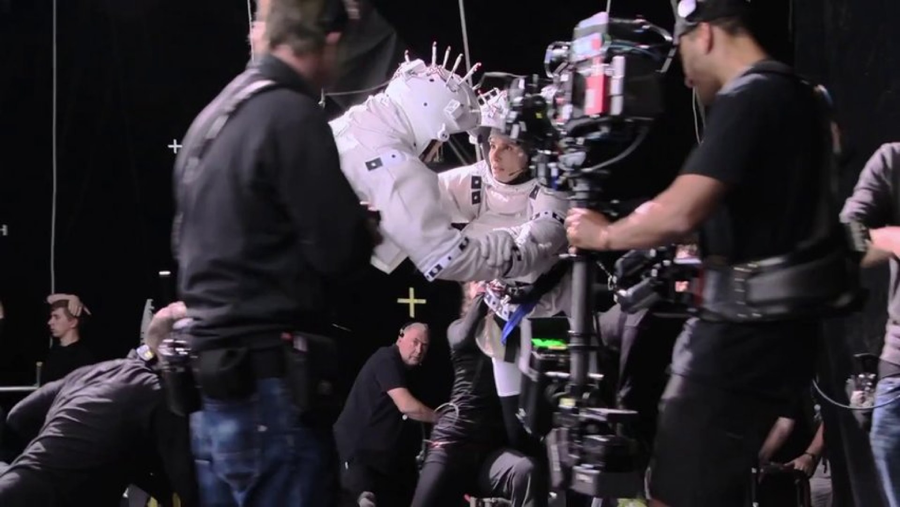
When Alfonso Cuarón pitched a 12-minute unbroken opening shot in space, the technology to make it look realistic didn’t even exist. Warner Bros. spent years and millions of dollars developing a specialized light box and robotic camera rigs to simulate the zero-gravity environment. The R&D costs alone were astronomical, and the studio feared they were sinking money into a silent space movie that would alienate audiences. Fortunately, the gamble resulted in a visual masterpiece that won seven Oscars and proved that technical risks can reap massive rewards.
8. The car chase – The Blues Brothers
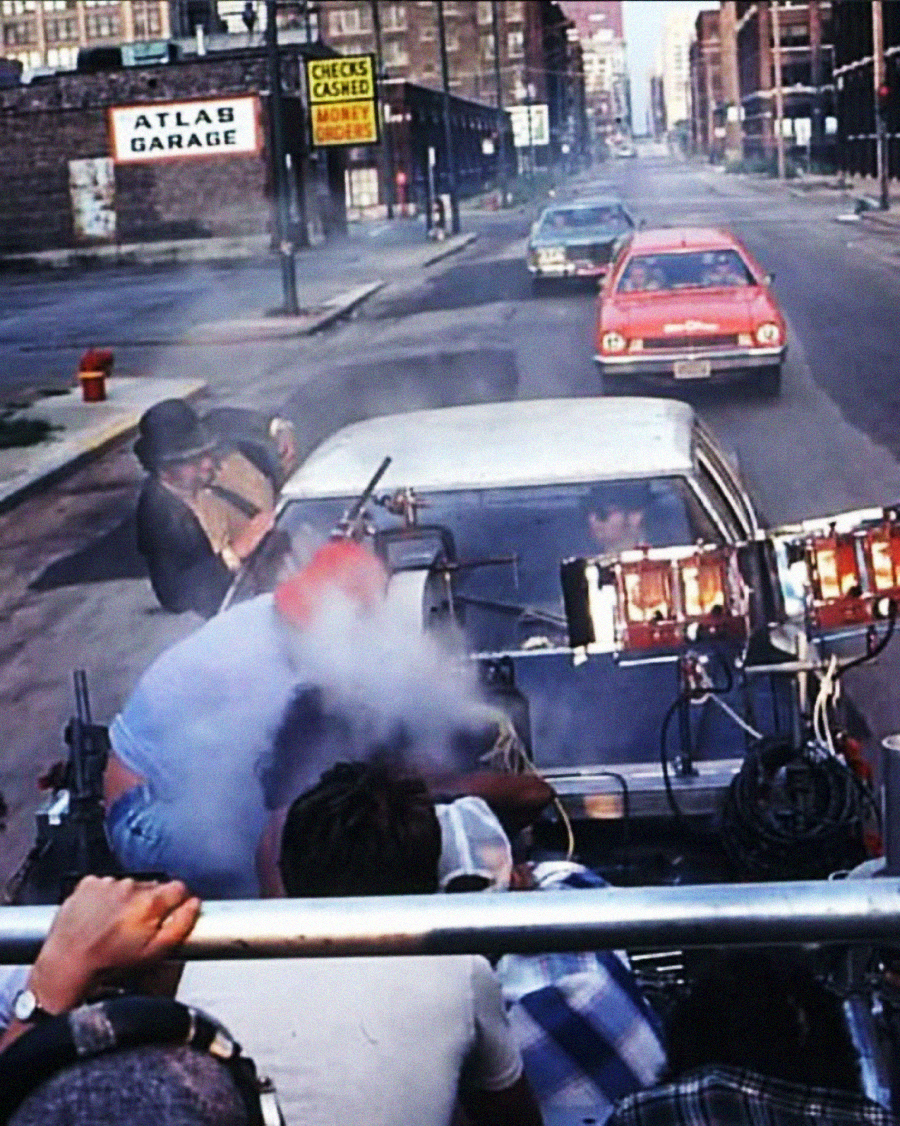
The legendary car chase through the Dixie Square Mall wasn’t just chaotic; it was an expensive logistical nightmare that tested Universal’s patience. The production destroyed a record-breaking 103 cars during filming, and the crew actually had to lease an abandoned mall and fill it with real merchandise just to smash through it. Costs spiraled as John Landis insisted on more and more destruction, leading the studio to worry that the comedy wouldn’t survive its own stunt budget. It remains a high-water mark for practical vehicular mayhem that today’s CGI-heavy films can rarely match.
Sign up for our newsletter
9. The Jerusalem wall breach – World War Z
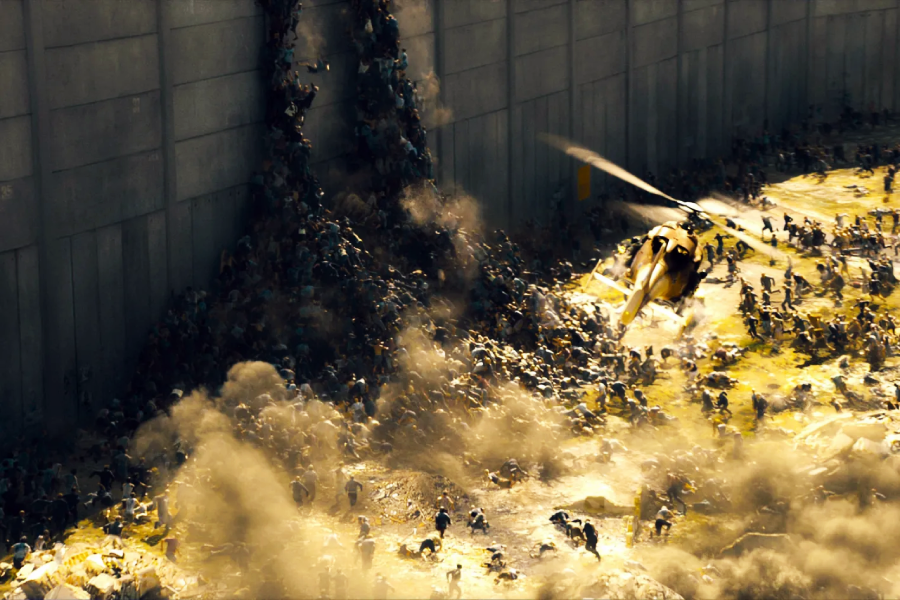
This specific scene became a symbol of the film’s troubled production, which saw the entire third act scrapped and the budget balloon to nearly $200 million. The massive scale of the zombie swarm required thousands of extras and cutting-edge digital effects that were constantly being revised and re-rendered. Paramount was so concerned about the spiraling costs and production delays that they brought in new writers to fix the story while filming was already underway. It was a chaotic save that barely prevented the studio from facing a massive write-off.
10. The cantina scene – Star Wars: A New Hope
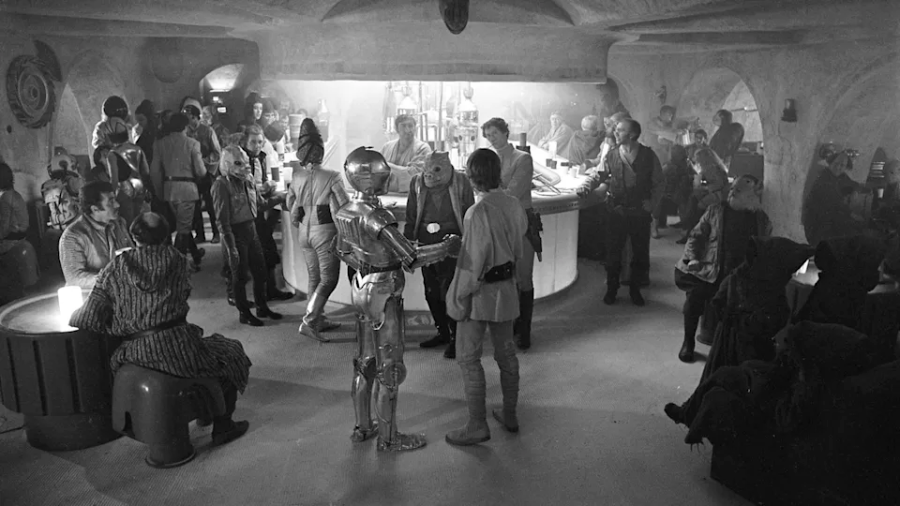
While it looks charmingly “lo-fi” today, the Mos Eisley Cantina was a financial and technical stress-test for George Lucas and 20th Century Fox. The original makeup and creature effects were deemed a failure, forcing Lucas to spend a huge portion of his limited budget on reshoots to add more diverse aliens. Fox executives were already skeptical of the space opera, and every extra dollar spent on rubber masks felt like a step toward disaster. This single scene helped define the Star Wars aesthetic but almost cost Lucas his credibility with the studio before the film even premiered.
11. The Hobbiton build – The Lord of the Rings
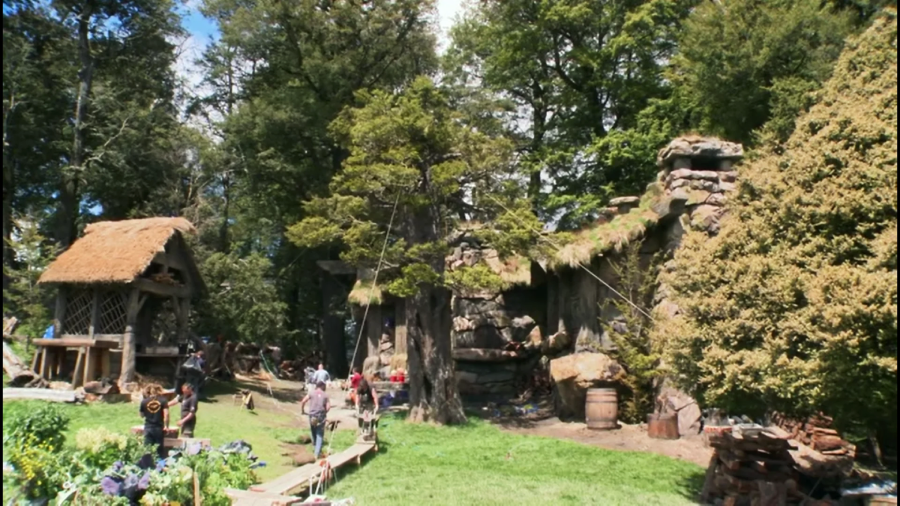
New Line Cinema took a massive $281 million gamble by greenlighting all three Lord of the Rings movies at once, with the permanent construction of Hobbiton being a major early expense. They didn’t just build sets; they hired the New Zealand Army to move earth and planted specialized hedges a year in advance so they would look weathered. If the first film had flopped, the studio would have been left with a very expensive, empty village and no way to recover its investment. The sheer scale of the world-building was unprecedented and nearly too much for a mid-sized studio to handle.
12. The digital de-aging – The Irishman
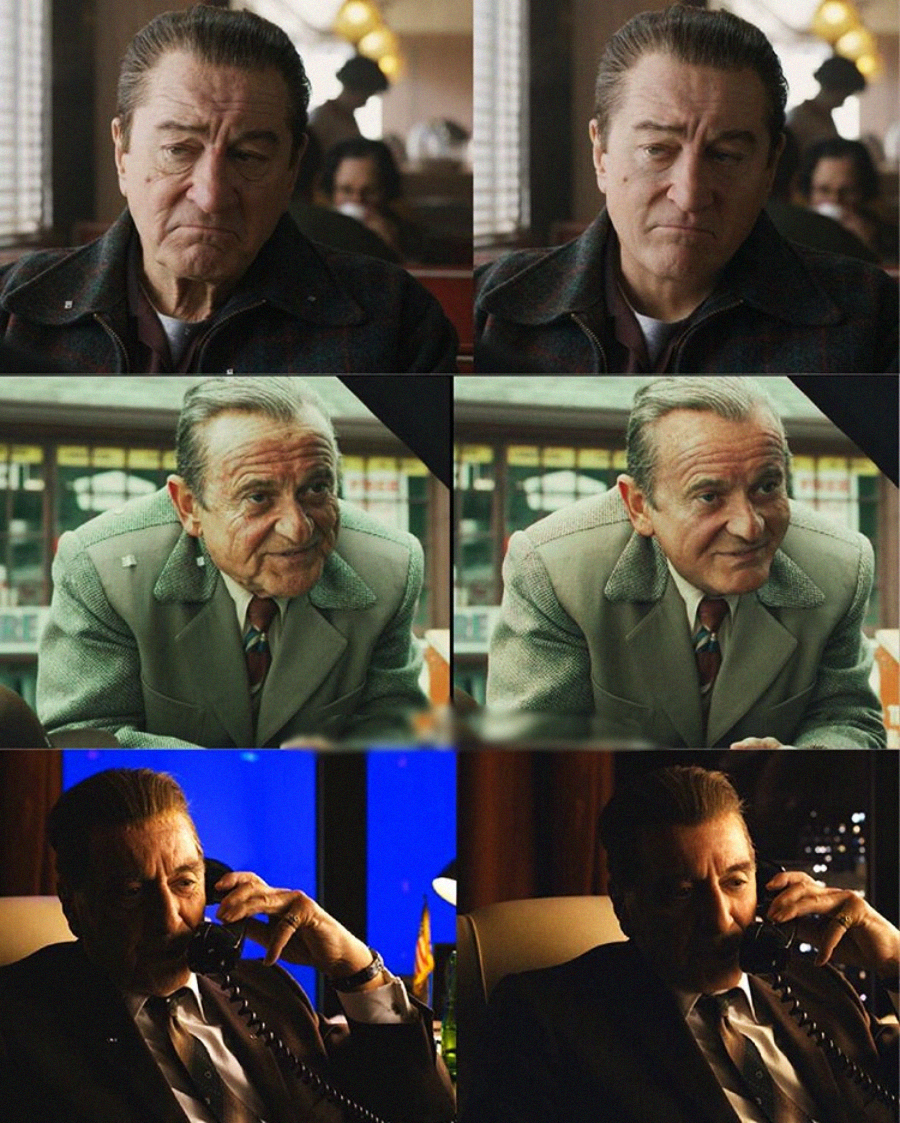
Netflix spent a staggering $160 million on Martin Scorsese’s mob epic, with a huge portion of that dedicated to the digital de-aging of Robert De Niro and Al Pacino. The technology required a specialized camera rig that was so heavy it limited how the actors could move, leading to incredibly expensive and slow filming days. Industry insiders questioned if a three-and-a-half-hour drama could ever make that money back, especially with such a high technical overhead. It was a bold statement by Netflix, proving they were willing to outspend traditional studios to secure prestige movie moments.
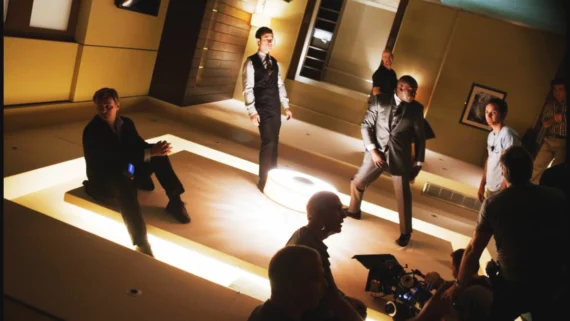
13. The zero-g hallway fight – Inception
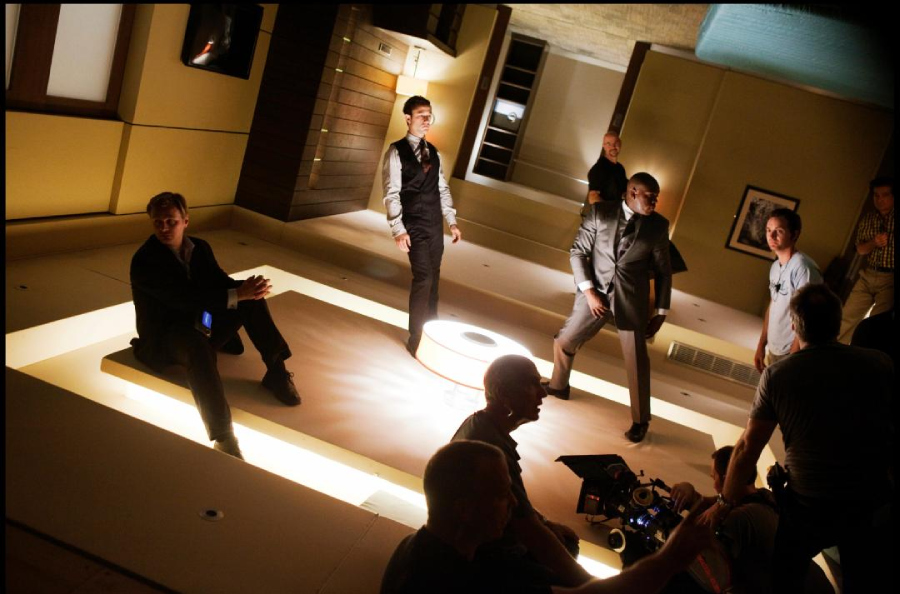
Christopher Nolan’s refusal to use green screen for the hotel hallway fight led to the construction of a massive, 100-foot rotating centrifuge. The set was a marvel of engineering, but it was incredibly expensive to build and even more costly to operate safely with actors and stuntmen inside. Warner Bros. had to trust that Nolan’s complex vision would make sense to audiences, as the costs for this one sequence could have funded several smaller films. The resulting scene is now a modern classic, but it was a high-wire act of budgeting and physics.
14. The “Circle of Life” – The Lion King, 2019

Disney’s photorealistic remake was a massive financial undertaking, essentially creating a high-budget nature documentary from scratch using VR and game engine technology. The “Circle of Life” opening sequence alone required thousands of man-hours of rendering to ensure every blade of grass and animal hair looked perfect. The technology was so new and expensive that the film’s budget climbed past $250 million before marketing was even considered. It was a digital arms race that only a studio with Disney’s deep pockets could survive.
15. The empty Times Square – I Am Legend
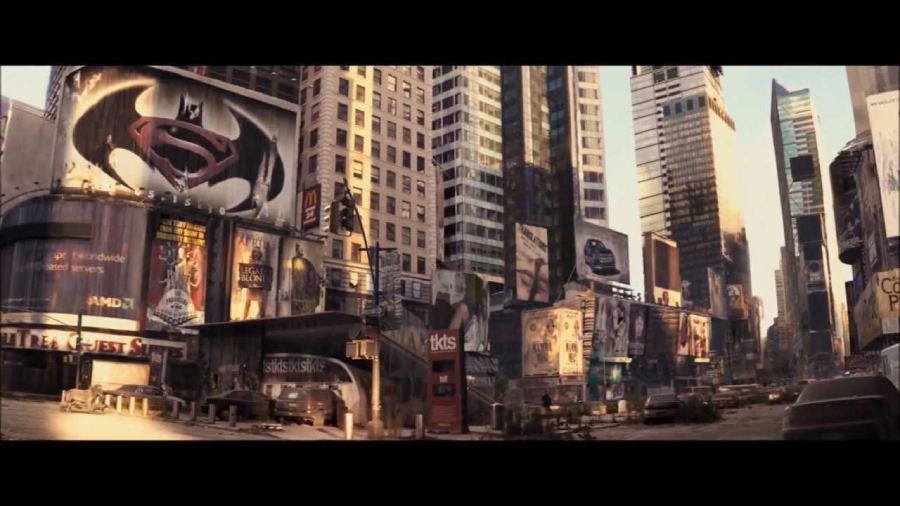
To get the shot of Will Smith in a deserted New York City, the production had to shut down Times Square for several consecutive nights, a feat that cost an estimated $5 million just for the permits and security. Warner Bros. had to pay off local businesses and manage thousands of curious onlookers, all while filming in the middle of one of the busiest places on Earth. Every minute the cameras weren’t rolling was thousands of dollars wasted, putting immense pressure on the crew to get the shot perfect. The haunting silence of that scene is iconic, but the noise in the accounting department was likely deafening.
Explore more fascinating movie facts:
Experiencing these high-stakes movie moments reminds us that true art often requires a terrifying leap of faith. For every second of screen time that takes our breath away, there was likely a studio accountant holding theirs. If you enjoyed this dive into Hollywood’s most expensive gambles, don’t miss these 18 Blockbuster Movies That Expected to Fail But Became Hits, or 15 Famous Movies That Nearly Fell Apart During Production. You can also enjoy these 15 Stars Who Faced Homelessness Before Becoming Famous.