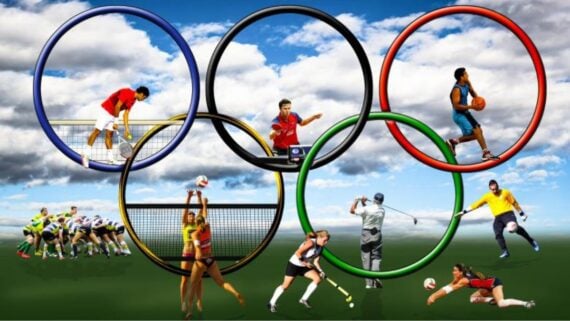
Olympic events have always been a showcase of athletic excellence, but they haven’t always looked the way we remember them today. Over time, the Olympics have evolved, with certain events fading away as times changed. Some events that once drew crowds and medals have since disappeared, leaving behind only surprising records and stories.
These former Olympic events range from the unusual to the outright baffling by modern standards. They offer a fascinating glimpse into how the games have adapted across generations. Let’s dive into 20 Olympic Games that no longer exist.
1. Tug of war

Tug of war matched teams of eight against each other in a simple but demanding test of strength. It followed rules much like those used in casual competitions today, with timed pulls and penalties for sitting or falling. The Olympic program grew more formal and globally standardized, so organizers phased it out in 1920 in favor of events that were better-known internationally.
2. Cricket
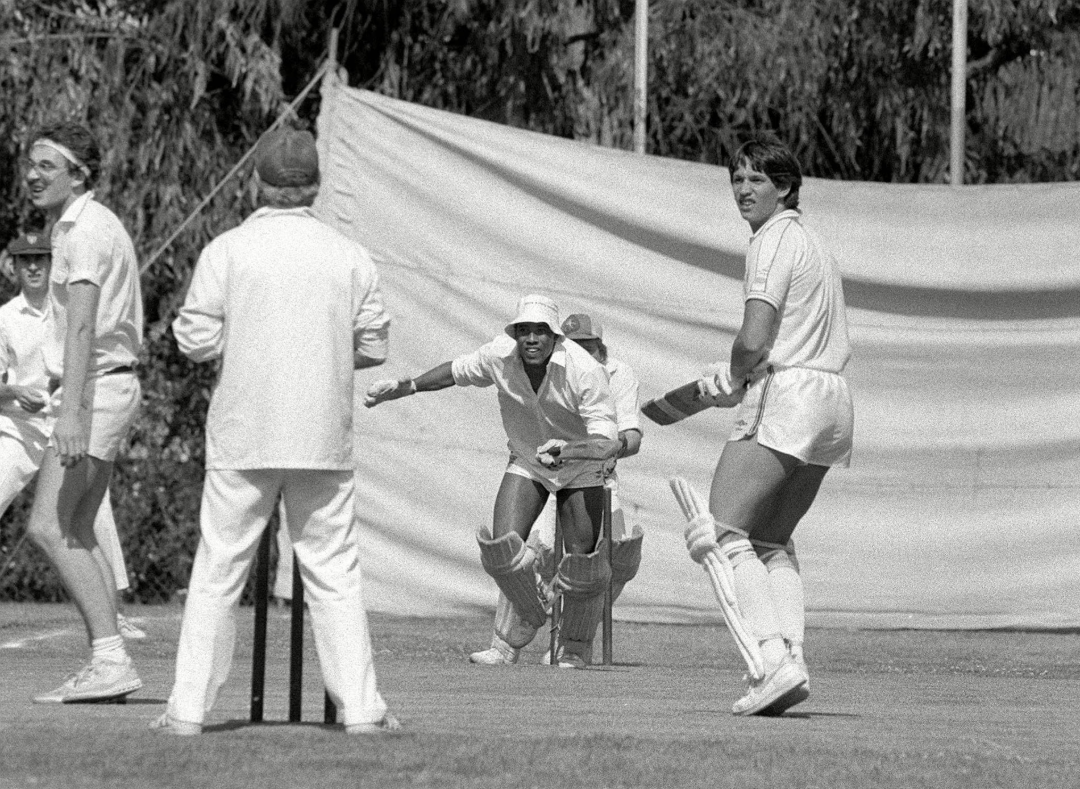
There are rumors that cricket will be returning to the games in 2028. It was played only once at the Paris Games, and the match featured a single two-day contest between Great Britain and France. The game drew very little global attention, and only a few nations participated, leading to its removal after its debut in 1900.
3. Croquet
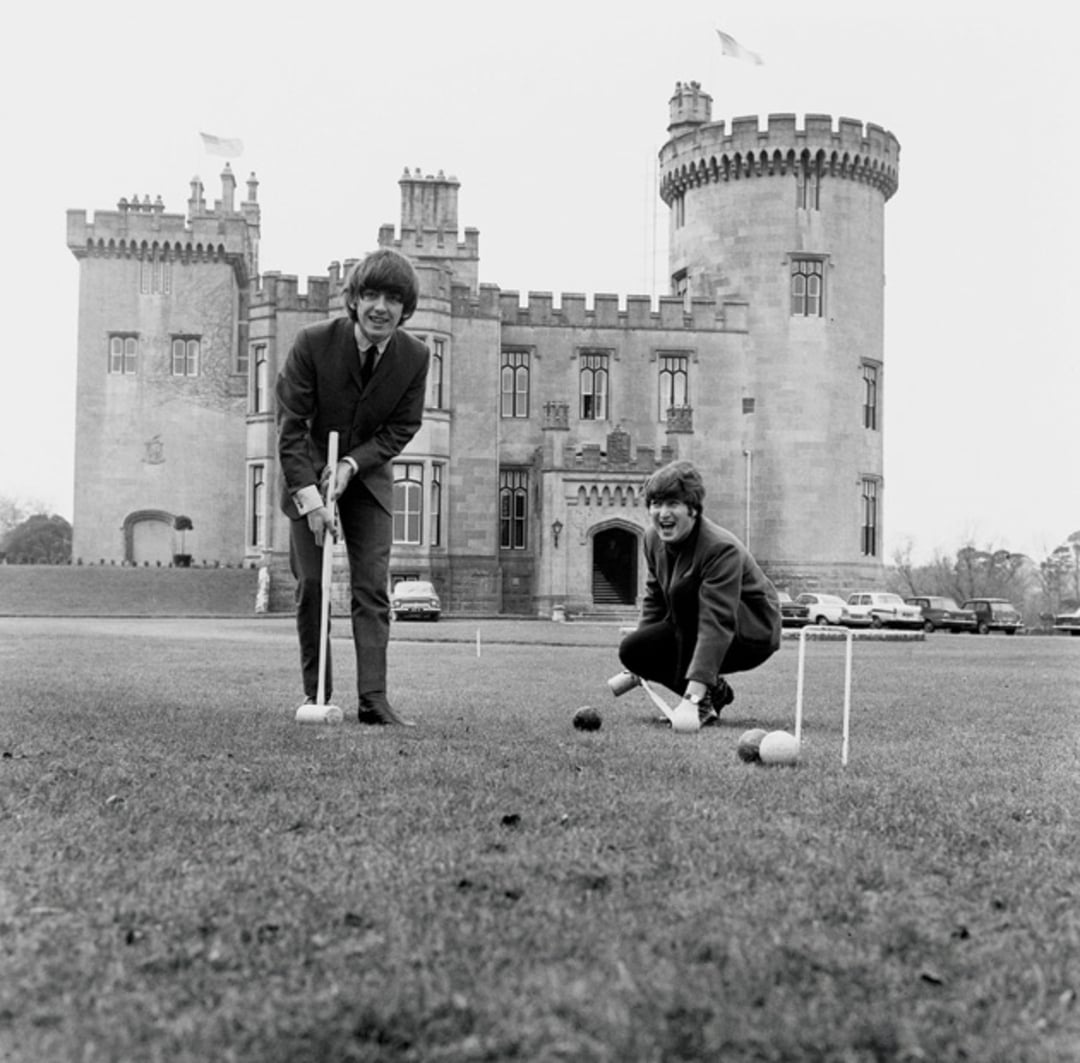
This lawn game focused on careful aim and strategy rather than power, as players guided their balls through a series of wickets. It stood out for featuring some of the first women ever to compete in the Olympics. Despite that milestone, it drew almost no paying spectators and struggled to capture public interest. Because it was played in so few regions, organizers soon replaced it with sports that had a broader international following.
4. Roque
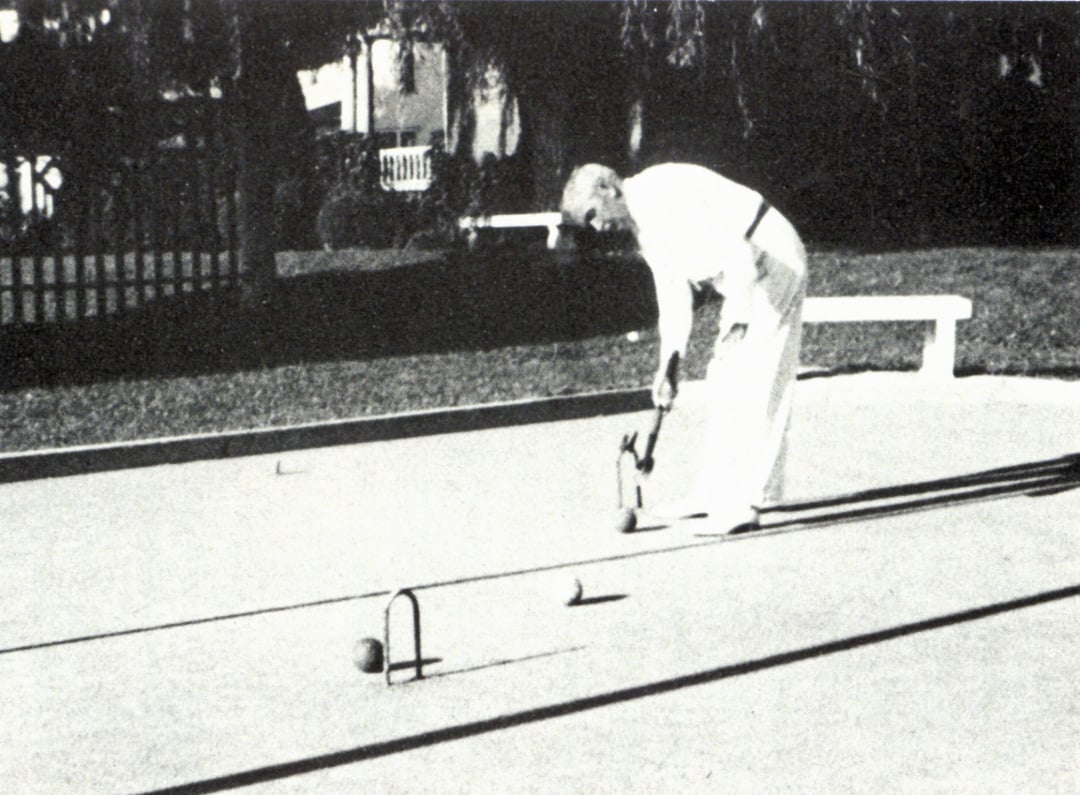
Roque is a variation of croquet played on a hard, enclosed court. Matches involved bank shots off the boundaries, giving it a billiards-like tactical quality. Because it was essentially unknown outside North America, international participation was minimal, leading to its downfall in the games.
5. Lacrosse

Lacrosse is said to return in the 2028 Olympics. While culturally significant, it lacked widespread international infrastructure in the past. Olympic officials hesitated to involve a sport dominated by only a few countries. It later resurfaced occasionally as a demonstration event rather than a medal competition. Only in recent years has global growth renewed Olympic interest.
Trending on The Scroller


6. Polo

In Polo, teams on horseback tried to score by driving a ball through goalposts, combining riding skill with strategy. Moving horses between countries created ethical and financial challenges. Only wealthy countries could afford to compete, which limited the sport’s international appeal.
7. Rackets
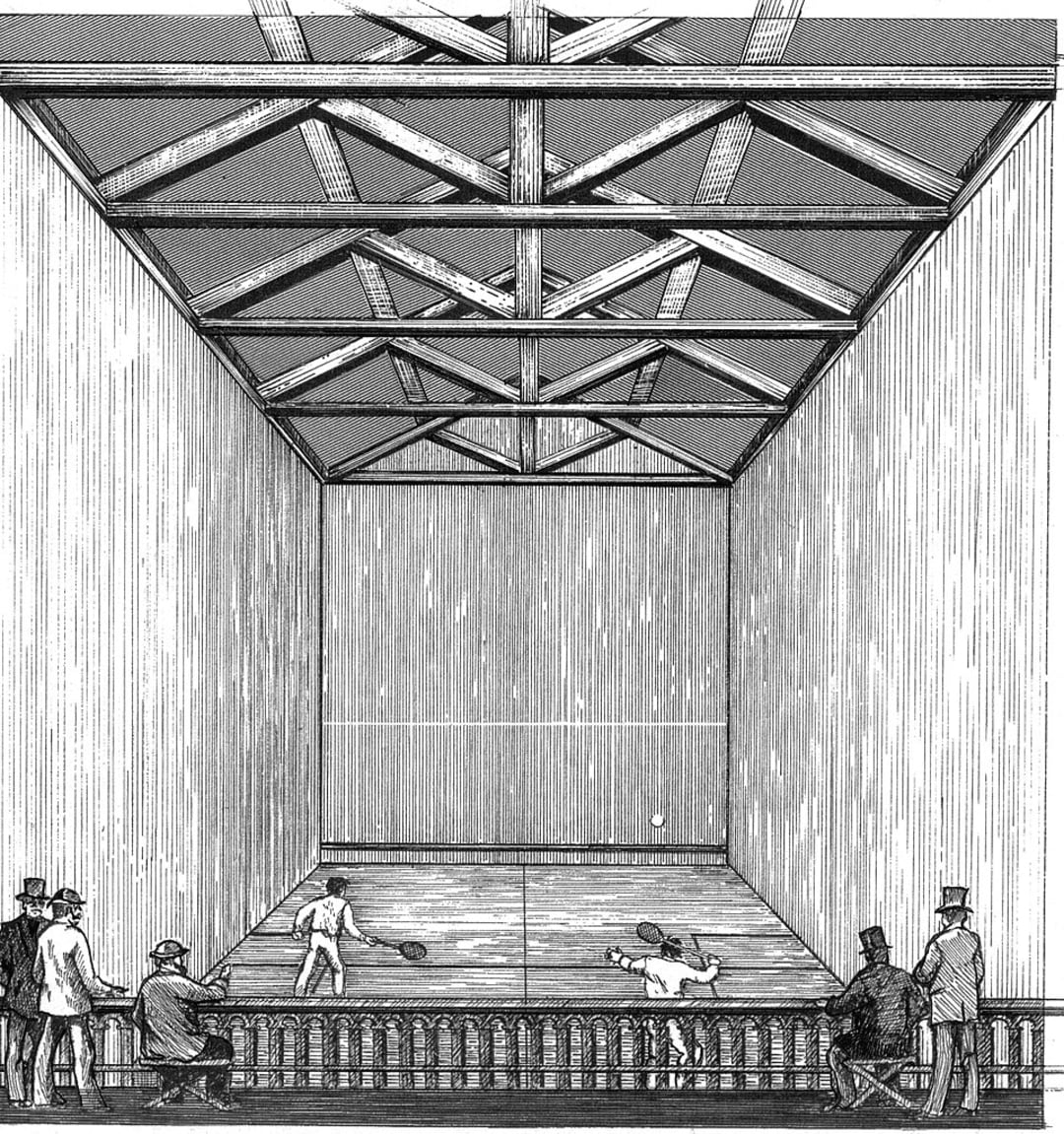
Rackets was an indoor sport similar to squash, but it used a harder ball and a bigger court. It was mostly played in Britain and a few other countries, but with so few nations able to provide courts or trained players, the competition remained tiny. The IOC eventually eliminated it in favor of better-known sports around the world.
8. Motorboating

This rare, motorized Olympic event had boats racing across open water, where mechanical reliability often determined the outcome. Many races were disrupted by breakdowns due to rough conditions, highlighting the effect of technology over athletic skill. Critics argued that engineering overshadowed true competition, which was the cause of its removal.
Sign up for our newsletter
9. Pigeon Shooting

Competitors treated pigeons as game, making this the only Olympic event involving the hunting of live animals. This sport sparked ethical concerns, even in the past, which made organizers replace the live birds with clay targets. Now you know why it’s called a clay pigeon.
10. Running Deer Shooting
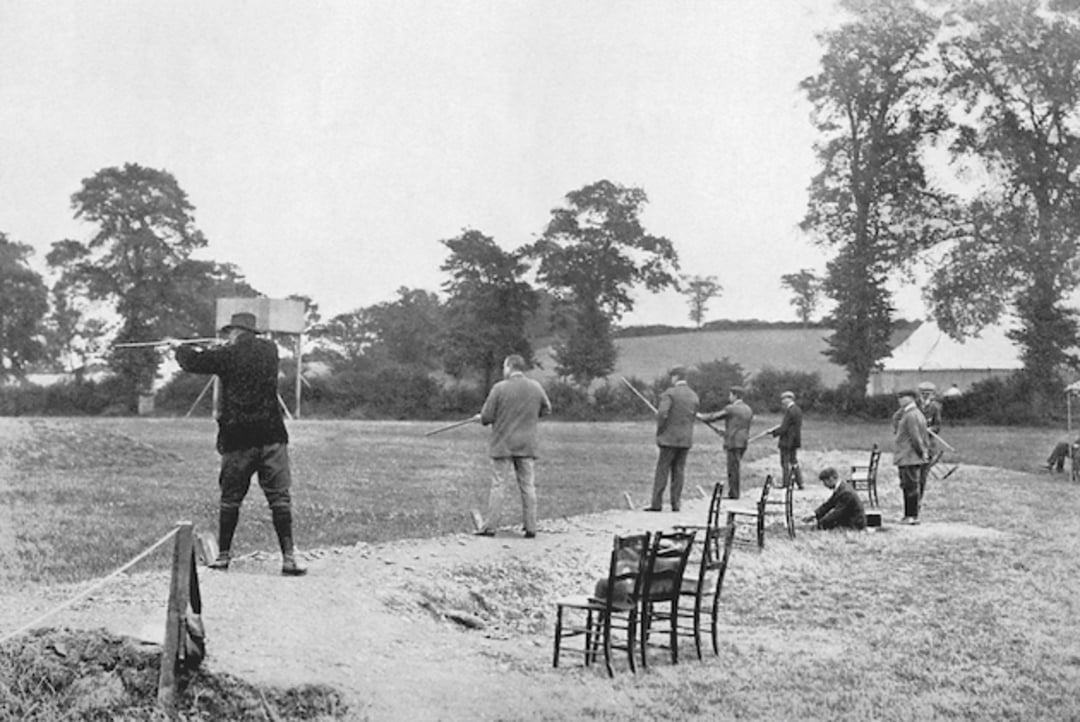
Marksmen fired at a moving target designed to simulate a running animal crossing their field of vision. The event tested timing and accuracy under tense conditions. Over time, it became seen as overly specialized and rooted in hunting culture rather than in gun skill, and standardized rifle events proved easier to universalize.
11. Rope Climbing
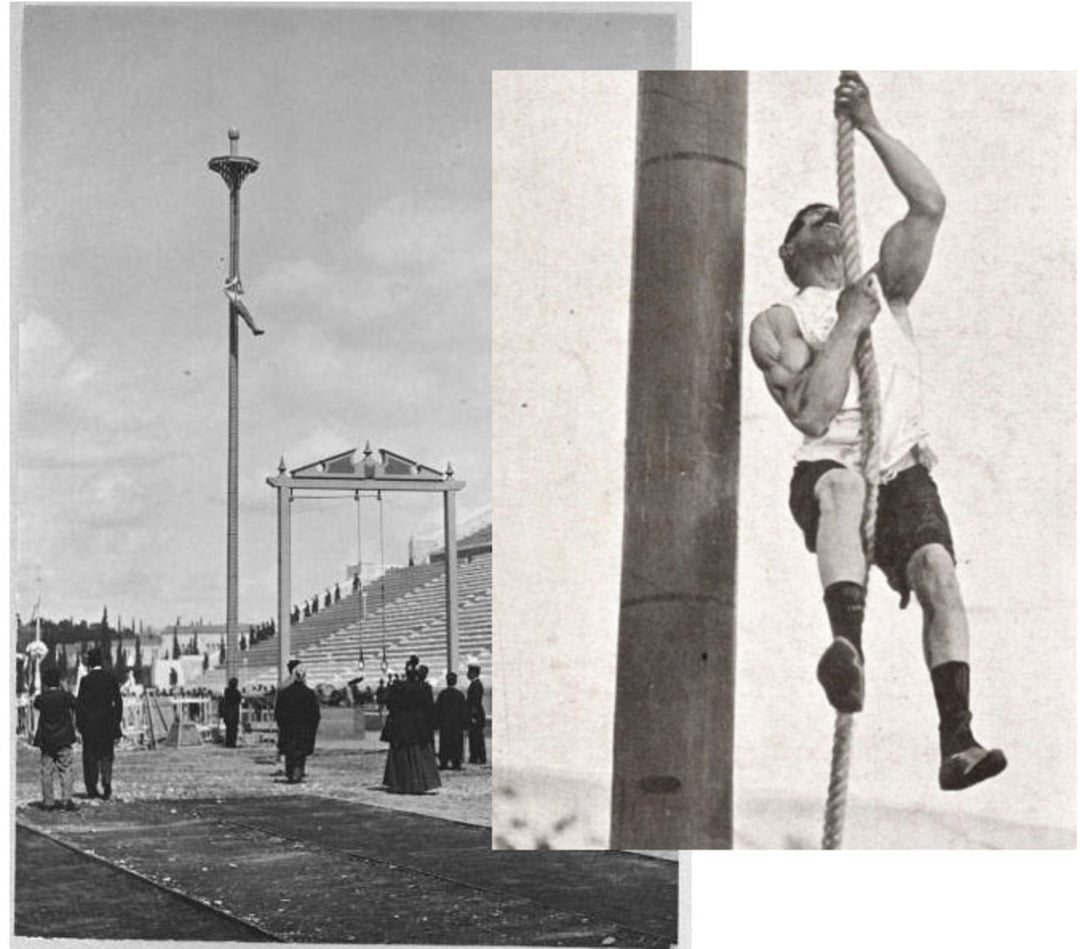
Athletes climbed a vertical rope using only their arms and were judged for speed and style. The contest highlighted upper-body strength in a way few other events did. However, it overlapped with gymnastics and lacked a broad competitive depth. The event faded as gymnastics became more mainstream.
12. Standing High Jump
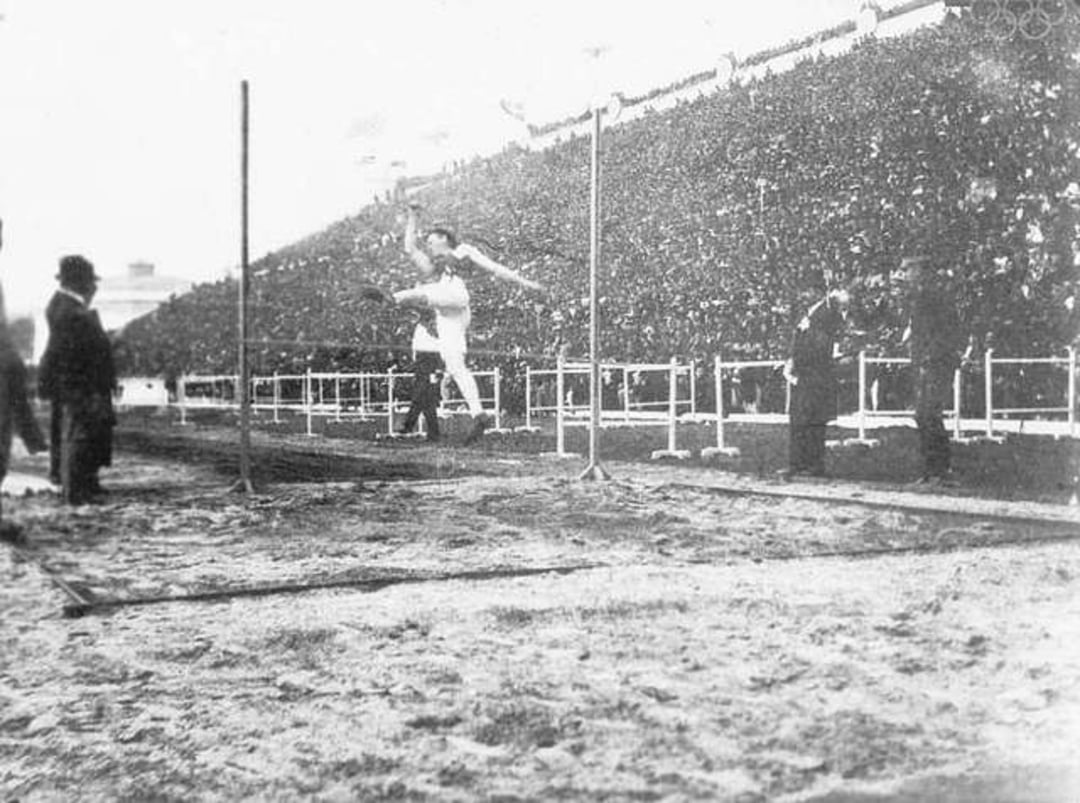
In this version of the high jump, athletes leaped from a stationary position, relying on leg strength and balance rather than a running approach. The style was less visually striking than the later Fosbury-style jumps. Officials eventually focused on running jumps, which offered clearer progression and more excitement for spectators. The standing high jump was retired alongside other similar events.
13. Standing Long Jump
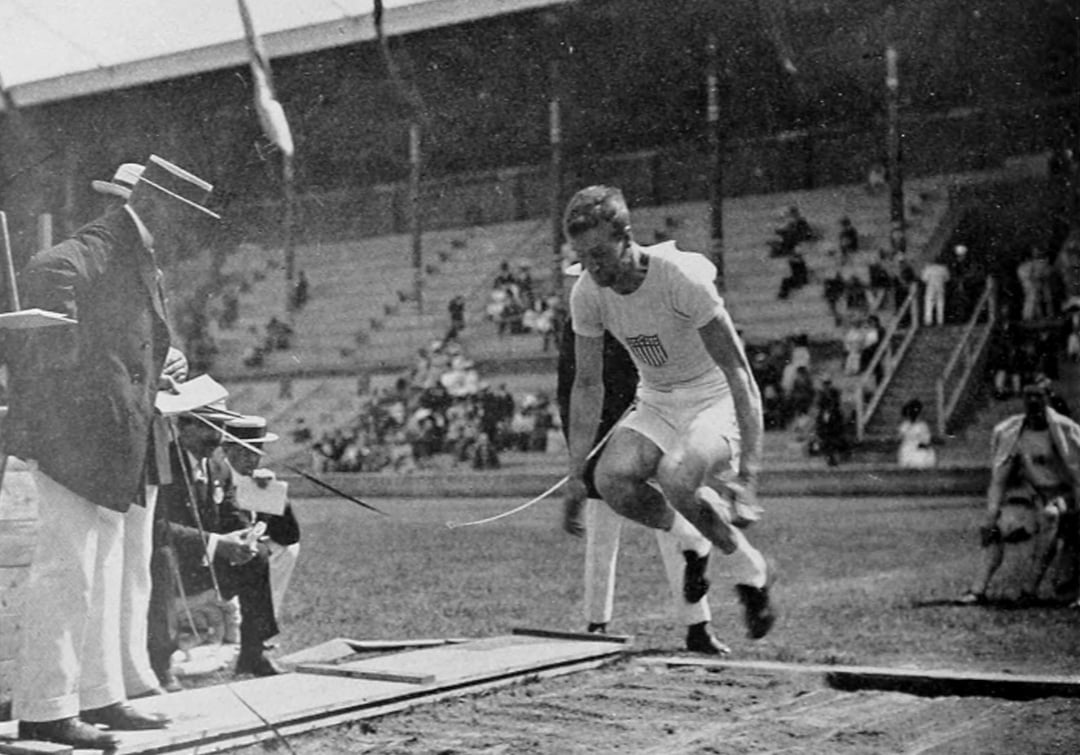
In this event, athletes jumped forward from a stationary stance, occasionally using their arms for extra momentum. The distances achieved were much shorter than running jumps, making it less thrilling to watch. As training methods evolved, the discipline came to seem outdated.
14. Standing Triple Jump
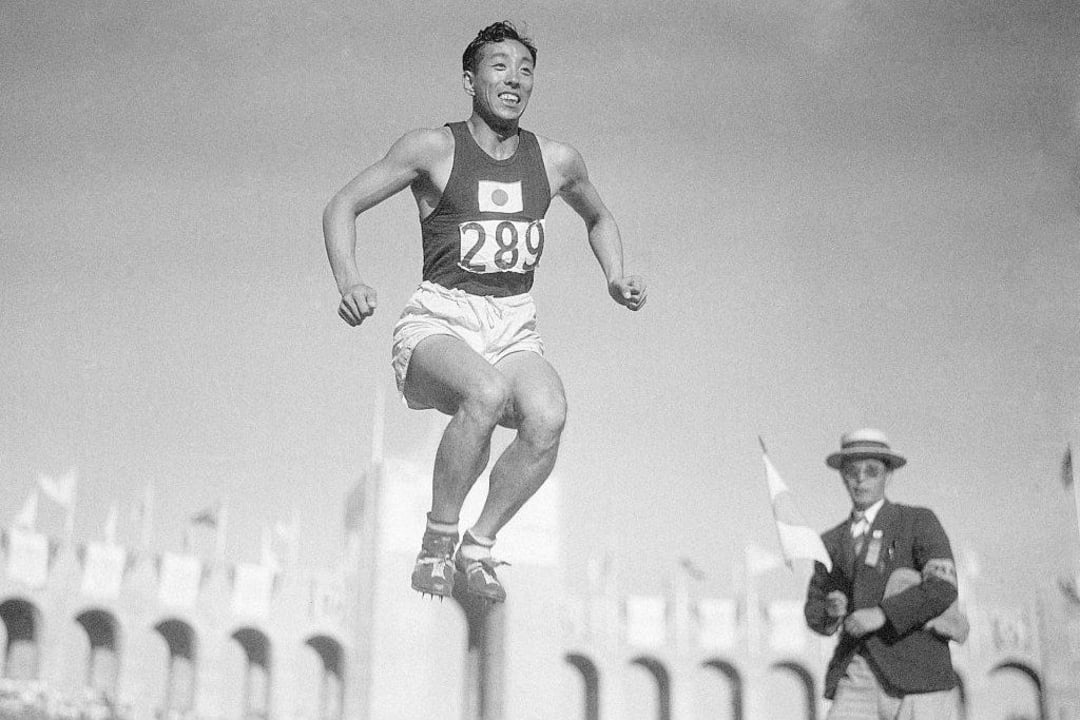
This event had athletes perform a series of hops from a stationary start instead of using a running approach. Its awkward technique made judging difficult and inconsistent. With few countries producing specialists, the competition remained small. Organizers replaced it with the running triple jump, which proved more exciting and internationally viable.
15. Two-Handed Shot Put
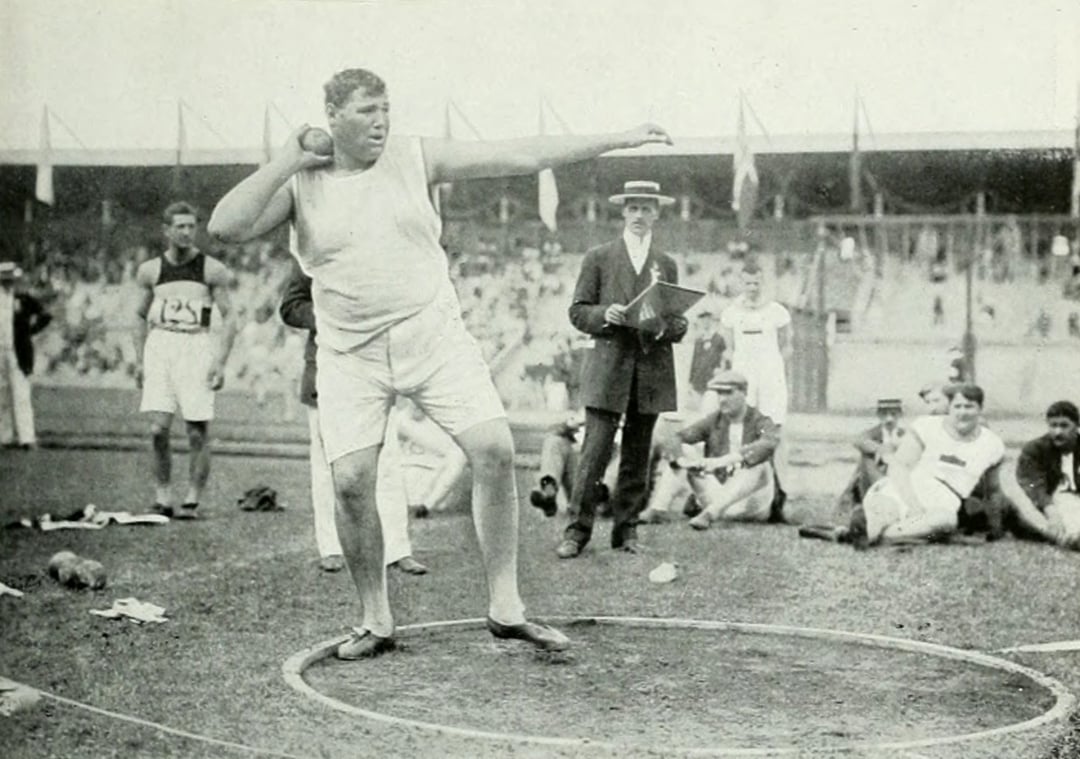
In this event, athletes threw with both hands, combining distances for a total score to test balanced strength. The format added complexity but failed to capture spectator interest. Officials found single-throw competitions clearer and more engaging. It only appeared in the Olympics once, and the unusual scoring system led to the event’s rapid removal.
16. Two-Handed Discus
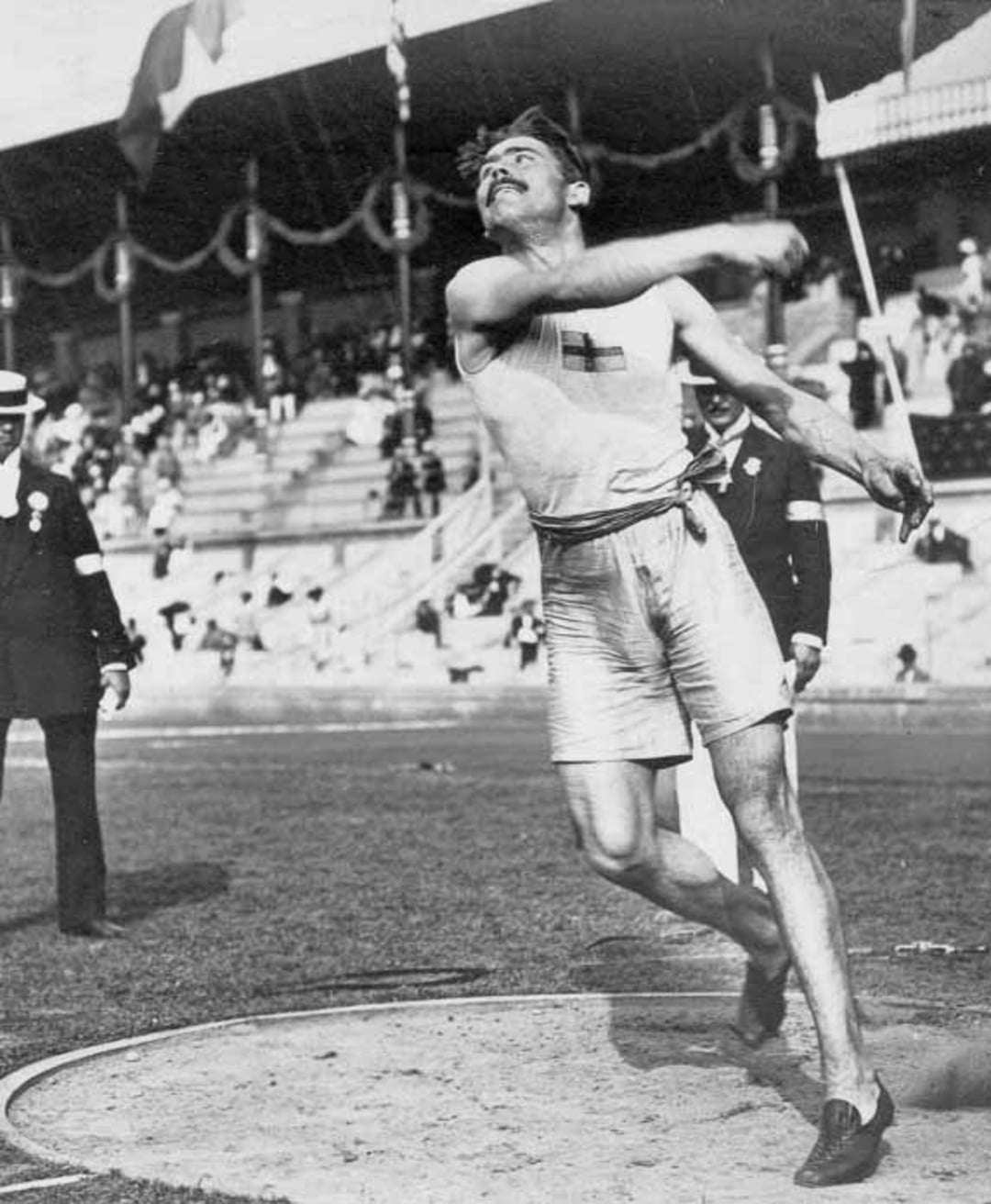
In this event, athletes threw with both their right and left hands, similar to the earlier shot put experiment. It came from a time when organizers were still figuring out how to measure athletic excellence. The format confused spectators and made record comparisons tricky. Standard one-handed events quickly became the norm, and the combined version disappeared after its first appearance.
17. Plunge for Distance
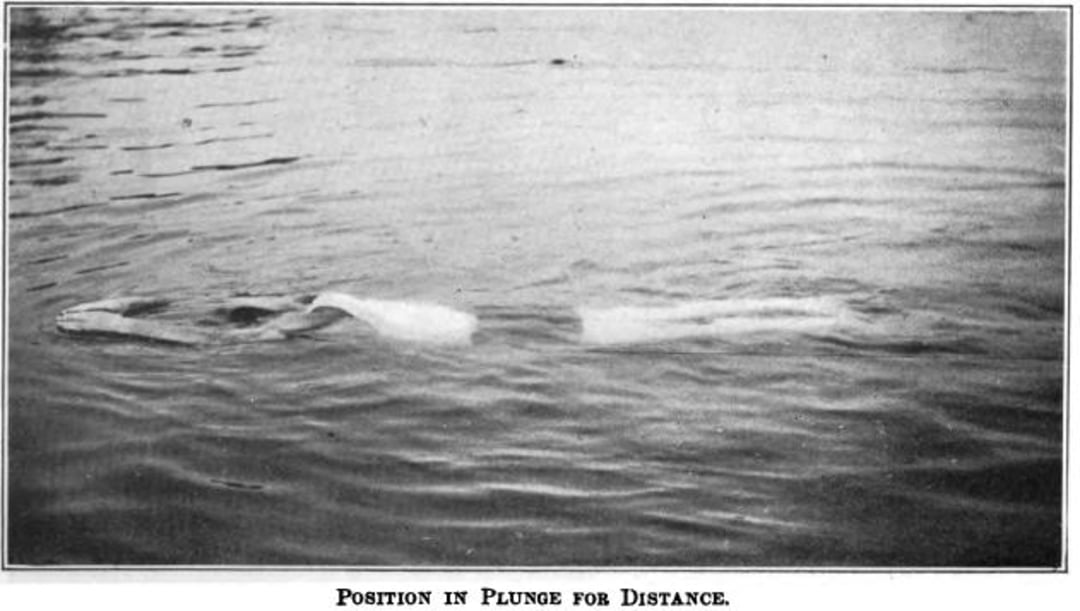
In this event, swimmers dove in and glided as far as they could without stroking, with distance measured once momentum stopped. The motionless nature of the contest made it slow and anticlimactic for spectators. Lacking the excitement of typical swimming races, it was never held again.
18. Tandem Cycling
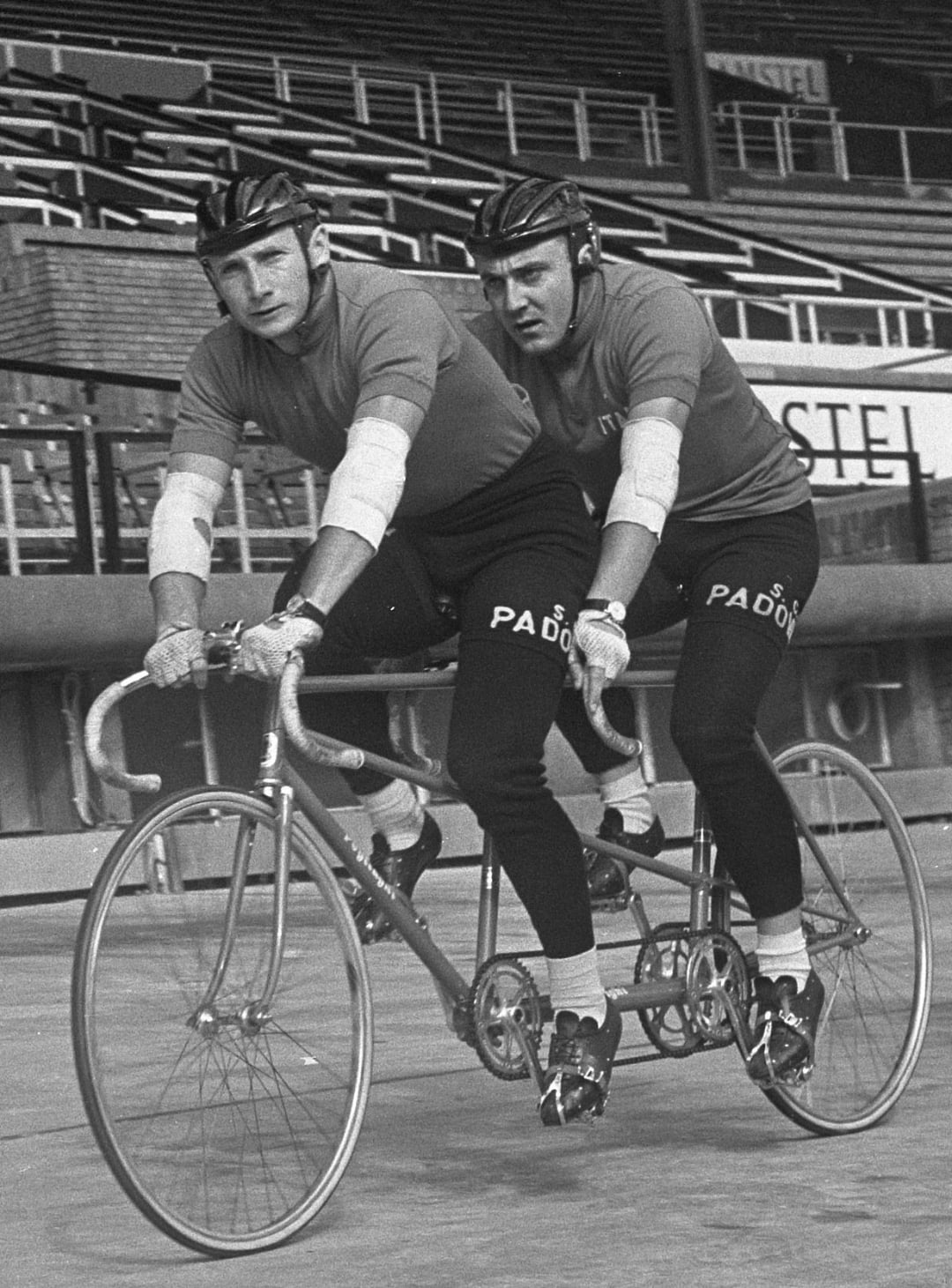
In this event, two cyclists shared a single bike in high-speed track sprints, demanding perfect coordination. Frequent crashes at racing speed raised serious safety concerns. The specialized equipment was also costly and hard to standardize. As cycling grew internationally, organizers favored individual races, and the tandem format was eventually dropped.
19. Basque Pelota
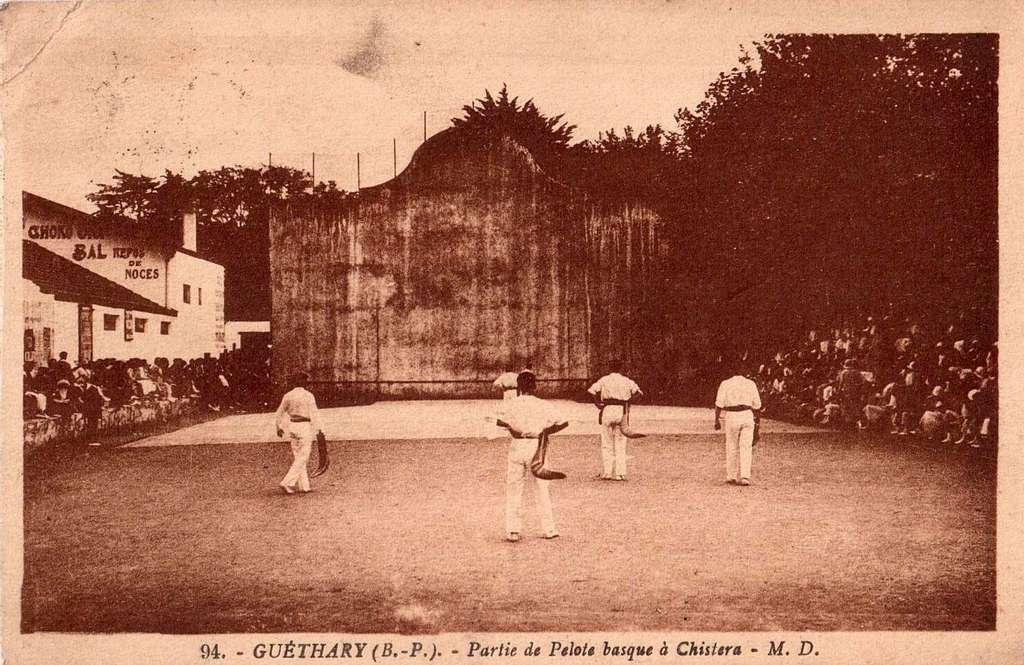
In this sport, athletes hit a ball against a wall using baskets, paddles, or even their hands, depending on the version. It relied on specialized courts called frontons, which were rare outside southwestern Europe. With participation often limited to just a single match, the event drew few competitors. Its restricted reach led organizers to drop it in favor of more popular sports.
20. Jeu de Paume

This early form of tennis was played indoors on uniquely shaped courts and followed intricate scoring traditions that stretched back centuries. The game required highly specialized venues, which made it difficult for many countries to host or compete. Its ties to aristocratic culture also clashed with the Olympics’ growing emphasis on broad, inclusive participation. With lawn tennis far easier to organize around the world, it quickly became the lasting alternative.
Want to see more athletic content?
Check out 15 athletes who made dumb amounts of money playing in the NFL, or take a look at 20 Former Pro Athletes Who Lost it All Over The Years. Finally, if you want to see athletes who got busted for tax evasion, check out 15 Famous Athletes Who Got Busted for Tax Evasion.