Forgotten sports aren´t always ancient games lost to history. Some once packed arenas, filled neighborhood courts, or shaped entire communities before wars, changing tastes, and shrinking opportunities pushed them toward the sidelines.
Yet these 20 sports have something remarkable in common: people refused to let them vanish. Their stories reveal how a game can survive against the odds, sometimes with just a handful of players keeping it alive.
1. Roller Derby
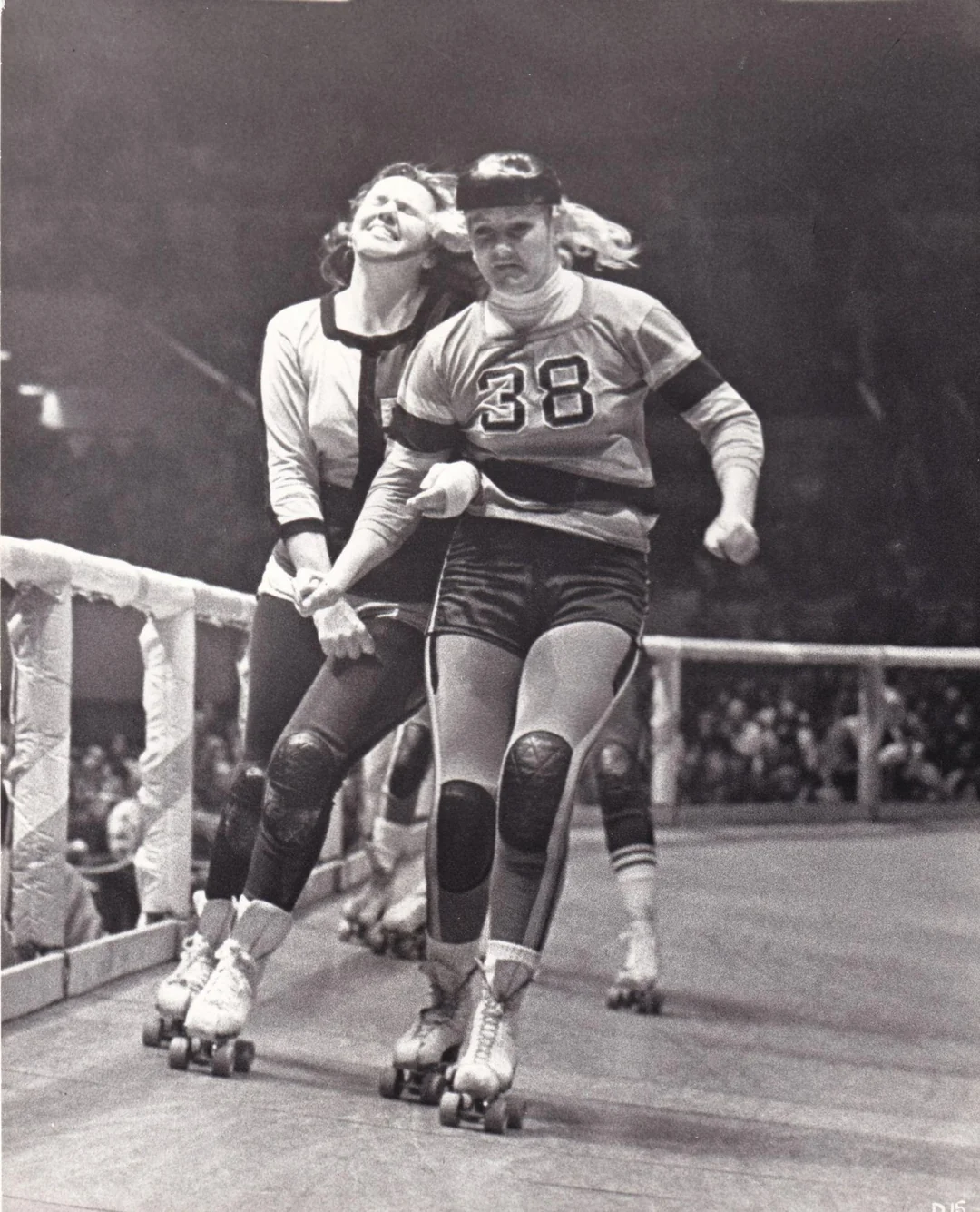
Roller derby went from a banked-track crowd-pleaser to near obscurity when its original professional league folded in the 1970s. Then, in the early 2000s, women-led groups in Texas helped rebuild it from the ground up. The modern version often uses flat tracks, proving a sport can reinvent itself without losing its edge.
2. Hurling
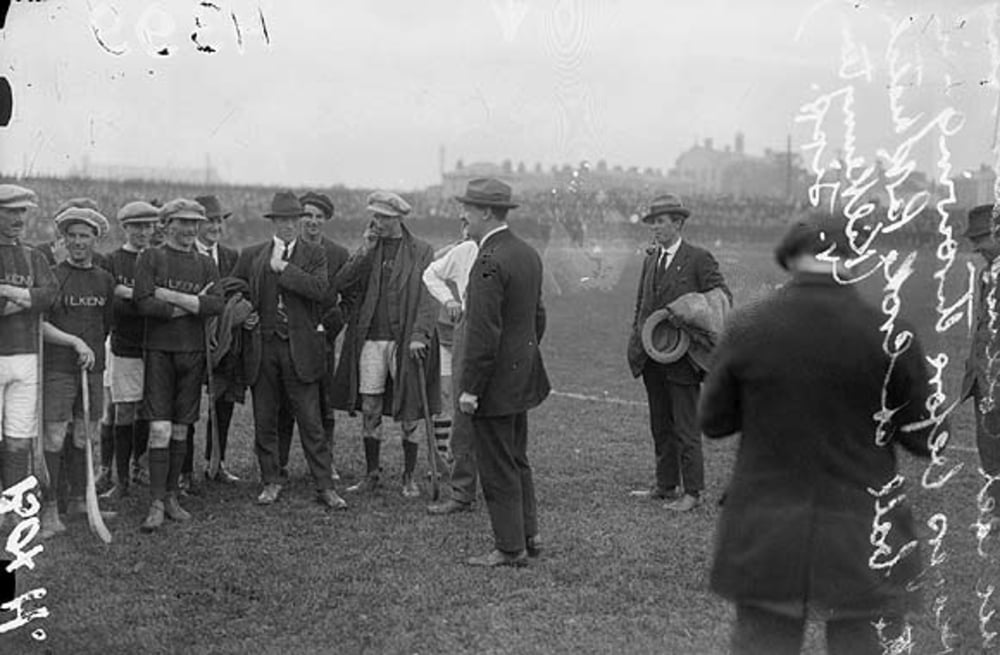
One of Ireland’s oldest games nearly lost its footing after the Great Famine. Hurling survived in scattered strongholds until the Gaelic Athletic Association, founded in 1884, helped standardize and revive it. A sport with deep roots needed an organized rescue to keep those roots alive.
3. Ulama
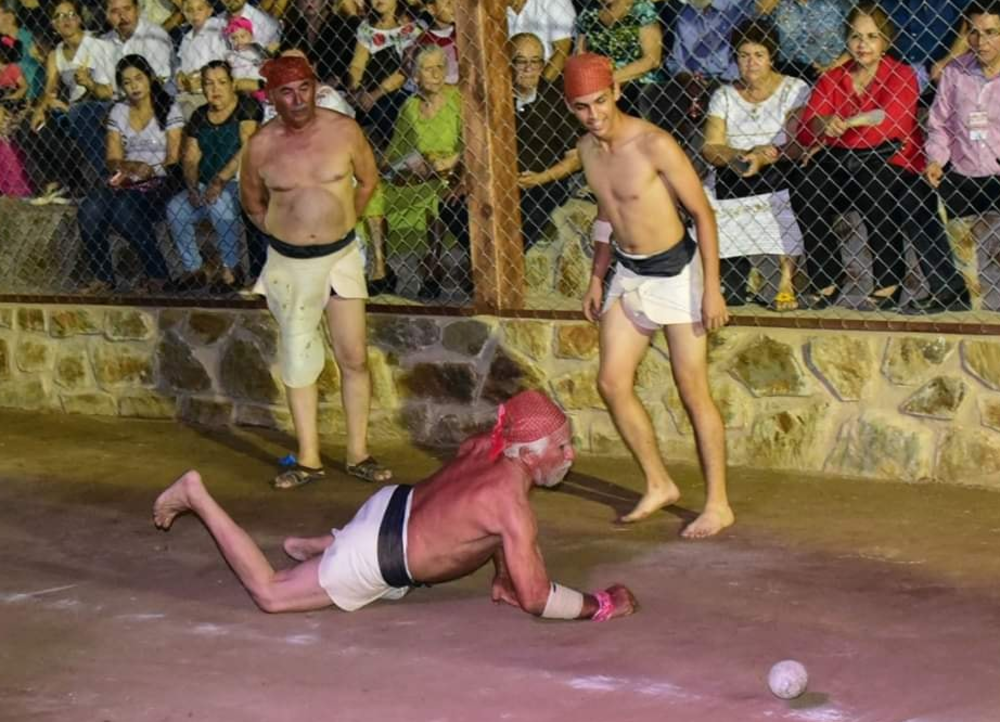
The Mesoamerican ballgame endured centuries of colonial suppression, surviving in isolated communities, particularly in Sinaloa, Mexico. Modern hip ulama has been considered endangered, but renewed efforts have brought players and the tradition back into public view. This isn’t a game recreated from scratch; it’s a living connection to the past.
4. Real Tennis
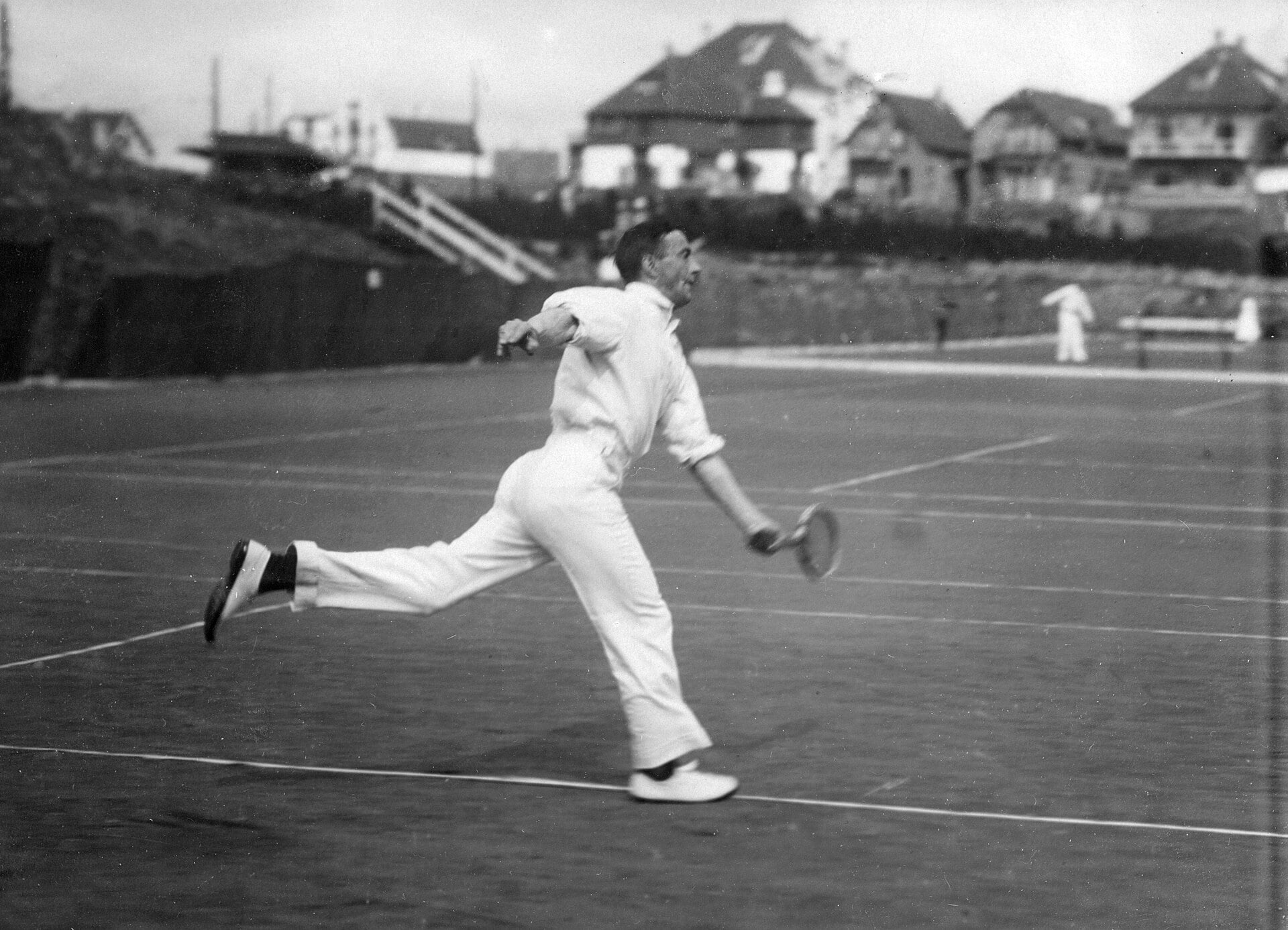
Before lawn tennis took over, there was real tennis, played on highly specialized indoor courts. Its popularity faded after the 18th century, and the expense of maintaining courts didn’t help. Victorian enthusiasts brought it back, but only a few dozen courts survive worldwide. How many sports can claim centuries of history and still be that difficult to find?
5. American Cricket
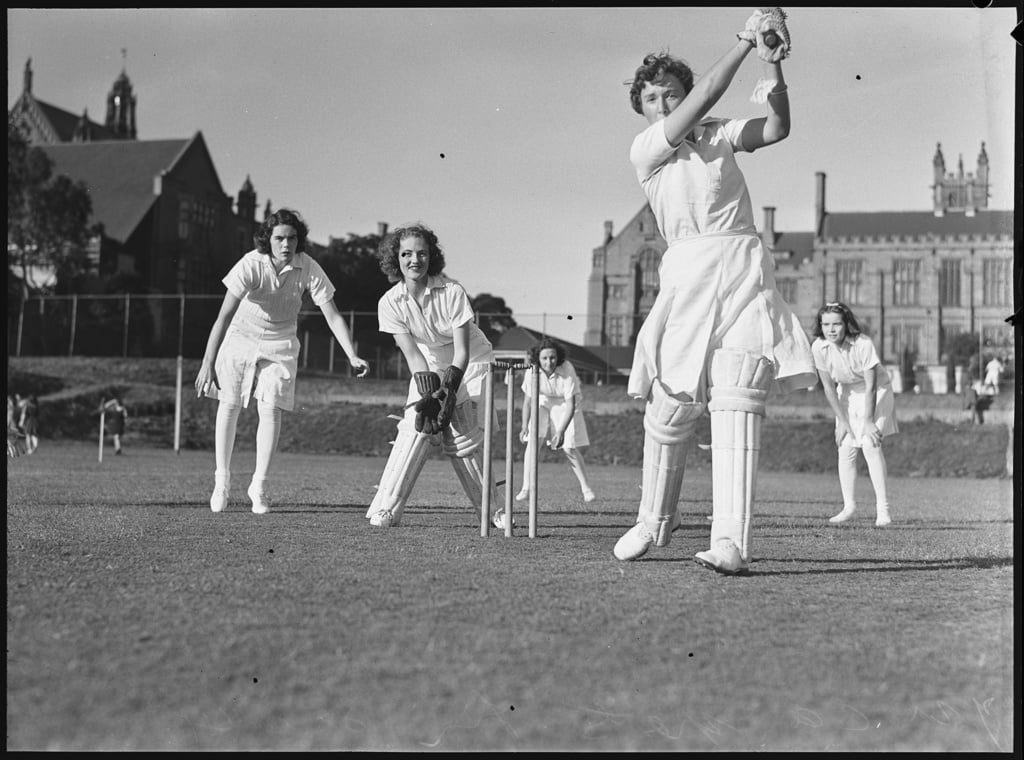
Cricket once had a serious foothold in the United States, which even hosted the world’s first international cricket match. Baseball’s rise after the Civil War pushed it out of mainstream American sporting life. Immigration and new leagues have since given U.S. cricket another chance, even though the game never disappeared globally.
Trending on The Scroller

6. Racquetball
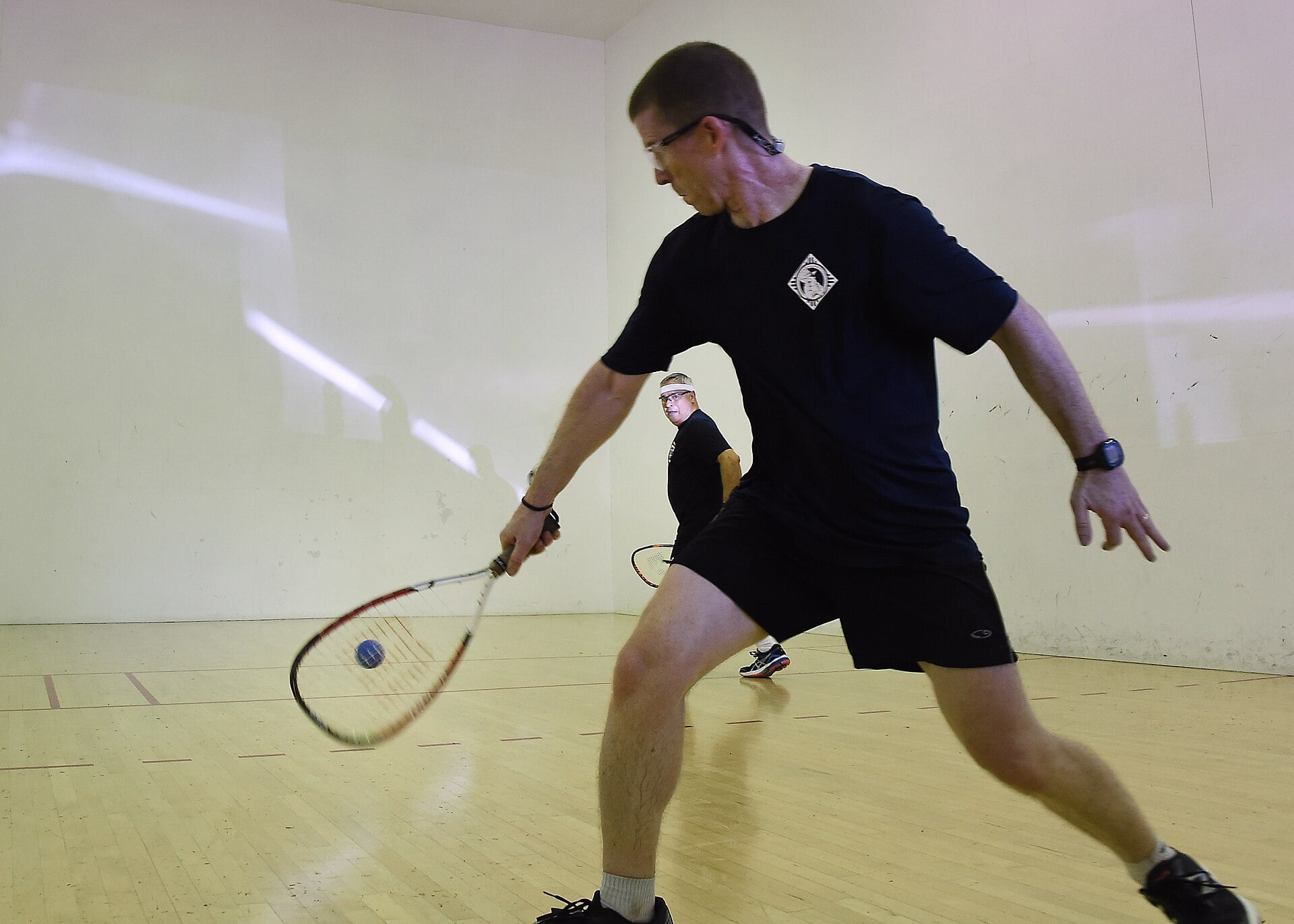
At its early-1980s peak, racquetball reportedly attracted roughly ten million American players. Then participation fell, and clubs began closing or converting their courts. The game never vanished, but its journey from fitness craze to niche pursuit shows how quickly a sporting boom can deflate.
7. Skateboarding
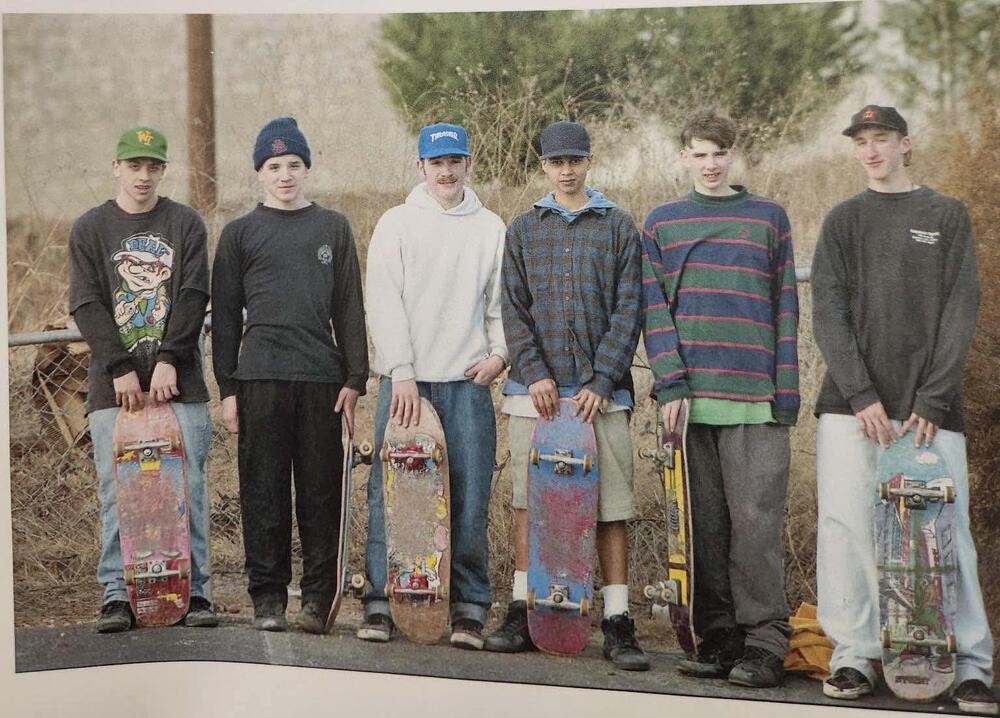
Skateboarding’s rise was anything but smooth. After earlier booms and busts, the sport took another major hit around 1990 as manufacturers closed and enthusiasm waned. A comeback followed by the mid-1990s, and decades later skateboarding reached the Olympics. Not bad for a pastime that repeatedly had to find its footing again.
8. Squash in Australia
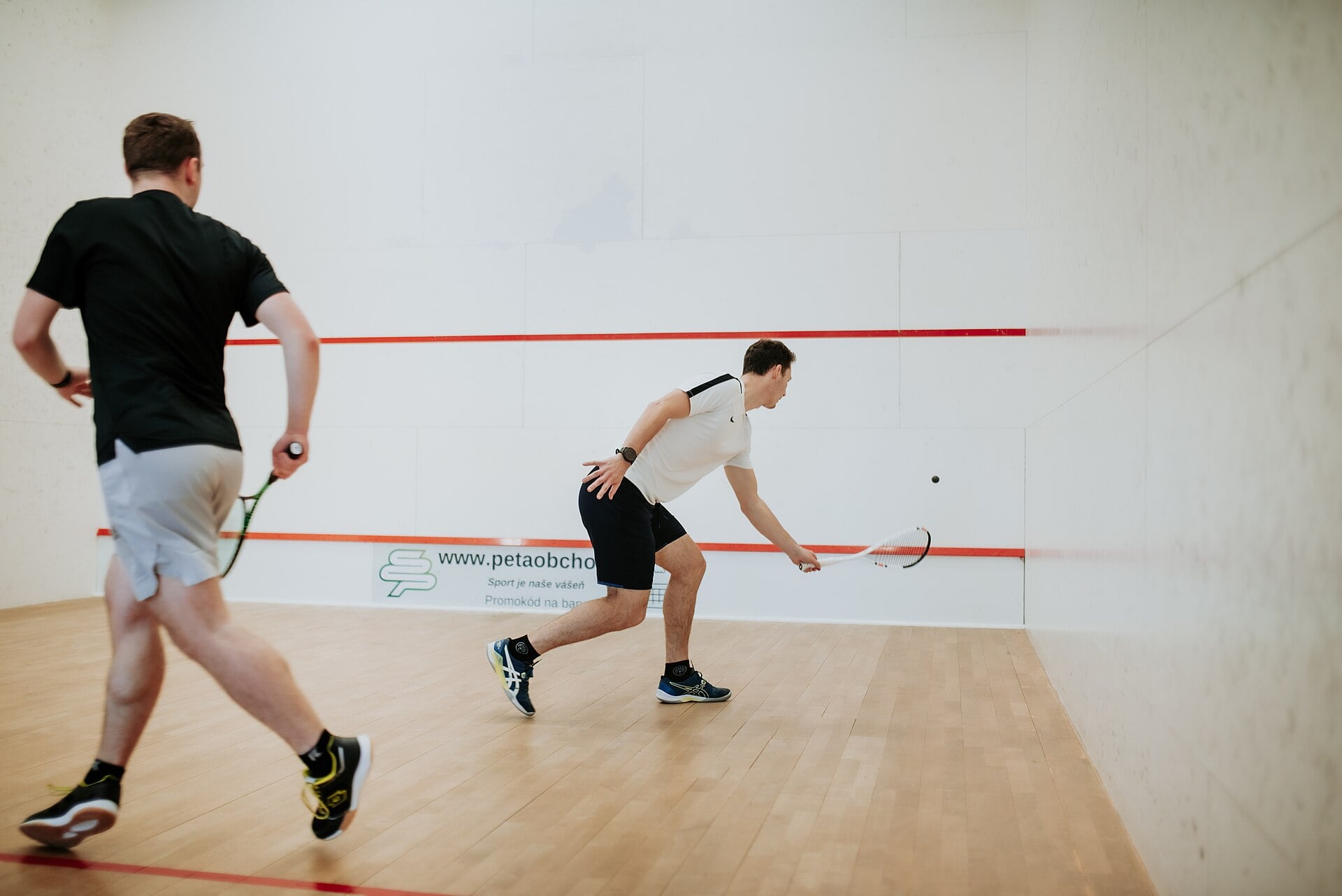
Australia was once a powerhouse of squash, with reportedly around a million regular players at its height. Participation later plunged, and more than half the nation’s courts disappeared. The sport survived, but rebuilding after losing so many places to play is a very different challenge from winning championships.
Sign up for our newsletter
9. Polo in the United States
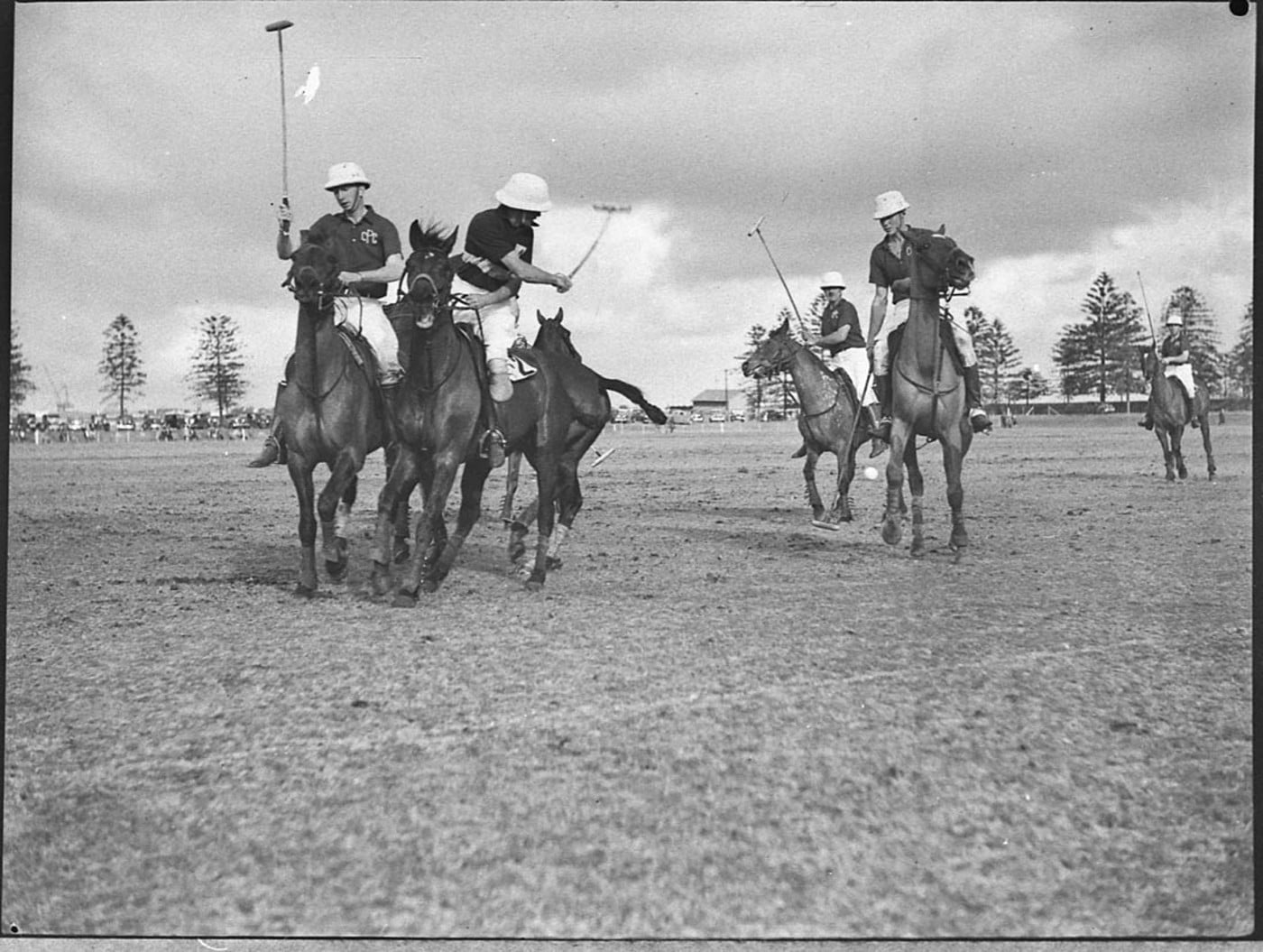
American polo’s golden age ran into a formidable obstacle: World War II. Players, clubs, and the military horse culture that supported the game were disrupted, sending participation downward. A revival took shape in the 1950s and 1960s. Who would have expected a sport associated with luxury to be so vulnerable to history?
10. Croquet in the United States
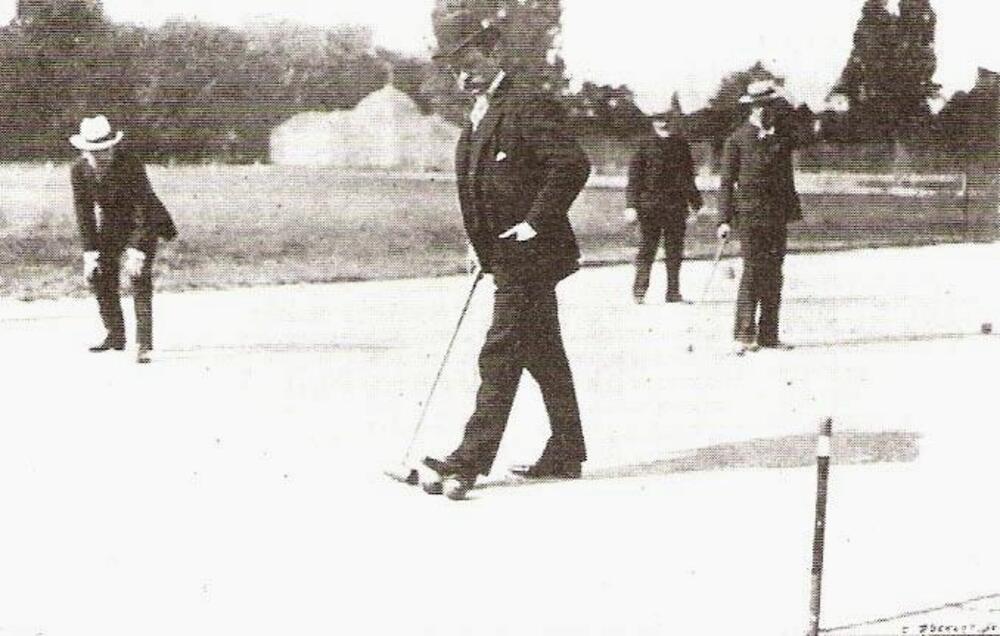
Forgotten sports sometimes return through surprisingly small beginnings. When Jack Osborn founded the U.S. Croquet Association in 1977, it reportedly counted just five clubs and about 100 members. Within a decade, the organization had grown to hundreds of clubs. A few mallets and determined enthusiasts helped put competitive croquet back on the lawn.
11. Traditional Mongolian Archery
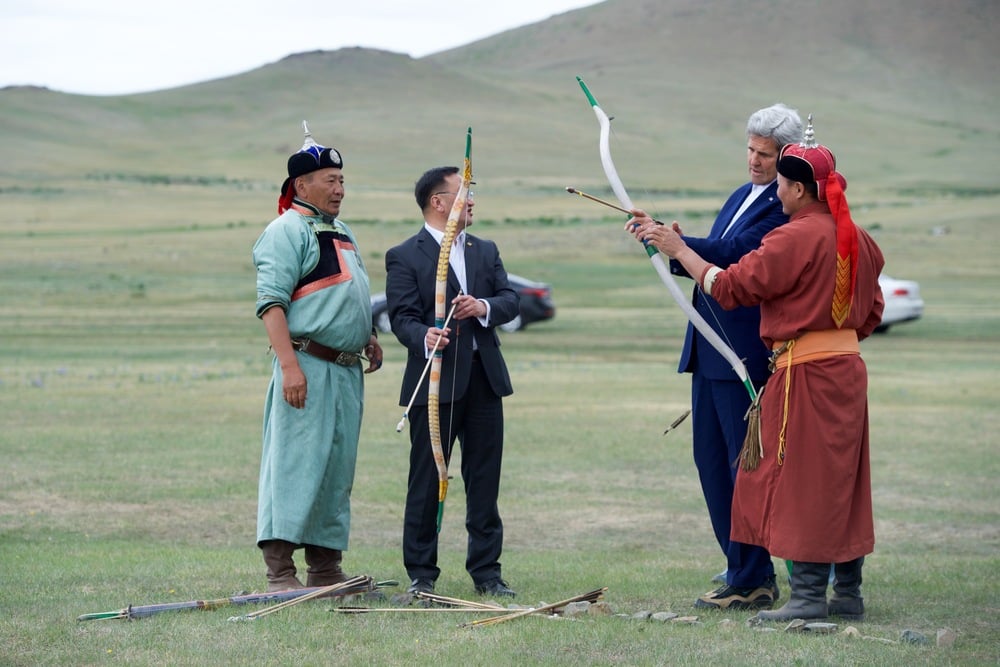
Traditional bow-making in Inner Mongolia came dangerously close to disappearing. In 1999, one revivalist reported finding only about 20 traditional bows. Efforts to reconstruct the craft helped bring traditional archery back to major cultural sporting events, preserving not just competition but the knowledge required to make its equipment.
12. Women’s Baseball
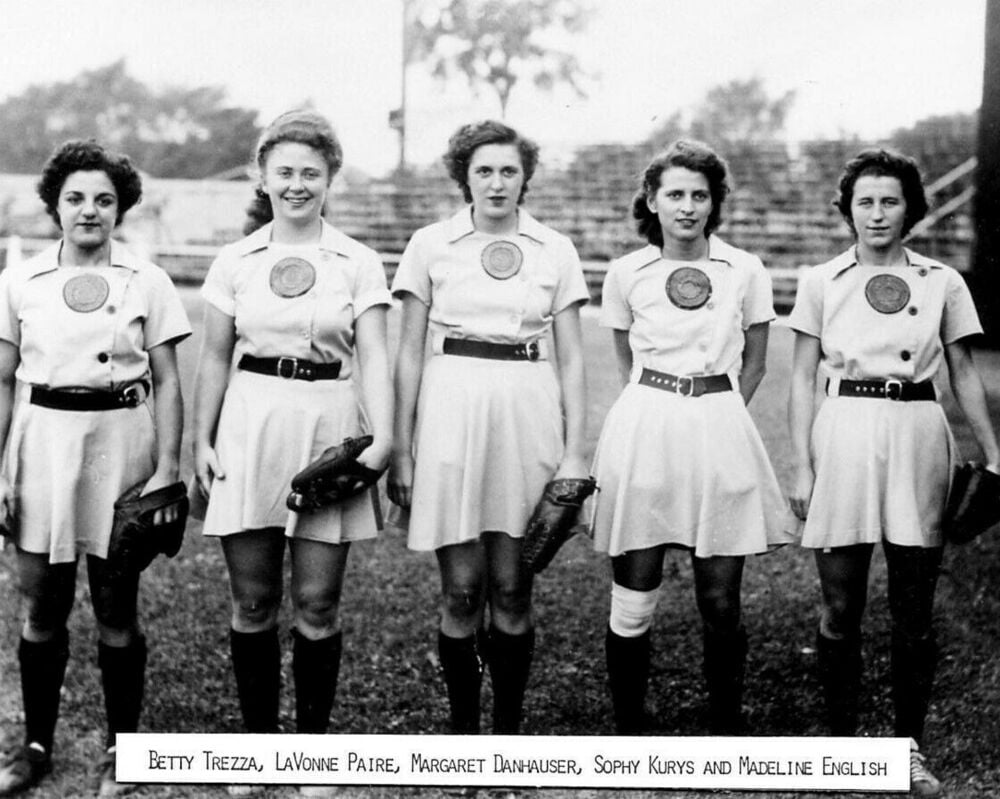
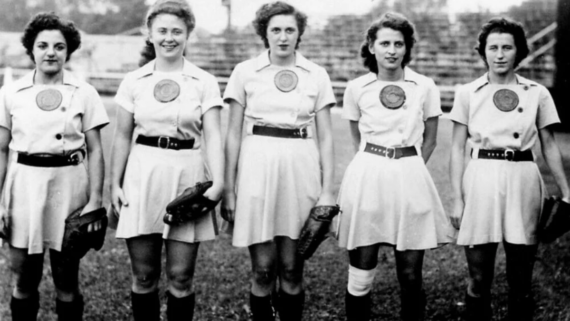
When the All-American Girls Professional Baseball League folded in 1954, organized opportunities for American women to play baseball became scarce. Legal challenges, new teams, and national programs gradually reopened the field. The sport’s survival story isn’t about rediscovering baseball; it’s about fighting for the chance to play it.
13. Traditional Indigenous Lacrosse
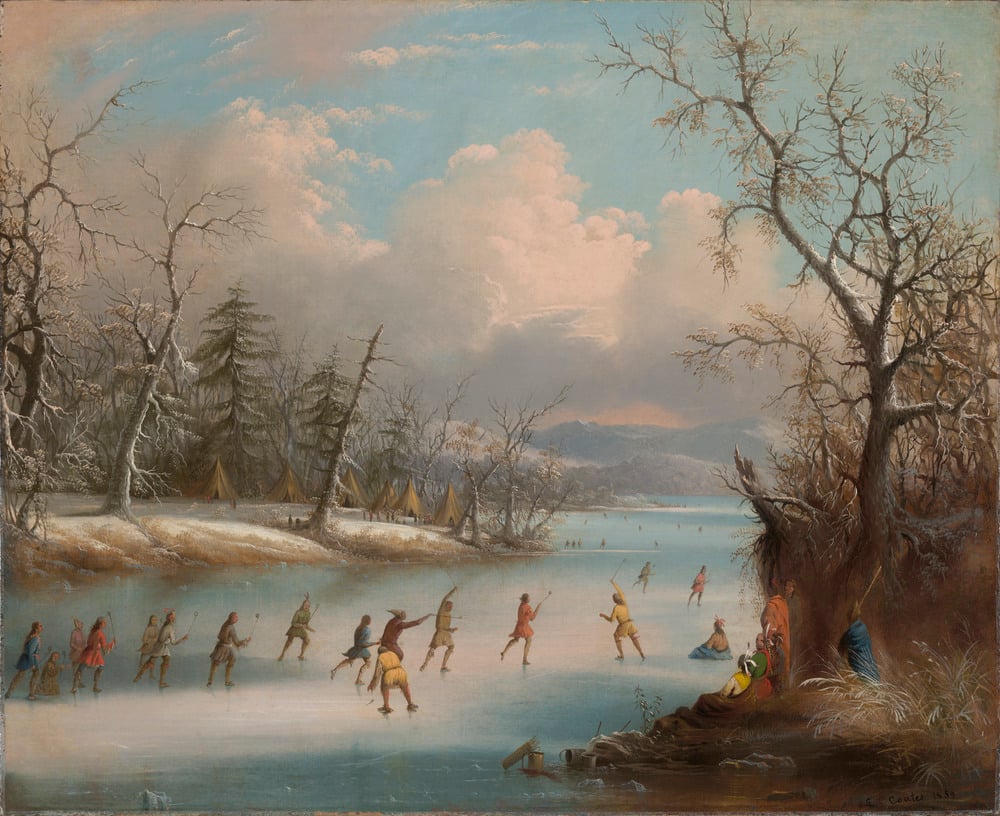
Lacrosse has Indigenous origins, but colonial institutions excluded Indigenous players from major competitions for generations. Boarding-school policies also disrupted traditional forms in some communities. Today, tribal initiatives are reviving games including Ojibwe Baaga’adowewin, restoring cultural practices that were never simply recreational.
14. Shinty
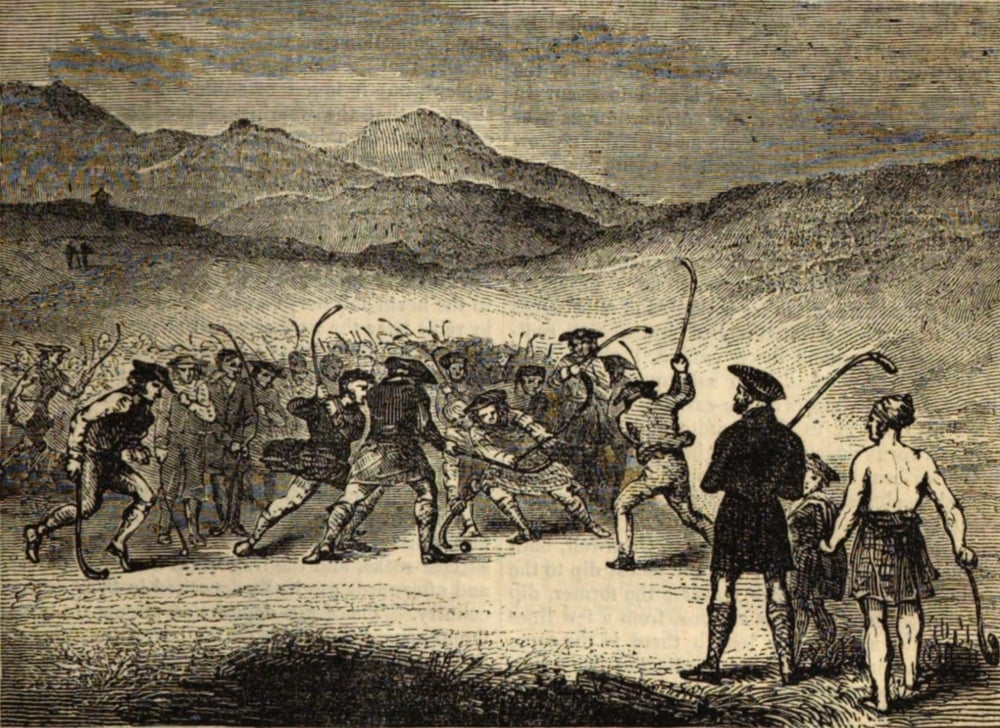
Scotland’s traditional stick-and-ball game once spread across many districts before retreating largely to Highland strongholds. Formal organization in the late 19th century helped connect surviving clubs and traditions. Could a game with such a long history have disappeared without those communities keeping it in play?
15. Highland Games
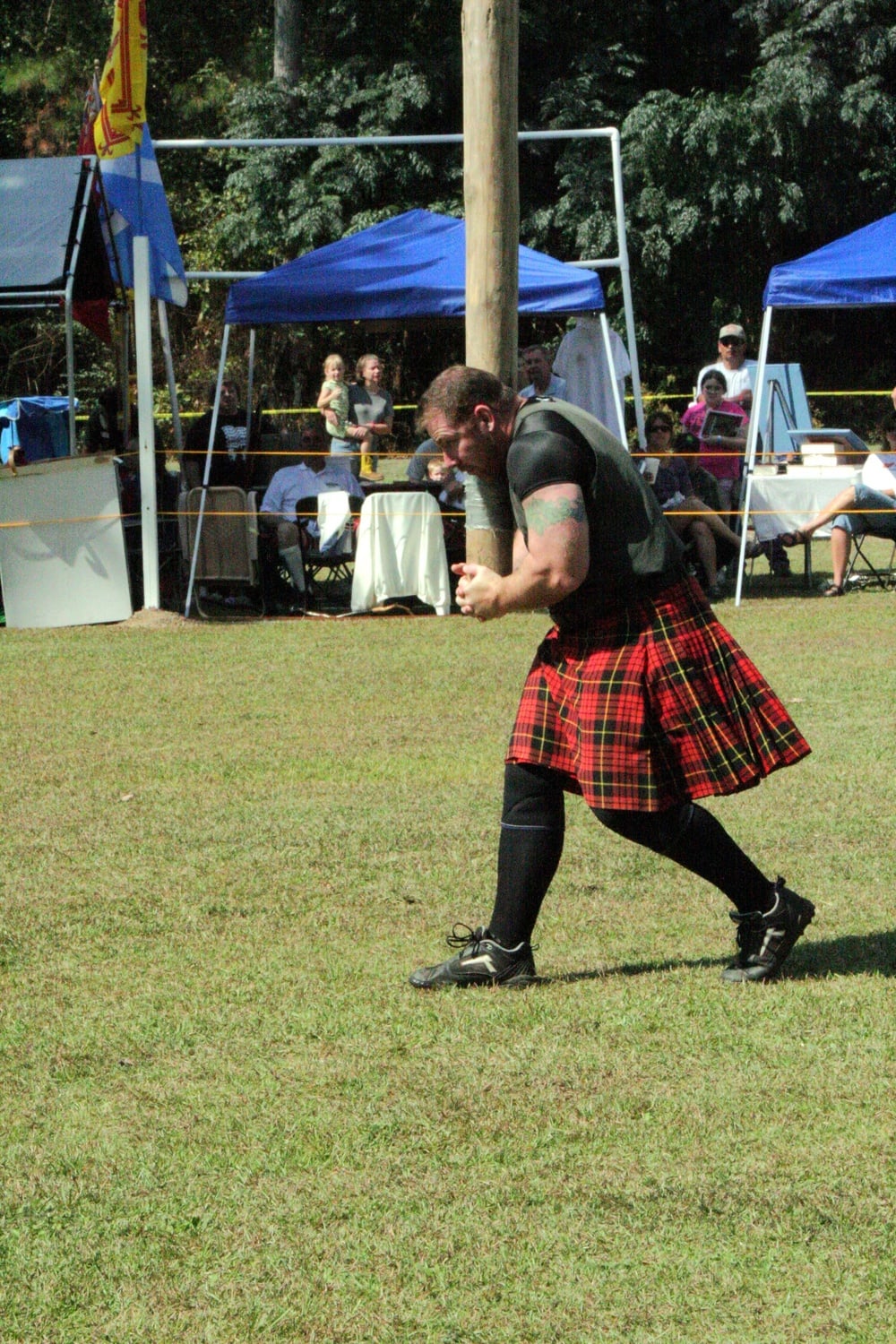
The Highland Games faced a severe setback following the 1746 Act of Proscription and the wider suppression of Highland traditions. Later revivals preserved gatherings featuring heavy events such as caber tossing and hammer throwing. What looks like a colorful sporting festival today carries a much longer story of cultural endurance.
16. Surfing in Hawai’i
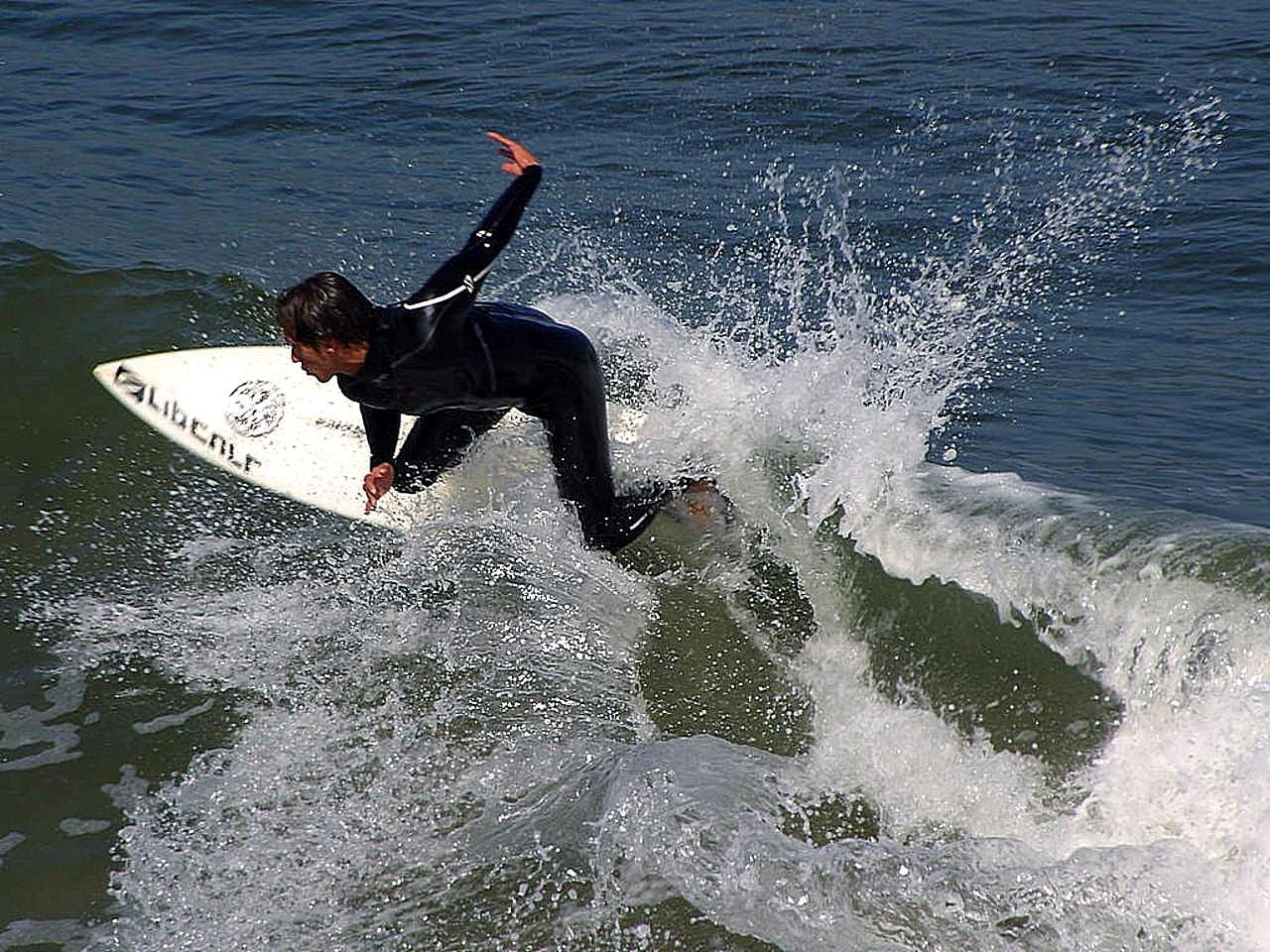
Surfing never became extinct in Hawai’i, but colonial disruption, disease, and economic changes dramatically reduced participation by around 1900. Hawaiian surfers later helped drive its resurgence and global popularity. The sport’s modern fame can obscure how close parts of its traditional practice came to being marginalized.
17. Archery as an Organized Sport
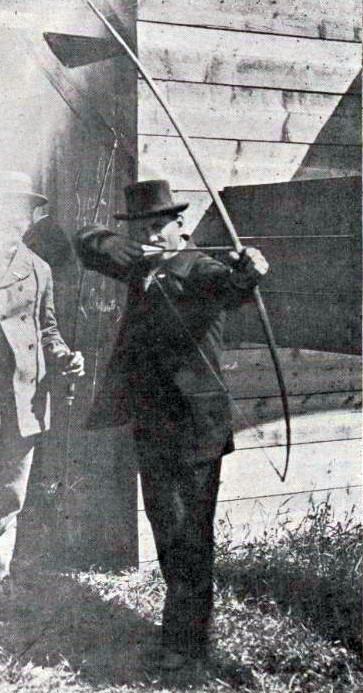
As firearms replaced bows in warfare, organized archery became a smaller recreational pursuit. British archery societies helped spark revivals in the late 18th and 19th centuries, laying the groundwork for modern competitions. The bow survived not because it remained a military necessity, but because people found new reasons to keep shooting.
18. Gaelic Handball
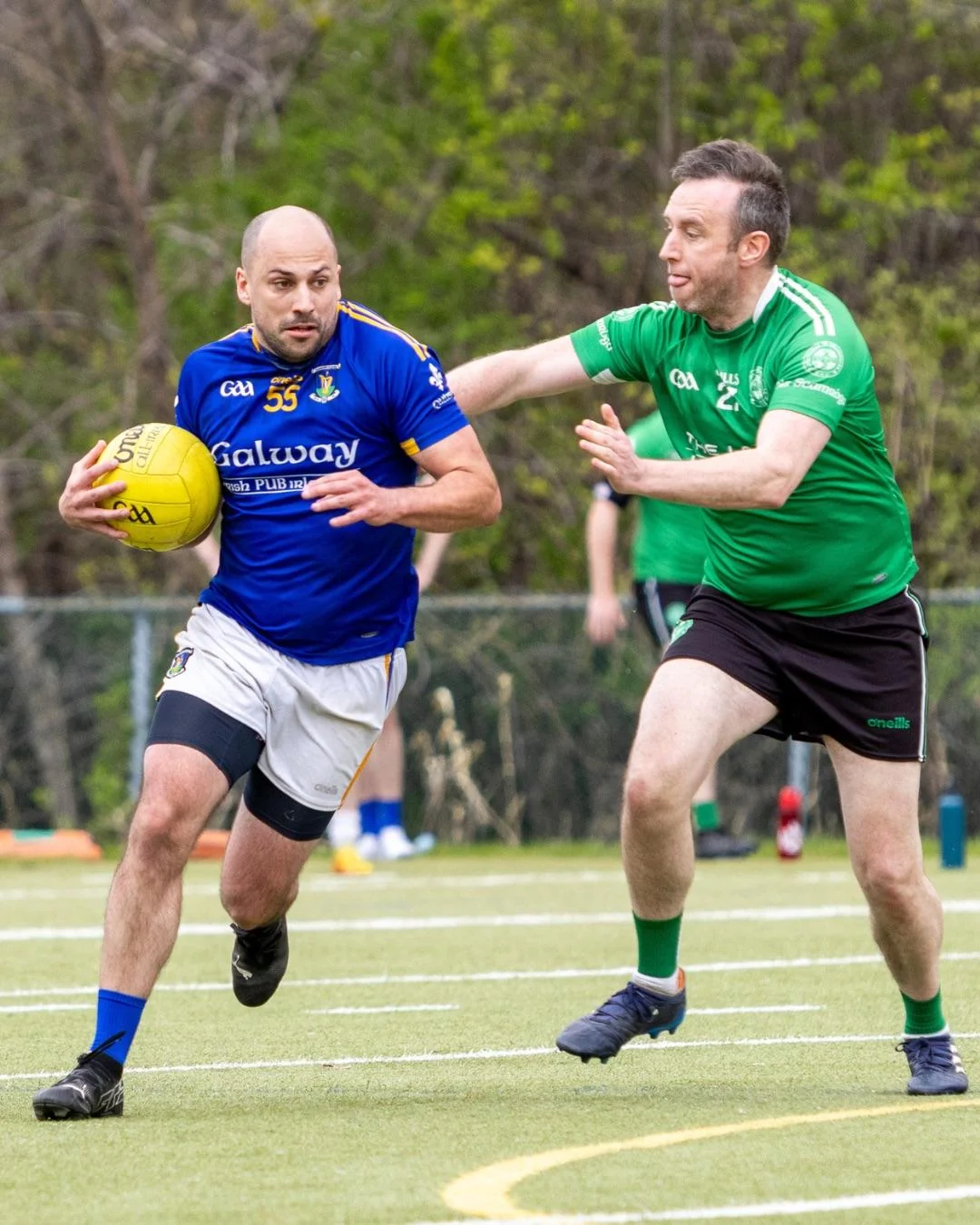
For Gaelic handball, the threat wasn’t centuries ago. Pandemic restrictions closed indoor courts and interrupted close-contact competition, prompting serious fears for the game’s future. Participation later rebounded, turning a recent shutdown into a reminder that even established community sports can be fragile.
19. Jai Alai in the United States
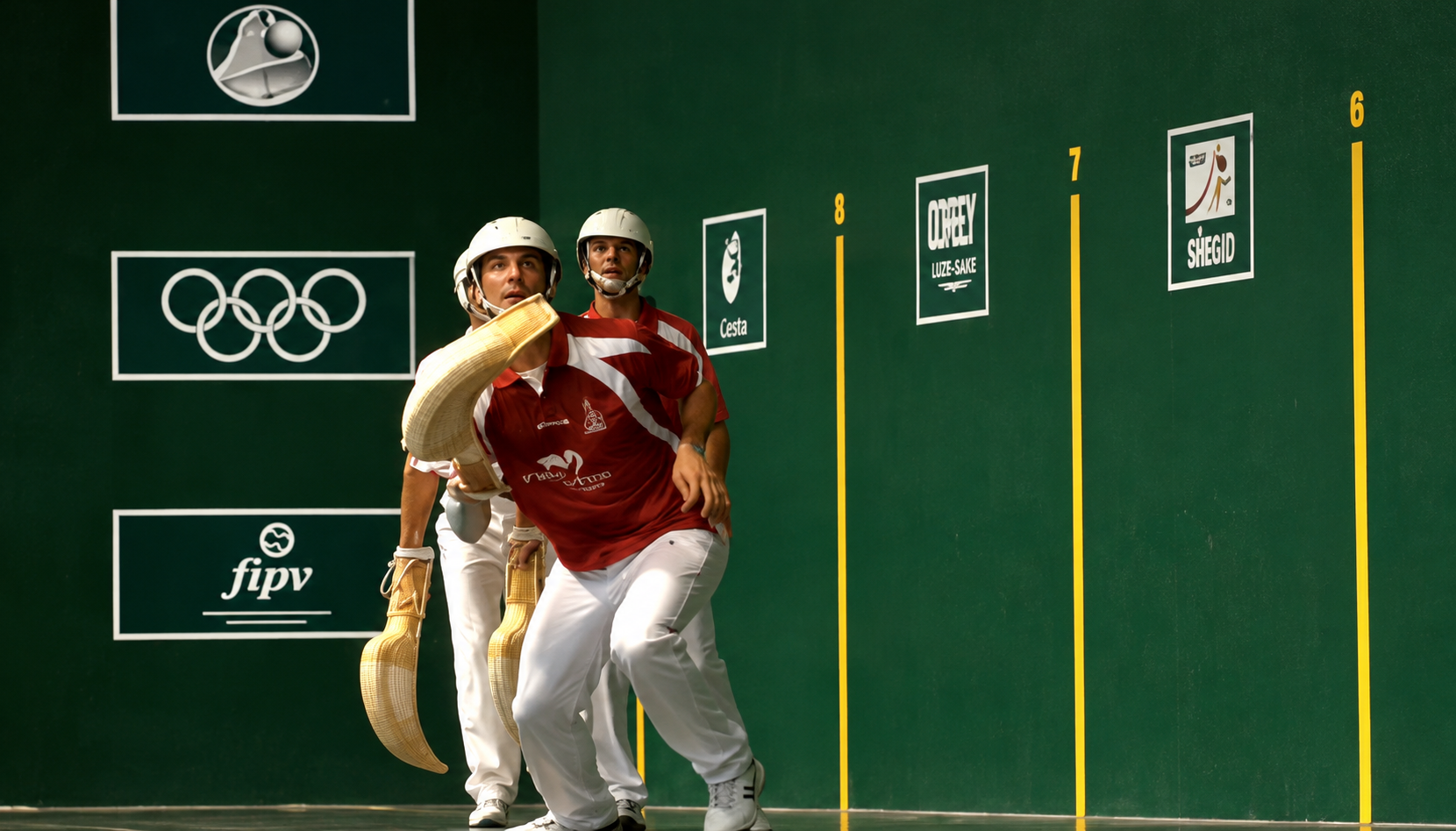
Florida’s jai alai frontons once drew spectators eager to watch players launch a ball at astonishing speeds with curved baskets called cestas. As audiences, facilities, and professional opportunities dwindled, the American scene approached collapse. New formats are trying to keep it alive. Can a sport built for roaring crowds survive with a much smaller audience?
20. Scottish Quoiting
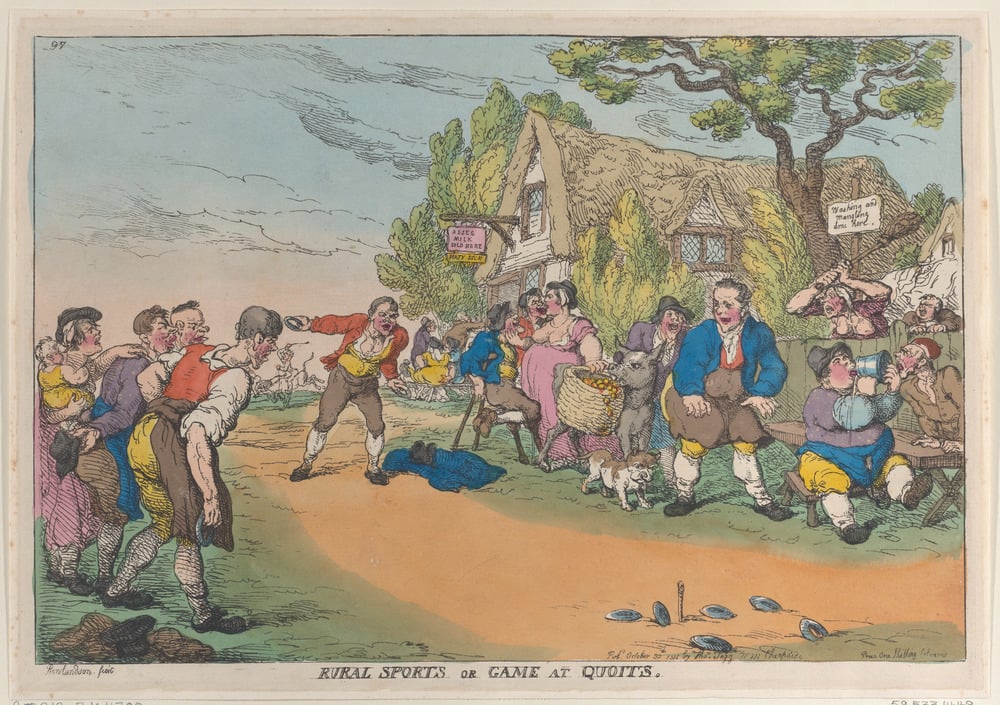
Quoiting once had a network of clubs across industrial Scotland, where players competed by throwing metal rings toward a target. By the 1990s and 2000s, only a handful of clubs remained. Unlike sports enjoying headline-making comebacks, quoiting offers a quieter, more precarious story: sometimes survival means simply finding enough people for the next match.
These sports didn’t all disappear in the same way, and not all have made a full comeback. Some lost their audiences, others their playing spaces, and still others faced deliberate cultural suppression. What connects them is the determination of people who kept showing up, teaching the rules, and making sure the next generation could play.
Keep Exploring The Scroller
The history of sports has plenty of unexpected second acts. Keep exploring The Scroller for forgotten traditions, remarkable comebacks, and the surprising stories hiding behind familiar games:
18 Ridiculous Sports Rules You Won’t Believe Actually Exist
15 Photos of Extreme Sports From Those Who Laugh at Danger
15 Vintage Sports Photos That Prove Why 20th Century Games Were Grittier