College football used to be about scholarships and glory. Thanks to NIL (Name, Image, and Likeness), it’s now also about million-dollar endorsement portfolios, and some players are making more before graduation than many NFL rookies. These are the college football players who turned campus stardom into serious cash before ever going pro.
1. Arch Manning, Texas
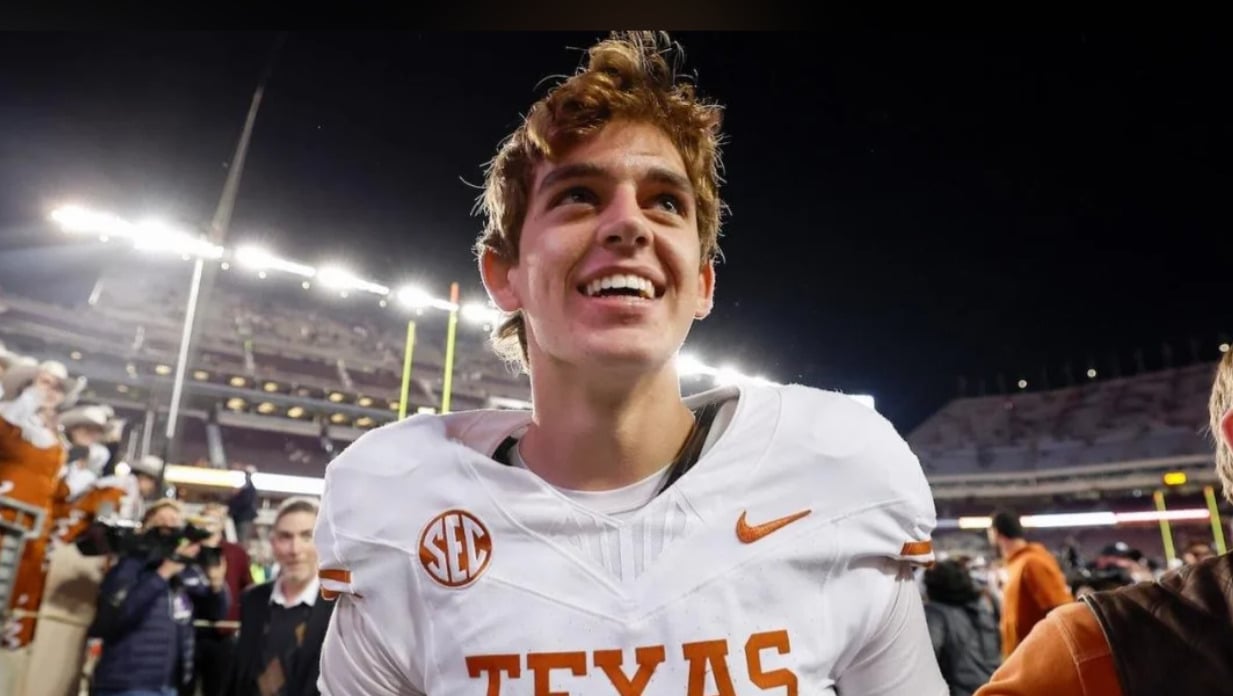
Arch Manning became the most valuable player in college football without even needing to chase spotlight moments. His NIL valuation climbed past $5 million thanks to national endorsement deals with EA Sports, Uber, Red Bull, and Vuori, combined with unmatched media exposure and the Manning family brand. Despite limited on-field action early on, Manning’s marketability alone made him college football’s top earner.
2. Jeremiah Smith, Ohio State
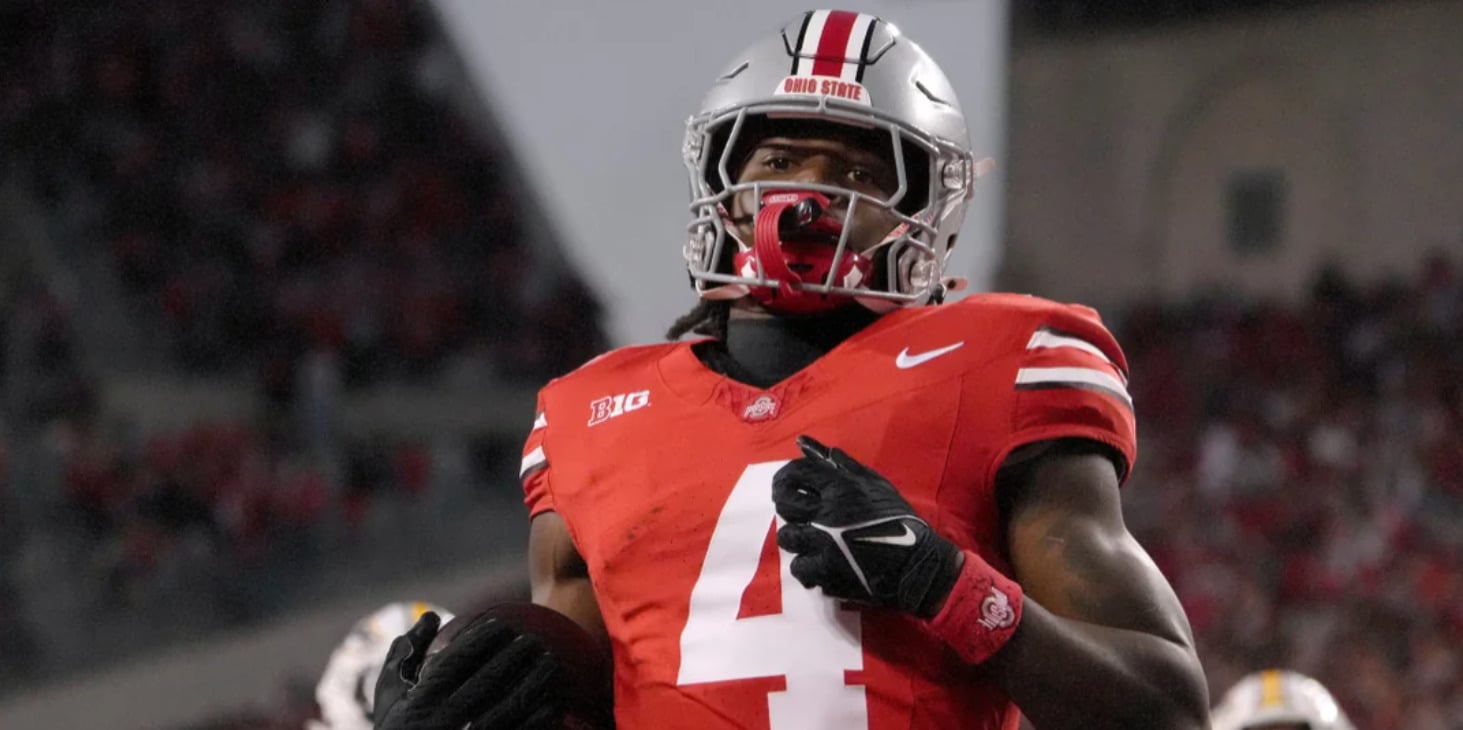
Ohio State wide receiver Jeremiah Smith rapidly turned elite production into elite paydays. With a valuation north of $4 million, Smith benefited from Ohio State’s massive media footprint, national apparel partnerships, and NIL collective backing. His explosive play and social media growth made him one of the most financially powerful non-quarterbacks in college football.
3. Carson Beck, Miami

After transferring to Miami, Carson Beck’s NIL value surged past $3 million. Playing quarterback in a major media market unlocked regional endorsement deals, collective funding, and brand appearances that followed him from Georgia. Miami’s aggressive NIL ecosystem helped turn Beck into one of the highest-earning QBs still in college.
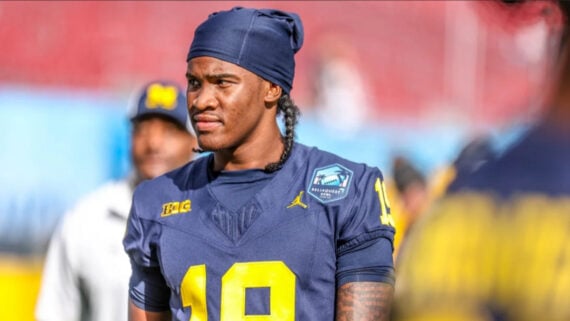
4. Bryce Underwood, Michigan

Bryce Underwood entered college football already valued at roughly $3 million, driven by recruiting hype and Michigan’s national brand. Even before becoming a full-time starter, Underwood’s endorsement potential included apparel deals, autograph signings, and collective-backed sponsorships tied to his future star power.
5. Fernando Mendoza, Indiana
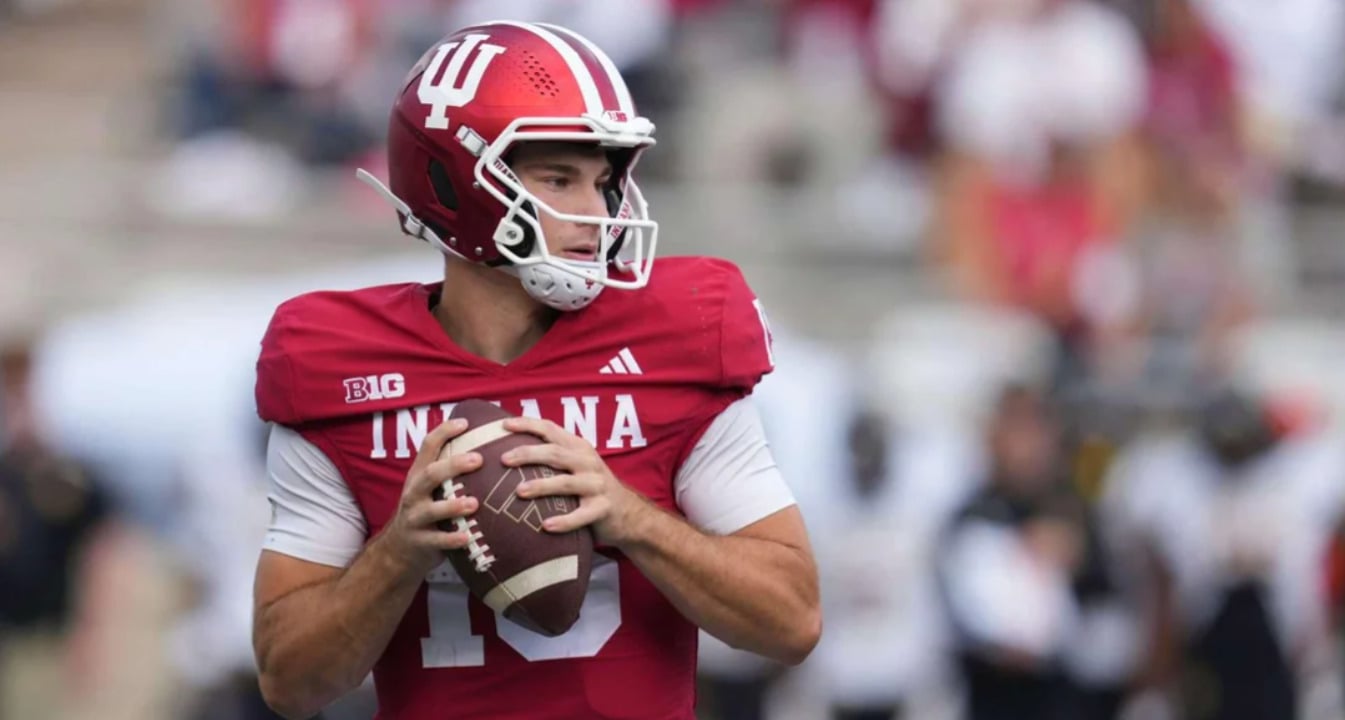
Indiana quarterback Fernando Mendoza saw his NIL value spike during a breakout season that placed him in national conversations. His $2.6 million valuation was fueled by strong on-field performance, Heisman buzz, and national brand interest, including apparel partnerships connected to postseason award campaigns.
Trending on The Scroller
6. LaNorris Sellers, South Carolina
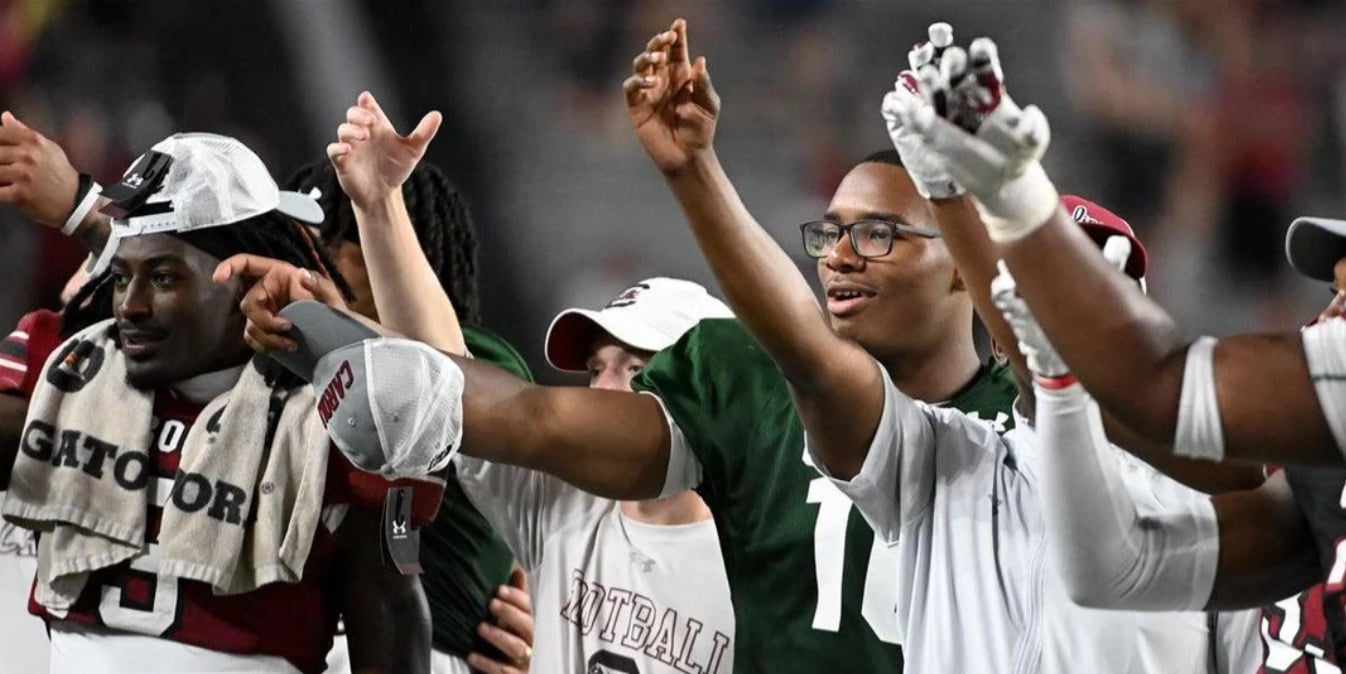
South Carolina quarterback LaNorris Sellers leveraged SEC exposure into a $2.6 million NIL valuation. Sellers attracted regional sponsorships, NIL collective support, and growing national attention as his role expanded, making him one of the highest-earning quarterbacks in the conference.
7. Dylan Raiola, Nebraska
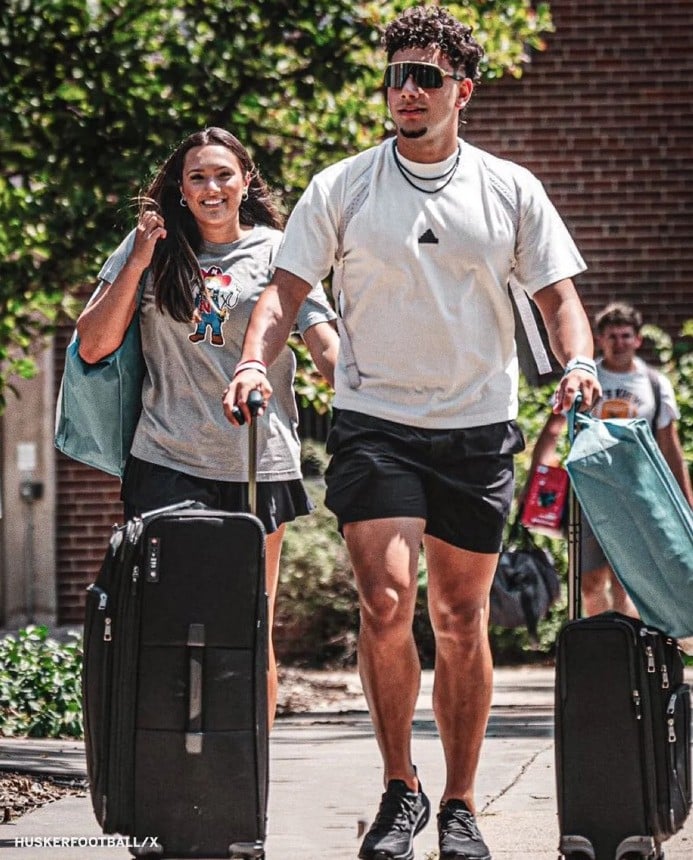
Dylan Raiola’s NIL story stood out because reported earnings exceeded his valuation. Multiple outlets reported Raiola earned over $3 million in NIL money while still in college, driven by quarterback demand, transfer leverage, and Nebraska’s willingness to invest heavily in keeping elite talent.
8. Julian Sayin, Ohio State
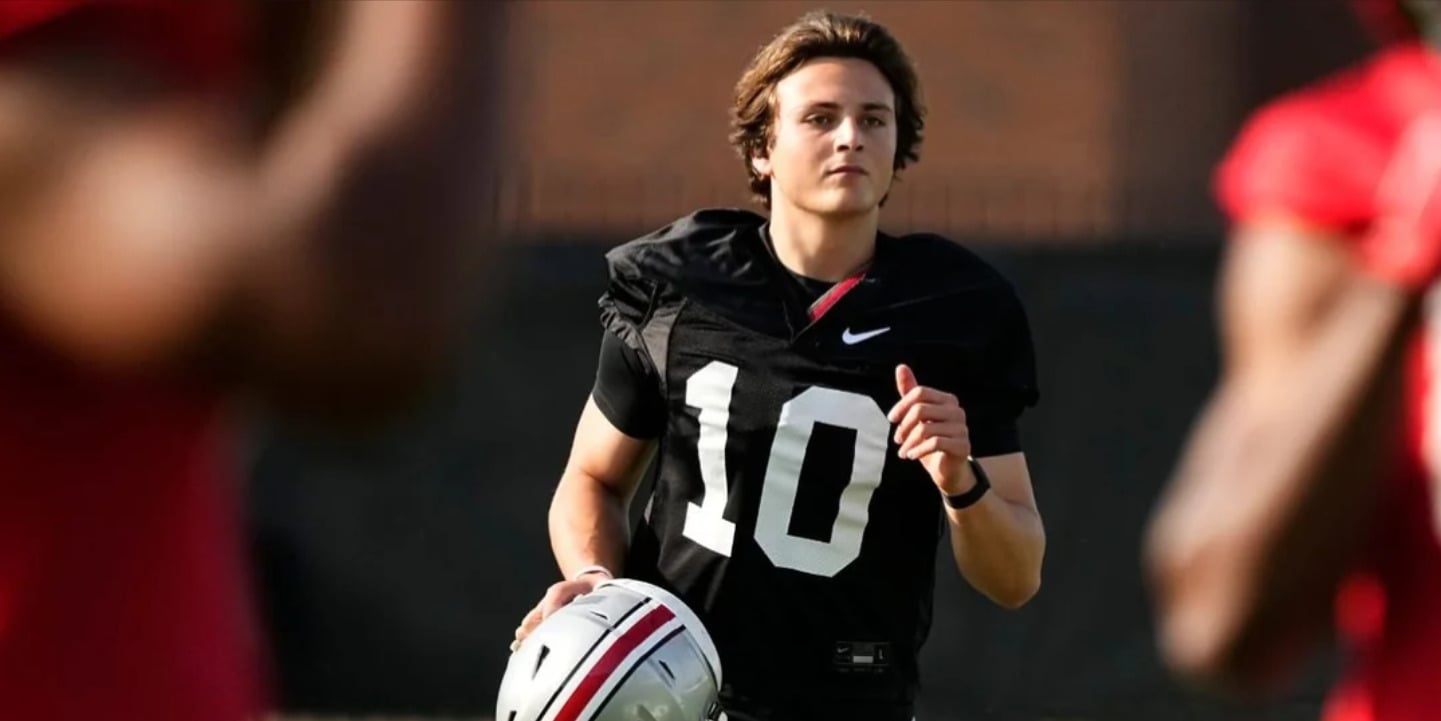
Julian Sayin capitalised on Ohio State’s quarterback spotlight with an NIL valuation of around $2.5 million. Brand partnerships, collective-backed sponsorships, and national exposure helped him earn seven figures despite sharing snaps in a loaded QB room.
Sign up for our newsletter
9. Diego Pavia, Vanderbilt
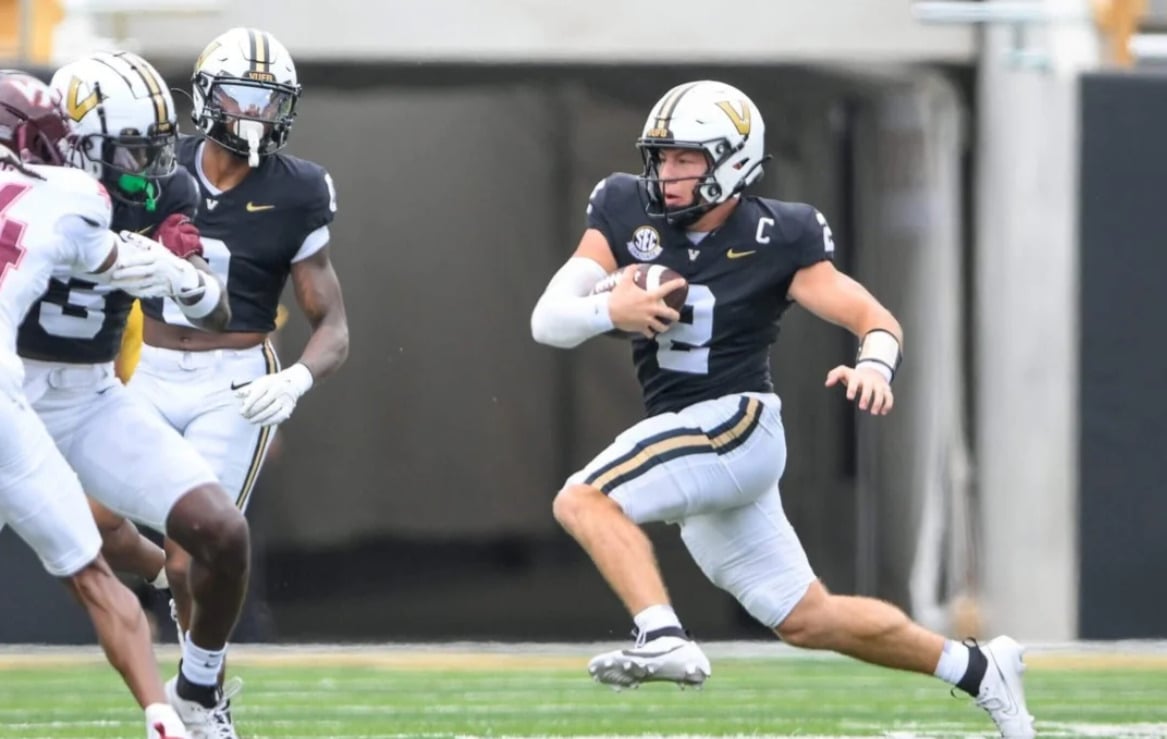
Vanderbilt quarterback Diego Pavia turned personality and production into profit. His $2.5 million valuation came from NIL deals tied to social media presence, regional endorsements, and appearances, proving even smaller programs could produce major NIL earners.
10. Brendan Sorsby, Cincinnati
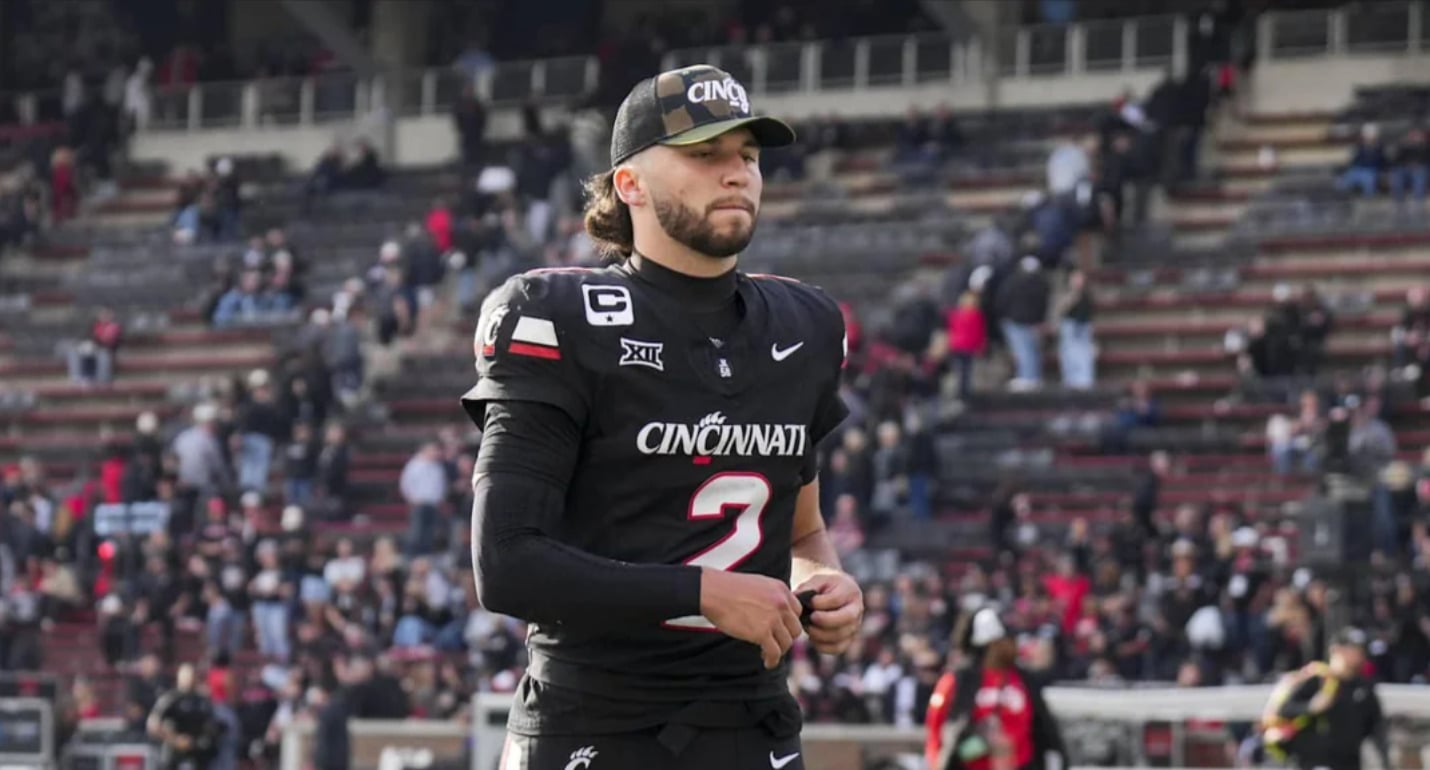
Brendan Sorsby’s rise at Cincinnati pushed his NIL valuation near $2.4 million. Strong performances combined with transfer-era leverage allowed Sorsby to secure endorsement opportunities and collective funding usually reserved for Power Five stars.
11. Caleb Downs, Ohio State

Defensive stars rarely crack NIL’s upper tier, but Caleb Downs did. His $2.4 million valuation reflected elite play, national recognition, and endorsement interest that extended beyond the quarterback market including apparel and performance brands.
12. Ty Simpson, Alabama

In Alabama, simply being the quarterback comes with a price tag. Ty Simpson’s NIL valuation of $2.3 million was driven by program prestige, national TV exposure, and consistent collective backing even before he fully locked down the starting role.
13. Dante Moore, Oregon
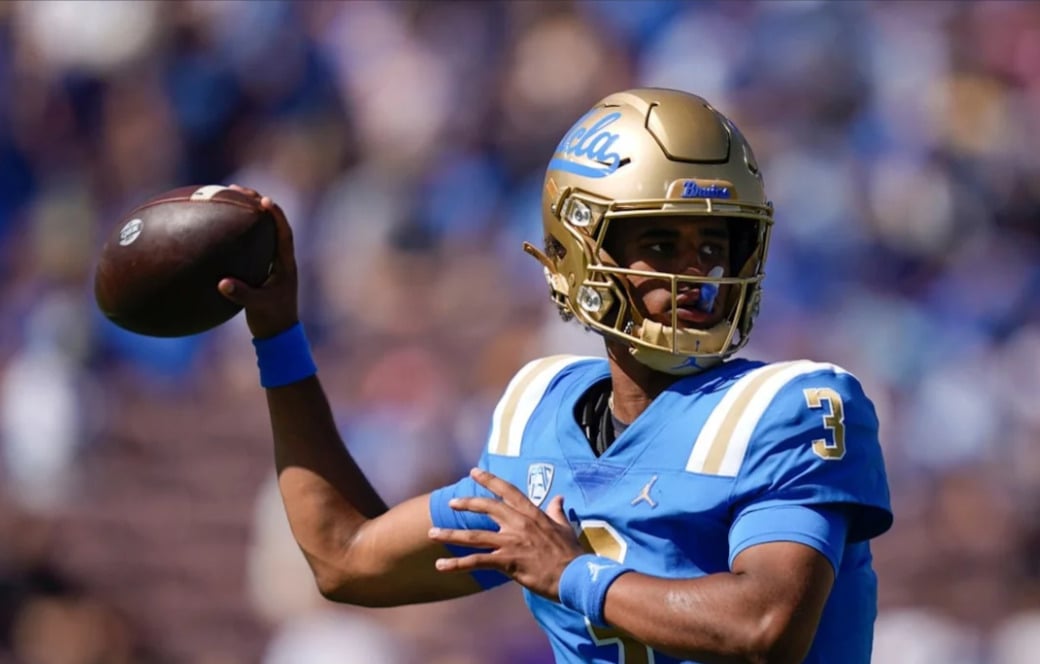
Oregon quarterback Dante Moore benefited from Nike-adjacent exposure and West Coast branding opportunities. His $2.3 million valuation reflected both recruiting hype and Oregon’s proven ability to market quarterbacks nationally.
14. Dylan Stewart, South Carolina
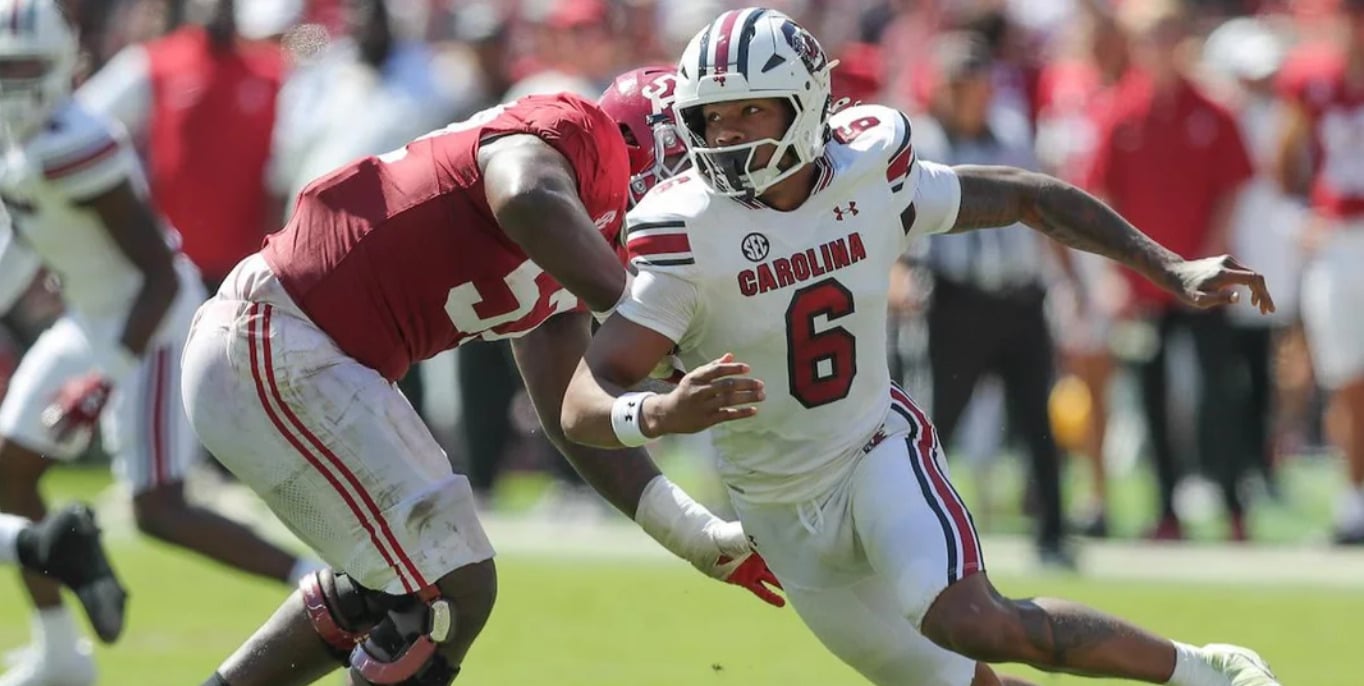
Defensive end Dylan Stewart broke through with an NIL valuation above $2.2 million, fueled by SEC exposure and standout defensive production. His deals focused heavily on regional sponsorships and NIL collectives backing elite defenders.
15. Marcel Reed, Texas A&M
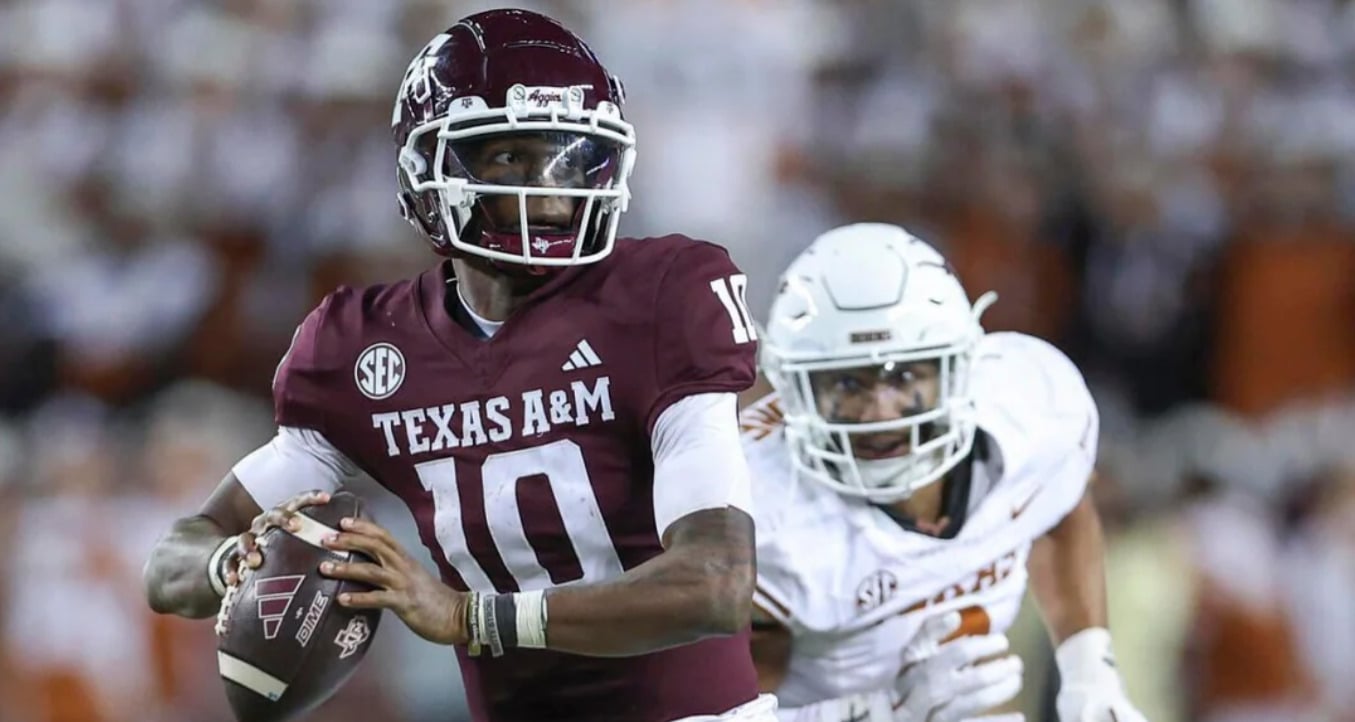
Texas A&M’s NIL infrastructure helped Marcel Reed reach a valuation of $2.1 million. The Aggies’ aggressive approach to NIL funding made Reed one of the better-paid quarterbacks still competing at the college level.
16. Jayden Maiava, USC

Playing quarterback at USC comes with Hollywood-level exposure. Jayden Maiava’s $2.1 million valuation reflected Los Angeles market access, media visibility, and endorsement opportunities unavailable at most programs.
17. Sam Leavitt, Arizona State
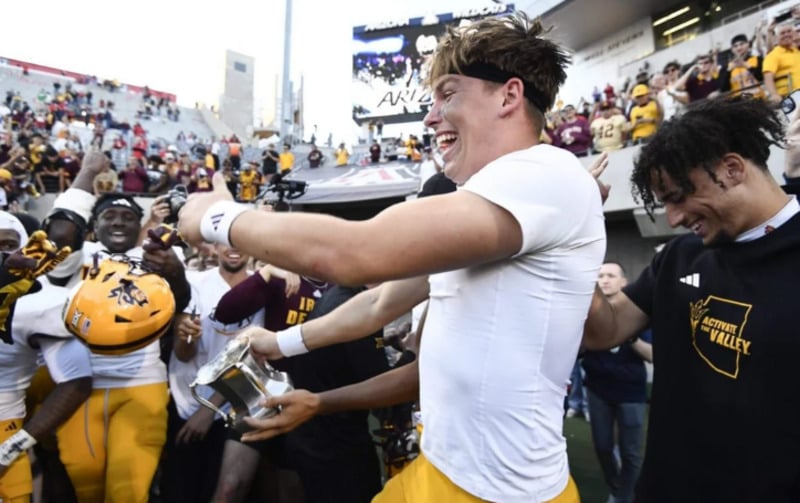
Sam Leavitt leveraged Arizona State’s media reach and transferred momentum into a $2.1 million NIL valuation. Local sponsorships and collective deals played a major role in boosting his earnings.
18. Taylen Green, Arkansas

Arkansas quarterback Taylen Green capitalised on SEC exposure and program support, reaching an NIL valuation of $2.1 million. His earnings were driven largely by regional brand deals and NIL collectives.
19. Josh Hoover, TCU
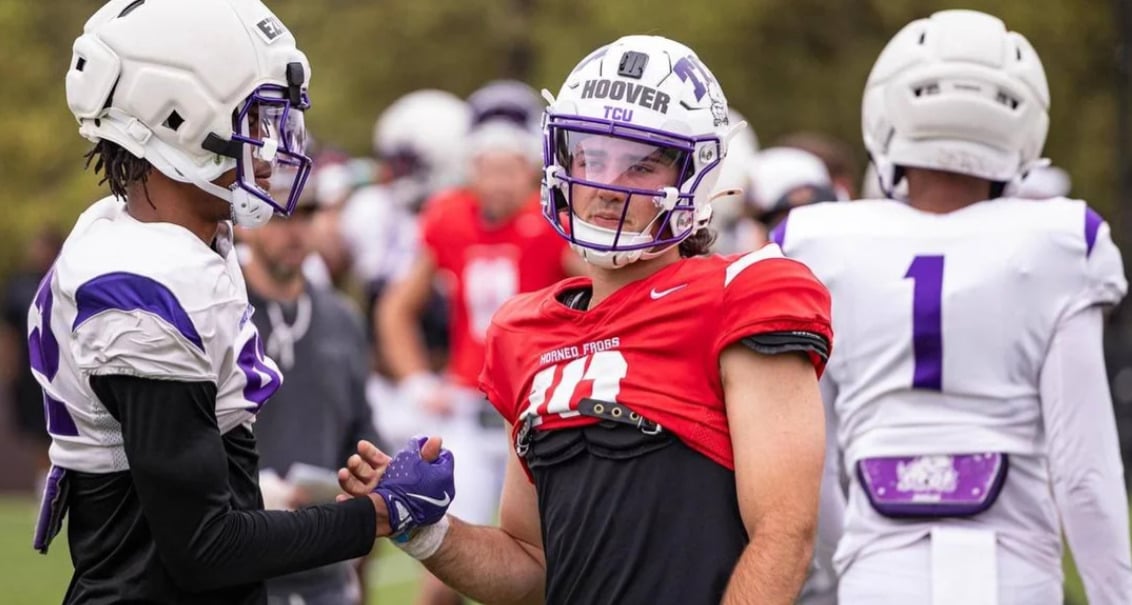
TCU’s recent national relevance translated into NIL success for Josh Hoover, whose valuation hovered around $2 million. Consistent performance and visibility in a Power Five conference kept his endorsement market strong.
20. DJ Lagway, Florida
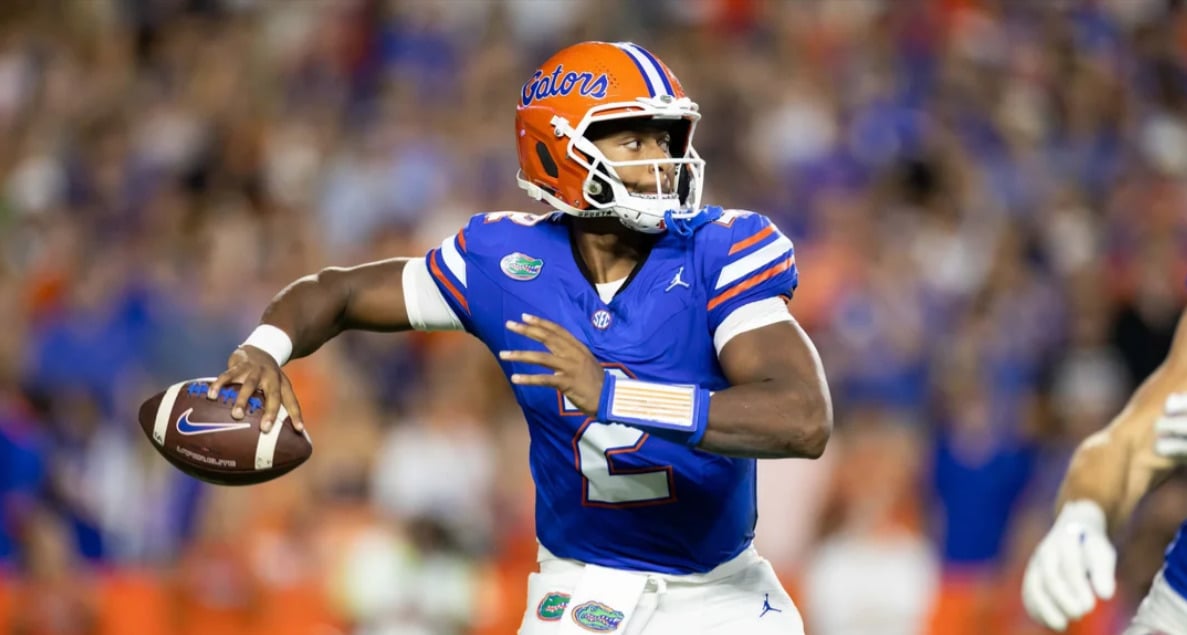
DJ Lagway’s NIL valuation hit $2 million, with reports indicating a guaranteed portion of over $800,000 in active deals. Playing quarterback at Florida opened doors to apparel, media, and collectively-backed sponsorships early in his career.
Explore more vintage content:
NIL has permanently changed college football. These players didn’t just dominate Saturdays; they built million-dollar brands before graduation, proving that the biggest paydays in football no longer require an NFL contract. If you loved this content, check out 35 Vintage Photos That Perfectly Capture 1977–1980, or 35 Vintage Photos of the Early to the Mid-1970s.