
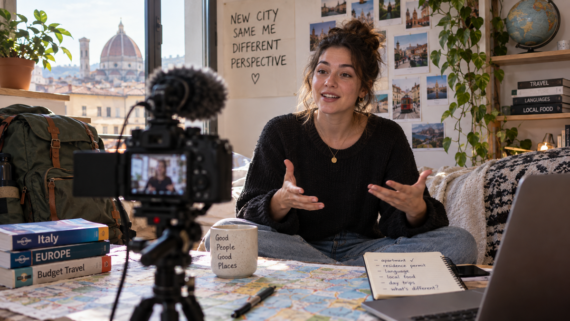
The internet has made it easier than ever to form opinions about places, events, and lifestyles we have never experienced firsthand. A few videos, reviews, comments, or posts can create a surprisingly vivid impression of something completely unfamiliar. That process is faster, messier, and far more personal than it used to be. In some cases, the online version of something can end up feeling more familiar than the real thing.
1. A Few Viral Clips Can Define an Entire Place
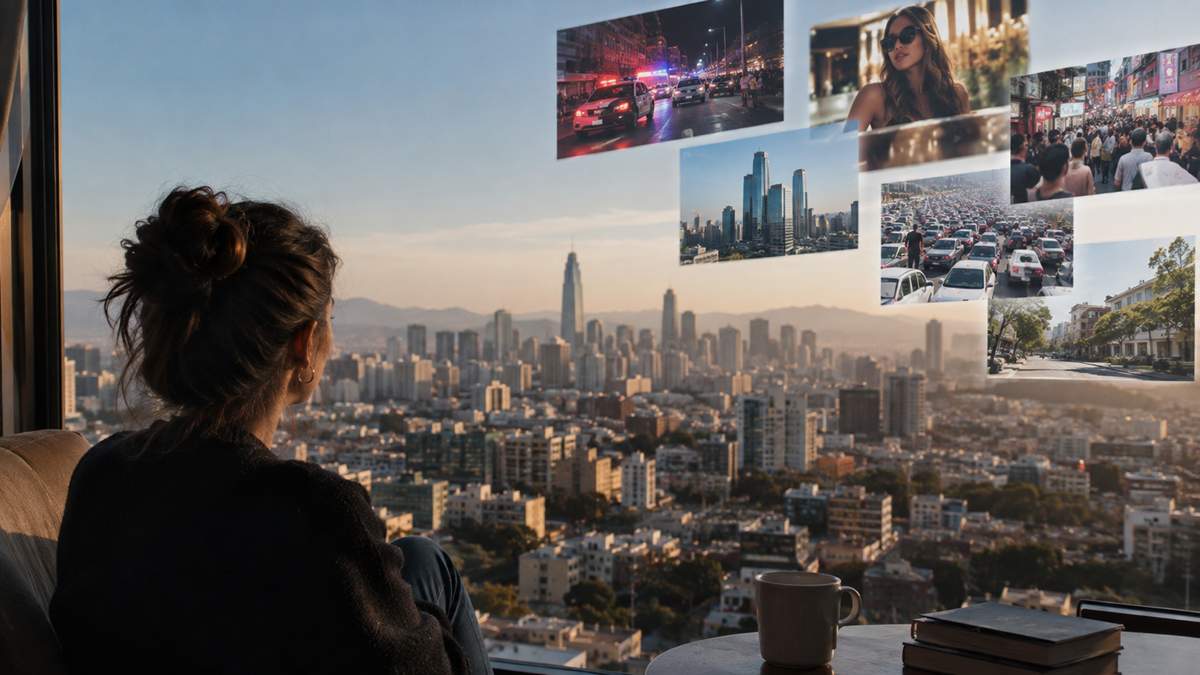
A city used to be encountered through travel writing, television, photographs, or stories from people who had actually been there. Now a handful of viral clips can become its unofficial public image. Certain neighborhoods get portrayed repeatedly as dangerous, glamorous, chaotic, expensive, or unusually peaceful, and those impressions can stick even among people thousands of miles away. The strange part is how quickly a few streets or incidents can start standing in for an entire city.
2. Reviews Let Strangers Pre-Experience Almost Everything

Before booking a hotel, visiting a museum, buying a car, or eating at a restaurant, people can read hundreds of accounts from strangers who arrived first. That information is useful, but it also means expectations are often firmly established before the experience begins. A bad review may make someone notice flaws they otherwise would have ignored, while glowing reviews can make an ordinary experience feel disappointing.
3. Wikipedia Made Secondhand Knowledge Feel Immediate

For millions of people, Wikipedia became the first stop for subjects they had never studied, places they had never visited, and events they had never lived through. Its familiar structure made unfamiliar topics feel quickly understandable, often before someone ever opened a book, watched a documentary, or spoke to a person with direct experience.
4. Amateur Footage Competes With Professional Reporting
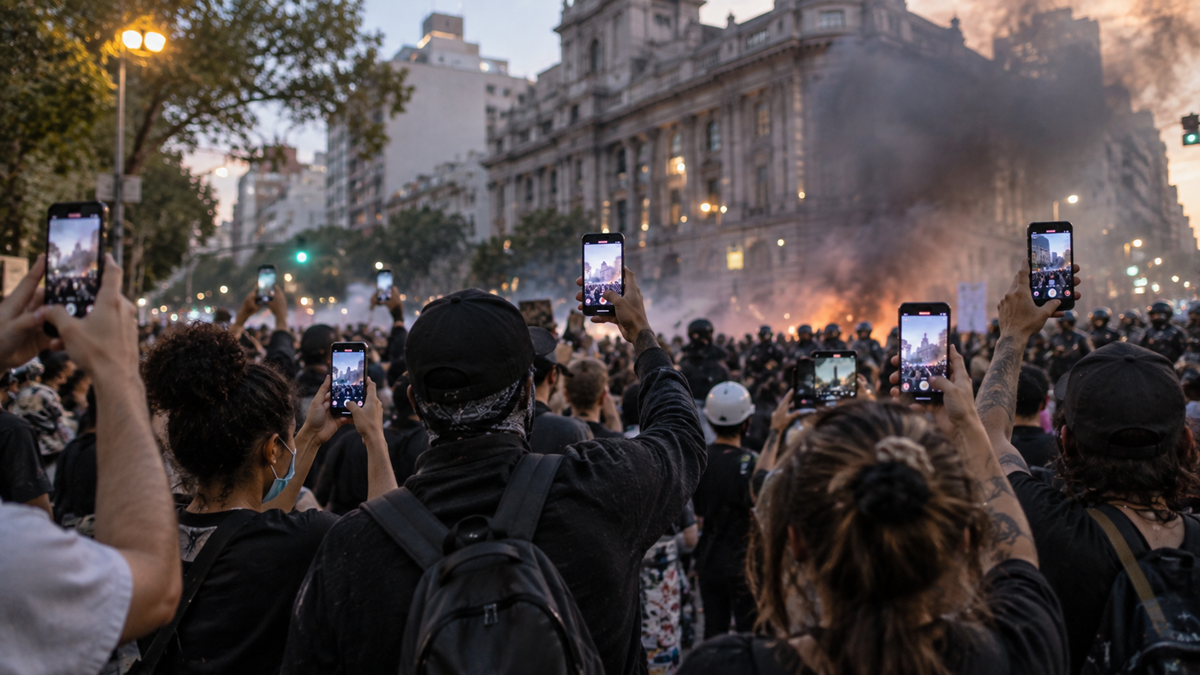
Major events are no longer seen only through television cameras and newspaper photographs. A protest, natural disaster, concert, accident, or public confrontation may appear online through dozens of phones from different angles. That can reveal details traditional coverage misses, but individual clips can also lack the context that explains what happened immediately before or afterward. Viewers are left assembling a larger event from fragments.
5. Algorithms Decide Which Version of a Topic Keeps Appearing
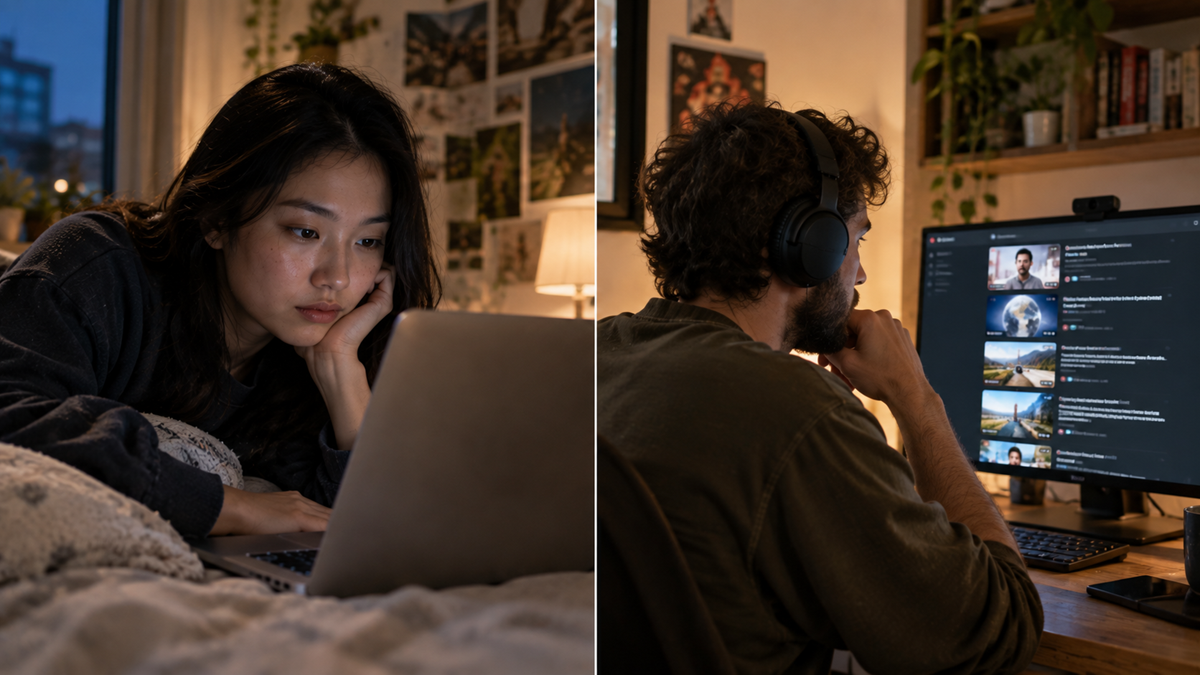
Two people can search for or casually encounter the same subject and end up seeing remarkably different material about it. Recommendation systems respond to what users click, watch, skip, and linger on, gradually shaping what appears next. Someone may therefore feel as though they have researched an issue extensively while repeatedly encountering variations of one particular perspective.
Trending on The Scroller


6. Everyday People Became Authorities on Everyday Life
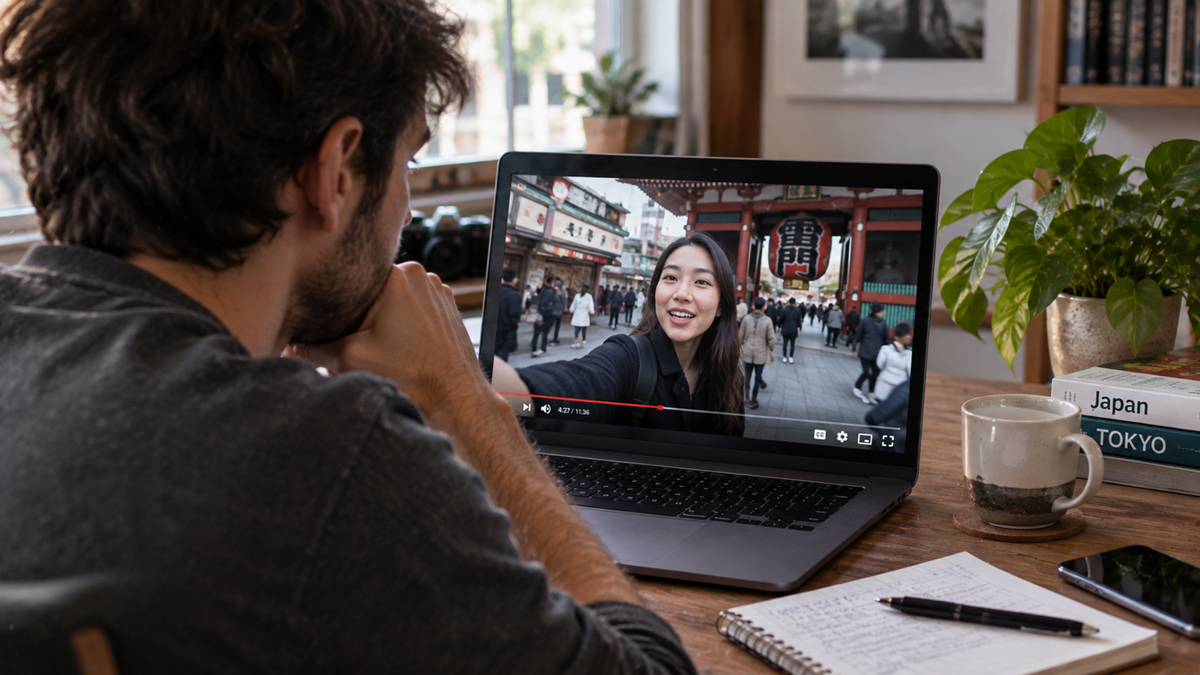
A person curious about life in Tokyo, raising twins, working on an oil rig, attending medical school, or living aboard a sailboat can now find someone documenting it online. These accounts make distant experiences feel unusually accessible. They can also turn one person’s highly specific experience into an informal reference point for thousands of viewers who have nothing else to compare it with.
7. Memes Can Become a Person’s First Introduction to a Serious Topic
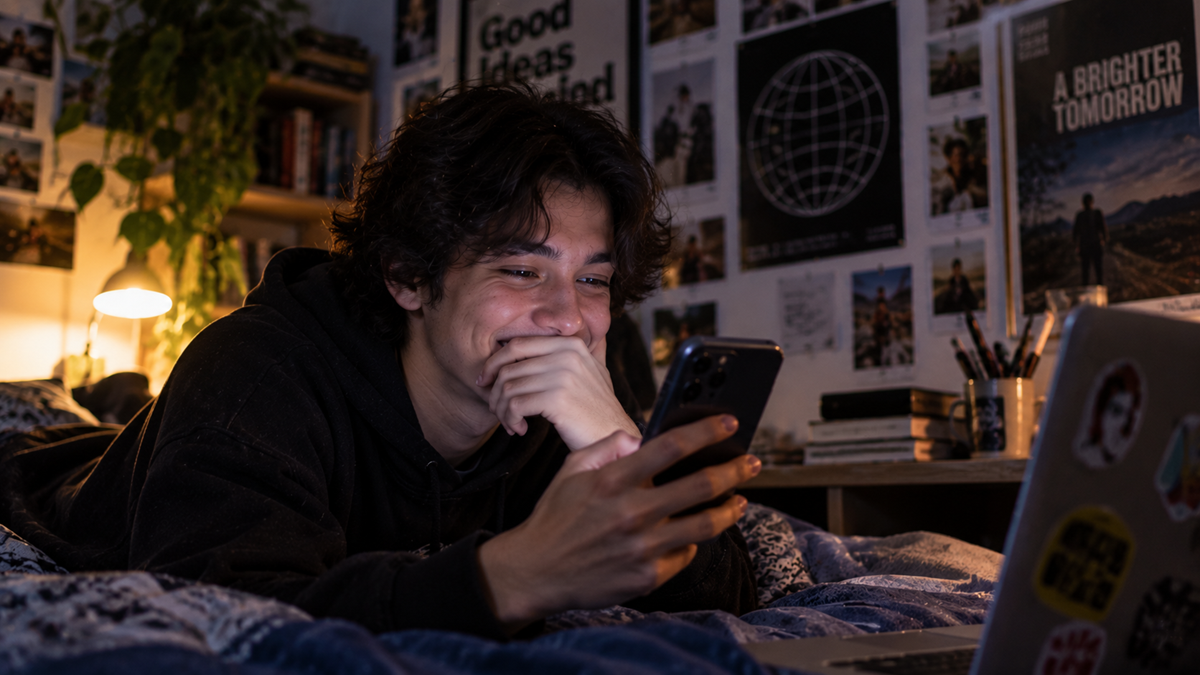
A complicated event may first reach someone as a joke. Memes compress politics, history, economics, technology, and social disputes into images or phrases that require almost no background knowledge. They are memorable precisely because they simplify. For many people, though, that simplified version becomes the frame through which everything they learn afterward is interpreted.
8. Tourism Is Often Experienced Online Before the Trip
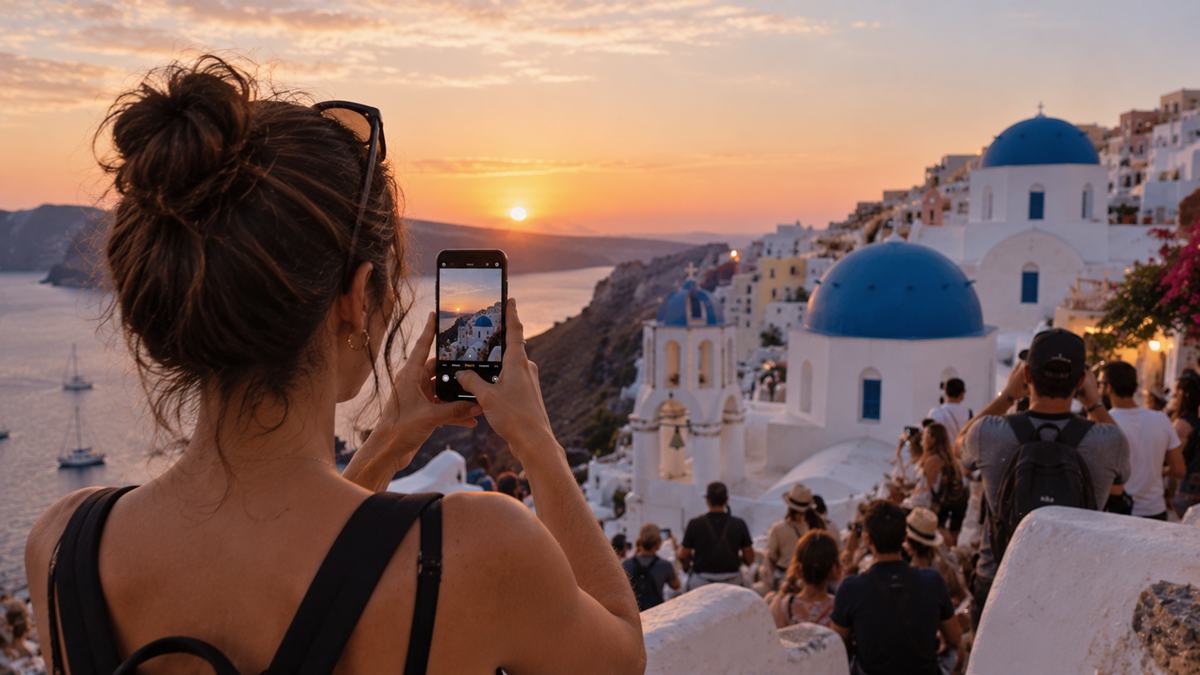
Many famous destinations have been seen so often on Instagram, TikTok, YouTube, and travel sites that first-time visitors already recognize specific viewpoints. They may know which alley to photograph, which café supposedly has the best view, and where everyone stands for the same sunset shot. Visiting can feel less like discovering a place and more like comparing reality with a mental version assembled online.
Sign up for our newsletter
9. Online Communities Create Detailed Worlds Outsiders Can Observe

Subcultures that were once difficult to encounter are now visible to anyone willing to browse long enough. Sneaker collectors, birdwatchers, survivalists, vintage-computer enthusiasts, bodybuilding communities, niche music scenes, and countless others publicly debate their own rules and preferences. An outsider can quickly learn the vocabulary and disagreements of a community without ever participating in it offline.
10. Dramatic Experiences Are More Visible Than Ordinary Ones
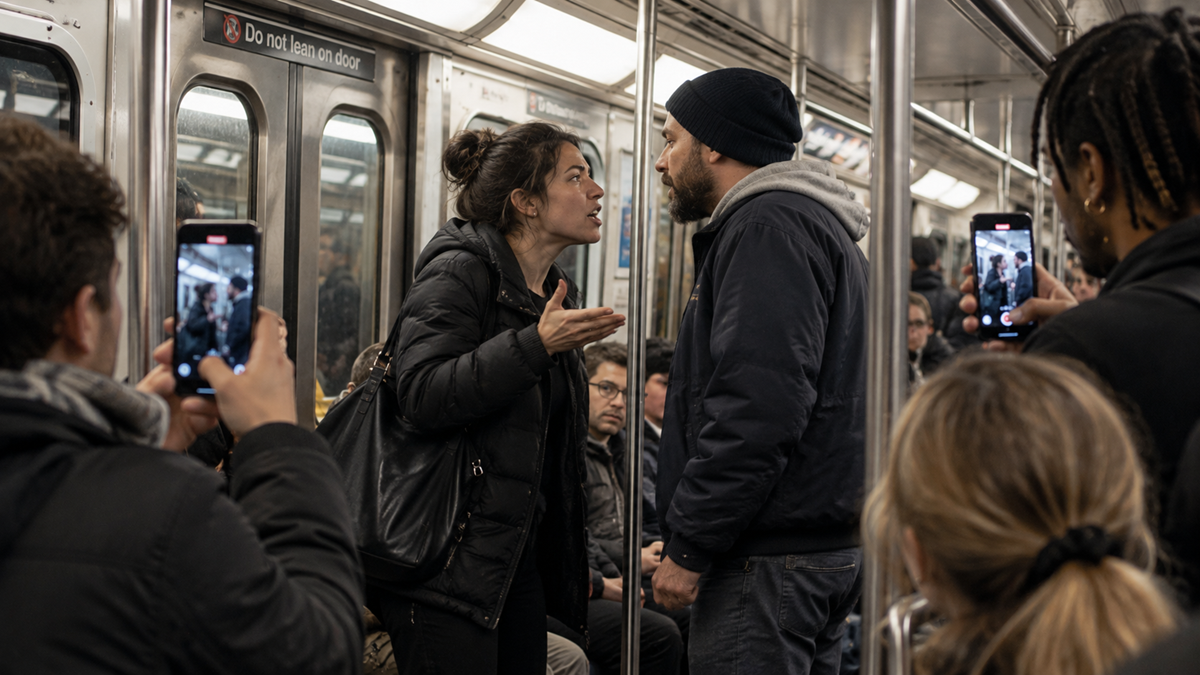
A normal commute rarely becomes a viral video. An extraordinary confrontation on public transportation might. Because unusual moments attract attention, online observers can easily receive a distorted picture of how common those moments actually are. The memorable material is often memorable precisely because it is not ordinary.
11. Influencers Turn Personal Experience Into Advice
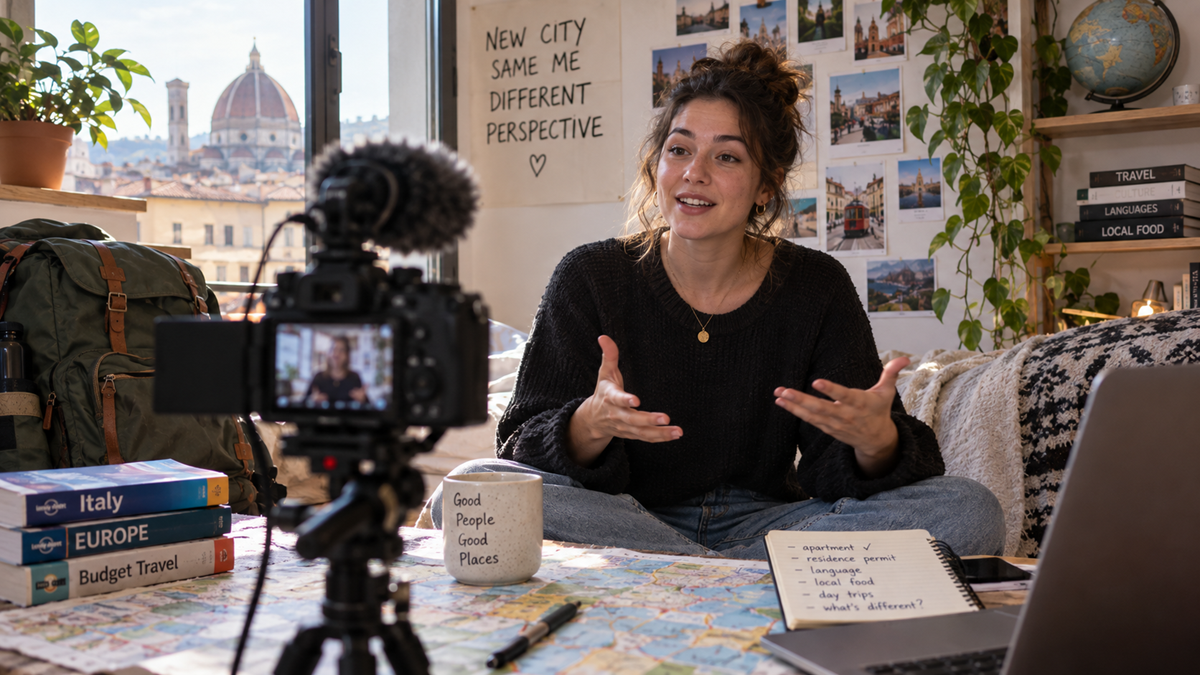
Someone moves abroad for six months and begins explaining what life in that country is really like. Another person changes careers and starts posting lessons about an entire industry. Personal experience has always shaped advice, but social media allows individual stories to reach audiences large enough that they can begin sounding universal. The confidence of the presentation can sometimes travel farther than the limits of the experience itself.
12. Search Results Make Consensus Look Easier to Find Than It Is

Typing a question into a search bar creates the feeling that an answer exists somewhere and merely needs to be located. Real disagreements are often less tidy. Different studies, institutions, communities, and individuals may define the same problem differently, while search results still present neat pages of apparently relevant answers. The format itself can make uncertainty feel temporary.
13. Online Outrage Can Make Rare Behavior Feel Normal
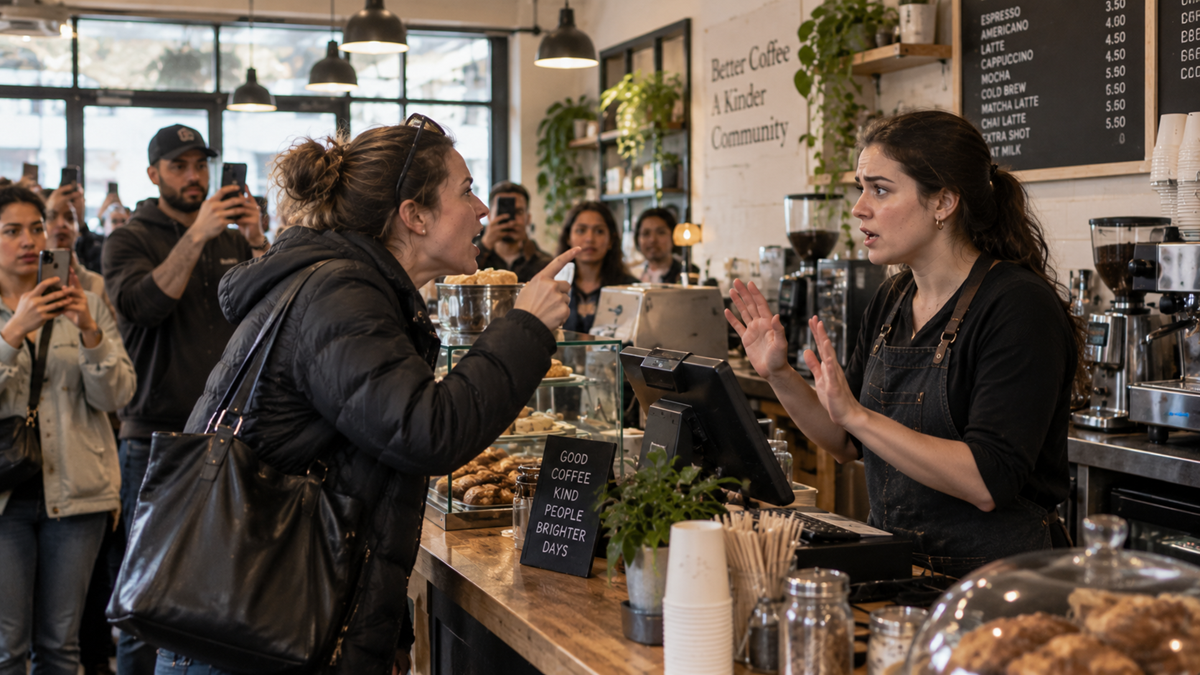
Videos of customers screaming at employees, neighbors fighting over parking spaces, tourists behaving badly, or strangers causing scenes attract enormous attention because they are unusual. Watch enough of them, however, and the behavior can begin to seem commonplace. The internet has made it possible to witness an endless collection of rare incidents without experiencing the countless ordinary interactions happening between them.
14. Historical Events Now Have Their Own Internet Afterlives

People encounter history through scanned newspapers, digitized archives, documentaries, restored photographs, discussion forums, podcasts, and endless video explainers. That access can make distant periods feel remarkably close. It also means historical events are constantly being repackaged, summarized, debated, clipped, and reframed for new audiences who may never read a full account of what happened.
15. Online Maps Changed How People Imagine Places
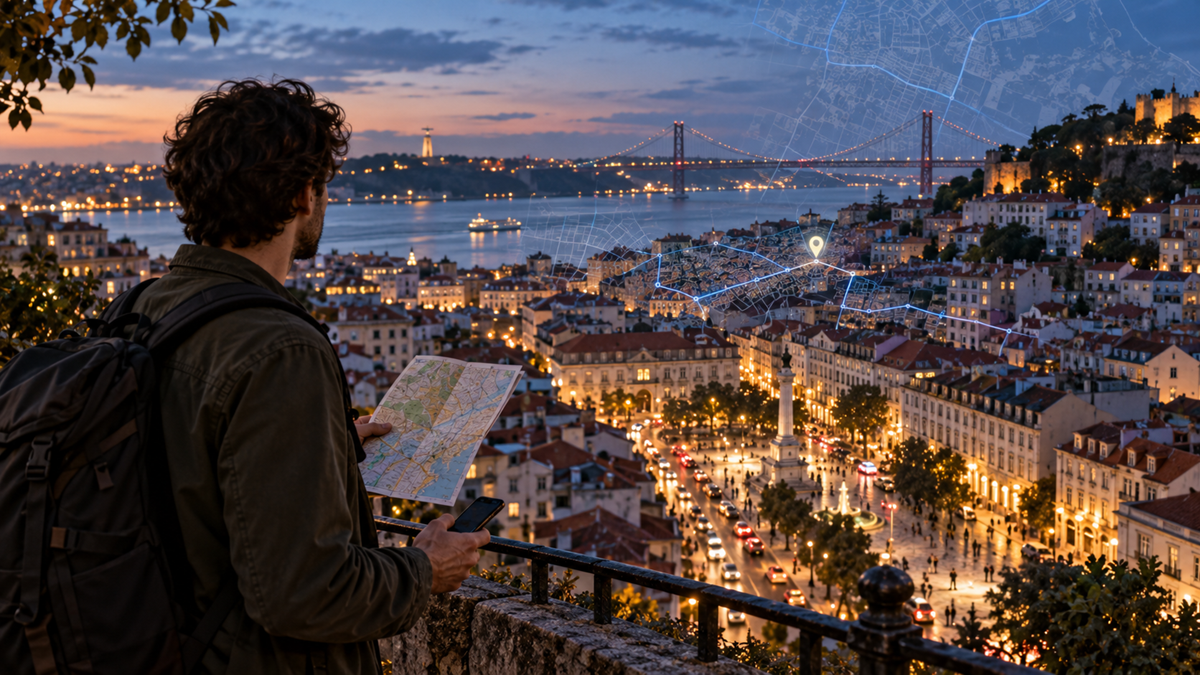
Street View, satellite images, and digital maps let people inspect neighborhoods they have never visited in extraordinary detail. Someone can recognize an intersection, trace a commute, or judge how isolated a town feels without ever setting foot there. That kind of visual familiarity can make an unknown place feel oddly known.
In the mood for more?
Check out 15 Unexpected Ways Smartphones Quietly Changed Human Behavior, or take a look at 15 Ways Social Media Quietly Changed What People Expect From Romantic Partners. If you want to see more stories about life online, you can check out 12 Strange Ways Working From Home for a Year Can Change Your Brain.
Image Credits: The Scroller