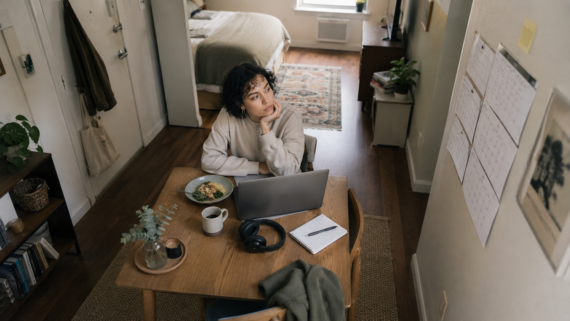
Working from home feels simple at first. You skip the commute, open the laptop, and get on with the day. But after a year, the brain has adjusted to a routine where work, rest, meals, meetings, and distractions all happen in the same place. Some changes are useful, some are frustrating, and a few are so subtle that you may not notice them until you return to an office.
1. Home No Longer Feels Completely Separate From Work
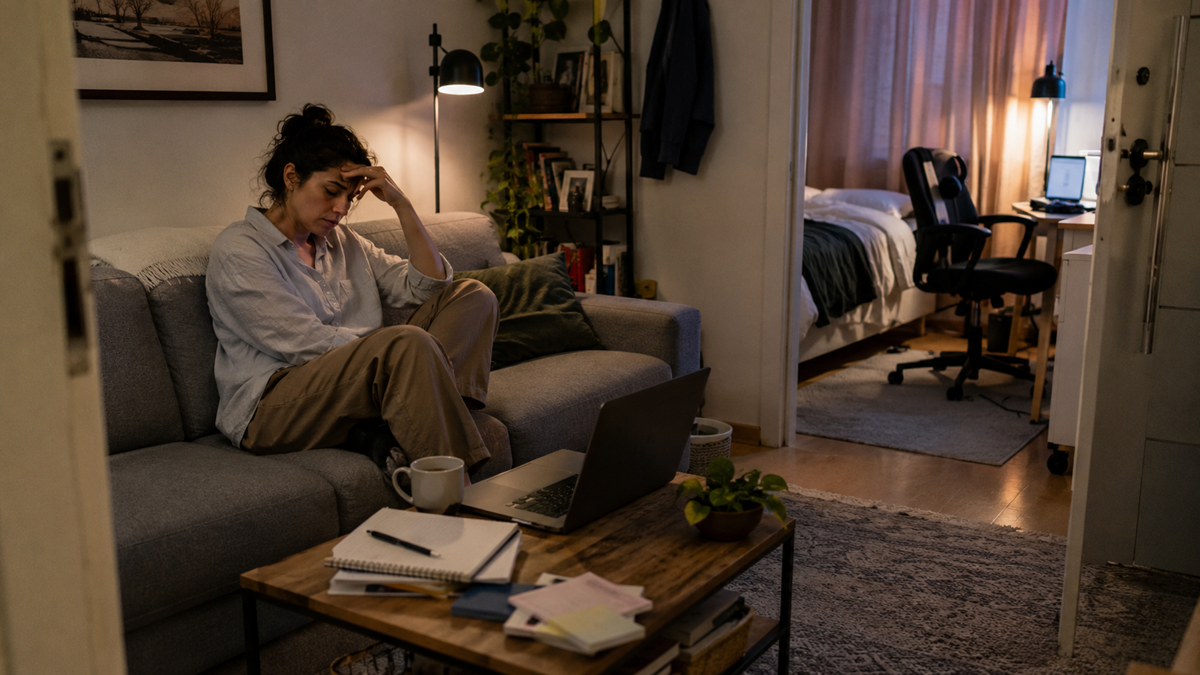
A room starts to carry meaning based on what usually happens there. When the couch becomes a place for answering emails and the bedroom becomes a backup meeting space, the brain begins linking those areas with deadlines and unfinished tasks. That can make it harder to relax at the end of the day, even after the laptop is closed. The workday is technically over, but the setting has not changed.
2. Notifications Start Feeling More Important Than They Are

After months of relying on chat apps and email for nearly every interaction, a small ping can feel unusually urgent. It might be a new task, a meeting change, or nothing more than someone sending a thumbs-up. The brain still reacts before you know which one it is. Over time, that repeated checking can make sustained concentration harder than it used to be.
3. You Begin Missing Minor Social Encounters
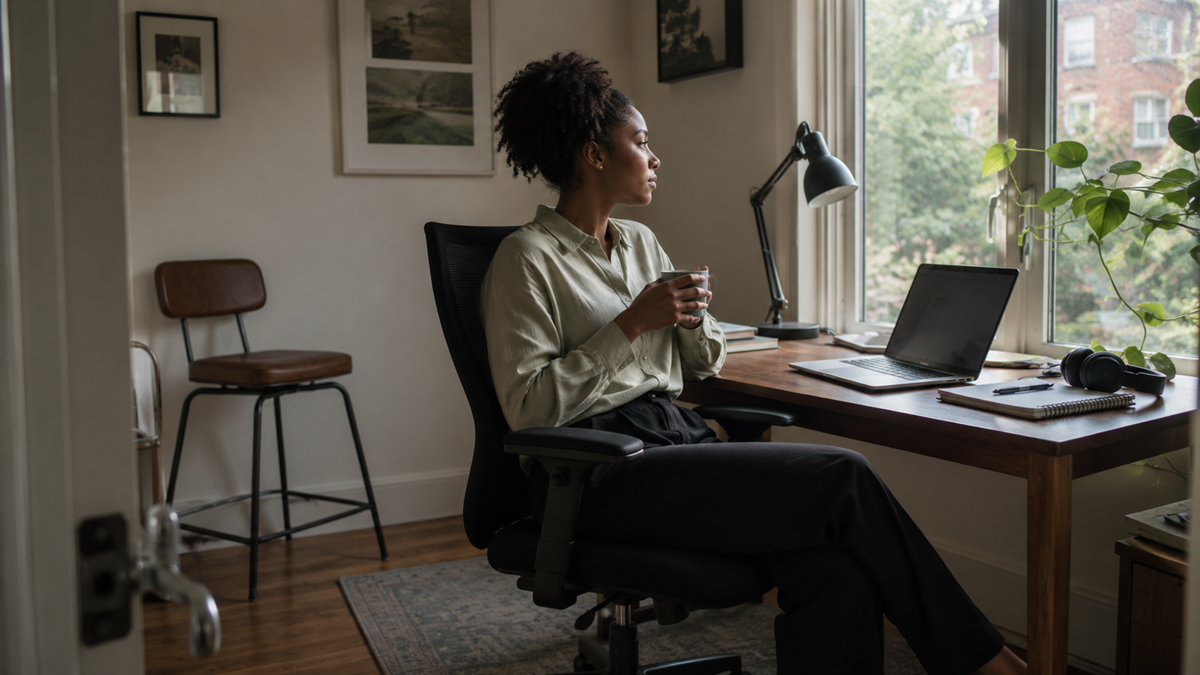
Not every workplace interaction is meaningful. Some are barely conversations at all, just a comment near the coffee machine or a greeting in the elevator. Yet those small moments give the day texture. After a long stretch at home, people sometimes miss coworkers they were never especially close to, simply because those familiar faces helped make work feel less isolated.
4. Video Calls Can Make You Watch Yourself Too Much
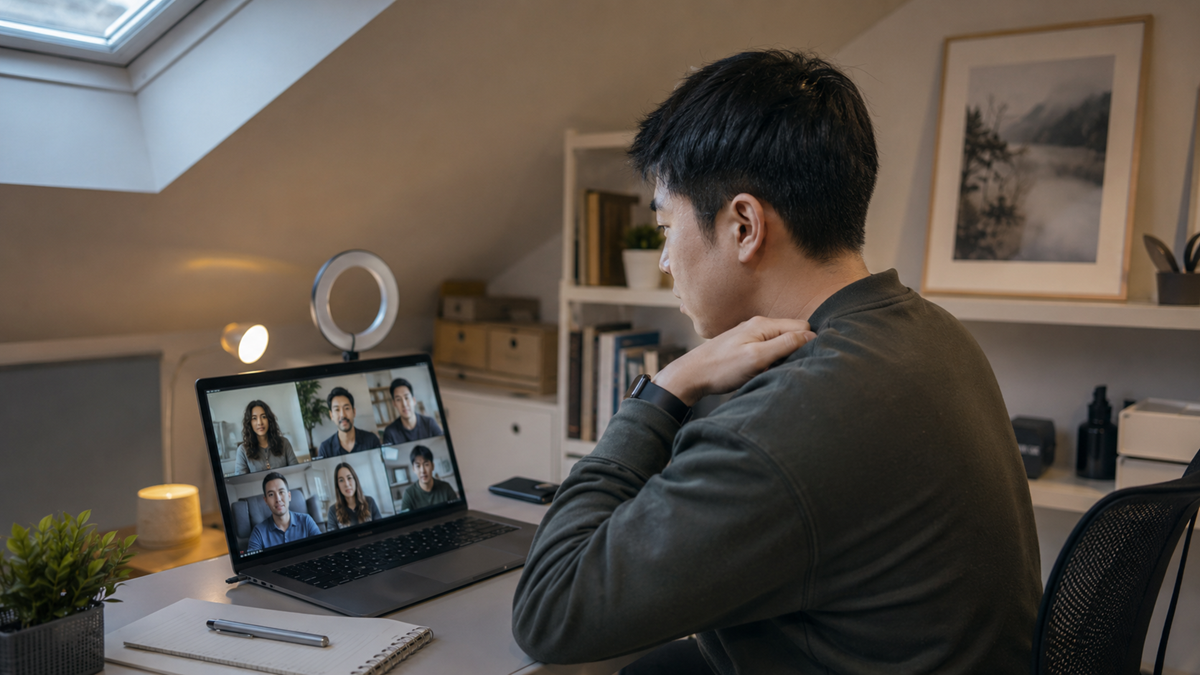
Normal conversations do not come with a small live image of your own face. Video meetings do. That makes it easy to spend part of the call checking your expression, posture, hair, lighting, or background instead of listening. Even when you are not consciously doing it, being visible to yourself for hours can make meetings feel more tiring than expected.
5. Your Stress May Go Down

Remote work can remove several annoyances at once. There is no crowded commute, no noisy office, and usually more control over when to eat, move around, or take a break. For people with a suitable home setup, that freedom can make the working day feel much calmer. It is one reason some employees have no interest in going back full-time.
Trending on The Scroller

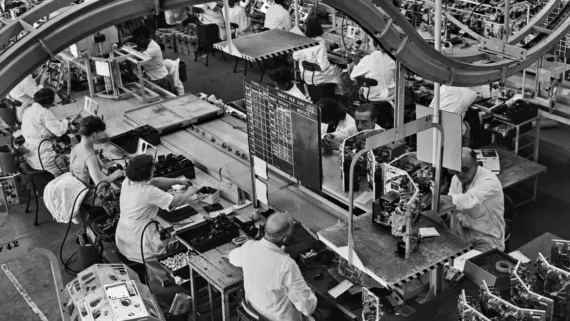
6. The End of the Day Becomes Harder to Notice
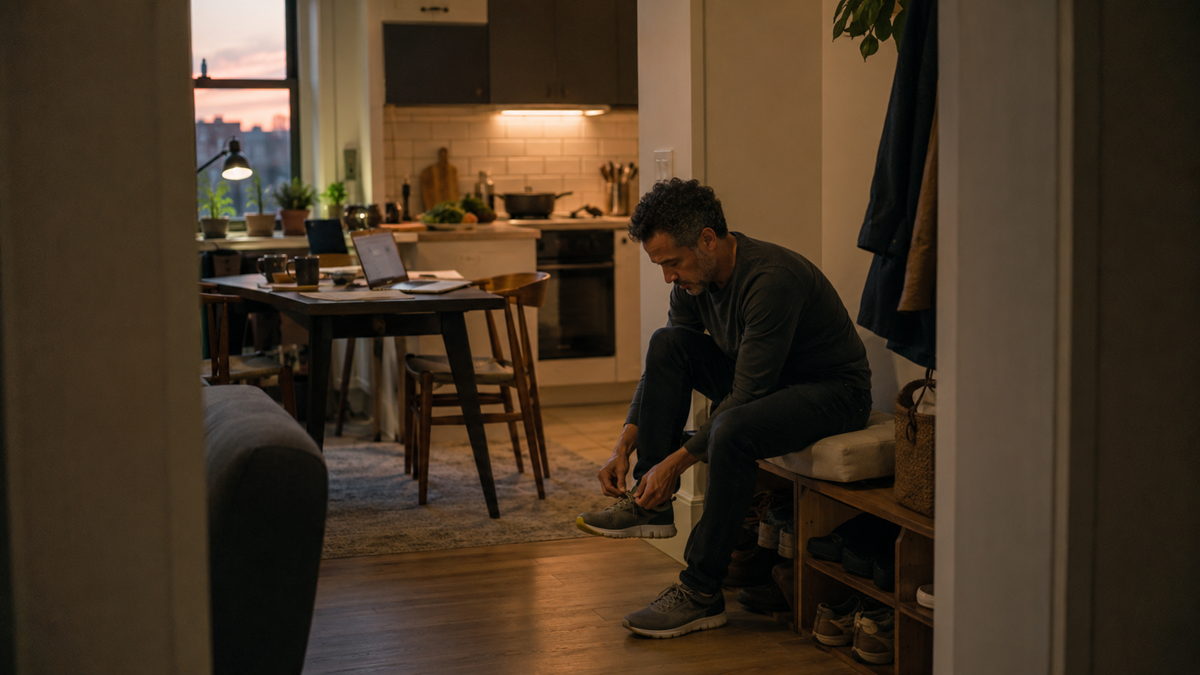
A commute is not enjoyable, but it creates a clear break between work and home. Without one, the day can end with a final email and immediately turn into cooking dinner in the same clothes, in the same room, with the same thoughts still running. Some people eventually create their own transition, such as taking a walk, changing clothes, or putting the computer somewhere out of sight. Without a ritual like that, work can linger well into the evening.
7. Weeks Can Start Blending Together
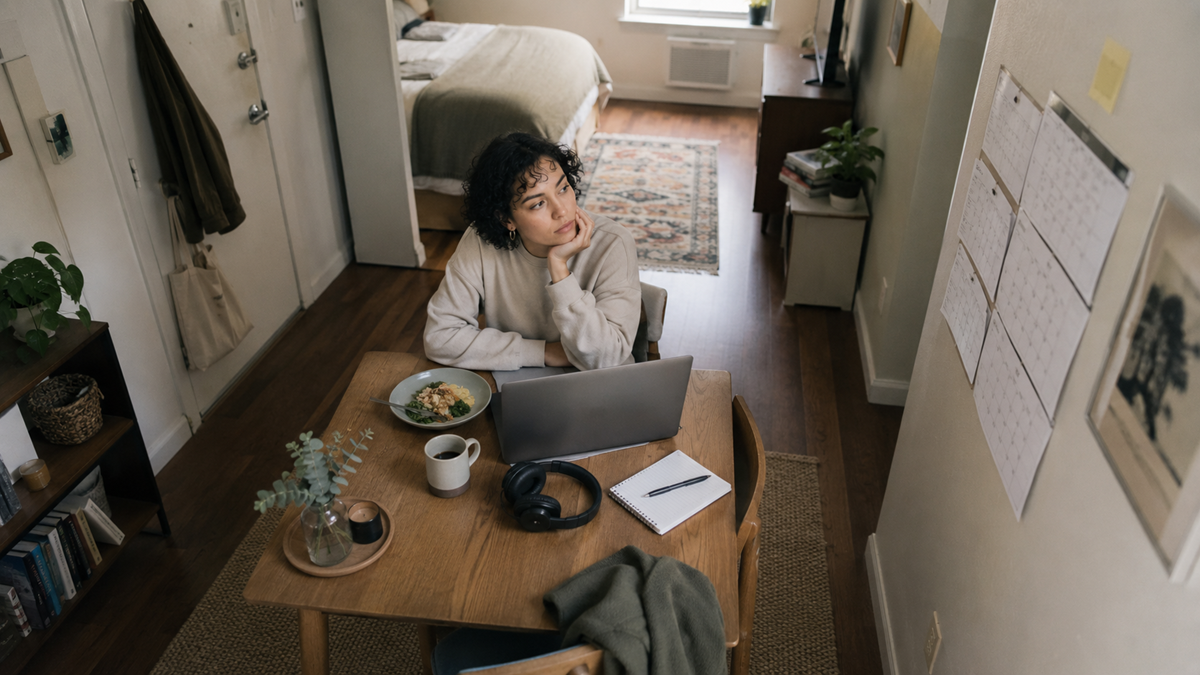
When every weekday happens in the same few rooms, the brain gets fewer unusual details to separate one day from another. Tuesday and Thursday may have the same meetings, the same lunch, and the same walk around the block. Looking back, whole months can feel oddly compressed. Plenty happened, but not enough of it was distinctive.
8. Your Work Circle May Become Smaller
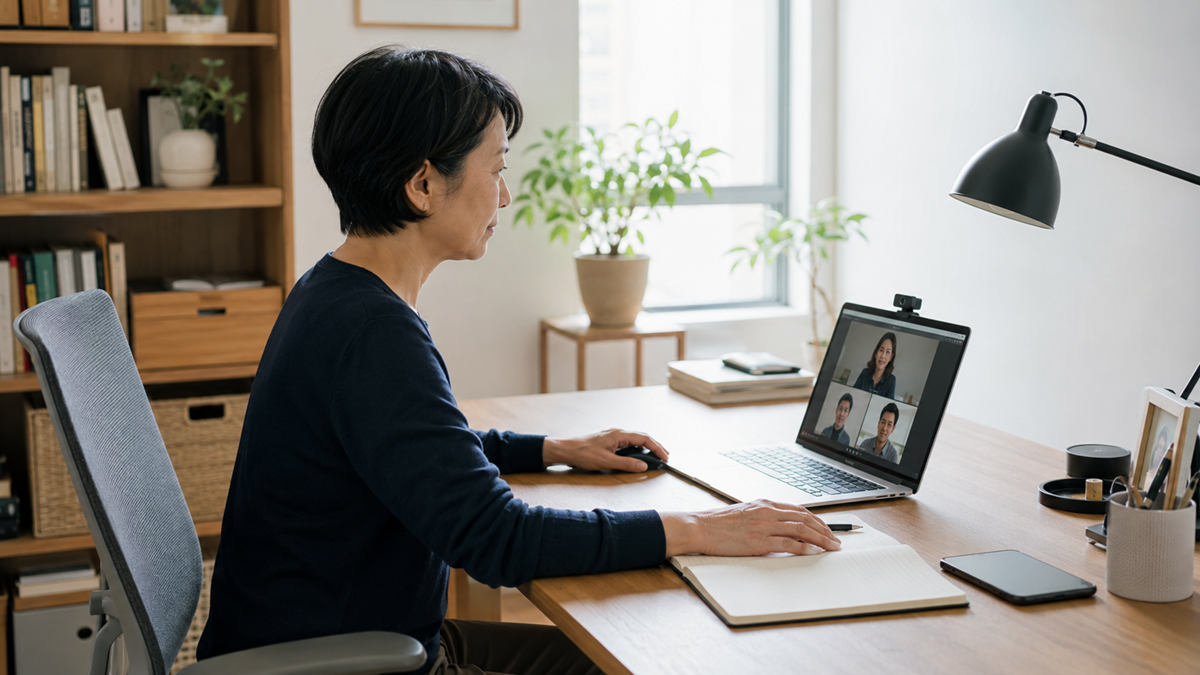
In an office, you often hear about projects that have nothing to do with your team. You run into someone from another department, overhear a conversation, or ask a casual question that leads somewhere useful. Remote work tends to make communication more deliberate. You still talk to people, but usually the same people, and usually for a specific reason.
Sign up for our newsletter
9. Being Online Starts to Feel Like Proof of Work
When nobody can physically see you working, availability can become a substitute. Some people answer messages almost instantly, keep their status active, or hesitate before stepping away for lunch. The pressure may not come from a manager at all. It can develop quietly, until taking ten minutes away from the screen feels like something that needs to be justified.
10. Long Periods of Focus Can Become Easier

For certain jobs, home is a much better place to think. There are no coworkers stopping by, no conversations drifting across the room, and fewer interruptions that have nothing to do with the task. Once a routine settles in, it may become easier to work for long stretches without breaking concentration. This advantage depends heavily on the home, of course. A quiet apartment and a crowded household produce very different results.
11. Motivation Can Feel More Fragile
Work often feels different when coworkers are reduced to names in a chat window. Praise arrives as an emoji, questions are saved for scheduled calls, and completed tasks disappear into a digital system. Some people remain highly motivated, while others begin to feel disconnected from the purpose of what they are doing. The absence of shared energy can matter more than expected.
12. Your Brain Becomes Extremely Good at Remote Work

After a year, many parts of the routine require almost no thought. You know exactly when to mute yourself, which room has the best connection, and how long it takes to look presentable before a morning call. That familiarity can make remote work feel natural. It also explains why returning to an office can be surprisingly exhausting, because the brain suddenly has to process commuting, noise, constant movement, and far more face-to-face interaction again.
In the mood for more?
Check out 15 Ways To Improve Life Working From Home, or take a look at 14 Ways the Internet Changed the Workplace Over the Decades. If you want to see more workplace evolution, you can check out 14 Jobs That Completely Disappeared in the Last 30 Years.
Images generated by AI