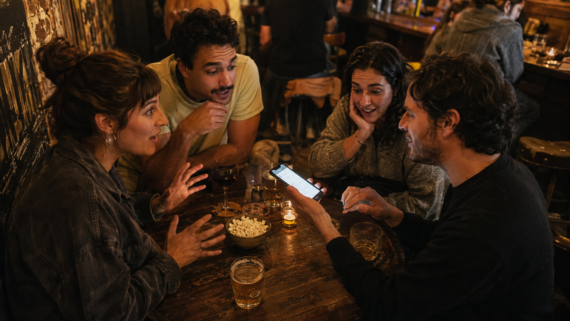
When smartphones first arrived, they were mostly presented as convenient tools for calls, email, maps, and music. Few people predicted that they would reshape how we stand in elevators, remember information, navigate friendships, or experience a concert. Their influence often shows up in tiny habits that now feel completely ordinary. Many of them developed so gradually that it is easy to forget they barely existed a generation ago.
1. Silence Became Something to Escape
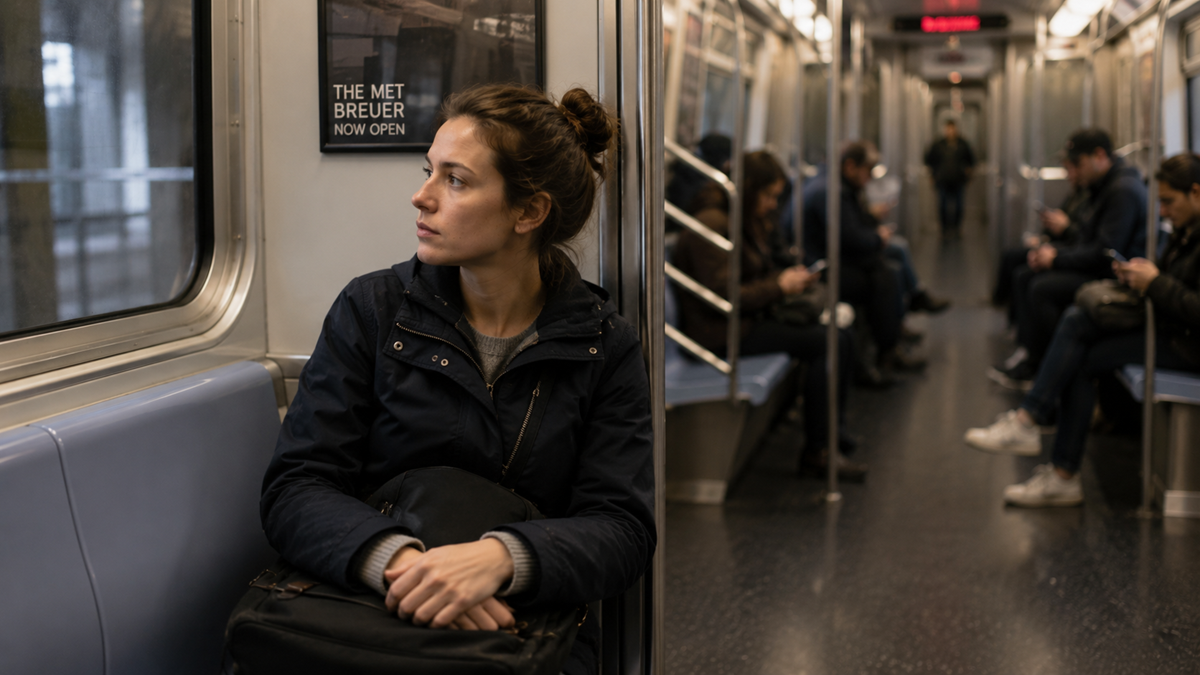
Waiting once meant looking around, thinking, or simply doing nothing for a few minutes. Smartphones turned almost every quiet pause into an opportunity to check messages, watch a clip, read the news, or refresh an app. Even brief moments at traffic lights, checkout lines, and restaurant tables can now feel strangely incomplete without a screen. Boredom did not disappear, but people became much quicker to interrupt it.
2. People Started Photographing Experiences Before Experiencing Them

A striking meal, a concert entrance, or a sunset can trigger the same response: reach for the phone first. The instinct is not necessarily about preserving a private memory. Often, it is also about producing something shareable while the moment is still unfolding. This has created a curious split in attention, with people participating in an experience while simultaneously imagining how it will look to someone who is not there.
3. Getting Lost Became Unusual
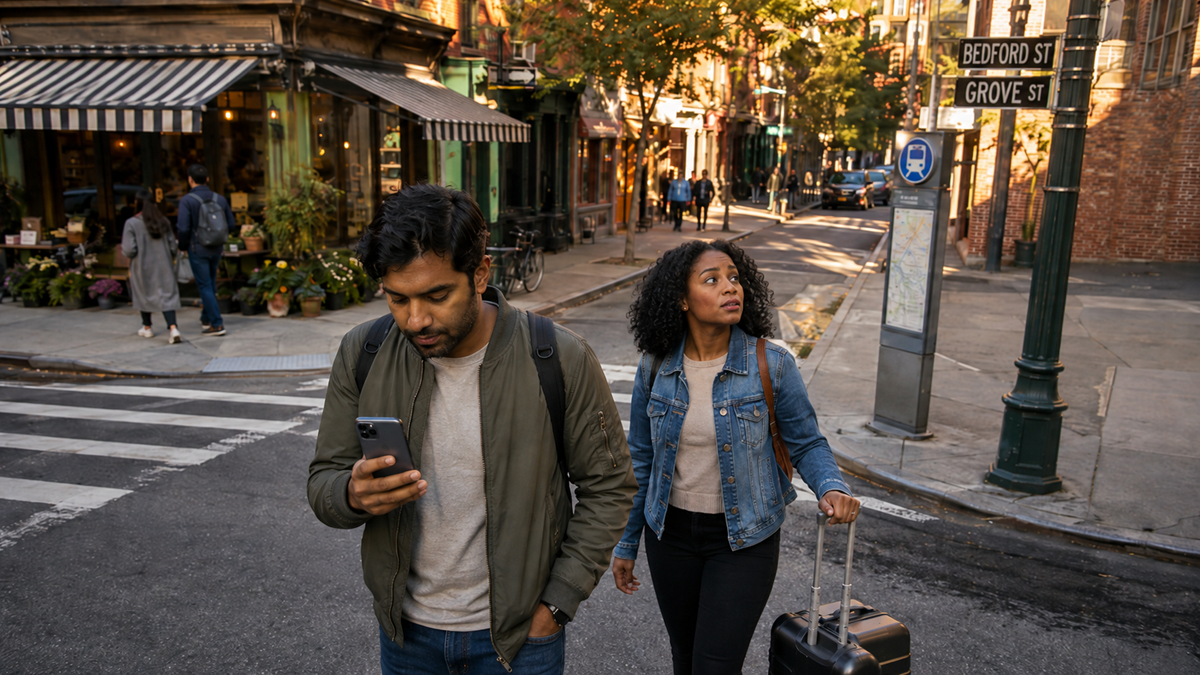
Navigation apps removed much of the uncertainty from visiting an unfamiliar place. People no longer need to memorize routes, study street names, or ask strangers for directions as often as they once did. That convenience is difficult to argue with, although it also means many travelers reach their destination without developing much sense of the surrounding area.
4. Every Minor Disagreement Became Searchable
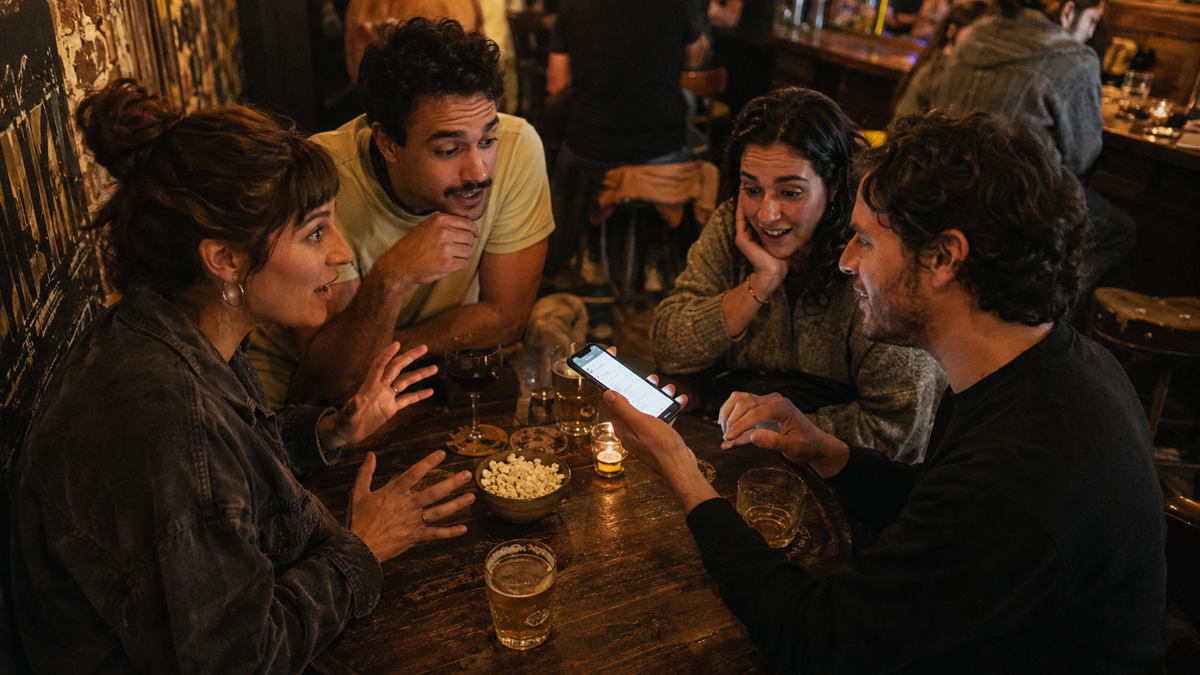
Arguments about movie casts, historical dates, song lyrics, and obscure trivia once ended with uncertainty or a confident guess. Now someone usually pulls out a phone and settles the question in seconds. This made factual disputes shorter, but it also changed conversation itself. Being correct became easier, while letting a harmless debate wander became less common.
5. People Began Expecting Constant Availability
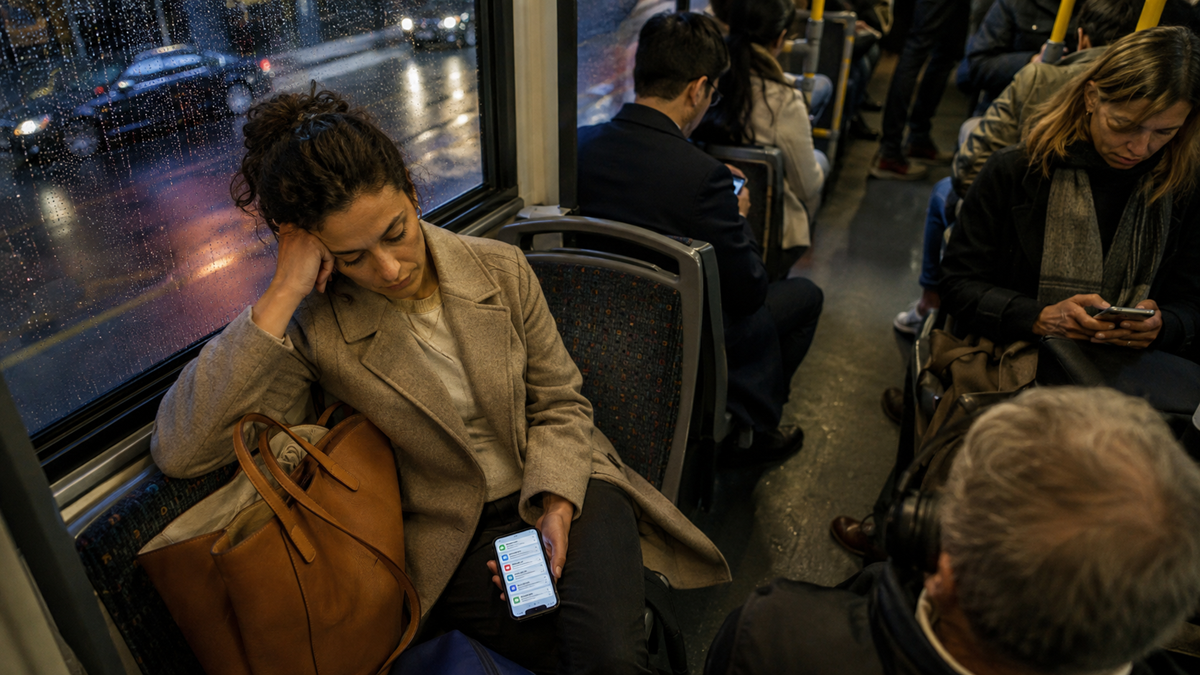
Mobile phones made people reachable outside the home, but smartphones pushed that expectation much further. A message can arrive through text, email, social media, workplace chat, or several apps at once. Because the device is usually nearby, a delayed reply may be treated as a choice rather than a simple absence. Being temporarily unreachable now sometimes requires explanation.
Trending on The Scroller


6. Memory Was Partly Handed Over to the Device
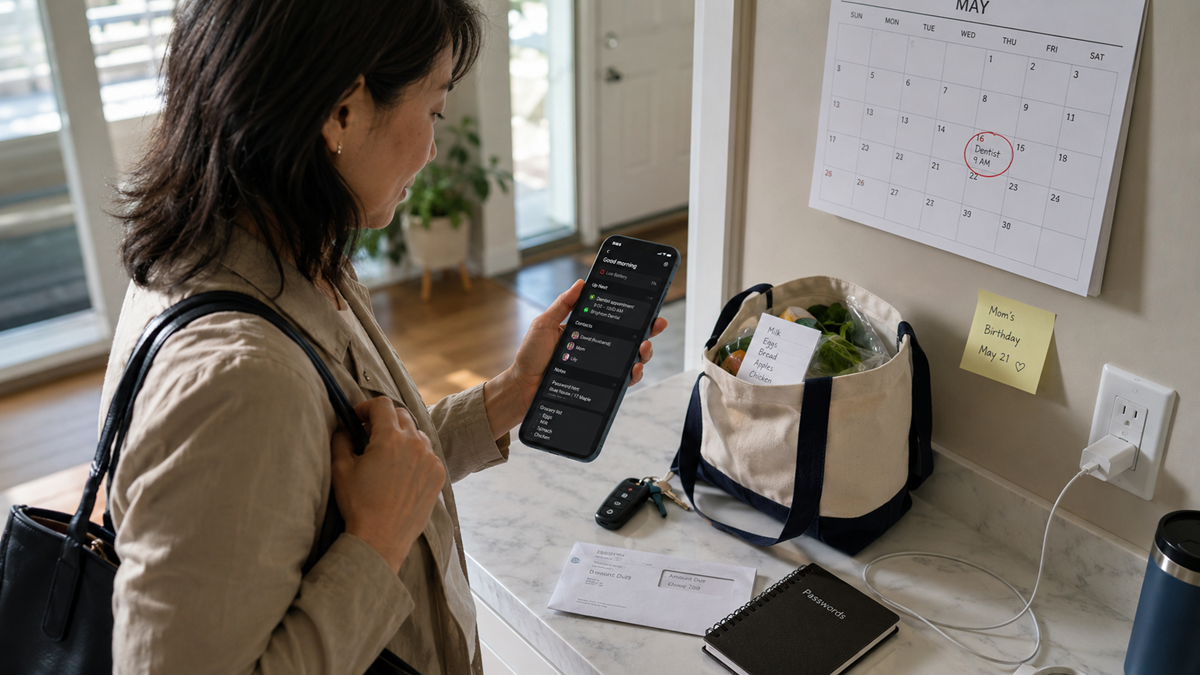
Phone numbers, birthdays, appointments, directions, shopping lists, and passwords no longer have to live in a person’s memory. Smartphones became an external storage system for everyday life. People may remember where information is saved more easily than the information itself, which is useful until the battery dies or the device goes missing.
7. Walking Became a Divided-Attention Activity
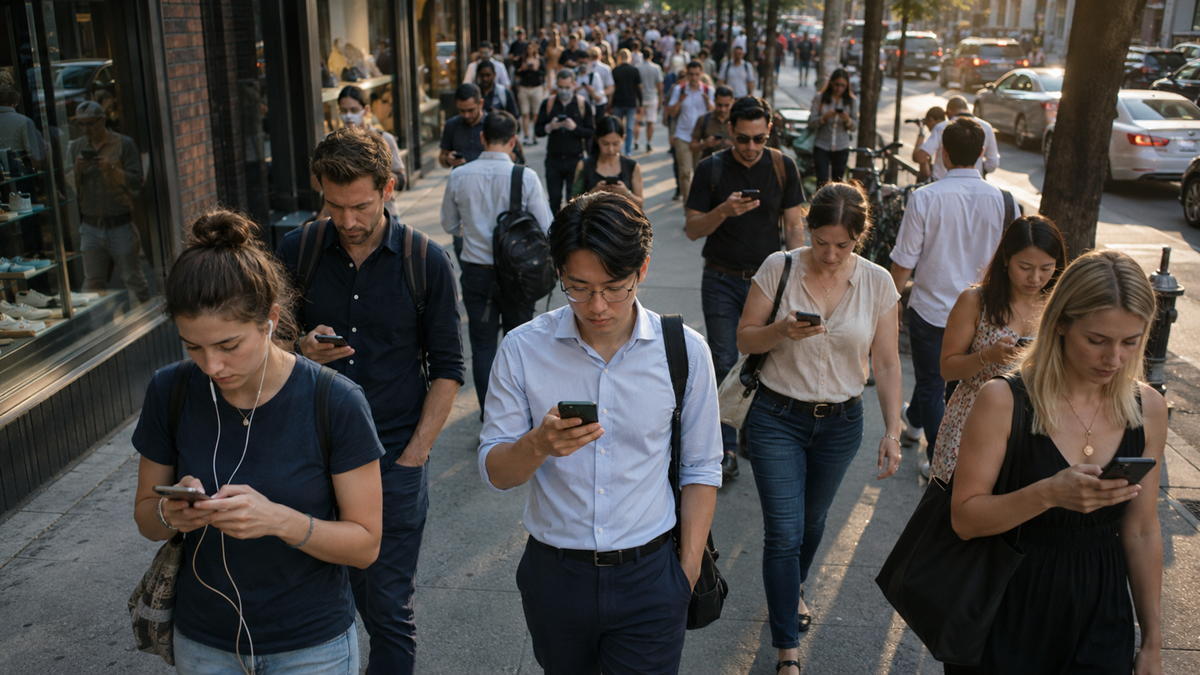
City sidewalks now include people reading messages, following maps, changing songs, and watching videos while moving through crowds. The body continues forward while the eyes and mind are somewhere else. Pedestrians have always been distracted, but smartphones created a form of distraction that can last for an entire journey.
8. Eating Alone Became Less Socially Awkward
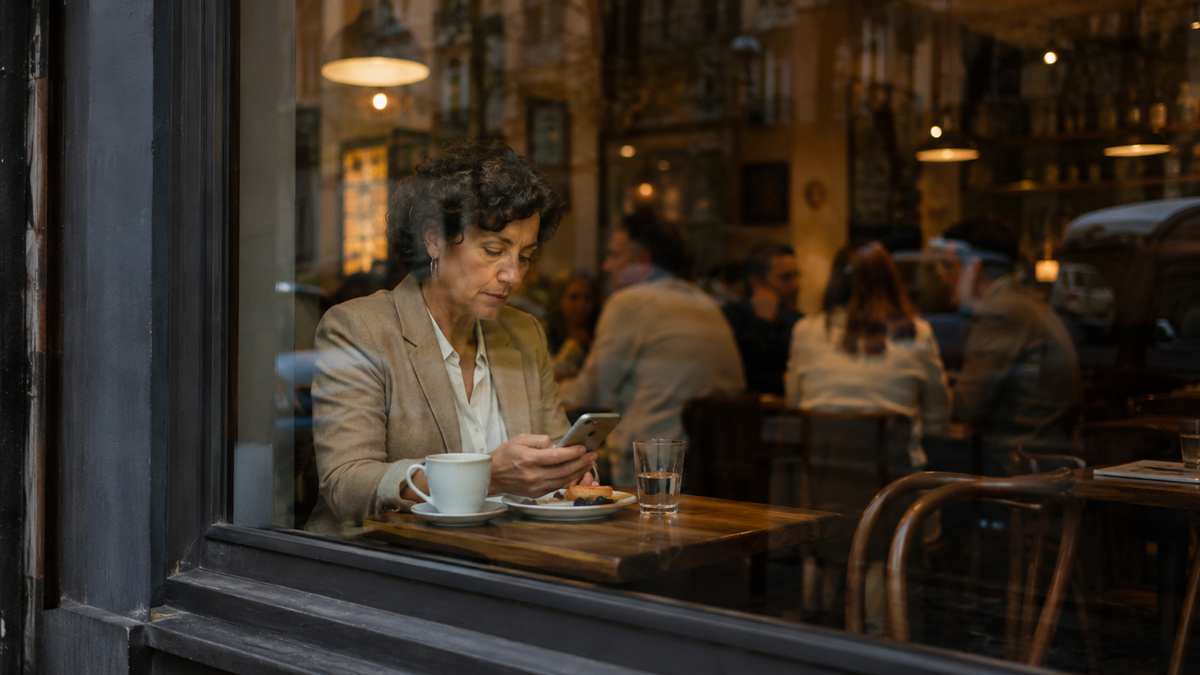
A person sitting alone in a café once had limited ways to avoid looking conspicuously alone. A newspaper or book helped, but those required some planning. Smartphones provided an instant social shield. Someone can now appear busy, connected, and occupied even while eating in complete silence.
Sign up for our newsletter
9. Conversations Gained an Invisible Third Participant
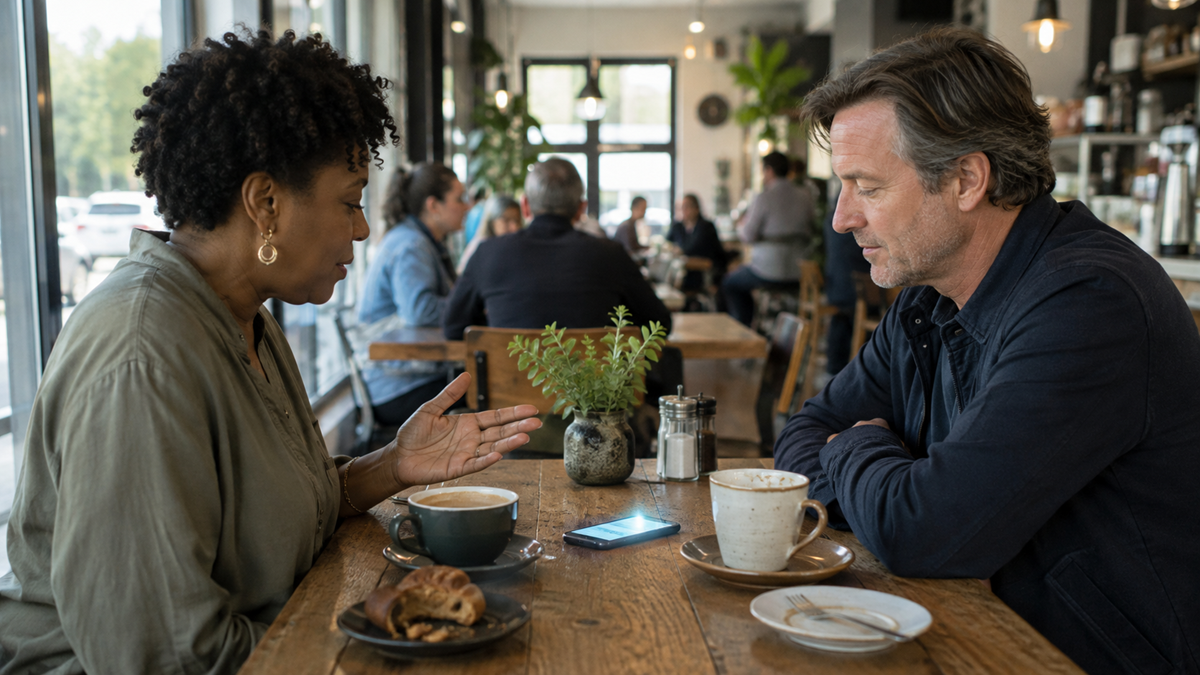
A phone resting on a table can affect a conversation even when nobody touches it. Its presence suggests that another message, notification, or person might interrupt at any moment. People glance toward screens almost automatically when they light up, and attention can shift before anyone has consciously decided to leave the conversation.
10. Everyday Life Became More Performative

Social media existed before smartphones became widespread, but carrying a camera and publishing tool everywhere changed the scale of participation. Ordinary activities could be documented, edited, and presented within minutes. Vacations, workouts, relationships, meals, and even productive mornings began to develop recognizable visual styles. Some experiences are now planned partly around how easily they can be turned into content.
11. People Started Rechecking Things They Already Knew
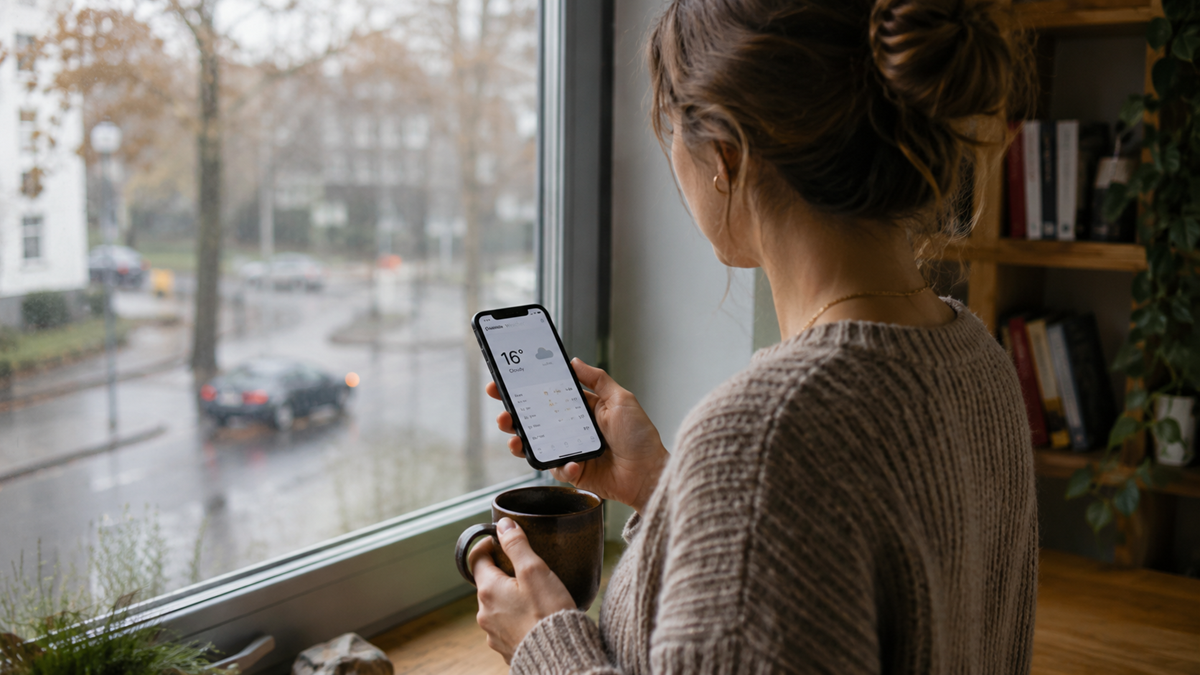
It is common to check the weather after looking outside, open a map on a familiar route, or confirm a fact that feels almost certain. Smartphones made reassurance nearly effortless. Instead of trusting memory, observation, or instinct, people can request a second opinion from the device whenever doubt appears.
12. Public Emergencies Became Public Recordings
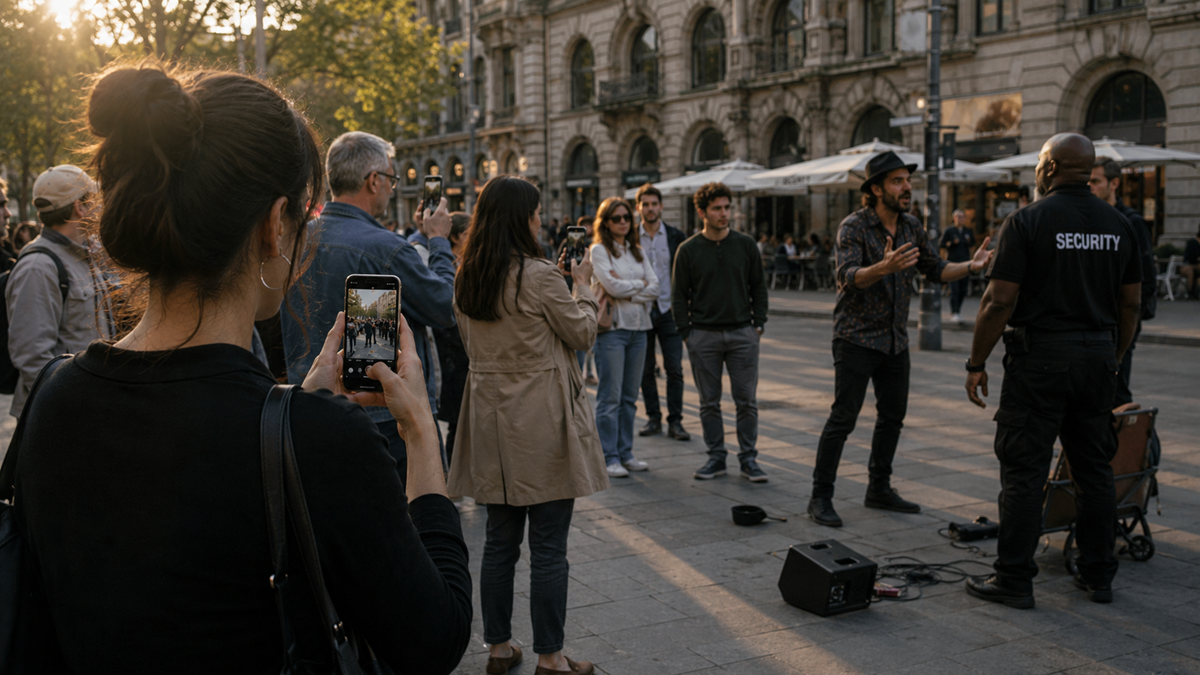
When something unusual happens, many witnesses now reach for their cameras before they fully understand the situation. This has produced valuable evidence of accidents, abuse, protests, and major events. It has also created uncomfortable scenes in which recording appears to take priority over assisting, moving away, or simply respecting the people involved.
13. Eye Contact Became Easier to Avoid
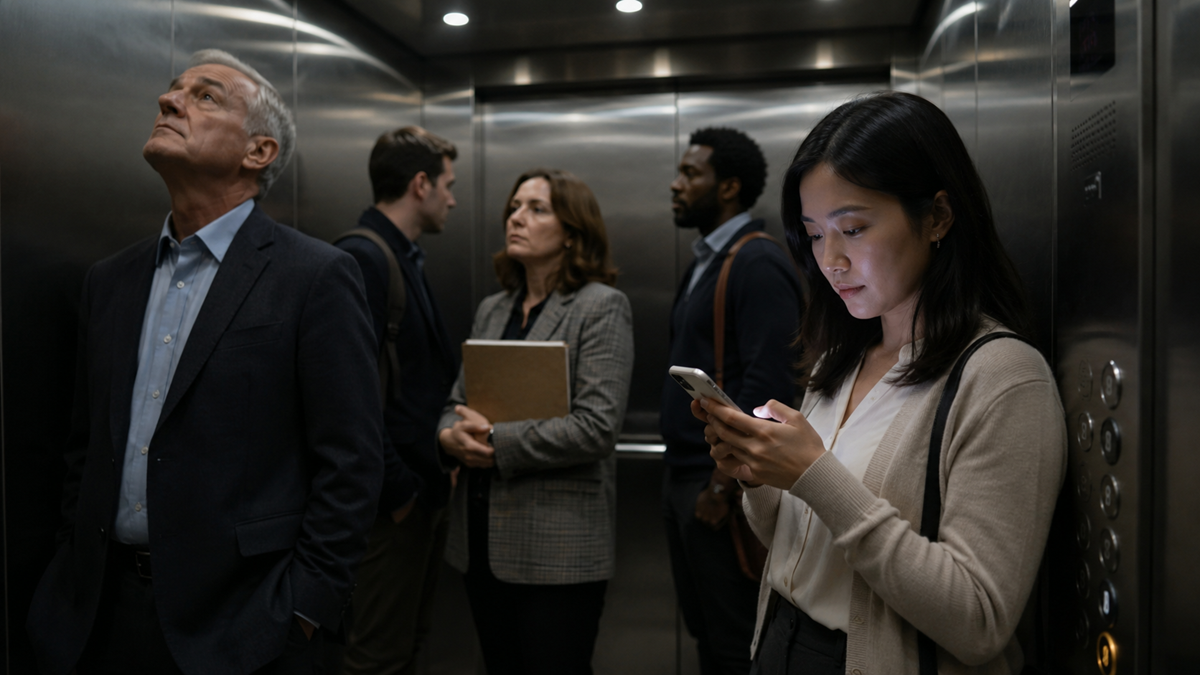
A smartphone offers a socially acceptable place to look during an awkward elevator ride, a tense waiting room, or an unwanted conversation. The screen can create instant privacy in a crowded space. Unlike staring at the floor, it also gives the impression that something important may be happening.
14. Plans Became More Flexible and Less Certain
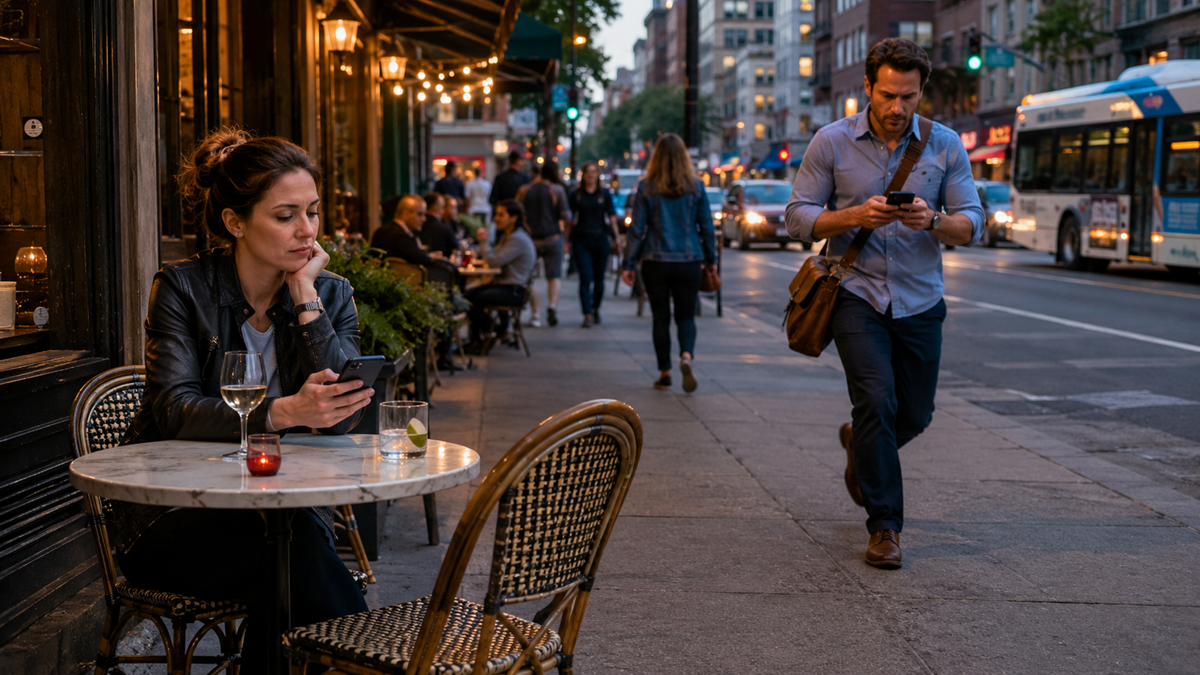
Before everyone carried a phone, meeting arrangements had to be fairly specific. People chose a time and location, then generally trusted that the other person would appear. Smartphones made it easy to adjust details while traveling, announce delays, or cancel at the last moment. Coordination improved, but commitment to the original plan became slightly softer.
15. People Began Viewing Their Own Lives Through a Camera
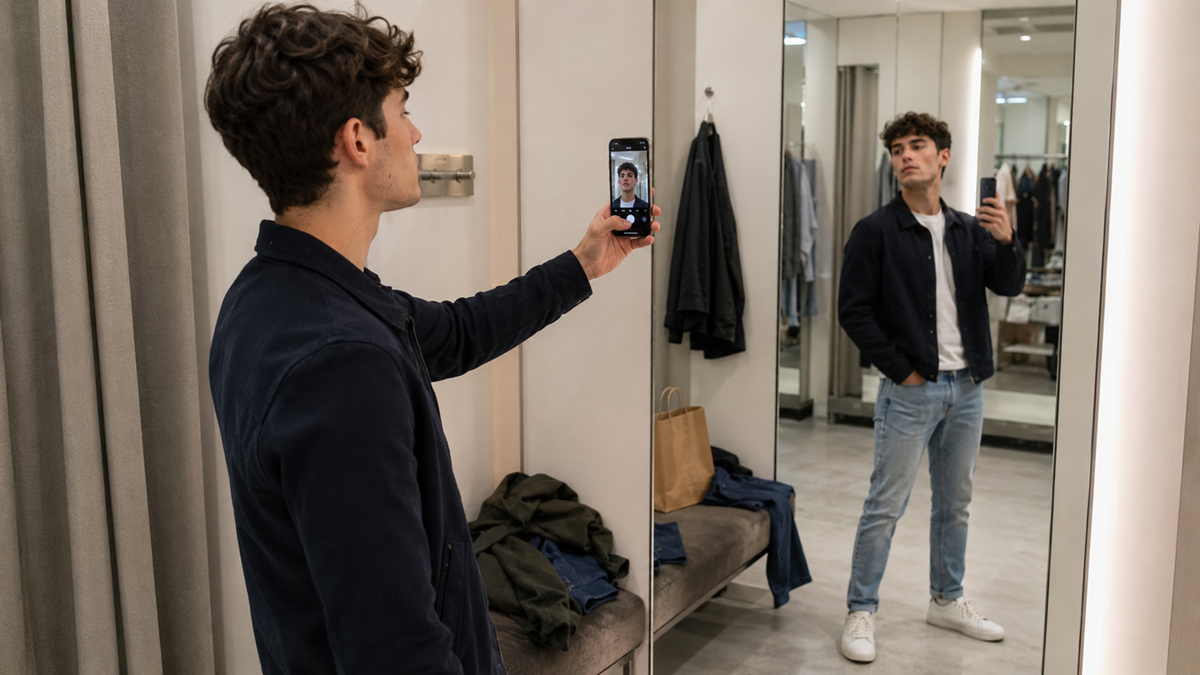
The front-facing camera introduced more than a convenient way to take portraits. It encouraged people to study their expressions, angles, backgrounds, and appearance with unusual frequency. Mirrors had always offered self-observation, but the smartphone added storage, editing, comparison, and an audience. Over time, many people became both the subject and the photographer of their daily lives.
In the mood for more?
Check out 15 Social Media Behaviors That Sound Normal Online but Are Completely Wild in Real Life, or take a look at 14 Gadgets That the Smartphone Quietly Replaced. If you want to see more stories about modern life, you can check out 12 Strange Ways Working From Home for a Year Can Change Your Brain.
All images generated by AI