The rapid acceleration of consumer technology at the turn of the twenty-first century created an incredibly crowded landscape of specialized gadgets. Walking into a typical household or packed electronics retail store during the nineties meant encountering entertainment centers, travel packs, and backpacks overflowing with unique, single-purpose machinery. Consumers willingly carried extensive bundles of auxiliary charging cables, proprietary media storage discs, and plastic protective clip-on cases just to manage their daily communications and entertainment routines. Each individual device represented a distinct financial investment, occupying its own dedicated physical space on office desks and bedroom nightstands.
The sweeping reality of this hardware evolution highlights just how profoundly a single consolidated touchscreen interface managed to decimate entire manufacturing sectors virtually overnight. The truth is that the modern mobile device serves as an absolute graveyard for classic consumer gadgets, systematically absorbing their mechanical utility and rendering billions of dollars of specialized engineering completely obsolete. Before wireless multi-tools combined our daily operations into a uniform pocket-sized chassis, human productivity and recreation relied on a vast, tactile network of physical gears, magnetic tapes, and standalone satellite receivers. Let’s look at fourteen iconic electronic tools that were quietly phased out of daily circulation by the rise of the smartphone, capturing the classic hardware that defined a generation.
1. Standalone GPS navigation units
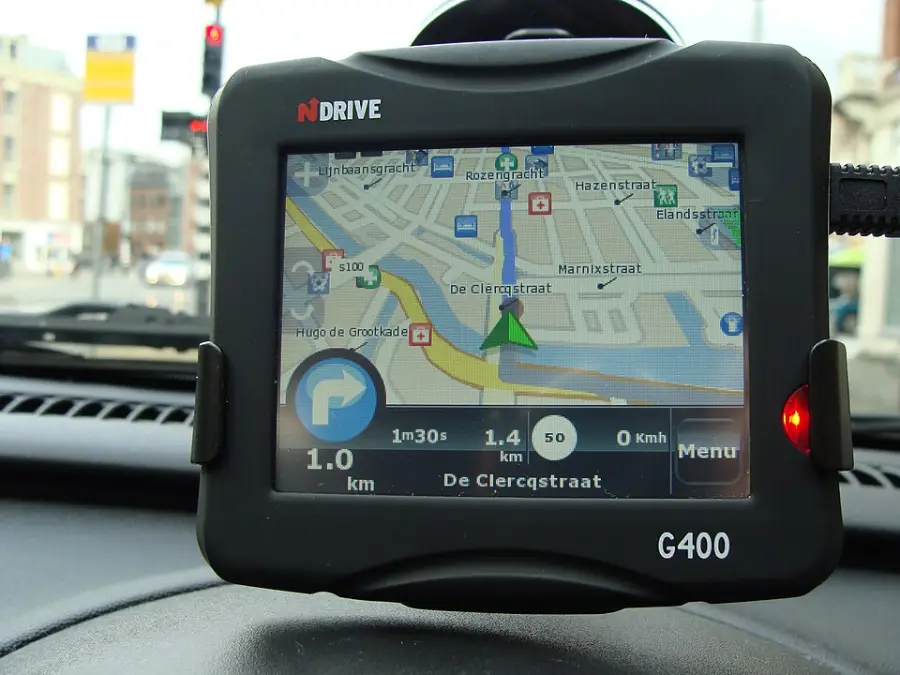
Mounting a specialized satellite receiver directly onto a vehicle’s windshield was an absolute rite of passage for motorists embarking on long cross-country road trips. Before real-time traffic mapping services were integrated directly into mobile cellular networks, drivers had to physically remove these dashboard units and connect them to a home computer via USB cords to manually download maps and highway updates.
2. Handheld dictaphones and voice recorders
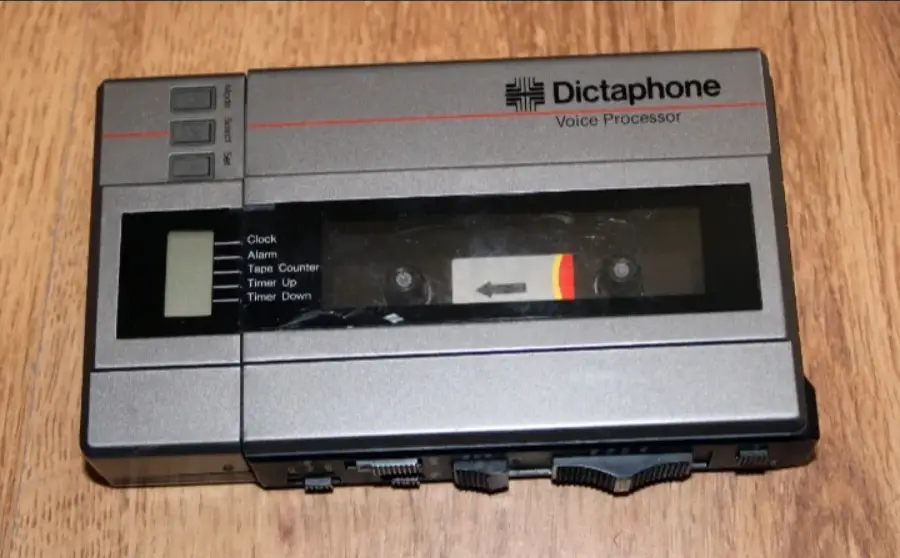
Corporate executives, investigative journalists, and college students heavily relied on these pocket-sized recording devices to capture high-quality audio files during vital interviews and lengthy lecture sessions. The market completely evaporated once mobile operating systems introduced native audio memo apps, rendering the physical cassettes and specialized micro-tapes used by traditional recorders entirely obsolete.
3. Pocket paperweight calculators
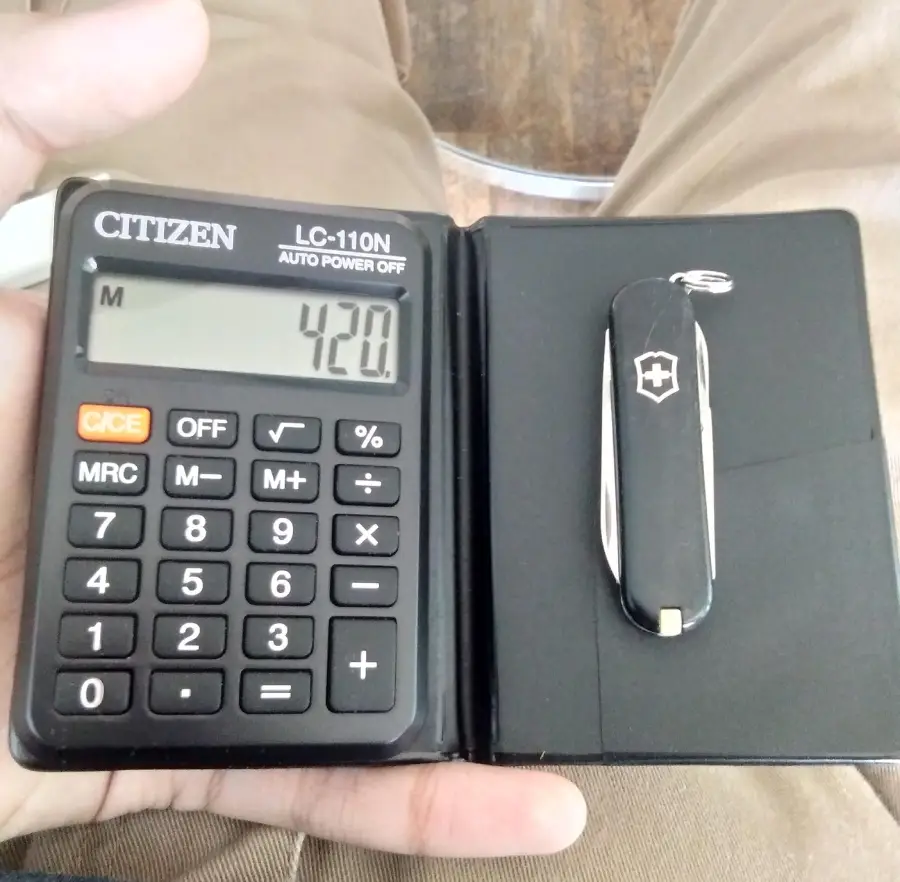
The traditional solar-powered desktop calculator moved seamlessly from its status as a mandatory high school mathematics accessory to a thoroughly dusty relic hidden inside the back of a desk drawer. While specialized graphing hardware survives in elite academic testing halls, everyday calculations are now executed instantly on mobile screens, which hold millions of times more raw processing power than the historical NASA computers that guided astronauts to the moon.
4. Dedicated mechanical alarm clocks
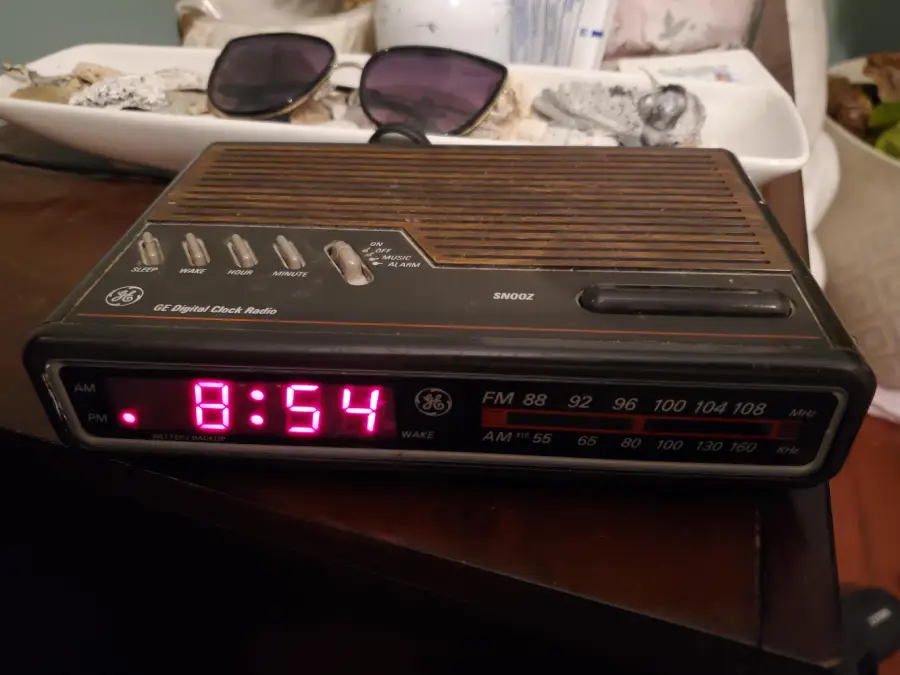
The familiar bedroom morning ritual of slapping a plastic button on top of a buzzing bedside clock radio has been quietly replaced by customizable, touchscreen software interfaces. Interestingly, the very first American alarm clock, invented by Levi Hutchins in 1787, was entirely non-adjustable and was engineered to sound exclusively at 4:00 AM to ensure he woke up well before sunrise.
5. Portable MP3 players and personal Walkmans
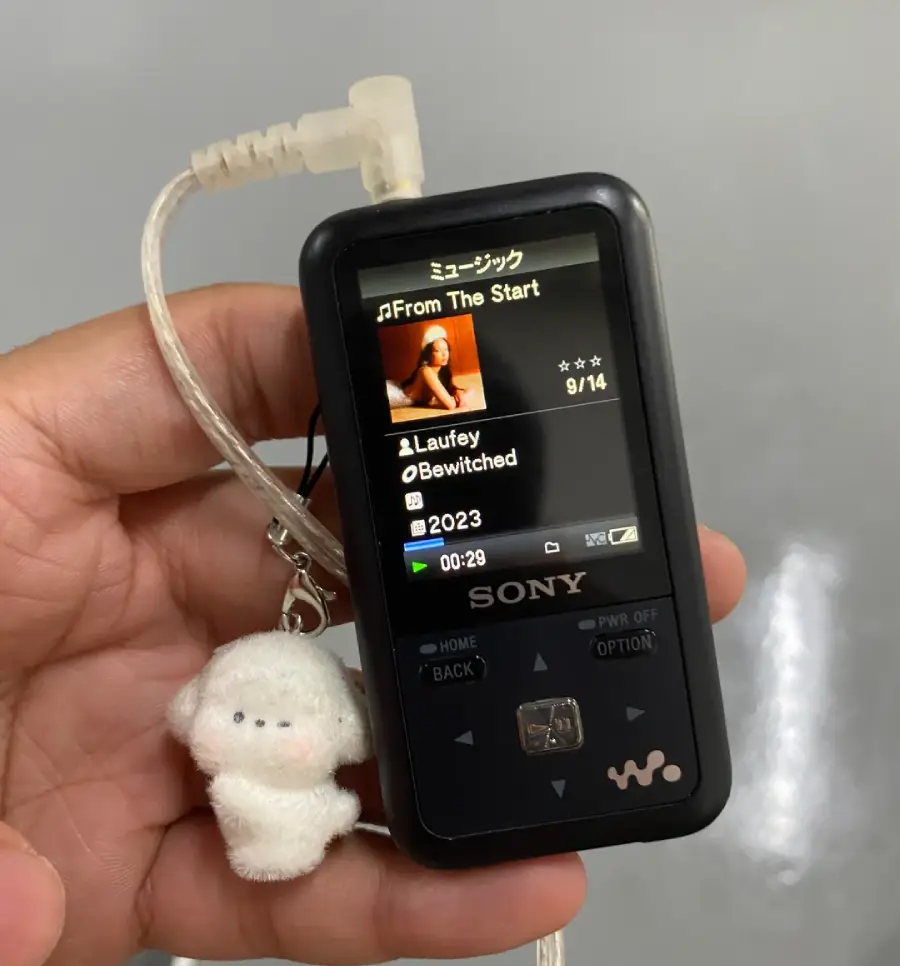
The distinct cultural phenomenon of carrying a secondary, pocket-sized music storage device like the Apple iPod or Microsoft Zune completely vanished once mobile streaming applications emerged. While early flash-memory music accessories were heavily celebrated for liberating listeners from carrying bulky physical CD binders, the smartphone consolidated global music libraries into a single wireless pipeline.
Trending on The Scroller

6. Keychain laser pointers

Once an incredibly popular corporate boardroom presentation tool and a standard novelty toy sold at neighborhood checkout counters, these tiny metal cylinders have lost their commercial foothold. Modern professional office environments now utilize synchronized screen-sharing software and digital cursor overlays, removing the physical need to project a bright red beam across a projection wall.
7. Point-and-shoot digital cameras
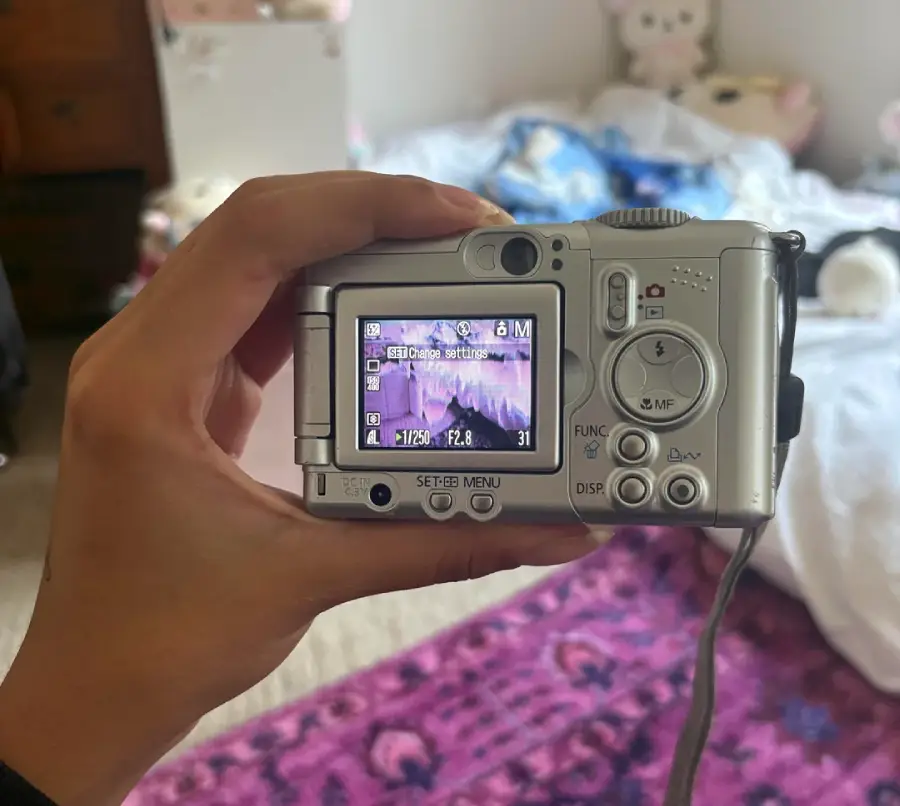
Flipping open a compact, blocky camera body to capture family vacation photos was a defining element of tourist culture throughout the early two-thousands. These consumer devices ultimately lost the retail war to mobile camera modules, which utilize advanced artificial intelligence processing chips to instantly optimize lighting, focus, and stabilization without requiring manual lens adjustments.
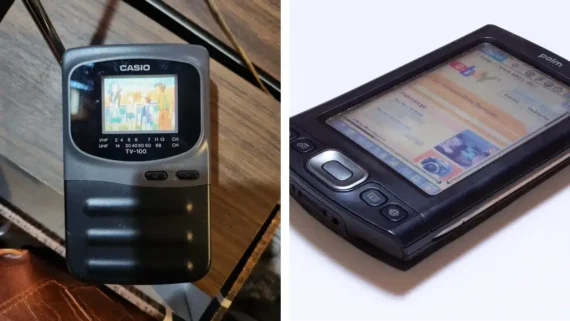
8. Personal digital assistants (PDAs)
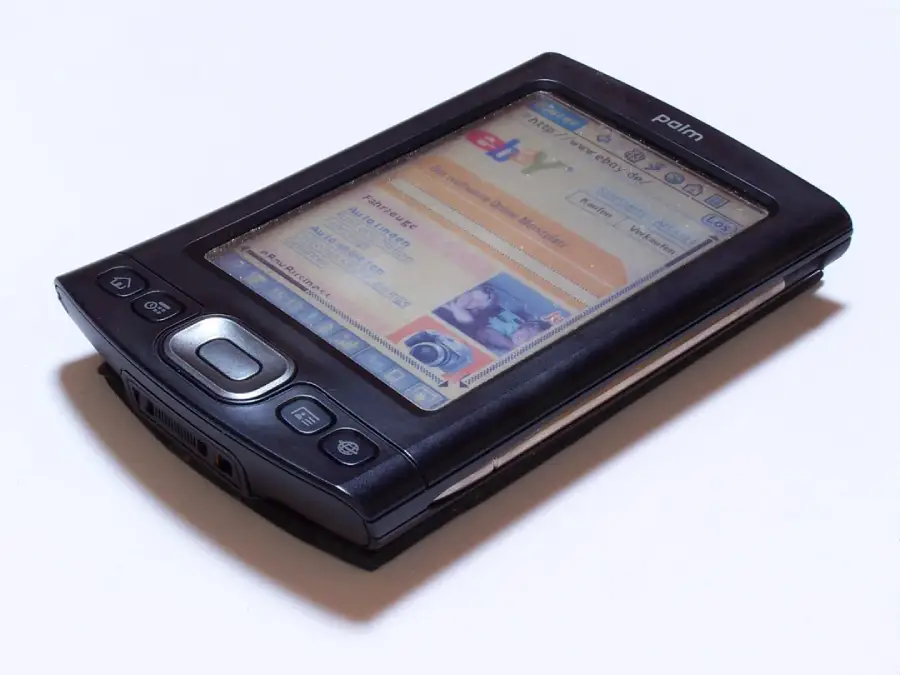
Long before contemporary mobile operating systems consolidated our professional remote workflows, corporate executives relied heavily on pocket organizers like the Palm Pilot to log calendar appointments. Navigating these low-resolution, monochrome touch interfaces required using a specialized plastic stylus pen that users routinely misplaced during hectic transit commutes.
Sign up for our newsletter
9. Pocket flashlights

Carrying a dedicated, heavy metal tube packed with replacement alkaline D-batteries became a largely unnecessary household habit once phone developers integrated high-powered LED flashbulbs next to their camera lenses. The immediate, one-tap accessibility of a mobile screen light completely altered nighttime emergency routines, rendering the classic household flashlight a tool reserved strictly for extreme power grid failures.
10. Digital wrist stopwatches
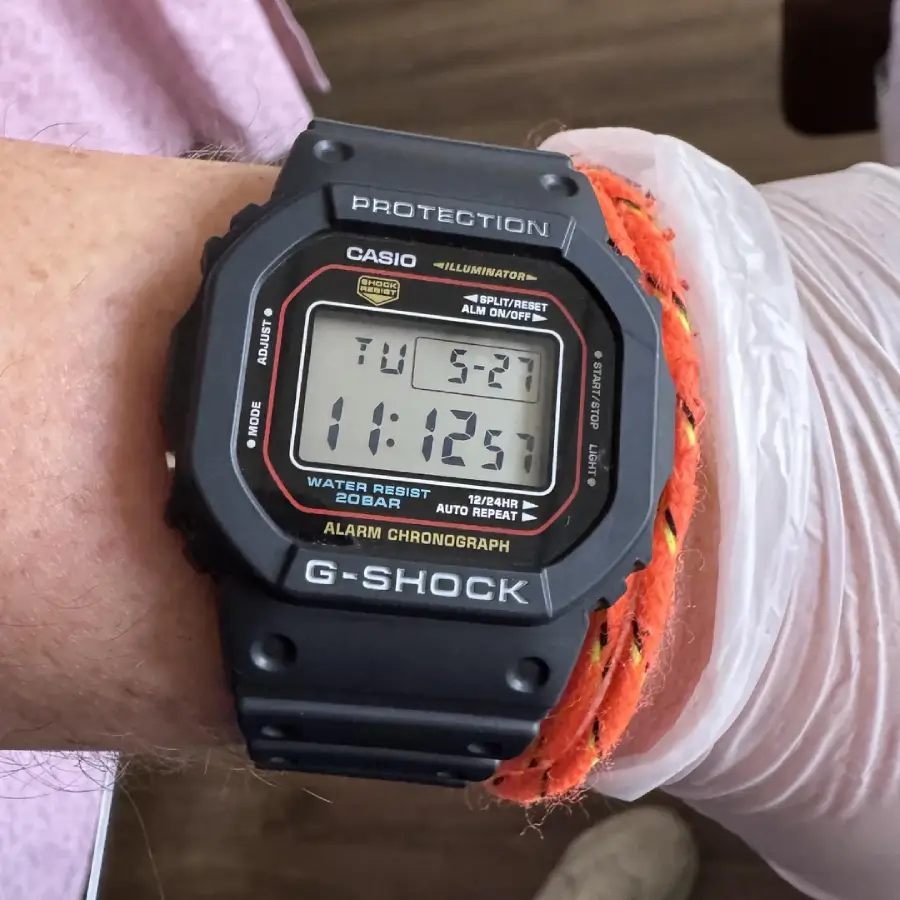
Athletic coaches, professional runners, and gym teachers universally wore thick, rugged plastic wristwatches engineered specifically to log precise split times on a digital matrix display. While specialized smartwatches still thrive in the extreme endurance sports market, everyday lap tracking and basic countdown functions have completely migrated onto standard mobile applications.
11. Electronic language translators
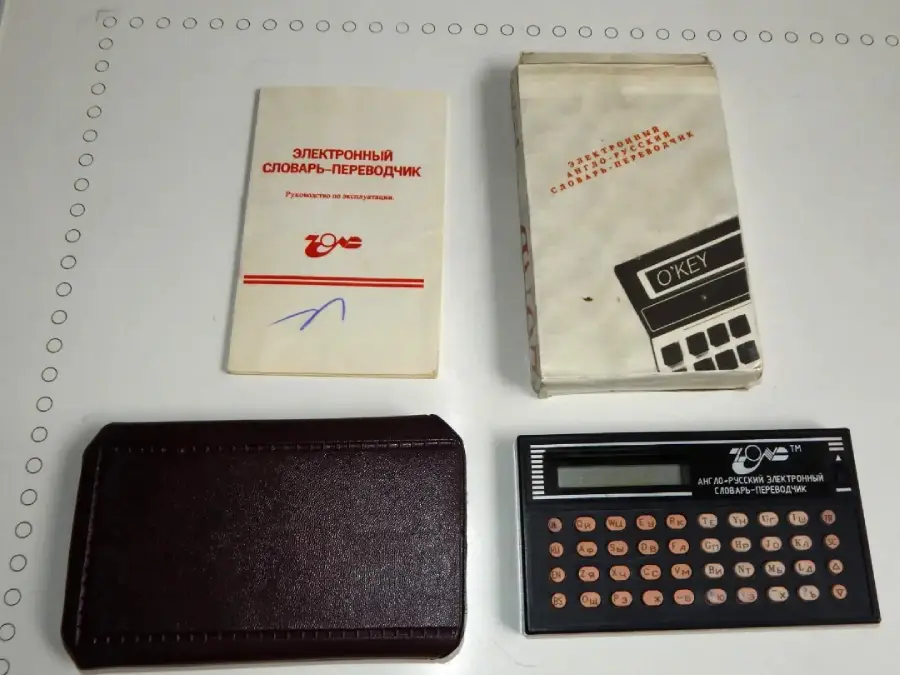
Long before automated translation software utilized cloud databases to decode spoken sentences instantly, international travelers carried pocket-sized keyboards across foreign borders. Typing a single word into these early consumer devices initiated a sluggish internal search that delivered basic, highly ungrammatical text definitions on a tiny screen.
12. Pocket television
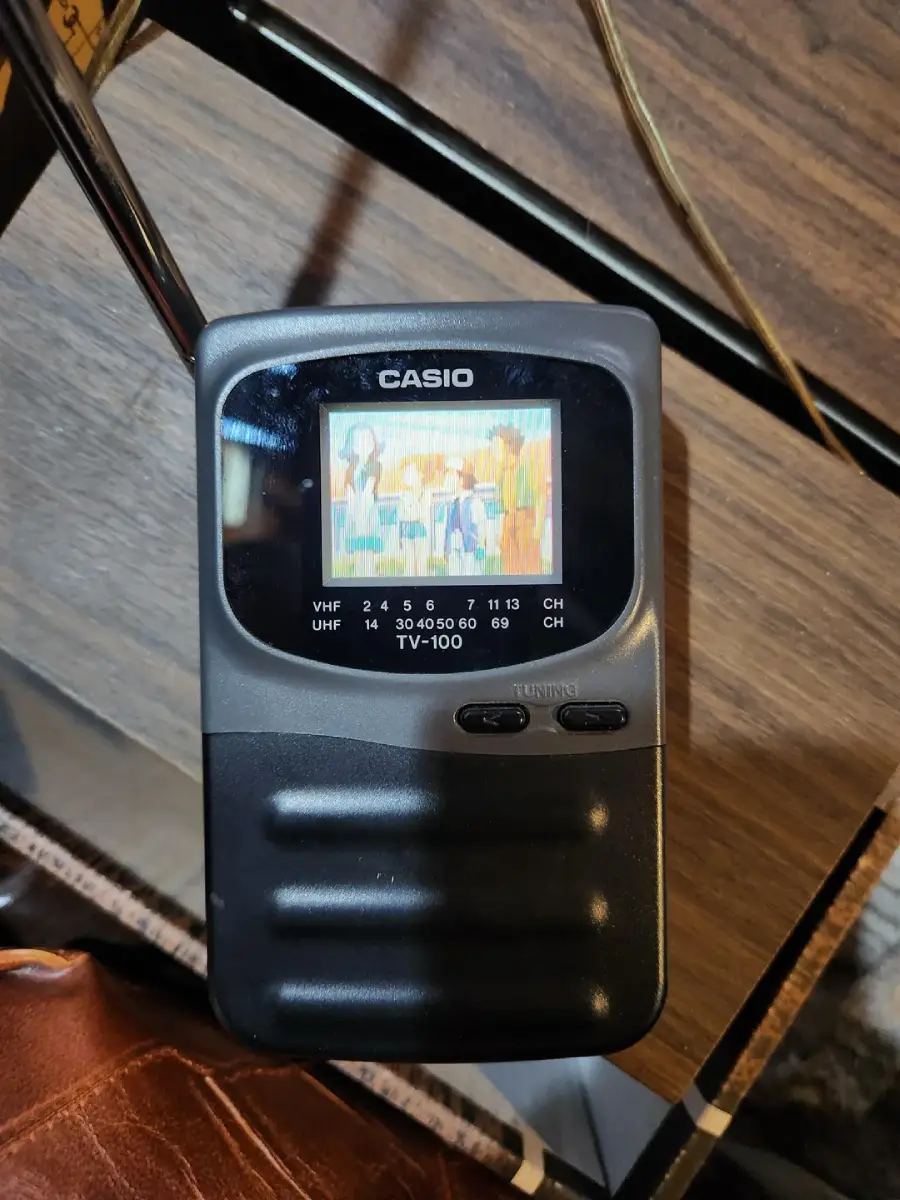
Carrying a small, handheld plastic television set with a long, telescoping metallic antenna to try and catch a live football match or a local news broadcast in the park was considered the absolute height of tech luxury during the eighties and nineties. These highly specialized portable monitors relied heavily on analogue broadcasting frequencies, requiring users to sit perfectly still to prevent the screen from devolving into a wall of static hiss. The global transition to digital television frequencies and the arrival of mobile streaming apps turned these heavy battery-chugging bricks into instant technological relics.
13. Telecommunication pagers and beepers
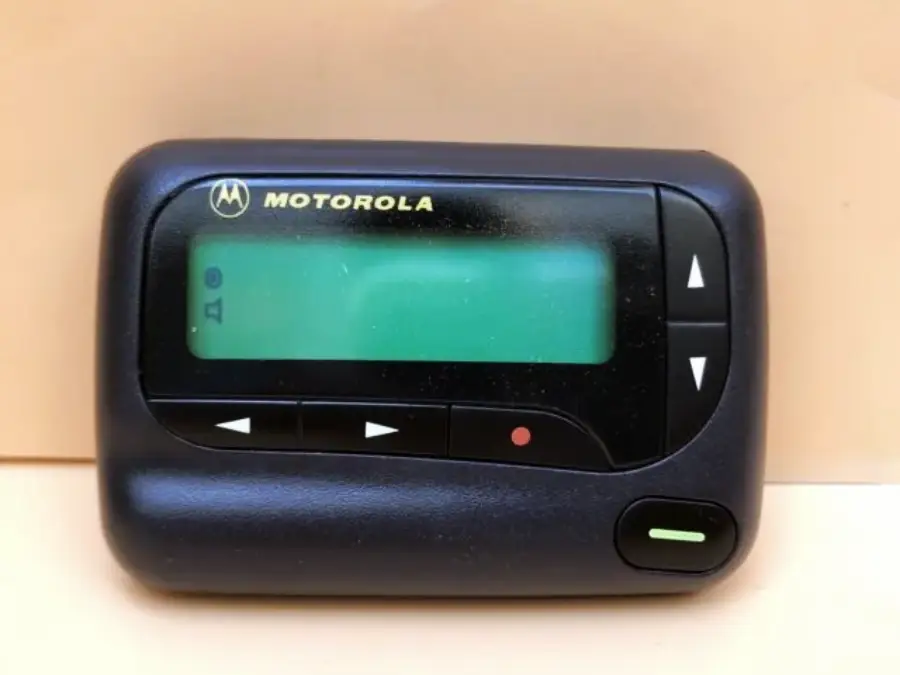
The pager stood as an absolute cultural phenomenon during the late twentieth century, requiring users to develop a highly unique numeric code shorthand to communicate basic messages through asterisks. The clicking hip accessories quickly vanished from mainstream consumer culture the exact second mobile hardware permitted users to transmit real-world text messages directly between devices.
14. Pocket mirror compasses
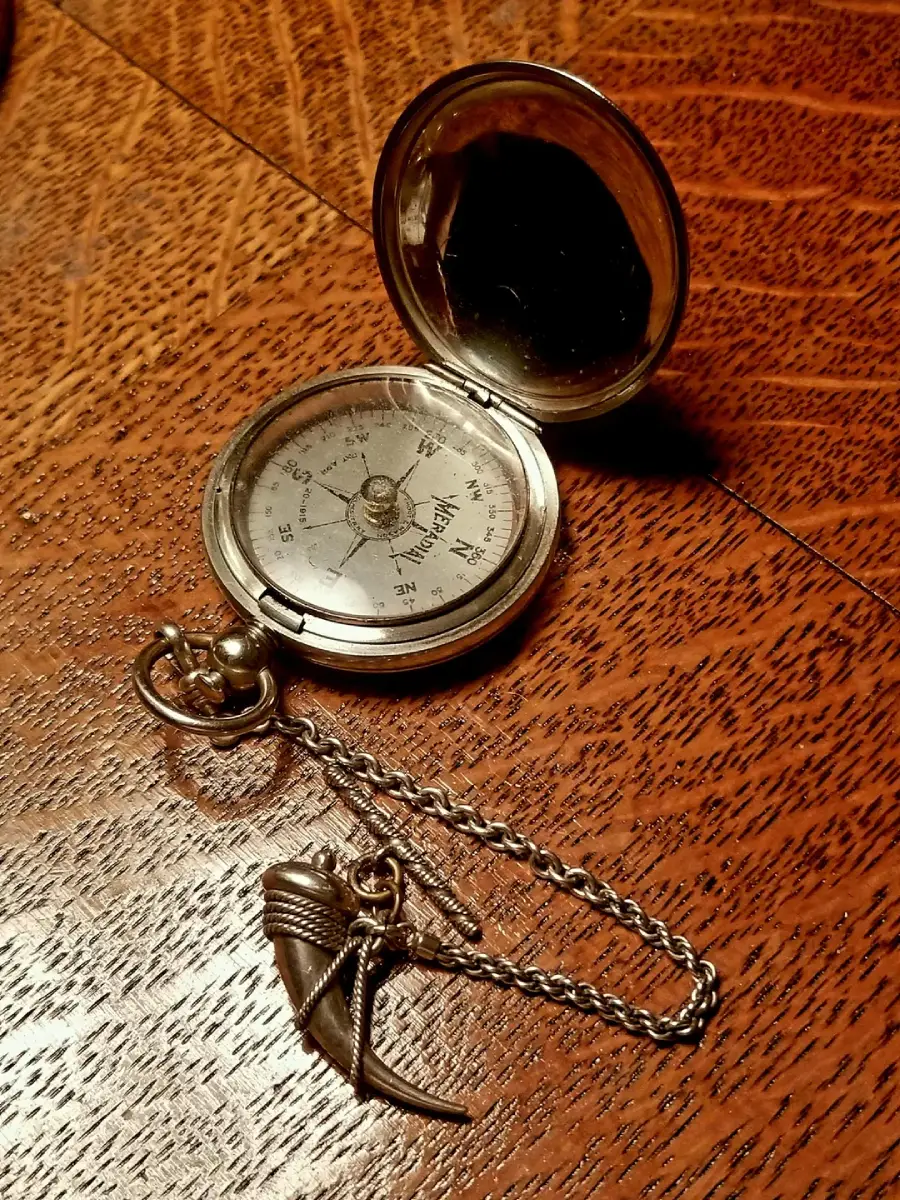
Traditional wilderness hikers and Boy Scout troops always packed a physical, oil-filled magnetic compass inside their survival gear to accurately track geographic orientation lines in the deep woods. Modern mobile hardware contains internal solid-state gyroscopes and advanced magnetometer sensors, transforming a complex geological instrument into a basic background widget that operates completely without cellular service.
Explore more tech from the past:
Revisiting these forgotten consumer milestones serves as an excellent reminder of the unique, fast-paced technological shifts that have shaped our daily routines over the subsequent decades. Looking back over these standalone satellite navigators, pocket digital organizers, and specialized music players proves that while contemporary manufacturing pipelines and mobile processing software change completely across the generations, the human drive for efficient communication remains entirely constant. When we choose to look past the modern convenience of our current touchscreens to appreciate the rigorous mechanical history of our old gear bags, we gain a much richer understanding of industrial history. If you enjoyed this detailed look back at the electronic products that defined past generations of consumers, make sure to explore these 16 Iconic Pieces of 1990s Hardware That We Totally Rely On or Retro Gadgets From the 80s That Inspired Modern Tech. You may also like these 15 Old Pieces Of Technology That Could Never Go Out Of Style.