Remember when buying something meant it was actually yours? You paid once, took it home, and never thought about it again. No monthly fees, no premium tiers, no emails reminding you your payment had failed overnight.
Today, ownership feels a little different. Software updates, cloud storage, streaming libraries, and even features built into products increasingly come with recurring payments instead of one-time purchases. Subscriptions often offer real convenience, but they’ve also quietly changed what it means to “own” something. Looking back, it’s surprising how many everyday products made the switch without most of us even noticing.
1. Office Software
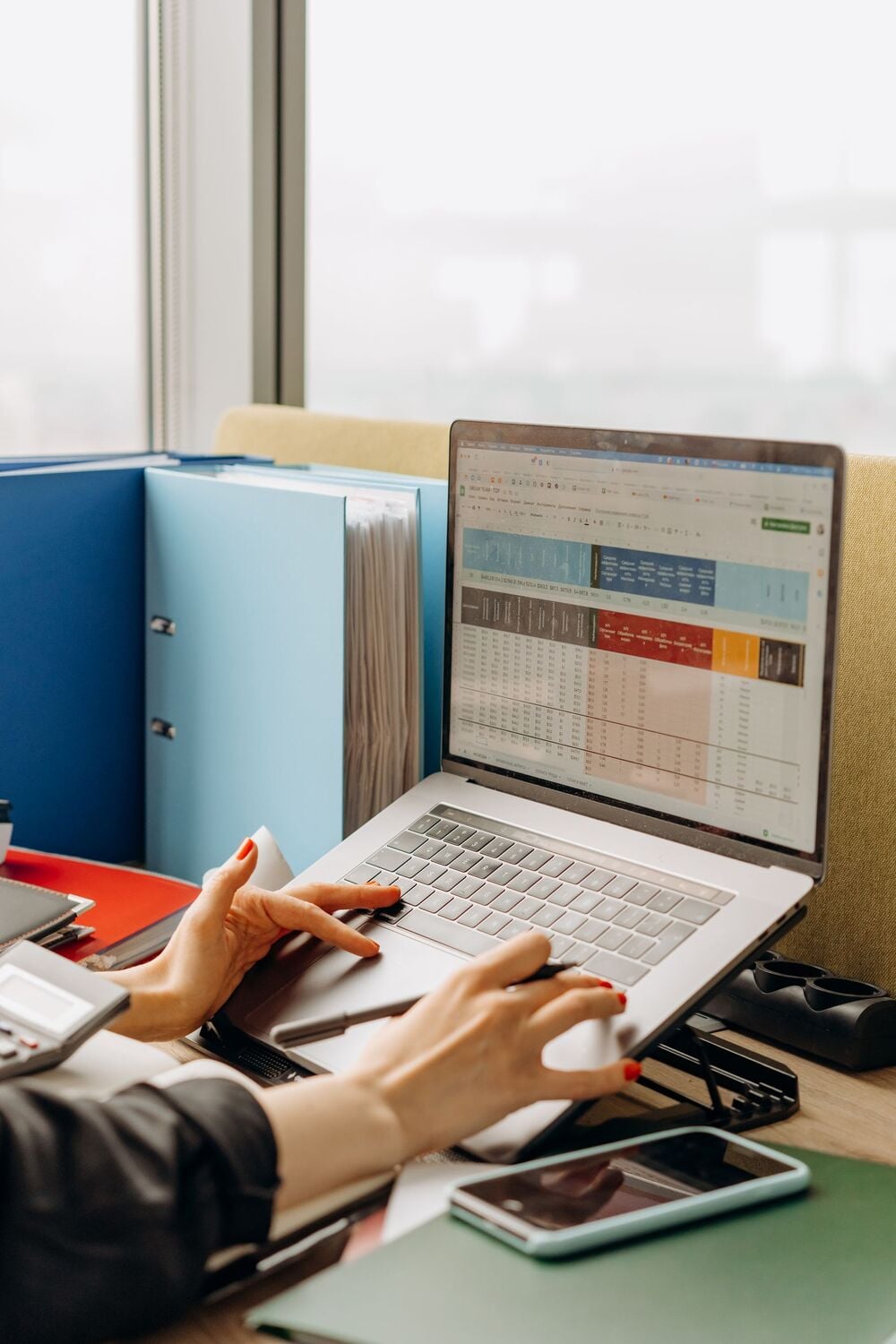
Remember when Microsoft Office came in a giant cardboard box with a stack of CDs and a product key you’d guard like buried treasure? Install it once, and you were good for years. Today, many office suites revolve around monthly or annual subscriptions that include cloud storage, automatic updates, and collaboration tools. The software has become far more powerful, but so has the chance you’ll get an email reminding you it’s time to renew. Which version do you miss more: the one with fewer features or the one with fewer monthly charges?
2. Video Editing Software
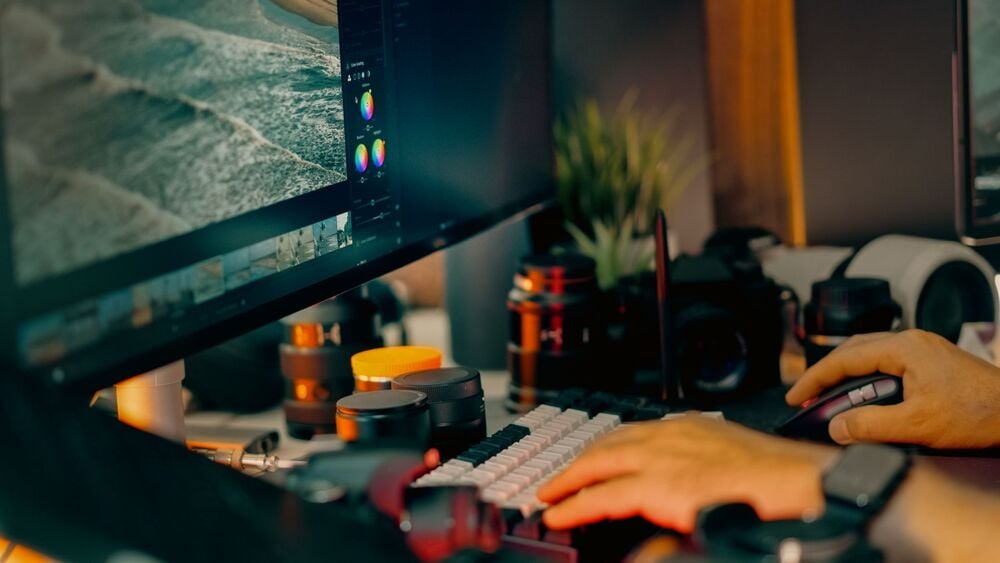
Creative software used to be a major purchase you hoped would last as long as your computer. Once you bought it, every new project felt like getting more value out of the same investment. Today, many editing programs follow subscription models that deliver constant improvements, AI tools, and cloud syncing. The trade-off? Your creativity no longer takes a break from the billing cycle.
3. Music
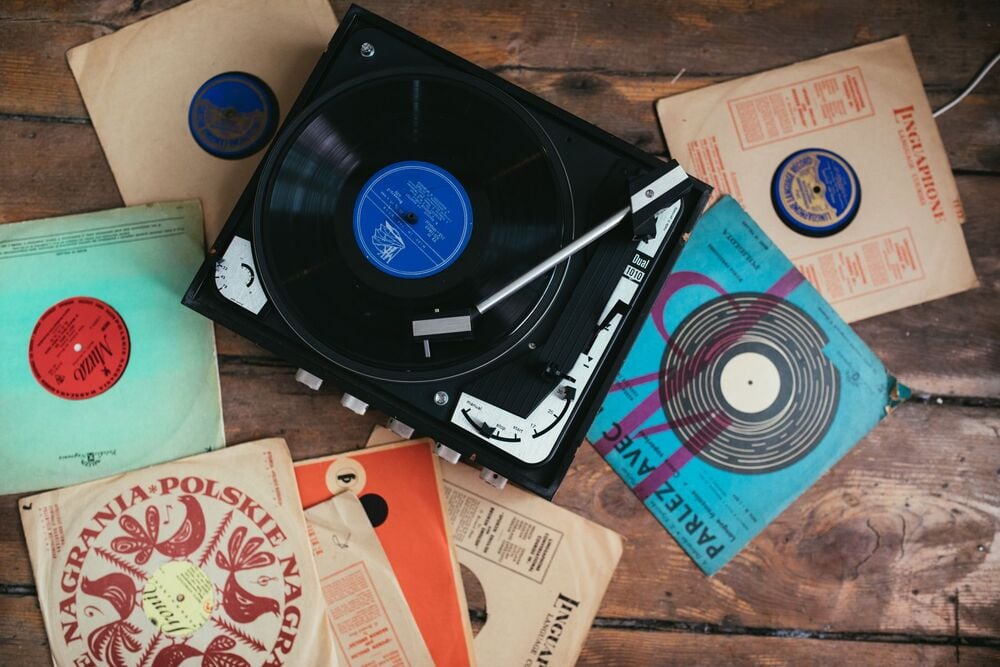
Buying an album once meant you owned those songs forever, scratches on the CD and all. Streaming services changed that almost overnight by giving listeners access to millions of tracks for one recurring fee. It’s undeniably convenient, but have you ever realized how little music you actually own now? Entire collections have quietly become temporary access instead of permanent shelves.
4. Movies and TV Shows
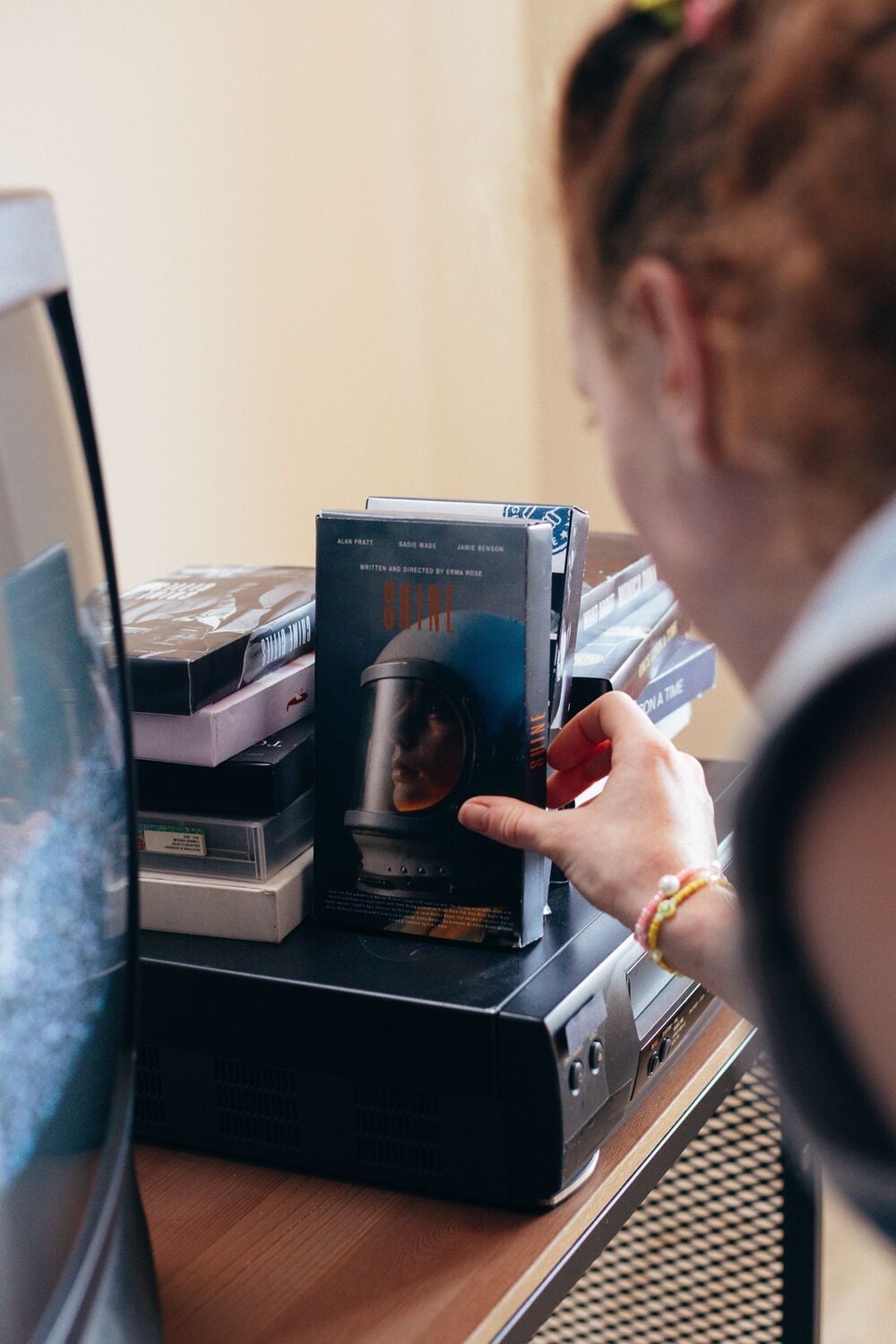
Not long ago, building a movie collection meant shelves full of DVDs and Blu-rays that were always there when you wanted them. Today, entertainment often lives behind several different subscriptions, each holding a different piece of the puzzle. Have we traded clutter for convenience, or simply replaced one collection with five monthly payments?
5. Cloud Storage
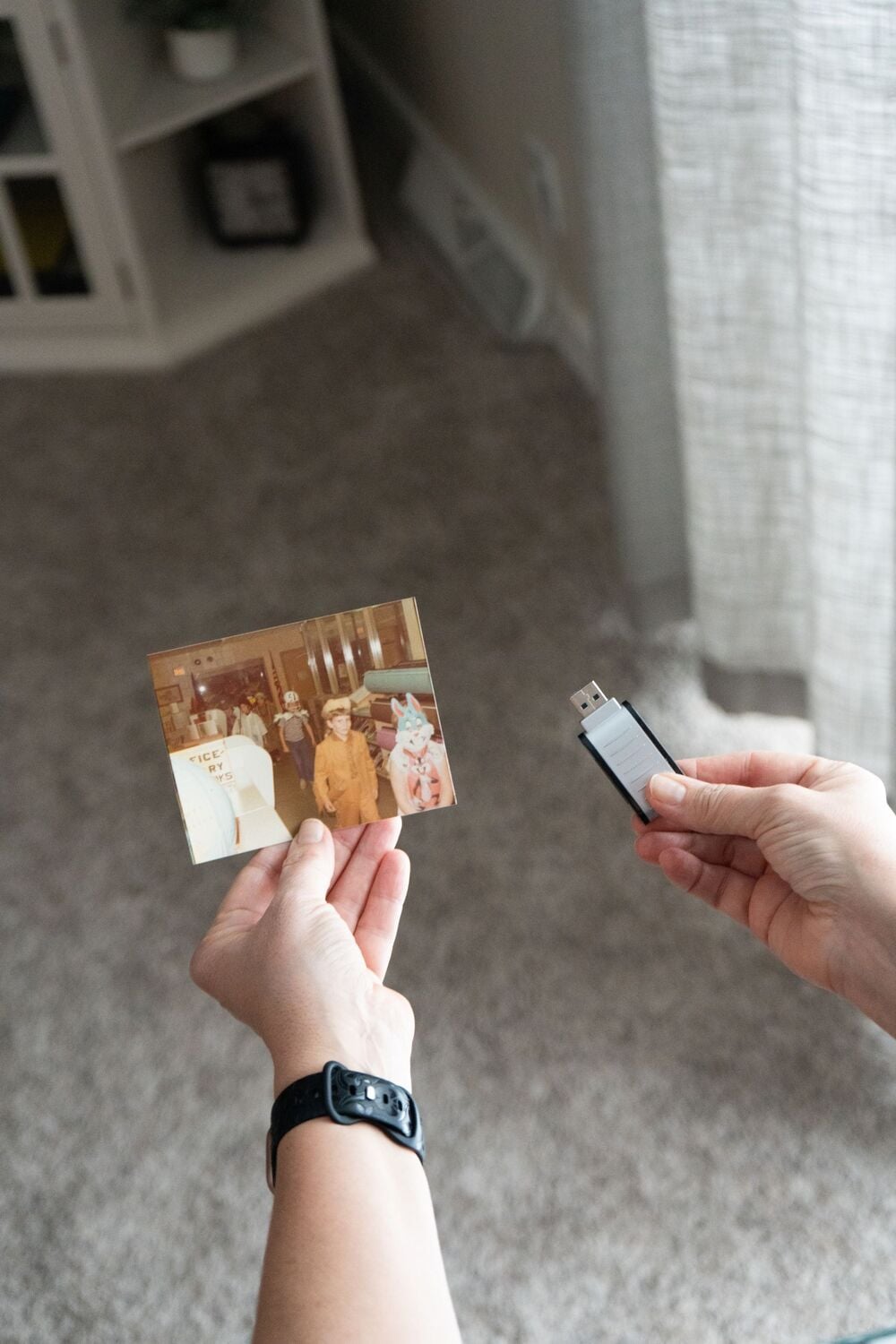
External hard drives used to sit in desk drawers collecting digital memories year after year. Now, many people pay every month to keep photos, videos, and documents stored in the cloud instead. The convenience is hard to argue with, especially when everything syncs automatically. But isn’t it funny that even our own files sometimes feel like they’re renting space instead of living with us?
Trending on The Scroller

6. Printer Ink
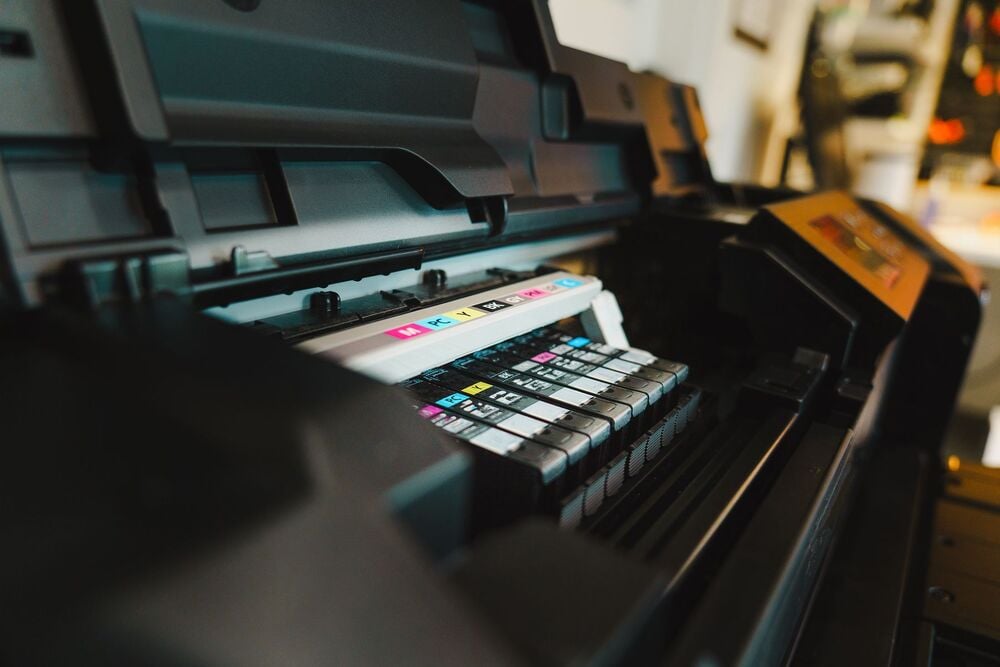
Printer ink used to be one of those things you only thought about when a cartridge ran dry. You’d buy a replacement, install it, and move on with your life. Today, some manufacturers offer subscription plans that automatically ship new cartridges based on how much you print. Convenient? Absolutely. Slightly surreal that ink now has its own monthly membership? Also yes.
7. Smart Doorbells
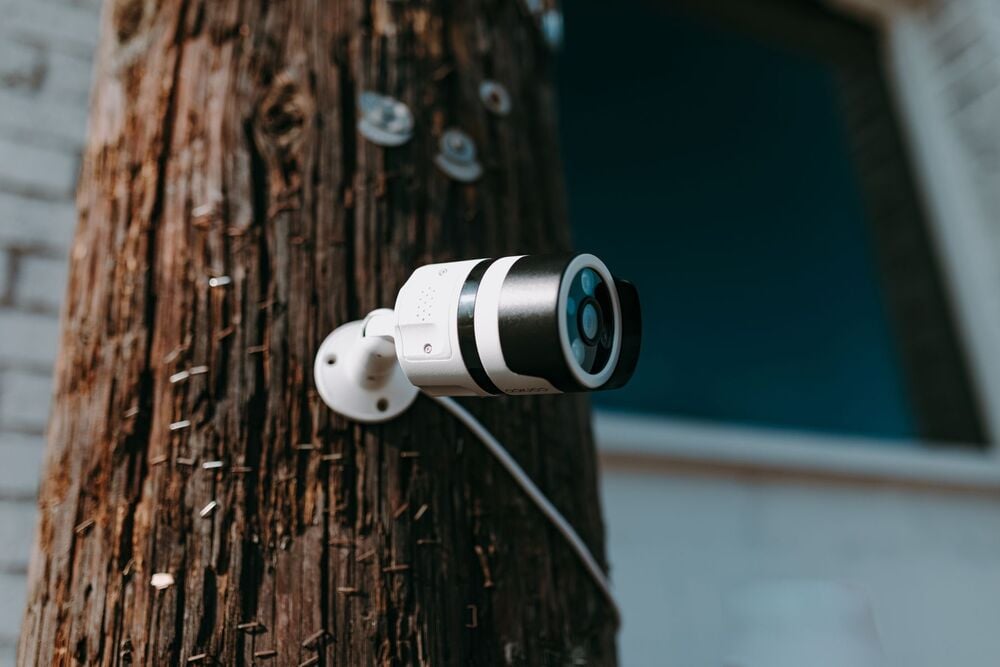
A traditional doorbell had one job: let you know someone was outside. Modern smart doorbells can record video, recognize packages, store footage in the cloud, and send alerts straight to your phone. The hardware belongs to you, but some of its most useful features may live behind a subscription. Somehow, even ringing the doorbell got an upgrade… and a billing cycle.
8. GPS Navigation
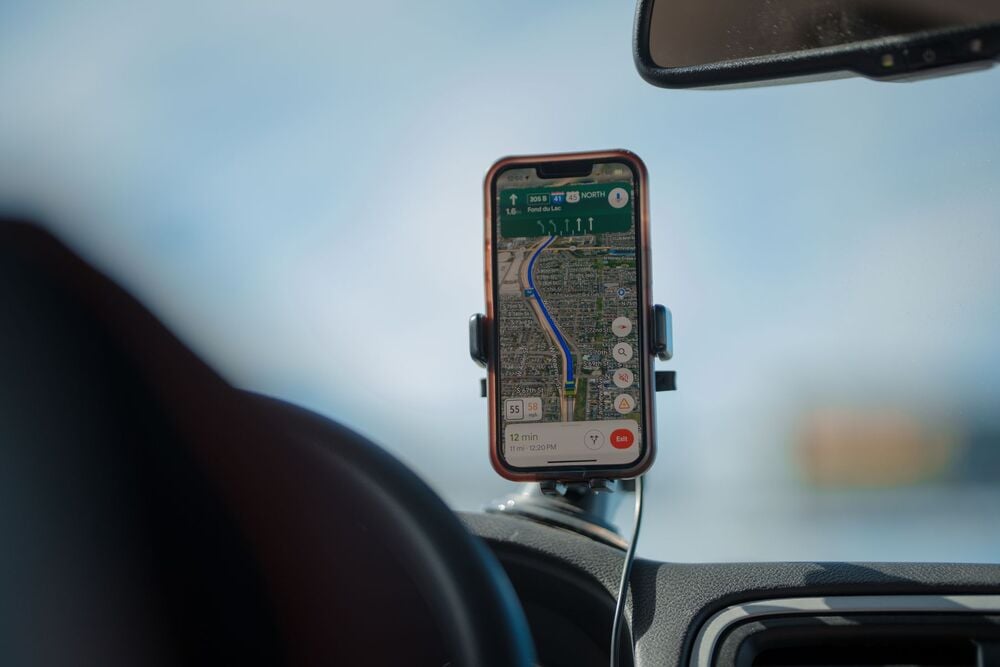
There was a time when buying a GPS meant the maps came with it. Sure, they eventually became outdated, but the device itself never asked for another payment. Today’s connected navigation systems can offer live traffic, satellite imagery, and constantly updated maps through ongoing services. The roads are still free, but the smartest route might come with a monthly fee.
Sign up for our newsletter
9. Digital Newspapers and Magazines
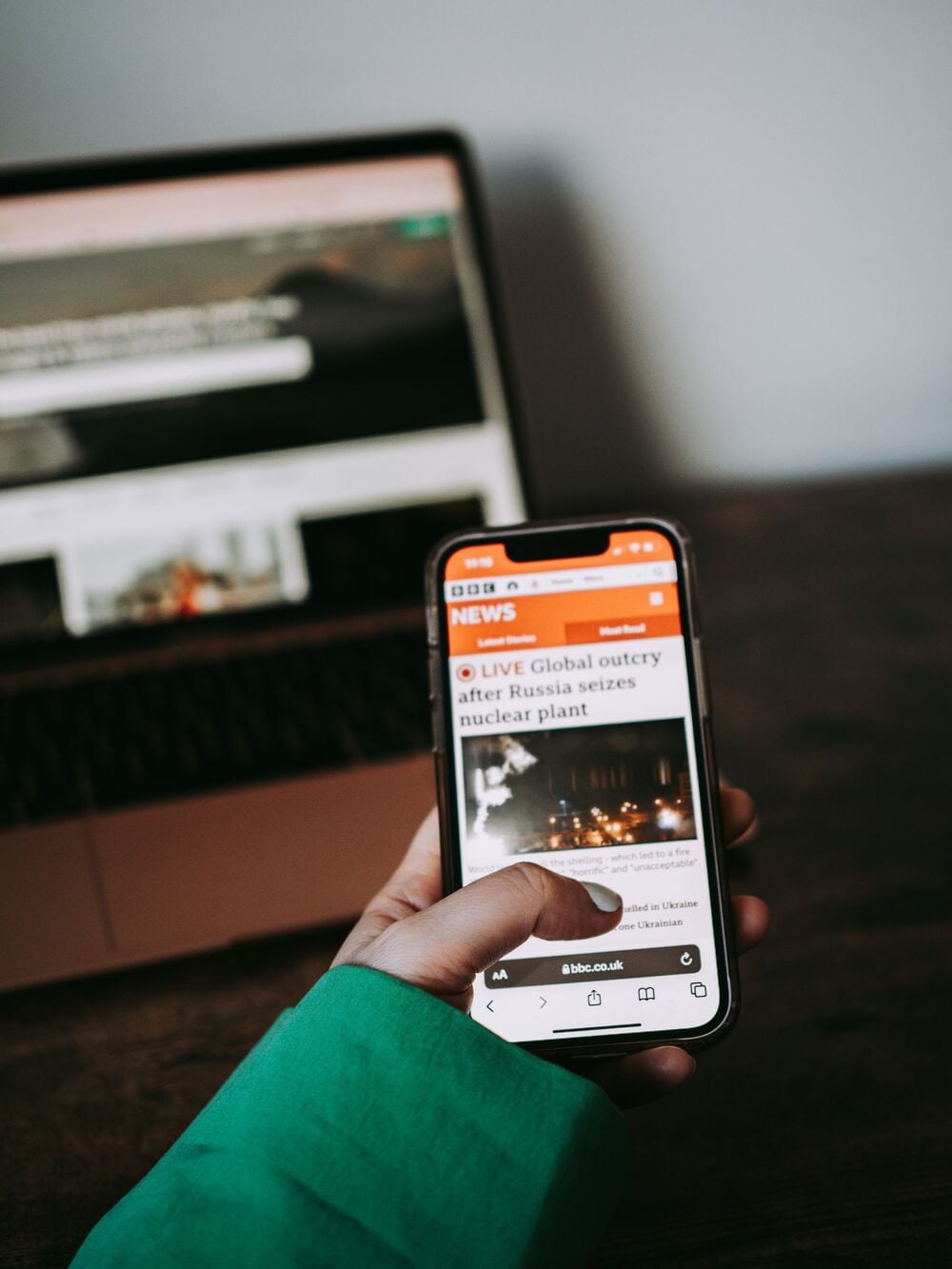
Buying a newspaper used to mean paying for exactly one edition. Once you’d finished reading it, the paper stayed on your coffee table, got clipped for interesting articles, or eventually found a second life wrapping fragile items. Today, many publications reserve their best reporting for subscribers who pay for ongoing access instead of individual issues. The news may move faster than ever, but keeping up with it increasingly comes with a recurring bill.
10. Smart Sleep Equipment
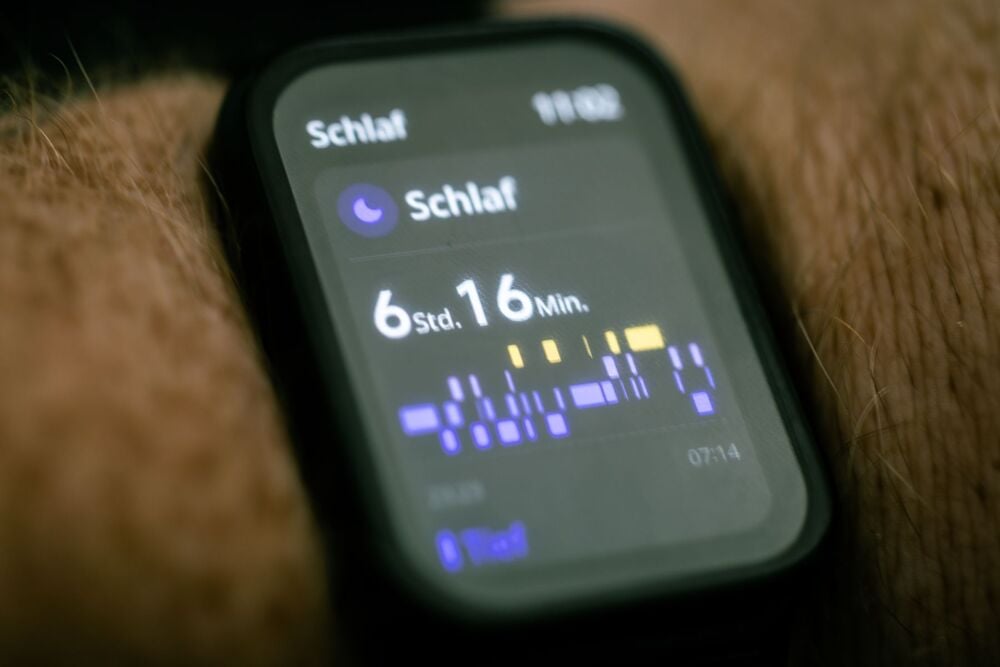
Even mattresses have entered the subscription era. Some connected sleep systems now pair physical beds with premium sleep tracking, coaching, automation, or advanced analytics that require ongoing memberships. It’s a strange thought when you stop and consider it. At what point did getting a good night’s sleep become something that came with a renewal date?
11. Video Games
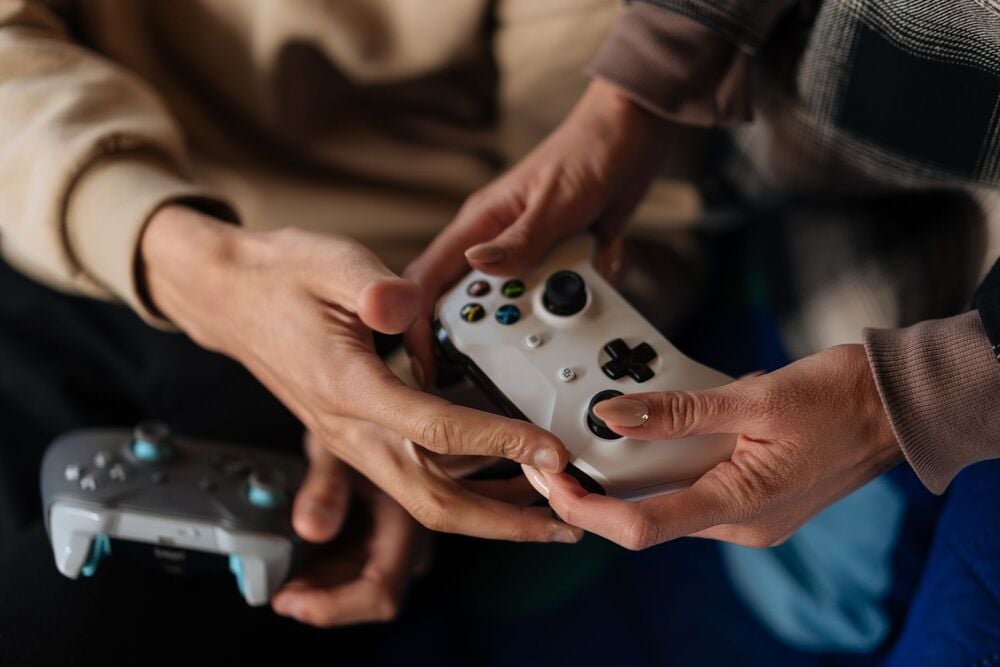
Buying a game used to mean opening the box, inserting the cartridge or disc, and playing until you couldn’t keep your eyes open. Modern games often add online memberships, season passes, battle passes, premium content, and other subscription-style extras on top of the initial purchase. Somewhere along the way, buying the game stopped being the finish line and became the starting point.
12. Premium Features Hidden Behind Software
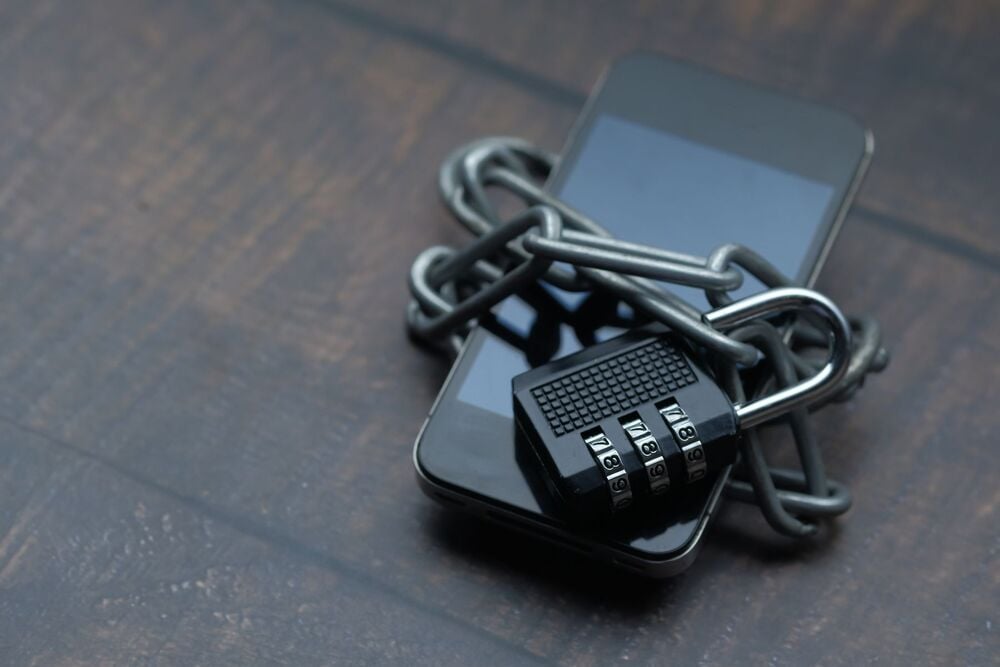
Perhaps the biggest shift isn’t any single product. It’s the idea that something you already own may include hardware that’s technically capable of doing more, but only after you pay to unlock it. That’s where the subscription economy becomes most interesting. The question is no longer whether you own the product. It’s whether you own everything the product is capable of doing.
13. Fitness Apps

Your Workout Started Charging Admission. Buying a treadmill or exercise bike used to be the biggest expense. Today, many people also pay monthly for fitness apps that unlock guided workouts, personalized training plans, progress tracking, and virtual classes. The equipment may still work without them, but the full experience often comes with another recurring bill. Have we reached the point where even breaking a sweat has a subscription tier?
14. Coffee Machines
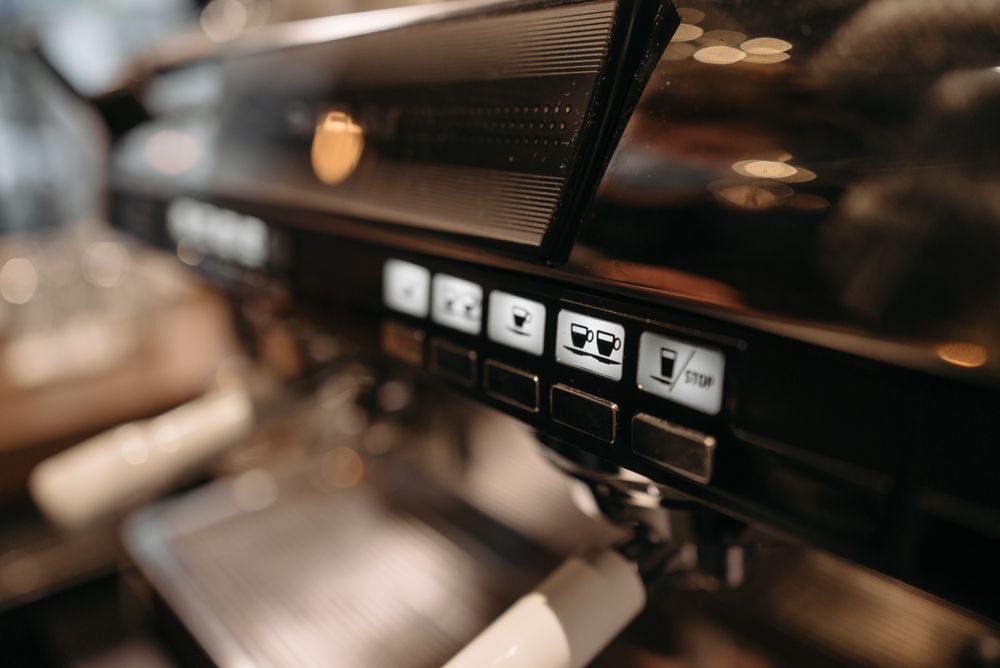
Even Your Morning Coffee Joined the Subscription Economy. Coffee makers were once simple appliances: buy the machine, buy the beans, and brew your cup. Now, some smart coffee systems pair their machines with subscription services for capsule deliveries, automatic reordering, maintenance plans, or premium brewing features. Convenience is hard to argue with, but it’s funny to think that one of the oldest daily rituals has quietly found its way onto a monthly payment plan.
Subscriptions aren’t inherently good or bad. In many cases, they fund cloud storage, ongoing updates, customer support, new content, and services that simply didn’t exist when products were sold once and forgotten. What’s changed is our relationship with ownership itself. More and more often, buying something no longer guarantees permanent access to everything it can do. Instead, ownership and access have quietly become two different things.
Keep Exploring The Scroller
Technology rarely changes all at once. It slips into everyday life one small update at a time until we suddenly realize the rules are completely different from the ones we grew up with. Keep exploring The Scroller for more surprising stories about the products, habits, and innovations that quietly reshaped modern life:
14 Early Social Media Platforms That Have Mostly Disappeared