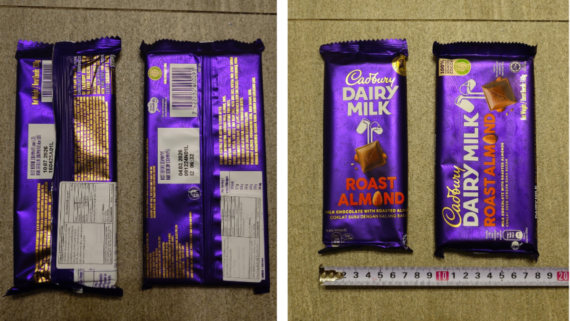
Glancing through the complex financial blueprints of modern consumer markets reveals an incredibly subtle landscape of recurring overpays, inflated convenience fees, and clever retail markup strategies. We naturally view our personal checking accounts as tightly managed tools, assuming that our routine weekly purchases are fully optimized for cost efficiency and value. Over the generations, aggressive corporate marketing campaigns and streamlined digital checkouts have heavily conditioned the public to accept rising costs as an unavoidable baseline of contemporary lifestyle management. This subtle economic shift leaves ordinary households completely vulnerable to leaking massive amounts of monthly disposable income into invisible retail markups that offer very little real-world return.
In stark contrast to these assumptions of financial efficiency, a deep dive into ordinary spending habits exposes an incredibly harsh reality of disappearing cash reserves. The fascinating truth of retail psychology proves that millions of individuals systematically overpay for basic goods and services simply because the extra costs are seamlessly woven directly into our daily habits. Instead of hitting us with massive, singular price shocks, these unnecessary premiums drain our wealth quietly through everyday transactions like streaming upgrades, grocery packaging choices, and routine home maintenance. Let’s wind back the clock on our personal budgets as we expose sixteen common things that cause consumers to overpay without ever consciously realizing it.
1. Brand-name over-the-counter medications

Supermarket shoppers frequently spend twice the necessary capital on familiar, heavily advertised cold remedies and pain relief tablets. In reality, generic store-brand alternatives contain the exact same active chemical ingredients and undergo identical regulatory safety screenings for a fraction of the cost.
2. Pre-cut fruits and vegetables

Purchasing plastic containers of pre-chopped onions, melons, or mixed salad greens carries a massive retail premium designed to exploit the busy consumer. You are essentially paying an extreme hourly labor markup for a simple task that takes less than five minutes to execute with a basic kitchen knife.
3. Smartphone screen protectors at retail stores

Cellular carrier outlets and electronic boutiques routinely charge premium prices to supply and install basic tempered glass sheets on a new device. These exact same protective layers can be purchased online in bulk kits for mere pennies, turning the store installation into a massive profit margin trap.
4. Extended warranties on cheap electronics

Retailers aggressively train their sales staff to push supplementary protection plans on everyday household appliances and entertainment gadgets. Statistically, these cheap electronic items rarely fail during the coverage window, and when they do, the complex repair deductibles often cost more than buying a replacement model.
5. Individual single-serve coffee pods

The sheer convenience of popping a pre-packaged plastic capsule into an automated brewing machine completely masks an astronomical financial markup on raw coffee grounds. When calculated by the literal pound, consumers utilizing these single-serve pods end up spending luxury boutique prices for completely ordinary morning caffeine.
Trending on The Scroller


6. Rental car insurance add-ons

Counter agents regularly utilize high-stress scenarios to convince weary travelers to purchase secondary collision damage waivers at the terminal desk. Most consumers remain entirely unaware that their primary domestic auto insurance policy or premium credit card benefits already provide full coverage for rental vehicles.
7. Premium gasoline for standard engines
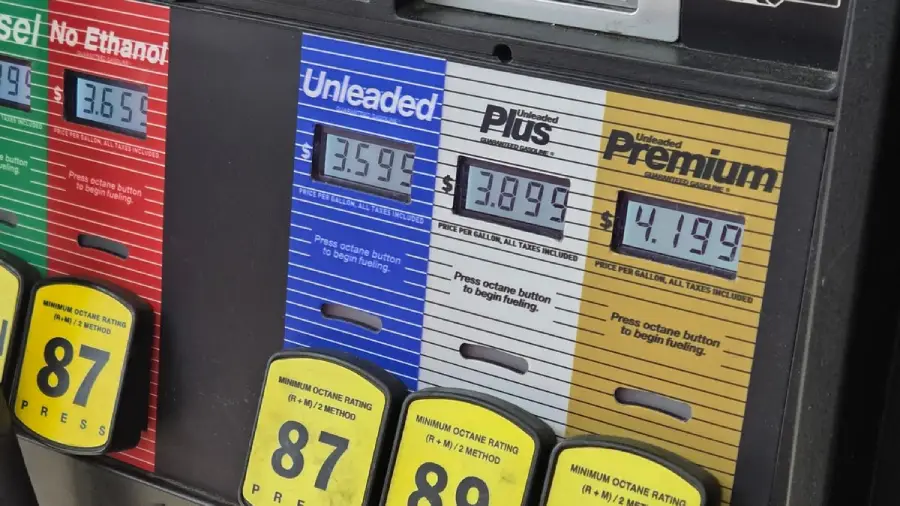
Many motorists mistakenly believe that filling their commuter vehicle with high-octane premium fuel will immediately boost engine performance or extend mechanical longevity. Unless your vehicle manufacturer explicitly demands high-octane fuel in the owner’s manual, pouring premium gas into a standard engine provides absolutely zero chemical benefit.
8. Digital streaming audio upgrades

Media platforms continuously entice music enthusiasts to subscribe to high-fidelity, lossless audio tiers for a premium monthly commitment. The fascinating reality is that the vast majority of human ears cannot identify the acoustic difference when utilizing standard consumer Bluetooth headphones or basic car speakers.
Sign up for our newsletter
9. Hotel minibar snacks and water
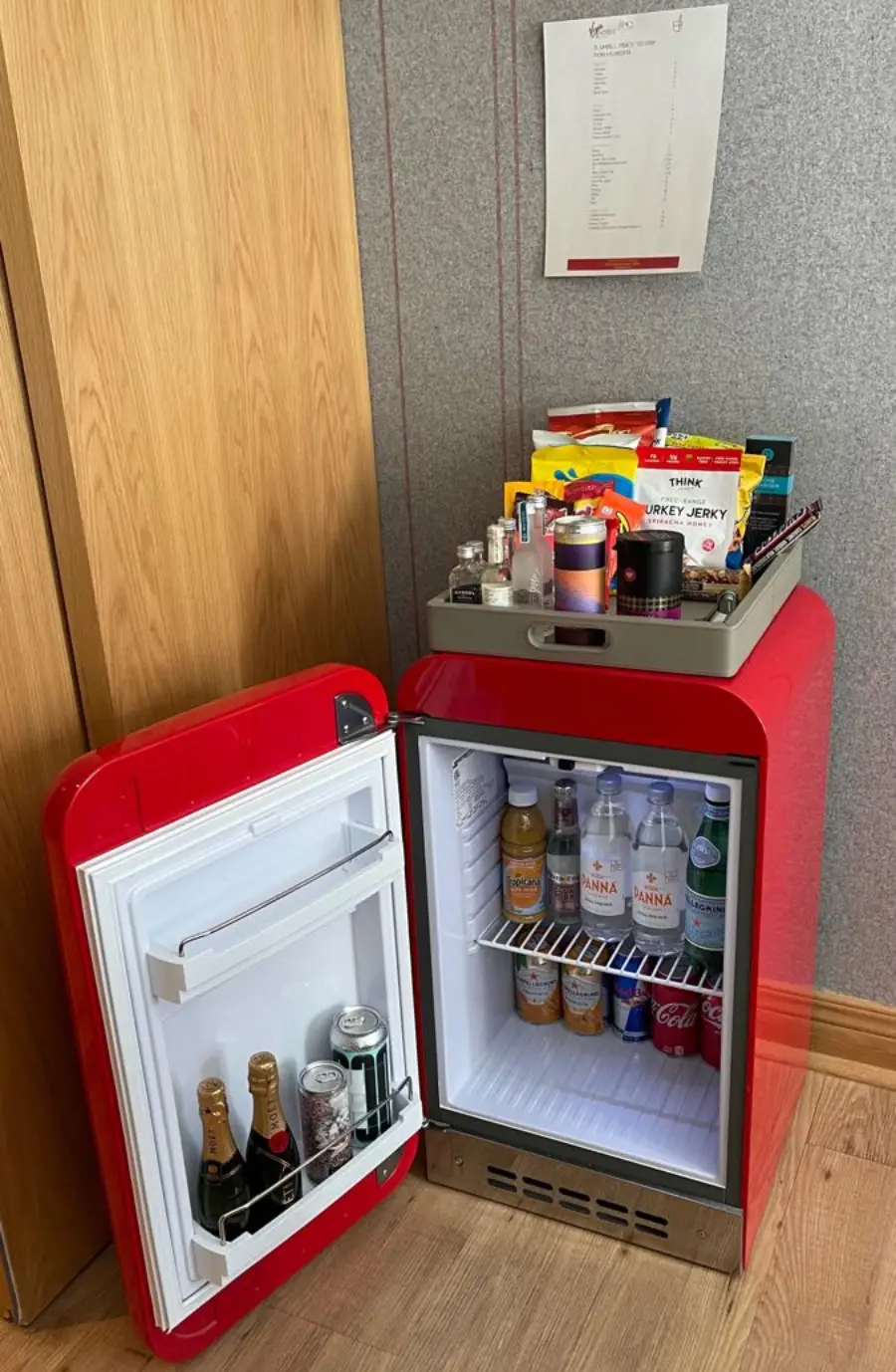
Snacking from the beautifully arranged tray inside a luxury hotel suite carries an astronomical markup that can instantly derail a vacation budget. Walking just one block to a local corner store allows you to secure the exact same bottled water and chocolate bars for standard supermarket prices.
10. Individual bottled water packs
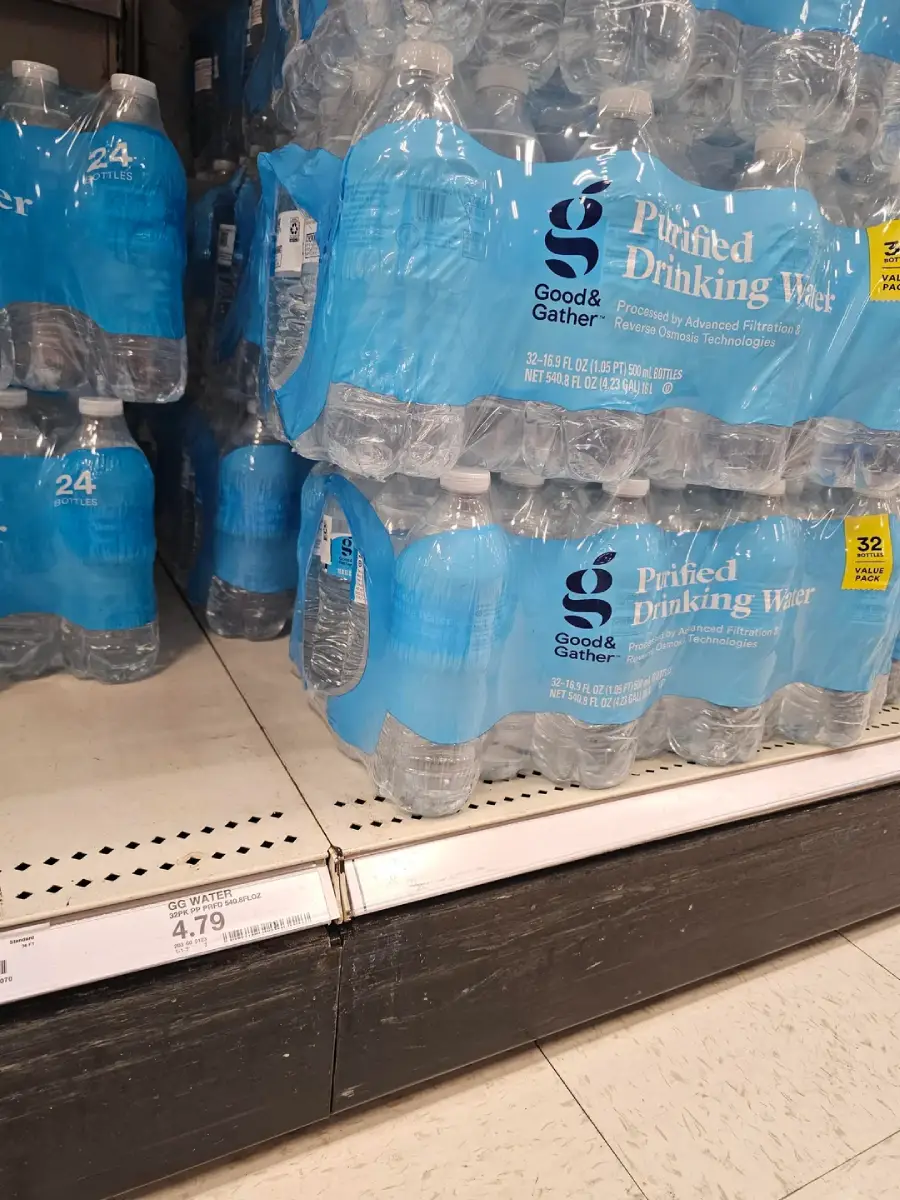
Purchasing massive plastic shrink-wrapped cases of single-use water bottles represents both an environmental tragedy and a massive personal budgeting leak. Investing in a single, high-quality filtration pitcher provides an endless supply of clean drinking water straight from the kitchen tap for pennies.
11. Gym memberships on Autopay

Millions of consumers continuously allow fitness clubs to systematically draft monthly dues from their checking accounts for facilities they haven’t stepped inside for half a year. The administrative friction required to formally cancel these corporate contracts causes busy individuals to indefinitely delay the phone call.
12. Pre-ground spices in tiny jars
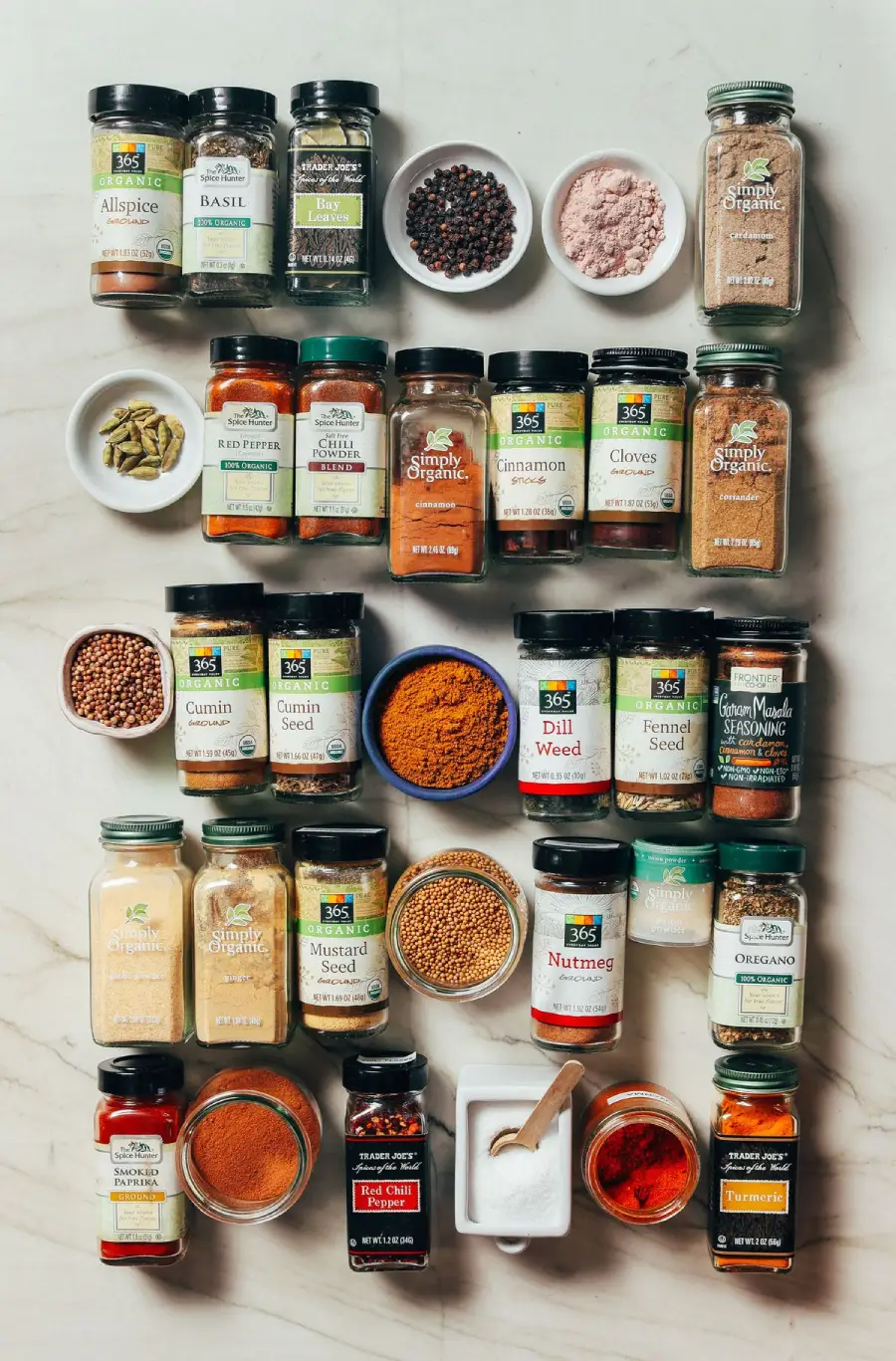
The miniature glass jars lining the supermarket baking aisle carry an incredible premium compared to the bulk seasoning bins hidden just a few sections away. Buying whole spices in larger quantities not only rescues your budget but also ensures your home cooking benefits from far richer aromatic oils.
13. High-speed internet plan overkill

Telecommunication providers routinely upsell residential households onto ultra-premium gigabit data packages by promising faster movie downloads. In reality, the average family streaming video across a few household screens simultaneously will never utilize even a quarter of that network capacity.
14. Gourmet pet food marketing upgrades

Pet food manufacturers have successfully capitalized on human dietary trends by offering incredibly expensive, air-dried, or human-grade raw meat formulations for animals. Unless your trusted veterinarian prescribes a specific therapeutic diet, high-quality standard kibble provides complete, scientifically balanced nutrition for a fraction of the cost.
15. Standard credit card interest fees

Allowing a revolving balance to sit on a standard rewards card means you are paying exorbitant interest fees that completely wipe out the value of any cash-back points earned. Treating your plastic cards as strict monthly debit tools ensures you never hand over your hard-earned wealth to corporate banking institutions.
16. Professional identity theft monitoring services

Concluding our financial countdown is the premium monthly subscription model that promises to secure your personal data from digital hackers. The absolute truth is that federal consumer protection laws allow you to freeze your own credit reports across all major bureaus entirely for free, rendering paid alerts highly redundant.
Discover more money curiosities:
Analyzing the profound, structural evolution of our daily spending habits serves as a powerful reminder that our collective relationship with personal finance remains a deeply fluid, ever-shifting metric across modern consumer history. Shifting our focus toward these hidden subscription leaks, retail markups, and convenience traps proves that maintaining true household wealth requires an immense level of strategic awareness compared to the relative simplicity of the past. When we choose to look past the high-gloss marketing of today’s retail giants to study the genuine value of the items we purchase, we gain a profound appreciation for the economic shifts that dictate contemporary life. If you enjoyed this eye-opening, deeply analytical journey looking back at the hidden costs of modern living, make sure to explore these 15 Things Americans No Longer Spend Money On Today, or 18 Genius Money Habits Our Grandparents Swore By. You can also check out these 20 Ways Seventies Families Saved More Money.