
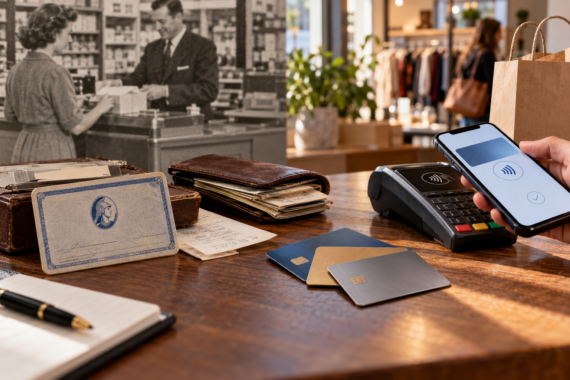
Credit cards transformed American shopping from a system built around cash, checks, and individual store accounts into one where people can pay almost anywhere and settle the bill later. What started with restaurant tabs eventually changed everything from grocery shopping to online purchases.
Over the decades, credit cards have influenced how Americans travel, manage their finances, and even think about spending. Here are 16 ways these small pieces of plastic reshaped everyday life, for better or worse.
Credit Cards First Made It Easier to Eat Out Without Carrying Cash

Before splitting a dinner bill became a group project, Diners Club introduced a different approach. Launched in 1950, its charge card let customers pay at participating restaurants and receive one monthly bill instead of settling each tab separately. Unlike today’s revolving credit cards, the original card generally required full monthly repayment. Dinner got simpler, even if the bill still had to be paid.
A Single Card Eventually Replaced a Wallet Full of Store Accounts
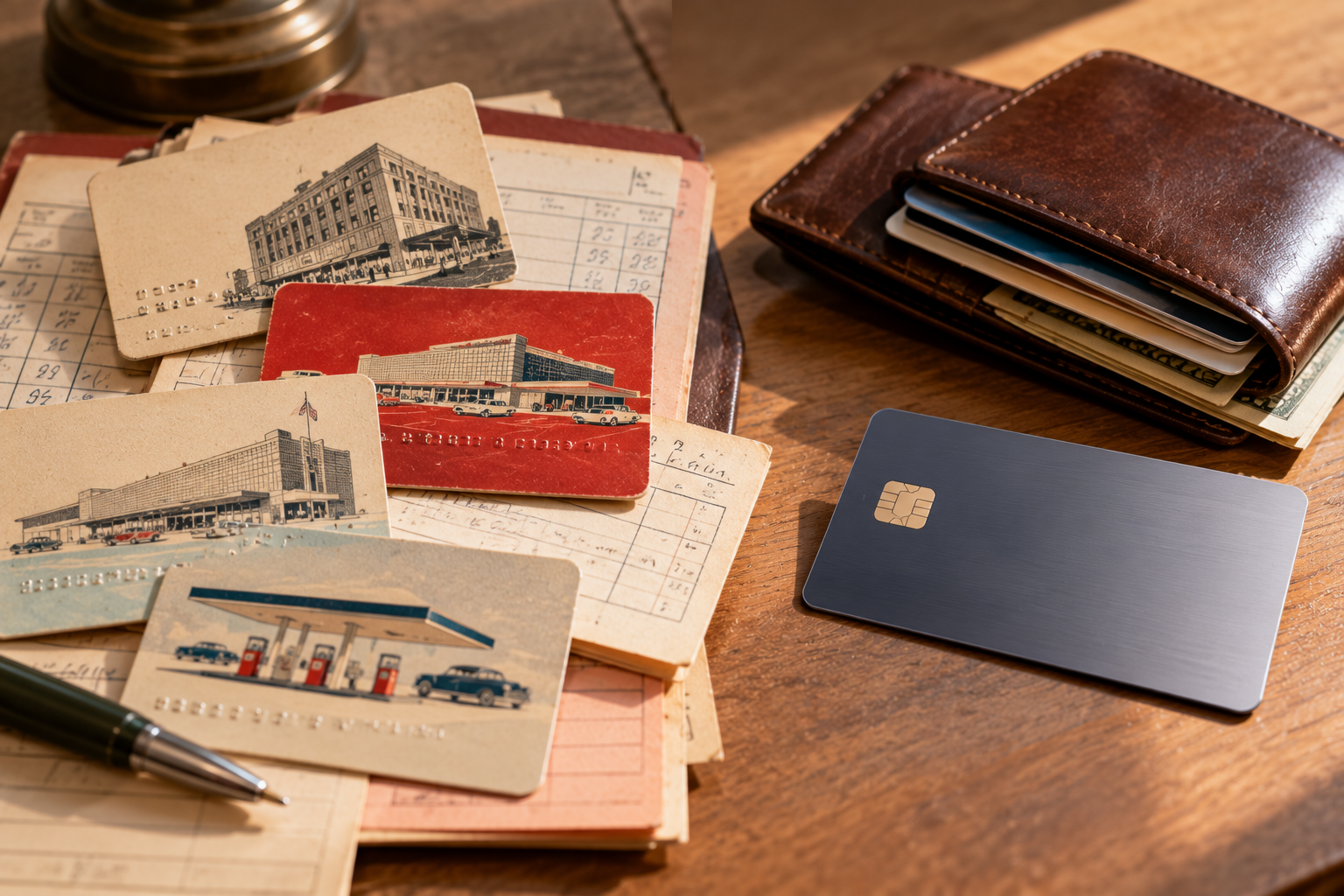
Imagine carrying a different card for every department store and gas station. Before general-purpose credit cards became widespread, shoppers often had separate accounts with individual merchants. Bank of America’s BankAmericard, introduced in 1958, helped change that by allowing purchases across participating businesses through a shared payment network. Suddenly, a wallet didn’t need to double as a filing cabinet.
Credit Cards Made Paying for Purchases Over Several Months Routine
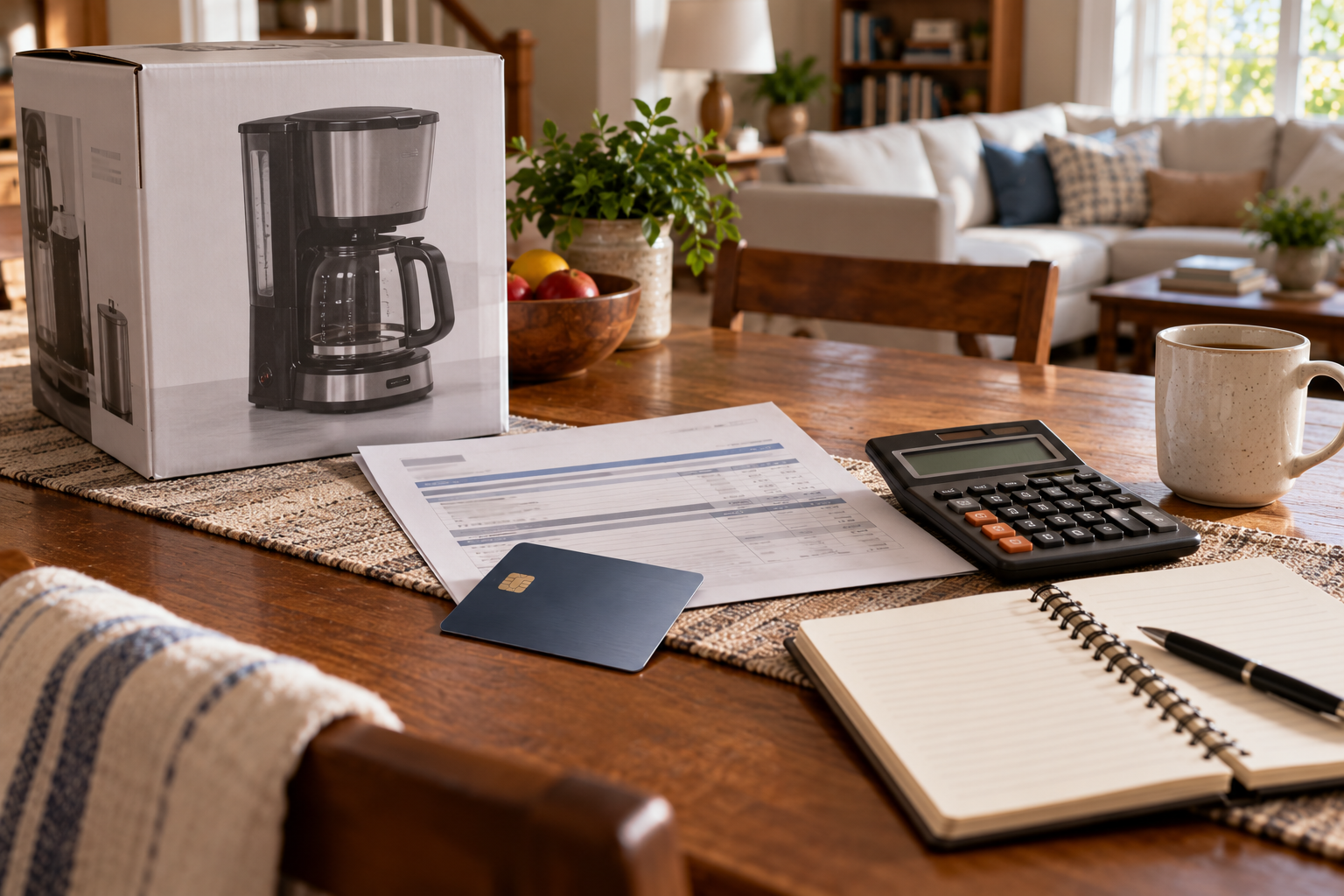
Big purchases no longer had to be paid off all at once. While Diners Club customers generally had to clear their bills monthly, revolving credit let cardholders carry balances and pay interest over time. BankAmericard helped popularize this model beginning in 1958. By 1970, just over half of U.S. households had at least one credit card, although revolving balances still represented a relatively small share of consumer debt.
Banks Once Mailed Americans Credit Cards They Had Never Requested
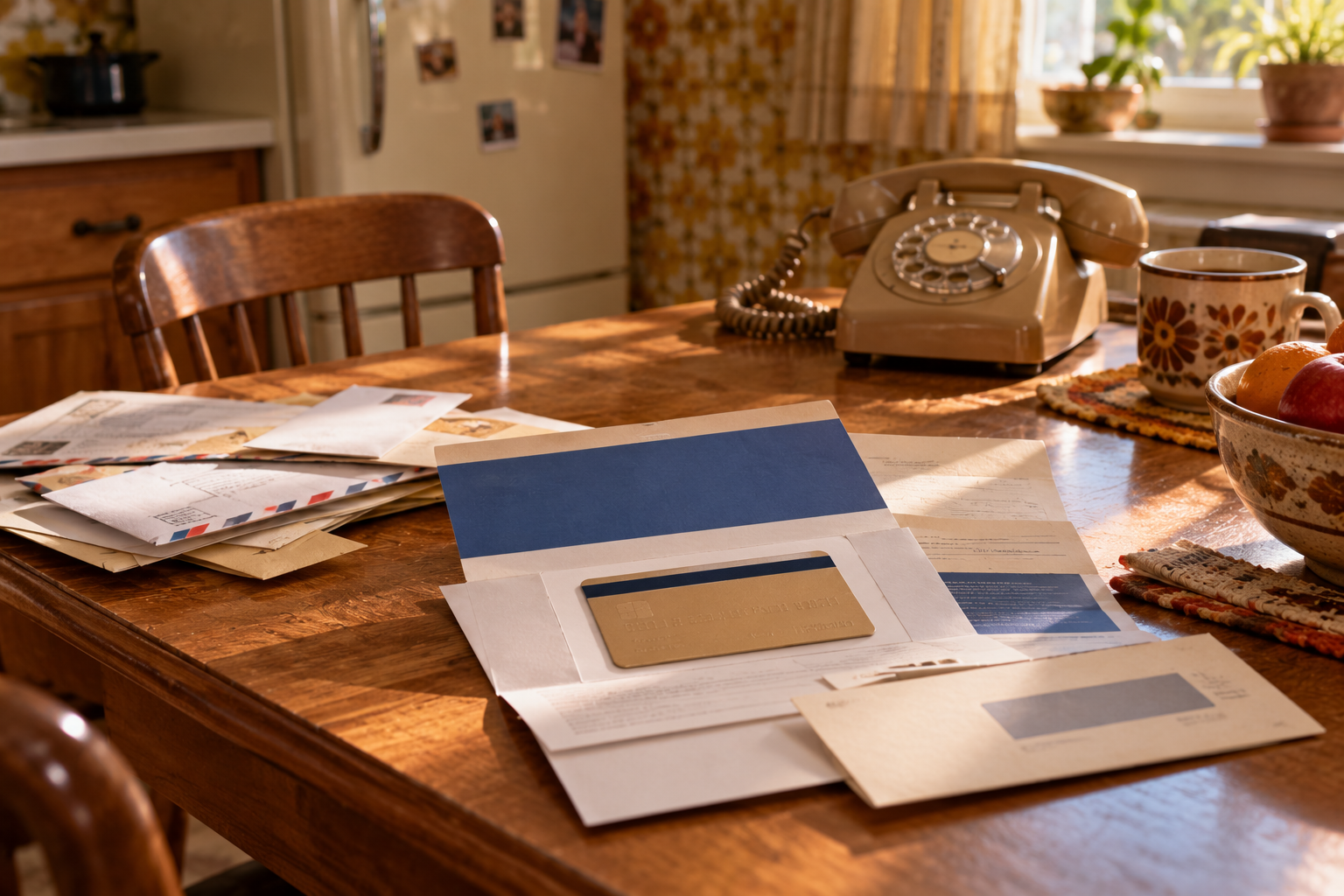
Getting approved for a credit card used to be less of a requirement than you might expect. During the industry’s early expansion, some banks mailed activated cards to people who had never applied, hoping to attract customers quickly. The practice created obvious fraud risks and confusion, so Congress prohibited unsolicited card issuance through a 1970 amendment to the Truth in Lending Act, with limited exceptions for renewals and replacements.
Women Gained the Legal Right to Apply for Credit Independently in 1974

Not that long ago, a woman could earn more than her husband and still struggle to obtain a credit card in her own name. The Equal Credit Opportunity Act, signed on October 28, 1974, prohibited lending discrimination based on sex or marital status. It helped women establish independent credit histories and gain greater control over their finances, although passing a law didn’t make every institution change its habits overnight.
Trending on The Scroller

Credit Cards Made Even Small Everyday Purchases Part of the Digital Payment Economy
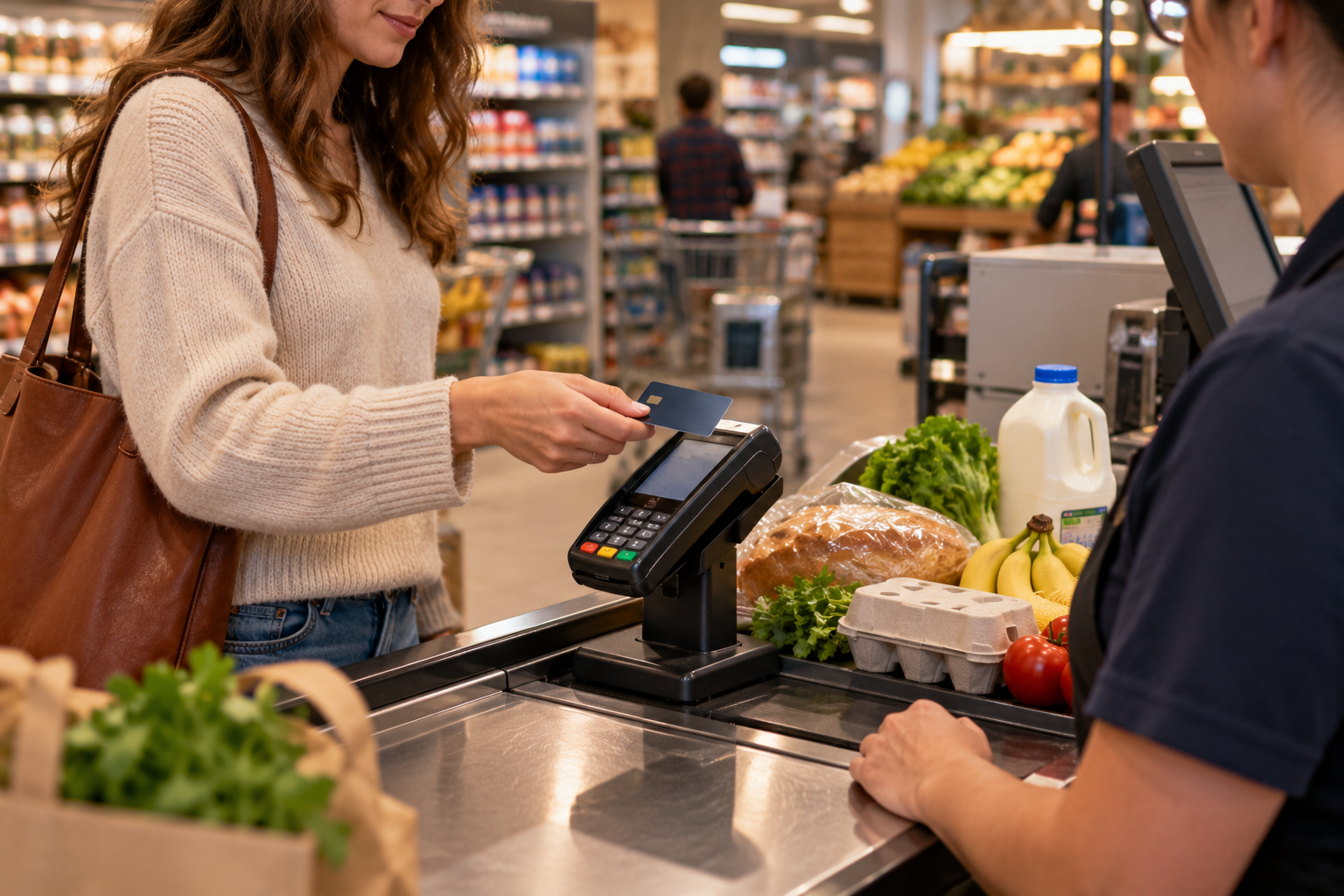
Credit cards were once associated mainly with travel, restaurants, and larger purchases. Today, they’re just as likely to pay for groceries or a morning coffee. The Federal Reserve’s 2025 payment survey, covering 2024 activity, found that credit cards accounted for 35% of payments by number, compared with 14% for cash. Even a small purchase can now join the monthly statement parade.
Credit Card Rewards Turned Ordinary Spending Into a Points-Collecting Activity
Why simply buy something when you could earn points for it, too? Credit card companies built programs around cash back, merchandise, and travel rewards to encourage customers to use their cards. According to the CFPB’s December 2025 market report, Americans earned approximately $47.5 billion in credit card rewards during 2024, nearly twice the amount in 2020. Just remember that interest charges can wipe out the value of those supposedly free perks.
Americans Could Start Earning Airline Miles Without Boarding an Airplane
Frequent-flyer programs originally rewarded people for taking flights, but airline-affiliated credit cards opened another route to earning miles. Groceries, gas, and restaurant meals could all help fund a future ticket or cabin upgrade. Everyday spending became part of vacation planning, which meant even a routine supermarket trip could feel like progress toward a getaway. The trick is not spending more just to earn the miles.
Sign up for our newsletter
Store Credit Cards Turned Checkout Counters Into Lending Offices

That offer to save 15% by opening a store card can make an ordinary checkout feel like a financial negotiation. The CFPB reported that more than half of the 100 largest U.S. retailers offered store credit cards in 2024, with roughly half of applications submitted at the point of sale. The catch: private-label cards at top retailers had an average annual percentage rate of 32.66% in December 2024.
Zero-Interest Offers Made Expensive Purchases Seem More Affordable

Furniture, electronics, and appliances became easier to buy when retailers advertised manageable monthly payments. But some promotions use deferred interest rather than genuinely interest-free financing. If the balance isn’t fully paid before the promotional period ends, interest accumulated from the original purchase date can be charged. The CFPB estimated that consumers made more than $70 billion in purchases using deferred-interest plans in 2024. Small monthly payments can hide a surprisingly large catch.
Credit Cards Gave Shoppers a New Way to Fight Billing Mistakes and Missing Orders
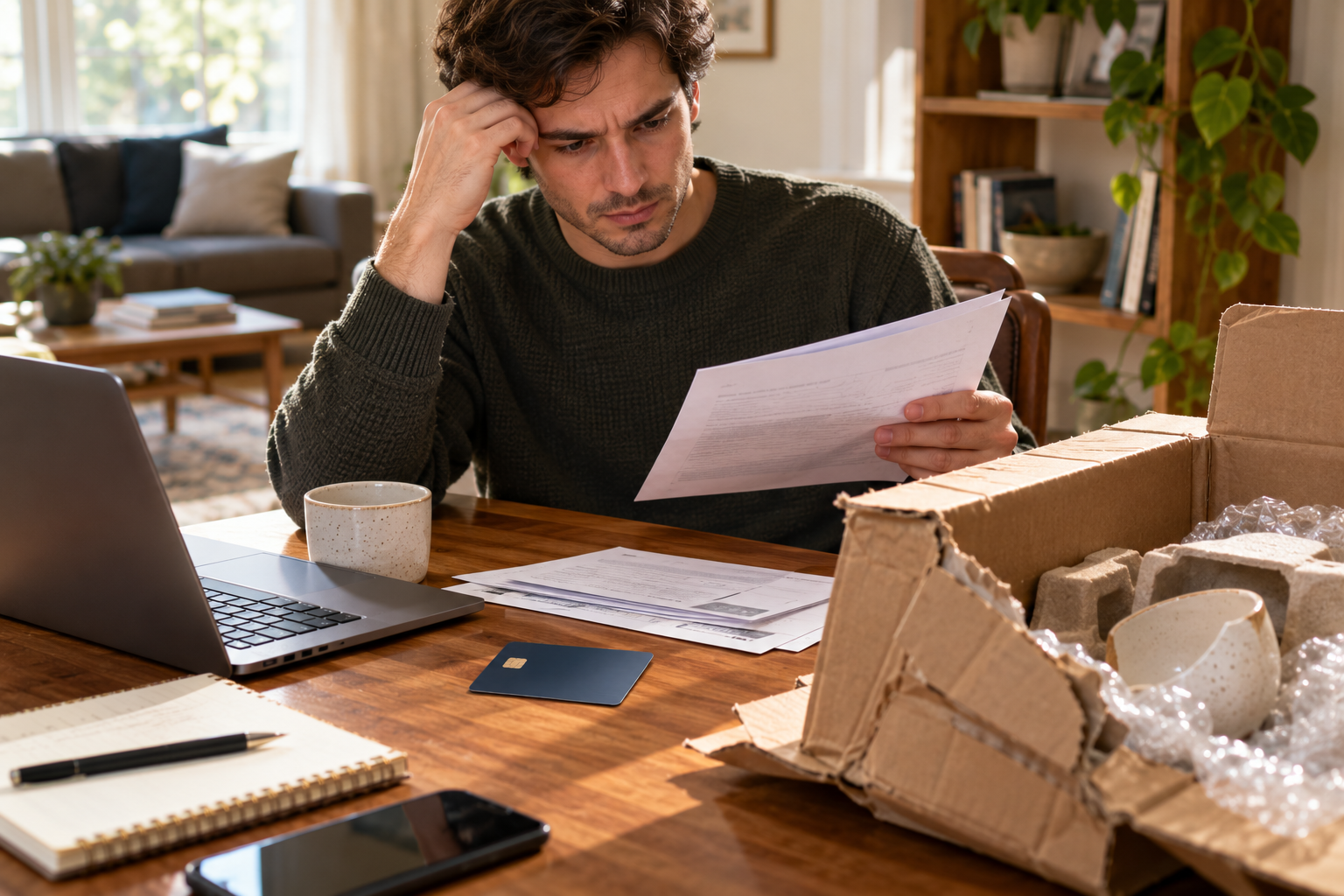
An order that never arrives or a charge that looks wrong doesn’t necessarily mean the money is gone for good. The Fair Credit Billing Act of 1974 gave consumers a way to dispute qualifying billing errors through their card issuers, including unauthorized charges and merchandise not delivered as agreed. Federal law generally limits liability for unauthorized credit card use to $50, and many issuers offer additional protections. At least the paperwork can fight back.
Credit Cards Helped Make Shopping Without Visiting a Store Normal

Mail-order catalogs were around long before the internet, but card payments made remote shopping much easier. Consumers could buy from distant retailers without mailing a check or visiting a physical store. According to the Federal Reserve’s 2025 payment survey, 23% of consumer purchases and person-to-person payments in 2024 were made remotely. Shopping from the couch went from a novelty to a routine activity, and sometimes a late-night impulse.
Automatic Card Payments Changed How Americans Pay for Entertainment and Services
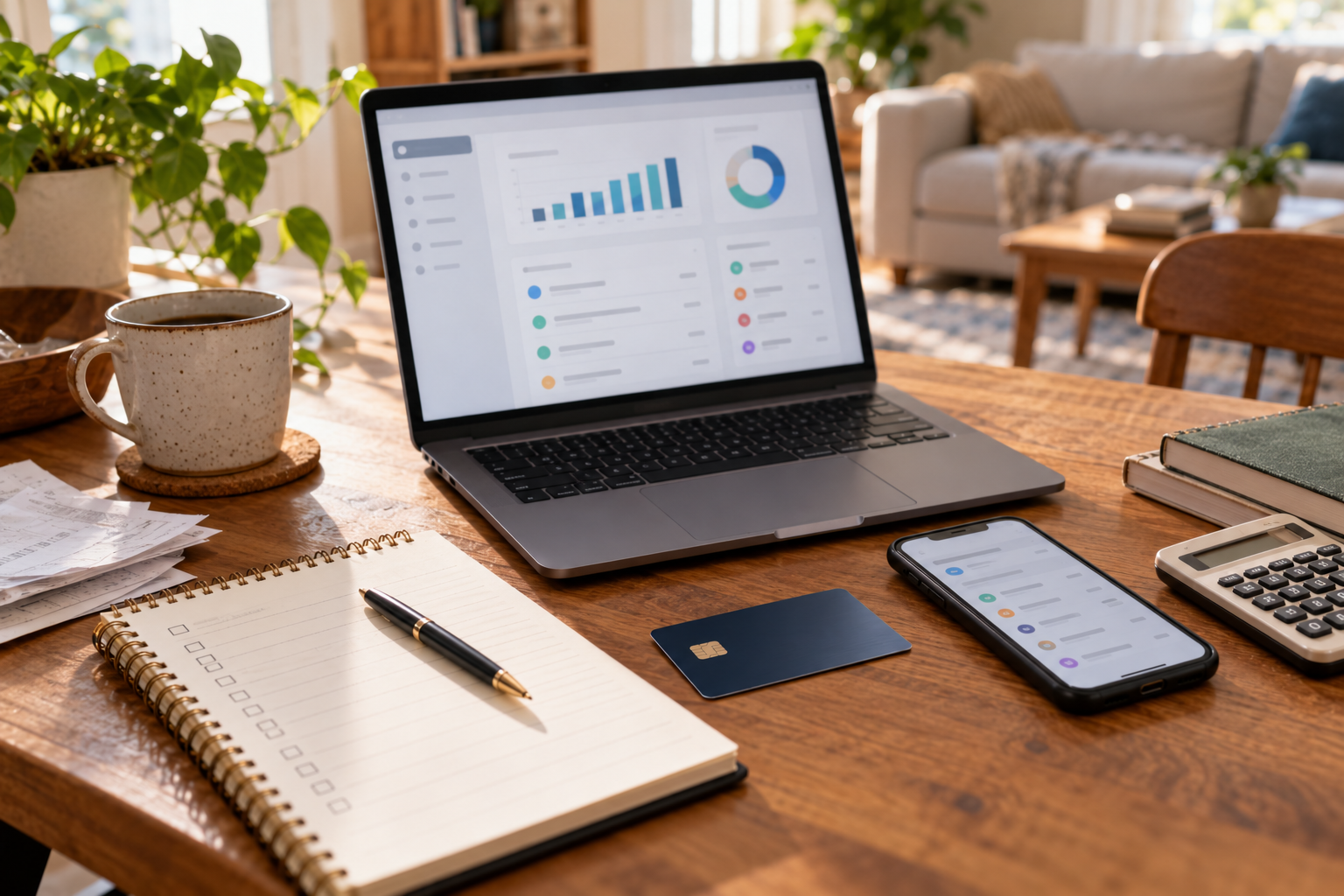
Recurring card charges made it easier to pay for streaming platforms, subscriptions, and other monthly services without remembering every due date. The same convenience can make unwanted charges easy to miss, especially when free trials turn into paid memberships. The FTC has warned consumers about automatic renewals and confusing cancellation terms. Your subscriptions may remember your credit card details better than you remember signing up.
Credit Cards Became Something Americans Could Carry Inside Their Phones
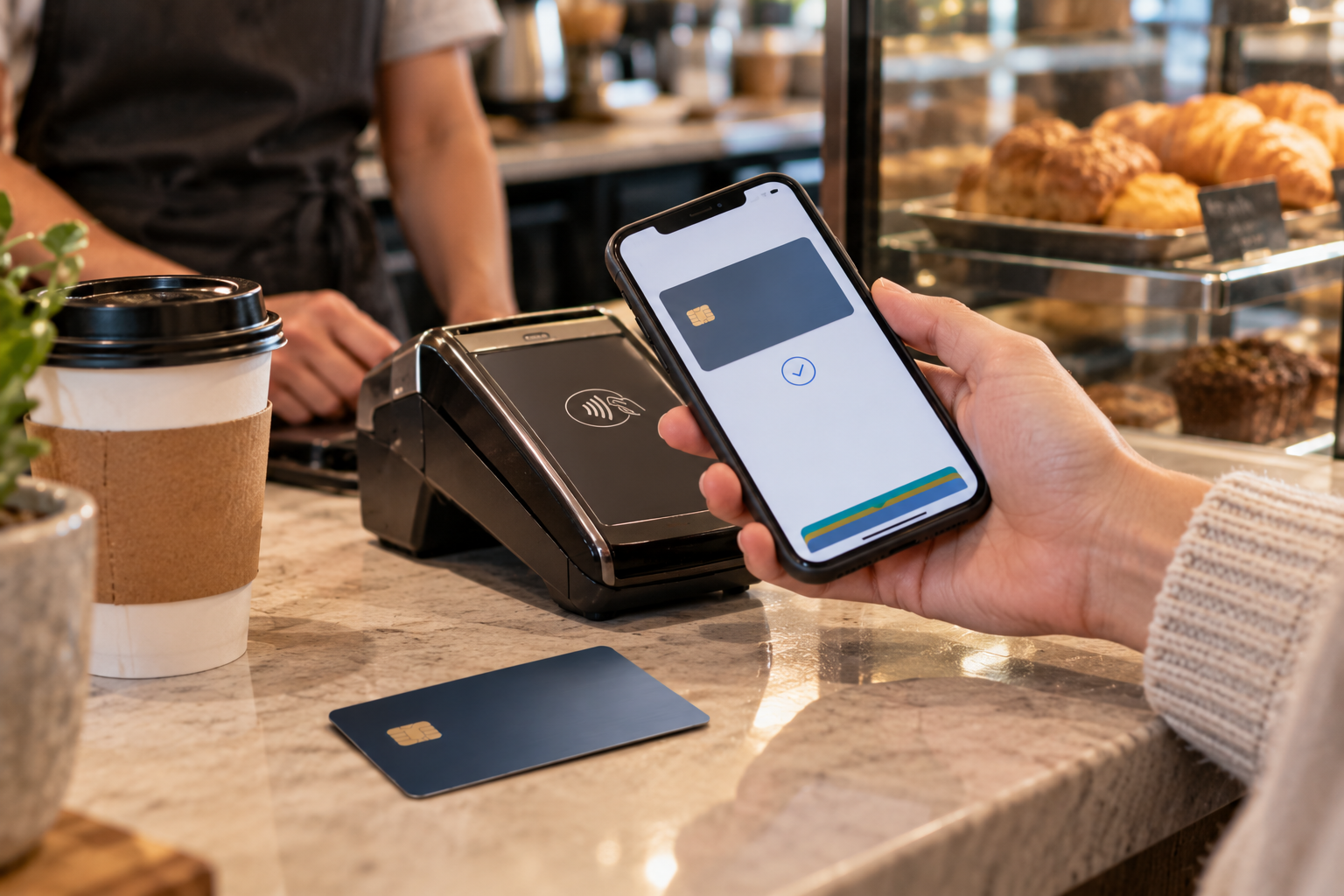
A physical card is no longer essential for many everyday purchases. Digital wallets let people store eligible payment cards on compatible smartphones and smartwatches, then pay with a tap. The Federal Reserve’s 2025 survey found that Americans averaged 11 mobile phone payments per month in 2024, up from four in 2018. Those figures include mobile payment methods beyond credit cards, but the shift is clear: wallets increasingly fit in a pocket without any plastic.
Credit Card Spending Became Part of a Person’s Financial Reputation

A credit card can affect much more than what someone buys today. How people manage their accounts helps shape their eligibility for mortgages, car loans, and other financial products. According to FICO, payment history accounts for 35% of a typical FICO Score, while amount owed, including credit utilization, accounts for another 30%. Even paying on time may not prevent a score from falling if too much of the available credit is being used.
Credit Cards Helped Push American Household Debt Above a Trillion Dollars
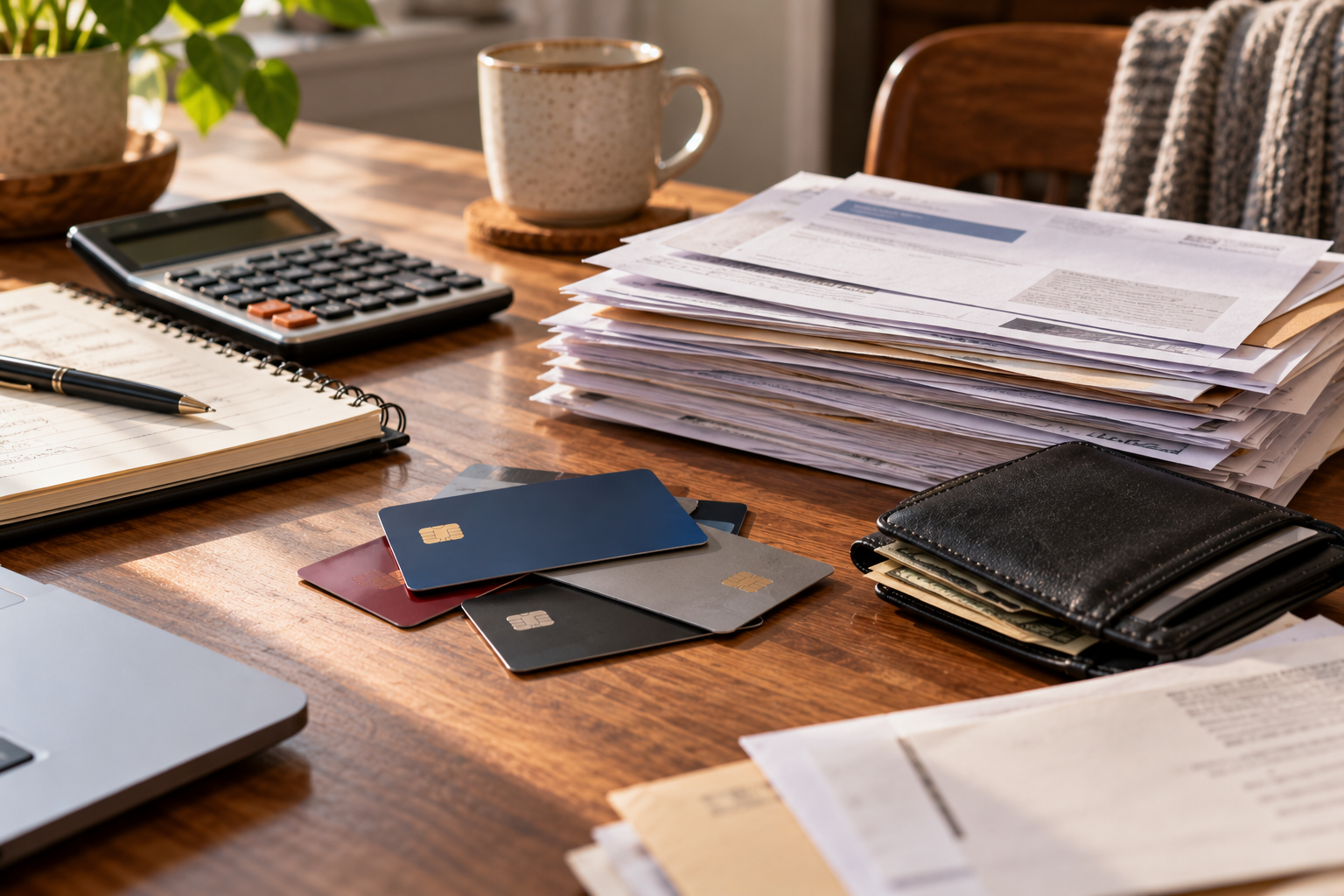
The ability to buy now and pay later can make spending feel disconnected from its eventual cost. Paying only the minimum due may stretch repayment over years, while interest adds substantially to the final bill. The Federal Reserve Bank of New York reported that U.S. credit card balances reached approximately $1.26 trillion in the second quarter of 2026. That’s a staggering amount of borrowing, and a reminder that the swipe is only the beginning.