Gravity does significantly more than just keep our feet firmly on the ground. It quietly and constantly determines the exact appearance, shape, and behavior of countless objects we use every single day. We are so accustomed to its invisible pull that we rarely notice how much of our environment relies on it to function.
From the teardrop shape of a candle flame to the colorful, rising blobs inside a vintage lava lamp, many deeply familiar sights would change dramatically in a completely weightless environment. These 12 examples explore exactly what would happen in microgravity conditions, similar to those experienced aboard the International Space Station. While these objects would not necessarily change their solid physical structure, their contents, natural movements, and familiar appearances would become almost unrecognizable.
1. Candle flames would become small, blue, and almost round
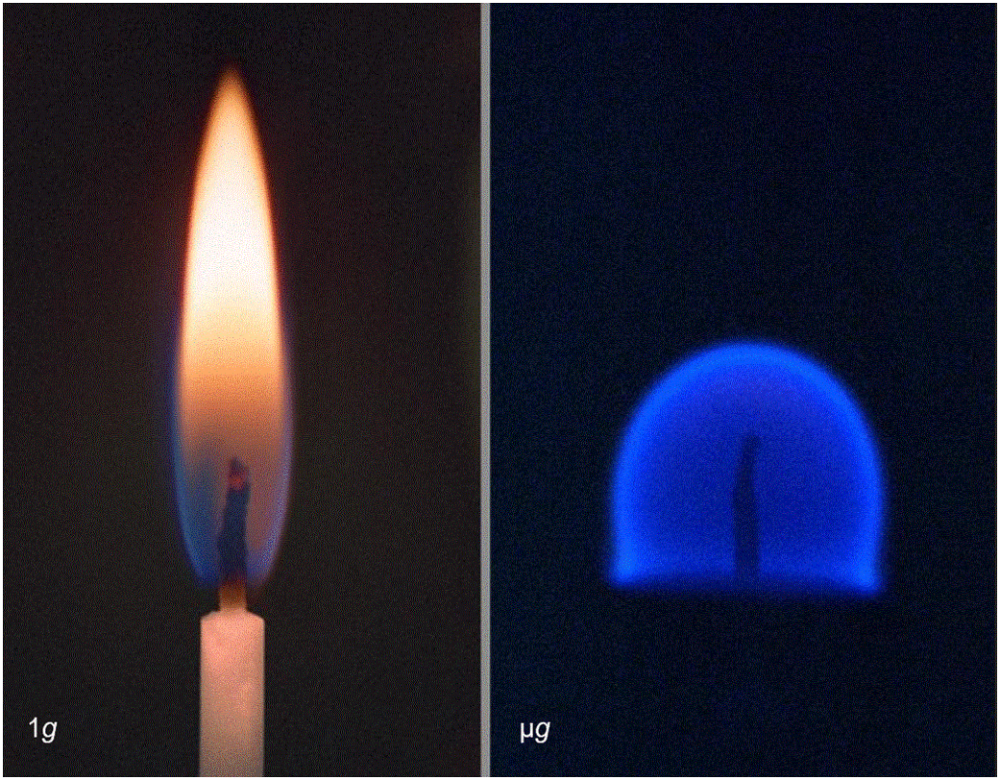
A traditional candle’s deeply familiar yellow, teardrop-shaped flame exists largely because gravity actively helps hot, lightweight gases rise, pulling the flame sharply upward as cooler air rushes in below. In microgravity, that natural convection completely disappears. This lack of airflow allows the flame to become much rounder, significantly dimmer, and often completely bluish. NASA has successfully demonstrated this exact effect in controlled space experiments, proving that even something as intimately familiar as simple candlelight would look strangely alien without gravity-driven airflow.
2. Drinking glasses would no longer have a flat water surface
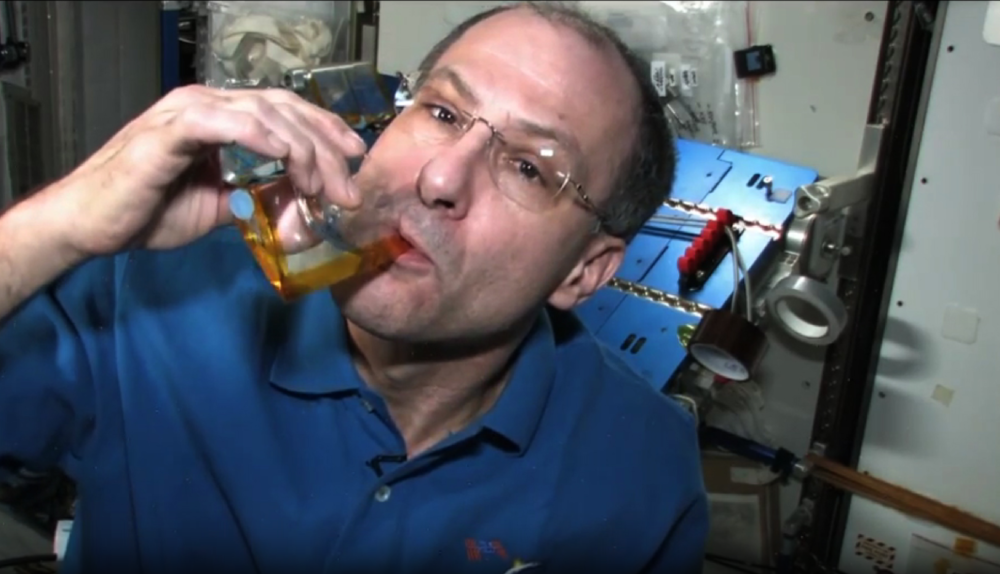
An ordinary glass of water looks entirely normal to us because gravity firmly pulls the liquid downward, creating a mostly flat, highly predictable surface. In microgravity, however, water can actively cling to the container’s interior walls or suddenly gather into massive, rounded floating masses, depending entirely on the container’s specific shape and surface properties. NASA actually developed specialized drinking cups for astronauts that use delicate capillary forces to physically guide liquids toward the rim, artificially replacing the dependable gravitational assistance that ordinary kitchen glasses rely on.
3. Lava lamps would lose their signature rising and falling blobs
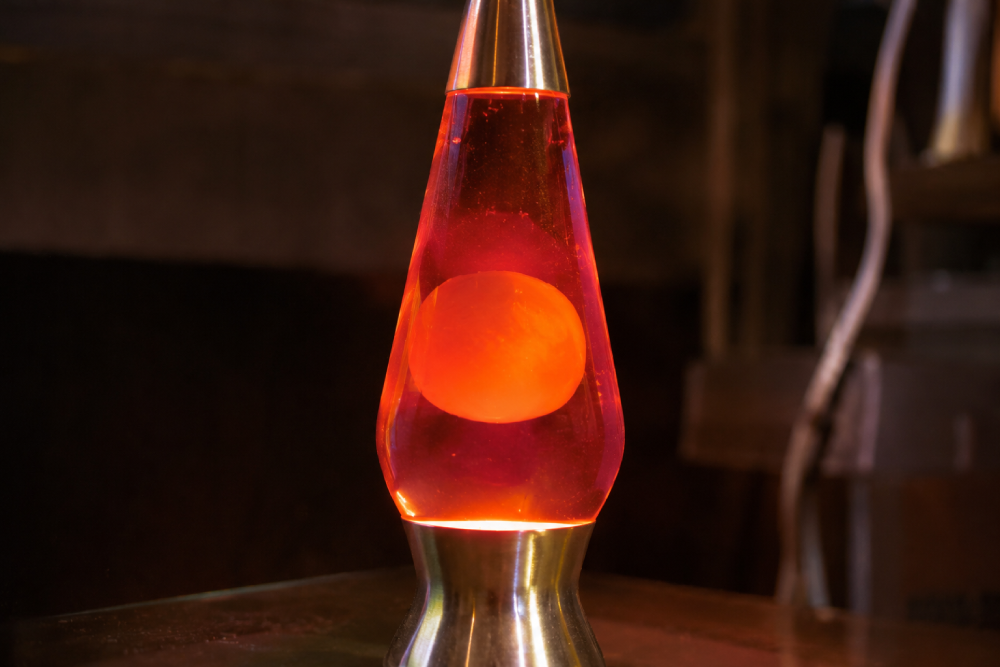
The slow, mesmerizing movement inside a classic lava lamp actually depends on gravity much more than most people realize. As the dense wax gently warms at the bottom, it becomes slightly less dense than the surrounding liquid and slowly rises; when it reaches the top and cools, it becomes denser and inevitably sinks again. Without gravity-driven buoyancy to pull the cooled wax downward, that deeply familiar cycle would completely disappear, leaving a very different, highly stagnant arrangement of wax and liquid rather than the constantly moving display so heavily associated with the 1960s.
4. Hourglasses would stop forming their familiar piles of sand
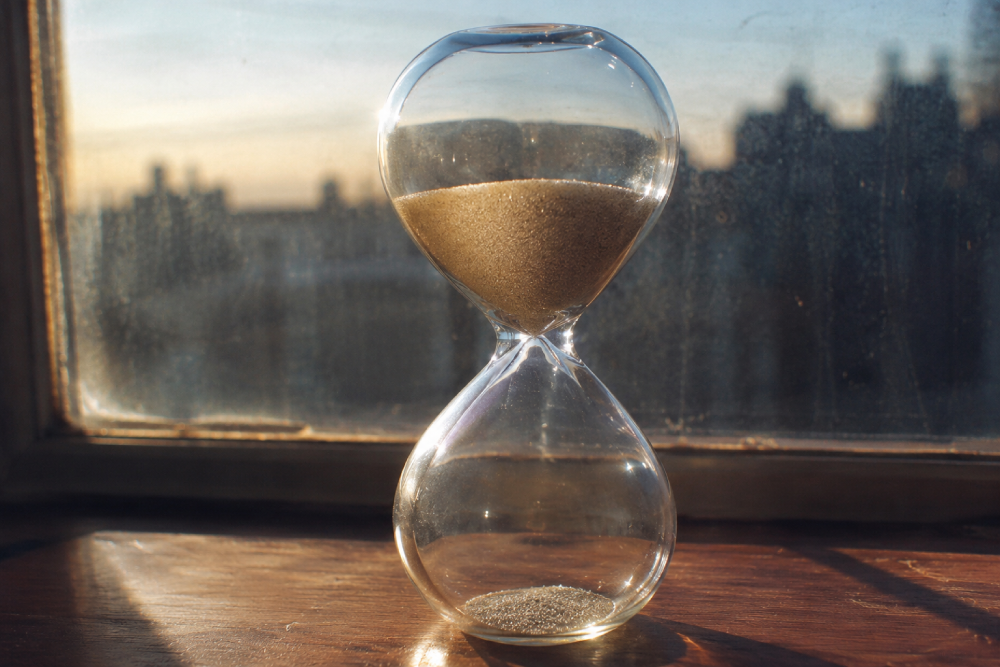
An hourglass reliably measures time by allowing a specific volume of sand to fall smoothly through a narrow central opening at a reasonably predictable rate. Simply remove gravity, and the tiny grains would absolutely no longer flow downward just because the hourglass was turned over. Researchers from Japanese universities and JAXA have extensively studied various granular materials under dramatically different gravity conditions aboard the International Space Station, definitively demonstrating just how incredibly important gravity is to the natural movement of any sand-like substance.
5. Snow globes would never have their familiar falling snow
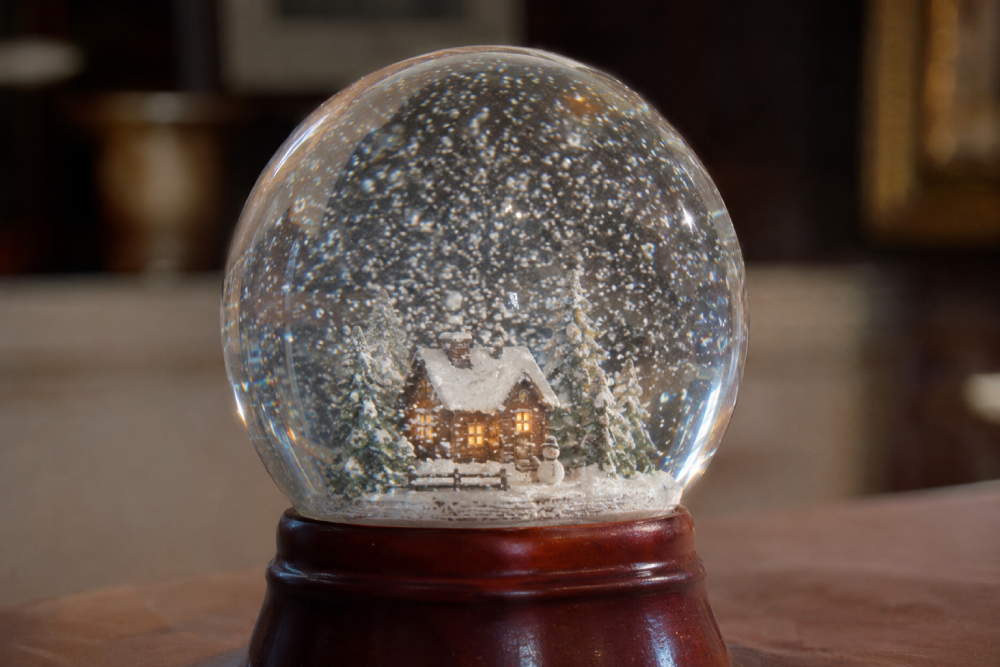
The delicate magic of a seasonal snow globe comes entirely from watching tiny white particles swirl through clear liquid before gradually, peacefully settling over a miniature winter scene. Gravity alone makes that beautiful snowfall possible by actively pulling the heavy suspended particles slowly toward the bottom of the glass. In true microgravity, the artificial snow would absolutely no longer settle downward in the usual, predictable way. The tiny particles could remain completely scattered and suspended randomly throughout the entire globe until other external forces finally moved them.
Trending on The Scroller


6. Bubble levels would lose the bubble that tells us what’s straight
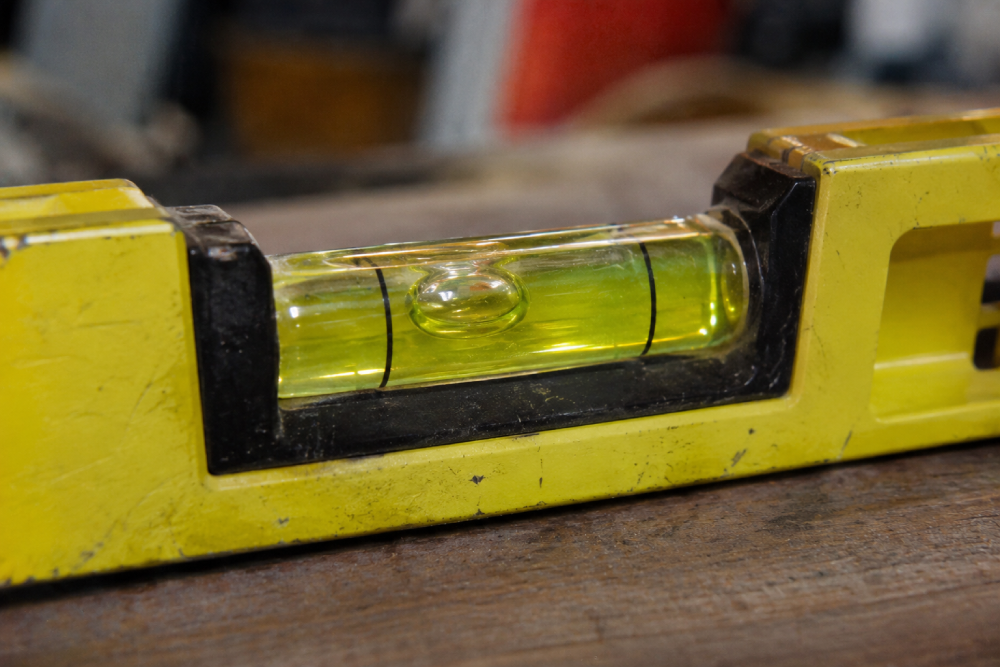
A basic carpenter’s spirit level works flawlessly because its small air bubble reliably moves directly toward the absolute highest point inside a slightly curved, liquid-filled tube. Gravity constantly creates the necessary buoyancy that makes the bubble’s exact position meaningful, allowing a builder to determine whether a surface is perfectly horizontal. In microgravity, the trapped bubble would no longer reliably travel to the highest physical point. Instead, delicate surface tension could easily influence its final position, and the deeply familiar construction tool would immediately become practically useless for its intended purpose.
7. Grandfather clocks would lose their swinging pendulums
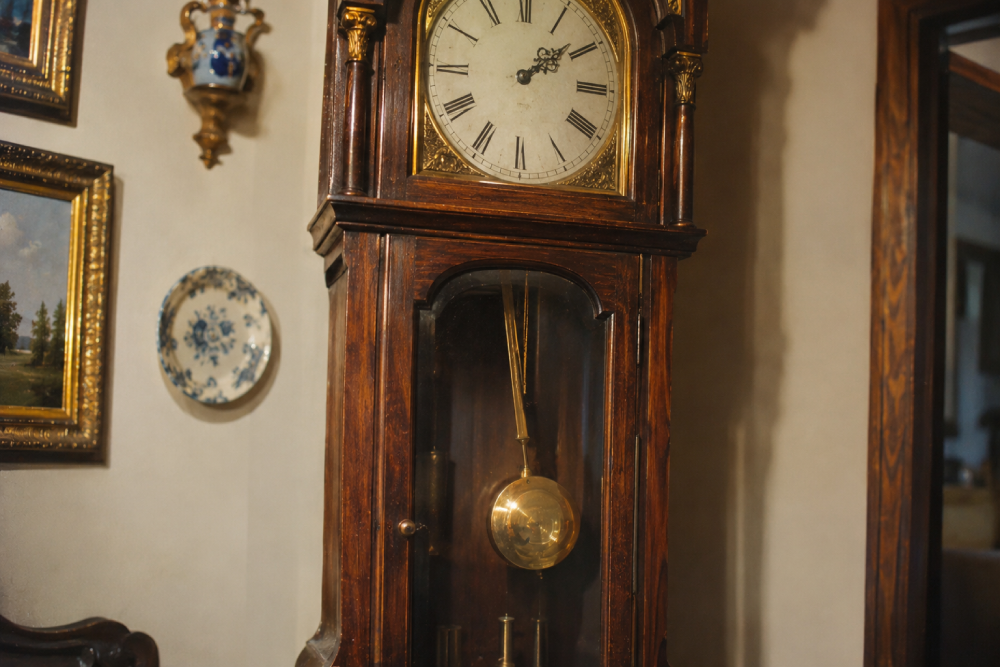
The gentle, rhythmic back-and-forth motion of a tall grandfather clock’s pendulum depends entirely on gravity successfully providing a constant restoring force. Without that incredibly specific, reliable force, a traditional heavy pendulum would absolutely not naturally swing through its highly familiar, repeating arc. As a direct result, the beautiful mechanical clock could no longer regulate time in the usual, dependable way. Even incredibly small, natural differences in gravitational strength here on Earth can slightly affect pendulum timing, which explains why expensive precision clocks have historically required such careful, localized calibration.
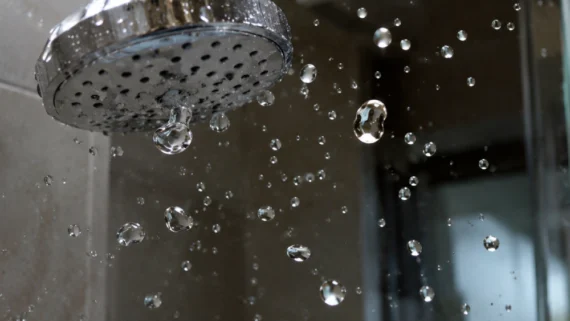
8. Showerheads would produce floating water instead of a falling spray
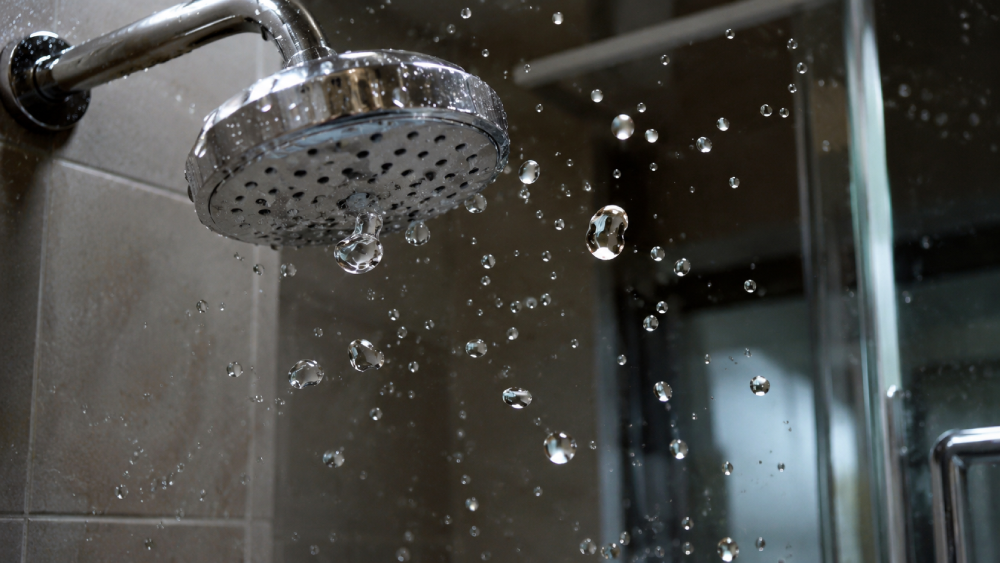
A bathroom showerhead normally creates heavy streams and tiny droplets that gravity aggressively pulls straight toward the bathroom floor. In microgravity, water rapidly leaving the nozzle would certainly still have forward momentum, but it would absolutely not follow the deeply familiar downward path. Instead, the droplets could float aimlessly, stick tenaciously to nearby solid surfaces, or suddenly join together into much larger, floating blobs, creating a very different, highly chaotic scene. NASA has even explicitly used the International Space Station to closely investigate how complex showerhead droplets physically form and behave under drastically reduced gravity.
Sign up for our newsletter
9. Decorative fountains would lose their graceful water arcs
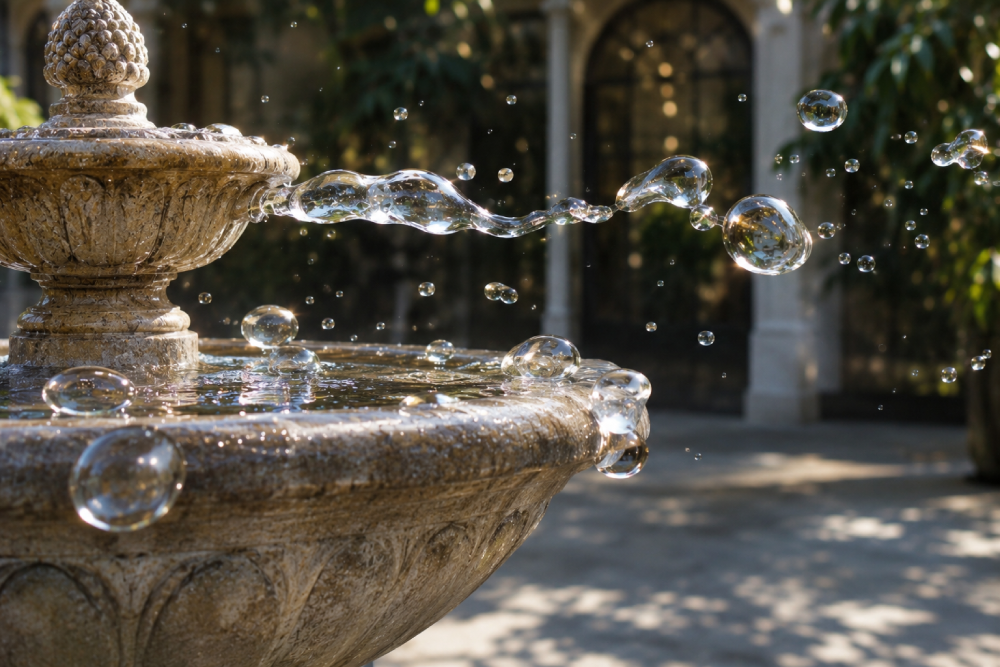
The beautiful, curved streams of an outdoor garden fountain are physically shaped by exactly two things: the initial mechanical push from a powerful pump and gravity aggressively pulling the moving water downward in an arc. In microgravity, the mechanical pump could certainly still send water outward, but the liquid stream would absolutely not naturally curve gracefully back into the lower basin. Instead, it could continue moving steadily away from the nozzle before finally breaking into messy droplets or interacting violently with nearby surfaces. NASA research into specialized liquid jets has clearly demonstrated how wildly differently these streams behave when gravity no longer controls their graceful movement.
10. Toilets would need a completely different design
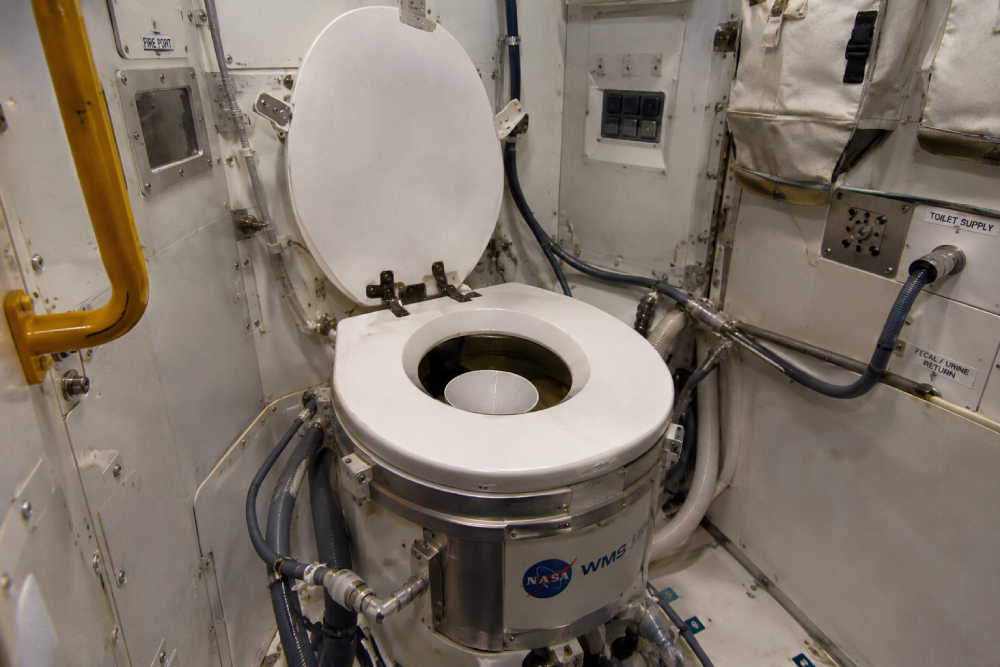
Ordinary household toilets heavily rely on gravity to successfully help move water and waste through the porcelain bowl and directly down into the drainage system. Without it, the deeply familiar flushing action would absolutely not work as intended, making a conventional home toilet incredibly poorly suited to a modern spacecraft. NASA’s complex space toilets instead use highly powerful, carefully controlled airflow to physically move waste safely into sealed collection systems. The final result looks significantly more like specialized, complex technical equipment than the simple, recognizable porcelain fixture found in a typical bathroom.
11. Potted plants would grow without their usual sense of up and down
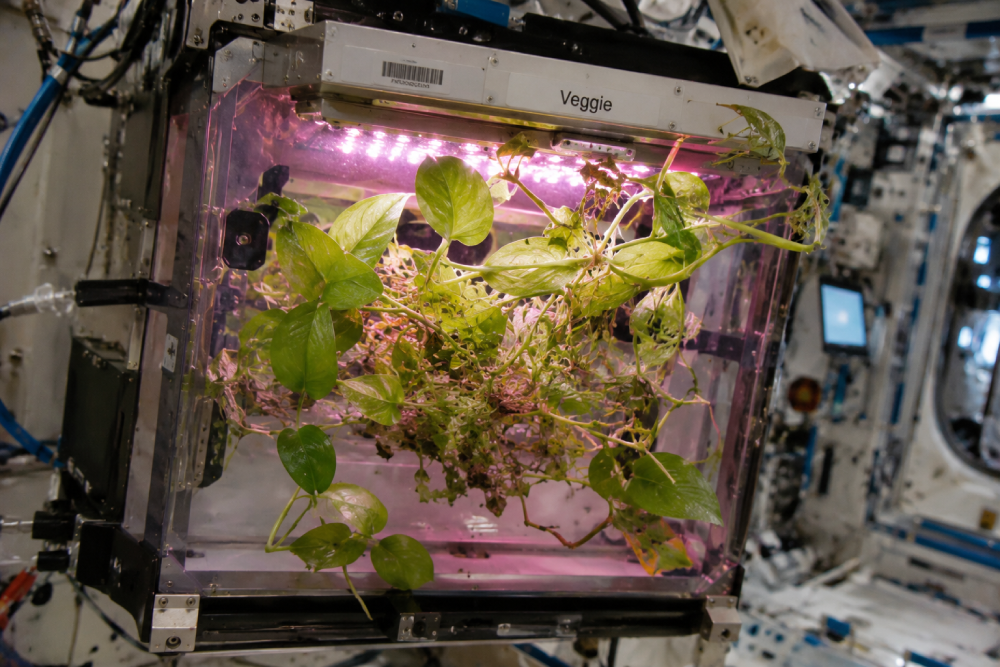
Plants normally use gravity as one of the critical biological signals that clearly tells roots to grow safely downward and shoots to grow upward toward the light. In true microgravity, that incredibly vital directional cue completely disappears, potentially changing how fragile roots and stems biologically develop. NASA has successfully grown live plants in space by heavily using artificial light and specialized, complex growing systems to help artificially guide their early development. Without those specific environmental cues, a familiar potted houseplant could easily develop a very different, chaotic arrangement of roots and leaves.
12. Helium balloons would no longer float above their strings
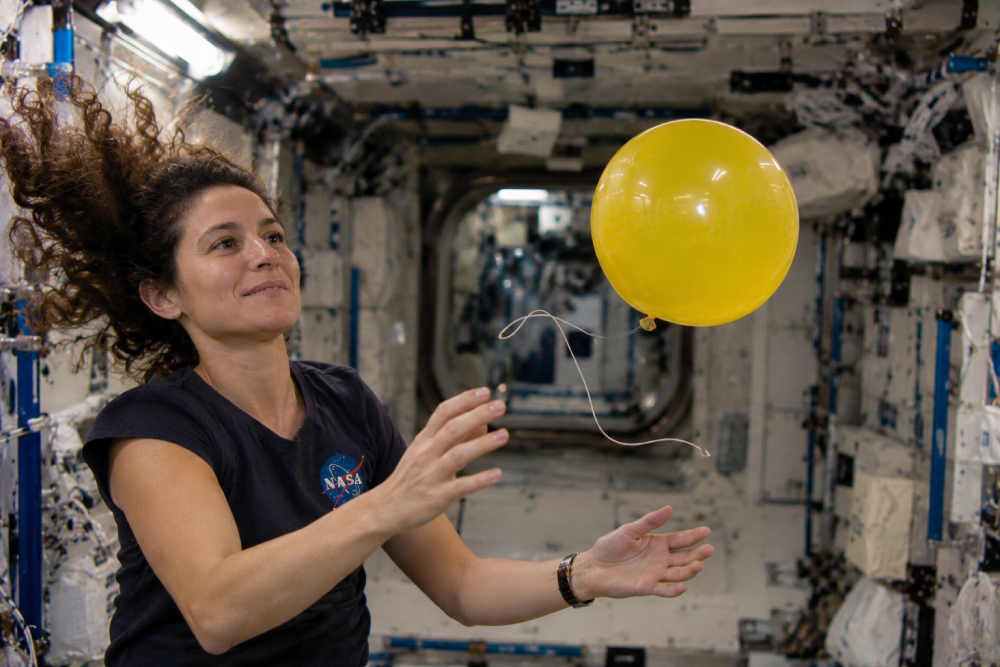
A colorful helium balloon rises simply because the surrounding atmospheric air is significantly denser than the specific gas inside it, producing a steady upward buoyant force exclusively within Earth’s gravitational field. In microgravity, that specific buoyant lift completely and totally disappears, meaning a helium balloon would absolutely no longer pull its attached string actively upward or naturally hover near a room’s ceiling. In a pressurized, breathable spacecraft, an inflated balloon could drift when actively pushed or gently carried by circulating air, but it would definitely not behave like a deeply familiar, upward-floating party decoration.
Explore more fascinating stories:
Gravity is an incredibly powerful, entirely invisible designer behind many of the simple objects we take completely for granted. Remove its deeply familiar effects, and even highly ordinary household items rapidly begin to look like something from a surreal science fiction movie. If you want more fascinating stories about science and nature, be sure to check out these 20 Bizarre Facts That Science Actually Backs Up or these Weird Facts About Earth: 15 Surprising Discoveries. You may also like these 12 Weird Animal Facts to Bring Up When Someone Mentions Pets.