We all love finding a bargain, and looking for ways to trim a budget is just basic common sense. Saving money almost always feels like a smart, responsible decision, until the cheaper option creates a massive problem that nobody can afford to fix.
From a 57-cent automotive repair that triggered a massive federal penalty to a major city’s billion-dollar parking deal that gave away decades of future revenue, history is full of decisions where aggressively cutting costs produced astonishing financial consequences. These 12 real cases show how focusing strictly on short-term savings can sometimes lead to enormous financial losses, massive legal settlements, and, in the worst cases, completely preventable tragedies.
1. Flint tried to save $5 million on water and triggered a public health crisis
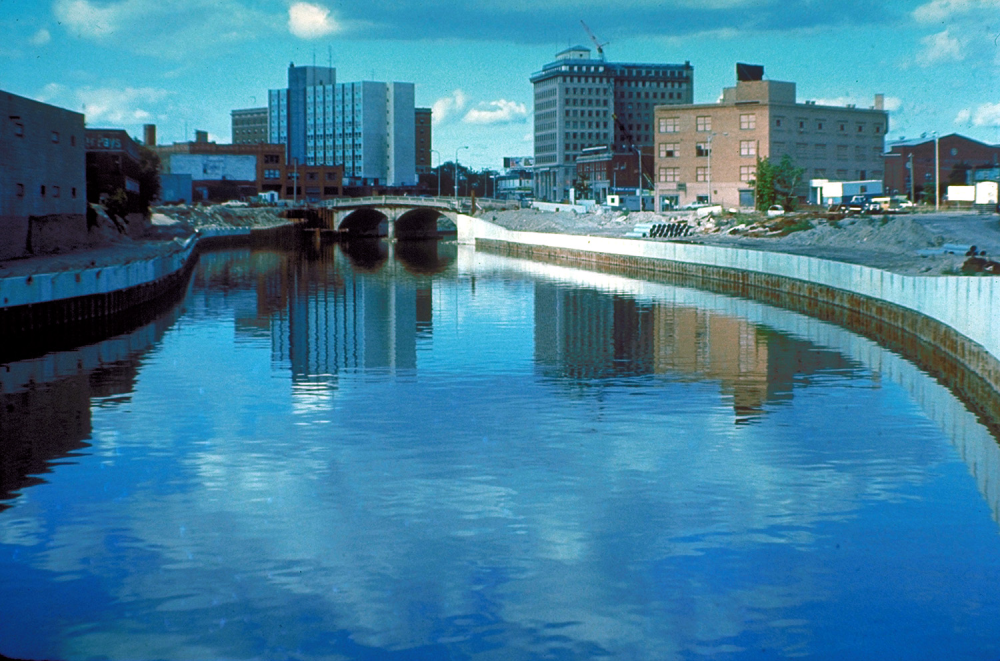
In 2014, officials in Flint, Michigan, aggressively pushed to switch the struggling city’s water supply to the local Flint River as a temporary measure expected to save about $5 million over two years. The new supply lacked proper corrosion control, causing the water to strip lead from aging pipes and creating a devastating public health emergency. Researchers at Columbia University subsequently estimated that the resulting social costs of lead exposure alone could easily approach $400 million, making the damage roughly 80 times worse than the anticipated savings.
2. General Motors rejected a fix that cost less than $1 per car

In 2005, engineers at General Motors considered badly needed improvements to a serious ignition-switch problem, but management rejected proposed changes partly over strict cost concerns. One specific modification would have cost less than a single dollar per vehicle to implement. The defective switches could unexpectedly shut down engines while driving, disabling critical airbags and leading to injuries, deaths, and widespread recalls. By 2015, GM agreed to a staggering $900 million federal forfeiture over its handling and concealment of the defect, making the original savings look extraordinarily small.
3. A cheaper exterior helped turn Grenfell Tower into a disaster
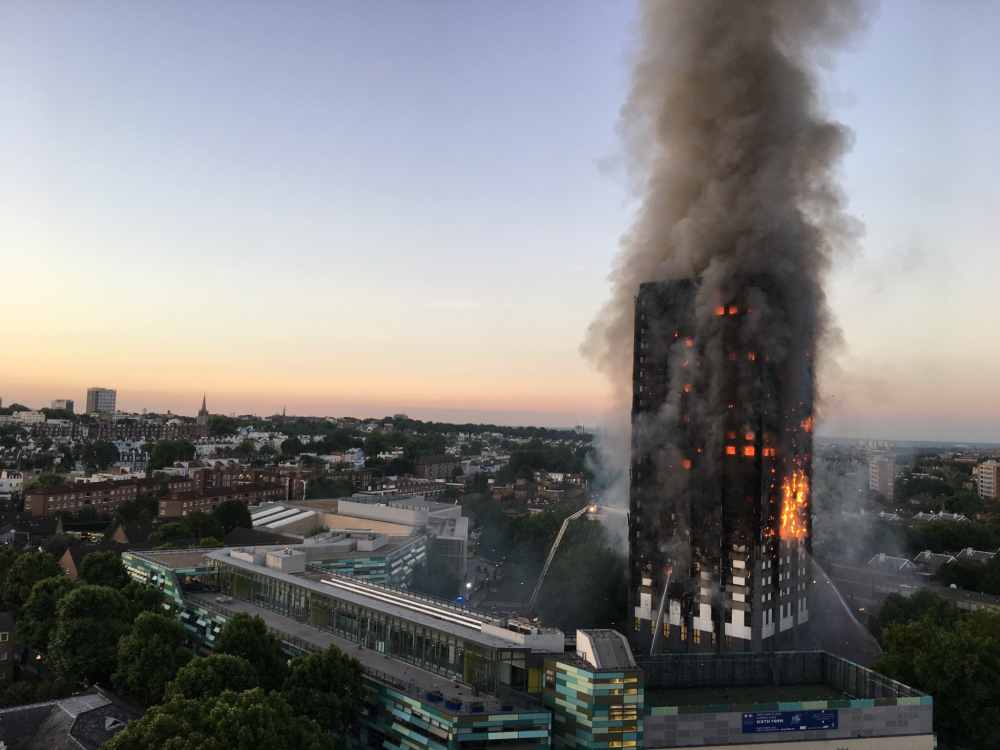
During the refurbishment of London’s Grenfell Tower, contractors replaced a proposed, highly fire-resistant zinc cladding system with much cheaper aluminum composite panels, saving approximately £293,000 on the massive project. The highly combustible cladding system subsequently played a major, tragic role in the rapid spread of the 2017 fire that ultimately killed 72 people. By 2019, the public inquiry alone had already cost tens of millions of pounds, completely dwarfing the original project savings.
4. BP chose a cheaper oil-well design before a $67 billion disaster
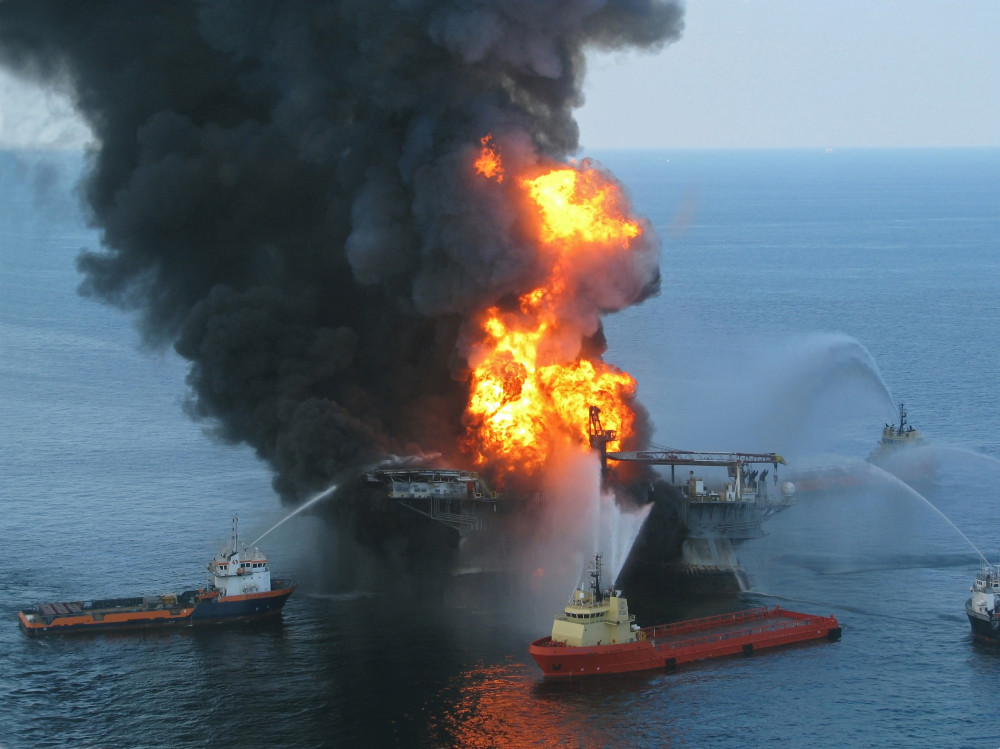
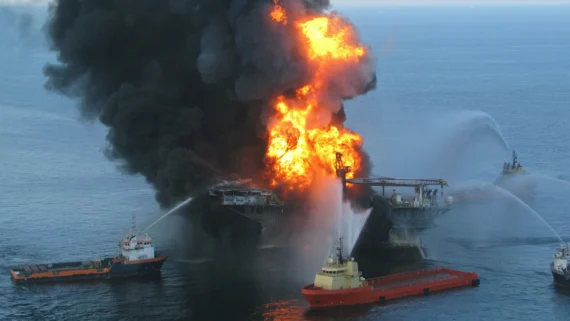
Before the horrific 2010 Deepwater Horizon explosion, BP notoriously used a well design estimated to cost $7 million to $10 million less than a much safer alternative, while making several other decisions that investigators heavily scrutinized for their safety implications. The resulting explosion tragically killed 11 workers and caused one of the worst offshore oil spills in American history. By the end of 2018, BP reported approximately $67 billion in cumulative pretax charges directly related to the massive disaster.
5. Chicago collected $1.16 billion up front and gave away decades of parking revenue
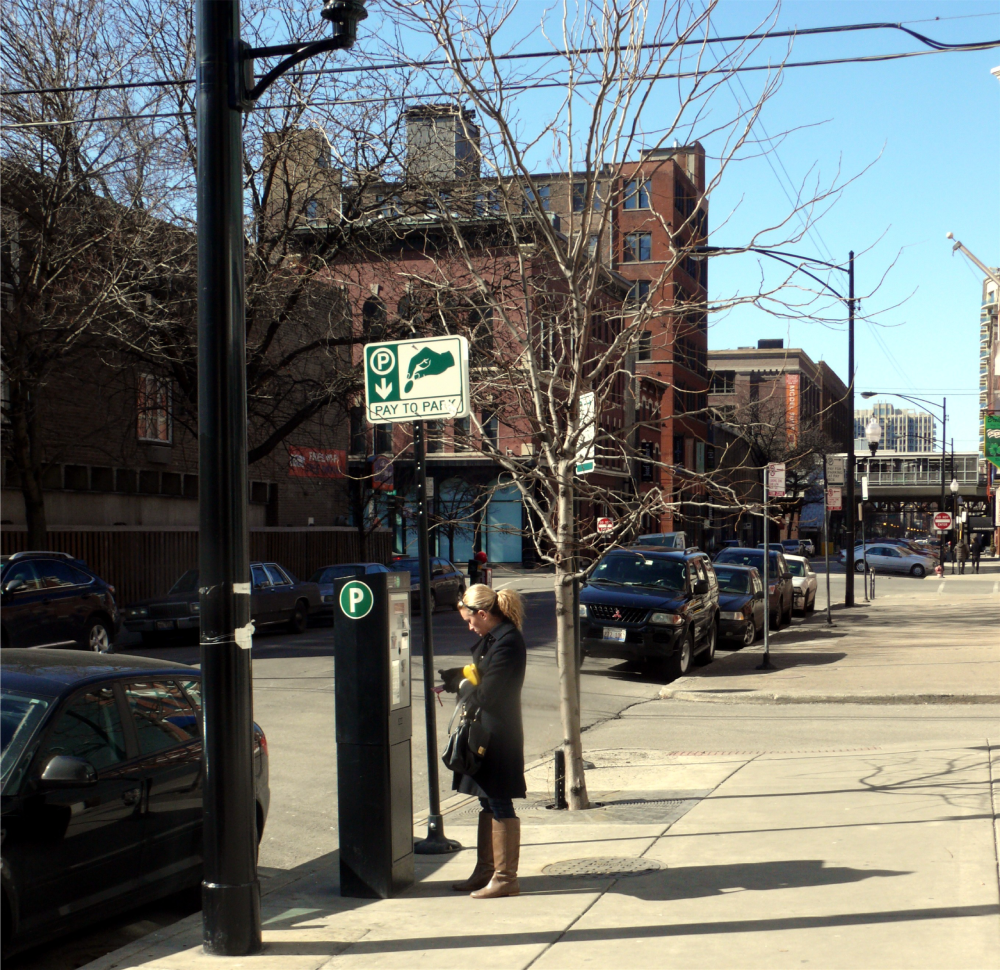
In 2008, the city of Chicago eagerly leased approximately 36,000 parking meters to private investors for 75 years in exchange for an immediate $1.157 billion payment. The massive deal provided quick cash when the city desperately needed it, but Chicago’s inspector general later estimated that the system was actually worth roughly $2.13 billion. This meant the city essentially accepted about $974 million less than its estimated value. By 2024, the investors had already recovered their entire original investment and collected hundreds of millions more in pure profit, with decades remaining on the lease.
Trending on The Scroller


6. Boeing tried to reduce Dreamliner costs by outsourcing and lost billions
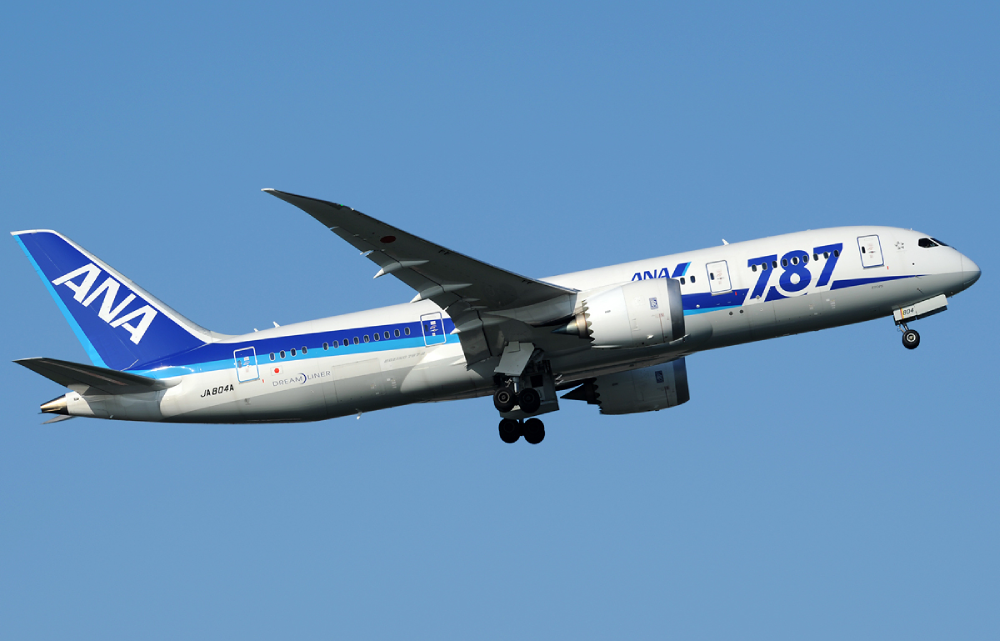
When initially developing the ambitious 787 Dreamliner, Boeing outsourced an unprecedented amount of design and complex manufacturing work, largely to reduce massive upfront costs and heavy financial exposure. Major coordination problems and cascading supplier delays helped push the entire program years behind schedule, with development spending ballooning far beyond initial expectations. In 2011, Boeing executive Jim Albaugh candidly acknowledged that recovering from the outsourcing problems had ultimately cost far more than keeping key technologies closer to home would have.
7. Volkswagen tried to avoid expensive emissions fixes and faced billion-dollar penalties

Volkswagen secretly installed sophisticated software in its diesel vehicles that could actively recognize emissions testing and temporarily activate pollution controls, allowing the cars to perform much differently under normal driving conditions. The elaborate scheme helped Volkswagen market diesel vehicles with highly attractive performance and efficiency while completely avoiding the expensive engineering trade-offs of meeting emissions rules honestly. After the massive deception became public in 2015, the automaker faced massive recalls, heavy buybacks, and severe penalties, including a massive $14.7 billion U.S. settlement announced in 2016.
8. A utility’s maintenance decisions contributed to a multibillion-dollar wildfire crisis
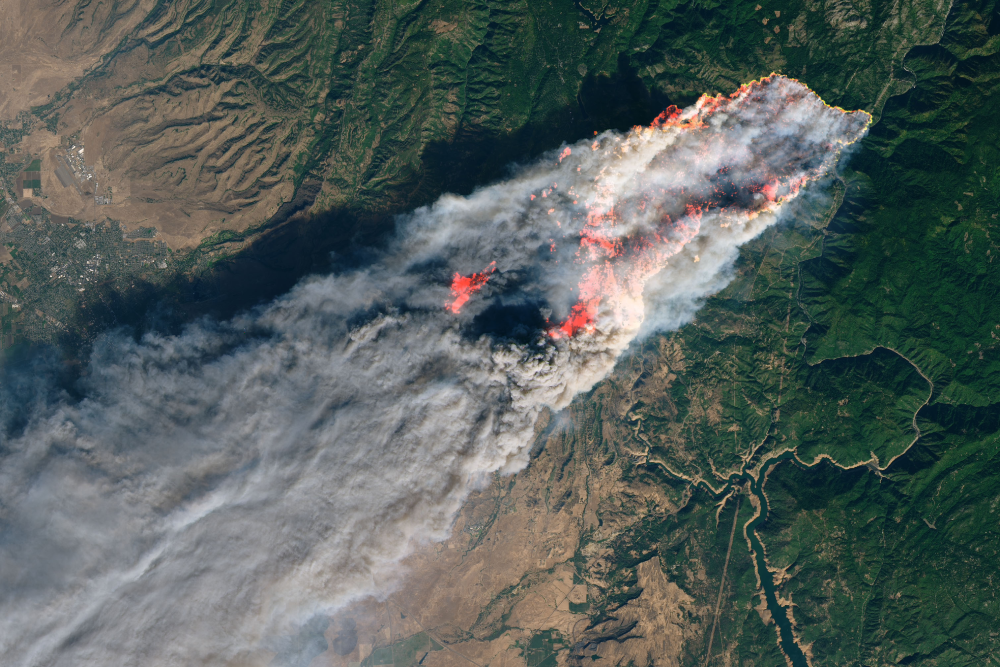
California utility giant PG&E faced mounting scrutiny over its deferred maintenance practices after its aging electrical equipment sparked the devastating 2018 Camp Fire. Deep investigations found that the company had consistently failed to prioritize replacing some of its oldest, most severely deteriorated transmission equipment, even though overall capital spending had recently increased. PG&E’s subsequent bankruptcy agreement provided $13.5 billion in value to a victim compensation trust covering several catastrophic California wildfires, demonstrating the enormous financial consequences of severely neglected infrastructure.
Sign up for our newsletter
9. A nightclub used cheap soundproofing foam before a fire led to $176 million in settlements
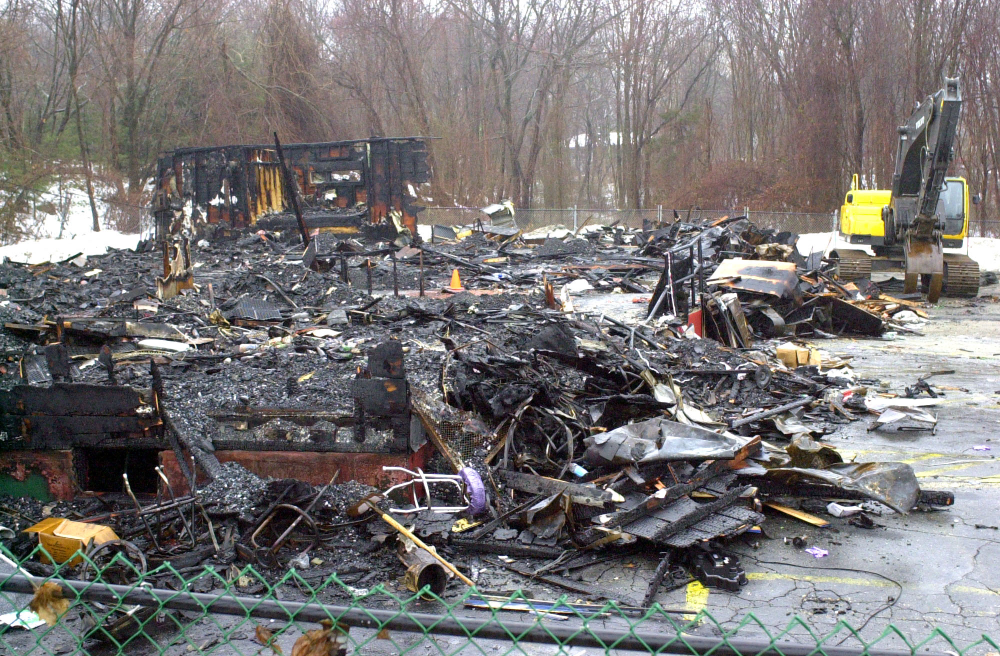
The Station nightclub in West Warwick, Rhode Island, used highly inexpensive foam material for basic soundproofing, including generic packaging foam that was exceptionally flammable. During a crowded 2003 concert, stage pyrotechnics ignited the cheap material, causing an incredibly rapid, intense fire that killed 100 people and injured hundreds more. By September 2008, various defendants had offered more than $176 million in massive legal settlements, a staggering contrast with the reported $575 purchase of cheap foam from one specific supplier.
10. Denver’s high-tech baggage system was supposed to improve efficiency, but cost hundreds of millions
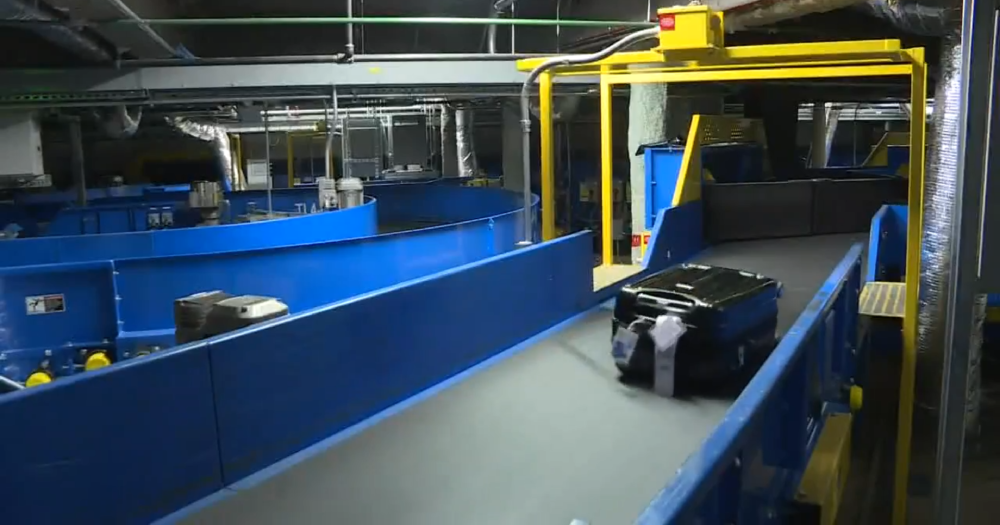
Denver International Airport aggressively planned an ambitious automated baggage system to move luggage quickly, heavily reduce manual handling, and dramatically speed aircraft turnarounds. Instead, massive mechanical failures and crippling software problems delayed the airport’s 1995 opening and forced frustrated officials to completely install a conventional backup system. Government investigators documented approximately $300 million in additional capitalized interest completely from baggage-related delays, while the backup system and necessary modifications added even further costs.
11. Cutting railway maintenance costs helped produce a national transportation crisis
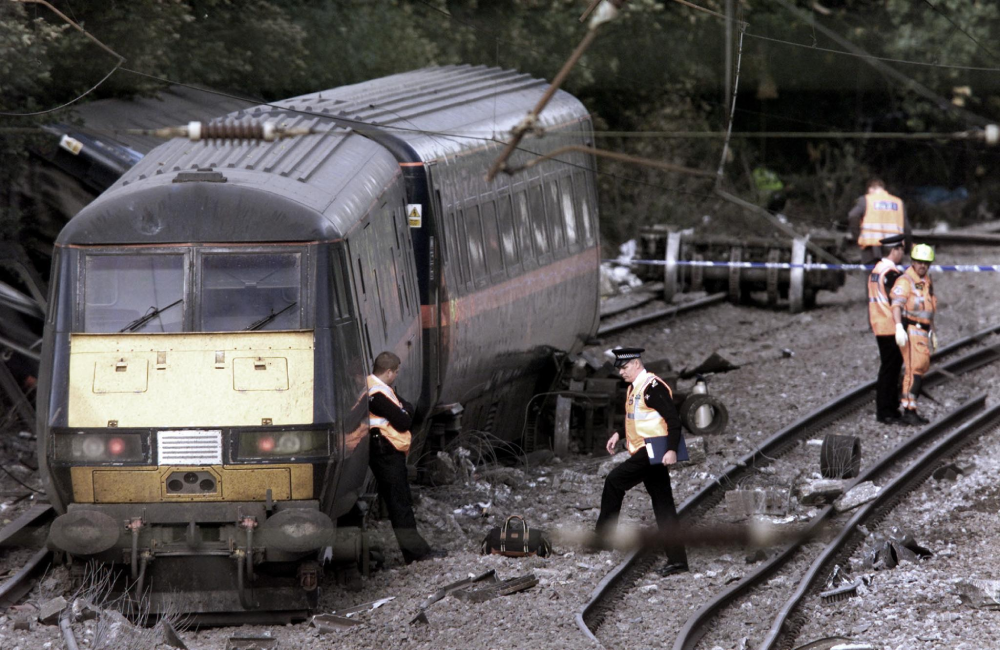
After Britain’s sprawling rail infrastructure was heavily privatized, the company Railtrack placed substantial pressure on maintenance contractors to aggressively reduce costs. Following the October 2000 Hatfield derailment, which tragically killed four passengers, deep investigations identified highly inadequate track maintenance and very poor inspection as contributing failures. Massive emergency inspections, total rail replacements, widespread speed restrictions, and heavily lost revenue quickly followed, while Railtrack’s financial position deteriorated so severely that it essentially collapsed into railway administration in 2001.
12. Olympic security planners relied on a lean staffing plan that became a financial headache
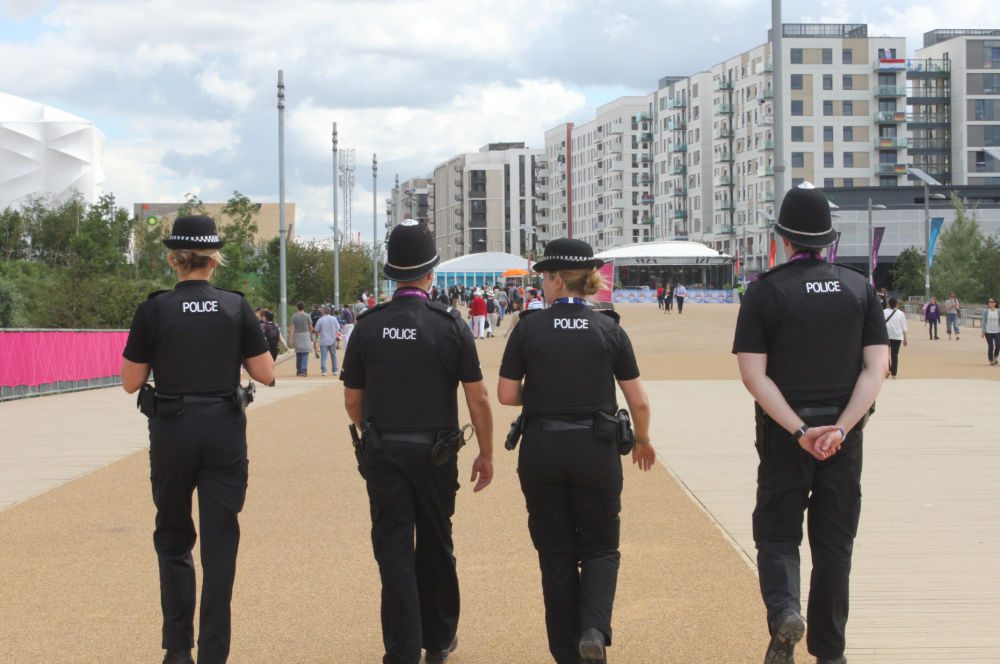
Organizers of the massive 2012 London Olympics initially planned to limit heavy paid security staffing by relying heavily on basic volunteers, local students, and other inexpensive personnel sources. As massive preparations progressed, the realistic requirements expanded dramatically, with the government’s total venue-security budget rising rapidly from £282 million to £553 million just before the Games. Private contractor G4S then notoriously failed to provide enough trained guards, forcing heavy additional military deployment and ultimately accepting an approximately £70 million loss on its massive contract.
Explore more fascinating real-life stories:
These examples reveal a remarkably costly pattern: saving money in the short term can become disastrous when eager decision-makers severely underestimate future risks, deferred maintenance needs, or massive long-term financial consequences. Sometimes the absolute most expensive choice is the one that initially looks the cheapest on a spreadsheet. If you are in the mood for more real-life blunders, be sure to check out these 12 Viral Claims Debunked by Real Evidence and Fact-Checks or these 12 Bizarre History Facts That Sound Like Complete Fiction. You may also like these Covert Tools: 12 Everyday Items Spies Used to Hide Secrets.