When gathering classified intelligence deep behind enemy lines, real spies rarely relied on the flashy sports cars or explosive gadgets seen in modern Hollywood blockbusters. Instead, the most successful covert operatives depended entirely on perfectly mundane accessories that could easily pass a rigorous visual inspection by border guards. To survive in hostile territory, an agent had to transform the contents of a standard travel suitcase into a highly effective espionage toolkit.
The art of physical concealment required intelligence agencies to hollow out everyday objects with absolute microscopic precision. From simple pocket change to basic grooming products, these cleverly modified accessories allowed agents to smuggle deadly tools, classified microfilm, and encrypted codes right under the noses of counterintelligence officers. Uncovering these brilliant historical gadgets reveals a fascinating world where literally nothing was exactly what it seemed to be. Here are twelve ordinary items that covert operatives historically used to hide their deepest secrets.
1. The Kiss of Death lipstick
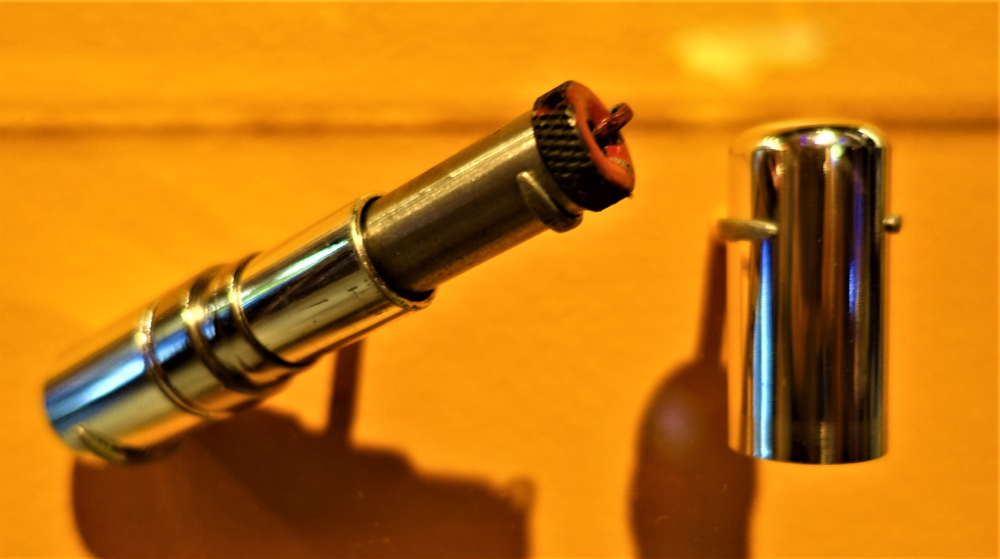
During the Cold War, female KGB operatives carried a seemingly innocent cosmetic accessory that secretly concealed a highly lethal, single-shot weapon. Known as the “Kiss of Death,” this standard-looking metal lipstick tube actually housed a loaded 4.5mm pistol right inside the colored wax casing. To fire the deadly projectile, the secret agent simply had to twist the brass base and press the tube directly against their unsuspecting target.
2. Bicycle playing cards
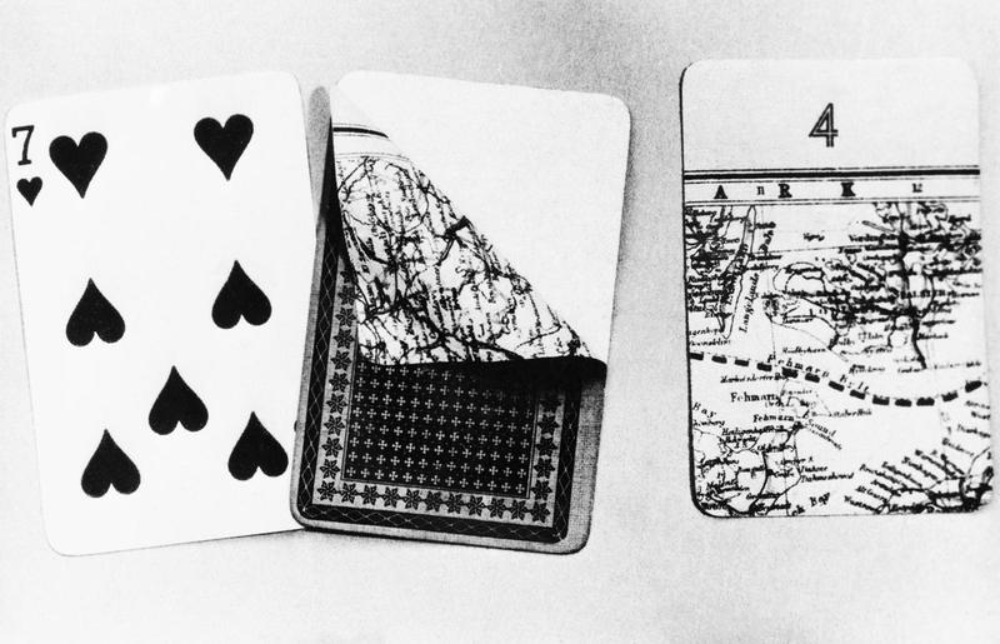
During World War II, the United States Playing Card Company secretly collaborated with British intelligence agencies to distribute highly specialized decks to Allied prisoners of war in 1944. When the captured soldiers soaked these perfectly normal paper cards in water, the top layer peeled away to reveal hidden topographical escape maps of Germany.
3. Shaving cream cans
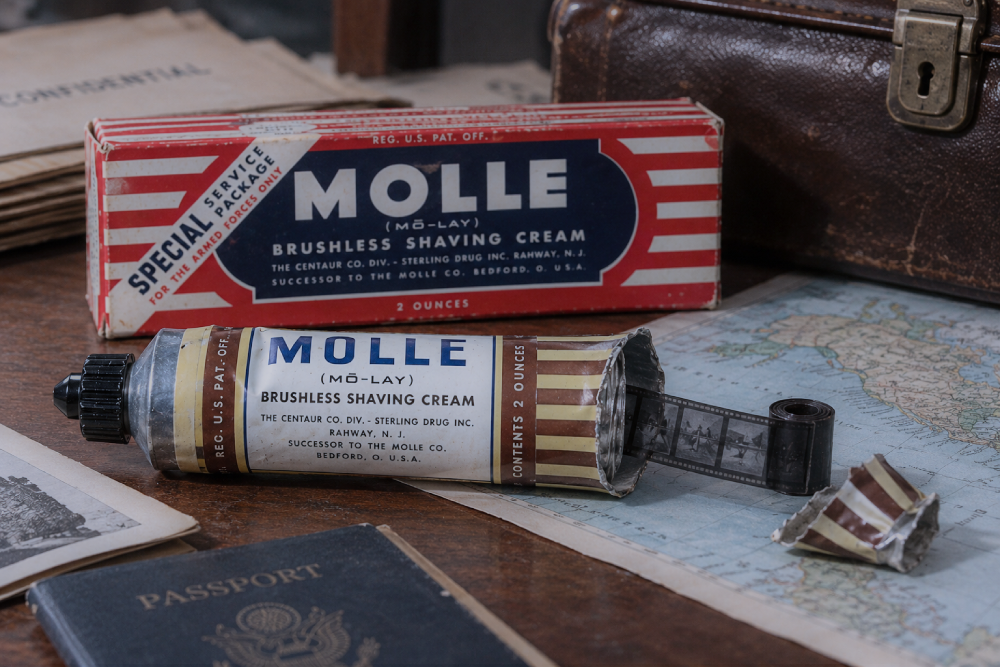
To smuggle sensitive intelligence out of hostile territories during the Cold War, the CIA engineered fully functional aerosol cans featuring a hidden false bottom. Agents could dispense genuine shaving foam from the top nozzle during a luggage search while safely storing tight rolls of encrypted microfilm in the secret lower compartment.
4. Hollow shoe heels
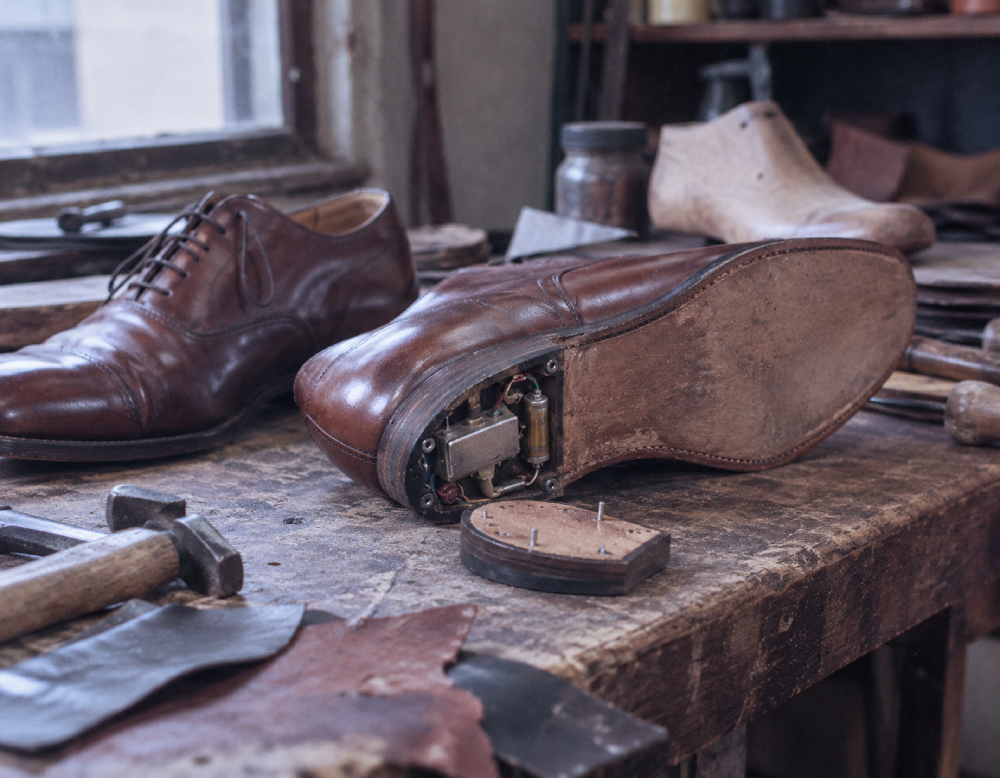
During the 1960s, American diplomats stationed in Eastern Europe frequently sent their expensive leather shoes out to local cobblers for basic repairs. Soviet KGB operatives secretly intercepted this footwear and brilliantly hollowed out the wooden heels to insert tiny radio transmitters, successfully broadcasting classified embassy conversations directly back to Moscow.
5. Uniform brass buttons
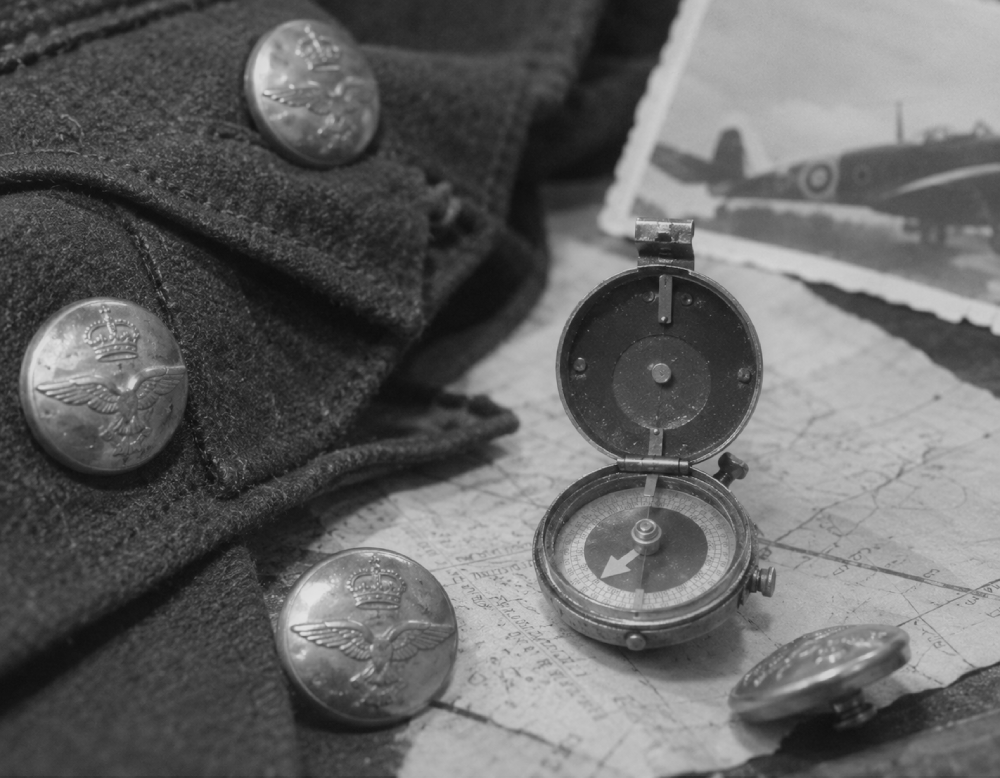
British intelligence officer Christopher Hutton developed incredible escape aids for the Royal Air Force during 1939 by hiding tiny navigational compasses inside standard brass uniform buttons. A downed pilot could simply cut two specific buttons off his jacket and stack them together, allowing the magnetized top piece to freely spin and point straight north.
Trending on The Scroller


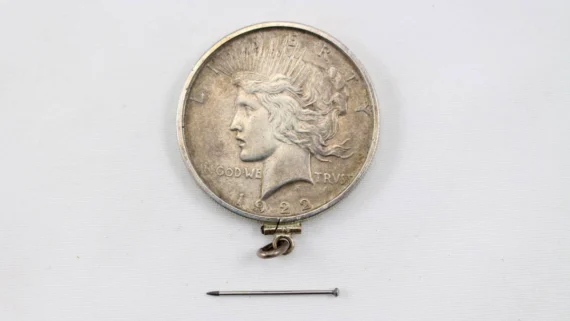
6. The silver dollar poison pin
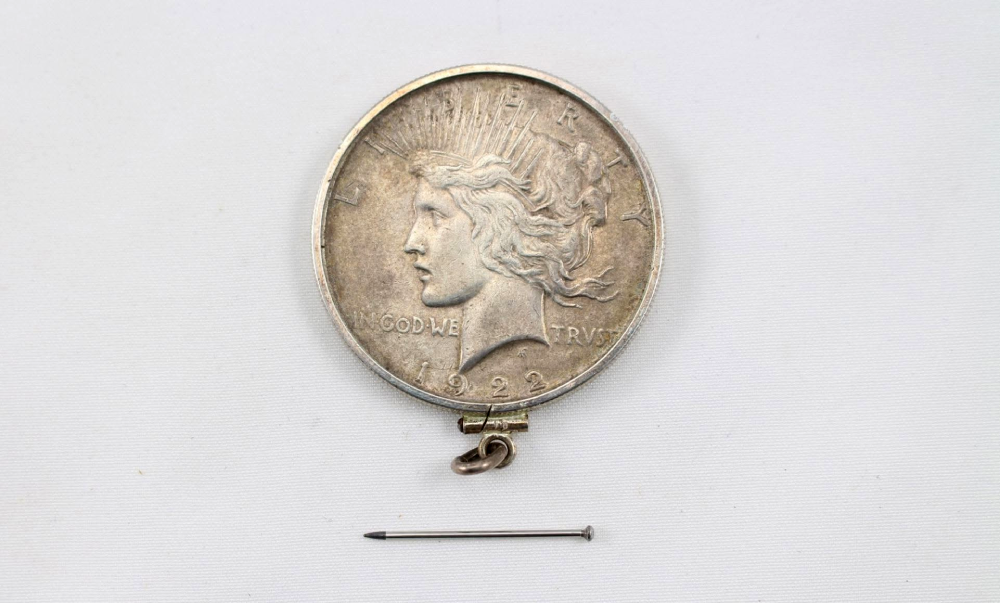
When American reconnaissance pilot Francis Gary Powers was famously shot down over the Soviet Union in 1960, he carried a standard silver dollar in his pocket. The hollowed-out coin contained a tiny pin coated in deadly saxitoxin, providing the captured pilot with a highly concealed method to commit suicide before facing brutal KGB interrogation.
7. Fake flashlight batteries
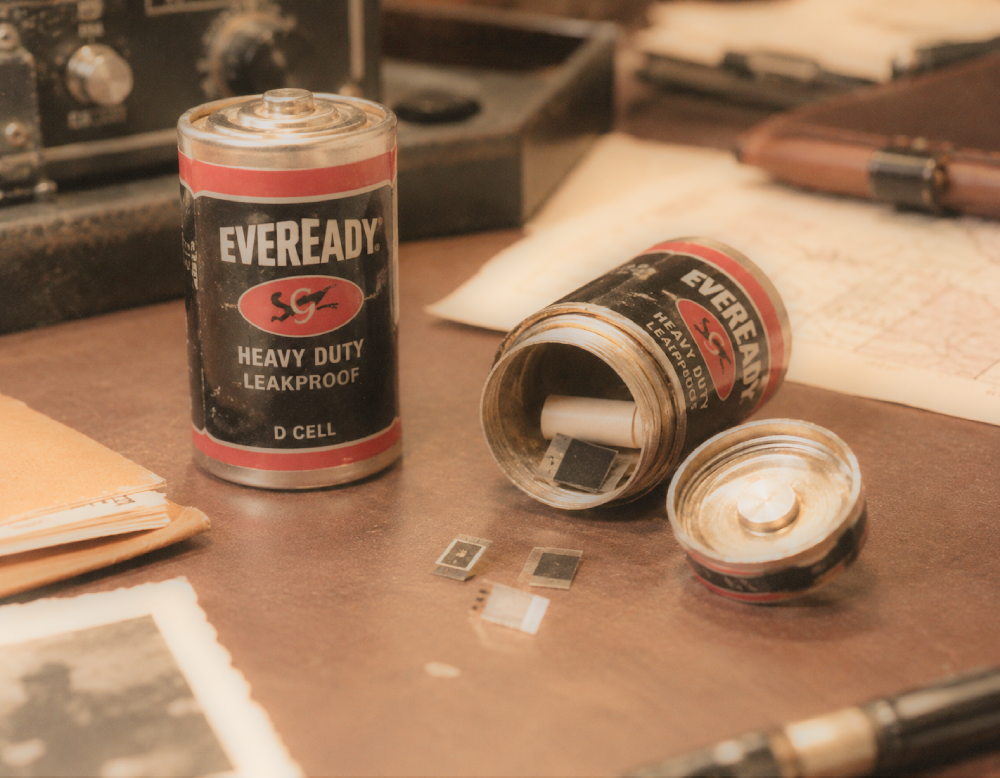
Because ordinary D batteries were such common household items, American intelligence officers in the 1970s designed exact heavy metal replicas meant to fool the most thorough border inspectors. Instead of holding acidic chemicals, the top cap of the cylinder unscrewed backwards to reveal a dry, secure compartment perfect for transporting microscopic data dots.
8. Wooden chess pieces
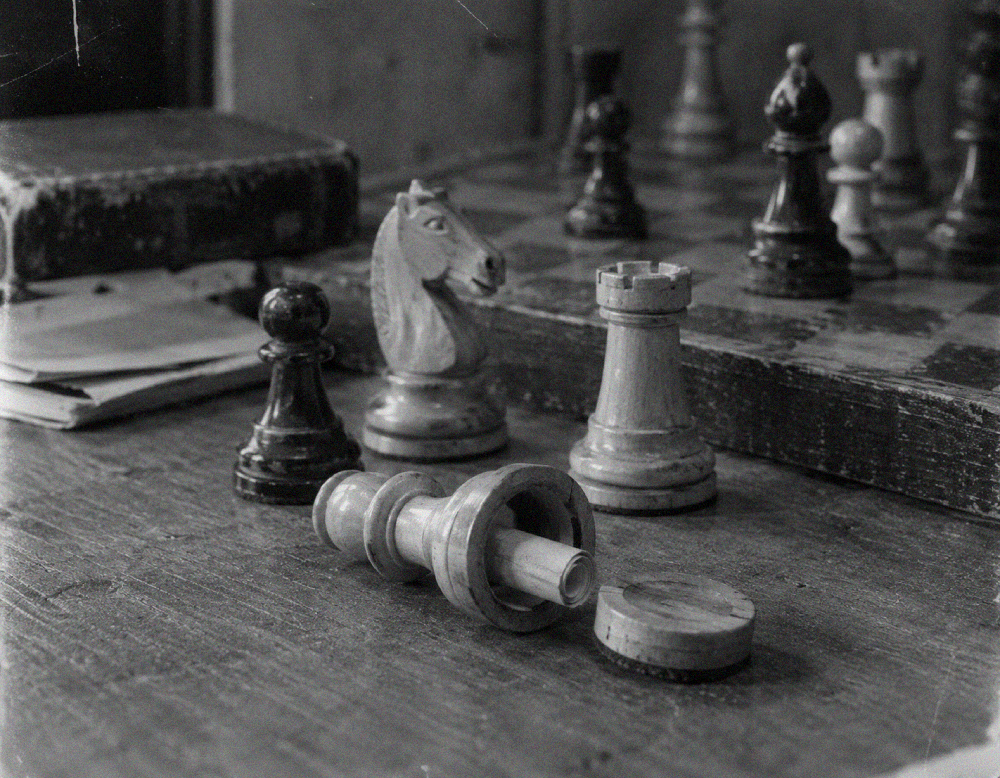
Before digital encryption existed, captured Soviet dissidents and political prisoners frequently communicated with the outside world by hollowing out the solid bases of standard chessmen. Relatives would smuggle these modified wooden sets directly into the gulags during the 1950s, allowing inmates to pass tightly rolled cigarette papers containing detailed lists of human rights violations.
Sign up for our newsletter
9. Luxury fountain pens
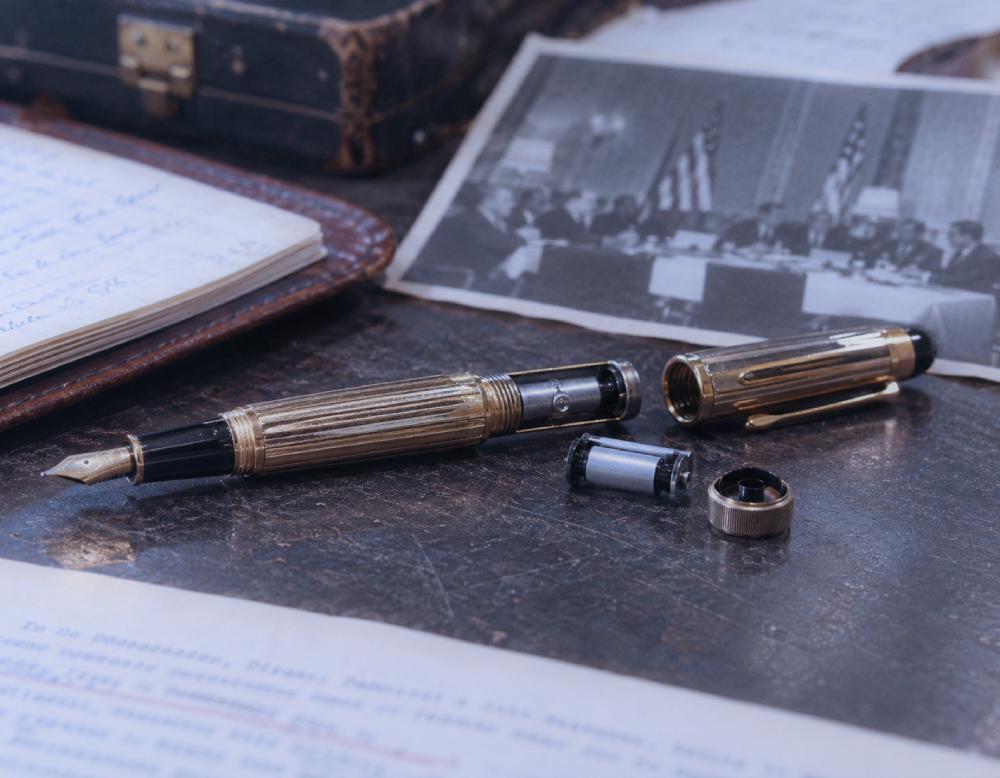
The Tropel Corporation designed a brilliant optical device for the CIA in the late 1960s that looked and functioned exactly like a premium gold writing instrument. Operatives simply clicked the top of the pen to snap incredibly clear photographs of classified documents while casually taking notes during high-level diplomatic meetings.
10. Concealed belt buckles
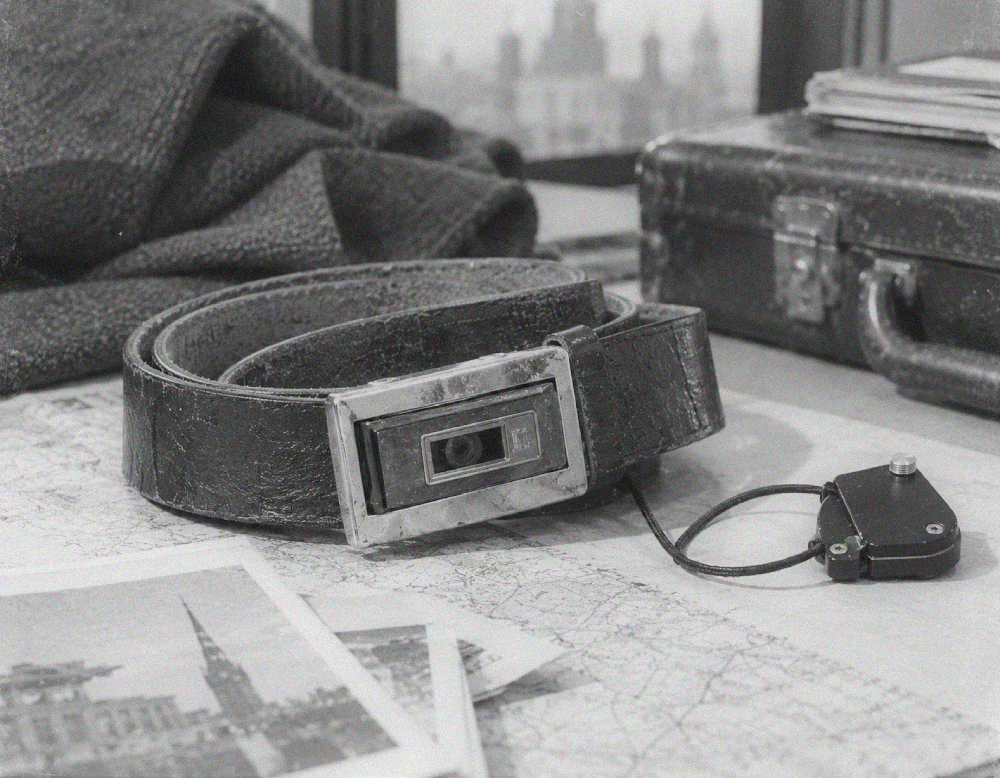
During the 1970s, KGB and Stasi intelligence officers completely mastered the art of hiding tiny subminiature cameras directly inside their bulky leather belts. The heavy metal buckle featured a secret sliding panel that quickly exposed the camera lens, allowing the agent to secretly photograph targets by simply squeezing a shutter release cable hidden deep inside their pants pocket.
11. Wooden tobacco pipes
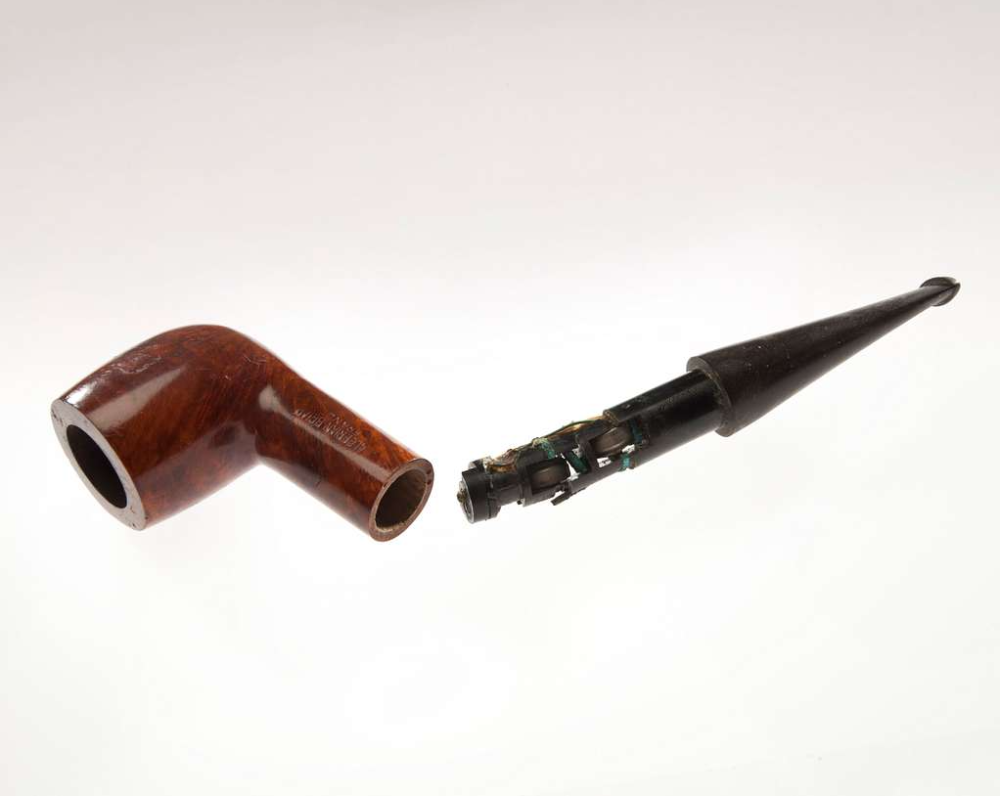
Because heavy smoking was so common during the mid-twentieth century, intelligence agencies frequently modified wooden tobacco pipes to conceal miniature radio receivers. Operatives could casually bite down on the pipe stem, allowing the device to transmit incoming audio signals directly through their jawbone and into their inner ear without using any visible earpieces.
12. Formal cufflinks
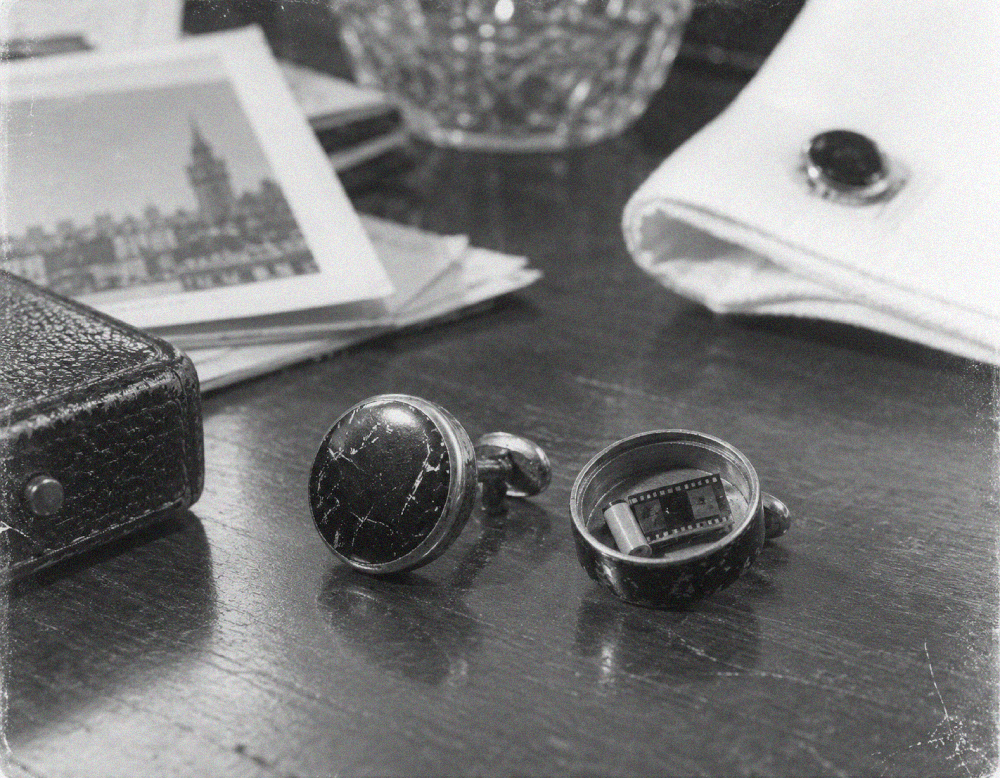
During the height of the Cold War, elegant KGB spies attending black-tie diplomatic events frequently wore highly polished metal cufflinks containing a hidden hollow cavity. By twisting the decorative face of the jewelry backward, agents could quickly access microscopic film negatives containing stolen government secrets or highly concentrated cyanide pills.
Check out more objects with fascinating stories behind:
Real espionage required an unbelievable amount of creativity and psychological manipulation just to keep vital information hidden in plain sight. Looking at these brilliantly modified household objects makes you wonder what kind of incredible technology modern intelligence agencies are secretly utilizing today. If you love diving into fascinating historical secrets and true crime stories, make sure to check out these Ocean Floor Relics: 12 Objects Recovered From the Titanic or these 12 Tiny Pieces of Evidence That Solved Major Historic Crimes. You may also like these 15 Wild Disguises Criminals Actually Tried to Use (1920s–1980s).