Most entrepreneurs spend small fortunes on raw materials before selling a single product, yet some of the smartest businesses on the planet build their entire empires using items people throw away for free. One person’s basement clutter, leftover bakery crusts, or torn truck tarpaulins can easily become another founder’s goldmine.
Across the globe, creative founders are turning free garbage, coastal litter, and unwanted household junk into thriving international brands. Instead of paying suppliers for expensive timber, leather, or fabric, these clever companies simply haul away what nobody else wants and transform it into luxury goods. Exploring these ingenious operations proves that you do not need massive startup capital when millions of tons of free inventory are sitting right on the curb. Here are twelve unusual companies that make serious money from things people give away.
1. Freitag’s truck tarp messenger bags
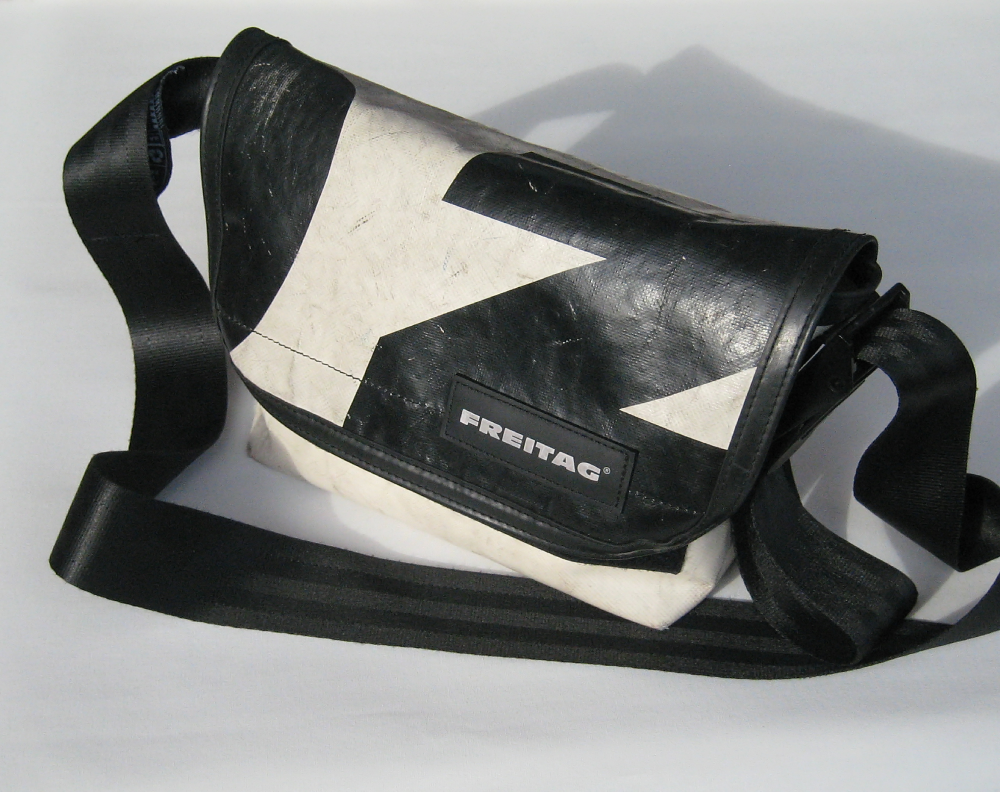
Back in 1993, Zurich graphic designers Markus and Daniel Freitag noticed colorful, heavy-duty tarpaulins covering speeding trucks outside their apartment window. The brothers began collecting worn-out truck tarps, old car seatbelts, and used bicycle inner tubes for free, cutting and stitching the grime-covered vinyl into rugged, waterproof messenger bags that now sell worldwide for hundreds of dollars.
2. Ocean Sole’s beach flip-flop sculptures
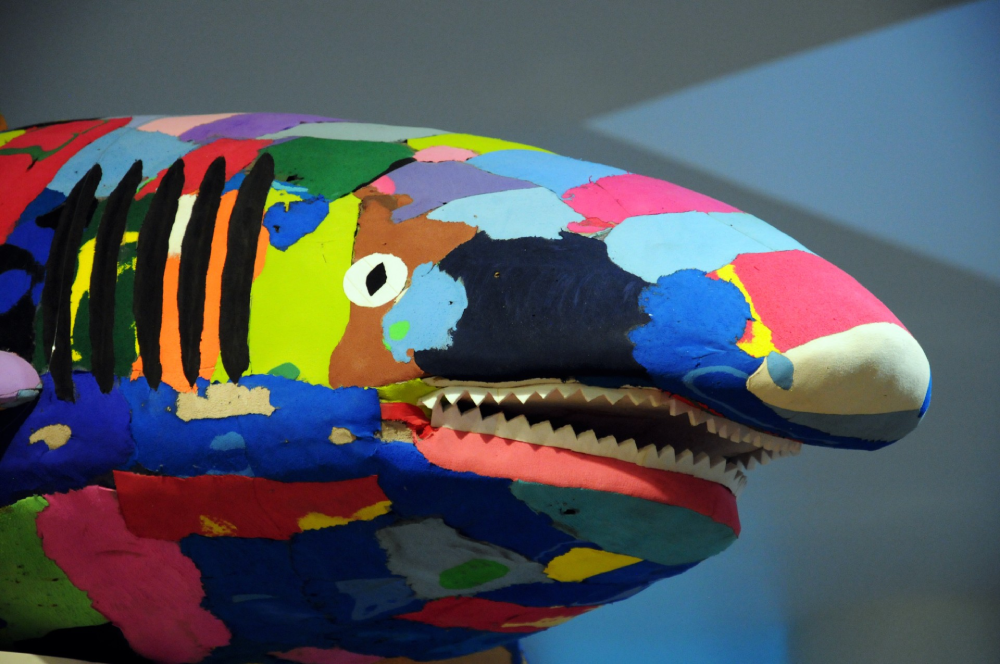
Marine conservationist Julie Church started Ocean Sole in Nairobi, Kenya, in 2005 after watching local children turn washed-up rubber sandals into makeshift toys. Her team gathers hundreds of thousands of discarded flip-flops littering East African beaches, sanitizing and gluing the bright foam layers together to carve giant giraffe and elephant sculptures sold to international art collectors.
3. Toast Ale’s surplus bakery beer
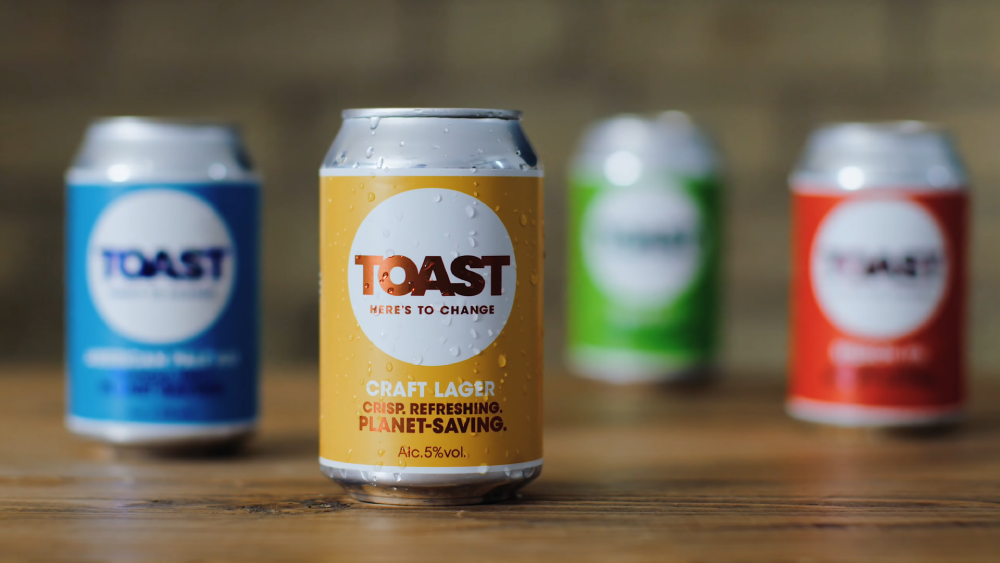
When food waste campaigner Tristram Stuart realized that industrial sandwich makers throw away millions of fresh bread heels every single day, he launched Toast Ale in London in 2016. The craft brewery collects untouched surplus loaves from local bakeries at zero cost, using the toasted breadcrumbs to replace a third of the malted barley needed to brew award-winning pale ales.
4. Elvis & Kresse’s decommissioned fire hose luggage
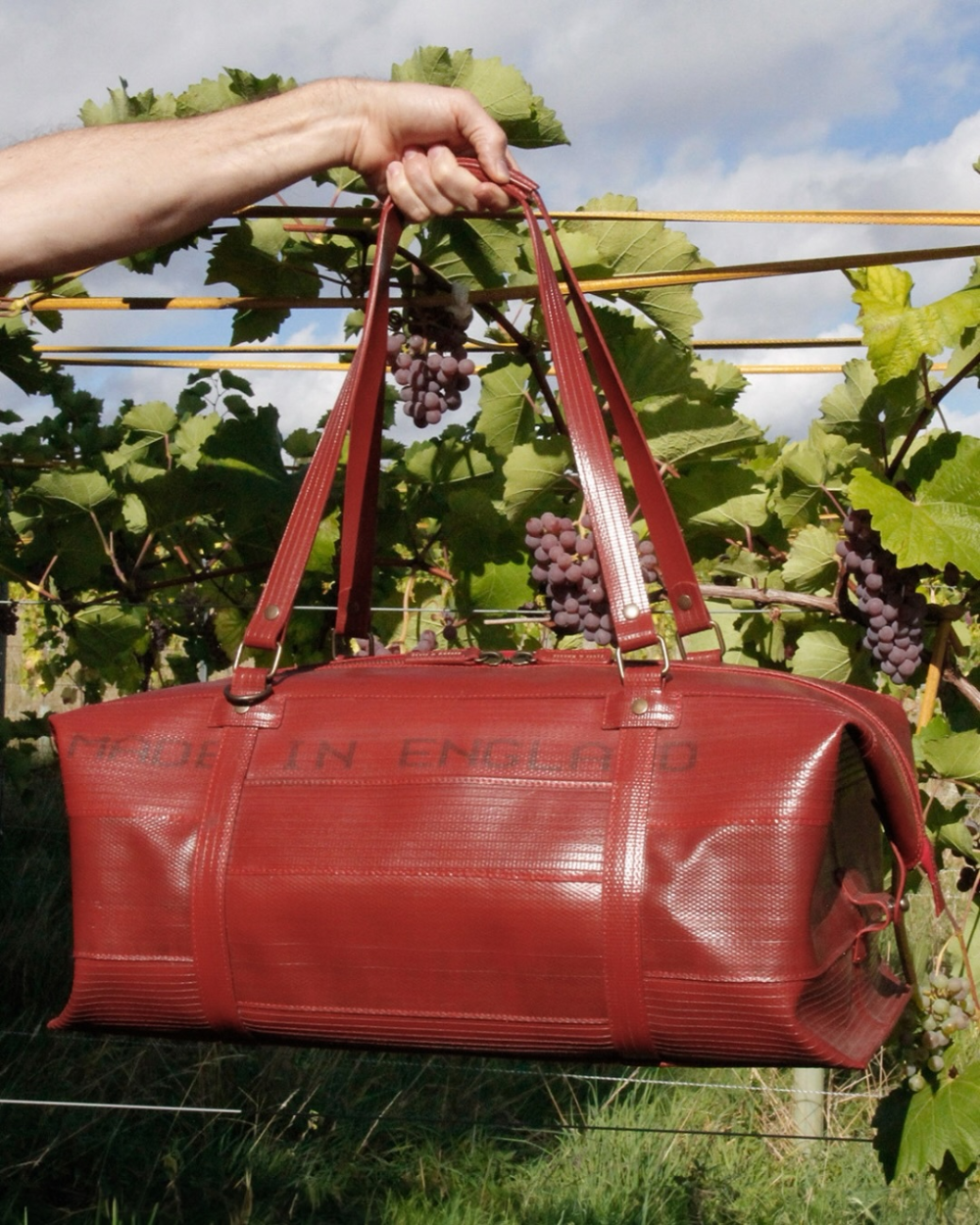
Discovering that the London Fire Brigade sent damaged, retired fire hoses straight to landfills inspired British entrepreneurs Kresse Wesling and James Henrit to launch Elvis & Kresse in 2005. The duo stepped in to rescue every unserviceable red rubber hose for free, scrubbing away decades of soot to handcraft luxury briefcases, wallets, and weekend duffel bags.
5. Bureo’s abandoned fishing net skateboards
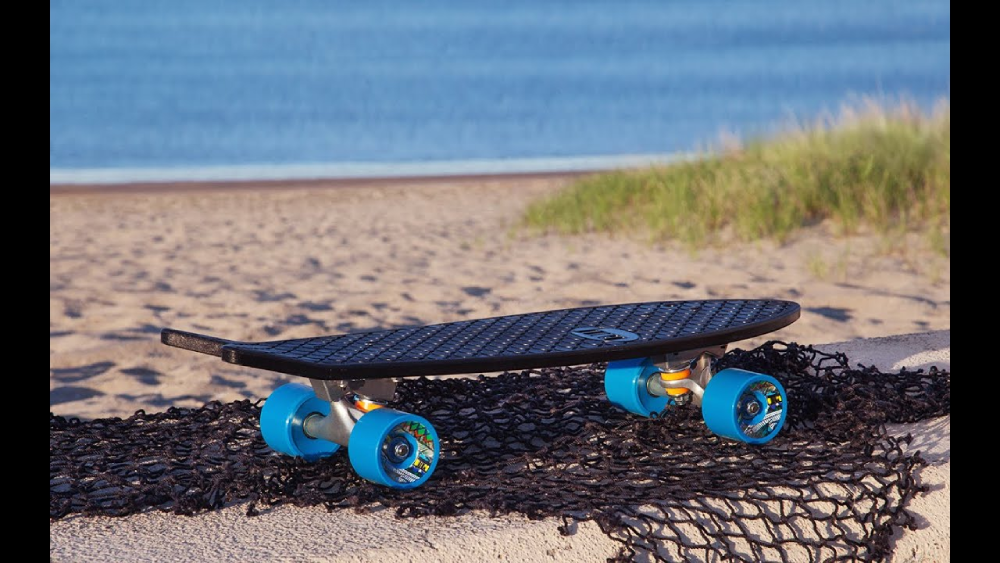
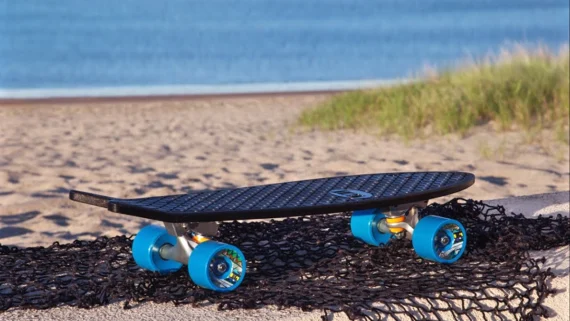
Tangled nylon fishing nets drifting through coastal waters inspired surfers Ben Kneppers, David Stover, and Kevin Ahearn to found Bureo in Chile in 2013. Instead of dumping worn gear into the ocean, local fishermen hand their broken nets over to Bureo’s collection program for free, allowing the company to melt the plastic into distinctive fish-shaped cruiser skateboards and sunglasses.
Trending on The Scroller


6. Pulp Pantry’s juice bar vegetable chips
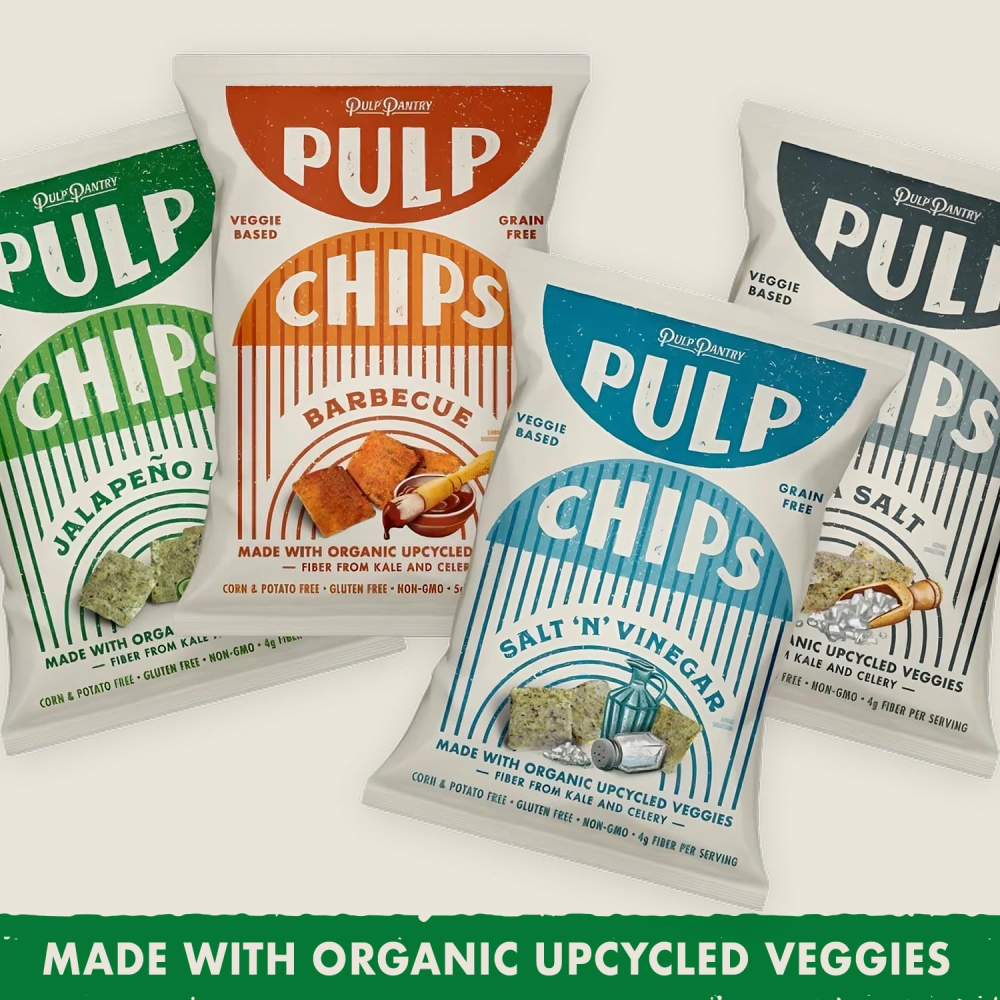
Watching a Los Angeles juice shop dump barrels of vibrant organic vegetable fiber straight into the dumpster gave entrepreneur Kaitlin Mogentale a brilliant idea in 2015. She founded Pulp Pantry to collect the free leftover kale, celery, and carrot pulp before it ever touches a trash bag, dehydrating and baking the nutrient-rich scraps into crunchy grain-free tortilla chips.
7. TerraCycle cigarette butt park benches
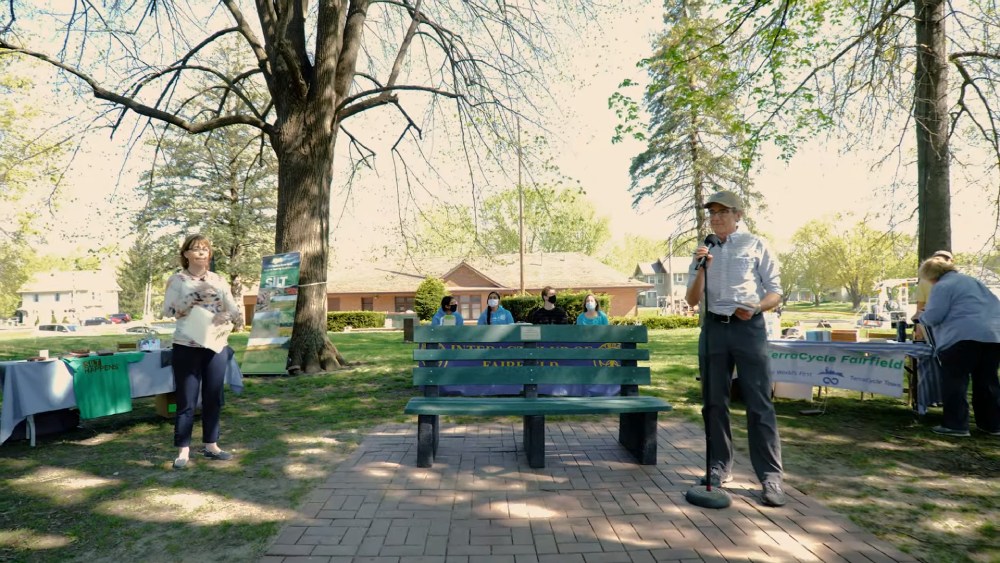
Princeton dropout Tom Szaky launched TerraCycle in Trenton, New Jersey, in 2001, eventually building a massive recycling empire around hard-to-process trash that municipal facilities reject. Through public mail-in programs, millions of volunteers send in free litter like used cigarette butts, empty chip bags, and dirty pens, which the company melts down into heavy-duty plastic lumber for park benches and shipping pallets.
8. Looptworks retired airline seat bags
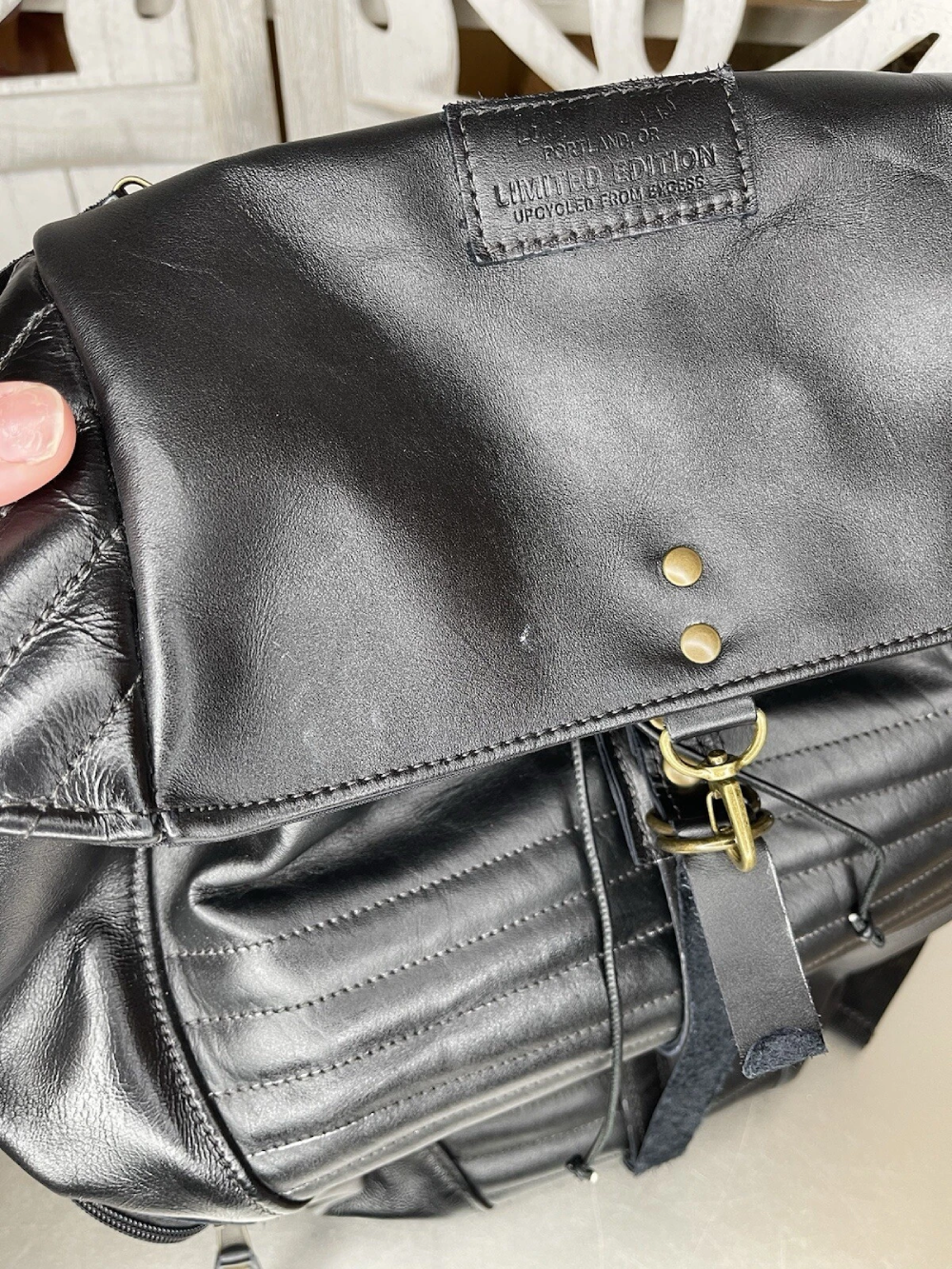
When Southwest Airlines renovated its cabin interiors in 2014, the carrier donated over eighty thousand pounds of stripped leather seat covers to Portland designer Scott Hamlin. Hamlin’s company, Looptworks, transformed the free aviation upholstery into a limited-edition collection of luxury backpacks, duffel bags, and travel totes that sold out rapidly.
Sign up for our newsletter
9. 1-800-GOT-JUNK?’s curbside clutter empire
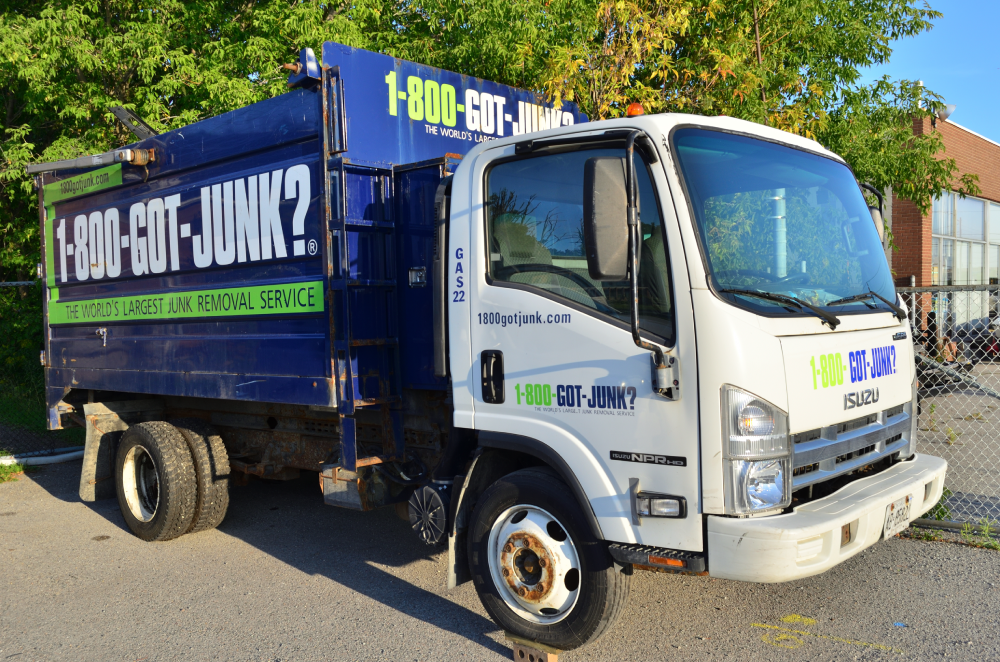
Armed with a beat-up seven-hundred-dollar pickup truck, nineteen-year-old Brian Scudamore launched 1-800-GOT-JUNK? in Vancouver in 1989 after noticing people struggling to clear out bulky garage clutter. Not only do homeowners pay his crews to haul away unwanted furniture and estate leftovers, but his teams sort through the abandoned goods to resell vintage antiques and salvageable treasures.
10. Reclaimed barn wood salvage crews
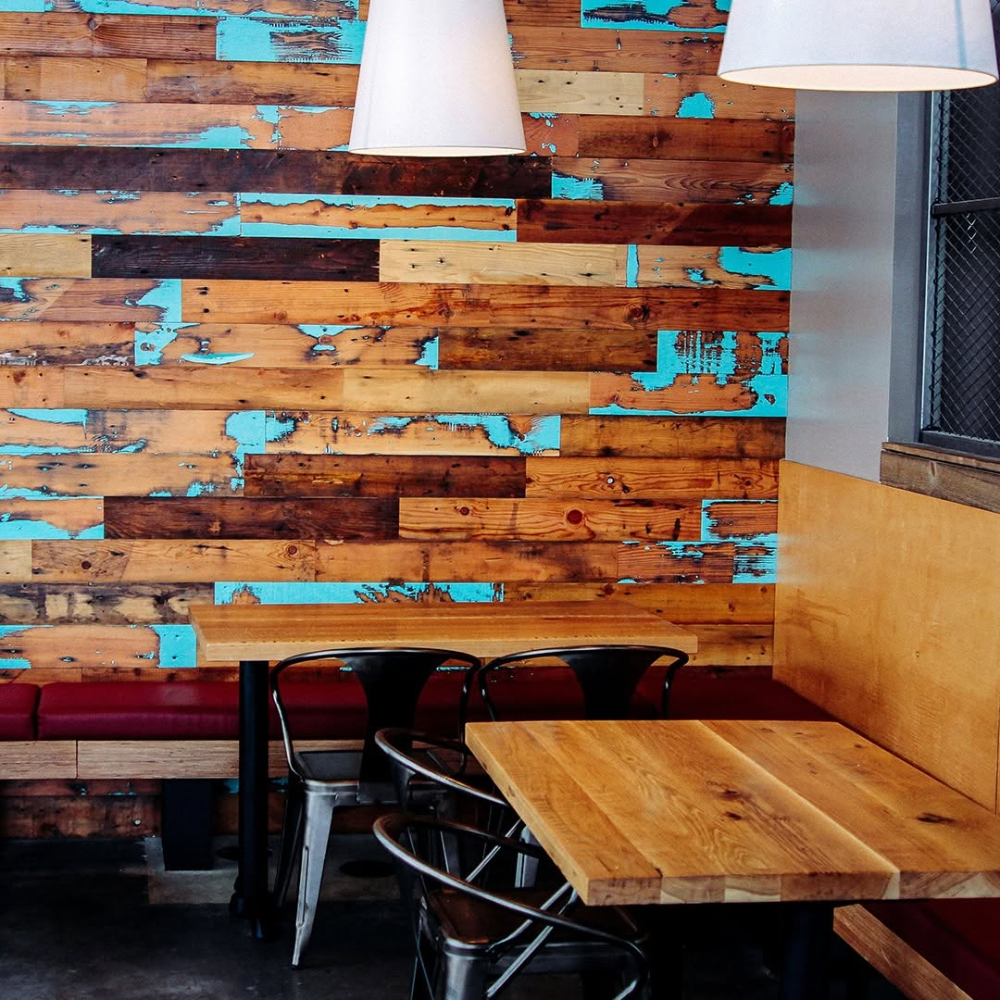
Rural landowners across North America frequently let specialized salvage companies like Viridian Reclaimed Wood tear down decaying nineteenth-century barns completely free of charge just to clear the property. Crews carefully dismantle the weathered, sun-bleached oak and hemlock planks, milling the centuries-old free timber into high-end restaurant tables and luxury hardwood flooring that sells for premium prices.
11. Dgrade’s plastic bottle clothing yarn
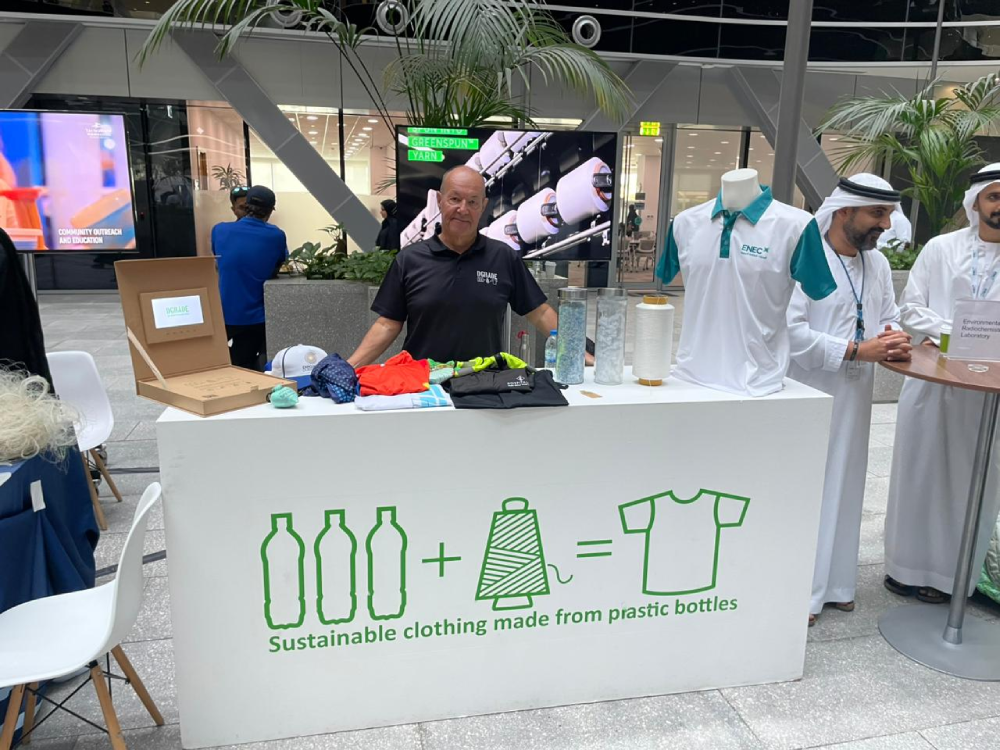
Single-use plastic bottles discarded at desert sporting events and luxury hotels inspired entrepreneur Kris Barber to establish Dgrade in Dubai in 2010. The company collects millions of empty bottles free from local waste streams, shredding and spinning the clear plastic flakes into a soft, cotton-like polyester yarn used to manufacture corporate uniforms and retail T-shirts.
12. Notpla’s edible seaweed water pods

London design engineers Rodrigo Garcia Gonzalez and Pierre Paslier co-founded Notpla in 2014 to eliminate single-use plastic cups at marathons and music festivals. Relying on abundant brown seaweed and leftover industrial kelp extracts that grow rapidly without fertilizer, they developed squishy, edible liquid bubbles called Ooho that runners can pop straight into their mouths and swallow whole.
Explore more interesting money stories:
Seeing how these resourceful founders turned worthless trash, soggy bread crusts, and battered fire hoses into million-dollar brands completely changes the way you look at a curbside pile of junk. With enough imagination, even the most overlooked everyday waste can spark an extraordinary career. If you love exploring clever human ingenuity and unusual money-making ideas, make sure to check out these 18 Genius Money Habits Our Grandparents Swore By or these 15 Unexpected Industries That Make Enormous Money. You may also like these 12 Companies That Accidentally Funded Rivals.