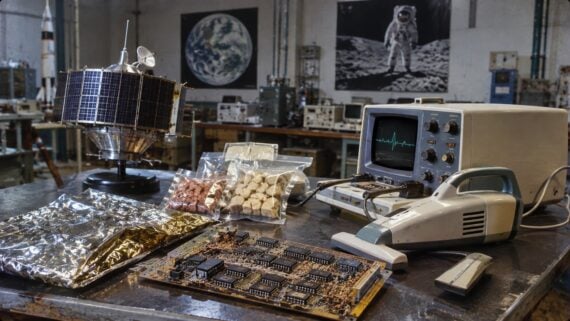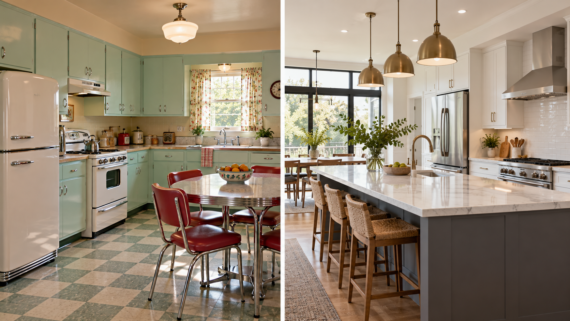
An American kitchen in 1950 already had electricity and modern appliances in many homes, but it looked and functioned very differently from today’s version. Refrigerators were less common, microwaves were still years away from widespread adoption, and kitchens were often separated from the rest of the house.
Over the last 75 years, appliances have become more efficient, food preparation has gotten faster, and kitchen design has changed dramatically. These 15 transformations show how the room went from a place for cooking to the center of everyday home life.
Mechanical Refrigeration Was Still Not Universal in 1950
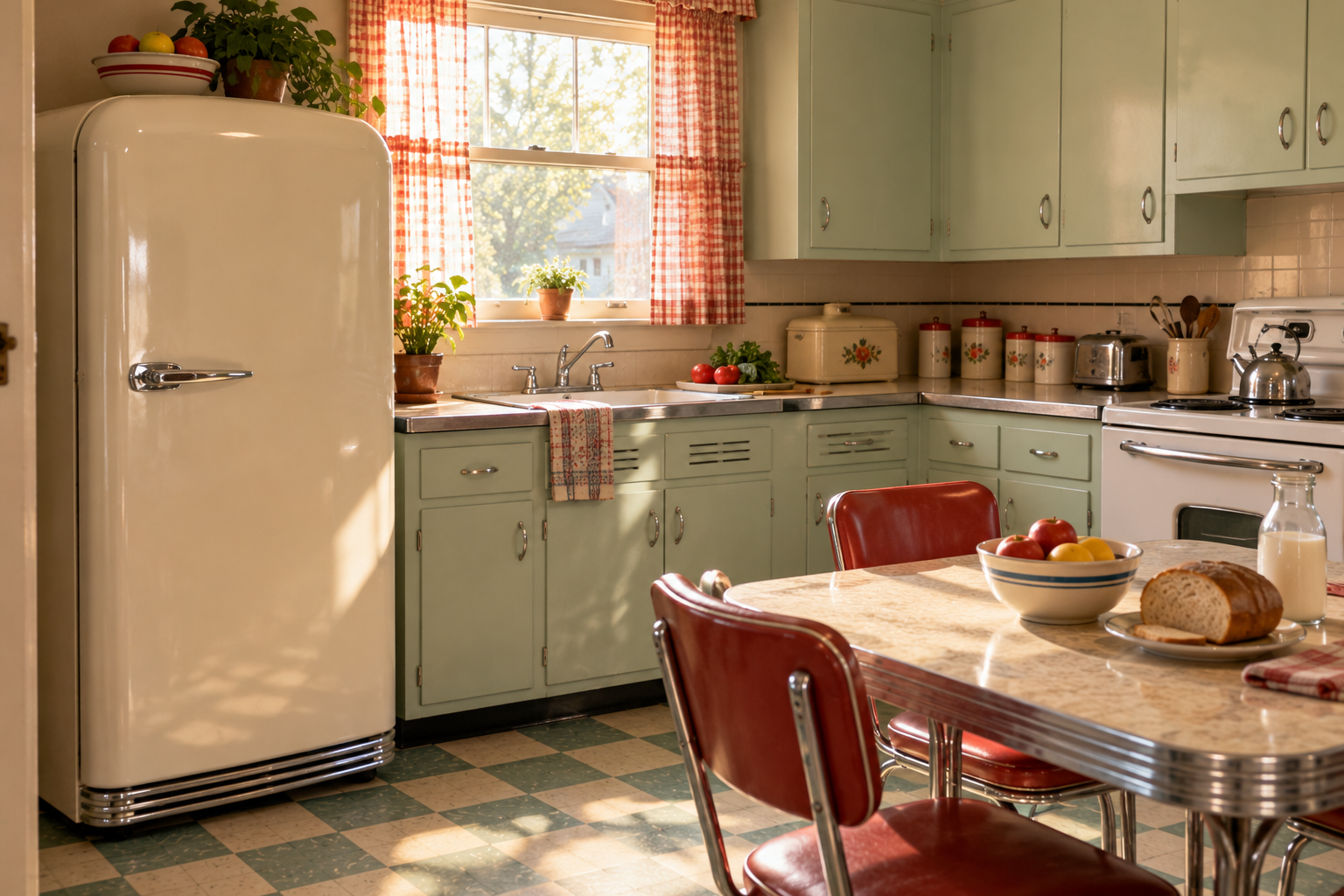
Imagine planning your groceries around when the ice delivery would arrive. In 1950, only 80.2% of U.S. housing units had mechanical refrigeration, according to Census data. Some households still relied on iceboxes or other cooling methods. Over the following decades, electric refrigerators became a virtually universal feature of American kitchens.
Refrigerators Became Bigger While Using Far Less Energy
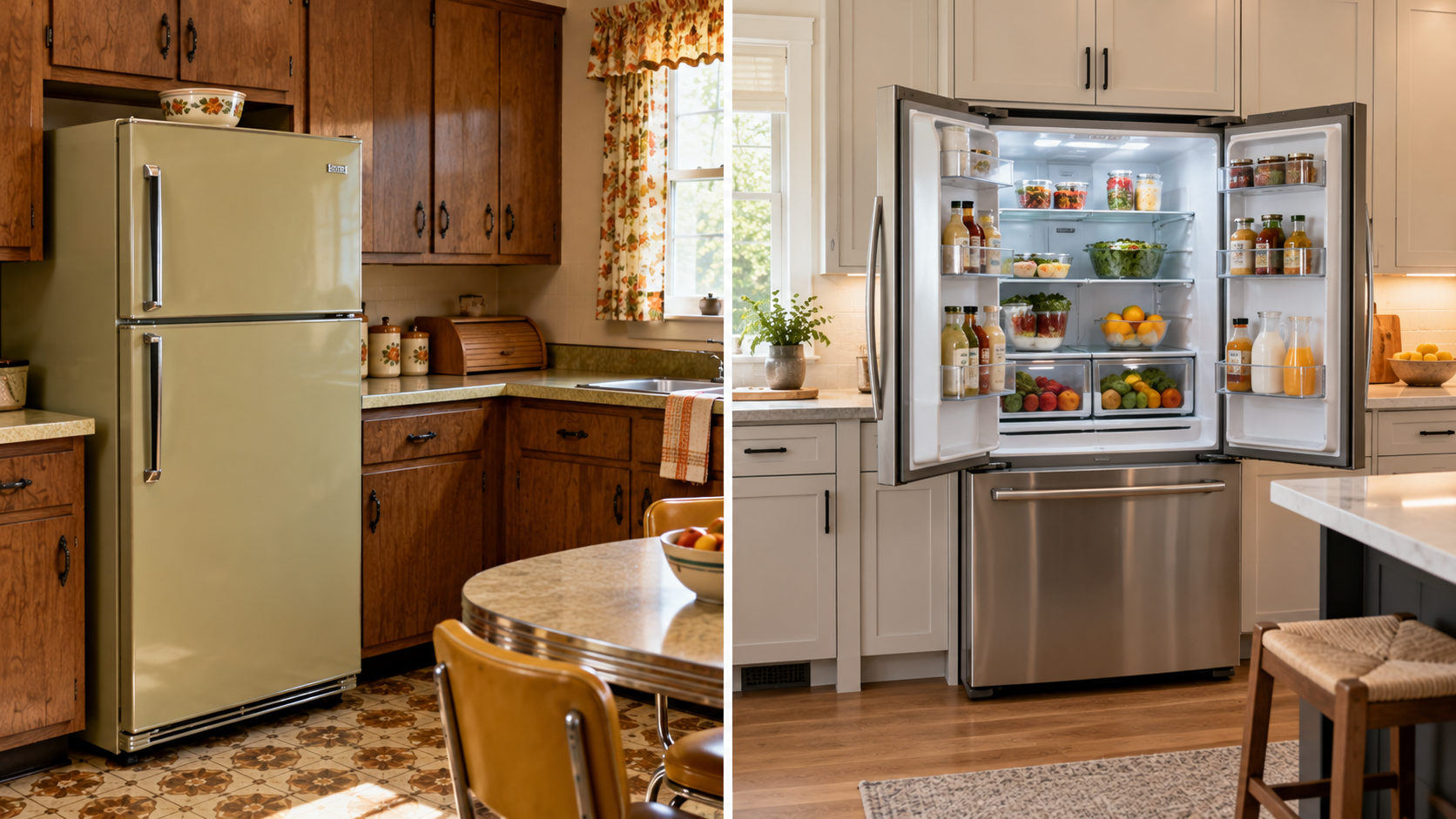
Modern refrigerators hold more food while consuming considerably less electricity. The Department of Energy reports that a typical new refrigerator uses about 75% less energy than a 1973 model while offering roughly 20% more storage capacity. Ice makers, water dispensers, digital controls, and larger freezer compartments added even more convenience. The fridge has come a long way from simply keeping the milk cold.
Microwaves Went From Futuristic Luxury to Standard Equipment
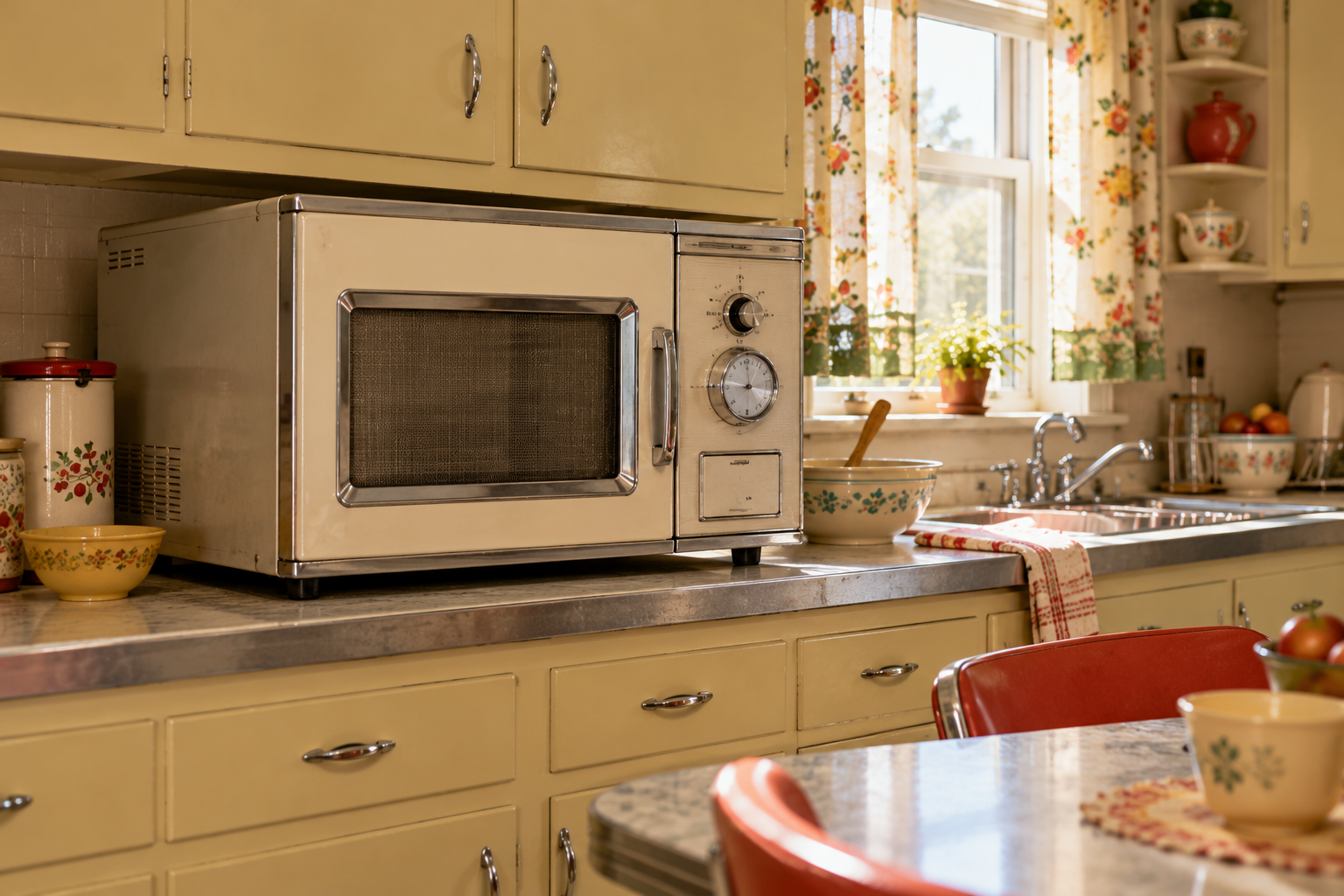
In 1955, a home-use microwave cost $1,295, and manufacturers produced just 34 units that year. Falling prices and smaller designs eventually changed everything: by 2000, 90% of U.S. households had one. Today, microwaves are found in almost every American home. Waiting for leftovers to heat up may still feel inconvenient, but at least the appliance no longer costs as much as the car.
Dishwashers Went From a Minority Appliance to a Common Kitchen Feature
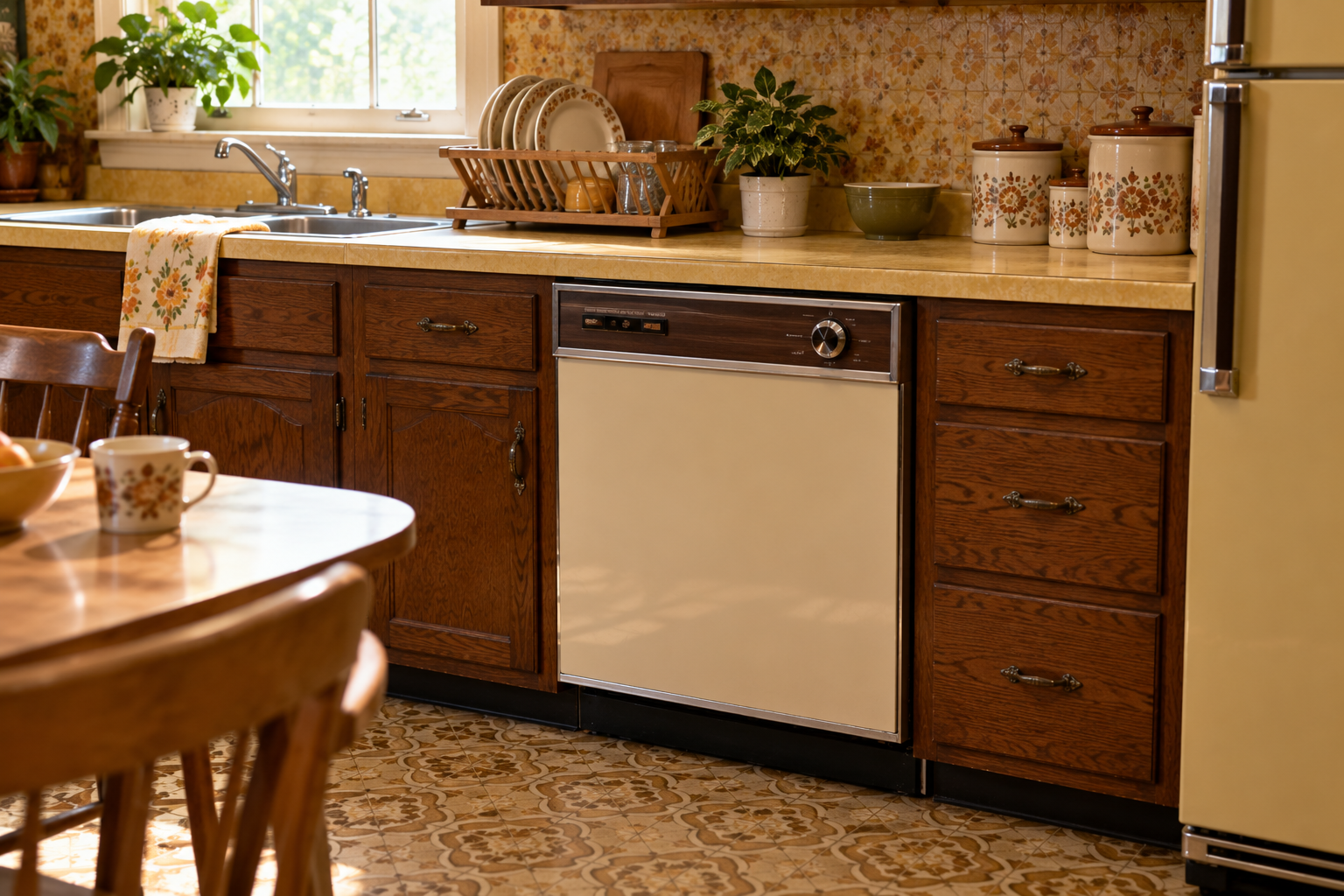
For millions of Americans, washing dishes by hand gradually became optional. In 1978, only about 35% of U.S. households had a dishwasher, according to the Energy Information Administration. By 2009, that figure had reached 59%. What was once a relatively uncommon convenience became a familiar kitchen feature, although loading it correctly remains a surprisingly controversial household skill.
Kitchens Moved Out of Isolation and Into the Living Space
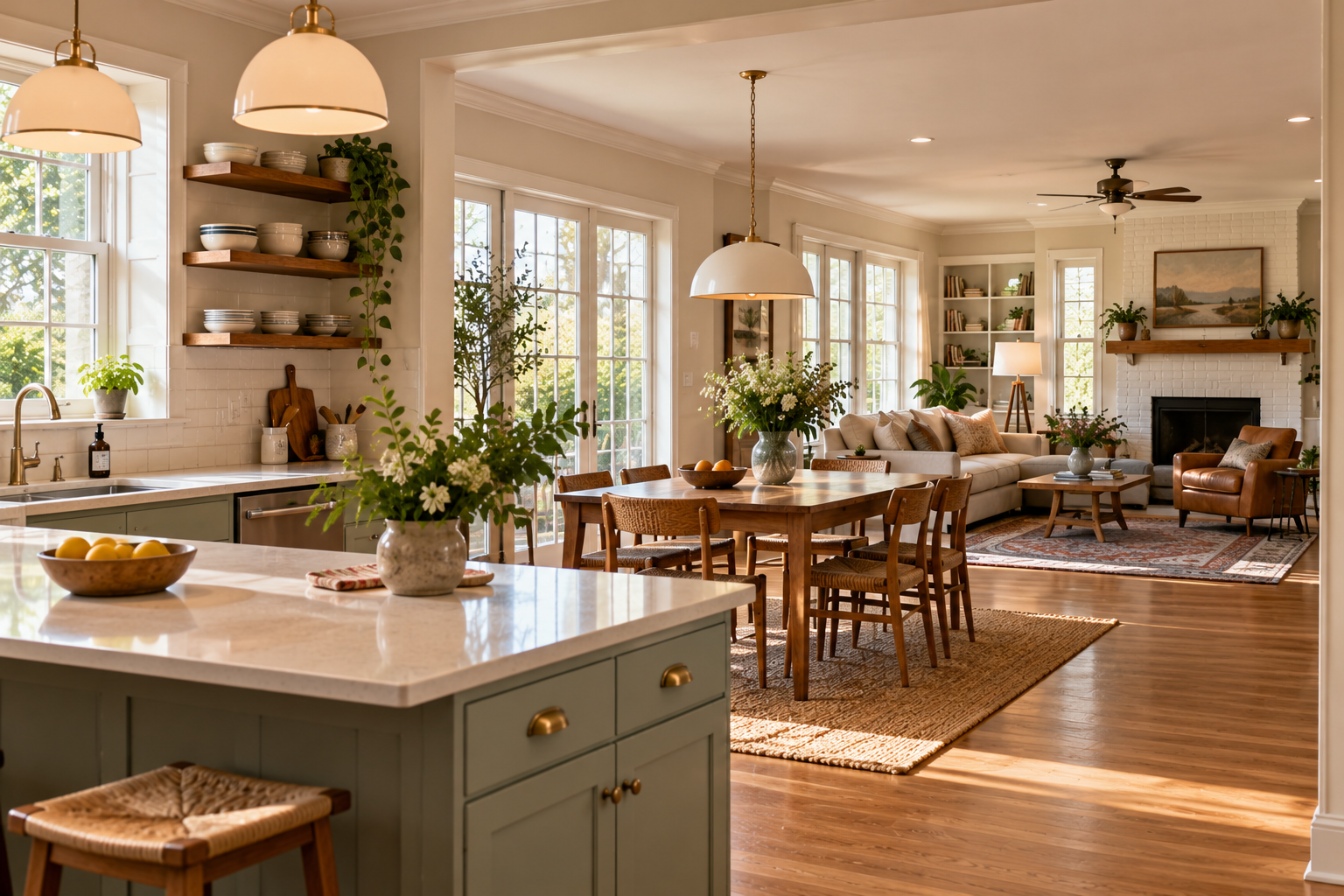
Mid-century kitchens were often separate workspaces, keeping cooking mess and noise away from living areas. Postwar builders increasingly connected kitchens with dining and family rooms, helping establish today’s open-plan layouts. Cooking, eating, and entertaining could now happen in the same space. The downside? There’s no closed door to hide the dishes when unexpected guests arrive.
Trending on The Scroller
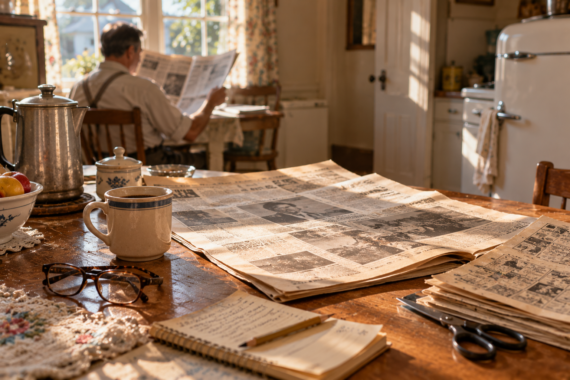
Frozen Dinners Changed What “Cooking Dinner” Could Mean
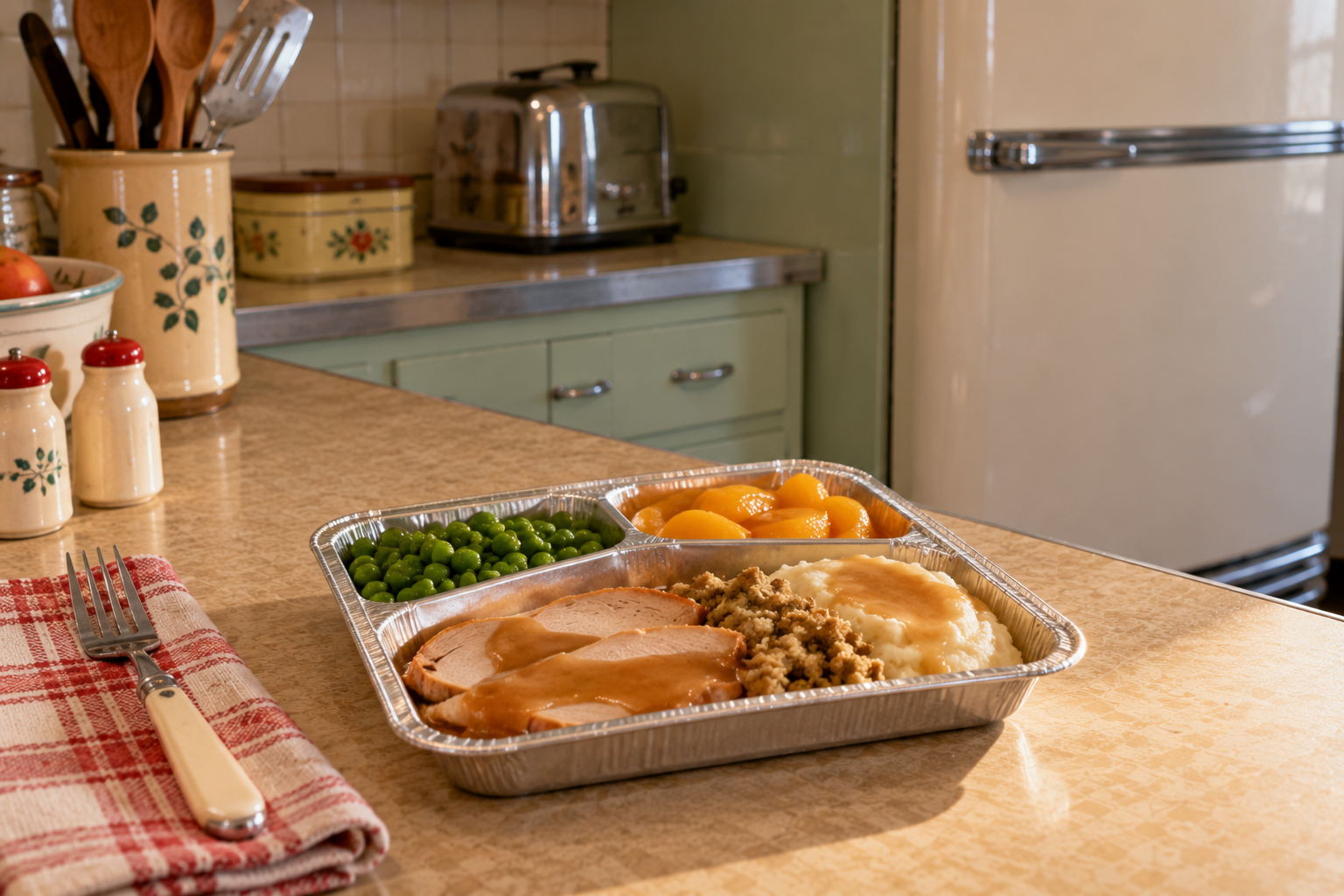
In 1954, Swanson introduced its frozen TV dinner in a disposable aluminum tray that could go straight from the freezer to the oven. The meals reduced preparation and cleanup while fitting perfectly with America’s growing enthusiasm for television. Frozen prepared foods soon became a bigger part of mealtime. Dinner could now involve more heating than cooking, and considerably fewer pots to wash.
Food Companies Started Designing Meals Specifically for the Microwave
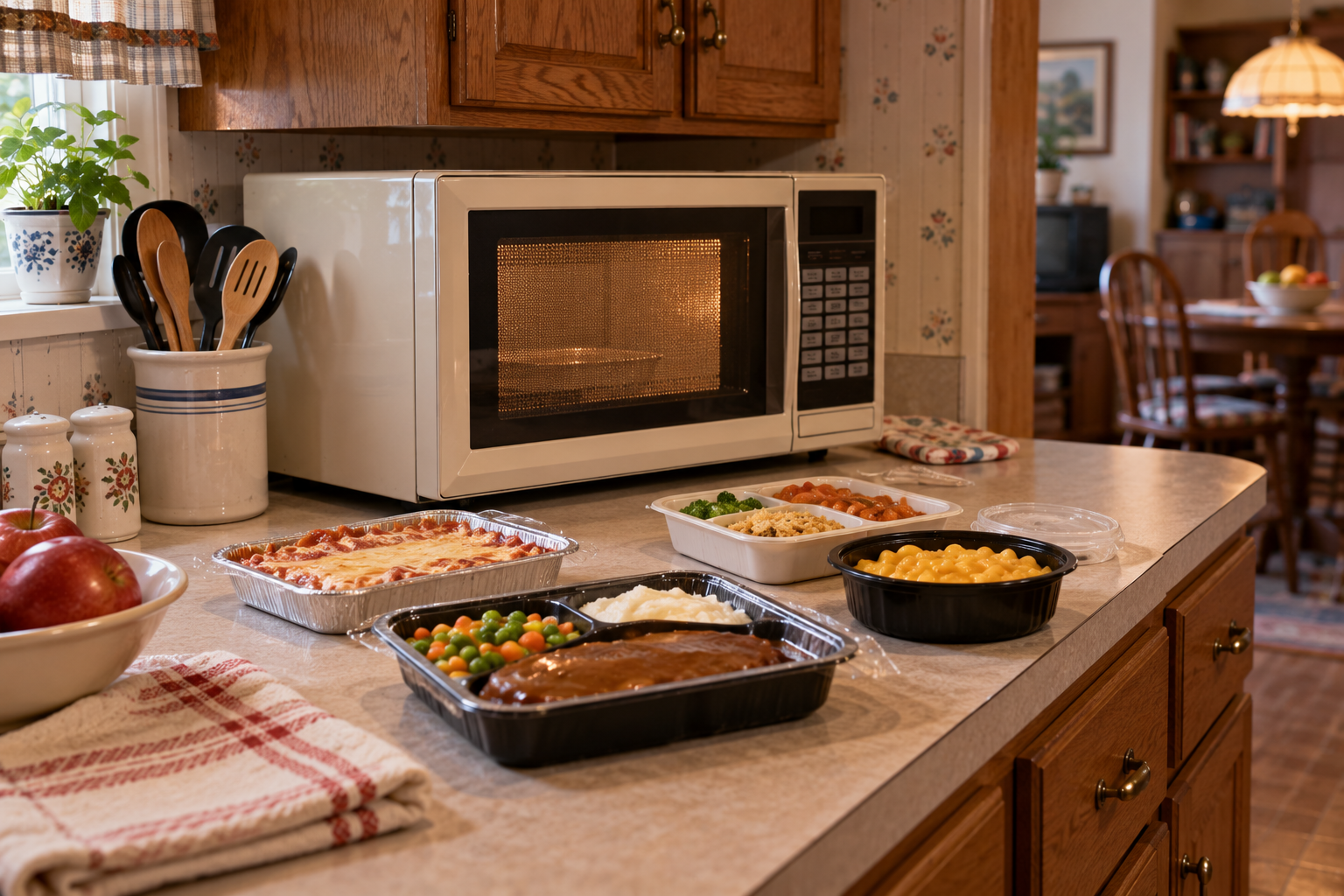
Microwaves didn’t just change kitchens; they changed the food industry. Pillsbury introduced a line of microwaveable foods in 1976, and manufacturers released more than 760 new microwave-specific products in 1987 alone. Recipes and packaging were redesigned for faster cooking. The modern frozen-food aisle owes plenty to this shift, including meals that promise convenience and occasionally challenge your ability to wait before taking the first bite.
Electricity Became the Most Common Energy Source for Cooking
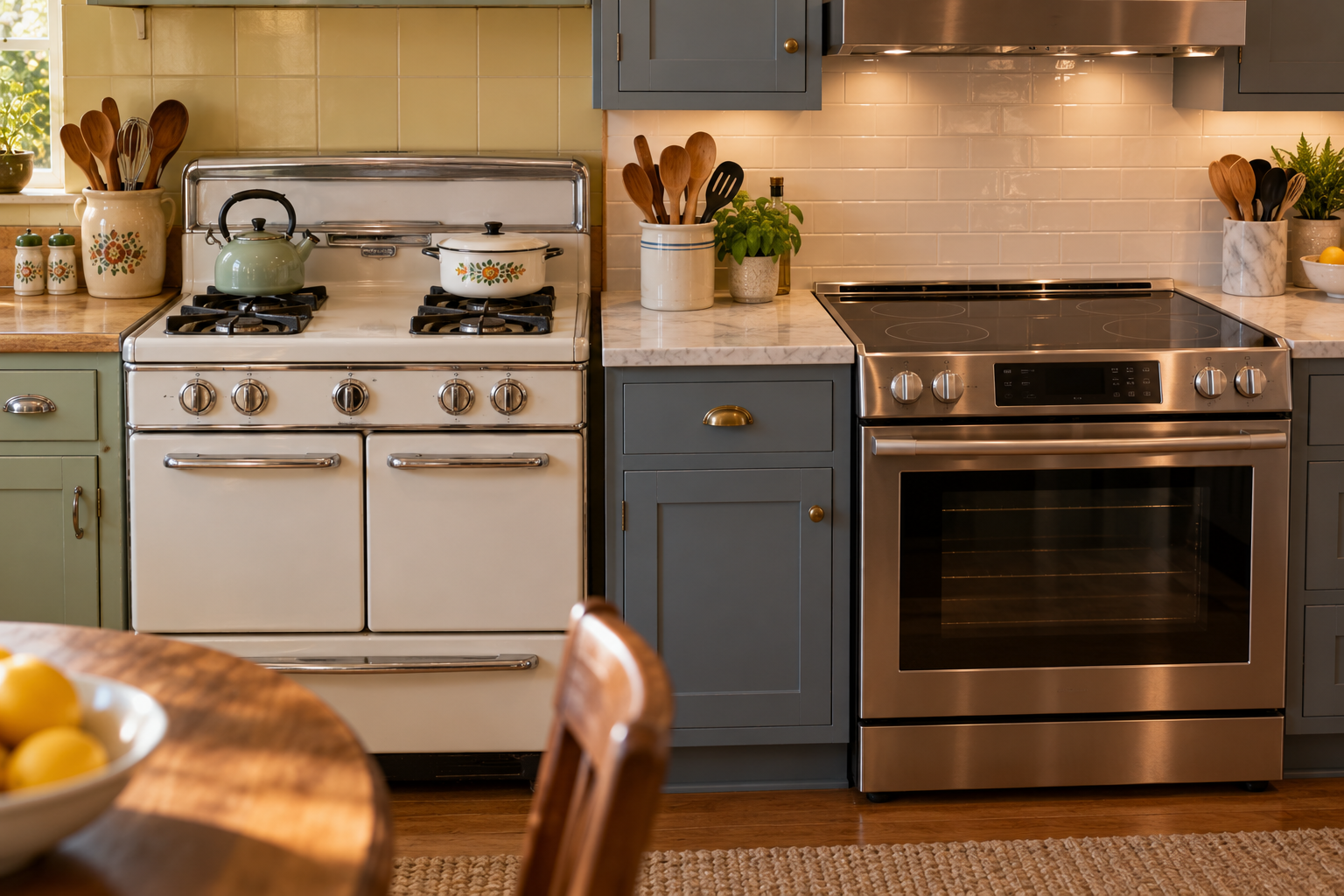
Gas ranges were prominent in mid-century American kitchens, and the 1950 Census counted roughly 25 million dwelling units cooking with gas. By 2020, electricity had become the country’s most common cooking energy source. About 68% of homes had an electric cooking appliance, compared with 38% using natural gas, according to the EIA. Some households use both, so choosing a side isn’t mandatory.
Sign up for our newsletter
A Single Refrigerator Is No Longer Enough for Millions of Households
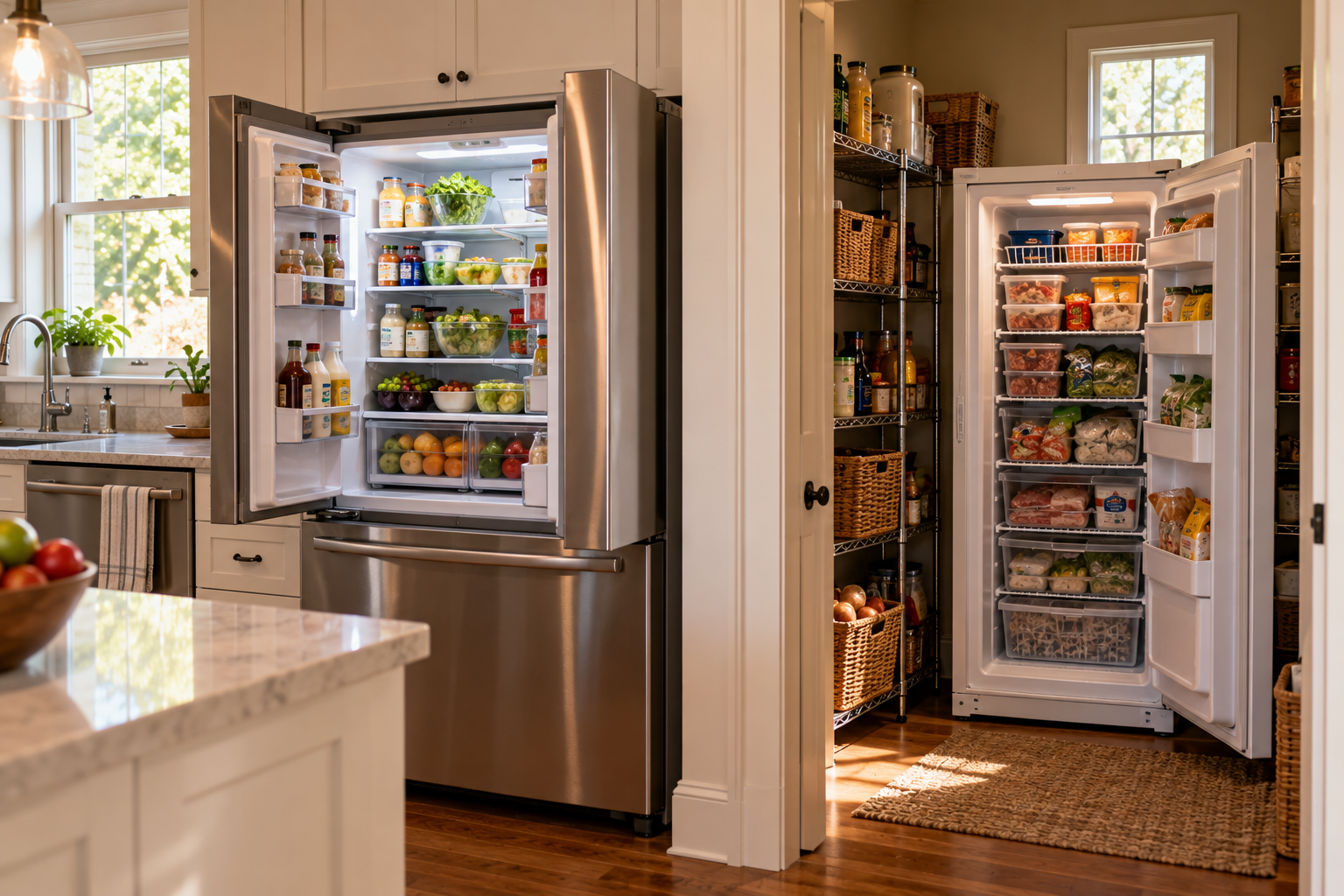
One refrigerator used to be enough for most kitchen routines, but modern food storage can extend into the garage or basement. Preliminary EIA data for 2024 found that 34% of U.S. homes had at least two refrigerators, while 37% had a separate freezer. Bulk shopping and frozen food help explain the extra capacity. Apparently, the main fridge eventually runs out of room for everyone’s favorite leftovers.
Kitchens Accumulated an Entire Ecosystem of Small Appliances
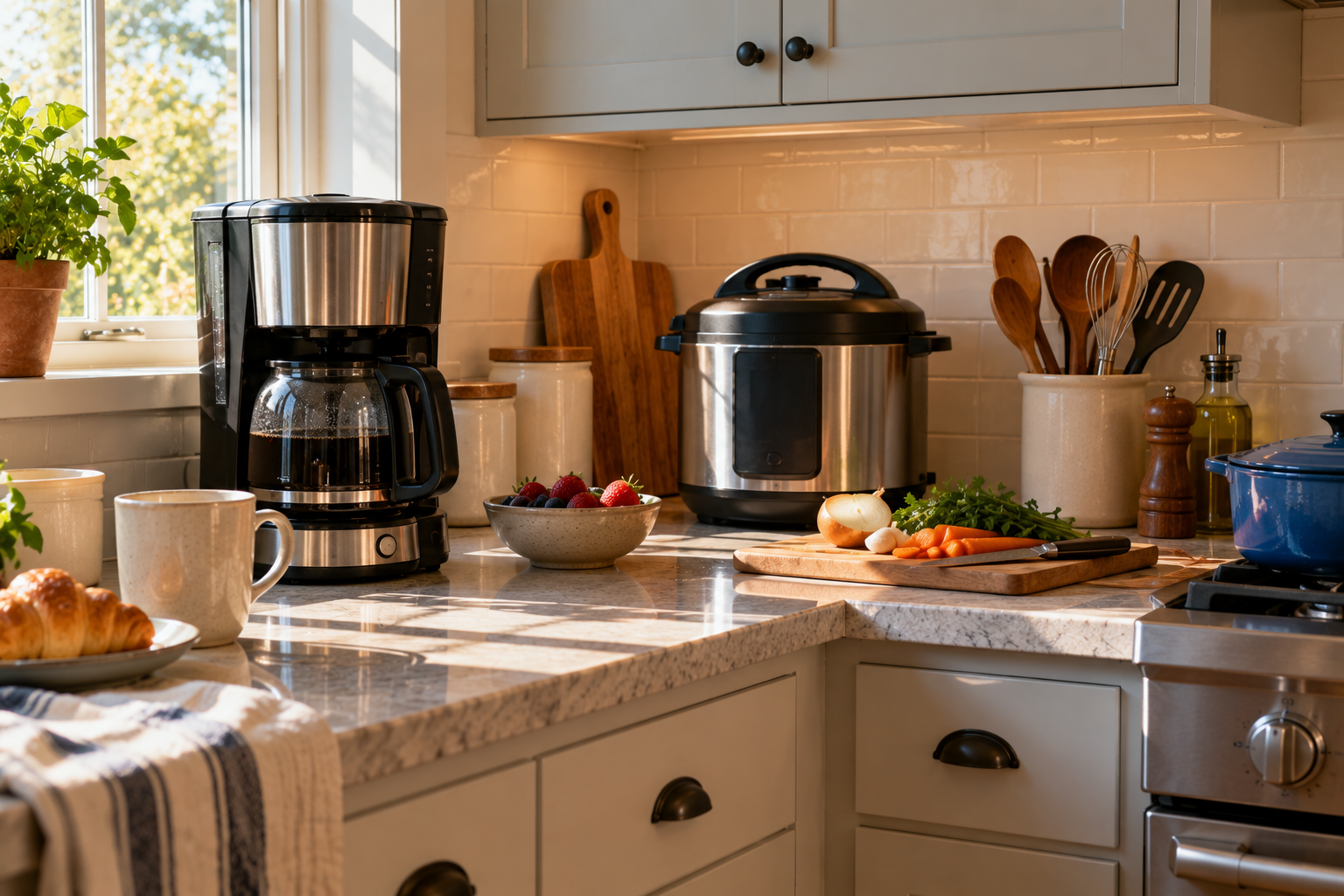
Today’s kitchen can host an entire collection of machines dedicated to individual tasks. Government surveys now track everything from coffee makers and toaster ovens to slow cookers, rice cookers, and electric pressure cookers. In 2020, 75% of U.S. households used an electric coffee maker at least occasionally, while 16% used an electric pressure cooker weekly. Counter space has become a competitive sport.
More Food Spending Now Happens Away From Home
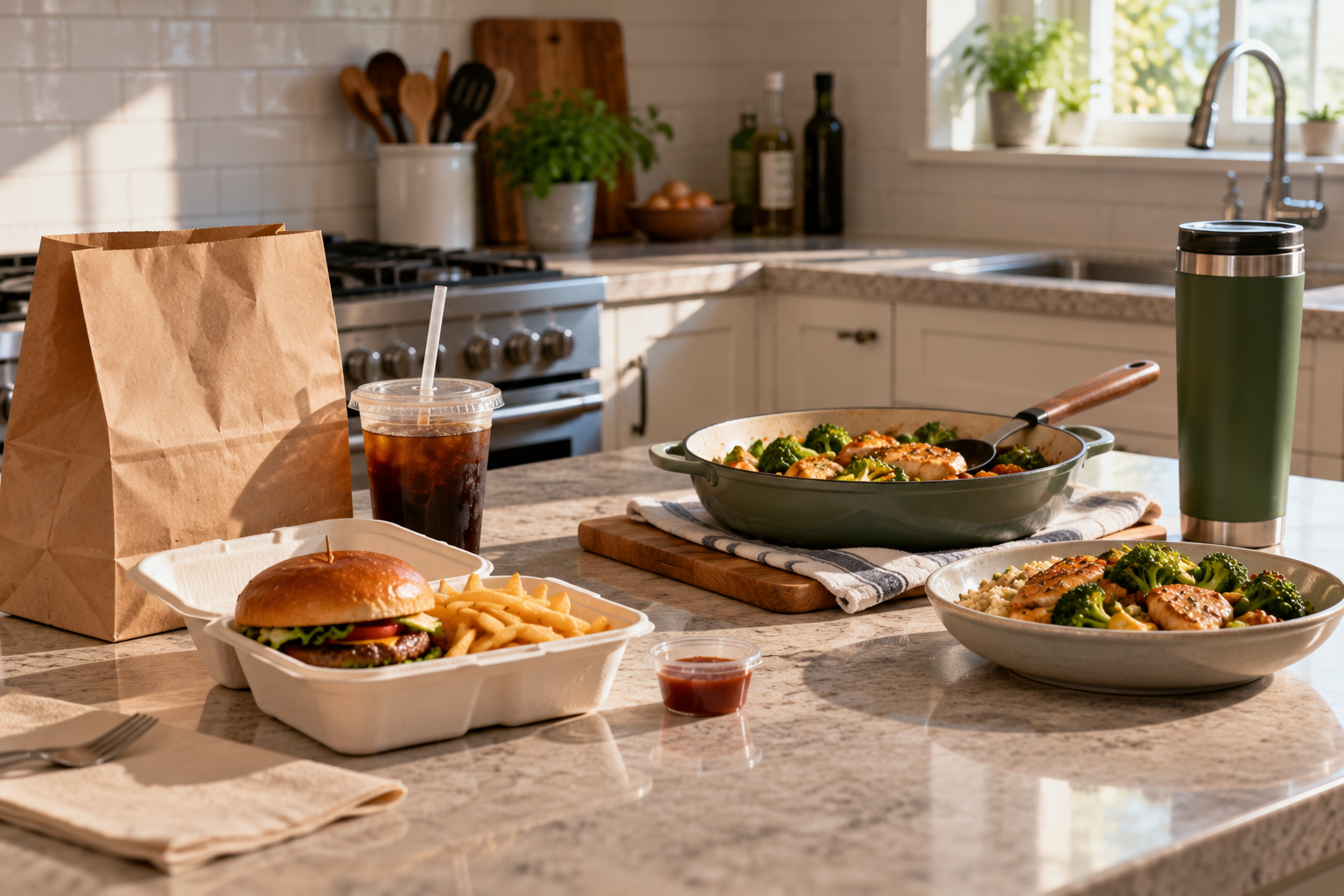
The kitchen is no longer where most American food spending happens. In 2025, food consumed away from home accounted for 56.3% of total U.S. food expenditures, compared with 43.7% for food purchased for home consumption. Restaurants, takeout, and delivery now play a major role in eating habits. The kitchen may be the heart of the home, but it isn’t necessarily where dinner comes from.
Convenience Foods Reduced the Amount of Preparation Required in the Kitchen
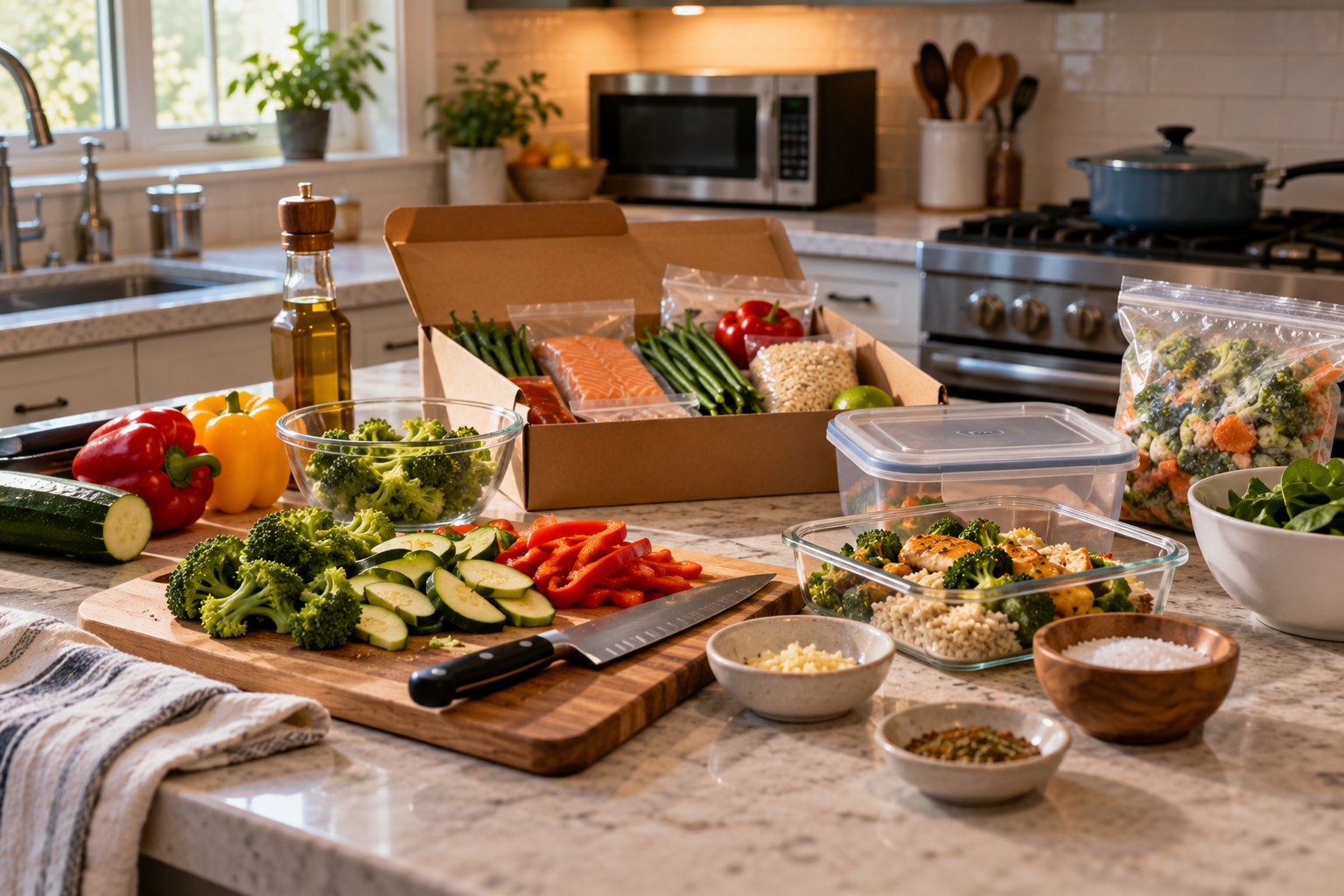
Precut ingredients, frozen entrées, instant side dishes, and microwaveable meals reduced the number of steps needed to put dinner on the table. Smithsonian research describes convenience as a defining feature of postwar food culture, especially as more women entered paid employment while often retaining responsibility for household cooking. From-scratch meals didn’t disappear, but modern dinner planning gained a lot more shortcuts, and a lot more packaging.
Kitchen Design Became More Focused on Organized Work Zones
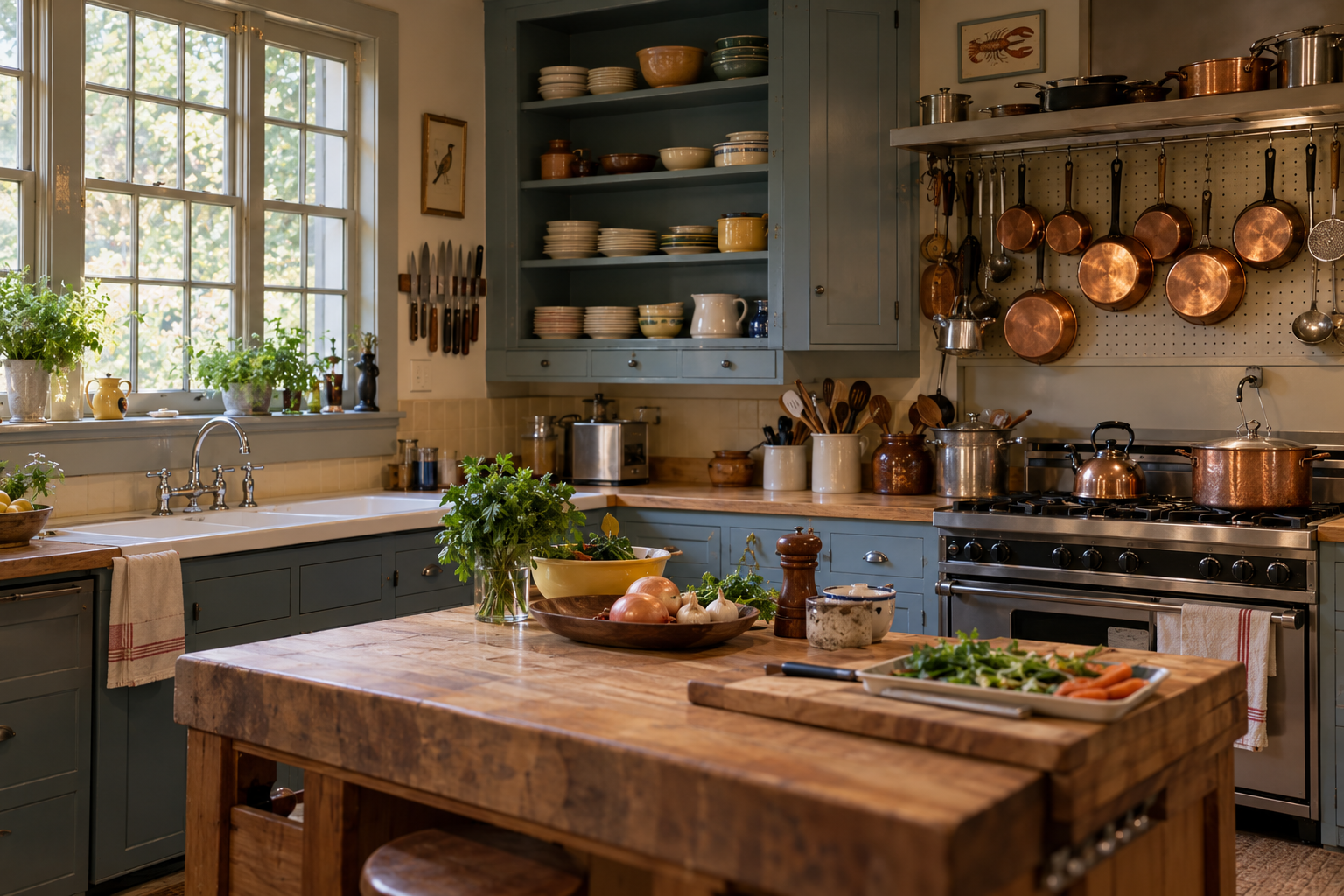
A well-planned kitchen is about more than squeezing a stove, sink, and refrigerator into one room. Postwar design increasingly emphasized accessible storage and keeping tools close to where they were used. Julia Child’s 1961 kitchen, now preserved by the Smithsonian, illustrated the approach with knives near the sink, pots near the stove, and dedicated work surfaces. Even cooking feels easier when finding a spatula isn’t an archaeological expedition.
Major Kitchen Appliances Became Dramatically More Energy Efficient
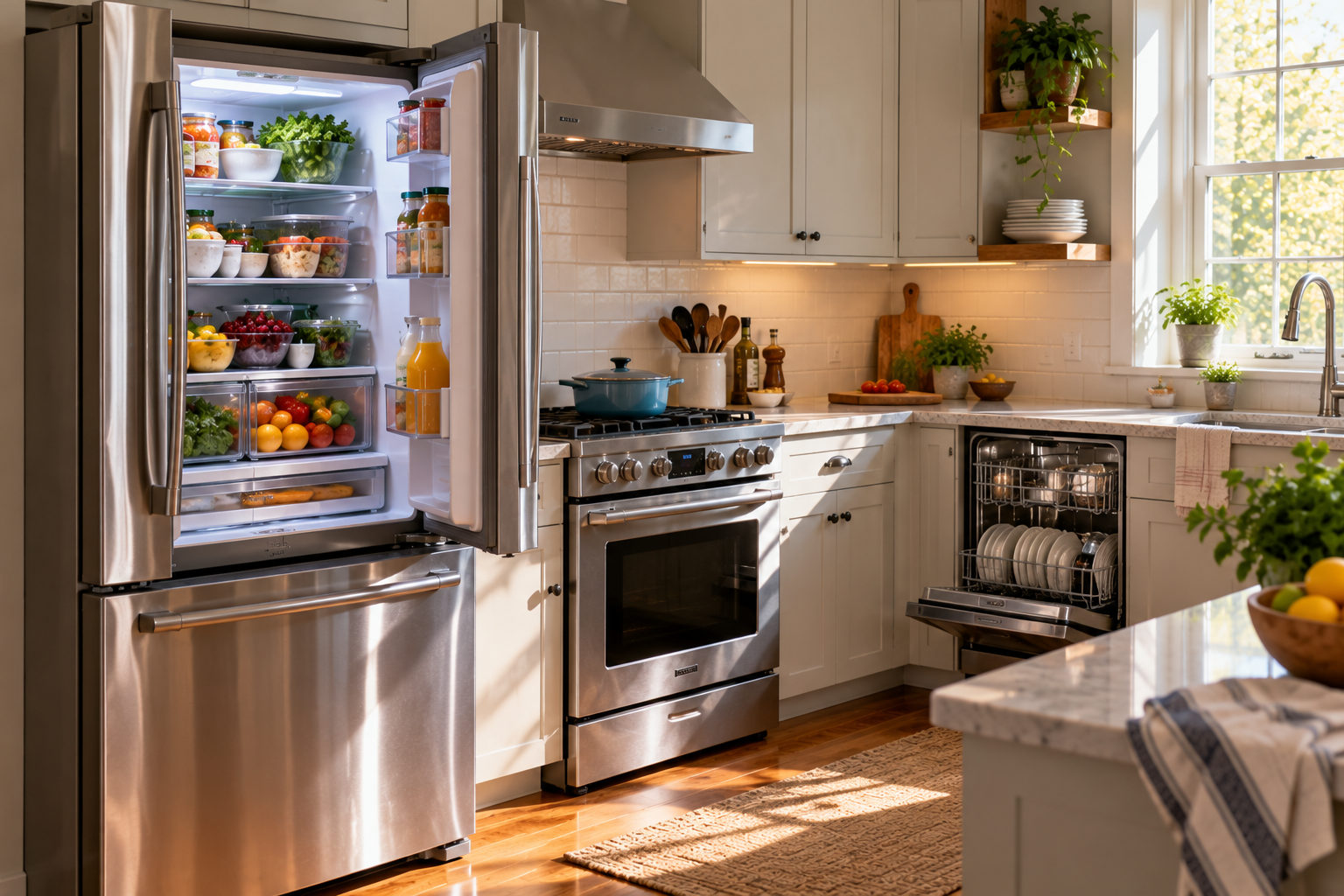
Modern kitchens contain more appliances and electronics than their mid-century counterparts, but many major machines use energy far more efficiently. A typical new refrigerator, for example, consumes about 75% less energy than its 1973 counterpart while providing roughly 20% more storage space. Efficiency standards and technological advances helped appliances become larger and more capable without energy use rising at the same pace. Progress can be measured in both features and electricity bills.
Kitchens Became Social Spaces and Status Symbols, Not Just Work Rooms
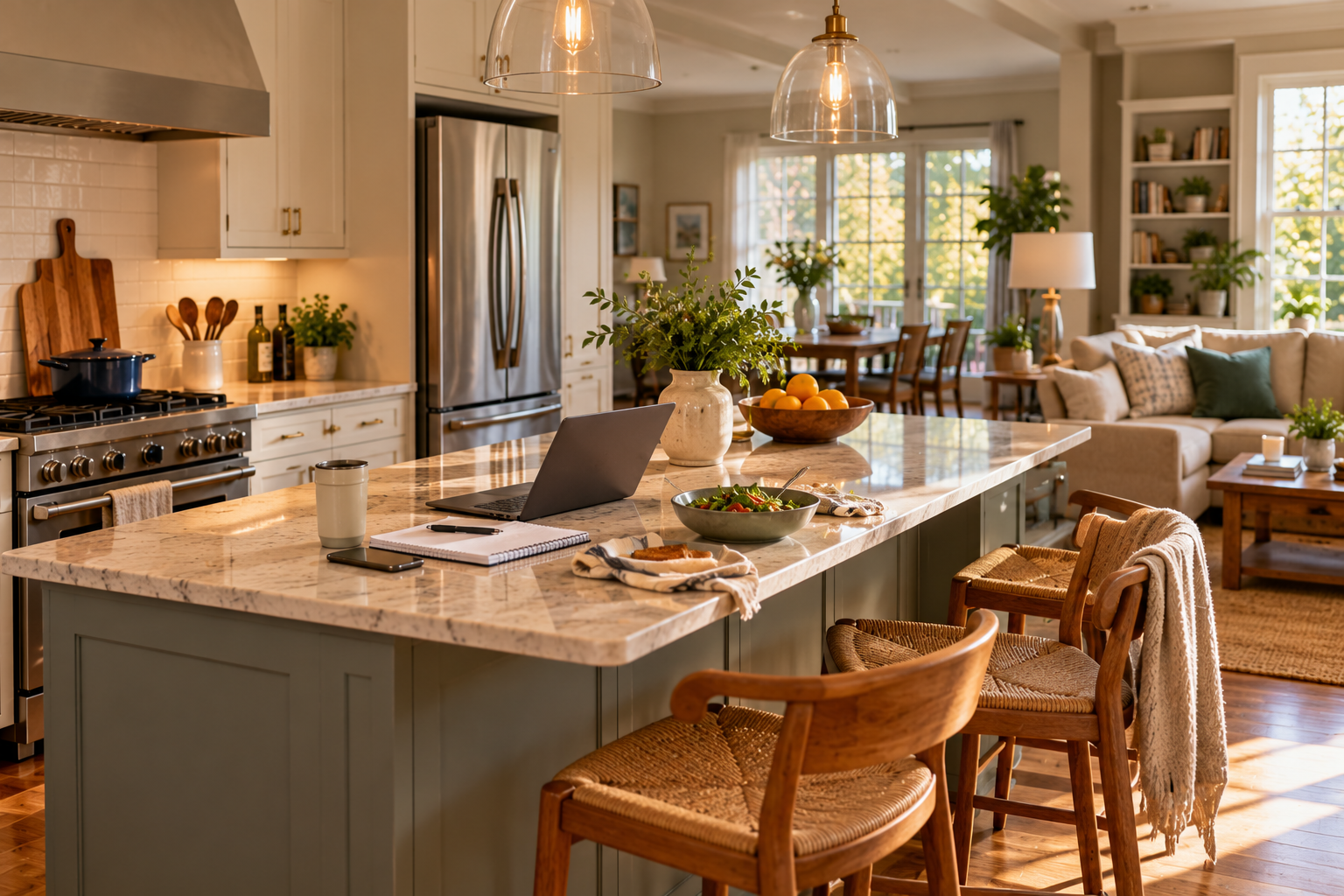
The kitchen is no longer just a place to prepare meals. Postwar magazines and builders increasingly presented modern kitchens as showcases of technology and personal style. As walls came down, the room became a place for entertaining, family conversations, homework, and casual gatherings. The kitchen islands now often serve as an unofficial office, dining table, and social hub. Sometimes all before breakfast is finished.