
Before industrial automation, electrical grids, and automated factory lines standardized global manufacturing, every physical product was the result of direct human labor. Skilled artisans, farmworkers, and trade apprentices spent long, exhausting hours using simple hand implements to meet basic societal needs. From harvesting essential food crops in vast fields to drafting geographical maps and crafting individual fasteners, these historical jobs required absolute physical commitment, sharp eyes, and incredible hand-eye coordination.
The transition to mechanized production completely reshaped the global workforce, shifting society from manual artisan crafts to high-speed mass production. While automated technology dramatically lowered costs and increased daily output, it also caused dozens of traditional occupations to vanish almost overnight. Exploring these forgotten jobs offers a fascinating perspective on the incredible stamina and specialized skills that previous generations relied on just to keep daily life moving forward. Here are fourteen historic jobs that were done entirely by hand before machines took over completely.
1. Wheat harvester
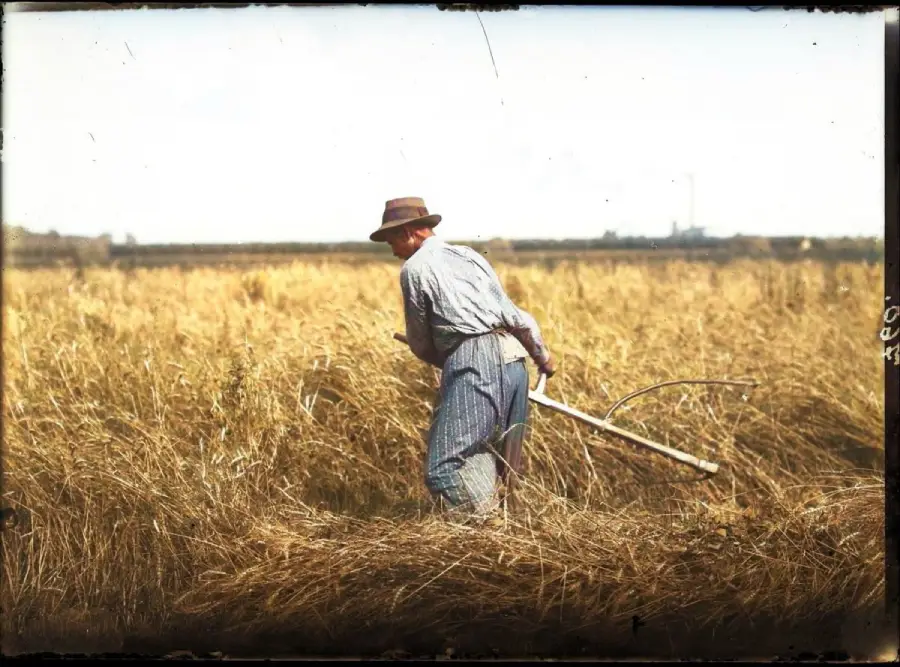
Before Cyrus McCormick patented the mechanical reaper in 1831, agricultural workers harvested wheat fields entirely by hand using long, handheld scythes. Teams of harvesters lined up in tight formation across fields, with a single skilled worker cutting roughly one acre per day through relentless physical exertion. The annual grain harvest was the most vital social and labor event of the rural calendar across North America and Europe.
2. Wool spinner
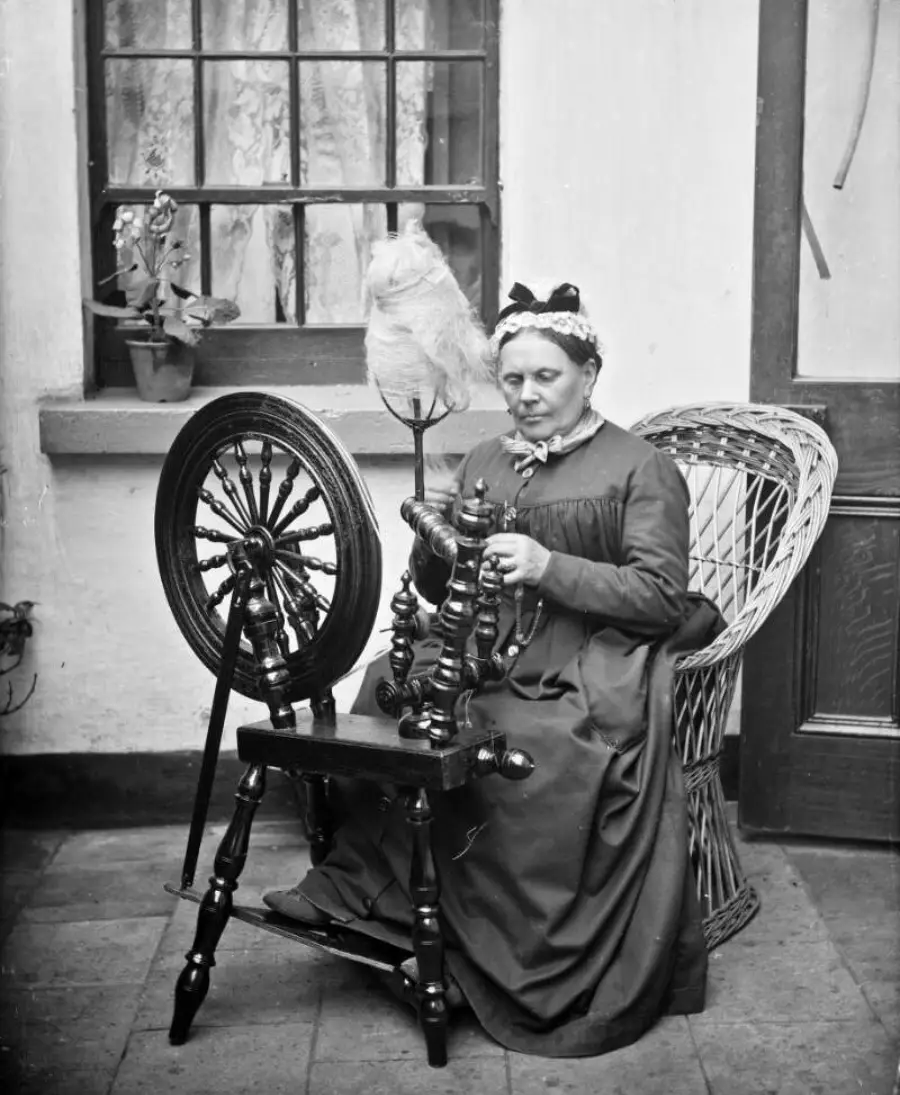
Before the invention of industrial spinning frames, producing fabric yarn required hours of manual work using a drop spindle or traditional spinning wheel. A skilled domestic spinner spent up to twenty hours producing enough yarn for a single garment. The arrival of Hargreaves’ spinning jenny in 1764 and Arkwright’s water frame mechanized the process, replacing millions of home-based spinning operations within a single generation.
3. Manuscript scribe

Before Johannes Gutenberg invented movable metal type around 1455, every single book in existence had to be transcribed by hand, letter by letter. Monastic scribes worked under strict quiet in scriptoriums, completing just two to four pages of careful calligraphy per full workday. A small printing workshop could produce nearly two hundred copies of the Gutenberg Bible in the time it would take a team of scribes decades to replicate by hand.
4. Grain thresher
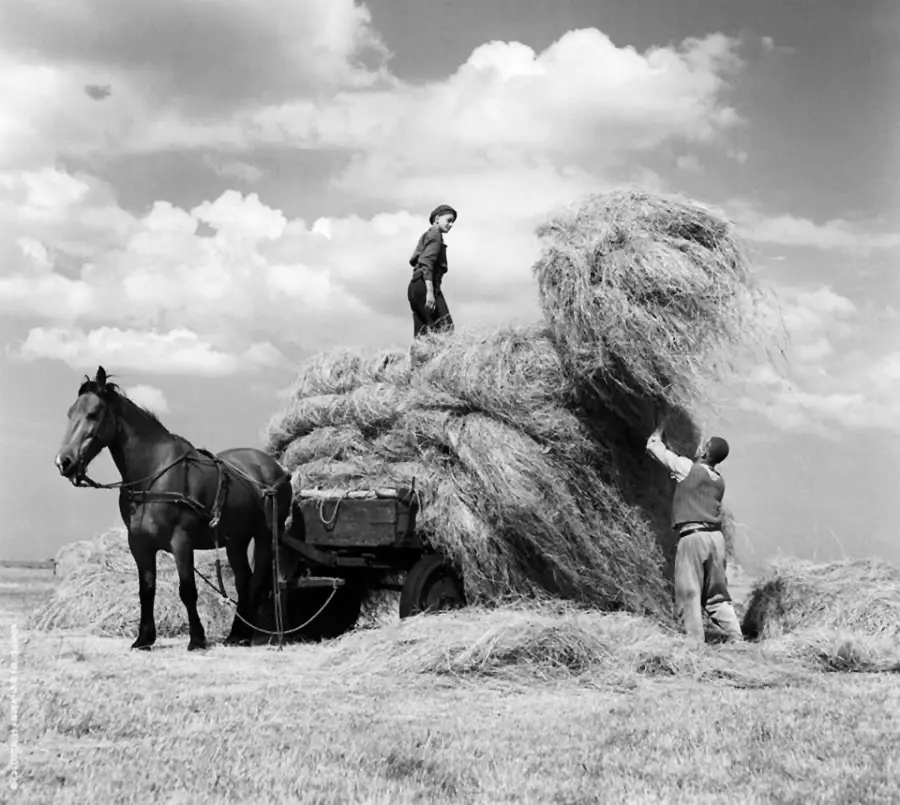
Separating wheat grain from harvested stalks required laborers to swing a heavy wooden flail rhythmically against threshing floors for hours. It was considered one of the most physically punishing tasks of the agricultural year, requiring coordinated teams to maintain timing. Andrew Meikle’s mechanical threshing machine in 1786 completely automated this exhausting seasonal chore.
5. Tapestry weaver
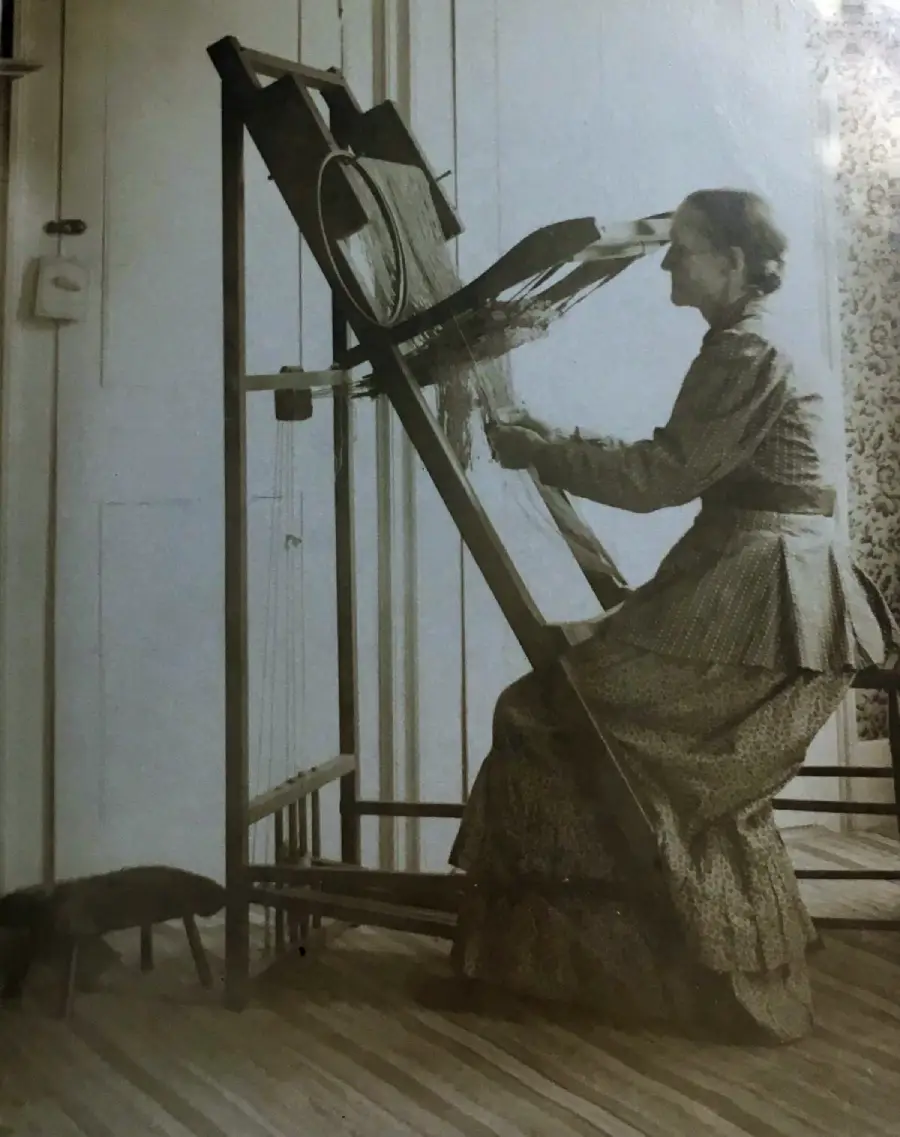
Medieval and Renaissance wall tapestries were crafted entirely by hand, thread by thread, by weavers following complex painted patterns called cartoons. Artisans memorized thousands of specific dye shades and worked from the reverse side of the loom, unable to view the front design until the entire hanging was finished. The famous Bayeux Tapestry, spanning 70 meters long, was embroidered entirely by hand during the eleventh century.
Trending on The Scroller


6. Handmade papermaker
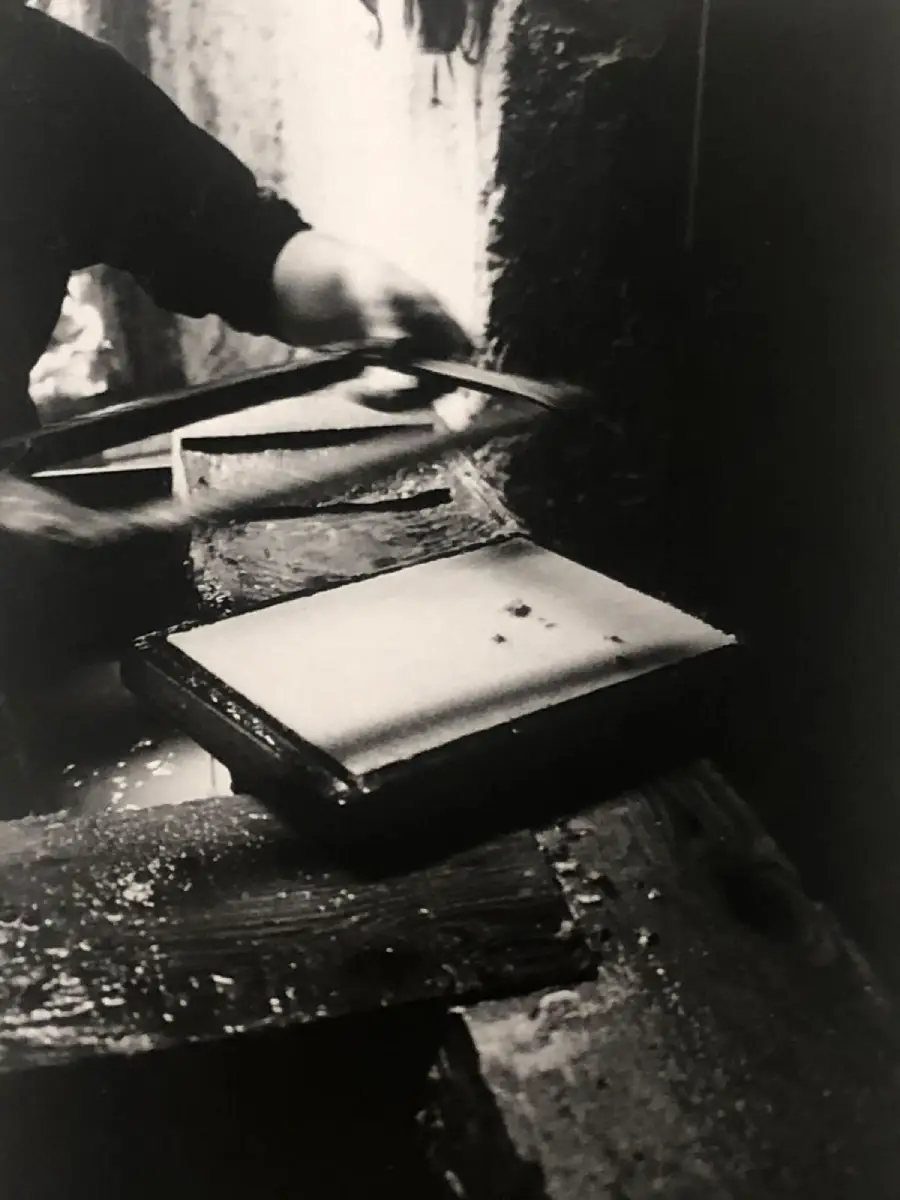
Before Louis-Nicolas Robert invented the continuous paper machine in 1799, every sheet of paper was formed individually using wooden mesh molds. Papermakers dipped wire frames into vats of fermented linen rag pulp, pressing and drying each freshly formed sheet one by one. A master craftsman produced roughly four hundred individual sheets daily, a volume modern paper mills process in mere seconds.
7. Stone arch mason
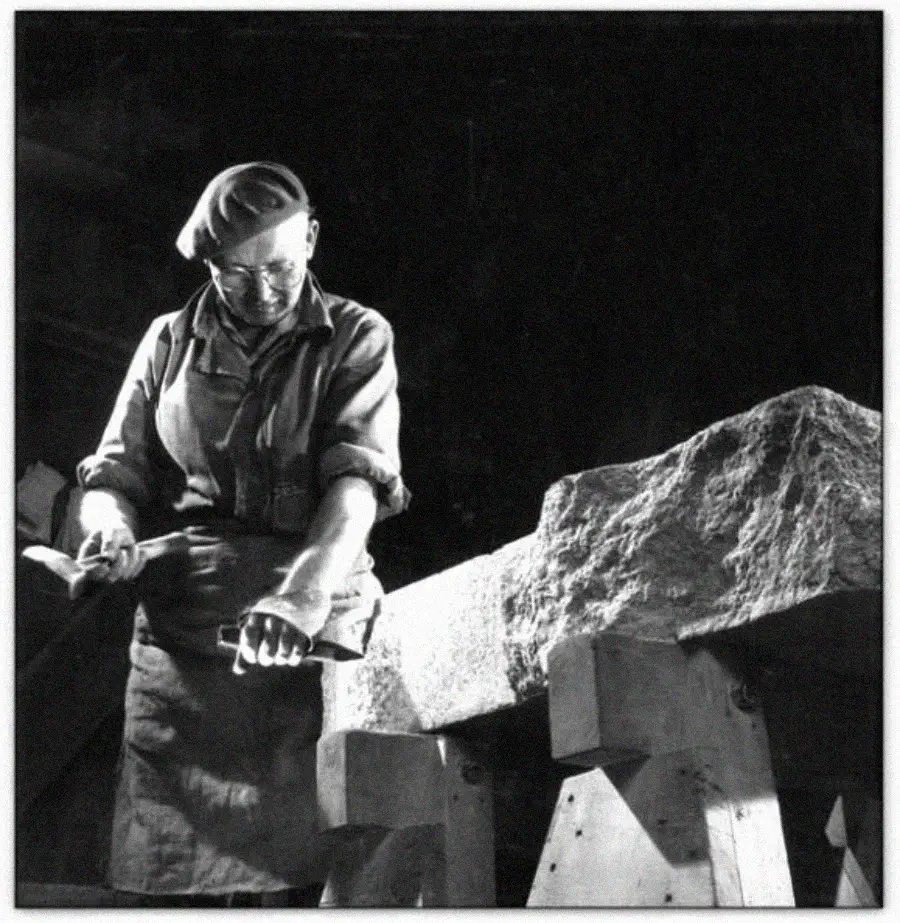
Ancient and medieval bridge builders constructed stone arches by placing heavy hand-carved blocks over temporary wooden falsework frames. The structure remained completely supported by the timber frame until masons placed the central keystone, allowing gravity to lock the self-supporting arch into place. Roman stone bridges built with this exact manual technique remain standing and structural thousands of years later.
8. Copperplate engraver
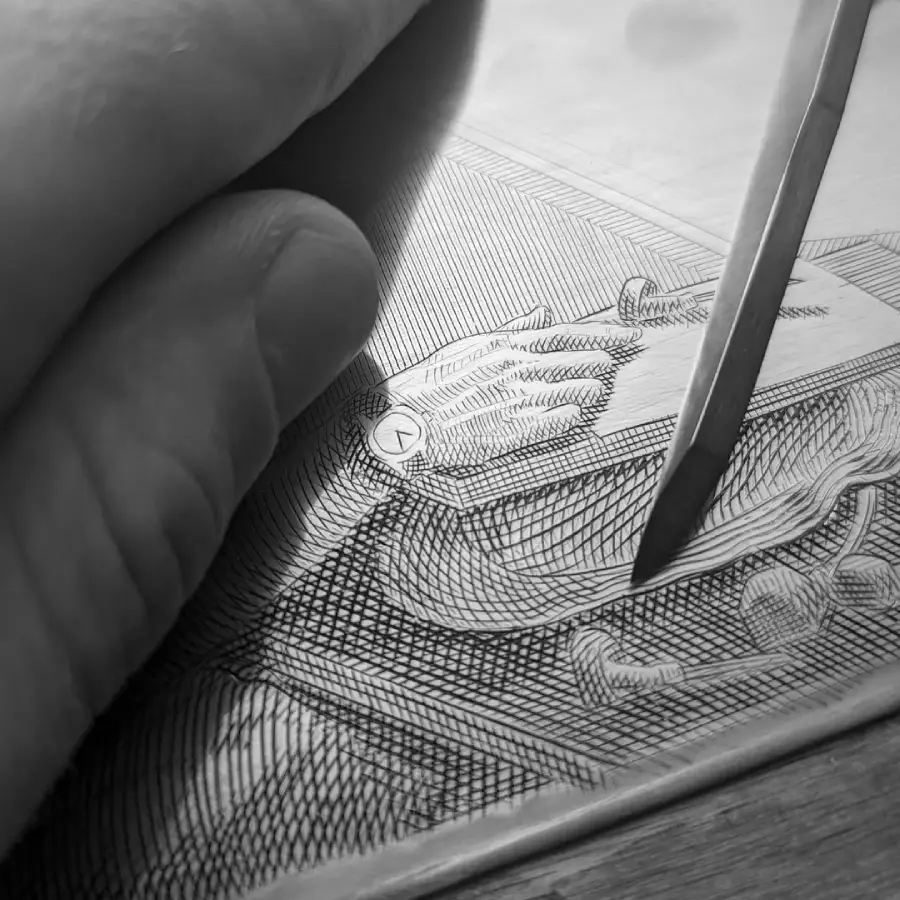
Before offset printing and photography existed, all book illustrations, maps, and official currency were hand-carved into polished copper plates using sharp steel gravers. Master engravers spent weeks carving intricate designs entirely in reverse, requiring decades of training to ensure every mirror image printed correctly on paper presses.
Sign up for our newsletter
9. Hand nailer
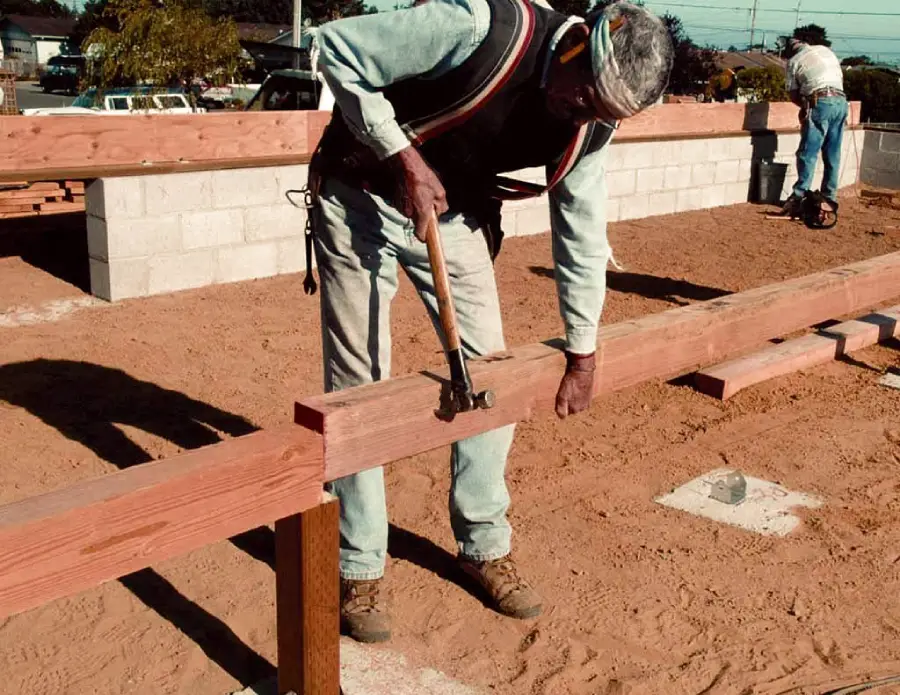
Before automated nail-cutting machines of the late eighteenth century, every single iron nail was hand-forged by blacksmiths who heated, cut, and hammered square iron rods. Skilled nailers forged between one hundred and two hundred nails per hour through continuous hammer strikes. Early American colonists valued hand-forged nails so highly that departing families occasionally burned down their own wooden homes just to recover the nails from the ashes.
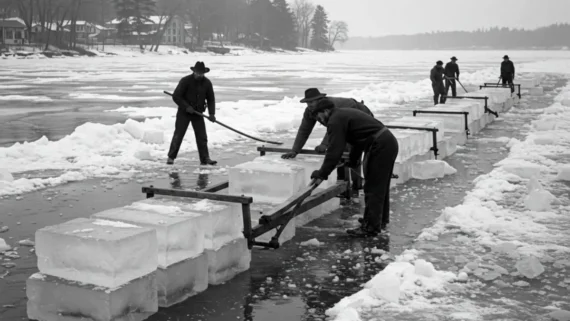
10. Ice cutter
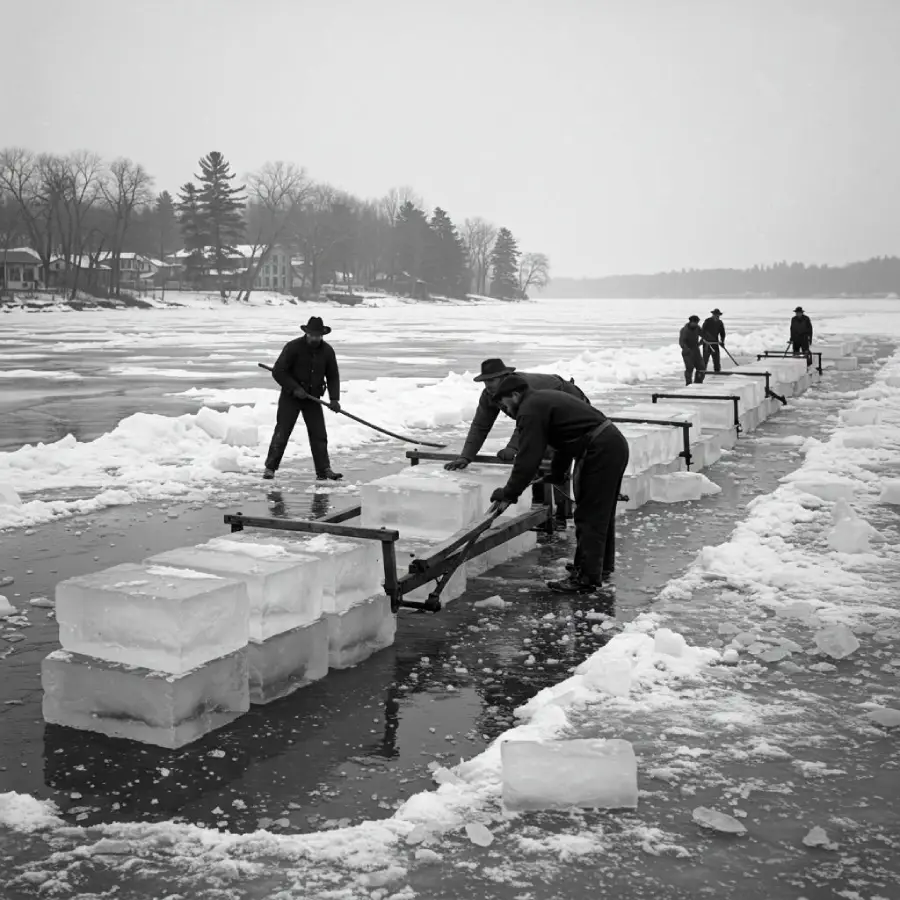
Before commercial electric refrigeration arrived in homes, ice harvesters harvested frozen lakes during winter using massive two-meter steel hand saws. Teams of workers carved large ice blocks, hauled them on horse-drawn sleds, and packed them in sawdust inside commercial ice houses for year-round distribution. The multi-million-dollar industry vanished almost instantly with the widespread adoption of the home electric refrigerator.
11. River washer
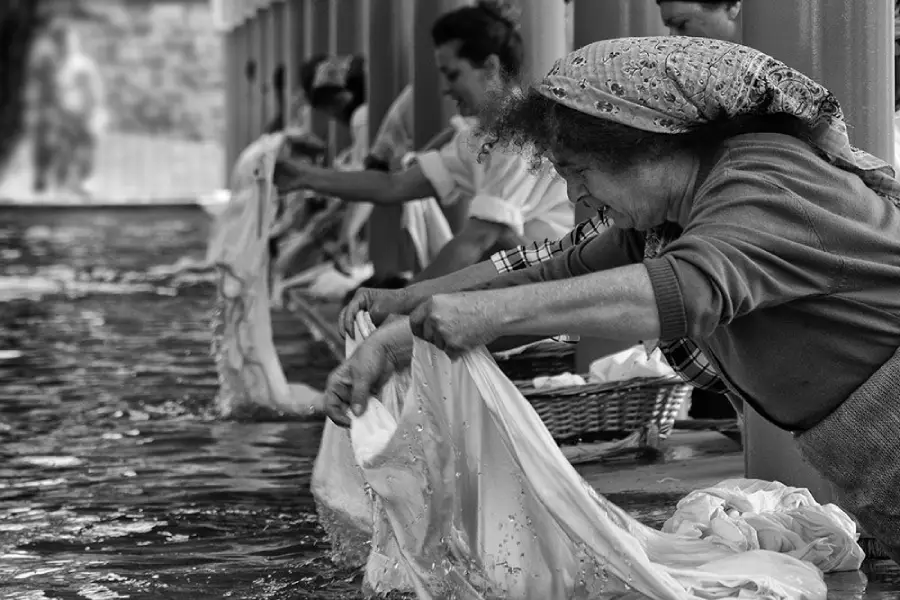
In the era before electric washing machines, laundry work involved beating heavy wet clothes against flat river stones or scrubbing them over corrugated wooden washboards. City washerwomen worked exhausting ten-to-twelve-hour shifts standing in freezing river water or steamy public washhouses. The mass production of home electric washing machines in the 1920s permanently eliminated one of the most physically demanding domestic trades in history.
12. Artisan button maker

Before high-speed stamping presses existed, buttons were individually hand-cut from disks of animal horn, bone, or mother-of-pearl before being hand-drilled and polished. The craft sustained entire regional manufacturing hubs, including the famous mother-of-pearl industries of Bohemia and Sheffield. Automated nineteenth-century button presses replaced these specialized hand artisans in less than two decades.
13. Map illuminator
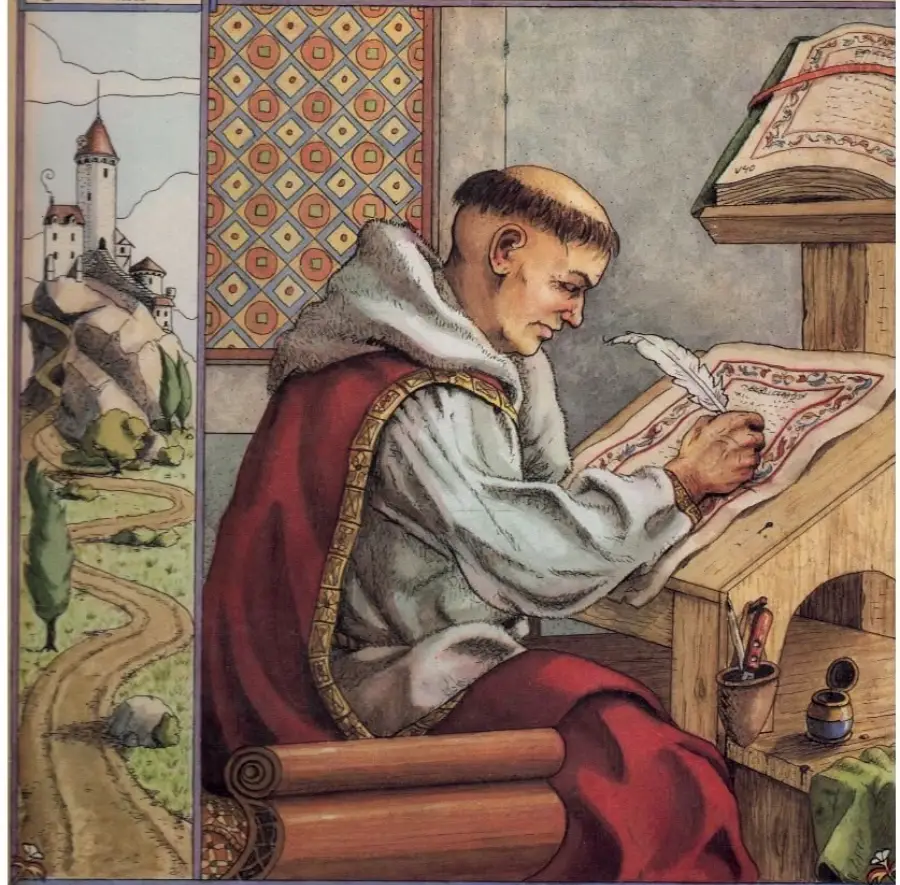
Medieval and Renaissance cartographers hand-drew geographic features with ink before specialized illuminators added watercolor washes, gold leafing, and illustrations of sea monsters or directional compass roses. Because every hand-painted map was a unique work of art, no two copies were ever identical. While copperplate printing mechanized map outlines, hand-coloring maps remained standard practice until nineteenth-century color lithography arrived.
14. Perfume distiller
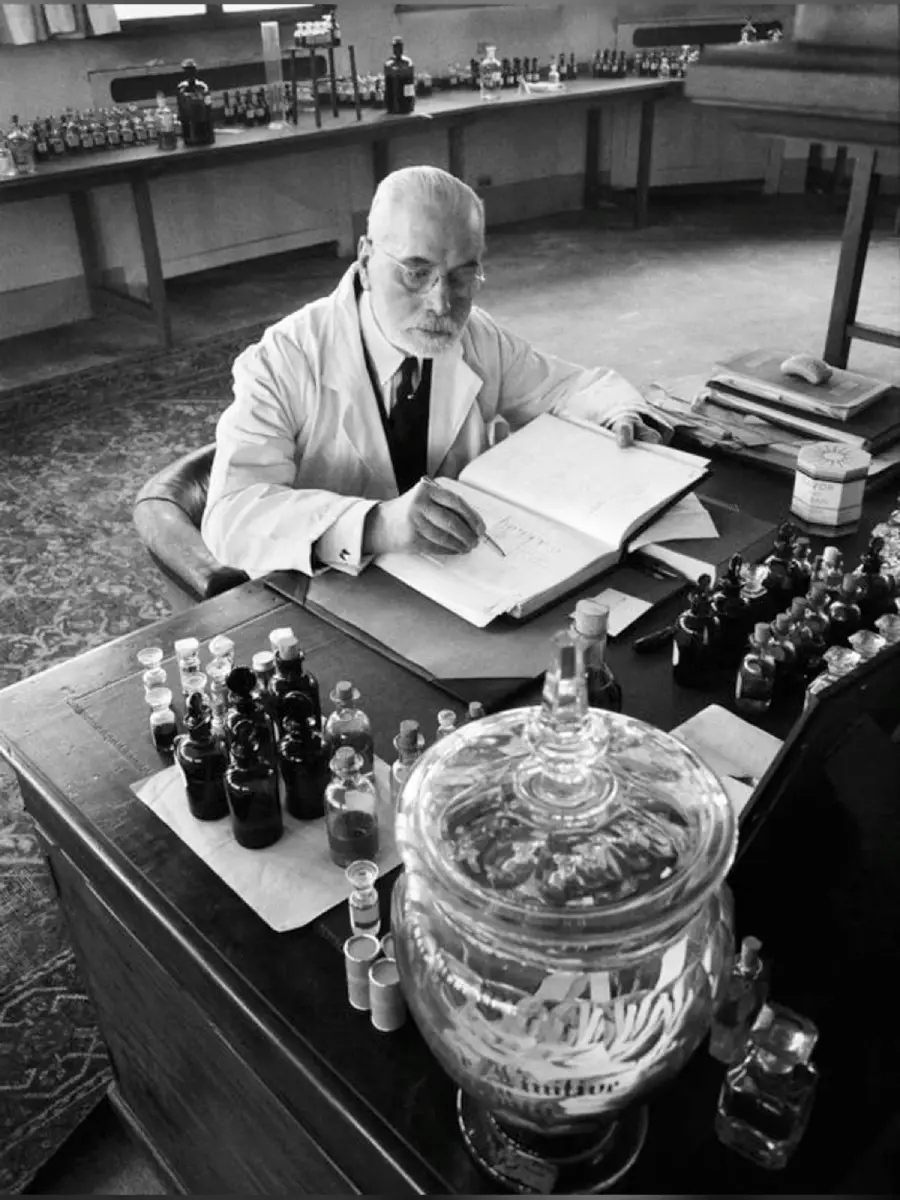
Before synthetic aroma chemicals were developed in laboratories, perfumes were created by steam-distilling massive quantities of fresh flower petals, resins, and spices over controlled copper stills. Extracting just a few drops of pure rose essential oil required thousands of pounds of hand-picked flower blossoms. Master perfumers in Grasse, France, formulated scents entirely through trained memory and scent recognition, guarding their family recipes without writing them down.
In the mood to know more about jobs from the past?
Looking back at these historical trades offers an incredible perspective on how much physical effort and specialized skill went into basic everyday survival before the industrial era. While modern automated machinery has made life undeniably easier, healthier, and more convenient, exploring these hand-carved plates, woven tapestries, and forged iron nails reminds us of the extraordinary human craftsmanship behind early industry. If you enjoy discovering historical trades, retro tools, and intriguing deep dives into the past, be sure to check out these 14 Historical Jobs That Modern Machines Completely Replaced, or 16 Night Shift Jobs That Secretly Kept Cities Running.