War has shaped the course of human history, influencing nations, borders, and societies for generations. While some wars have led to independence, political change, or the defense of entire populations, the personal cost of war is often carried by the soldiers who experience it firsthand. Beyond the battles themselves, war can leave lasting marks on the people asked to serve.
The effects of war do not always end when a conflict is over. During military service, soldiers may face extreme physical demands, dangerous environments, and intense psychological pressure. After returning home, many continue dealing with challenges linked to their wartime experiences. Medical researchers, military organizations, and mental health experts have spent decades studying how war impacts service members, helping us better understand the sacrifices made by those who serve and the support many need long after combat ends.
1. Combat Stress Reactions During Active Service
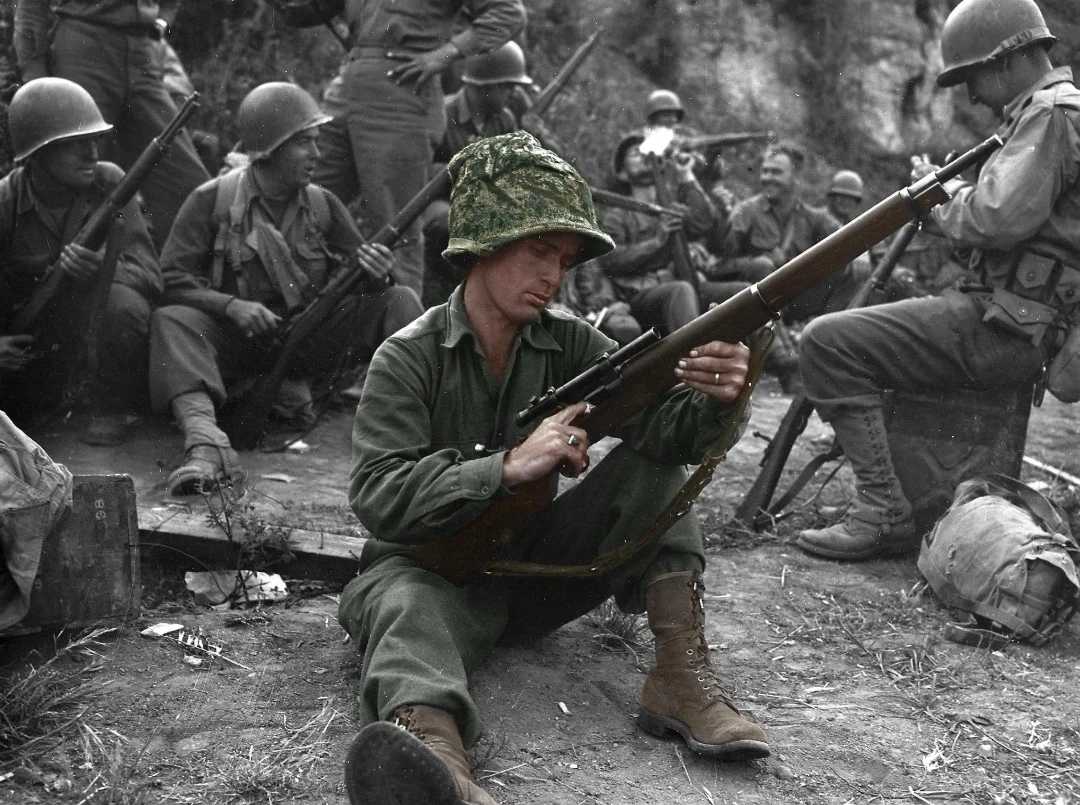
Even highly trained soldiers can experience intense stress during war. Continuous exposure to danger places the body in a heightened state of alertness, increasing levels of stress hormones such as cortisol and adrenaline. Military medical teams often monitor these reactions because prolonged stress can affect performance and overall health.
2. Hearing Damage from Explosions and Gunfire
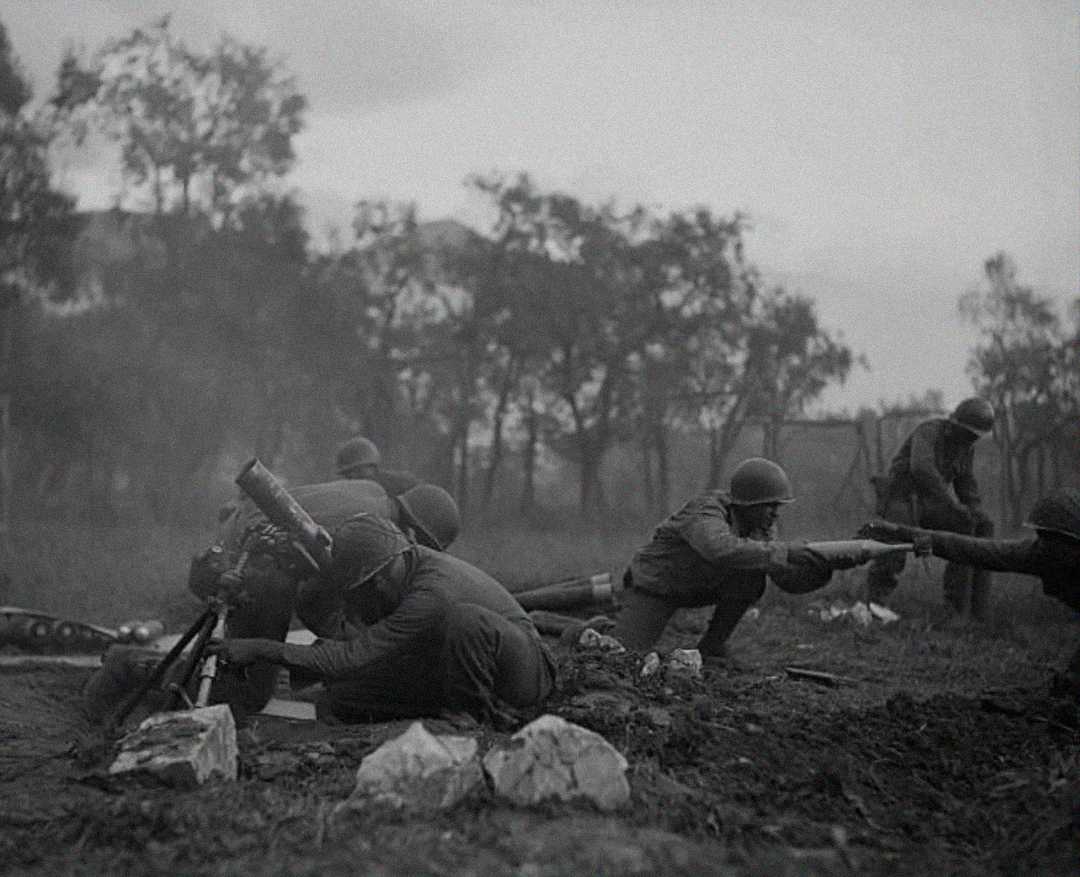
One of the most common injuries during war involves hearing loss. Repeated exposure to gunfire and explosions can damage the delicate structures inside the ear. Some soldiers develop tinnitus, a persistent ringing or buzzing sound that may continue for years after their service has ended.
3. Physical Injuries and Chronic Pain
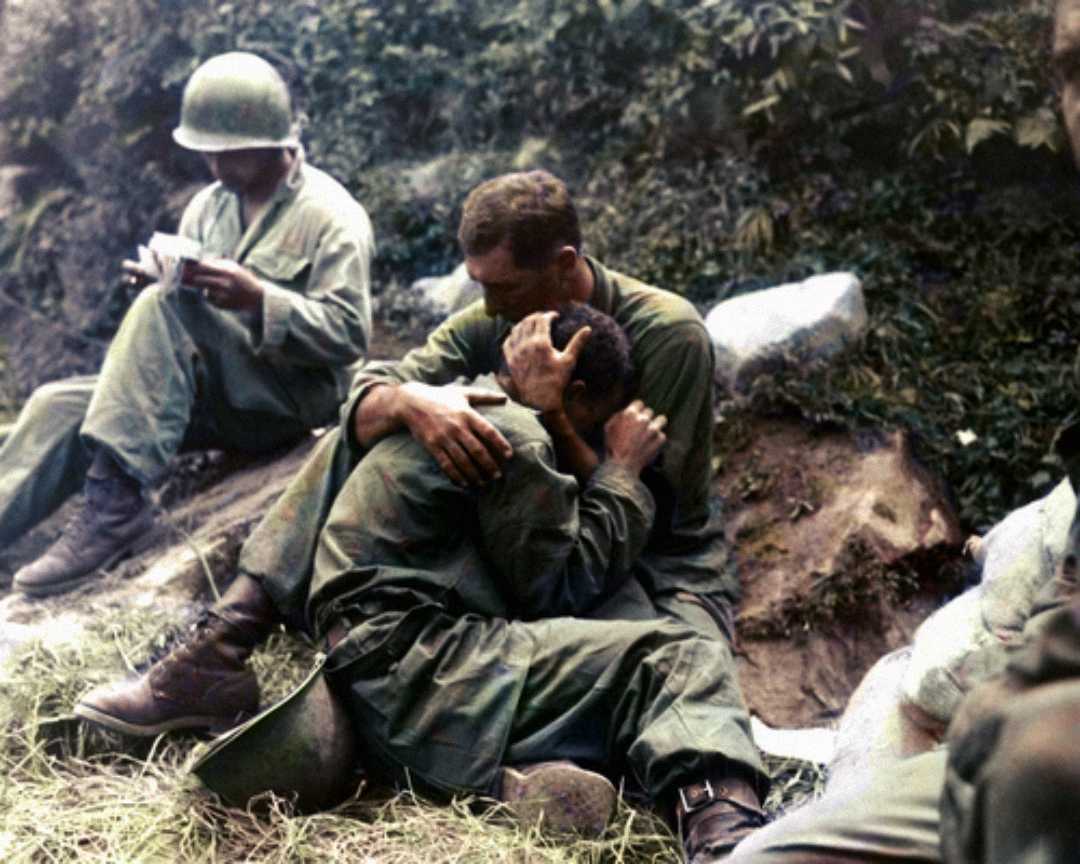
Combat operations can result in fractures, burns, shrapnel wounds, and other serious injuries. Even when soldiers recover enough to leave active duty, lingering pain may remain. Chronic pain often develops because of nerve damage, joint injuries, or musculoskeletal strain sustained during military service.
4. Traumatic Brain Injuries (TBIs)
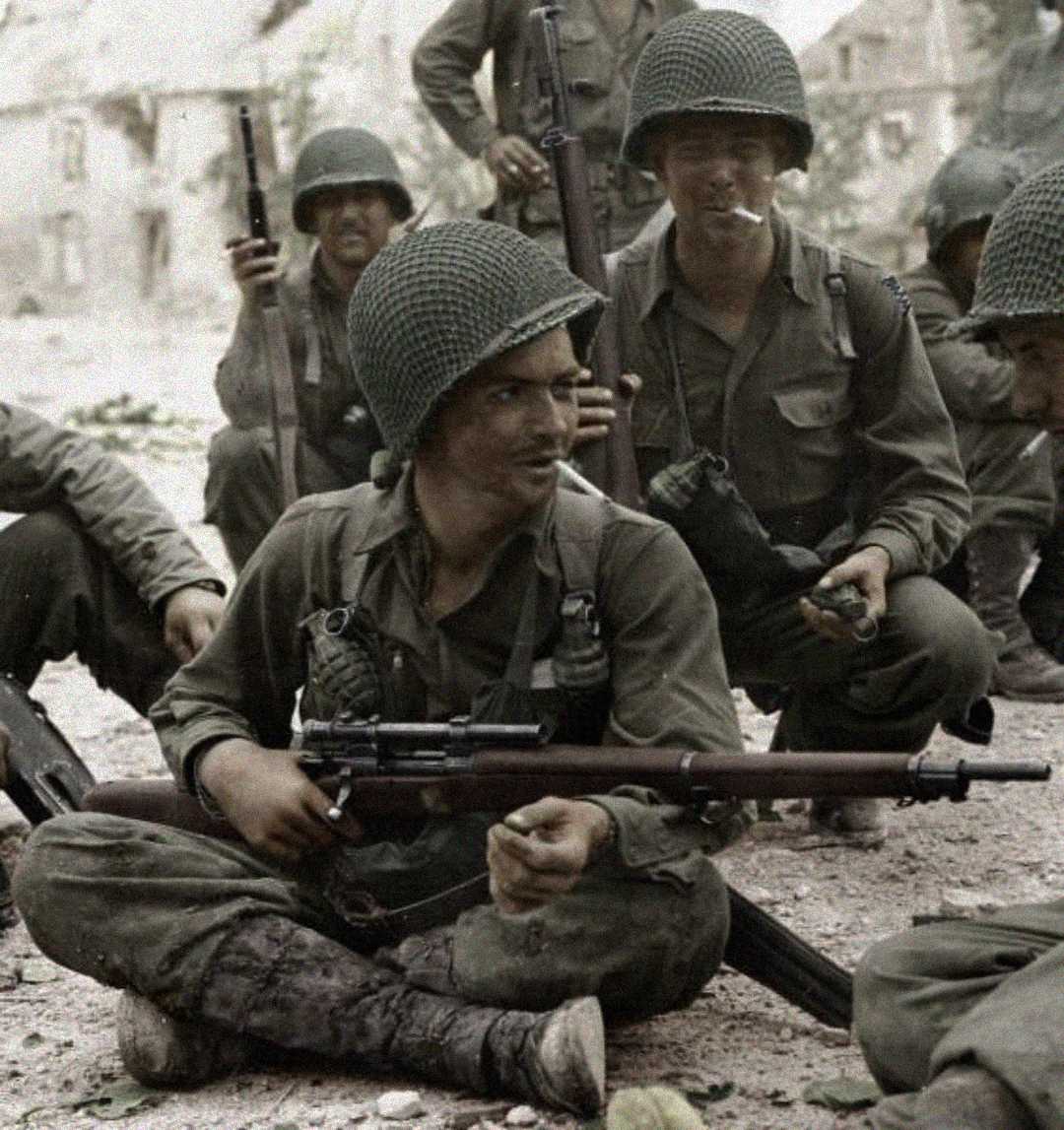
Explosive blasts are a major cause of traumatic brain injuries in modern war. A TBI can range from a mild concussion to severe brain trauma. Symptoms may include headaches, dizziness, memory problems, difficulty concentrating, and mood changes. Some effects appear immediately, while others may emerge months later.
5. Exposure to Extreme Environmental Conditions
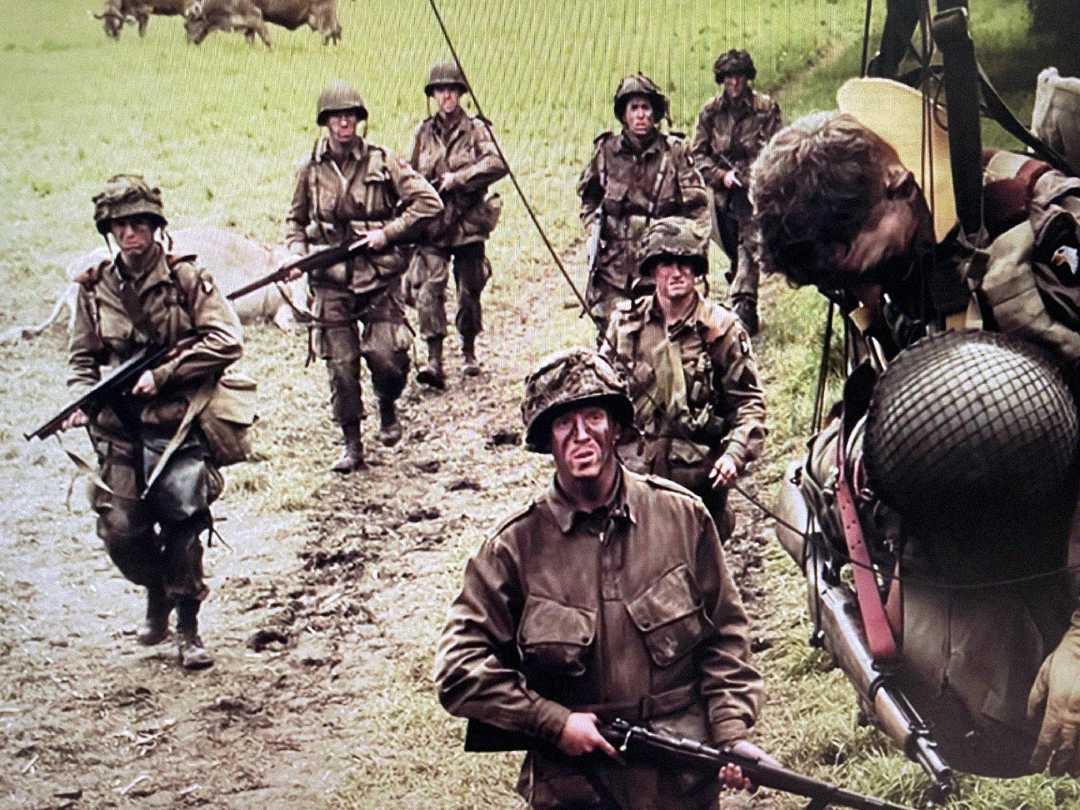
Many wars take place in harsh climates. Soldiers may experience dehydration, heat-related illnesses, frostbite, or respiratory problems caused by dust and smoke. These conditions can affect health both during deployment and afterward.
Trending on The Scroller


6. Increased Risk of Infectious Diseases
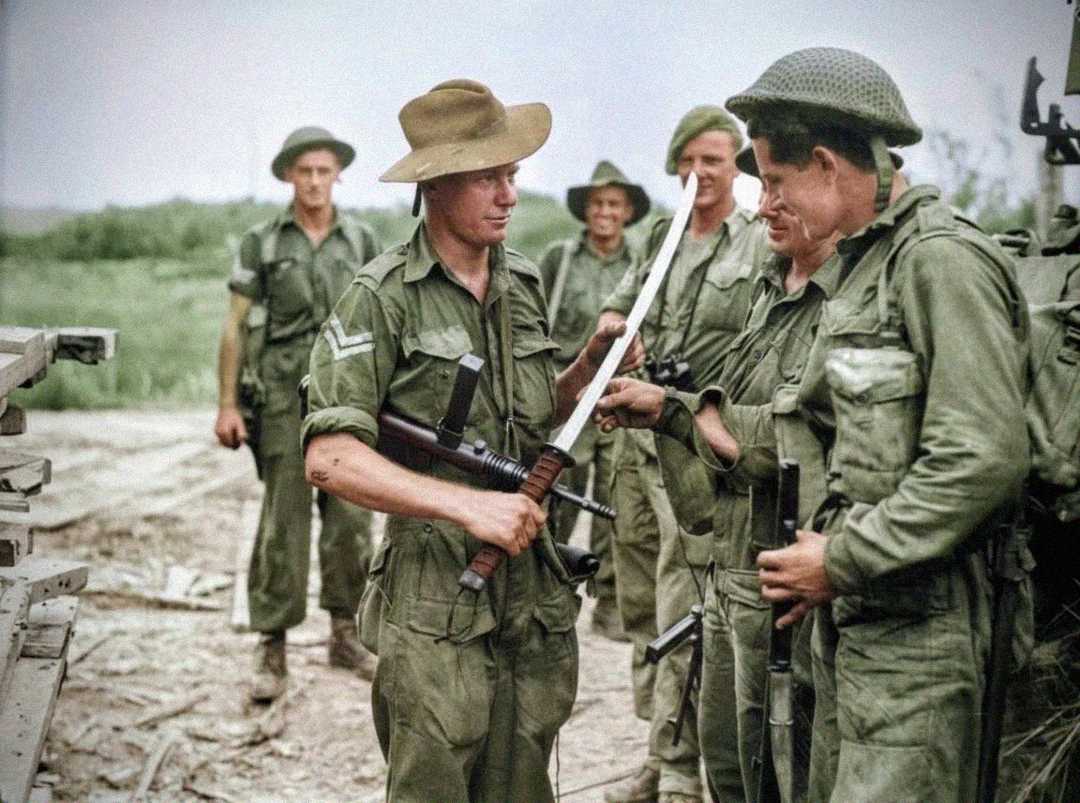
Throughout history, disease has been one of the greatest dangers during war. Soldiers may encounter unfamiliar pathogens, crowded living conditions, and limited sanitation. Depending on the conflict zone, military personnel can face elevated risks of respiratory infections, gastrointestinal illnesses, and other communicable diseases.
7. Emotional Exhaustion and Burnout
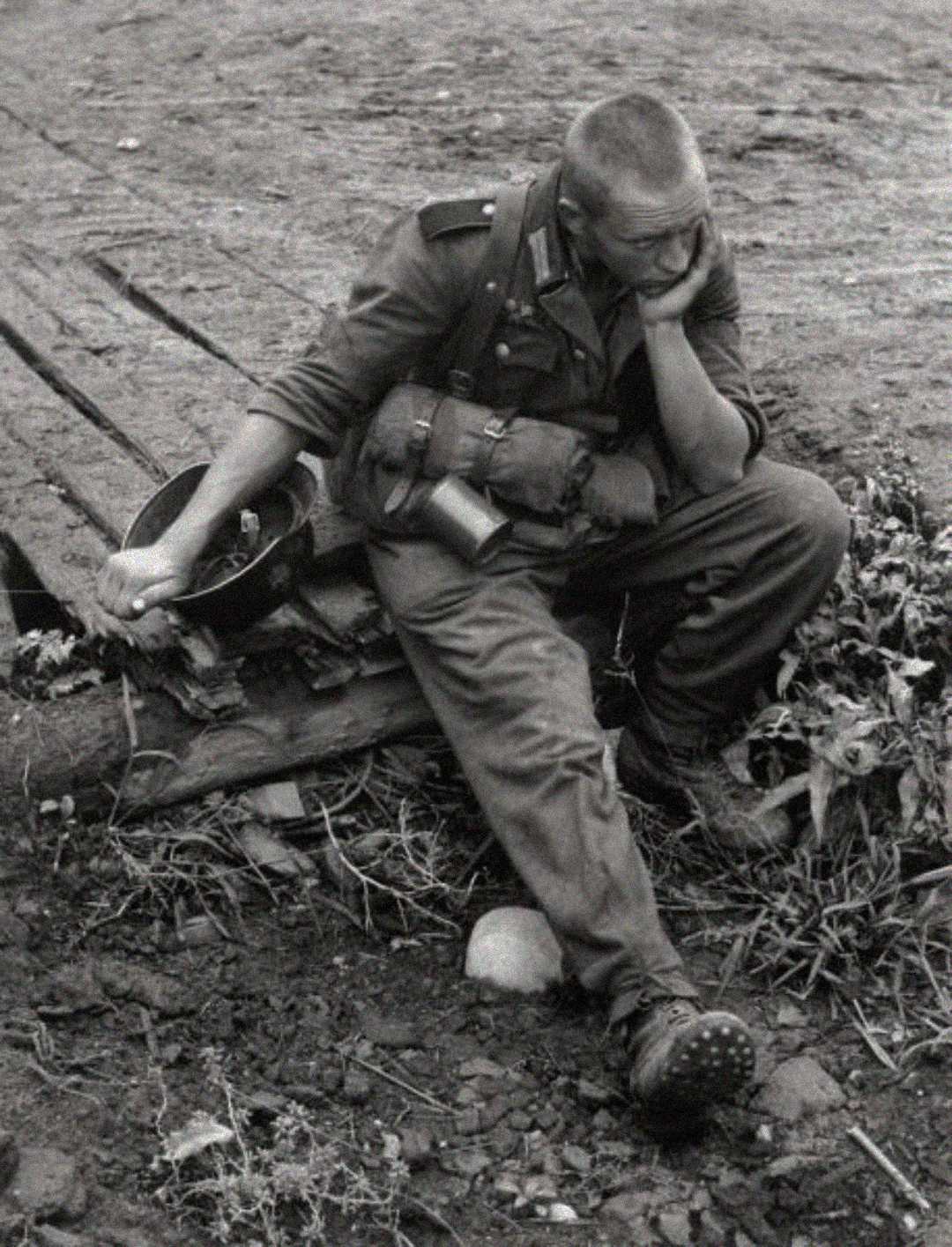
Extended deployments can take a significant emotional toll. Constant vigilance, separation from loved ones, and repeated exposure to danger may lead to emotional exhaustion. Burnout can reduce motivation, affect morale, and make it harder for soldiers to cope with ongoing operational demands.
8. Post-Traumatic Stress Disorder (PTSD)
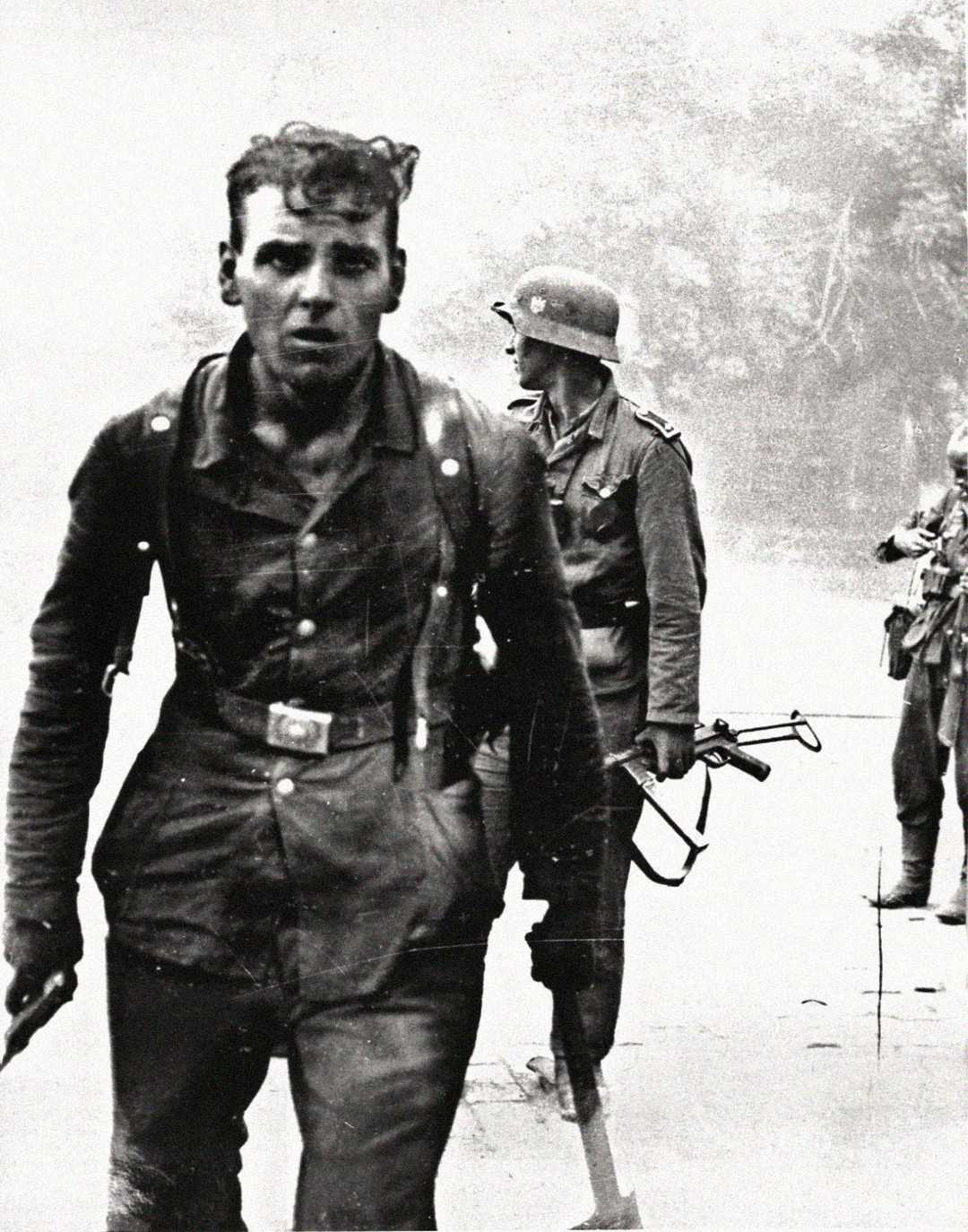
PTSD is among the most recognized long-term effects of war. Some veterans experience recurring memories, nightmares, hypervigilance, or emotional distress related to traumatic events. According to mental health experts, PTSD develops when the brain continues reacting to danger long after the threat has passed.
Sign up for our newsletter
9. Depression
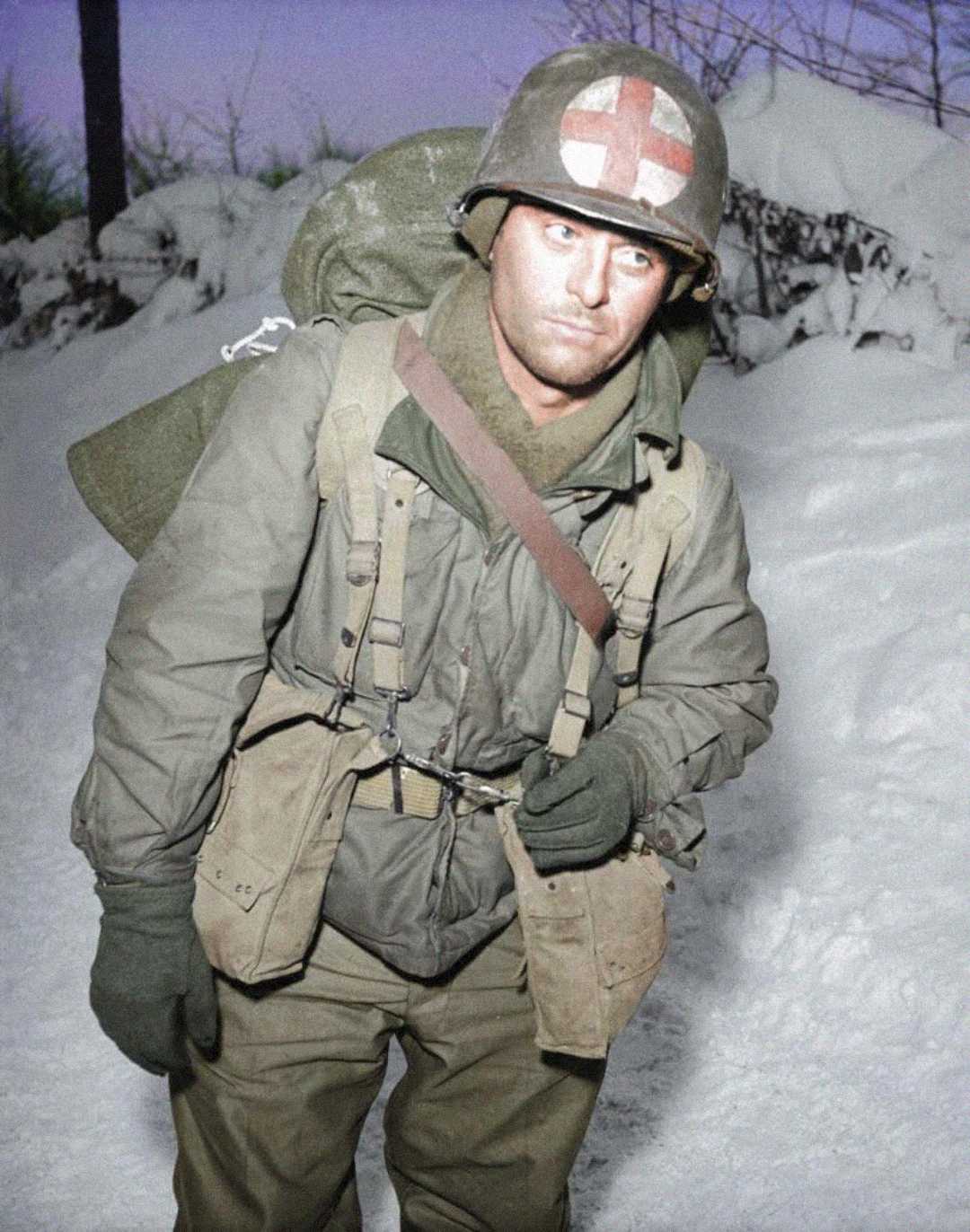
The transition from military life to civilian life can be challenging. Some veterans experience persistent sadness, fatigue, and feelings of hopelessness. Depression may be linked to traumatic experiences, physical injuries, or difficulties adjusting after war.
10. Anxiety Disorders
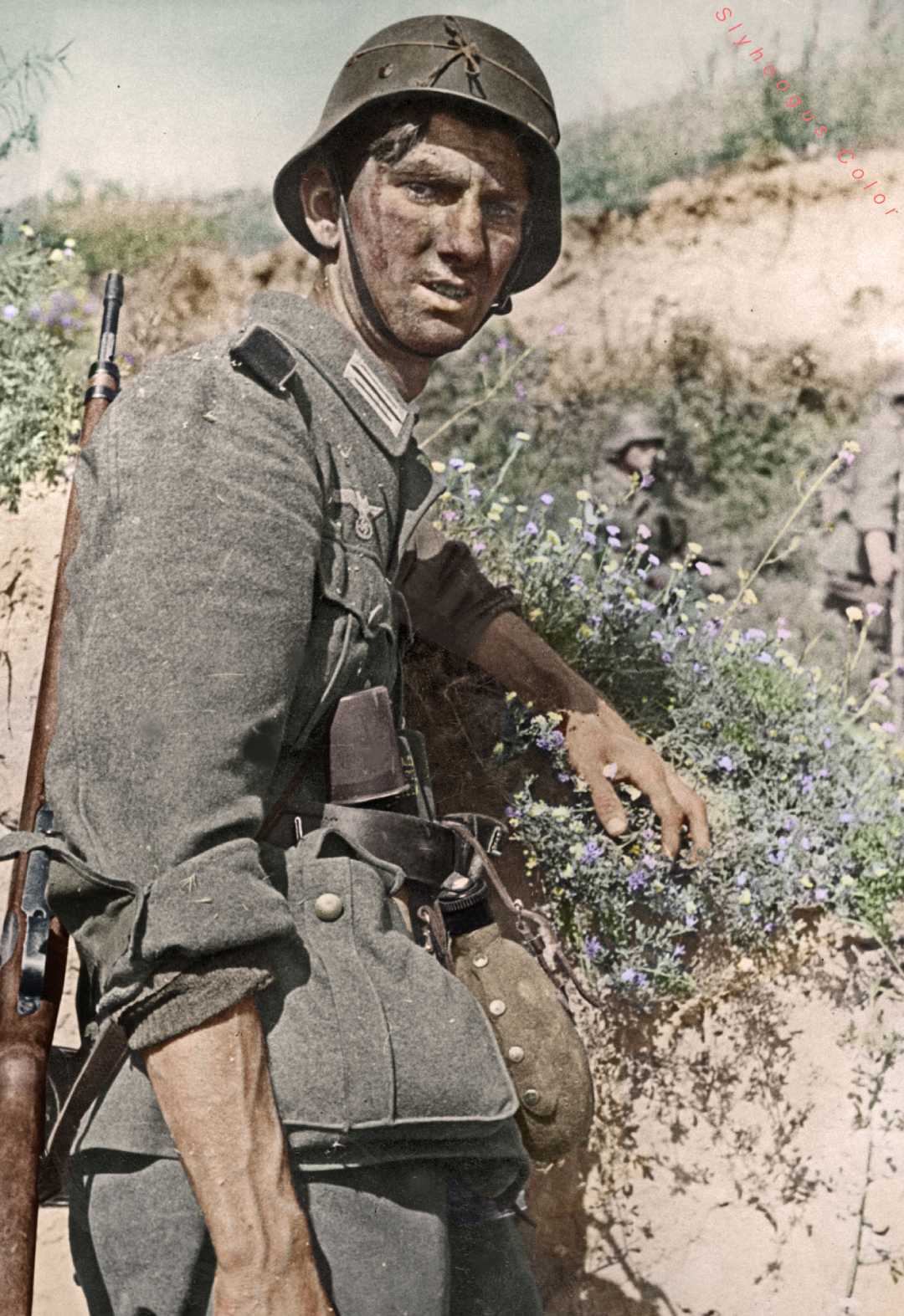
Many former soldiers continue experiencing heightened anxiety after service. They may feel constantly on edge, struggle with excessive worry, or react strongly to certain sounds and situations. These responses can stem from the brain’s adaptation to surviving dangerous wartime environments.
11. Difficulties Reintegrating into Civilian Life
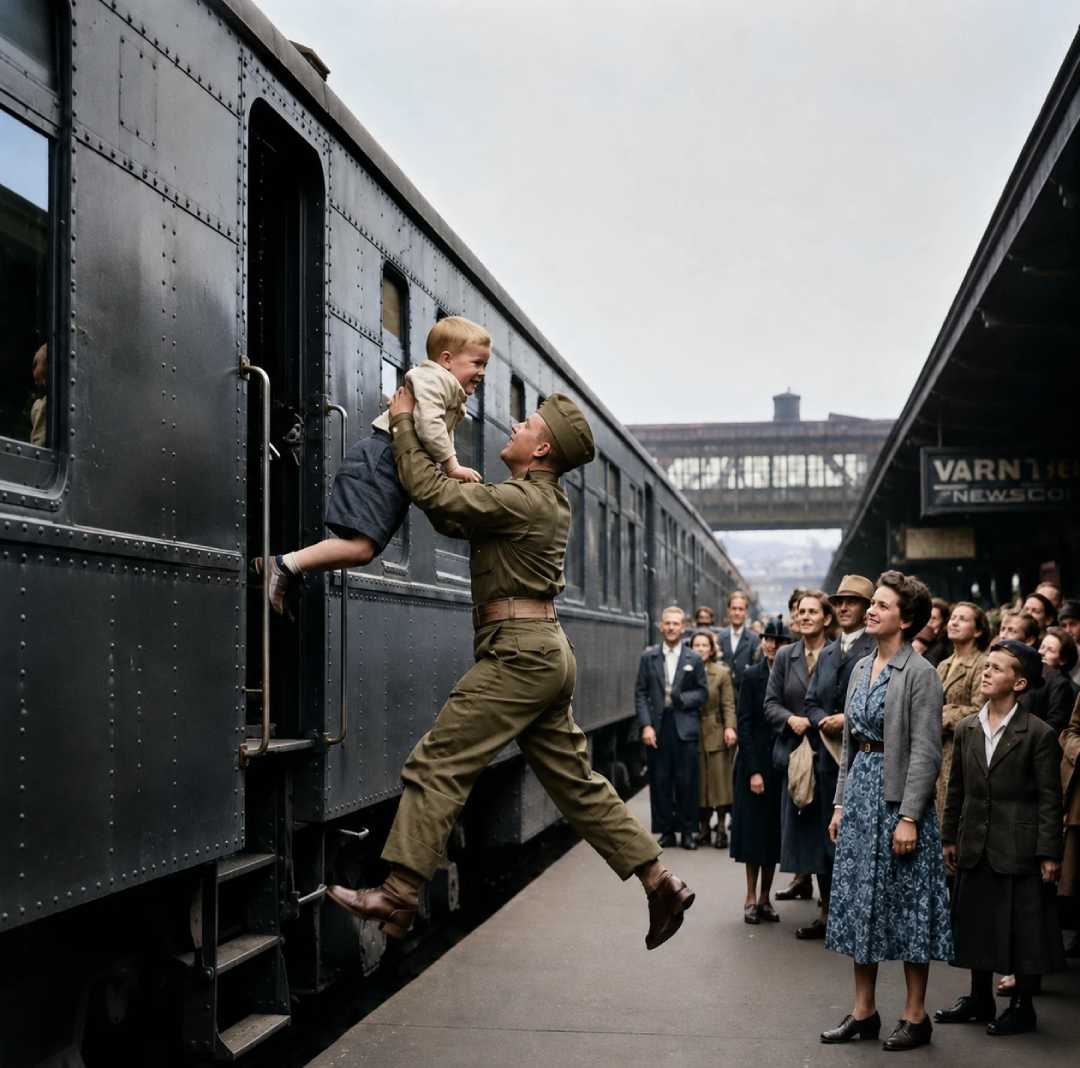
Military service often involves a highly structured environment with clear responsibilities. Returning to civilian routines can require major adjustments. Veterans may face challenges related to social interactions or even rebuilding daily habits that differ from military life.
12. Relationship and Family Struggles
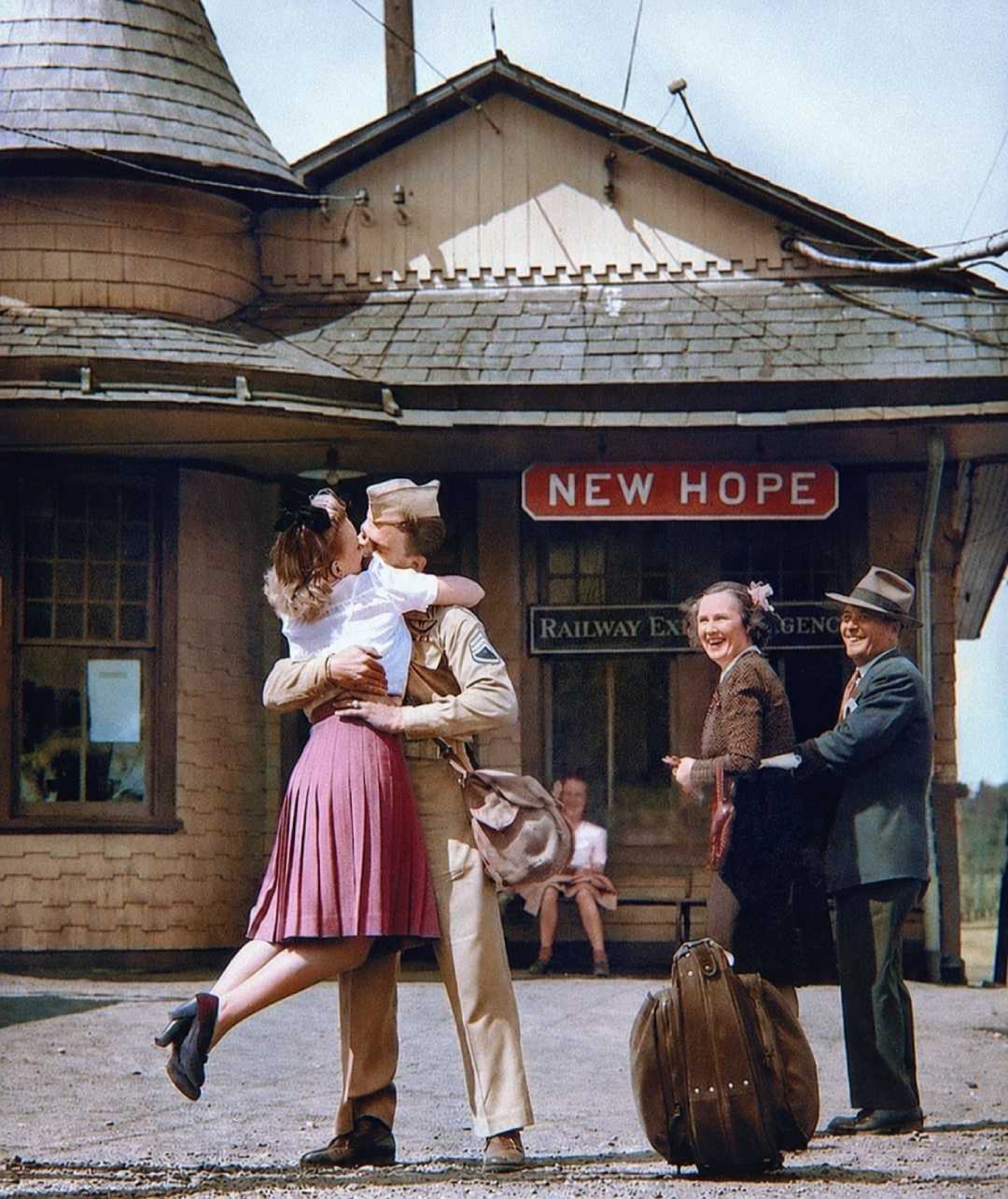
The effects of war can influence personal relationships. Long deployments, emotional trauma, and mental health challenges sometimes create communication difficulties within families. Experts frequently emphasize the importance of social support because strong relationships can play a major role in recovery and resilience.
13. Substance Misuse Risks
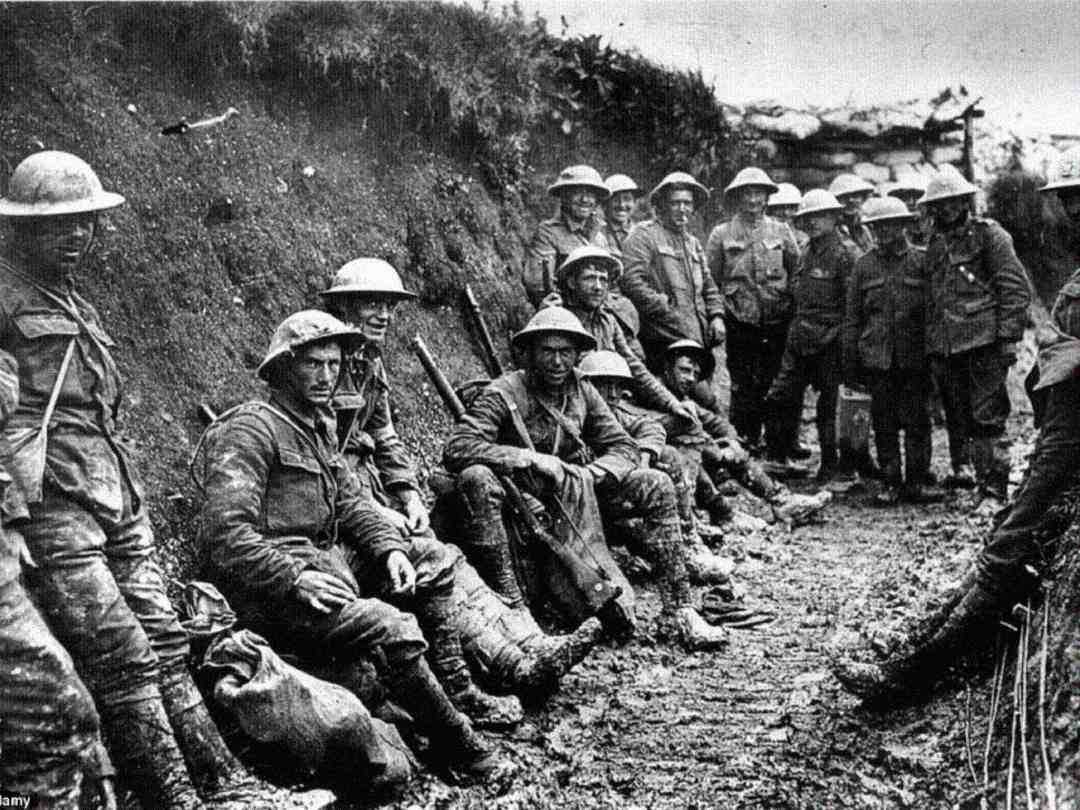
Some veterans turn to alcohol or other substances as a way to cope with trauma or chronic pain. Health professionals closely monitor this issue because substance misuse can worsen physical and mental health conditions while creating additional long-term challenges.
14. Long-Term Cardiovascular Problems
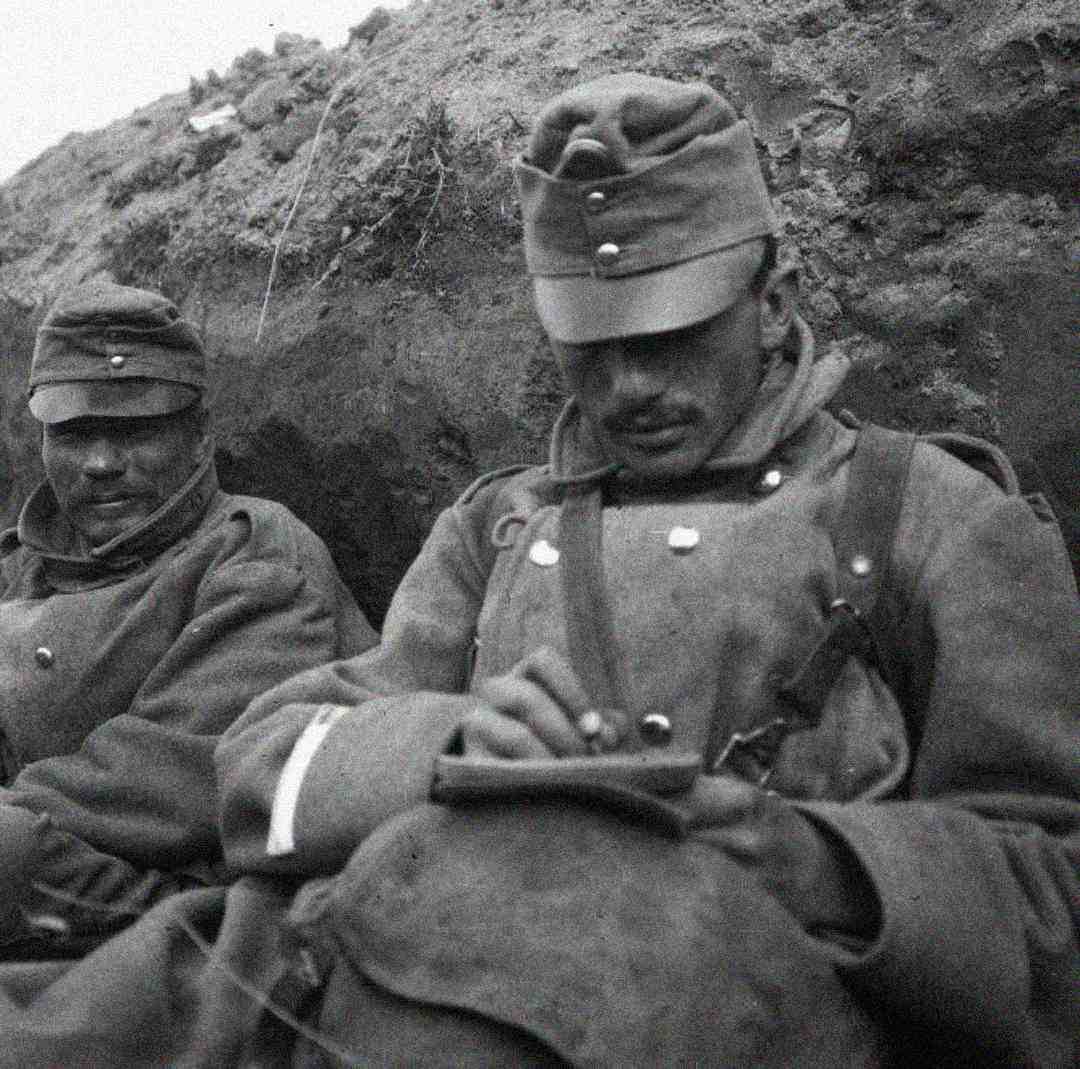
Research suggests that prolonged exposure to severe stress during war may contribute to an increased risk of cardiovascular issues later in life.
15. Survivor’s Guilt
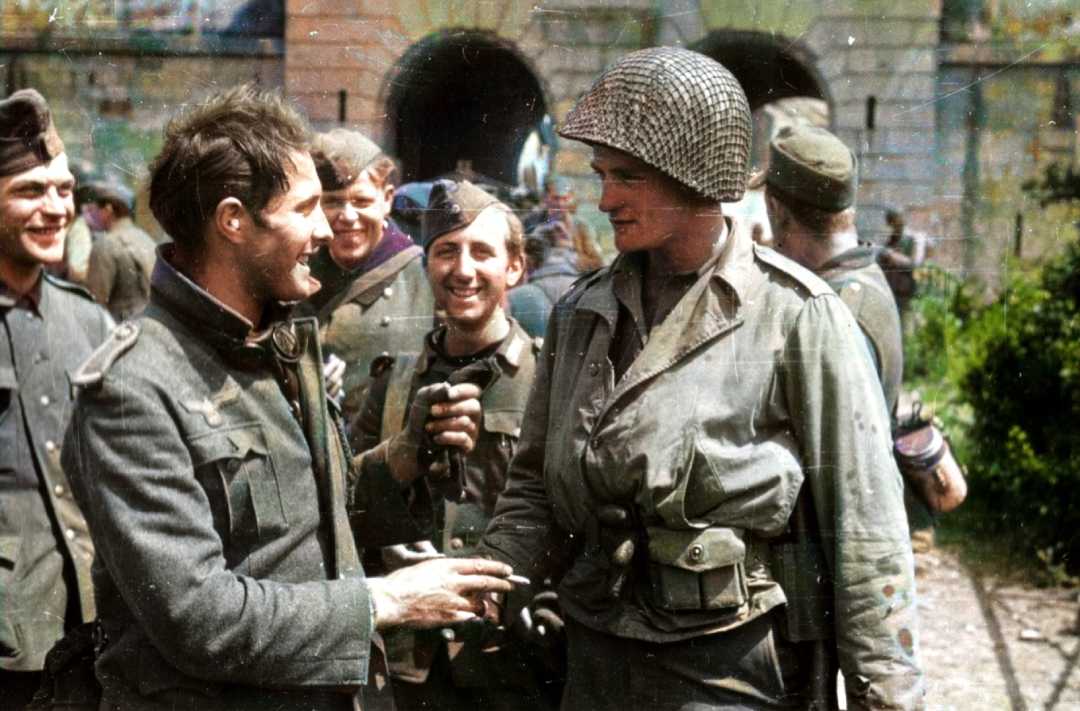
Some veterans struggle with survivor’s guilt after returning home. This psychological response occurs when individuals question why they survived situations in which others were injured or killed. Mental health specialists recognize survivor’s guilt as a common reaction among people exposed to traumatic events during war.
Learning about these outcomes helps us better understand the sacrifices made by service members and the support many need long after the fighting ends. Keep reading.
If you’re not sure where to start, check out our recommended articles for more fascinating insights and educational stories: 34 Vintage Images from World War II, 16 Unexpected Quotes From Historical Figures That Sound Like They Were Written Yesterday, and 16 Facts About Independence Day That Help Explain the Holiday.