America has one of the richest visual histories in the world, with countless photographs preserving moments that shaped the nation’s identity. From groundbreaking achievements and political milestones to unforgettable acts of courage and resilience, these images allow each new generation to witness history as it unfolded. As the Fourth of July approaches, there’s no better time to reflect on the remarkable events that helped define America and the people who lived through them.
Photography has the unique ability to freeze history in a single frame. Some images instantly became symbols of an era, while others gained even greater meaning as time passed. Together, they tell the story of America through moments of triumph, hardship, innovation, and hope. Today, we’re revisiting some of the most iconic photographs ever taken, images captured at exactly the right moment that continue to shape how we remember the nation’s past.
1. Raising the Flag on Iwo Jima (1945)
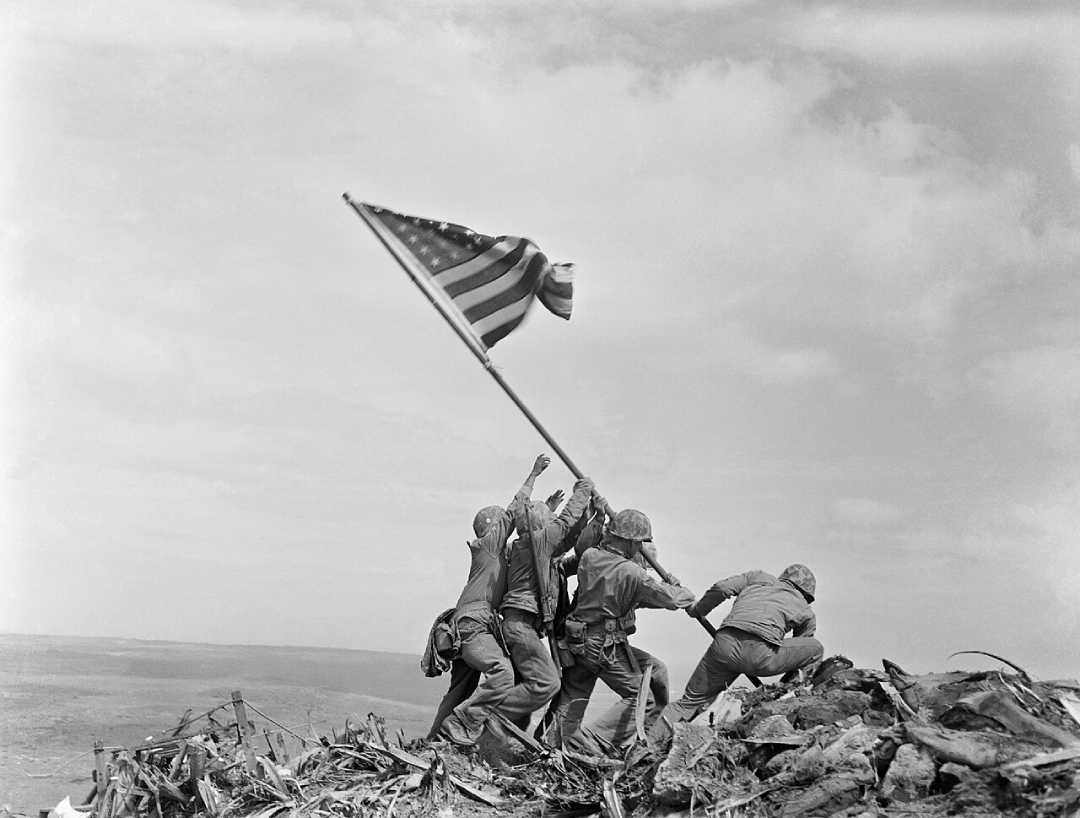
The photograph of six U.S. Marines raising the American flag atop Mount Suribachi during the Battle of Iwo Jima became one of the defining images of World War II. Taken by Joe Rosenthal, it symbolized determination and sacrifice during one of the Pacific campaign’s fiercest battles.
2. V-J Day Kiss in Times Square (1945)
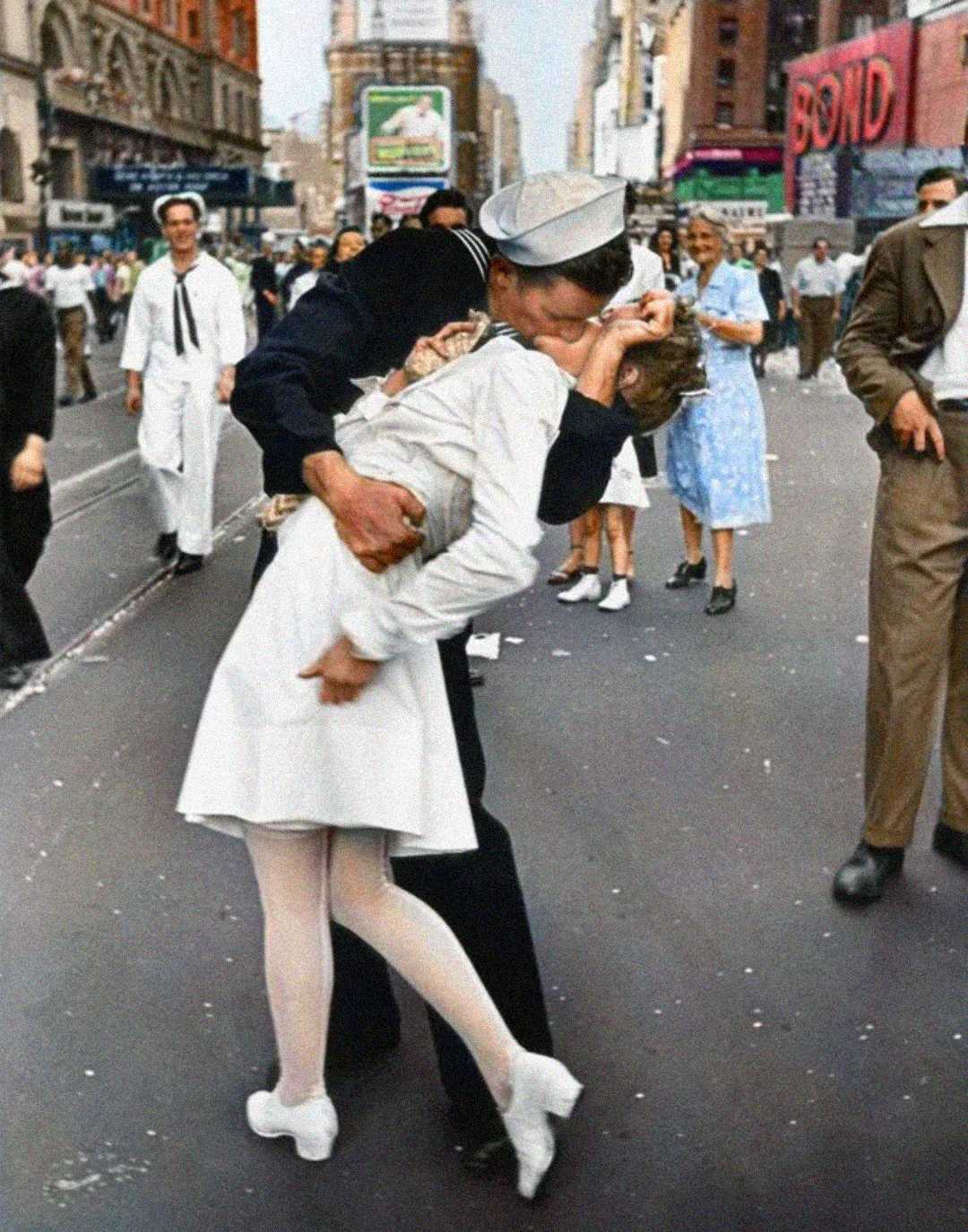
Alfred Eisenstaedt’s famous photograph of a sailor kissing a dental assistant in Times Square celebrated the announcement of Japan’s surrender and the end of World War II. The spontaneous moment reflected the overwhelming relief and celebration felt across America after years of global conflict.
3. Migrant Mother (1936)
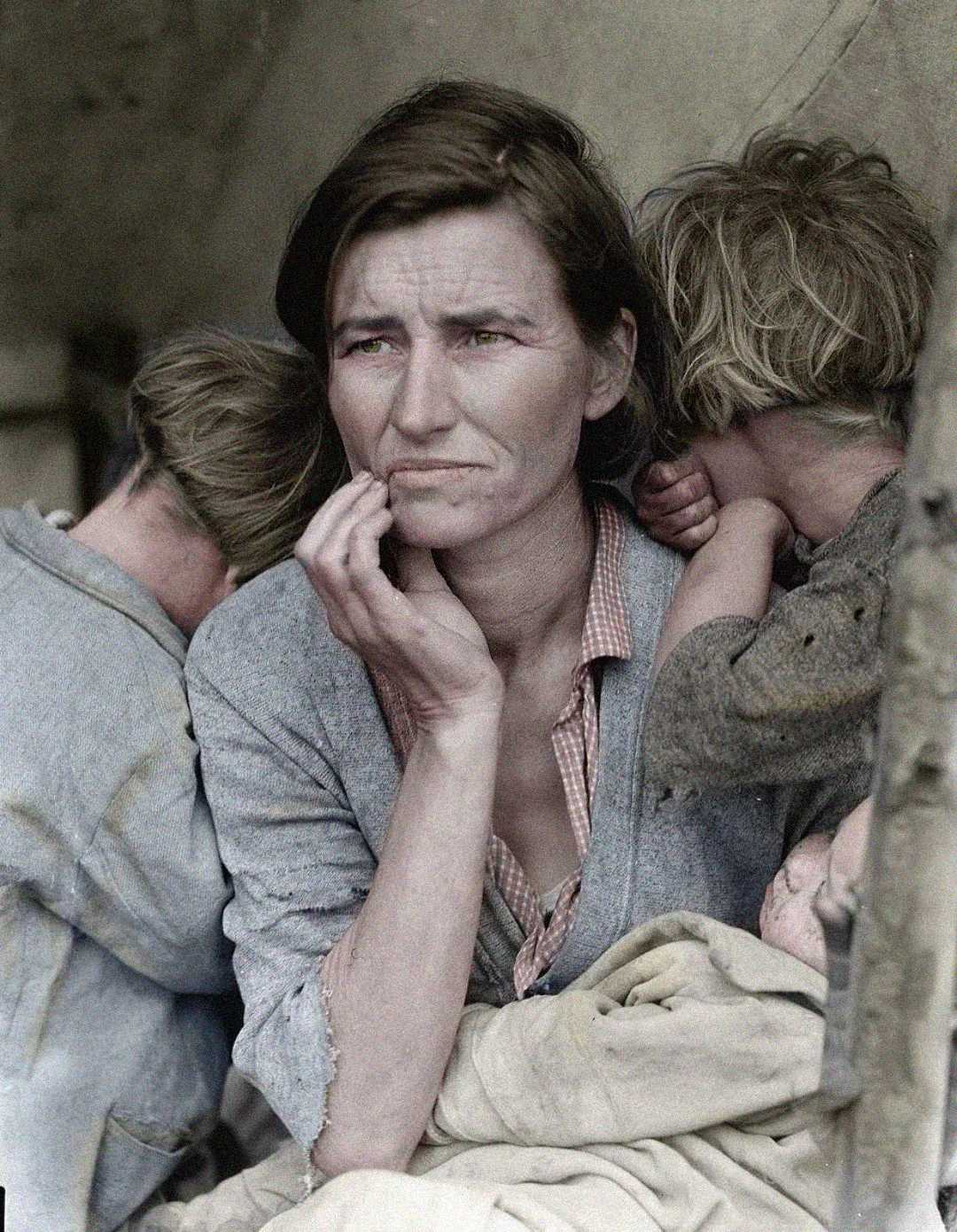
Dorothea Lange photographed Florence Owens Thompson during the Great Depression while documenting conditions for the Farm Security Administration. The image helped draw public attention to the struggles of migrant workers.
4. The Wright Brothers’ First Flight (1903)
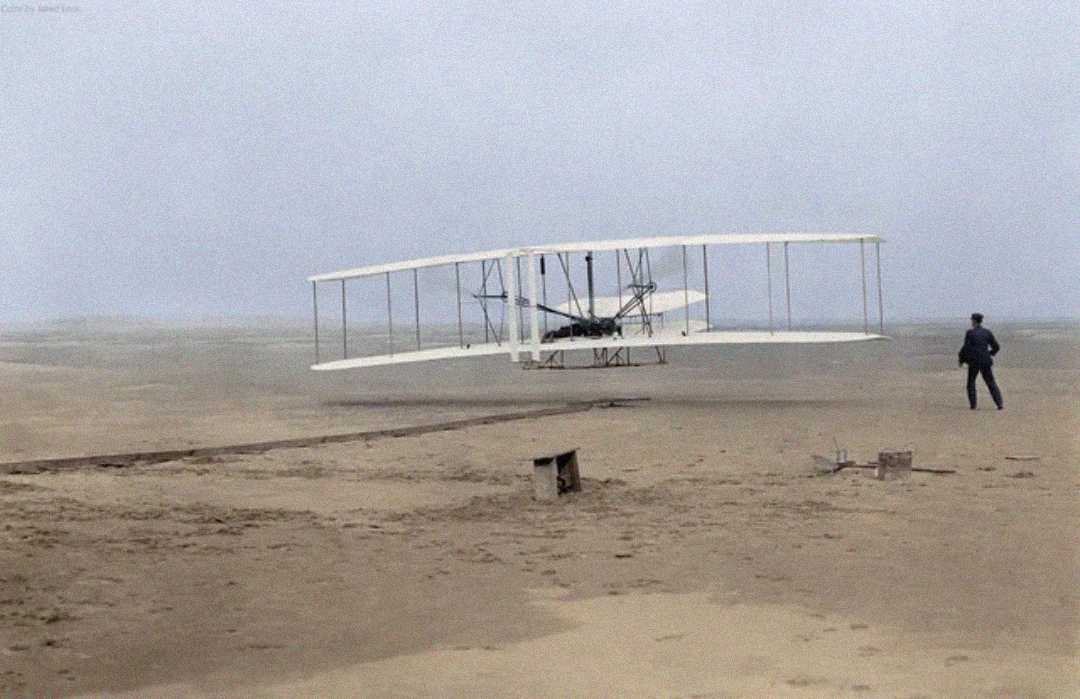
Captured by John T. Daniels, this remarkable photograph documents Orville Wright piloting the first successful powered airplane while Wilbur Wright runs beside it. The image records the beginning of modern aviation and one of America’s greatest technological milestones.
5. Lunch Atop a Skyscraper (1932)
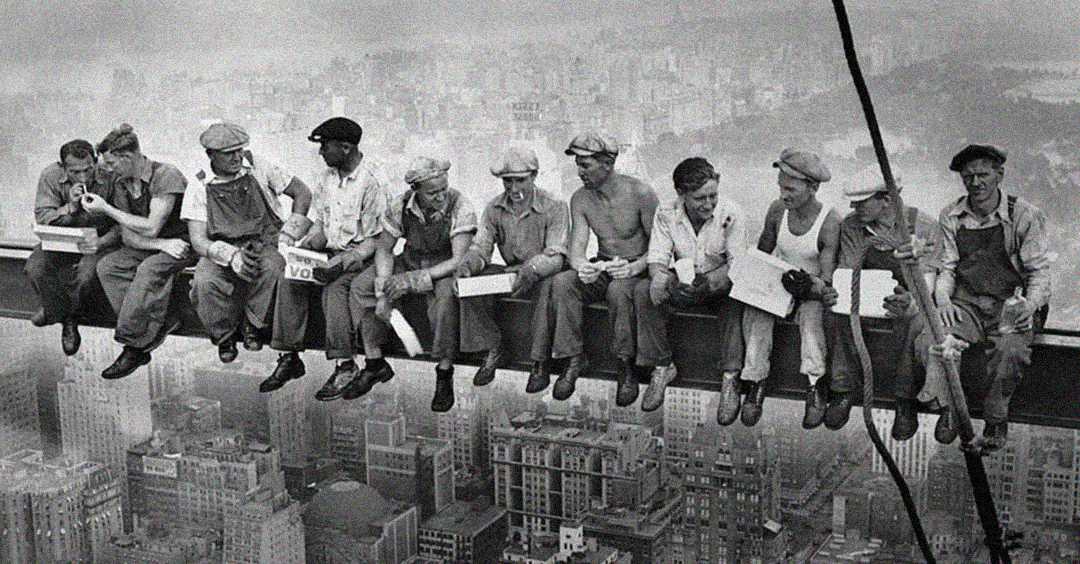
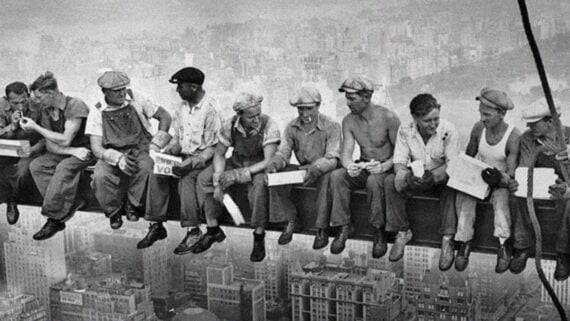
Eleven construction workers casually eating lunch on a steel beam above Manhattan became one of history’s most iconic workplace photographs. Taken during the construction of Rockefeller Center, the image showcased both the ambition and danger that accompanied America’s rapid urban growth during the Great Depression.
Trending on The Scroller


6. Ruby Bridges Entering School (1960)
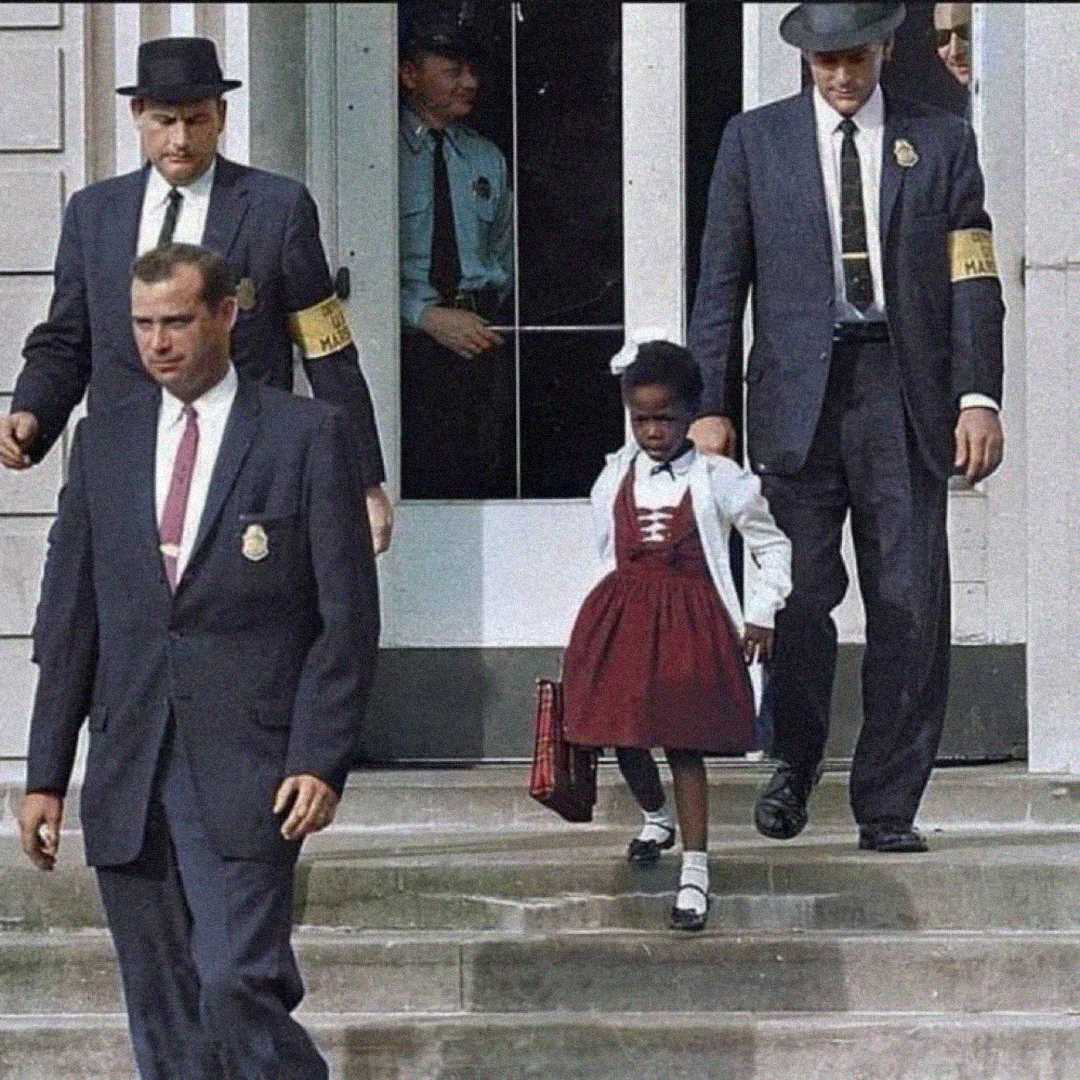
Norman Rockwell later immortalized the moment in painting, but photographs of six-year-old Ruby Bridges walking into William Frantz Elementary School under federal protection remain among the most powerful images of the Civil Rights Movement.
7. The March on Washington (1963)
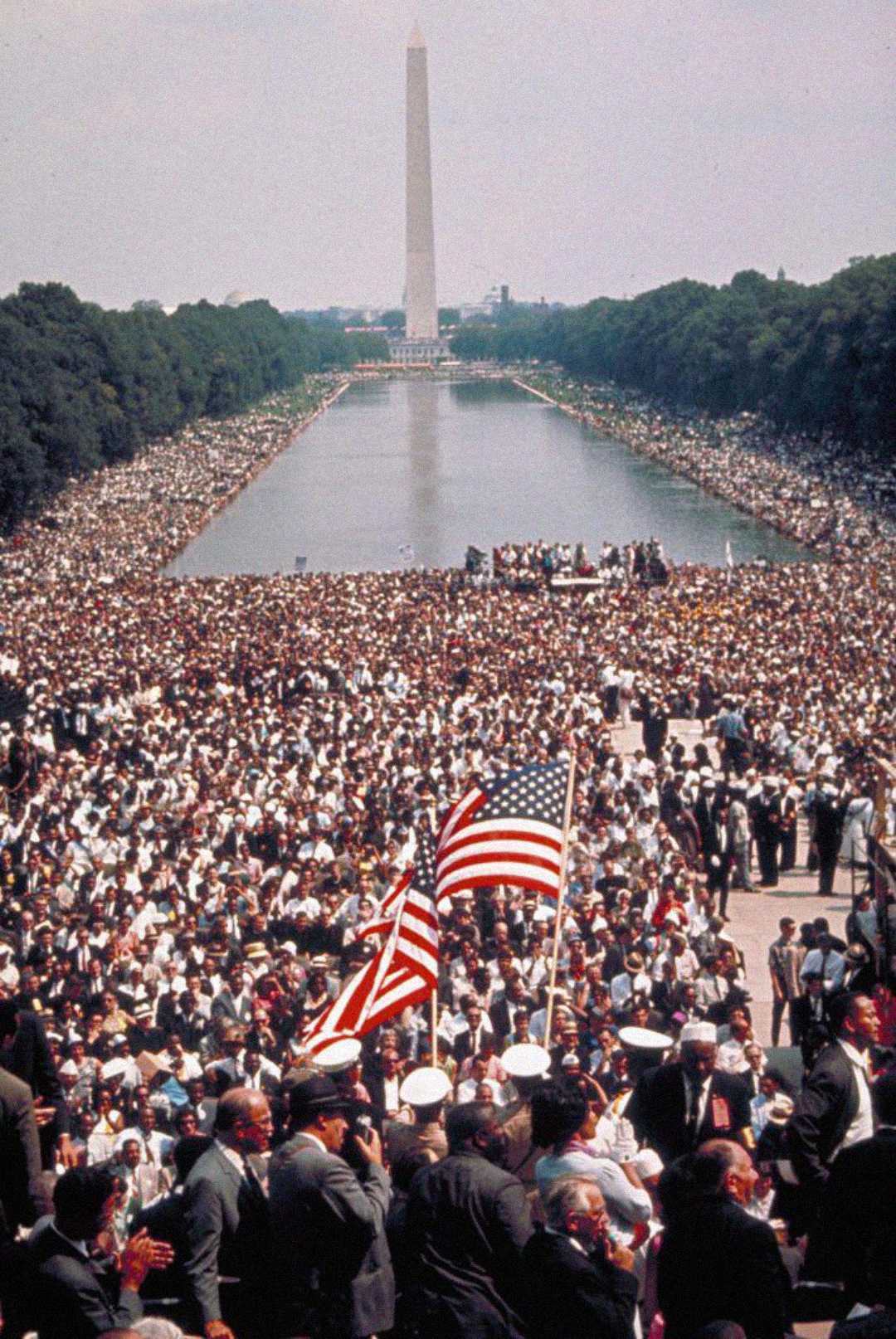
Wide-angle photographs showing hundreds of thousands gathered before the Lincoln Memorial document one of the largest civil rights demonstrations in American history. The event is best remembered as the occasion where Martin Luther King Jr. delivered his famous ‘I Have a Dream’ speech, marking a turning point in America’s fight for equal rights.
8. Neil Armstrong on the Moon (1969)
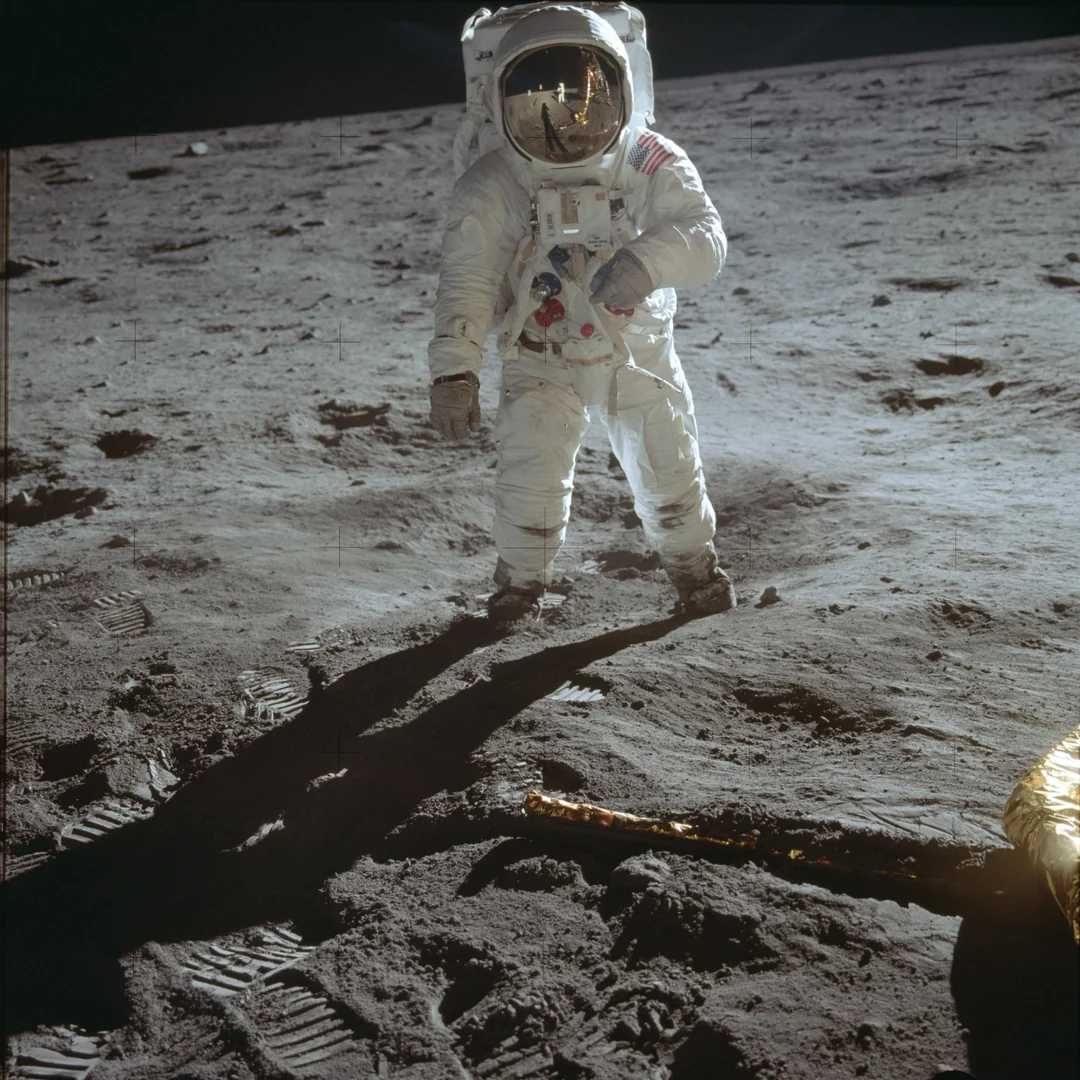
Although Neil Armstrong took most of the lunar surface photographs, one of the most famous images from Apollo 11 shows Buzz Aldrin standing on the Moon, with Armstrong reflected in his visor.
Sign up for our newsletter
9. Earthrise (1968)
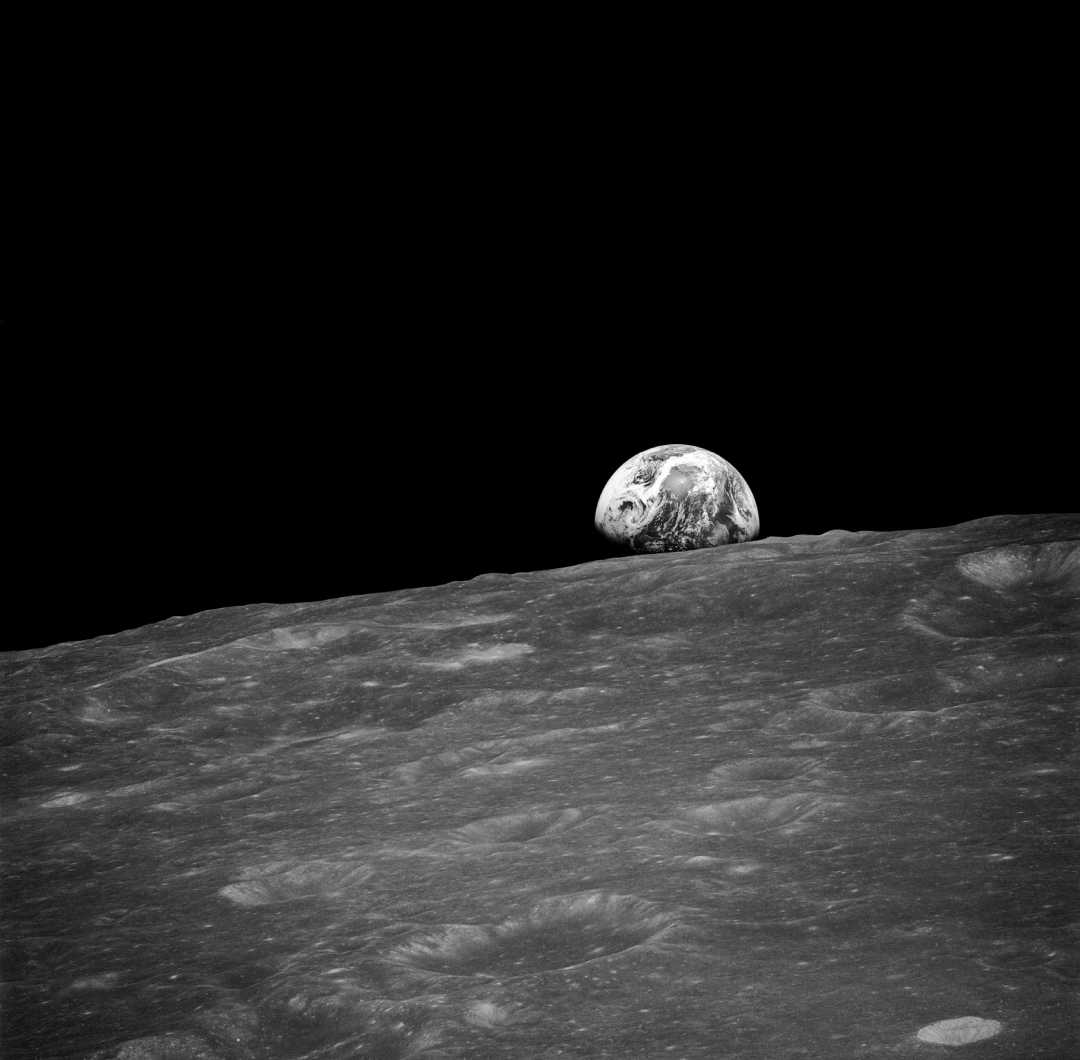
Taken by astronaut William Anders during Apollo 8, Earthrise showed our planet rising above the Moon’s horizon for the first time. The breathtaking image reshaped how many Americans, and people worldwide, viewed Earth, inspiring environmental awareness and highlighting the fragility of our home.
10. The Pentagon Under Construction (1942)
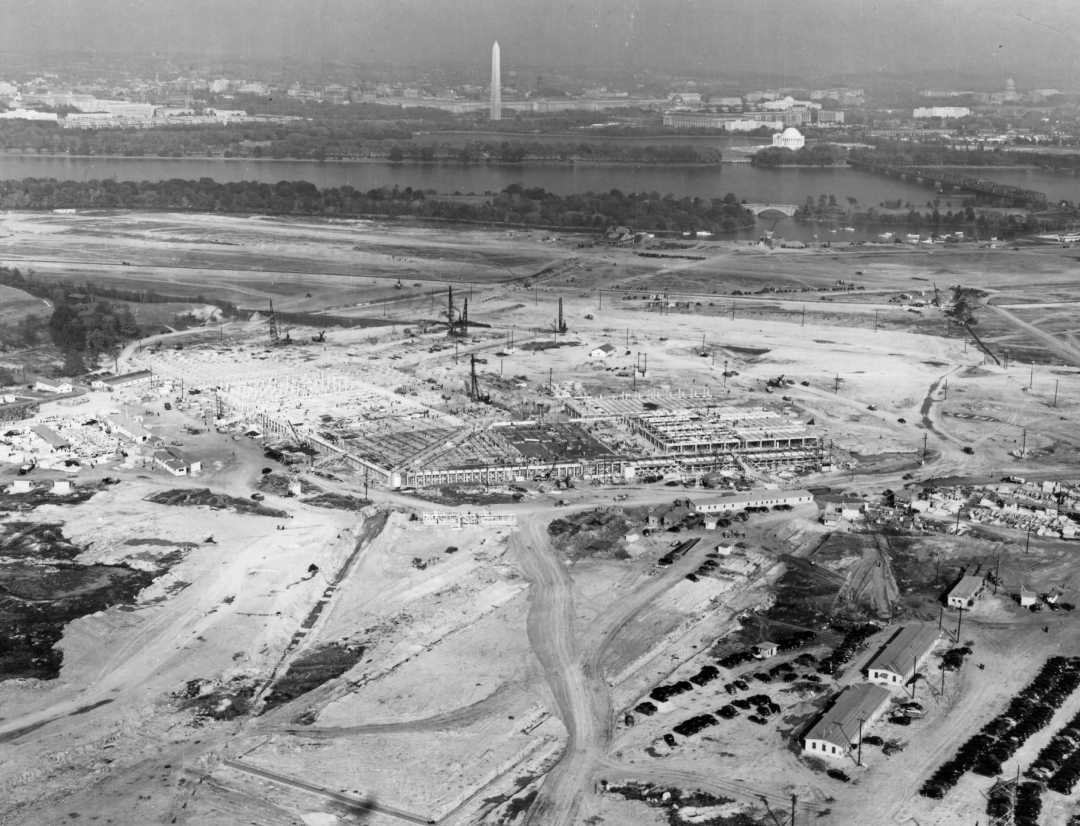
Photographs documenting the rapid construction of the Pentagon captured one of the most ambitious engineering projects in American history. Built during World War II in just 16 months, the enormous headquarters of the U.S. Department of Defense became a symbol of America’s wartime mobilization and industrial capacity.
11. The Dust Bowl Black Blizzards (1930s)
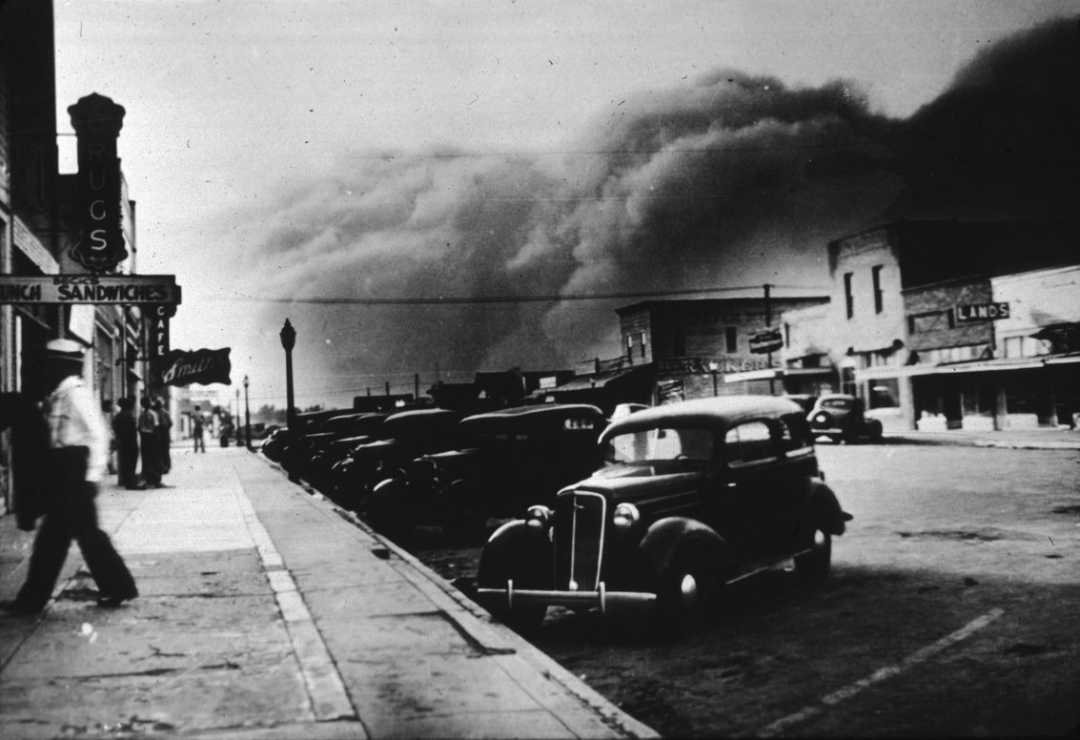
Photographs taken across the Great Plains documented enormous dust storms that devastated farms during the Dust Bowl. These haunting images illustrated both environmental disaster and economic hardship, becoming essential visual records of one of America’s greatest ecological crises.
12. D-Day Troops Landing (1944)
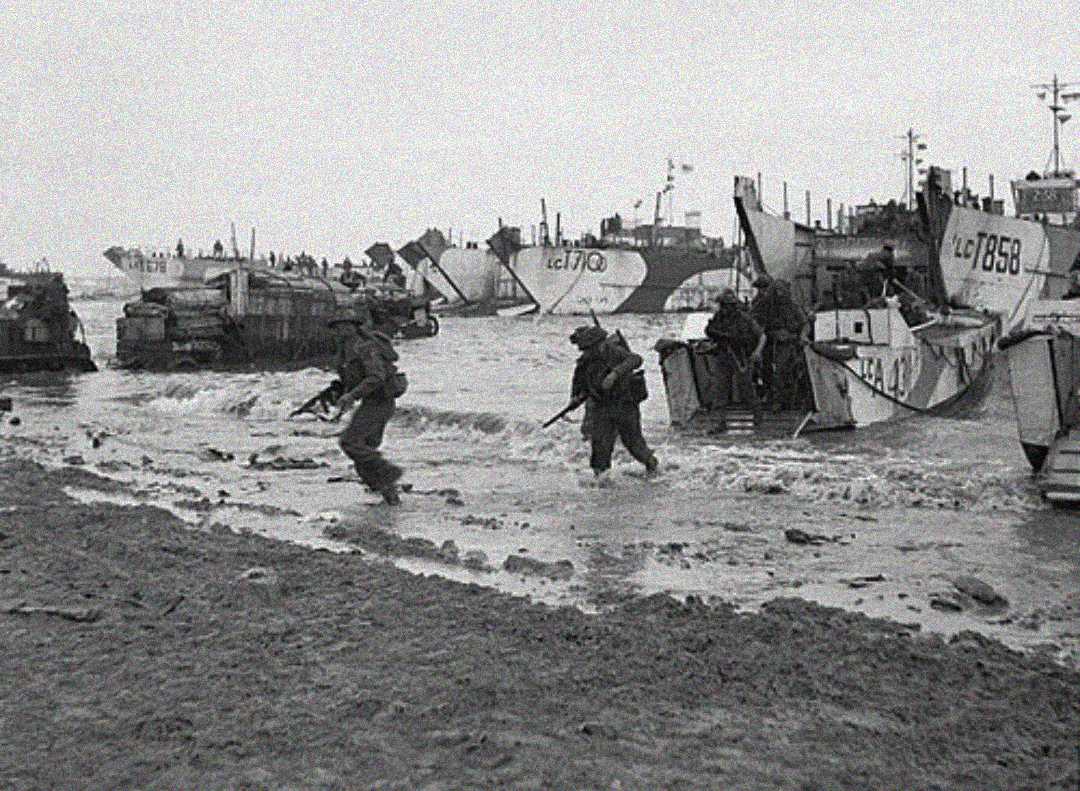
Robert Capa’s blurred yet unforgettable photographs of Allied troops landing on Omaha Beach captured the intensity and uncertainty of the Normandy invasion. Despite technical issues that destroyed many negatives, the surviving images became defining visual records of America’s role in liberating Europe.
13. The Little Rock Nine (1957)
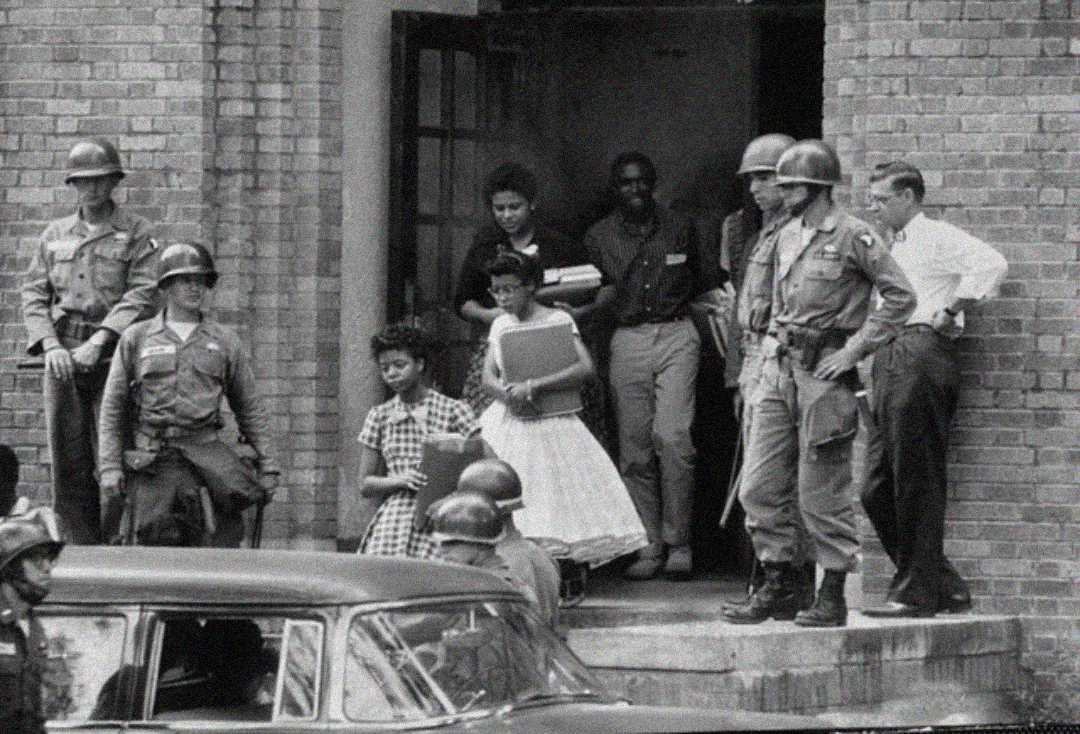
Photographs of the Little Rock Nine entering Central High School under military protection documented one of the most significant moments of school desegregation. The images highlighted the federal government’s role in enforcing constitutional rights during the Civil Rights Movement.
14. The Apollo 11 Launch (1969)
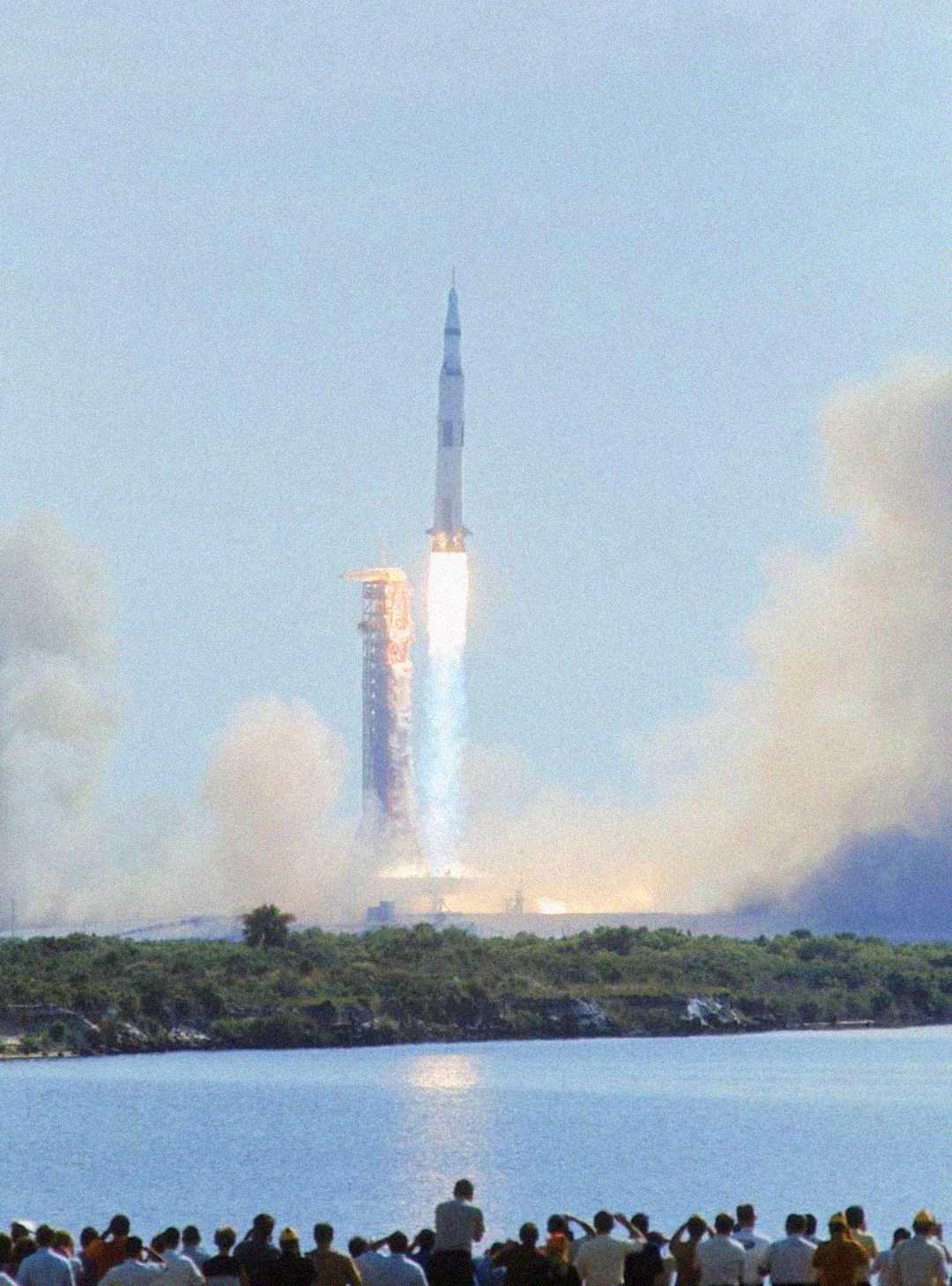
Photographs showing the massive Saturn V rocket lifting off from Kennedy Space Center captured the beginning of the mission that would place humans on the Moon.
15. The Golden Spike Ceremony (1869)
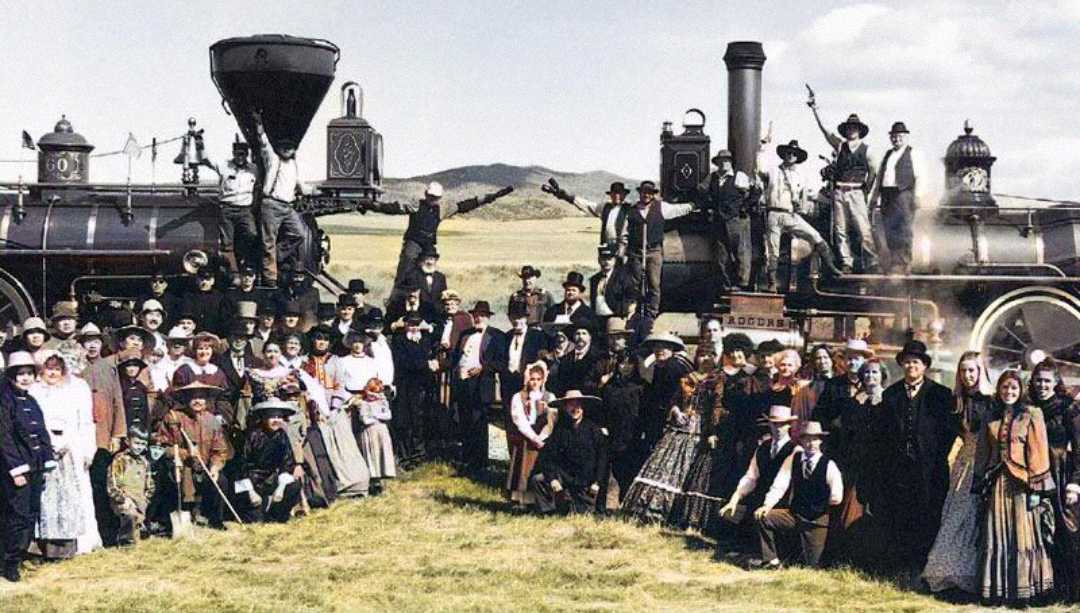
The famous image taken at Promontory Summit commemorated the completion of America’s First Transcontinental Railroad. By connecting the eastern and western United States, the railroad transformed commerce, migration, and communication across the country.
16. Times Square on V-E Day (1945)
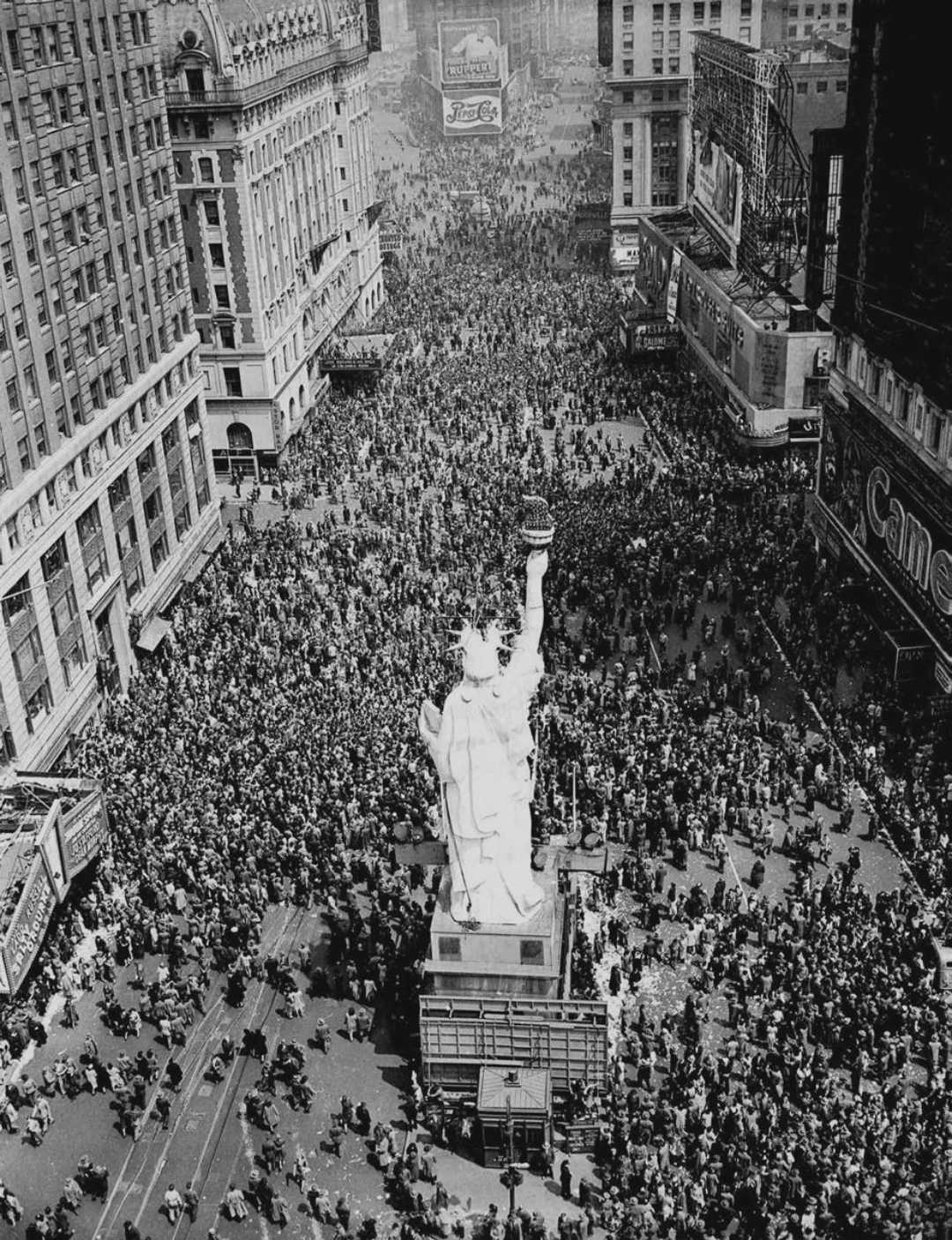
Photographs from Victory in Europe Day showed enormous crowds filling New York City’s streets after Germany’s surrender. While the war in the Pacific continued, these celebrations marked the approaching end of the conflict and reflected the optimism spreading across the country.
17. The San Francisco Earthquake Aftermath (1906)
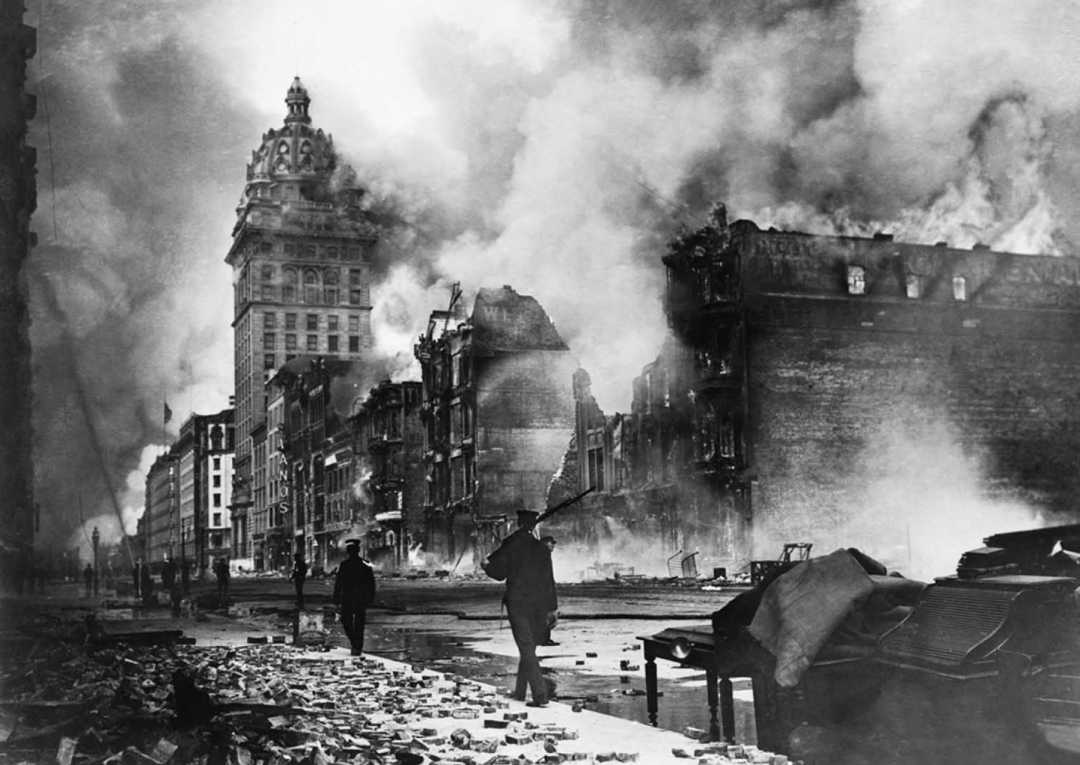
Photographers documented collapsed buildings, fires, and refugee camps following the devastating earthquake and fires that destroyed much of San Francisco.
18. President John F. Kennedy’s Inauguration (1961)
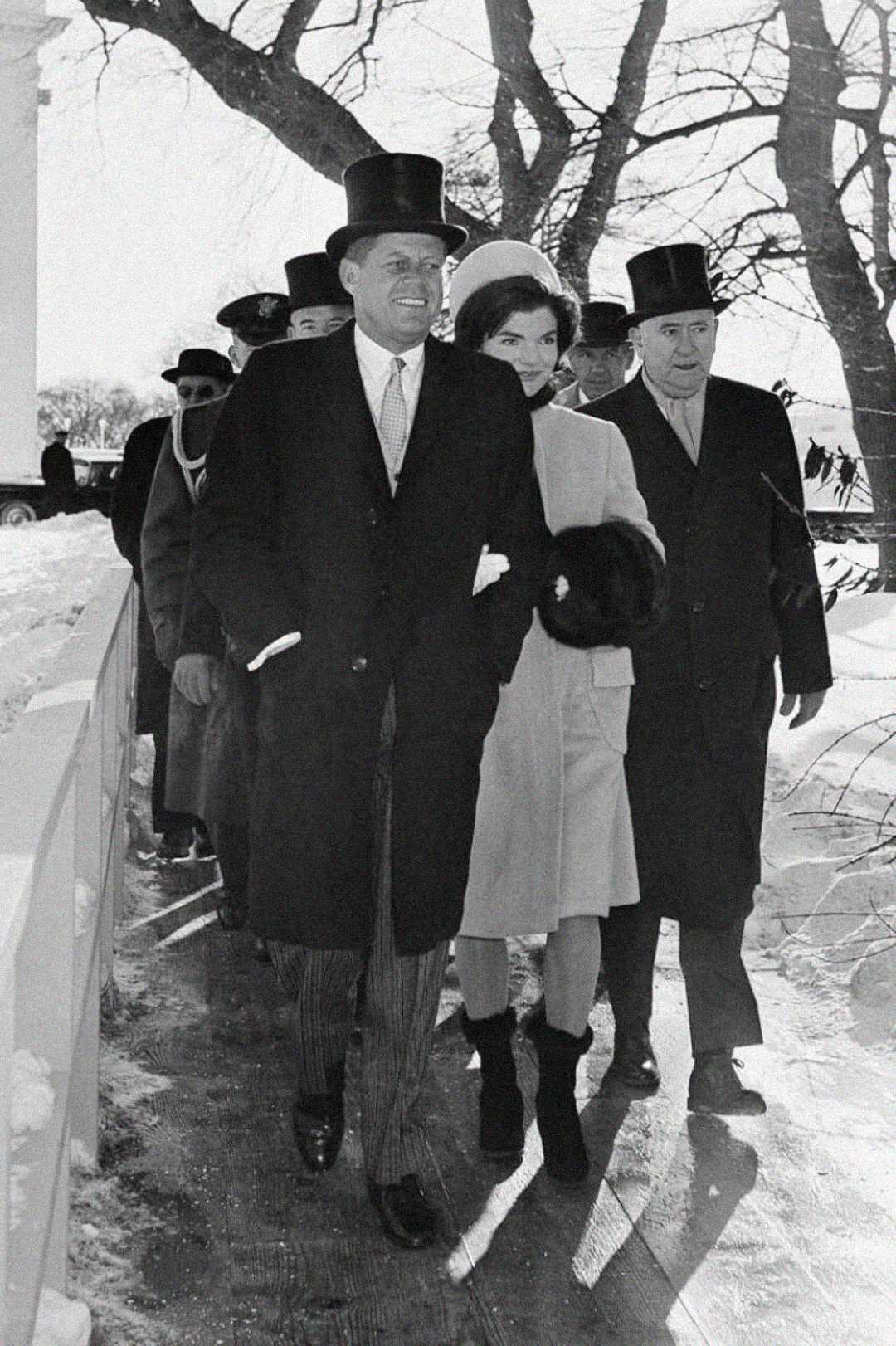
Photographs of John F. Kennedy taking the presidential oath captured the beginning of a new political era. His inaugural address, including the famous call for citizens to serve their country, became one of the most memorable speeches in American history.
19. The Statue of Liberty Opening Ceremony (1886)
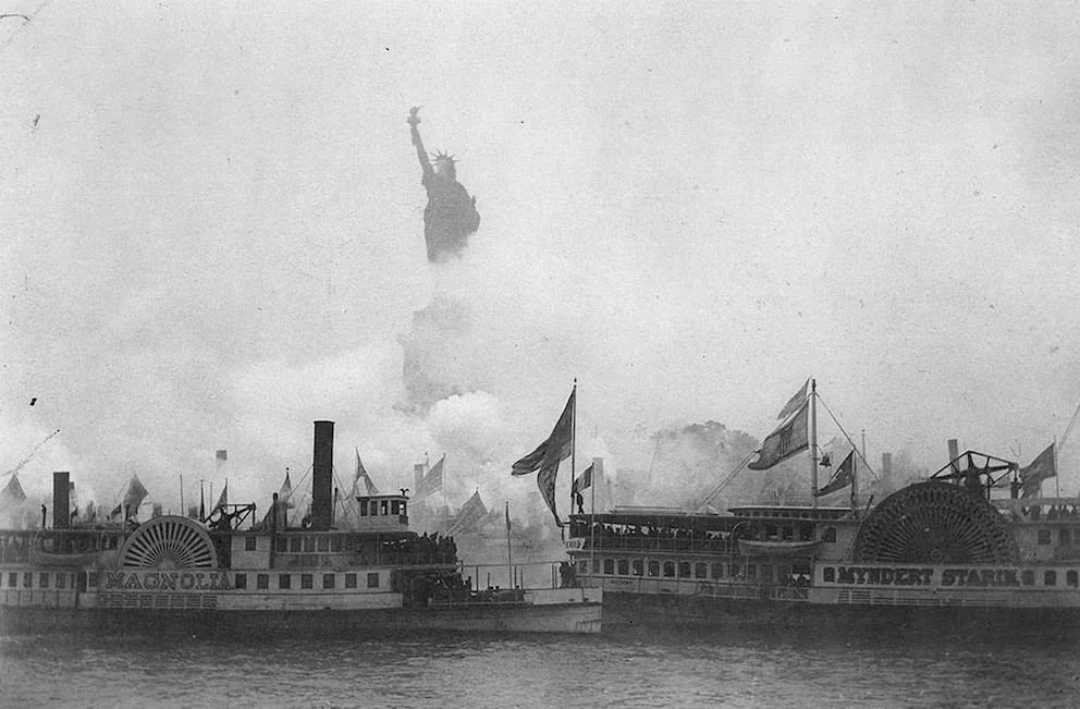
Historic photographs from Liberty Island documented the dedication of the Statue of Liberty, a gift from France that became one of America’s most enduring symbols of freedom, democracy, and opportunity for immigrants arriving by sea.
20. Firefighters Raising the Flag at Ground Zero (2001)
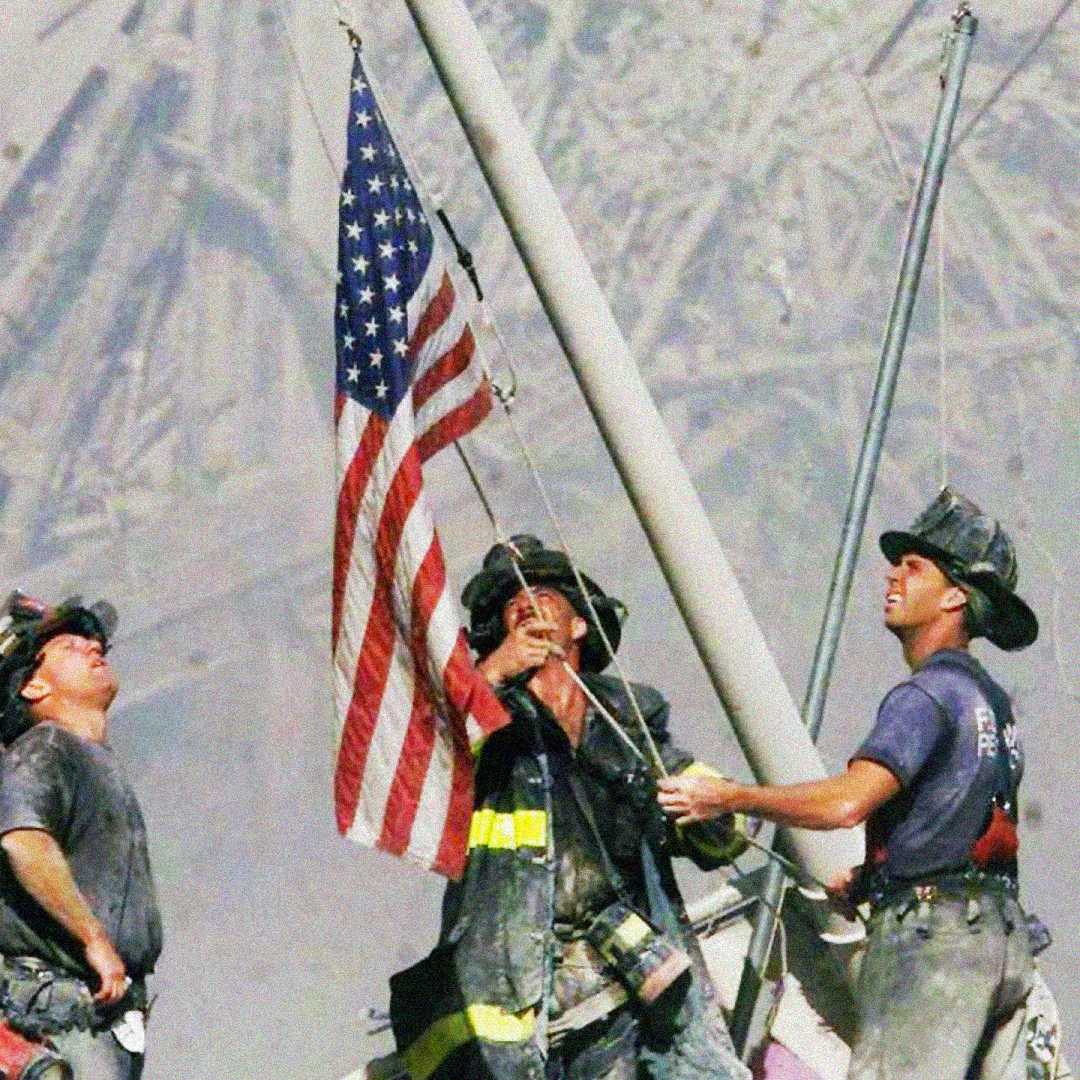
Just days after the September 11 attacks, photographer Thomas E. Franklin captured three firefighters raising an American flag amid the rubble of the World Trade Center.
The more we learn about America, the more we understand the events, achievements, and challenges that shaped its culture and identity. Keep exploring to discover even more remarkable moments from the nation’s past.
These extraordinary photographs remind us that America’s history is filled with defining moments that continue to inspire generations. Whether documenting scientific breakthroughs, social change, military sacrifice, or everyday resilience, each image captured a turning point that still resonates today. While these photographs preserve some of the nation’s most unforgettable stories, there are countless more moments waiting to be rediscovered, proving that America’s past remains as fascinating as ever.
If you enjoyed exploring these remarkable moments from America, don’t stop here. We have many more articles that dive into the people, events, landmarks, and stories that shaped the nation. Check out today’s recommendations and continue discovering the fascinating history of America: 45 Images That Show How America Has Changed, 19 Lost Rituals of American Family Life in the 1970s, and 15 Things Americans Quietly Stopped Spending Money On in the Last 20 Years.