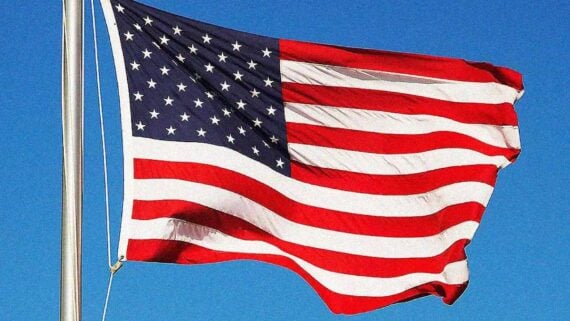
Independence Day is more than a national holiday. It represents the moment when America officially declared its intention to become a free and self-governing nation. Every year on the Fourth of July, millions of Americans gather with family and friends to celebrate the courage, determination, and ideals that shaped the country’s history. The Declaration of Independence established principles of liberty, equality, and self-government that continue to influence democratic societies around the world.
Understanding the history behind independence makes the celebration even more meaningful. Many traditions associated with the Fourth of July have fascinating origins, and some of the most well-known stories are often misunderstood. Keep reading as we explore 16 official facts that explain why Independence Day remains one of the most important holidays in America and why its legacy continues to inspire generations.
1. The Declaration Was Approved on July 4, 1776
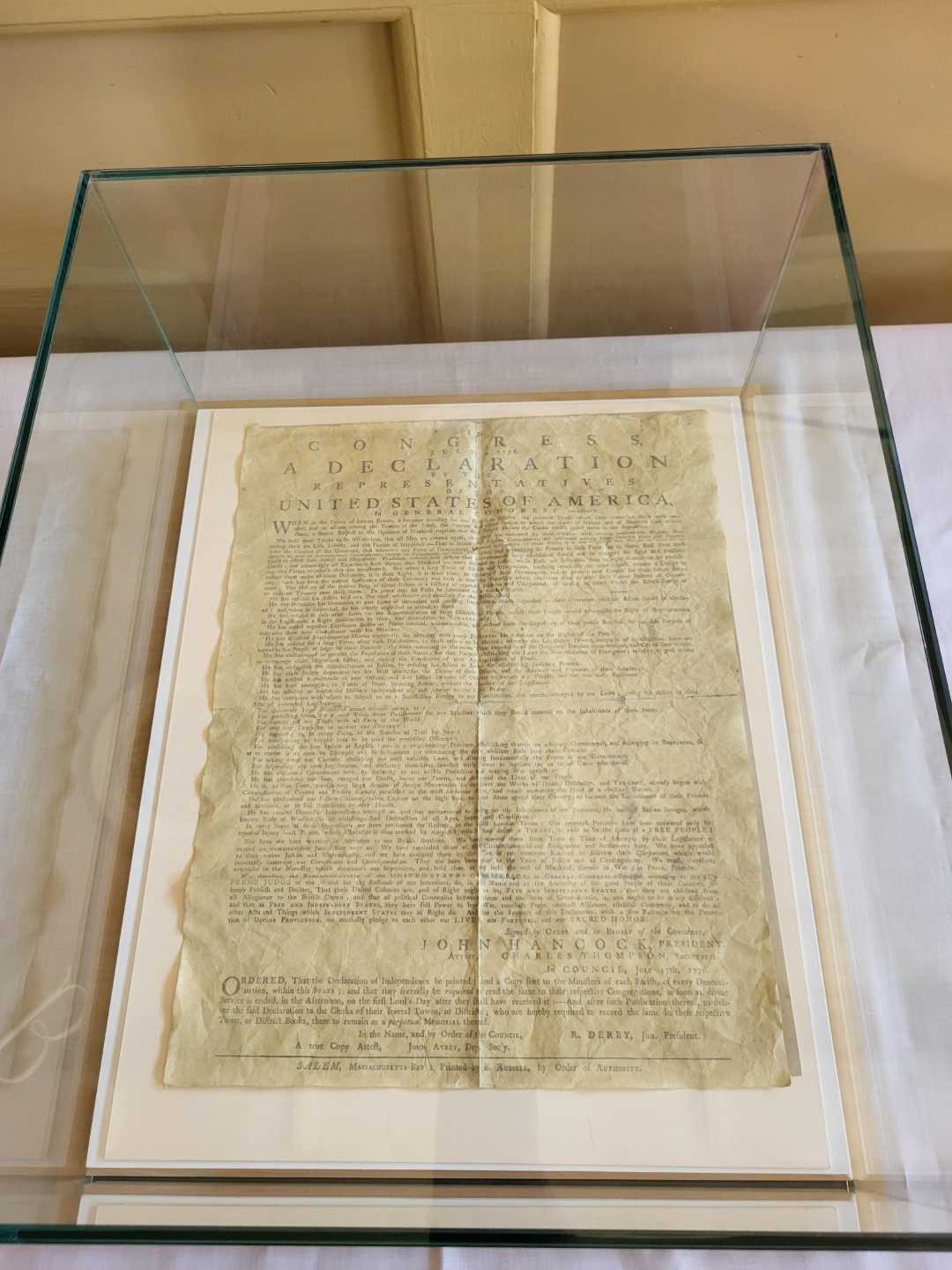
Many people assume the Declaration of Independence was written and signed on the same day, but the process took time. The Second Continental Congress officially adopted the final wording on July 4, 1776, making that date the symbolic birth of American independence. Although military fighting had already begun, this document formally announced that the thirteen colonies considered themselves free states.
2. Independence Was Declared Before Britain Accepted It
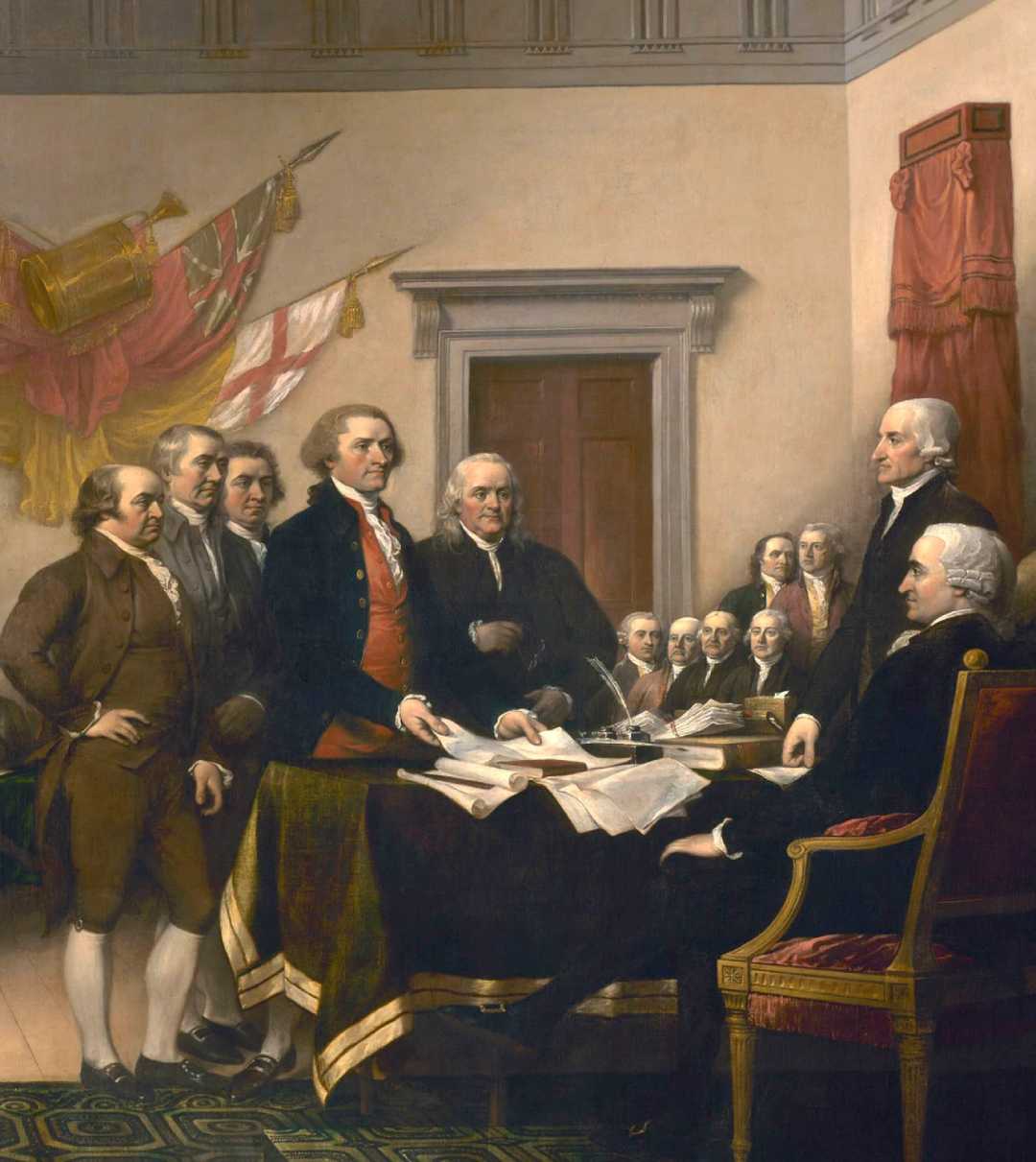
Declaring independence did not immediately end the Revolutionary War. Britain continued fighting for several years, and the conflict officially concluded with the Treaty of Paris in 1783. The declaration represented America’s intention to govern itself, even though that goal still had to be secured on the battlefield.
3. Thomas Jefferson Wrote Most of the First Draft
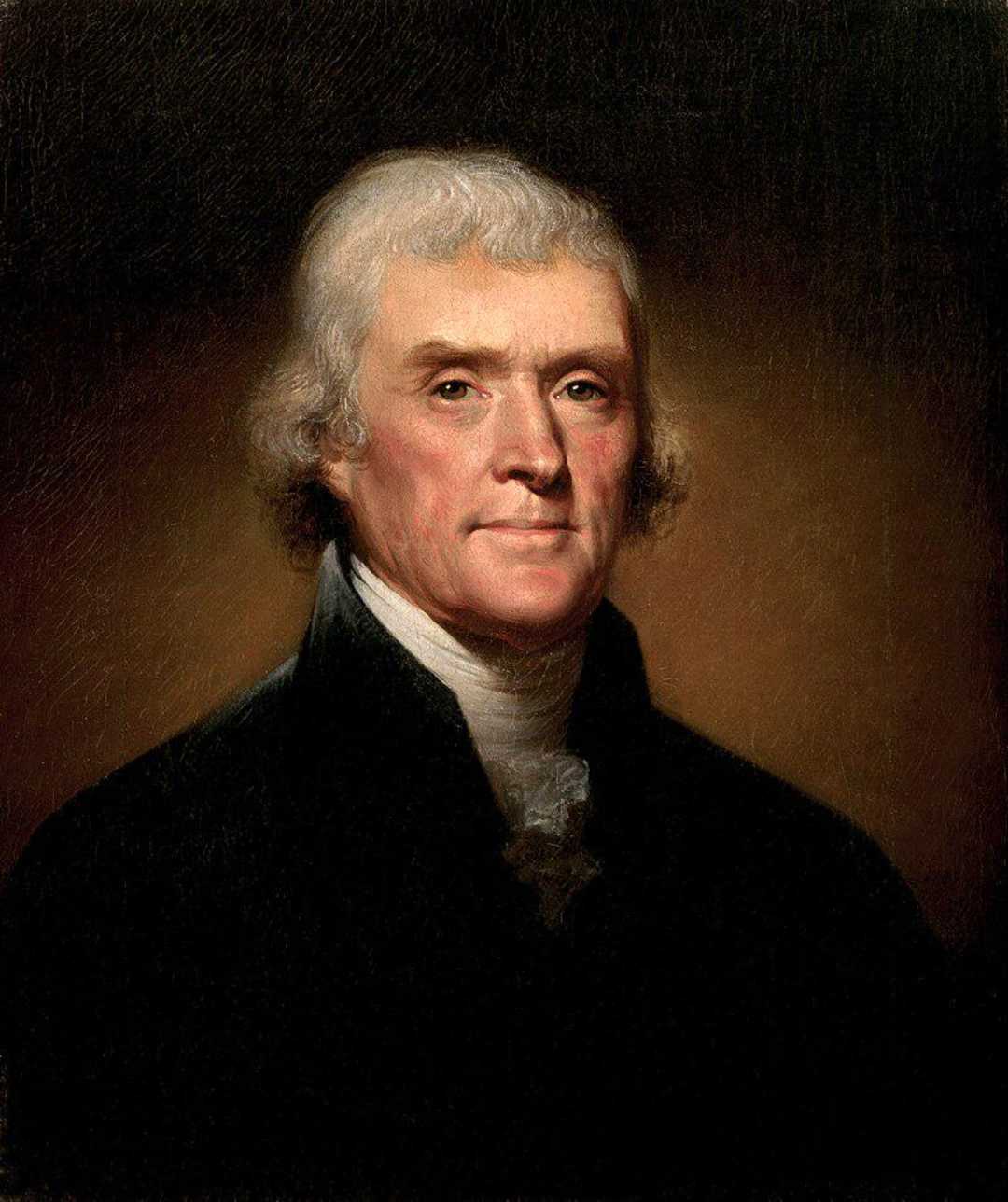
Thomas Jefferson drafted most of the Declaration because fellow delegates admired his writing ability. However, Benjamin Franklin and John Adams suggested edits before Congress debated the final version. The document became a collaborative effort, even though Jefferson’s voice remains its most recognizable.
4. Congress Removed Several Sections Before Approval
The version people read today differs from Jefferson’s original draft. Delegates debated the language for days and removed nearly a quarter of the original text, including passages criticizing the British slave trade. These edits reflected political compromises necessary to achieve unanimous support.
5. Most Delegates Signed Later
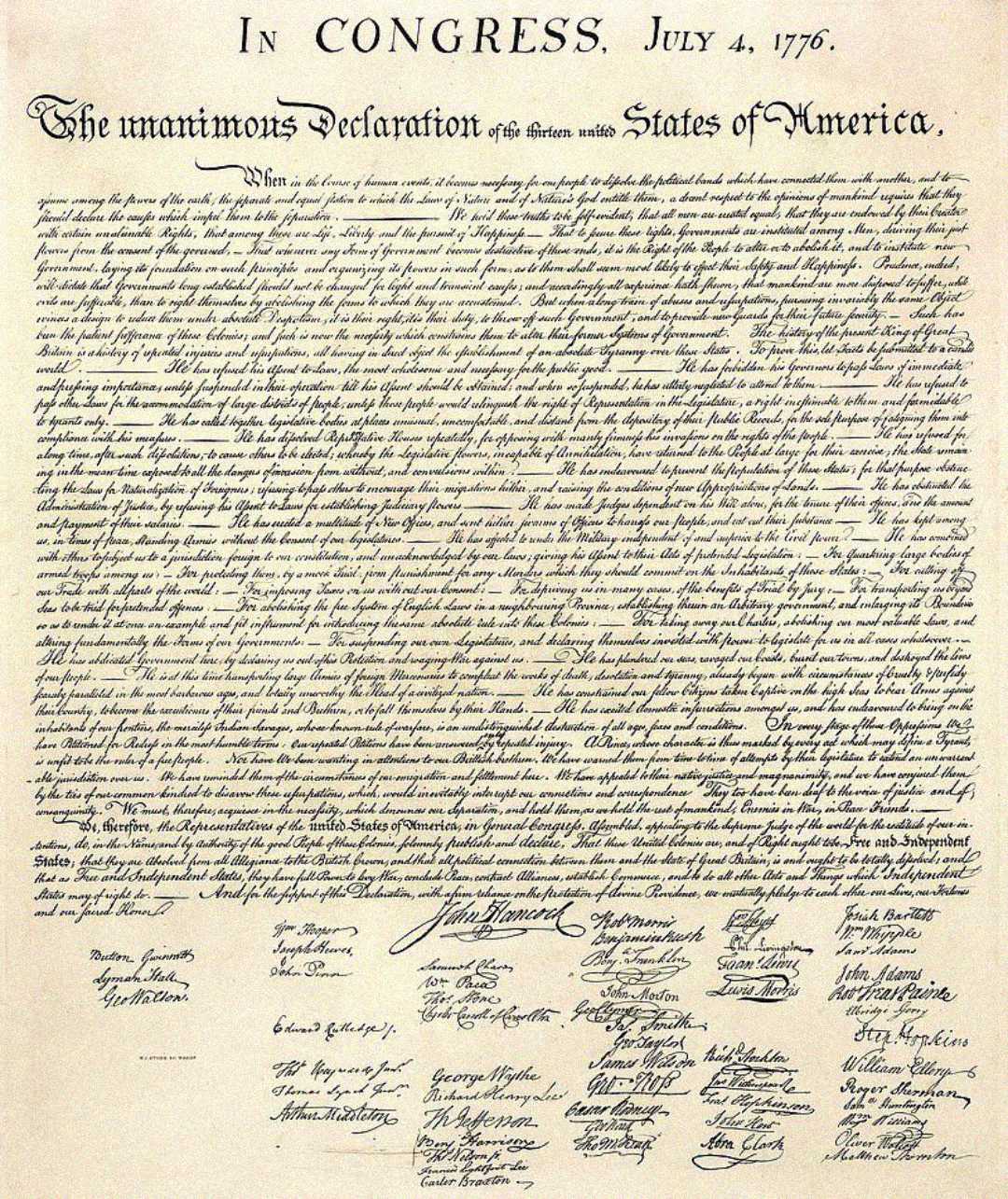
One of the biggest myths surrounding independence is that every delegate signed the Declaration on July 4. In reality, most signatures were added on August 2, 1776, when the official parchment copy became available. Additional delegates even signed months afterward.
Trending on The Scroller


6. John Hancock’s Signature Became Legendary
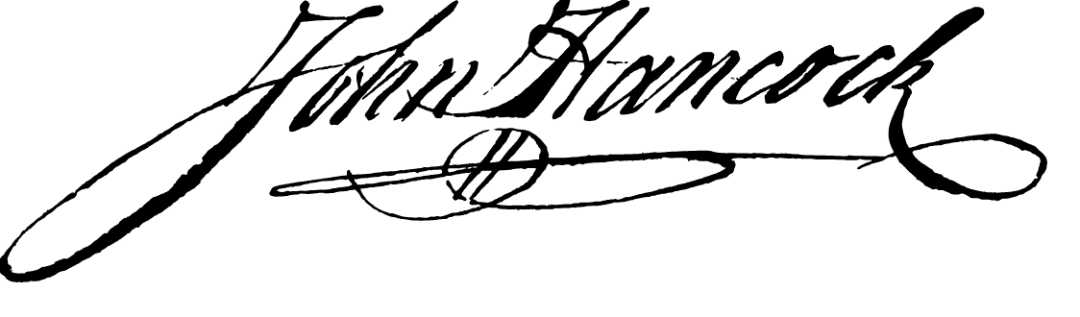
John Hancock, president of the Continental Congress, signed first and wrote his name much larger than anyone else. His bold signature became so famous that ‘put your John Hancock here’ is still used today as another way of saying ‘sign your name.’
7. The Liberty Bell Is Closely Linked to Independence
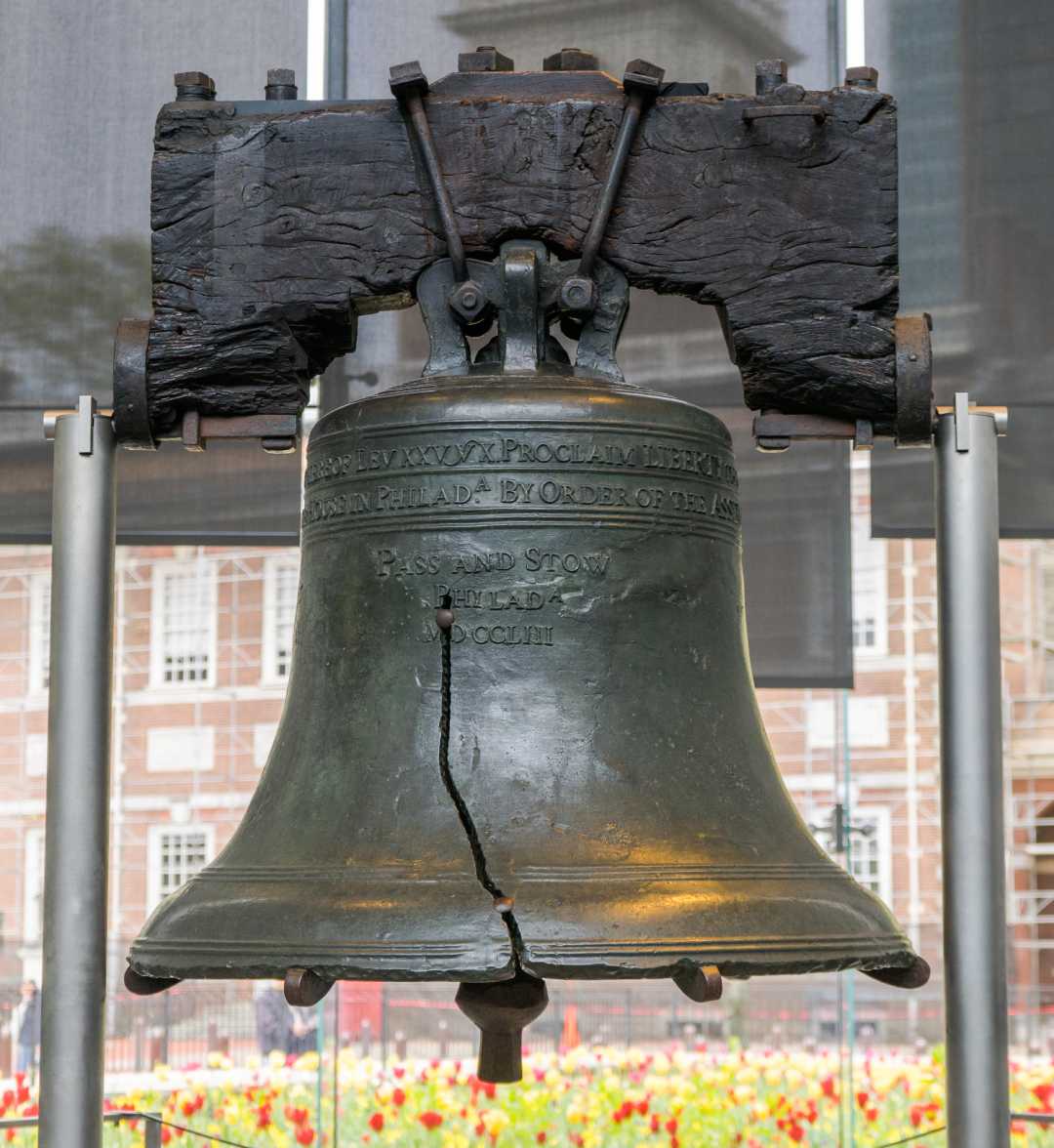
Although historians cannot confirm that the bell rang specifically on July 4, the Liberty Bell became a lasting symbol of American independence during the nineteenth century. Its famous inscription about proclaiming liberty made it a powerful emblem for generations of Americans.
8. Fireworks Were Suggested from the Beginning
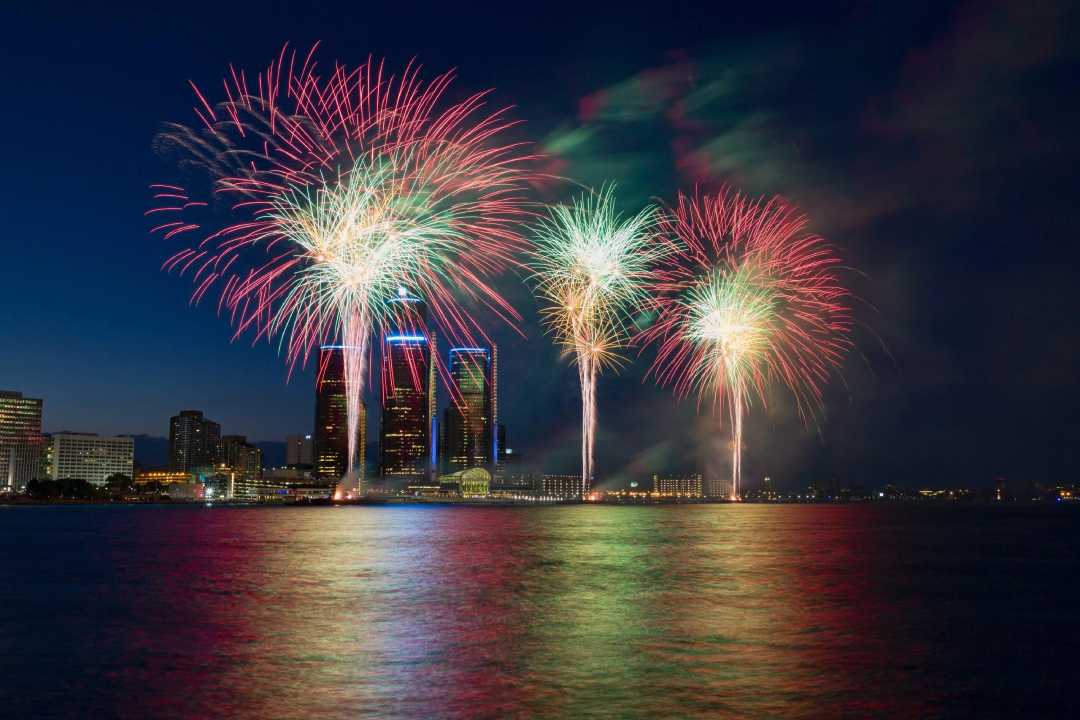
John Adams predicted Americans would celebrate independence with ‘illuminations,’ a term that included fireworks. Today, spectacular fireworks displays remain one of the most recognizable Fourth of July traditions across the country, connecting modern celebrations with early patriotic festivities.
Sign up for our newsletter
9. The First Celebrations Happened During the War
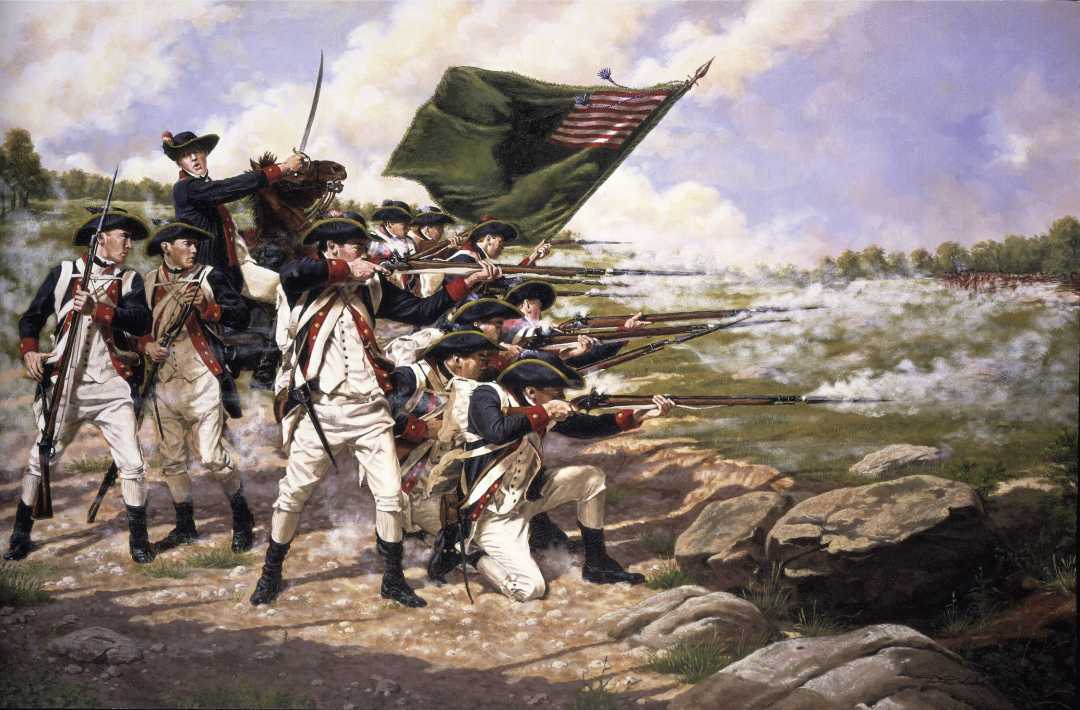
Communities celebrated the first Independence Day in 1777 while the Revolutionary War was still underway. Cities held military parades, public speeches, concerts, and fireworks, demonstrating confidence that the struggle for independence would ultimately succeed.
10. The Declaration Inspired Other Nations
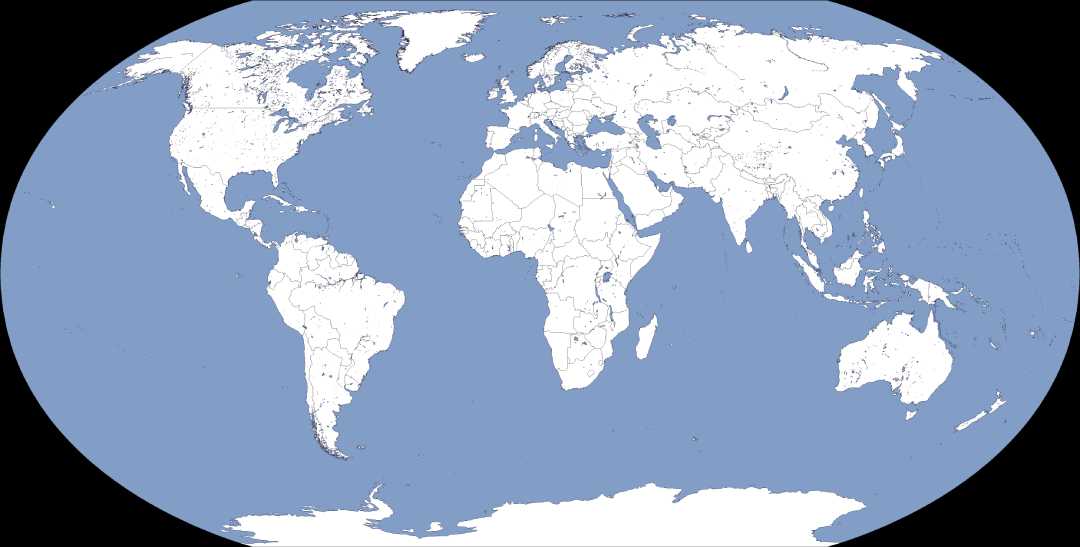
The ideas expressed in the Declaration influenced independence movements around the world. Leaders in countries throughout Europe and Latin America later drew inspiration from its principles of natural rights, representative government, and popular sovereignty.
11. The Original Document Is Carefully Protected
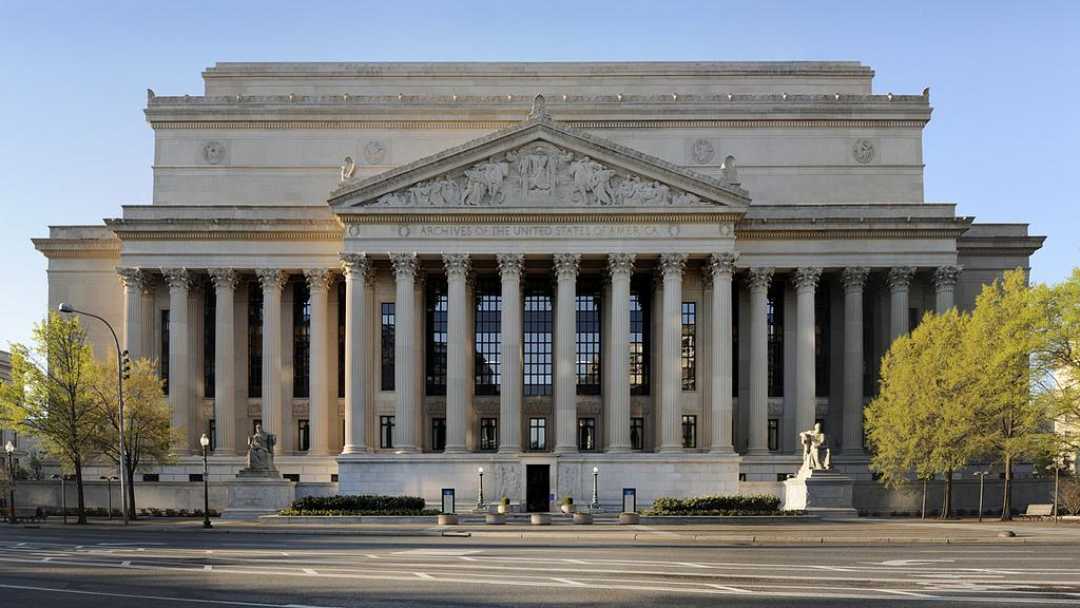
The original Declaration of Independence is preserved inside the National Archives in Washington, D.C. It is displayed in a specially designed, climate-controlled case that protects the fragile parchment from light, humidity, and environmental damage.
12. Independence Day Didn’t Become a Federal Holiday Immediately
Although Americans celebrated the Fourth of July for decades, Congress did not make Independence Day an official, unpaid federal holiday until 1870. It became a paid federal holiday in 1938, further recognizing its national importance.
13. The Declaration Lists Grievances Against King George III
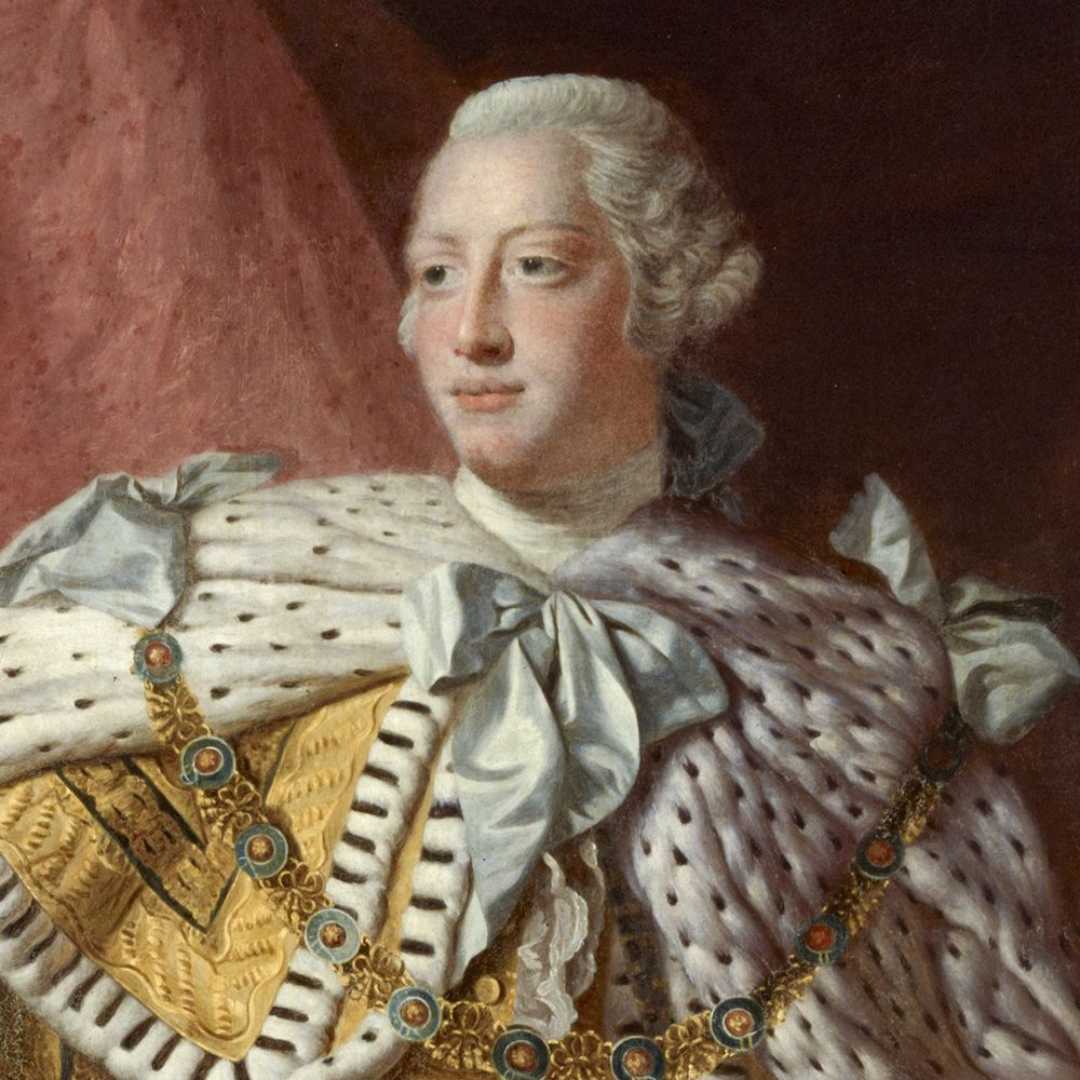
A significant portion of the Declaration explains why the colonies sought independence by listing complaints against King George III. These grievances described actions the colonists believed violated their rights as English subjects.
14. America Was Already Fighting Before the Declaration
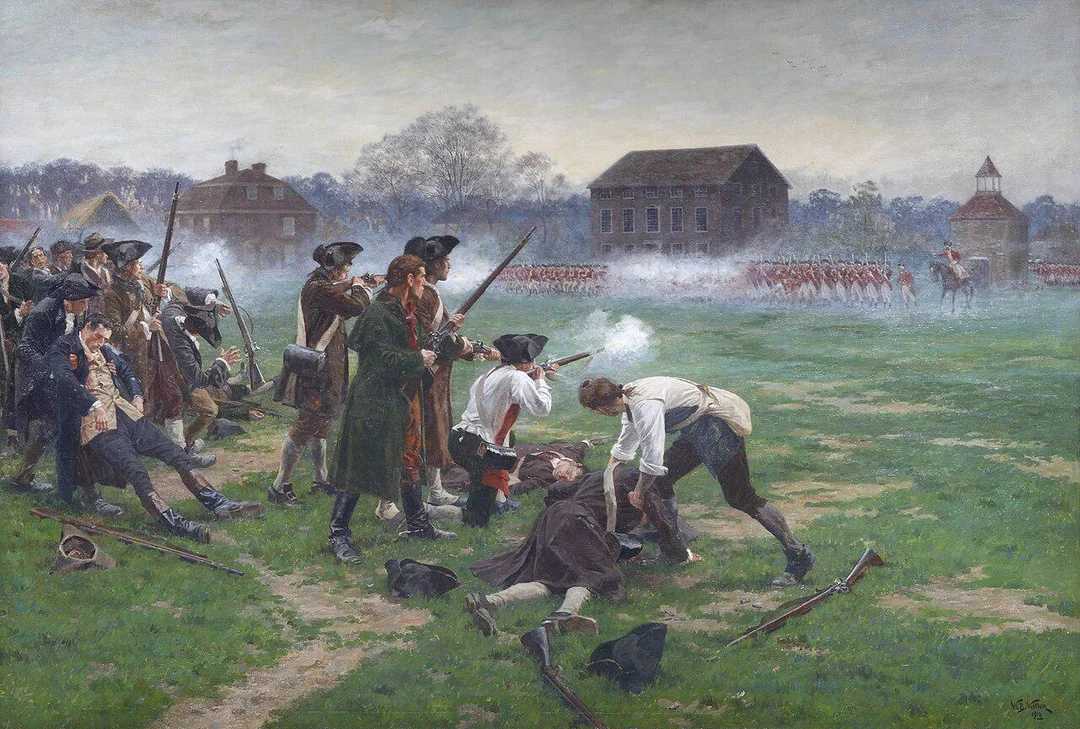
The Battles of Lexington and Concord took place in April 1775, more than a year before the Declaration was adopted. By July 1776, the colonies had already decided that complete independence offered the best chance for lasting freedom.
15. Three Presidents Died on July 4
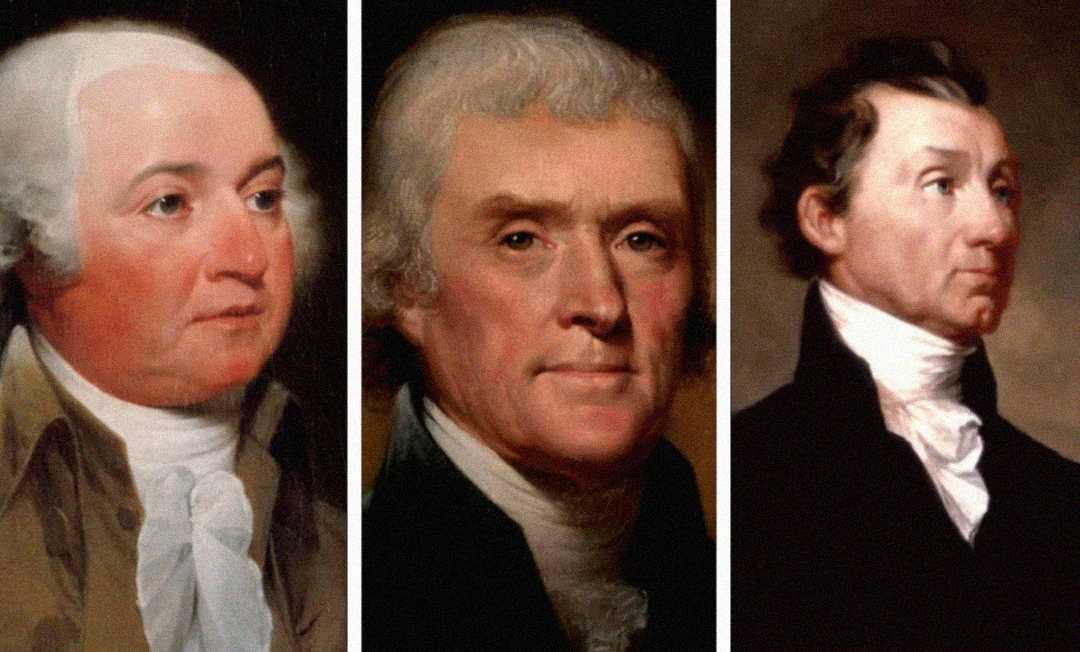
John Adams and Thomas Jefferson both died on July 4, 1826, the fiftieth anniversary of American independence. Five years later, James Monroe also passed away on July 4, making the date unusually significant in presidential history.
16. The Declaration Continues to Shape American Democracy
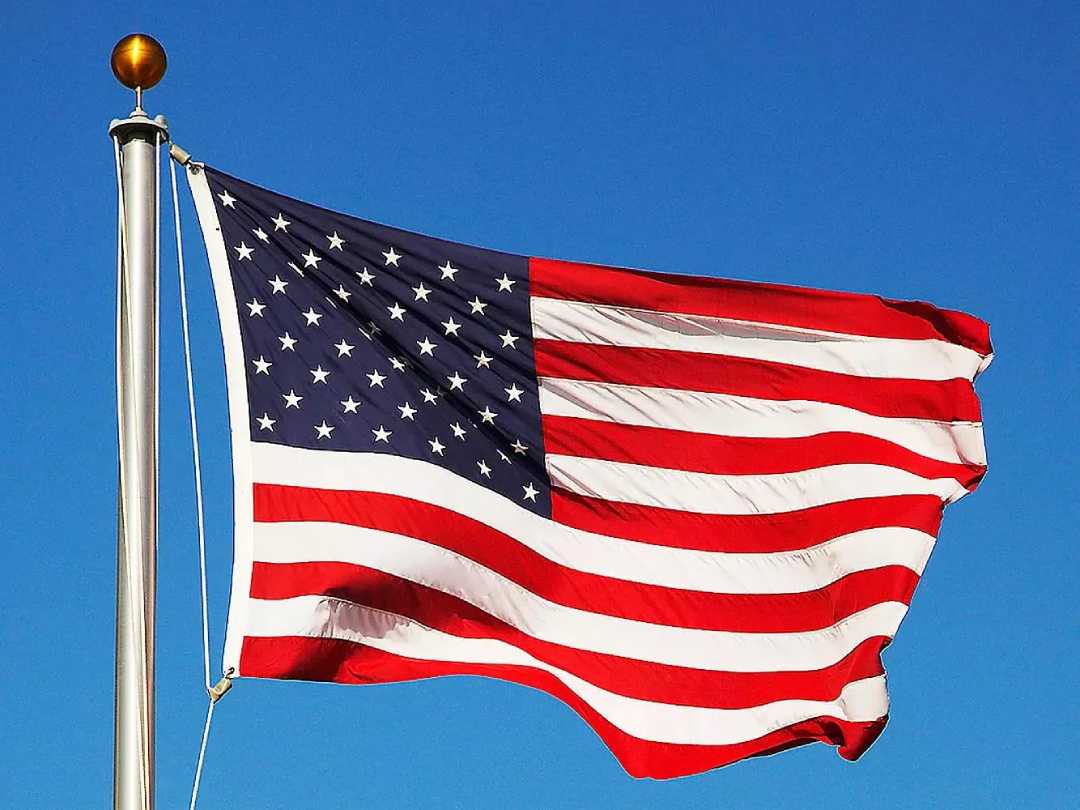
The Declaration of Independence remains one of America’s foundational documents. The statement that governments derive their powers from the consent of the governed continues to influence civic education, constitutional debates, and discussions about liberty throughout the United States.
Happy Independence Day to everyone celebrating! We hope these fascinating facts have given you a deeper appreciation for the history behind America’s most iconic national holiday. Keep exploring our articles to discover more about American history.
The Fourth of July marks one of the defining moments in American history, celebrating the adoption of the Declaration of Independence and the nation’s commitment to self-government and liberty. Remembering this historic milestone each year honors the sacrifices, debates, and ideals that helped create the United States. By learning about the people, documents, and traditions behind the holiday, we gain a greater appreciation for the enduring importance of independence and the values that continue to shape America today.
There’s always more to discover about America and its remarkable past. Explore our collection of articles covering the history of America and many other fascinating moments that continue to define the nation’s story: 16 Vintage Photos That Perfectly Capture the 4th of July (1920s-1970s), 24 Vintage Photos That Perfectly Capture July of 1975, and 45 Images That Show How America Has Changed.