
Every generation has its vision of the future. Sometimes it looks like flying cars. Sometimes it’s a gadget that promises to replace your phone, reinvent transportation, or make the impossible feel ordinary. Investors pour in millions, headlines declare the beginning of a new era, and early adopters line up to be part of history. Then reality shows up. Some of these inventions arrived years before the world was ready for them. Others solved problems nobody actually had. A few worked exactly as intended but never found enough people willing to pay for them. Together, they prove that having a brilliant idea isn’t always enough to change the world.
These are 20 failed inventions that promised to reshape everyday life, but ultimately became reminders that the future is much harder to invent than it is to imagine.
1. Segway Personal Transporter
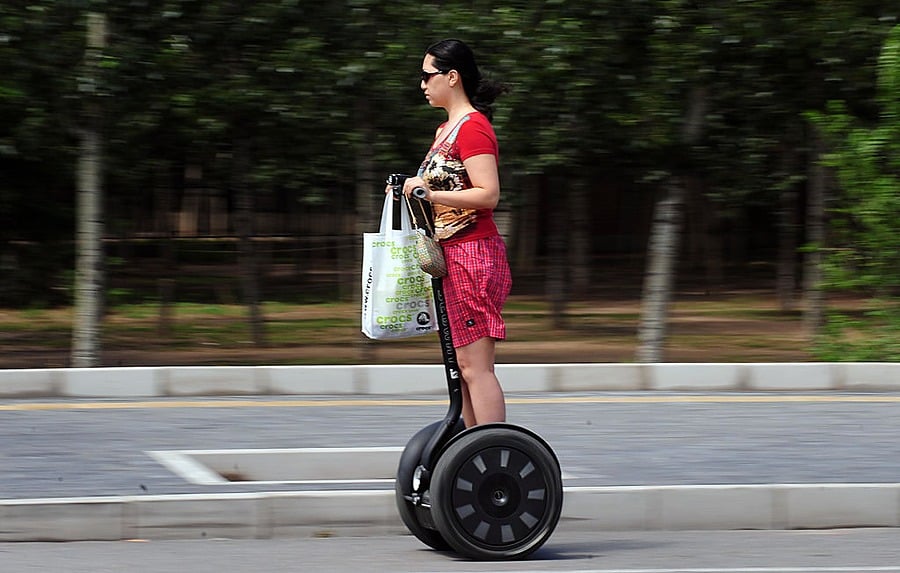
There was a moment when the future seemed like it would arrive on two wheels. Long before most people had ever seen a Segway in person, experts predicted it would completely change the way cities worked. Instead, it became something else entirely. Its high price, limited practicality, and uncertainty over where it actually belonged kept it from becoming an everyday form of transportation. While the Segway found lasting success with tour companies, police departments, and warehouses, the urban revolution everyone expected never came.
2. AT&T Picturephone
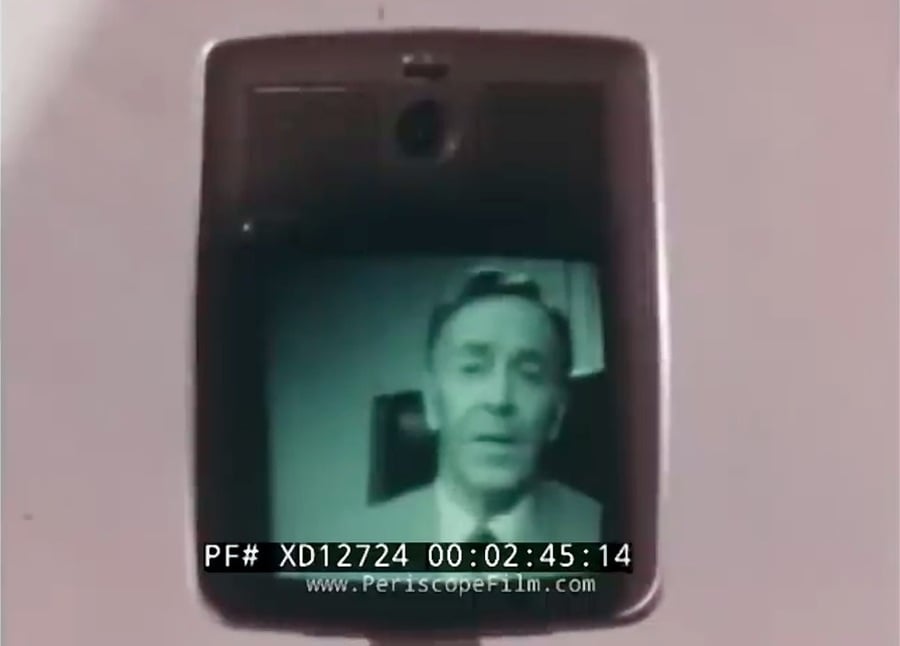
Video calls feel so ordinary now that it’s easy to forget they once sounded impossible. Decades before smartphones, AT&T believed people would soon expect to see one another every time they picked up the phone. The technology worked, but the timing didn’t. The Picturephone was expensive, available to very few people, and arrived long before fast internet made video communication effortless. Sometimes the right idea simply arrives in the wrong decade.
3. Humane AI Pin

Replacing the smartphone has become one of the biggest ambitions in modern technology. Humane believed a tiny AI-powered wearable could finally convince people to leave their phones behind. It never got the chance. Mixed reviews, limited everyday usefulness, and disappointing sales brought the AI Pin to an end in less than a year. Even so, the story didn’t end there, as much of the company’s technology later found a new home through HP.
4. Concorde

Few inventions have ever looked more like the future than Concorde. Watching it cross the Atlantic at more than twice the speed of sound made it seem inevitable that every major airline would eventually follow. That future never materialized. Concorde flew successfully for nearly three decades, but high operating costs, strict noise regulations, and expensive tickets kept supersonic travel from becoming the new normal. The aircraft succeeded. The revolution surrounding it did not.
5. Google Glass Explorer Edition
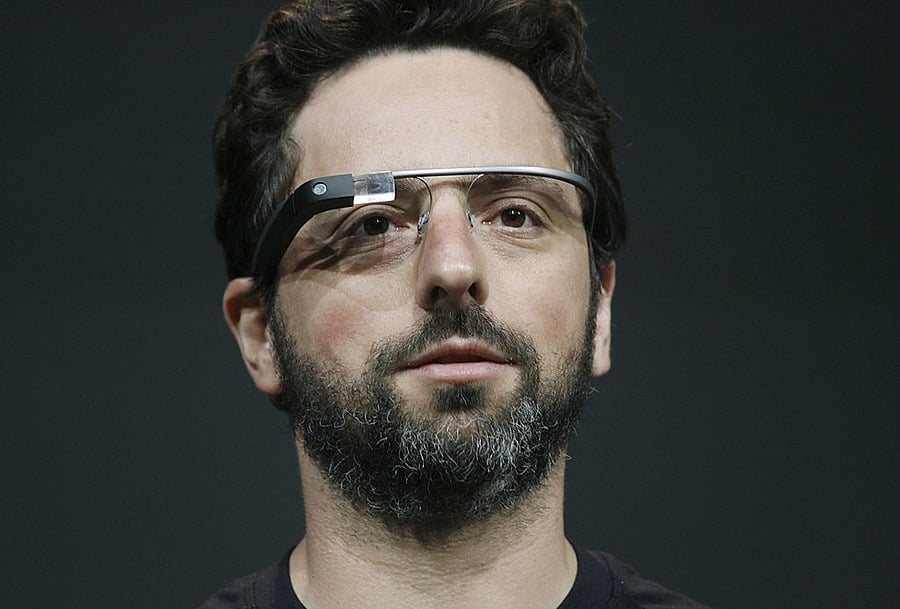
Have you ever wondered why we aren’t all wearing smart glasses by now? For a brief moment, it looked like that future was much closer than anyone expected. Google Glass promised hands-free photos, messages, navigation, and instant access to information, all without reaching for a phone. Privacy concerns, an awkward design, and too few compelling reasons to wear it every day quickly slowed the excitement. The technology wasn’t forgotten, but the product itself never found the audience Google had imagined.
Trending on The Scroller


6. Sinclair C5
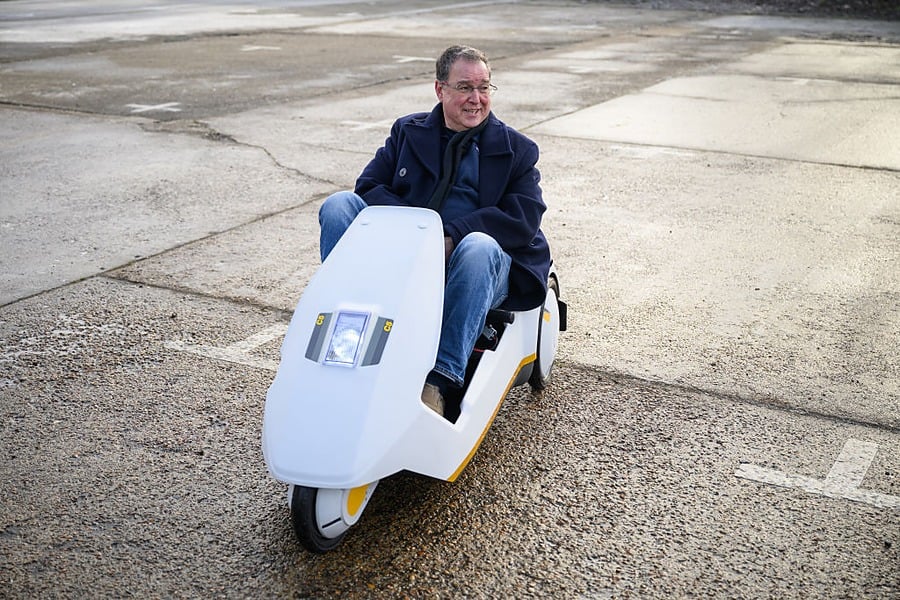
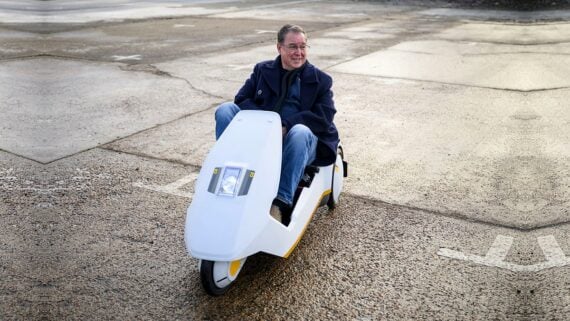
It looked like something that had rolled straight out of a science fiction movie. A tiny electric vehicle that promised cheap, practical transportation sounded like exactly the kind of invention the future would embrace. Unfortunately, real roads weren’t nearly as welcoming. Drivers sat so low to the ground that visibility became a concern, the weather offered little mercy, and the limited range made everyday trips less practical than expected. The Sinclair C5 disappeared quickly, but its vision of small electric mobility feels surprisingly familiar today.
7. Apple Newton MessagePad
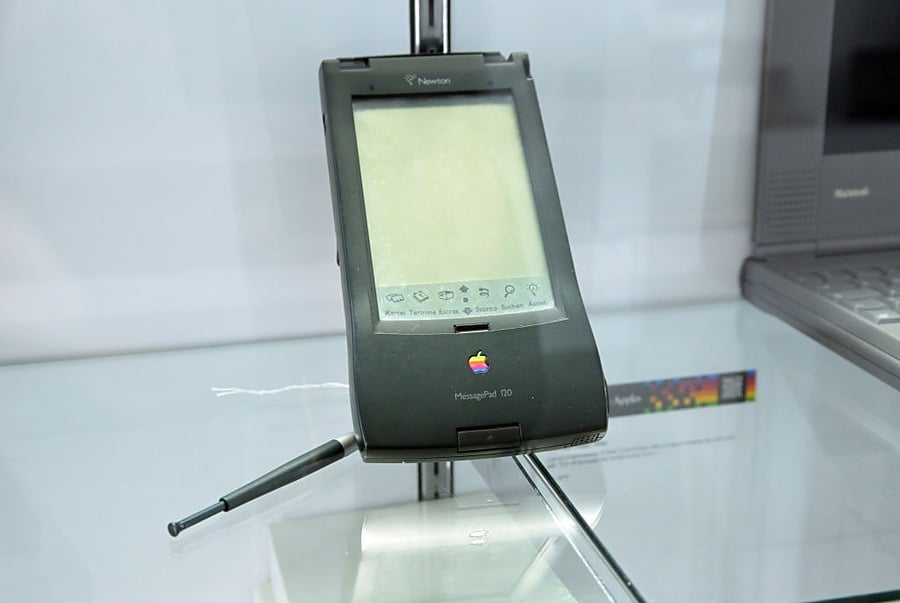
If you ever laughed at a joke about terrible handwriting recognition, there’s a good chance the Apple Newton was the punchline. Its early mistakes became so famous that they overshadowed everything else it was trying to do. The Newton introduced an ambitious vision of carrying your notes, calendar, contacts, and digital life in one handheld device years before smartphones existed. Later versions improved dramatically, but first impressions proved impossible to erase. Sometimes being remembered isn’t the same as being successful.
8. Theranos Edison
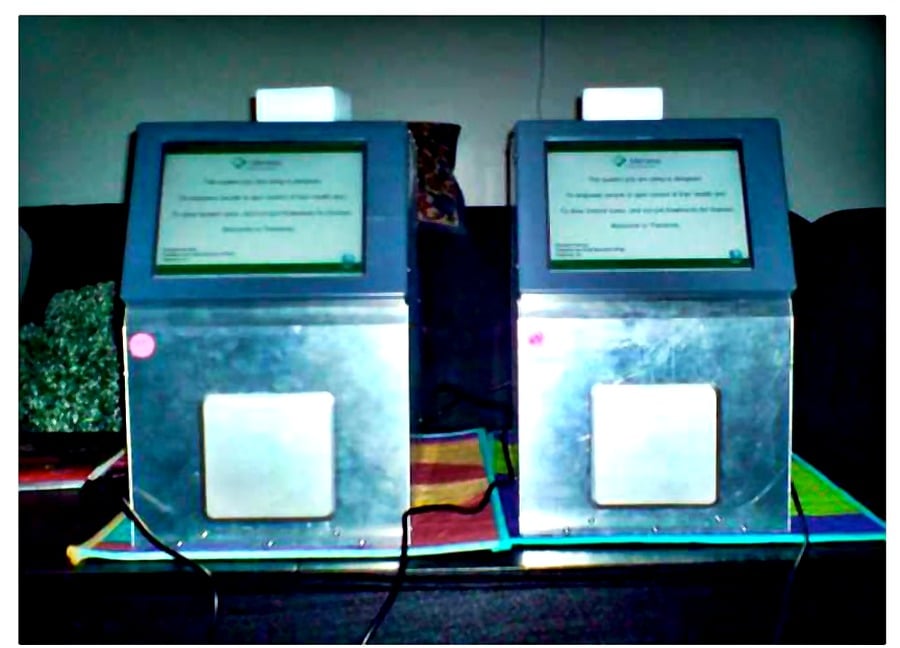
What if getting a full blood test were as simple as giving a single drop of blood? It sounded like one of those ideas that seemed too good to question. That’s exactly why Theranos captured so much attention. The company claimed its Edison device could perform hundreds of accurate tests quickly and inexpensively from tiny blood samples, promising to transform modern healthcare. Court records later showed those claims didn’t match reality, turning one of Silicon Valley’s biggest success stories into one of its most infamous scandals. In this case, the promise failed long before the technology could change the world.
Sign up for our newsletter
9. Sony Betamax
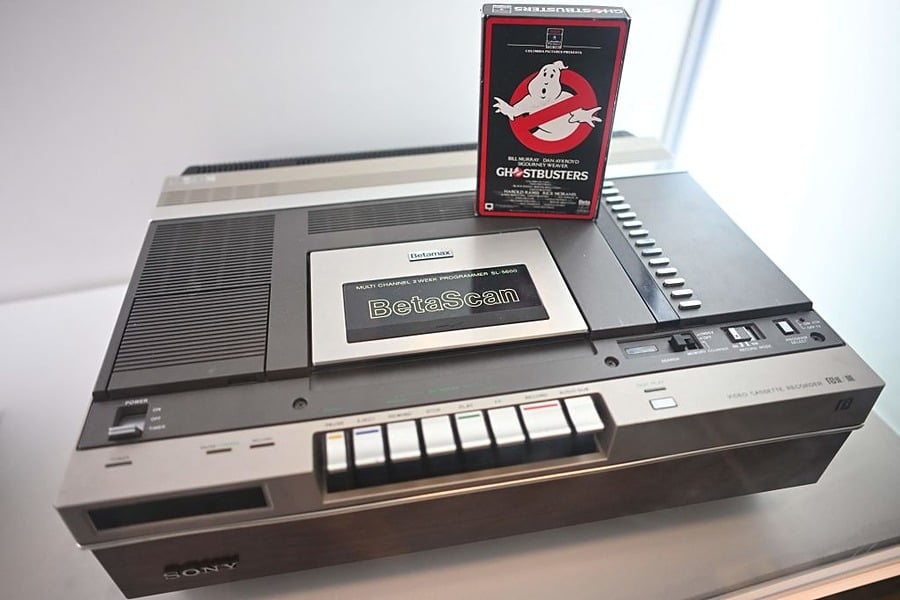
Being better doesn’t always mean winning. Few inventions prove that more clearly than Betamax. When Sony introduced its home video format, many believed it represented the future of home entertainment. Yet VHS gradually built a larger ecosystem of manufacturers, movie rentals, and longer recording times, eventually becoming the format most households chose instead. Betamax never disappeared completely, but it became a lasting reminder that consumers often choose convenience over technical superiority.
10. One Laptop per Child (XO)
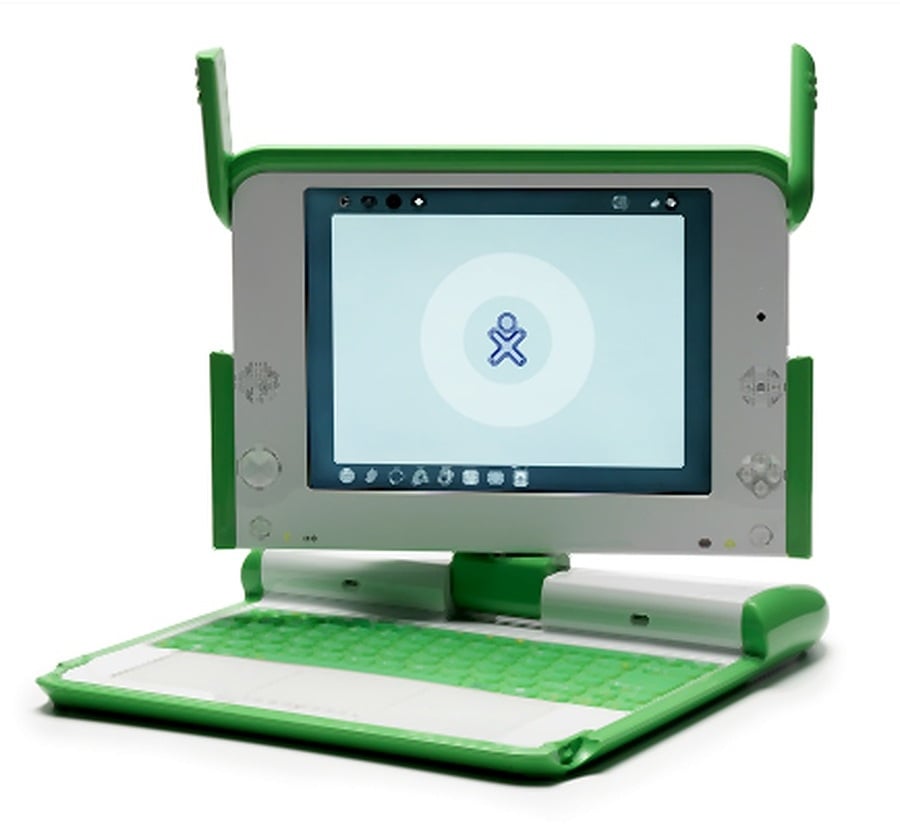
Giving every child a laptop sounds like an idea almost anyone could support. For a while, it seemed as though technology might close the educational gap around the world one classroom at a time. The mission inspired governments, educators, and donors alike. But providing computers turned out to be only part of the challenge. Infrastructure, teacher training, internet access, and long-term support often proved just as important as the devices themselves. Millions of children still benefited from the project, even if it never achieved the worldwide educational transformation its creators had imagined.
11. Nintendo Virtual Boy

Have you ever been excited to try a new gadget, only to lose interest a few minutes later? That’s a feeling many early Virtual Boy owners remember all too well. Nintendo hoped its red-and-black headset would give players a glimpse of the future by creating a new kind of immersive gaming experience. Instead, the awkward tabletop design, limited game library, and reports of eye strain made long play sessions more frustrating than fun. Virtual reality would eventually find its audience, but the Virtual Boy arrived before the technology was ready to deliver on the dream.
12. Juicero Press

Some inventions fail because they’re too complicated. Others fail because they’re simply unnecessary. Juicero promised to reinvent fresh juice with a Wi-Fi-connected machine that squeezed proprietary produce packets. Then reporters discovered those same packets could be squeezed perfectly well by hand, making the expensive device seem difficult to justify. Almost overnight, Juicero became a symbol of Silicon Valley’s habit of overengineering problems that didn’t really need solving.
13. DeLorean DMC-12
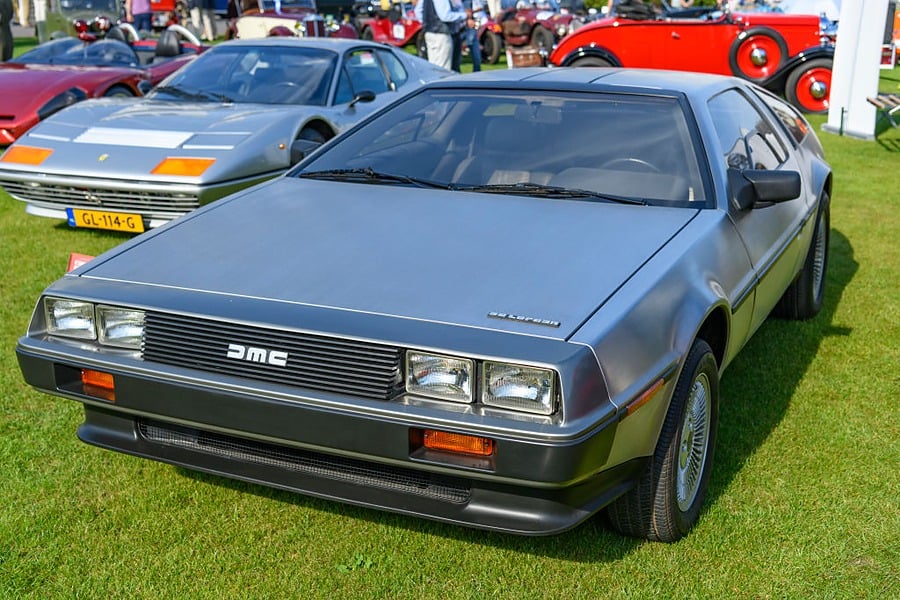
Few cars have ever looked more futuristic than the DeLorean. With its stainless-steel body and dramatic gull-wing doors, it seemed destined to become the sports car of tomorrow. Looks, however, could only carry it so far. Production delays, quality concerns, disappointing performance, and financial trouble brought the company to an early end. Thanks to Back to the Future, the DeLorean eventually became one of the most recognizable movie cars ever made, even if it never became the automotive revolution its creators had hoped for.
14. Amazon Fire Phone
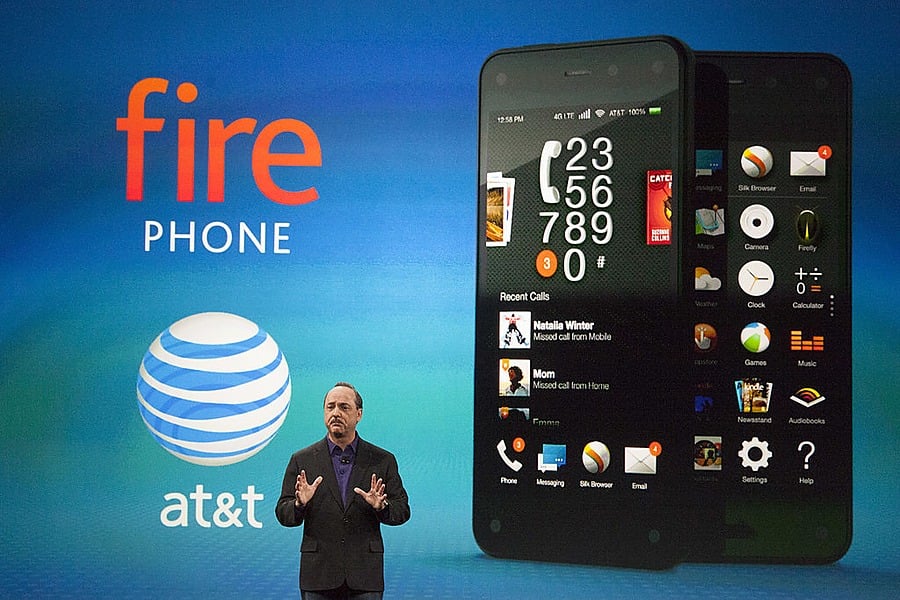
When one of the world’s biggest technology companies launches a smartphone, you expect it to stick around. Amazon seemed to have everything it needed to compete with Apple and Samsung. The Fire Phone certainly introduced some clever ideas, including a 3D-like display and features that recognized products instantly for shopping. But a high price, a limited app ecosystem, and little reason to choose it over established competitors quickly hurt sales. Just over a year after its debut, Amazon quietly walked away from the project. Even industry giants sometimes discover that success doesn’t transfer from one market to another.
15. Xerox Alto
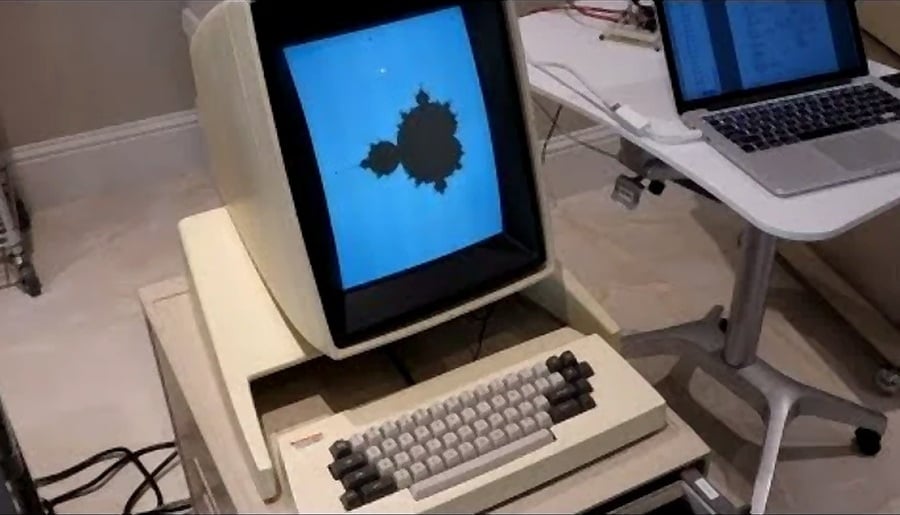
Here’s a strange thought: what if one of the most influential computers ever built was also one that almost nobody owned? The Xerox Alto introduced ideas that feel completely ordinary today, including a graphical interface, a mouse, networking, and visual document editing. The catch was hat it was designed mainly as a research machine rather than a mass-market product. While Alto never became the computer sitting in everyone’s home, its ideas helped shape generations of personal computers that followed.
16. Project Loon
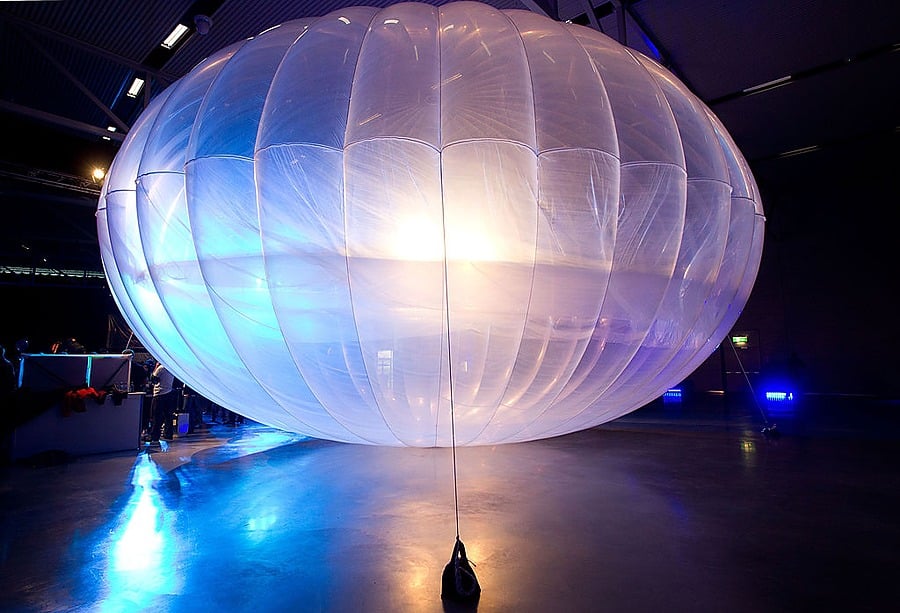
Connecting the entire world to the internet sounds almost impossible. Google’s answer was to send giant balloons into the stratosphere. Project Loon successfully demonstrated that high-altitude balloons could deliver internet service to remote regions where traditional infrastructure was difficult to build. The technology worked, but the economics proved much harder to solve. After years of testing, Alphabet concluded the project wasn’t commercially sustainable. Sometimes even remarkable engineering can’t overcome financial reality.
17. HD DVD
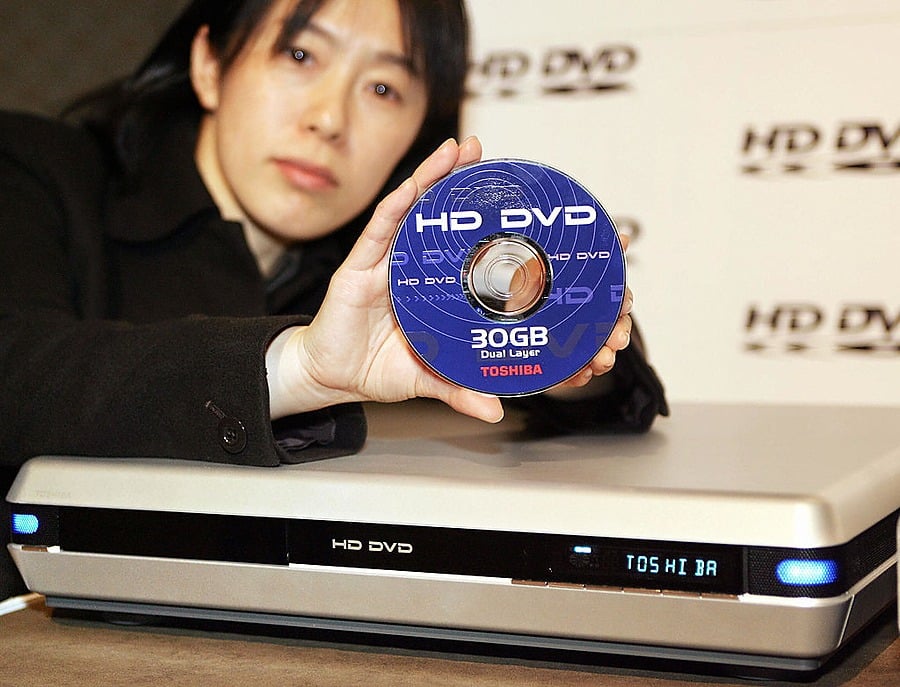
Do you remember standing in an electronics store wondering whether to buy HD DVD or Blu-ray? For a while, choosing the wrong format felt like an expensive mistake waiting to happen. Both promised to become the future of home entertainment, but only one could survive. As major movie studios, retailers, and manufacturers rallied behind Blu-ray, HD DVD quickly lost momentum until Toshiba officially abandoned the format. It wasn’t a bad invention. It simply lost one of technology’s most famous format wars.
18. Microsoft Tablet PC
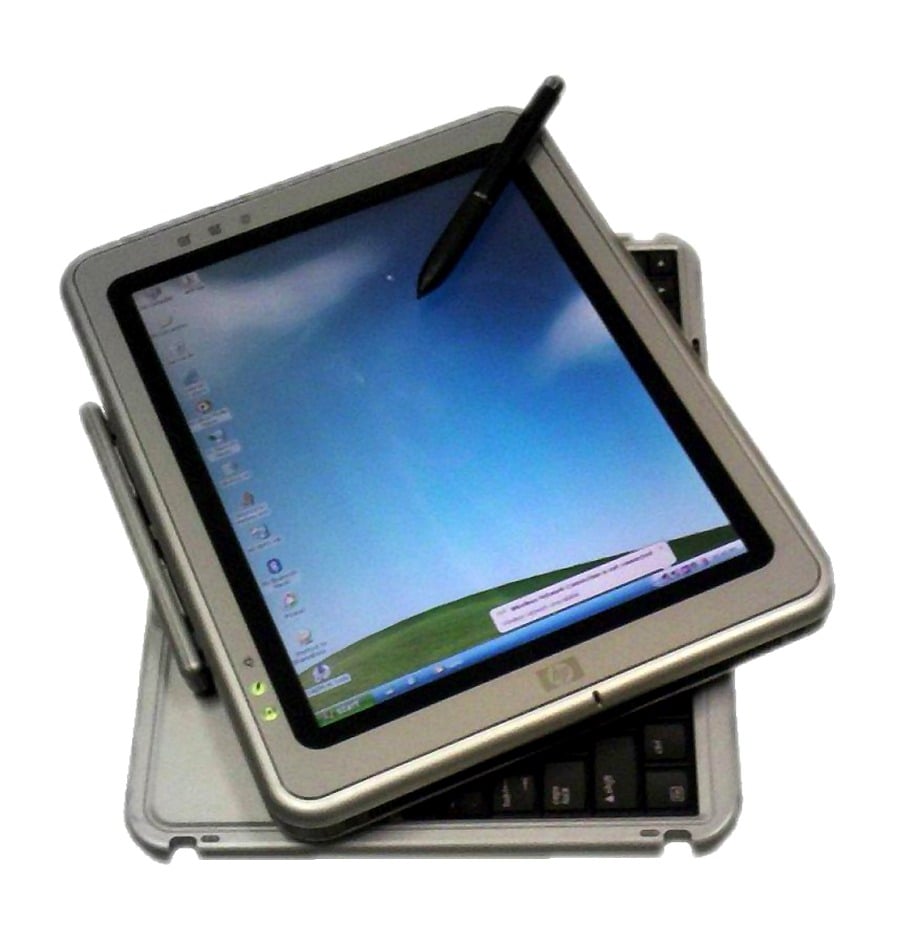
Sometimes history gives the right idea to the wrong generation. Years before the iPad became a household name, Microsoft envisioned portable computers controlled with a digital pen instead of a keyboard. Early Tablet PCs were bulky, expensive, and designed around software that still felt more comfortable with a mouse than a touchscreen. Consumers weren’t ready to embrace the concept just yet. The product generation failed, but the vision eventually became part of everyday life. The future arrived… just not on schedule.
The future has always been surprisingly difficult to predict. Some of these inventions disappeared because they arrived too early. Others asked people to change habits they never wanted to change in the first place. A few weren’t bad ideas at all, just the wrong products at the wrong moment. Looking back, it’s easy to focus on what they got wrong. It’s just as interesting to notice how many of their ideas quietly found their way into the technologies we use every day.
Maybe that’s why innovation is so unpredictable. The inventions themselves don’t always change the world. Sometimes they simply show the next generation where to begin.
Keep Exploring The Scroller
Think these inventions were fascinating? There are plenty more stories where big ideas, unexpected twists, and forgotten moments take center stage. Keep exploring The Scroller to discover more:
20 Improvised Inventions Straight From The Garage