For centuries, authors, scientists, and thinkers have peered into the unknown, imagining what the world of tomorrow might look like. While many past predictions sound laughable today (think flying houses and robot maids that never arrived), some were surprisingly accurate, even prophetic.
In this article, 15 technology predictions from the past have come true to this day, proving that imagination often lays the groundwork for invention.
1. Video Calling, predicted in 1914

In “Tom Swift and His Photo Telephone,” author Victor Appleton described a device that transmitted moving images along with voice. A century later, FaceTime and Zoom turned that fiction into everyday reality.
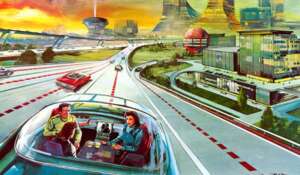
2. Self-Driving Cars, Predicted in 1939
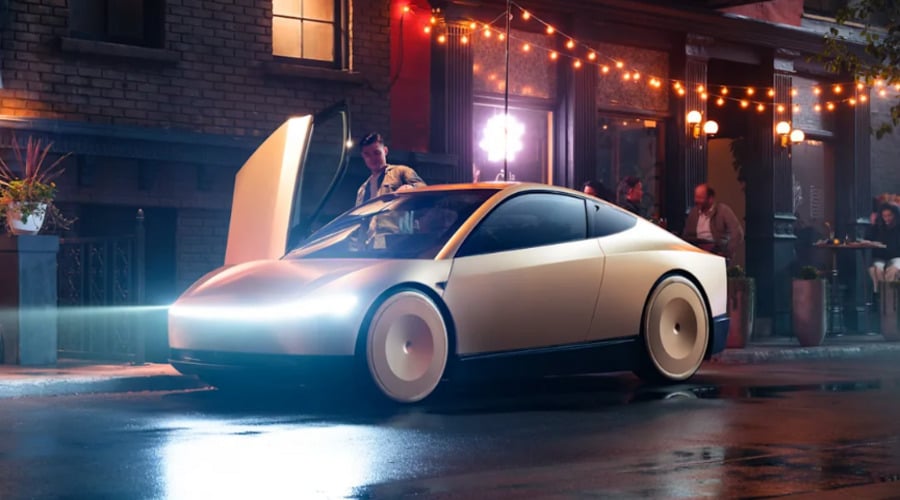
At the 1939 World’s Fair, GM’s “Futurama” exhibit imagined autonomous vehicles navigating through smart highways. Fast-forward to today, a1939 nd companies like Tesla and Waymo are making that vision a near-daily experience.
3. Credit Cards, Predicted in 1888

In Edward Bellamy’s novel Looking Backward, he envisioned citizens using a “credit card” to make purchases without cash. Though the plastic version came decades later, the concept was spot on.
4. Smartwatches, Predicted in 1946

Comic strip detective Dick Tracy famously used a 2-way wrist radio to communicate. This inspired tech enthusiasts for generations, eventually becoming reality with Apple Watches and other wearables.
5. Wireless Headphones, Predicted in 1961

In Ray Bradbury´s Fahrenheit 451, people wear “thimble radios,” tiny devices in their ears playing endless audio. Sounds familiar? Bradbury predicted AirPods decades in advance.
Trending on The Scroller


6. Satellite TV, Predicted in 1926

Inventor and visionary John Baird predicted that television signals would be transmitted via satellites to global audiences. Today, satellite and streaming TV are standard.
7. Digital Assistants, Predicted in 1968

HAL 9000 in 2001: A Space Odyssey was a fictional AI that interacted with humans and controlled ship functions. Like a Palm Pilot in the early days, though not evil (hopefully), today’s Siri, Alexa, and Google Assistant reflect this exact interaction.
8. Online Shopping, Predicted in 1967

A Bloomberg Businessweek article from 1967 described a future where people use their home computers to browse and order goods. In 2025, Amazon and e-commerce dominate global retail.
Sign up for our newsletter
9. Tablet Computers, Predicted in 1968
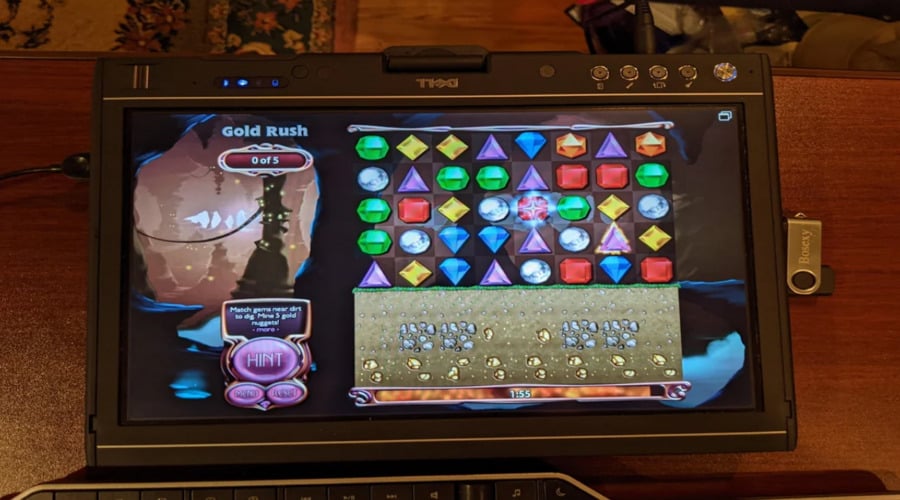
Another gen from 2001: A Space Odyssey, where astronauts used “Newspads,” thin, portable screens displaying text and images. It’s the spitting image of an iPad.
10. 3D Printing, Predicted in 1970s Sci-Fi
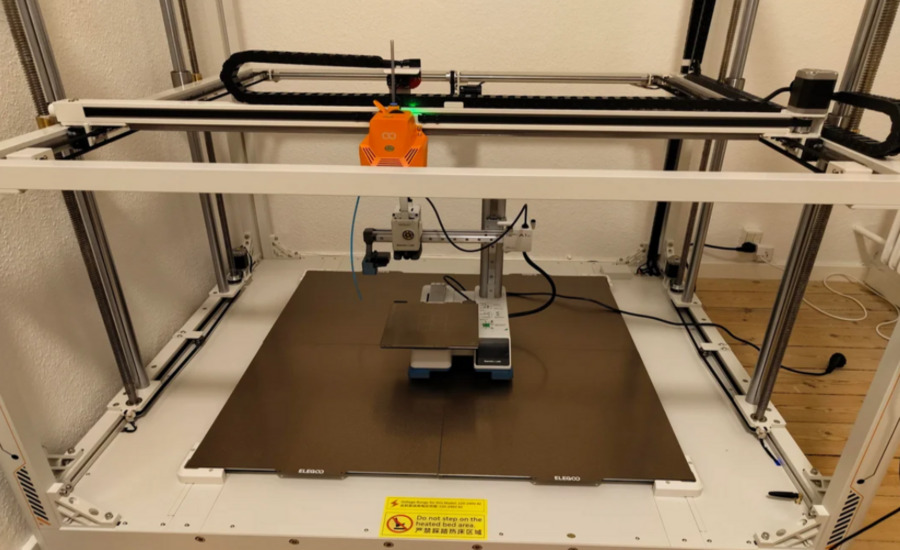
Early sci-fi and engineering papers imagined “fabrication machines” that could produce real objects from blueprints. Now, 3D printing builds everything from toys to homes.
11. GPS Navigation, Predicted in 1909

Nikola Tesla suggested that “the earth would be a huge brain” with tools guiding people through radio waves, essentially describing satellite-based GPS long before its development.
12. Virtual Reality, Predicted in 1935
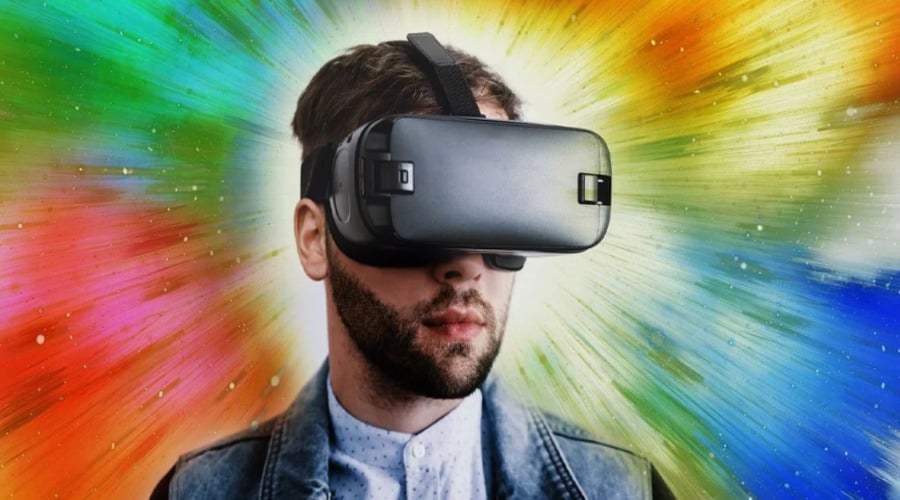
In his short story Pygmalion´s Spectacles, Stanley Weinbaum wrote about goggles that transported users to a virtual world. VR headsets like Oculus now offer eerily similar experiences.
13. Robotic Vacuum Cleaners, Predicted in 1950
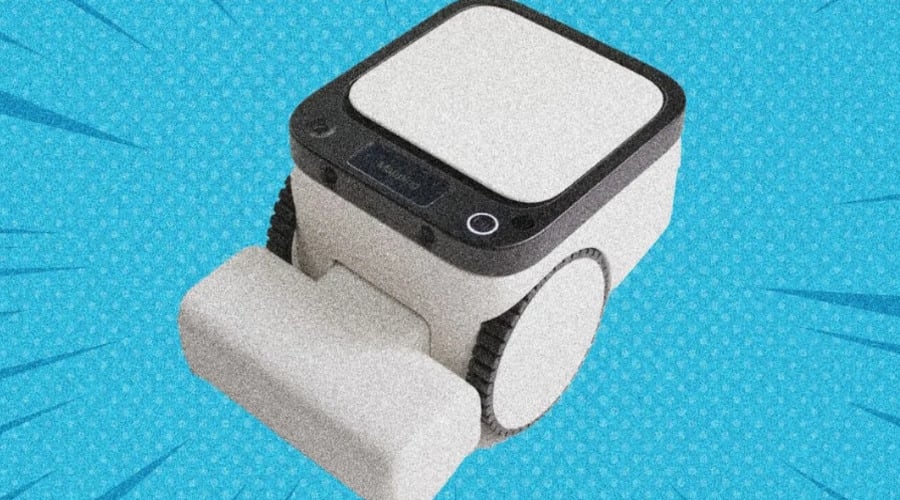
Science fiction comics featured “robotic helpers” that would clean the home. Today, Roomba and similar devices quietly sweep our floors, no comic book required.
14. Telecommuting, Predicted in 1964

A New York Times article suggested future employees would work from home using video conferencing and “data screens.” Remote work is now mainstream thanks to digital infrastructure.
15. Cloud Computing, Predicted in the 1960s
Computer scientist J.C.R. Licklider imagined an “intergalactic computer network” where data could be shared from any location. This laid the conceptual groundwork for what we now call the cloud.
Explore more vintage content:
Of course, not every prediction or product hit the mark. Check out 20 Software Fails Where Everything Went Wrong. And if you´re feeling nostalgic for the gadgets that once ruled the world, don’´’t miss 25 Gadgets Everyone Wanted in the 1990s.