Space myths flourished during the 1970s because humanity was living through one of the most exciting periods in the history of exploration. People had already walked on the Moon, yet scientists were still receiving the first close-up images of nearby planets, replacing decades of educated guesses with real observations. Ideas that once seemed perfectly reasonable suddenly had to be rewritten as each new spacecraft returned with surprising discoveries.
Some of these beliefs came from outdated scientific theories, while others grew through science fiction, popular culture, or simple misunderstandings. Rather than showing how little people knew, these stories reveal how quickly space exploration transformed our understanding of the Solar System during a decade when almost every new mission challenged something scientists once thought was true.
1. The Great Wall Was Visible From the Moon
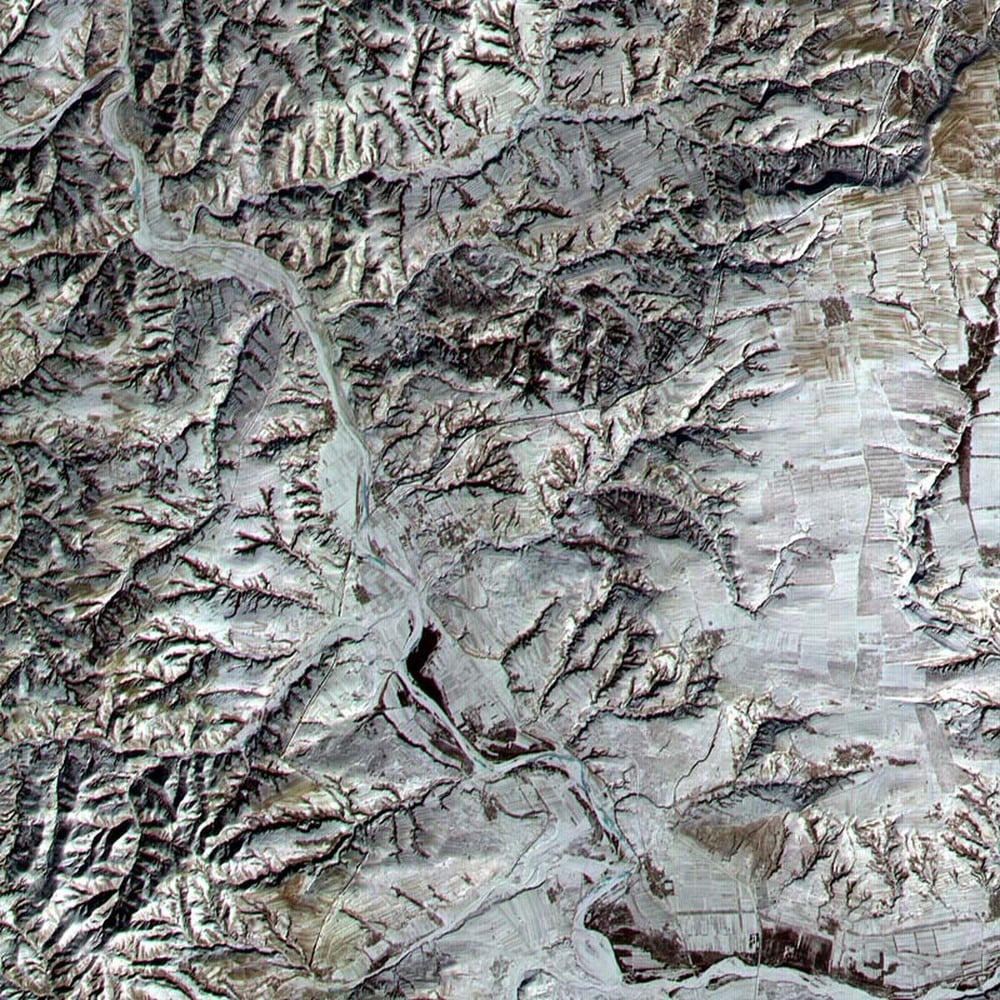
Space myths don’t get much more famous than the claim that the Great Wall of China can be seen from the Moon with the naked eye. The idea actually predates the Space Age, but it remained popular well into the Apollo era before astronauts confirmed that no individual human-made structure is easily visible from lunar distance without optical aid. How could a myth survive even after people actually visited the Moon? And why does an idea repeated often enough sometimes feel more convincing than direct observation? The Space Age didn’t create this misconception, but it finally gave humanity the chance to test it.
2. Mars Might Be Covered in Vegetation
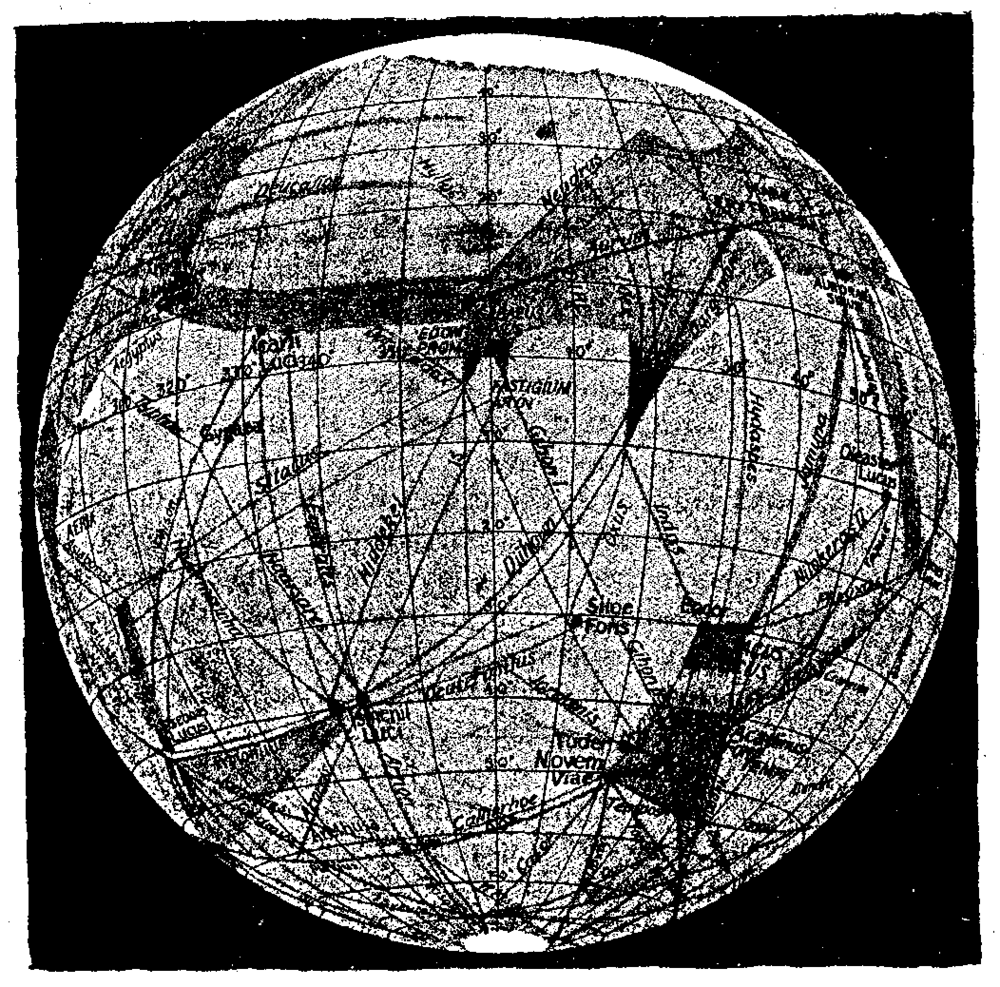
Long before orbiters sent detailed photographs back to Earth, many people imagined Mars as a world where seasonal color changes reflected vast stretches of vegetation. Through telescopes, the planet appeared to darken and lighten throughout the year, encouraging speculation that plant life might be growing across its surface. What else could those changing colors have meant before spacecraft arrived? And how different did Mars suddenly look once cameras replaced distant telescopes? The first close-up images transformed a blurry world of possibilities into a far more complex reality.
3. Astronauts Floated Because There Was No Gravity
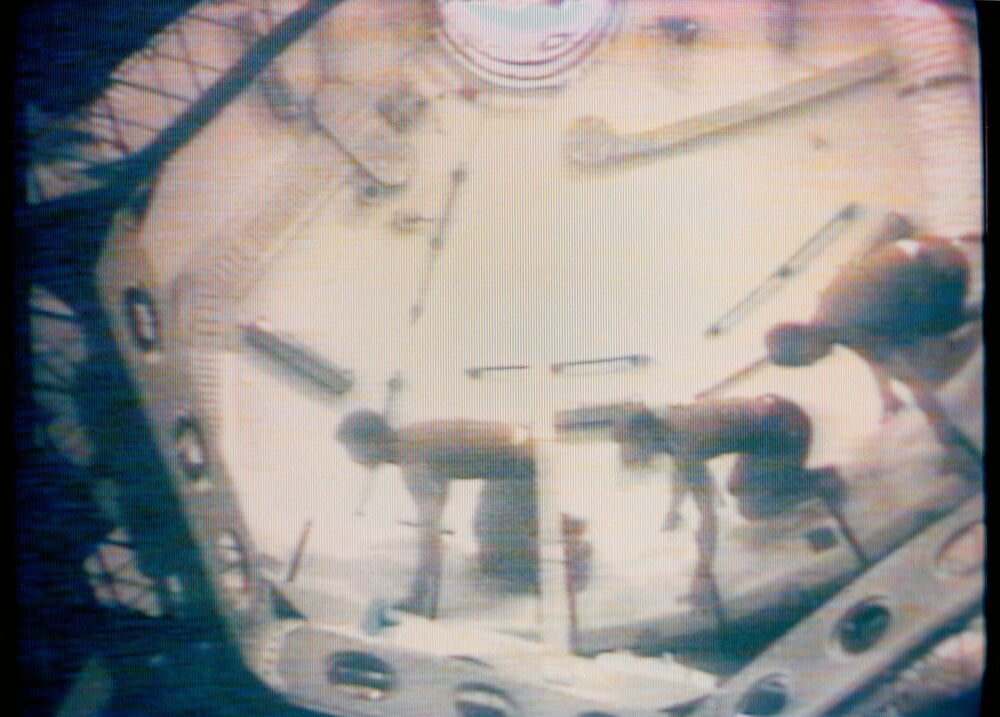
One of the most common space myths suggested that astronauts floated because gravity disappeared once they reached orbit. In reality, Earth’s gravity remains very strong at the altitude of spacecraft like Skylab, but astronauts appear weightless because both they and their spacecraft are continuously falling around the planet together. If gravity vanished in orbit, how would satellites remain circling Earth instead of drifting away forever? And isn’t it surprising that constant falling can create the sensation of floating? Zero gravity was never literally zero.
4. Venus Was Earth’s Tropical Twin
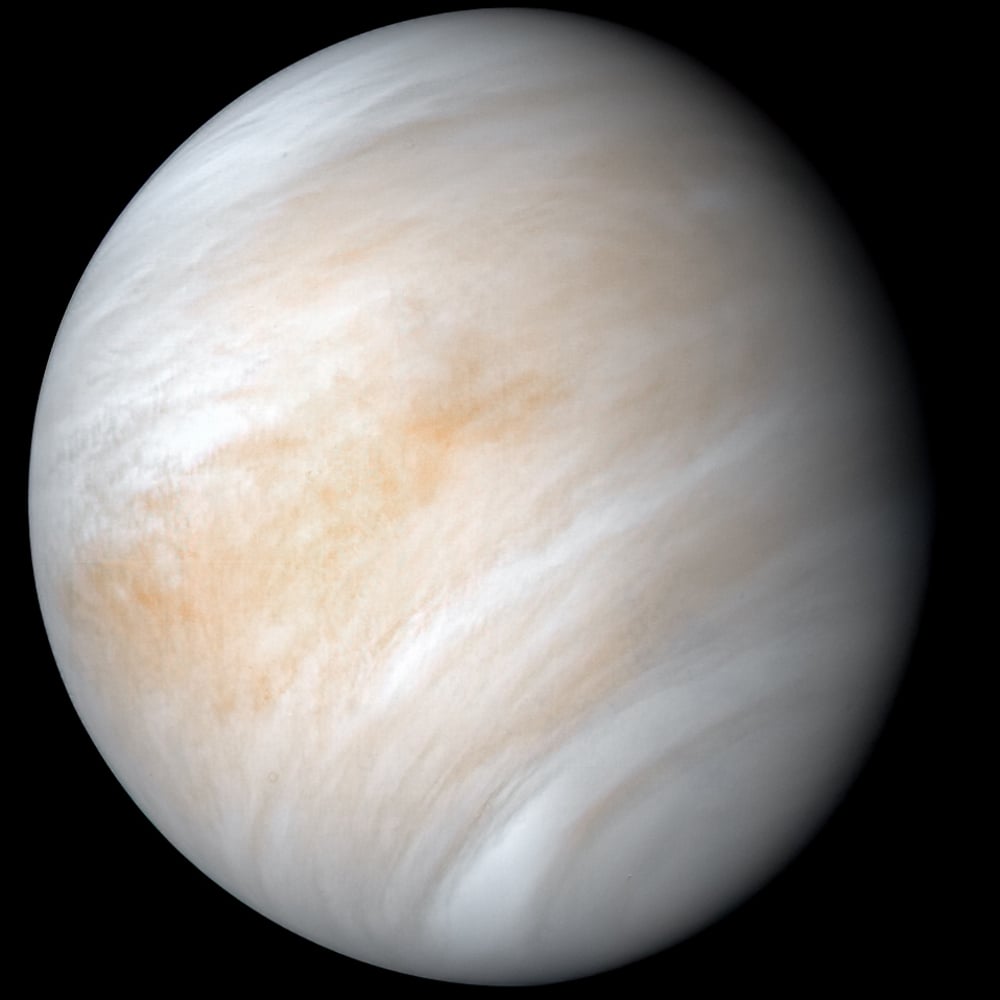
Before spacecraft explored Venus up close, many books, magazines, and science fiction stories imagined it as a humid world covered with jungles, swamps, or tropical forests hidden beneath thick clouds. Instead, missions revealed crushing atmospheric pressure, scorching temperatures hot enough to melt lead, and clouds filled with corrosive sulfuric acid. Could two neighboring planets really turn out to be more different than anyone imagined? And how many generations pictured lush alien jungles where an enormous planetary furnace actually existed? Venus went from paradise to pressure cooker almost overnight.
5. Black Holes Sucked Up Everything Nearby
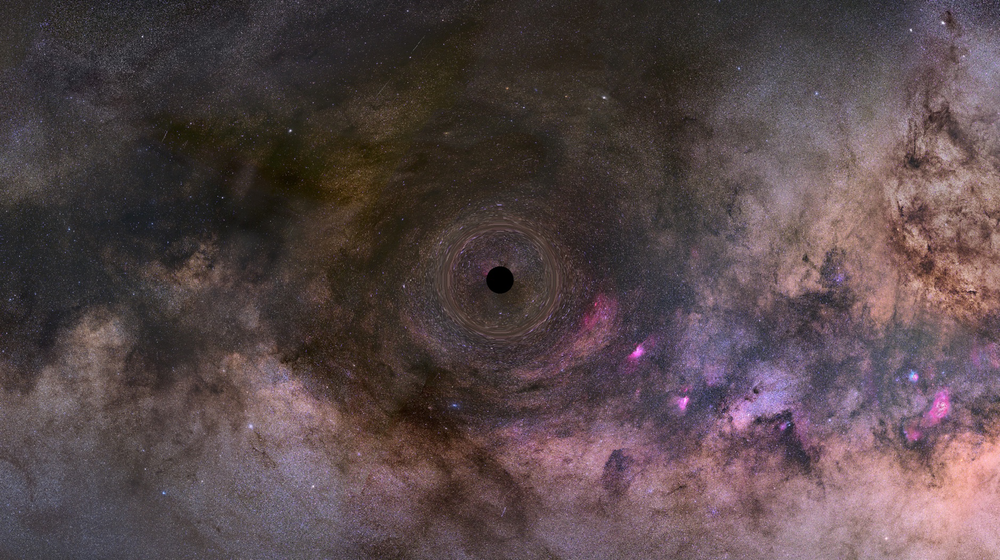
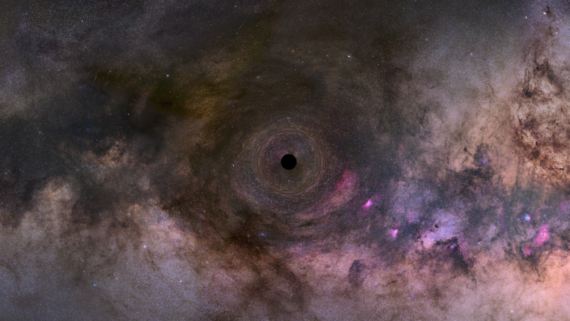
Popular science and movies often portrayed black holes as unstoppable cosmic vacuum cleaners capable of swallowing anything that came close. In reality, a black hole’s gravity follows the same basic rules as any other object with the same mass, meaning planets and stars can orbit safely if they’re far enough away from the event horizon. Would our own Solar System suddenly collapse if the Sun were somehow replaced by an equally massive black hole? And isn’t it fascinating that one of the universe’s strangest objects still obeys the laws of gravity? Black holes are extraordinary, but they aren’t the uncontrollable monsters many people once imagined.
Trending on The Scroller


6. The Far Side of the Moon Was Permanently Dark
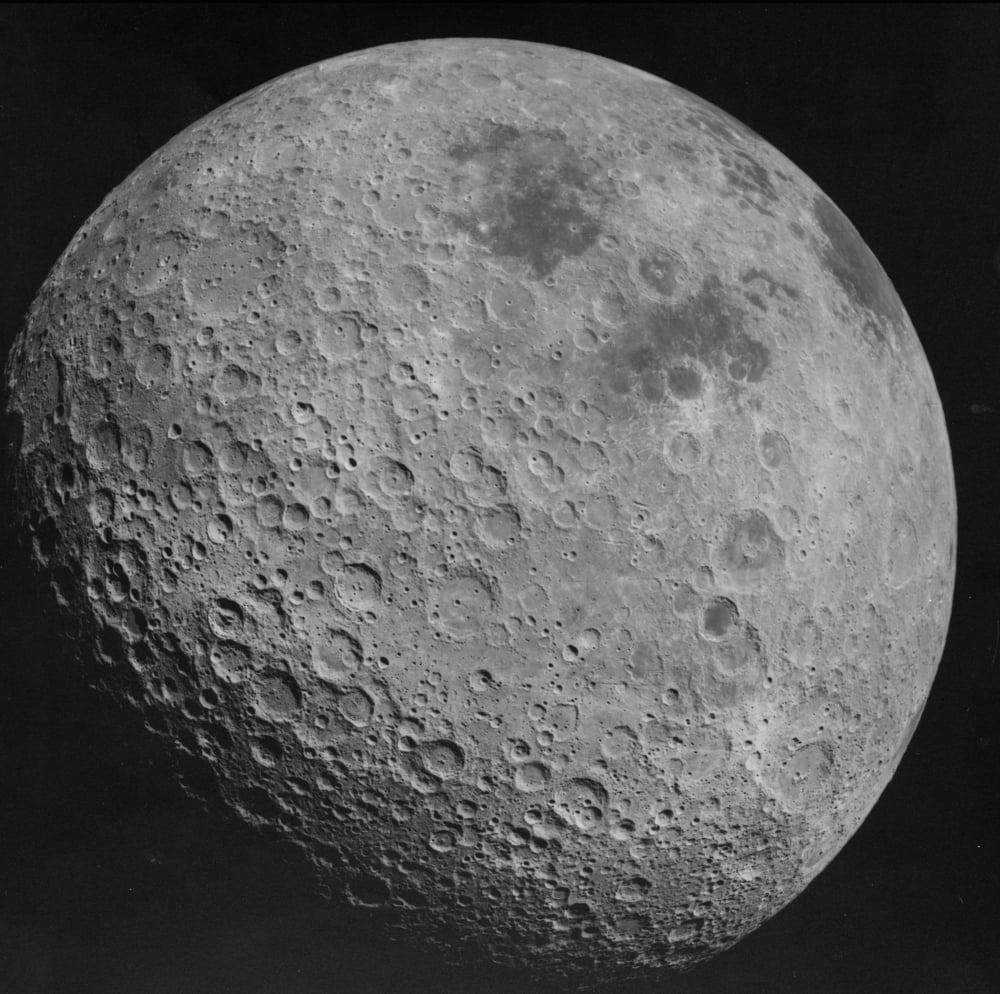
The phrase “the dark side of the Moon” convinced many people that one hemisphere of the Moon never received sunlight. In reality, the Moon is tidally locked to Earth, meaning it always shows us the same face, but the far side experiences day and night just like the near side as the Moon orbits our planet. How did one catchy phrase create decades of confusion? And how many people still picture the Moon with one side permanently hidden in darkness? The unseen side was never the unlit side.
7. Saturn Was the Only Ringed Planet
For generations, Saturn seemed completely unique because it was the only planet known to have spectacular rings. That changed dramatically during the 1970s when astronomers discovered rings around Uranus in 1977, followed soon after by Voyager’s discovery of Jupiter’s faint ring system in 1979, revealing that ringed planets were far more common than anyone had imagined. How often does an entire category of planets suddenly grow larger in just a few years? And what other discoveries were waiting for better spacecraft to uncover? The decade quietly transformed one of the Solar System’s most familiar images.
8. A Human Body Would Instantly Explode in Vacuum
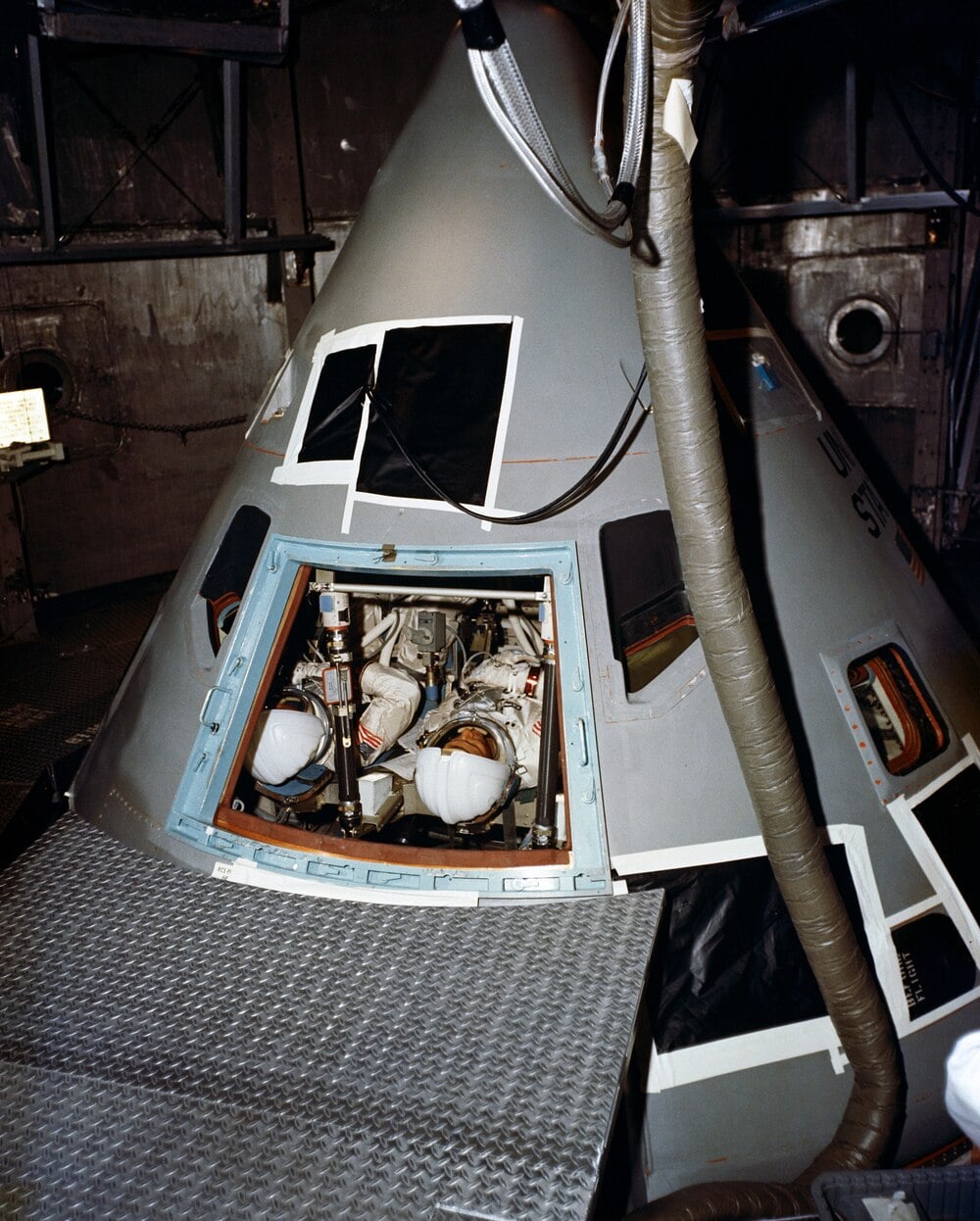
Movies often suggested that anyone exposed to the vacuum of space would explode almost immediately, creating one of the most persistent space myths in popular culture. The reality is still extremely dangerous, but the human body doesn’t burst apart because skin and connective tissue are strong enough to contain internal pressure for the short time before lack of oxygen becomes the greatest threat. Would surviving even a few seconds in vacuum make space any less dangerous? And why does Hollywood usually choose the most dramatic version of science? The truth is frightening enough without adding explosions that never happen.
Sign up for our newsletter
9. Mars Had Intelligent Canals
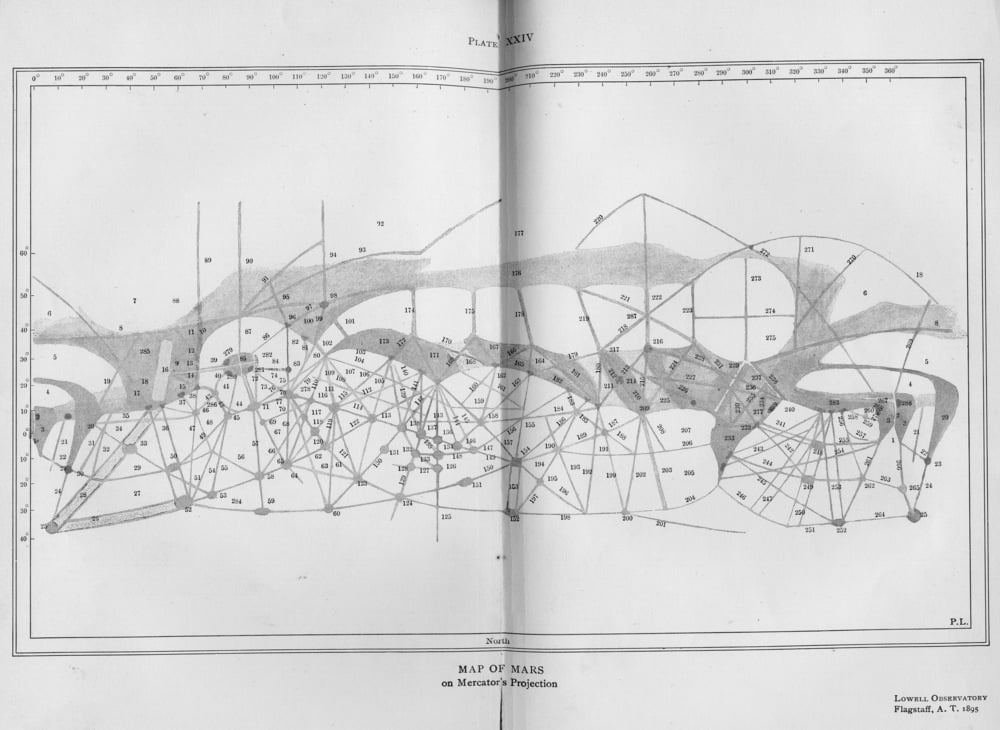
The famous idea that Mars contained enormous canals built by an intelligent civilization had already lost scientific support before the 1970s, but it remained deeply rooted in books, movies, and popular imagination. Even after better observations challenged the theory, the image of ancient Martian engineers continued inspiring stories for years afterward. Why do fascinating ideas often survive long after the evidence disappears? And can science fiction sometimes preserve old scientific theories better than science itself? The canals faded from astronomy long before they disappeared from popular culture.
10. Space Was Completely Empty
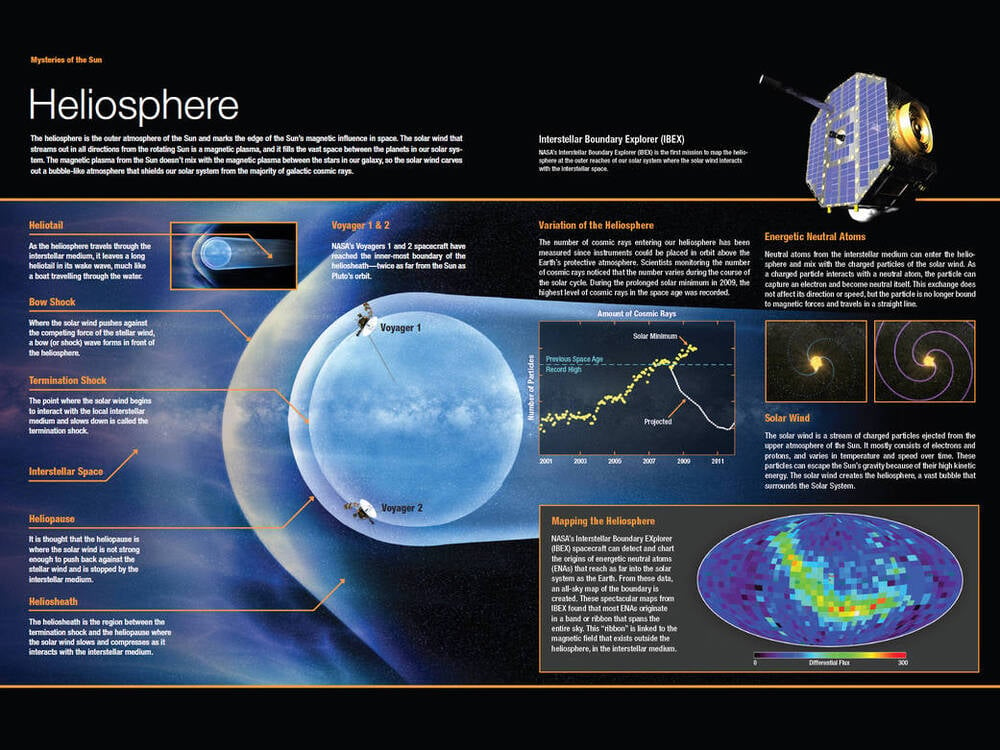
Many people imagined outer space as absolute nothingness, but scientists knew that even the emptiest regions between planets contain particles, solar wind, plasma, magnetic fields, and tiny grains of dust. The densities are incredibly low compared to Earth’s atmosphere, yet space is far from being a perfect vacuum. Can something seem empty while still containing countless invisible particles? And how different does the Solar System look once you realize it’s constantly filled with streams of energy and matter? Empty space turns out to be much busier than its name suggests.
11. Apollo Photos Should Show Stars
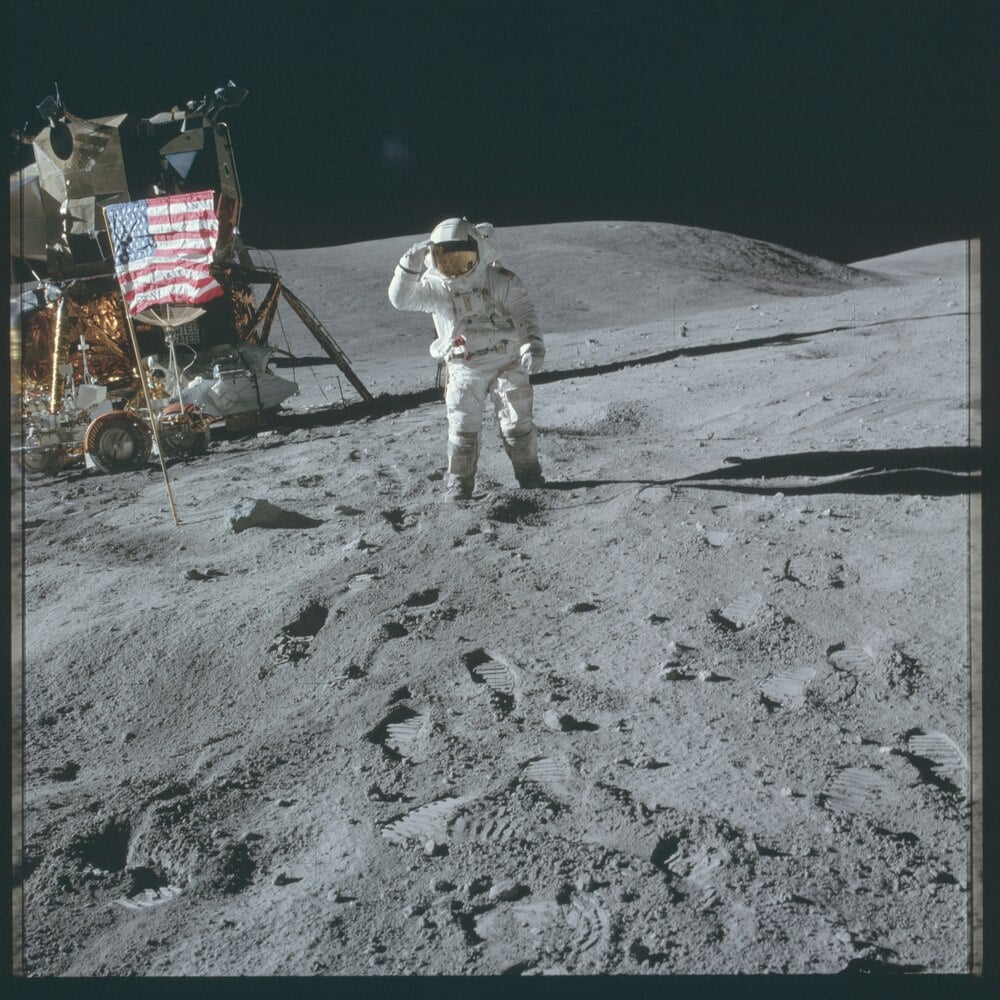
One of the most common arguments used by Moon landing conspiracy theories points to the apparent absence of stars in Apollo photographs. The explanation is surprisingly simple: camera settings were adjusted to capture astronauts and the brightly lit lunar surface, making the much fainter stars impossible to record in the same exposure. Have you ever tried photographing someone standing in bright sunlight with a dark night sky behind them? And could a camera limitation really become one of the biggest sources of a decades-long conspiracy theory? The missing stars reveal more about photography than about the Moon landings.
12. Mercury Was the Hottest Planet Everywhere
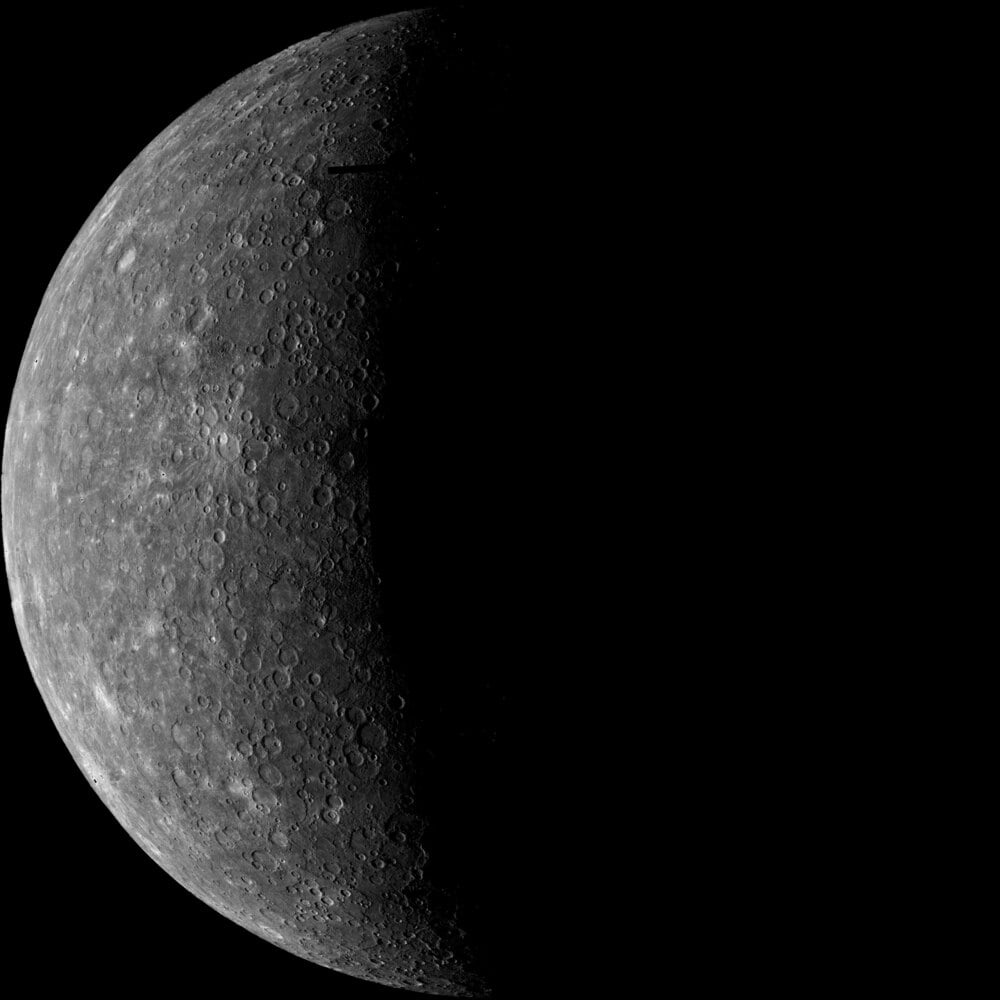
It seems logical to assume that Mercury, being the closest planet to the Sun, must also be the hottest. However, spacecraft observations revealed that Venus actually has the highest average surface temperature because its dense atmosphere traps enormous amounts of heat, while Mercury experiences dramatic swings between scorching daytime heat and freezing nighttime cold. Does being closest to a heat source always make something the hottest? And how could a planet farther from the Sun end up with a hotter surface overall? Distance turned out to be only part of the story.
13. Mars Was Basically a Dead Moon
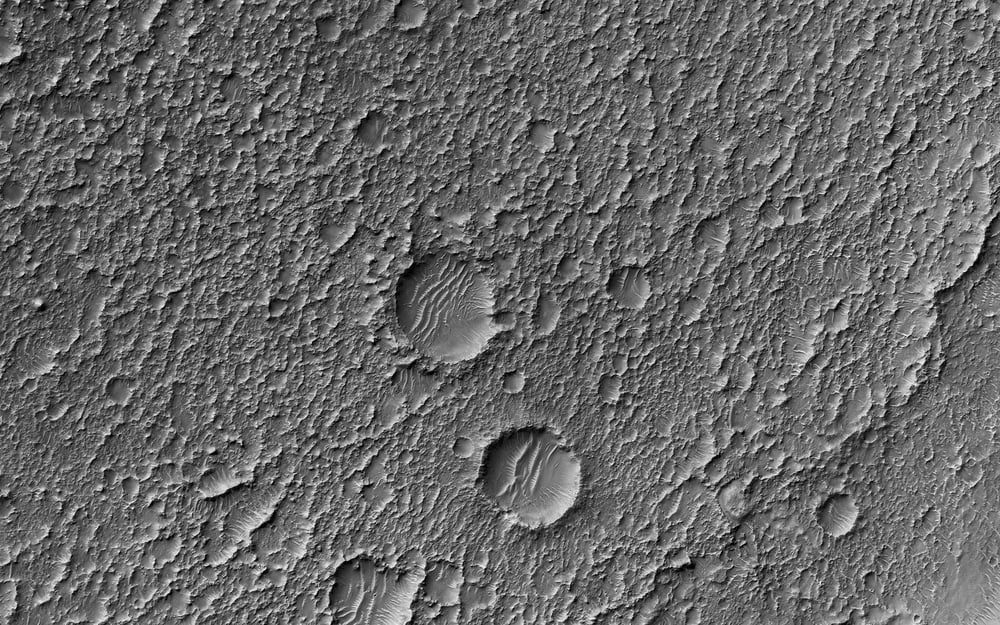
Early images returned by Mariner 4 showed Mars as a heavily cratered landscape that reminded many scientists of the Moon, leading to the impression that the planet was geologically dull and inactive. Later, Mariner 9 completely changed that picture by revealing gigantic volcanoes, immense canyon systems, and a far more varied world than those first photographs had suggested. What if the first spacecraft had photographed a different region of Mars? And how often do first impressions change when scientists finally see the whole picture? Sometimes a planet can look completely different simply because the earliest photos captured the wrong neighborhood.
14. Sound Could Not Exist Anywhere in Space
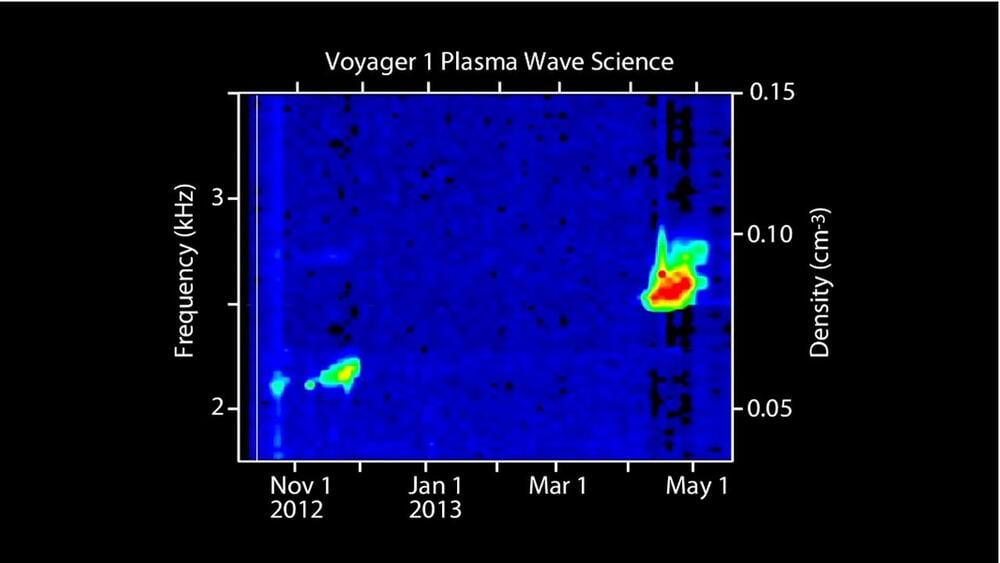
Many people learned that “there is no sound in space,” and while that’s true in the vacuum between planets, the statement isn’t universally correct. Sound waves can travel through gases, plasma, and other material found throughout the universe, meaning certain regions of space can indeed carry pressure waves if a suitable medium exists. Can silence really depend on where you happen to be in the universe? And how can one scientific fact become misleading once it’s shortened into a simple slogan? The real answer depends entirely on what fills the space around you.
15. UFO Automatically Meant Alien Spacecraft
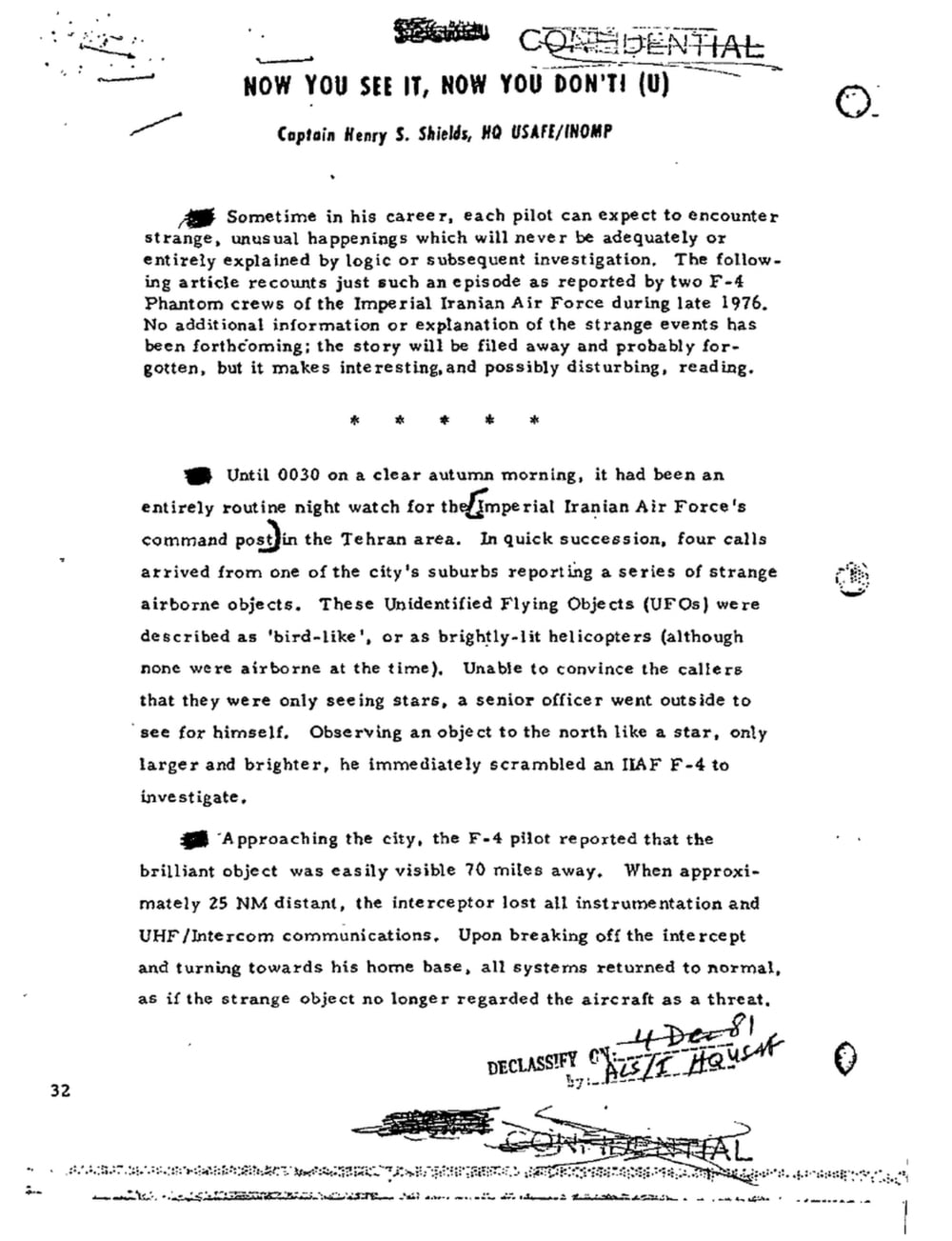
The surge of UFO reports during the 1970s led many people to assume that every unidentified flying object must be an extraterrestrial spacecraft. In reality, the term “UFO” simply meant an object that hadn’t yet been identified, leaving open countless possible explanations ranging from aircraft and atmospheric phenomena to observation errors or, in some cases, mysteries that remained unresolved. When did “unidentified” quietly become “alien” in the public imagination? And why are people often more fascinated by the most extraordinary explanation than the most likely one? Popular culture blurred a distinction that the original term never intended to erase.
16. The Moon Was Completely Geologically Dead
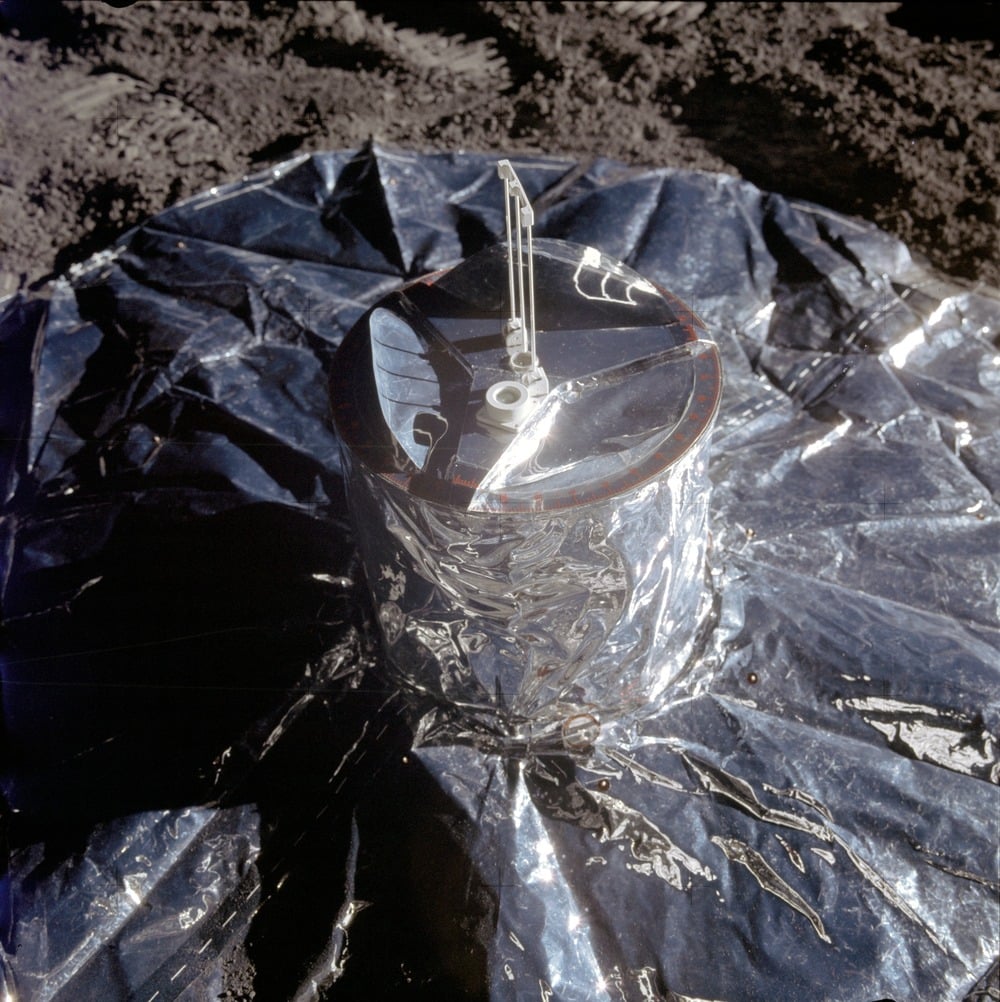
For many years, the Moon was thought to be a silent, inactive world where nothing ever changed beneath the surface. That picture became more complicated after Apollo astronauts left seismic instruments on the Moon, which detected moonquakes and revealed that our natural satellite still experiences internal activity, even if it’s far less dynamic than Earth. Can a world still be called “dead” if it occasionally shakes beneath its surface? And how often do scientific instruments overturn ideas that once seemed completely settled? The Moon turned out to be quieter than Earth, but not entirely asleep.
17. Meteor Heating Was Just Friction
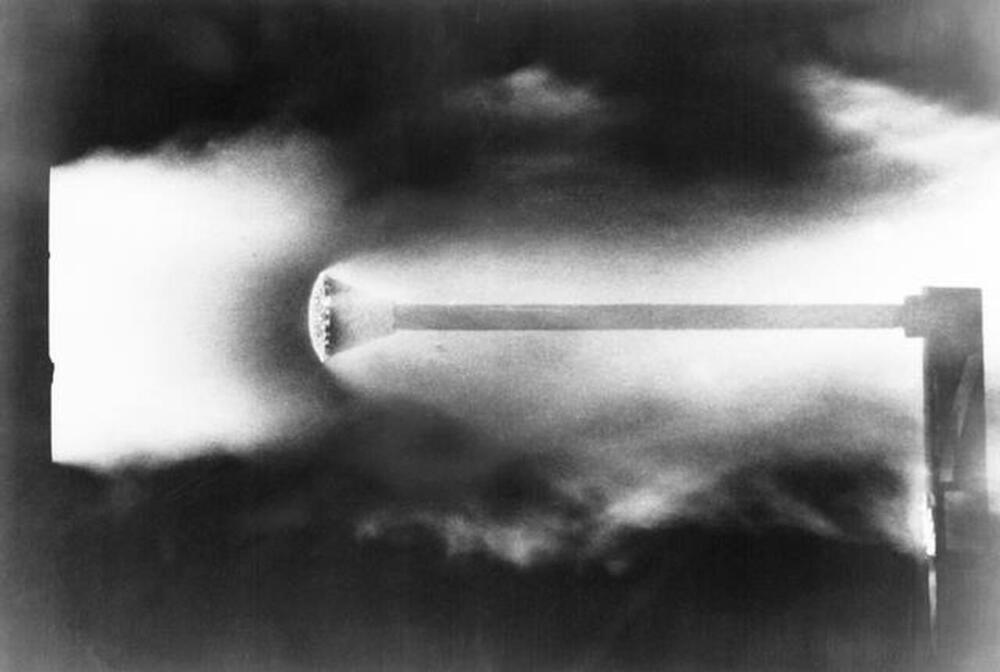
Many classroom explanations suggested that meteors become blazing fireballs simply because they rub against Earth’s atmosphere. While friction plays a small role, most of the intense heating actually comes from air being rapidly compressed in front of the speeding object, creating enormous temperatures through shock physics. How can squeezing air become hotter than rubbing against it? And isn’t it surprising that one of the most familiar scientific explanations leaves out the biggest part of the story? Sometimes the simplified version is helpful, but the real science is even more fascinating.
18. Mars Showed No Evidence of Ancient Water
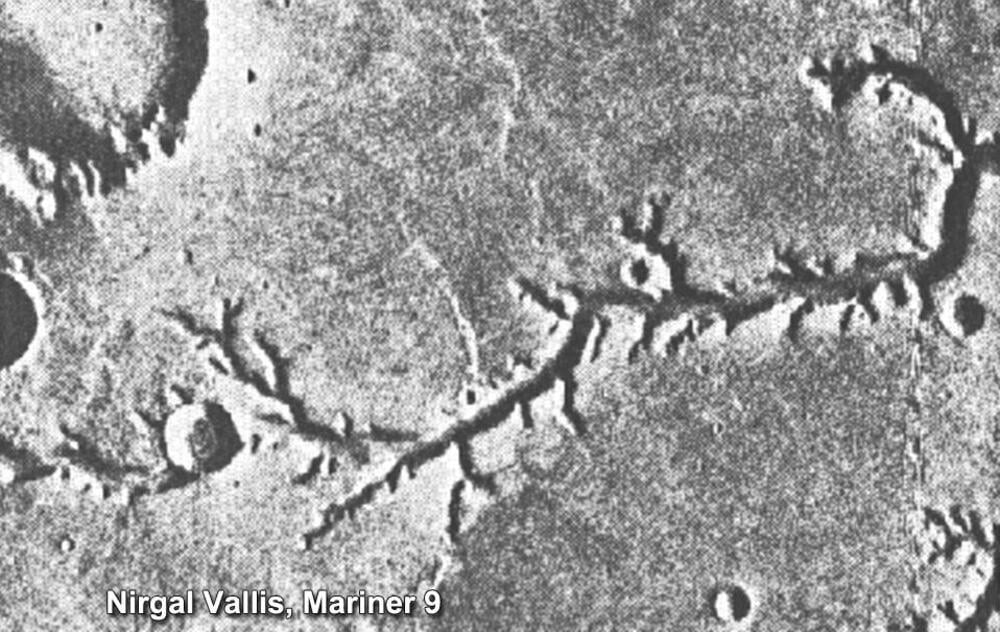
Before detailed orbital missions, Mars was often imagined as a permanently dry, lifeless world with little geological history. That view changed dramatically when Mariner 9 and later Viking missions revealed winding channels, valleys, and landscapes that strongly suggested liquid water had once flowed across the planet’s surface. What stories were hidden in those ancient river-like valleys for billions of years? And how differently do we think about Mars once we realize it may once have been much wetter than it is today? Every new image made the Red Planet look a little less familiar and a lot more intriguing.
19. The Moon Landings Were Staged
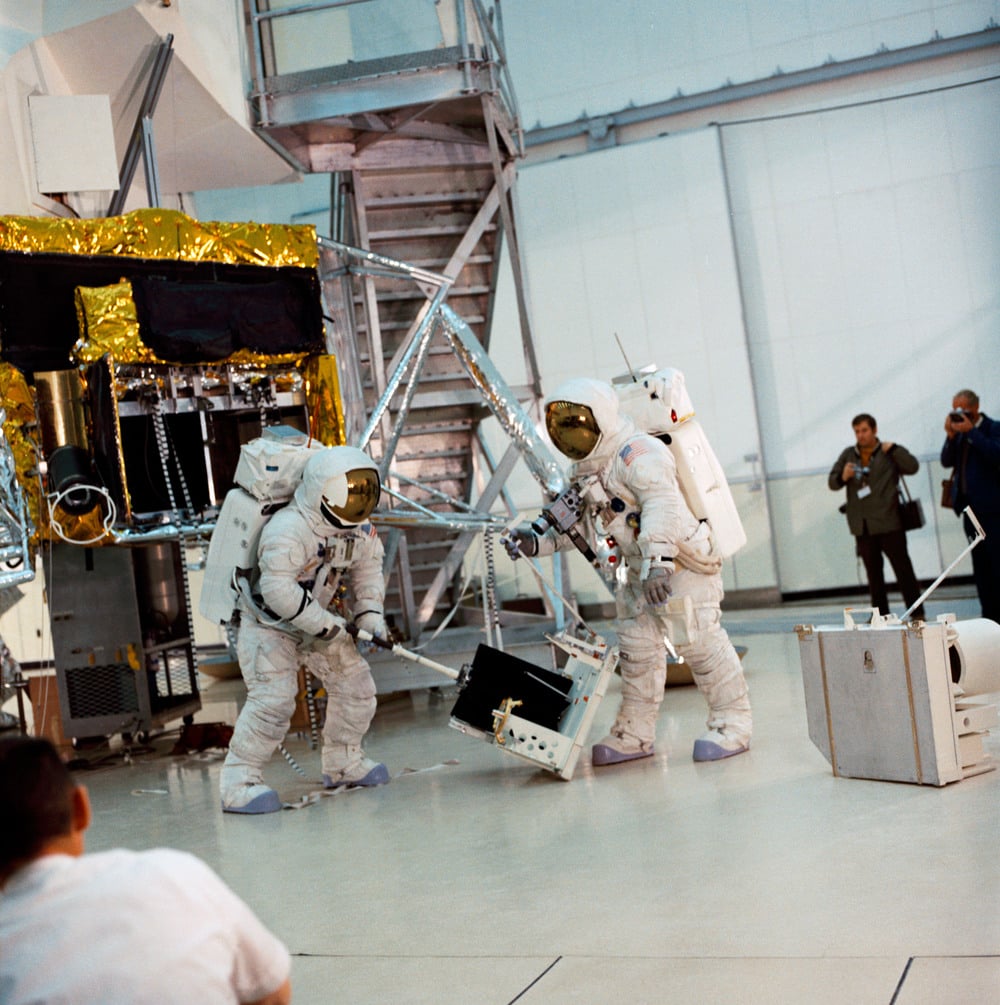
Although the Apollo missions remain one of humanity’s greatest achievements, conspiracy theories claiming the Moon landings were staged began circulating during the 1970s and gradually found an audience through books, television, and popular culture. The claims relied on misunderstandings about photography, physics, and spaceflight rather than credible evidence, yet they became one of the era’s most persistent space myths. Why do extraordinary achievements sometimes inspire equally extraordinary conspiracy theories? And why can simple scientific explanations struggle to compete with dramatic stories? Apollo didn’t just create history. It also created one of history’s most famous modern myths.
Keep Exploring The Scroller
Every new spacecraft has the potential to overturn another confident idea about the universe. Keep exploring The Scroller for more fascinating stories where science, history, and discovery reveal that some of our most enduring beliefs were only waiting for better evidence to be challenged:
15 Rare Photos Of The 1960s Space Race Obsession In Every American Home
15 Vintage Photos From The Voyager Spacecraft Launches (1977)