Glancing through the vintage financial archives of modern retail markets brings us face-to-face with a staggering economic shift that has completely transformed our daily expenses. We view our personal budgets as baseline tools to navigate the modern economy, often forgetting how gently consumer prices treated our bank accounts just two decades down the line. Over the generations, steady currency inflation, global supply chain disruptions, and corporate structural changes have heavily conditioned the public to accept high prices as an unavoidable tax on contemporary life. This shift leaves younger consumers to assume that our current, highly expensive marketplace baselines have always governed the domestic lifestyle economy.
In stark contrast to these mainstream assumptions, a deep dive into the historical costs of basic expenses exposes an incredibly harsh reality of disappearing disposable income. The fascinating truth of industrial history proves that several prominent expenses that we routinely swipe our credit cards for today were remarkably cheap and manageable around the turn of the millennium. Instead of moving up in predictable, gentle increments, these essential consumer goods and services have experienced massive price spikes that put incredible pressure on ordinary households. Let’s wind back the clock of economic history as we explore fourteen everyday expenses that cost far more than they did twenty years ago.
1. Movie tickets
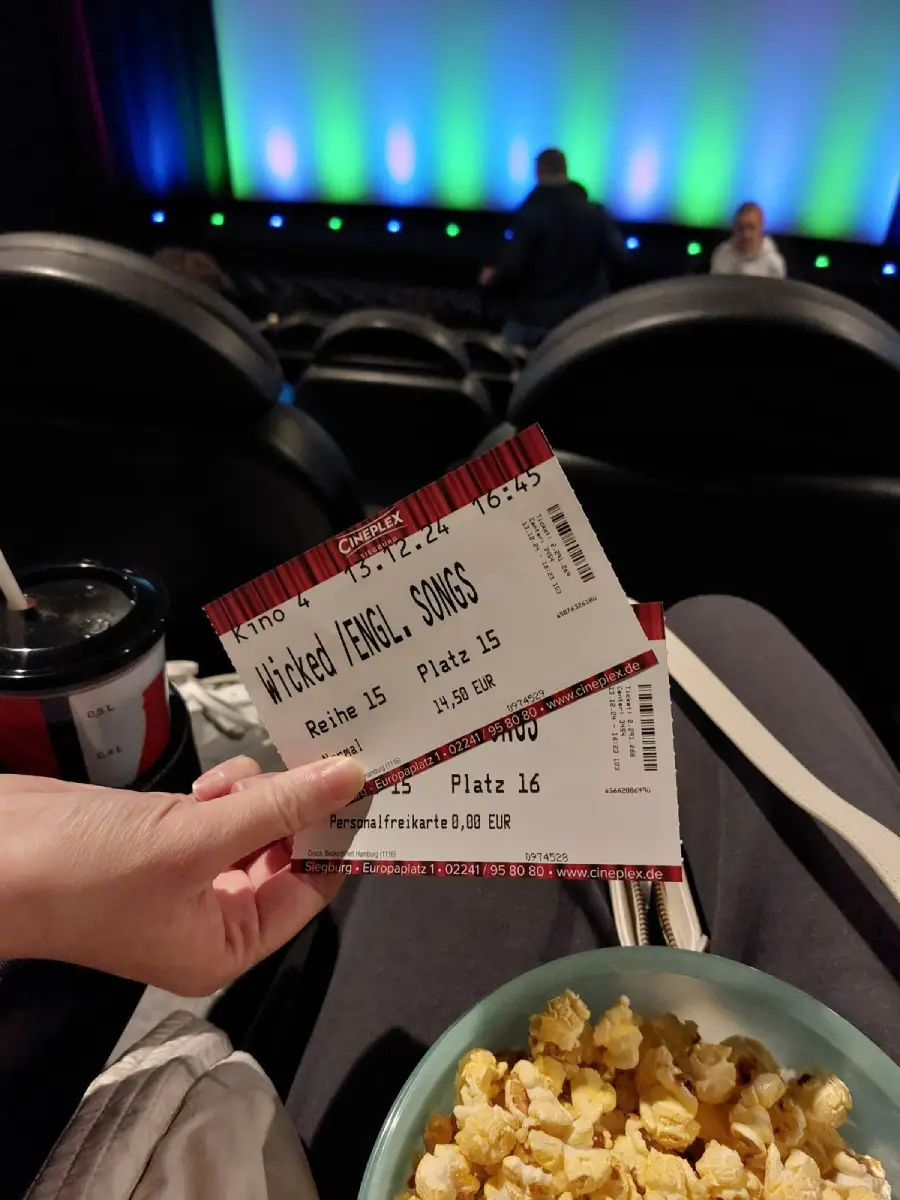
Heading out to a local cinema once operated as an incredibly cheap, spontaneous weekend escape for working-class families and teenagers alike. Today, the sheer cost of admission has surged dramatically as entertainment corporations invest millions into luxury reclining seats and advanced laser projection systems.
2. College textbooks

Students purchasing required reading materials for their university courses face an incredibly aggressive pricing structure that has outpaced baseline currency inflation for decades. Major academic publishing houses systematically release slightly modified editions to intentionally eliminate the budget-friendly secondary used book market.
3. Fast food value meals
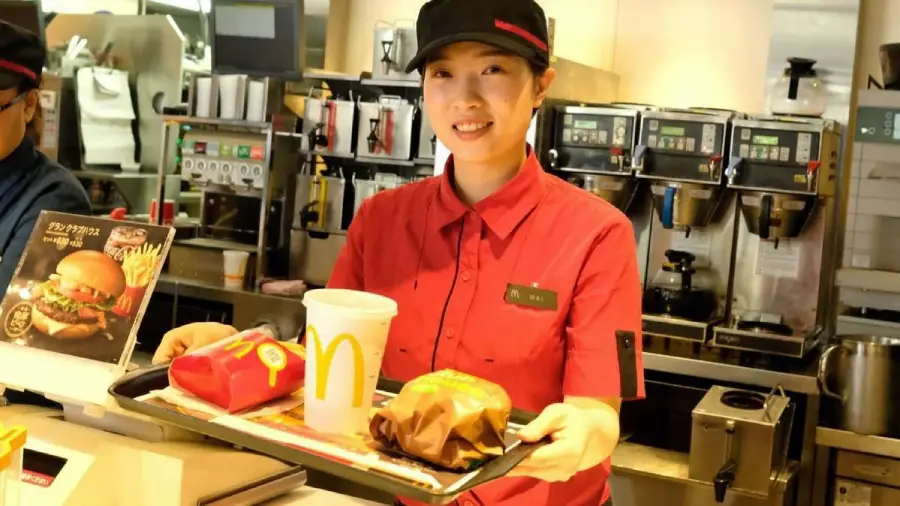
The legendary dollar menus and cheap quick-service combos that comfortably fueled a generation of busy commuters have completely vanished from the highway landscape. Fast food franchises have steadily elevated their baseline pricing models to match the cost of casual sit-down restaurant dining rooms.
4. Cable television packages

What originally started as an affordable, utility-style service to access a handful of broadcast networks has morphed into a massive, multi-tiered monthly financial commitment. Consumers routinely find themselves paying extra regional sports fees and hardware rental costs for channels they never actively watch.
5. Concert tickets
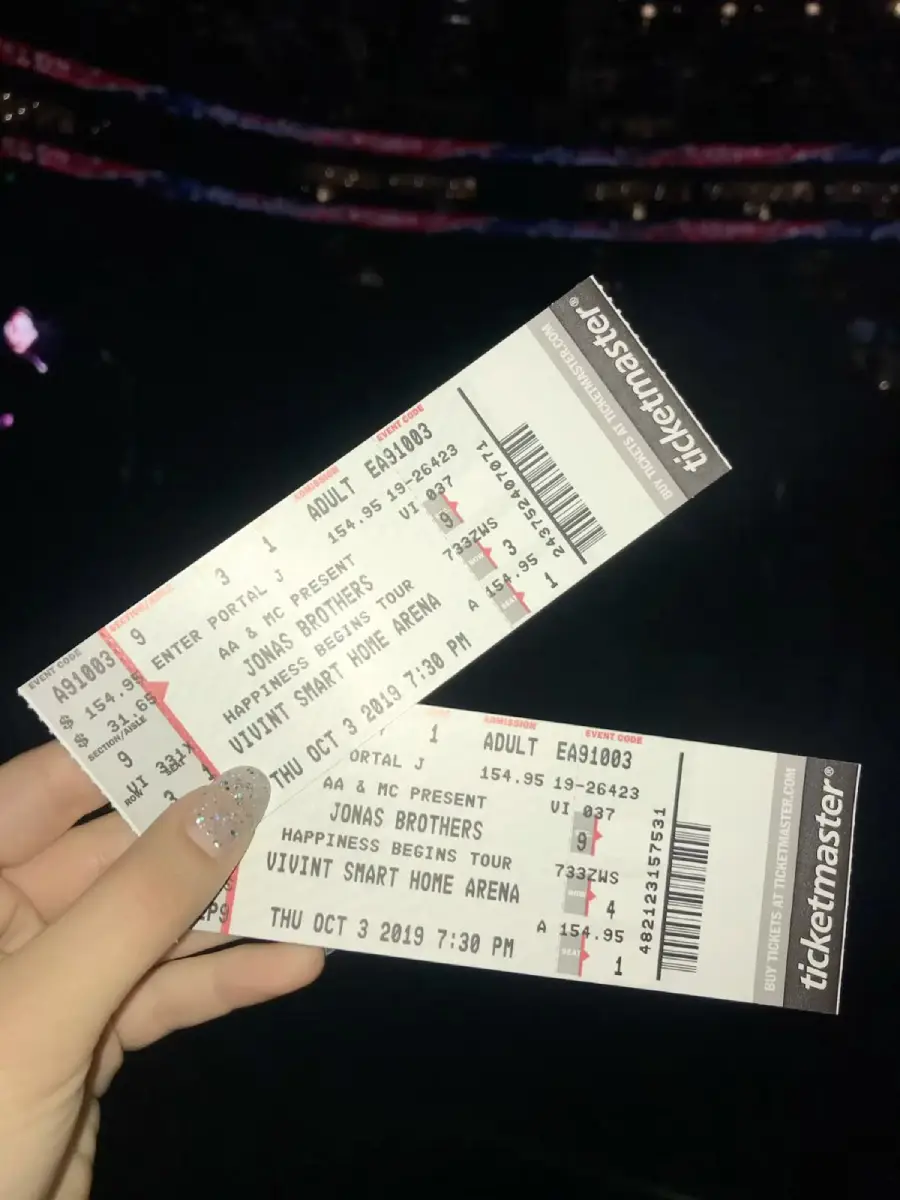
Securing a spot in a stadium crowd used to be an accessible hobby for casual music enthusiasts before digital processing fees completely hijacked the entertainment sector. The modern implementation of dynamic pricing algorithms and massive corporate ticketing monopolies turns basic live music outings into elite luxury experiences.
Trending on The Scroller


6. Coffee shop drinks
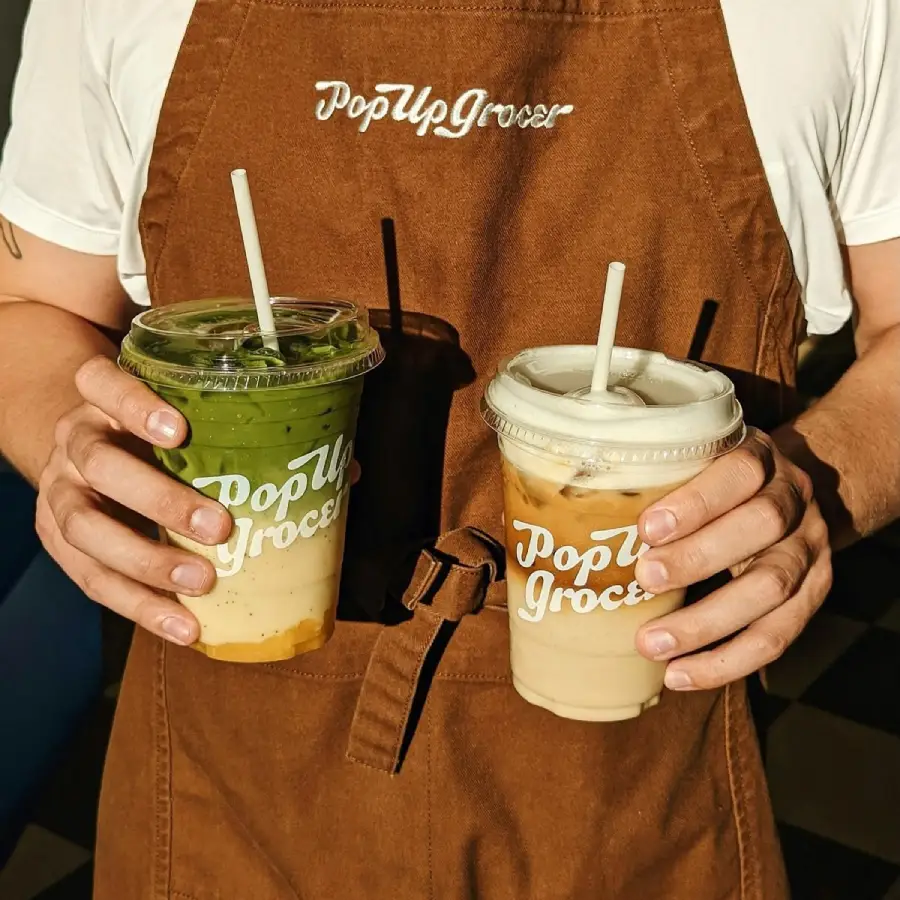
A simple morning caffeine pick-me-up has successfully transitioned from a quick, low-cost commodity into a highly ritualized, premium lifestyle investment. Complex automated brewing hardware, expensive dairy alternatives, and artisan flavor syrups mean a single cup can easily disrupt a daily budget.
7. Potato chips and packaged snacks

Grocery store shoppers frequently encounter a frustrating retail phenomenon known as shrinkflation while exploring the snack aisles. Food manufacturers continuously shrink the actual physical weight of the product inside the bag while simultaneously keeping the retail shelf price at an all-time high.
8. Streaming service subscriptions
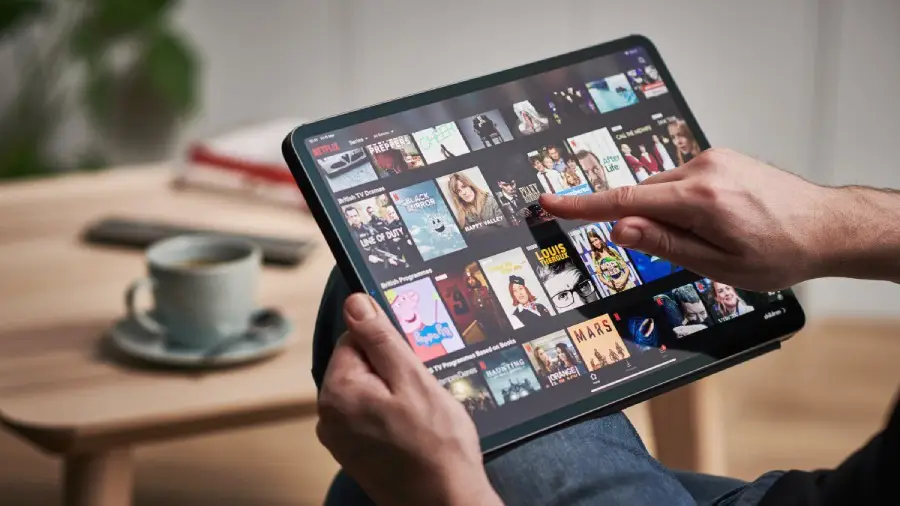
When digital media platforms initially launched their original cloud networks, they enticed millions of users with the promise of cheap, commercial-free entertainment packages. Today, continuous monthly rate hikes, forced advertising tiers, and strict password-sharing crackdowns have made digital streaming feel exactly like old expensive cable bills.
Sign up for our newsletter
9. Pet food and veterinary care
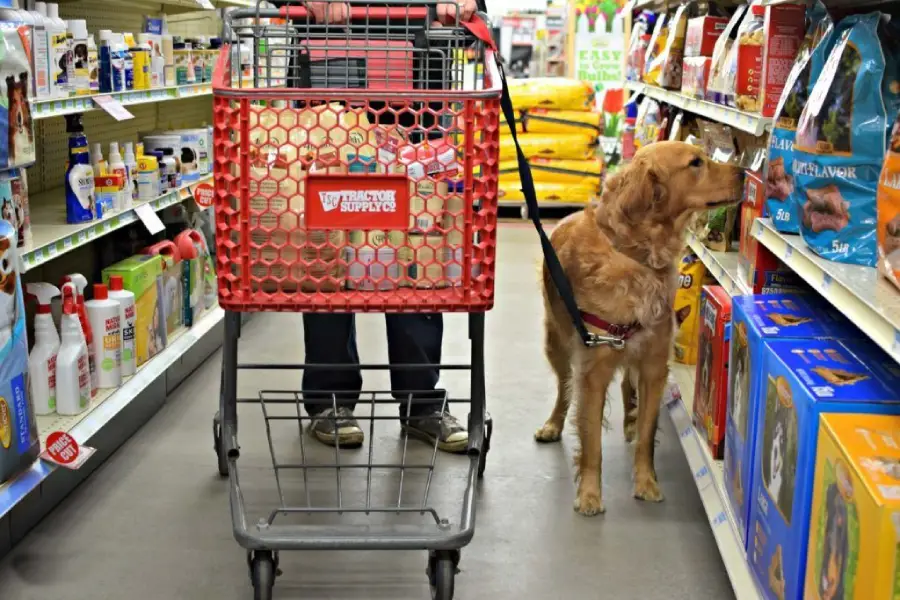
The baseline financial commitment required to maintain a healthy domesticated animal companion has climbed significantly over the past two decades. Specialized organic dietary formulations and the widespread corporatization of local veterinary clinics mean basic medical procedures put serious pressure on pet owners.
10. Automotive repair labor rates

Fixing a routine mechanical issue on a personal vehicle requires a significantly higher financial output due to the dense computerized architecture of modern cars. Local repair shops must invest thousands into specialized diagnostic scanning software, driving up their baseline hourly labor fees.
11. Household furniture
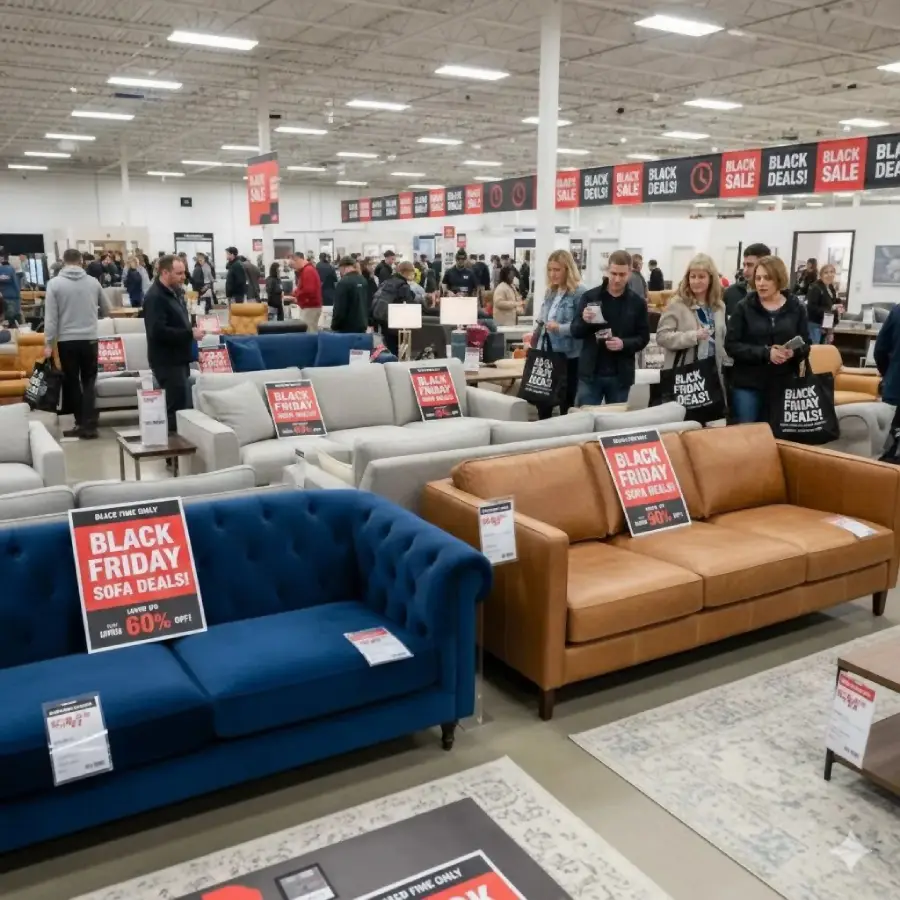
The historic era of investing in durable, solid wood dressers and sofas that could comfortably last for multiple generations has largely been replaced by expensive synthetic alternative options. Consumers regularly pay premium prices for flat-packed particleboard items that tend to warp or break after just a few years of domestic use.
12. Public transit fares
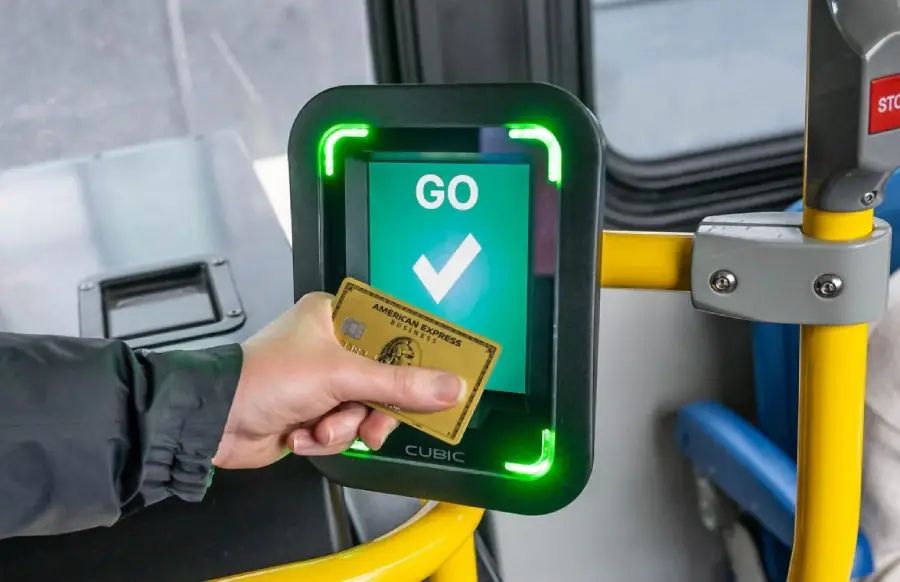
Commuters relying on city bus networks and metropolitan subway systems have watched their routine transit cards grow steadily more expensive each passing season. Transit authorities continuously elevate individual ticket prices to combat massive budget shortfalls and repair aging urban transit infrastructure.
13. Soft drinks and sodas

Aluminum supply constraints, sugar taxation initiatives, and massive distribution adjustments have quietly turned carbonated beverages into an expensive grocery commodity. Purchasing a standard twelve-pack of soda at the local supermarket now requires twice the financial capital it did during the early 2000s.
14. Basic haircuts

An ordinary, no-nonsense trim at the local neighborhood barber or salon has experienced a substantial structural price repositioning over the years. The rising costs of commercial shop rent and specialized hair styling products have forced independent stylists to elevate their baseline service menus across the country.
Discover more helpful money stories:
Analyzing the profound, structural evolution of our daily spending habits serves as a powerful reminder that our collective relationship with money remains a deeply fluid, ever-shifting metric across modern consumer history. Shifting our focus toward these unforgettable price jumps proves that maintaining a baseline standard of living requires an immense level of strategic budgeting compared to the relative simplicity of the past. When we choose to look past the high-gloss marketing of today’s retail markets to study the genuine financial milestones that defined our youth, we gain a profound appreciation for the economic shifts that dictate contemporary life. If you enjoyed this eye-opening, deeply analytical journey looking back at the real-world costs of yesterday, make sure to explore these 15 Things Americans No Longer Spend Money On Today, or 18 Genius Money Habits Our Grandparents Swore By. You may also like these 20 Companies That Took Shrinkflation Too Far.