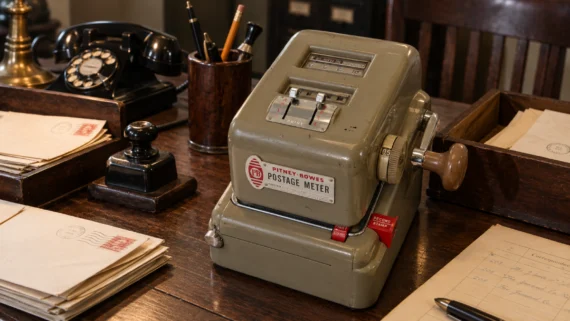
Step into a corporate headquarters fifty years ago and you would be surrounded by a constant symphony of mechanical clatter, hums, and ringing bells. Long before cloud storage, digital spreadsheets, and sleek laptops streamlined daily operations, running a successful company required massive machines that took up entire oak desks. Clerks, secretaries, and accountants relied on specialized mechanical contraptions to duplicate memos, calculate payroll, and route internal mail across multi-story office towers.
Looking back at these heavy metal relics reveals a fascinating chapter in workplace history when speed meant manual levers and mechanical gears. From chemical-smelling duplicators that stained administrative fingers purple to heavy desktop calculators that sounded like miniature lawnmowers while adding numbers, these mechanical machines kept global commerce moving forward. Here are fourteen forgotten workplace devices that kept corporate America running smoothly during the pre-digital era.
1. Mimeograph machine
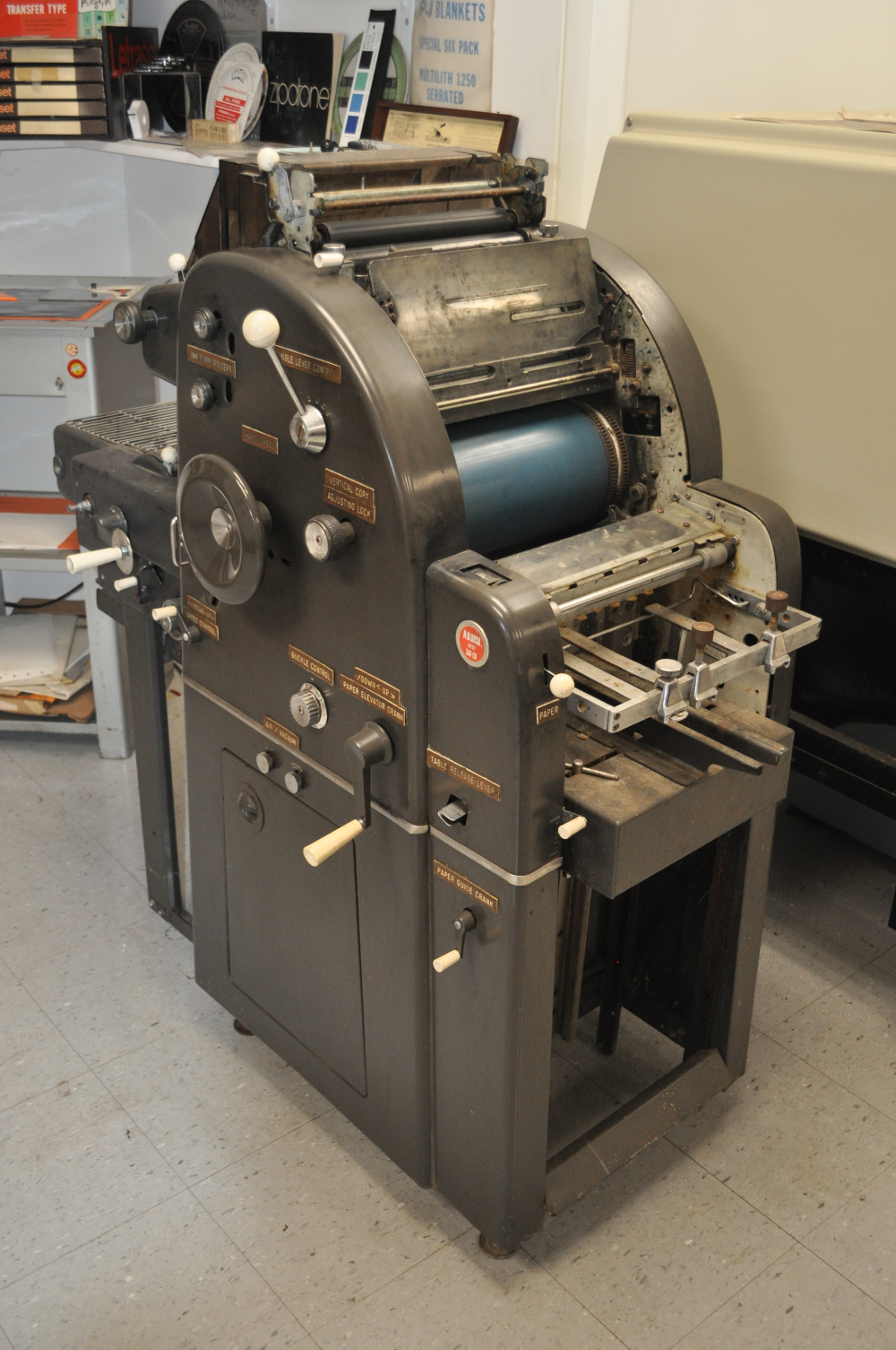
Invented by Thomas Edison and refined by A.B. Dick, this stencil duplicator forced ink through a cut stencil onto blank paper using a hand-cranked drum. Secretaries loved the distinct sweet chemical scent of fresh purple ink, while students across the country instantly recognized the warm, damp worksheets handed out in Monday morning classes.
2. Comptometer
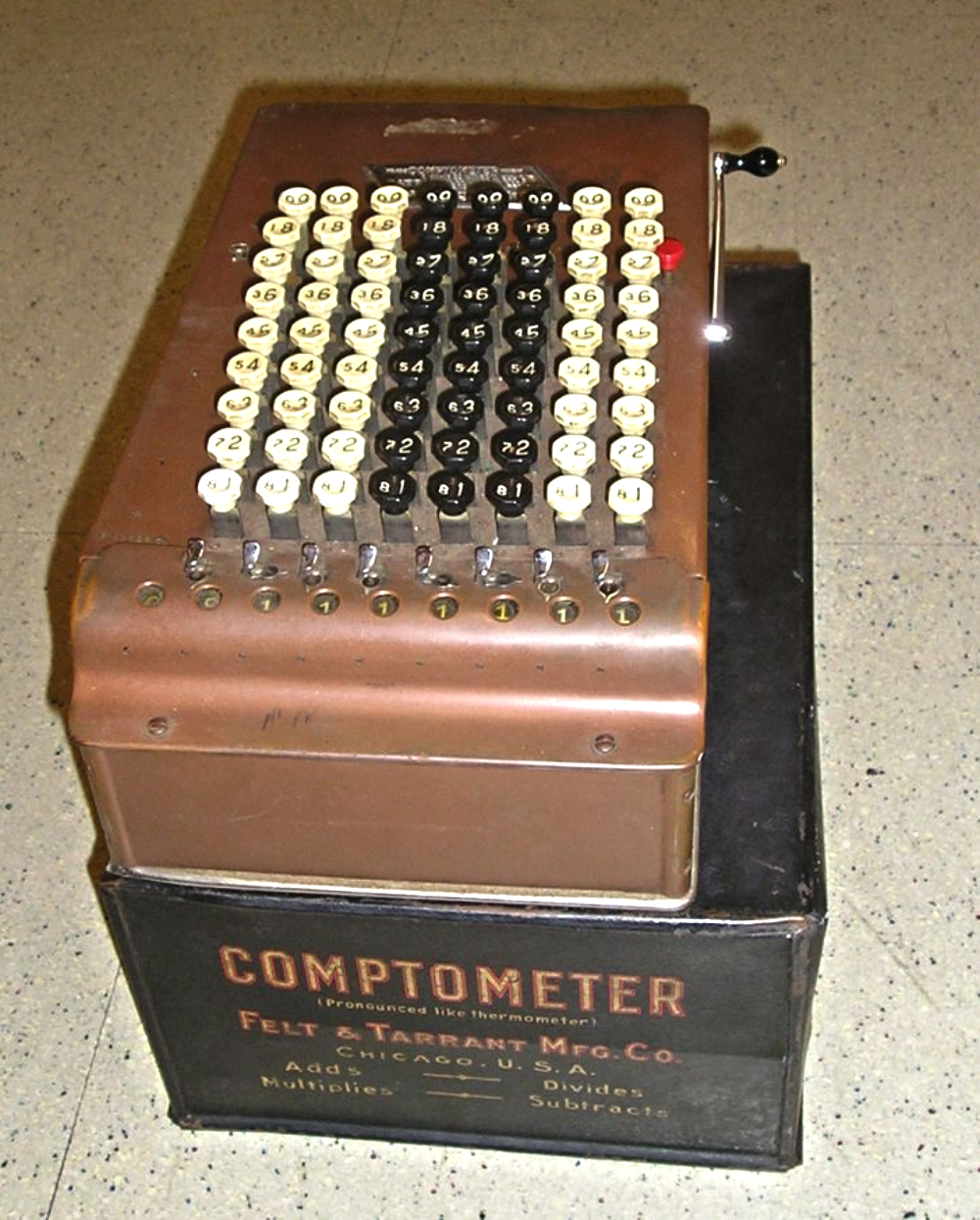
Patented by Felt & Tarrant in 1887, this mechanical key-driven calculator required specialized operators who could punch multiple keys simultaneously like a piano chord. Skilled accountants could tally column totals faster than modern computer keypad entry because pressing a key instantly added the digit to the total without needing an equals button.
3. Dictaphone dictation machine
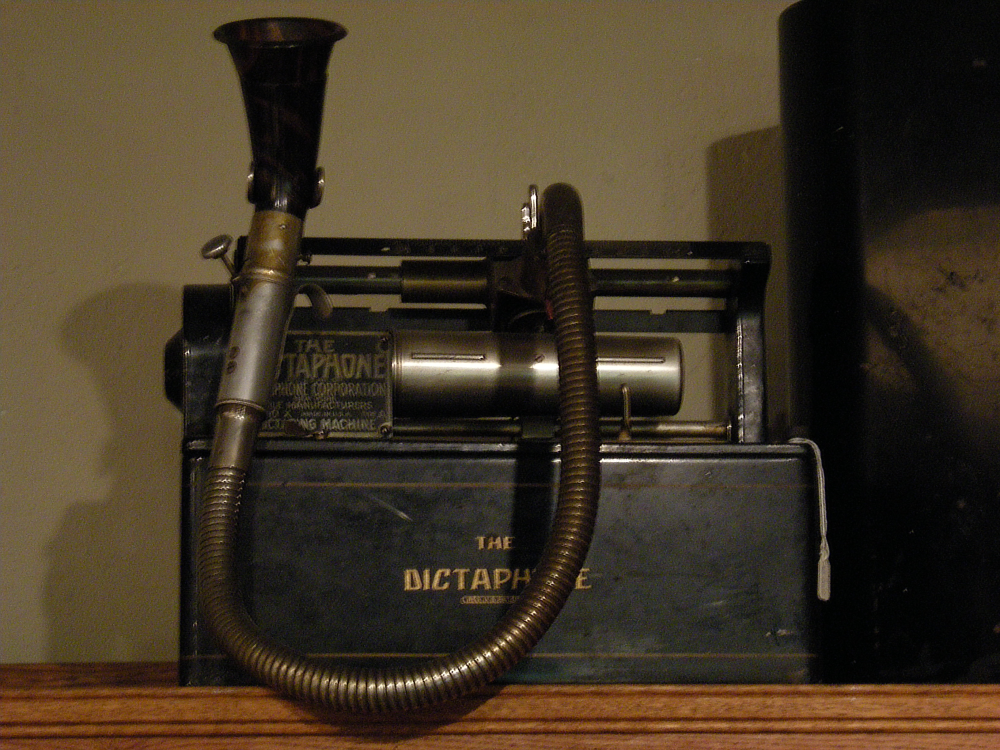
Using wax cylinders and later flexible plastic belts, this heavy desktop recording device allowed executives to speak their correspondence aloud onto audio tracks. Dicta-typists in secretarial pools listened through heavy stethoscope-style headphones, using foot pedals to pause and rewind the audio while typing letters on mechanical typewriters.
4. Pitney Bowes postal meter
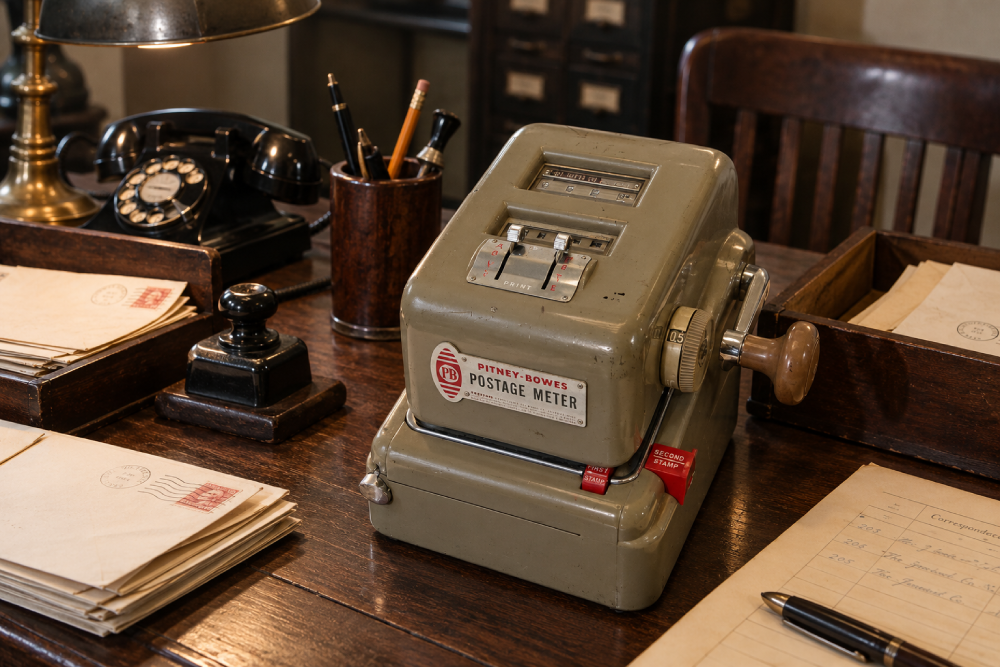
Authorized by the US Postal Service in 1920, this iron contraption allowed businesses to print prepaid postage directly onto envelopes without licking thousands of paper stamps. The internal mechanical register was locked by postal workers, requiring office clerks to wheel the heavy metal unit down to the post office to buy prepaid postage updates.
5. Pneumatic tube intercom system
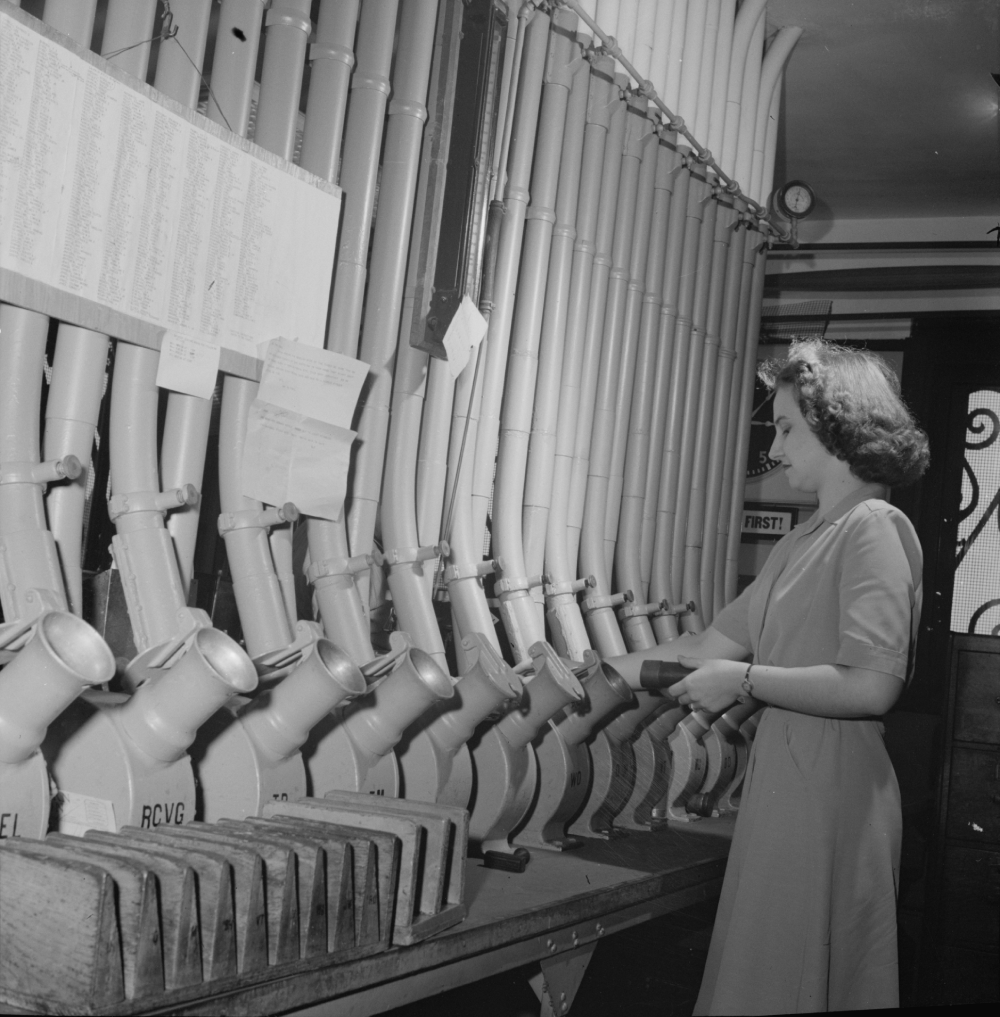
Corporate skyscrapers lined their walls with networks of brass pipes to launch heavy brass canisters packed with memos and checks between floors using air pressure. Receiving clerks listened for a loud thud as the pressurized capsule arrived at their desk station at speeds reaching thirty miles per hour.
Trending on The Scroller


6. Addressograph printing system
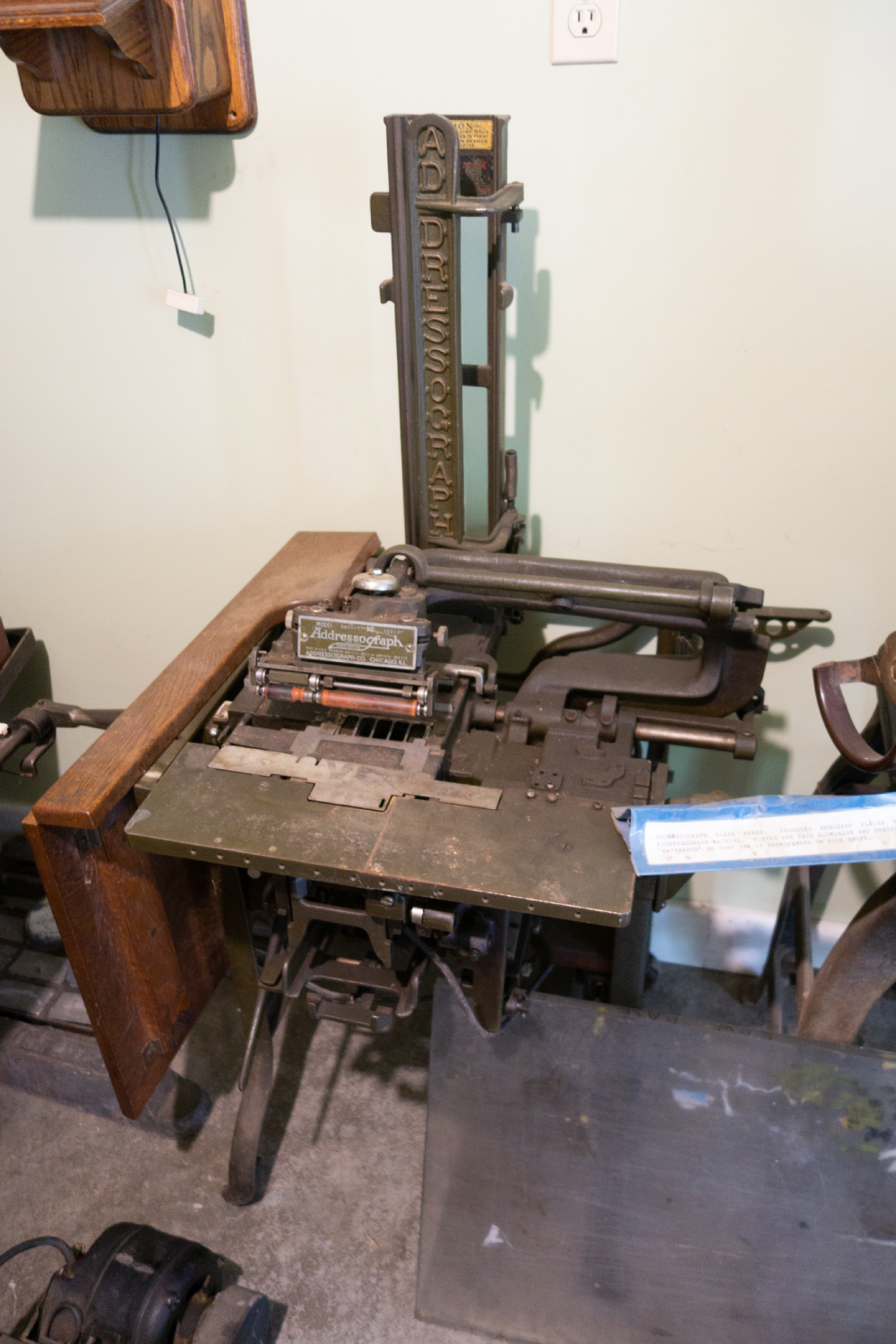
This industrial office appliance utilized stamped metal plates containing customer addresses to quickly print labels onto envelopes and billing statements. Heavy steel arms stamped inked ribbon down onto the metal plates, producing a rhythmic clacking sound that echoed through corporate mailrooms across the country.
7. Burroughs adding machine
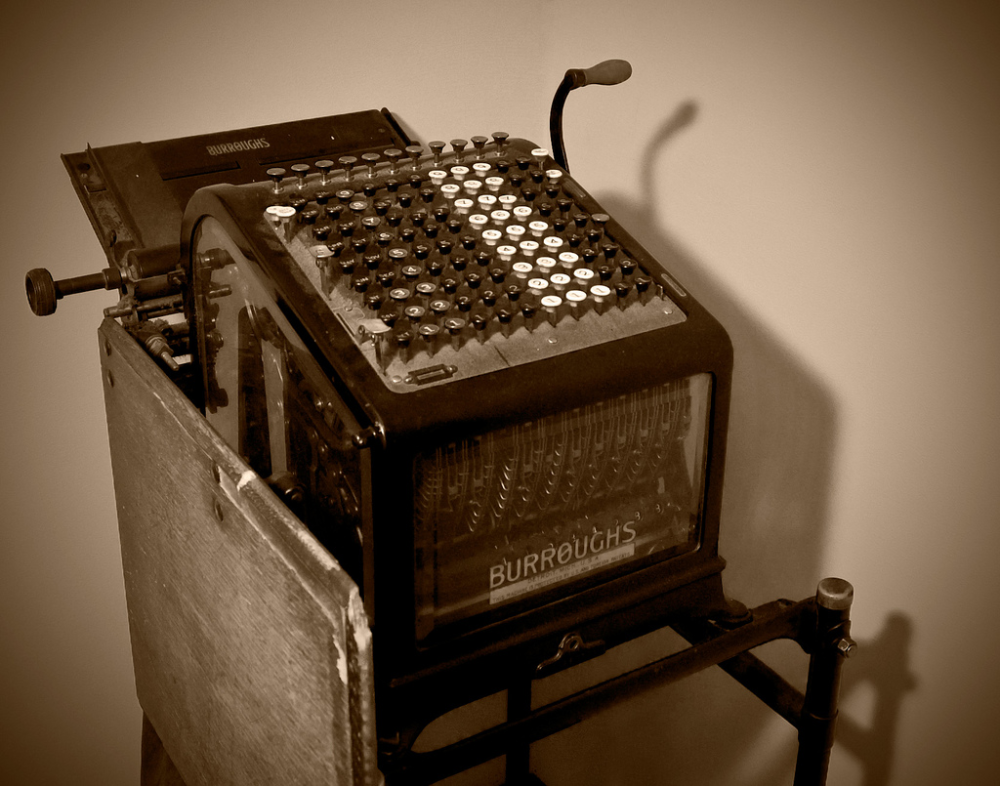
Featuring tall glass sides that displayed intricate internal gears and springs, this heavy iron calculator printed every transaction onto a narrow roll of paper tape. Pulling the heavy side lever cleared the gear registers and printed total sums, giving accountants a physical audit trail long before digital screens existed.
8. Thermofax duplicator
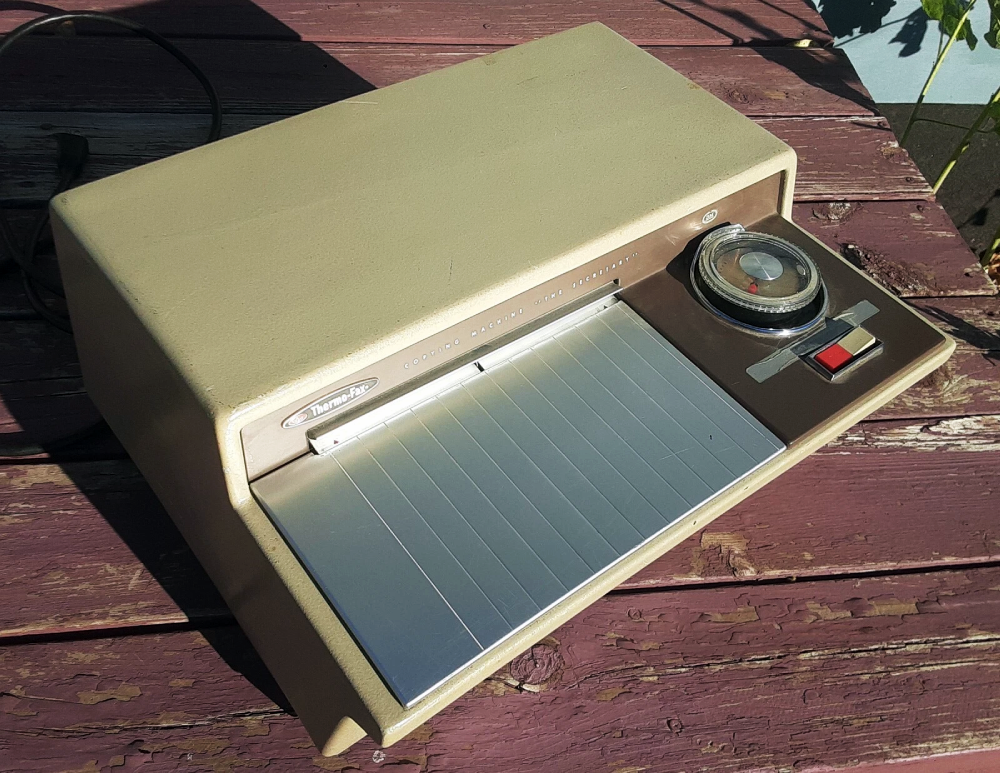
3M introduced this early thermal copier in the fifties, utilizing infrared heat to transfer dark carbon text from original documents onto thin yellow wax paper. The process took only a few seconds, but the copies were notoriously fragile and would turn pitch black if left in a warm car or direct sunlight.
Sign up for our newsletter
9. Teletype model 33
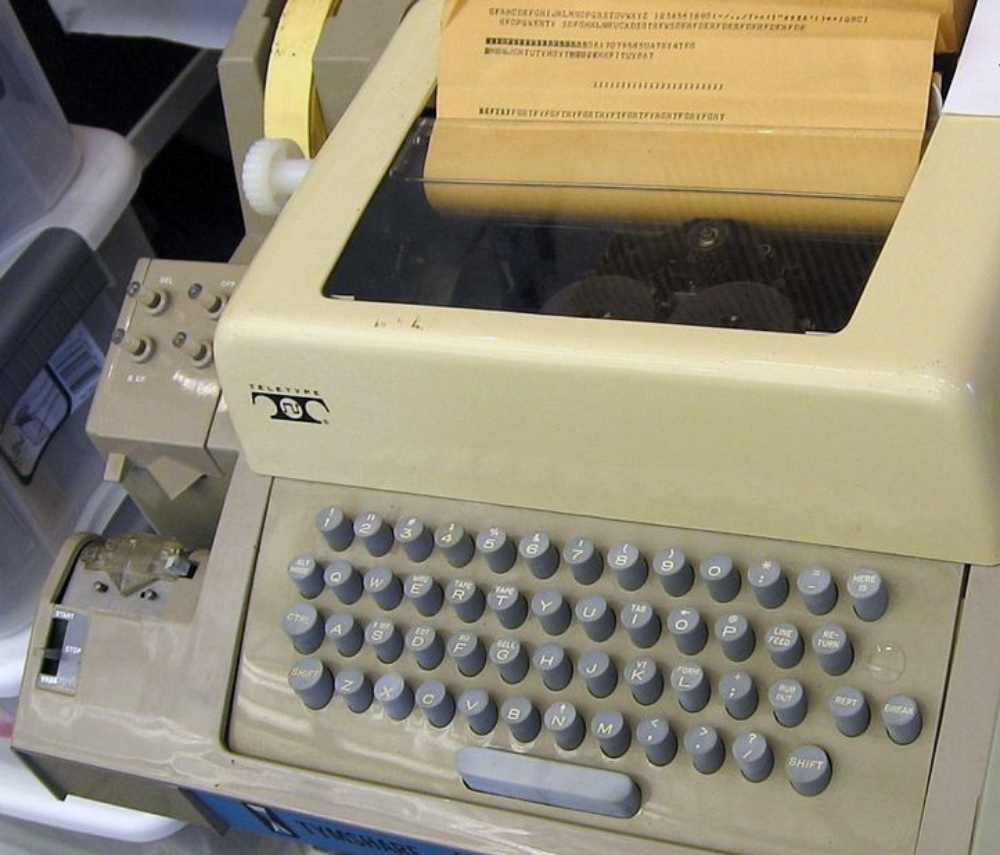
Operating over telegraph and telephone networks, this electromechanical teleprinter allowed companies to send typed messages across the globe in real time. It punched incoming data onto long strips of paper tape with perforated holes, allowing clerks to store and resend business messages automatically without retyping.
10. SoundScriber vinyl disc recorder
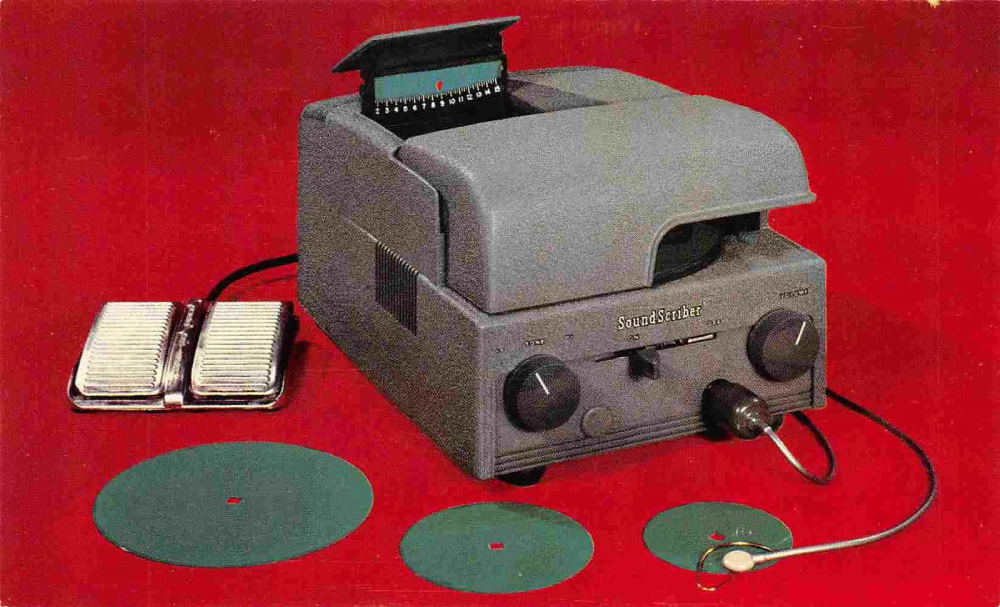
Popular in corporate boardrooms throughout the 1940s and 1950s, this dictation machine recorded executive meeting notes by pressing grooves directly into soft vinyl discs. The flexible green or red plastic records were virtually indestructible and could be mailed across the country in standard envelopes without snapping.
11. Stenotype machine
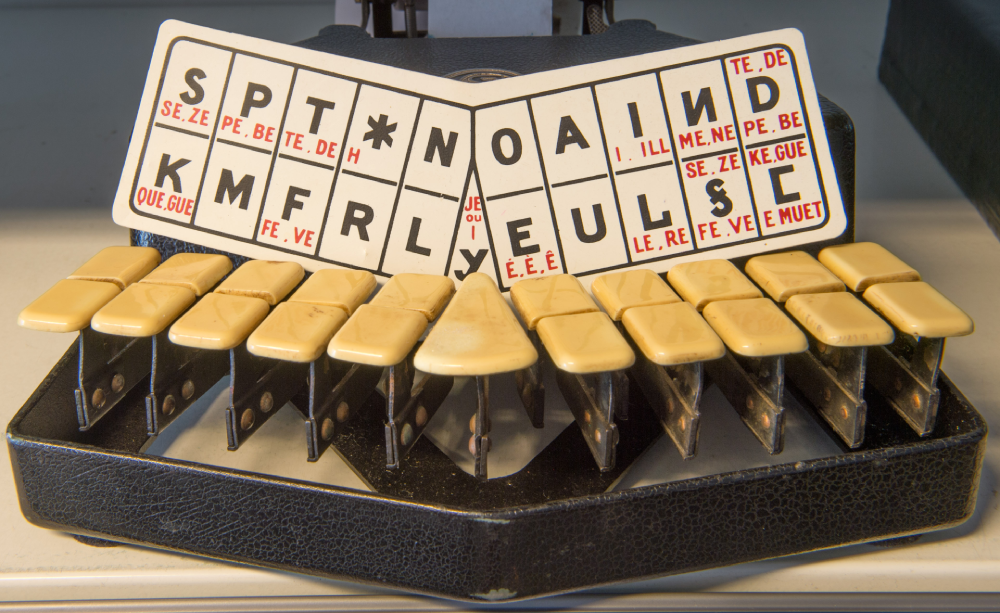
Invented by Miles Bartholomew and refined for modern courtrooms, this chord-keyboard device allowed stenographers to type entire words in a single stroke using phonetic combinations. Expert operators could easily keep pace with rapid speech at over two hundred words per minute, printing shorthand code onto continuous paper ribbons.
12. Kardex cabinet system
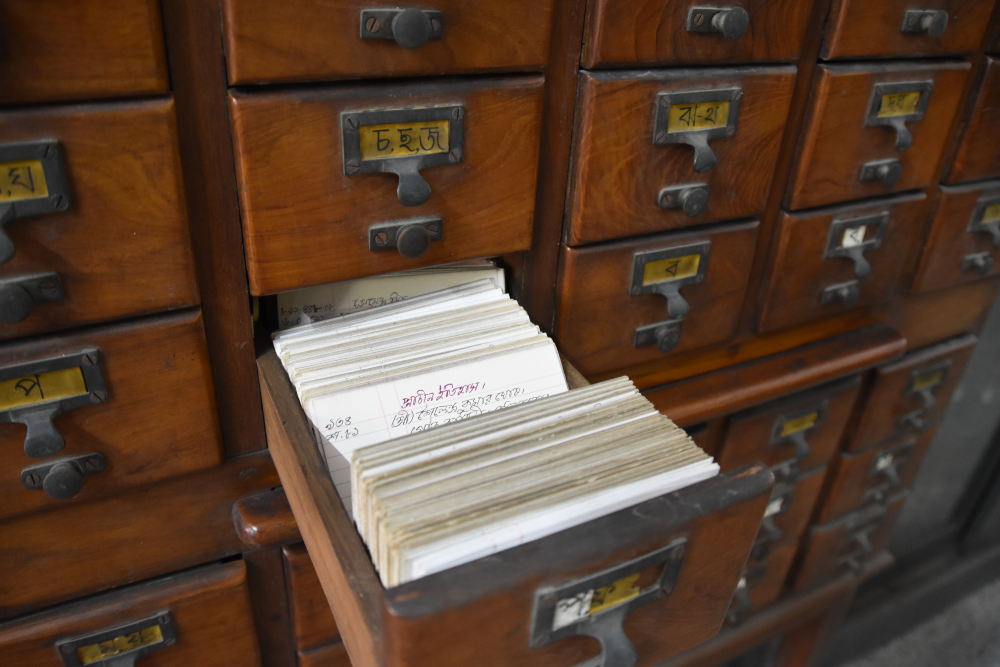
Before database software existed, massive steel Kardex cabinets held thousands of overlapping index cards tucked inside shallow metal drawers. Sliding a drawer open revealed colored plastic tabs that allowed file clerks to check inventory levels, employee records, and client accounts at a single glance.
13. Flexowriter automatic typewriter
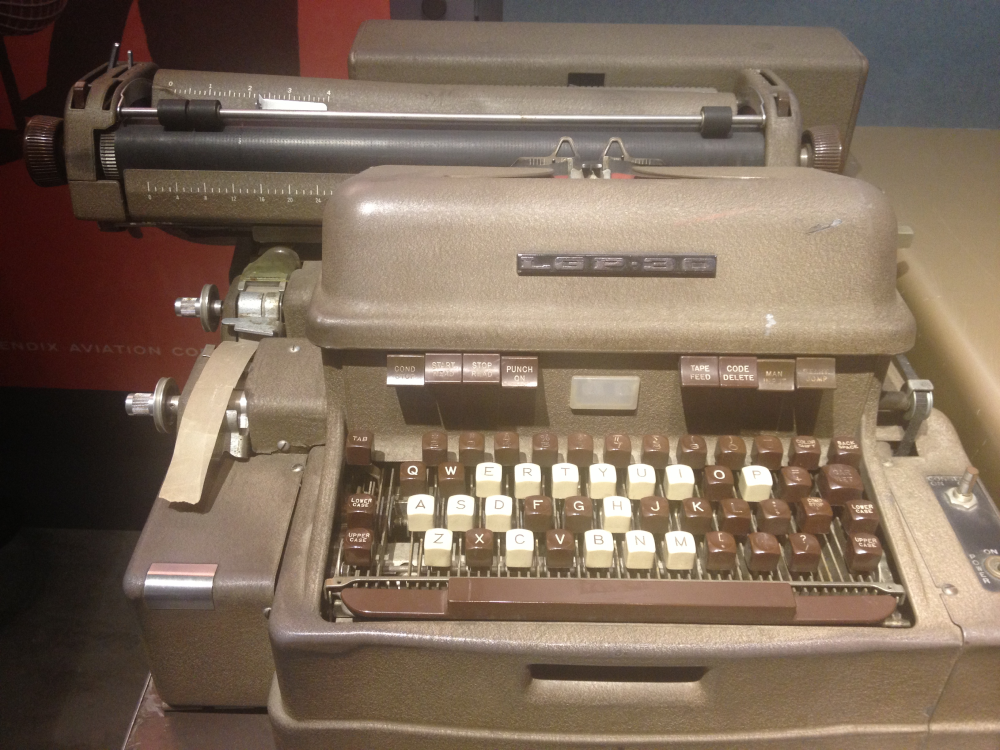
Developed during World War II, this heavy typewriter read pre-punched paper tape to automatically type repetitive business letters at blinding speeds without a human operator. It served as the early ancestor of word processing, allowing secretaries to personalize form letters by pausing the tape drive to type custom recipient names.
14. Friden EC-130 electronic calculator
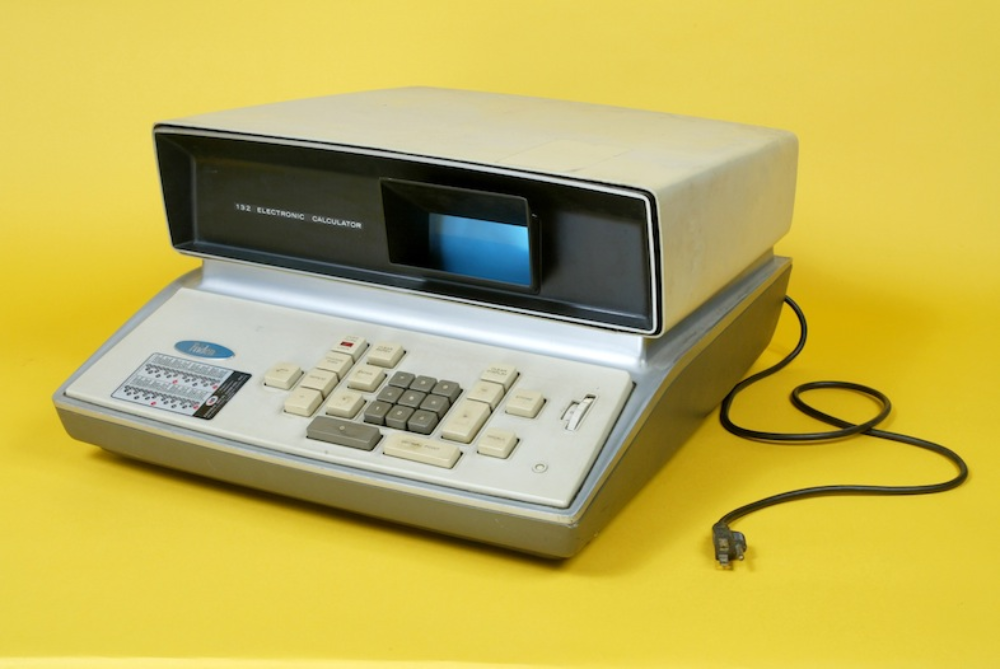
Introduced in 1964, this groundbreaking desktop unit was one of the first calculators to replace mechanical gears with solid-state transistors and a tiny cathode-ray tube screen. It cost nearly $2,200 at launch, displaying four lines of green glowing numbers that mesmerized financial analysts used to noisy hand-cranked adding machines.
Explore more old technology stories:
Taking a look at these heavy mechanical marvels shows just how much physical effort went into doing business before the digital age arrived. While today we handle transactions and correspondence with a quick tap on a screen, there is no denying the impressive engineering behind the gears, cranks, and levers that kept mid-century offices moving. If you love taking deep dives into retro technology, vintage lifestyle history, and forgotten pop culture, make sure to explore these 14 Old Technologies That Solved Modern Problems or these 18 Victorian Technologies That Were Shockingly Advanced. You can also check out these 16 Forgotten Technologies That Deserve a Comeback.