
Most people don’t expect a disposable pen, a sticky note, or a simple paperclip to end up in museum collections. Yet some of the world’s most recognizable design icons were never created to become cultural symbols. They simply solved everyday problems so effectively that their shapes became impossible to improve, proving that great design isn’t always born from the ambition to create something iconic. Sometimes, function quietly becomes identity.
1. BIC Cristal
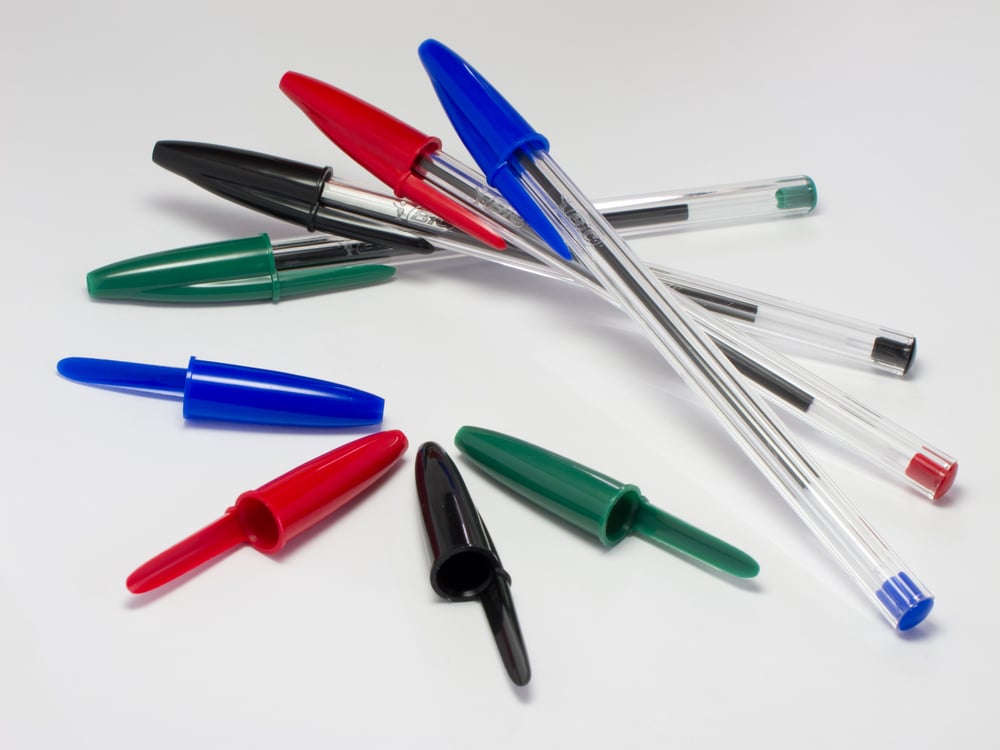
It was designed to be so inexpensive that people wouldn’t think twice about throwing it away. Instead, museums decided it was worth preserving forever. The transparent barrel, blue cap, and hexagonal shape turned the BIC Cristal into one of the world’s most recognizable design icons. Decades later, it still looks almost exactly the way it did when it first appeared because there was very little left to improve.
2. Post-it Note
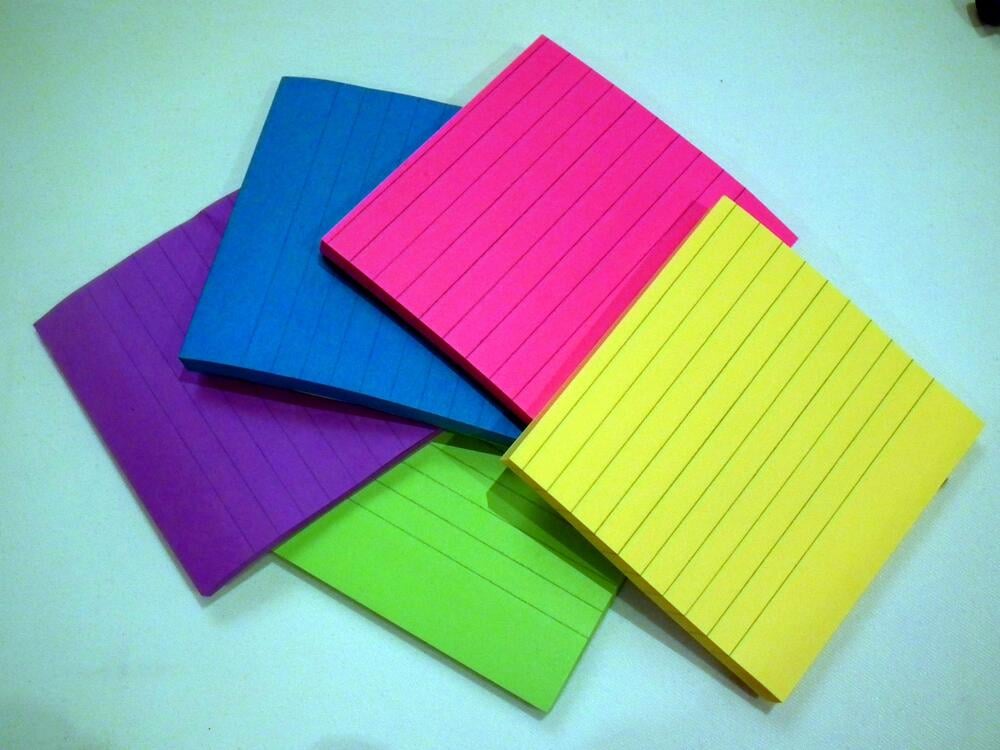
How does a failed glue experiment become one of the most recognizable office supplies ever made? The answer wasn’t inventing a stronger adhesive. It was discovering the perfect use for a surprisingly weak one. Once paired with a small yellow square of paper, the Post-it transformed an accident into an object whose simple shape is instantly recognized almost anywhere in the world.
3. GEM Paperclip
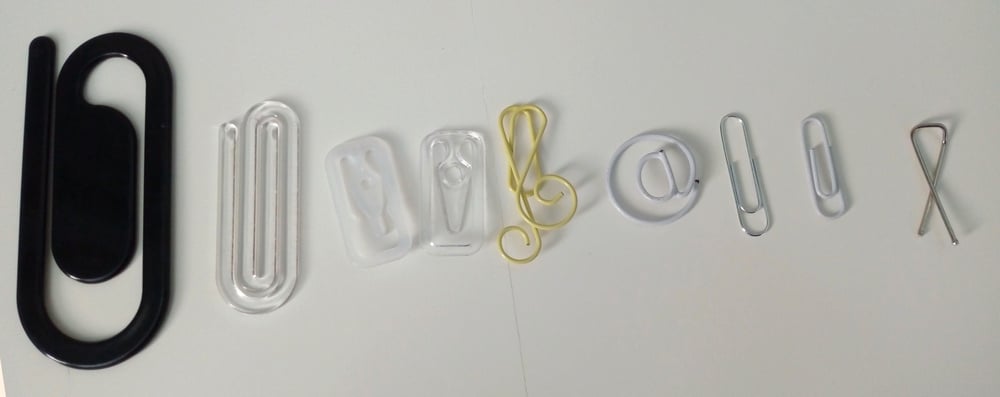
Few objects have changed so little while accomplishing so much. The GEM paperclip solved the problem of holding papers together with nothing more than a few carefully bent loops of wire. Its form proved so effective that even computers later borrowed its silhouette as the universal symbol for attaching a file, giving one tiny piece of metal an unexpected second life in the digital world.
4. Swiss Army Knife
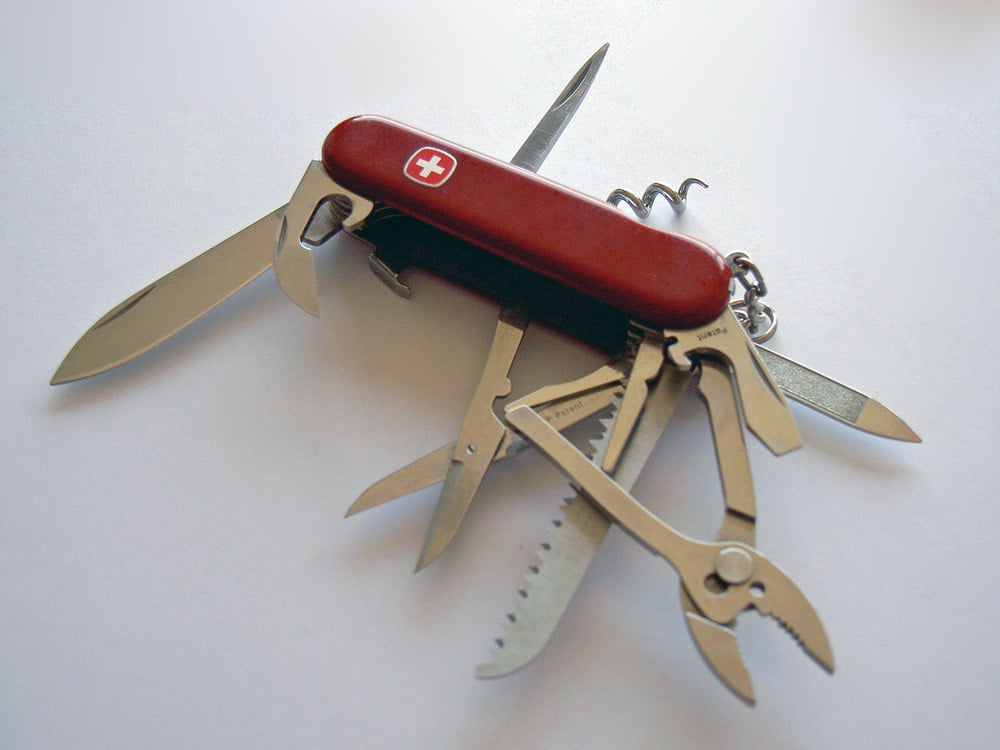
What began as a practical military tool eventually became something much bigger than a pocketknife. The bright red handle, compact folding body, and collection of hidden tools created an object people immediately recognized, even before seeing the famous cross logo. Over time, versatility itself became the knife’s identity, turning pure function into timeless design.
5. Coca-Cola Contour Bottle
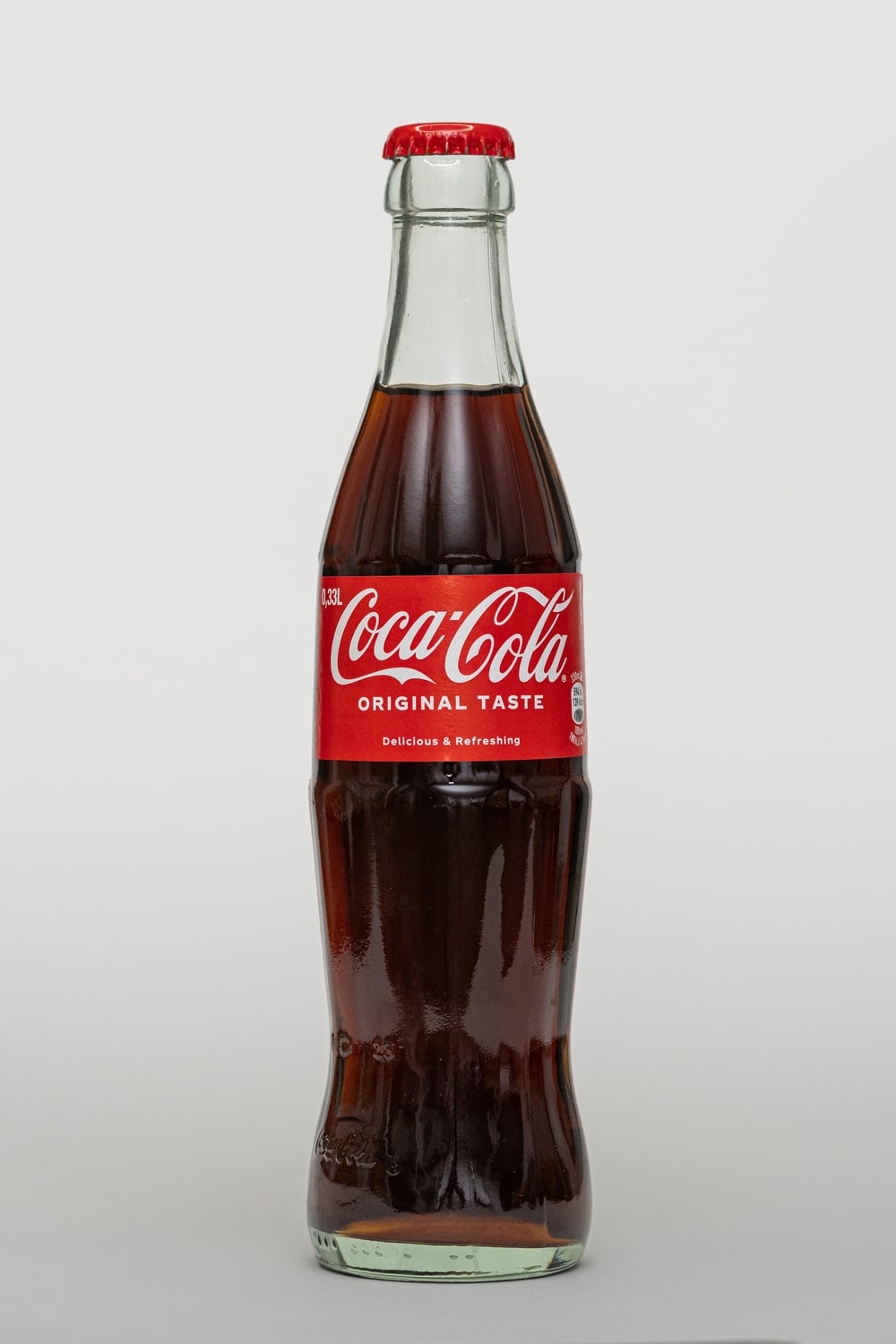
Long before branding experts talked about visual identity, Coca-Cola had already found a container people could recognize by shape alone. The famous contour bottle became so distinctive that it remained identifiable even without its label, proving the package itself could become just as memorable as the drink inside. It’s one of the rare cases where the container grew into a cultural icon alongside its contents.
Trending on The Scroller


6. Vespa
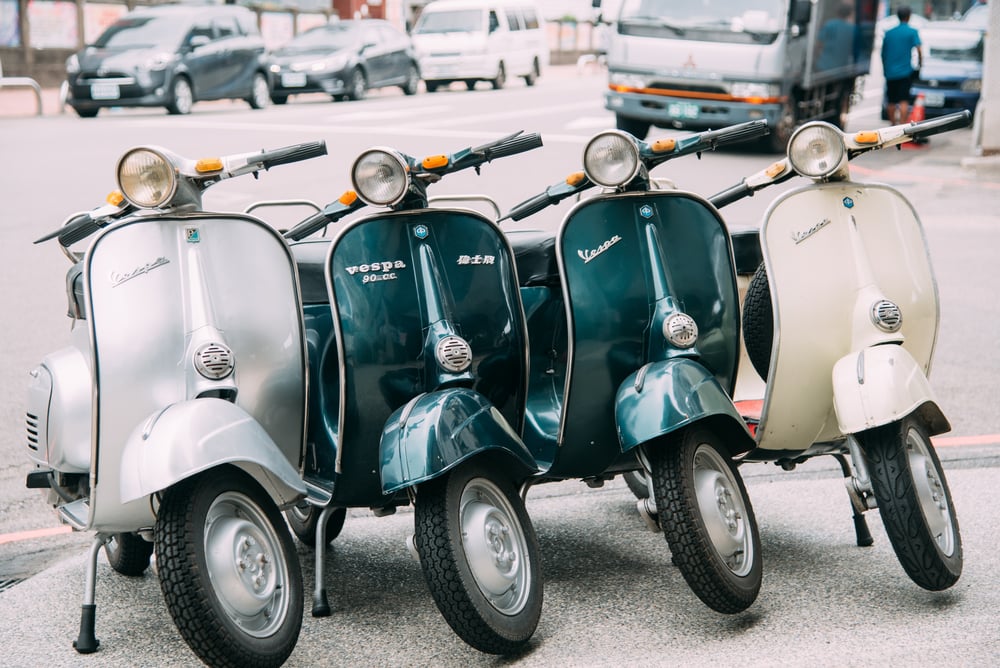
The Vespa was created to solve a practical transportation problem in postwar Italy, not to become a fashion statement. Its step-through frame, enclosed mechanics, and elegant curves made everyday commuting simpler, but those same functional choices gave it a silhouette people instantly recognized. Before long, the scooter represented far more than transportation. It became shorthand for Italian style itself.
7. Polaroid SX-70
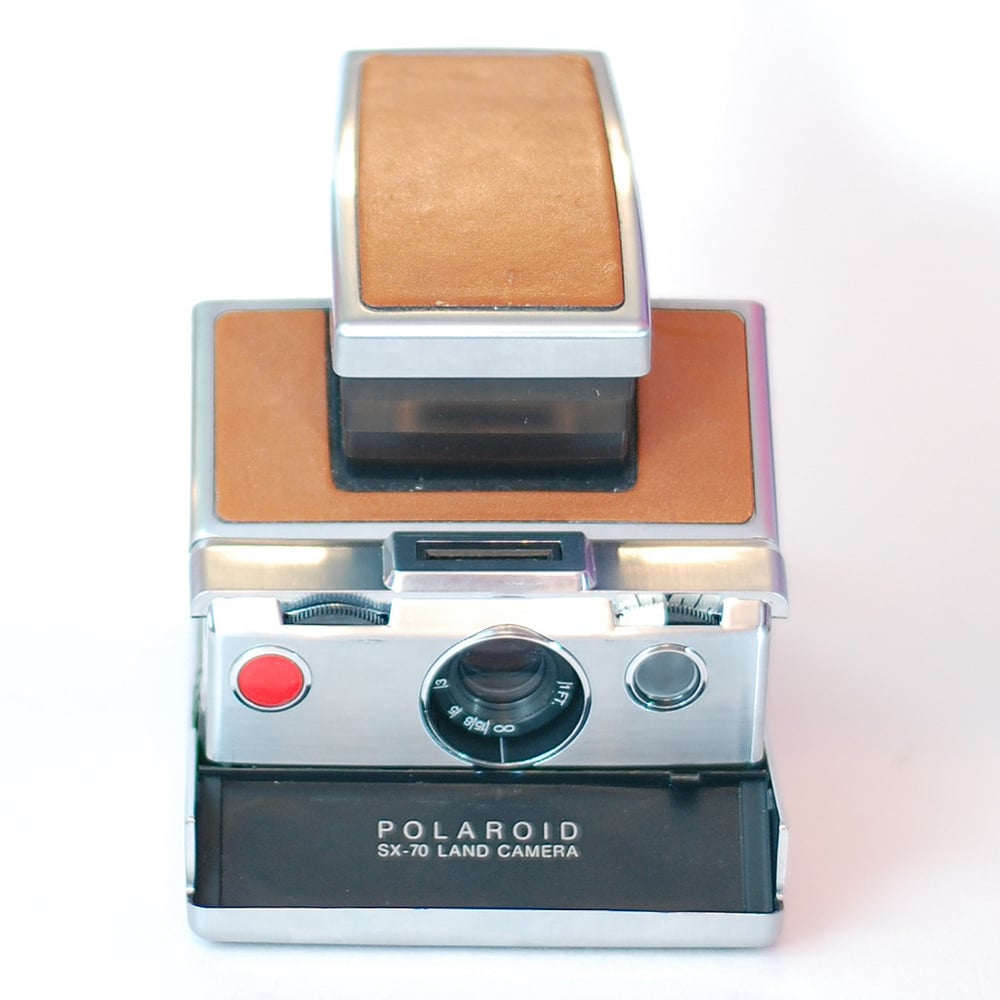
Some cameras are remembered for the photos they took. The SX-70 became famous because people admired the camera itself almost as much. Its ingenious folding design transformed a bulky instant camera into a slim, elegant object that felt years ahead of its time. Even today, collectors often display the camera as proudly as the photographs it produced.
8. Zippo Lighter

Can an object become iconic because of the way it sounds? The Zippo proved it could. The metallic click of the lid opening and snapping shut became just as recognizable as its rectangular shape. Long before people saw the flame, they often knew exactly what object was being held simply by hearing that unmistakable sound.
Sign up for our newsletter
9. Rubik’s Cube
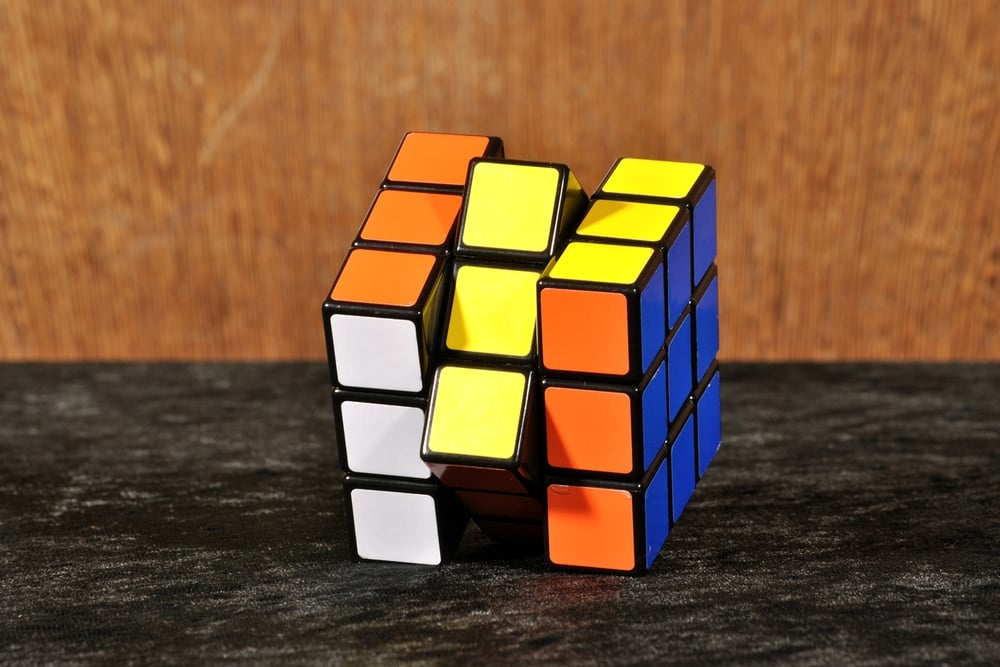
Originally developed as a teaching tool to help explain three-dimensional movement, the Rubik’s Cube quickly escaped the classroom. Six bright colors separated by a black grid became one of the most recognizable visual patterns in modern culture. Even scrambled, the cube is instantly identifiable, proving that a puzzle can become a design icon without changing its appearance for decades.
10. LEGO Brick
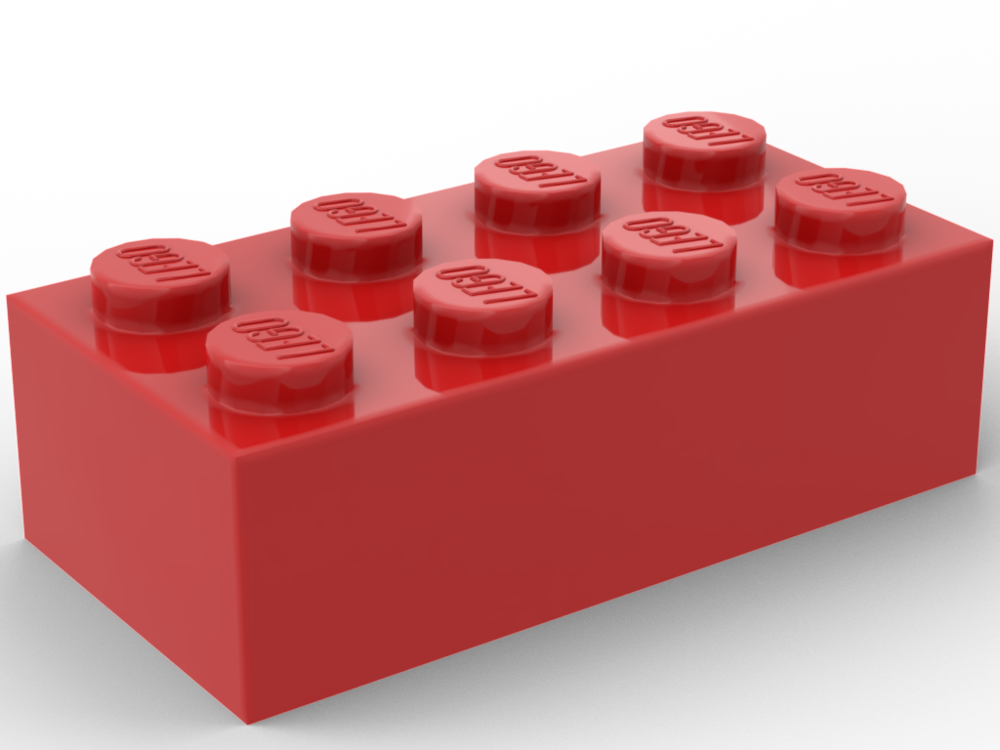
The most important part of LEGO was never the castles, spaceships, or pirate ships. It was the little brick that made all of them possible. Its simple interlocking design proved so effective that generations of children could combine pieces made decades apart. Few everyday objects have remained so visually consistent while inspiring such limitless creativity.
11. Anglepoise Lamp
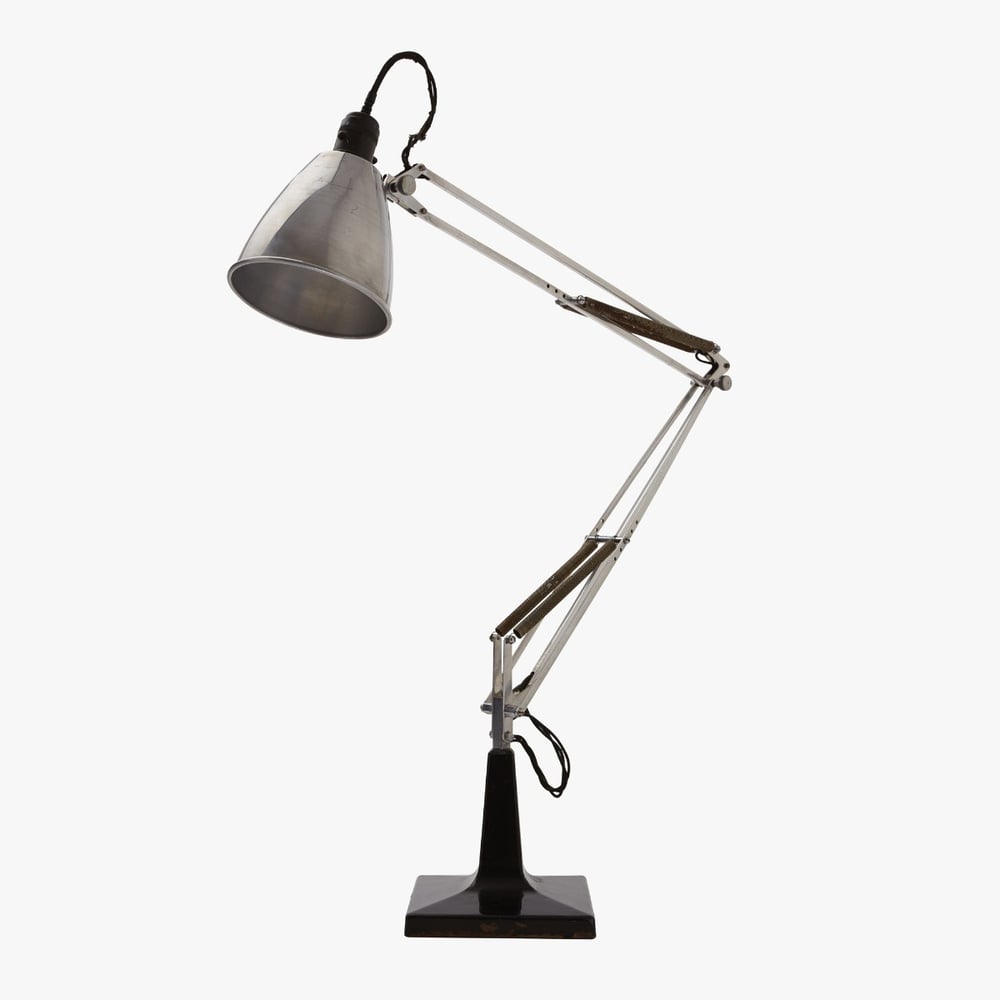
The secret behind the Anglepoise lamp wasn’t decoration. It was engineering. Its spring-loaded arms and balanced joints allowed the lamp to stay exactly where you positioned it with almost no effort. Those mechanical necessities accidentally created one of the most recognizable silhouettes in industrial design, proving that the smartest engineering often ends up looking beautiful.
12. Converse Chuck Taylor All Star
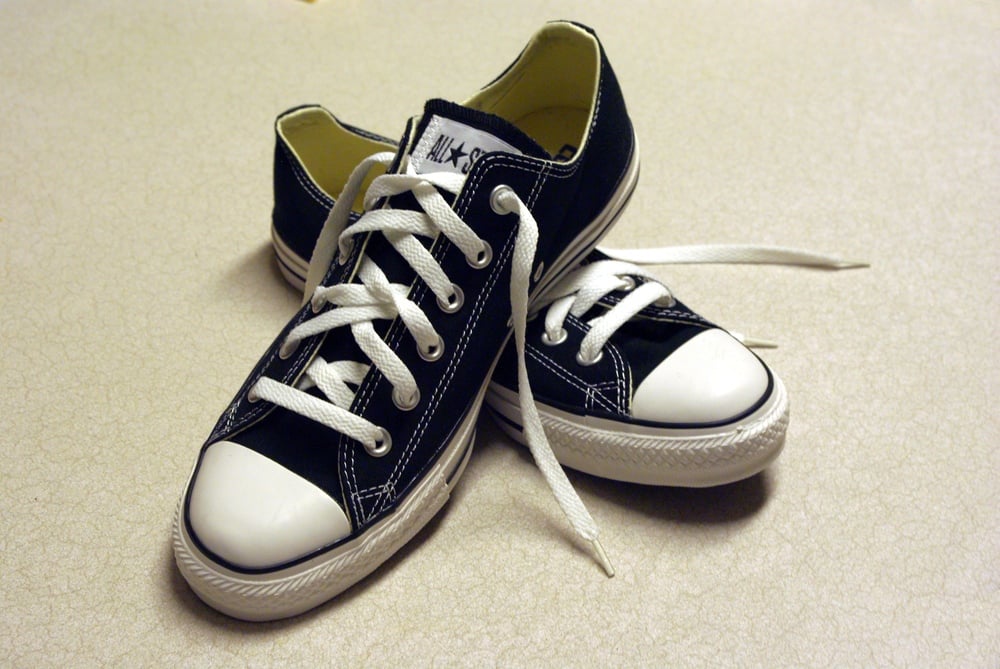
How does a basketball shoe outlive generations of basketball players? By becoming something much bigger than sports. The Converse Chuck Taylor’s canvas upper, rubber toe cap, and unmistakable high-top silhouette were originally built for the court, but musicians, artists, skaters, and countless subcultures eventually made the shoe their own without changing its essential design.
13. Ray-Ban Aviators
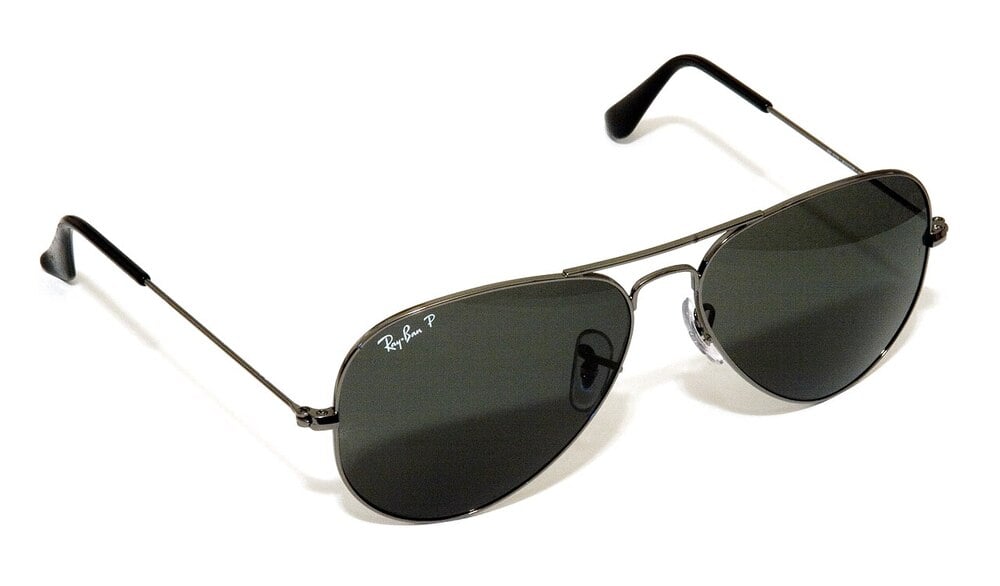
The teardrop-shaped lenses weren’t created to start a fashion trend. They were developed to help military pilots reduce glare while maintaining a wide field of vision. Those practical requirements accidentally produced a silhouette that escaped the cockpit and became one of the most recognizable styles of sunglasses ever made. Function quietly evolved into fashion.
14. Red Solo Cup

Few disposable objects have become so culturally permanent. The Red Solo Cup was designed to serve drinks at parties, not to symbolize them. Yet its bright red color, ribbed sides, and familiar shape became so deeply associated with celebrations that the cup now appears in movies, television shows, and countless backyard gatherings across America.
15. Fender Stratocaster
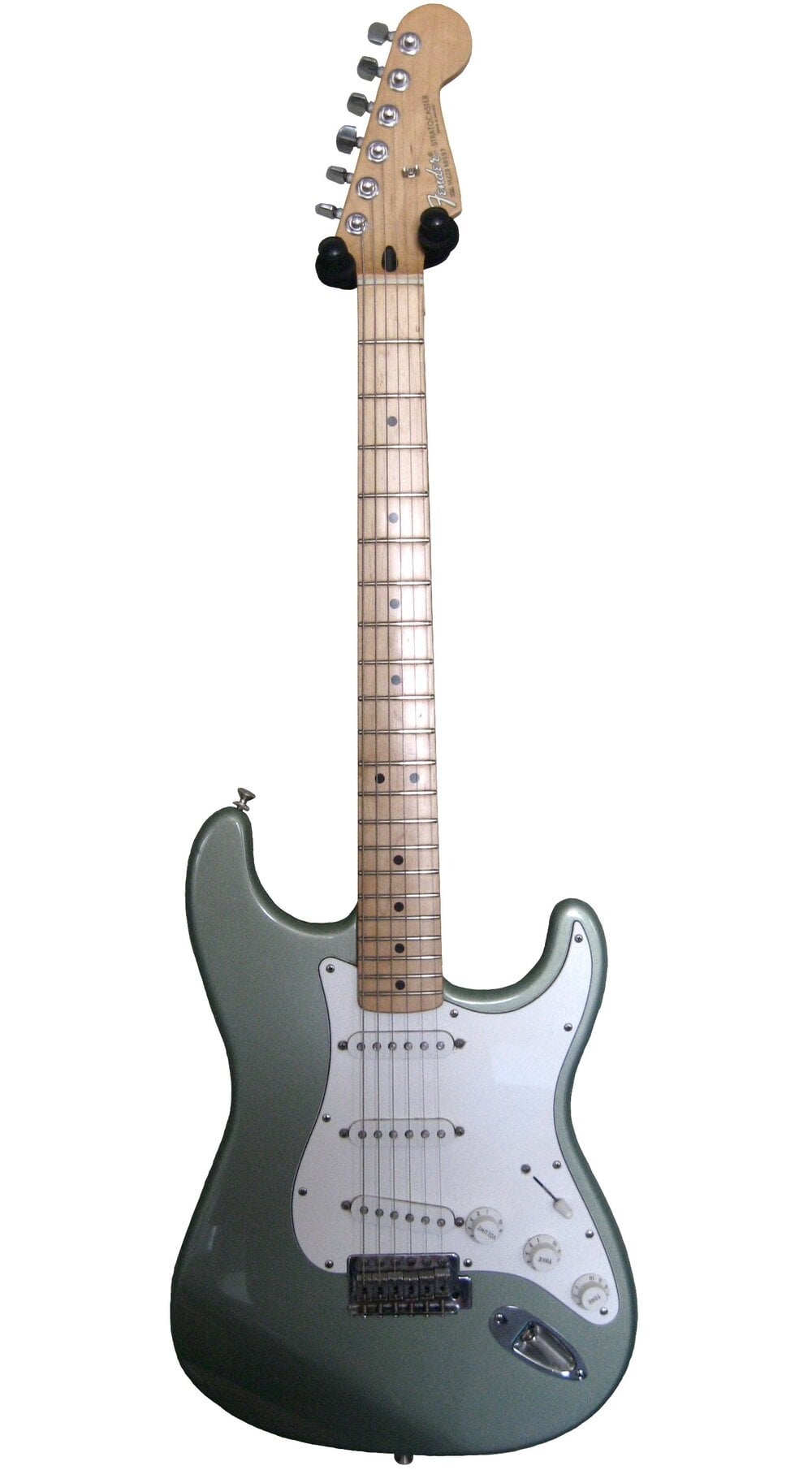
Could you recognize a guitar just by its outline? Millions of people can. The Stratocaster’s double-cutaway body, sweeping curves, and balanced proportions became so distinctive that the silhouette alone often communicates “electric guitar,” even with the logo removed. The shape designed for comfort and performance eventually became an icon in its own right.
16. iMac G3
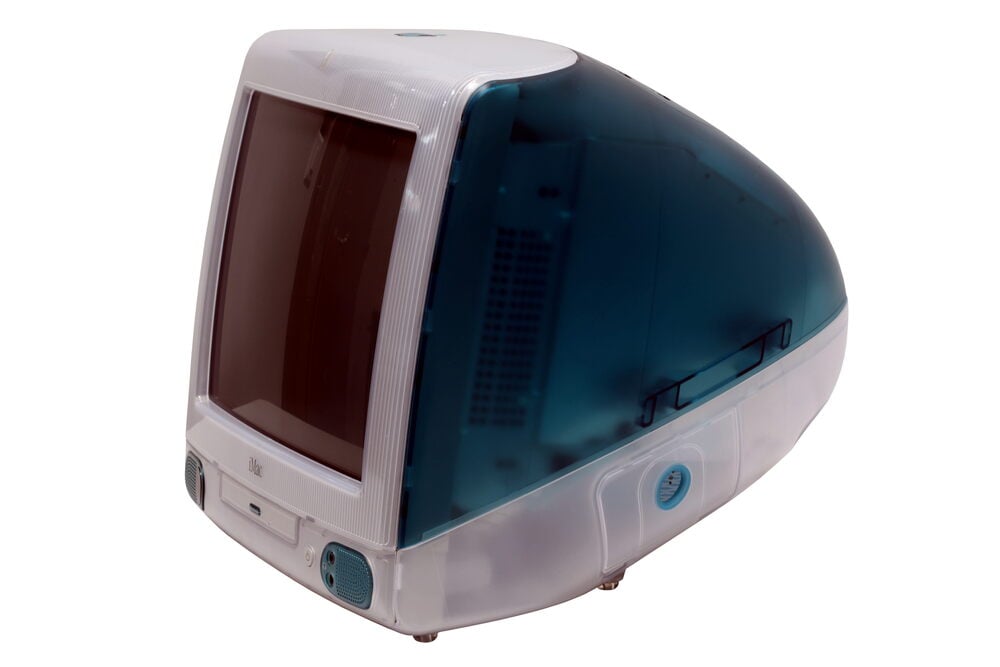
Most home computers in the 1990s were forgettable beige boxes that people tried to hide under a desk. Then the iMac G3 arrived and completely changed the conversation. Its colorful translucent shell transformed the computer into something worth displaying, proving that everyday technology could become part of a room’s personality instead of something people wanted to conceal.
17. Nintendo Game Boy
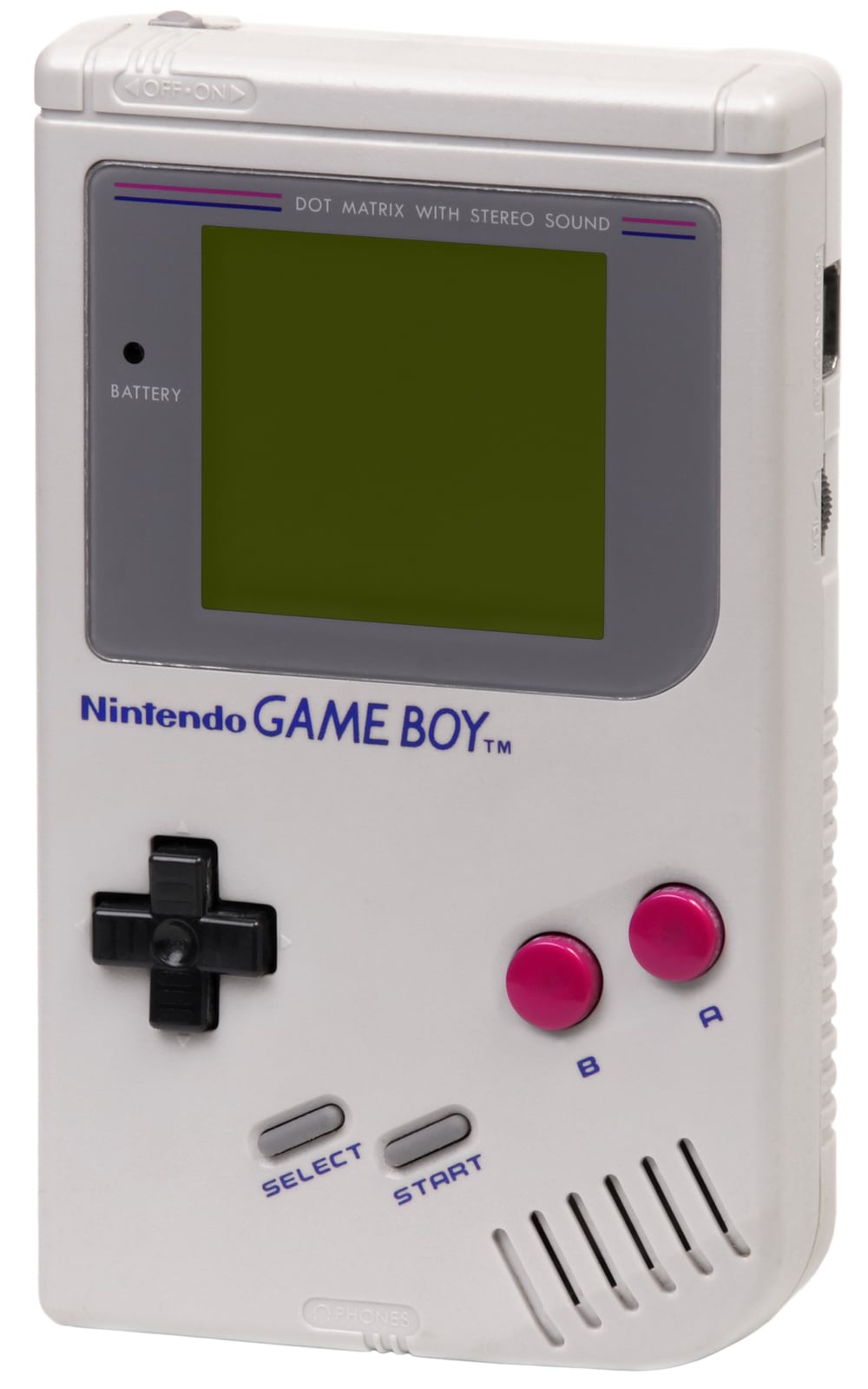
How does a simple gray handheld console become the face of an entire generation? It wasn’t because it had the biggest screen or the most advanced graphics. The Game Boy’s familiar D-pad, greenish display, and chunky plastic body became the visual template for portable gaming, making its silhouette instantly recognizable even decades after its release.
18. Shopping Cart
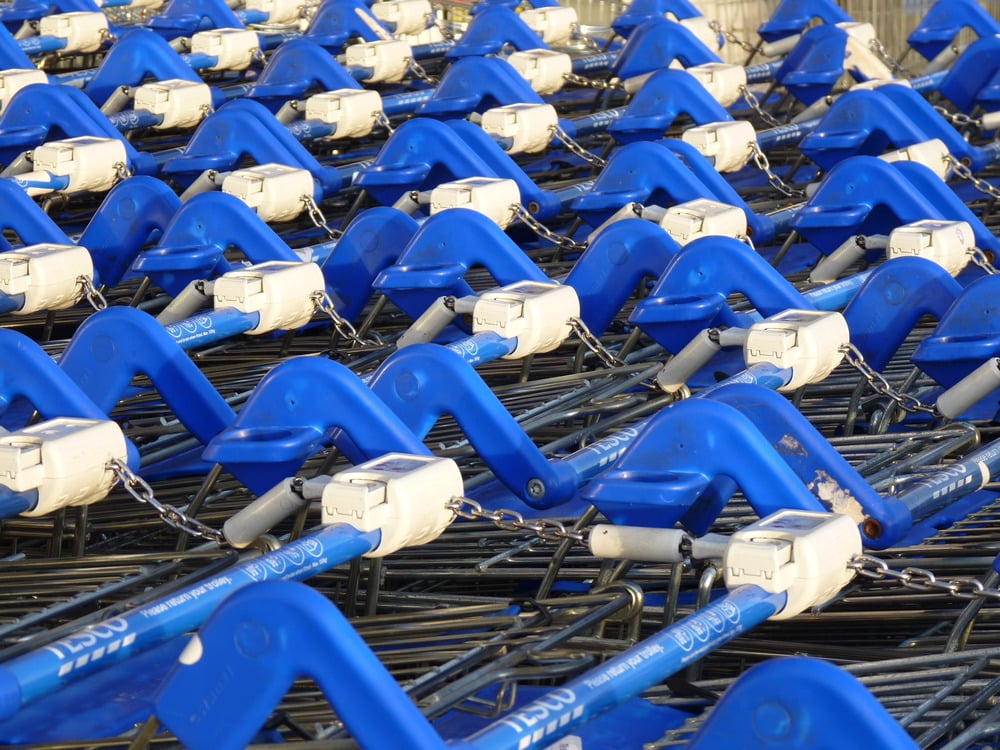
Few objects have changed shopping more while receiving so little attention for their design. The nested wire basket on wheels solved a practical problem so effectively that its basic form spread to supermarkets around the world with remarkably few changes. Sometimes the strongest design icons aren’t the ones displayed behind museum glass. They’re the ones millions of people use every week without giving their design a second thought.
The most enduring design icons rarely begin with the goal of becoming famous. They start by solving ordinary problems with unusual clarity, and over time their forms become so familiar that people recognize them instantly without needing a logo or even a name. When a functional solution proves timeless, the solution itself becomes the design.
Keep Exploring The Scroller
Great design isn’t always loud, expensive, or created by world-famous designers. Sometimes the most remarkable objects are the ones hiding in plain sight, quietly shaping everyday life for generations. Keep exploring The Scroller for more surprising stories behind the products, inventions, and ideas you thought you already knew:
19 Product Designs That Passed Quality Control And Should Not Have