Car safety features have a funny history. Many ideas that now seem completely ordinary were once dismissed as annoying, unnecessary, expensive, or even an attack on personal freedom.
Drivers complained about being strapped into their seats, buzzers telling them what to do, computers interfering with braking, and lights that seemed to serve no purpose. A few decades later, many of those same features are so deeply built into modern cars that driving without them can feel strangely unsafe.
1. Seat Belts
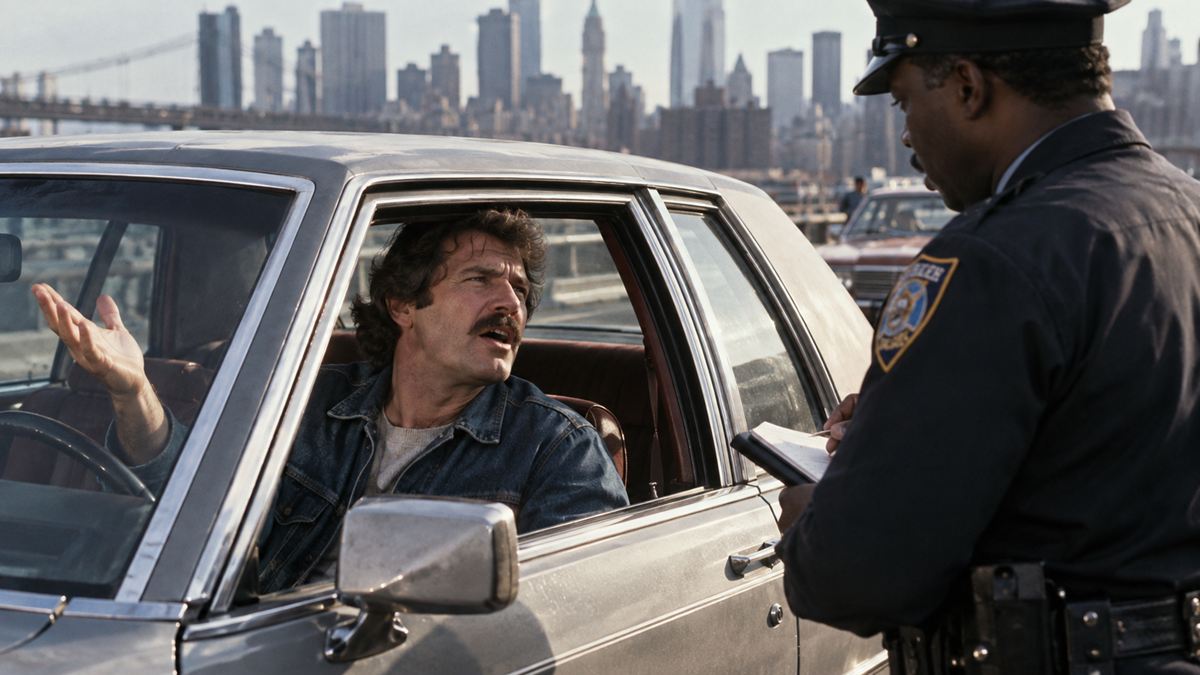
Few safety devices faced a backlash quite like the seat belt. Early belts were criticized as uncomfortable, inconvenient, and even dangerous by people who believed being thrown clear of a crash was preferable to being restrained inside the car. Opposition became even louder when governments began requiring their use, with mandatory belt laws framed by some motorists as an intrusion on personal freedom. New York became the first U.S. state to enact a mandatory front-seat belt law in 1984, and similar debates played out around the country.
2. Seat Belt Warning Chimes
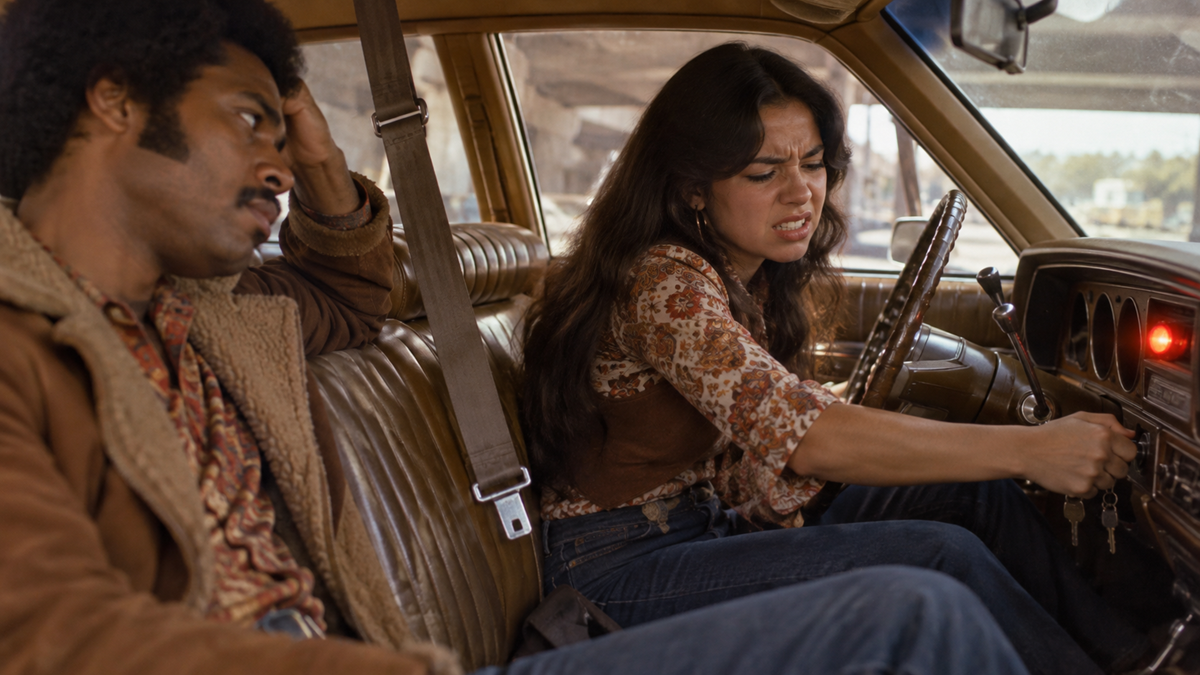
Actually installing seat belts was one thing. Having the car nag you about them was another. The warning buzzers and lights that appeared in the 1970s irritated drivers enough, but the 1974 ignition interlock system, which could prevent a car from starting until front occupants buckled up, produced a spectacular backlash. Congress responded to the public anger by effectively killing the federal interlock requirement later that year.
3. Airbags
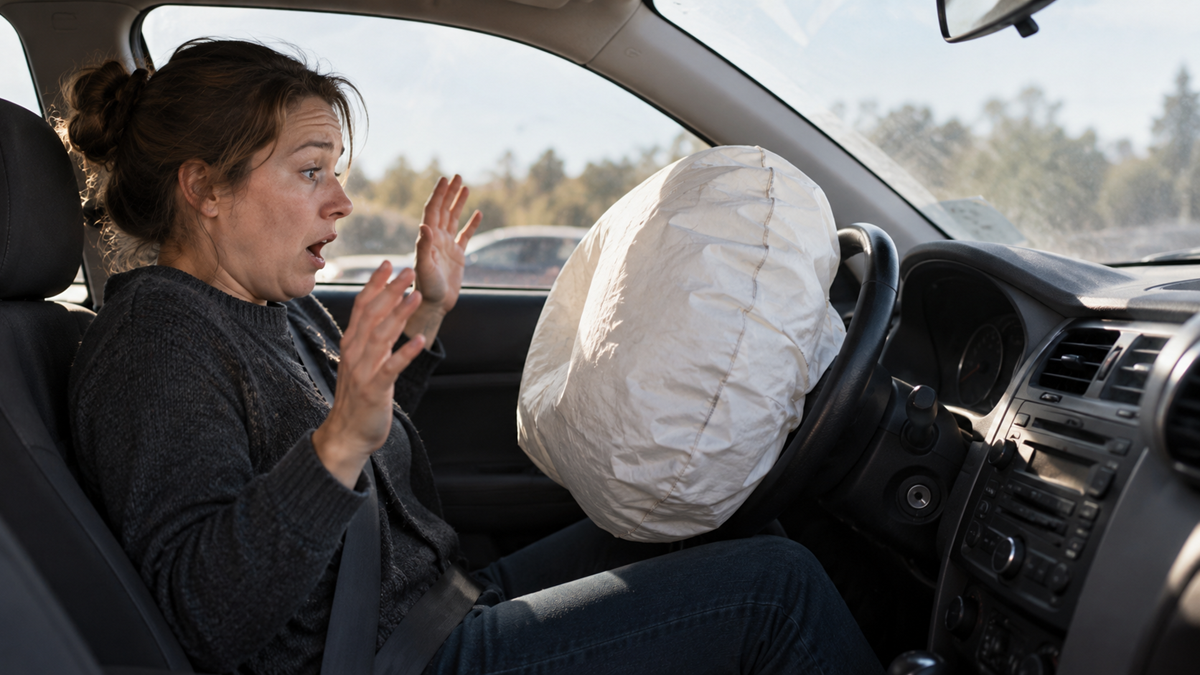
Early airbags were hardly greeted as an obvious breakthrough. They added cost, required unfamiliar hardware behind dashboards and steering wheels, and were caught up in a long political fight over whether cars should rely on belts, airbags, or passive restraint systems. Experimental and limited-production airbag-equipped cars appeared in the United States during the 1970s, but widespread adoption took much longer. Today, a car arriving without multiple airbags would seem startlingly incomplete.
4. Anti-Lock Brakes

The pulsing brake pedal of an early ABS-equipped car could be genuinely alarming if you had never felt it before. Some drivers released the pedal because they assumed the vibration meant something was broken, while others simply distrusted a computer taking control of braking pressure. Studies later found widespread misunderstanding about how ABS worked, including drivers who did not even know whether their own cars had it.
5. Head Restraints

Head restraints did not initially feel like safety equipment to everyone. Drivers complained that they interfered with comfort and visibility, and adjustable versions were frequently left too low to provide their intended protection. One observational study in the 1990s found that only about 10 percent of drivers had their head restraints positioned in the most favorable way for reducing neck extension in a rear crash.
Trending on The Scroller
6. Child Safety Seats
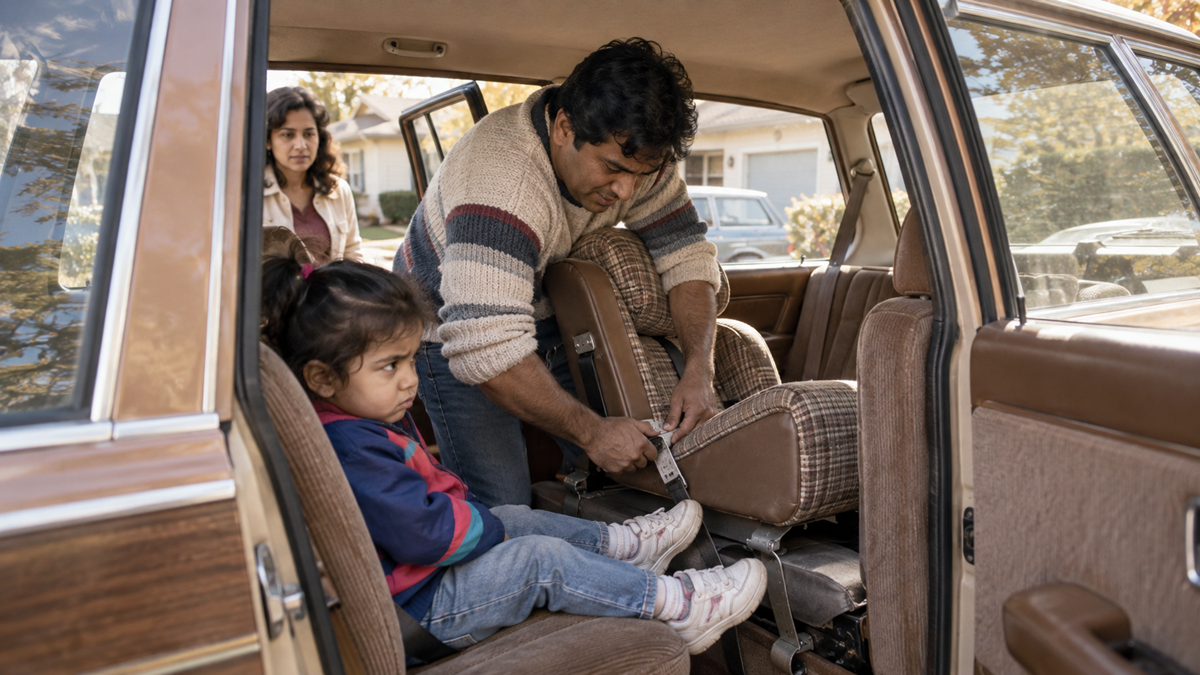
For generations, children simply sat on seats, stood between them, or rode on an adult’s lap. Requiring a separate restraint looked cumbersome to plenty of parents, especially when early child-seat rules varied widely, and cars were not designed around easy installation. Evidence supporting child restraints existed in the early 1970s, yet it took until the mid-1980s for every U.S. state to have a child-restraint law.
7. The Third Brake Light

That extra red lamp high in the rear window once looked like unnecessary clutter. The center high-mounted stop lamp became required on new U.S. passenger cars beginning with the 1986 model year, giving following drivers a brake signal that was easier to spot through traffic. Later research found cars with the added lamp experienced fewer rear-end collisions than comparable earlier models.
8. Daytime Running Lights
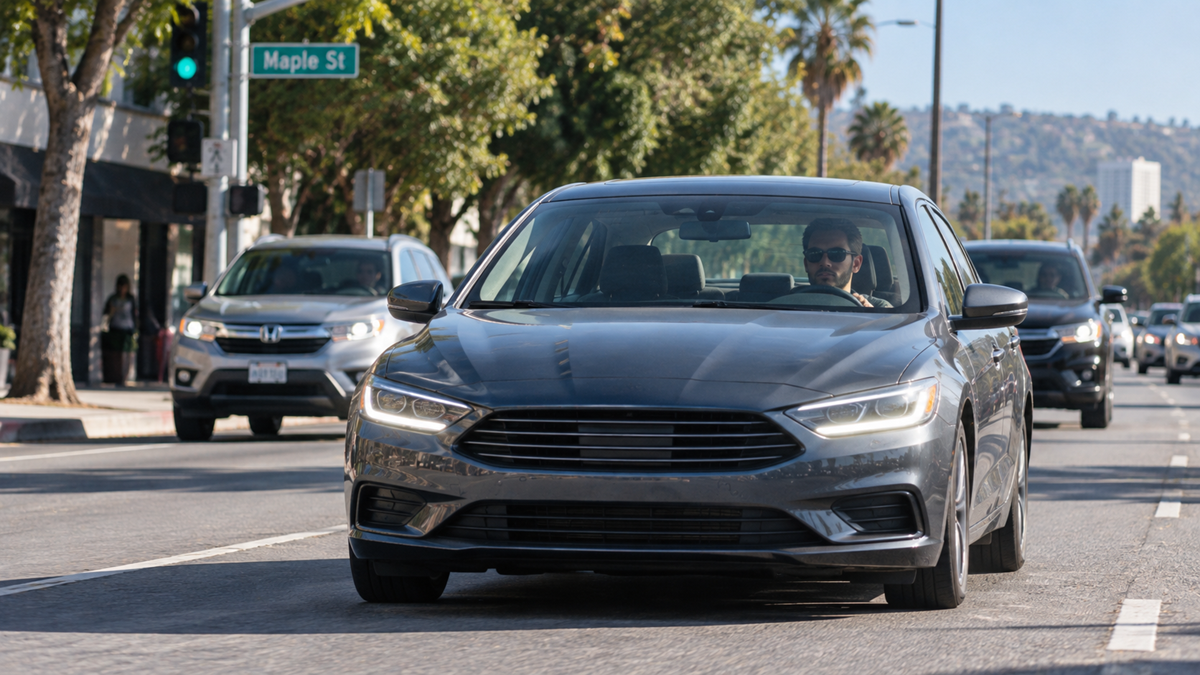
Keeping lights on when the sun was shining sounded ridiculous to some drivers. Critics complained about glare, unnecessary bulb use, and the simple idea of being forced to illuminate a car in broad daylight. Over time, daytime running lights became a familiar sight, particularly after countries including Canada required them on new vehicles. On many modern cars, they are now part of the vehicle’s visual identity as much as its safety equipment.
Sign up for our newsletter
9. Electronic Stability Control
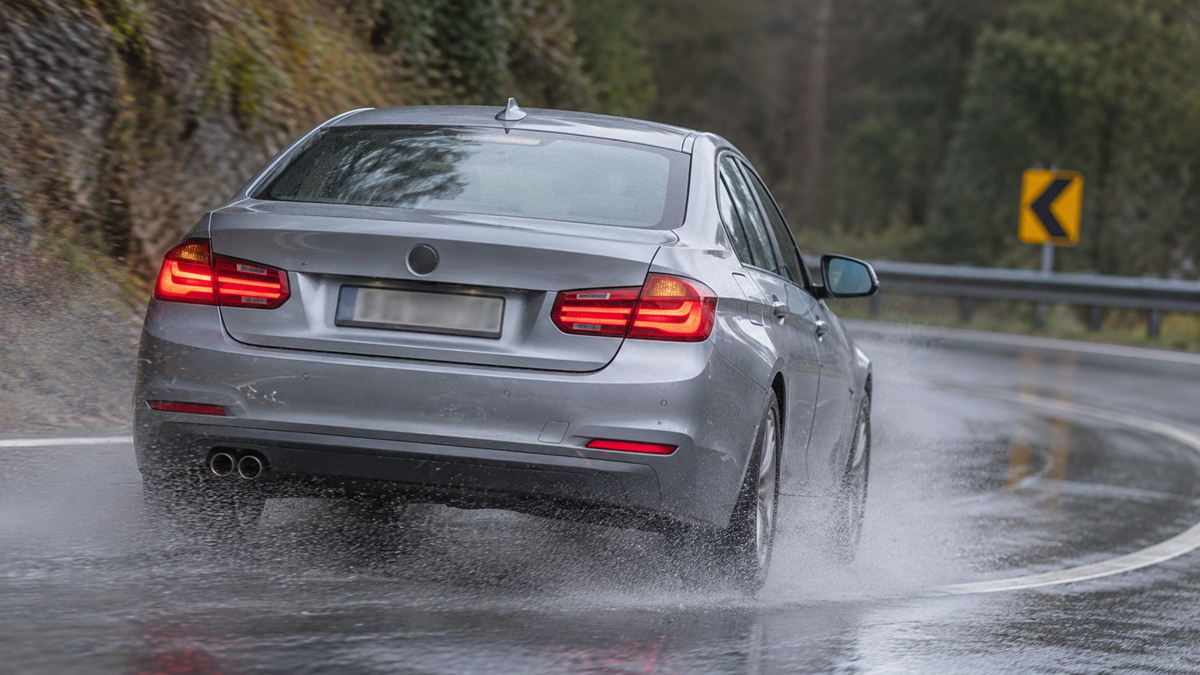
Enthusiastic drivers were not always thrilled about a computer cutting power or applying individual brakes when it detected a slide. To someone deliberately pushing a car through a corner, early stability systems could feel intrusive and clumsy. The technology became far more sophisticated, however, and its ability to help recover from a developing skid turned it into one of the most important electronic safety systems in modern vehicles.
10. Tire Pressure Monitoring
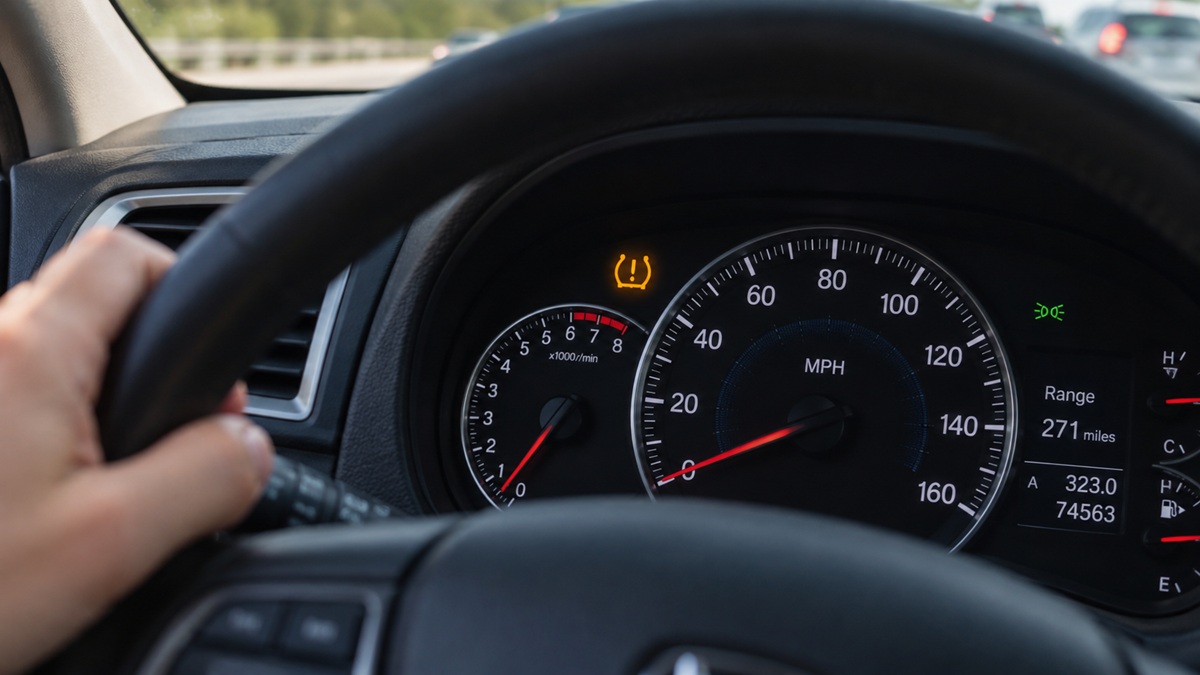
Anyone who has dealt with a stubborn tire-pressure warning light can understand why TPMS did not instantly win universal affection. Sensors added expense, replacement wheels became slightly more complicated, and drivers sometimes encountered warnings triggered by temperature changes rather than an obvious flat. Yet the little dashboard symbol can reveal a slowly leaking tire long before a driver would otherwise notice it.
11. Backup Cameras
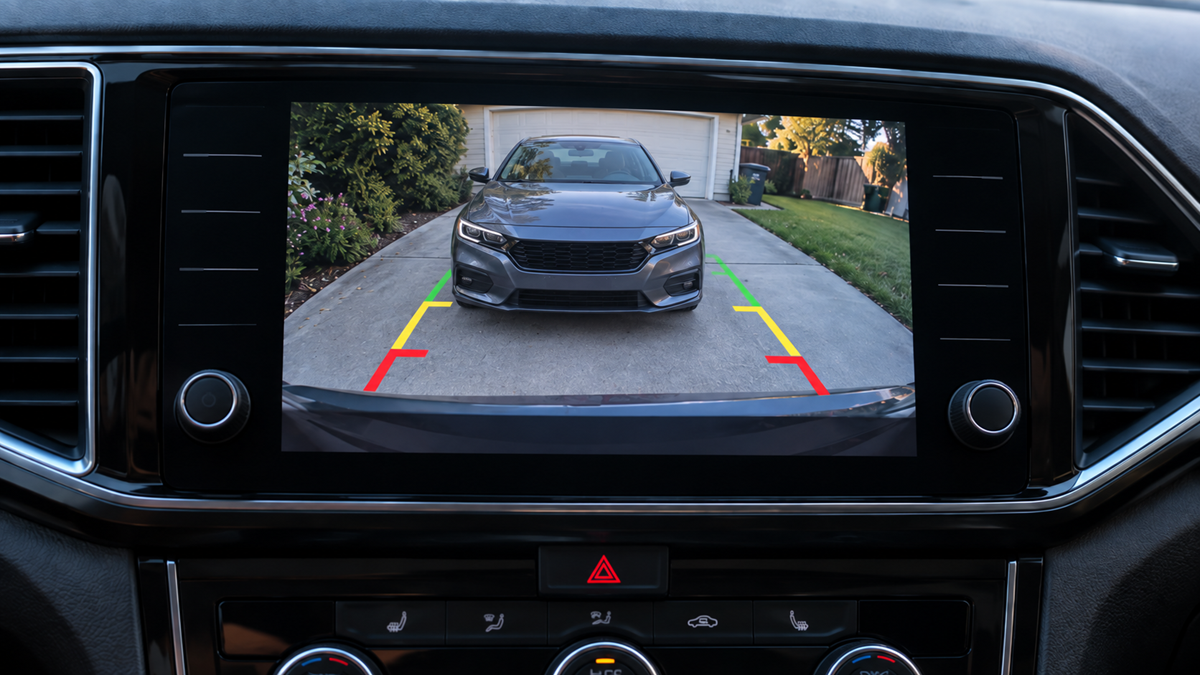
Rearview cameras initially struck some motorists as a luxury for people who had forgotten how to turn their heads. Screens added cost, became dirty, and could make a perfectly competent driver feel oddly dependent on technology. Their real strength, though, was never replacing mirrors or looking backward; it was showing the low area immediately behind a vehicle where a small child, bicycle, pet, or object could disappear completely from view.
12. Blind Spot Monitoring
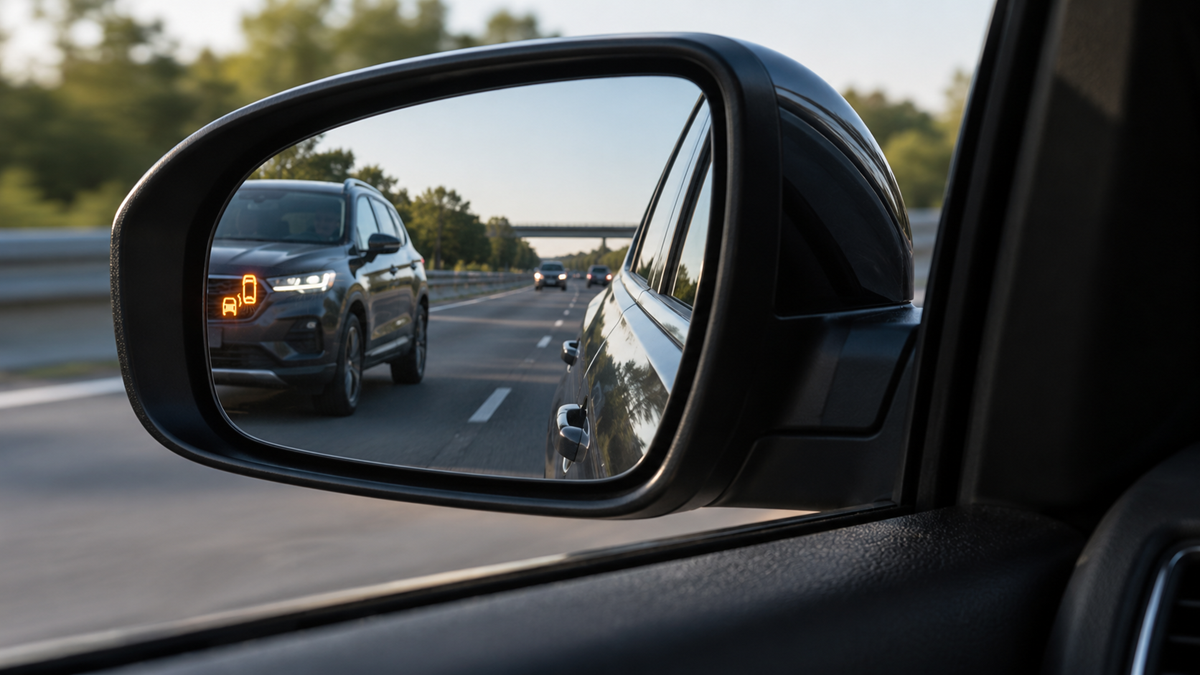
The first time a little orange light appeared in somebody’s side mirror, it was easy to dismiss it as another gadget. Some drivers disliked the alerts, while others worried people would stop checking over their shoulders altogether. Used properly, though, blind spot monitoring provides an extra layer of information in exactly the area where mirrors have always been imperfect.
13. Automatic Emergency Braking
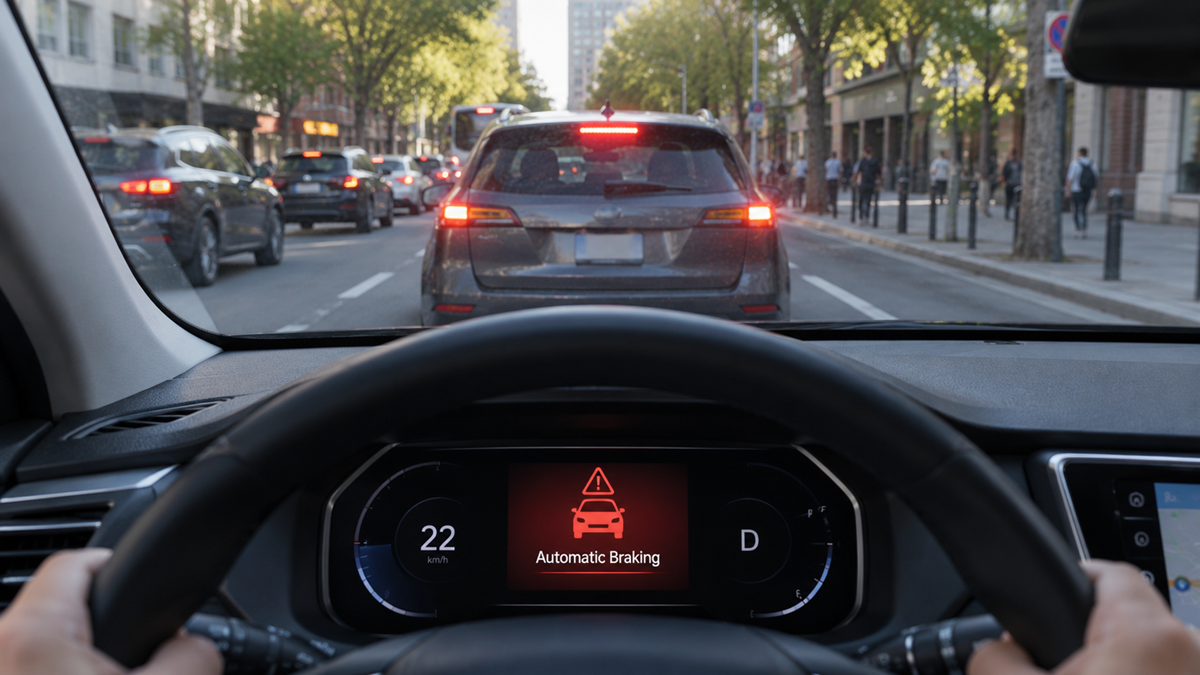
Automatic emergency braking has had one persistent image problem: nobody likes a car deciding to brake on its own. False or overly cautious interventions helped feed that distrust, particularly in earlier systems. But when the technology correctly recognizes a stopped vehicle or another obstacle before a distracted driver reacts, its purpose becomes much harder to argue with.
14. Lane Departure Warning and Lane Keeping Assist
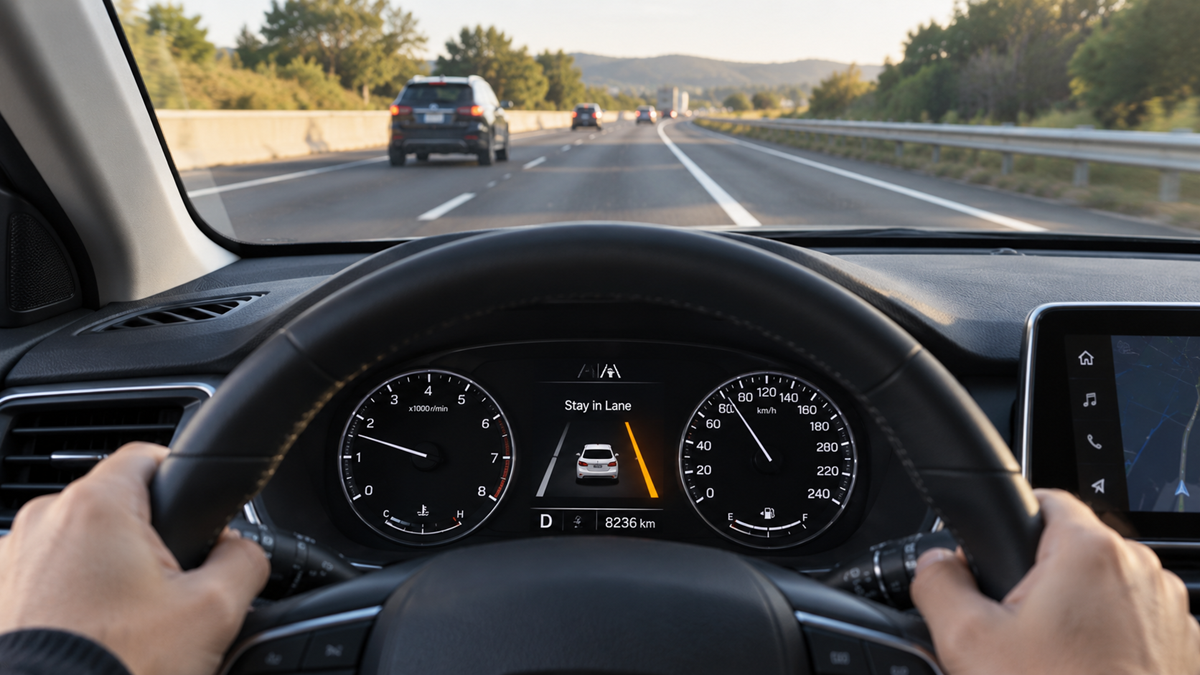
Few modern safety features generate quicker irritation than a steering wheel that vibrates, beeps, or nudges itself because a tire touched a lane marking. Drivers have complained about intrusive corrections on narrow roads, construction zones, and poorly marked pavement. Manufacturers have gradually refined the systems, and the basic idea, warning a drifting or inattentive driver before the car leaves its lane, has become a standard part of many new-car safety packages.
15. Collapsible Steering Columns
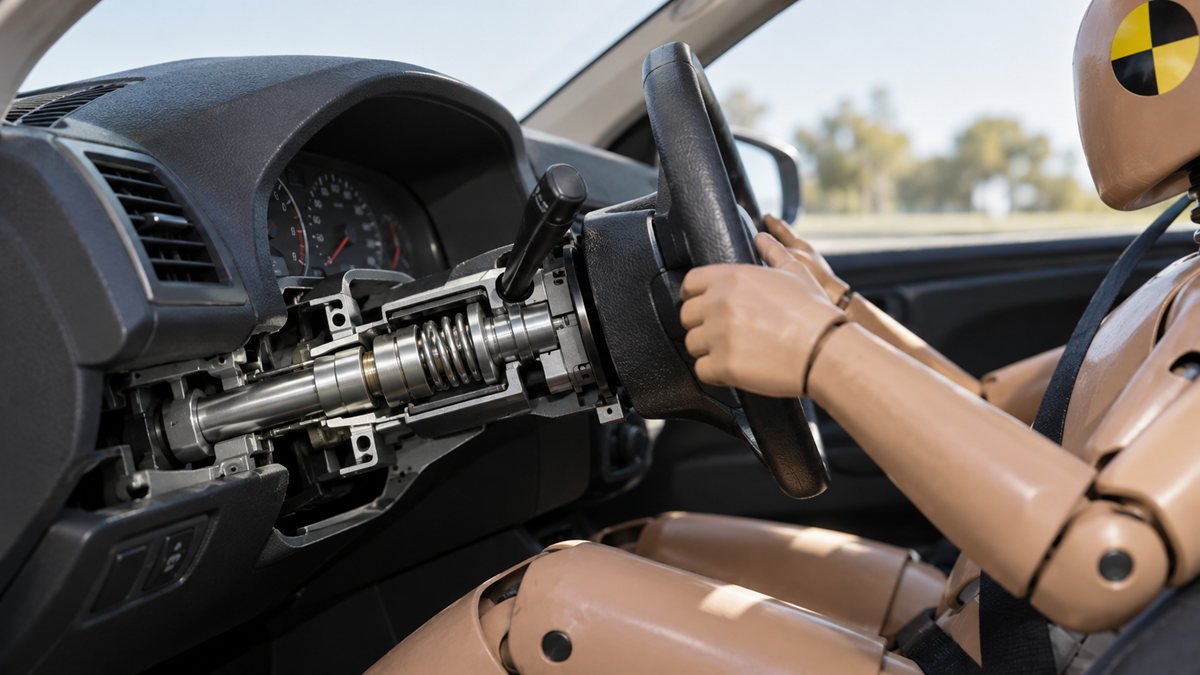
This one was less visible than a seat belt or dashboard warning, which may be why drivers rarely appreciated what changed. Older cars often used rigid steering columns that could transmit enormous force toward the driver during a frontal crash. General Motors began installing energy-absorbing columns in 1967, with other major American manufacturers following soon afterward. What once looked like unnecessary complication became an ordinary piece of crash engineering hidden beneath the dashboard.
In the mood for more?
Check out 16 Tech Gadgets From the 2000s That Felt Futuristic and Are Now Laughable, or take a look at 15 Technology Predictions from the Past That Came True. If you want to see more automotive history, you can check out 16 Vintage Cars With Features That Never Caught On.
Image Credits: The Scroller