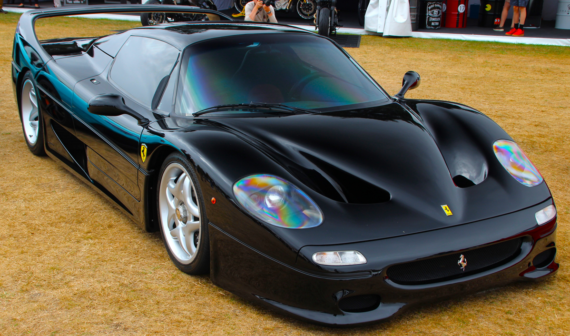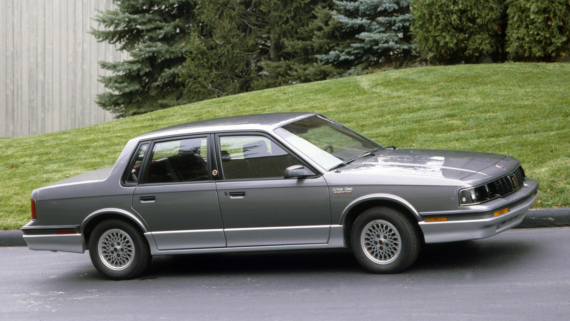
Picture Detroit at the dawn of the Space Age, where car engineers were given free rein to blend jet fighter aesthetics with chrome-laden luxury. The 50s ushered in an era of wild optimism, low gas prices, and rapid suburban expansion, prompting Detroit’s Big Three and independent automakers to compete fiercely for attention on the highway. Instead of playing it safe, designers bolted massive tailfins, glass bubble canopies, and aircraft-inspired instrument panels onto everyday family vehicles.
Stepping onto a dealership showroom floor back then felt like looking straight into a science fiction novel. Drivers were eager to embrace radical experimentation, whether that meant steering a push-button automatic transmission, marveling at wraparound panoramic windshields, or cruising in a two-seater made entirely of fiberglass. Looking back at these iconic cars reveals a golden decade when automobile manufacturers took huge artistic risks that forever changed American road culture. Here are fourteen cars from the 1950s that pushed automotive design to its absolute limits.
1. 1959 Cadillac Eldorado Biarritz
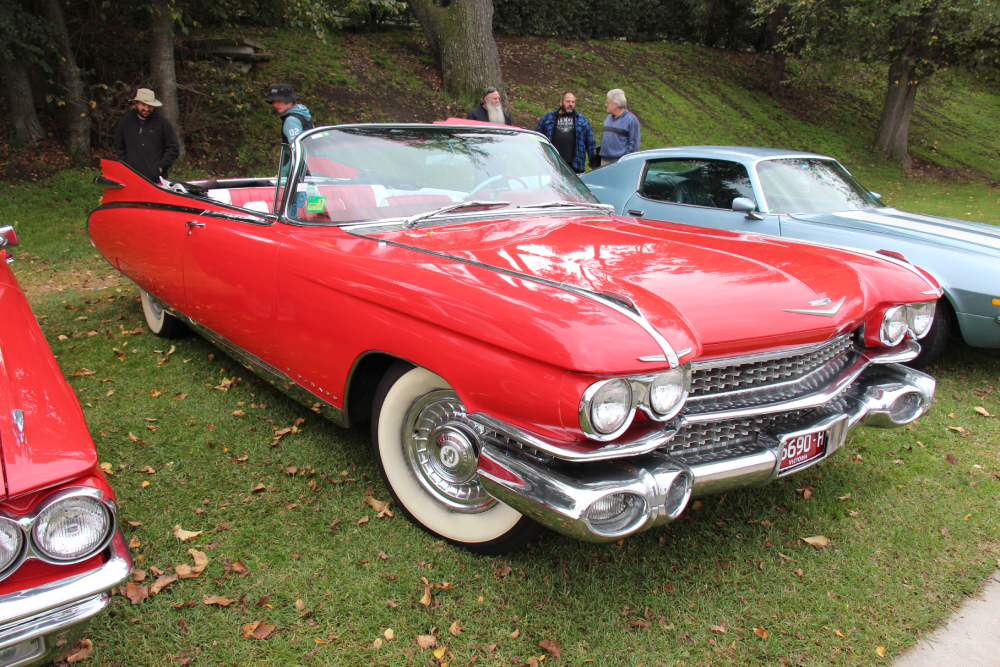
Famous for sporting the tallest and most extravagant tailfins in automotive history, this luxury cruiser featured dual bullet-shaped taillights that towered nearly forty inches off the ground. Designer Harley Earl drew direct inspiration from the Lockheed P-38 Lightning fighter plane, creating an aggressive jet-age silhouette that marked the absolute peak of Detroit’s chrome obsession.
2. 1953 Chevrolet Corvette (C1)
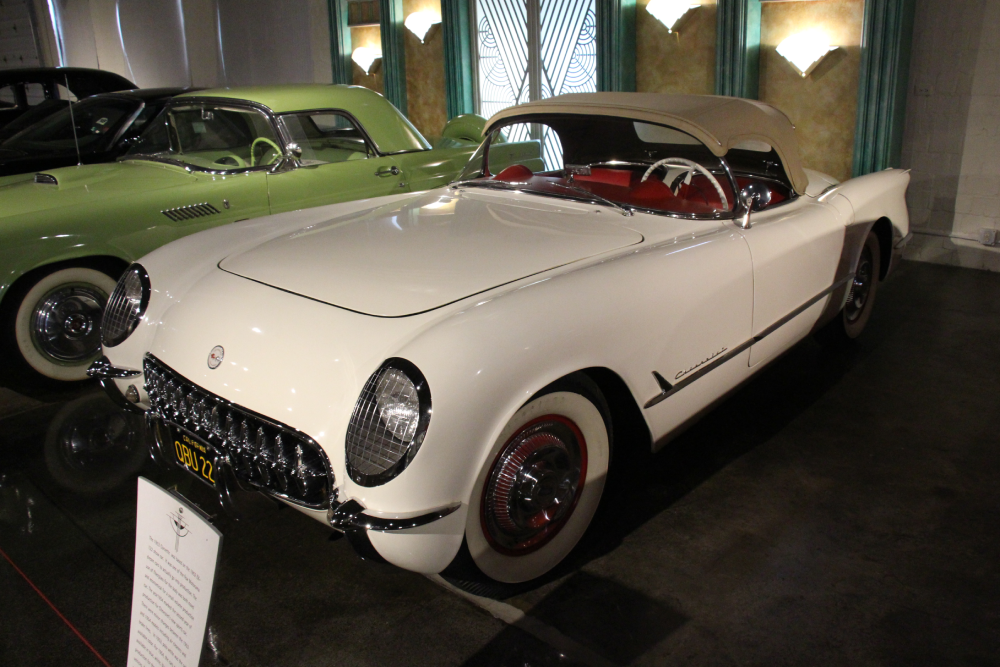
General Motors shocked the industry by producing America’s first mass-market sports car with a lightweight body constructed entirely out of fiberglass rather than traditional steel. Because metal tooling was scarce after World War II, engineers experimented with glass-reinforced plastic, laying the groundwork for a legendary American muscle brand.
3. 1955 Chrysler Imperial
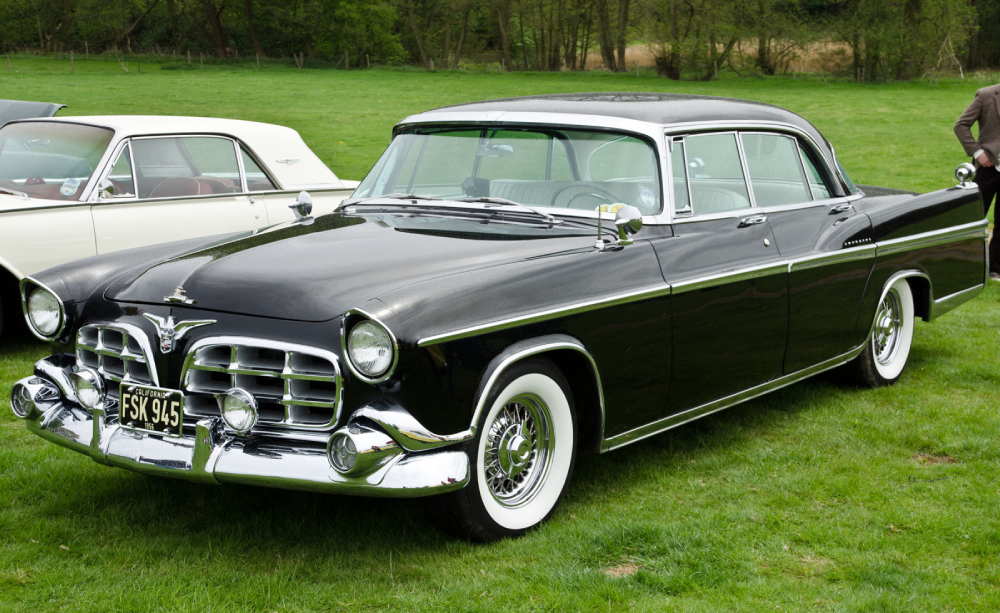
This luxury flagship debuted Chrysler’s revolutionary “Forward Look” styling alongside the “PowerFlite” automatic transmission, which completely eliminated the traditional floor or column gear shifter. Drivers selected gears by simply pressing mechanical buttons built directly into the left side of the dashboard, a futuristic gimmick that fascinated fifties buyers.
4. 1957 Ford Fairlane 500 Skyliner
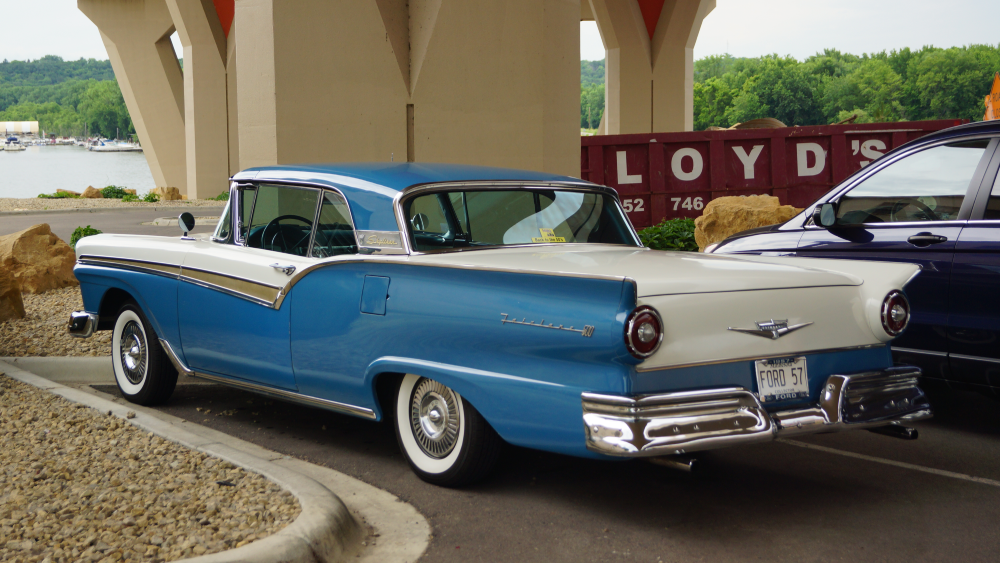
Ford engineers stunned highway drivers by introducing the world’s first mass-produced power-retractable hardtop convertible. Utilizing seven electric motors, ten solenoids, and nearly two hundred feet of electrical wiring, the massive steel roof folded neatly in half before sliding completely into the trunk at the flip of a single switch.
5. 1953 Buick Skylark
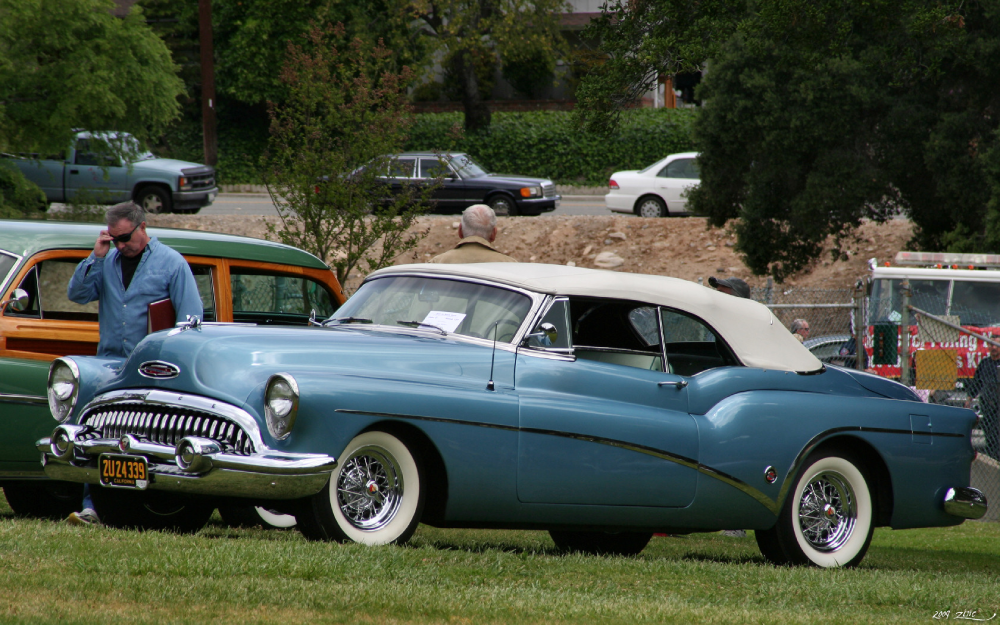
Created to celebrate Buick’s 50th anniversary, this limited-production convertible featured dramatically lowered door cutouts and Italian-style wire wheels that required hand-lacing. Designers purposely cut away the rear wheel wells to showcase the striking chrome wire spokes, making it one of the most glamorous personal luxury vehicles of its time.
Trending on The Scroller

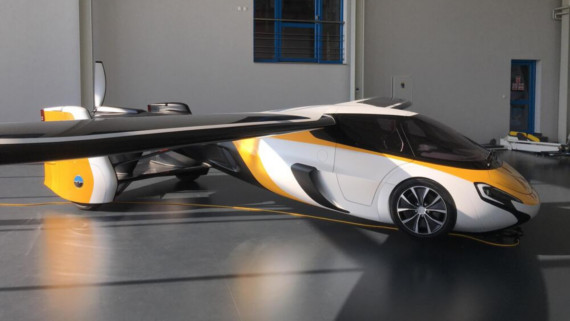
6. 1956 Hudson Hornet
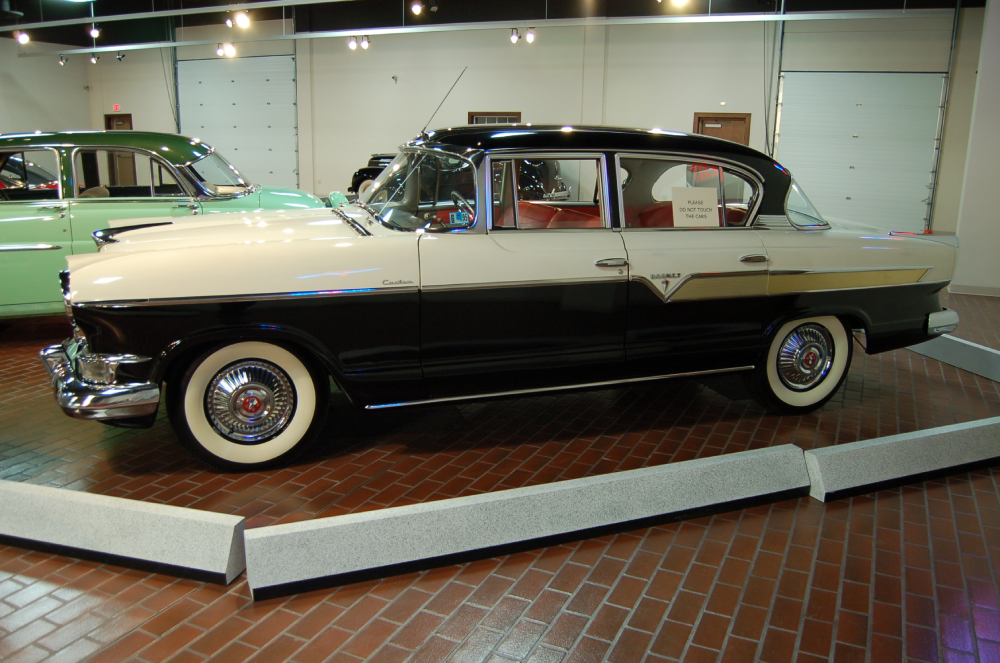
Known for its revolutionary “Step-Down” unibody construction, the Hornet integrated the floor pan directly into the chassis frame rather than resting on top of it. This lowered the vehicle’s center of gravity dramatically, giving it unmatched cornering stability that allowed Hudson to completely dominate early NASCAR stock car racing.
7. 1957 Studebaker Golden Hawk
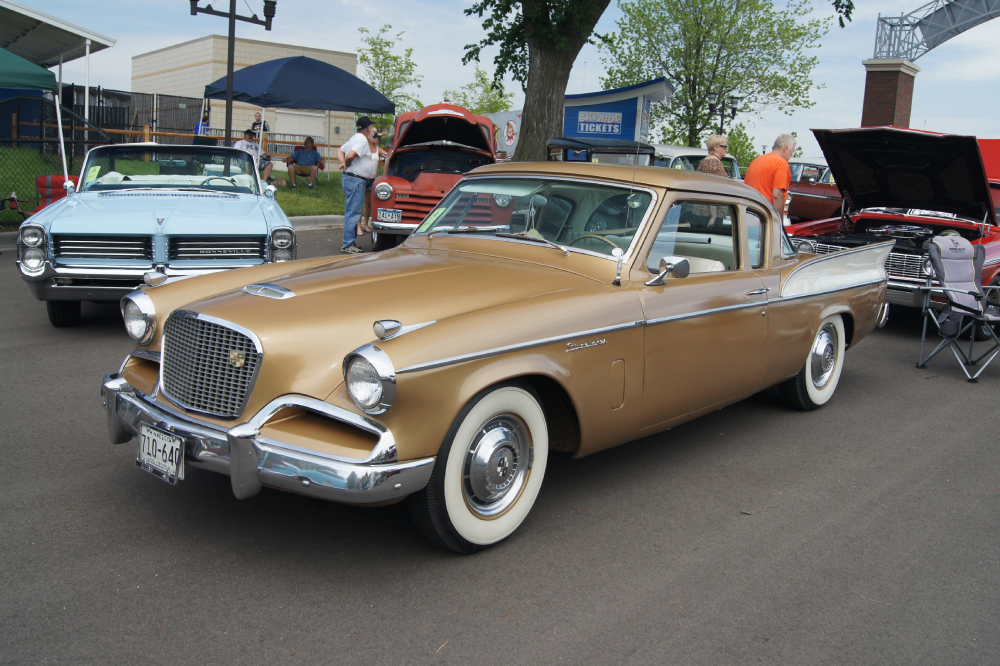
Studebaker bolted a massive Packard 352-cubic-inch V8 engine fitted with a McCulloch supercharger under the long hood of this sleek coupe. To handle the raw horsepower boost without overheating, designers crafted a distinctive fiberglass hood bulge and added sharp contrast-painted fiberglass tailfins to the rear quarters.
8. 1958 Edsel Citation
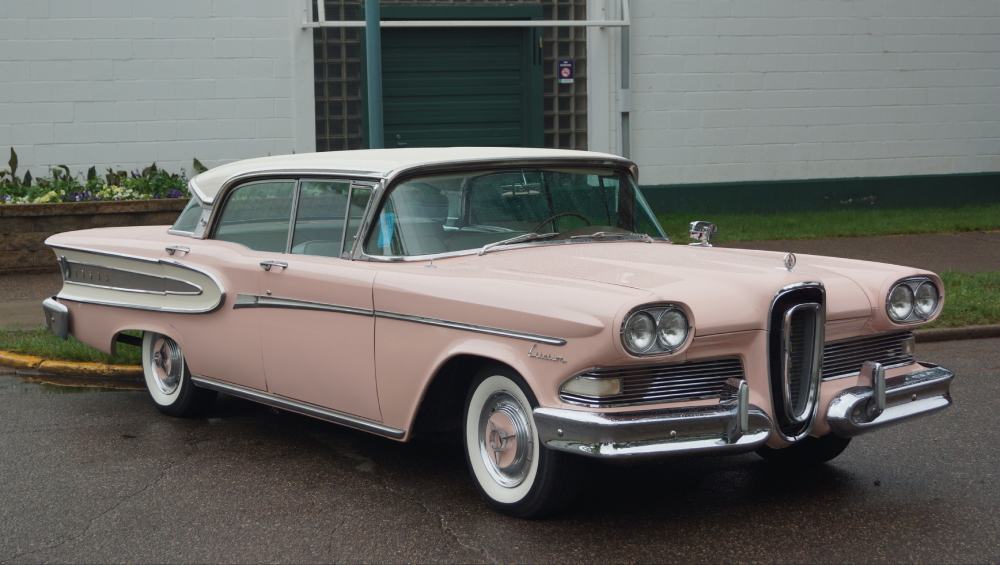
Ford invested millions into launching the Edsel brand, only to face immediate public mockery over its controversial vertical horse-collar front grille. The car also featured an ambitious “Teletouch” push-button gear selector located directly in the center of the steering wheel hub, which frequently shorted out due to complex electrical wiring.
Sign up for our newsletter
9. 1954 Nash Metropolitan
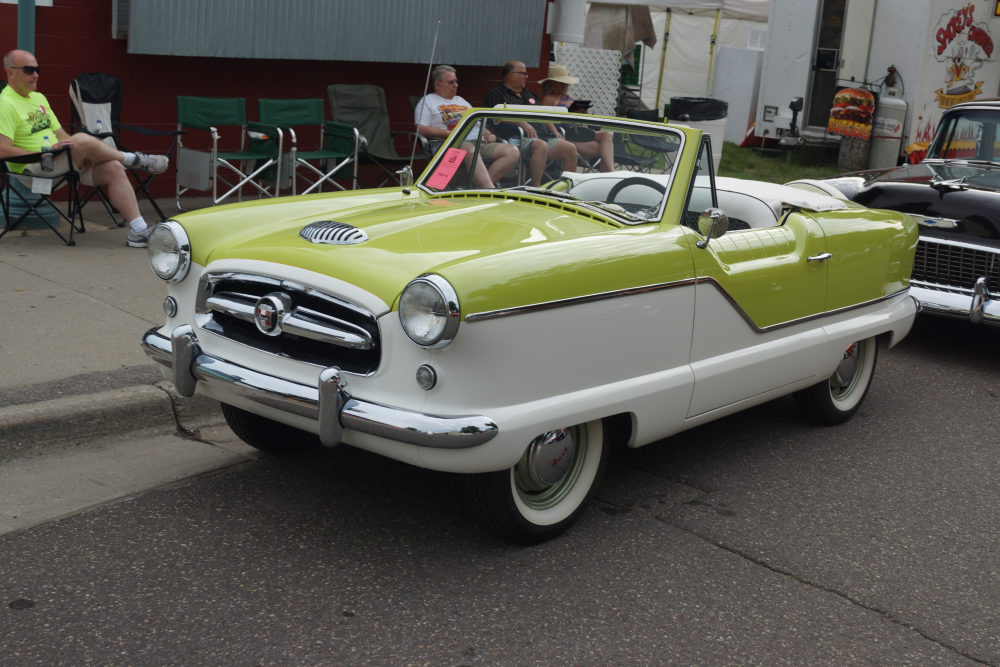
Anticipating the modern subcompact market decades early, Nash partnered with Britain’s Austin Motor Company to build a tiny, fuel-efficient commuter car for suburban women. Featuring fully enclosed front wheel wells and a tiny four-cylinder engine, it delivered up to forty miles per gallon during an era when giant V8 engines ruled the road.
10. 1957 Mercury Turnpike Cruiser
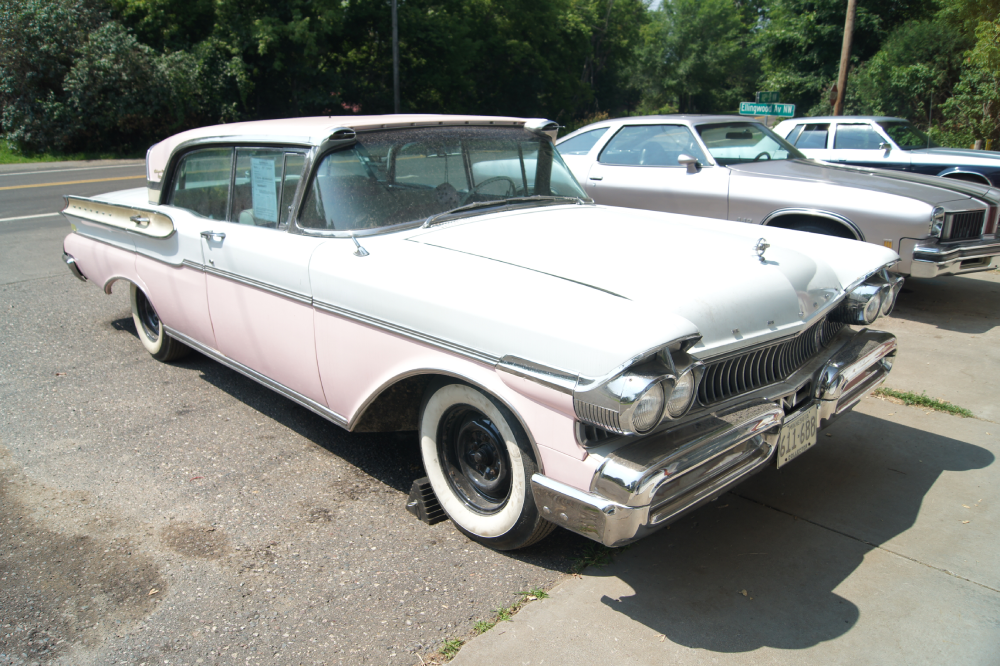
Designed as the ultimate coast-to-coast highway cruiser, this futuristic sedan boasted a power-retractable rear windshield that slid down vertically to improve cabin ventilation. It also introduced compound curved windshield glass that wrapped around into the roofline, alongside built-in quad headlights and dual roof-level air intake scoops.
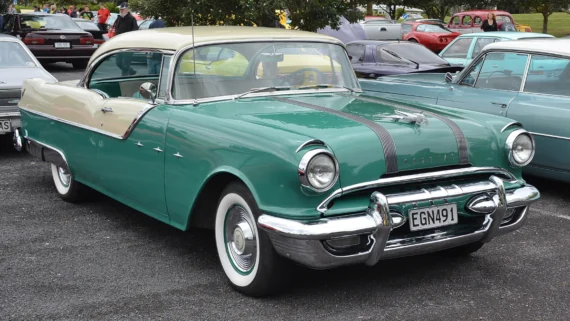
11. 1955 Pontiac Star Chief
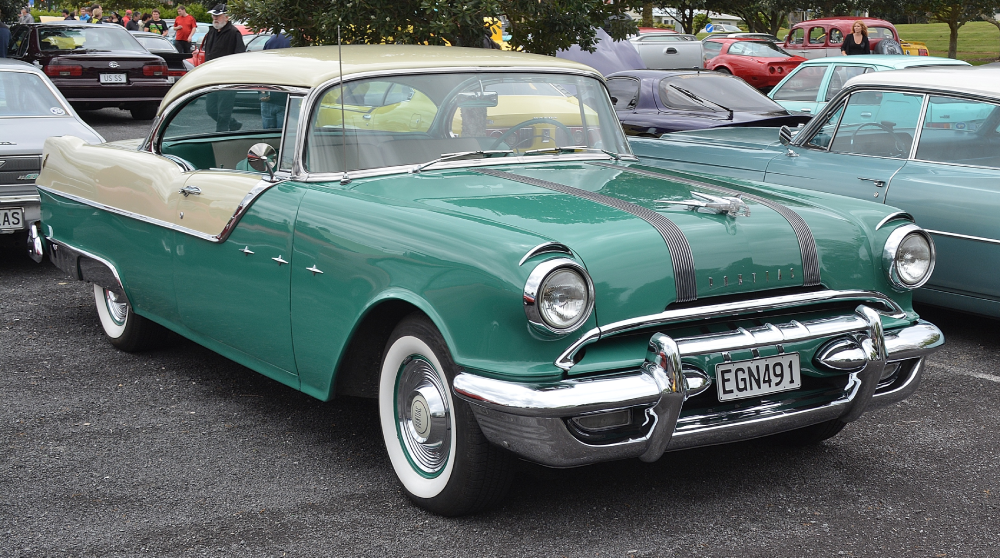
Pontiac elevated its brand image by introducing illuminated amber plastic Indian head hood ornaments that glowed soft orange whenever the headlights were switched on. Paired with wide white-wall tires and sweeping dual-tone body paint, the glowing hood mascot became an instant night-time trademark across American highways.
12. 1956 Continental Mark II
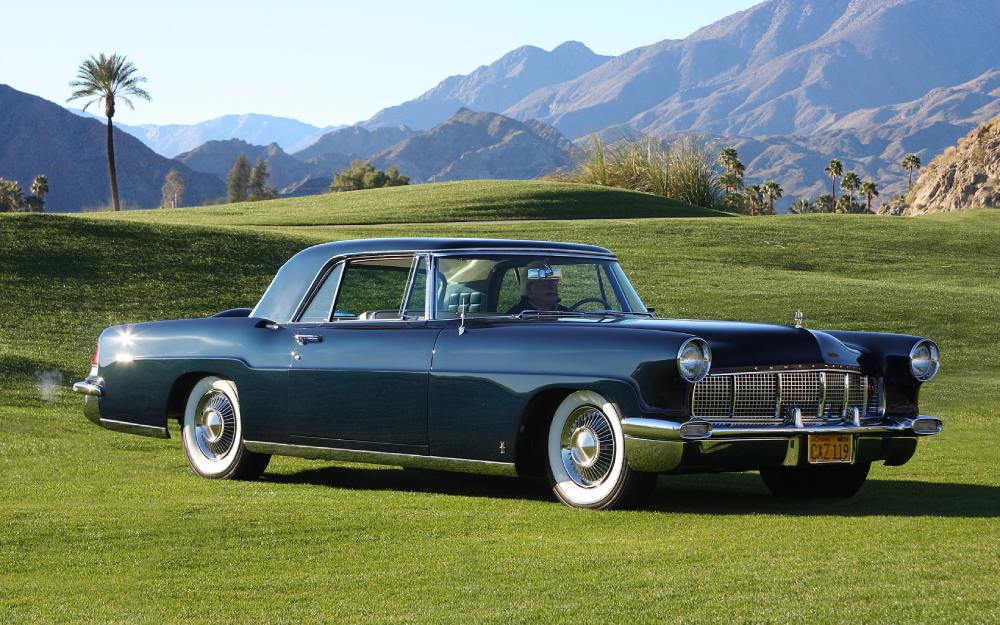
Positioned as Ford’s standalone ultra-luxury vehicle to compete with Rolls-Royce, each Mark II was virtually hand-assembled under strict quality control. The iconic rear trunk lid featured a prominent molded spare tire hump, creating a timeless continental spare tire profile that became a hallmark of executive luxury styling.
13. 1950 Studebaker Commander “Bullet Nose”
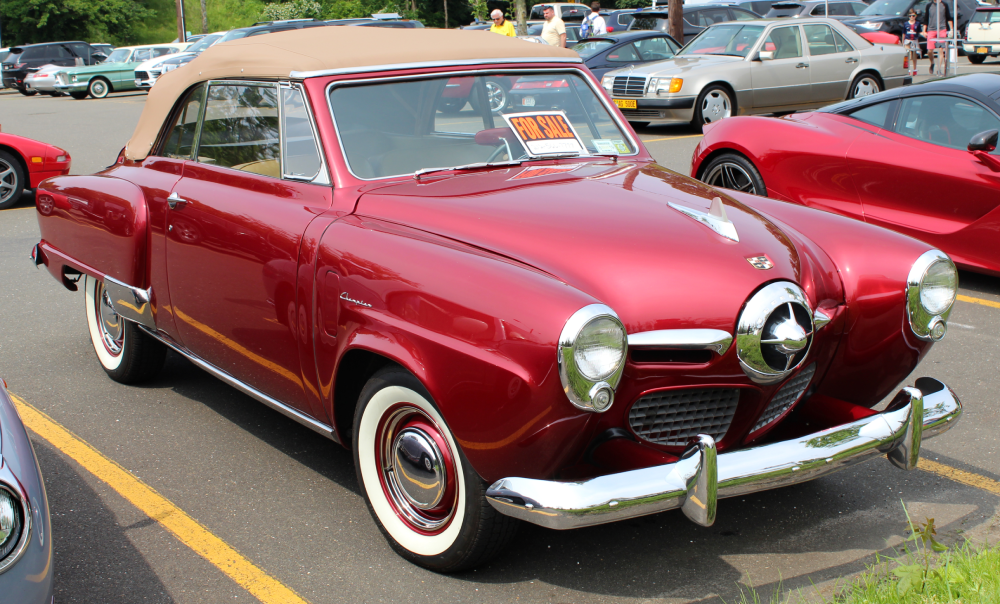
Industrial designer Raymond Loewy shocked post-war buyers with a dramatic front-end styling overhaul centered around a prominent chrome spinner nose cone. Modeled directly after modern jet fighter air intakes, the bold front grille made the car look like it was speeding forward even while parked completely still.
14. 1957 Chevrolet Bel Air
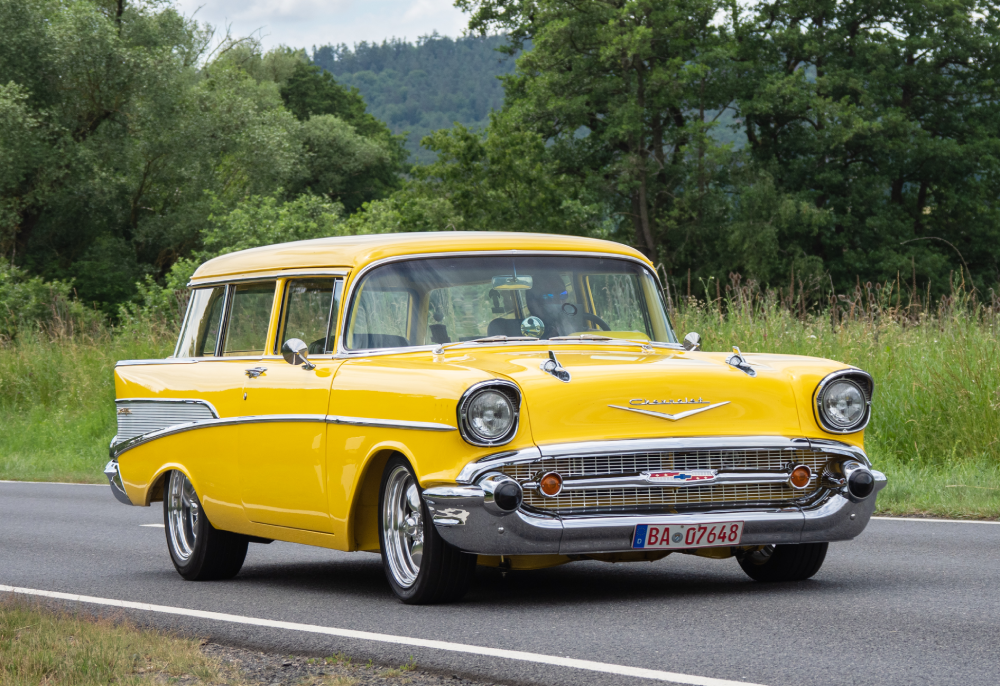
Recognized globally as the definitive icon of fifties Americana, the 1957 Bel Air offered optional “Ramjet” mechanical fuel injection on its 283-cubic-inch V8 engine. This engineering breakthrough allowed the engine to achieve the magical threshold of producing one horsepower per cubic inch of engine displacement, a massive mechanical milestone for production road cars.
Explore more fascinating cars from the past:
Stepping back to admire these chrome-covered marvels is a powerful reminder of an era when car designers dared to dream big and break every established rule. While modern automotive engineering prioritizes fuel efficiency and sleek aerodynamics, nothing quite matches the fearless creativity and flair of mid-century Detroit steel. If you love discovering vintage automotive history and classic mid-century car trends, be sure to explore these 16 Classic Cars With Peak 1950s Tail Fins or these 16 Classic Cars With Pop-Up Headlights. You may also like these 16 Rare Vintage Cars With Bizarre Features.