The 1980s car market had a much different cast of characters than the one filling dealership lots now. Some brands were enormous, with familiar badges appearing in suburban driveways, rental fleets, parking garages, and seemingly every other television commercial. Others burned brightly for only a few years but became unmistakable pieces of the decade anyway. Today, seeing one of these names on the road usually means someone has gone to considerable trouble to keep an old car alive.
1. Oldsmobile
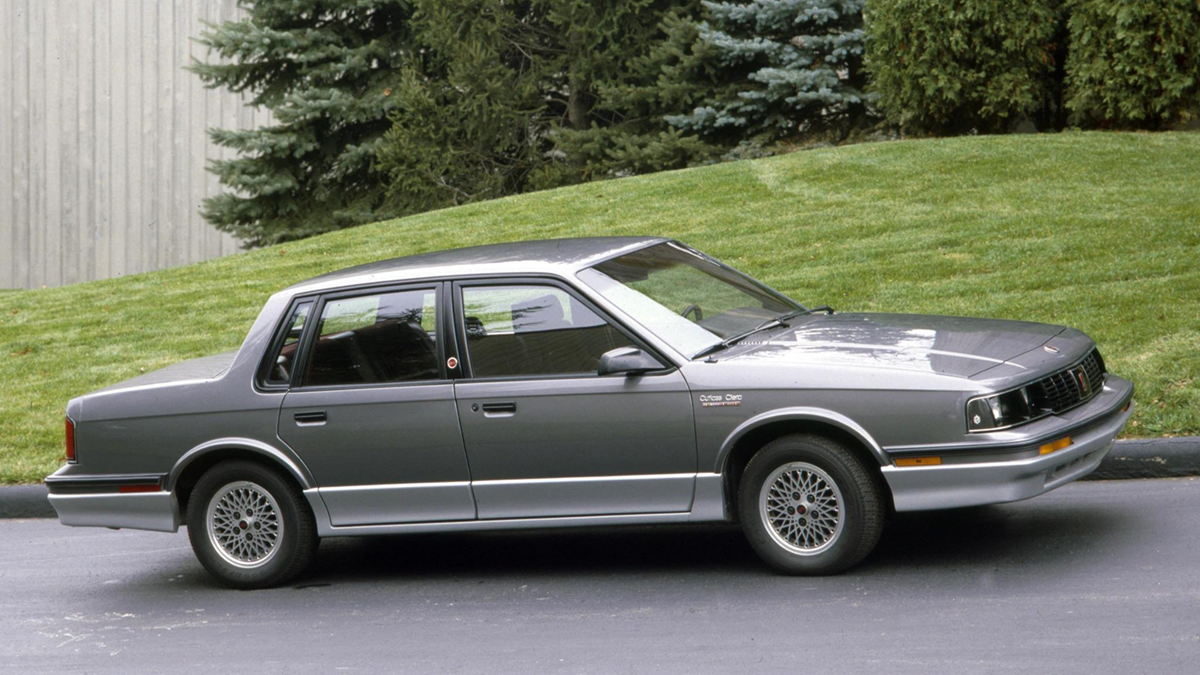
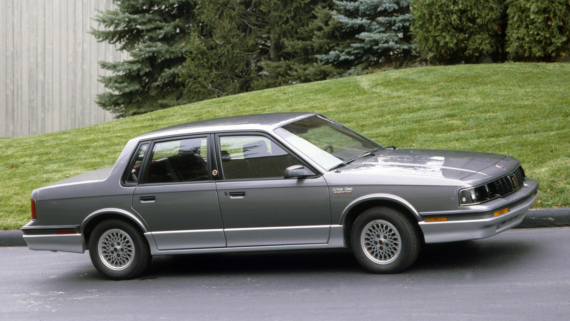
It is difficult to overstate how ordinary Oldsmobiles once seemed in America. The Cutlass was among the country’s biggest-selling cars around the beginning of the 1980s, while names like Cutlass Supreme, Cutlass Ciera, Toronado, and Delta 88 covered a huge section of the market. Oldsmobile occupied that comfortable space between Chevrolet and Cadillac, upscale enough to feel like a step up without becoming a full luxury purchase. GM eventually decided it had too many overlapping divisions, and Oldsmobile built its final cars in 2004.
2. Pontiac
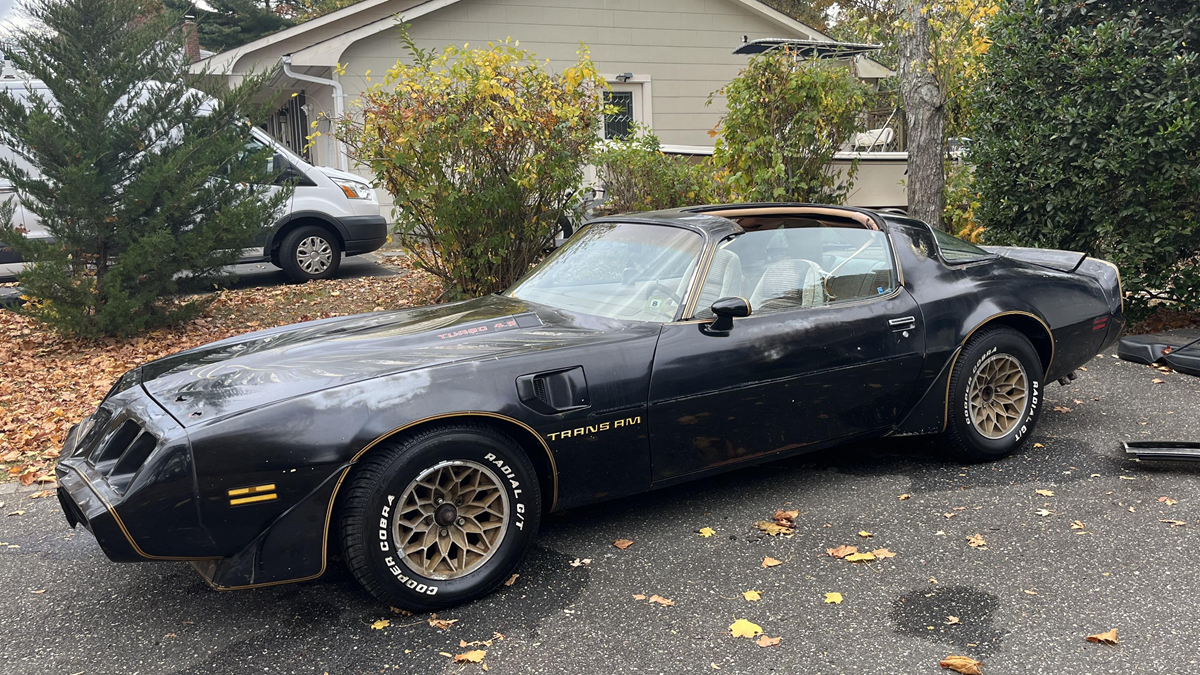
Pontiac had a knack for making fairly mainstream GM machinery feel a little more rebellious. The Firebird Trans Am was already a pop-culture fixture when the 1980s began, and the decade added cars such as the Fiero, Grand Prix, Sunbird, and increasingly wild versions of the Firebird. There were Pontiac dealerships everywhere, and the arrowhead badge hardly looked like something that could ever disappear. General Motors announced the end of the division during its 2009 restructuring, with the final Pontiacs produced in 2010.
3. Plymouth
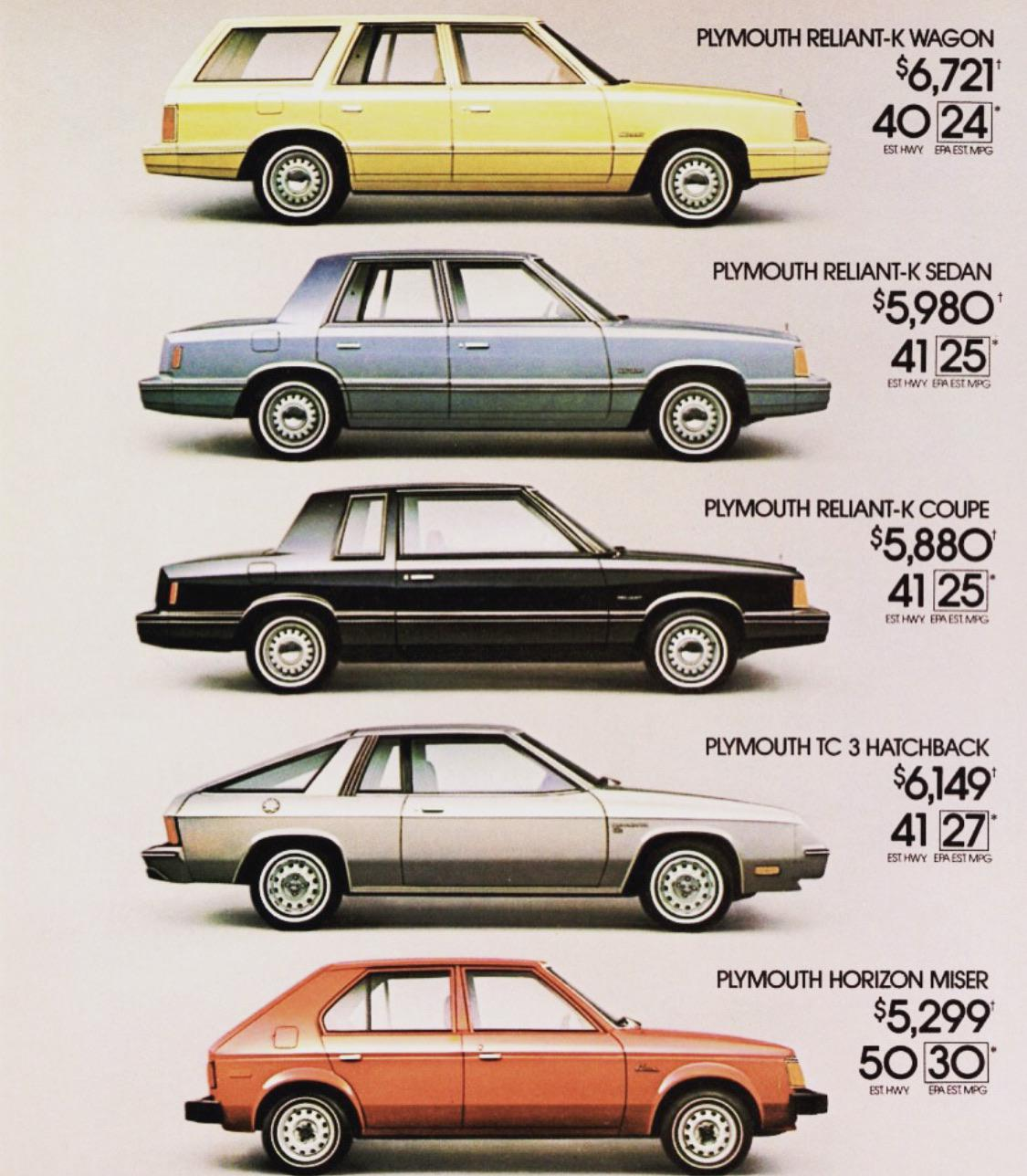
By the 1980s, Plymouth was less about muscle cars and more about being Chrysler’s familiar affordable brand. Reliant K-cars, Horizons, Turismo hatchbacks, and Voyager minivans made Plymouth a regular sight in American traffic, even if plenty of buyers probably never thought much about the badge on the grille. As Plymouth increasingly shared products with Dodge, Chrysler struggled to give customers a reason for both brands to exist. Plymouth disappeared after the 2001 model year.
4. American Motors
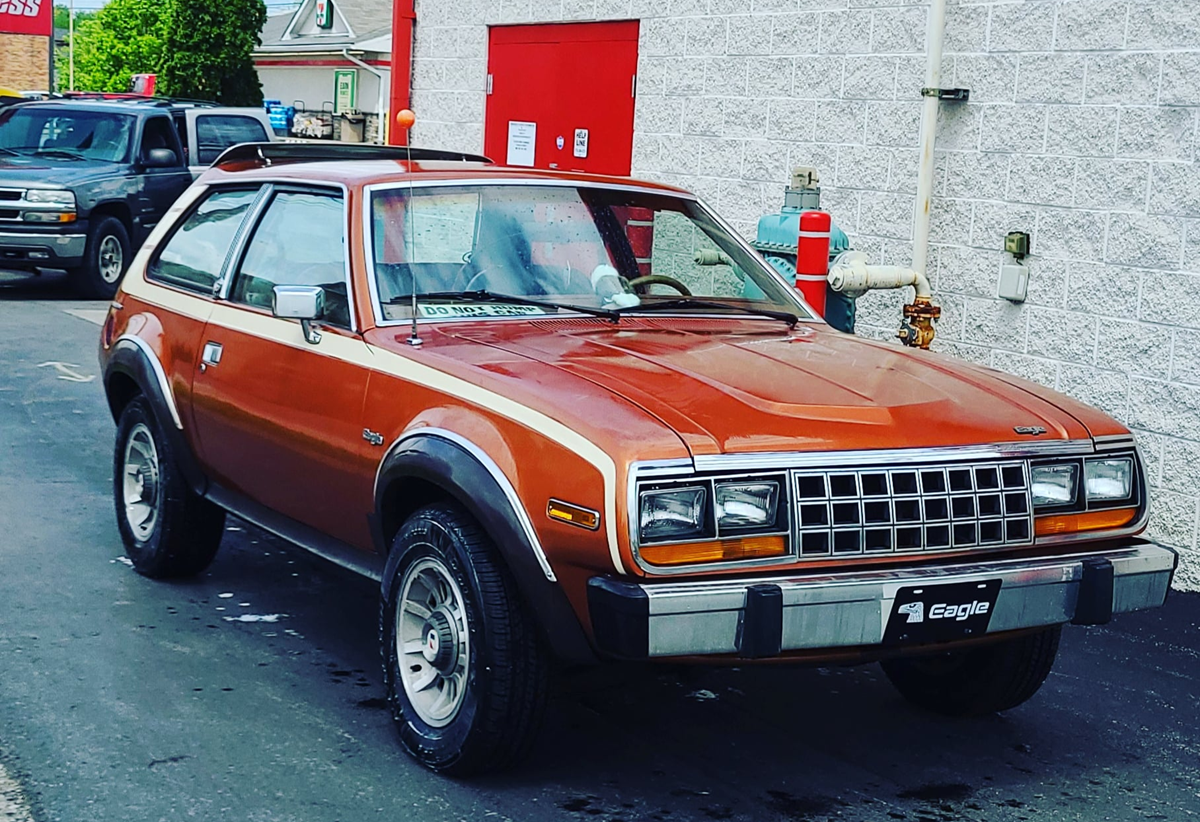
AMC entered the 1980s as America’s perpetually scrappy fourth automaker. Its Eagle looked like a station wagon that had wandered into the four-wheel-drive aisle, an unusual combination that seems surprisingly modern in the age of crossovers. The company also became closely tied to Renault during the decade while Jeep remained one of its most valuable assets. Chrysler purchased AMC in 1987, bringing the independent automaker’s long run to an end.
5. Mercury
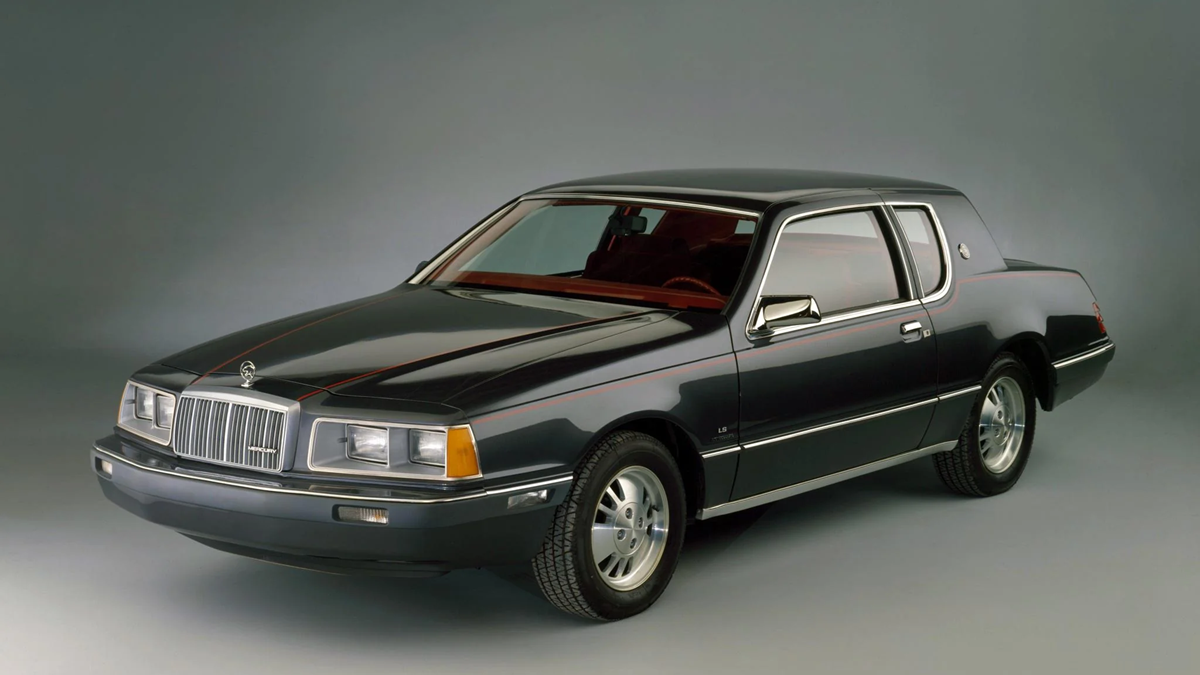
Mercury once occupied an extremely specific slice of American life. It was the Ford you bought when a regular Ford seemed slightly too ordinary, but a Lincoln felt like too much. During the 1980s, cars such as the Cougar, Grand Marquis, Lynx, Capri, and Topaz gave Mercury an enormous range and plenty of showroom visibility. Ford finally discontinued the division at the end of 2010 after years of increasingly obvious overlap with its own models.
Trending on The Scroller
6. Saab
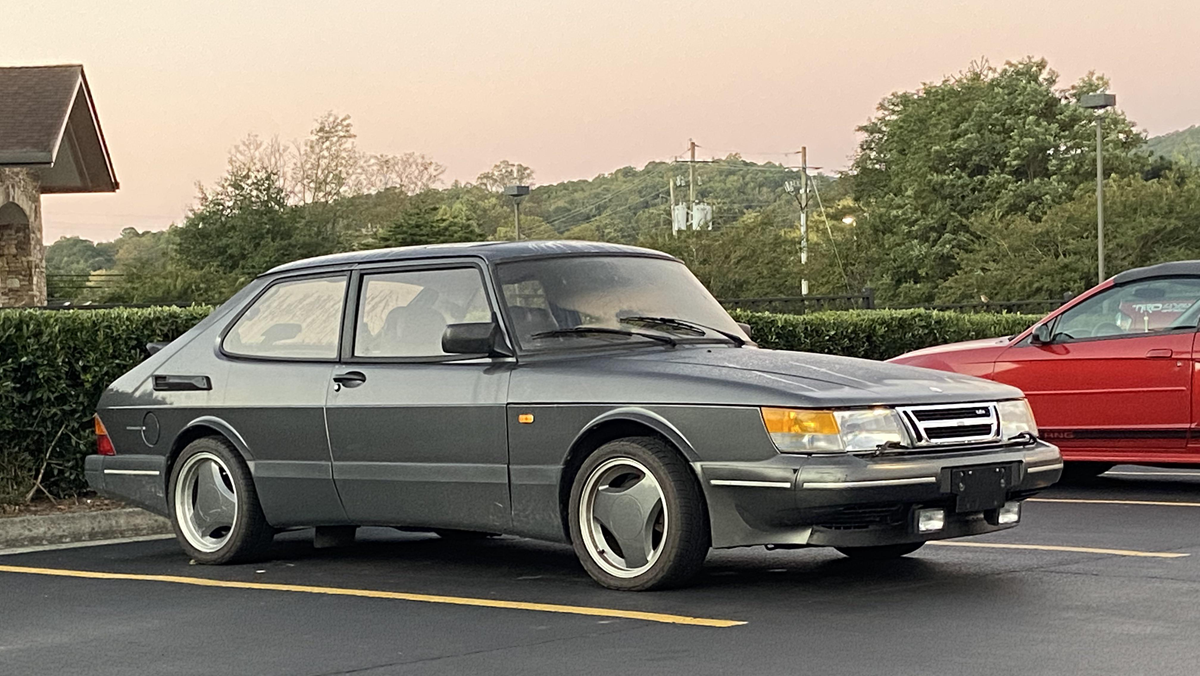
Saab never sold cars in Detroit-sized numbers, but its presence in the 1980s was much bigger than its sales figures suggested. The upright windshield, deeply curved dashboard, turbocharged engines, hatchback practicality, and peculiar Swedish styling made the Saab 900 difficult to confuse with anything else. It became a favorite among buyers who seemed actively uninterested in owning what their neighbors drove. Saab’s automobile business collapsed decades later, leaving surviving examples as increasingly unusual sights.
7. Yugo
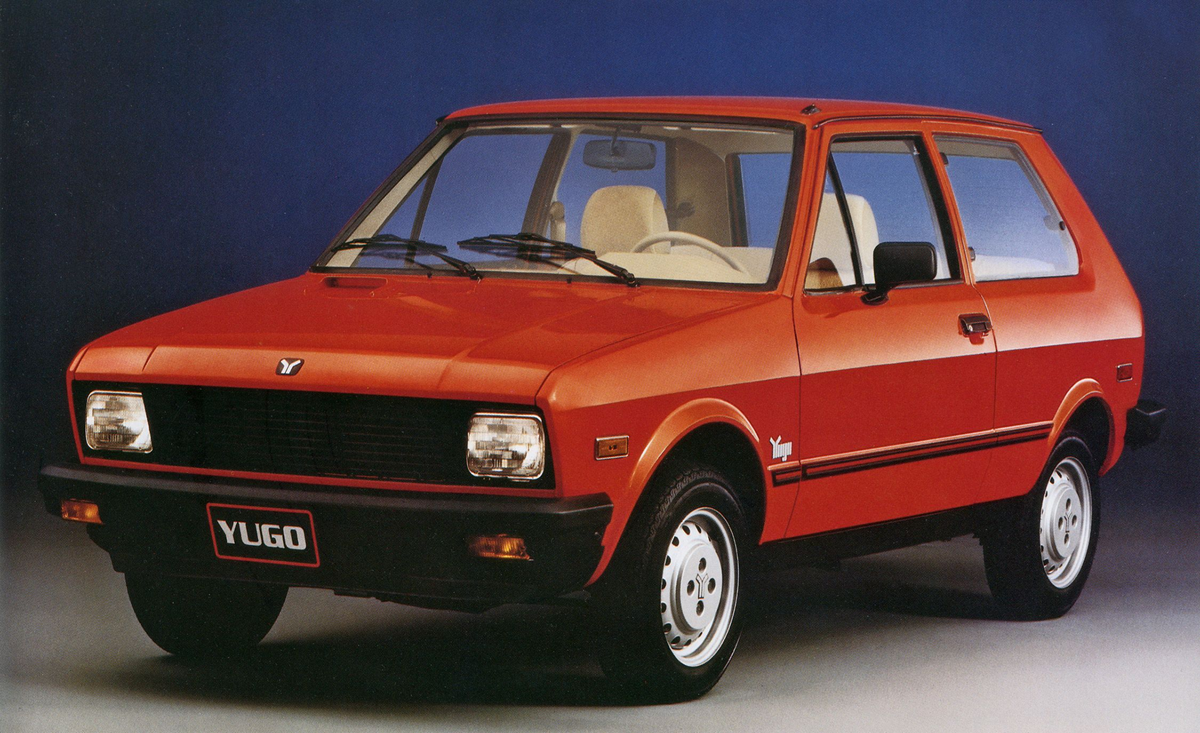
Few 1980s cars became punchlines as quickly as the Yugo. Imported from Yugoslavia beginning in 1985, the tiny hatchback attracted enormous attention because its starting price was dramatically below most new cars sold in America. Quality problems and an increasingly terrible reputation followed almost immediately. You may not have wanted one, but for a while it was practically impossible not to know what a Yugo was.
8. Merkur
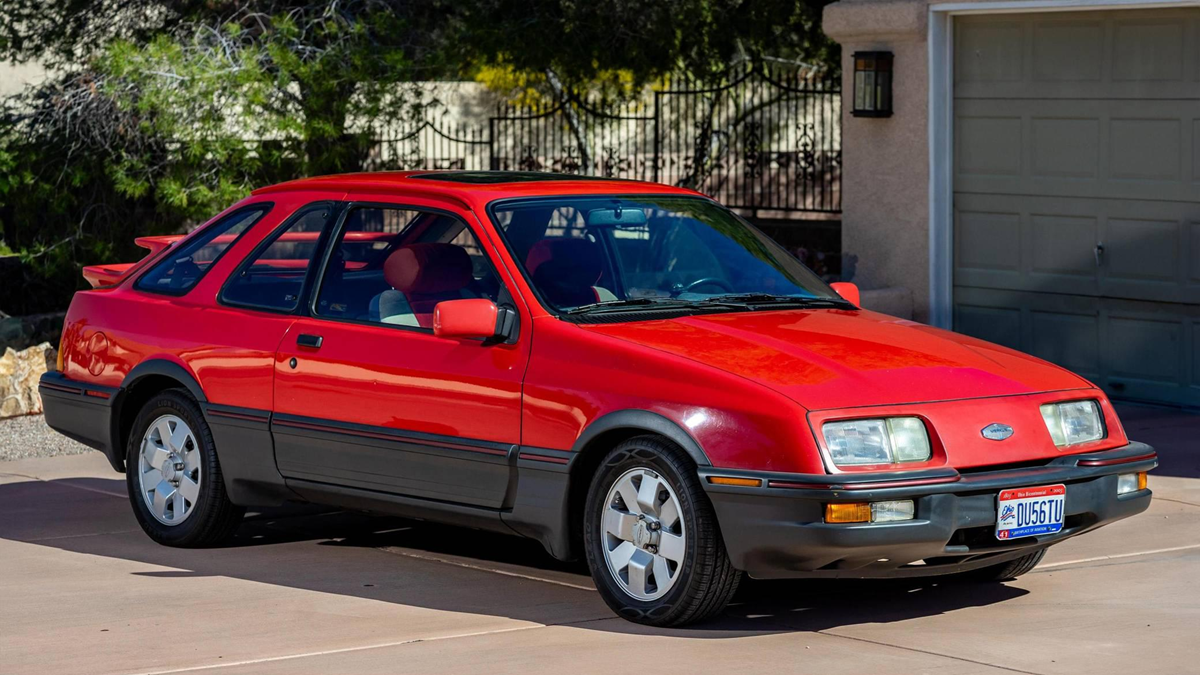
Ford created Merkur in the mid-1980s to sell European performance cars through Lincoln-Mercury dealers in the United States. The XR4Ti, based on the European Ford Sierra, looked unlike almost anything else in its showroom, particularly with its unusual rear windows and early double-wing spoiler. The later Scorpio added a larger executive hatchback to the experiment. Merkur lasted only from 1985 through 1989, which makes spotting one now feel almost like finding a forgotten concept car.
Sign up for our newsletter
9. Sterling
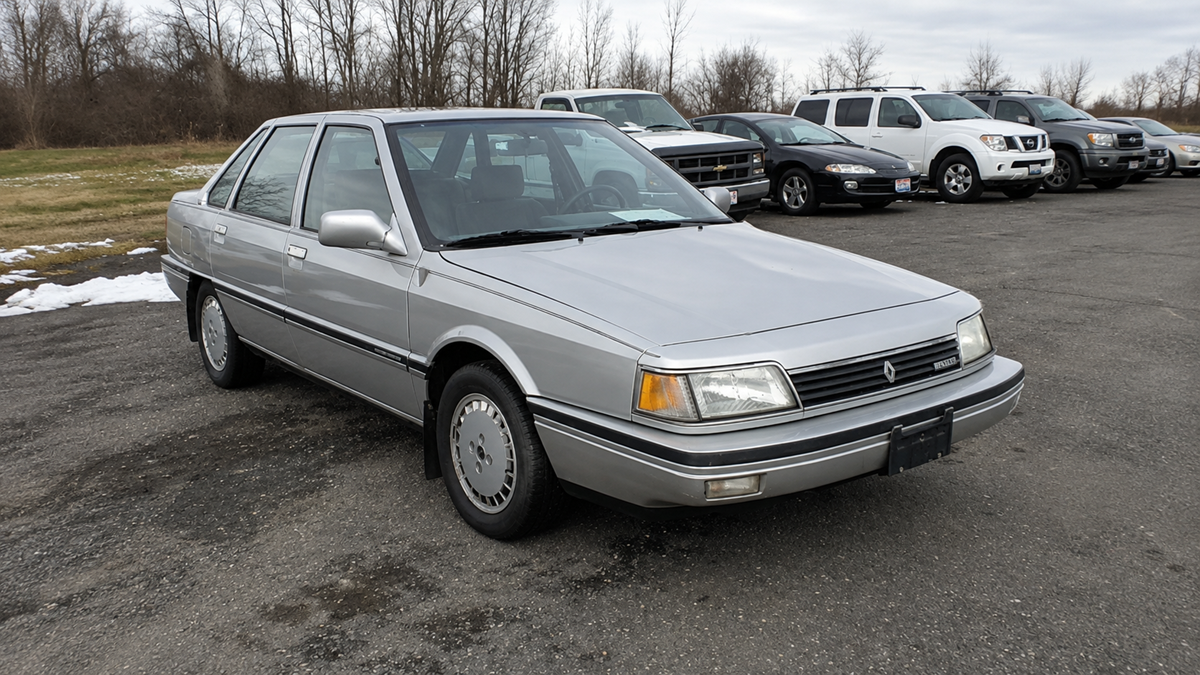
Sterling arrived with a promising formula: British styling and luxury wrapped around much of the mechanical foundation of the Acura Legend. For American buyers in 1987, that sounded intriguing. Unfortunately, the British-built cars developed a reputation for electrical problems and inconsistent quality that the reliable Honda-derived components underneath could not overcome. Sterling vanished from the U.S. after just a few model years.
10. Eagle
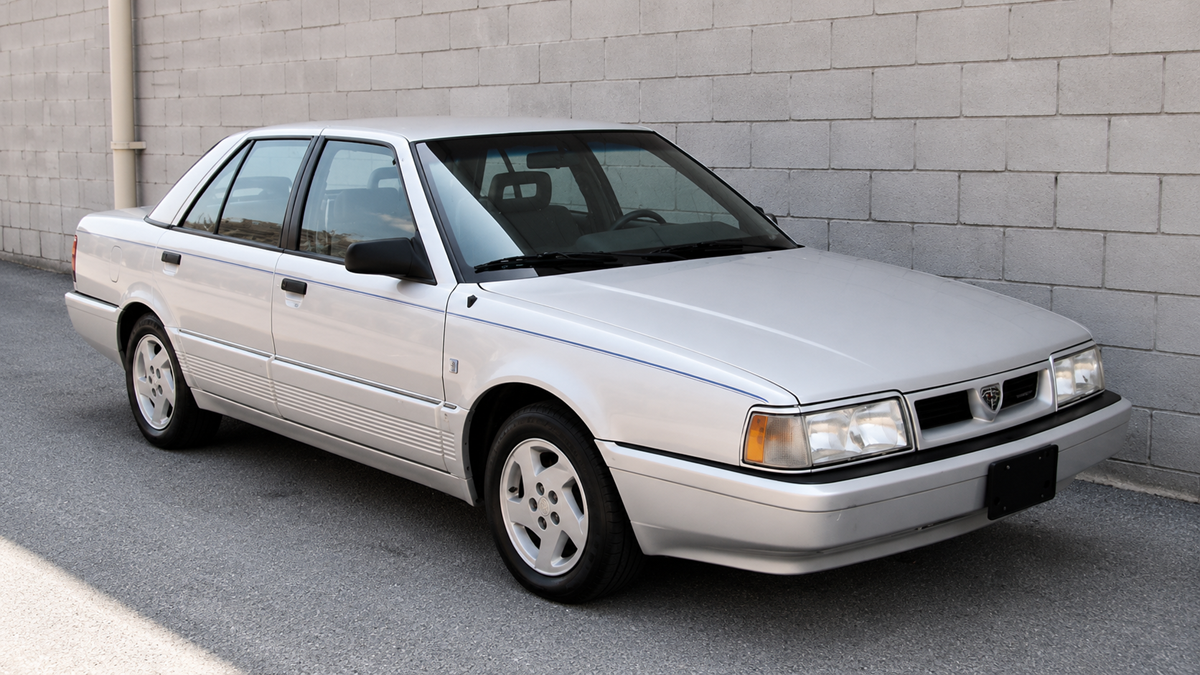
The Eagle brand appeared near the very end of the 1980s, following Chrysler’s purchase of American Motors. Dealers suddenly had a new badge attached to an odd assortment of vehicles with AMC, Renault, Mitsubishi, and later Chrysler connections. The Eagle Premier was the brand’s early flagship, while the Talon would give Eagle a stronger identity in the following decade. Chrysler eventually gave up on the experiment, and Eagle disappeared in 1998.
11. Geo
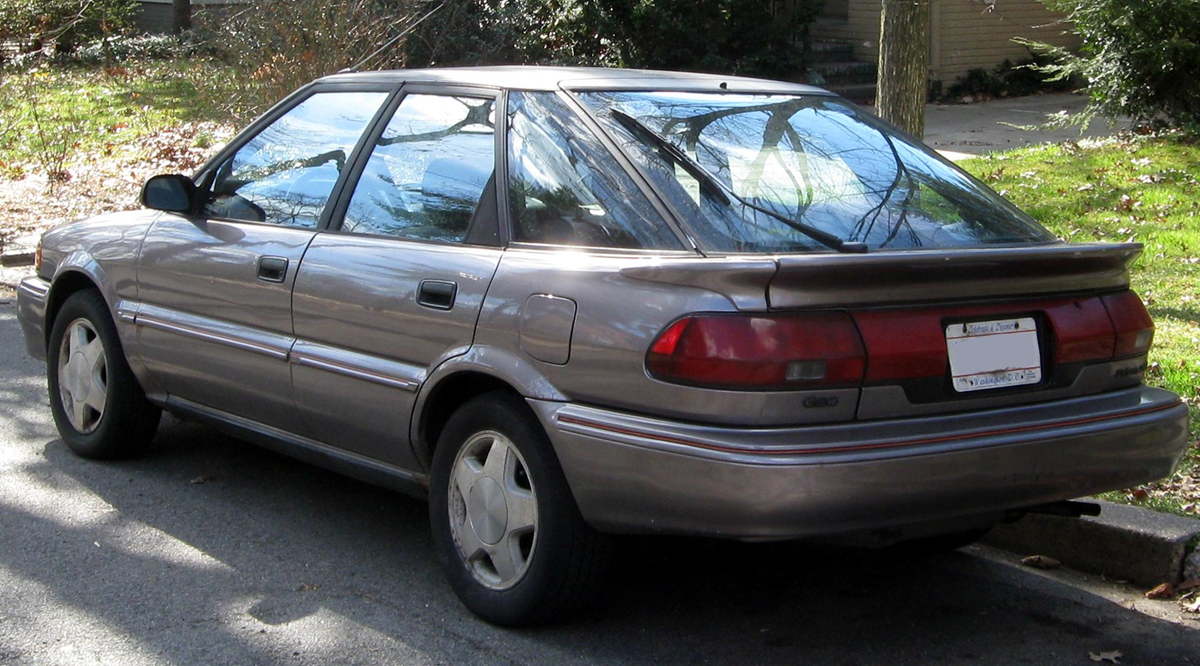
Geo arrived for the 1989 model year and quickly became part of the small-car landscape. Chevrolet dealers used the badge for imported or jointly developed cars, including the Metro, Spectrum, Tracker, and Prizm. The colorful branding became familiar remarkably quickly. GM folded Geo back into Chevrolet in the late 1990s.
12. Daihatsu
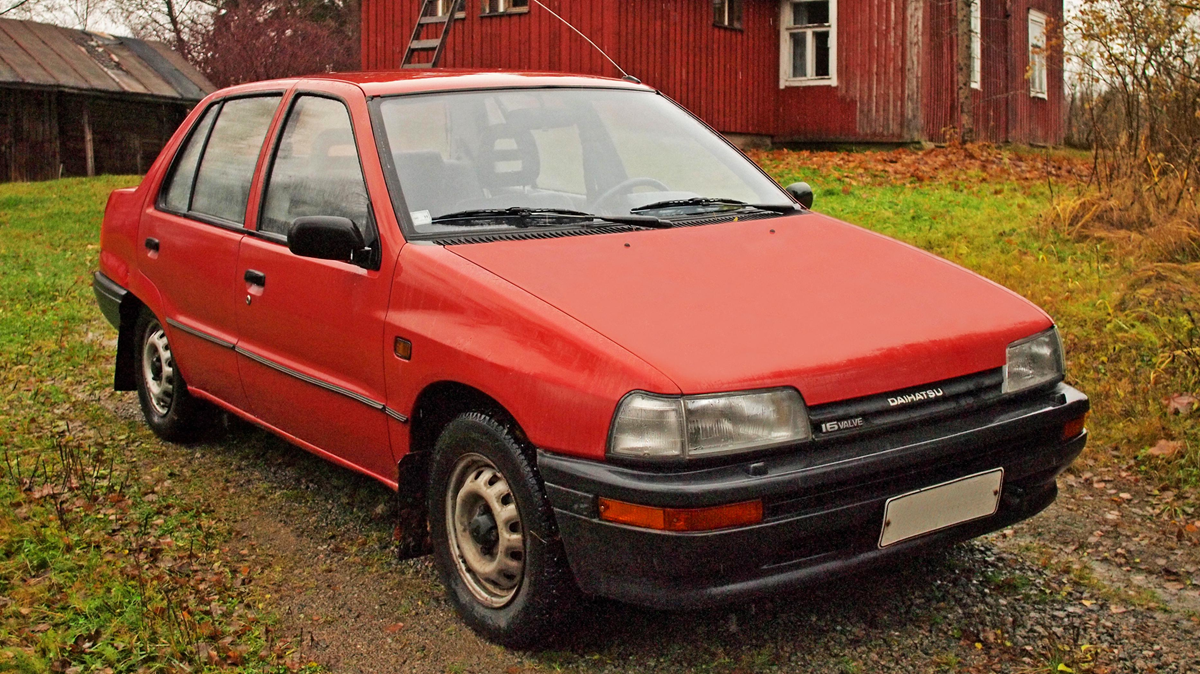
Daihatsu made an ambitious push into the American passenger-car market near the end of the decade. The tiny Charade and unusual Rocky 4×4 gave shoppers another alternative during a period when Japanese brands seemed capable of multiplying endlessly. The U.S. operation never developed enough momentum, and Daihatsu stopped selling passenger cars there in the early 1990s. The company still exists elsewhere, but its badge has effectively vanished from American roads.
13. Isuzu
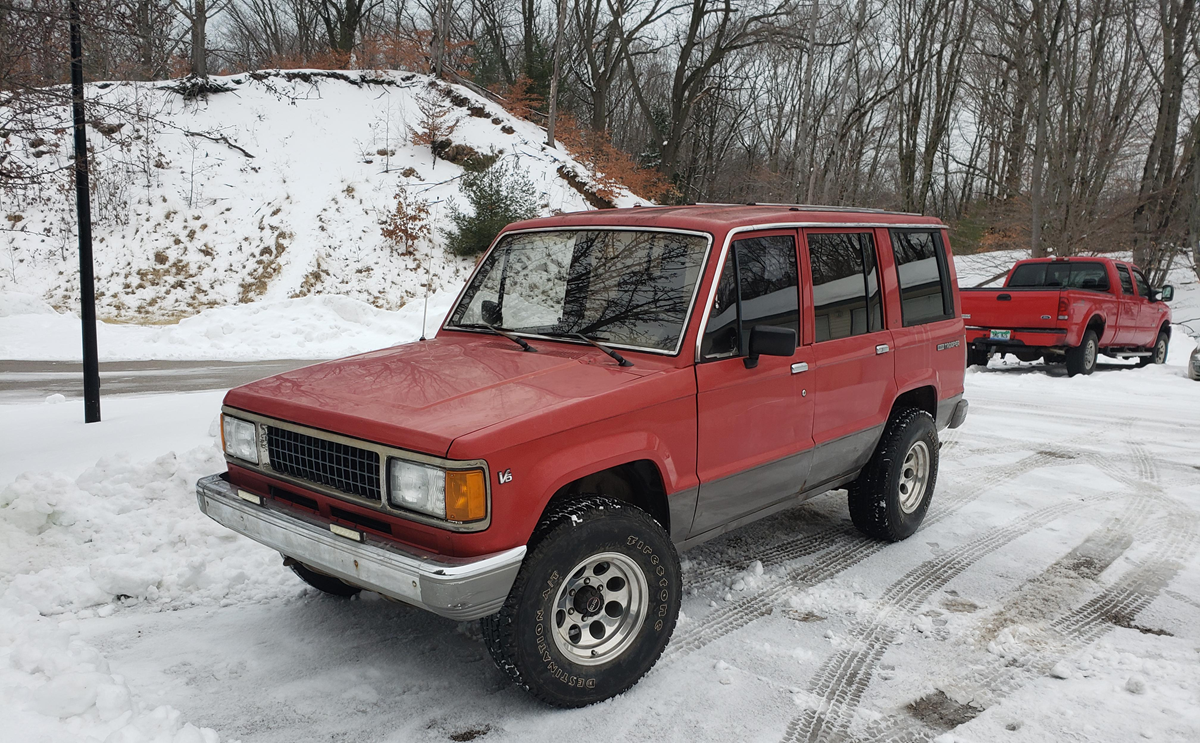
There was a stretch when Isuzu seemed to be everywhere, especially if you liked compact trucks and boxy SUVs. The Trooper became a familiar sight, while the compact Pickup and later models helped establish the company as a serious alternative to Toyota and Nissan. Isuzu also became unusually memorable for its advertising, particularly the exaggerated Joe Isuzu campaign. Passenger-car sales in the U.S. eventually dwindled, and the company withdrew from that market in 2009.
14. Renault
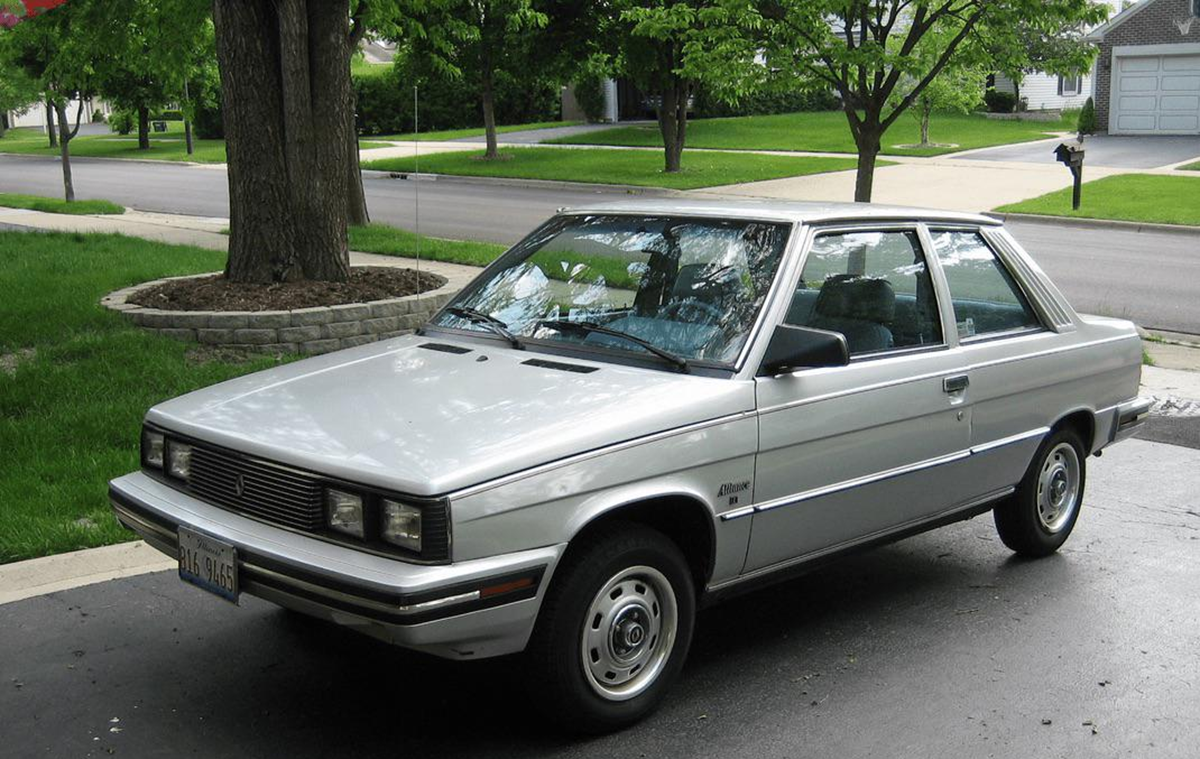
Renault had a far more visible American presence in the 1980s than many younger drivers would expect. Its relationship with American Motors brought cars like the Alliance and Encore into AMC dealerships, and for a while the partnership looked like a serious attempt to combine European economy cars with an established U.S. sales network. The Alliance even received considerable attention when it first arrived. Once Chrysler bought AMC, Renault’s American passenger-car experiment quickly unraveled.
15. Peugeot
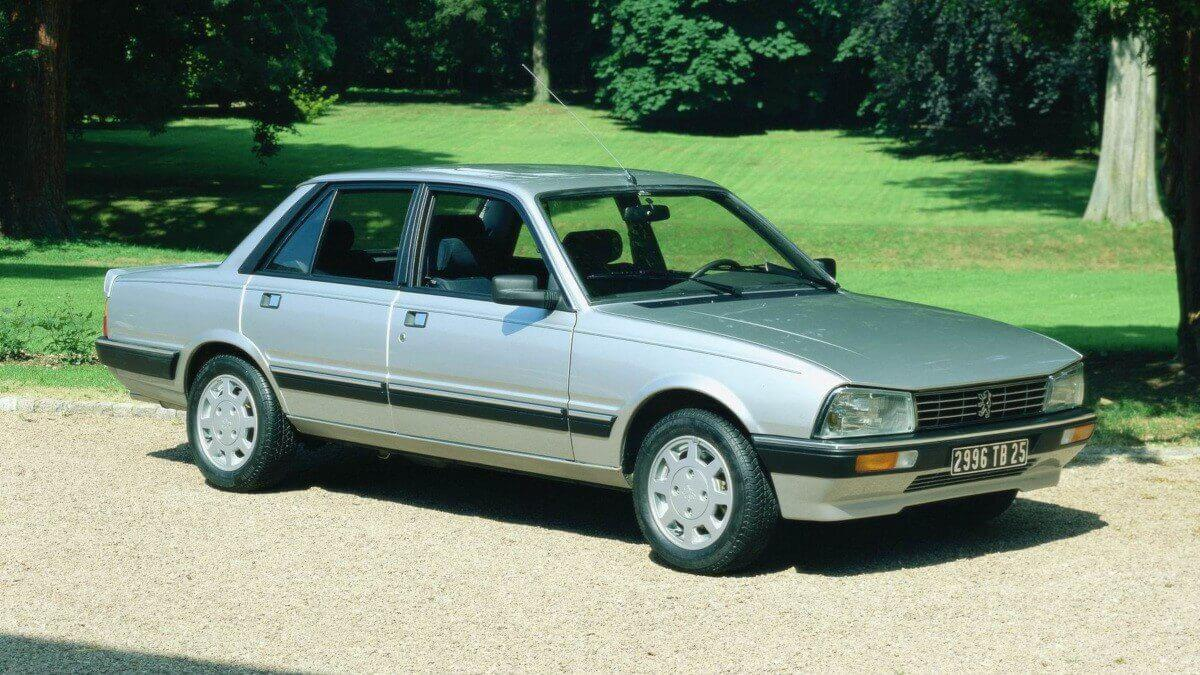
A Peugeot sedan in an American driveway was never quite as common as a Chevrolet, but during the 1980s the French company still had a recognizable foothold in the United States. The 505 in particular earned a small but loyal following thanks to its comfortable ride, distinctive styling, and reputation as an unusually durable long-distance car. Peugeot struggled against stronger dealer networks and rapidly improving competition. It left the U.S. market in 1991, turning its old sedans into genuine rarities.
In the mood for more?
Check out 16 Classic Cars From the 1960s That People Still Admire, or take a look at 20 Cool Cars from the Nineties. If you want to see more 80s nostalgia, you can check out 19 Vintage Photos of Home Interiors That Show 1980s Design.