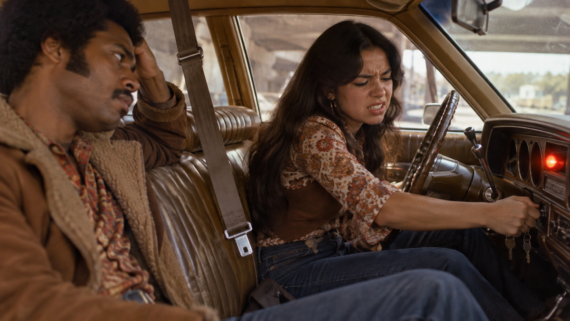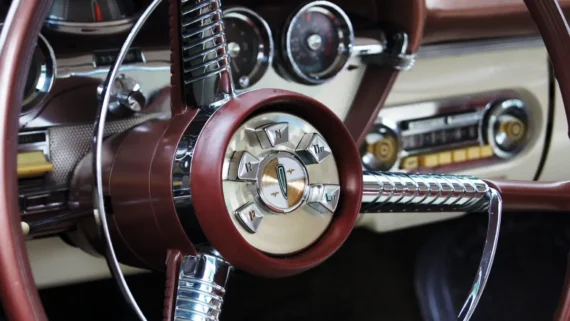
The 1980s represented a fascinating transitional decade for the car industry, serving as the bridge between raw mechanical engineering and the early digital age. Car manufacturers were eager to experiment with space-age cockpit displays, angular body styling, and novel cabin layouts to win over suburban consumers. Stepping into a brand-new vehicle forty years ago felt like taking command of a futuristic aircraft, packed with physical buttons, unique ventilation systems, and striking lighting configurations.
However, as vehicle safety standards evolved, aerodynamics took priority, and modern computer chips streamlined vehicle operation; many of these iconic design choices were permanently phased out. Today’s sleek electric vehicles and crossover SUVs offer incredible efficiency and digital connectivity, but they have sacrificed much of the mechanical charm that defined the classic 1980s car. Revisiting these long-lost interior and exterior components reveals just how drastically the driving experience has changed over the past few decades. Let’s take a look at fourteen nostalgic car features from the 1980s that have completely vanished from modern showroom floors.
1. Pop-up headlights
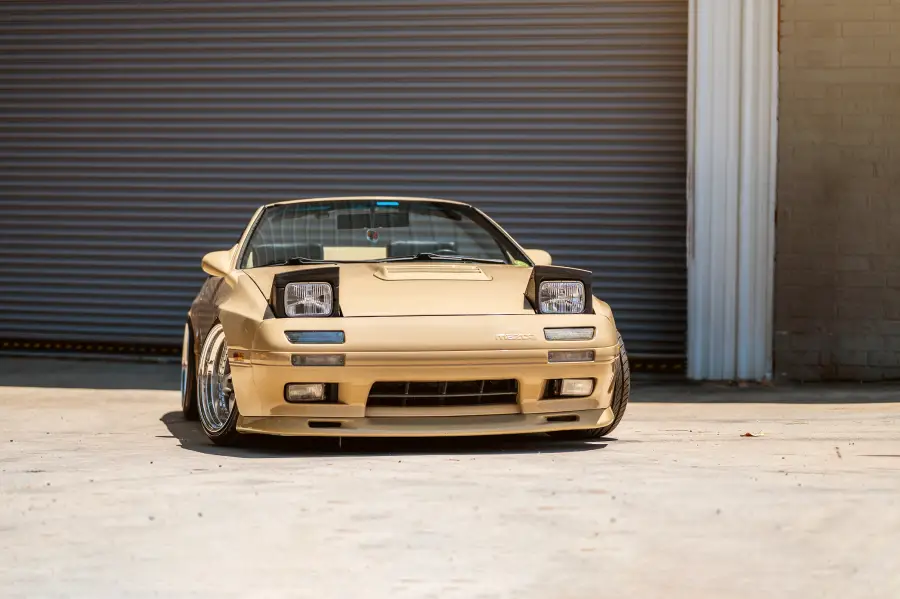
Pop-up headlights were the ultimate visual hallmark of eighties sports cars, remaining hidden beneath sleek hoods until electric motors flipped them up at night. Seen on legendary vehicles like the Pontiac Firebird, Ferrari Testarossa, Mazda RX-7, and Toyota Supra, they ultimately disappeared due to modern pedestrian safety mandates requiring smooth, impact-absorbing front bumpers.
2. Column-mounted manual gearshifts, or “Three on the Tree”
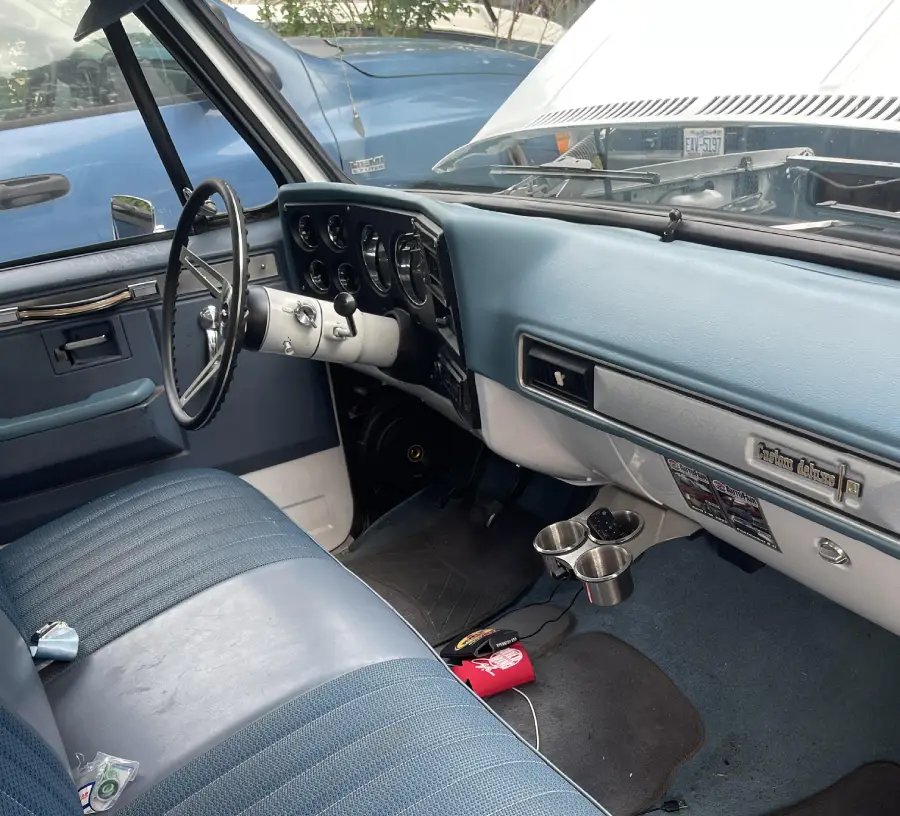
Positioned directly on the steering column rather than the center floor console, this manual shifter layout was a common fixture in mid-century American sedans and pickup trucks. By removing the bulky central transmission hump, it freed up floor space to accommodate three passengers across the front row before four-speed automatics and floor shifters took over completely.
3. Front vinyl bench seats
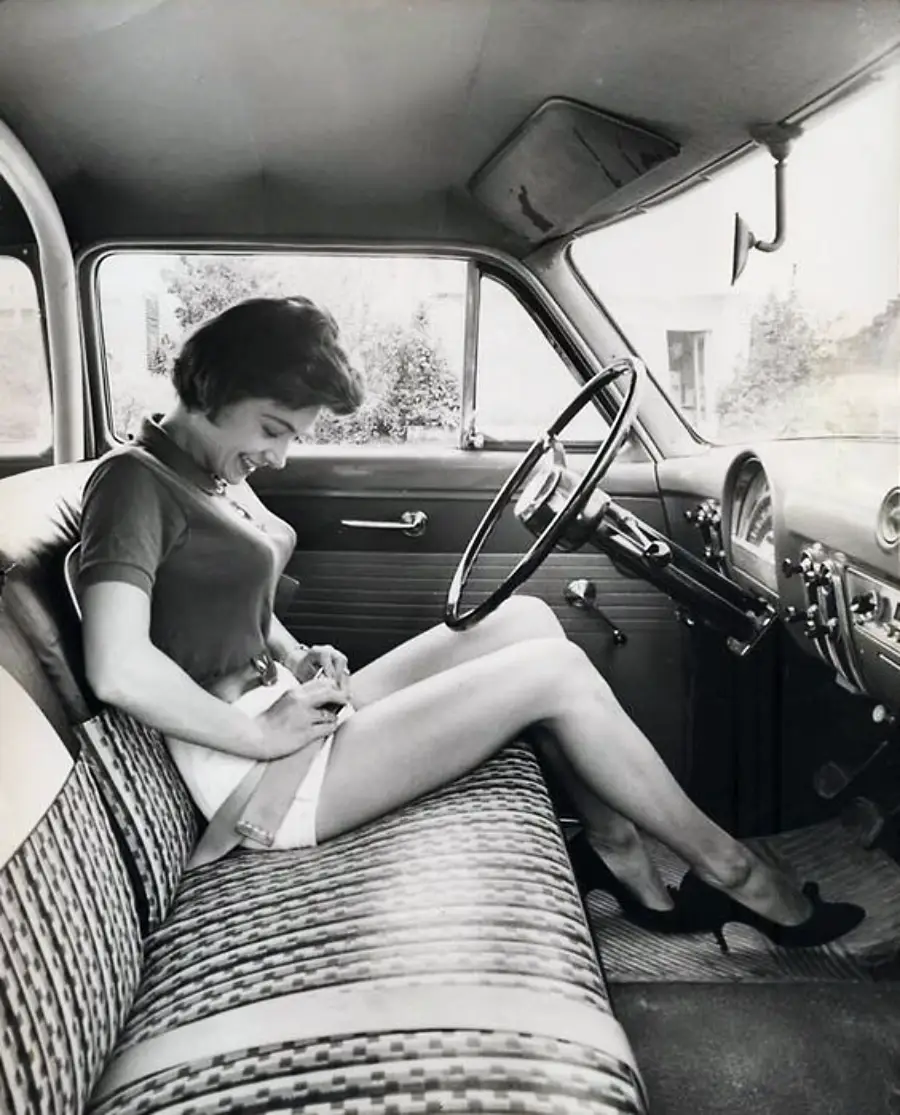
Spanning from door to door without any interruptions, the solid front vinyl bench seat allowed three people to ride comfortably in the front row of family cruisers. While pickup trucks kept this configuration through the early 2000s, the universal adoption of protective side airbags and storage-packed center consoles permanently replaced the continuous front seat.
4. Electric cigarette lighters with integrated ash trays
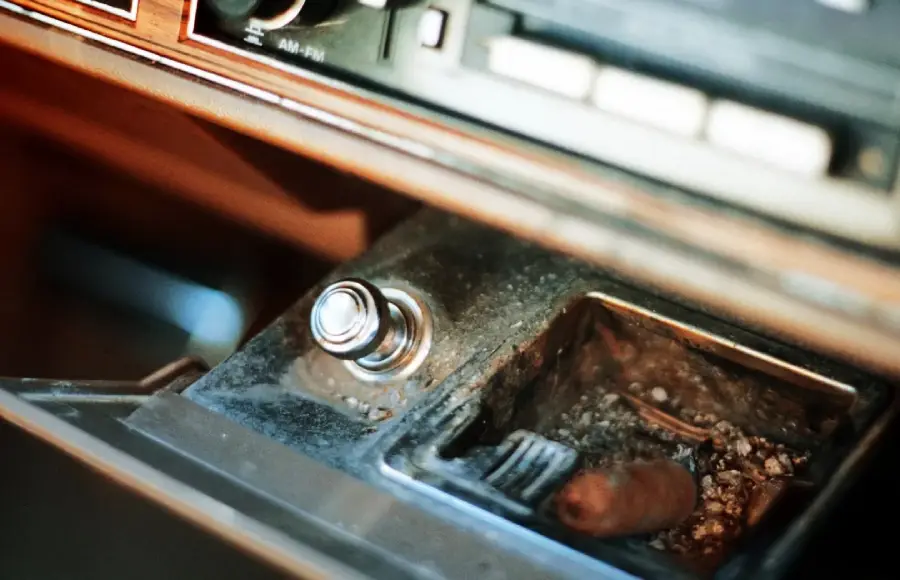
Nearly every dashboard in the eighties featured a push-in heating element paired with a pull-out metal tray right beneath the radio unit. While cigarette lighters have long vanished from standard vehicle equipment, modern drivers still refer to the remaining 12-volt accessory power outlets as “cigarette lighter sockets.”
5. Rectangular sealed beam halogen headlights
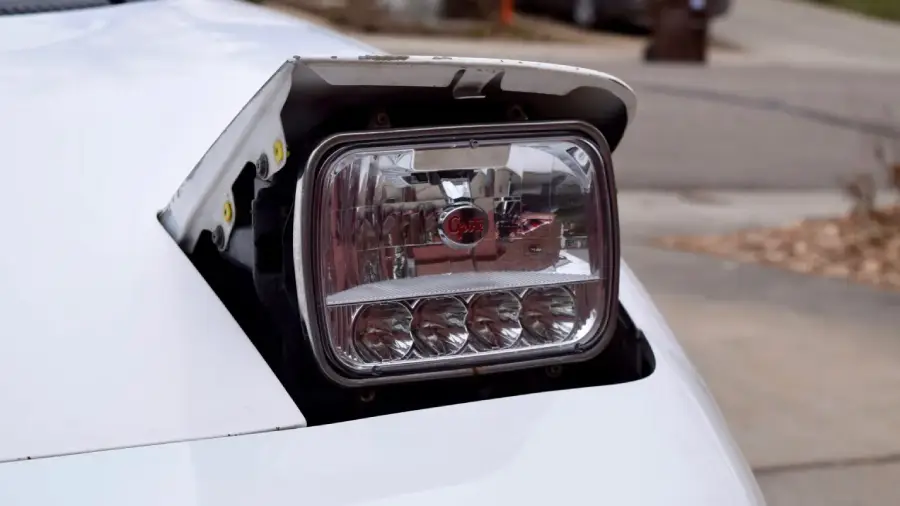
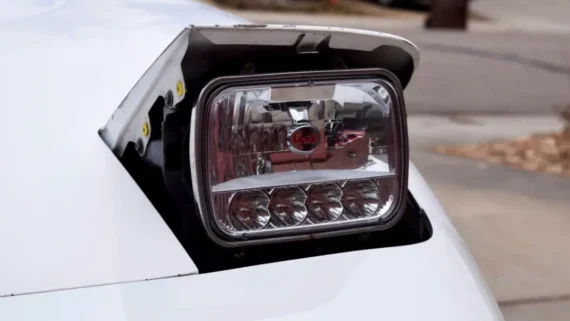
Flat, rectangular headlamps dominated the front ends of early eighties automobiles because strict American regulations mandated standardized, fully self-contained glass units. When federal authorities repealed the law in 1983, auto designers instantly abandoned the boxy assemblies in favor of smooth, compound aerodynamic headlights.
Trending on The Scroller

6. Speedometers limited to 85 MPH
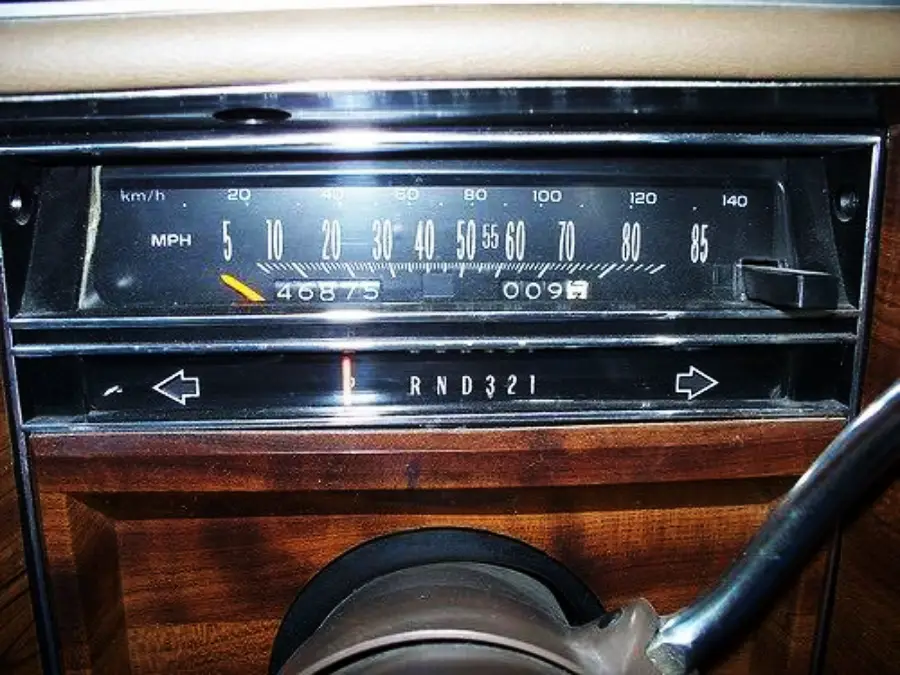
Following the national oil crises of the previous decade, federal regulations forced automakers to cap speedometer readouts at a maximum of 85 mph to discourage high-speed driving and fuel consumption. Although Congress repealed the restriction in 1981, many vehicles produced well into the early eighties still retained the restricted gauge clusters.
7. Mechanical key-in-ignition door chimes
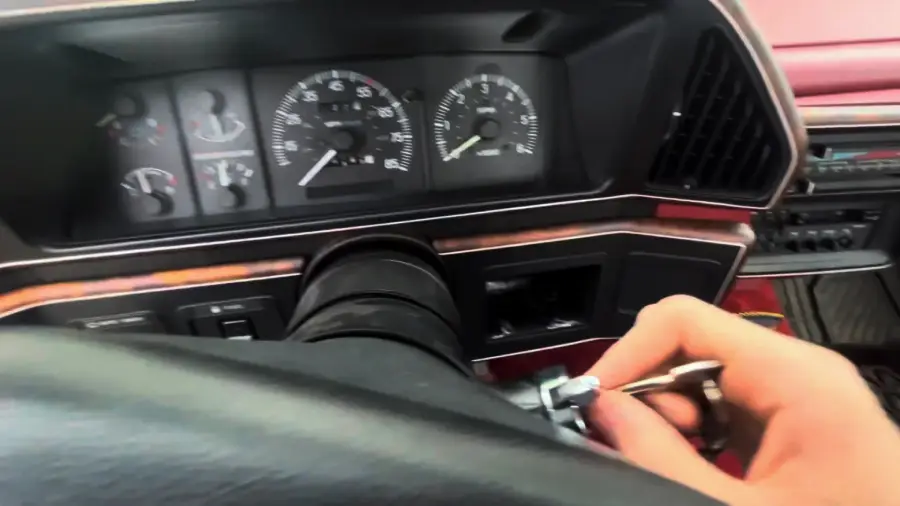
Before sophisticated digital chimes and computer alerts took over, vehicles relied on physical mechanical buzzers that rang persistently if a door opened while keys remained in the ignition switch. That unmissable “ding-ding” chime was impossible to ignore, fulfilling its warning role with an unforgettable mechanical tone.
8. Manual telescoping metal radio antennas
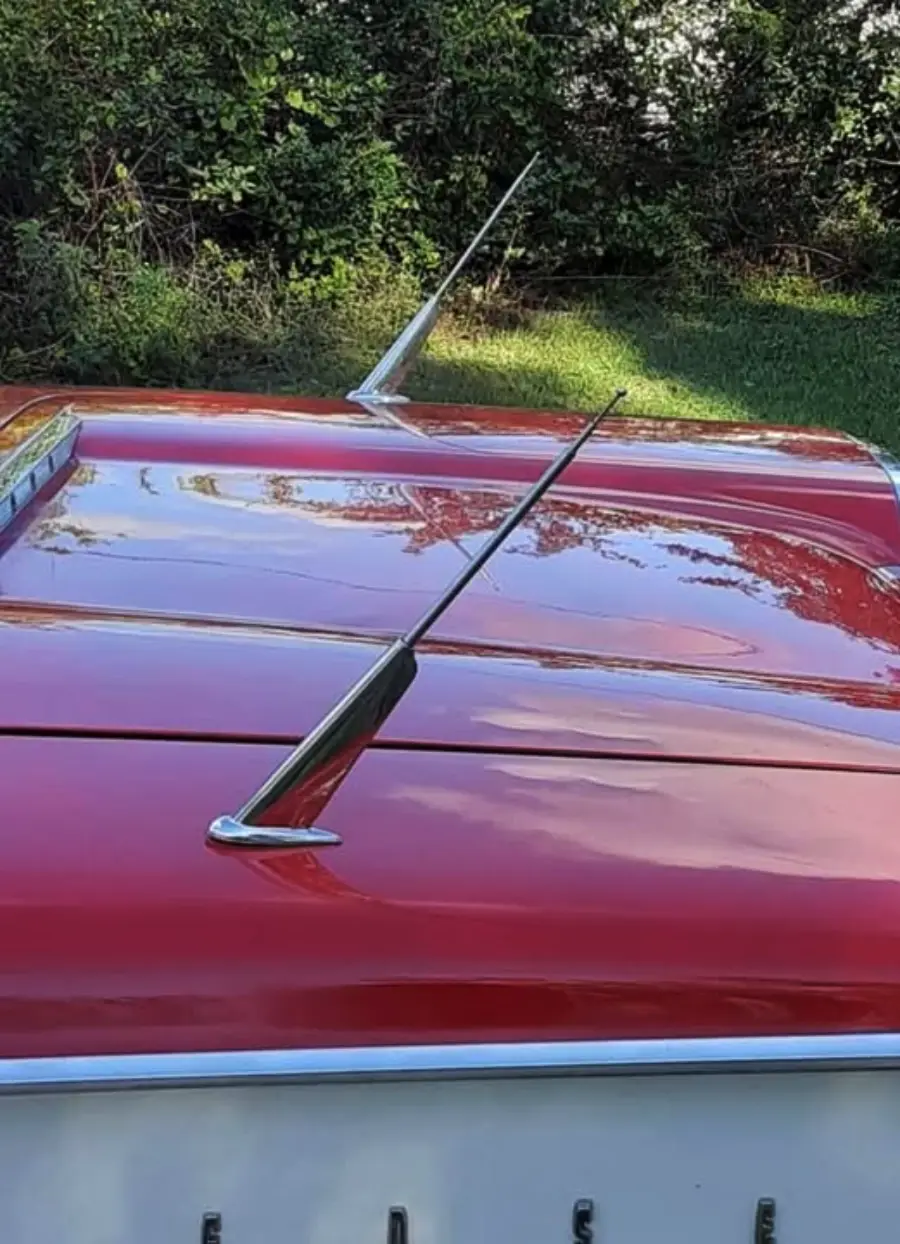
Before the invention of glass-integrated wire grids and roof-mounted shark-fin antennas, drivers had to manually pull out a long chrome antenna rod to catch clear FM radio signals. Forgetting to retract the metal mast before entering an automatic drive-through car wash was a guaranteed way to snap the antenna right off the fender.
Sign up for our newsletter
9. Swivel quarter vent windows
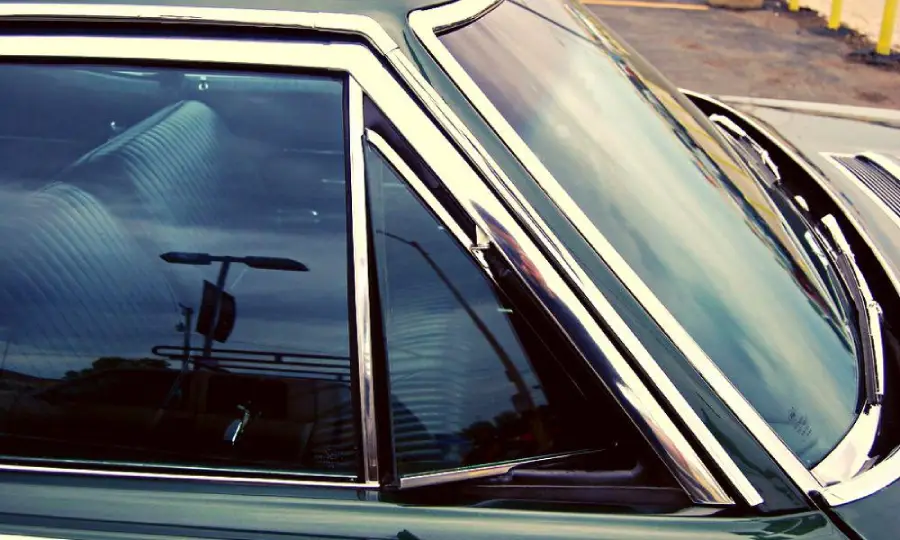
Positioned in the forward corner of the driver and passenger doors, these tiny triangular glass panels could be angled outward to scoop fresh air directly into the cabin. They functioned as the primary cooling mechanism in the era before universal air conditioning, making them obsolete once built-in AC systems became standard equipment.
10. Wood-paneled roof racks on suburban station wagons
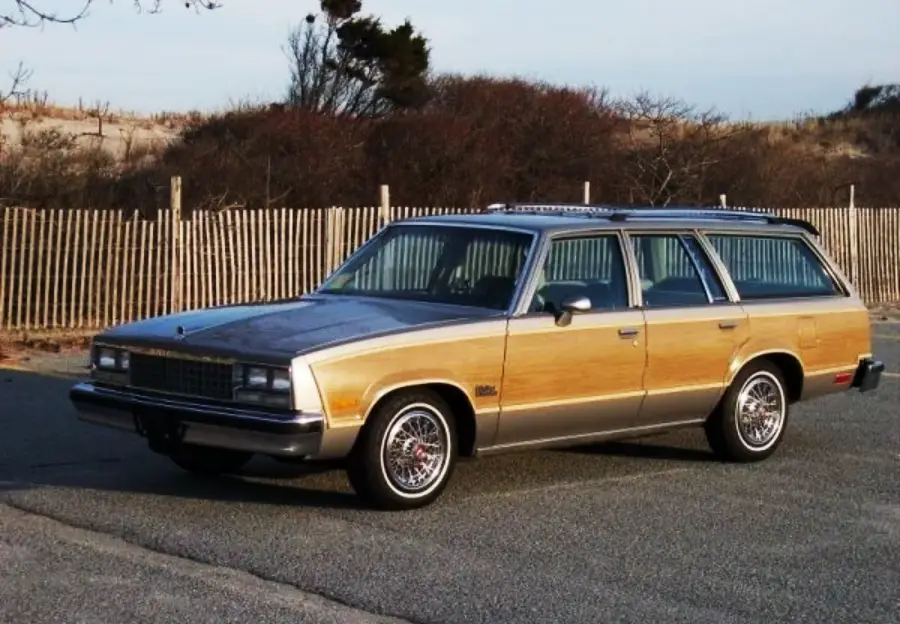
Suburban station wagons of the era frequently featured faux wood-grain side paneling paired with integrated roof racks made of real wood or polished chrome trim. This distinct combination served as the ultimate visual symbol of mid-century family road trips and weekend getaways.
11. Rear-facing third-row jump seats
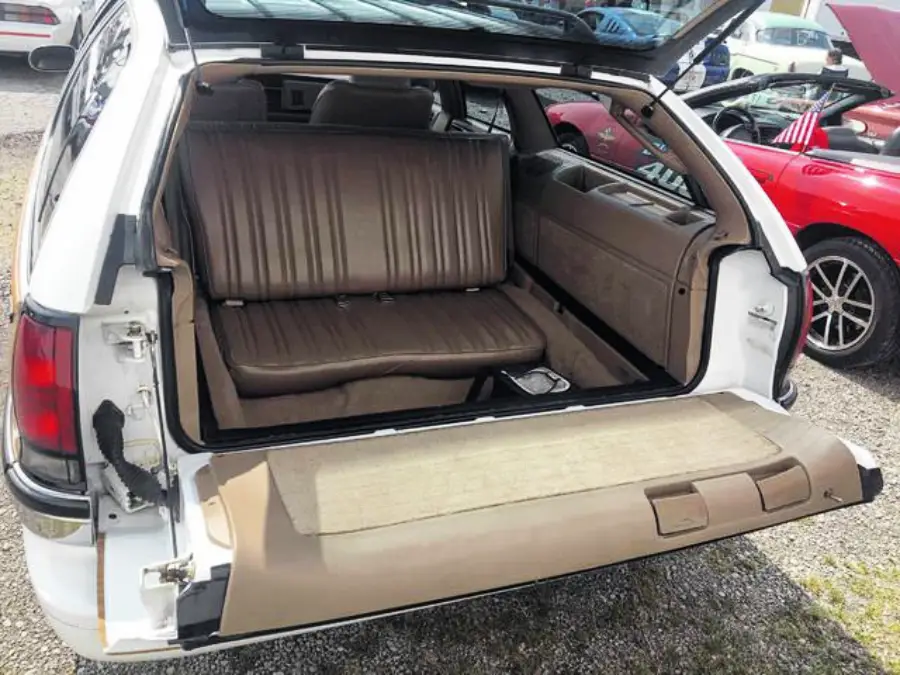
Many full-size American station wagons offered an optional fold-down rear seat in the cargo bay that faced backward toward oncoming traffic. This setup allowed two or three extra kids to ride in the back, becoming a beloved family memory for millions of Americans who grew up riding in the trunk space.
12. Stalk-mounted cruise control levers
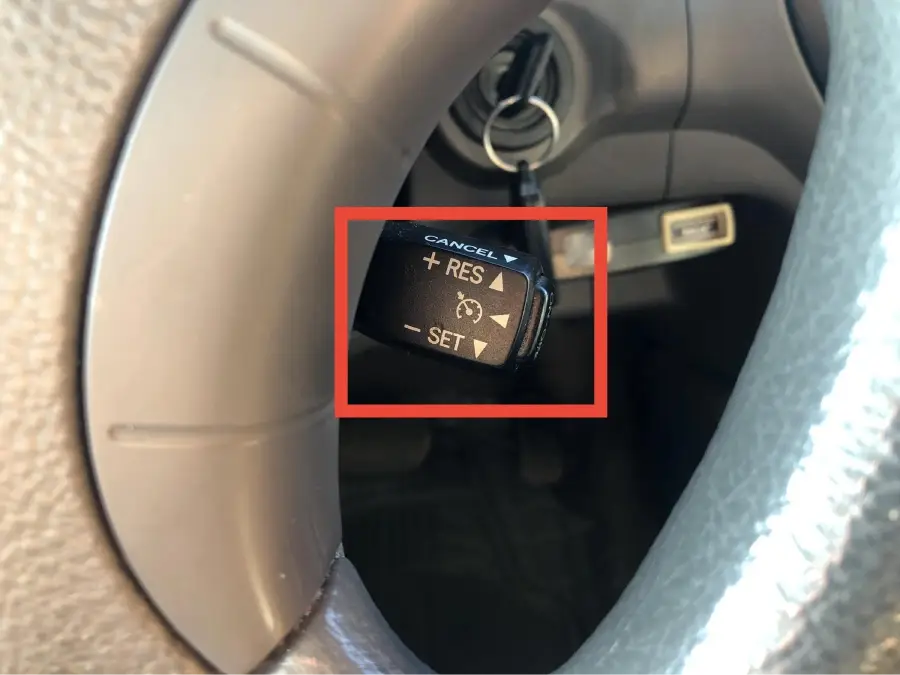
Early eighties cruise control systems were operated via a long auxiliary lever extending straight out from the steering column, completely separate from the main indicator controls. Drivers pulled, twisted, or tapped the stalk to set highway speeds, long before manufacturers integrated buttons directly onto the steering wheel face.
13. Monochromatic lime-green and amber dash displays
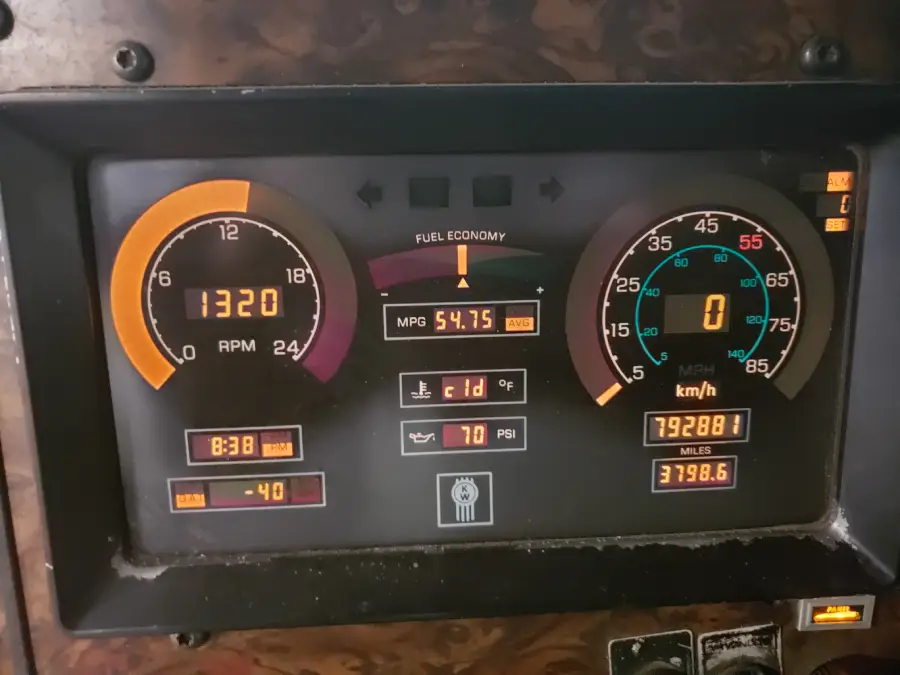
Instrument clusters in the eighties heavily embraced glowing single-color digital displays, utilizing bright lime green, amber orange, or red digital readouts that mimicked jet fighter cockpits. Modern high-resolution TFT screens and customizable full-color digital dashboards have completely replaced these retro electronic displays.
14. “Overdrive Off” buttons on automatic shifters
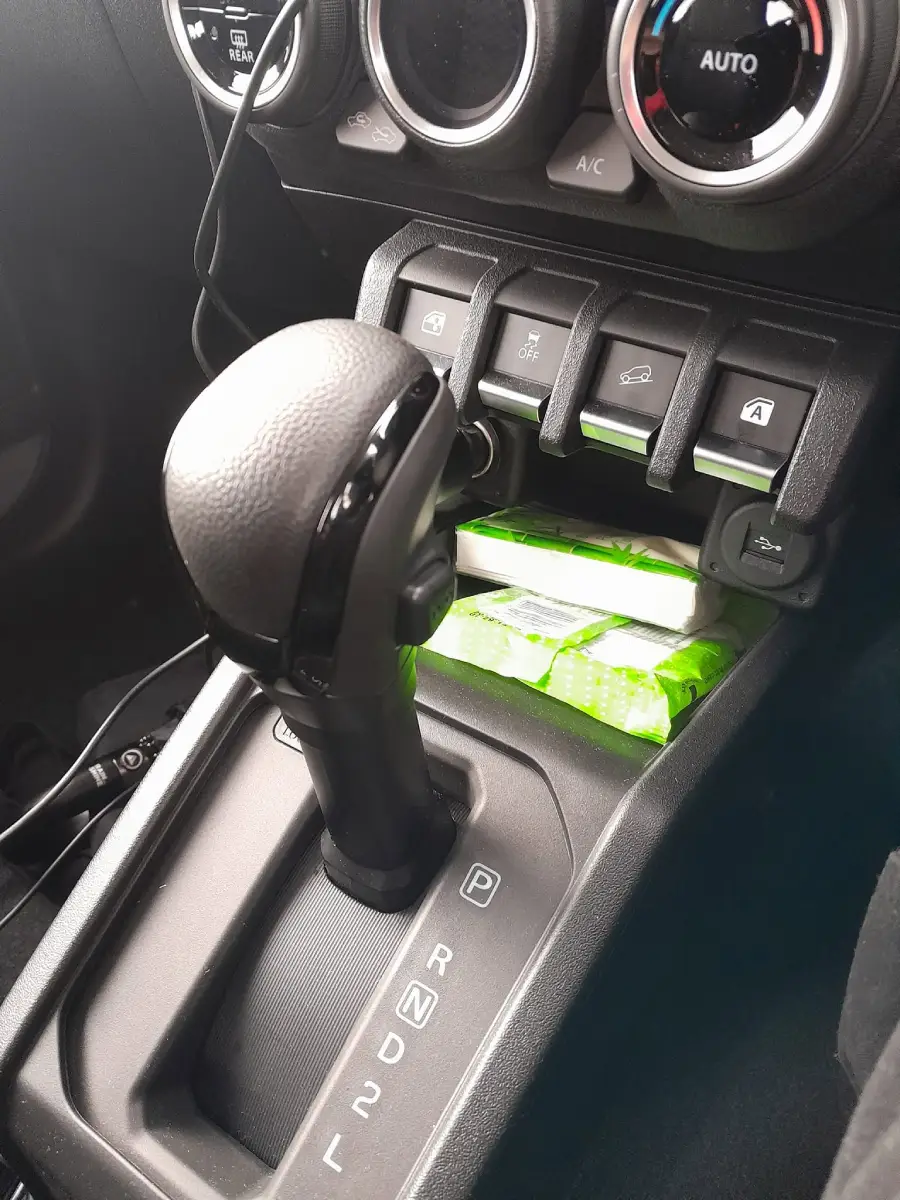
Automatic transmissions in the eighties included a dedicated O/D OFF button on the shift handle, allowing drivers to lock out top gear when towing heavy loads or climbing steep mountain passes. Modern multi-speed transmissions handle gear selection automatically via computer algorithms, rendering manual lockout switches unnecessary.
Explore more about cars from the past:
Taking a look back at these forgotten automotive features offers a fascinating perspective on how rapidly vehicle engineering, passenger comfort, and safety standards have evolved over the decades. While modern cars provide unmatched reliability, high-definition screens, and advanced driver assistance, revisiting these pop-up headlights, bench seats, and retro digital dashboards reminds us of an era when driving had a distinctly hands-on personality. If you enjoy exploring transportation history, vintage design, and pop culture nostalgia, make sure to explore these 20 Cool Cars That Defined the Nineties, or 20 Iconic Muscle Cars from the 1970s Era. You can also check out these 20 Classic Cars From the 1950s That Defined the Golden Age of Automobiles.