Before modern highways and commercial airlines dominated global travel, ambitious engineers built incredible transportation networks to move crowds across bustling cities and rugged landscapes. From elevated atmospheric railways powered purely by air pressure to massive wooden canal funiculars, these ingenious transit systems were once technological marvels of their era. They safely carried thousands of daily commuters long before the automobile culture reshaped urban architecture.
Over time, shifts in economic priorities, corporate rivalries, and the rapid adoption of personal vehicles quietly rendered these fascinating transit networks obsolete. Many were dismantled for scrap metal, buried under concrete, or simply left to decay in forgotten tunnels. Uncovering the forgotten stories behind these extinct transit routes offers a captivating glimpse into the bold, experimental spirit of early mass transit history. Here are twelve forgotten transportation systems that once moved thousands of passengers every day.
1. Beach pneumatic transit
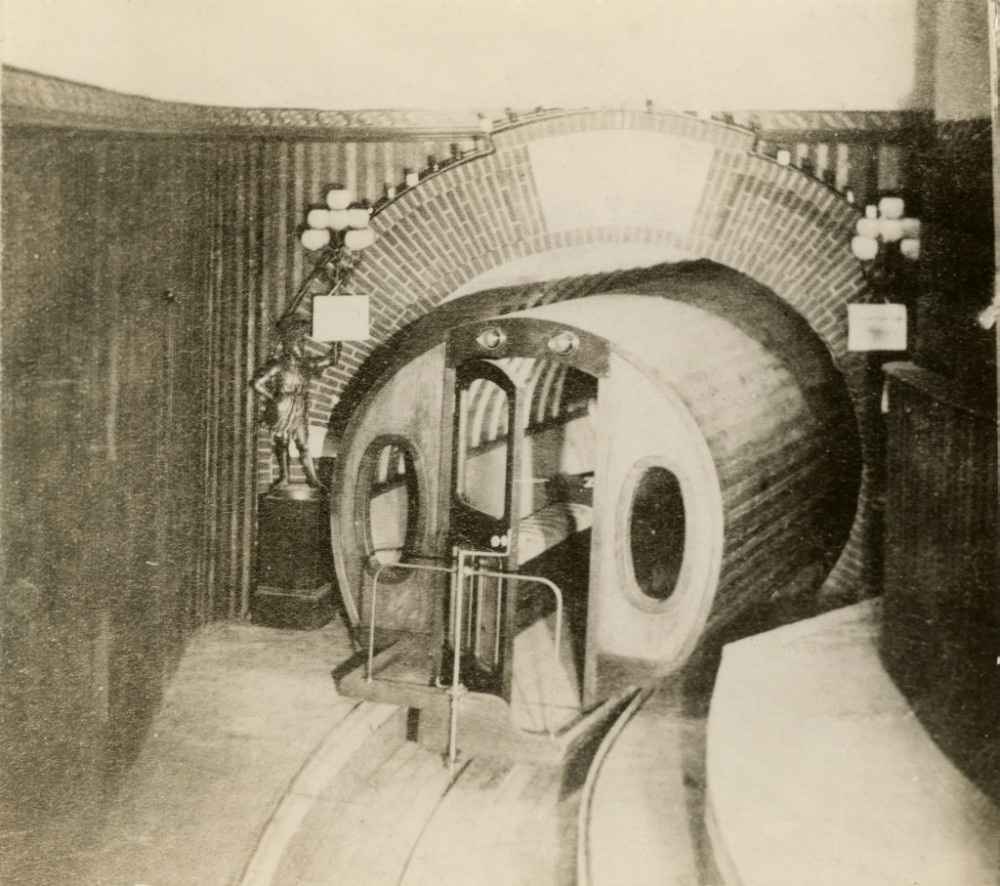
In 1870, inventor Alfred Ely Beach secretly constructed New York City’s first underground transit line beneath Broadway, powered entirely by a giant 125-horsepower blowing fan. The luxurious single car featured ornate wood paneling, plush chandeliers, and a grand waiting room complete with a freshwater fountain. It successfully carried over 400,000 curious passengers during its three years of operation before political opposition permanently killed the project.
2. The Lartigue monorail
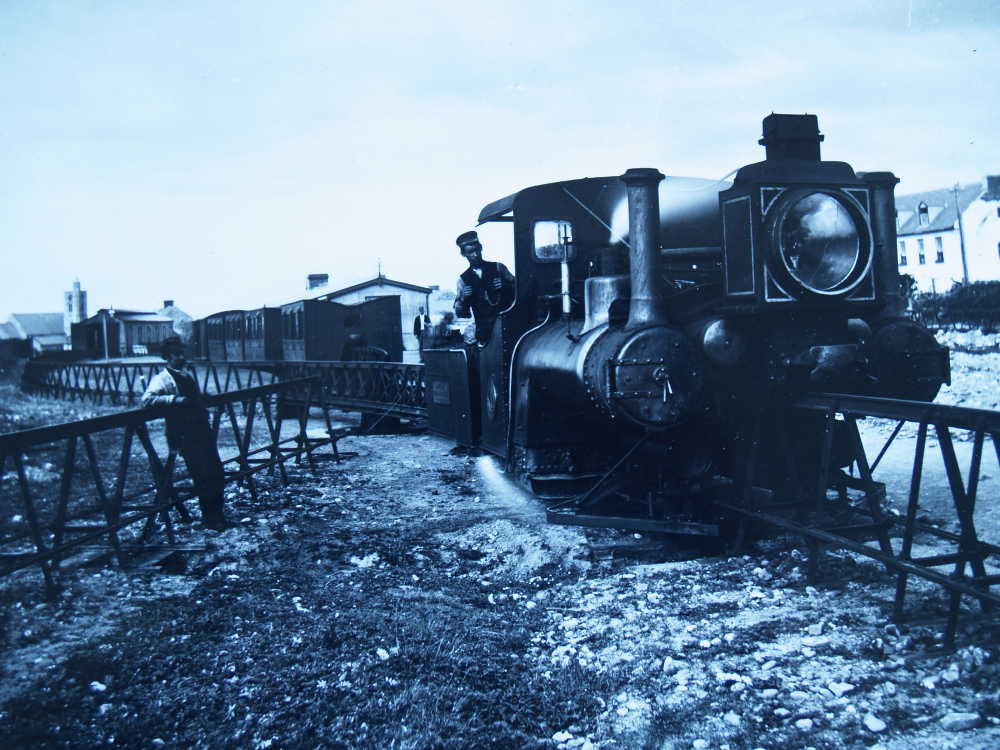
Opening in County Kerry in 1888, this unique steam-powered monorail balanced its passenger cars on a single elevated steel rail like a saddle on a horse. Because uneven weight distribution could derail the train, station masters had to carefully weigh passengers and livestock, sometimes balancing a heavy passenger on one side with two calves or bags of gravel on the other. It served the rural community for 36 years before shutting down in 1924.
3. The Liverpool overhead railway
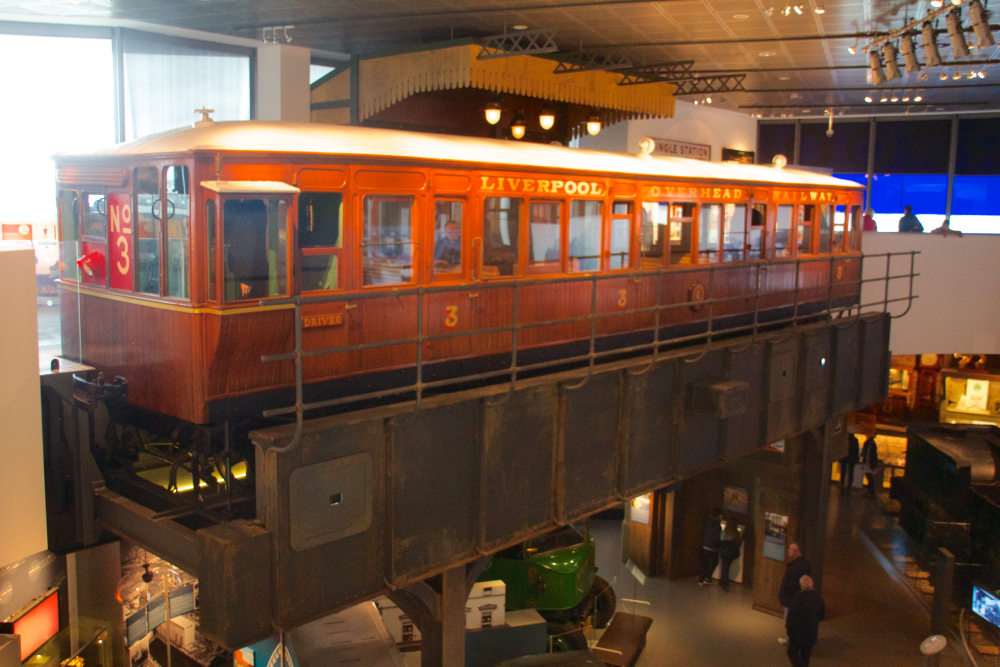
Known locally as “The Dockers’ Umbrella,” this pioneer elevated line opened in 1893 as the world’s first electrically powered elevated railway. Spanning seven miles along the bustling Mersey docks, it transported over 12 million factory workers and sailors every year while providing shelter from rain for pedestrians on the streets below. Despite its incredible popularity, severe wartime bomb damage and unsustainable maintenance costs forced its complete demolition in 1956.
4. The Brooklyn Bridge cable car
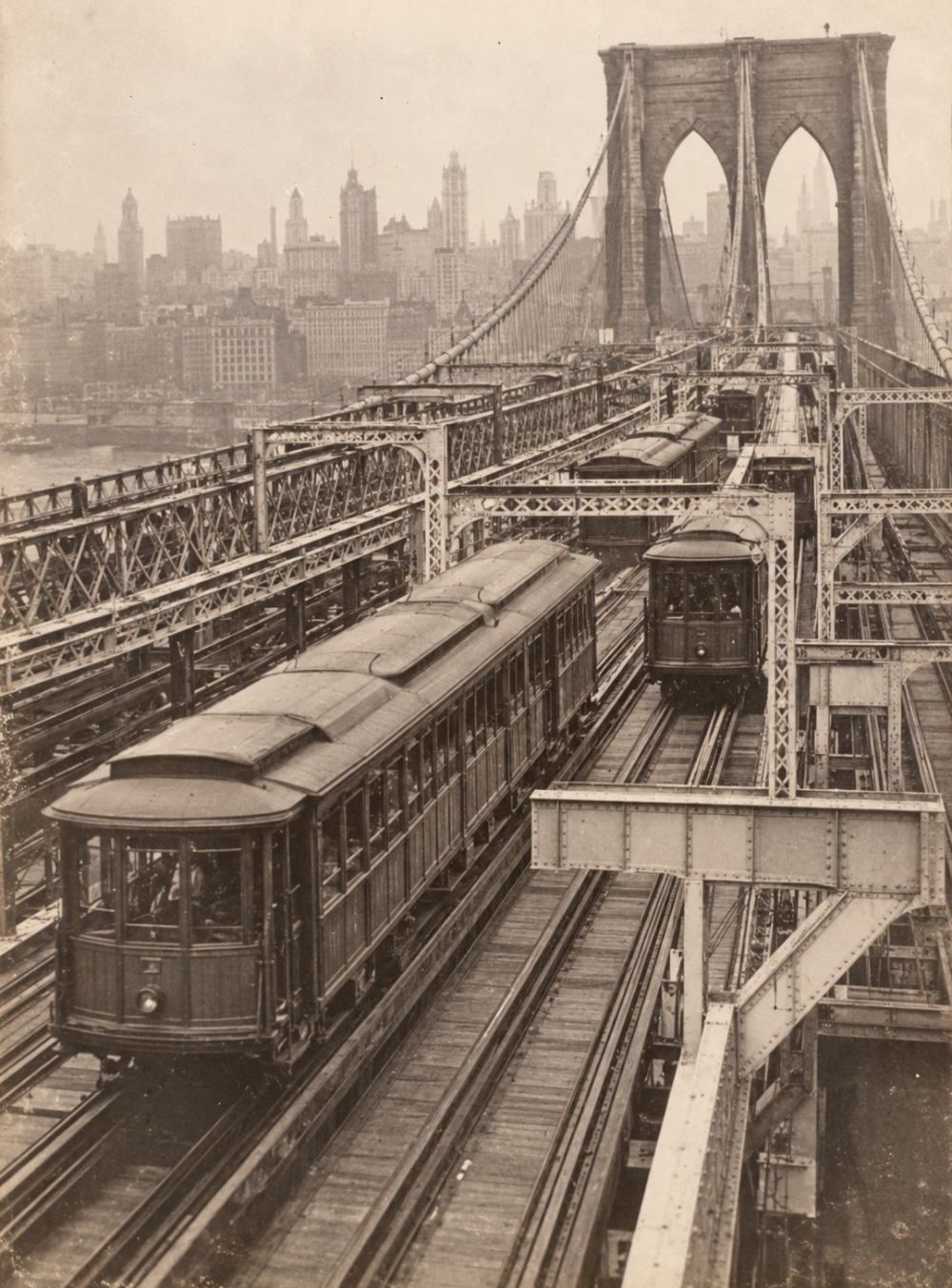
Between 1883 and 1908, a continuous, steam-driven cable railway operated directly across the main deck of the Brooklyn Bridge. Passengers boarded wooden cars that hooked onto an underground steel cable, gliding smoothly over the East River at ten miles per hour. At its operational peak, the line moved over 40 million passengers annually, drastically reducing traffic congestion between Brooklyn and Manhattan.
5. The South Devon atmospheric railway
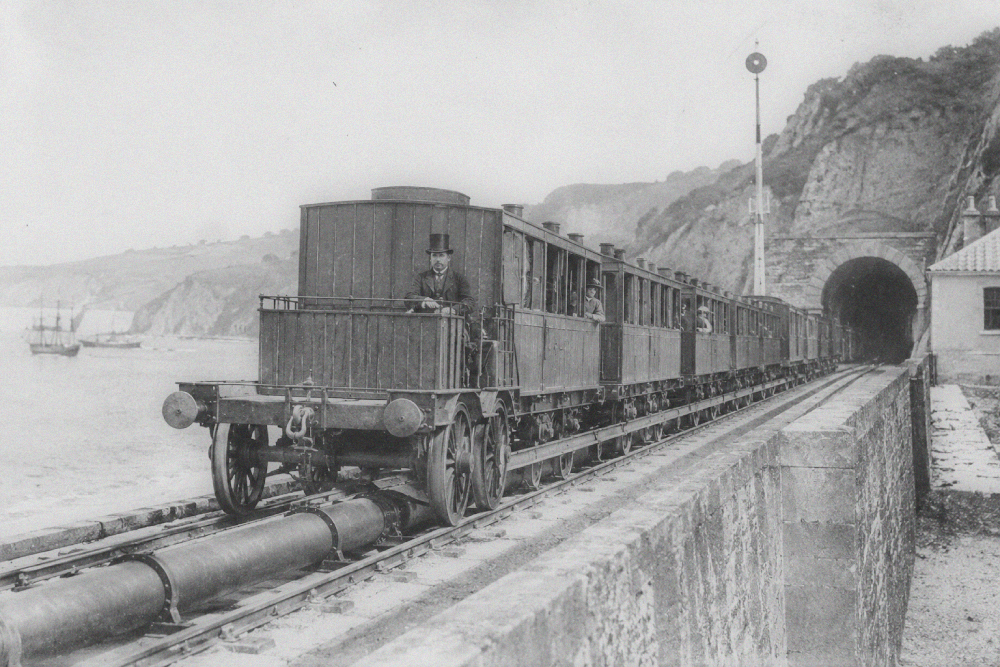
Engineered by legendary builder Isambard Kingdom Brunel in 1847, this high-speed line abandoned heavy locomotives in favor of a continuous iron vacuum pipe buried between the tracks. Stationary steam pumping engines sucked air out of the pipe, creating a vacuum that pulled the passenger train along at speeds exceeding 60 miles per hour. Unfortunately, hungry local rats continuously ate the tallow-greased leather seals on the pipe, forcing the railway to close after less than a year.
Trending on The Scroller
6. The Pacific electric “Big Red Cars”
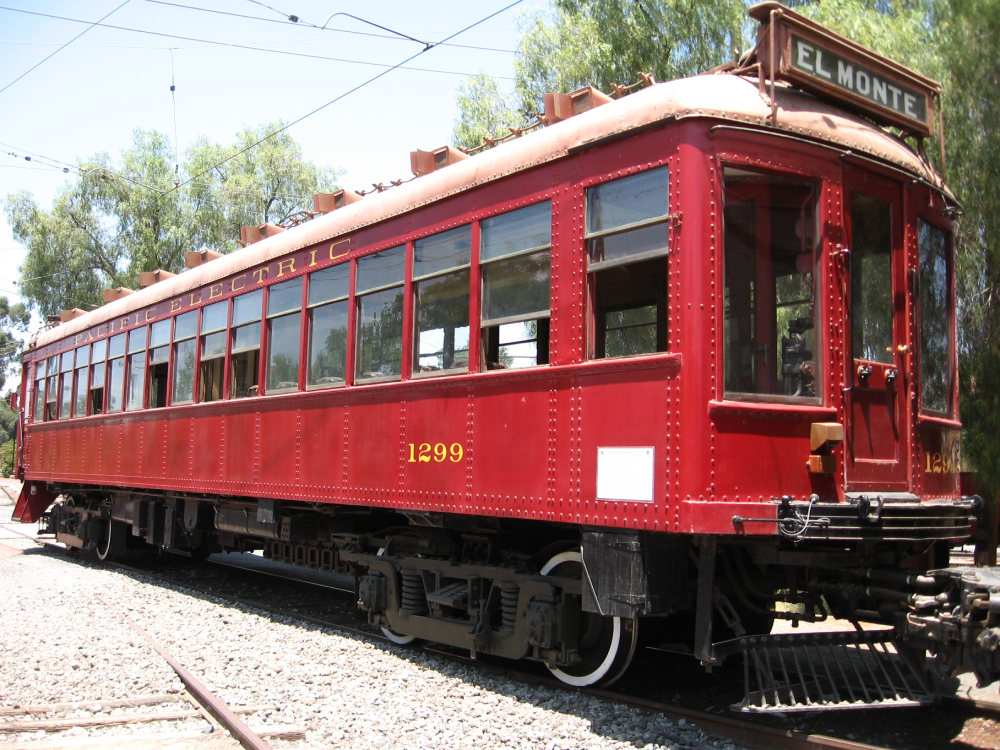
During the 1920s, Southern California boasted the largest electric interurban transit network in the world, spanning over 1,000 miles of track. The iconic bright red streetcars connected downtown Los Angeles with distant beaches and mountain towns, carrying over 100 million passengers annually. As suburban sprawl expanded and highway construction exploded, the massive network was systematically dismantled, making its final run in 1961.
7. The Crystal Palace pneumatic railway
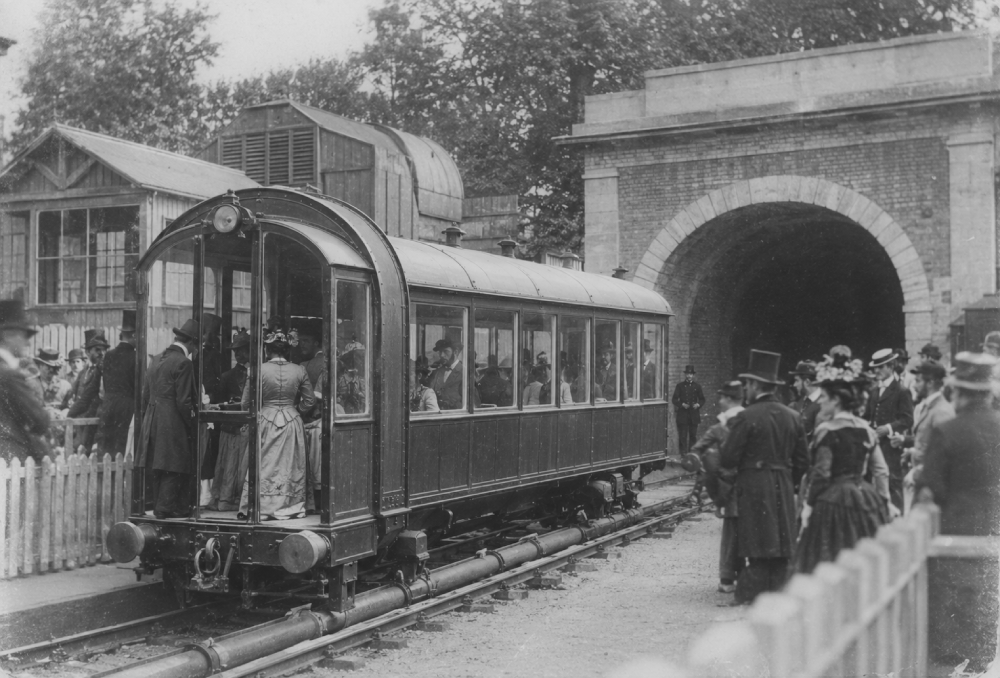
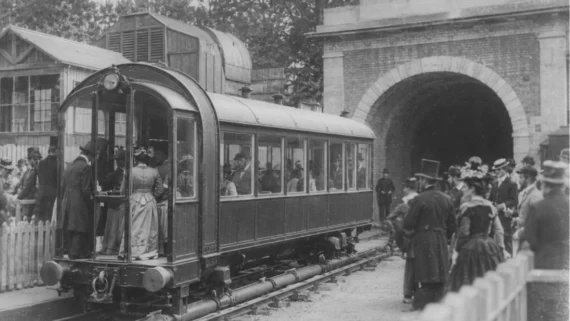
In 1864, engineer Thomas Webster Rammell built a 600-yard underground pneumatic demonstration line beneath the grounds of London’s Crystal Palace Park. A massive 22-foot steam engine fan blew a single passenger car through a dark brick tunnel on compressed air, then reversed direction to suck the car back to the station. The experimental line carried over 100,000 amazed visitors in just a few months before closing permanently.
8. The Rochester subway
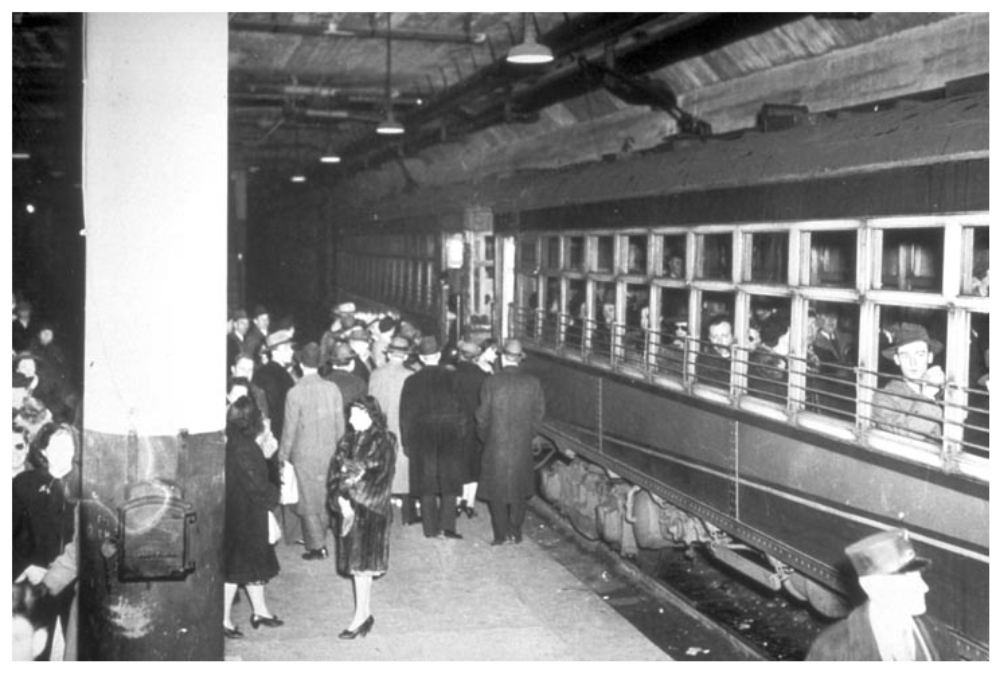
Built directly inside the abandoned bed of the Erie Canal, this fast-moving underground electric railway opened in 1927 to bypass heavy downtown traffic. The two-track tunnel ran high-speed electric streetcars across the city, carrying millions of daily commuters and freight cars for nearly three decades. As personal car ownership surged after World War II, ridership plummeted, leading to the subway’s final commercial run in 1956.
Sign up for our newsletter
9. The Mount Lowe scenic railway
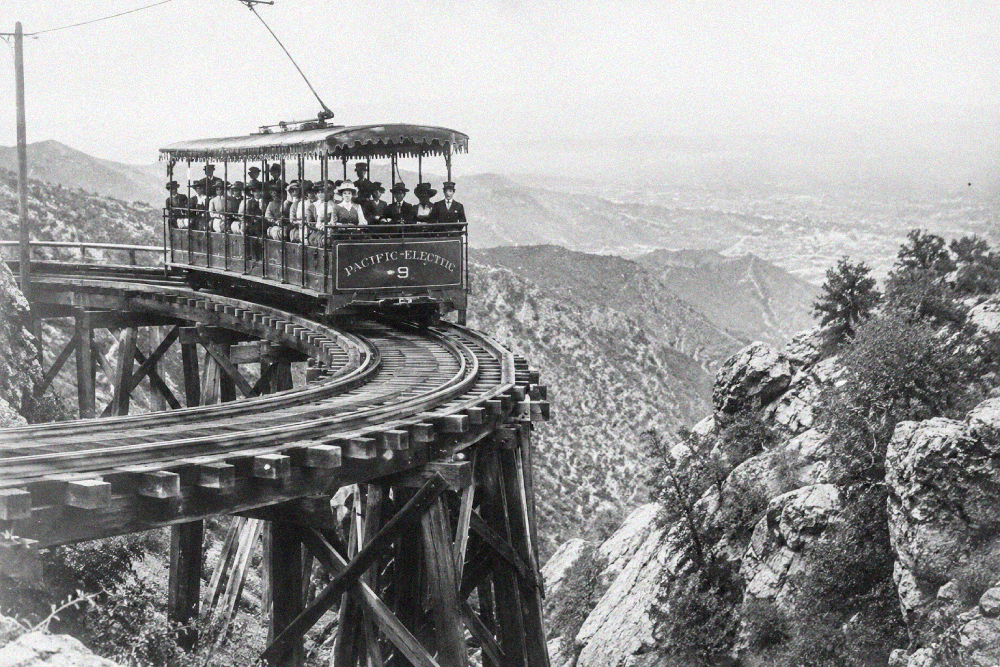
Engineered in 1893, this breathtaking electric mountain railway took tourists high into the San Gabriel Mountains above Los Angeles. Passengers rode open-air trolley cars across terrifying wooden trestles and perilous granite chasms, including a famous circular bridge suspended over a canyon. Over three million adventurous sightseers rode the scenic line before severe mountain fires and flood damage destroyed the resort complex in the 1930s.
10. Brennan’s gyroscopic monorail
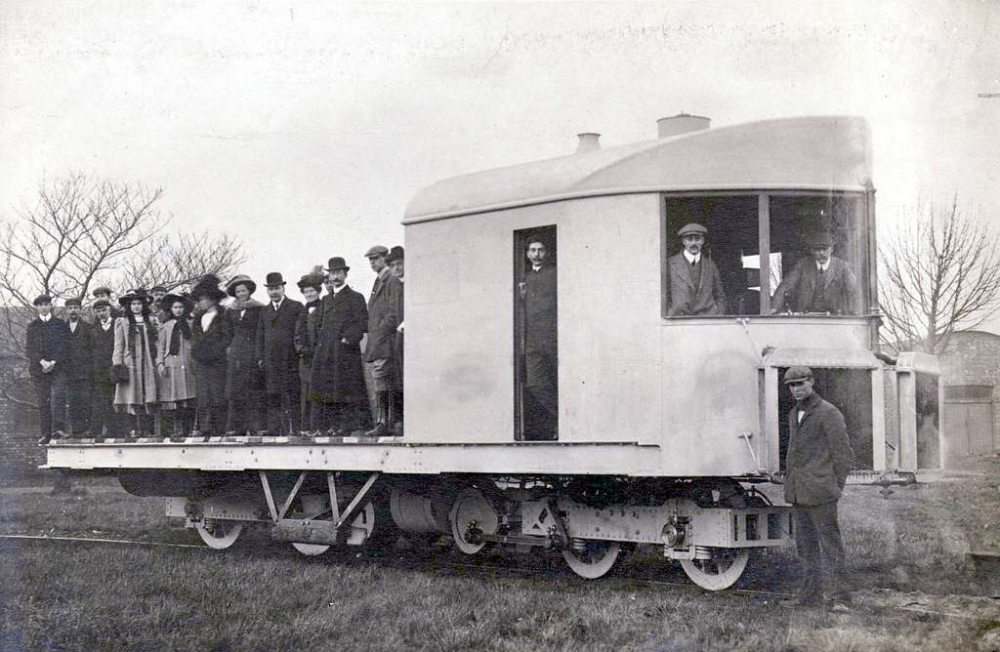
Invented by Louis Brennan in 1909, this futuristic transit vehicle ran on a single steel rail, balancing itself using two internal gyroscopes spinning at 3,000 revolutions per minute. During public demonstrations in London, the single-rail car effortlessly carried fifty passengers around sharp curves and over suspended wire cables without tilting. Despite proving its remarkable stability, investors preferred traditional two-track trains, and the project faded into obscurity.
11. The Chicago cable car network
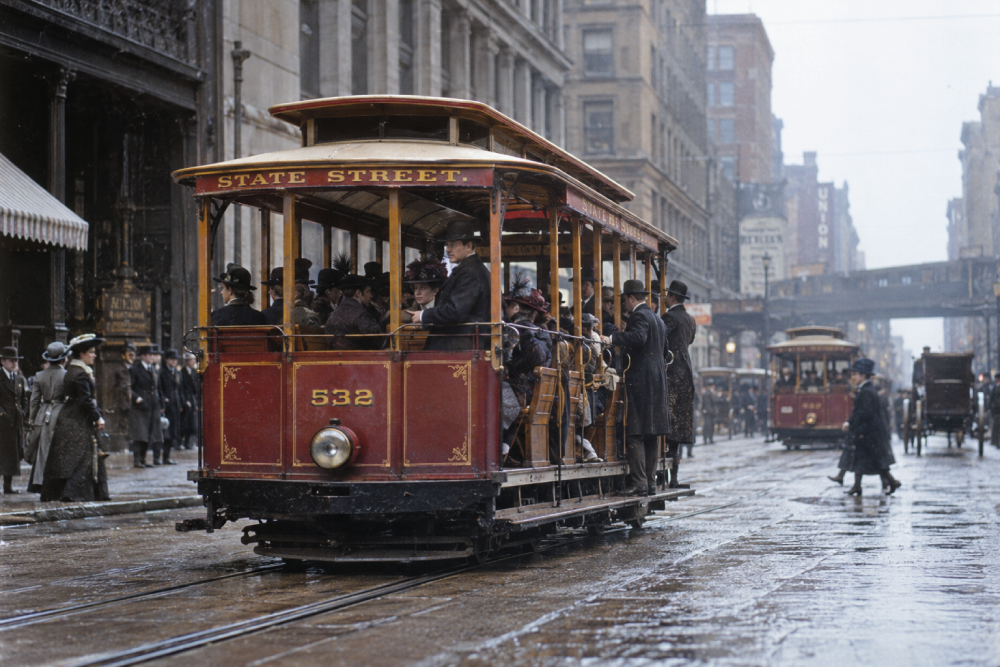
By the late 1880s, Chicago operated the most extensive cable car system in human history, pulling hundreds of thousands of commuters daily across four major lines. Giant steam engines housed in central powerhouse buildings pulled miles of underground steel cables, propelling over 1,000 cable cars simultaneously through heavy snow and rain. The advent of cheaper, faster electric overhead trolleys quickly rendered the mechanical cable system obsolete by 1906.
12. The Atlantic City & Shore fast line
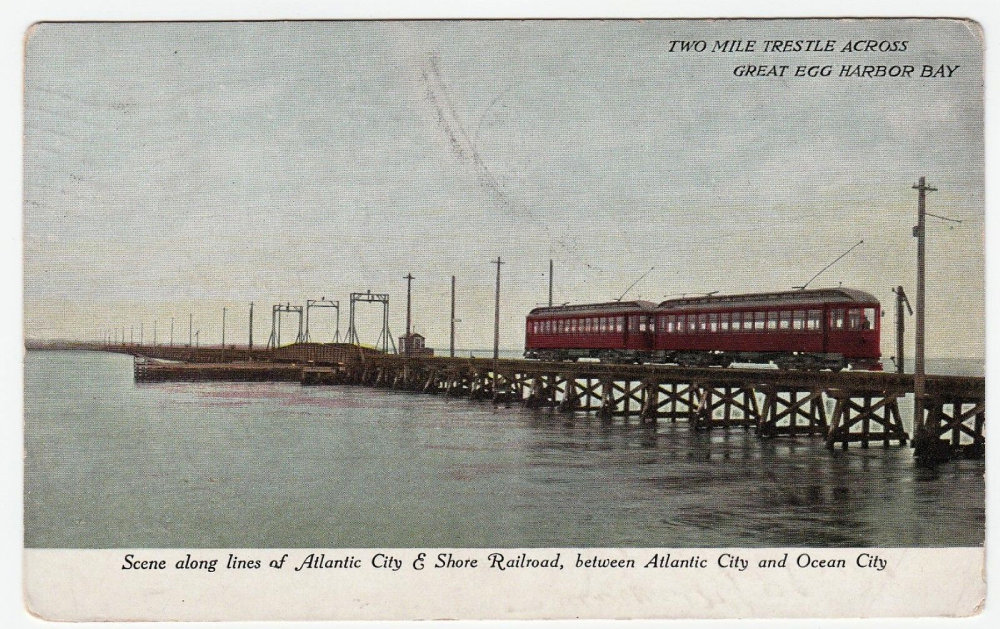
Running through the coastal salt marshes of southern New Jersey, this high-speed interurban trolley connected Philadelphia travelers directly to Atlantic City boardwalks. Known as the “Fast Line,” its heavy wooden electric cars zipped across wooden trestles at speeds above 60 miles per hour, carrying millions of summer vacationers every decade. The opening of modern expressways and affordable buses eventually brought the popular line to an end in 1948.
Check out more interesting vehicles from the past:
Looking back at these innovative transit experiments proves that urban mobility has always inspired incredible mechanical ingenuity. While modern expressways and subway cars have replaced these vintage monorails and pneumatic tubes, their bold legacy remains an essential chapter in engineering history. If you love discovering forgotten technology, vintage lifestyle history, and fascinating retro vehicles, make sure to check out these Alternative Car Designs: 17 Futures That Nearly Happened or these 20 Cars From the 1800s That Lost Their Collector Appeal. You may also like these 15 Fascinating 1940s Cars From a Weird Design Era.