Alternative car designs have been challenging the familiar four-wheel, gasoline-powered automobile for more than a century. Some were genuine competitors, others reached public testing, and a few existed only as serious visions of a future that technology never quite caught up with.
Taken together, they reveal just how unsettled the idea of a “car” once was. Electric motors, steam engines, turbines, removable wings, three wheels, six wheels, and even nuclear power all had their moment on the drawing board or the road. The conventional car won, but history left plenty of alternate routes behind.
1. Battery-Electric Cars Were a Real Rival to Gasoline
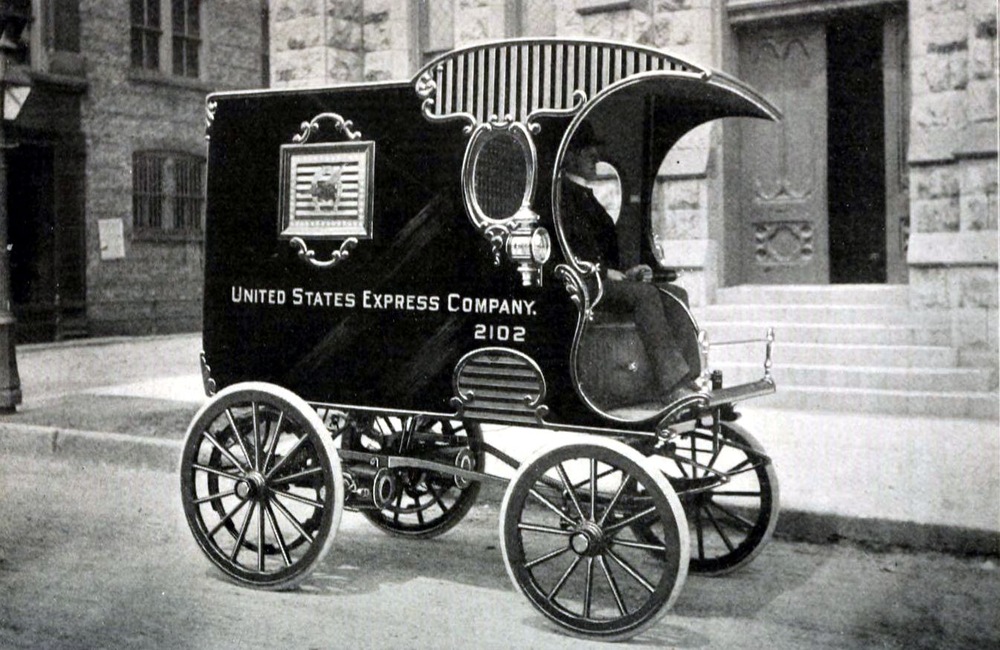
Electric cars are not simply a modern attempt to replace gasoline. Around 1900, they were already serious competitors, accounting for roughly a third of vehicles on American roads at their early peak. They were quiet and relatively easy to operate, but cheap gasoline, expanding roads, mass production, and the electric starter gradually shifted the advantage toward internal combustion. The automotive future could have branched very differently right at the beginning.
2. The Chrysler Turbine Car Put Jet-Age Engines in Family Hands
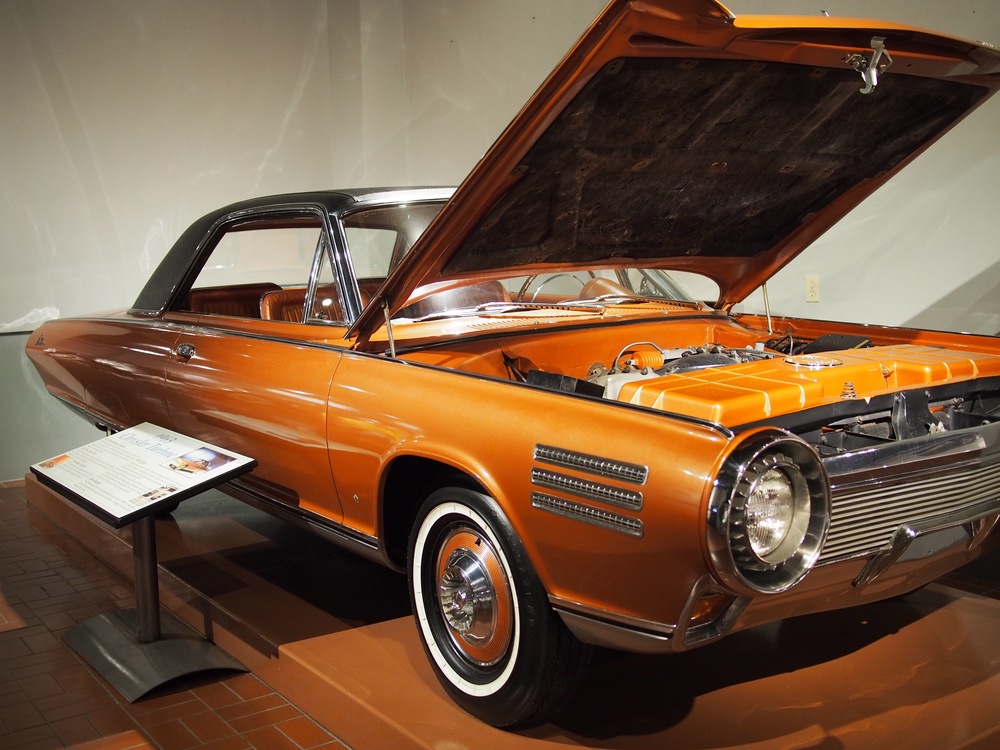
For a brief moment in the 1960s, turbine power escaped the world of aircraft and landed in ordinary driveways. Chrysler built 50 Turbine Cars for consumer testing in 1963 and 1964, allowing actual families to experience the technology. The engine was smooth and mechanically simple, but poor fuel economy, emissions, and throttle lag helped keep this copper-colored experiment from becoming America’s next family car.
3. The Dymaxion Tried a Three-Wheel Rear-Steer Layout
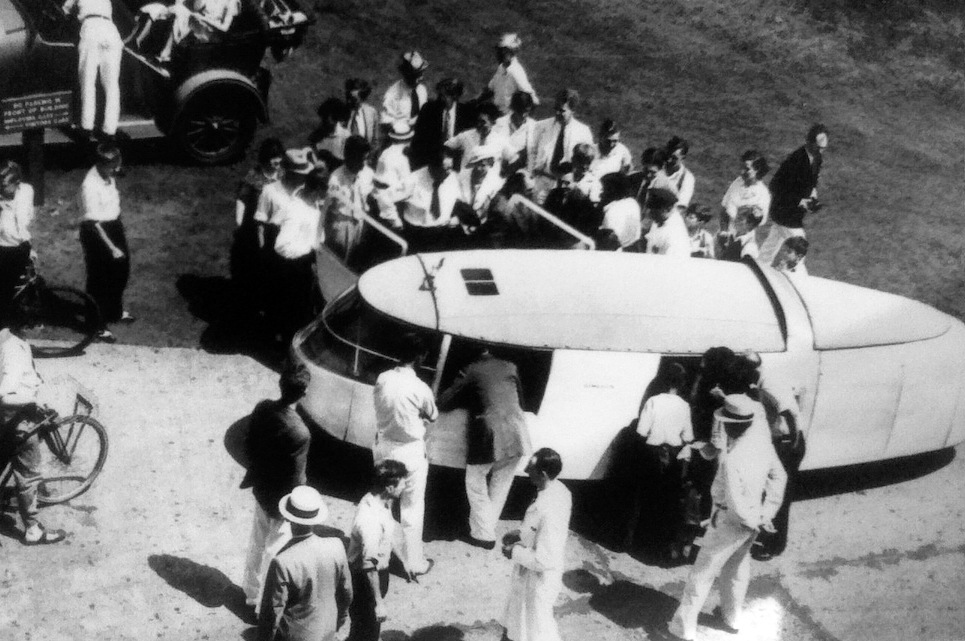
Buckminster Fuller’s Dymaxion looked less like a strange automobile than a proposal to redefine one. Its long aerodynamic body rode on three wheels, steering from the rear while providing considerably more passenger space than a typical car. Only prototypes were built, yet the 1930s project asked a surprisingly fundamental question: why should an automobile have the shape and layout everyone had already begun accepting as normal?
4. Steam Cars Competed Before Gasoline Won
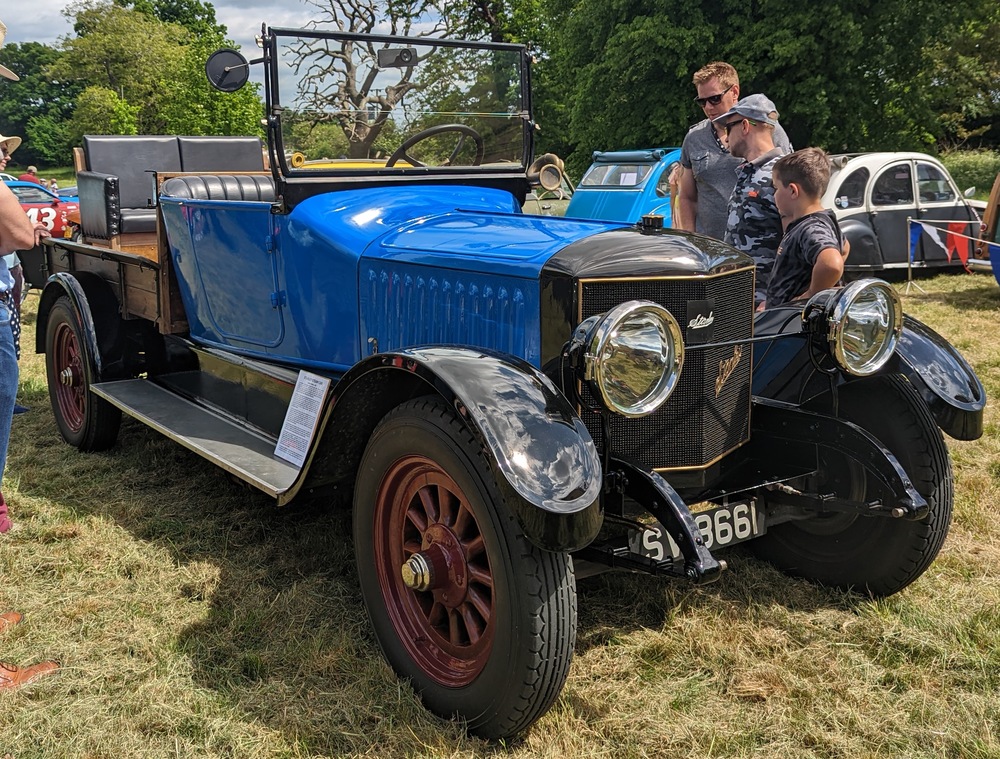
What if filling a car with gasoline had never become the default? Steam was already mature technology when automobiles emerged, and manufacturers such as Stanley demonstrated that steam-powered cars could be fast and capable. Their disappearance was not simply a case of an absurd technology meeting a superior one. Convenience and changing market conditions increasingly favored internal combustion, closing one of the earliest forks in automotive history.
5. The Aerocar Tried to Make the Family Car Fly
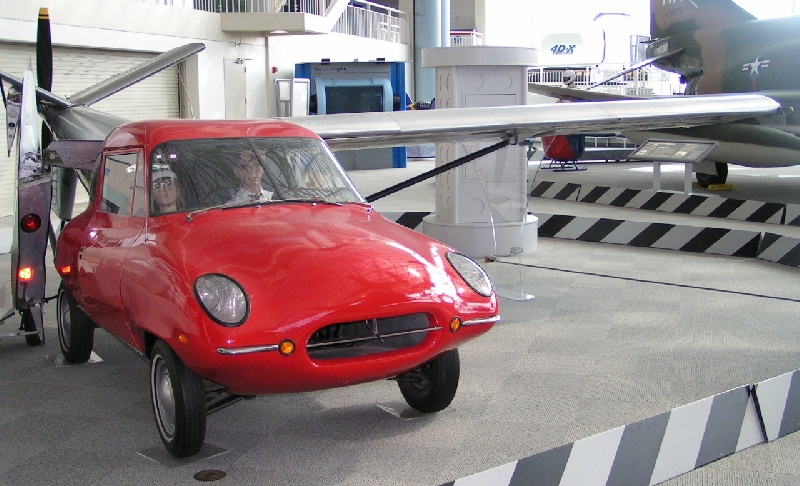
The flying car cliché got remarkably close to becoming something customers could actually order. Moulton Taylor’s Aerocar successfully drove and flew, earned certification, and attracted manufacturer interest. A proposed 1961 production agreement required 500 firm orders, but only 278 deposits materialized. That shortfall helped separate an extraordinary working machine from the alternate reality where suburban garages might also have needed room for wings.
Trending on The Scroller
6. Gyro-X Asked Whether Cars Needed Four Wheels at All
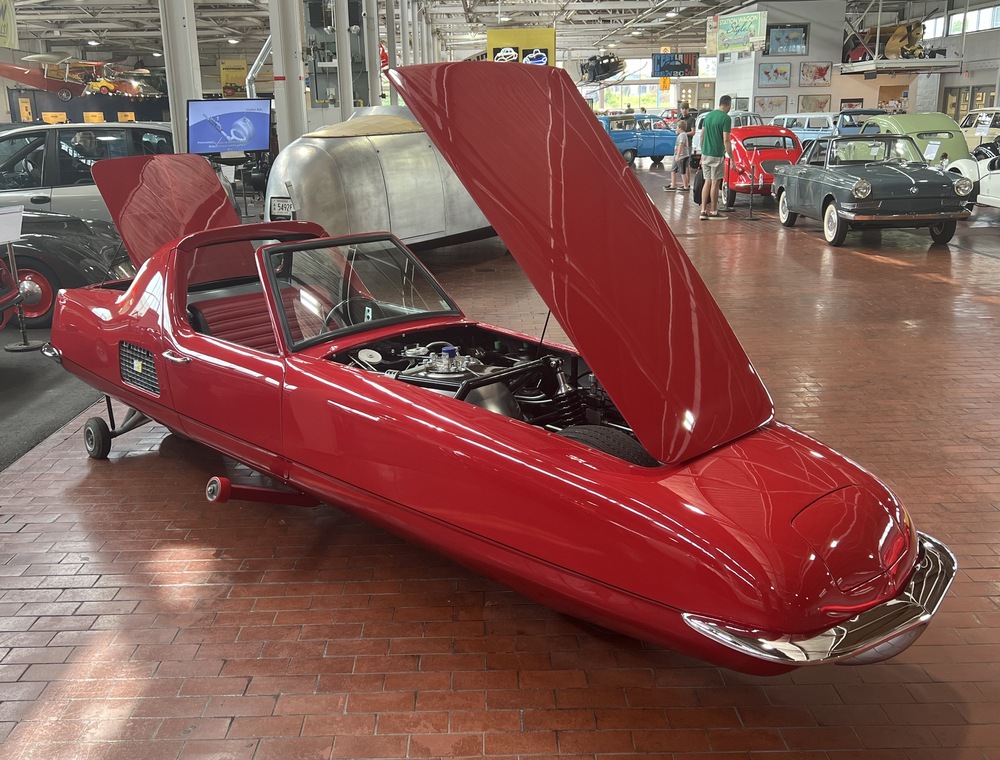
Two wheels normally mean balancing the vehicle yourself. The 1967 Gyro-X proposed another answer: let a gyroscope handle the balancing. Its creators envisioned a narrow, lightweight automobile that could reduce drag, weight, and the amount of road space each vehicle occupied. The surviving prototype looks startling even among experimental cars, largely because it challenged something designers rarely question at all: the basic four-wheel footprint.
7. Microcars Proposed “Enough Car” Instead of Bigger Cars
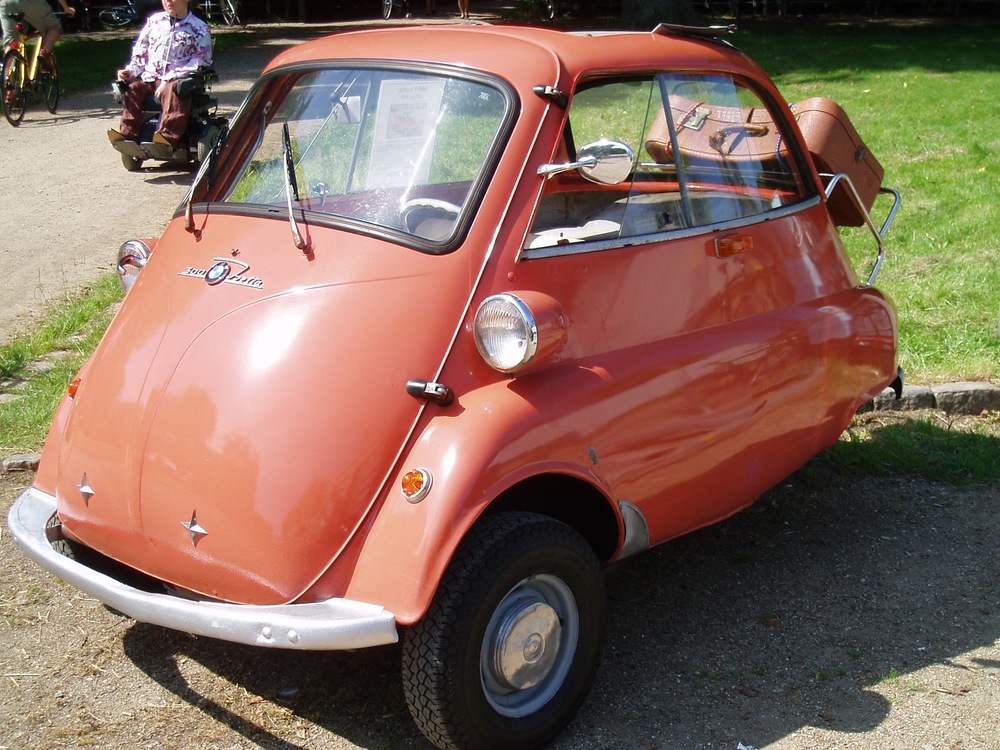
Postwar microcars approached transportation from the opposite direction of Detroit’s increasingly large automobiles. Bubble cars such as the Isetta offered extremely compact personal mobility suited to crowded streets and fuel-conscious drivers. Instead of asking how much more a car could contain, they asked how little automobile a person actually needed. That idea never disappeared completely, and today’s micromobility debates make the tiny machines look considerably less eccentric than they once did.
8. The Ford Nucleon Imagined Swappable Nuclear Power
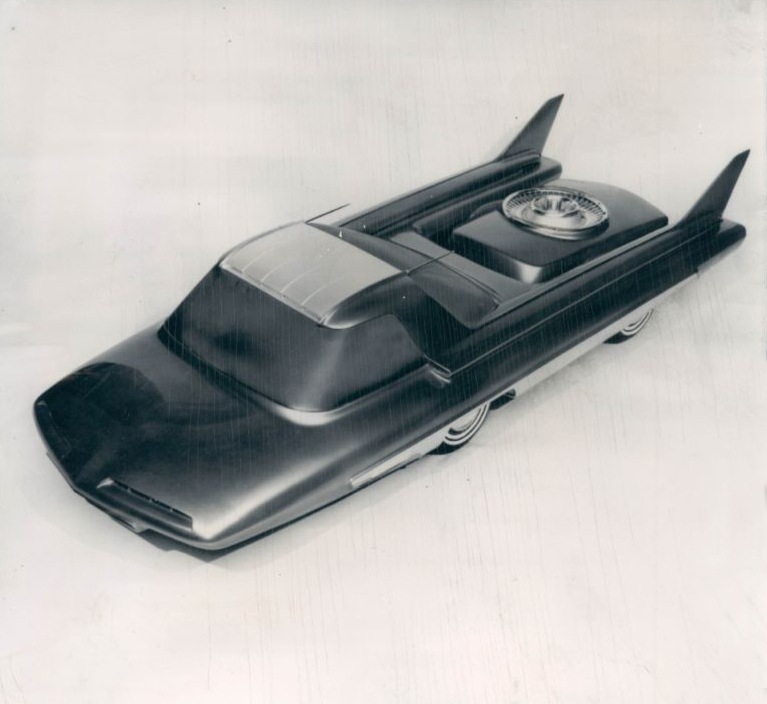
A nuclear reactor in the family car sounds like retrofuturism at its most extravagant, and in this case it essentially was. Ford’s 1958 Nucleon remained a scale model, built around the assumption that future reactors and their shielding would become dramatically smaller. Could atomic technology eventually shrink enough to power individual automobiles? It never happened, but the Nucleon captures just how expansive Atomic Age expectations could become when designers imagined technologies decades ahead.
Sign up for our newsletter
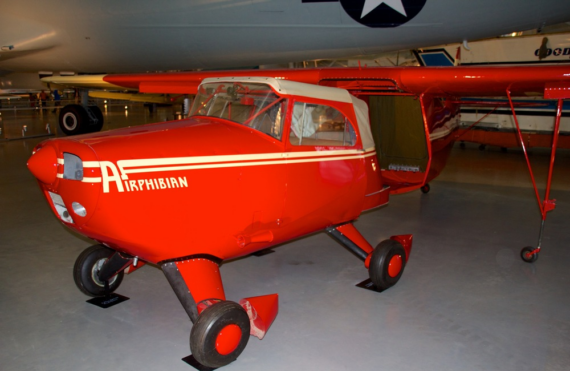
9. The Fulton Airphibian Made Car-to-Plane Conversion Real
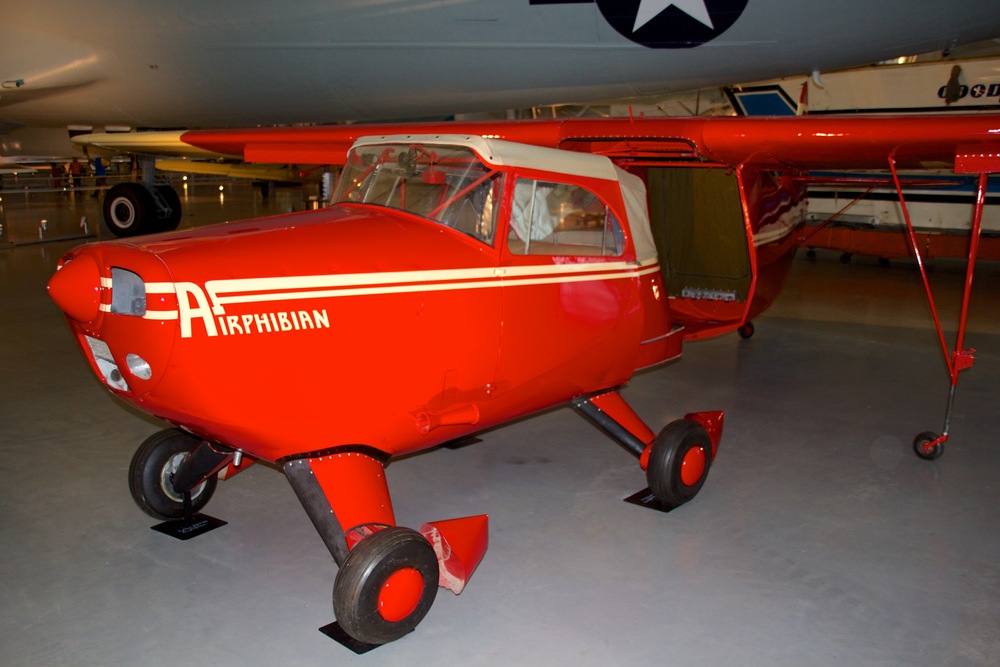
Unlike many flying-car fantasies, the Fulton Airphibian proved its basic concept worked. The vehicle became the first aircar to receive CAA certification and could transform between road and flight configurations. Technical success, however, did not guarantee commercial practicality. Combining the requirements of an automobile and an aircraft made the resulting machine cumbersome and expensive, demonstrating a recurring problem with hybrid transportation: doing two jobs means satisfying two very different sets of demands.
10. The Sinclair C5 Bet on Tiny One-Person Electric Mobility
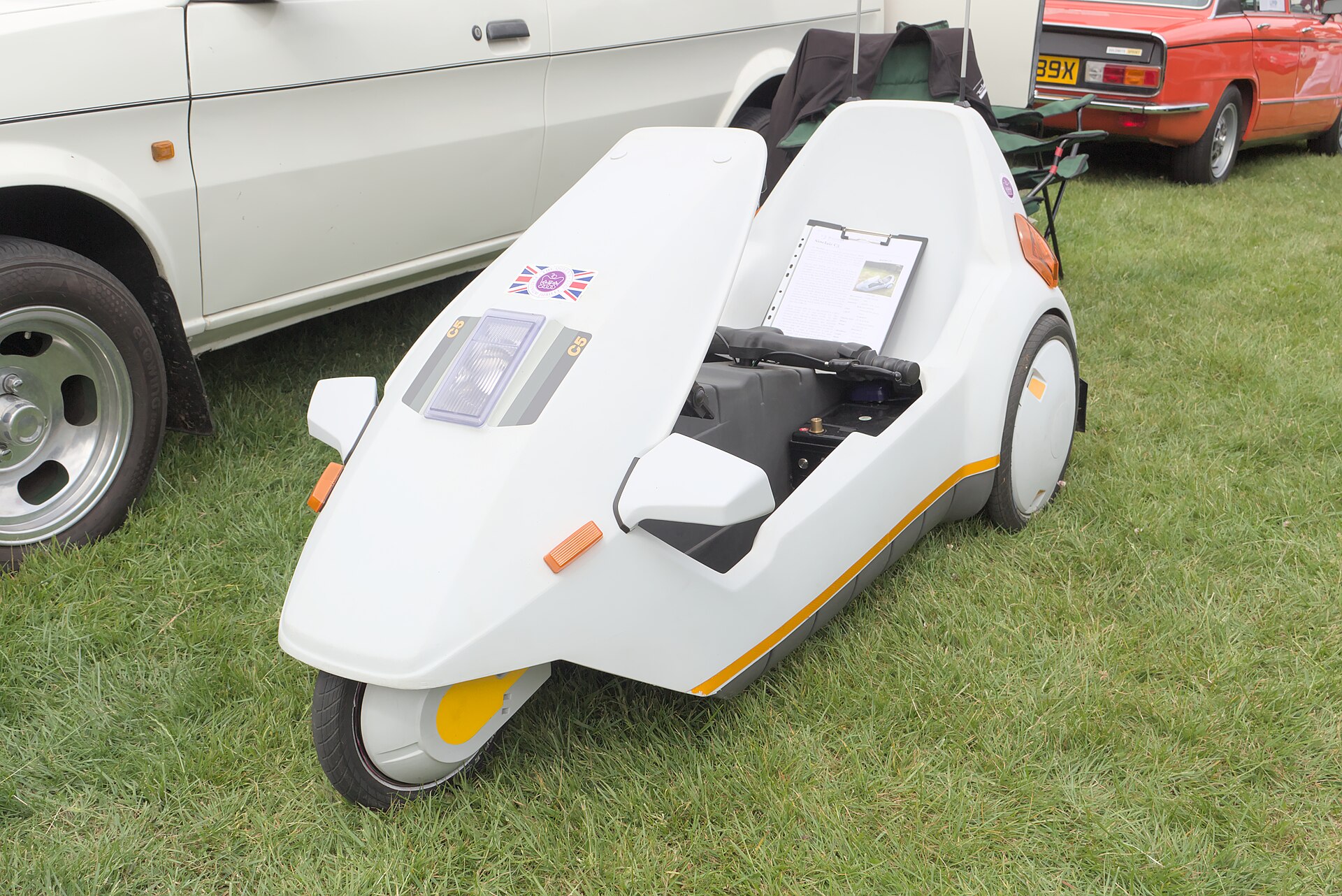
Alternative car designs rarely stripped personal transportation down as dramatically as the Sinclair C5. Launched in 1985 as an alternative to cars and bicycles, the tiny one-person electric vehicle promised a new form of urban mobility. Limited speed and range, minimal weather protection, and public concerns about safety hurt demand. Yet its basic proposition, small electric vehicles for short individual trips, sounds considerably more familiar in today´s transportation landscape.
11. GM’s Hydrogen Skateboard Tried to Separate the Body From the Car
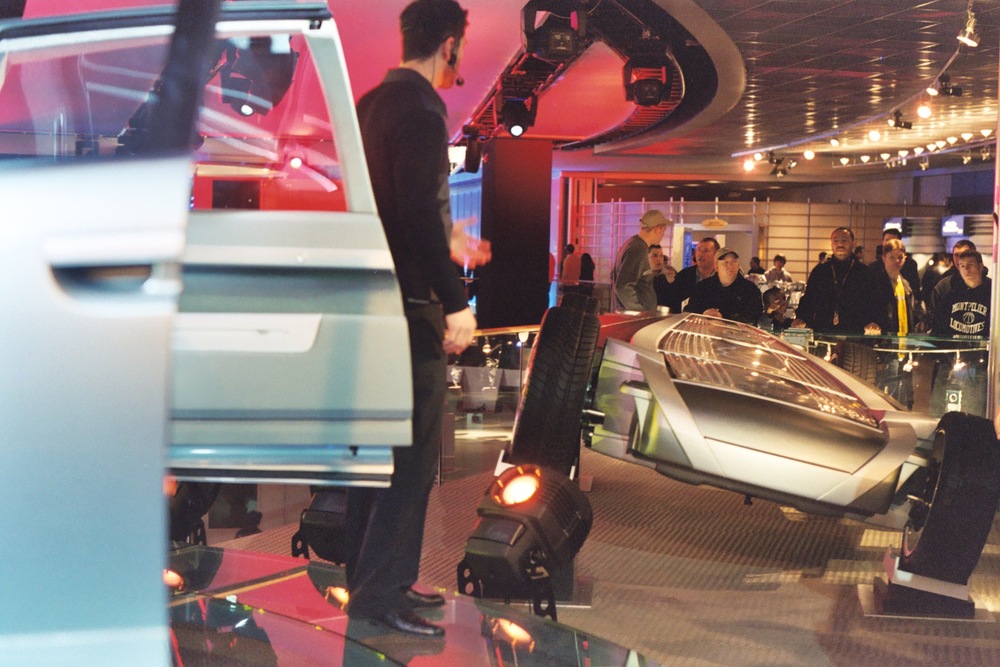
GM’s AUTOnomy and Hy-wire concepts treated the traditional automobile almost like two separate products. Propulsion and controls were concentrated into a flat “skateboard” chassis, leaving designers free to imagine interchangeable bodies above it. The hydrogen-powered future GM anticipated did not arrive on schedule, but the underlying skateboard architecture proved far more durable as an idea. Electric vehicles would later make variations of that packaging philosophy increasingly influential.
12. The ConvAirCar Imagined Renting Wings at the Airport
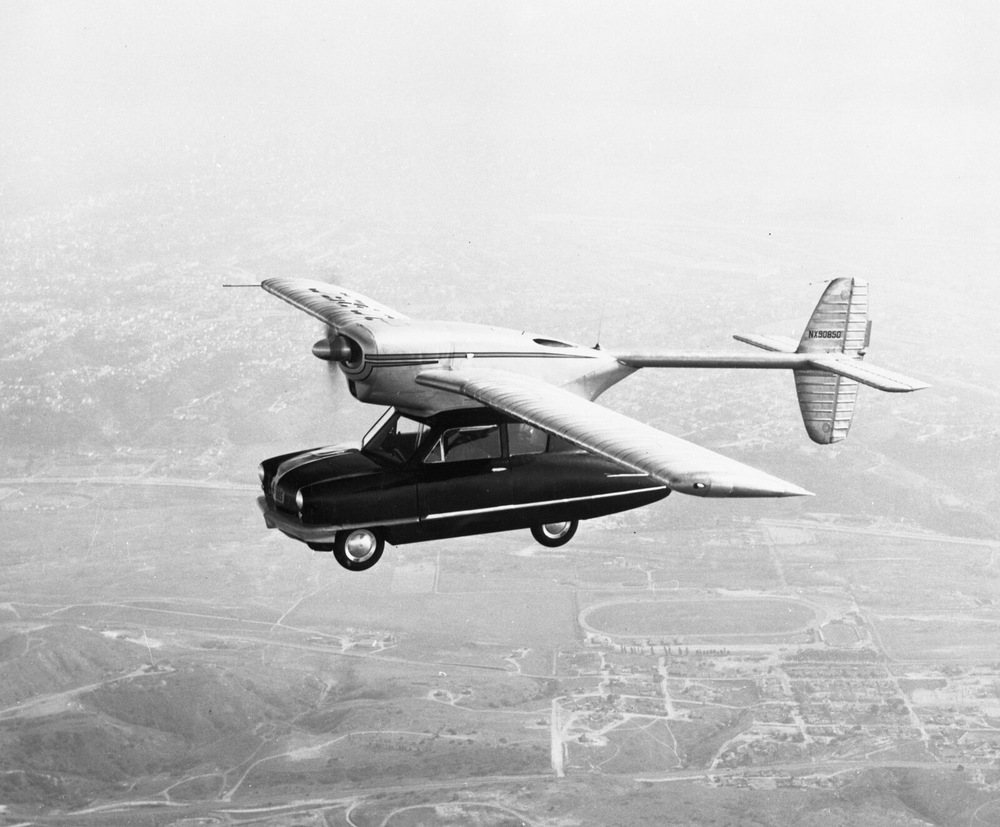
Convair’s postwar Model 118 offered an intriguing compromise for drivers who did not necessarily need wings every day. The road-going car could attach to a separate flight unit, with the concept aimed at mainstream buyers rather than merely adventurous pilots. Imagine driving to an airport and essentially adding an airplane to the roof. A crash and declining enthusiasm ended the program after the prototype stage, leaving another plausible flying-car pathway grounded.
13. Six Wheels Were Pitched as Better for Braking and Steering
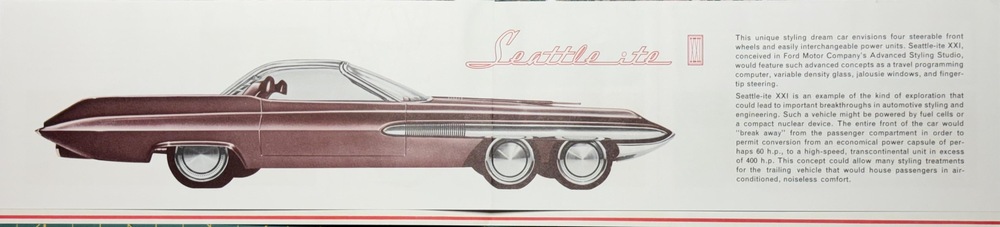
Ford’s Seattle-ite XXI looked at four wheels and apparently decided the automobile could use two more. The futuristic concept proposed four steerable wheels at the front, alongside interchangeable power modules and other advanced ideas. It remained a scale concept rather than a production-bound vehicle, but that is precisely what makes it revealing. Designers were not merely restyling conventional cars. They were willing to reconsider the basic mechanical assumptions underneath them.
14. Hydrogen Fuel Cells Were Supposed to Reinvent the Drivetrain
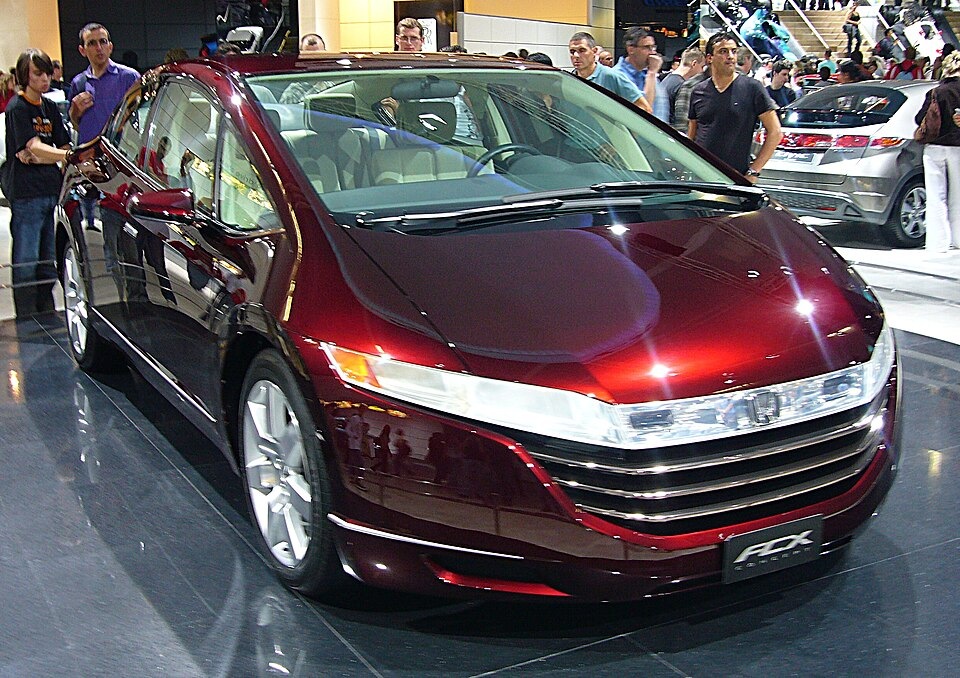
Hydrogen promised a different route to electric propulsion: generate electricity aboard the vehicle using fuel cells rather than relying entirely on large traction batteries. Major automakers invested in programs exploring that possibility, with hydrogen refueling envisioned as a replacement for familiar gasoline stops. The technology has not vanished, so this is not simply another dead automotive idea. The interesting part is how strongly it once competed to define what the post-gasoline drivetrain might become.
15. Amphibious Cars Tried to Erase the Shoreline
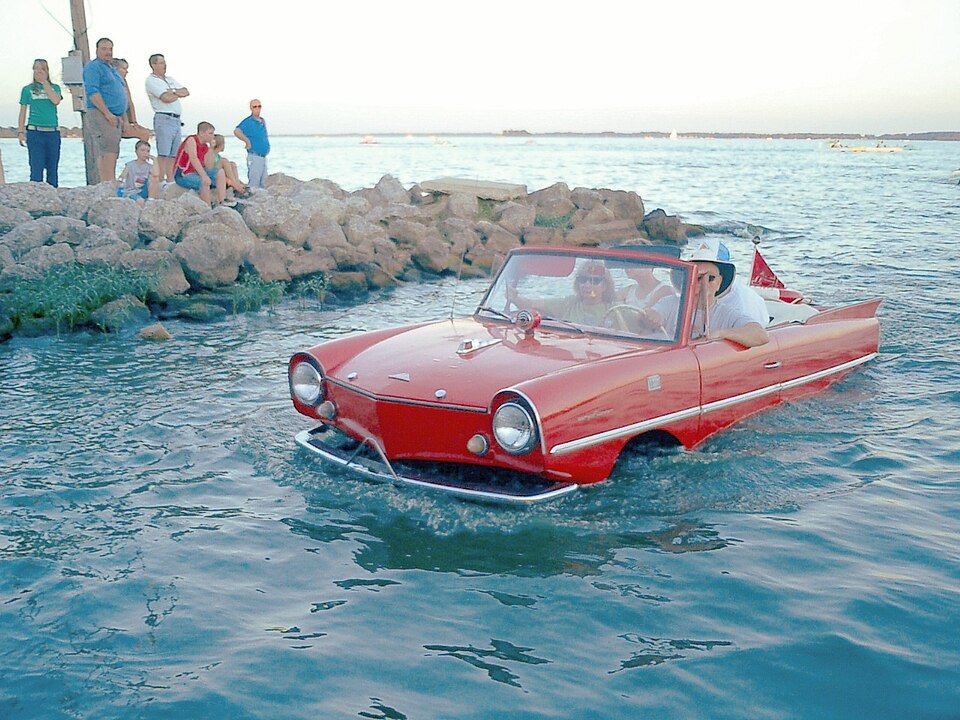
Few automotive ideas make their purpose as immediately obvious as an Amphicar floating through the water. Production vehicles such as the Amphicar 770 proved that a road-going automobile really could propel itself across a lake. But would most drivers accept compromises on both land and water for the occasional ability to skip the boat ramp? Designing one machine for two radically different environments meant it could perform both jobs without necessarily excelling at either.
16. Gas-Turbine Concepts Went Far Beyond Chrysler
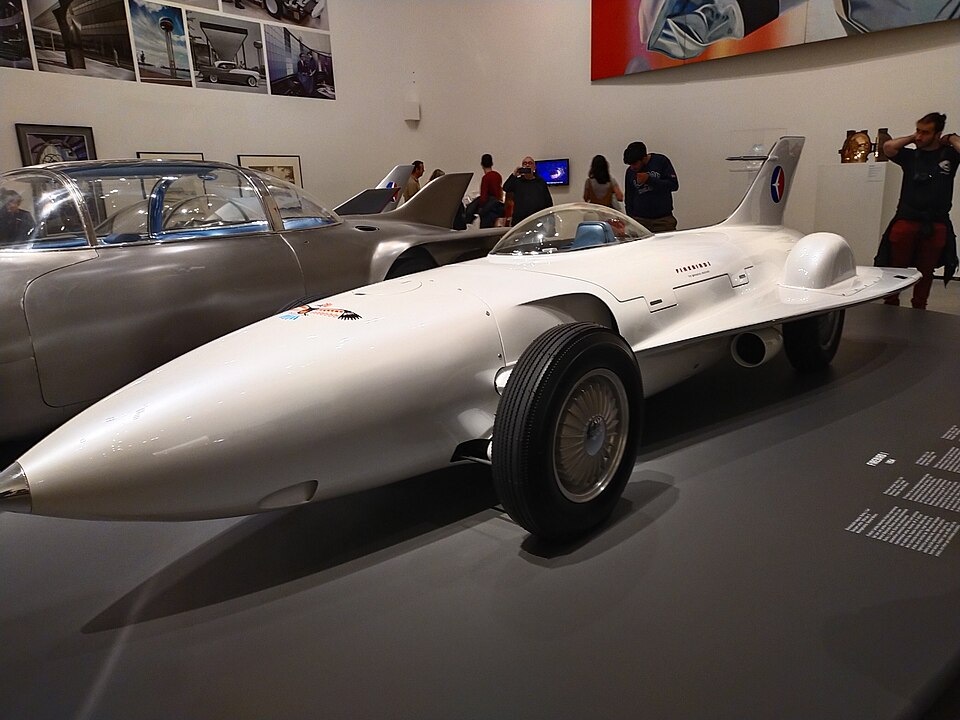
Chrysler may have placed turbine cars in consumers’ hands, but the industry’s fascination with jet-inspired propulsion stretched much further. GM’s Firebird series and other experimental programs reflected a broader belief that gas turbines might eventually migrate from aircraft into automobiles. Sleek bodies helped sell that future visually, but the deeper experiment was mechanical: automakers were seriously exploring whether the familiar piston engine itself might someday become obsolete.
17. Interchangeable Power Modules Imagined Cars That Could Change With the Trip
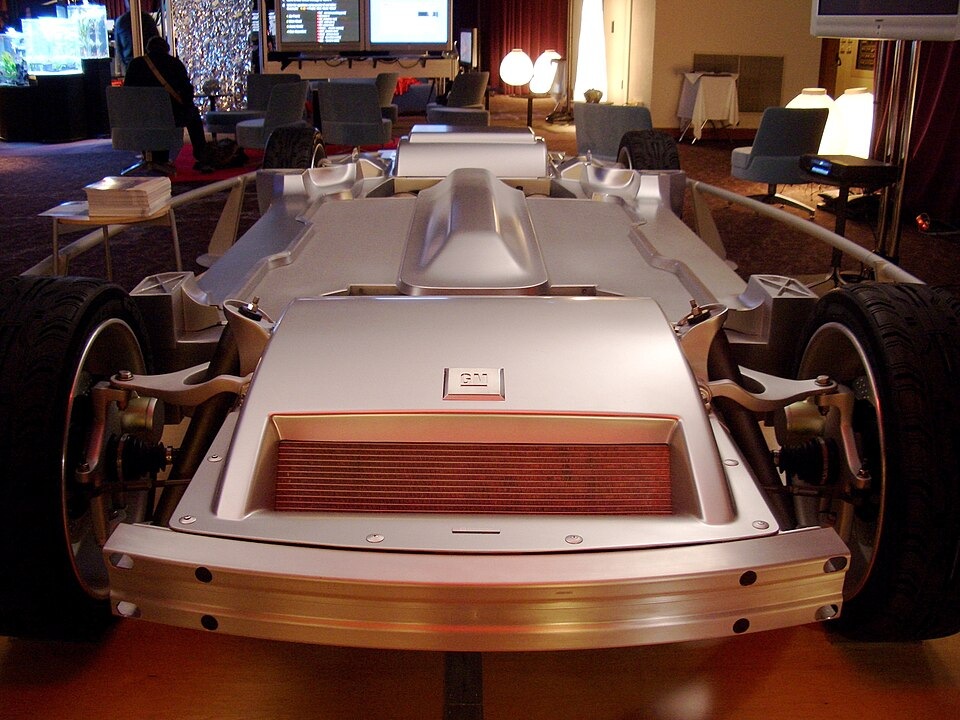
One idea keeps resurfacing across otherwise unrelated automotive experiments: perhaps the permanent, all-in-one car is the wrong model. Mid-century concepts such as the Seattle-ite explored interchangeable propulsion modules, while later skateboard platforms imagined bodies and underlying chassis as more independent components. Instead of buying an entirely different vehicle for different needs, modularity suggested changing the machine itself. That particular automotive future never fully arrived, but designers have repeatedly refused to stop imagining it.
The familiar automobile can feel inevitable in hindsight: four wheels, a fixed body, and for most of its history, an internal-combustion engine. These experiments show that it never really was. Cars could have become smaller, flown, floated, balanced on two wheels, burned different fuels, or separated into interchangeable pieces. Most of those roads led to dead ends, but each one preserves a glimpse of a transportation future that once seemed possible.
Keep Exploring The Scroller
Automotive history has an overflowing glove compartment of futures that never made it to the driveway. Keep exploring The Scroller for forgotten vehicles, strange engineering experiments, abandoned technologies, and more moments when the world nearly took a very different road:
15 Strangest Cars of the 1940s That Barely Looked Real
14 Unusual Cars From the Mid-1960s That Stood Out on the Road