The mid-1960s were a pivotal period for car design, characterized by bold engineering experiments, futuristic aesthetics, and a fearless willingness to break traditional molds. Long before modern safety regulations, wind-tunnel homogenization, and computer-assisted modeling standardized vehicle shapes on global highways, manufacturers took dramatic risks. Auto executives routinely greenlit radical prototypes and unconventional production models, turning city streets into vibrant showcases of mechanical innovation.
Driving past a dealership or parking lot during this golden era was an unpredictable visual experience. Unconventional engine configurations, hydro-pneumatic suspensions, aerodynamic fiberglass shells, and even amphibious gear regularly challenged traditional transportation ideas. These legendary cars tell fascinating stories about mid-century ambition, industrial rivalries, and uninhibited creative freedom. Let’s take a look at fourteen unusual cars from the mid-1960s that permanently altered automotive history and guaranteed a double-take on every road.
1. Peel P50 – 1962/1965
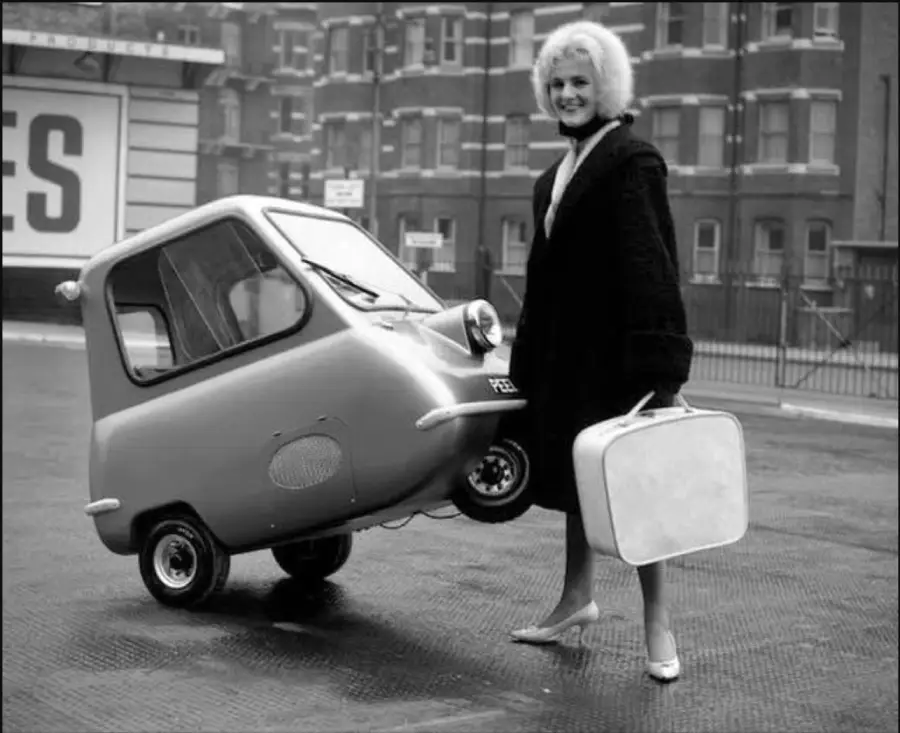
Measuring just 54 inches long, 47 inches tall, and 41 inches wide, this tiny three-wheeled microcar currently holds the official Guinness World Record as the smallest production car ever built. Because the vehicle completely lacked a reverse gear, drivers were intended to physically step out and pull the 130-pound machine using a small chrome handle on the rear bumper.
2. Chrysler Turbine car – 1963/1964
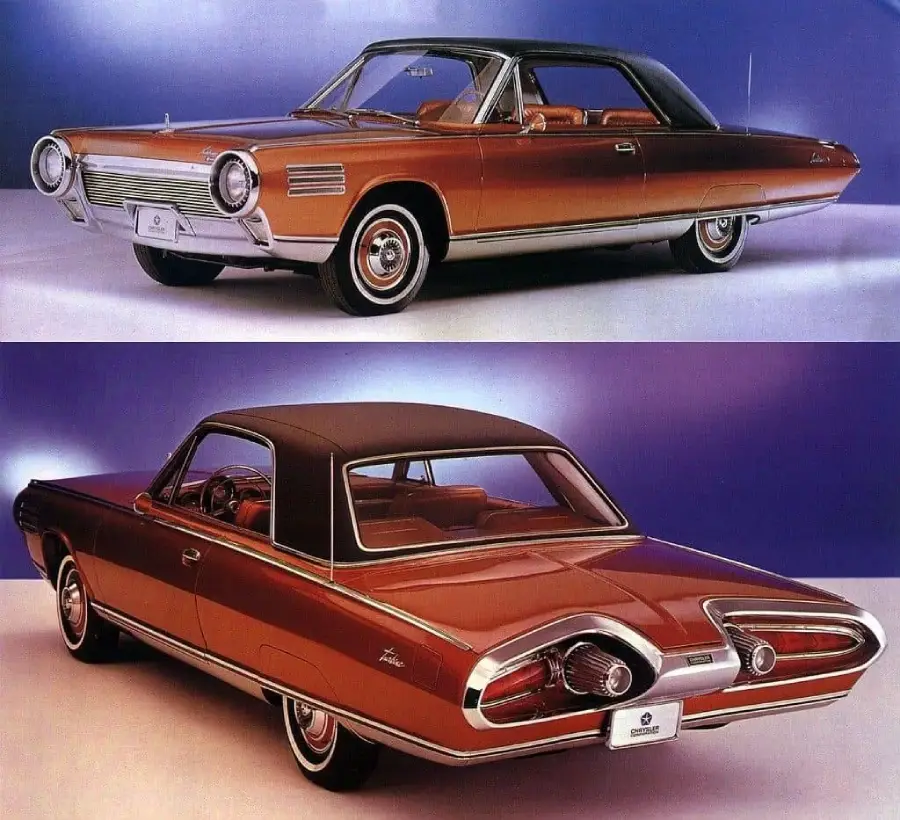
Built as an ambitious experimental fleet, this sleek vehicle ran on a jet-style turbine engine capable of running on diesel, kerosene, or even high-proof tequila. Chrysler manufactured 55 test models and loaned them to everyday American families for three-month trial periods before destroying 46 of them for tax write-off purposes.
3. Studebaker Avanti – 1962/1963
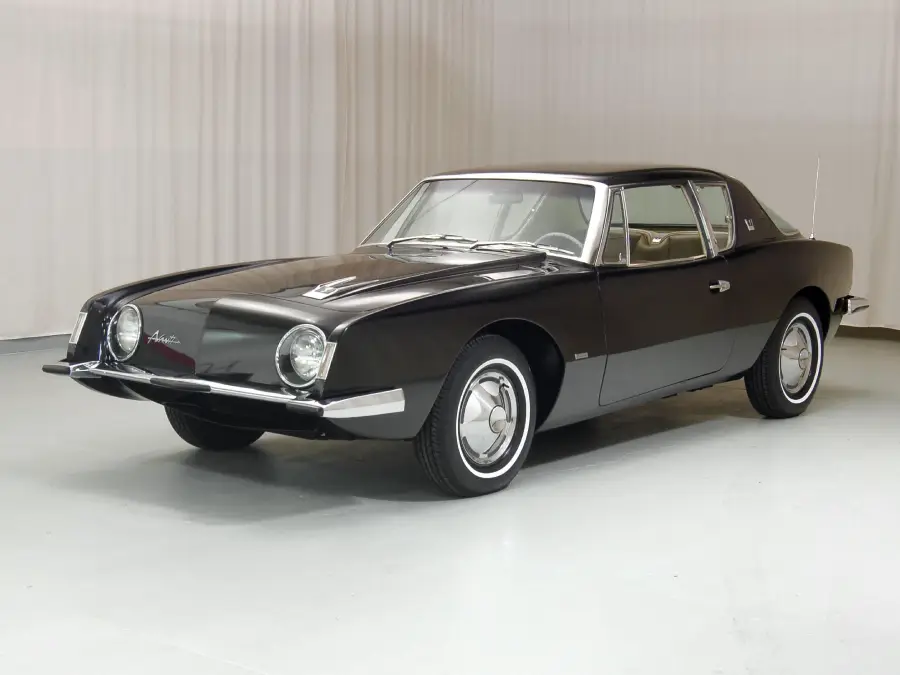
Designed in a high-speed three-week crash program, this futuristic fiberglass coupe eliminated traditional front grilles entirely in favor of an under-bumper air intake. Despite setting 29 speed records at the Bonneville Salt Flats, production delays caused less than 5,000 units to be built before Studebaker discontinued the line.
4. Bond Bug – Prototyped in the 1960s
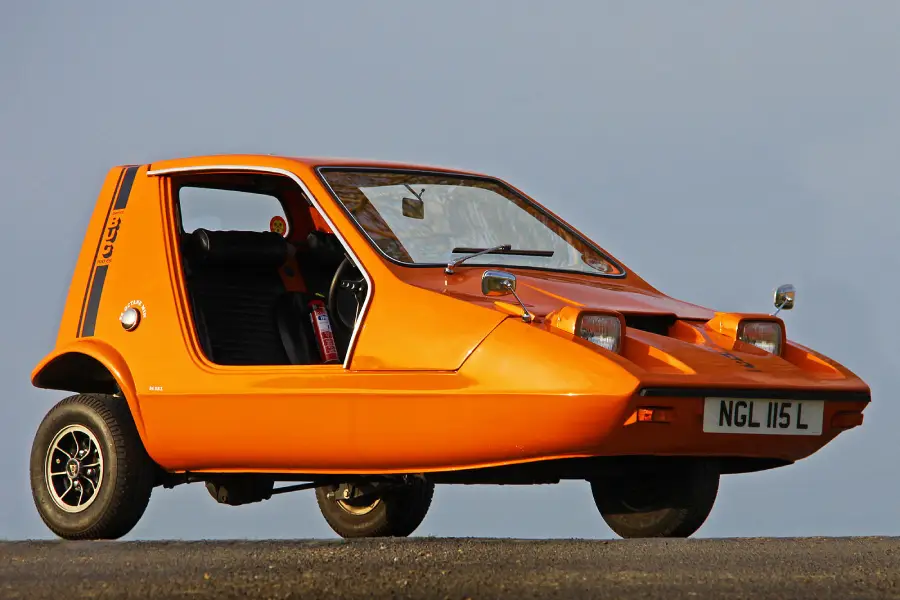
Designed by Tom Karen in the late sixties, this bright neon-orange three-wheeler replaced traditional doors with a dramatic lift-up canopy lid. Built around a lightweight fiberglass body, the wedge-shaped trike became an instant counterculture icon long before it entered commercial production.
5. NSU Ro 80 – 1967
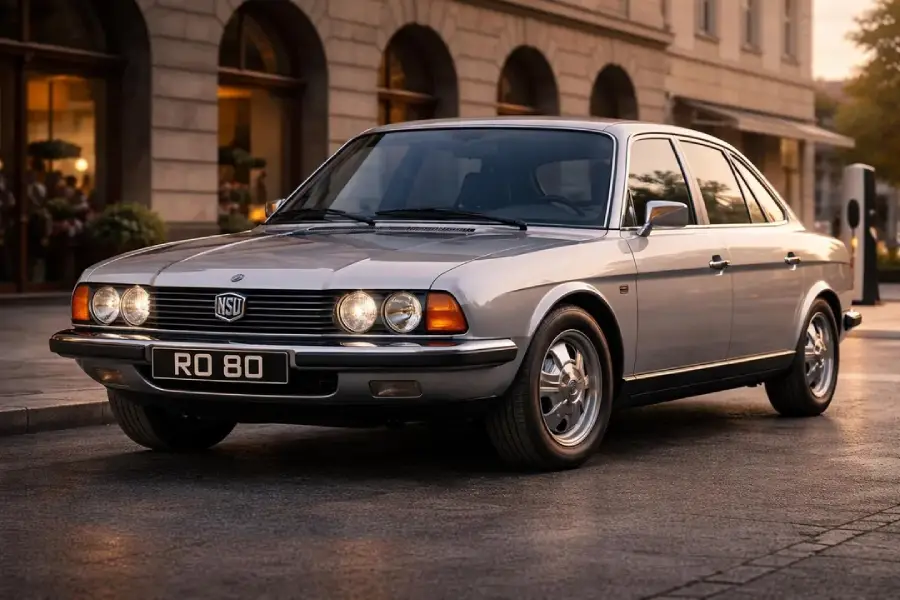
Winning the European Car of the Year award in 1968, this German sedan showcased a twin-rotor Wankel rotary engine alongside an aerodynamic drag coefficient way ahead of its era. The powertrain ran so smoothly at high speeds that drivers routinely blew up engines because they couldn’t hear the internal RPMs climbing.
Trending on The Scroller


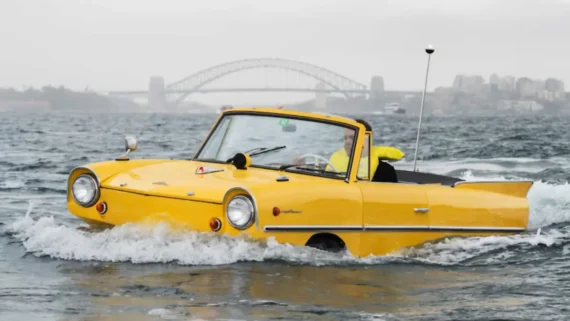
6. Amphicar Model 770 – 1961/1968
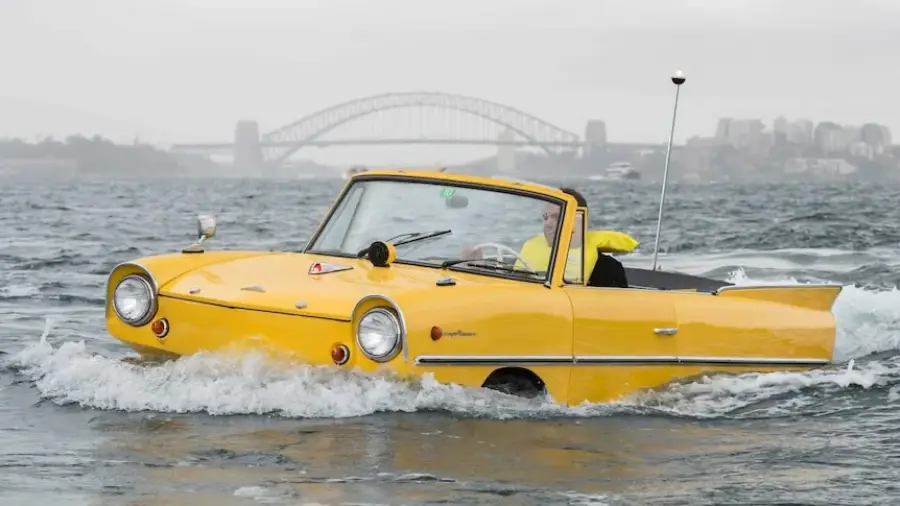
Standing as the only mass-produced amphibious passenger vehicle sold to the public, this German model used twin rear propellers to cruise through lakes at 7 knots. President Lyndon B. Johnson famously owned one at his Texas ranch, enjoying a favorite prank where he drove guests down steep hills while shouting that the brakes had failed into the water.
7. Citroën DS – Mid-1960s
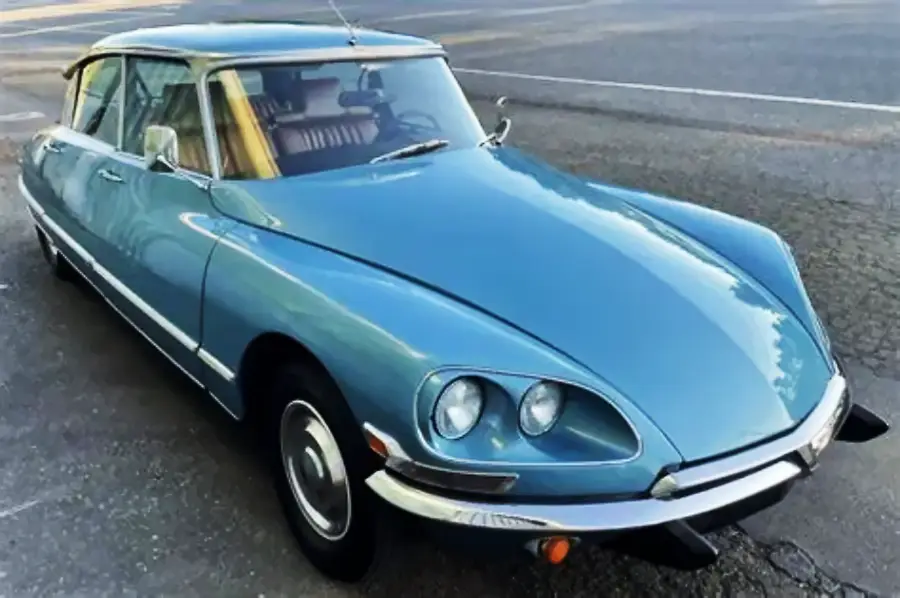
Featuring revolutionary self-leveling hydro-pneumatic suspension and directional headlights that turned with the steering wheel, this French icon felt like a spaceship compared to contemporary rivals. The design was so culturally influential that philosopher Roland Barthes famously wrote an essay comparing its smooth, organic lines to a modern Gothic cathedral.
8. Ford Gyron – 1961 concept
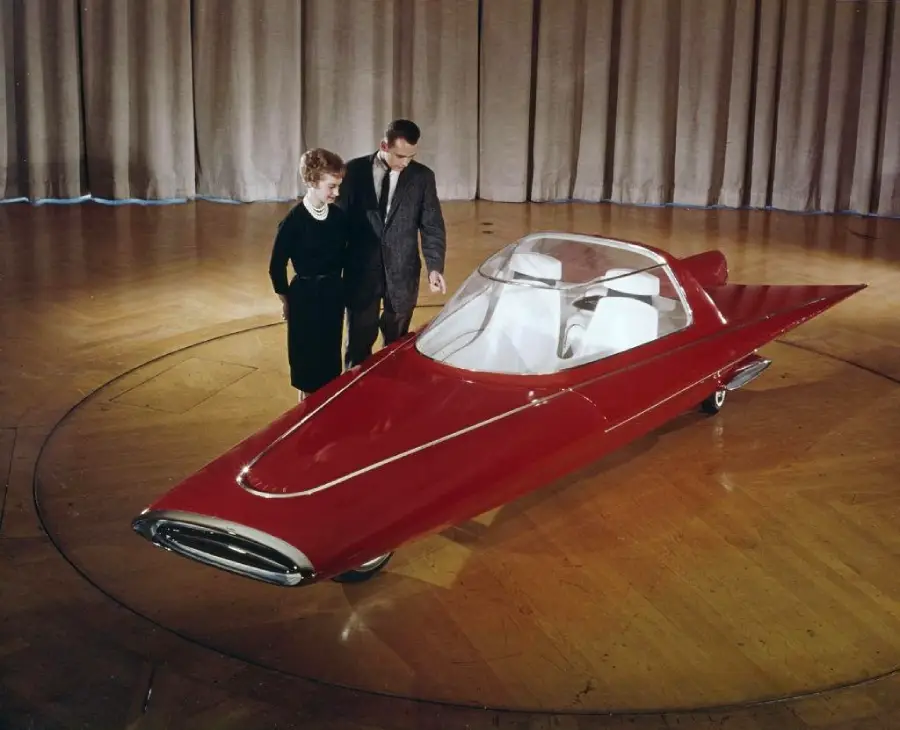
Created by visionary designer Alex Tremulis, this two-wheeled concept car maintained its upright balance using a high-speed internal mechanical gyroscope. Though it never reached mass production, the jet-age vehicle became one of the most photographed futuristic show cars of the entire decade across global auto expos.
Sign up for our newsletter
9. Oldsmobile Toronado – 1966
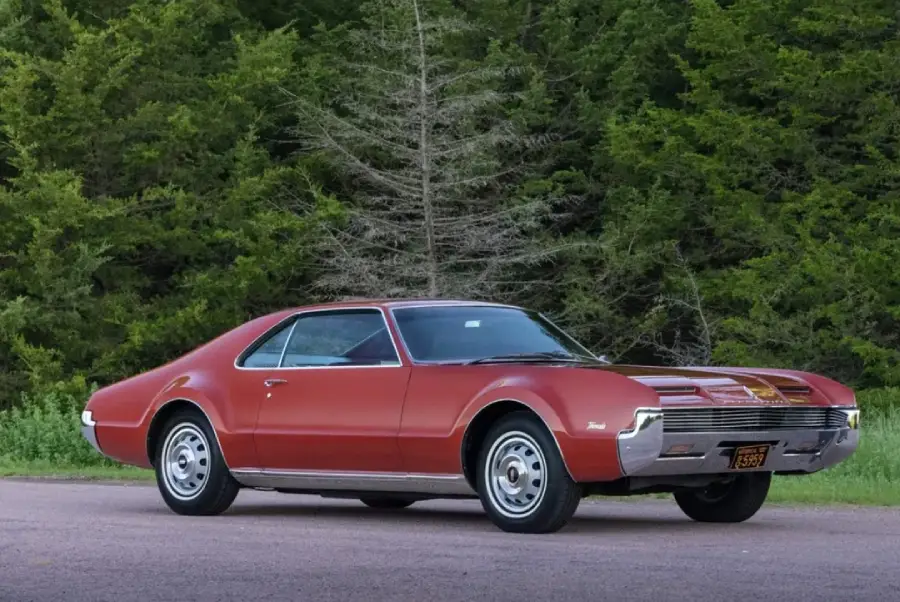
As the first major American front-wheel-drive passenger vehicle in decades, this muscular fastback routed 385 horsepower through its front axle using a specially engineered heavy-duty chain drive. To handle the immense front weight, GM engineers had to invent entirely new suspension setups and wheel designs from scratch.
10. Lamborghini Miura – 1966
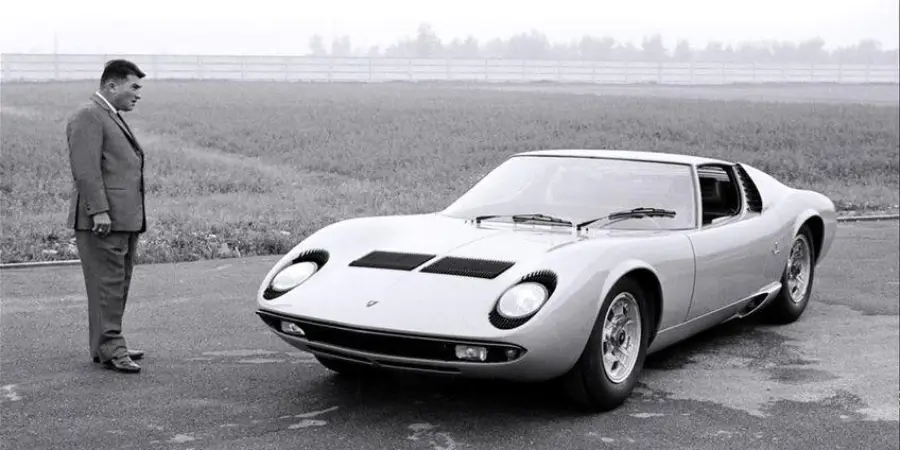
Designed by a 27-year-old Marcello Gandini, this stunning machine introduced the mid-engine, transverse V12 layout that established the modern supercar blueprint. When the bare rolling chassis was unveiled at the 1965 Turin Auto Show without a body attached, order deposits flooded in before anyone even knew what the car looked like.
11. Fiat 500 – Second generation 1965

While American automakers focused on giant chrome fins, Italy embraced microscopic city driving with a vehicle so small that two strong people could physically lift it into tight parking spots. The rear-engine microcar was so universally adopted across Rome and Milan that it defined the visual landscape of post-war Southern Europe.
12. BMW 700 Touring – 1962/1965
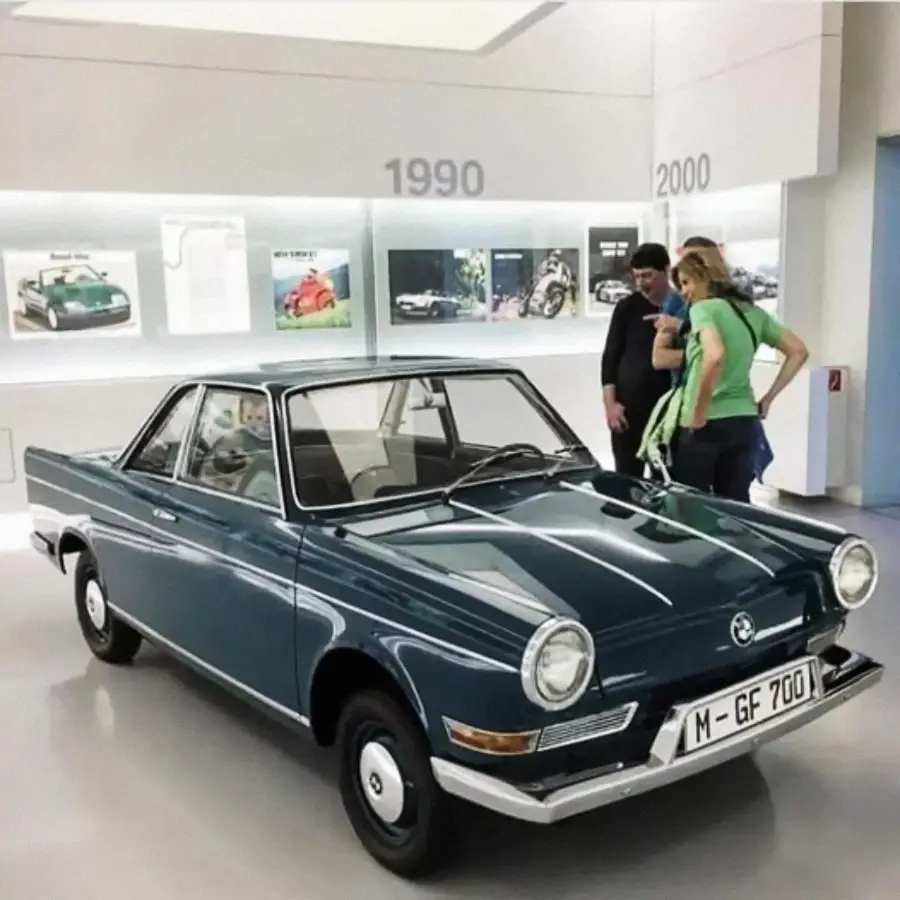
Powered by an air-cooled two-cylinder motorcycle engine mounted in the rear, this unassuming compact single-handedly saved BMW from a corporate buyout by Mercedes-Benz in 1960. Giovanni Michelotti’s sharp monocoque body design brought in massive sales numbers, giving the German brand the capital needed to survive.
13. Panhard 24 – 1963/1967
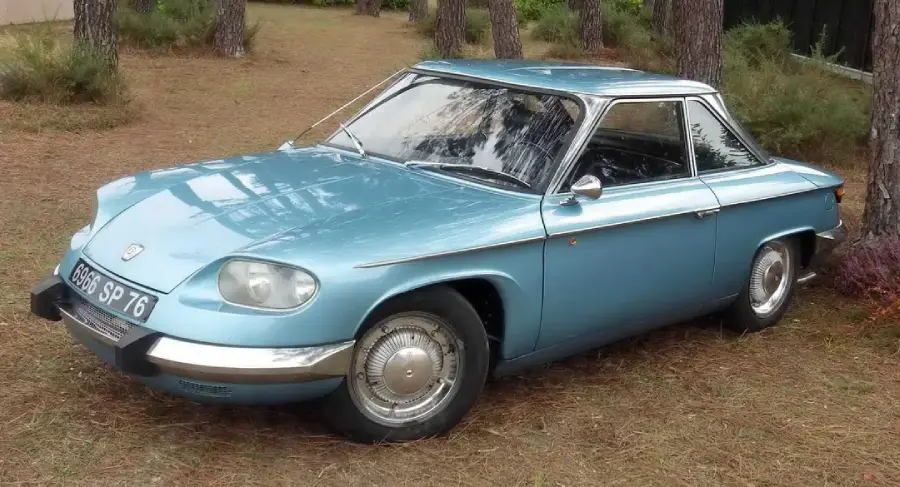
Featuring a streamlined aluminum body with a drag coefficient of just 0.27, this French coupe matched the aerodynamic efficiency of modern sports cars. Driven by a tiny twin-cylinder 850cc engine, the vehicle offered incredible fuel efficiency paired with futuristic styling that caused traffic jams wherever it parked.
14. Trabant 601 – 1963

Built in East Germany, the Trabant featured an outer body constructed from Duroplast, a synthetic material made from recycled cotton waste and phenol resins. Citizens routinely waited up to 15 years on official government waiting lists to receive one, only to abandon thousands on West German streets when the Berlin Wall fell.
In the mood for more interesting cars?
Exploring these remarkable mid-century automotive designs offers a captivating look into a bold era when car manufacturers refused to play it safe. Looking back at these amphibious cruisers, turbine-powered prototypes, and fiberglass wedges proves that while safety technology and fuel efficiency have improved tremendously, the pure creative courage of 1960s car culture remains unmatched. For those who love digging into transport history, vintage artifacts, and classic pop culture, take a look at these 20 Cool Cars That Defined the Nineties, or 20 Iconic Muscle Cars from the 1970s Era. You may also like these 20 Beautiful 1930s Cars From the Golden Age.