Finding a classic car can be difficult enough, but some models were scarce even when they were new. A few were built to satisfy racing regulations, others were expensive experiments, and some simply failed to attract enough buyers. In certain cases, production stopped before a few dozen examples had been completed. These 17 cars show just how small a production run can get, and why spotting one at an auction is sometimes an event in itself.
1. Alfa Romeo 33 Stradale (1967–1969)
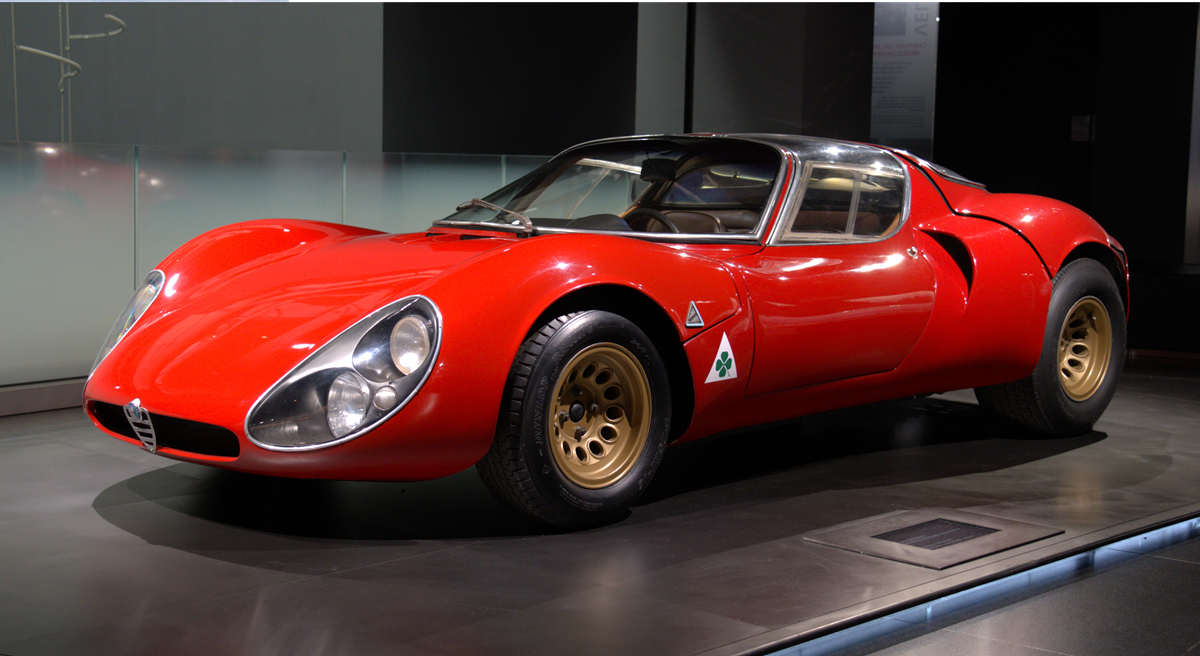
It’s difficult to mistake the original Alfa Romeo 33 Stradale for anything else, especially with those butterfly doors and remarkably low body. Designed by Franco Scaglione, the car borrowed its mechanical foundations from Alfa Romeo’s Tipo 33 racing program. Only 18 examples were built between 1967 and 1969, and six of their chassis were used for experimental designs by Italian coachbuilders. That leaves an even smaller number of cars wearing the familiar Stradale bodywork. One belongs to Alfa Romeo’s museum in Arese, while the others rarely appear outside private collections and special exhibitions.
2. Jaguar XKSS (1957)
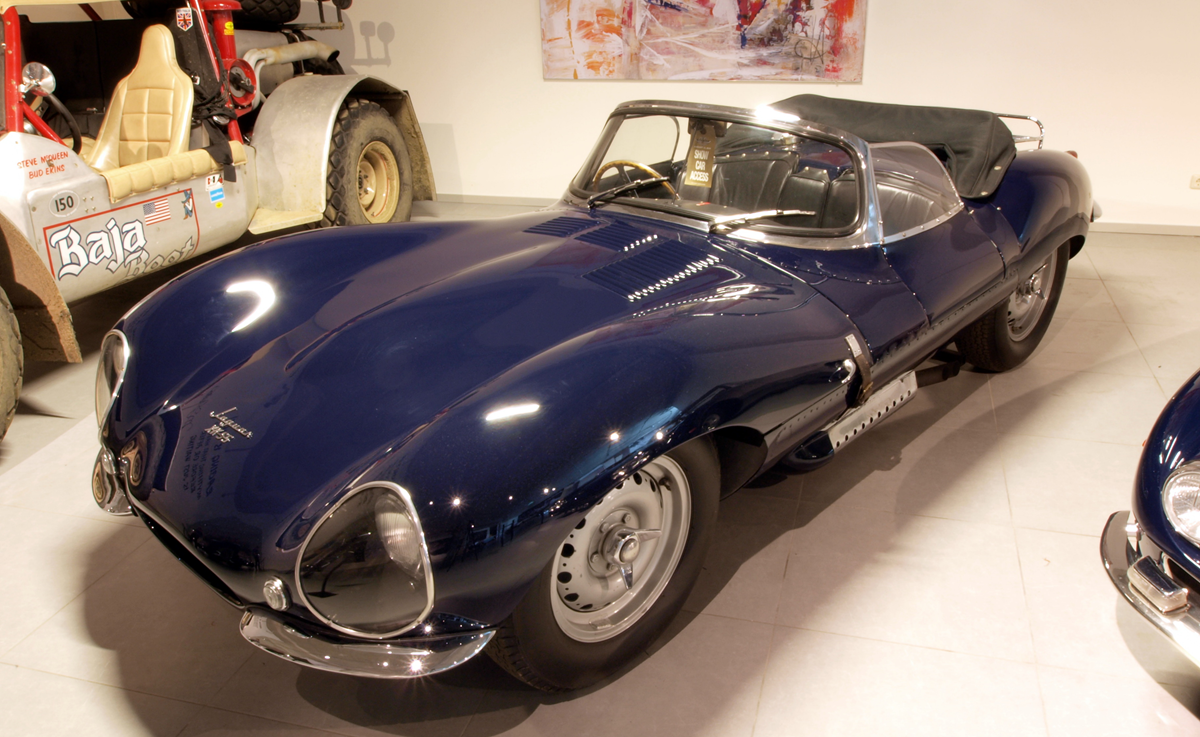
The Jaguar XKSS was essentially a racing car dressed for the street. Jaguar converted leftover D-Type chassis into road-going sports cars, adding windshields, passenger doors, and other equipment needed for civilian driving. Then disaster struck. A fire at the Browns Lane factory in February 1957 destroyed nine unfinished examples, leaving just 16 original XKSS cars. Jaguar eventually built nine continuation examples decades later, but those are distinct from the surviving 1957 cars. Steve McQueen famously owned one of the originals, which helped introduce the unusual Jaguar to a much wider audience.
3. Pagani Zonda Cinque Roadster (2009)
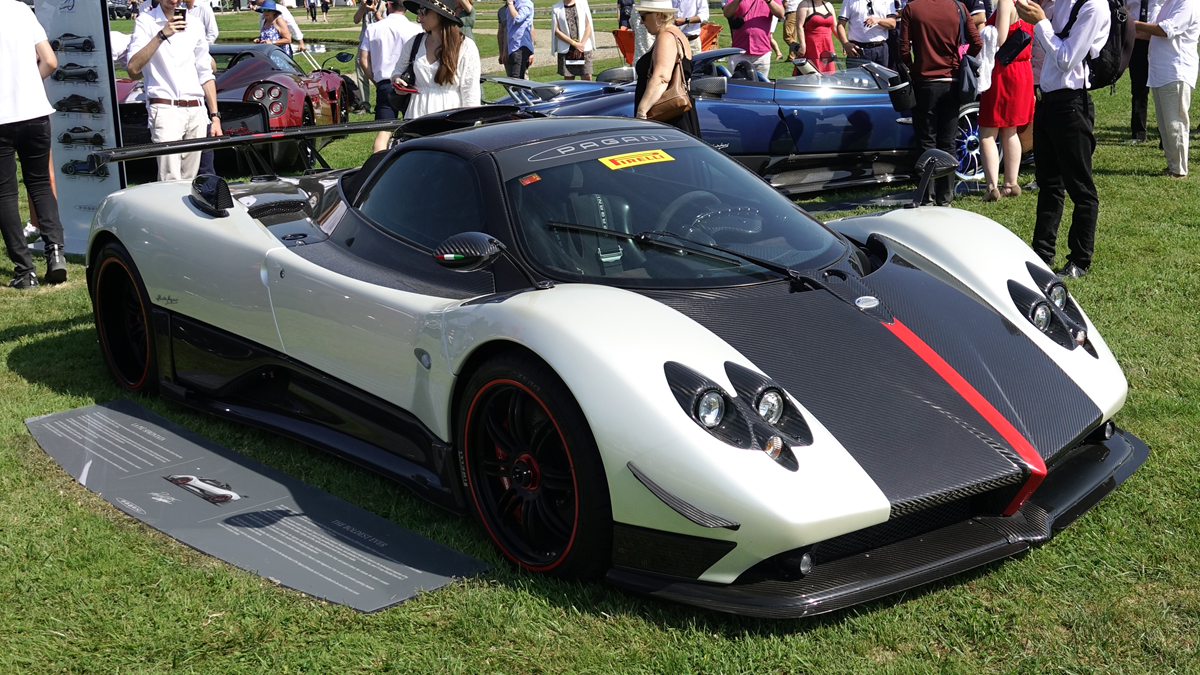
Pagani wasn’t exactly building cars by the thousands when the Zonda Cinque Roadster appeared, but this version took exclusivity considerably further. Just five were produced, each equipped with a Mercedes-AMG V12 and a specially developed carbon-titanium structure. The removable roof made the already extravagant Zonda even more unusual. With only five original owners at the time of delivery, opportunities to purchase one on the secondary market were always going to be scarce.
4. Mercedes-Benz 300 SLR Uhlenhaut Coupé (1955)
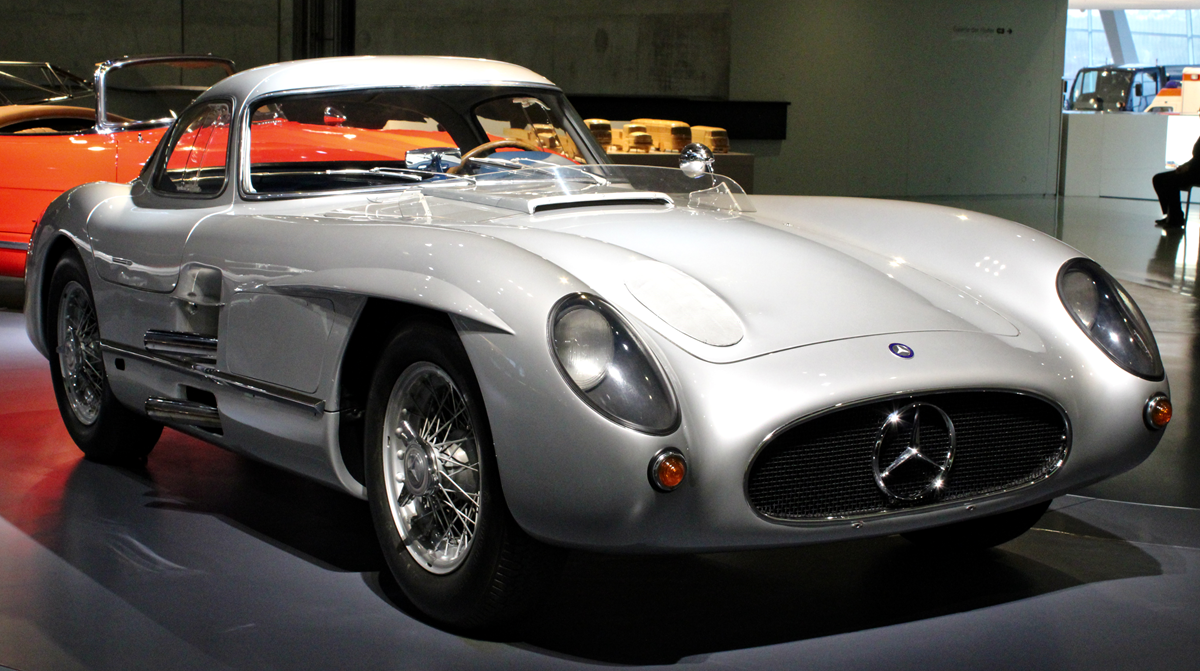
For decades, the Mercedes-Benz 300 SLR Uhlenhaut Coupé wasn’t really a car collectors could shop for. Both examples belonged to Mercedes-Benz, and neither was originally built for commercial sale. The two coupes were developed from the company’s racing program, but Mercedes withdrew from motorsport after the 1955 season. One eventually became a museum exhibit. The other shocked the collecting world in May 2022 when Mercedes sold it for €135 million at a private auction. That’s an extraordinary amount of money for a car that had spent most of its existence outside the market entirely.
5. Porsche 911 GT1 Strassenversion (1996–1998)
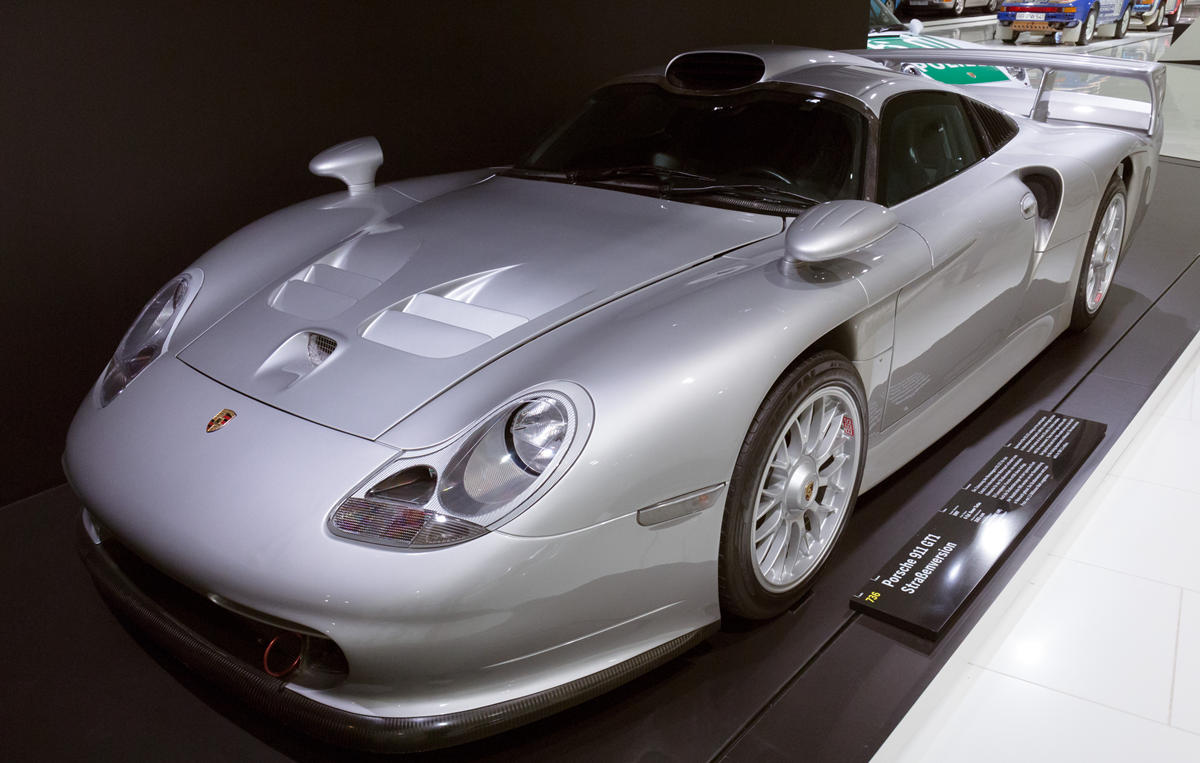
There isn’t much of an ordinary Porsche 911 underneath the GT1 Strassenversion. Built to meet racing homologation requirements, it used a mid-mounted twin-turbocharged flat-six engine and engineering closely related to Porsche’s endurance racing cars. The company made two early road-going homologation prototypes in 1996, followed by approximately 20 customer examples in 1997 and another prototype in 1998. Even the styling changed during that short period, with later cars adopting headlights resembling those of the 996-generation 911. A 1997 example sold for $5.665 million at auction in 2017, demonstrating how rarely these cars enter the public market.
Trending on The Scroller
6. Lamborghini Reventón (2007–2009)
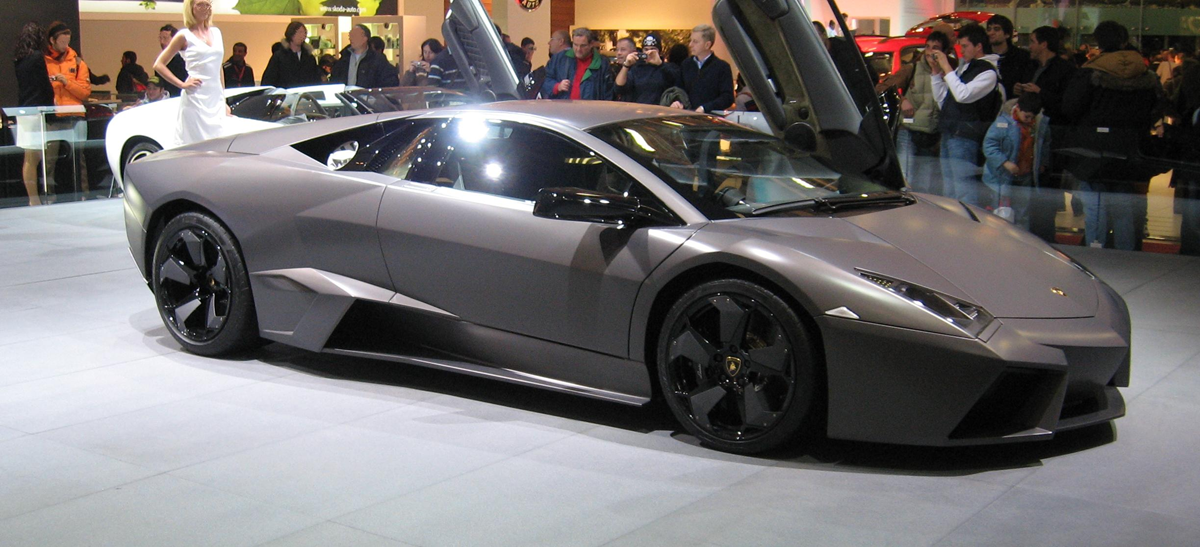
Lamborghini looked toward military aircraft when designing the Reventón, and the influence wasn’t particularly subtle. Its angular body, unusual instrumentation, and matte gray finish gave it a noticeably different appearance from the Murciélago on which it was based. Production was restricted to 20 coupés, with another 15 roadsters following in 2009. Even among Lamborghini’s many special editions, the original Reventón remains one of the smallest production runs.
7. Aston Martin One-77 (2009–2012)
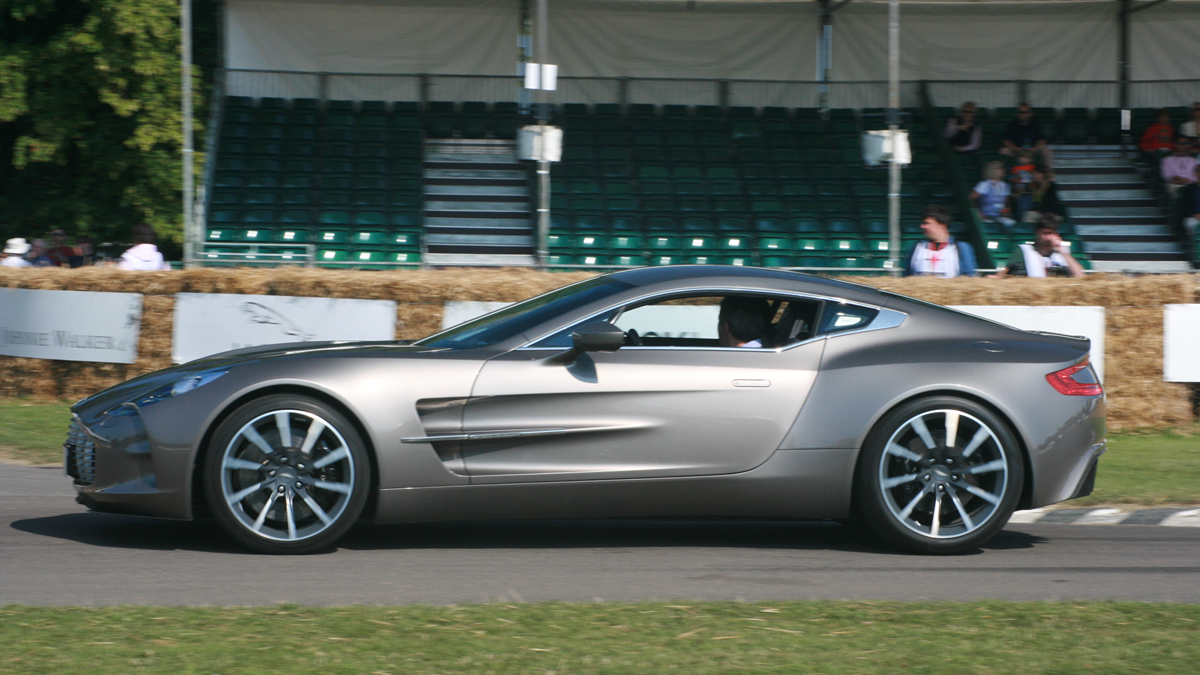
Aston Martin made the production limit part of the car’s name. The One-77 combined a hand-formed aluminum body with a carbon-fiber monocoque and an enormous 7.3-liter V12. Buyers also needed serious money just to reserve one, with the company initially requiring a £200,000 deposit. All 77 examples had been sold by the time production finished in 2012. Considering how many Aston Martins are produced in ordinary model years, the One-77 occupies a very small corner of the manufacturer’s history.
8. Maserati MC12 (2004–2005)
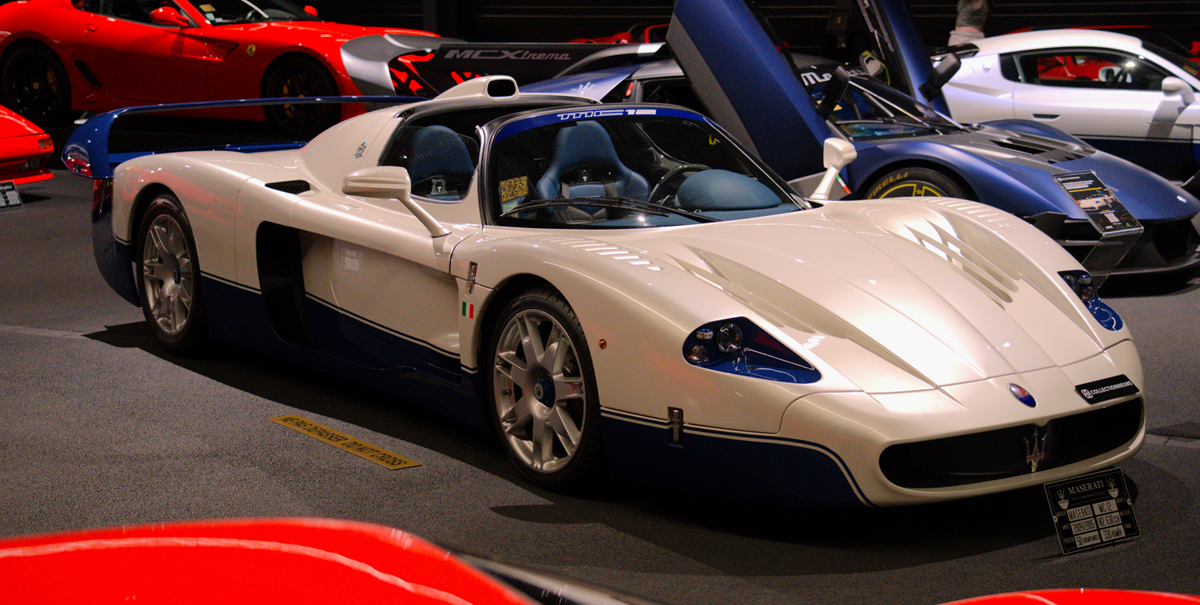
Sharing engineering with the Ferrari Enzo didn’t make the Maserati MC12 look much like its relative. It was longer, wore a massive rear wing, and came with a removable hardtop. Maserati developed the car to support its return to international GT racing, producing 25 road examples in 2004 and another 25 in 2005. The total stopped at 50, not counting the separate competition and track-only versions. An MC12 parked next to an ordinary Maserati would look almost comically out of place.
Sign up for our newsletter
9. Jaguar XJR-15 (1990–1992)
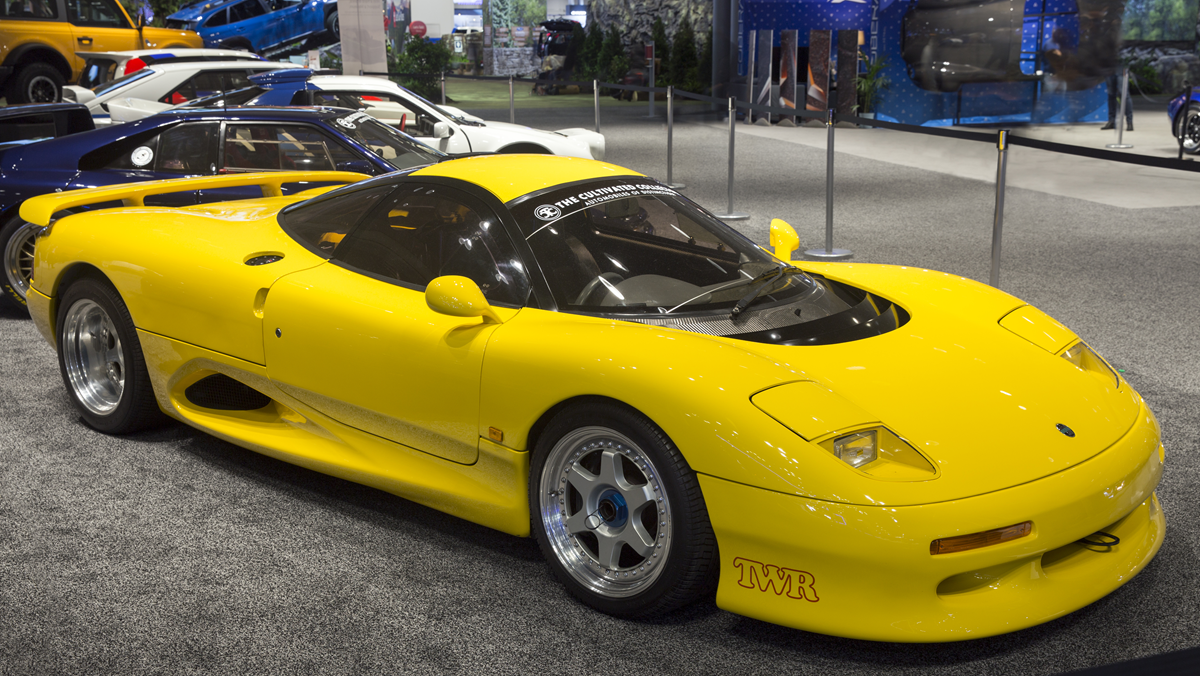
Before the Jaguar XJ220 became a familiar name among supercar enthusiasts, the XJR-15 offered something even closer to a racing car for the road. Developed through JaguarSport and Tom Walkinshaw Racing, it drew heavily from Jaguar’s successful endurance racing machinery. Its carbon-fiber construction and naturally aspirated V12 were serious equipment for a road car in 1990. A total of 53 cars were built, including 18 originally configured for racing. Some competition examples were subsequently converted for road use, making the histories of individual XJR-15s particularly important.
10. BMW 507 (1956–1959)
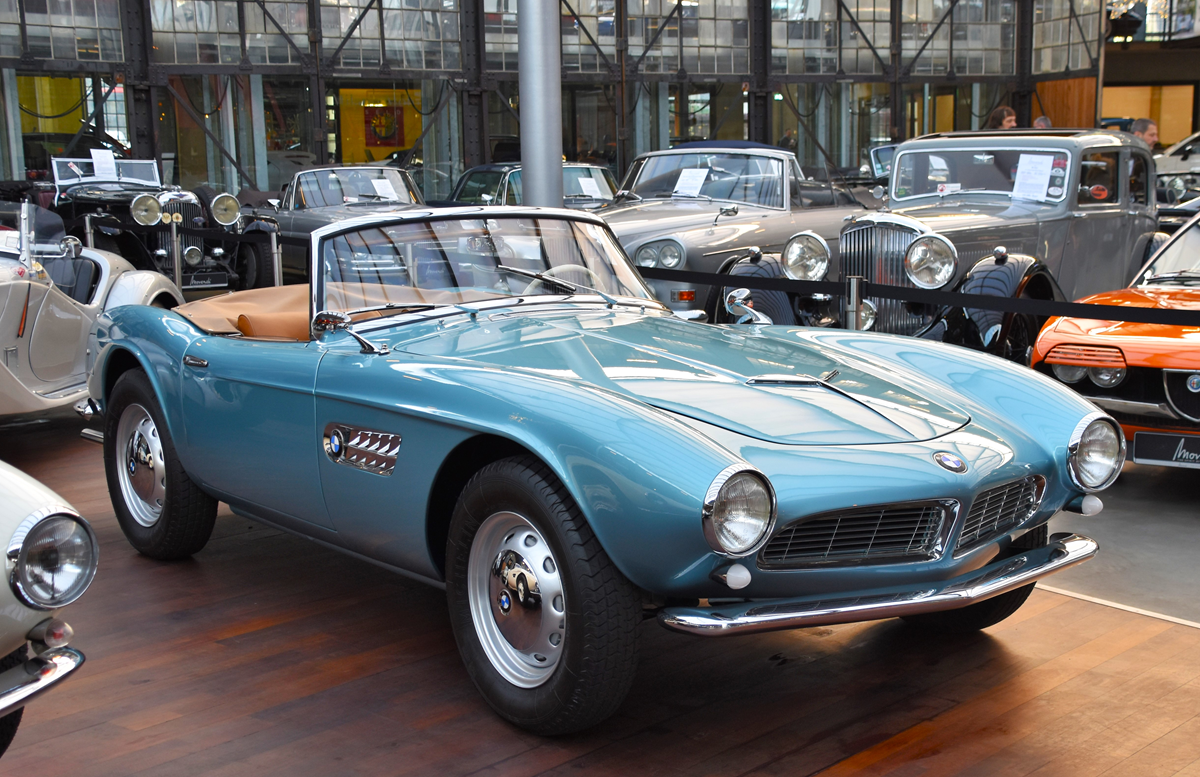
The BMW 507 wasn’t supposed to be quite so rare. BMW hoped the elegant V8 roadster would help establish the company in the American luxury sports car market, but its high manufacturing costs led to a price that discouraged potential customers. Production ended in 1959 after just 251 cars. Elvis Presley later became one of its best-known owners, purchasing his example while stationed in Germany. By then, the 507 had already become an expensive lesson in how difficult it was to compete with established European sports car manufacturers.
11. Toyota 2000GT (1967–1970)
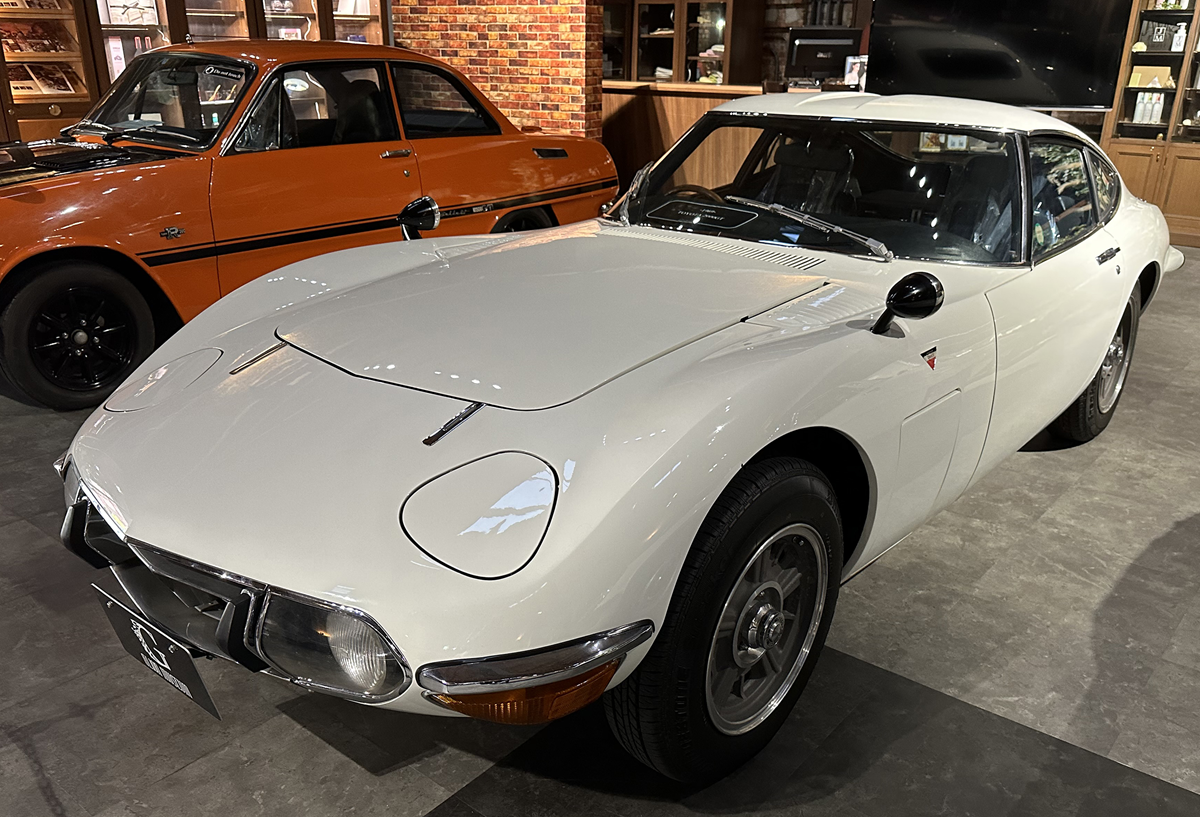
A Japanese grand touring car with a long hood, elegant proportions, and a price comparable to expensive European sports cars was an unusual proposition in the late 1960s. Toyota developed the 2000GT with Yamaha, fitting it with a two-liter straight-six engine and a five-speed manual transmission. Production reached only about 351 cars, with a relatively small number exported to the United States. The model also made a memorable appearance in the 1967 James Bond film You Only Live Twice, although the movie required specially modified open-top versions because Sean Connery was too tall for the standard coupe.
12. Ferrari F50 (1995–1997)
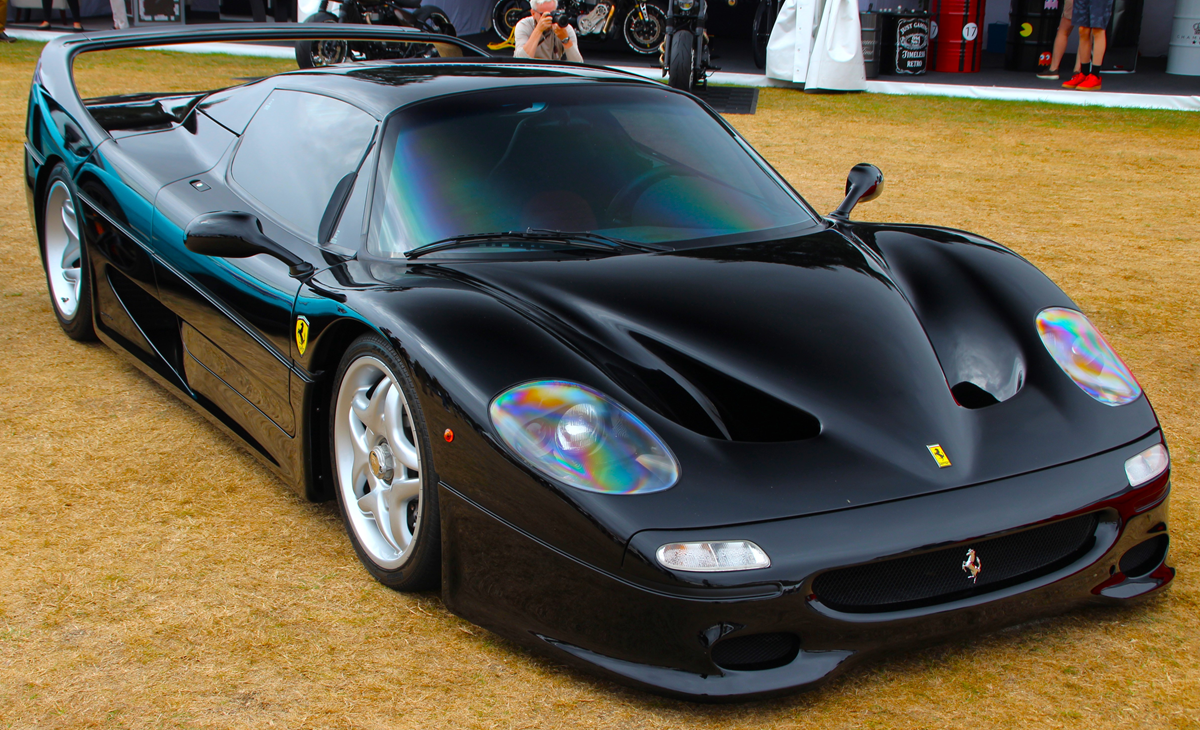
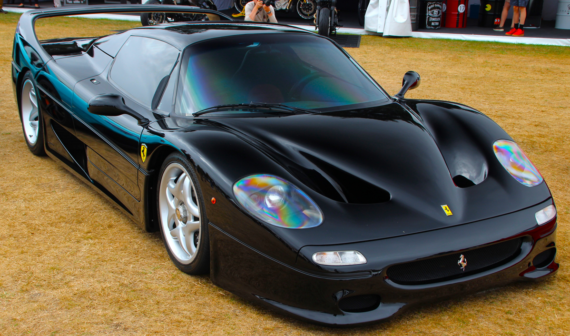
The Ferrari F50 was never intended to be a comfortable grand tourer. It had no power steering, no anti-lock brakes, and a V12 derived from Formula 1 technology mounted directly into the car’s carbon-fiber structure. Its removable roof was another unusual feature for a Ferrari flagship of the period. Only 349 examples were built, a limit Ferrari selected to keep production below expected demand. Buyers who missed the original allocation had little choice but to search the collector market.
13. Ferrari 288 GTO (1984–1987)
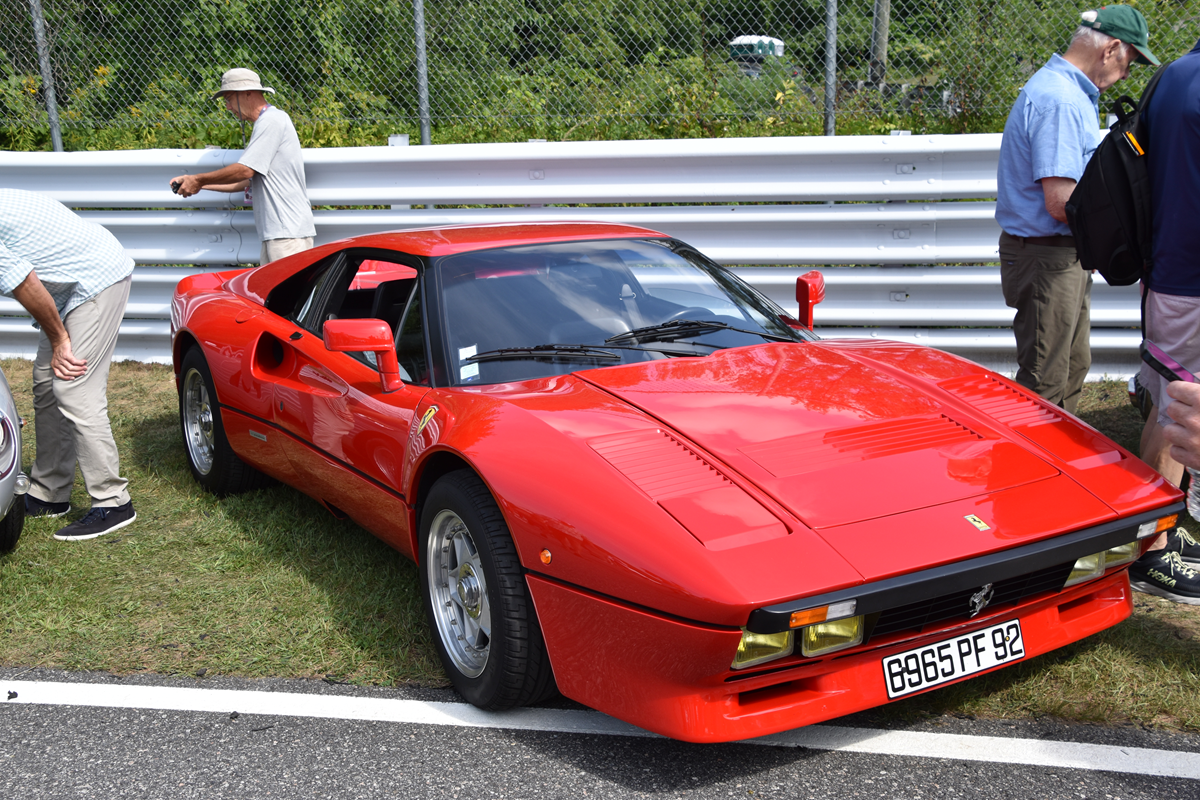
The Ferrari 288 GTO can look deceptively familiar at first, particularly to someone who knows the 308 GTB. The resemblance hides substantial differences, including a longer wheelbase and a longitudinally mounted twin-turbocharged V8. Ferrari had developed the car with Group B racing in mind, although that competition plan never resulted in the intended racing program. Production ultimately reached 272 examples. Its relatively understated appearance, at least compared with later Ferrari supercars, makes the 288 GTO an interesting case of extreme rarity without particularly extravagant styling.
14. BMW M1 (1978–1981)
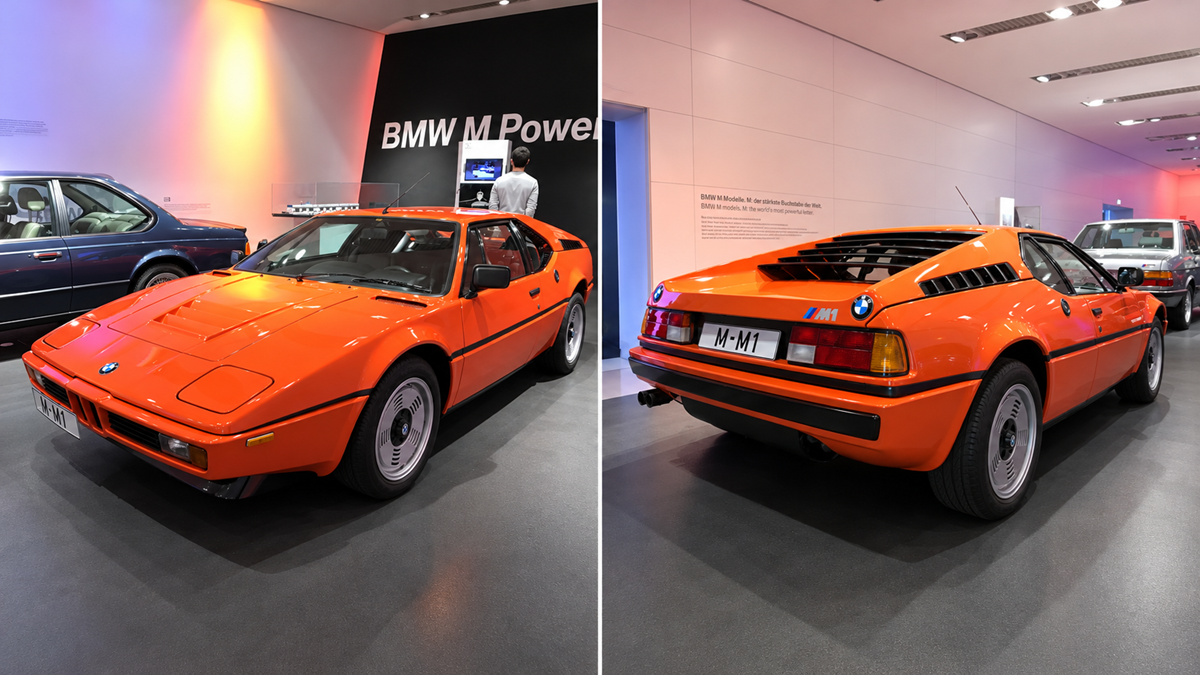
BMW’s first M1 was the product of a complicated collaboration that didn’t go according to plan. Lamborghini was initially involved in developing the mid-engine sports car, but financial difficulties forced BMW to reorganize the project with other Italian and German companies. Giorgetto Giugiaro designed the wedge-shaped body, while BMW Motorsport supplied the straight-six engine. Of the 453 examples built, 399 were road cars, and 54 were competition versions. The road model was never a major commercial success, but it remains one of the few BMWs that looks completely unlike anything else the company was selling at the time.
15. Lexus LFA (2010–2012)
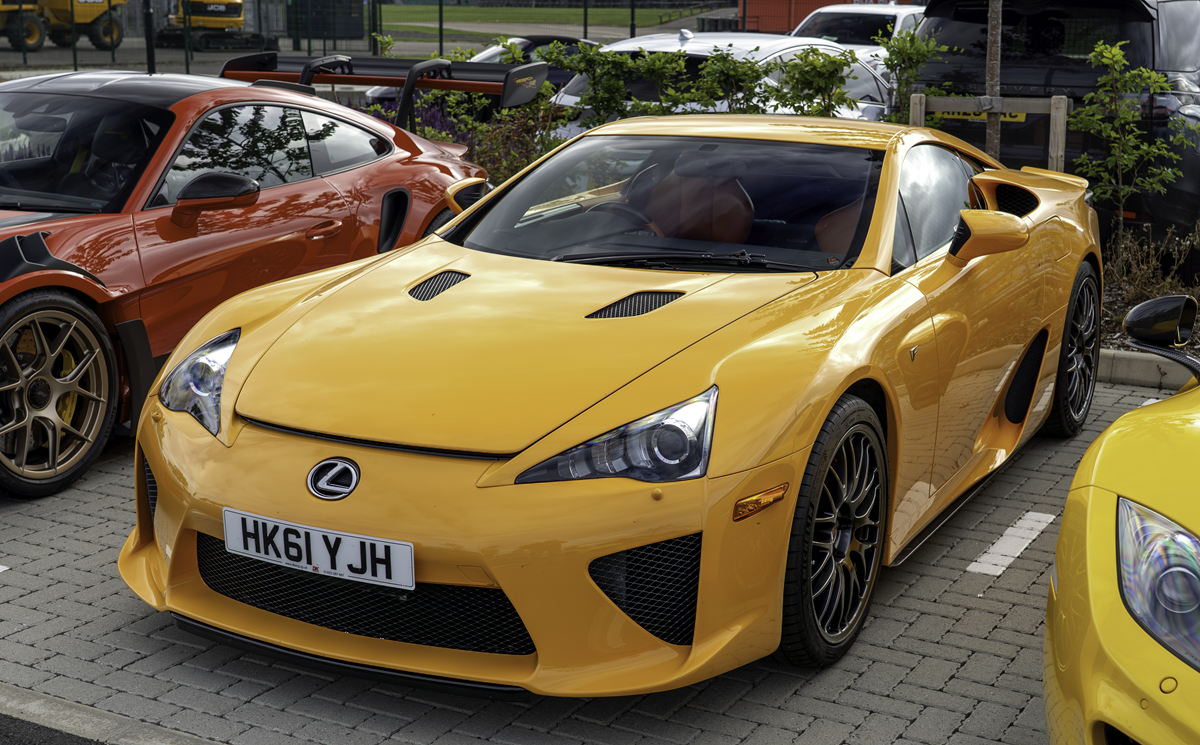
The Lexus LFA was a strange project for a company best known for quiet luxury sedans. Development took years, and Lexus went to considerable lengths to refine its carbon-fiber construction and high-revving V10 engine. The sound alone became a major part of the car’s appeal, thanks partly to acoustic work involving Yamaha. Lexus completed exactly 500 examples, with the final car leaving production in December 2012. That’s a relatively large number compared with some cars on this list, but still an exceptionally small run for a manufacturer of Toyota’s size.
16. Bugatti EB110 Super Sport (1992–1995)
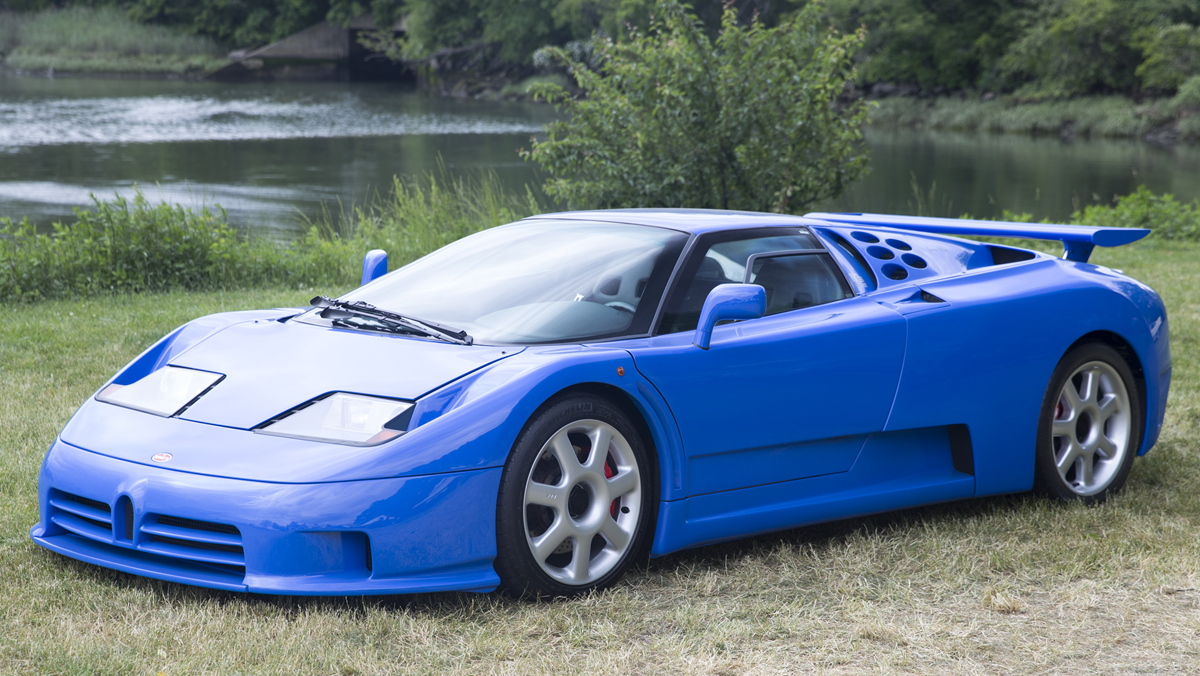
Bugatti’s comeback in the early 1990s was ambitious, expensive, and unfortunately short-lived. The EB110 Super Sport was the more powerful, lighter version of the company’s quad-turbocharged V12 supercar, with all-wheel drive and a carbon-fiber chassis. Only 32 Super Sport examples were completed at Bugatti’s Italian factory before the company collapsed in 1995. Michael Schumacher famously purchased a yellow example, giving the already unusual car considerable attention. The company’s financial problems ended production just as the EB110 was establishing itself among Europe’s fastest road cars.
17. McLaren F1 LM (1995–1996)
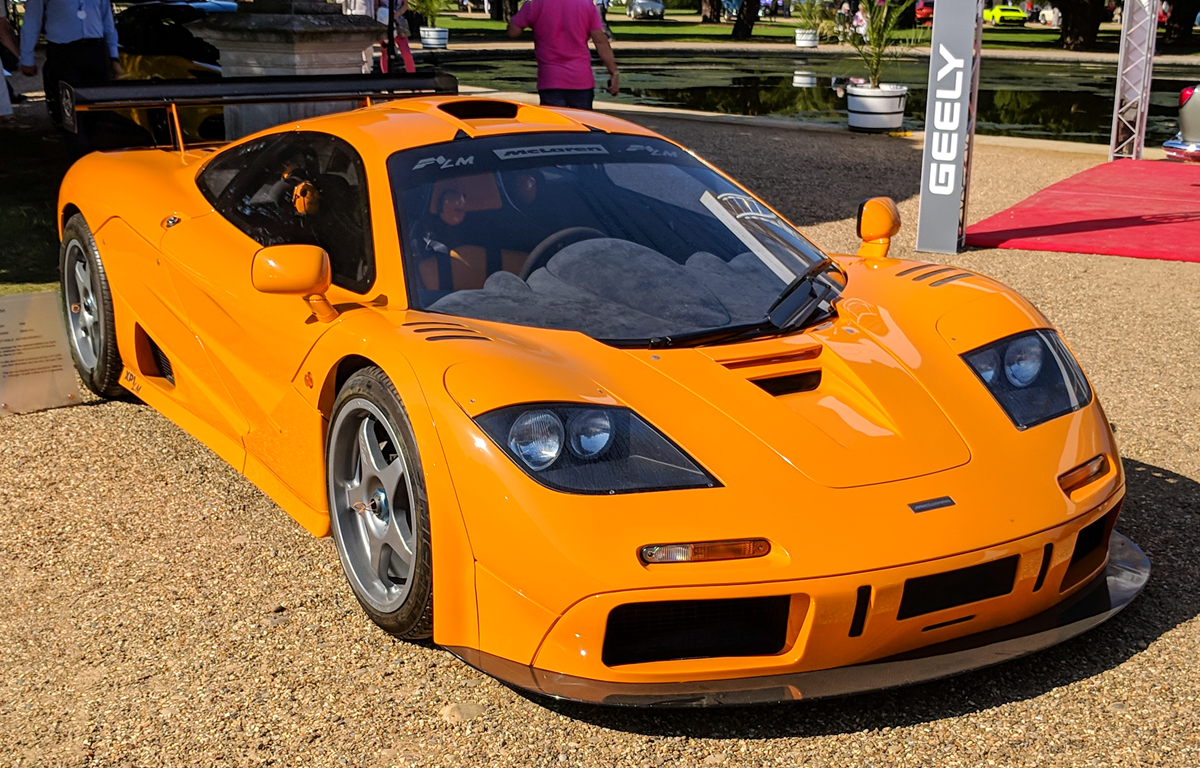
Winning the 24 Hours of Le Mans in 1995 gave McLaren a reason to create an even more extreme version of its F1 road car. The resulting F1 LM had reduced weight, revised aerodynamics, and a more powerful version of its BMW V12 engine. McLaren built just five customer examples, representing the five F1 GTRs that finished the race. A sixth car served as a development prototype and remained with McLaren. Unlike the standard F1, which was designed with road comfort in mind, the LM made few concessions to everyday driving.
In the mood for more?
Check out 16 Cars From the 1980s and the Pop-Up Headlights That Defined Their Look, or take a look at 15 Strangest Cars of the 1940s That Barely Looked Real. If you want to see more unusual automotive history, you can check 15 Garage-Built Custom Cars That Looked Better Than Dealer Cars.