Some of the most interesting cars never came from a factory design department. They were assembled in suburban garages, small workshops, barns, and driveways by people willing to spend years fabricating parts, solving mechanical problems, and learning skills as they went. The results range from carefully restored hot rods to completely original machines that look as though they escaped from an exotic-car showroom. These are the kinds of builds that make a two-car garage seem surprisingly capable.
1. John Nash’s JNS Special
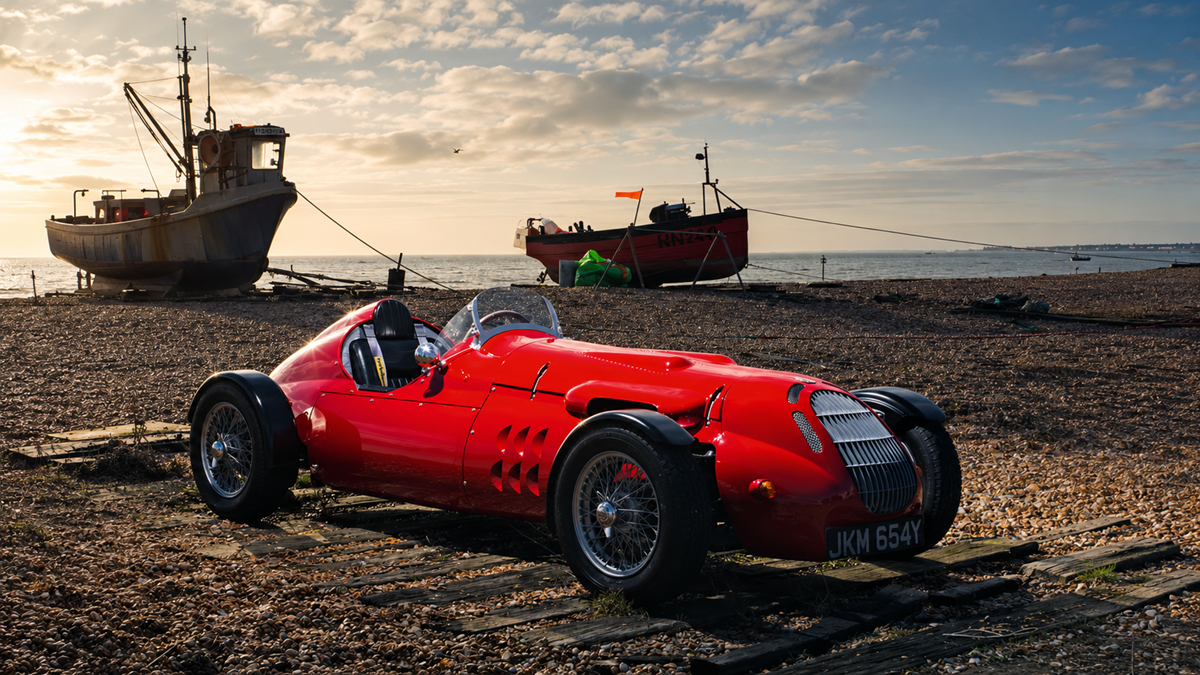
John Nash spent about five years creating his JNS Special in a garage in Kent, England, doing nearly all of the work himself. Inspired by prewar and early postwar Grand Prix machines, the little roadster was built from scratch rather than assembled as a conventional replica, and Nash reportedly put roughly 7,000 hours into it. Underneath its vintage-looking body was a turbocharged Renault Gordini engine producing around 110 horsepower. Autocar was especially impressed by the finish, noting that the entire project cost Nash only about £5,750 to build.
2. William Bertres’ 1964 Mercury Comet
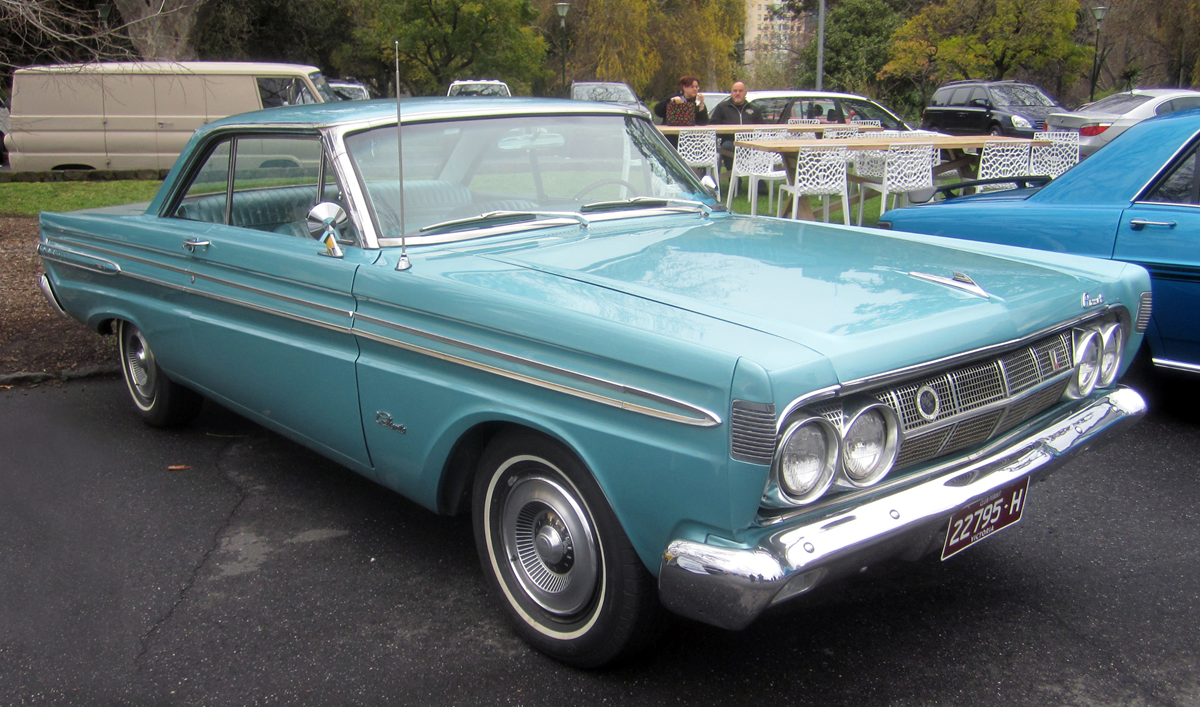
William Bertres wanted the sort of 1964 Mercury Comet once raced by drag legend Dyno Don Nicholson, but buying a genuine period A/FX car was another matter entirely. So he spent six years photographing originals, taking measurements, searching swap meets, and building his own remarkably accurate tribute. The finished car used a fiberglass front end and doors, period-style components, and a 427-cubic-inch Ford FE V8. It was the kind of obsessive home project that could easily be mistaken for a professionally commissioned historic race car.
3. Henry Renaud’s Factory Five GTM
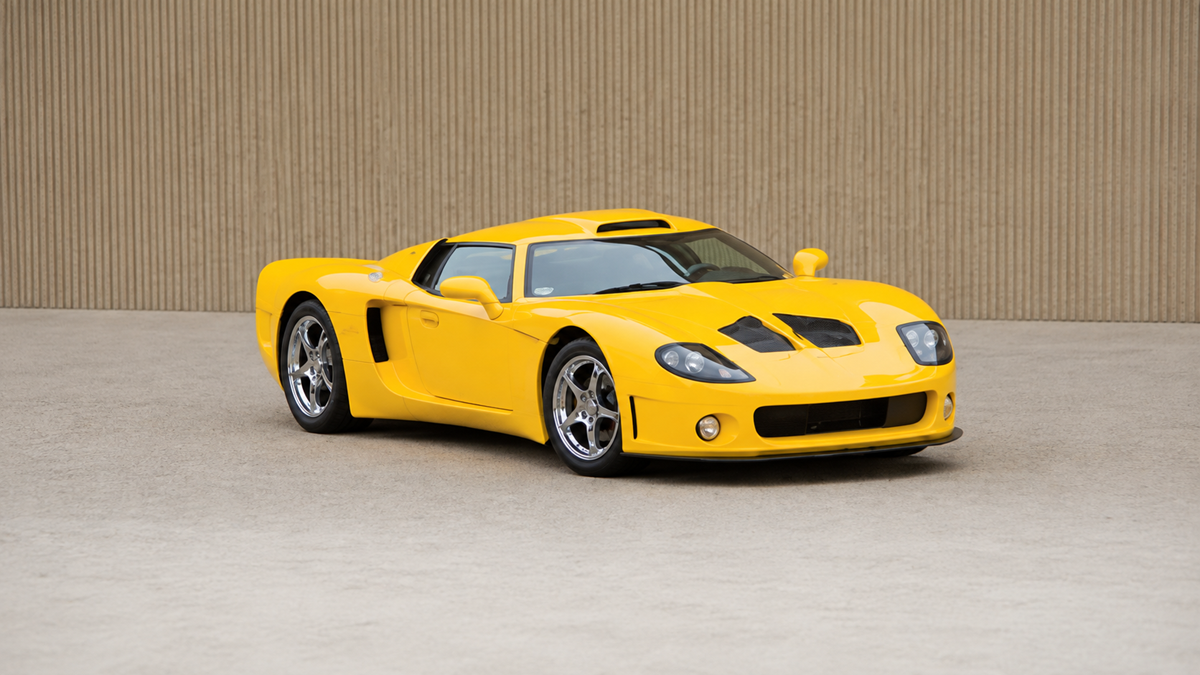
A Corvette-based kit arriving in boxes does not automatically become a convincing supercar. Henry Renaud’s Factory Five GTM did. Built with help from his son Marcel and friend Scott Coburn, the mid-engine machine received custom cooling vents, extensive insulation, a modified shifter setup, upgraded interior equipment, and carefully finished bodywork. Kit Car magazine argued that its fit, finish, comfort, and performance were comparable with far more expensive factory-built sports cars.
4. Brendon Vetuskey’s Home-Built Hot Rods
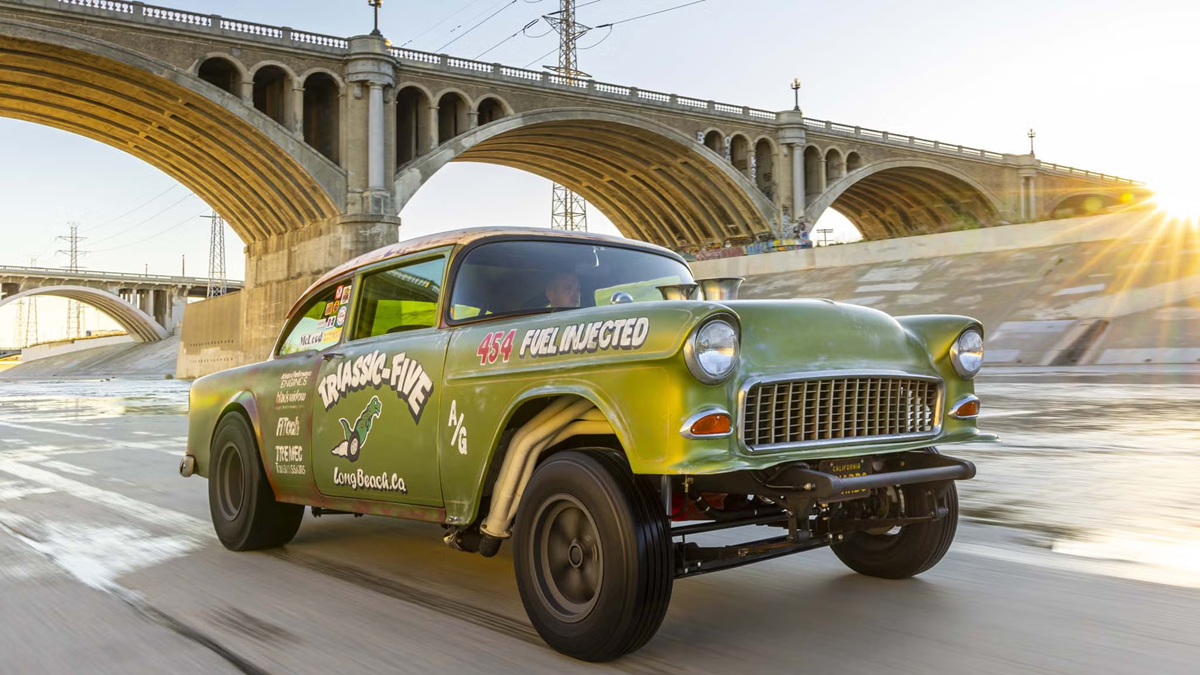
Brendon Vetuskey has produced show-quality hot rods from an ordinary two-car garage in Long Beach, California. The space is hardly an enormous fabrication facility, yet his home projects have been polished enough to appear in major automotive magazines. Vetuskey happens to design Hot Wheels professionally, but much of his full-size car-building ability was self-taught.
5. Jeff Schwartz’s 1982 Cadillac Fleetwood
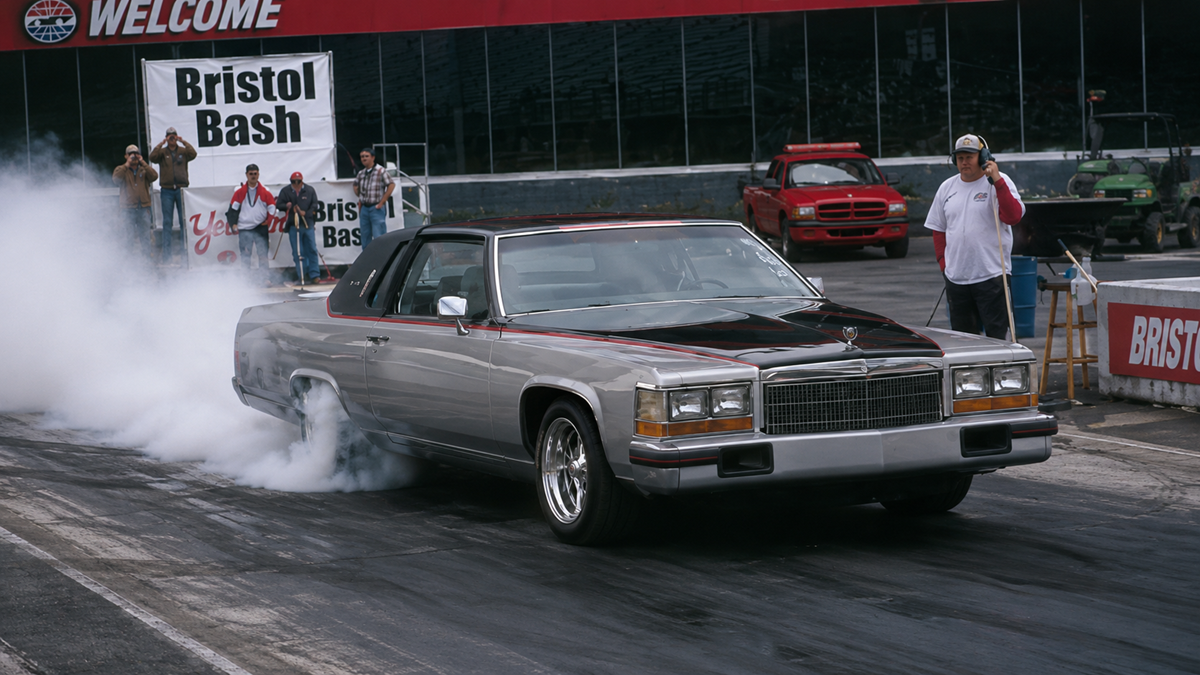
Turning an enormous 1982 Cadillac Fleetwood Brougham into something capable of embarrassing sports cars sounds like the sort of project a professional tuning company would attempt for publicity. Jeff Schwartz built his version at home while custom cars were still essentially a hobby for him. The heavily modified Cadillac became known for handling and performance wildly out of character with its formal luxury-car body, and projects like it eventually helped Schwartz turn his garage hobby into a professional chassis and performance business.
Trending on The Scroller

6. The 1,000-Horsepower Ultima GTR

Before Jeff Schwartz became a full-time professional builder, one of his home-garage projects was an Ultima GTR producing roughly 1,000 horsepower. The lightweight, mid-engine kit car already resembled a Le Mans prototype, but Schwartz pushed the performance much further. A street-legal machine with four-digit horsepower was not exactly something shoppers could find beside the family sedans at the local dealership.
7. Home-Built Factory Five Cobras
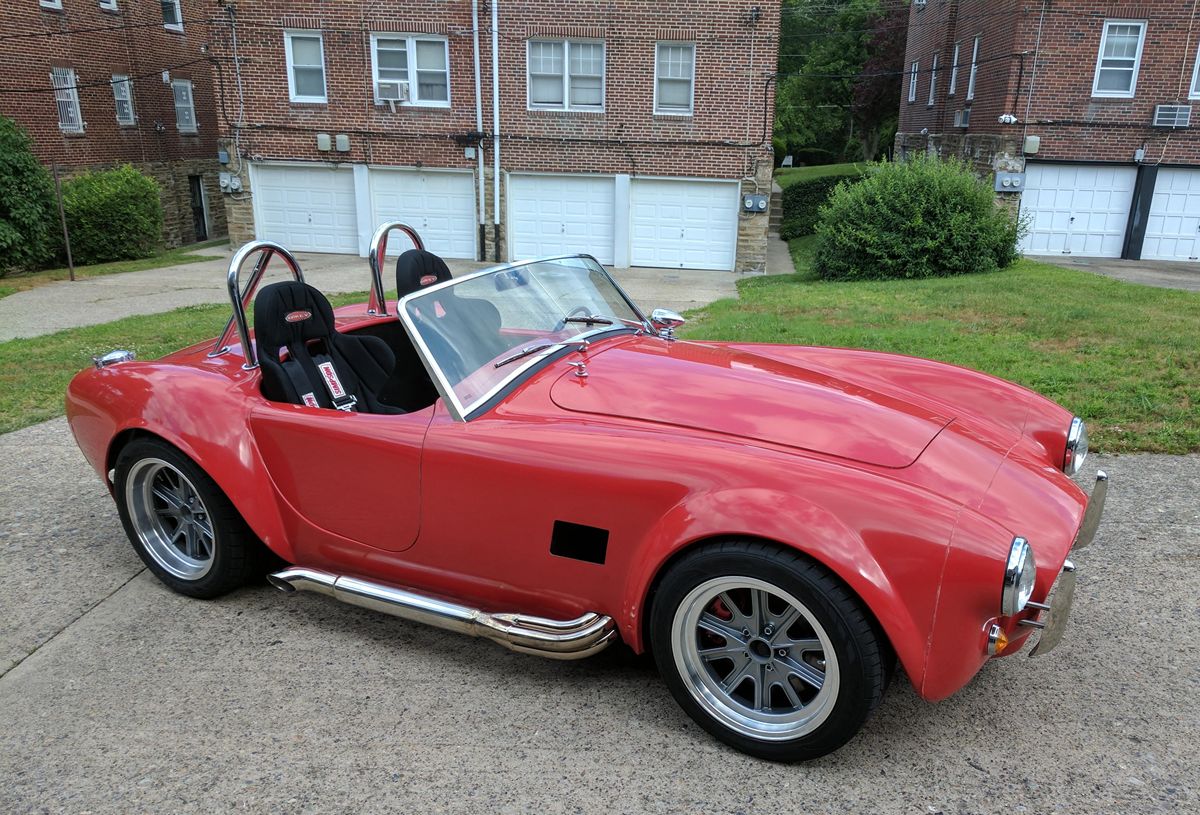
The Shelby Cobra may be one of the most copied automobiles ever made, but some home-built versions go far beyond merely bolting together a fiberglass body. Factory Five and similar kits have allowed owners to create cars with modern brakes, sophisticated suspension, powerful Ford V8s, and countless individually fabricated details. For builders willing to spend hundreds or thousands of hours refining panel gaps, wiring, paint, and interiors, the finished result can look remarkably close to a boutique sports car.
8. Backyard-Built Dune Buggies
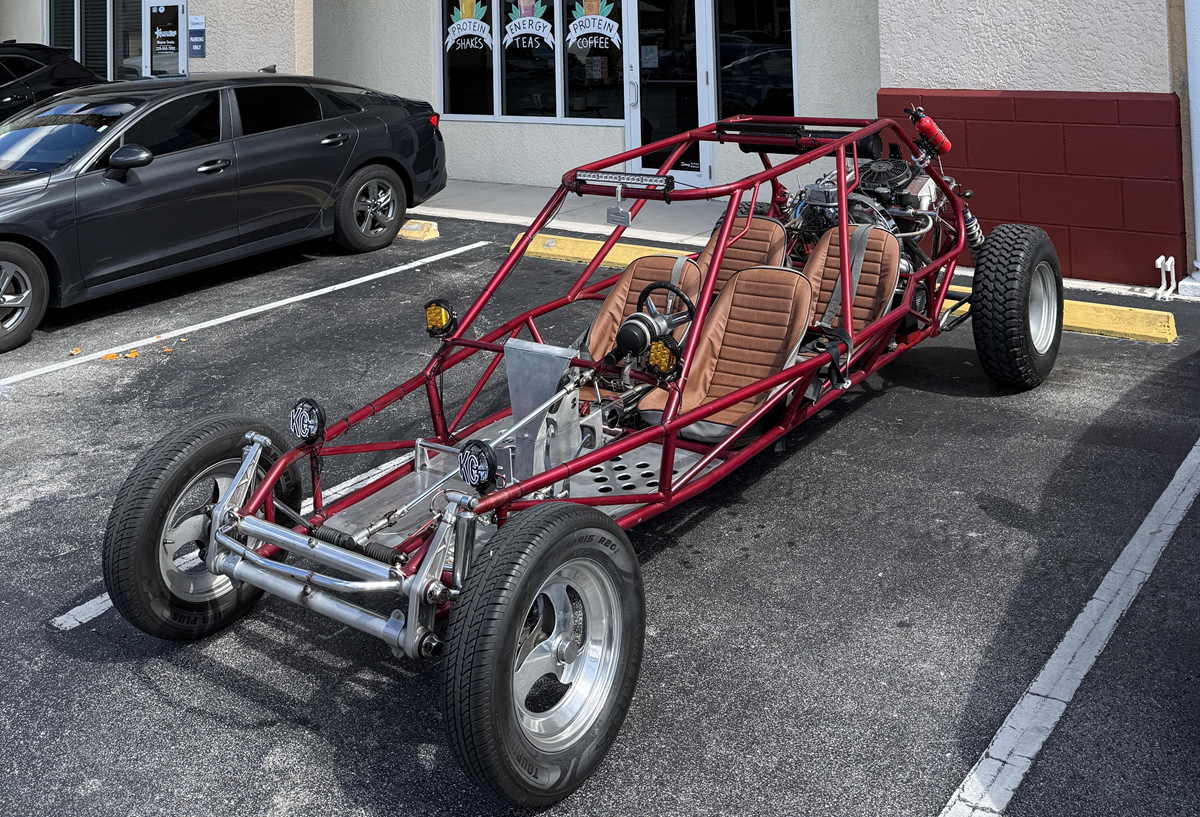
Dune buggies were practically designed for garage creativity. Starting with Volkswagen Beetle mechanical parts, builders could shorten a chassis, add a fiberglass body, change the suspension, and create something that barely resembled the donor car. During the boom years of the 1960s and 1970s, countless enthusiasts essentially became small-scale car manufacturers in their own garages.
Sign up for our newsletter
9. The Home-Built GT40 Replicas
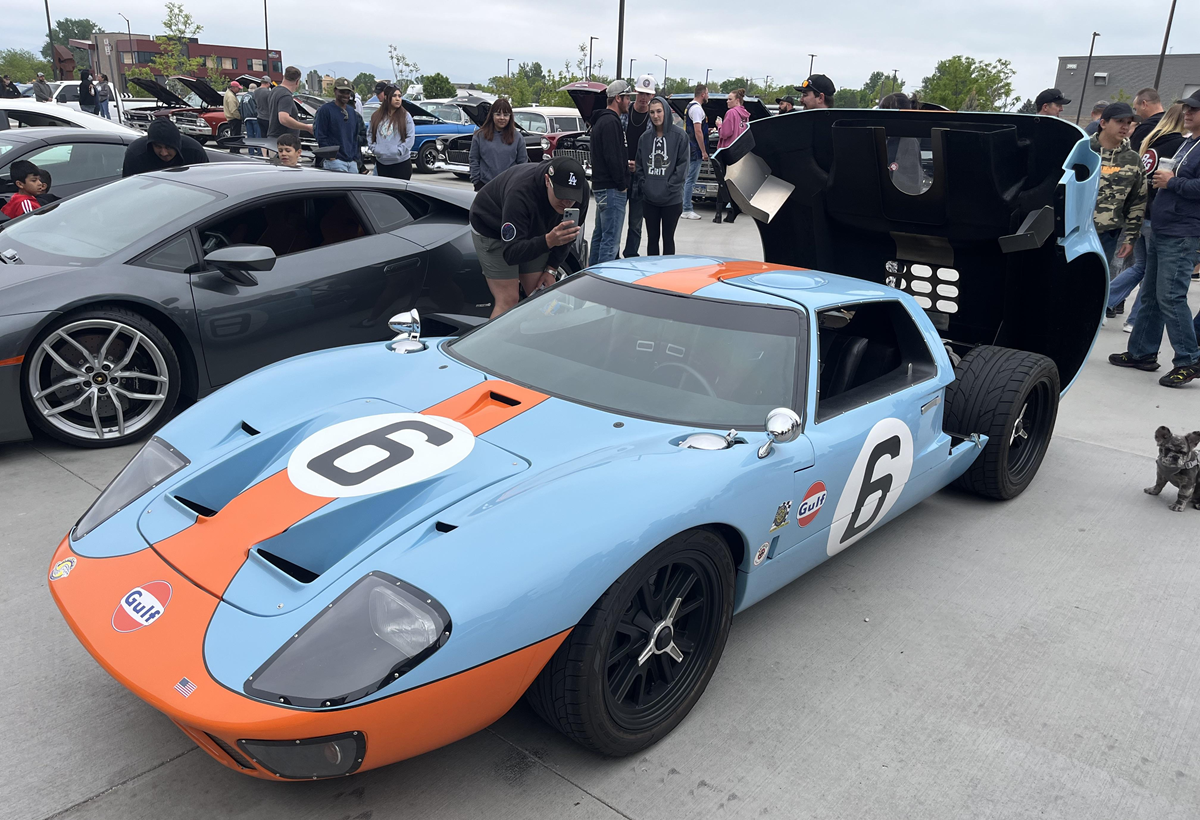
Original Ford GT40s are museum-level machines worth enormous amounts of money, which makes the idea of building something similar beside a lawn mower particularly appealing. Several kit manufacturers have produced GT40-style chassis and bodies intended for home assembly, often paired with Ford V8 engines. The best examples include carefully recreated cockpits, functional air ducts, intricate suspension components, and remarkably accurate proportions. From a few feet away, some look like cars that should be sitting behind velvet ropes.
10. Home-Built Lotus Seven Replicas
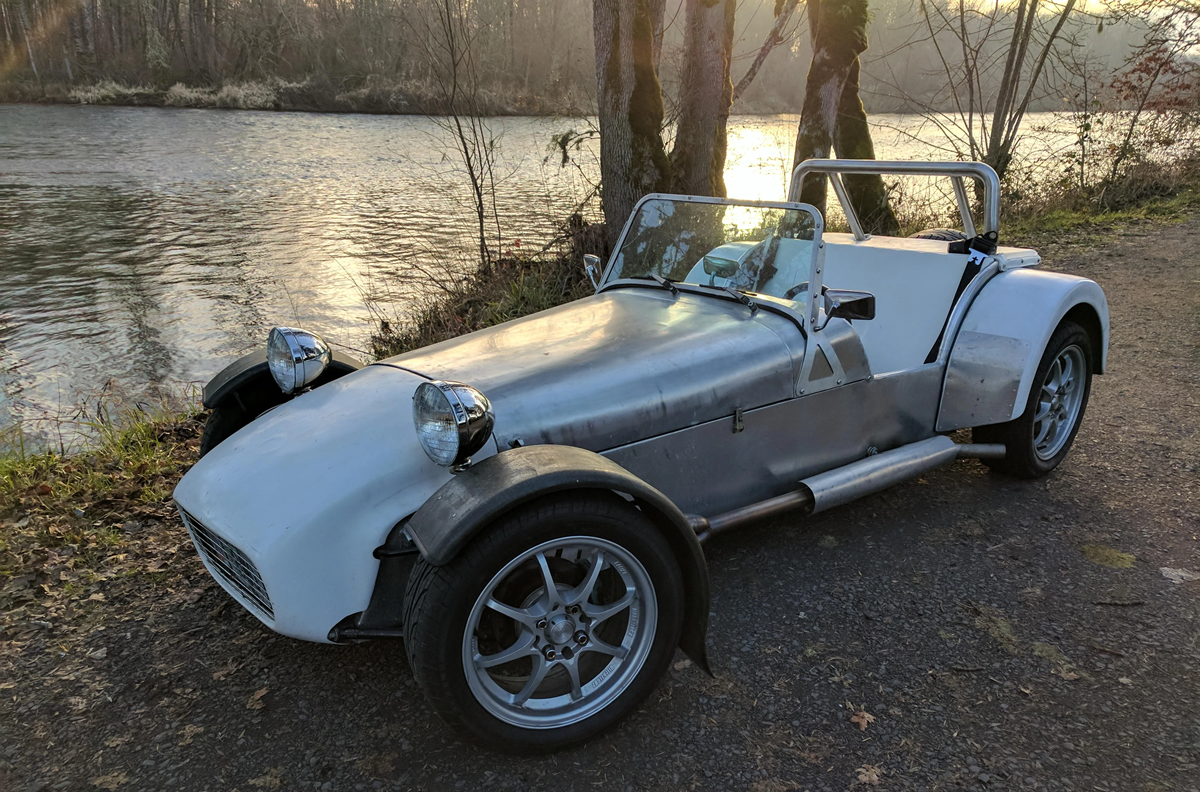
Few cars demonstrate garage engineering better than the Lotus Seven and the thousands of home-built machines it inspired. The basic formula is unusually approachable: a lightweight tubular frame, minimal bodywork, a front-mounted engine, and almost nothing that does not help the car move. Some enthusiasts fabricate much of the chassis themselves rather than starting with a complete kit. What comes out can weigh far less than almost anything available from a normal dealership.
11. The Locost
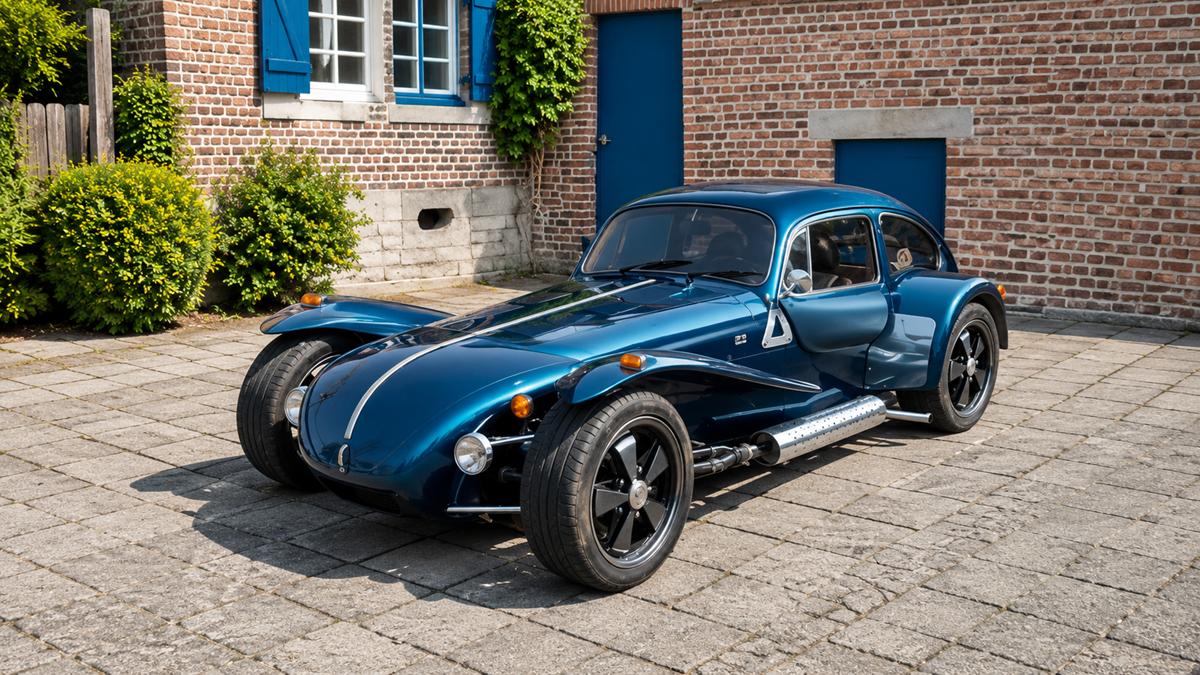
The Locost movement took the Lotus Seven idea even further by encouraging people to construct an entire sports car largely from plans and commonly available components. Builders have used engines from Ford, Mazda, Toyota, motorcycles, and numerous other donors. Two finished Locosts may look similar from across a parking lot while sharing surprisingly few mechanical details underneath.
12. Ferrari P4 Replicas Built at Home
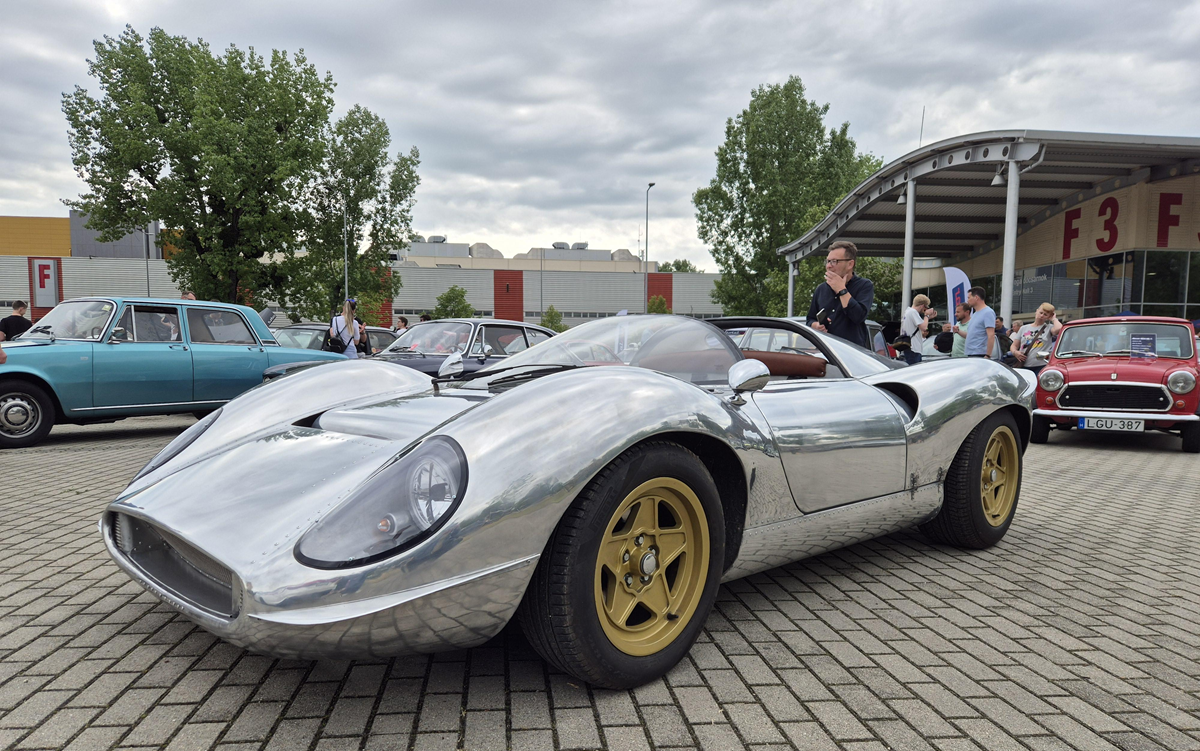
Recreating a Ferrari P4 in a garage sounds almost absurd, but the kit-car world has made exactly that possible. Some builders have spent years constructing tubular chassis, fitting V8 engines and transaxles, shaping interiors, and finishing fiberglass bodies inspired by Ferrari’s 1960s endurance racers. One Noble Mk4 P4 replica documented by Car Builder Solutions became a regular show winner after being completed by its owners. The visual difference between a well-finished replica and a professionally built specialty car can be remarkably small.
13. Garage-Built 1932 Ford Hot Rods
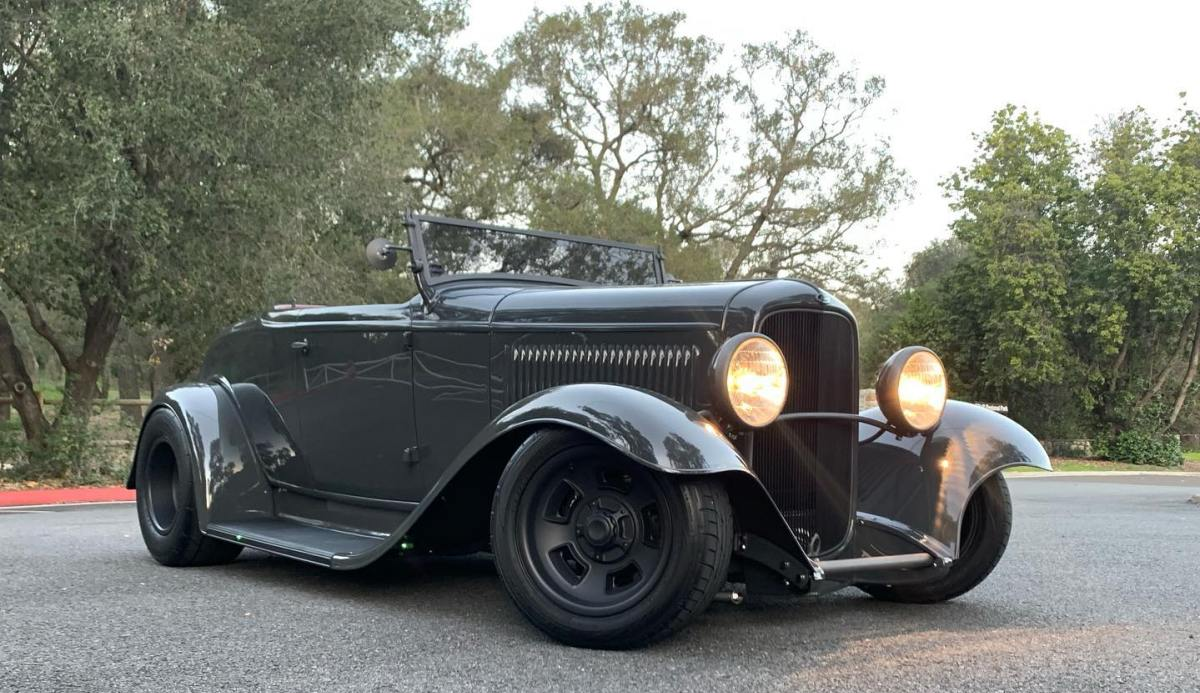
There is no single correct way to build a 1932 Ford anymore. Home builders have chopped roofs, fabricated frames, installed everything from traditional flatheads to modern fuel-injected V8s, and created interiors ranging from bare aluminum to hand-stitched leather. Some builds deliberately preserve the roughness of early hot rodding, while others have paint and metalwork good enough for indoor shows. That variety is part of what makes the car such an enduring garage project.
14. Home-Built Exocars

Remove most of a conventional car’s weight and suddenly fairly ordinary mechanical parts can become interesting. Home-built exocars often combine tubular frames with engines, transmissions, brakes, and suspension pieces sourced from mass-produced donor vehicles. The result can look like a cross between a track car and an engineering project someone forgot to cover with body panels. There is very little dealership polish, and that is largely the point.
15. The One-Off Cars That Never Had a Kit
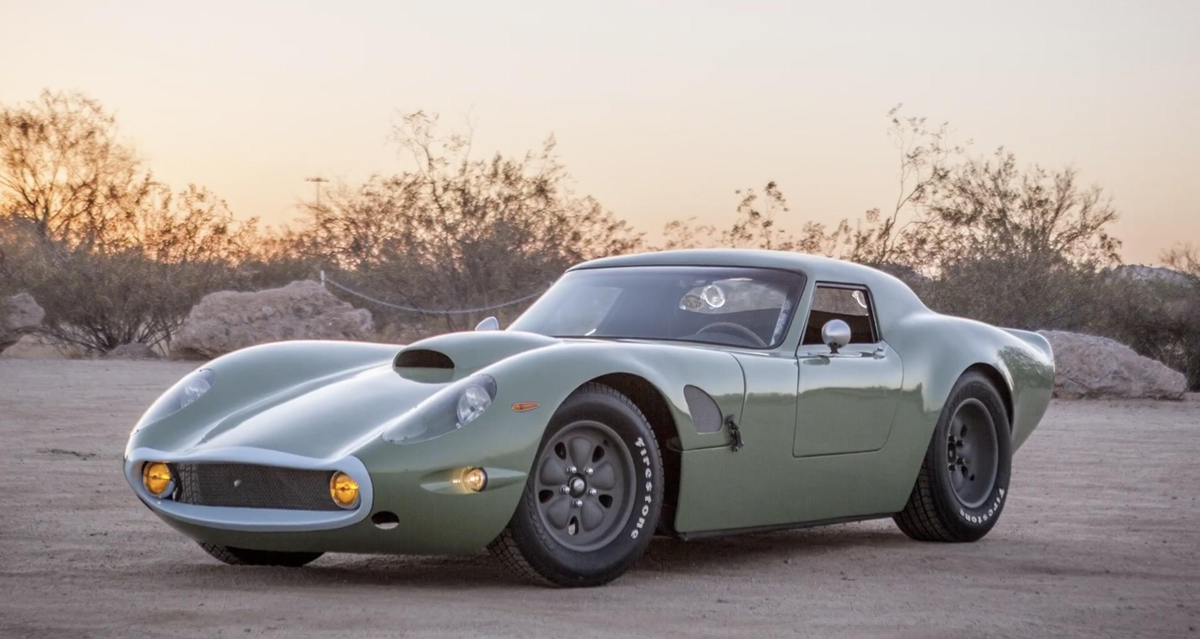
The most ambitious garage builders skip kits altogether. They sketch their own frames, choose drivetrains from unrelated cars, fabricate suspension mounts, shape aluminum or fiberglass panels, create wiring harnesses, and solve hundreds of small problems that automobile manufacturers normally assign to entire engineering departments. Some take a decade to finish and occasionally look slightly strange because almost every decision came from one person’s imagination. But when a completely original car rolls out of an ordinary garage under its own power, perfection seems almost beside the point.
In the mood for more?
Check out 14 Unusual Cars From the Mid 1960s That Stood Out on the Road, or take a look at 24 Vintage Photos That Perfectly Capture Cars From the Electric Eighties. If you want to see more unusual automotive creations, you can check out 20 Custom Cars That Broke the Laws of Good Taste.