Walking into a local cinema or loading up a modern streaming queue immediately introduces us to an immersive world built around specific stories, landscapes, and corporate backdrops. Filmmakers often face a tricky logistical choice when constructing realistic public environments like grocery stores, gas stations, or fast-food joints for their characters. Relying entirely on actual brands can shatter the viewer’s immersion through jarring product placement or trigger complex trademark disputes with major corporations. To bypass these corporate roadblocks, talented set designers and writers routinely invent fictional brands that add an authentic layer of world-building to the narrative without ever breaking the legal boundaries of the real world.
The reality of these invented corporate labels shows just how deeply a beautifully designed logo or a catchy commercial slogan can capture the public imagination. The truth is that the most unforgettable cinema brands operate as brilliantly clever inside jokes, recurring Easter eggs, or deep world-building tools that link entirely different cinematic universes together. Instead of completely fading into the background scenery, these fictional products occasionally develop massive real-world cult followings that prompt official merchandise lines and fan-made replica props. Let’s dive straight into fourteen legendary fake corporate entities from movie history that audiences still remember completely today.
1. Wonka Bars – Charlie and the Chocolate Factory universe
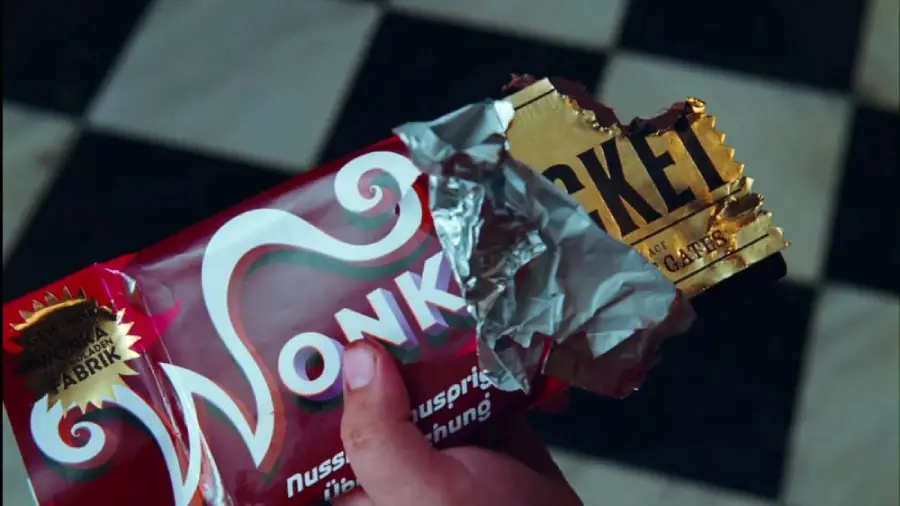
The legendary chocolate candy bar that hid the highly coveted Golden Tickets is one of the oldest and most beloved fictional brands in cinema history. The distinct visual choice of a bright purple paper wrapper accented by bold golden lettering is instantly recognized by multiple generations of sweet teeth. Real-world candy manufacturers capitalized on this massive cinematic nostalgia by launching official replicas of the chocolate bars in retail stores for decades. It stands as a brilliant design choice that turns an ordinary grocery item into an absolute symbol of childhood wonder and imagination.
2. Pizza Planet – Pixar universe
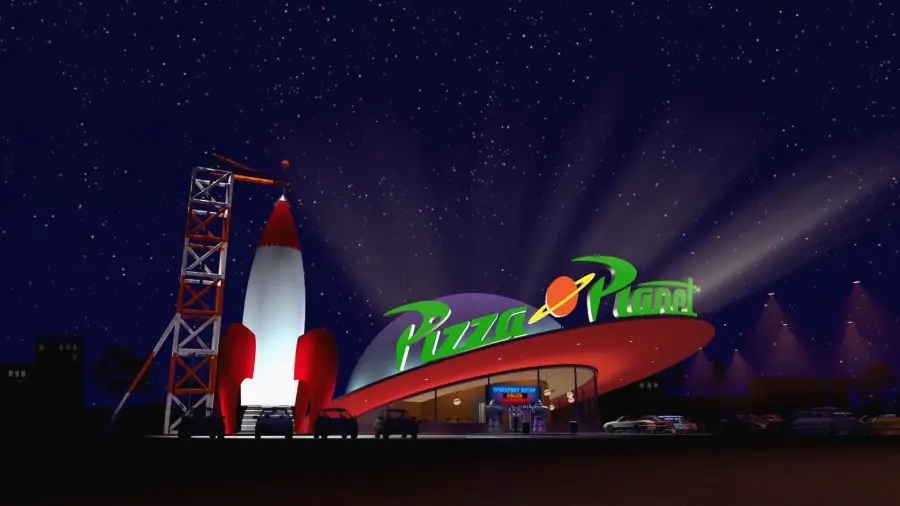
First introduced to audiences as the futuristic, space-themed arcade restaurant where Woody and Buzz Lightyear get trapped inside a claw crane machine, this establishment lives permanently in animation history. The company’s iconic yellow delivery truck, complete with a plastic red rocket ship mounted to the roof, has transformed into the ultimate Pixar Easter egg. Creative animators have managed to sneak the dilapidated vehicle into almost every single feature project produced by the studio, turning it into a wooden carving in medieval Scotland and a sunken wreckage under the ocean. It stands as a masterclass in cross-movie continuity that fans systematically search for during every single theatrical release.
3. Big Kahuna Burger – Tarantino universe
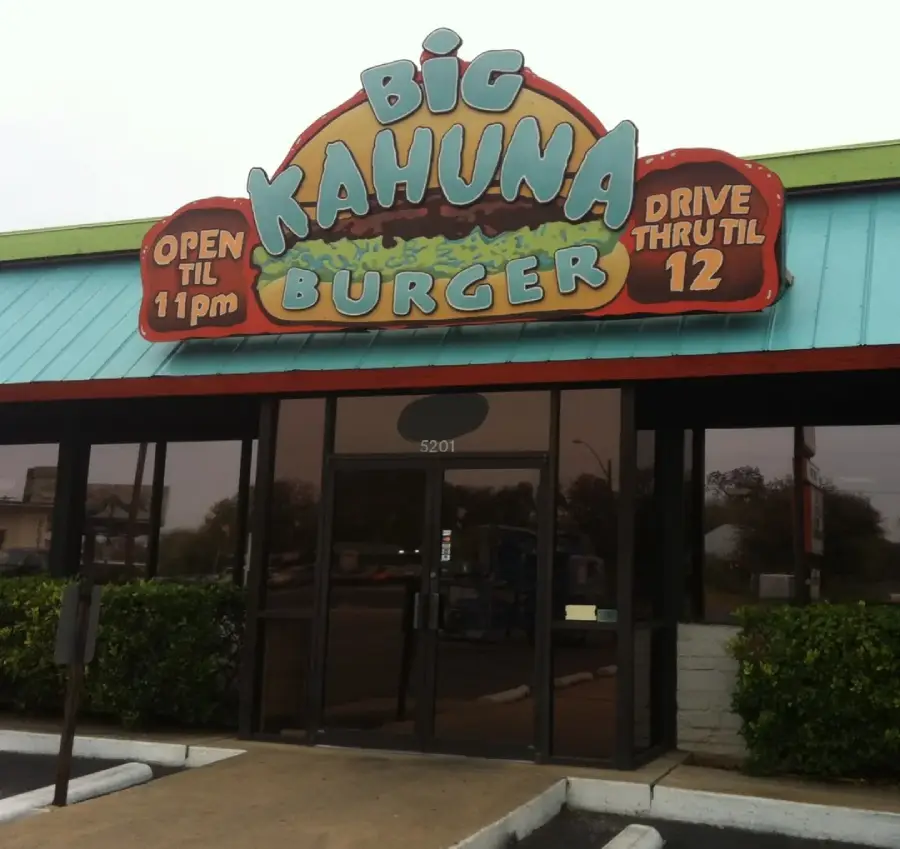
This fictional, Hawaiian-themed fast-food chain achieved legendary pop culture status during a highly tense interrogation scene where hitman Jules Winnfield casually samples a target’s breakfast. Quentin Tarantino initially invented the tropical corporate entity to completely avoid using real-world fast-food logos that could distract from his heavily stylized dialogue sequences. The vibrant, beach-inspired packaging was completely hand-designed by a close personal friend of the director to ensure it looked like an authentic regional franchise. The tasty burger brand has since made subtle background cameos across multiple projects, including a billboard in Tokyo and a takeout bag in a vampire thriller.
4. Ollivander’s – Harry Potter franchise
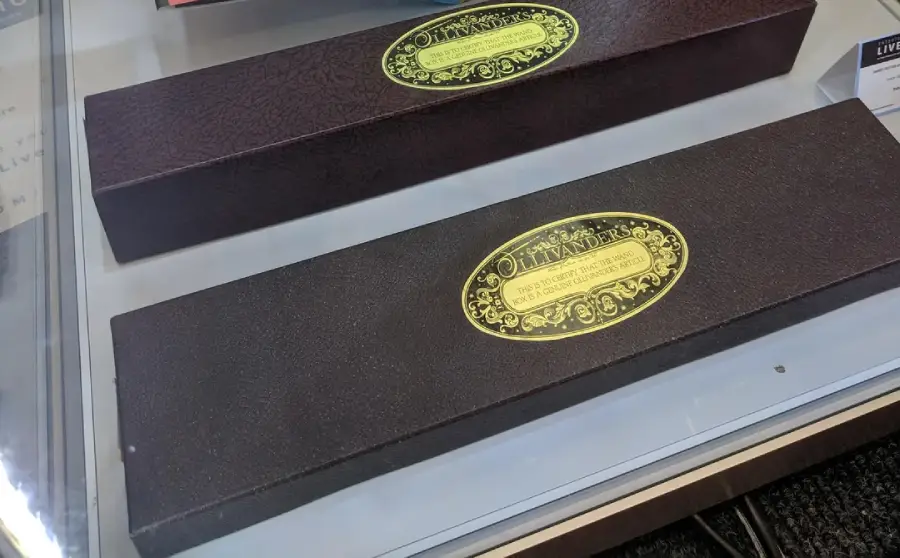
The iconic Diagon Alley wand shop operating under the majestic subtitle “Makers of Fine Wands since 382 BC” is a deeply cherished cornerstone of the magical world-building. The dusty, narrow retail store features thousands of small rectangular boxes stacked precariously from the floor boards all the way up to the high ceiling. This fictional establishment was eventually reconstructed with absolute architectural precision inside the Universal Studios theme parks to let visitors experience the magic in person. It offers an incredible real-world interactive retail space where the custom wooden prop wands actively choose their owners during live performances.
5. Stay Puft Marshmallows – Ghostbusters
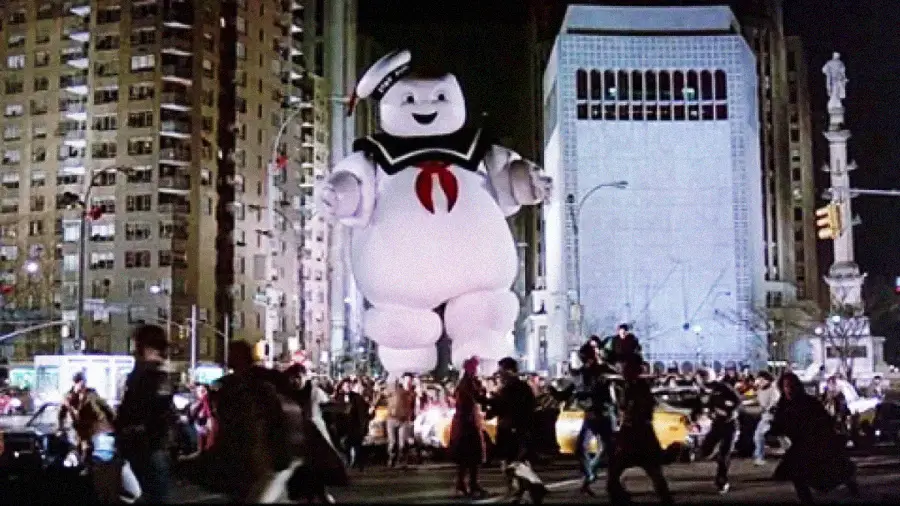
This innocent, happy confectionery mascot transformed into the ultimate symbol of apocalyptic destruction during the climax of a classic 1984 paranormal comedy. The fictional company logo initially shows up completely harmlessly as a simple bag of sweets sitting on a kitchen counter before manifesting into a colossal, hundred-foot-tall monster rampaging through Manhattan. Filmmakers deliberately designed the character to blend the friendly, squishy traits of real-world corporate icons like the Michelin Man and the Pillsbury Doughboy into something deeply absurd. The memorable corporate image was so incredibly successful that real-world candy manufacturers eventually secured the official rights to produce real bags for fans.
Trending on The Scroller
6. Weyland-Yutani Corporation – Alien franchise
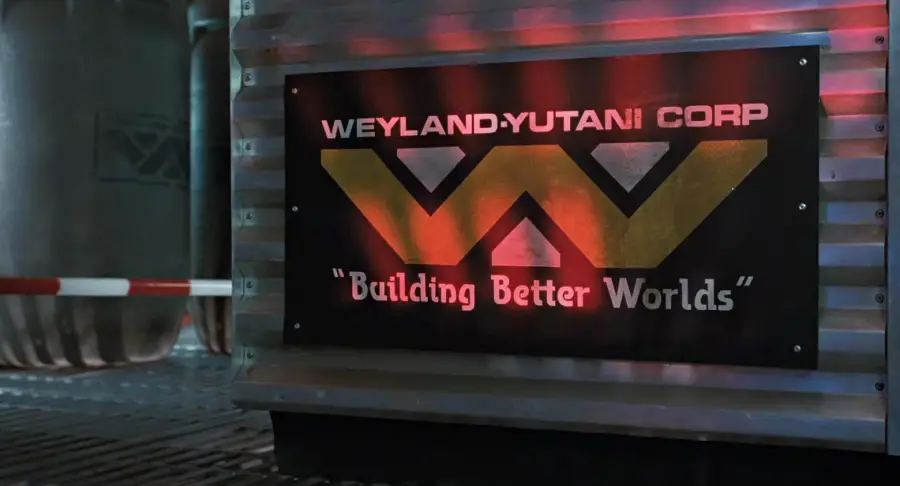
Operating under the ominous, chilling corporate tagline “Building Better Worlds,” this massive interstellar conglomerate represents the absolute peak of unchecked sci-fi corporate greed. The company routinely treats its blue-collar spaceship crews as entirely expendable assets, systematically prioritizing the capture of a lethal extraterrestrial organism over human life. Set designers cleverly combined a traditional British manufacturing name with a Japanese electronics brand to imply a massive, globalized corporate merger had taken over the future. The company’s sleek, industrial geometric logo stands as a permanent warning sign for science fiction fans who understand the dangers of corporate oversight.
7. Buy n Large – WALL-E
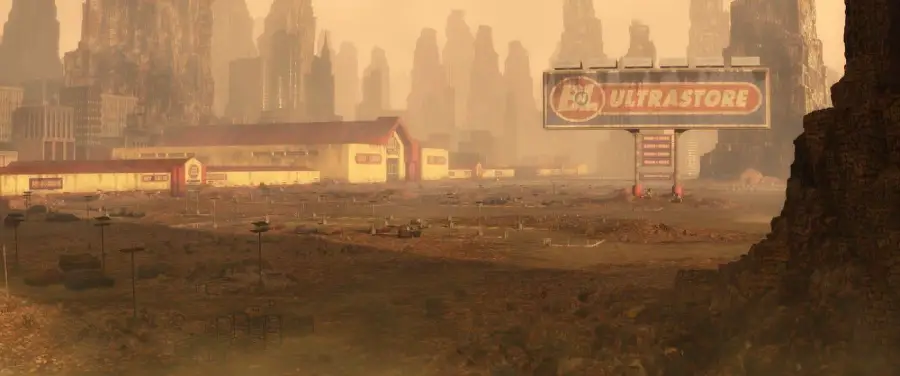
This friendly, pastel-colored megacorporation gradually advanced from a simple retail chain into a global monopoly that completely controlled world governments and waste management systems. The company’s cheerful commercial jingles and endless automated consumer options ultimately left the planet completely covered in mountains of unmanageable garbage. The design team meticulously crafted the corporate aesthetic to perfectly mirror the bright, smiling public relations campaigns deployed by modern real-world retail giants. It operates as a deeply dark, incredibly clever satirical look at over-consumption, hidden directly inside a beautiful family animation masterpiece.
8. Wayne Enterprises – Batman franchise
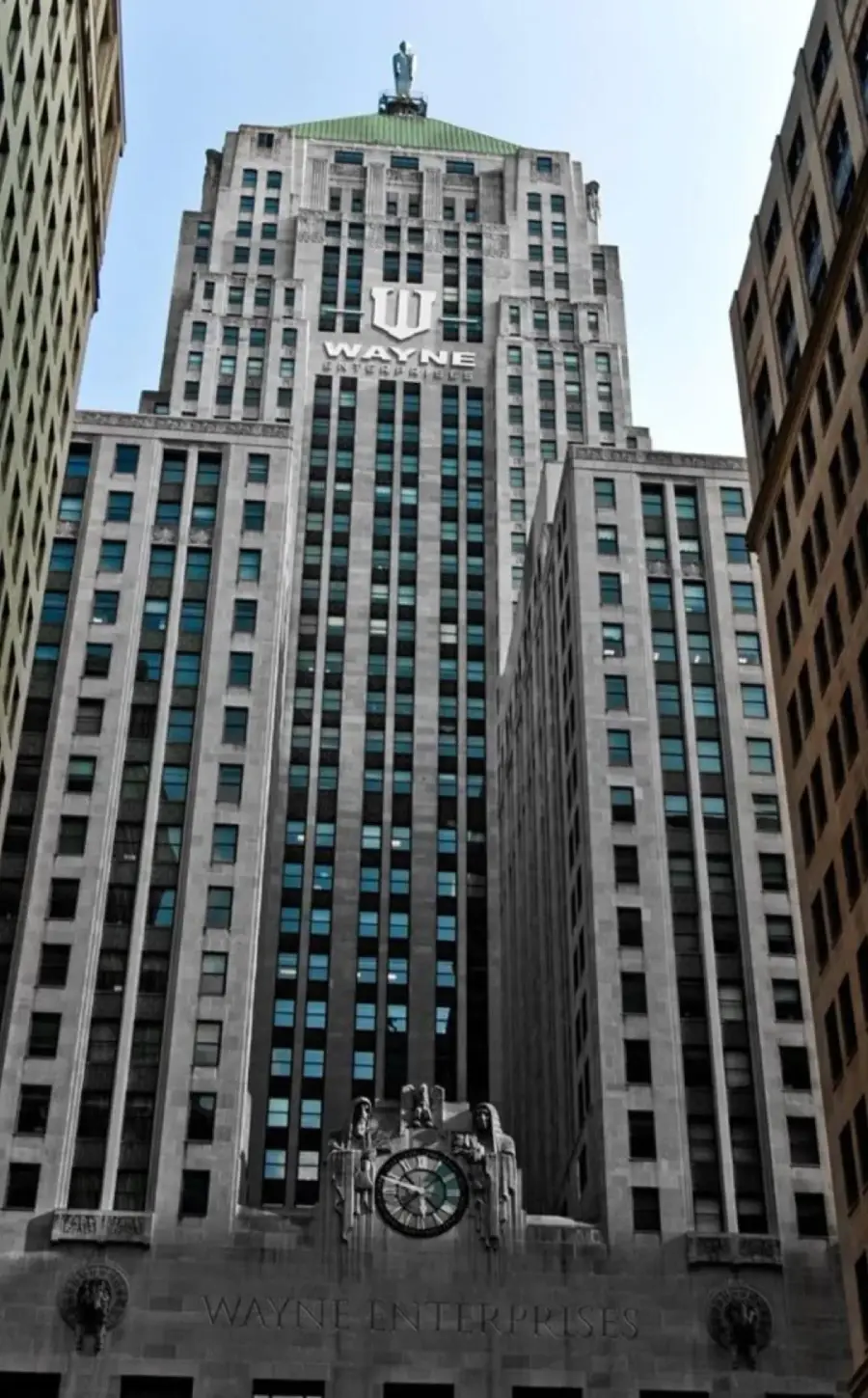
Bruce Wayne’s massive multinational conglomerate is easily one of the most recognized corporate brands in the entire history of superhero cinema. The sophisticated business empire has maintained a prominent presence in virtually every cinematic iteration of Gotham City since the early 1990s blockbusters. The company serves as a highly elegant financial cover that quietly funds and manufactures all the cutting-edge military hardware that Batman deploys at night. Its sleek, minimalist corporate logo has developed into an incredibly popular real-world apparel design that fans wear proudly to conventions.
Sign up for our newsletter
9. Stark Industries – Marvel Cinematic Universe
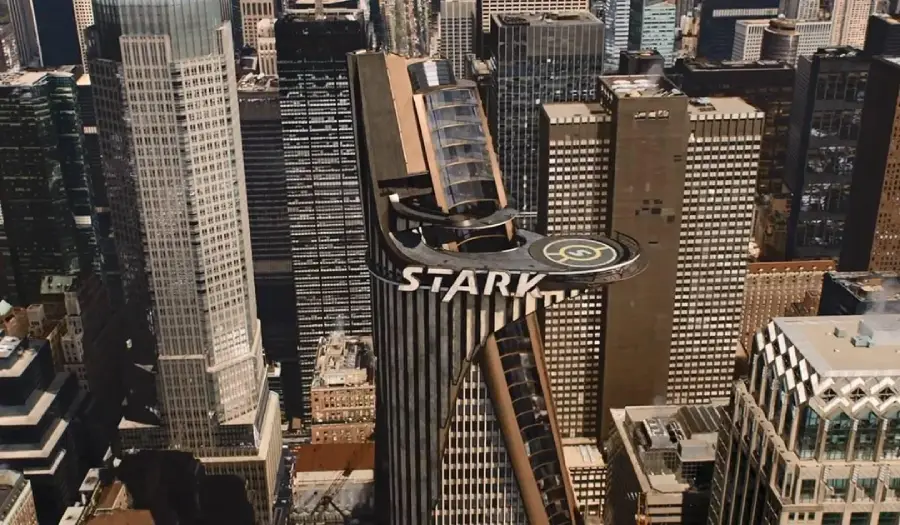
This cutting-edge aerospace and defense conglomerate stands as one of the most thoroughly developed fictional corporate entities in modern pop culture history. The high-tech firm has actively shaped the plot lines of more than a dozen blockbusters across the expansive Marvel Cinematic Universe, evolving from a traditional weapons manufacturer into a clean energy giant. The company operates with an incredibly realistic corporate history, dedicated public relations campaigns, and a recognizable modern industrial logo that mirrors real-world tech giants. It functions so seamlessly within its narrative universe that many casual viewers occasionally forget it belongs entirely to a comic book script.
10. Red Apple Cigarettes – Tarantino universe
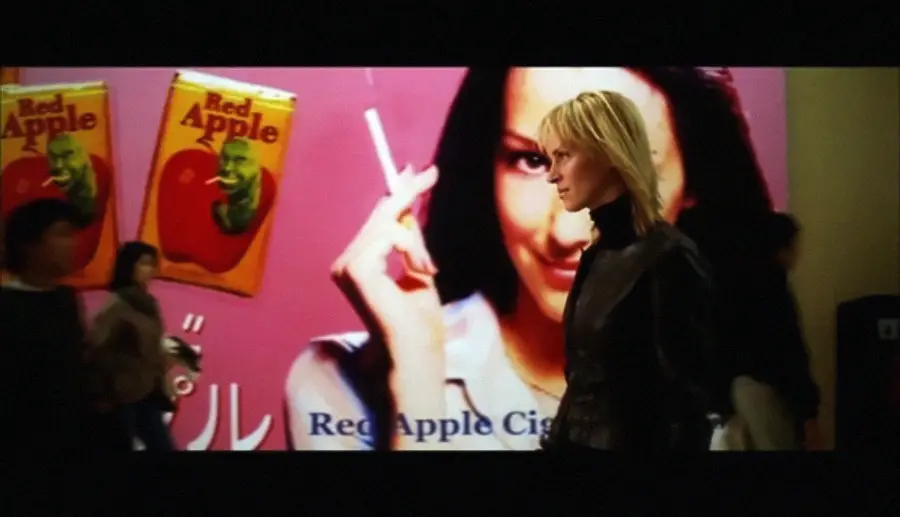
This distinctive green package displaying a cartoon snake crawling directly through a bright red piece of fruit is another legendary staple of Quentin Tarantino’s connected film universe. The fictional tobacco brand has been actively smoked by characters across multiple eras, showing up in nineteenth-century westerns, mid-century Hollywood dressing rooms, and modern crime thrillers. Tarantino routinely places the custom boxes prominently in the frame as a deliberate visual signature that replaces real-world consumer branding. It stands as an absolute favorite Easter egg for attentive cinephiles who love tracing the subtle visual threads that unite his violent cinematic worlds.
11. InGen – Jurassic Park franchise
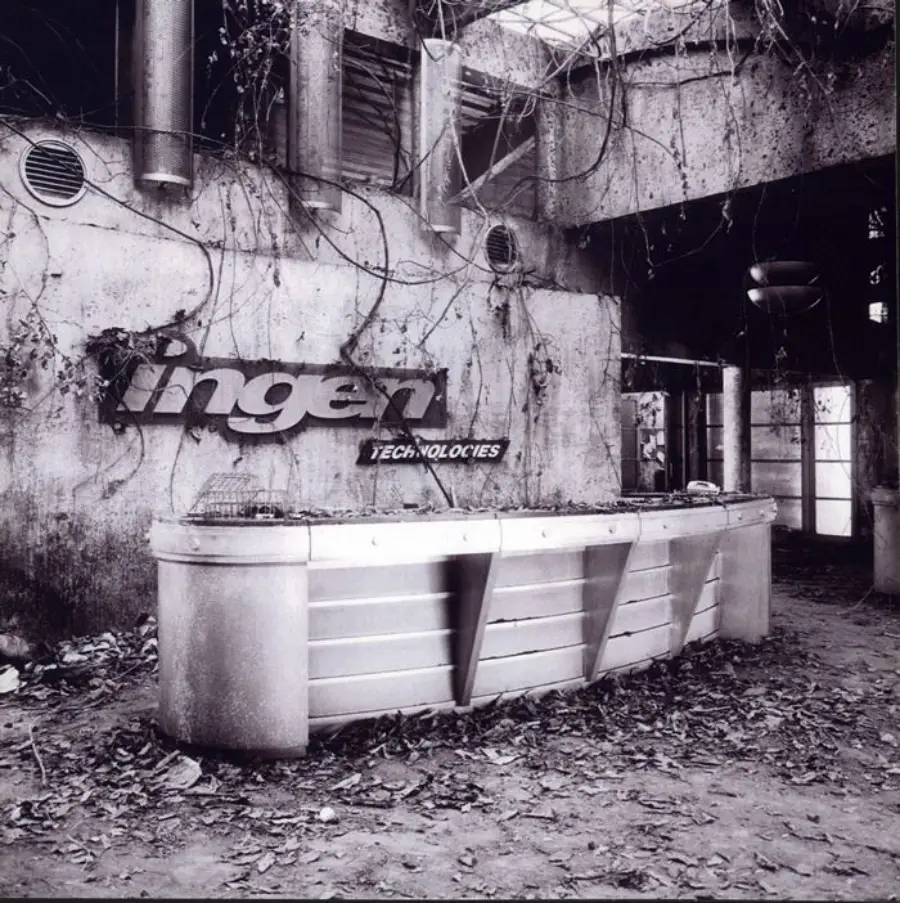
The International Genetic Technologies corporation proudly promised to revolutionize global entertainment by using advanced bioengineering to extract ancient dinosaur DNA from prehistoric amber. The company’s clean theme park laboratories, corporate helicopters, and advanced electric tour vehicles created a powerful illusion of absolute security and scientific mastery. However, their desperate rush to open a lucrative tourist destination led them to cut major computing corners and completely ignore basic biological safety parameters. The company stands as a monumental cautionary tale regarding the catastrophic dangers of mixing cutting-edge genetic science with high-stakes corporate greed.
12. Initech – Office Space
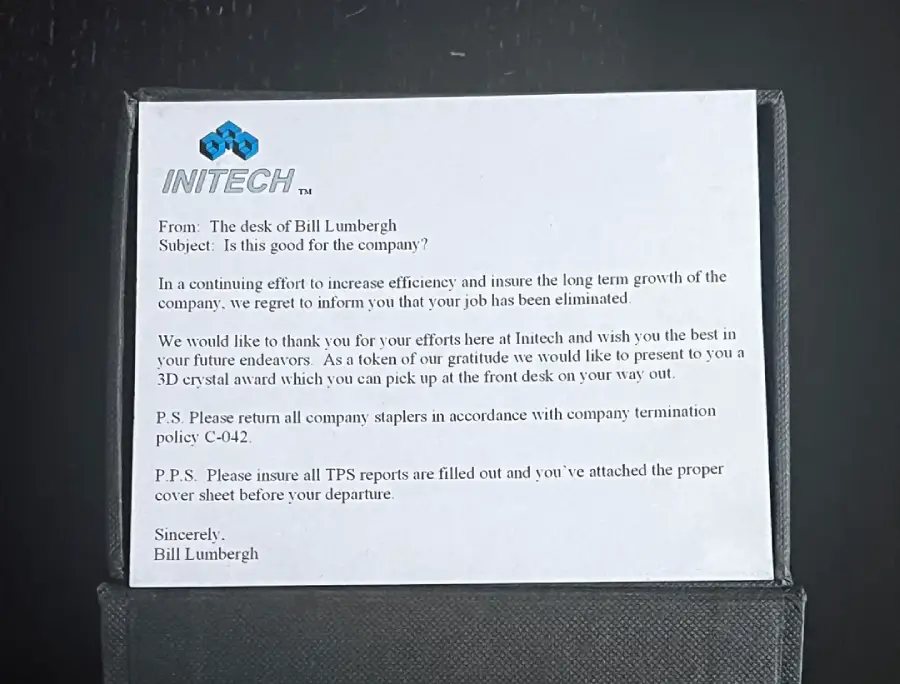
This completely unremarkable, agonizingly gray software firm perfectly encapsulates the absolute spiritual dread of working inside a traditional corporate cubicle farm. The company’s daily operations are driven entirely by redundant management structures, multi-layered progress reports, and automated corporate memos regarding missing folder covers. The writers designed the fictional workspace to feel intensely familiar to anyone who has ever survived a grueling, uninspiring nine-to-five corporate lifestyle. The brand has become a permanent cultural touchstone for workplace frustration, forever associated with broken desktop printers and missing red staplers.
13. Bubba Gump Shrimp Co. – Forrest Gump
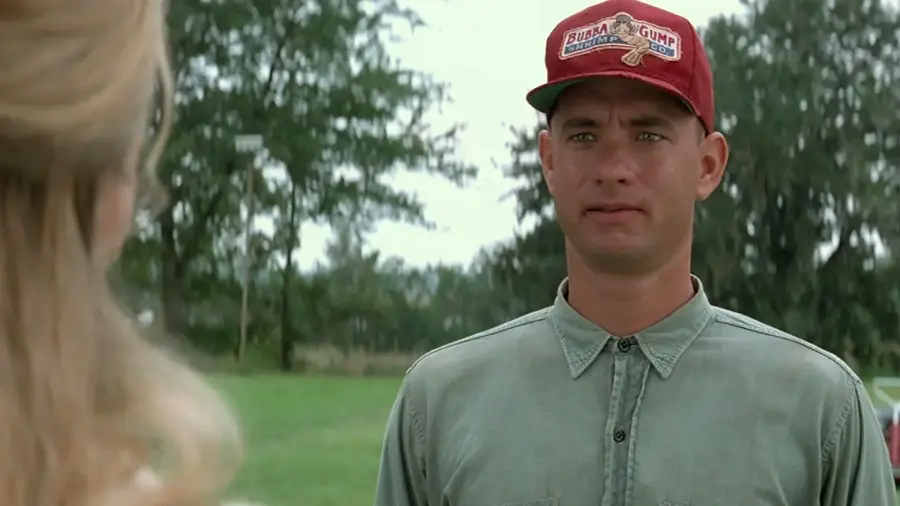
The shrimping business that Forrest Gump builds to honor his late military friend stands as one of the most successful corporate crossovers in cinematic history. Shortly after the film swept the Academy Awards, a real-world restaurant chain was officially launched based entirely on the fictional movie menu. Today, the multi-million-dollar seafood franchise operates dozens of busy locations across the globe under the management of Fertitta Entertainment. It remains a fascinating example of an entirely fictional script idea turning into a massive, highly lucrative real-world dining brand.
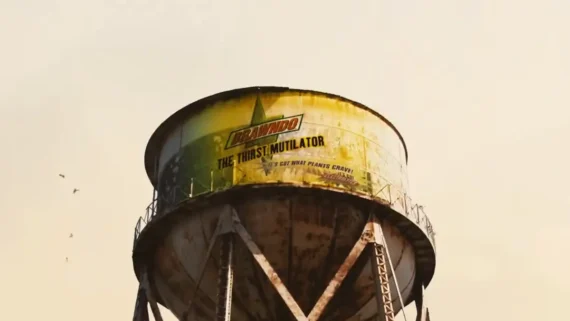
14. Brawndo – Idiocracy
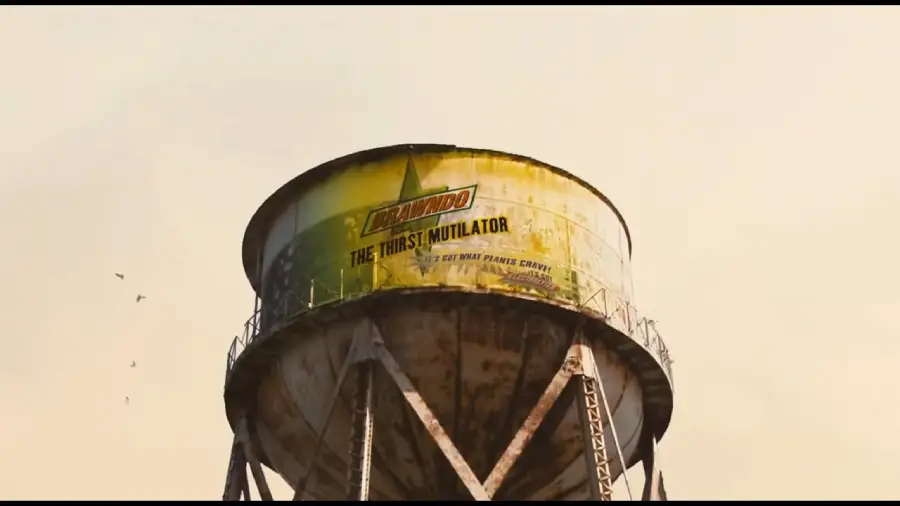
Concluding our corporate countdown is the hyper-aggressive beverage company that managed to completely purchase the food and drug administration in a dystopian future. Marketed with the ridiculous, non-stop slogan “The Thirst Mutilator,” the company successfully convinced a severely degraded human population to replace all fresh water with a bright green sports drink. The citizens eventually go so far as to use the electrolyte-heavy fluid to irrigate their agricultural fields, causing widespread crop failures because they genuinely believe water belongs in the toilet. It stands as an incredibly funny, deeply terrifying satirical look at the absolute extremes of aggressive consumer marketing and corporate brainwashing.
Explore more movie curiosities:
Revisiting these unforgettable fictional corporate entities serves as an excellent reminder of how a beautifully crafted piece of graphic design can completely deepen the world-building of a story. Looking over these wacky mail-order factories, hidden animation delivery trucks, and recurring cigarette packages proves that while modern film technologies and household streaming options change completely across the decades, the art of subverting product placement remains entirely constant. When we choose to look past the initial comedic charm of these inside jokes to study the genuine world-building built directly into the background scenery, we can fully appreciate the details that anchor our favorite scripts. If you enjoyed this detailed countdown tracking the most famous fake corporations in Hollywood history, make sure to explore these 14 Family Movies That Explore Surprisingly Deep Life Lessons, or 16 Background Details in Famous Films You Entirely Missed. You can also check out these 14 Films That Flanked Financially but Became Masterpieces.