When we look back at the definitive landmarks of global cinema, we naturally assume that their journey to legendary status was paved with immediate critical praise and massive lines at the theater ticket booths. We view contemporary cinematic masterpieces as projects that must have effortlessly swept the global box office, turning immediate corporate profits for the major studios that financed their productions. Over the generations, slick home media marketing campaigns and highly polished retrospective documentaries have conditioned audiences to believe that groundbreaking art is always recognized in real time. This traditional view shapes our collective understanding of entertainment history, leaving viewers to assume that the absolute finest films ever made were instant commercial juggernauts from the exact weekend they premiered.
Nonetheless, a closer examination of theatrical distribution records, historical studio ledger books, and early print reviews reveals a remarkably chaotic, deeply sobering reality. The fascinating truth of Hollywood history proves that some of the single most culturally influential, universally adored films in modern pop culture were actively written off as catastrophic commercial disasters upon initial release. Instead of triggering box office gold, these exceptional projects left audiences entirely baffled, deeply alienated contemporary film critics, and nearly bankrupted the production companies backing them. It was only through the slow, organic passage of time, late-night television syndication loops, and emerging home video subcultures that these cinematic outcasts were successfully rediscovered. Let’s head down the projection booth corridor as we explore fourteen legendary works of art that spent their theatrical runs losing millions, only to become an absolute required viewing for future generations.
1. Citizen Kane – 1941
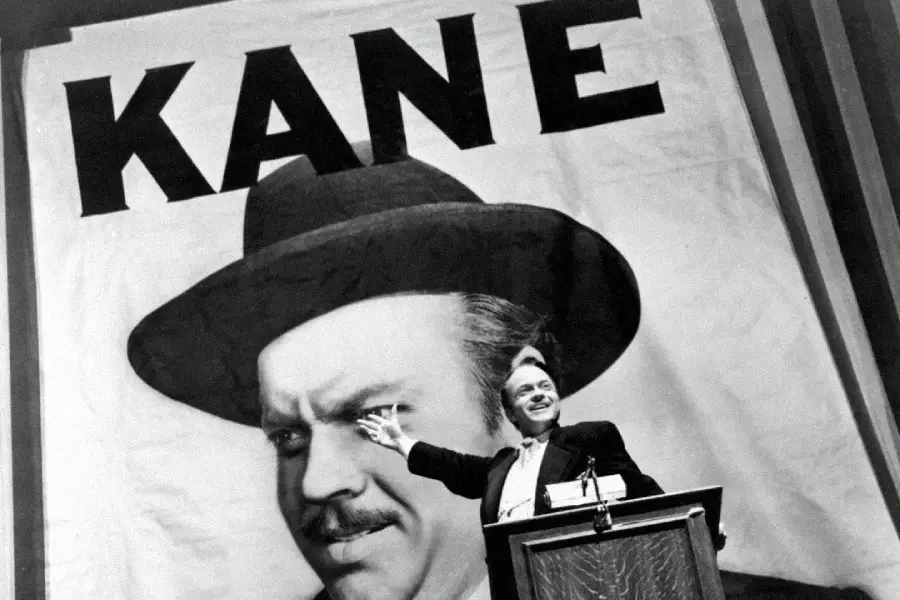
Universally cited by modern academic institutions and elite international directors as one of the single greatest achievements in cinematic history, Orson Welles’ masterpiece was a definitive commercial failure during its initial theatrical run. The film’s financial ruin was actively engineered by media tycoon William Randolph Hearst, who was so intensely infuriated by the story’s transparent parallels to his private life that he legally banned his entire network of national newspapers from even printing advertisements for the project. This aggressive corporate blackout successfully kept mainstream audiences away from theaters, leading the film to record a massive financial loss for RKO Radio Pictures. A little-known piece of archival history reveals that the original master film negatives were dangerously close to being destroyed or locked away in a vault forever to mitigate studio losses. The groundbreaking use of deep focus cinematography and non-linear storytelling was only recognized as a permanent evolutionary leap for the medium decades later.
2. Blade Runner – 1982
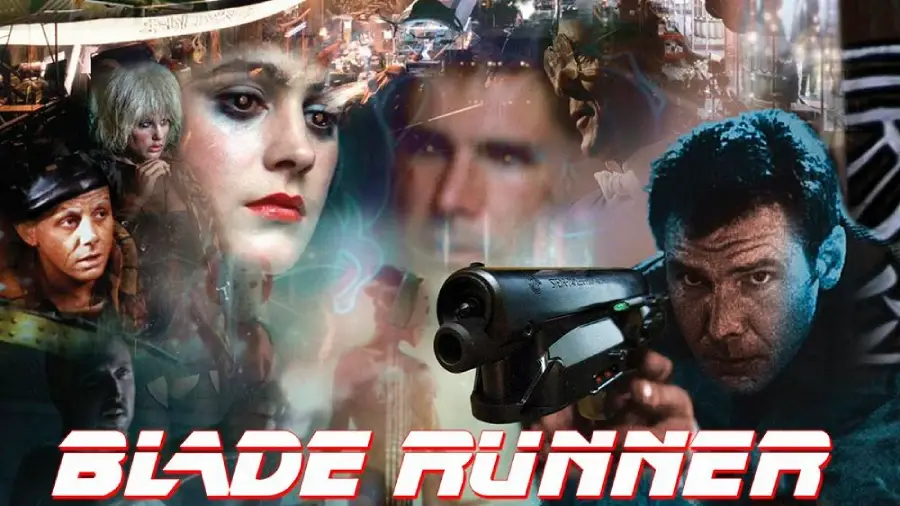
Ridley Scott’s highly atmospheric, techno-noir masterpiece completely established the entire visual aesthetic of modern cyberpunk science fiction, but it encountered a brutal reception at the 1982 box office. Mainstream audiences of the era entered theaters expecting the high-energy, family-friendly space adventure of Star Wars, leaving them entirely depressed and alienated by Scott’s bleak, rain-slicked corporate landscape. To make matters worse, studio executives panicked during post-production and forced a clunky, monotone voiceover narration onto Harrison Ford to make the complex plot line more accessible to casual viewers. The movie was completely crushed financially by the simultaneous release of Steven Spielberg’s beloved global blockbuster E.T. the Extra-Terrestrial. The film only secured its permanent required viewing status years later when the unauthorized discovery of a raw workprint edition led to the legendary Director’s Cut release.
3. The Shawshank Redemption – 1994
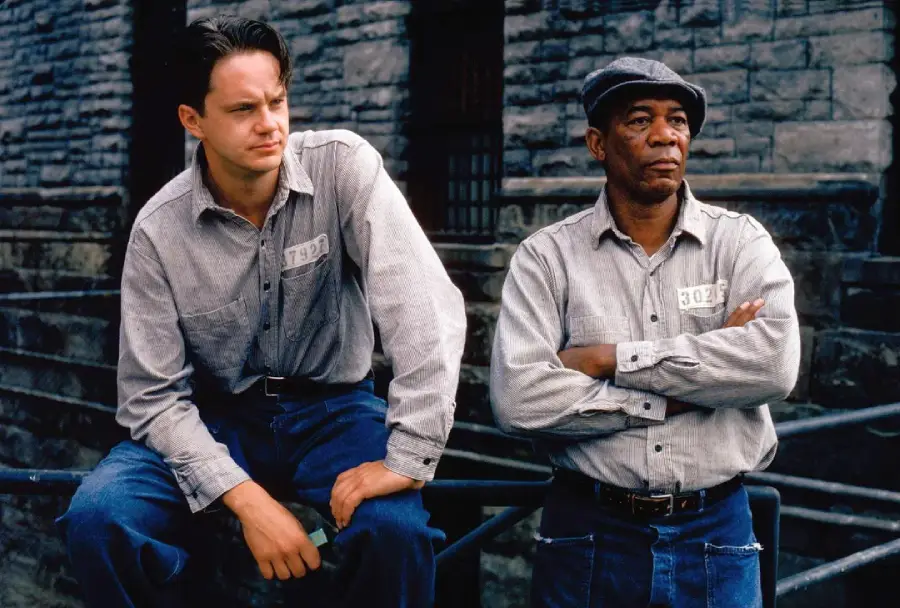
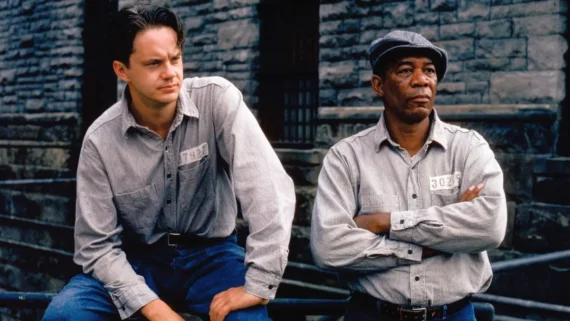
This profoundly moving prison drama holds the absolute undisputed crown as the top-rated movie of all time on major global internet database platforms, yet its initial theatrical release was a complete ghost town. The film struggled immensely to recoup its modest twenty-five million dollar production budget, leaving studio executives completely baffled by the total lack of consumer interest. Marketing directors inside Warner Bros. openly blamed the movie’s clunky, unmarketable title for confusing potential ticket buyers, while others pointed out that a bleak, three-hour prison drama faced an impossible battle competing against the cultural phenomenon of Pulp Fiction. The project was completely saved from absolute historical obscurity when the studio took a massive financial gamble to distribute over three hundred thousand VHS rental tapes directly to local video stores. This unprecedented home video push allowed word-of-mouth recommendations to transform a box office disaster into the single most rented movie of the entire nineties video boom.
4. Fight Club – 1999
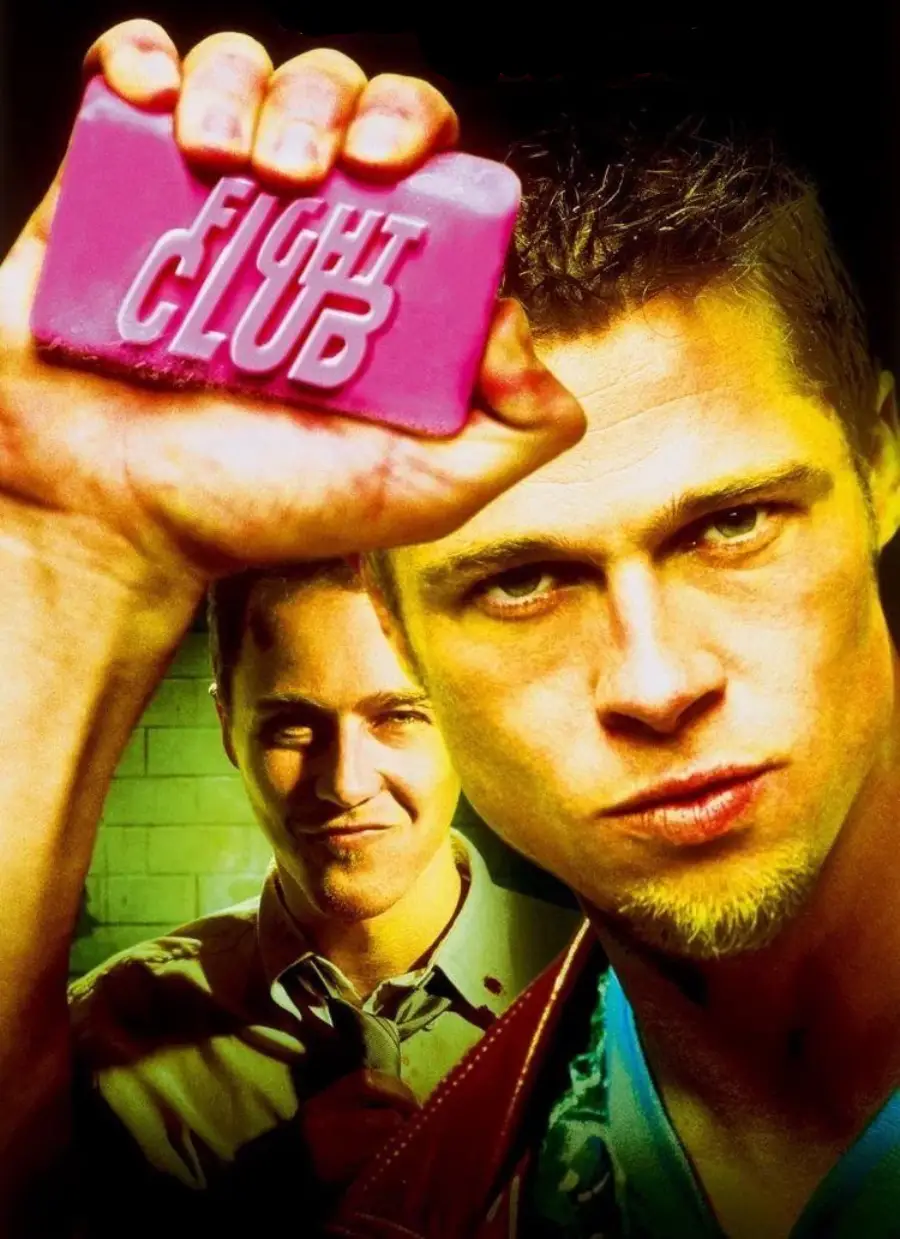
David Fincher’s hyper-kinetic, darkly satirical deconstruction of modern consumer culture and masculine anxiety completely fractured the executive ranks of 20th Century Fox before a single camera ever rolled. Senior studio heads absolutely detested the raw, visceral tone of the script, leading to intense boardroom shouting matches over the production budget and creative direction. The corporate marketing department completely misunderstood the film’s anti-materialistic message, choosing to promote the psychological thriller as a standard, brainless Hollywood bare-knuckle fighting movie during high-profile sporting events. This mismatched publicity campaign alienated the very arthouse demographic that would eventually celebrate the project, resulting in a disastrous theatrical run that failed to match its advertising expenses. The film experienced a massive, explosive second life on the DVD format, generating over fifty million dollars in video profits and transforming into the ultimate cult phenomenon for an entire generation.
5. It’s a Wonderful Life – 1946
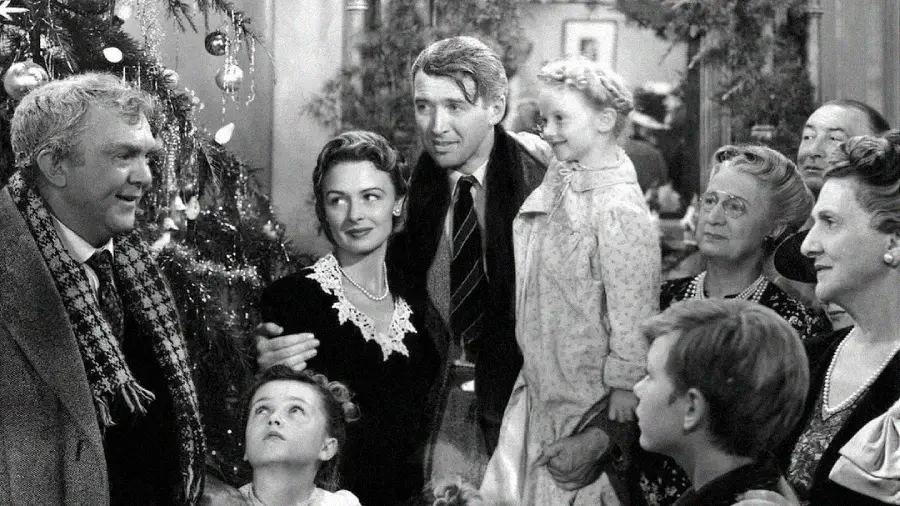
It is an absolute holiday tradition for millions of families across the globe to watch George Bailey discover his true worth on Christmas Eve, but Frank Capra’s classic film was an unmitigated disaster for RKO Pictures. Released into a post-war climate where exhausted audiences were actively avoiding heavy, emotionally complex stories about bankruptcy and suicidal ideation, the movie failed catastrophically to recoup its massive production expenses. The extreme financial fallout was so severe that it permanently crippled Capra’s independent production corporate outfit, forcing the filmmaker into early creative retirement. The movie only achieved its permanent place in human culture due to a bizarre, clerical administrative error in 1974 that caused the film’s copyright protection to accidentally lapse entirely. This mistake placed the masterpiece directly into the public domain, allowing local television stations to broadcast the film completely for free for decades, cementing its status as an inescapable festive landmark.
Trending on The Scroller
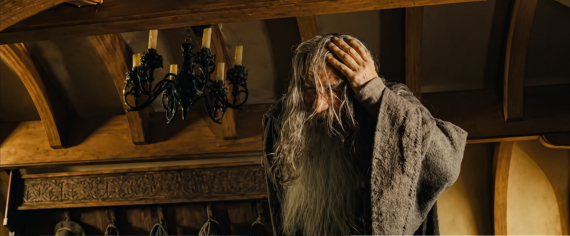

6. The Thing – 1982
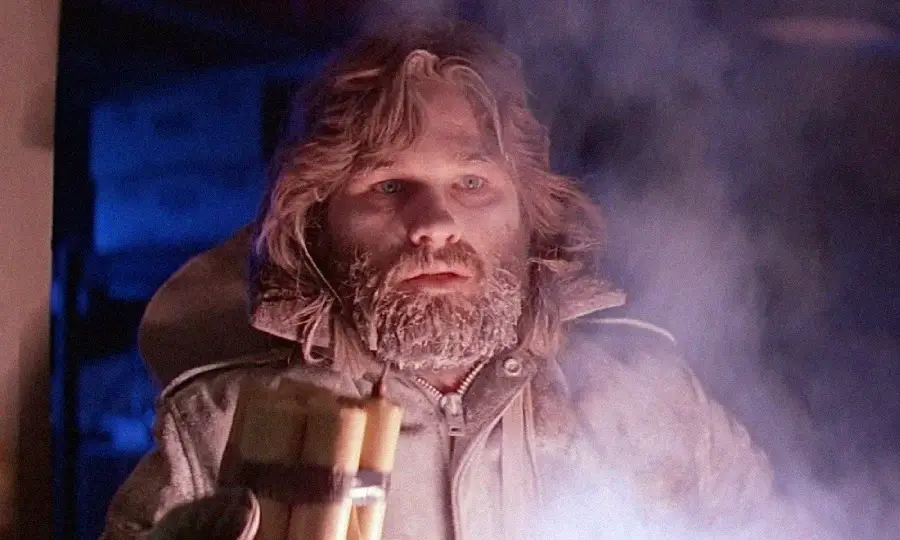
John Carpenter’s masterclass in claustrophobic paranoia and groundbreaking practical body horror is now revered as a towering milestone of cinematic terror, but its 1982 release was met with absolute public hostility. Audiences and mainstream film critics were completely repulsed by the movie’s nihilistic tone, bleak ending, and intensely graphic mechanical special effects, with prominent journals branding Carpenter as a visually sadistic director. The film’s commercial prospects were permanently annihilated by a profound cultural timing mistake, as it premiered just two weeks after Spielberg’s heartwarming alien feature had conditioned the world to view extraterrestrial life with innocent wonder. Carpenter experienced severe professional exile following the box office collapse, losing high-profile studio contracts and funding for future creative ventures. The film was slowly rehabilitated by midnight movie subcultures and VHS tape traders who recognized the brilliant metaphor for Cold War paranoia hidden beneath the practical gore.
7. Willy Wonka & the Chocolate Factory – 1971
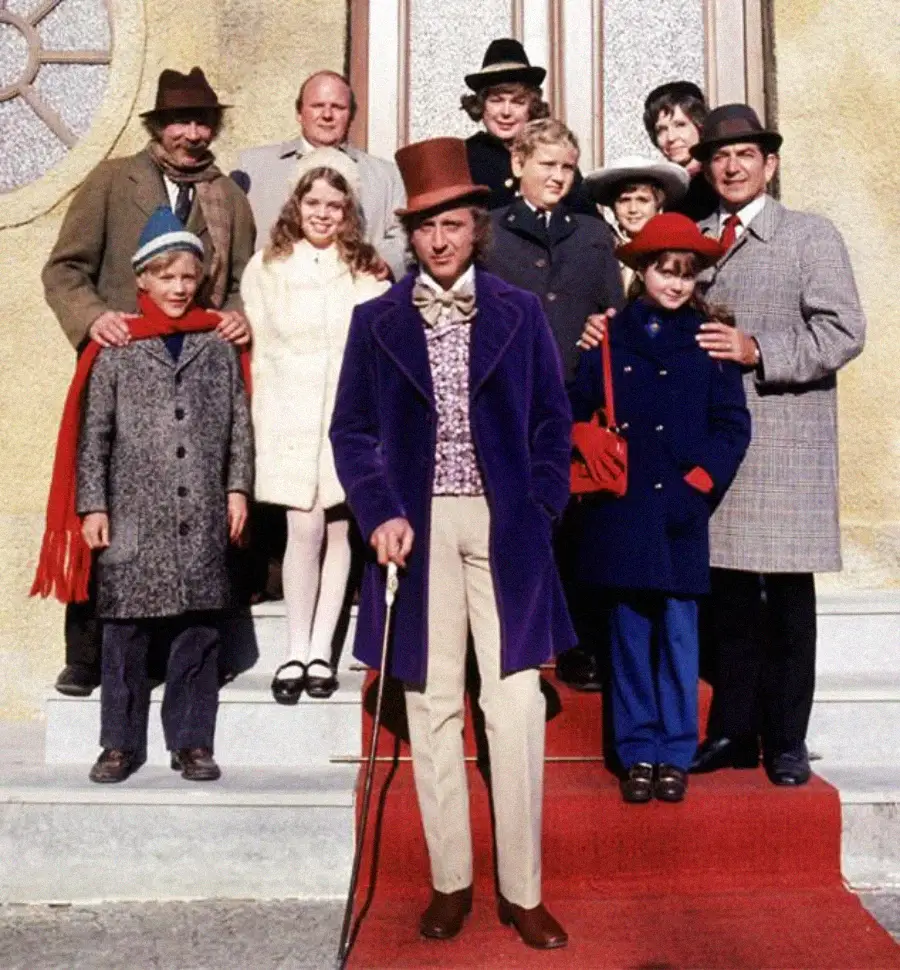
The whimsical, slightly sinister musical adaptation of Roald Dahl’s classic children’s book is a permanent staple of childhood imagination, yet its initial theatrical release left Paramount Pictures with an incredibly empty vault. Mainstream families were deeply unsettled by Gene Wilder’s erratic, unpredictable performance and the psychedelic boat ride sequence, leading to exceptionally weak ticket sales across the country. A fascinating piece of corporate history reveals that the entire film was actually originally financed by the Quaker Oats Company as an elaborate, high-budget marketing scheme to launch a brand-new line of real-world Wonka candy bars. When severe technical production delays caused the chocolate bar release to flop on retail shelves, the company rapidly abandoned the film entirely, allowing the theatrical distribution rights to expire. The project was eventually purchased for a tiny sum by Warner Bros., which used non-stop cable television rotations throughout the 1980s to transform the forgotten movie into a mandatory multi-generational classic.
8. Vertigo – 1958
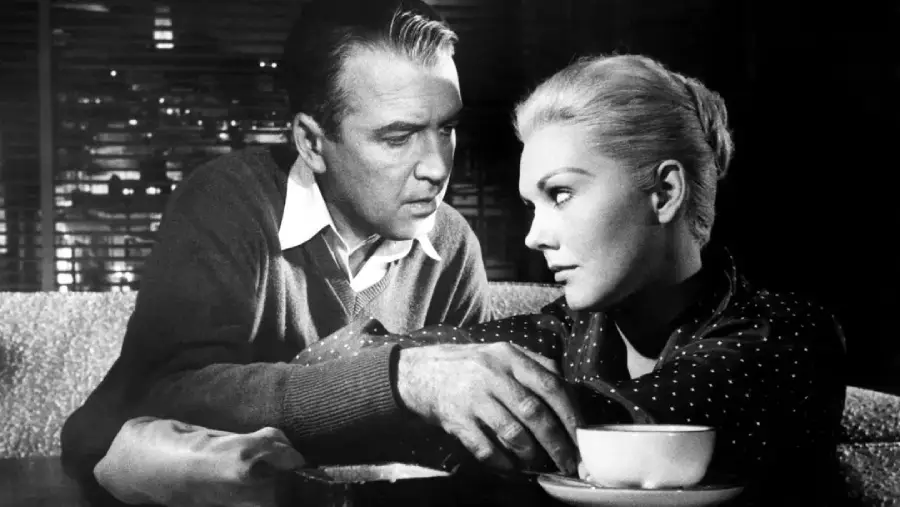
Alfred Hitchcock’s deeply psychological, visually hypnotic exploration of romantic obsession and physical manipulation routinely tops international critical polls as the absolute pinnacle of cinematic art, but its 1958 debut was a devastating professional defeat. Contemporary critics aggressively panned the film for its slow pacing, confusing plot twists, and the controversial choice to reveal the central mystery halfway through the runtime. Audiences flatly rejected the dark, unromantic tone, leaving the master of suspense deeply humiliated and actively blaming the aging physical appearance of leading man James Stewart for the box office failure. Crushed by the rejection, Hitchcock took the extraordinary step of legally buying back the distribution rights, completely removing the film from public view for a quarter of a century. The masterpiece remained completely impossible to watch legally until its triumphant restoration in the mid-1980s, forcing the world to realize Hitchcock had crafted a psychological landscape decades ahead of its time.
Sign up for our newsletter
9. The Wizard of Oz – 1939
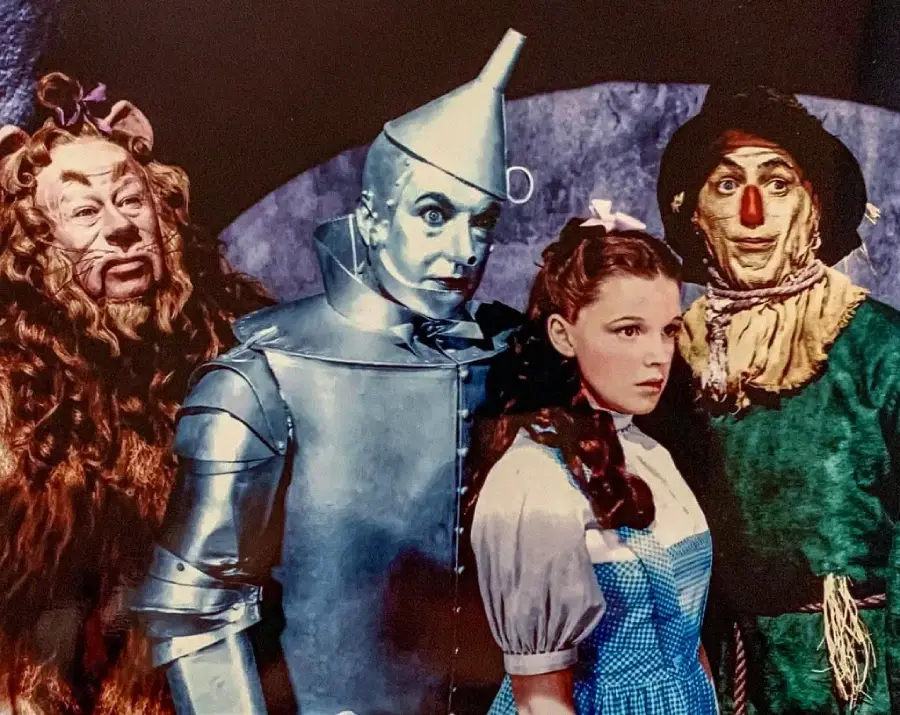
Nothing quite epitomizes the golden age of classic Hollywood fantasy like the vibrant Technicolor bricks of the Yellow Brick Road, but MGM had to wait a staggering two decades to see a single cent of real profit from the project. The movie was an incredibly expensive financial gamble, utilizing hundreds of custom sets, complex physical effects, and an unprecedented cast of extras that pushed the studio’s corporate resources to the absolute limit. While it drew decent crowds in major urban centers, the steep production and distribution overhead expenses meant it recorded a massive net loss during its initial run. The film only entered the absolute permanent fabric of global pop culture when CBS networks began airing the movie as a single, mandatory annual television event starting in 1956. This consistent broadcasting schedule forced multiple generations of children to grow up watching the film simultaneously, transforming an old studio deficit into a permanent national treasure.
10. Donnie Darko – 2001
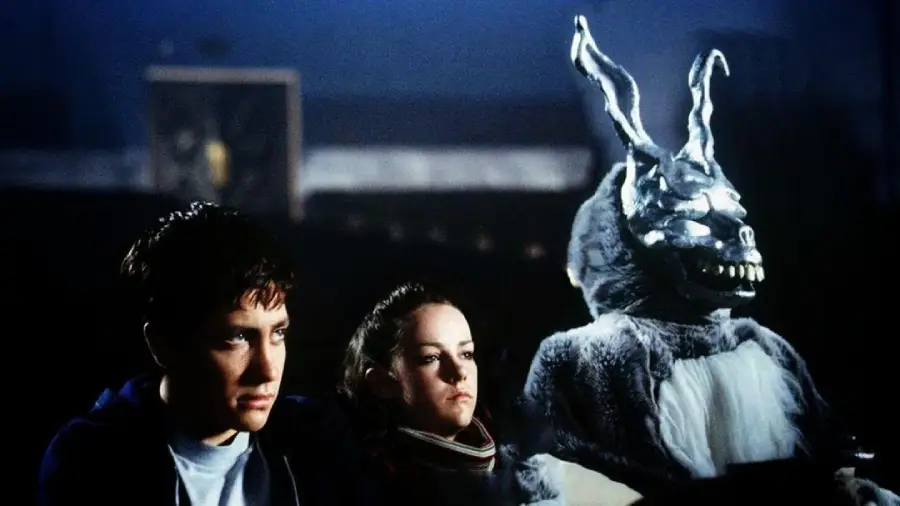
This mind-bending, surreal blend of teenage existential angst, time travel mechanics, and suburban satire is the absolute definitive indie cult film of the early 2000s, but its theatrical rollout was a complete ghost town. The movie made its formal debut at the Sundance Film Festival just months before the tragic events of September 11, featuring a prominent plot line centered around a commercial jet engine catastrophically falling from the sky into a teenage bedroom. This unfortunate temporal coincidence made it entirely impossible for the independent distribution company to secure traditional marketing campaigns, resulting in a microscopic theatrical run that brought in just five hundred thousand dollars. The movie was completely rescued from absolute obscurity by a passionate community of independent video store clerks in the United Kingdom who continuously recommended the DVD to alternative youth markets. The resulting word-of-mouth frenzy turned the complex narrative into a massive multi-million-dollar global phenomenon.
11. Hocus Pocus – 1993
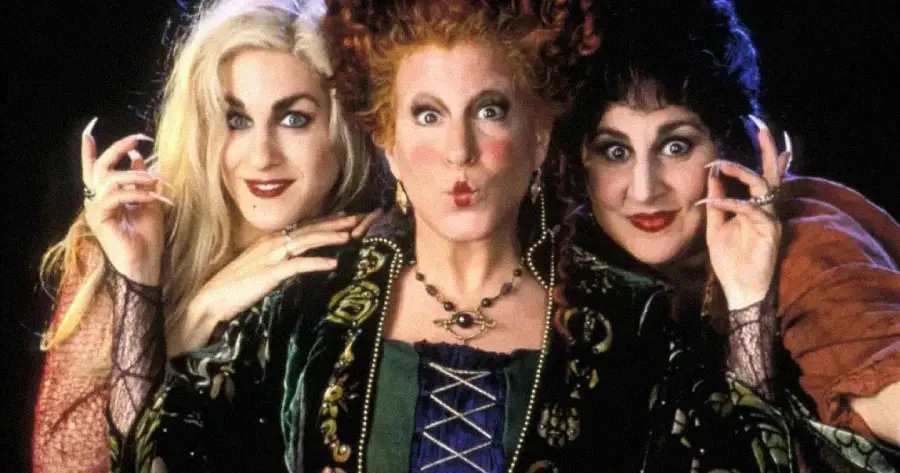
It is completely impossible to navigate the modern autumnal retail season without encountering a massive wave of consumer merchandise celebrating the Sanderson Sisters, yet Disney executed a catastrophic scheduling blunder with the film’s 1993 release. In an unexplainable corporate decision, studio executives chose to release this live-action Halloween fantasy movie in the middle of July, forcing the project to compete directly with massive summer blockbusters like Jurassic Park. Deprived of any natural seasonal marketing momentum, families completely ignored the theatrical release, leading to a multi-million-dollar financial write-off for the studio. The project slowly mutated into a cultural juggernaut due to the shifting broadcasting schedules of Disney Channel and Freeform’s annual holiday programming events throughout the late nineties. This relentless seasonal exposure slowly built a massive, fiercely loyal cult following that eventually forced the studio to greenlight high-budget modern streaming sequels.
12. Children of Men – 2006
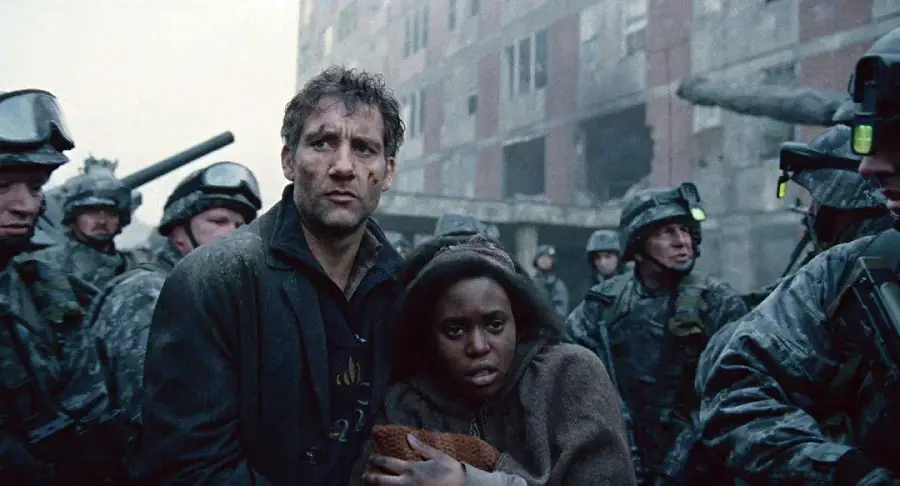
Alfonso Cuarón’s gritty, visually breathtaking dystopian masterpiece is universally studied by contemporary film students for its complex, single-take action sequences and profound political foresight, but Universal Pictures completely abandoned the project during its theatrical run. Corporate studio executives were deeply terrified by the movie’s bleak, uncompromising exploration of global infertility and refugee crises, concluding that the narrative was entirely too depressing to appeal to holiday moviegoers. The studio quietly dumped the film into a minimal number of theaters during the crowded December corridor with absolutely zero television advertising or promotional press support, resulting in a catastrophic box office performance. The film’s incredible reputation was slowly salvaged by elite film critics and online creative communities who continuously celebrated the movie’s unparalleled technical achievements and profound thematic depth. Today, its inclusion on required viewing lists is absolute, recognized as a prophetic visual landmark of modern sci-fi cinema.
13. The Iron Giant – 1999
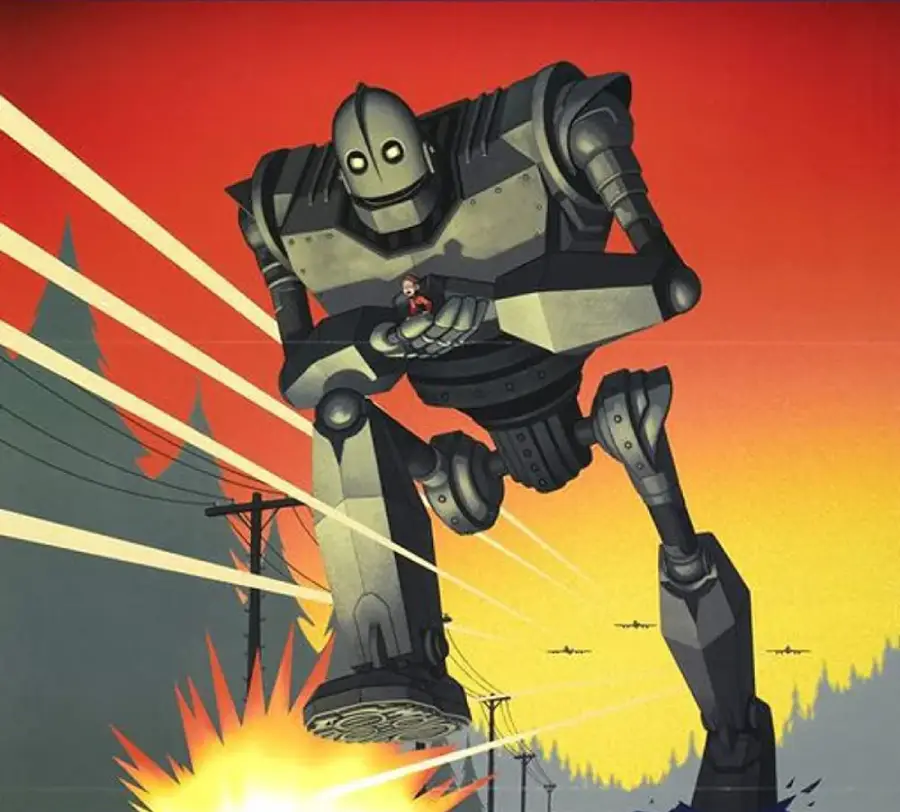
Brad Bird’s beautifully animated, deeply moving Cold War fable about a young boy and a colossal metal robot from space is widely recognized as an absolute peak of traditional hand-drawn animation art. Despite receiving universal, flawless praise from early test audiences, the project was completely doomed by a total collapse of corporate marketing support from Warner Bros. executives. Traumatised by the catastrophic box office failure of their previous animated feature, Quest for Camelot, the studio’s upper management completely lost faith in their entire animation department, refusing to fund standard promotional tie-ins, fast-food partnerships, or national billboard campaigns. The film premiered in completely empty theaters, leaving the creative team completely devastated by the corporate negligence. The masterpiece was slowly rescued by home video distribution and regular Cartoon Network rotations, earning multiple prestigious industry accolades and establishing Bird’s path to directing The Incredibles.
14. Scott Pilgrim vs. The World – 2010
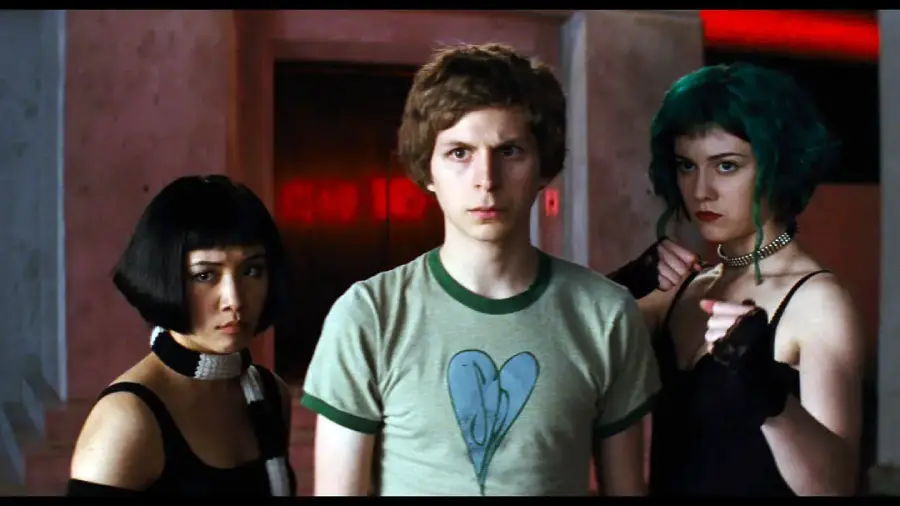
Edgar Wright’s hyper-stylized, visually kinetic adaptation of the famous graphic novel series represents an absolute masterclass in translating comic book mechanics and vintage video game aesthetics directly onto the silver screen. Despite hosting a massive, high-energy promotional panel at San Diego Comic-Con that generated deafening internet hype, the movie completely tanked during its wide theatrical release. Mainstream general audiences over the age of twenty-five were completely overwhelmed and confused by the film’s frantic editing style, pop culture references, and rapid-fire visual ad-libs, while younger demographics simply chose to skip the theater entirely. The project failed catastrophically to recoup its massive eighty-five million dollar production and marketing budget, leaving executives completely baffled by the statistical data. The film rapidly established an intense, stadium-filling midnight movie cult following, transforming its early commercial failure into a permanent visual blueprint for modern digital editing conventions.
Discover more Hollywood secrets:
Delving into the grueling, multi-million-dollar box office rejections that preceded the ultimate canonization of these legendary masterpieces serves as a fantastic reminder that true artistic brilliance frequently requires standing completely firm against the immediate metrics of commercial free markets. Watching these dedicated directors successfully protect their unique visual languages through decades of studio panic, critical hostility, and severe marketing negligence proves that the most valuable landmarks of our shared cinema history are built on emotional honesty rather than an easy path to opening weekend profits. If you enjoyed this eye-opening, deeply analytical journey looking back at the cinematic outcasts that eventually conquered the history books, make sure to explore these 15 Iconic Blockbusters Filmed on Unbelievably Tiny Budgets, or 15 Massive Movie Sequels Cancelled Just Before Filming. You may also like these 20 Rare Behind-the-Scenes Photos From The Godfather.