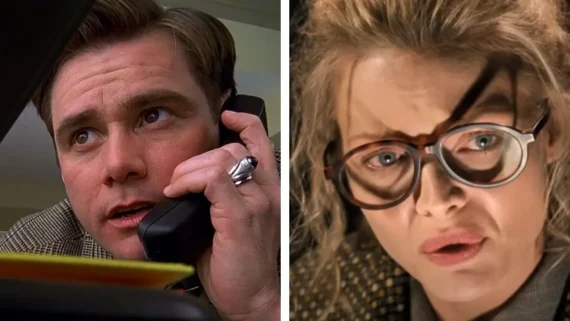
Exploring the rich, often unscripted history of global cinematography reveals a highly complex world of hidden continuity setups, accidental mistakes, and clever visual easter eggs that require absolute observation to uncover. We naturally view our favorite Hollywood blockbusters through a tightly focused lens, assuming that every single element appearing on the silver screen has been systematically scrubbed, monitored, and approved by a massive team of editors. Over the generations, high-definition home video formats and digital streaming services have heavily conditioned the public to pause, freeze, and scrutinize single frames to analyze the artistic footprints left behind by legendary directors. This modern perspective completely changes how we consume popular media, turning casual moviegoers into amateur film detectives who refuse to let a single hidden clue go unexamined.
In stark contrast to these mainstream assumptions, a deep dive into the secondary layers of famous sets exposes an incredibly rich, hidden universe where human error and creative long-game planning exist right in plain sight. The fascinating reality of the entertainment ecosystem proves that many of the most celebrated background details in film history were either completely unintentional blunders or subtle narrative clues designed to reward eagle-eyed viewers on their third or fourth rewatch. Instead of distracting from the central story, these unscripted environmental elements successfully elevate the baseline depth of the production, transforming routine backgrounds into legendary subjects of online discussion boards. Let’s wind back the clock of cinematic history as we analyze sixteen famous movies where the background layout completely stole the show.
1. The ubiquitous coffee cup critique – Fight Club
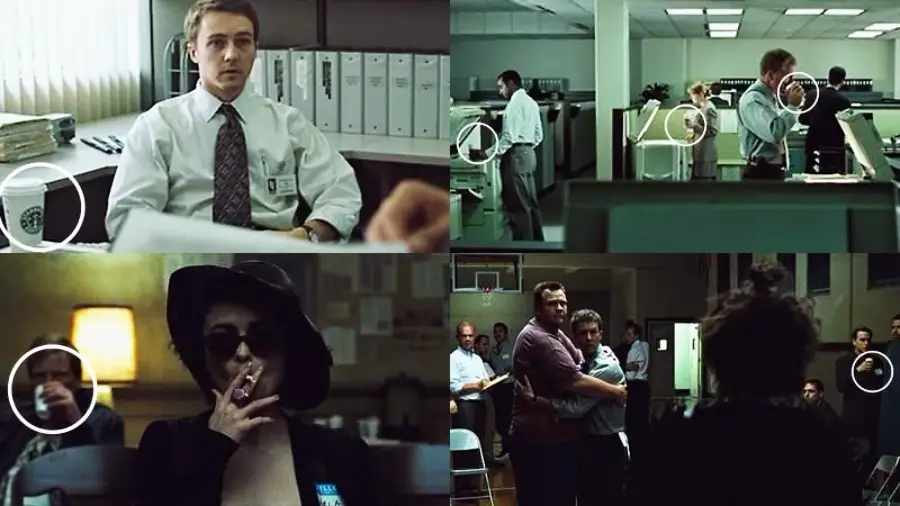
Director David Fincher engineered a brilliant visual protest against modern commercial culture by hiding a distinct Starbucks cup inside virtually every single scene of the 1999 masterpiece. These corporate containers are subtly scattered across office workspaces, messy apartments, local support group meetings, and busy city sidewalks. While the central narrative focuses heavily on the violent destruction of corporate brands, the single most ubiquitous commercial label in the world sits quietly in almost every camera layout. Fincher himself later confirmed this deliberate staging, leaving dedicated film enthusiasts to hunt for the green logo hidden across the dark, gritty landscape.
2. The time-traveling toy cameo – Monsters, Inc.
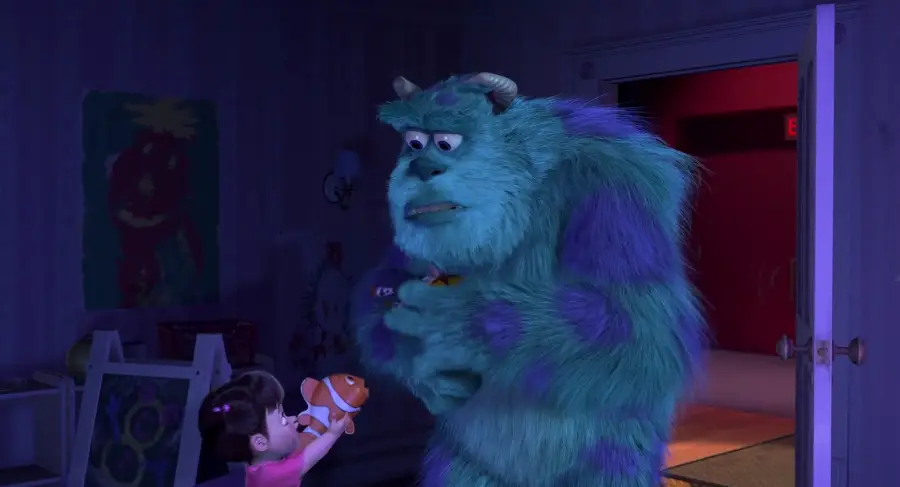
During a deeply moving bedroom sequence in the 2001 animated classic, the adorable toddler Boo playfully hands a collection of her favorite toys directly to Sulley. If you watch her hands closely, one of the objects she proudly offers is a small, perfectly rendered toy fish shaped exactly like Nemo. This hidden inclusion appears completely innocent until you analyze the official chronological release dates of the studio’s production catalog. Finding Nemo did not actually premiere in global movie theaters until 2003, meaning the animators snuck a completely unreleased character into the background two full years before the public ever learned his name.
3. The galactic jeroglyphic crossing – Raiders of the Lost Ark
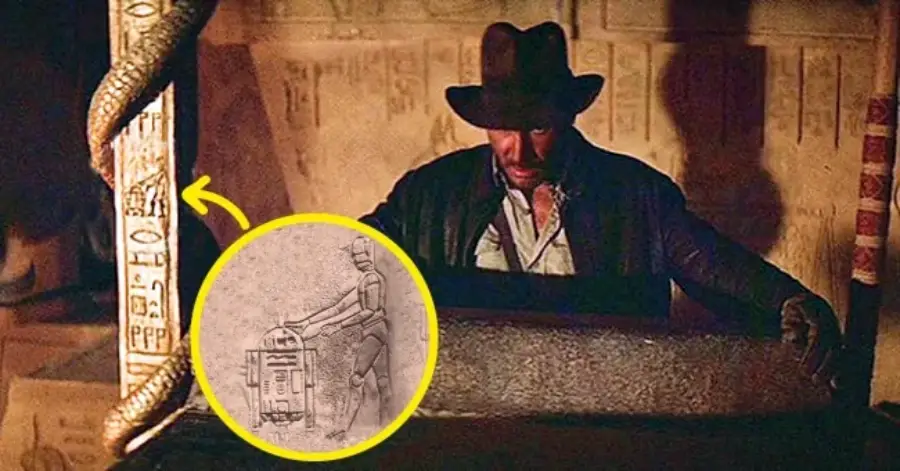
When Indiana Jones cautiously navigates the ancient, torch-lit Egyptian temple to uncover the long-lost Ark of the Covenant, the historic stone architecture features a brilliant sci-fi crossover. Etched directly into the deep engravings of the hieroglyphic accent walls, eagle-eyed viewers can spot distinct caricatures of R2-D2 and C-3PO. Steven Spielberg and George Lucas coordinated this legendary visual nod as a playful inside joke between two lifelong creative friends. Hiding the two single most famous droids in cinematic history among thousands of ancient Egyptian symbols remains an absolute favorite discovery for pop culture sleuths worldwide.
4. The royal coronation crossover – Frozen
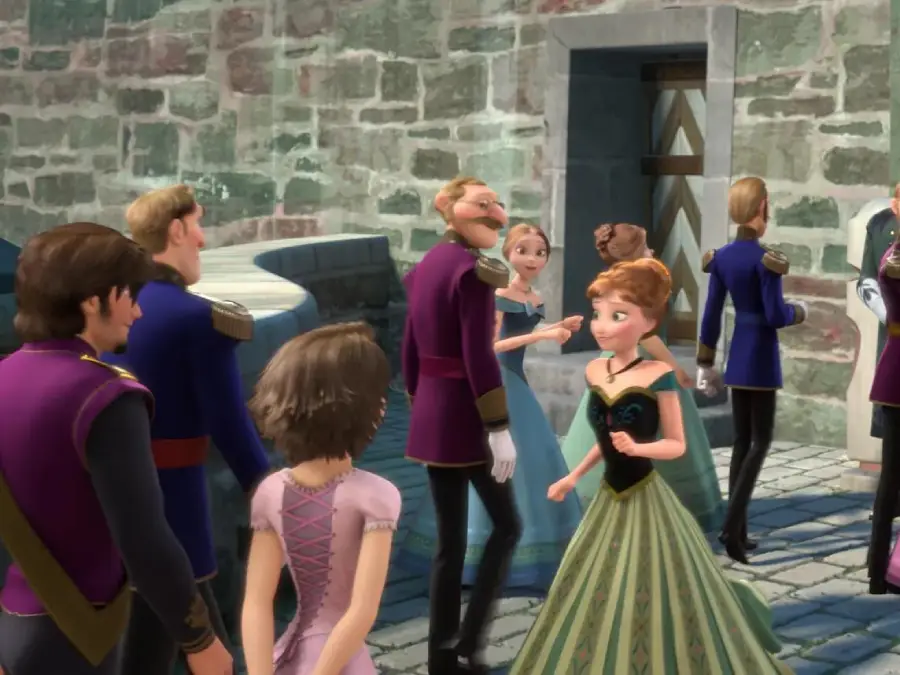
During the massive, high-energy public celebration scene for Elsa’s official coronation day in 2013, the crowded castle gates welcome two incredibly famous royal guests. If you monitor the lower left corner of the screen as the gates slide open, Rapunzel and Flynn Rider from Tangled are clearly visible walking alongside the Arendelle citizens. This brief appearance was subsequently verified by the studio’s official animation staff, delighting millions of eagle-eyed fans who continuously look for shared cinematic universes. This silent background interaction serves as the single most concrete physical evidence that these magical fairy tale kingdoms exist within the same historical timeline.
5. The advanced global mapping blueprint – Iron Man 2
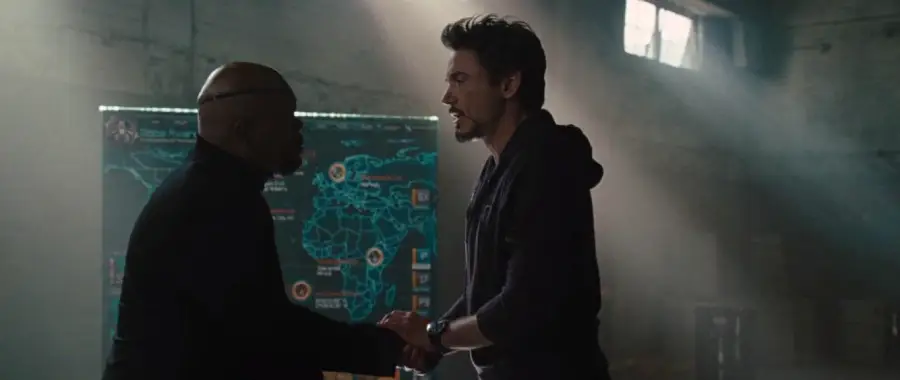
Long before the Marvel Cinematic Universe introduced global audiences to the high-tech African kingdom of Black Panther, a secret geographical layout sat completely exposed in 2010. During a crucial strategy meeting inside the high-security SHIELD headquarters, an illuminated digital monitoring map prominently marks the precise regional coordinates of Wakanda. This specific background element remained completely unnoticed by the public until the character’s standalone blockbuster finally shattered box-office records a full eight years later. This unbelievable bit of long-game corporate planning proved that the master architects of the franchise were meticulously seeding their cinematic future in scenes that almost nobody paused to analyze at the time.
Trending on The Scroller

6. The eternal delivery vehicle odyssey – Toy Story
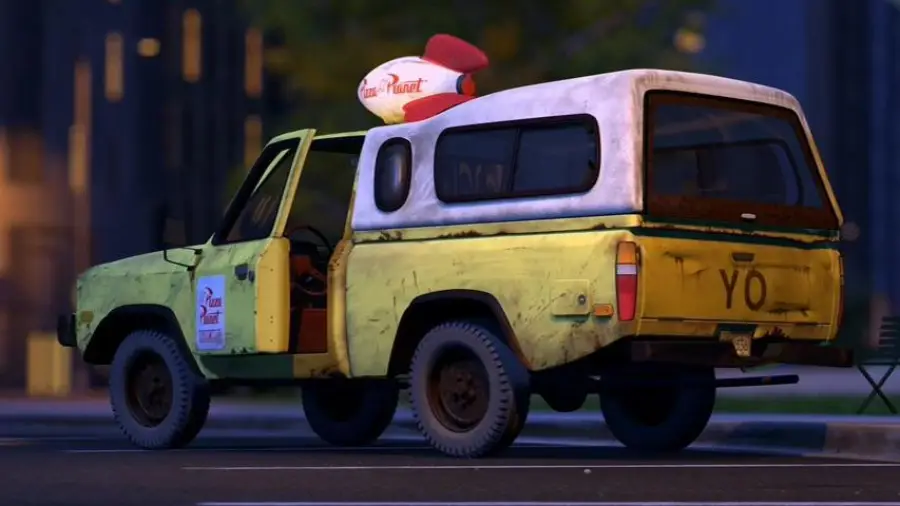
The iconic yellow Pizza Planet delivery truck originally drove into our collective pop culture consciousness during the historic 1995 computer-animated masterpiece. Since that definitive debut, the creative teams at Pixar have transformed the yellow utility vehicle into the single longest and most consistent background tradition in animation history. The distinctive truck can be spotted resting in the crowded Dinoco gas station parking lot in Cars, navigating dirt roads in A Bug’s Life, and parked outside student dorms in Monsters University. This playful corporate calling card continues to appear across three separate decades of filmmaking, rewarding multi-generational fans who scan every single background frame.
7. The omnipresent surveillance matrix – The Truman Show
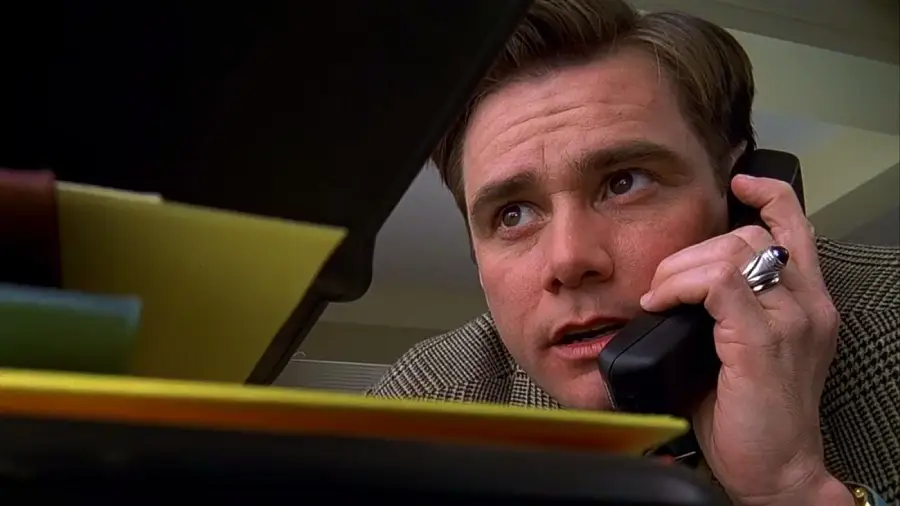
The underlying psychological paranoia of Jim Carrey’s celebrated 1998 drama is meticulously engineered directly into the literal camera framing of the movie. Throughout his routine daily life, every single cinematic composition subtly mimics the tight point-of-view perspective of a hidden camera hidden inside ordinary household items. These surveillance devices are concealed within decorative clothing, flower pins, bathroom mirrors, and even the mechanical sights of a handgun. Most viewers fail to consciously register this brilliant environmental setup until their second or third viewing, realizing that the audience was actively participating in his forced media isolation from the very first frame.
8. The ghostly cardboard standoff – Three Men and a Baby
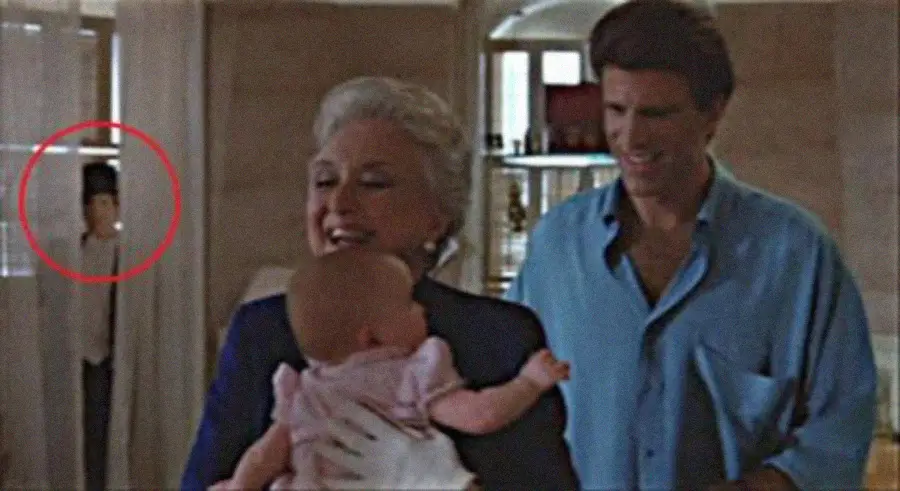
A brief, chilling outline visible behind the heavy window curtains during a standard domestic scene featuring Ted Danson triggered one of the single most persistent urban legends in Hollywood history. For multiple decades, millions of terrified home-video viewers firmly believed the dark shape belonged to the literal spirit of a deceased child haunting the physical set. The mundane real-world reality behind the shot was finally exposed as a simple, careless wardrobe logistics mistake. The production crew had left a life-sized, promotional cardboard cutout of Ted Danson resting next to the window frame by accident, completely failing to notice the silhouette until the movie was already distributed worldwide.
Sign up for our newsletter
9. The medieval anachronism coffee calamity – Game of Thrones
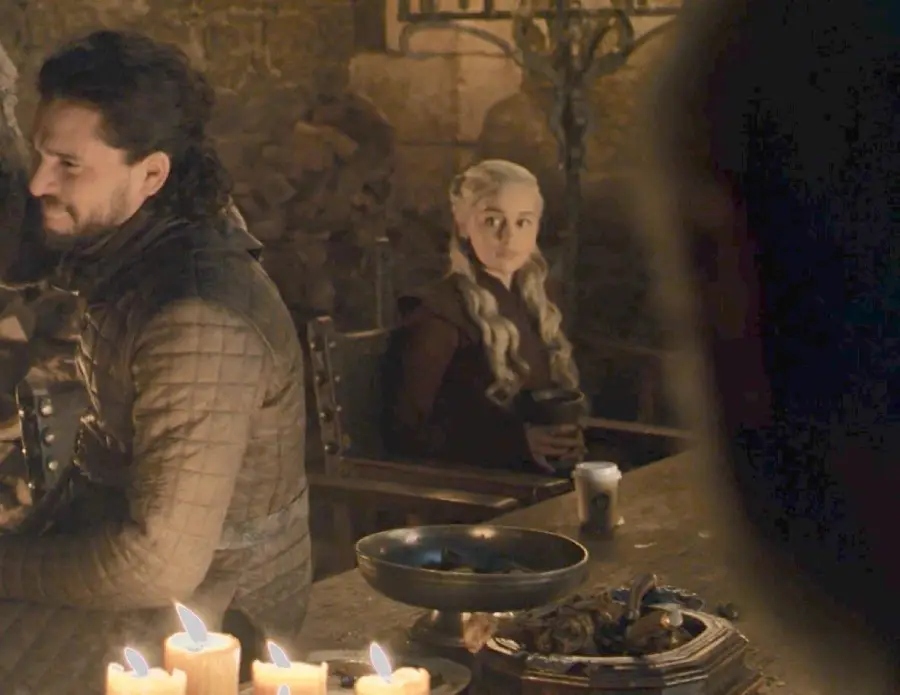
During a massive, high-stakes celebration banquet inside the stone halls of Winterfell during the final season, an incredibly modern accessory shattered the historical illusion. Resting directly on the wooden table right in front of a serious Daenerys Targaryen sat a highly contemporary take-out coffee cup complete with a plastic lid. The production oversight went entirely unnoticed during editing, prompting the premium network to issue an immediate, lighthearted press release confirming the logistical blunder. This single piece of forgotten modern trash generated more global media coverage and online debate than almost any actual narrative decision made during the show’s controversial conclusion.
10. The prophetic feline shadow play – Batman Returns
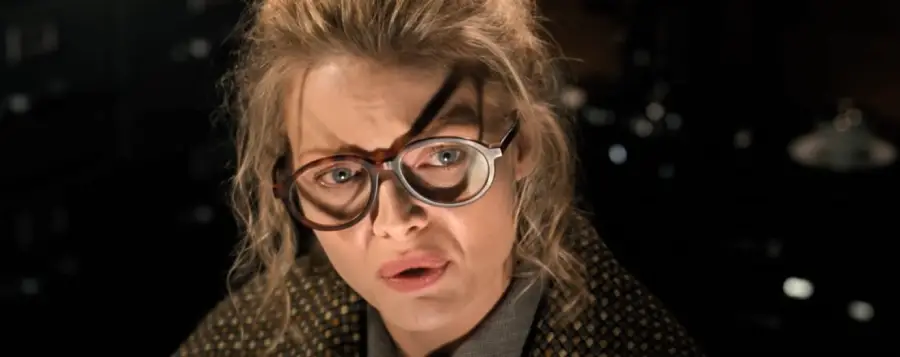
Long before Michelle Pfeiffer’s character undergoes her iconic, dark transformation into the villainous Catwoman, director Tim Burton brilliantly broadcasts her tragic destiny using pure lighting geometry. As a vulnerable Selina Kyle rests inside her apartment, the sharp shadows cast by her window frames fall across her face to perfectly construct the outline of a cat mask. Burton engineered this specific visual texturing deliberately to manipulate the psychological atmosphere of her origin story. The majority of viewers only consciously identify the masterfully placed shadow art during a secondary viewing, once they already understand the exact visual aesthetic of her future leather outfit.
11. The architecture of madness experiment – The Shining
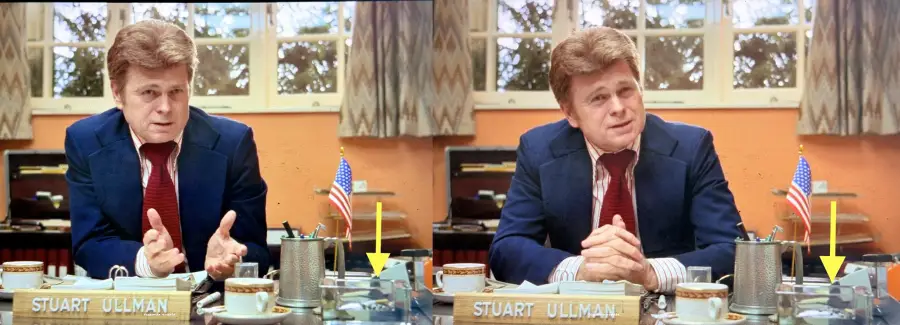
For multiple generations, dedicated horror film theorists spent thousands of hours attributing the bizarre environmental shifts inside the Overlook Hotel to simple continuity mistakes. These anomalies include chairs that disappear between cuts, furniture that spontaneously relocates, and a massive window appearing inside an office that should technically have zero exterior exposure. It was eventually verified that director Stanley Kubrick engineered these spatial paradoxes completely on purpose to induce psychological distress. He wanted the audience to subconsciously register that the labyrinthine hotel was actively shifting around the characters, generating an underlying sense of deep, rational discomfort that cannot be explained away.
12. The Pixar A113 Code
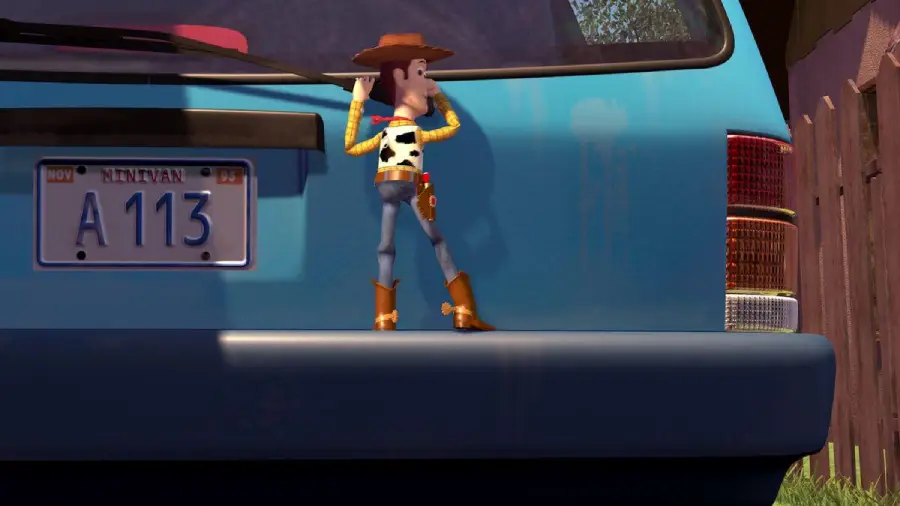
The cryptic alphanumeric sequence A113 regularly manifests across the entire history of modern computer animation, appearing on vehicle license plates, tracking monitors, and security doors. This mysterious combination can be spotted in Toy Story, Finding Nemo, The Incredibles, WALL-E, and Brave. The sequence functions as a highly personal, collective signature honoring room A113 at the California Institute of the Arts, the legendary animation classroom where the studio’s founding directors originally mastered their manual drawing skills. Inserting this specific code into multi-million-dollar blockbusters allows these veteran animators to pay continuous tribute to their shared educational roots with every single film they release.
13. The expert historian deck walk – Titanic
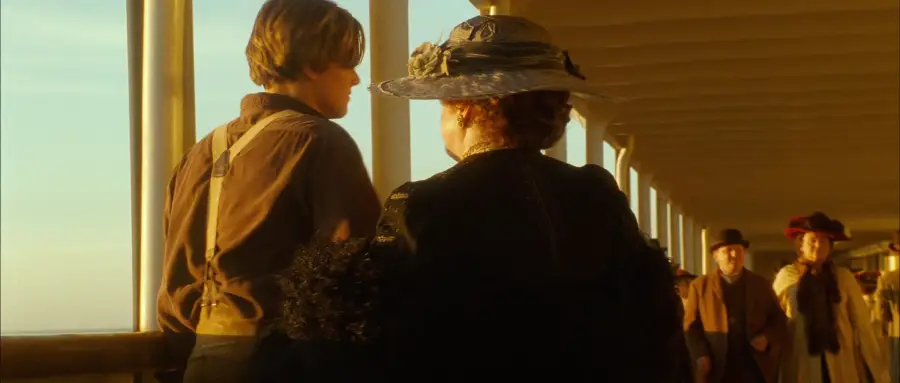
Director James Cameron’s absolute obsession with historical precision led him to hire the world’s premier Titanic maritime expert, Edward Kamuda, to oversee the production’s massive set layouts. To honor his incredible contributions to the project, Cameron chose to cast the renowned historian directly into the movie as a background extra. Kamuda can be briefly spotted strolling casually along the upper deck walkways across multiple outdoor daytime scenes. The vast majority of moviegoers watch these sweeping sequences completely unaware that they are looking at the single most knowledgeable human being on Earth regarding the exact vessel they are watching sink.
14. The generational museum masterpiece link – Joker
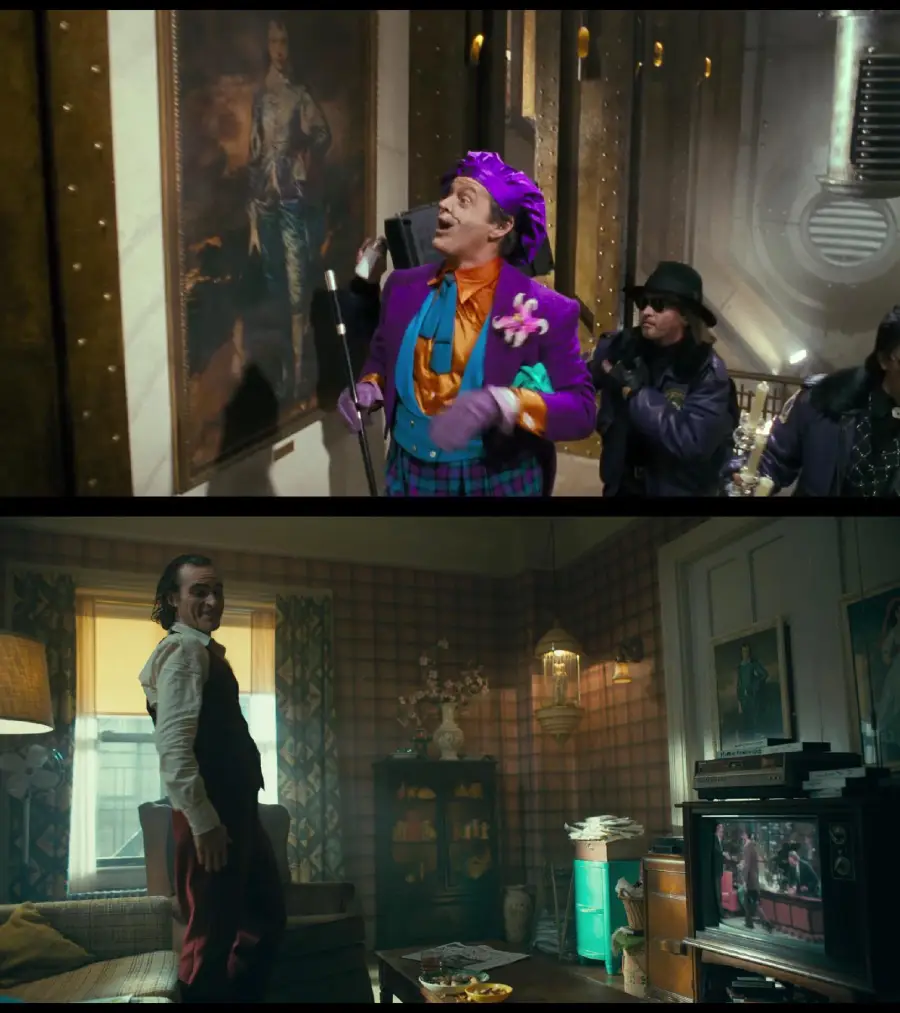
During a quiet, atmospheric sequence inside the main character’s dingy apartment in 2019, an elegant piece of background set decoration bridges thirty years of comic book cinema history. Hanging quietly on the wall is the same classical painting that Jack Nicholson’s Joker famously encounters inside a museum during the 1989 Batman film. In that original narrative, the villain intentionally demands his henchmen spare that specific artwork from destruction because he considers it genuinely beautiful. This brilliant background inclusion creates a silent, artistic connection between both legendary interpretations of the character without ever requiring a single line of explanatory dialogue or script confirmation.
15. The cinematic family wardrobe tribute – Little Italy
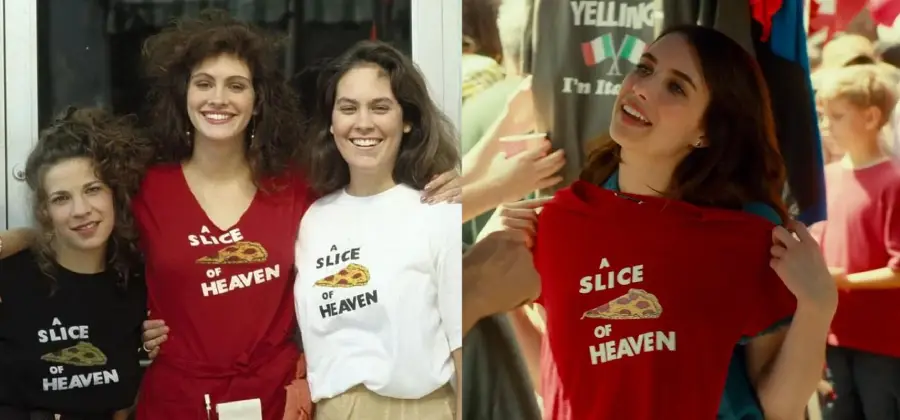
Throughout Emma Roberts’ romantic comedy performance in 2018, her character regularly navigates local neighborhood streets wearing a highly distinct, retro graphic t-shirt. This casual wardrobe choice is an exact match to the specific shirt worn by her famous aunt, Julia Roberts, in the 1988 cult classic Mystic Pizza. The clothing choice was entirely intentional, serving as a completely silent, loving tribute to her family’s legendary cinematic footprint. The director purposely refrained from drawing any camera attention to the garment, leaving the beautiful cross-generational connection to be discovered entirely by fans who cherish Hollywood history.
16. The one-hour paleontological blueprint – Jurassic Park
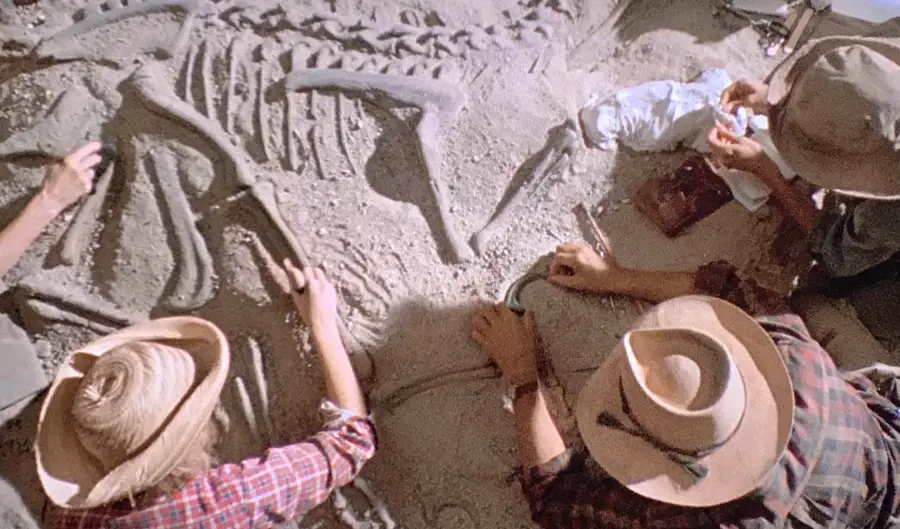
During the sweeping opening sequence set in the dusty badlands of Montana, Sam Neill’s character meticulously uncovers a highly detailed, prehistoric fossil structure. The specific dinosaur skeleton his team is carefully brushing out of the sandstone matrix belongs to a dangerous, agile Velociraptor. This foundational scene explicitly establishes the real-world biological blueprint for the exact cloned creatures that the characters will spend the second half of the movie running from. Because these two narrative segments are separated by nearly an hour of intense dialogue and travel sequences, casual viewers rarely connect the fossil to the living monster during their initial viewing of the classic.
Want more interesting movie details?
Pulling back the curtain on these forgotten archives exposes a powerful truth about the collaborative, often chaotic nature of grand-scale filmmaking. Shifting our focus to these unforgettable continuity slips, background easter eggs, and accidental anachronisms proves that media resonance remains a deeply fluid, ever-evolving metric across our shared entertainment history. When we choose to look past the superficial narrative layers of our favorite cinematic triumphs to study the raw, unscripted realities preserved inside the background fields, we gain a profound appreciation for the immense human effort required to construct a believable visual universe. If you enjoyed this eye-opening, beautifully detailed journey looking back at the hidden blueprints of your favorite silver-screen classics, make sure to explore these 17 Screen-Used Props That Became Cinema Legends, or 14 Films That Flanked Financially but Became Masterpieces. You may also like these 14 Times Toy Story Left Adults Completely Blown Away.