In the fast-paced world of Silicon Valley and global tech startups, the drive to create the next big thing often leads to some truly bizarre results. We are told that the best inventions are those that solve a fundamental human need or simplify a complex task, yet the last decade has seen a surge in products that seem to do the exact opposite. These gadgets often take a simple, everyday action and over-engineer it with Bluetooth connectivity, artificial intelligence, and a high price tag.
While these creators deserve credit for their technical ambition, it is often hard to figure out who exactly was asking for a Wi-Fi-enabled toaster or a suitcase that follows you through the airport like a lost puppy. These inventions are fascinating monuments to human ingenuity and the “because we can” attitude of modern manufacturing. They might not change the world, but they certainly provide a hilarious look at what happens when a solution is desperately looking for a problem to fix. Let’s look at the most unnecessary breakthroughs of the last ten years.
1. The Juicero – 2016
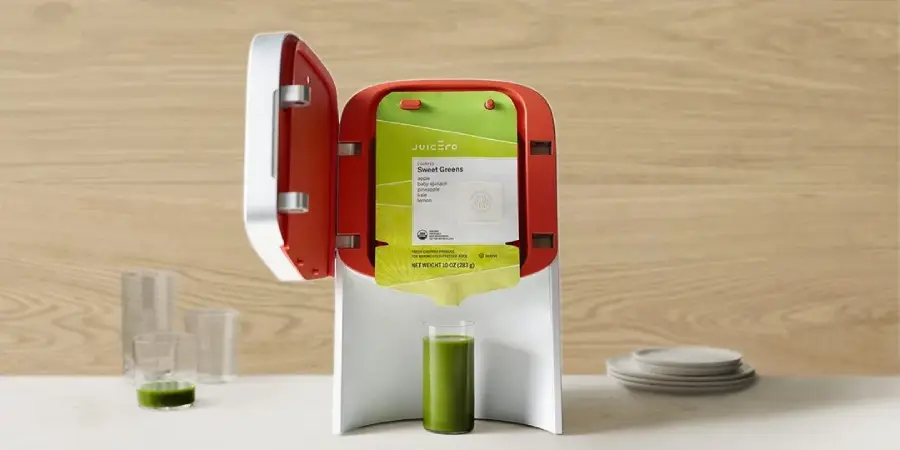
This high-tech juice press was marketed as a revolutionary way to get fresh nutrients, costing $400 at launch. It required users to buy proprietary packets of chopped fruit and vegetables that the machine would squeeze with thousands of pounds of force. The invention became a laughingstock when a viral video proved that humans could squeeze the packets just as effectively with their bare hands. It stands as a cautionary tale of Silicon Valley over-engineering a task that was already perfectly simple.
2. The Bluetooth toaster – 2017
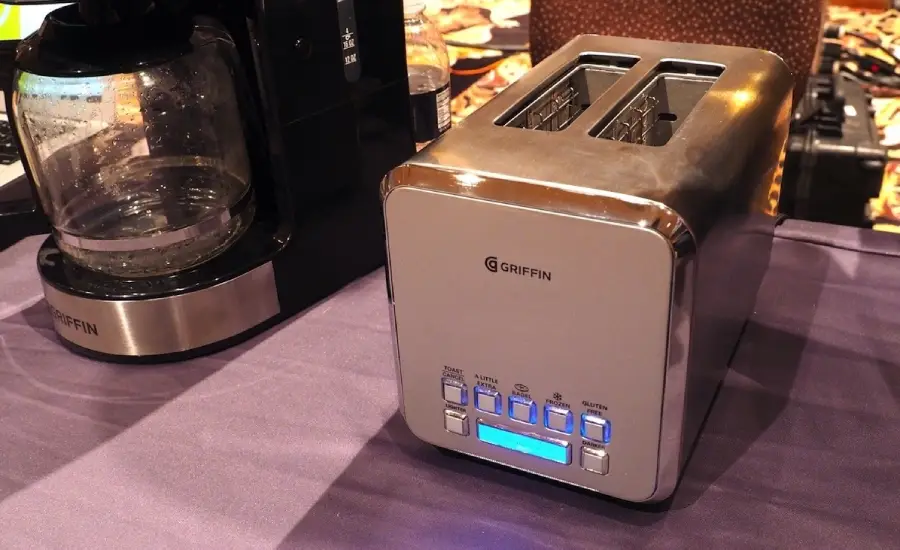
For anyone who has ever felt that the biggest struggle in their morning routine was standing near the bread, this device allows you to control your toast from your phone. You can adjust the brownness level via an app and receive a notification when the slice is ready. While it sounds futuristic, most critics pointed out that you still have to physically walk to the toaster to put the bread in and take it out. It is a classic example of adding connectivity to a kitchen appliance for no practical reason.
3. The Quirky Egg Minder -2014
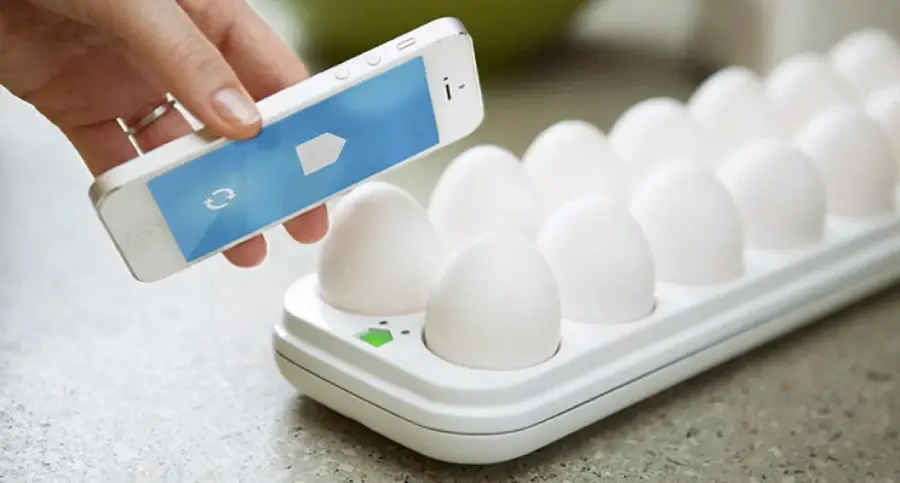
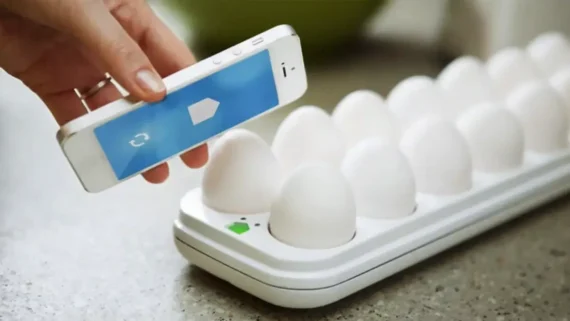
This smart egg tray connects to your smartphone to tell you exactly how many eggs you have left in the refrigerator while you are out shopping. It uses LED lights to indicate which egg is the oldest and should be eaten first to prevent spoilage. While it aims to reduce food waste, most people find it easier to simply open the fridge door and look at the carton. It is a high-tech solution for a problem that can be solved with a three-second visual check.
4. The Bruno SmartCan – 2015
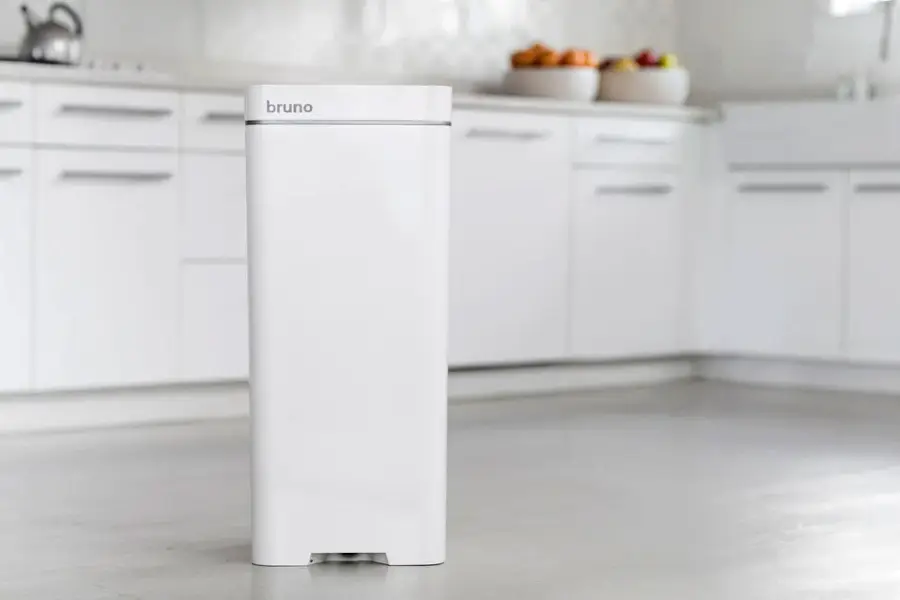
Marketed as the world’s first smart trash can, this device features a built-in vacuum inlet at the base so you don’t need a dustpan. It also sends you reminders on your phone when it is trash day or when you are running low on garbage bags. While the vacuum feature is somewhat clever, the need to charge your trash can and connect it to Wi-Fi felt like a step too far for many homeowners. Most consumers decided that a traditional broom and a calendar worked just fine.
5. The Oombrella – 2016
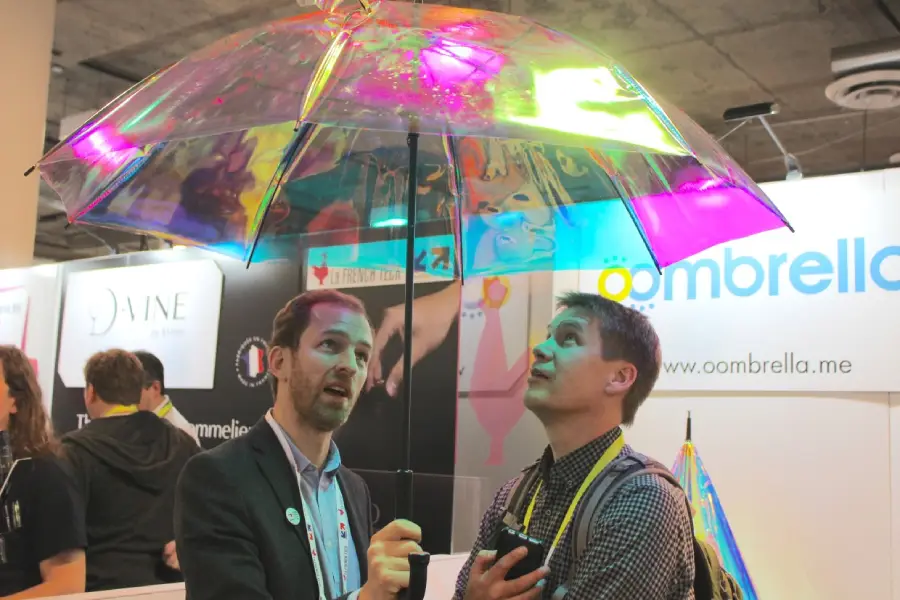
This smart umbrella uses built-in sensors to track local weather conditions and sends an alert to your phone if it thinks it is about to rain. It also features a “find my umbrella” function so you never leave it behind at a restaurant or on a bus. While losing an umbrella is annoying, the idea of having to keep your rain gear charged was a deal-breaker for many. It turns out that looking out the window or checking a weather app is a much cheaper way to stay dry.
Trending on The Scroller


6. The Flosstime automated dispenser – 2016
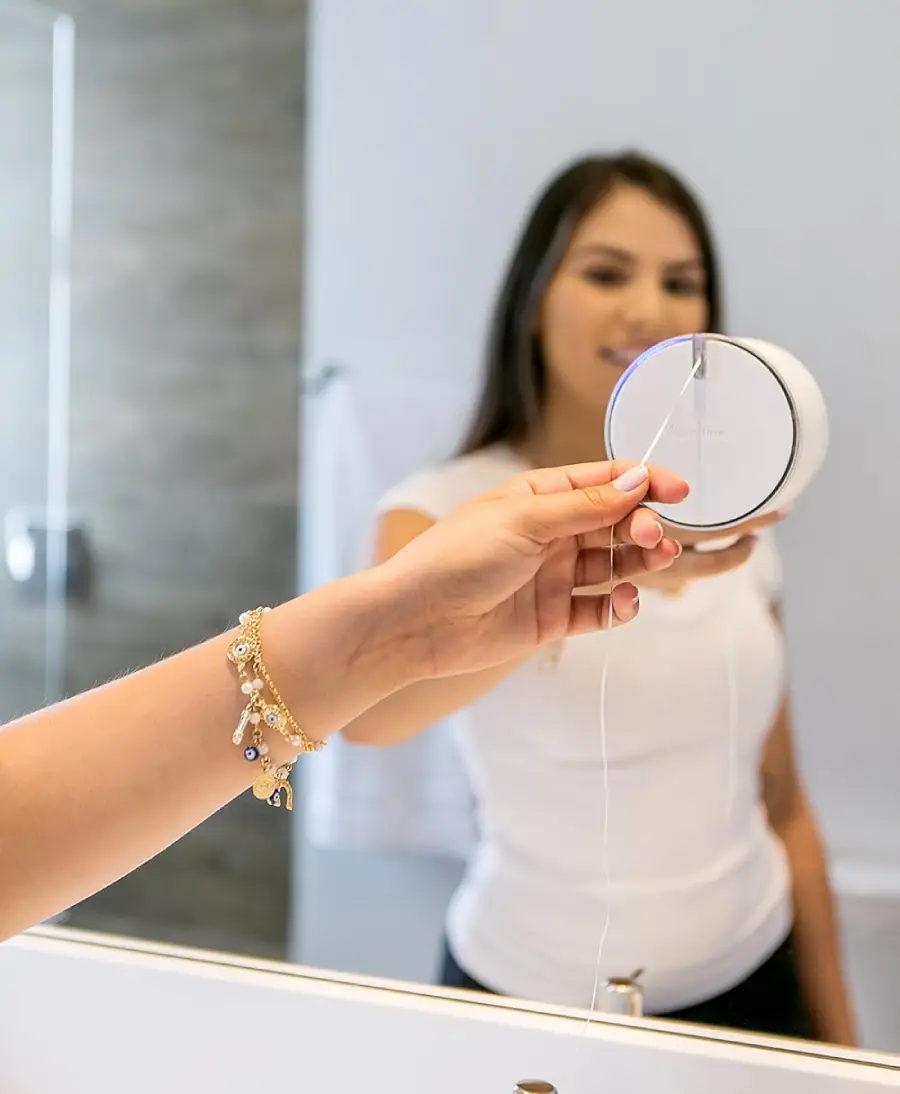
Designed to build better hygiene habits, this device attaches to your bathroom mirror and dispenses exactly eighteen inches of floss with a single touch. It features a glowing LED ring that turns into a frowning face if you forget to floss for a day. While it tries to solve the problem of human laziness, it essentially just replaces a $2 plastic container with an electronic machine. Most people realized that the frowning face wasn’t enough motivation to justify the extra counter space.
7. The Hush Smart earplugs – 2015
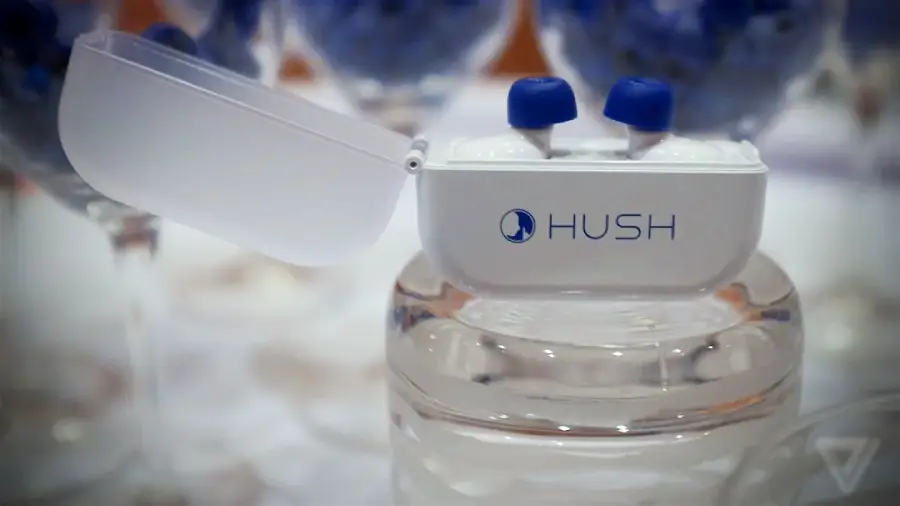
These are noise-masking earplugs that connect to your phone so you can hear your alarm or important notifications while blocking out the world. They were designed for light sleepers who were worried that traditional earplugs would make them miss their morning wake-up call. However, wearing bulky electronics in your ears all night proved to be uncomfortable for many users. The invention eventually struggled as standard noise-canceling headphones became smaller and more efficient.
8. The SMALT smart salt shaker – 2017
This device was pitched as a centerpiece for the modern dining table, featuring a Bluetooth speaker, mood lighting, and a precise salt dispenser. You can shake your phone to dispense salt or use an app to track your sodium intake over time. Critics were quick to point out that a salt shaker with a speaker was perhaps the peak of unnecessary kitchen tech. Most diners prefer to keep their music and their seasoning as two entirely separate experiences.
Sign up for our newsletter
9. The Kolibree smart toothbrush – 2014
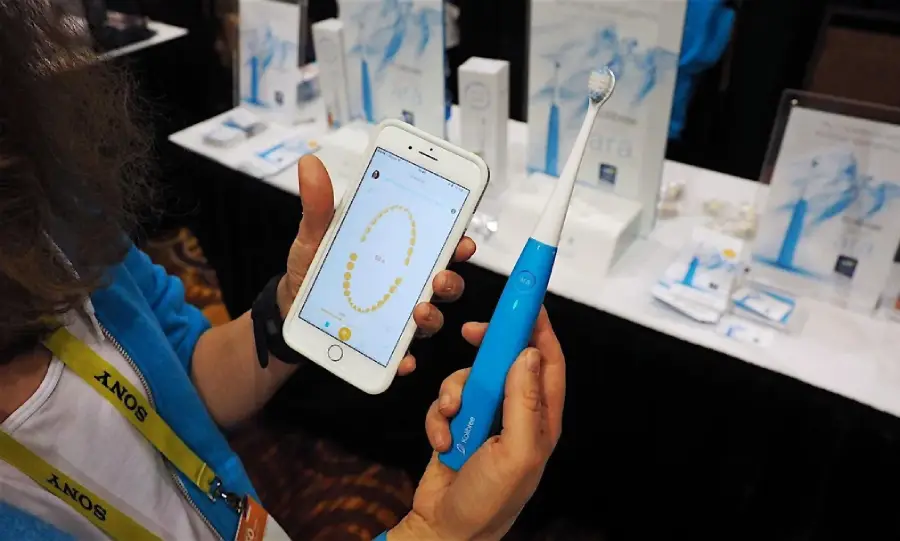
This toothbrush uses 3D sensors and games on your smartphone to ensure that you are brushing every corner of your mouth correctly. It was designed to turn a boring chore into a gamified experience for children and tech-obsessed adults. While it provides a lot of data about your dental habits, most dentists agree that two minutes of manual brushing is still the gold standard. It is a lot of technology for a task that humans have mastered for centuries.
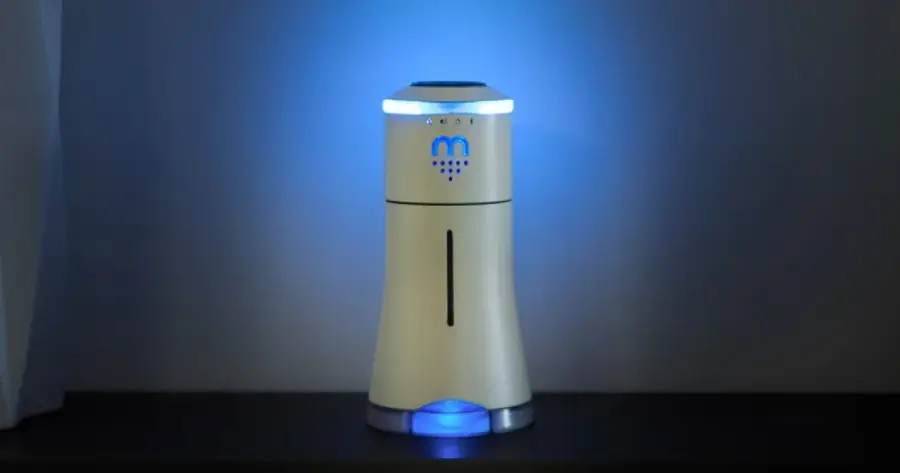
10. The Moodo smart aroma diffuser – 2017
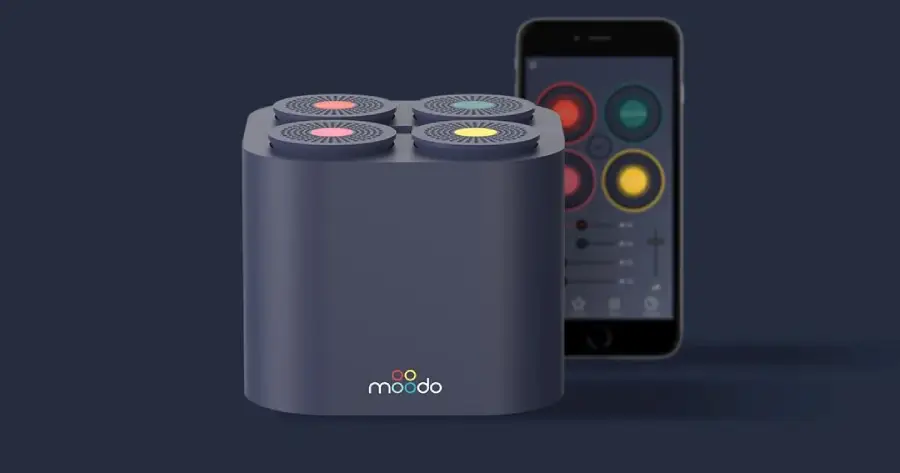
This device allows you to mix and match different scent capsules via an app to create a custom fragrance for your home. You can schedule different scents for different times of the day or adjust the intensity of the notes from your sofa. While it offers a lot of control, the cost of the proprietary capsules and the machine itself is quite high compared to a simple candle. Most people found that scent mixology was a hobby they didn’t really need.
11. The Belty smart belt – 2015
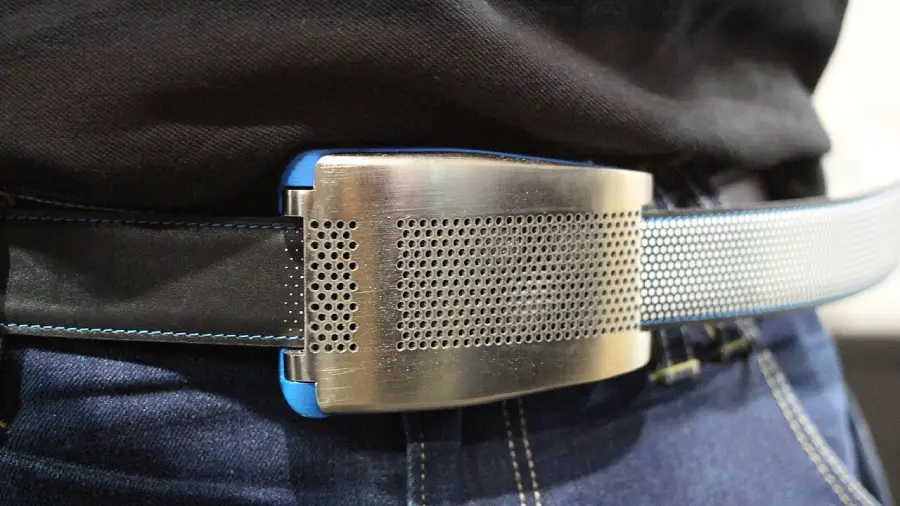
Unveiled at a major tech show, this belt automatically adjusts its tightness throughout the day based on whether you are sitting, standing, or have just eaten a large meal. It also tracks your steps and vibrates if you have been sedentary for too long. While the idea of a self-adjusting belt sounds like a scene from Back to the Future, it turned out to be heavy and loud. Most people are comfortable enough adjusting their own belt buckle after lunch.
12. The Onvi Prophix video toothbrush – 2016
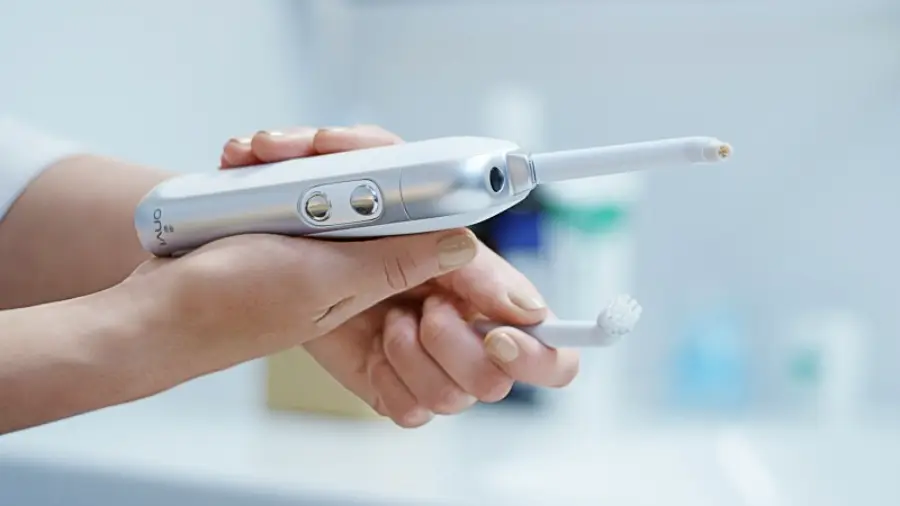
This toothbrush features a built-in camera that live-streams a high-definition video of the inside of your mouth to your smartphone. The goal is to help you see exactly where the plaque is so you can target it more effectively. However, most people found the live feed of their own molars to be more gross than helpful. It turns out that some parts of the human body are better left unseen during your morning routine.
13. The HidrateSpark smart water bottle – 2015
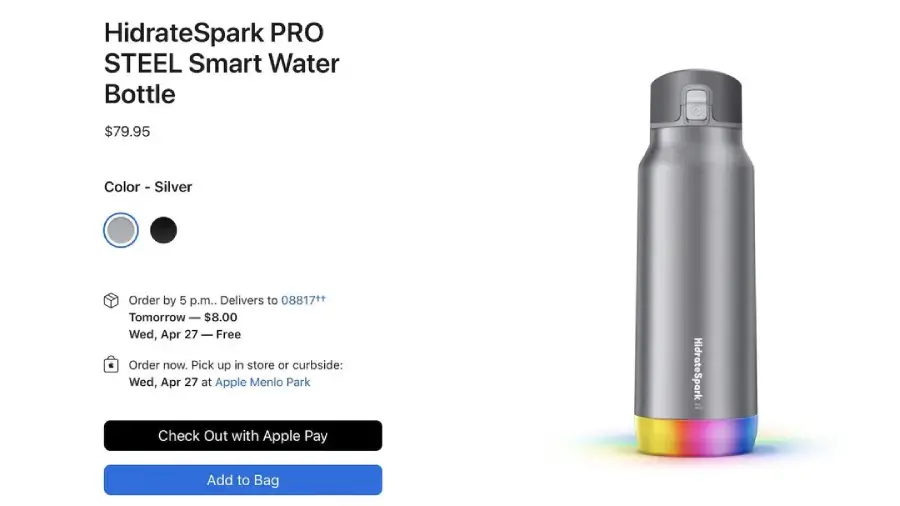
This bottle glows to remind you to drink water and syncs with your fitness tracker to calculate your hydration needs. It tracks every sip and provides a detailed chart of your water consumption over weeks and months. While staying hydrated is important, many users felt that thirst was already a perfectly functional built-in notification system. The world survived for thousands of years without an app to tell them they needed a drink.
14. The Natede smart air purifier – 2019
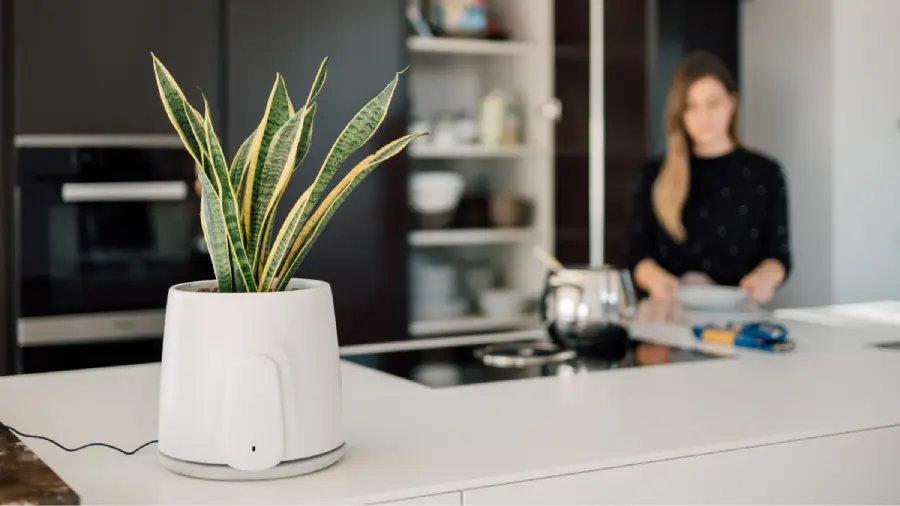
This invention is a natural air purifier that uses a living plant to filter toxins, but it is augmented with sensors and a high-powered fan. It connects to your Wi-Fi to tell you exactly how hard the plant is working to clean your air. While it looks beautiful, it is essentially a very expensive flower pot with a fan attached to the bottom. Most people found that a regular houseplant and an open window did the job for a fraction of the cost.
15. The ShiftWear animated sneakers – 2015
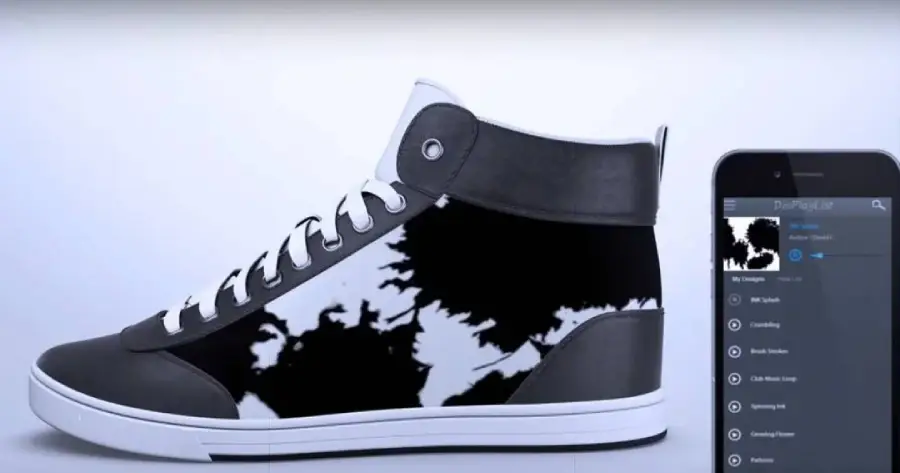
These shoes featured e-ink displays on the sides that allowed you to change the design or play animations from your phone. The idea was that you would never need to buy another pair of shoes because you could change the look to match any outfit. However, the technology was difficult to maintain, and the battery life was a constant concern for hikers. Most sneaker fans preferred the tactile feel of traditional materials over a glowing screen on their feet.
16. The Furbo dog camera – 2016
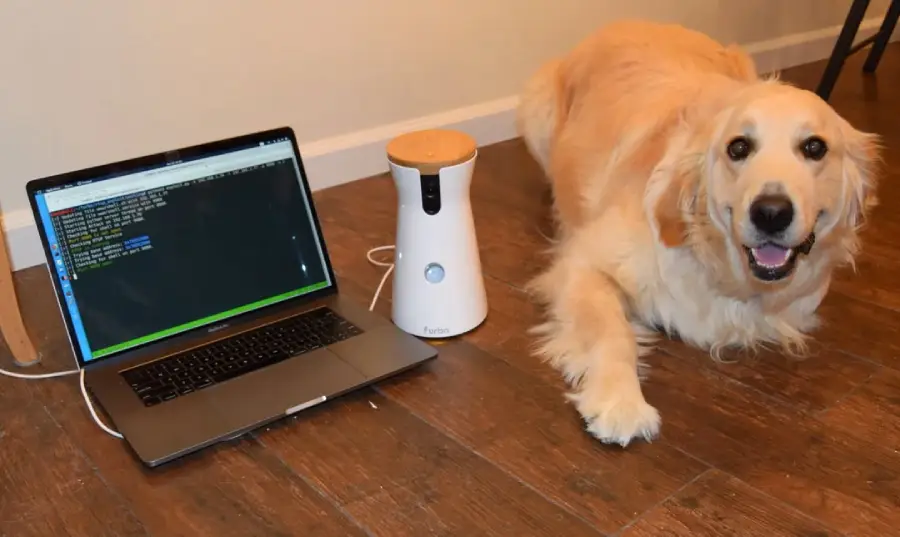
This is a Wi-Fi-connected camera that allows you to see, talk to, and toss treats to your dog while you are at work. While it is marketed as a way to ease separation anxiety, many dogs were simply confused by their owner’s disembodied voice coming from a plastic box. Some pets even learned how to hack the machine to get more treats than intended. It is a high-priced way to realize that your dog mostly just sleeps while you are gone.
17. The Kerastase hair coach – 2017
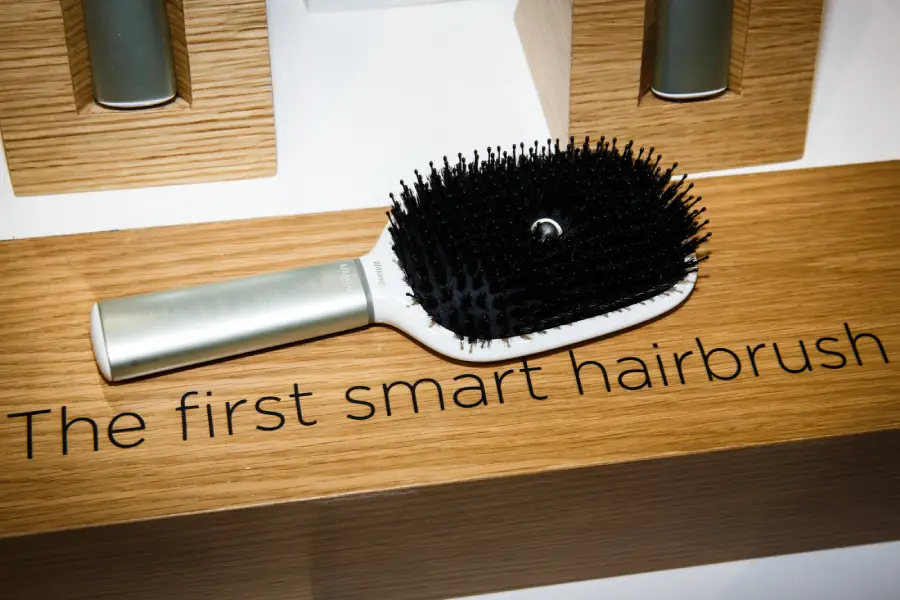
Created by L’Oreal, this smart hairbrush features a microphone to listen to the sound of your hair being brushed and sensors to detect dryness and split ends. It sends a report to your phone to grade the quality of your hair and recommend expensive products. Most users found that they could tell if their hair was tangled or dry just by looking in a mirror. It was a very sophisticated way to tell people they needed a haircut.
18. The PowerPot – 2014

This cooking pot uses thermoelectric technology to convert heat into electricity, allowing you to charge your phone while you boil water on a camping stove. While it sounds useful for off-grid living, the amount of power it generates is quite small and requires a constant, high heat. Most campers realized that a simple, lightweight power bank was far more efficient and reliable. It remains a fascinating piece of science that is rarely practical in the wild.
Discover more interesting inventions:
These inventions serve as a hilarious reminder that just because we can build something doesn’t always mean we should. While they might not be the most practical tools in our homes, they represent the quirky, experimental spirit of modern technology. If you enjoyed this look at the more redundant side of progress, be sure to check out these 20 Funny Inventions That Should Never Have Gone to Market, or 15 Overengineered Inventions That Nobody Truly Needed. You may also like these 19 Eccentric Inventions People Actually Tried to Sell.