When we look back at the rapidly shifting landscape of personal technology, our minds naturally drift toward the fast-paced transition era that welcomed the new millennium. We view the opening decade of the twenty-first century as a highly experimental frontier where gadgets transitioned away from heavy analog structures to embrace the first waves of portable digitization. Over the generations, slick contemporary smartphone ecosystems and ultra-minimalist cloud networks have heavily conditioned the public to take instant, high-speed data access completely for granted. This modern perspective shapes our collective understanding of industrial progress, leaving younger generations to assume that our current touchscreen conveniences have always governed the consumer tech market.
However, a closer look at our old desk drawers and forgotten storage boxes reveals a remarkably clunky, mechanical phase of hardware development. The fascinating reality of tech history proves that several of the single most popular consumer gadgets from the early 2000s required immense manual patience, specialized physical media formats, and substantial accessory cables just to perform basic tasks. Instead of operating with seamless wireless synchronization, these devices were governed by low-capacity internal memory chips, fragile moving parts, and severe battery limitations. Let’s wind back the clock of technological history as we explore sixteen unforgettable gadgets that defined the cutting-edge lifestyle of the millennium but feel completely prehistoric to a modern consumer.
1. The portable MP3 CD player
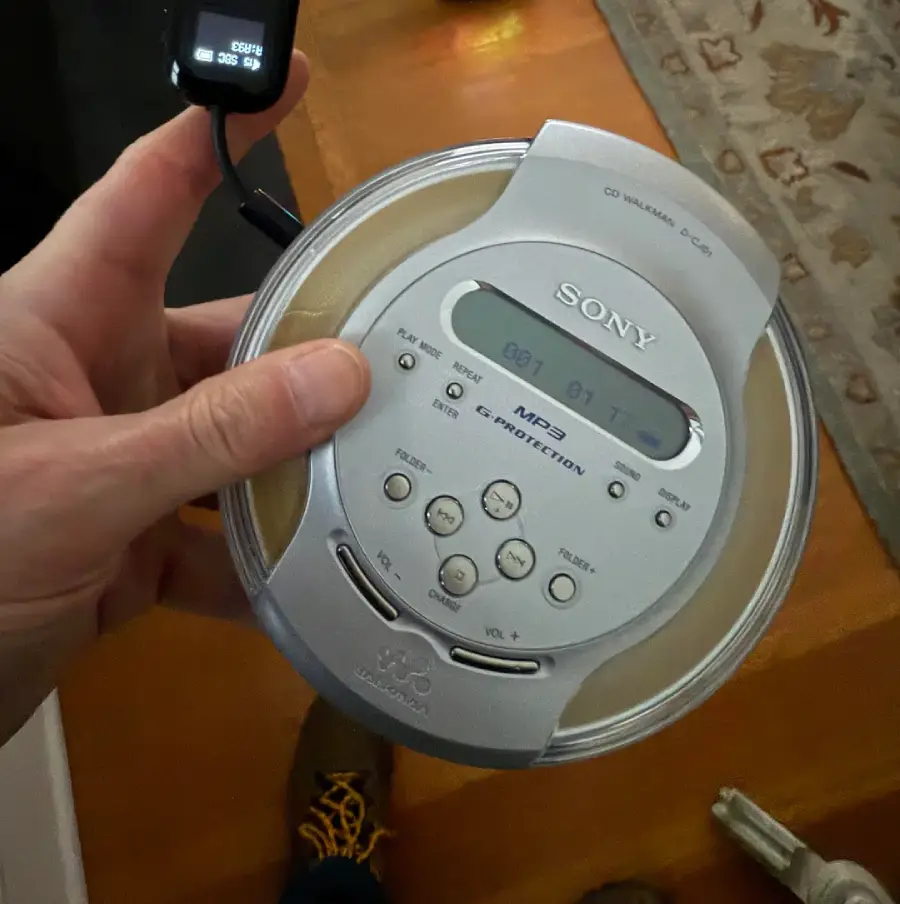
This transitional audio player allowed music fans to burn hundreds of compressed digital tracks onto a single recordable disc. Users had to pray that the mechanical skip protection system could handle a basic walk down the street without cutting off the audio stream.
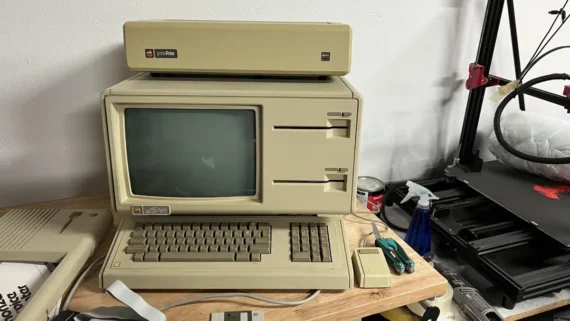
2. Desktop CRT computer monitors
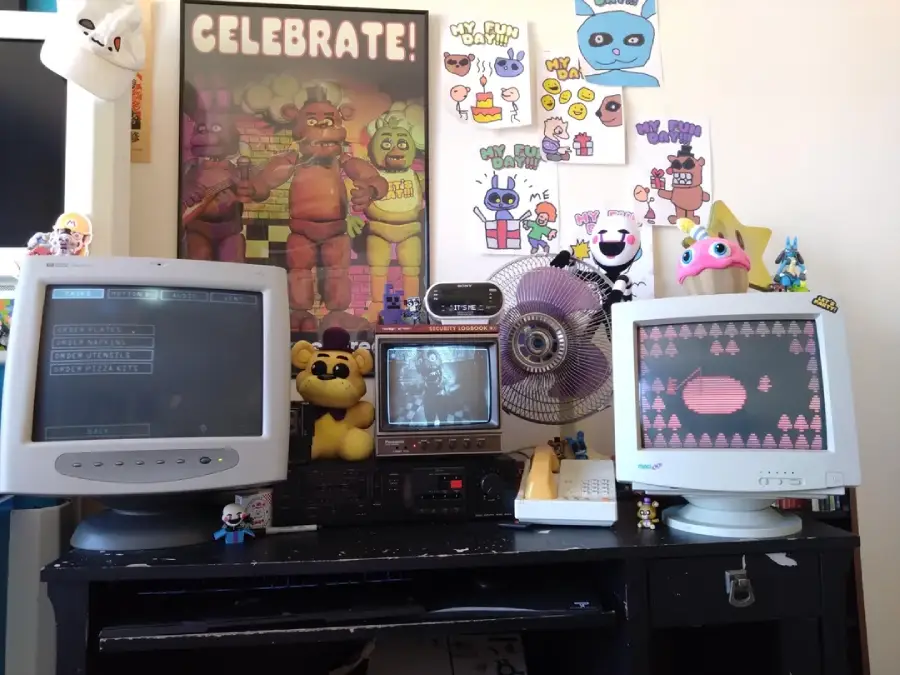
¡These colossal, deeply heavy display monitors dominated workspace desks and student dorm rooms with their massive rear vacuum tubes. They produced a highly distinct static crackle and a low-frequency hum whenever you flicked the mechanical power button on.
3. Personal digital assistants (PDAs)
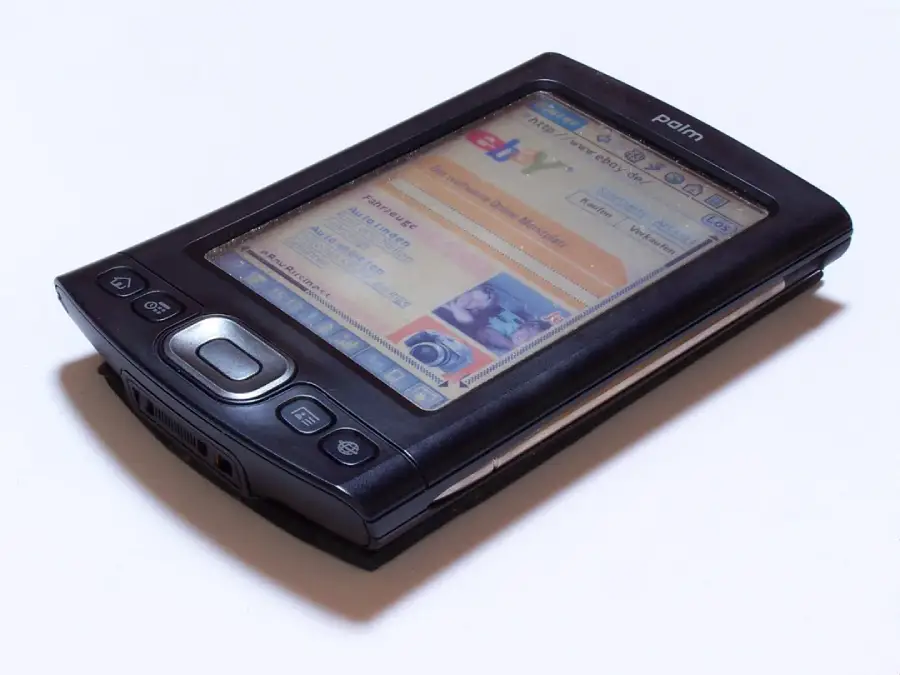
Before contemporary smartphones consolidated our professional workflows, corporate executives relied on these early pocket organizers to manually log calendar dates and synchronized contact numbers. Navigating the low-resolution monochrome interfaces required using a specialized plastic stylus pen that users routinely misplaced.
4. Pocket digital cameras with low megapixel counts
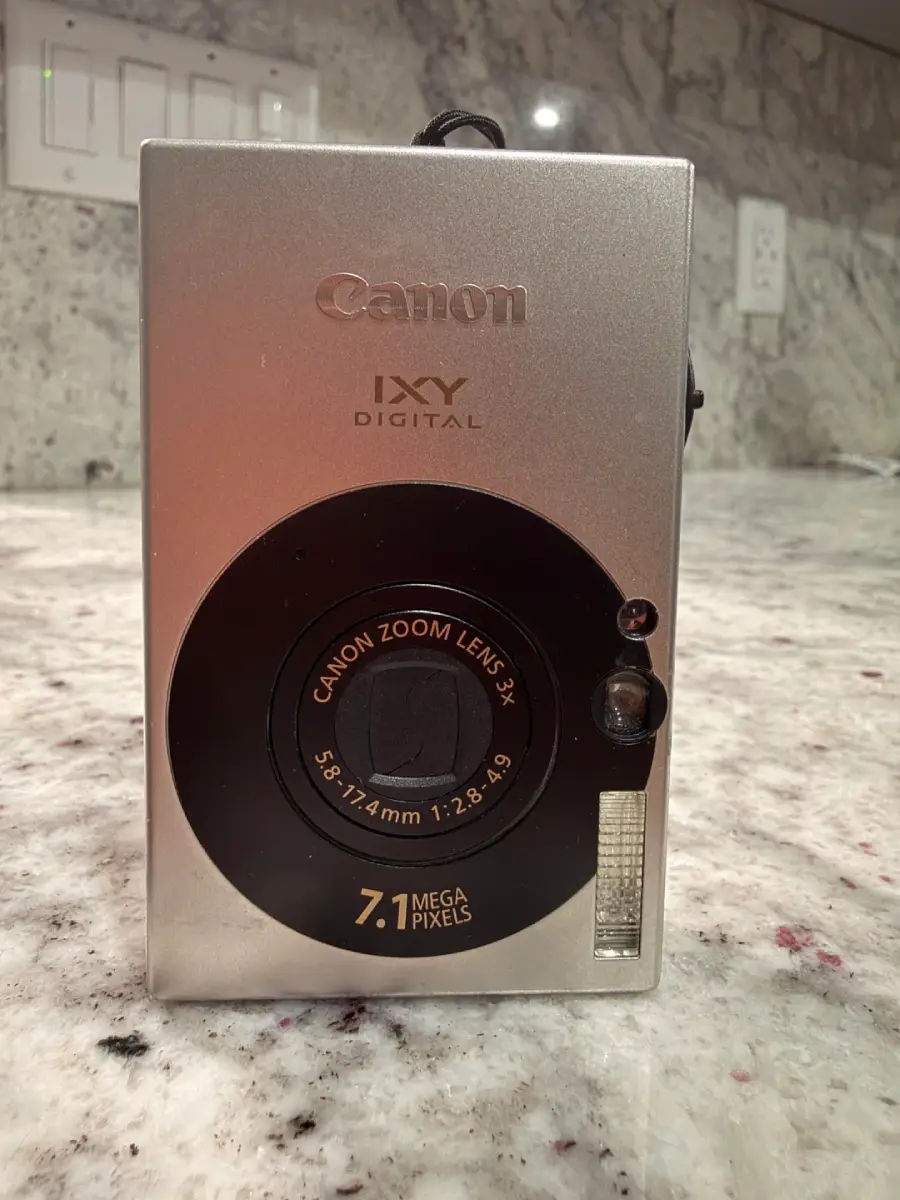
Flipping open these thick, blocky camera bodies allowed casual tourists to capture low-resolution images that instantly pixelated when scaled up on a computer. Consumers had to strictly ration their daily snapshots because early memory cards could only hold a tiny handful of files.
5. USB flash drives with microscopic storage
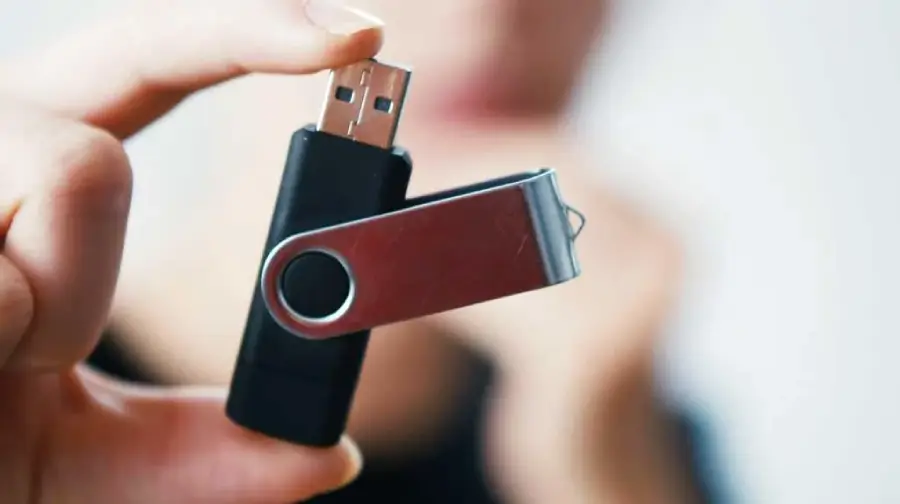
Securing one of these early portable storage keys felt like stepping into a futuristic science fiction landscape for working-class professionals. Modern users chuckle at the fact that these expensive physical accessories routinely maxed out at a microscopic sixteen megabytes of data.
Trending on The Scroller

6. Floppy disk external USB drives
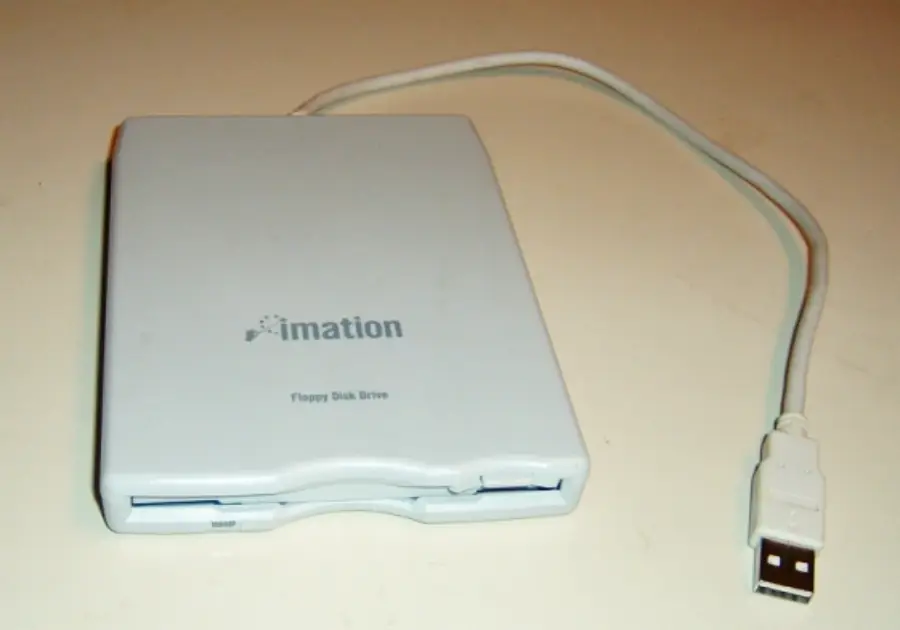
As major computer manufacturers systematically began to strip internal floppy bays from their laptops, users bought these clunky external drives to access old archives. The hardware produced a highly nostalgic symphony of mechanical grunts and clicks every time it attempted to read data sectors.
7. Portable DVD players with flip-up screens
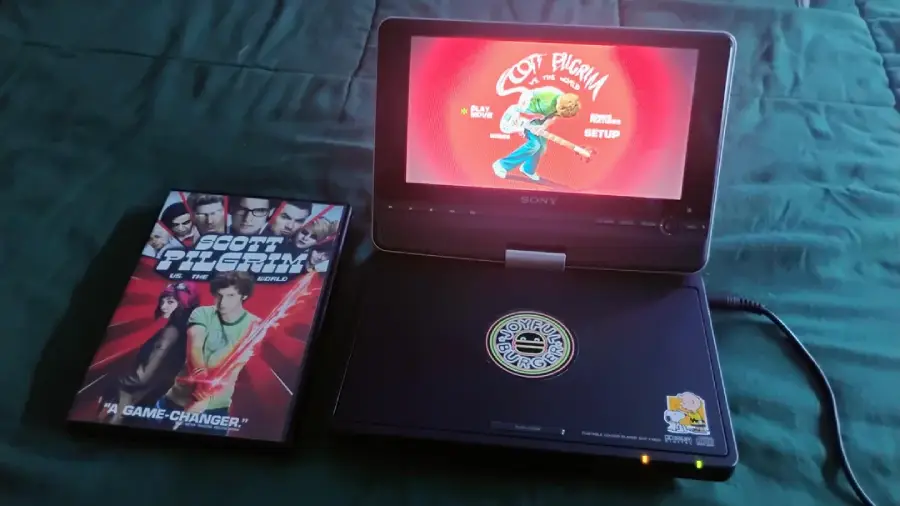
These bulky luxury entertainment units allowed families to experience Hollywood blockbusters during long cross-country automobile commutes. The internal battery packs routinely overheated and died long before the second chapter of a feature film ever concluded.
8. Dedicated standalone GPS navigation units
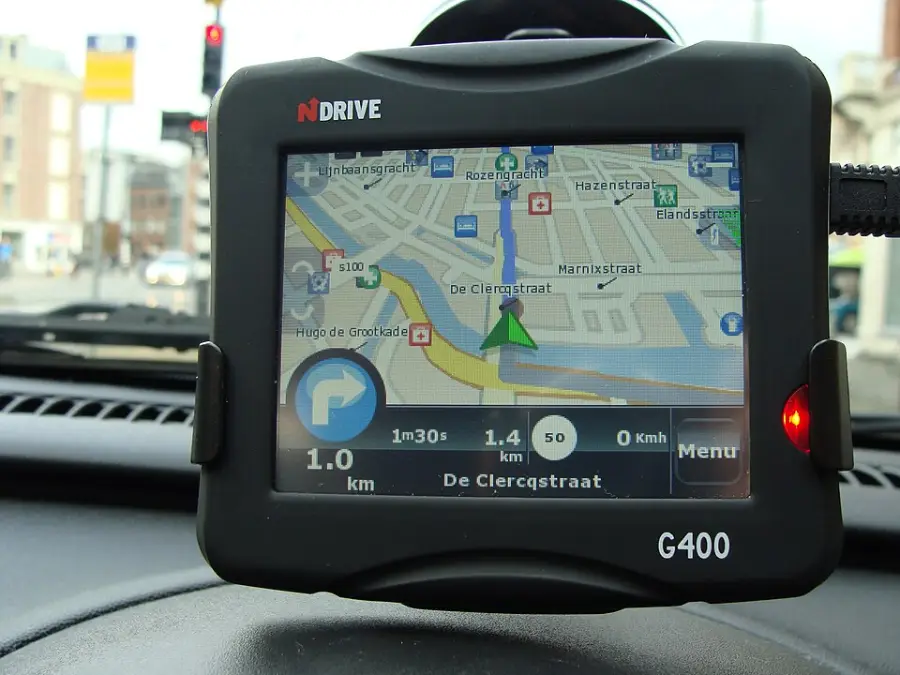
Before digital mapping services integrated into mobile networks, motorists mounted these specialized satellite receivers directly onto their windshield glass. The automated electronic voices routinely lagged behind real-time traffic changes, forcing confused drivers to perform awkward u-turns on busy avenues.
Sign up for our newsletter
9. Handheld digital voice recorders
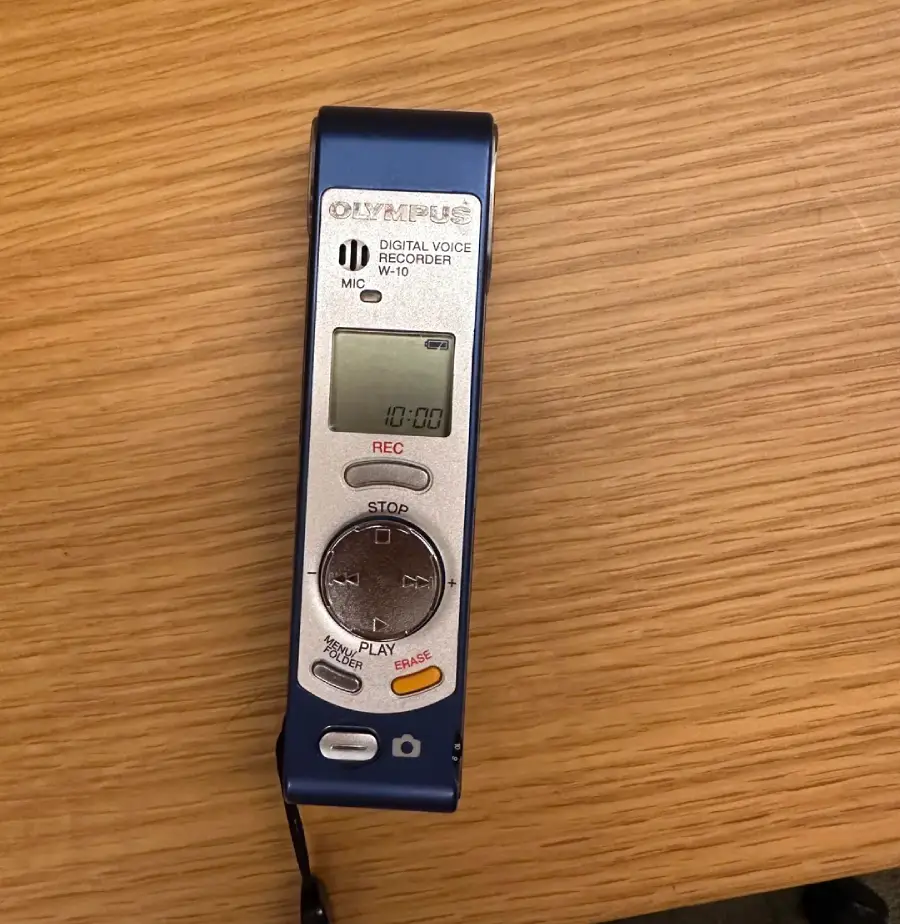
Journalists and university students relied on these pocket devices to capture acoustic interviews and long lecture halls. The heavily compressed audio files were saved in proprietary formats that required specialized corporate software applications just to play back on a computer.
10. External FireWire hard drives
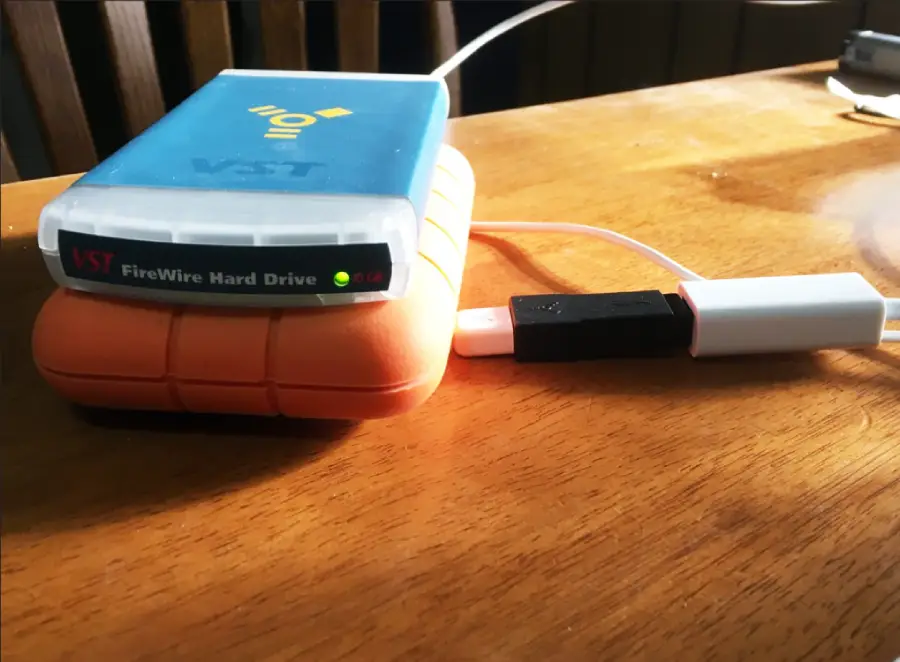
Creative professionals editing early digital video tracks utilized these high-speed external storage enclosures to bypass sluggish data transfer bottlenecks. The thick, rigid connector cables featured highly specialized geometric pin layouts that contemporary computer ports have completely phased out.
11. Digital audio cassette adapters
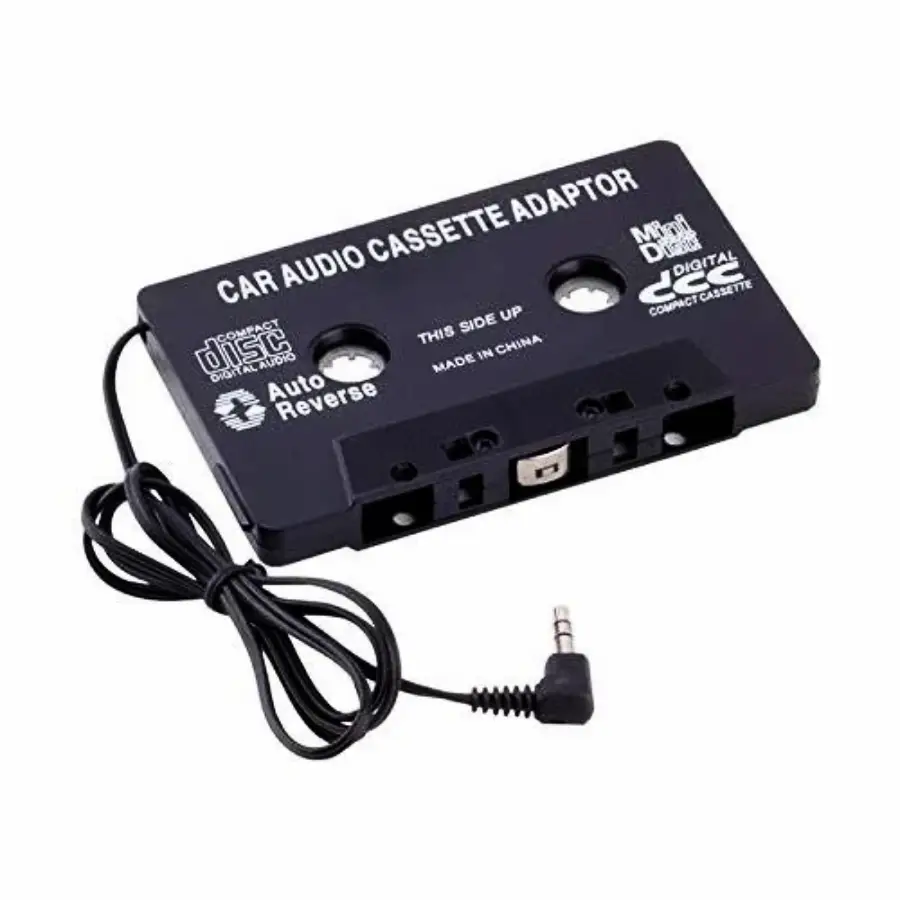
This brilliant, low-tech hardware hack allowed motorists to stream early digital MP3 players directly through their vehicle’s ancient analog tape deck. The mechanical ribbon cable extended straight out of the cassette slot, creating a highly cluttered look along the center console.
12. E-readers with non-illuminated monochrome screens
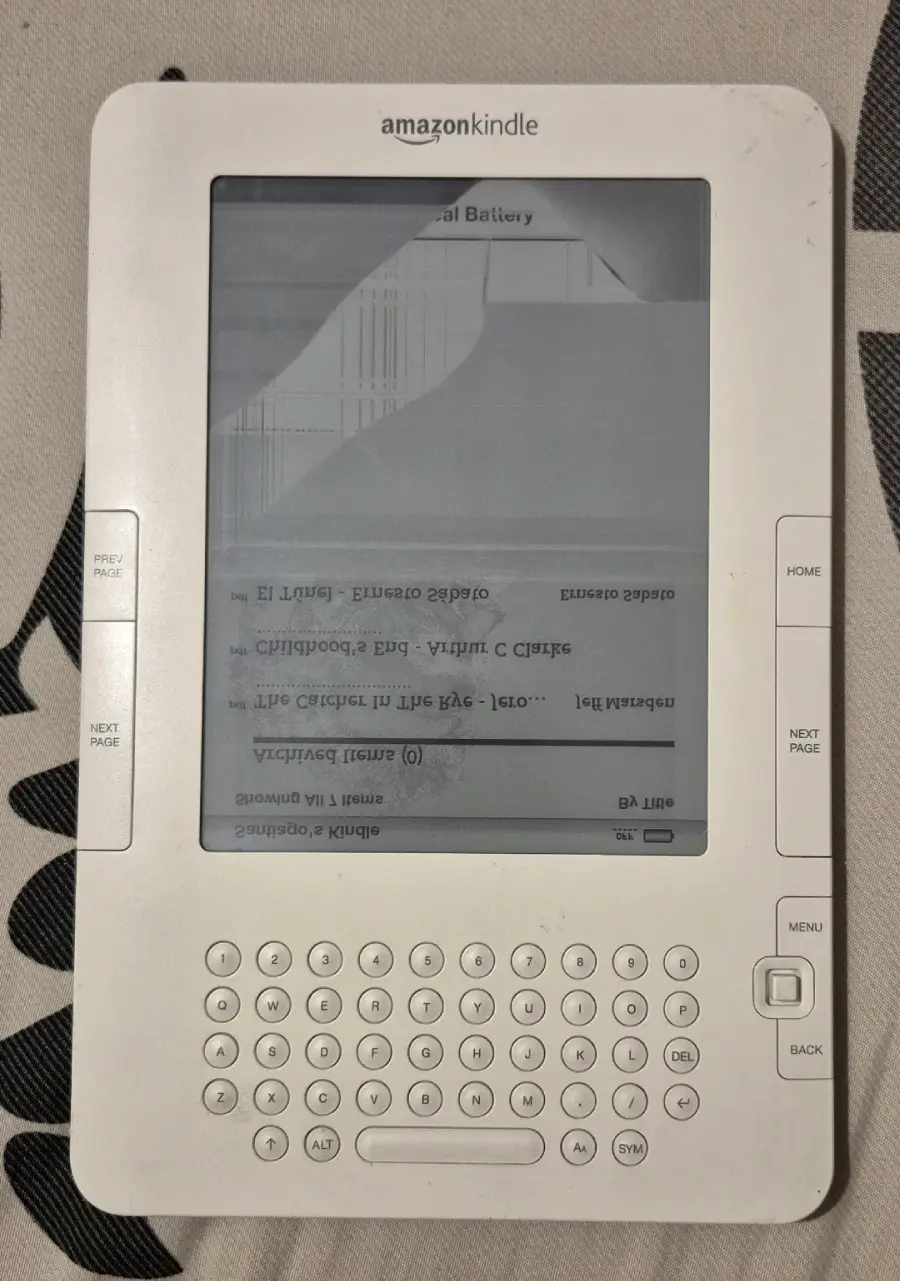
The first generation of electronic book readers lacked the integrated backlighting systems that protect modern night reading sessions. Users had to sit directly beneath a bright desktop lamp or purchase clip-on book lights simply to read digital text lines after dark.
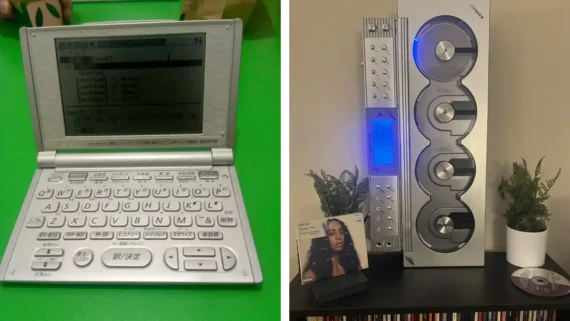
13. Multi-disc CD changer stereo towers

These massive living room audio systems featured motorized internal trays that could hold and cycle through five or sixty separate music records simultaneously. The mechanical shifting sequence produced a dramatic, roaring shuffle sound that interrupted the social atmosphere for several seconds between tracks.
14. Pocket-sized digital pet keychain games
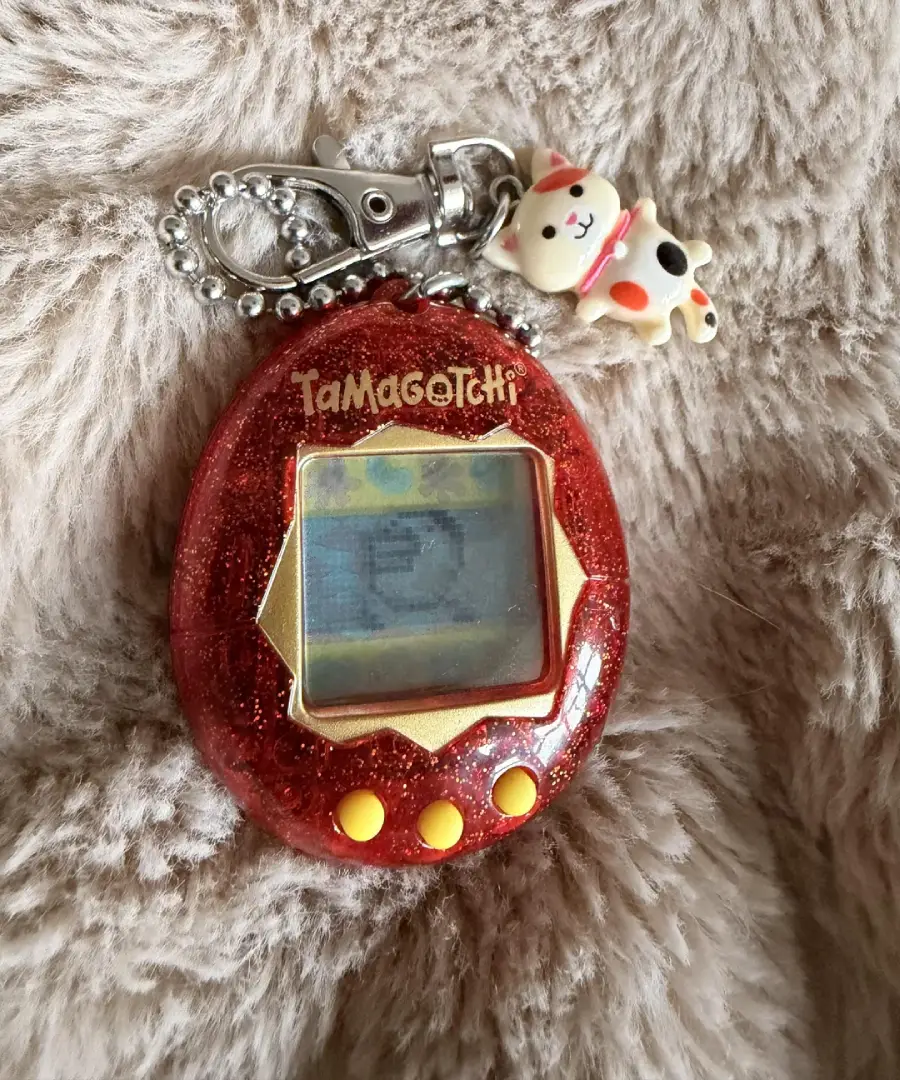
These microscopic plastic keychains captivated the global youth market by forcing children to continuously nurture a pixelated alien creature on a tiny screen. Neglecting the physical hardware buttons for a few hours routinely resulted in the tragic digital passing of the virtual pet.
15. Electronic language translators
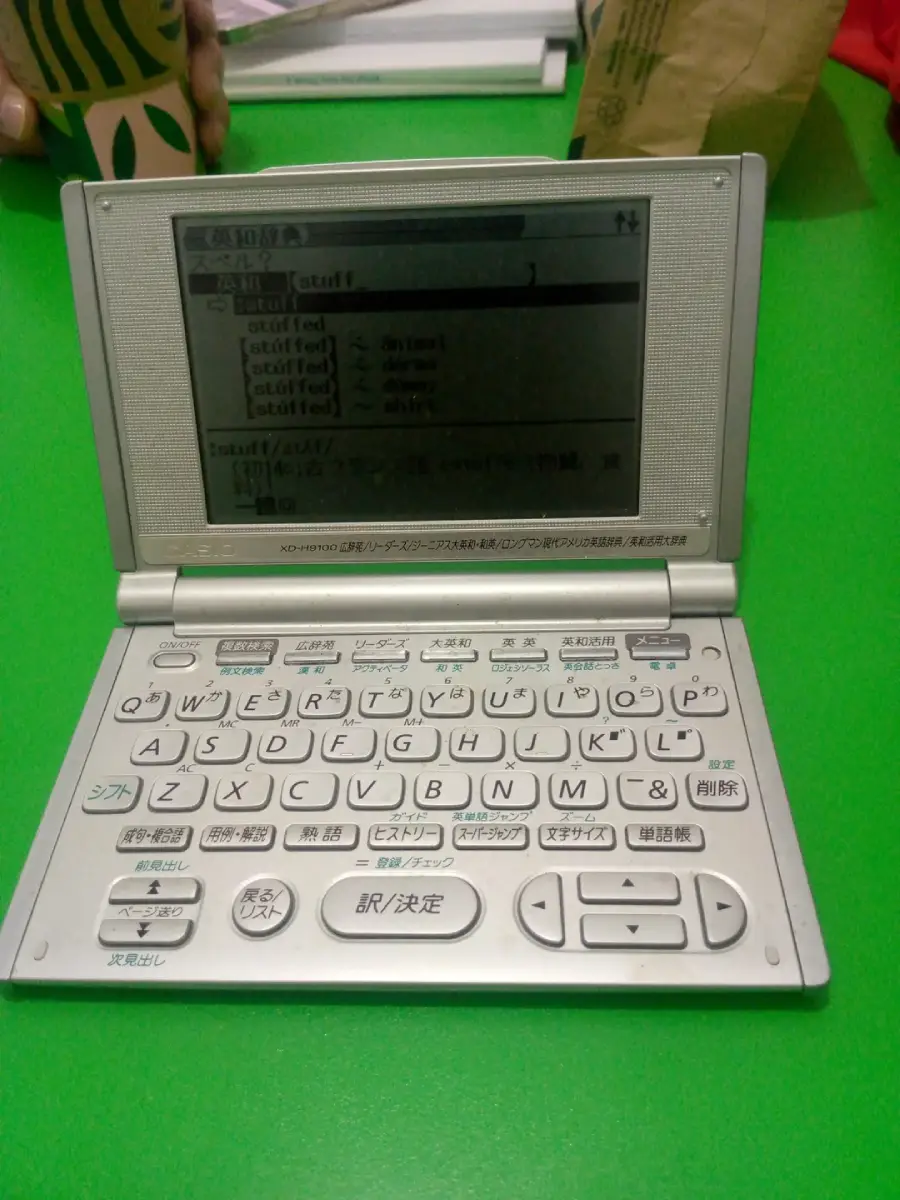
Long before automated translation applications utilized artificial intelligence to decode speech instantly, travelers carried these pocket keyboards across foreign borders. Typing a single word initiated a sluggish internal database search that delivered basic, ungrammatical definitions on an un-lit display matrix.
16. Webcams with manual focus rings
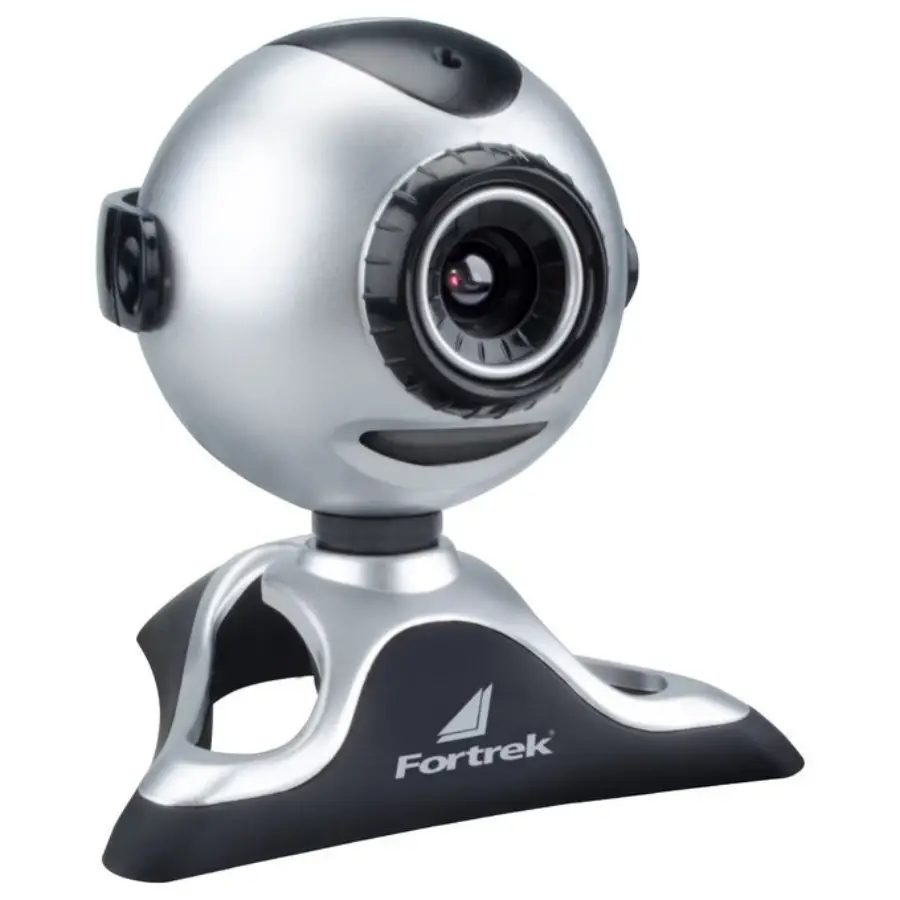
These small, spherical external cameras sat precariously on top of bulky computer monitors to facilitate early video chat connections over dial-up internet networks. Users had to physically twist a plastic ring around the glass lens to adjust the blurry focus whenever they shifted positions.
Discover more Y2K stories:
Delving into the clunky, highly mechanical engineering priorities that governed this legendary millennial landscape serves as a powerful reminder that the true benchmarks of technology are built on rapid, relentless iteration rather than static perfection. Navigating these analog-adjacent gadgets proves that human convenience remains a deeply fluid, ever-evolving metric across our shared consumer history. When we choose to look past the high-gloss marketing of our modern touchscreen devices to study these primitive digital ancestors, we gain a profound appreciation for the immense speed of digital transformation. If you enjoyed this beautifully nostalgic, lighthearted journey looking back at the tech relics of the new millennium, make sure to explore these 20 Early 2000s Gadgets That Were Ahead of Their Time, or 31 Photos That Show How Strange the Early 2000s Were. You may also like Inside the Blockbuster Weekend From the 90s-2000s.