When you sit down at a restaurant, you’re usually focused on the menu and the ambiance, but there is an entire world of hidden rules happening just behind the kitchen doors. Your waiter is the bridge between you and the chef, and while they are trained to be your best friend for an hour, they are also masters of a very specific kind of corporate diplomacy. There are things they see, smell, and know about your food that never make it into the polite table-side conversation. From the real reason a dish is suddenly “unavailable” to the psychological tricks used to make you spend more, the person taking your order is often a vault of industry secrets.
Understanding the perspective of a seasoned waiter can completely change the way you look at a dining room. It’s not about being paranoid; it’s about being a savvy diner who knows which red flags to look for before the first course arrives. Whether it’s the mystery of the “Daily Special” or the truth about those “homemade” dressings, the reality of the restaurant business is often far more calculated than it appears. Let’s pull back the curtain and explore fifteen things your server knows, but will probably never say out loud unless you’re friends with them after the shift.
1. The “Special” is often an inventory clear-out
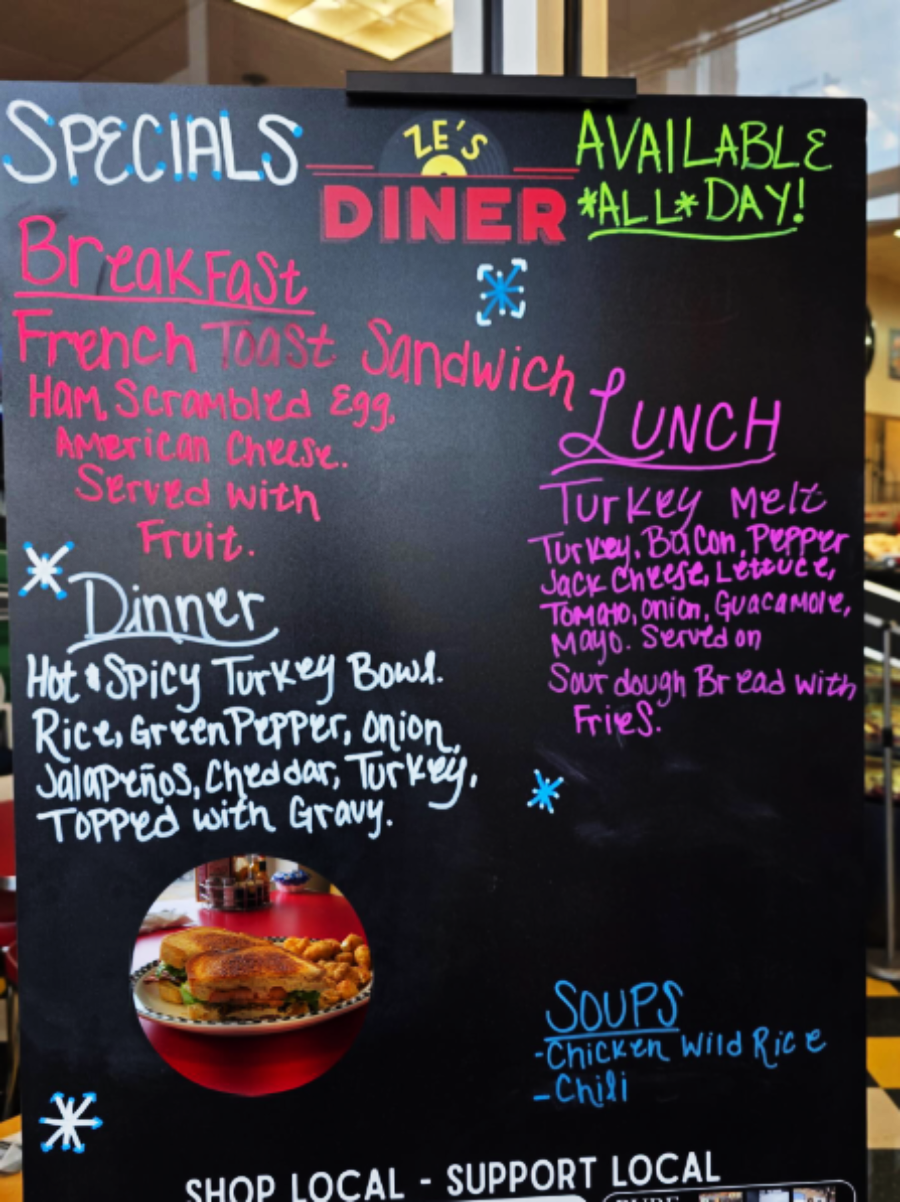
The most common secret in the industry is that the “Daily Special” is frequently just a way for the kitchen to use up ingredients that are about to expire. If you see a seafood special on a Monday, there is a very high chance that fish was delivered on Friday and needs to be sold before it hits the trash bin. Chefs are masters at using heavy sauces or spices to mask the fact that the main protein isn’t as fresh as the rest of the menu.
2. Don’t ask for lemon in your water
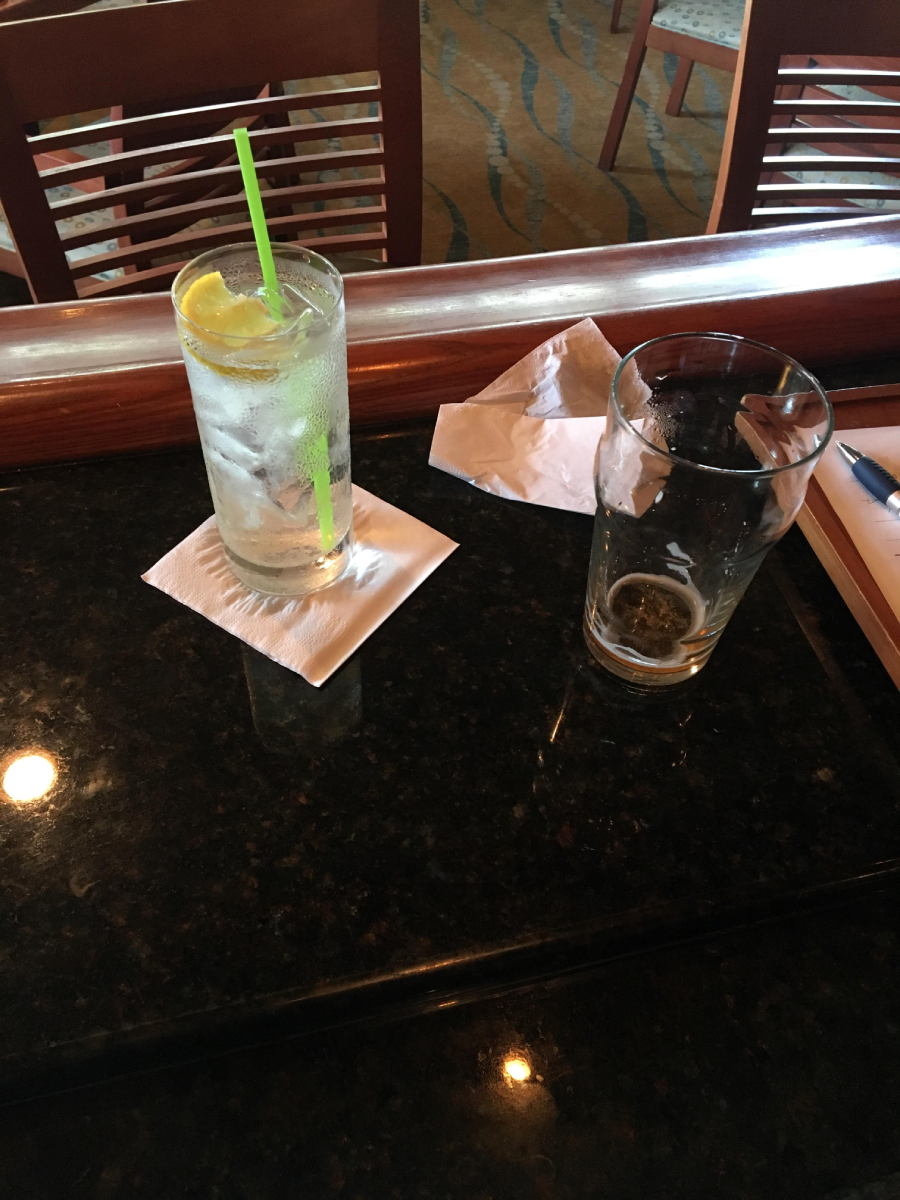
While a wedge of lemon feels refreshing, it is often one of the dirtiest things in the building. Lemons are rarely washed, and they are usually sliced by a waiter or bartender on a shared cutting board with bare hands during a busy rush. Health inspections frequently find that these garnishes are a breeding ground for bacteria because they sit out in open containers at room temperature for hours.
3. The “most popular” dish dodge
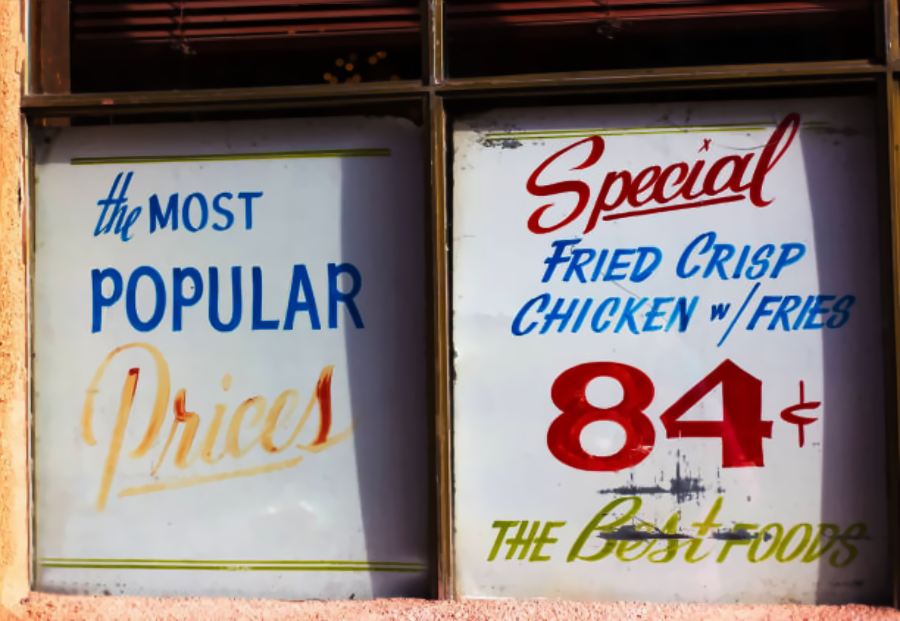
If you ask your server if a certain dish is good and they respond with, “It’s one of our most popular items,” they are likely avoiding a direct answer because they personally hate it. Restaurant staff are generally discouraged from being negative about the menu, so they use “popularity” as a safe, neutral shield. It’s a subtle linguistic trick that allows them to remain “helpful” without actually lying to your face about a subpar meal.
4. The decaff coffee lie
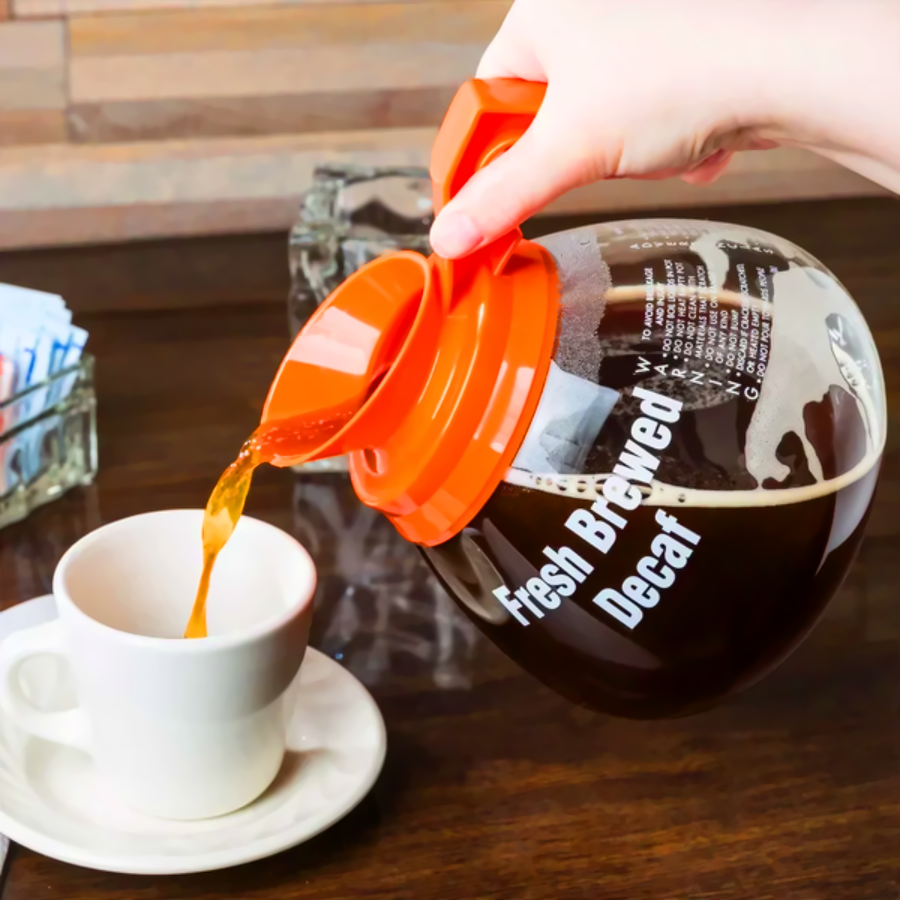
In many busy restaurants, especially late at night, the staff will stop brewing regular coffee because it’s easier to clean only one pot. If you order regular coffee at 10 PM, there is a significant chance your waiter is just pouring you decaf from the only pot currently active. They figure you won’t notice the lack of caffeine since you’re heading home soon anyway, and it saves them a 15-minute cleaning task at the end of their shift.
5. “Homemade” usually means “assembled”
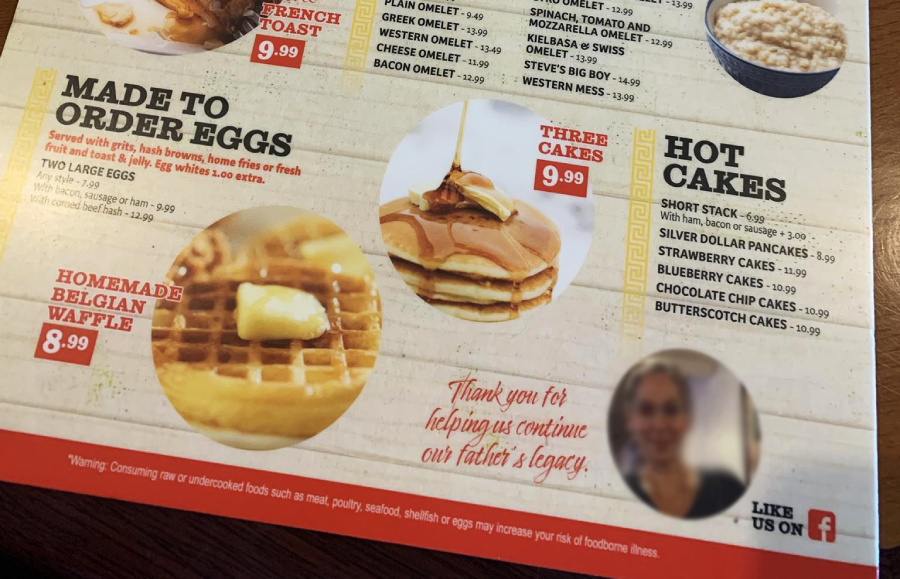
Many restaurants claim their dressings or desserts are “homemade,” but the truth is they often start with a gallon-sized jar of industrial base. A kitchen might take a mass-produced blue cheese dressing, add a few fresh herbs and some extra crumbles, and legally label it as a “house-made” specialty. It’s a common way to maintain consistency and save on labor costs while still charging a premium for an “artisanal” touch.
Trending on The Scroller

6. The ice-machine is a bacteria goldmine

In the hierarchy of restaurant cleanliness, the ice machine is almost always the most neglected piece of equipment. Unlike ovens or grills that get scrubbed daily, ice machines are difficult to clean and often harbor hidden mold and slime in the upper compartments. Because the ice is cold, people assume it’s safe, but health inspectors often cite “biofilm” in ice makers as a top concern during surprise visits.
7. Why you should avoid hot tea
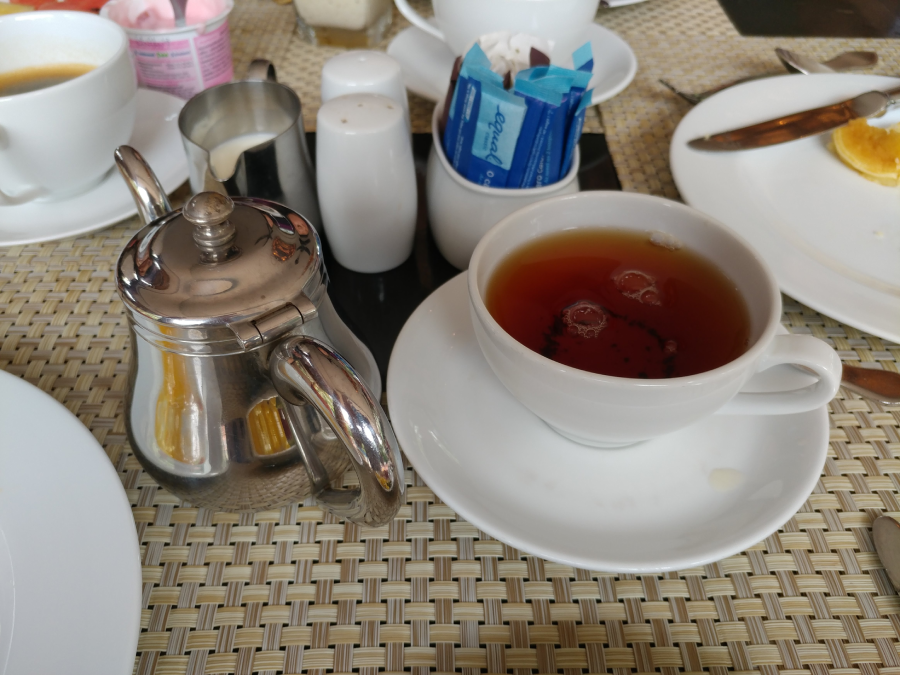
While coffee is brewed constantly in high-volume pots, hot tea is often an afterthought that involves a neglected teapot. These pots are rarely deep-cleaned, and the water often comes from the “hot” tap of the coffee machine, which can contain mineral buildup and old coffee residue. Unless you are at a dedicated tea house, you’re likely paying five dollars for a lukewarm bag of tea in a pot that hasn’t seen a scrub brush in weeks.
8. The secret language of table numbers
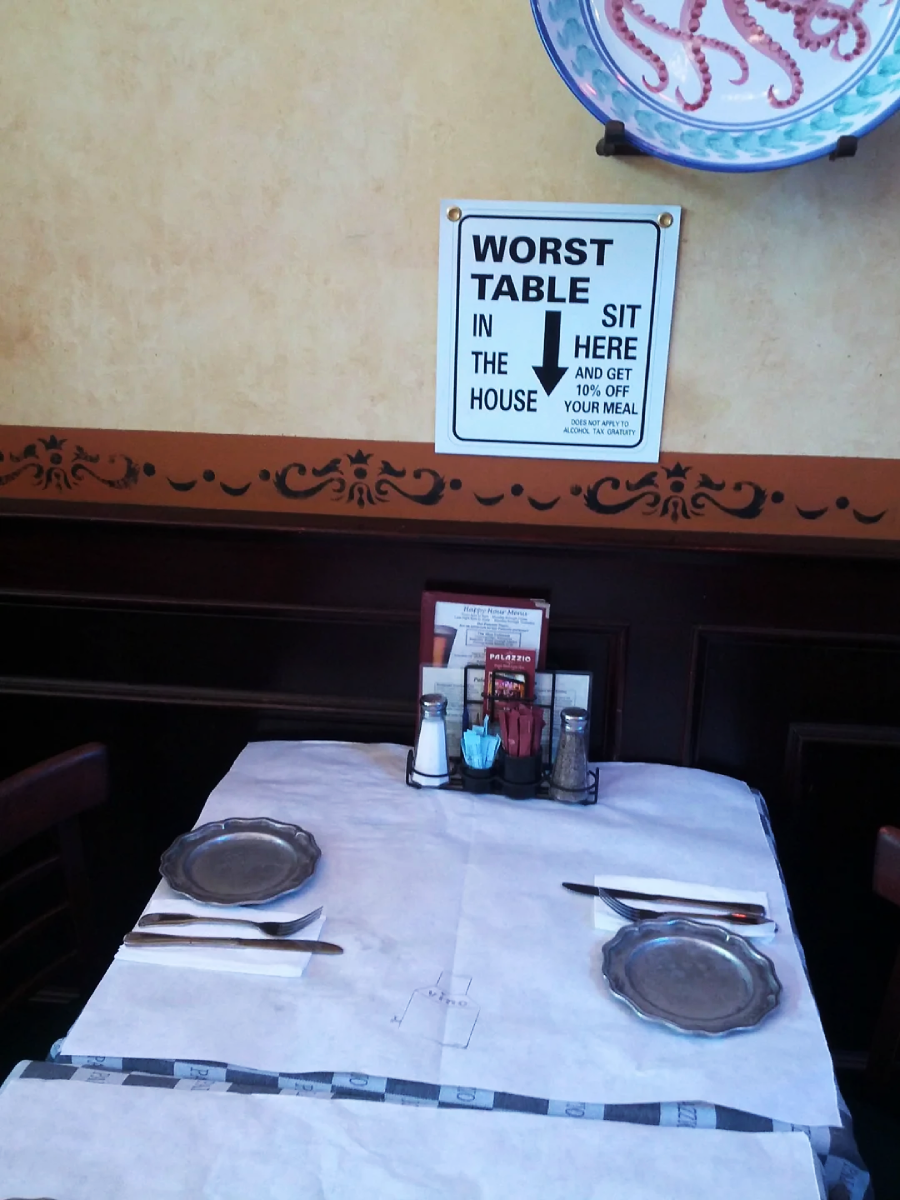
Your waiter and the host often use a secret “coding” system when seating guests to manage the “flow” of the kitchen. If you are placed at a “dead table” (a table in a corner or near the kitchen), it’s usually because the server in that section is struggling or they are trying to “slow down” the orders. Sometimes, a “bad” table is intentionally given to a difficult customer to encourage them to eat quickly and leave.
Sign up for our newsletter
9. Why “well done” steaks get the worst cuts
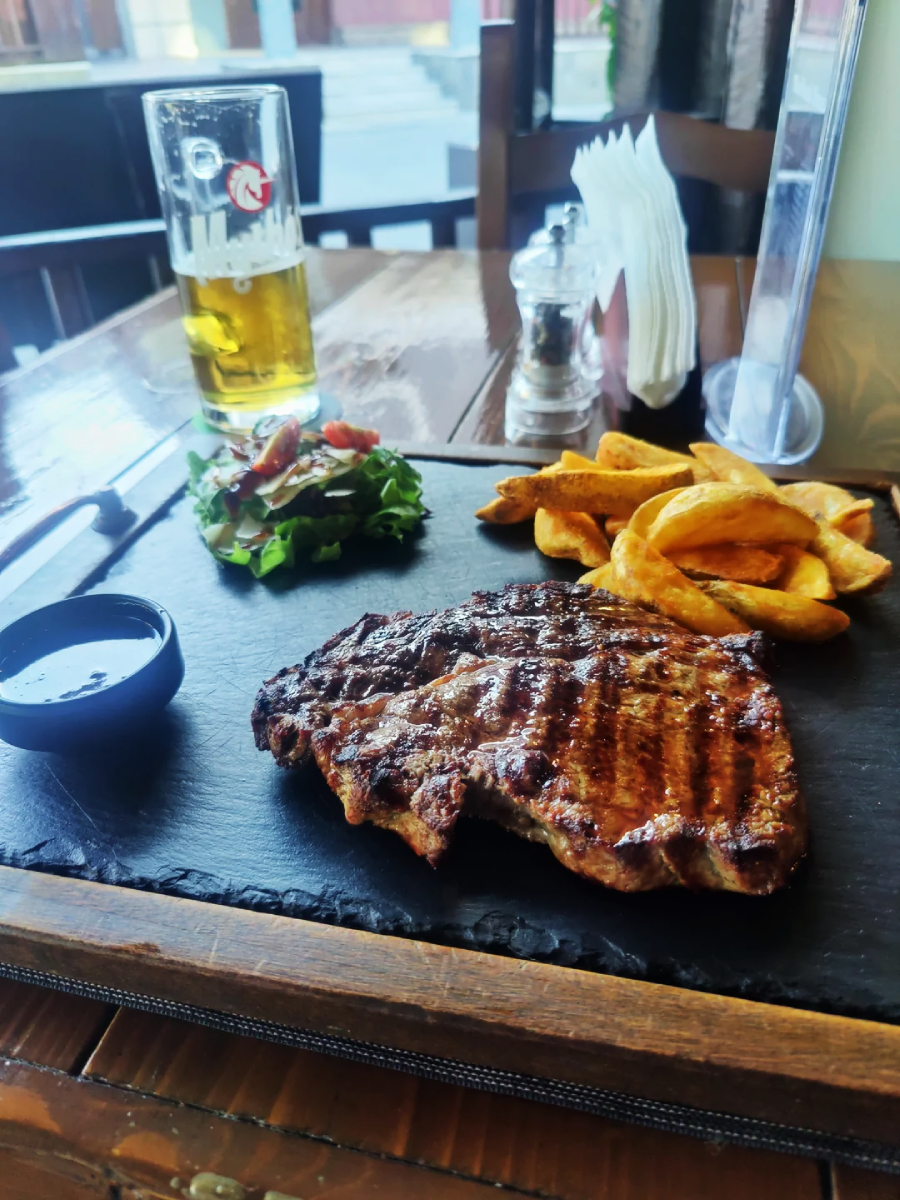
If you order your steak well-done, the chef will almost certainly pick the thinnest, toughest, or least desirable piece of meat in the kitchen. The logic is simple: once a steak is charred to a crisp, the subtle differences in marbling and quality disappear entirely. It’s a way for the kitchen to save the “prime” cuts for customers who will actually taste the quality of the beef at medium-rare.
10. The tip pool drama you never see
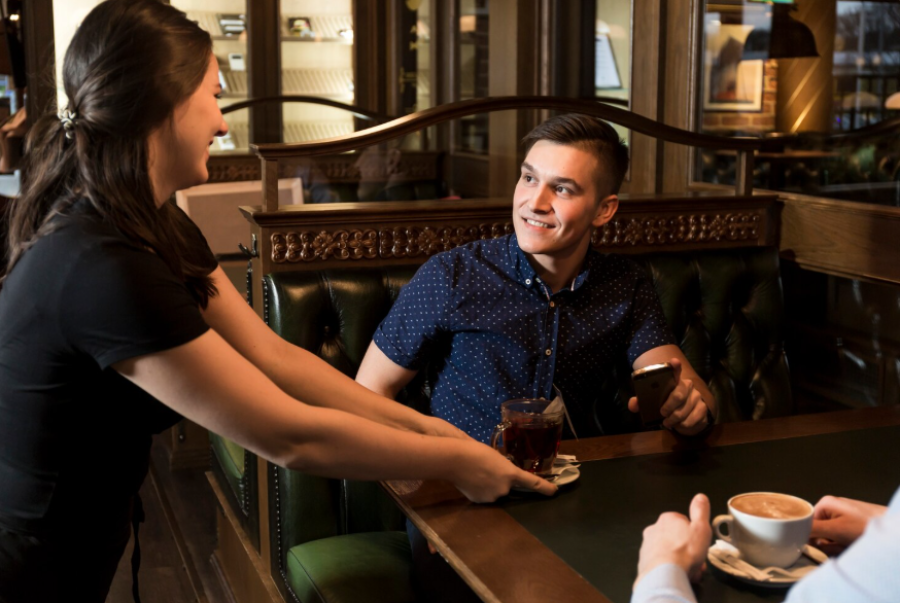
Behind those smiles, there is often a massive internal battle regarding “tip pooling,” where servers must share their earnings with bartenders and busboys. If your waiter seems extra attentive to a table that isn’t yours, they might be trying to make up for a a non-tipper earlier in the night. This internal economy dictates the mood of the entire staff, and a single bad tip can cause a “butterfly effect” of poor service for the rest of the dining room.
11. Bread baskets are often recycled
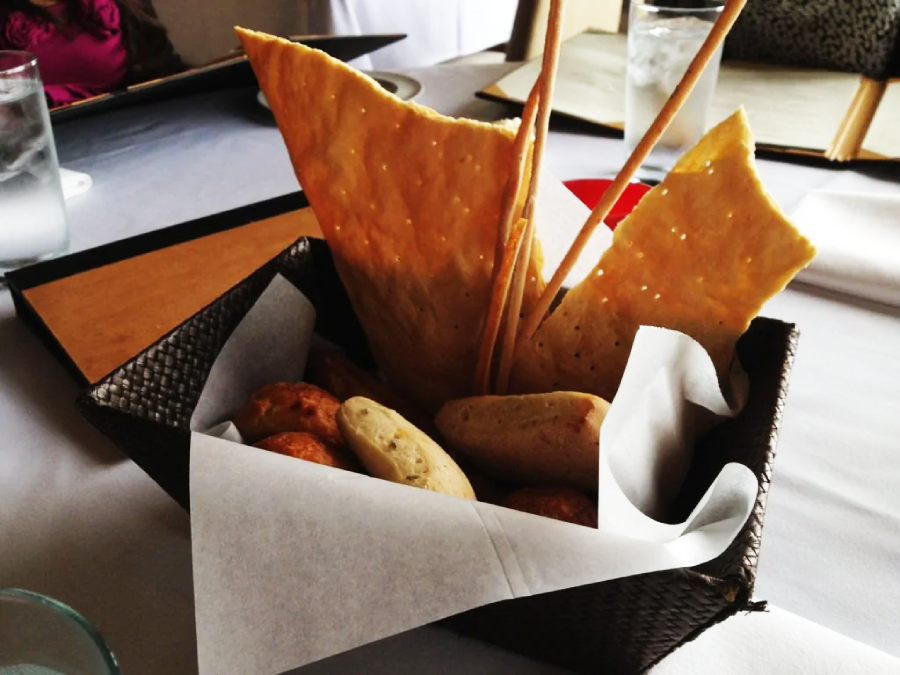
It is an open secret in the industry that if a bread basket comes back to the kitchen mostly full, the “good” rolls might just be tossed into the next person’s basket. While health codes strictly forbid this, the fast-paced nature of a dinner rush makes it tempting for a tired busboy to avoid waste. To be safe, always check if your bread feels fresh and warm; if it’s cold and hard, it might have already visited another table.
12. The power of “sympathy” tipping
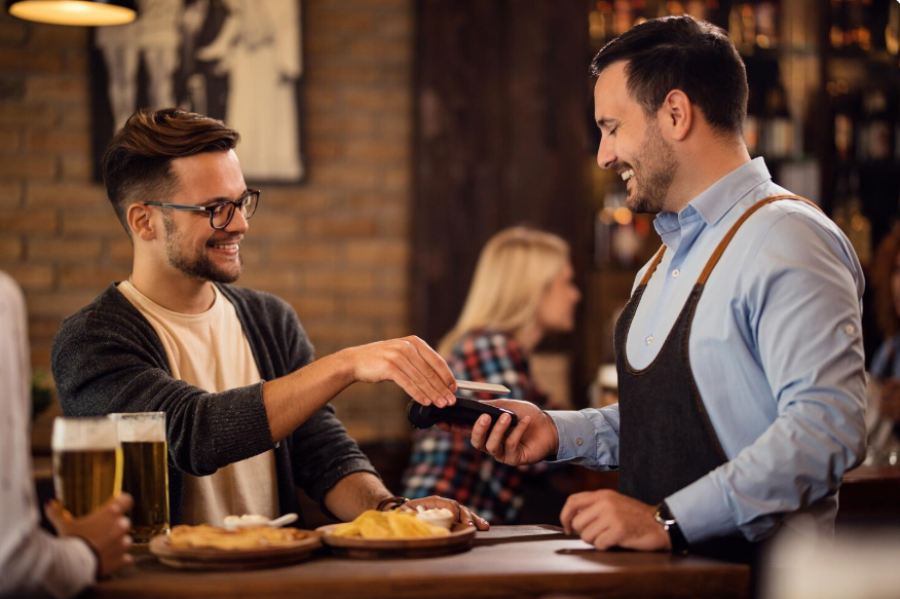
Many servers are trained to use subtle psychological cues to increase their tips, such as drawing a small “smiley face” on the check or lightly touching a customer’s arm. This is a calculated move to create a human connection that makes it harder for the diner to leave a small tip. These “micro-gestures” have been scientifically proven to increase tip percentages, even if the service was only mediocre.
13. Your waiter knows your date is going badly
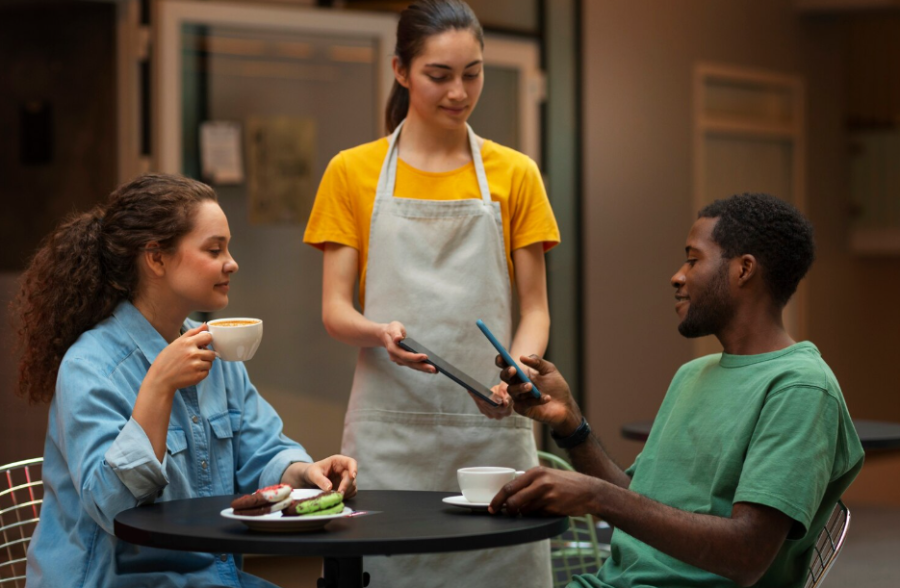
A seasoned waiter can tell within thirty seconds if a first date is a disaster just by the body language and the “order of operations.” They will often linger at the table to provide a “buffer” for awkward silences or speed up the check if they see one person looking for an exit. They’ve seen it all, from secret breakups to awkward Tinder meetups, and they are usually rooting for you behind the scenes.
14. The truth about “freshly squeezed” juice
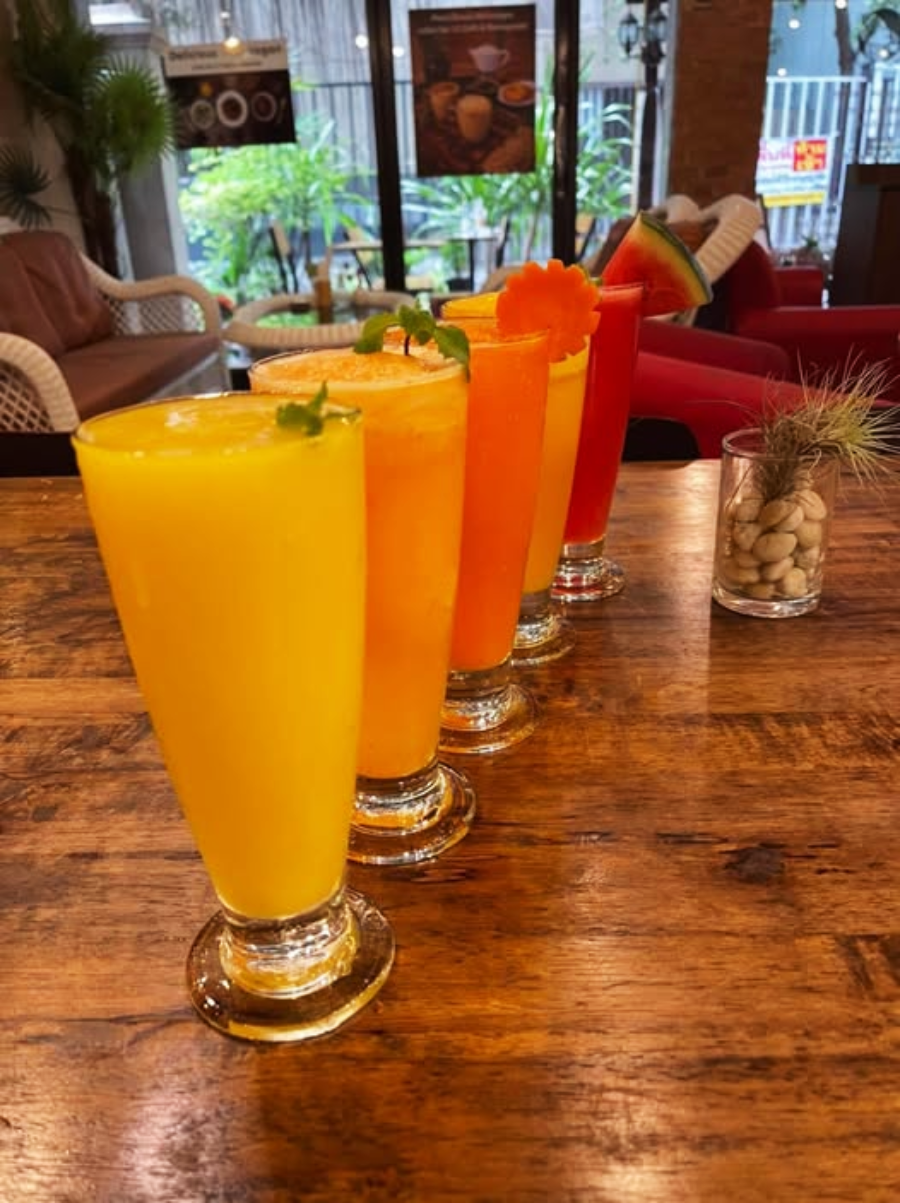
Unless you actually see a mechanical juicer working at the bar, that “fresh-squeezed” orange juice probably came from a carton or was squeezed days ago. True fresh juice separates and loses its vibrant color within hours, so many places use “cold-pressed” bottled versions and call them fresh to justify the $8 price tag. It’s a labeling loophole that allows restaurants to charge a premium for a product that was made in a factory.
15. The invisible service charge
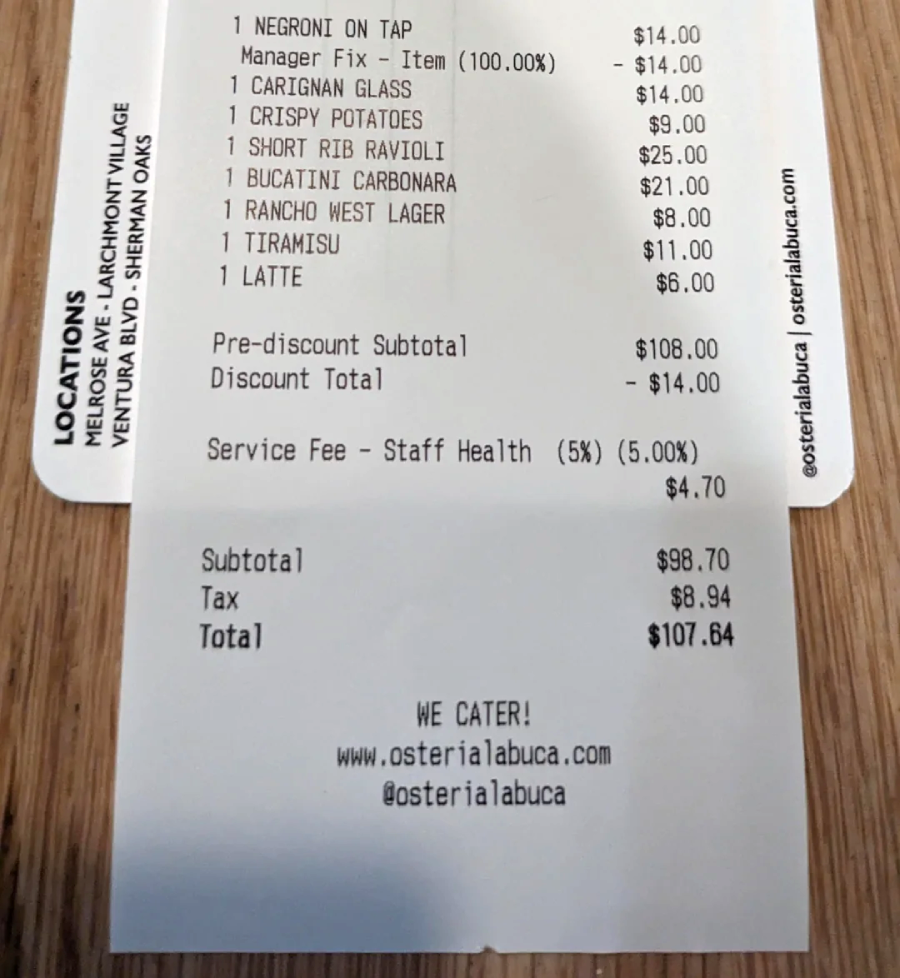
Many modern restaurants are now adding “wellness fees” or “staff appreciation” percentages to the bottom of the bill that aren’t technically tips. These fees often go toward the restaurant’s overhead or insurance costs rather than directly into the pocket of your server. Always check the fine print to see if that 18% is actually a gratuity or just a hidden price hike for the business.
Want more fun facts?
Peeking behind the kitchen door reveals that the dining experience is a carefully managed performance where your waiter plays the lead role. Knowing these trade secrets doesn’t have to ruin your next meal, but it definitely helps you make better choices, like skipping that Monday fish special! If you want to see more hidden truths in the world around us, check out these 20 Fast Food Fails That Should Never Have Left the Kitchen, or these 20 Food Plating Fails From ‘Fancy’ Restaurants. You can also enjoy these 18 Everyday Habits You’re Probably Doing Wrong.