
Science has answered questions that once seemed impossible, from what stars are made of to how diseases spread. Some much older puzzles have been far more stubborn. Researchers can now examine brains in real time, sequence entire genomes, and simulate systems containing billions of variables, yet a surprising number of basic questions remain unsettled. In several cases, scientists understand pieces of the answer remarkably well without agreeing on how those pieces fit together.
1. How Did Life Begin?

Charles Darwin was already speculating about life emerging in a “warm little pond” in the 19th century, long before scientists knew about DNA or the detailed chemistry inside cells. Modern origin-of-life research has produced several plausible routes from simple chemistry to more complex molecules, including scenarios involving shallow ponds, hydrothermal environments, and chemical reactions on mineral surfaces. Experiments have also shown that amino acids and other organic compounds can form under conditions intended to resemble parts of the early Earth. The difficult part is connecting those steps into a convincing path from nonliving chemistry to the first system capable of evolution.
2. What Actually Creates Consciousness?
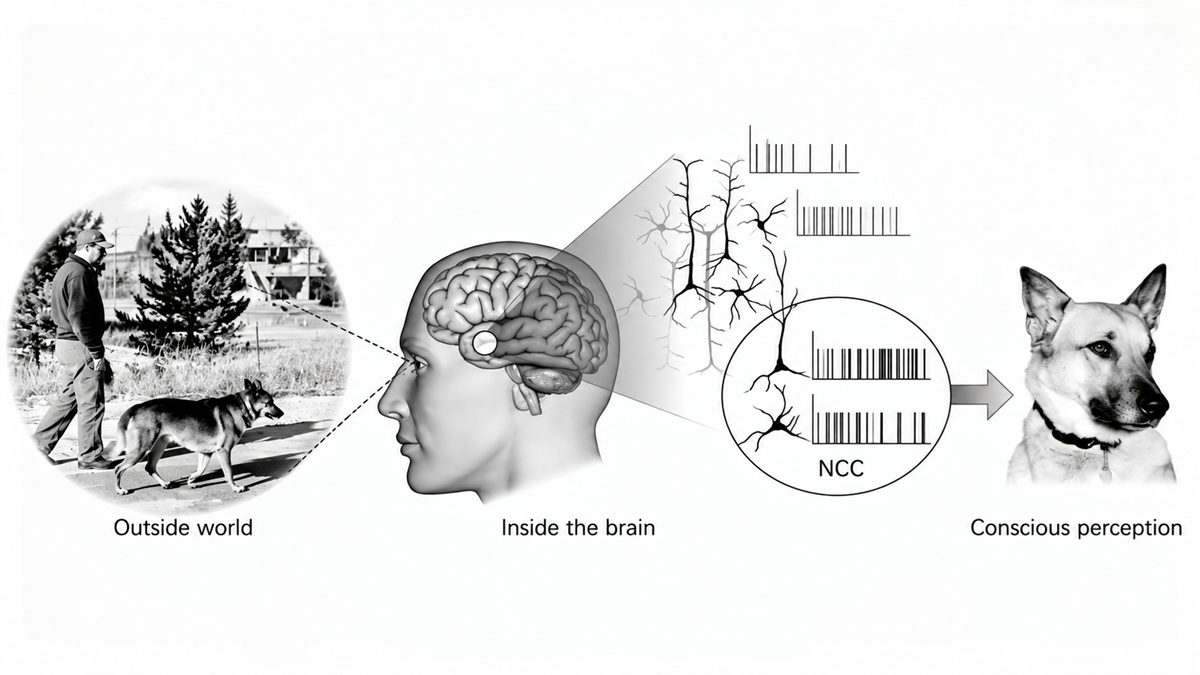
Brains clearly produce conscious experience, but that observation does not explain how electrical signals and chemical reactions become sights, sounds, pain, memories, or the feeling of being a person. Researchers can identify brain regions and networks associated with awareness, and injuries or drugs can dramatically alter it. What remains unsettled is whether consciousness emerges from a particular kind of information processing, communication between certain brain regions, some broader property of neural activity, or something current theories have not captured. The question has moved from philosophy into laboratories, but the central mystery is still there.
3. Why Do We Need to Sleep?

Sleep became an experimental scientific subject during the second half of the 19th century, and researchers have since identified plenty of things that happen while animals sleep. Memory processing, metabolism, immune activity, brain maintenance, and energy use are all involved. What scientists still debate is why sleep itself evolved as such a vulnerable and seemingly unavoidable state instead of those functions simply occurring while an animal remains awake. More than a century of sleep research has produced many answers about what sleep does, but no single explanation for why it exists.
4. What Are Dreams For?

Humans have been interpreting dreams for thousands of years, but their biological purpose remains surprisingly uncertain. Some theories connect dreaming with memory consolidation, emotional processing, threat simulation, or the brain simply constructing a story from unusual activity during sleep. Researchers can study when dreams occur and which brain systems participate, but there is still no accepted explanation for why the sleeping brain generates such elaborate experiences.
5. Why Do Living Things Age?
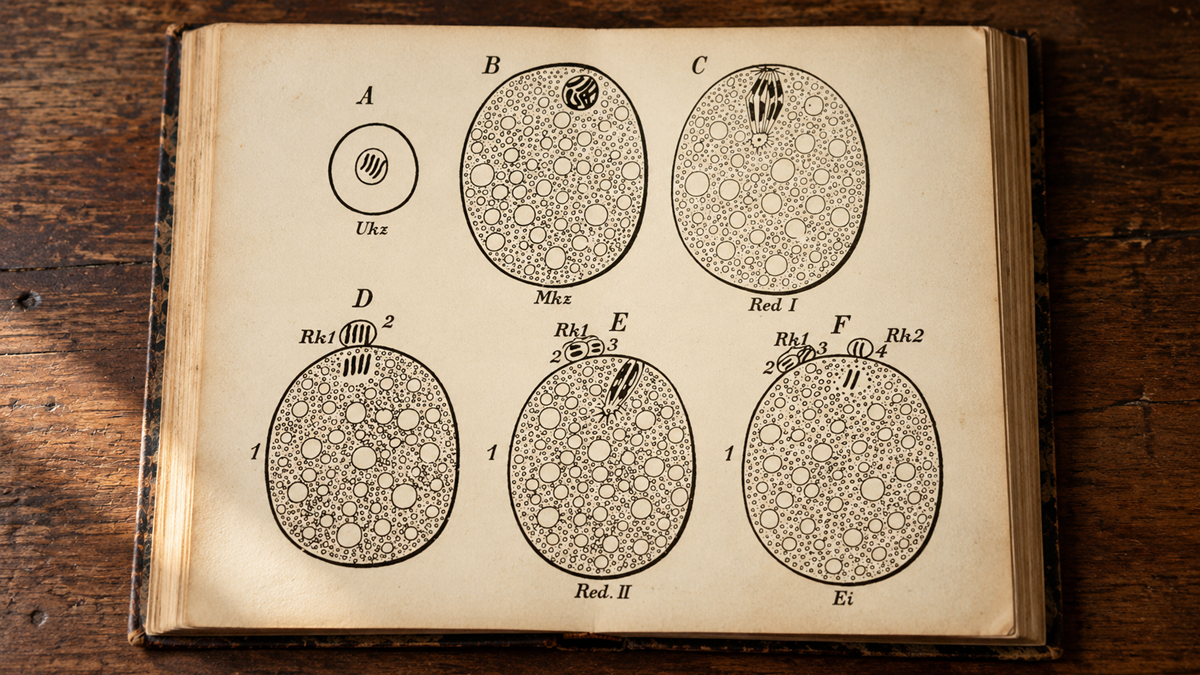
By the 1880s, biologists were already proposing evolutionary explanations for aging. Today researchers know far more about cellular damage, DNA repair, inflammation, metabolism, senescent cells, and other processes associated with getting older. That has not produced one universally accepted answer to the larger question of why organisms age in the particular ways they do. Aging appears to involve several interacting processes rather than one internal clock slowly running down.
Trending on The Scroller


6. Why Is Turbulence So Difficult to Predict?
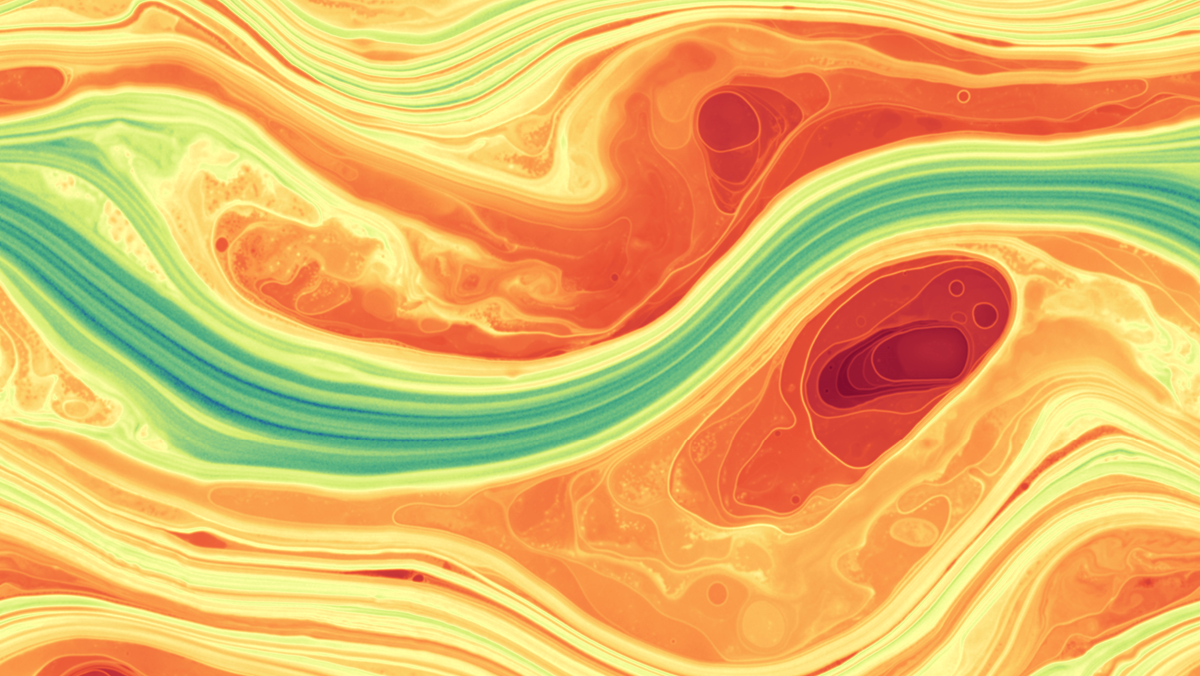
Watch smoke curl through the air or water churn behind a boat, and turbulence looks almost ordinary. Mathematically, it is anything but. Scientists have studied turbulent flow since the 19th century, and the equations describing fluids are well known, yet predicting exactly how complex turbulence develops across different scales remains extremely difficult. It is one of those problems where knowing the rules does not mean knowing what the system will do.
7. What Causes Ball Lightning?
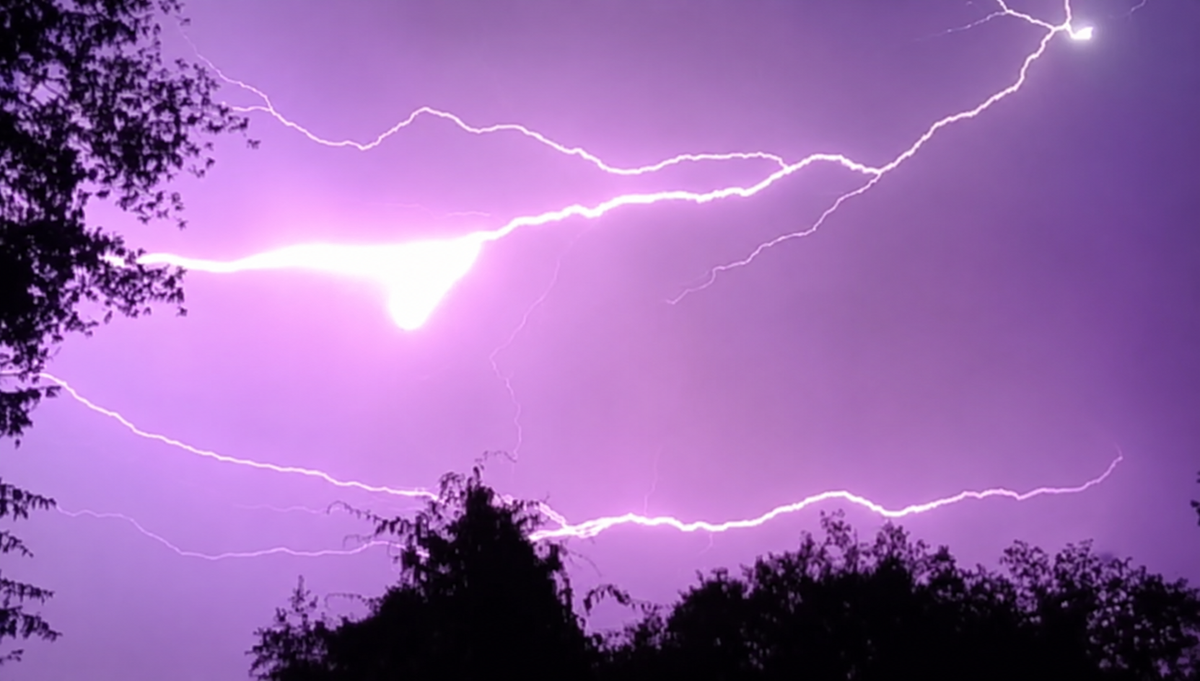
Reports of glowing spheres appearing during storms go back centuries, with witnesses describing luminous objects that drift, move unpredictably, and sometimes vanish explosively. Scientists have proposed explanations involving plasma, vaporized material from the ground, electromagnetic effects, and unusual chemical reactions. Laboratory experiments can produce phenomena that resemble parts of eyewitness descriptions, but there is still no model that neatly explains every credible observation. Even deciding whether all reports describe the same physical phenomenon is difficult.
8. How Do Animals Know Where They Are Going?

A bird can cross continents and return to a familiar breeding ground, while sea turtles and salmon can travel enormous distances toward places connected with their early lives. Experiments show that animals may use stars, the Sun, odors, landmarks, polarized light, and Earth’s magnetic field, often combining several systems. Magnetoreception itself was proposed in the 1800s, yet researchers are still investigating exactly how some animals detect magnetic information and how their brains convert different environmental cues into a working map.
Sign up for our newsletter
9. How Does Earth’s Magnetic Field Really Work?

The basic picture sounds straightforward: movement of electrically conducting liquid iron in Earth’s outer core helps generate the planet’s magnetic field. The real geodynamo is considerably messier. Scientists still investigate how the flow inside the core maintains the field, why its strength changes, and what controls the irregular pattern of magnetic reversals recorded in ancient rocks. We can measure the field with extraordinary precision without being able to forecast its long-term behavior with the same confidence.
10. Where Does a Memory Physically Exist?
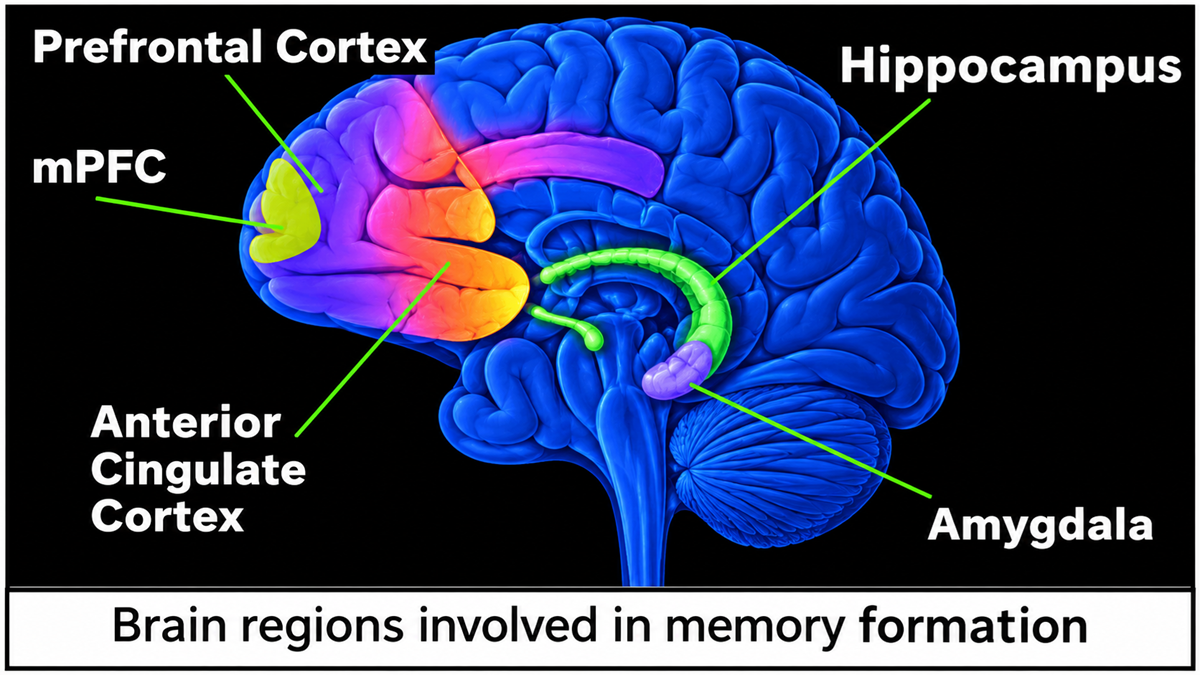
In 1904, German scientist Richard Semon introduced the term “engram” for the physical trace supposedly left in the nervous system by an experience. More than a century later, neuroscientists can identify groups of cells involved in forming and retrieving particular memories, and experiments in animals can even manipulate some of those cells. But a memory is not simply stored in one tiny brain location like a file on a hard drive. Exactly how distributed neural changes preserve detailed experiences for years, then reconstruct them during recall, remains an active problem.
11. How Does General Anesthesia Switch Off Consciousness?
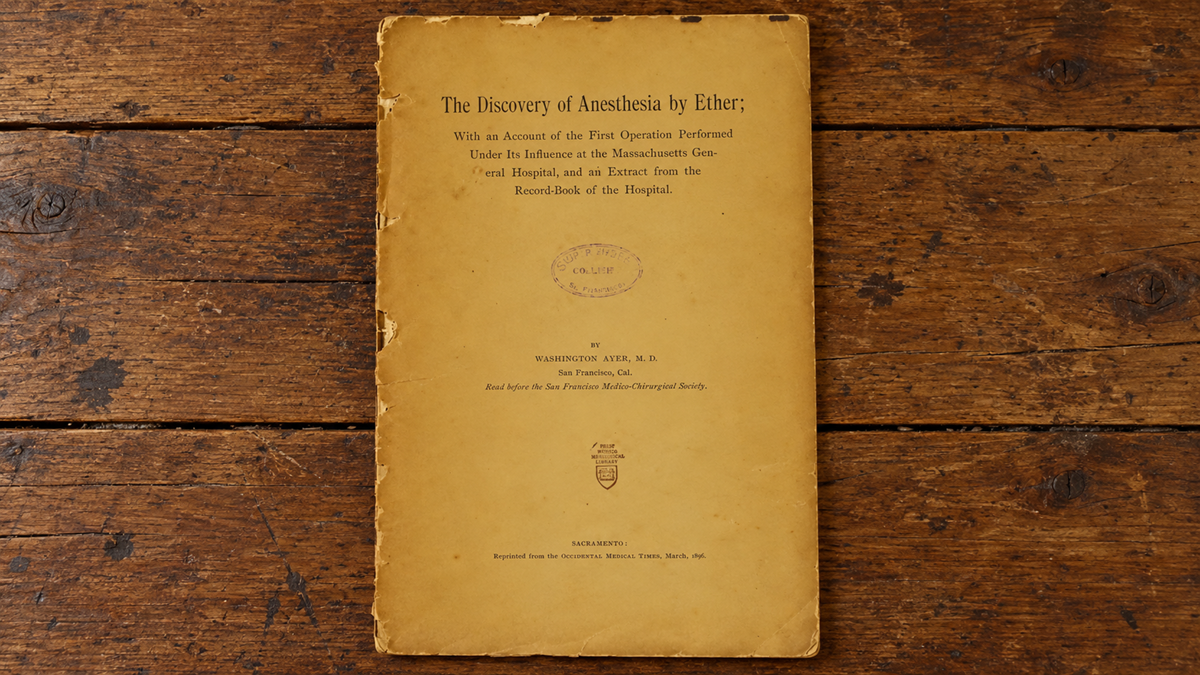
Doctors have been intentionally rendering patients unconscious since the 19th century, with the famous public ether demonstration at Massachusetts General Hospital taking place in 1846. Modern anesthesiologists know a great deal about the receptors and neural circuits affected by different drugs, but general anesthesia is not produced through one simple biological switch. Different anesthetics can disrupt consciousness, memory, movement, and pain processing through partly different mechanisms. Understanding exactly how those molecular effects add up to the disappearance of conscious experience remains tied to the larger mystery of consciousness itself.
12. What Causes Déjà Vu?

The strange feeling that a completely new situation has happened before was already being discussed in medical and psychological literature during the late 19th century. Today, researchers generally connect déjà vu with memory systems rather than anything paranormal, and temporal-lobe activity appears to be important. The precise sequence that creates the sudden, convincing sense of familiarity is still debated, partly because ordinary déjà vu is brief and difficult to produce reliably in a laboratory.
13. Why Are Most Humans Right-Handed?

Human handedness is remarkably uneven, with right-handedness far more common than left-handedness across populations. Genetics clearly contributes, as do brain development and possibly prenatal influences, but researchers have never found a simple genetic switch that explains the pattern. The evolutionary question is equally interesting: if left-handedness works perfectly well, why did one preference become so common in our species? Decades of competing genetic, developmental, and environmental explanations have yet to produce a complete answer.
14. Why Do We Yawn?

Yawning appears simple until someone tries to explain it. Suggestions have included increasing oxygen, regulating brain temperature, shifting alertness, communicating social information, and helping the body move between different behavioral states. Some older explanations have lost support, while newer ones explain certain observations better. A single theory that accounts for spontaneous yawning, contagious yawning, and its appearance across many animal species has remained elusive.
15. What Really Causes a Migraine?

Migraine has been described by physicians for centuries, yet its biology has proved difficult to reduce to one cause. Researchers now know that the trigeminal nervous system, brain signaling pathways, genetics, and molecules such as calcitonin gene-related peptide, or CGRP, can play important roles, discoveries that have led to much better treatments. Even so, scientists are still working out why an attack begins at a particular moment, why symptoms differ so much between people, and why triggers that matter one day may do nothing the next. Modern medicine can increasingly interrupt a migraine without completely explaining the chain of events that started it.
In the mood for more?
Check out 20 Real Science Facts That Sound Like Internet Lies, or take a look at 15 Geographic Facts About Planet Earth. If you want to read more mysteries of science, you can check out 15 Ancient Inventions So Advanced They Still Raise Questions Today.