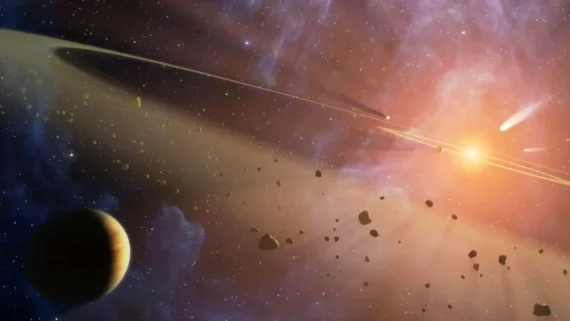
Space exploration has transformed our understanding of the Solar System we call home, revealing a collection of worlds that are far more dynamic and strange than scientists ever imagined. Beyond the familiar sight of the Moon and the bright planets in the night sky lies a realm of extreme environments, giant storms, and mysterious celestial bodies. Studying the Solar System allows us to uncover the remarkable history of how our Sun and planetary neighbors formed over billions of years.
From massive volcanoes that dwarf Earth’s highest peaks to liquid methane lakes and supercharged planetary magnetospheres, cosmic discoveries continue to reshape astronomy. Every robotic probe and space telescope sent into the void brings back intriguing details about distant moons, icy comets, and hidden oceans locked beneath thick crusts of ice. Here are sixteen fascinating facts about our Solar System that highlight the breathtaking wonder of the cosmos.
1. Venus spins in the opposite direction of most planets
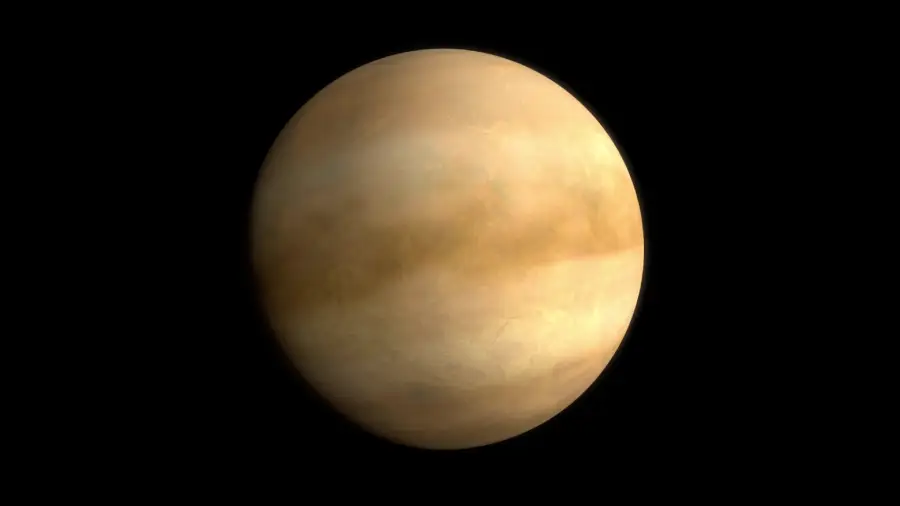
While most planets rotate counterclockwise on their axes, Venus experiences retrograde rotation, spinning clockwise from east to west. Scientists believe a massive collision with a giant protoplanet during the early days of the planetary system knocked Venus upside down or completely reversed its rotational spin.
2. Olympus Mons on Mars is three times taller than Mount Everest
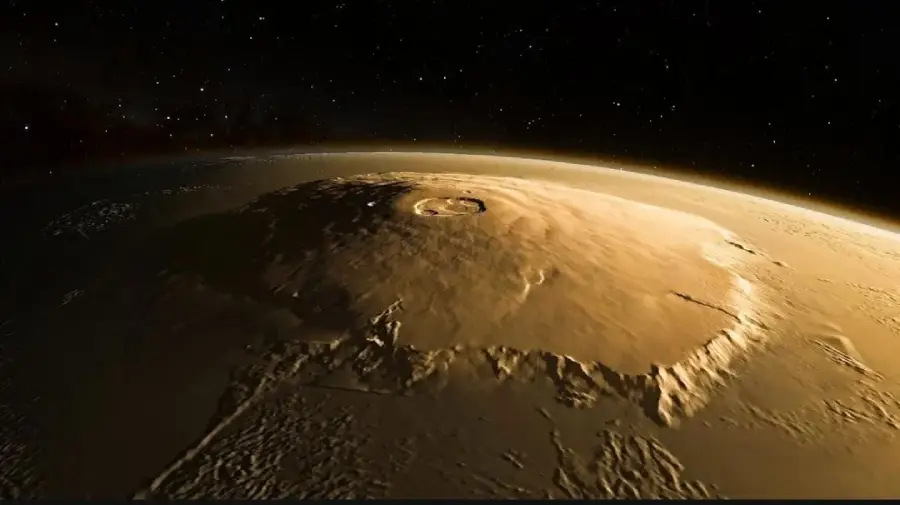
Situated in the Tharsis volcanic region, Olympus Mons stands as the tallest mountain and volcano on any planet in our cosmic neighborhood. Because Mars lacks active tectonic plates, the planetary crust has remained fixed over a single volcanic hotspot for millions of years, allowing lava to continuously pile up to an astounding height of over thirteen miles.
3. Jupiter has a storm that has raged for centuries
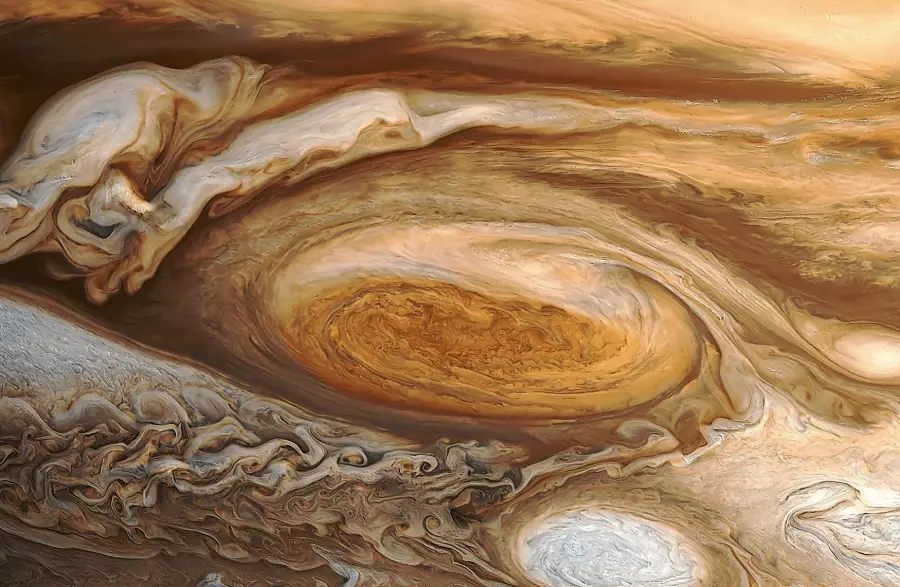
The famous Great Red Spot on Jupiter is a colossal anticyclonic storm large enough to swallow the entire planet Earth whole. Astronomers have continuously tracked this swirling atmospheric beast since the mid-nineteenth century, though historical observations suggest it may have been churning in the gas giant’s atmosphere for over three hundred years.
4. Saturn is the only planet dense enough to float in water
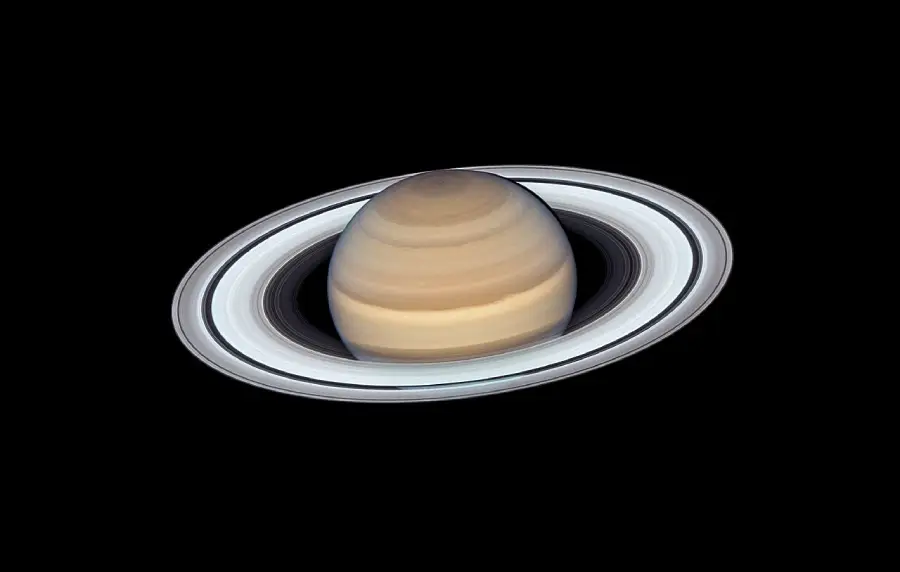
Despite being the second largest world in our planetary system, Saturn is composed mostly of hydrogen and helium gas. Its average density is so low that if you could construct a bathtub large enough to hold it, the ringed giant would easily float on the water’s surface.
5. A year on Mercury is shorter than its day
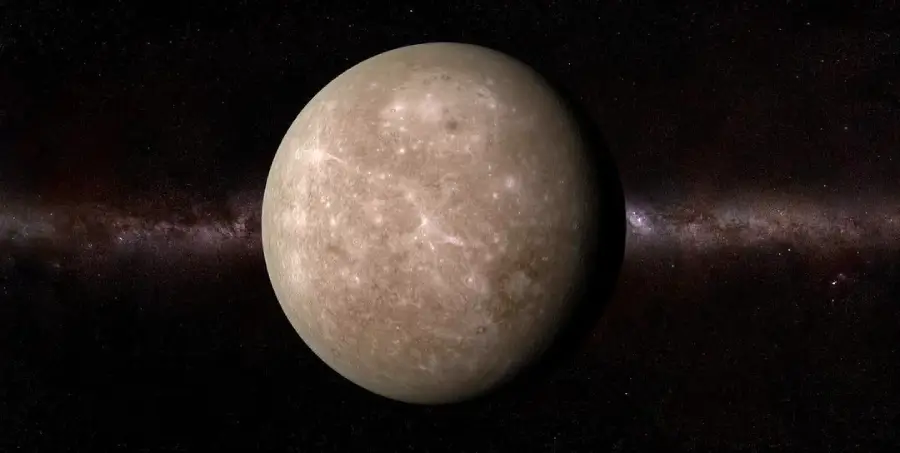
Mercury orbits the Sun at an incredible speed, completing one full revolution in just eighty-eight Earth days. However, due to its slow axial spin and gravitational lock with the Sun, it takes Mercury one hundred and seventy-six Earth days to experience a single sunrise-to-sunrise cycle, making its day twice as long as its year.
Trending on The Scroller


6. Uranus tilts so far that it rotates almost on its side
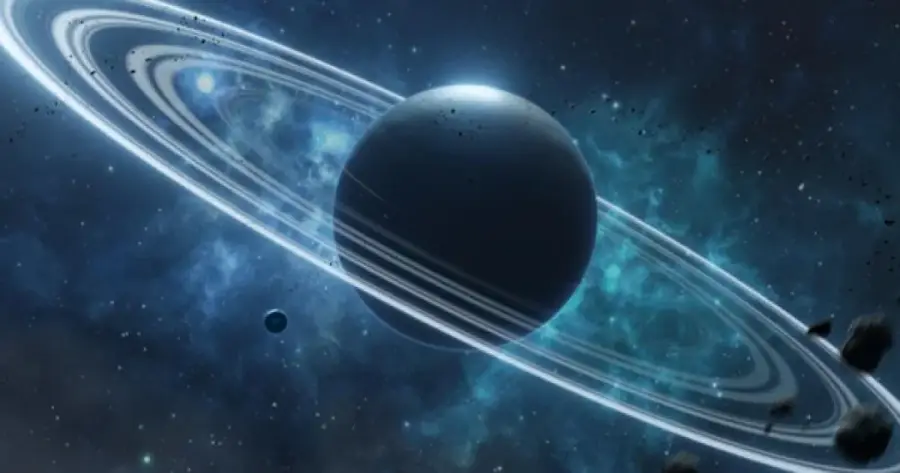
Uranus features an extreme axial tilt of ninety-eight degrees, causing its poles to point almost directly at the Sun. This unique orientation means each pole receives forty-two years of continuous daylight followed by forty-two years of continuous darkness during its eighty-four-year orbit.
7. Neptune features winds faster than the speed of sound
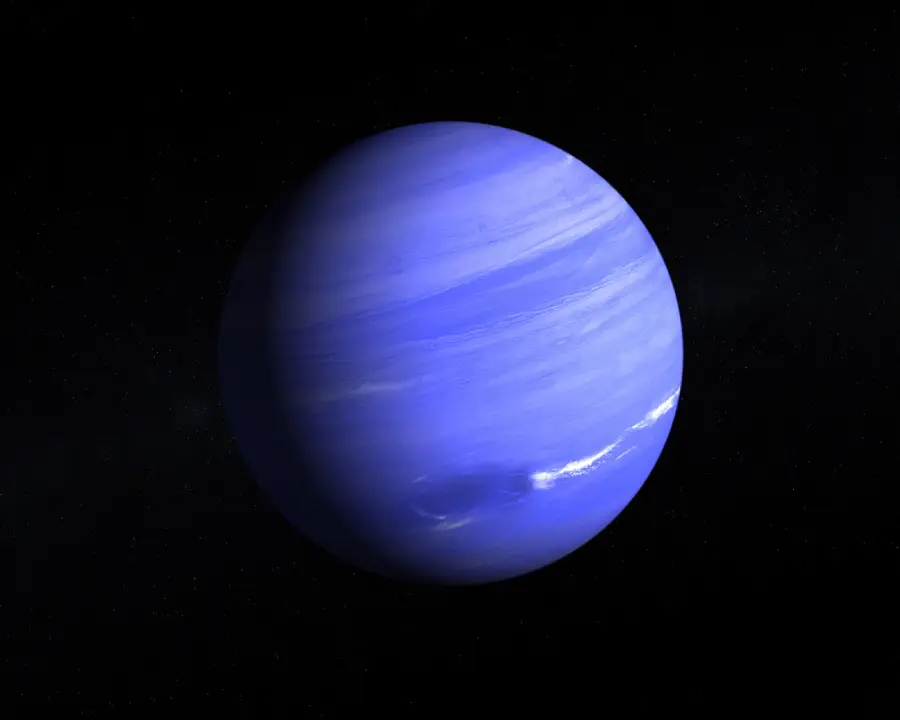
Despite being the furthest official planet from the heat of the Sun, Neptune drives the most violent weather in the planetary neighborhood. Deep in its icy atmosphere, supersonic wind speeds have been measured reaching over thirteen hundred miles per hour, creating massive dark spot storms that suddenly appear and disappear.
8. Jupiter’s moon Ganymede has its own magnetic field
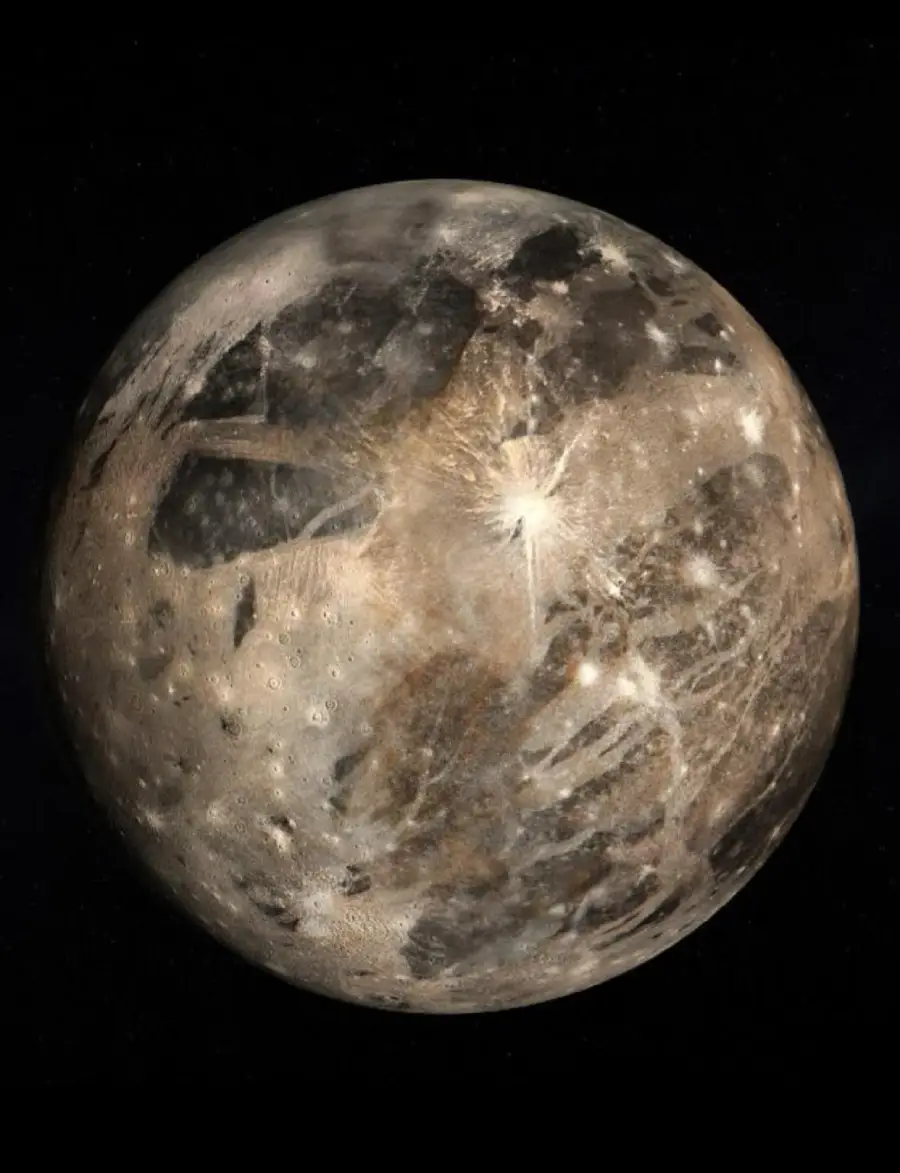
Ganymede is not only the largest moon in our neighborhood, surpassing even the planet Mercury in size, but it is also the only moon known to possess an internally generated magnetic field. The liquid iron core of this massive icy world creates auroras that glow at its northern and southern polar regions.
Sign up for our newsletter
9. Enceladus shoots geysers of liquid water into space
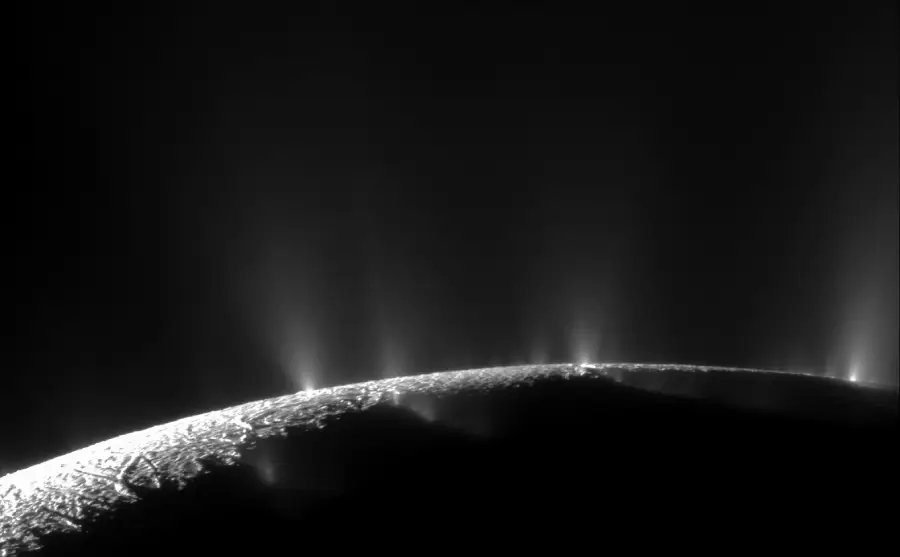
Saturn’s tiny icy moon Enceladus harbors a massive global ocean underneath its frozen outer shell. Powerful icy geysers continuously erupt from fracture lines at its south pole, spewing water vapor, organic molecules, and salt grains into orbit to feed Saturn’s outermost E ring.
10. The Sun contains over 99% of the entire system’s mass
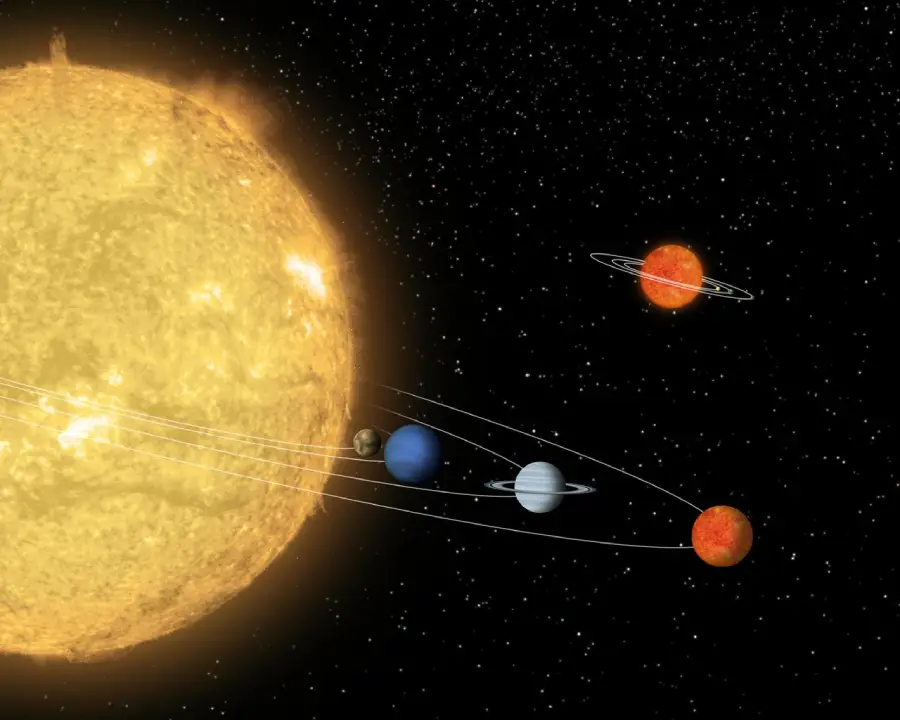
Our central star holds an astounding ninety-nine point eight six percent of all the total mass in the entire planetary family. The vast majority of the remaining fraction of a percent is claimed by Jupiter and Saturn, leaving all other planets, asteroids, and comets to share what tiny bit remains.
11. Titan has rivers, lakes, and seas of liquid methane
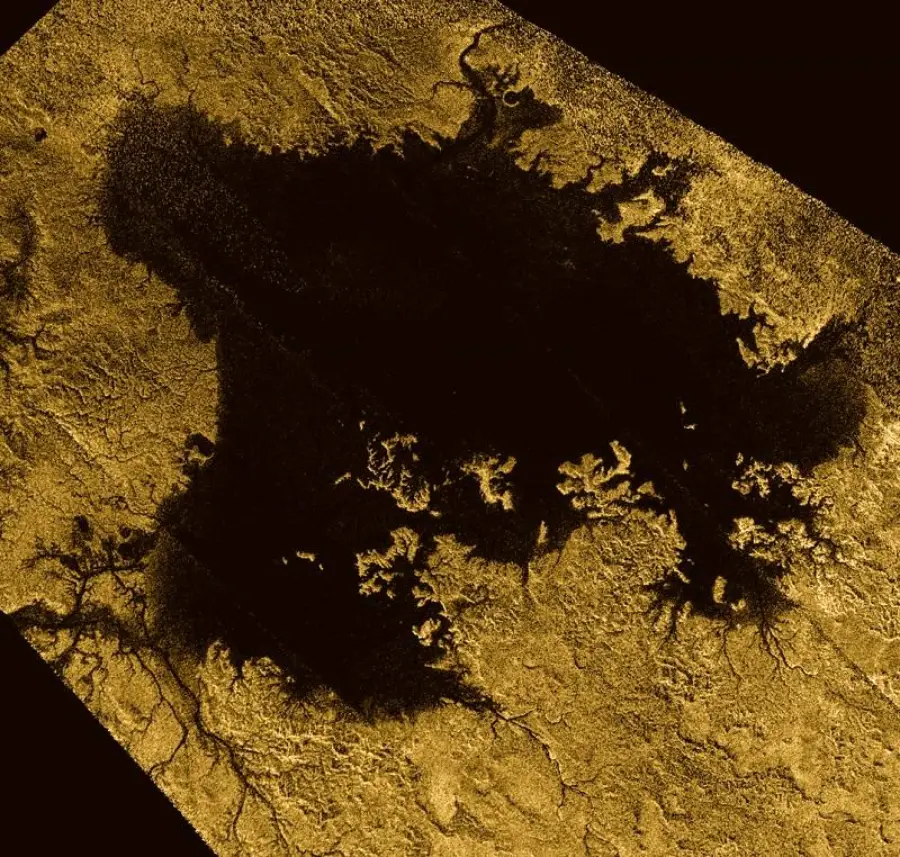
Saturn’s largest moon, Titan, is the only place besides Earth known to host standing bodies of liquid on its surface. However, instead of liquid water, Titan features a complete weather cycle of clouds, rain, rivers, and seas made of liquid ethane and methane, kept at freezing cryogenic temperatures.
12. Europa holds more water than Earth
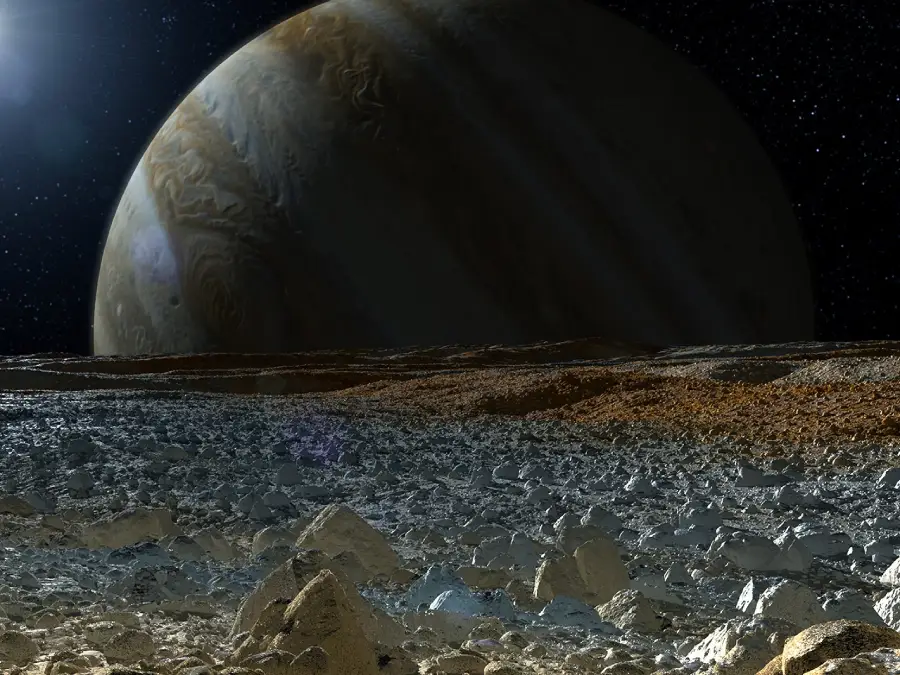
Jupiter’s ocean world, Europa, is covered by a smooth outer shell of water ice that conceals a subsurface saltwater ocean estimated to be up to sixty miles deep. Despite being much smaller than our own planet, Europa holds more than twice the total volume of liquid water found in all of Earth’s oceans combined.
13. The Asteroid Belt is mostly empty space
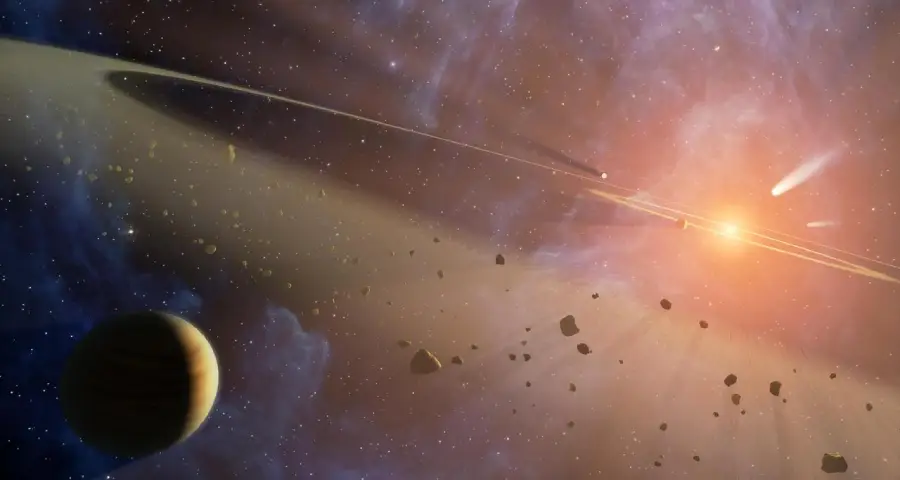
Popular science fiction movies depict asteroid fields packed tight with tumbling boulders, but the real asteroid belt between Mars and Jupiter is incredibly sparse. The average distance between major asteroids is roughly six hundred thousand miles, meaning spacecraft can easily pass straight through without ever encountering a space rock.
14. Triton orbits Neptune backward
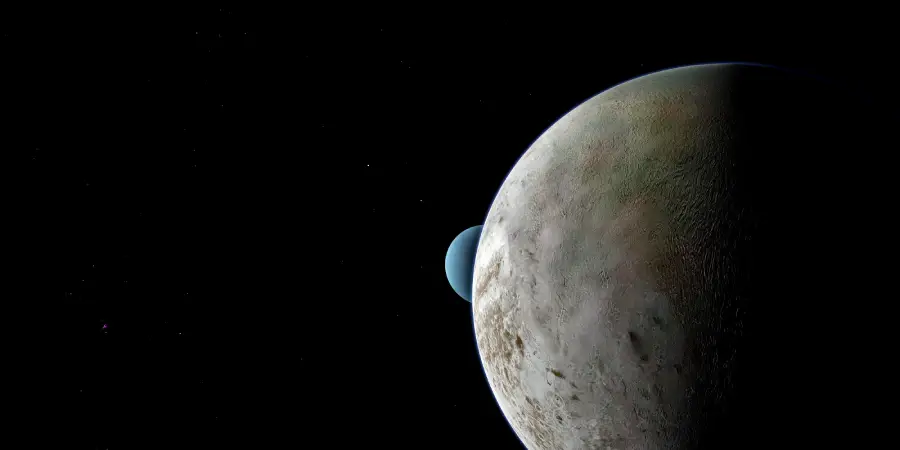
Neptune’s largest moon, Triton, is the only large satellite in the planetary system that travels in a retrograde orbit, opposite to the direction of its host planet’s rotation. This peculiar trajectory proves that Triton did not form alongside Neptune, but was actually a dwarf planet captured from the Kuiper Belt by Neptune’s powerful gravity.
15. Sunlight takes over five hours to reach Pluto
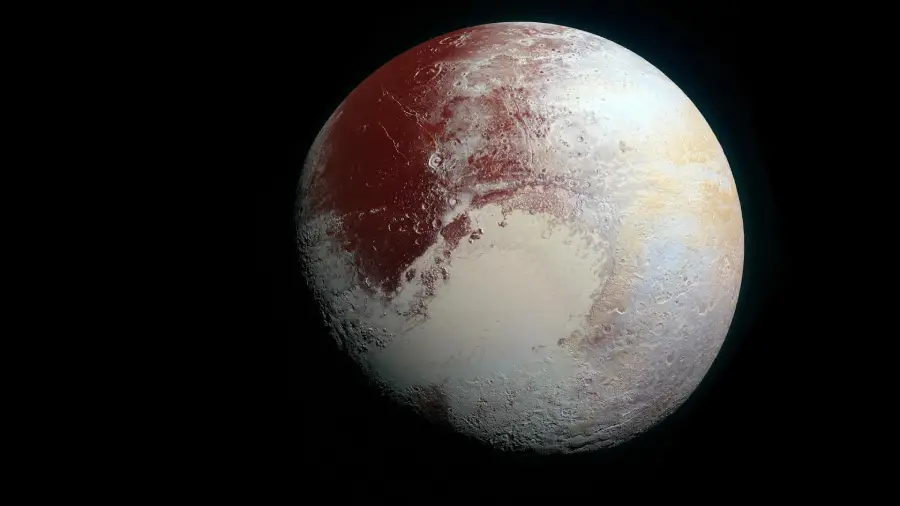
Even traveling at the universal speed limit of one hundred and eighty-six thousand miles per second, a ray of light emitted from the Sun takes about five and a half hours to reach distant Pluto. Out at the edge of the major planetary zone, the Sun appears as a bright, piercing star rather than a warm, radiant disc.
16. The Oort Cloud marks the true edge of our Solar System
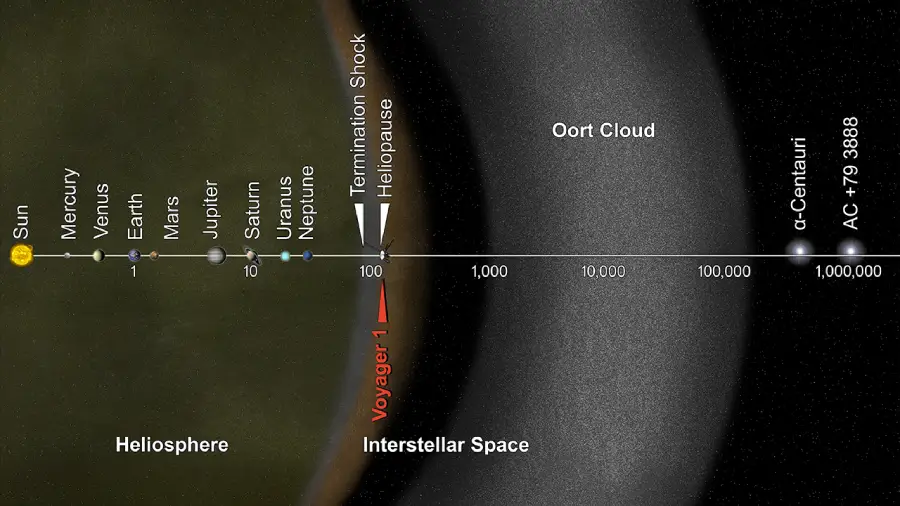
While many people assume Pluto or the Kuiper Belt represents the end of our cosmic neighborhood, the true gravitational boundary extends to the Oort Cloud. This giant spherical shell of icy cometary bodies stretches nearly halfway to the nearest neighboring star, reaching a distance of roughly one light-year from the Sun.
Check out more fascinating facts:
Exploring the remarkable phenomena, extreme environments, and cosmic mysteries of our celestial neighborhood highlights just how fascinating space science truly is. As technology advances, every new space mission continues to reveal astonishing secrets about our place in the universe. If you love discovering space facts, science archives, and fascinating deep dives, be sure to check out these 15 Amazing Facts About the Hubble Telescope, or 20 Science Facts That Sound Fake but Are Actually Real. You may also like these 17 Haunting Facts About Chernobyl, 40 Years After Disaster.